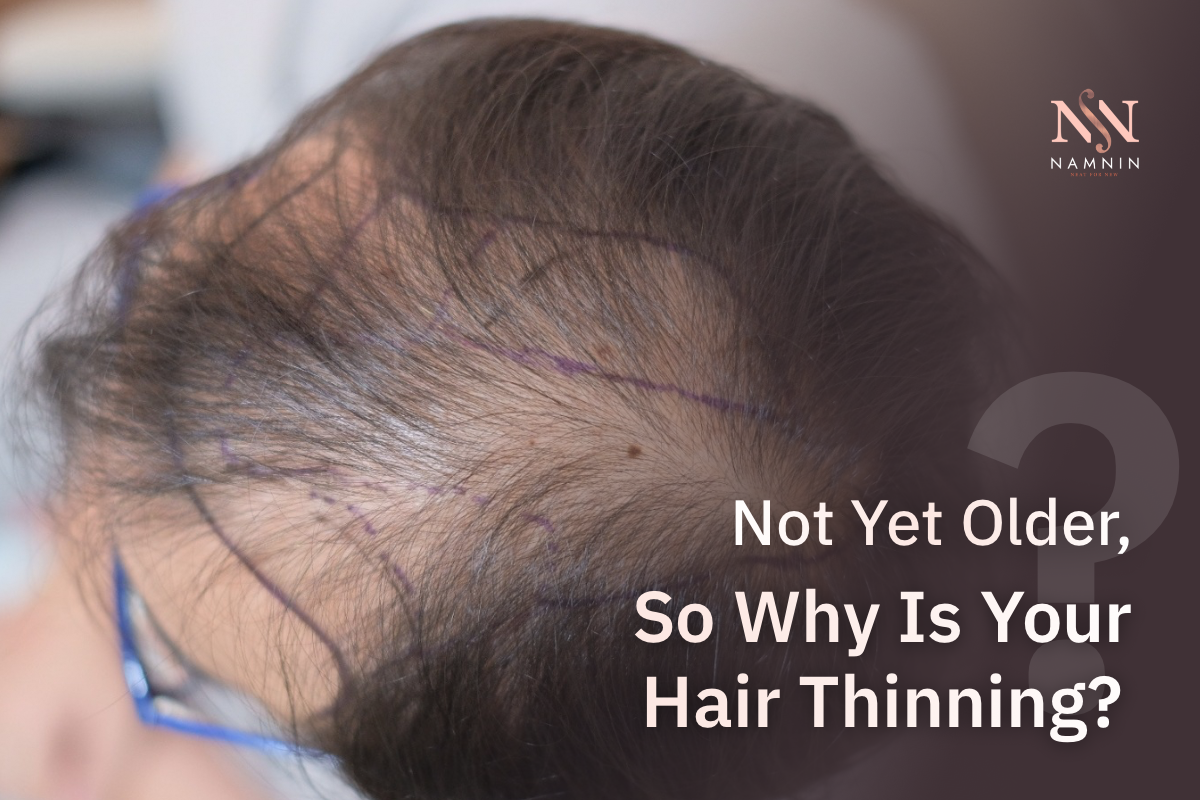
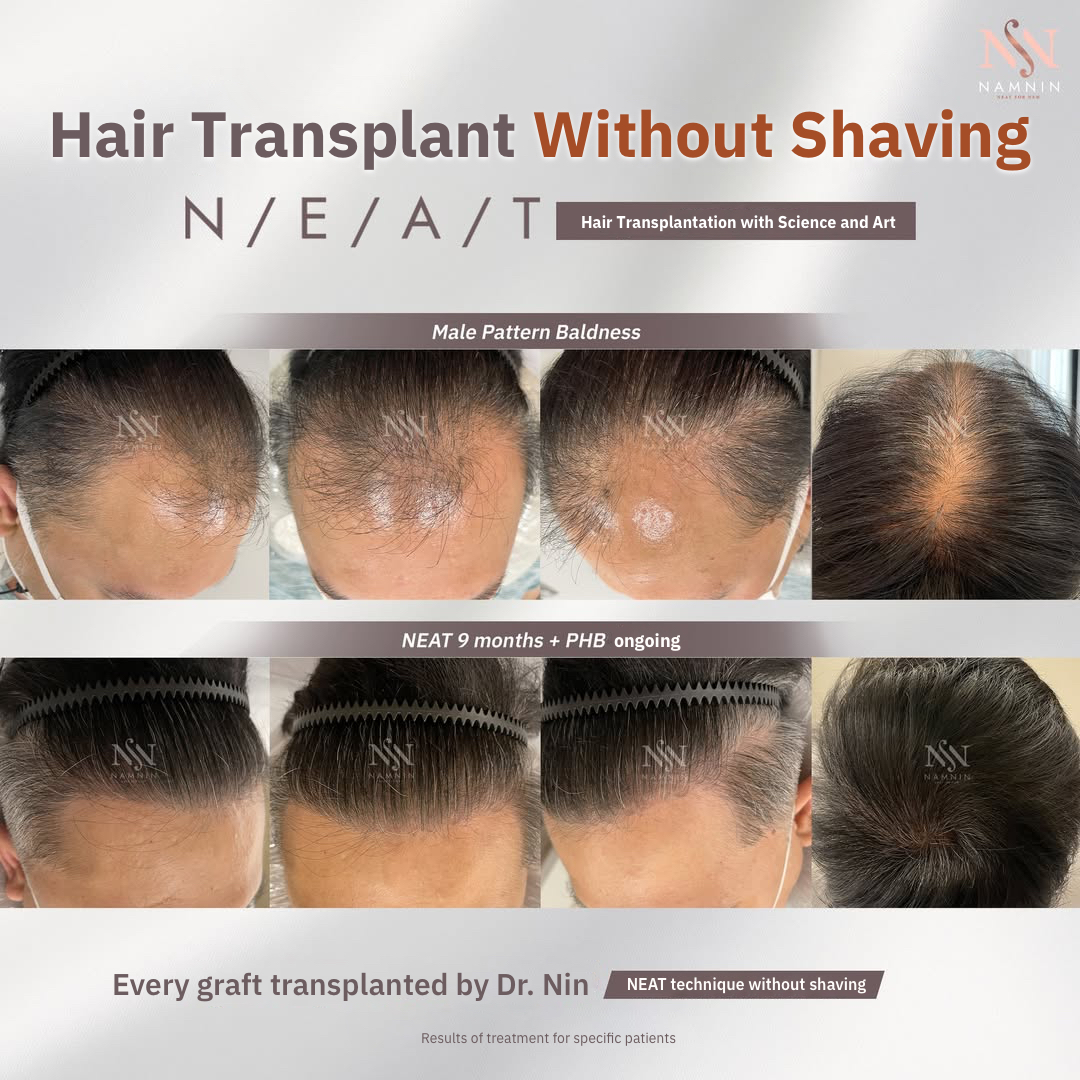
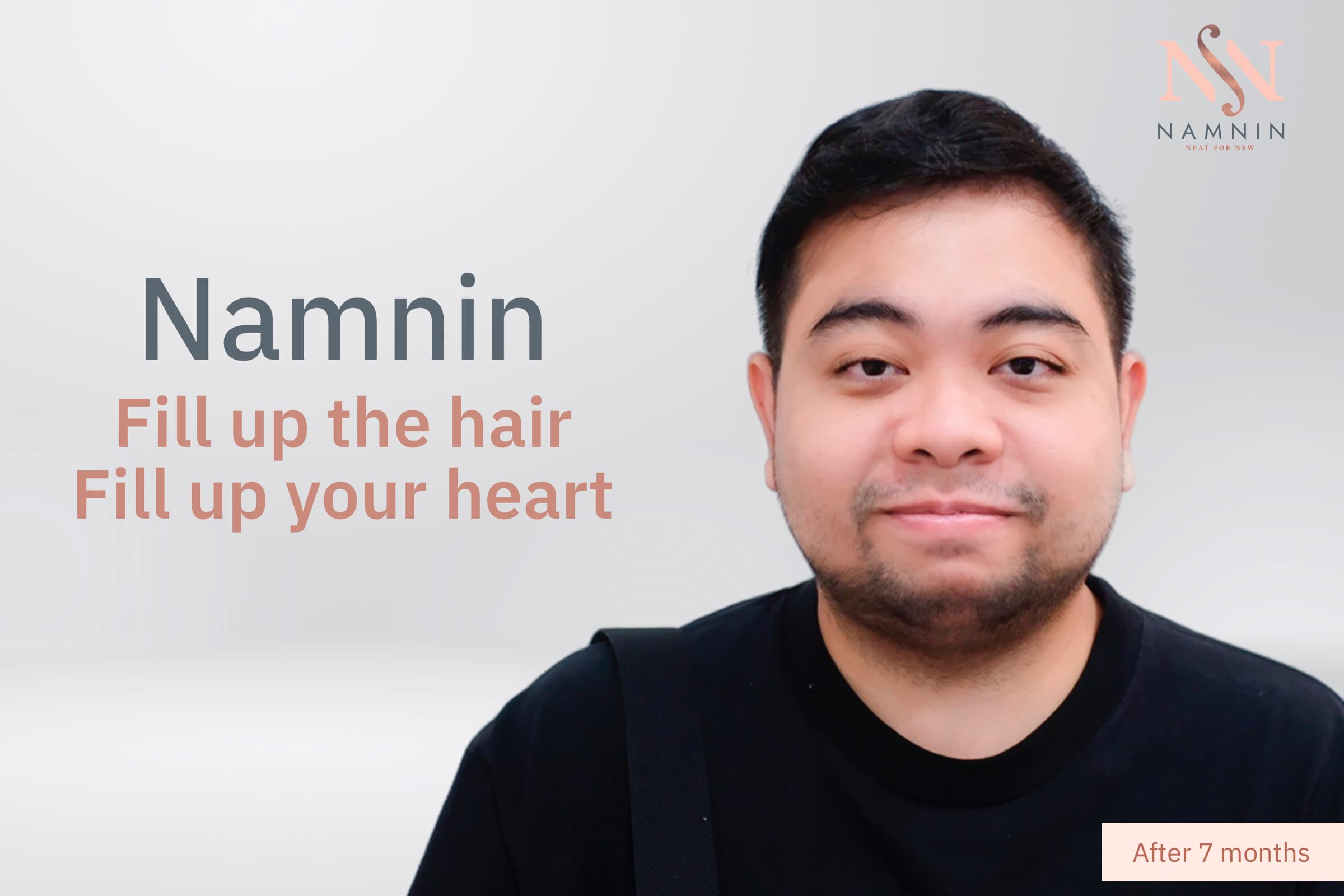
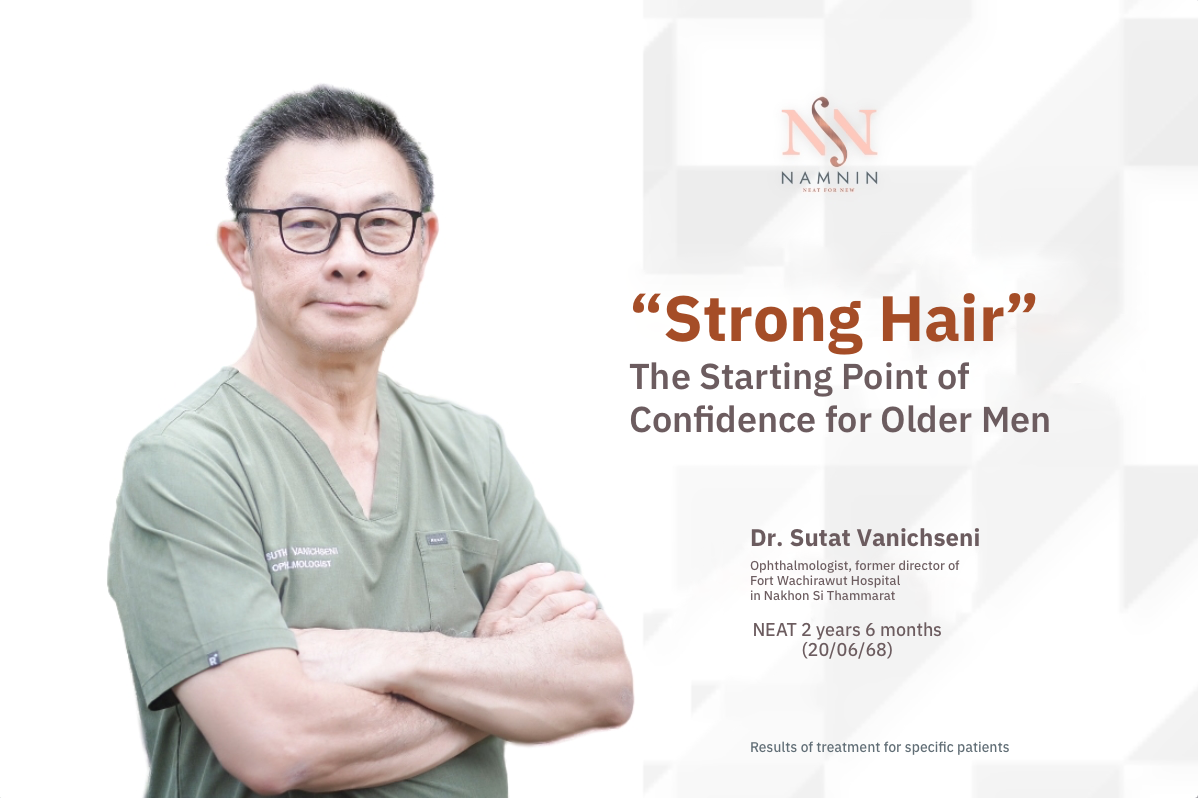
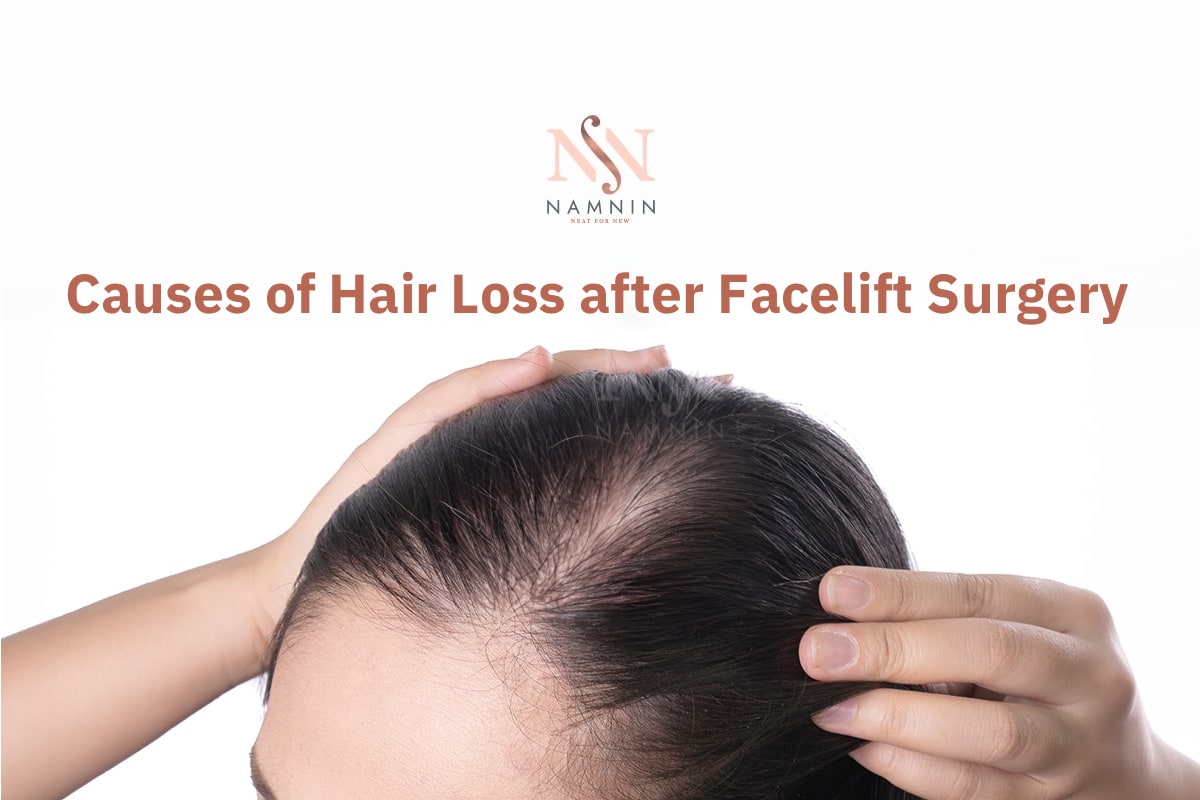
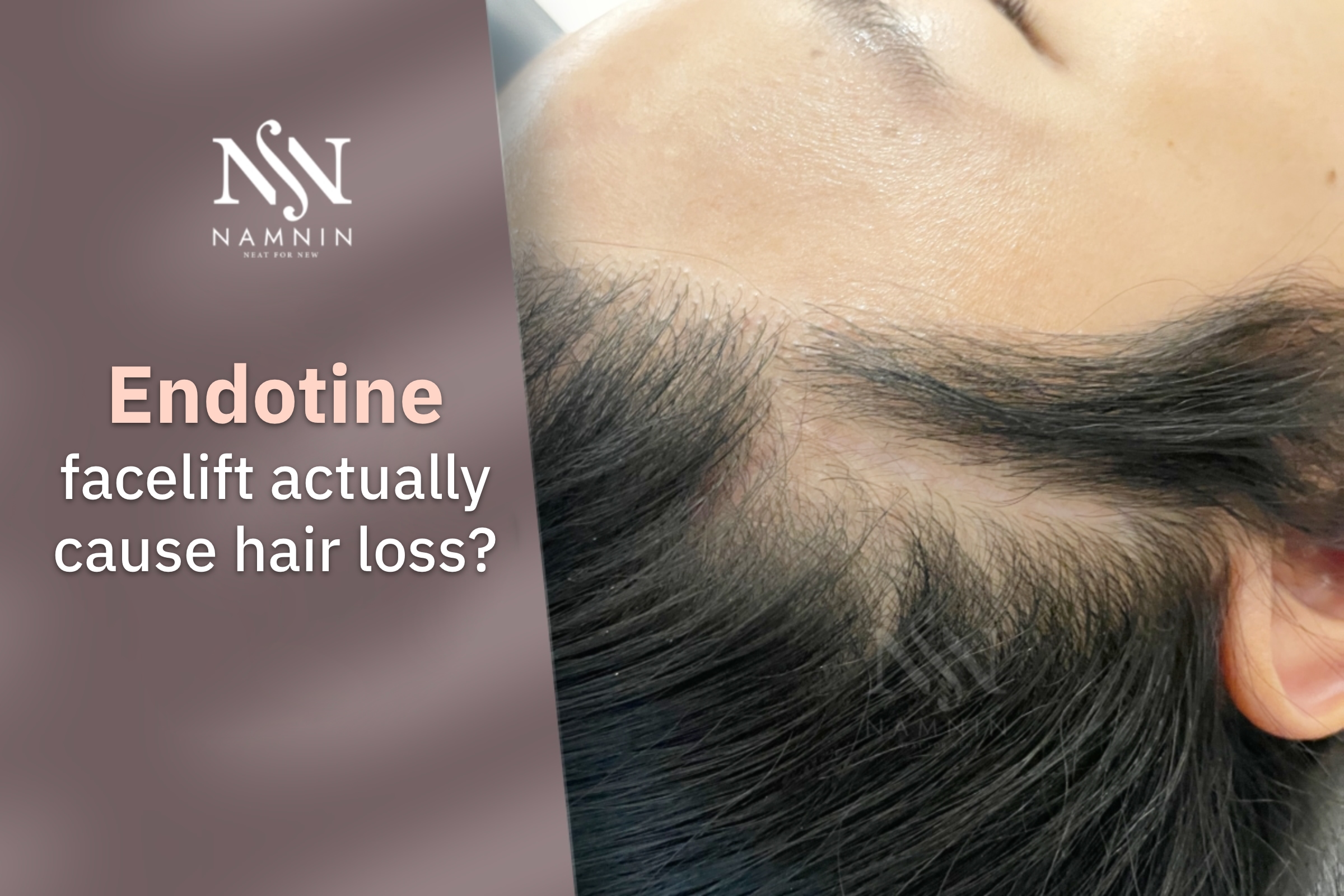
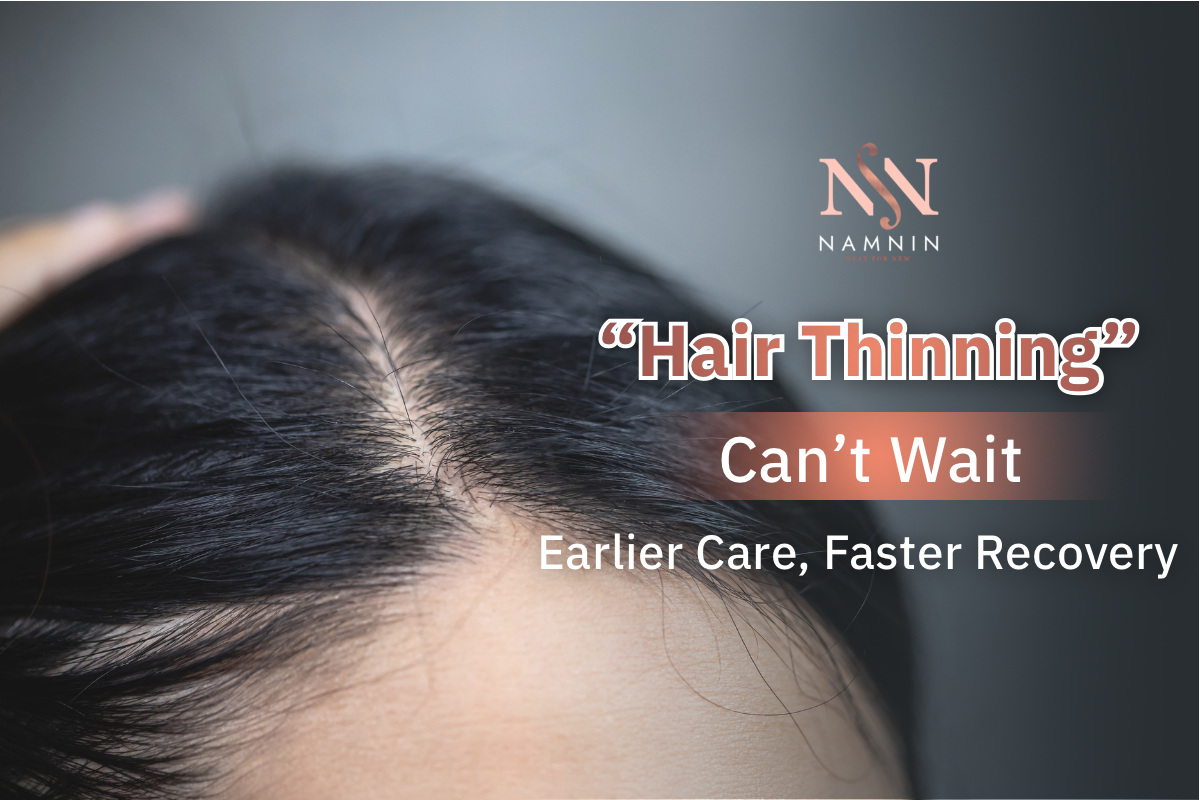
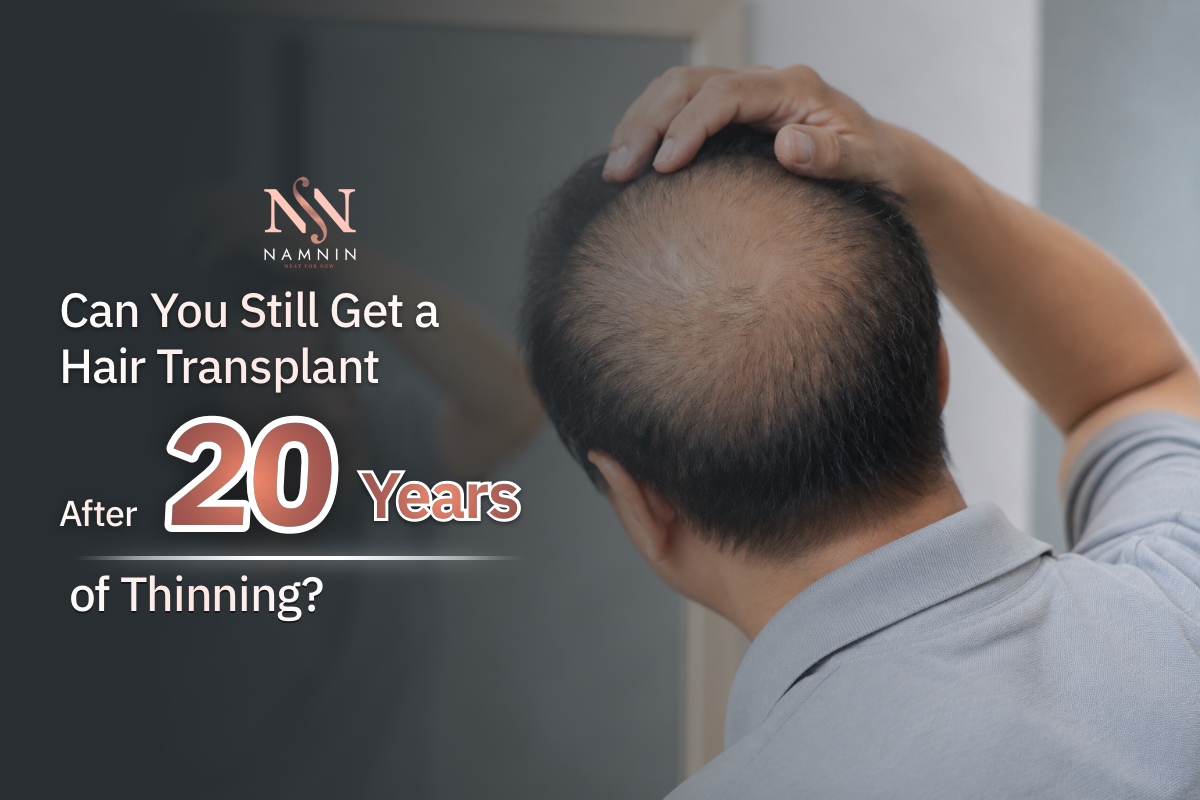
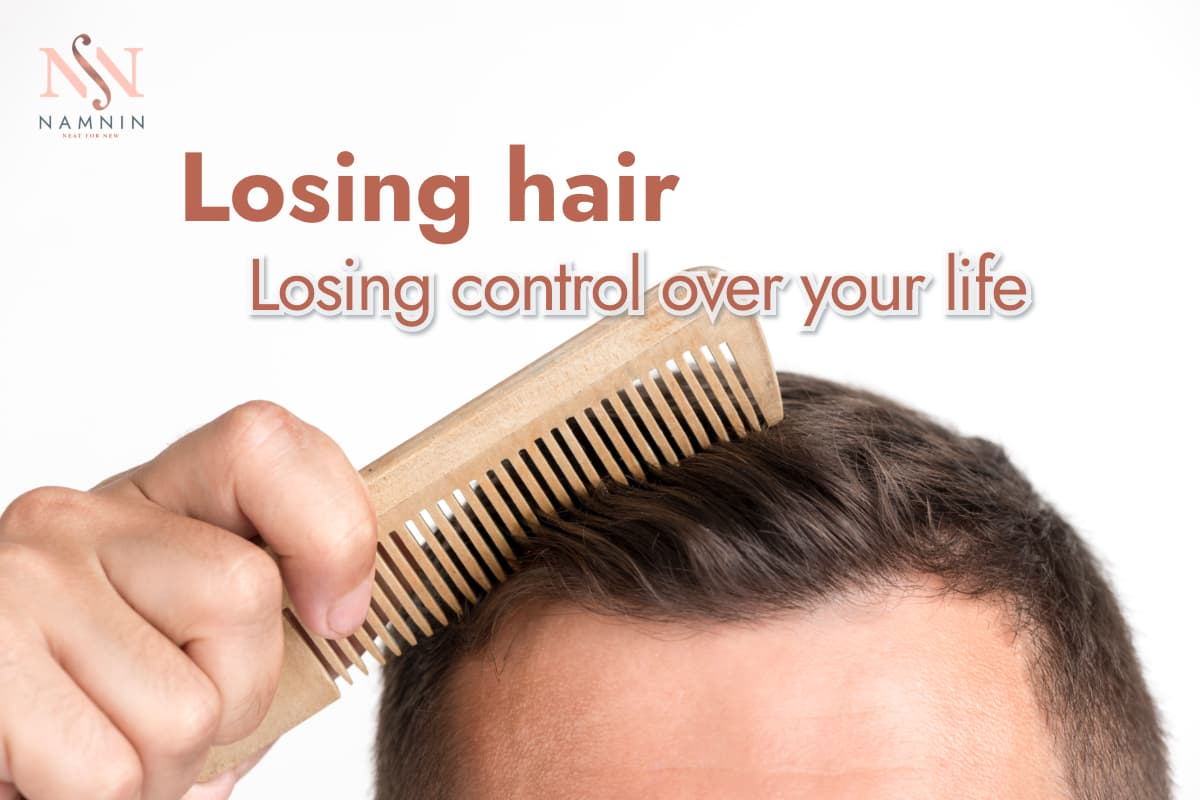
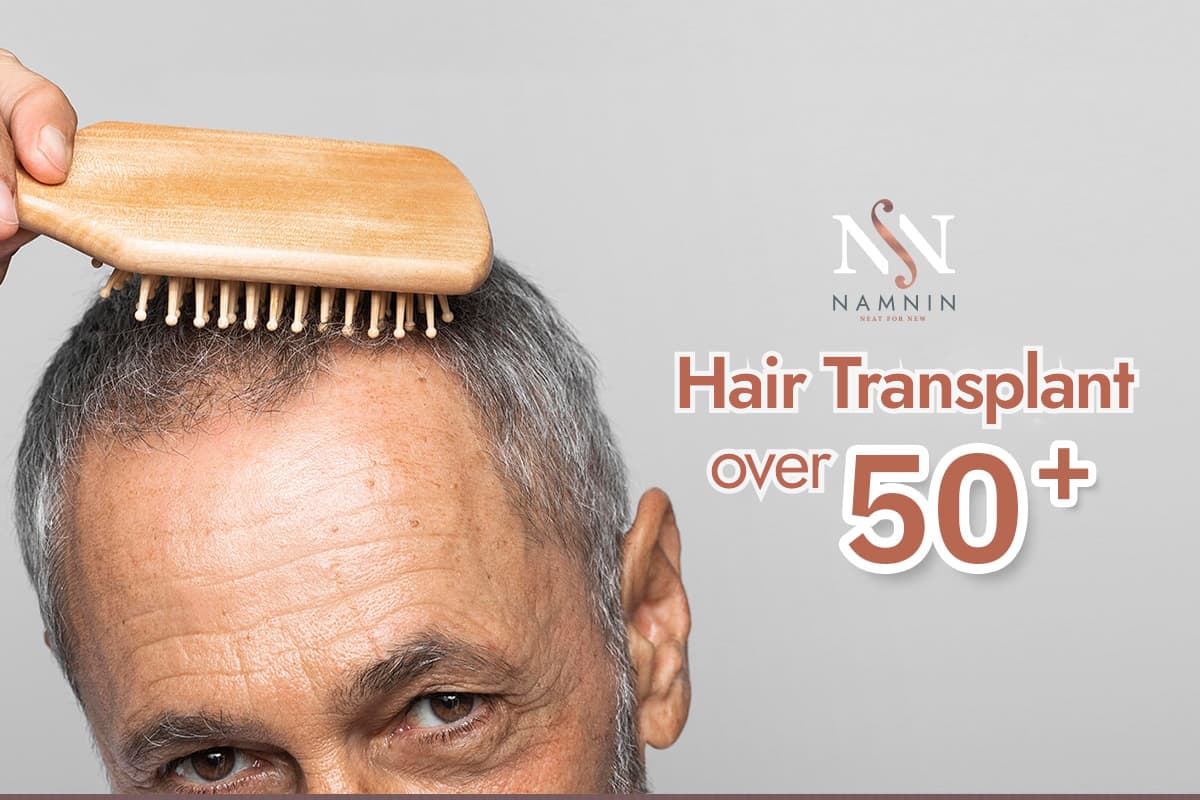
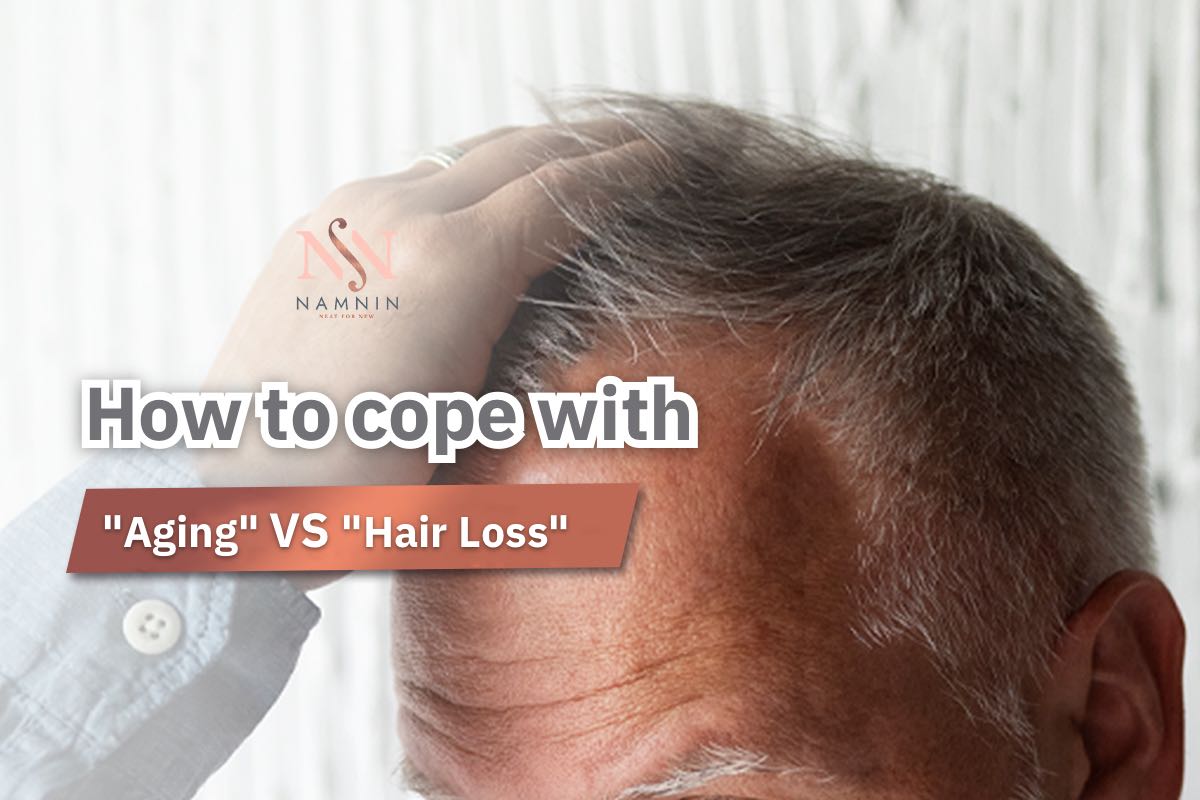
“Hair thinning” may often be associated with older people, but in reality, men in their 40s, 30s, or even 20s can begin to experience hair loss and thinning. Have you ever wondered why, even while still young, your hair may already be starting to disappear, leaving you searching for complicated ways to conceal it, while some older people, even well beyond their 60s, can still show off thick, dense hair without caring about their age?
That is because “age” is only one factor contributing to hair loss and thinning. Let us take a look at the factors that can cause even young men to experience weak and shedding hair.
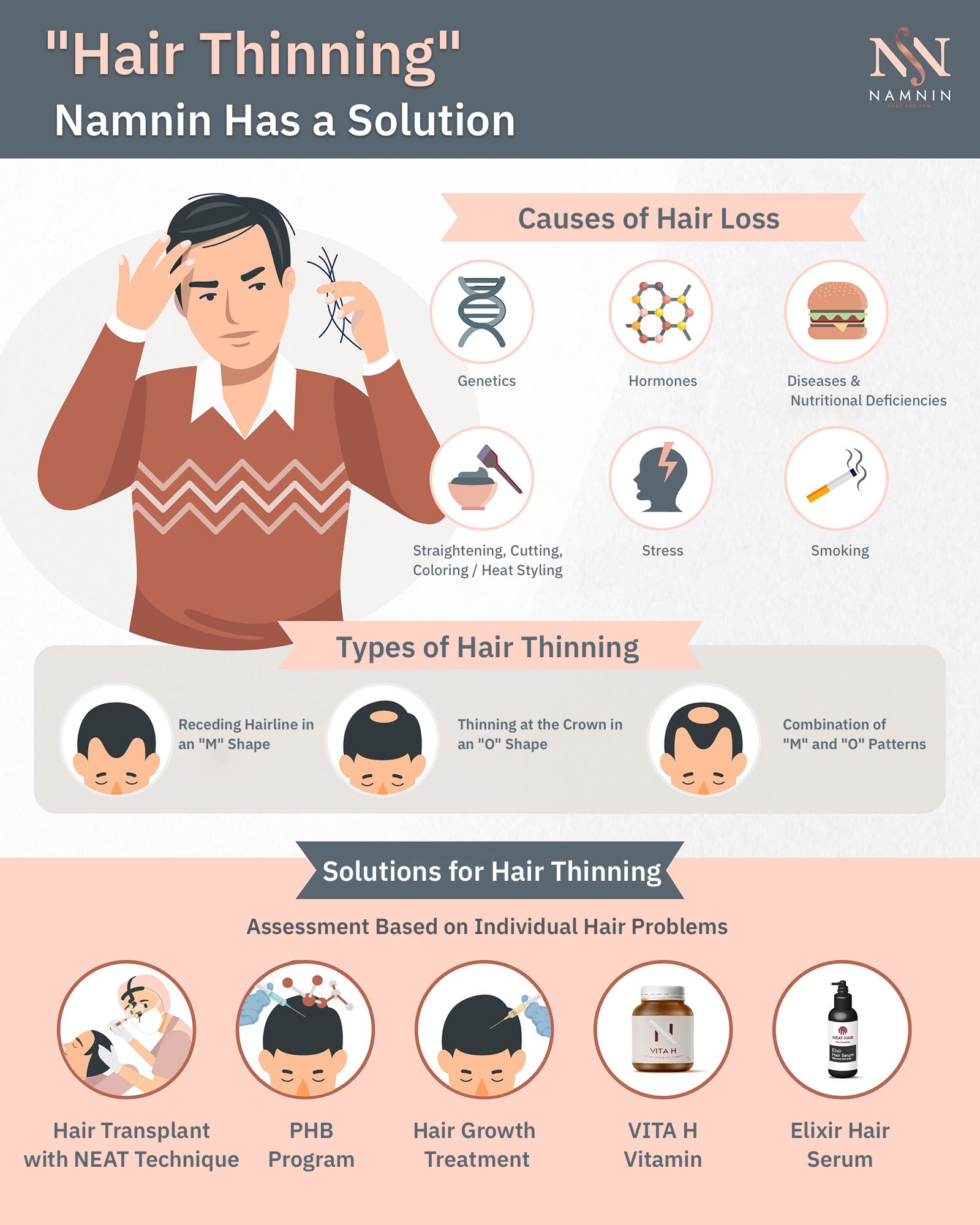
Determines how sensitive hair follicles are to hormones that cause the follicles to shrink, eventually leading to hair loss.
Especially testosterone, which is converted into DHT, a major factor that directly affects hair follicles regardless of age.
A balanced and healthy scalp allows nutrients to properly nourish the hair, supporting healthy hair growth without problems.
- Underlying Diseases and Medication Use
Conditions such as hypertension, diabetes, and chronic stress can affect the circulatory system, which is responsible for delivering nutrients to the hair.
- Hair and Scalp Care Habits
For example, eating habits, sleep and rest, and hair care practices, which are ongoing behaviors accumulated throughout life.
At the same time, “age” inevitably plays a role in the biological changes that occur in the body. So, what happens to the scalp and hair as we get older?
- Slower Skin Cell Turnover
This causes old skin cells to accumulate and makes the hair follicles more likely to become clogged.
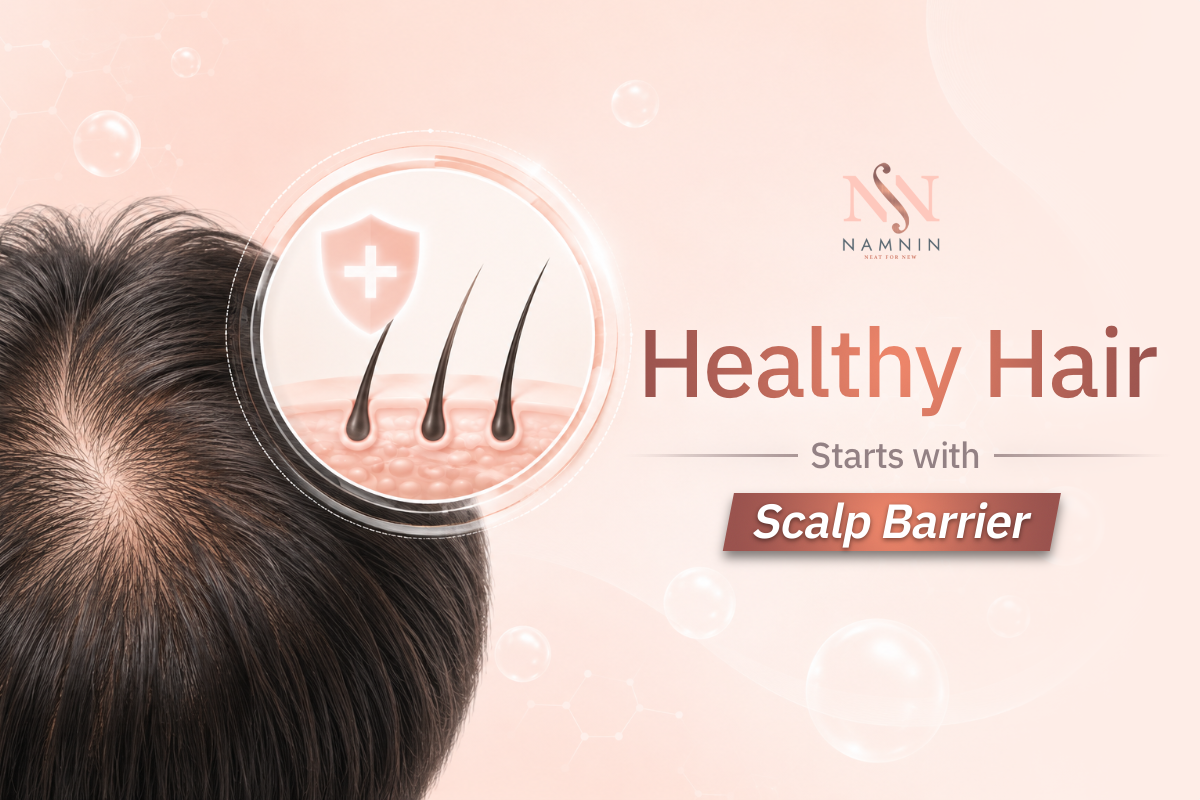
As the Scalp Barrier, or the outermost protective layer of the scalp, becomes weaker with age, the scalp begins to become drier and more prone to irritation than usual.
- Reduced Circulatory Efficiency
This affects the delivery of nutrients and oxygen to the hair follicles.
- Changes in Hormonal Response
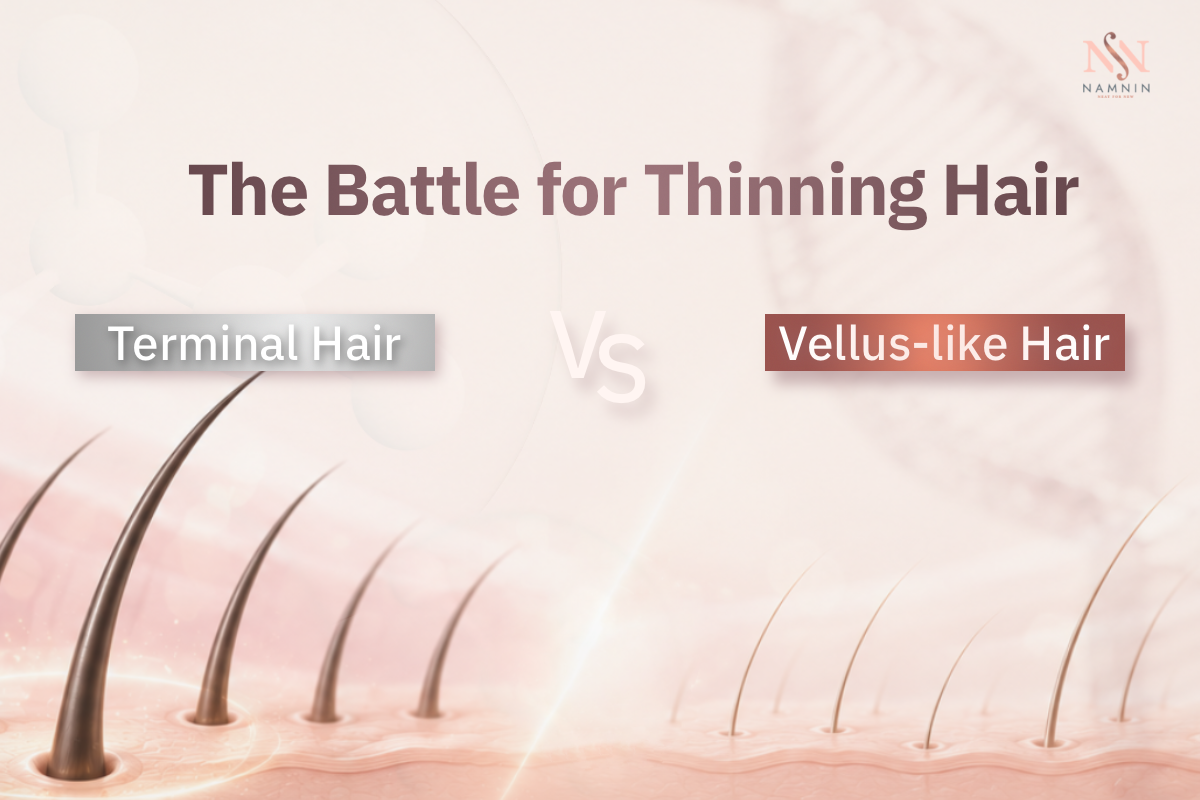
Hair follicle cells may become increasingly sensitive to DHT signals, increasing the risk of hair follicle miniaturization.
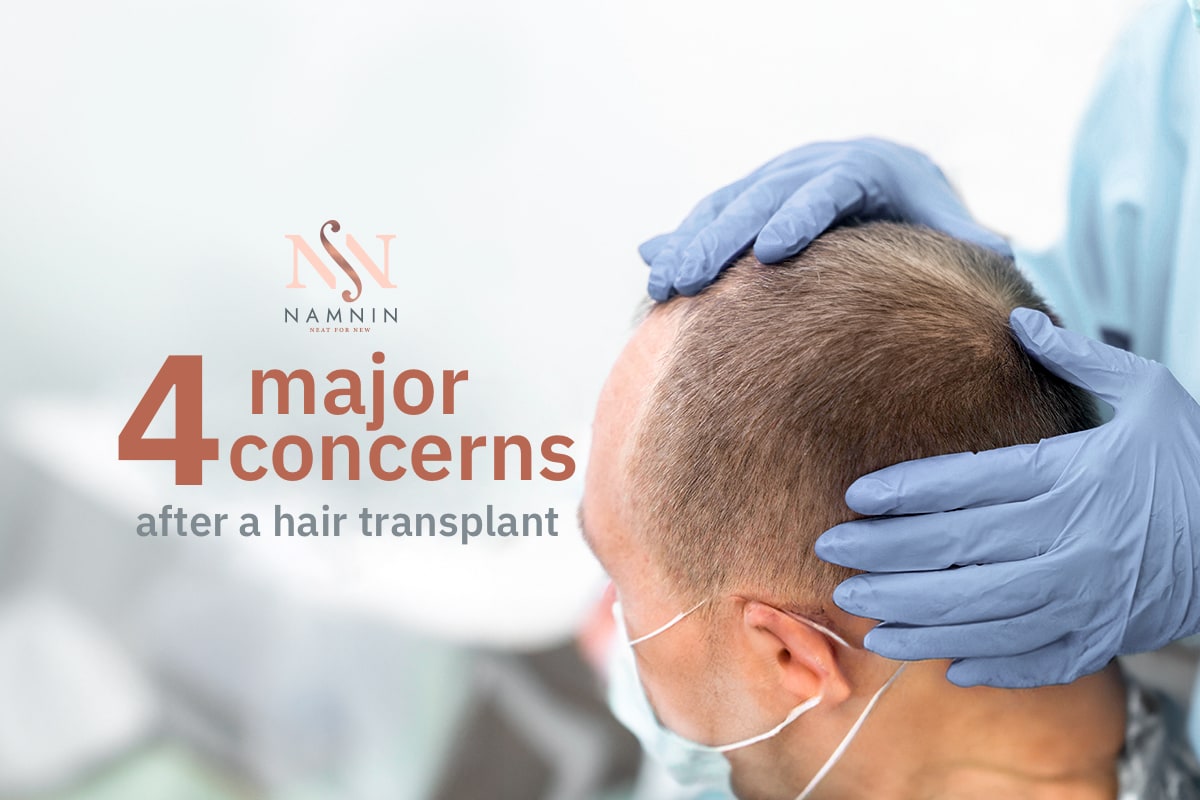
Therefore, “age” is not the only factor a doctor considers when determining whether a patient can address hair loss and thinning through a permanent hair transplant. A doctor will also assess these 4 factors.
Donor Area Readiness
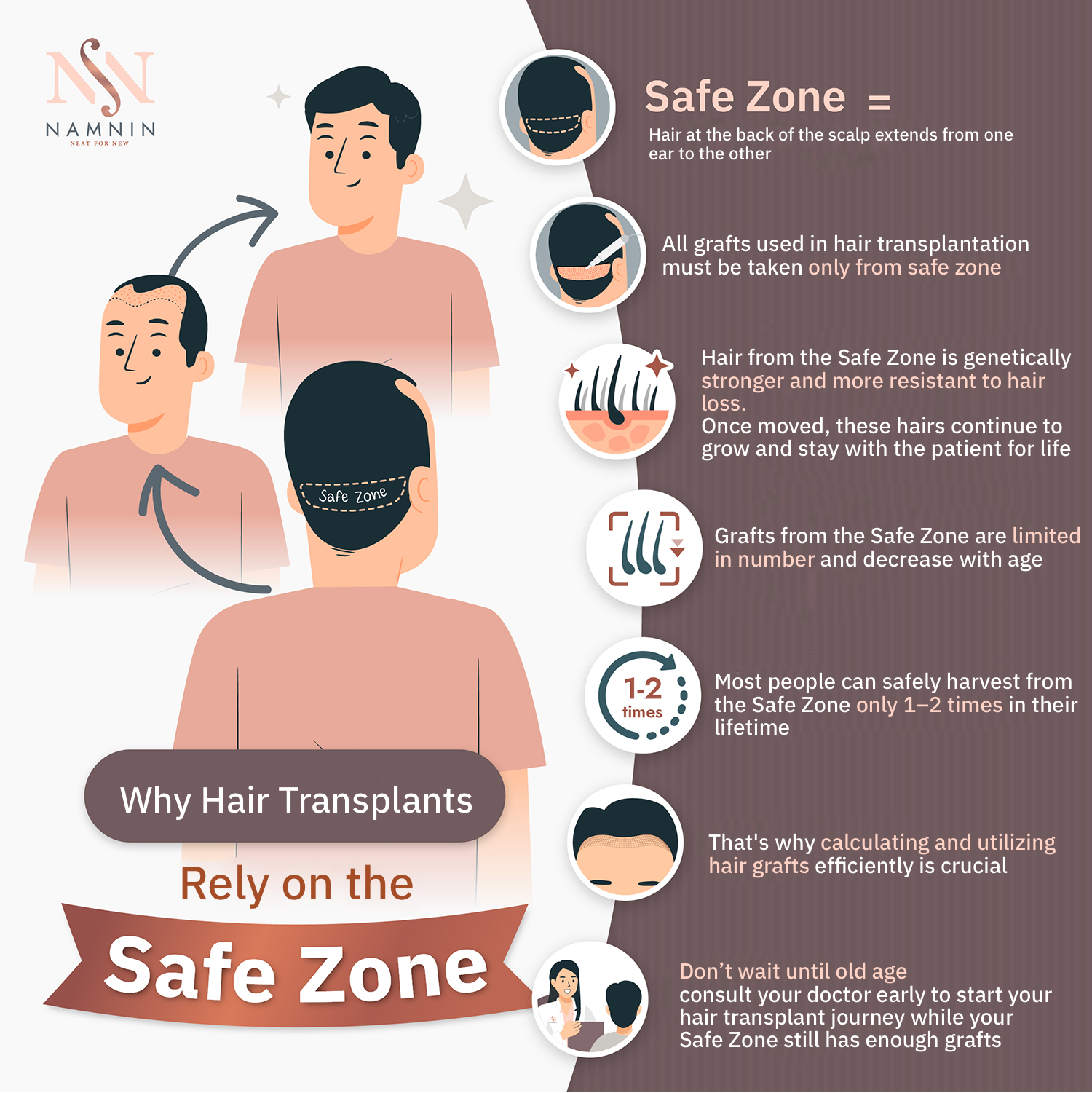
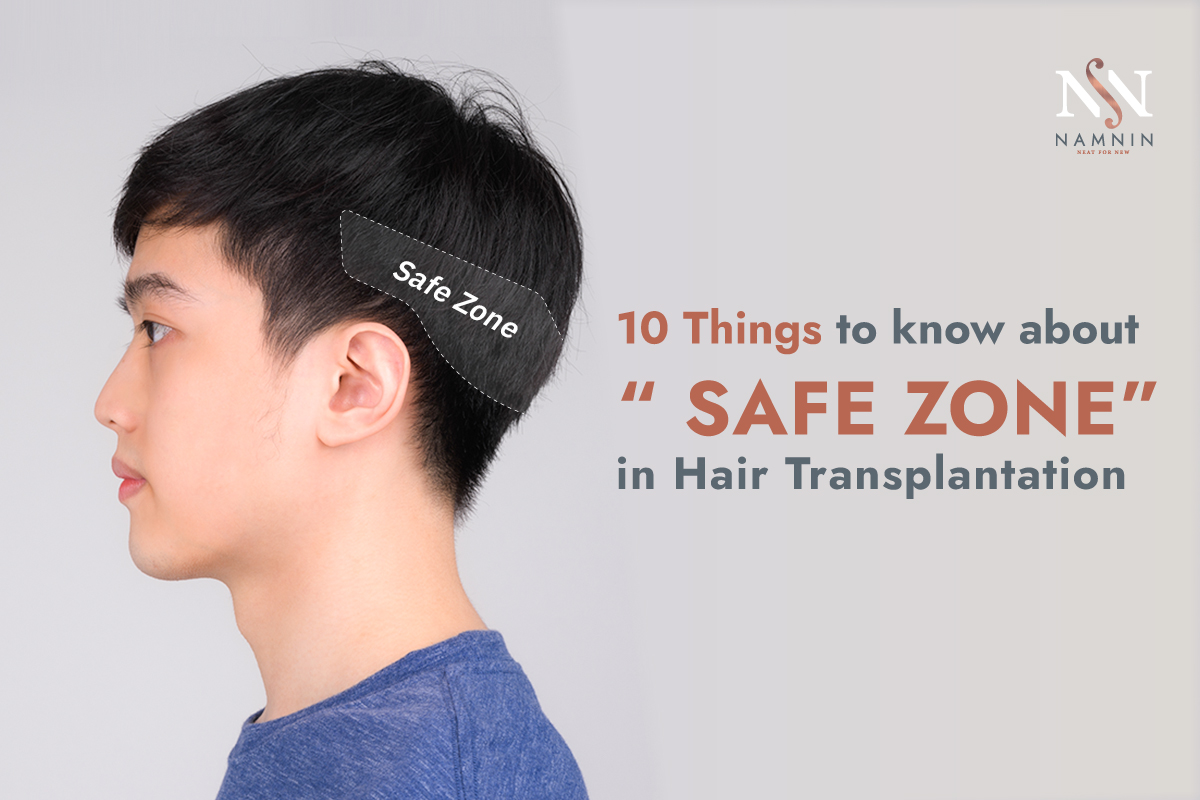
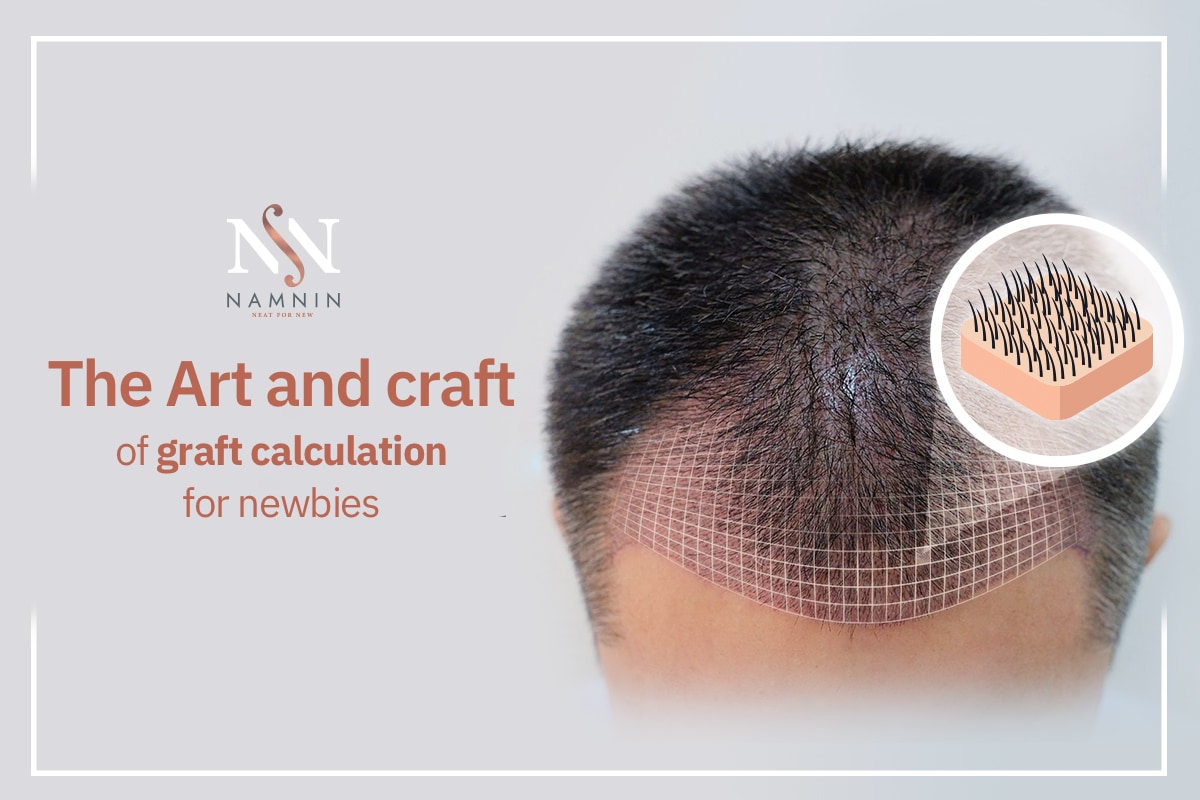
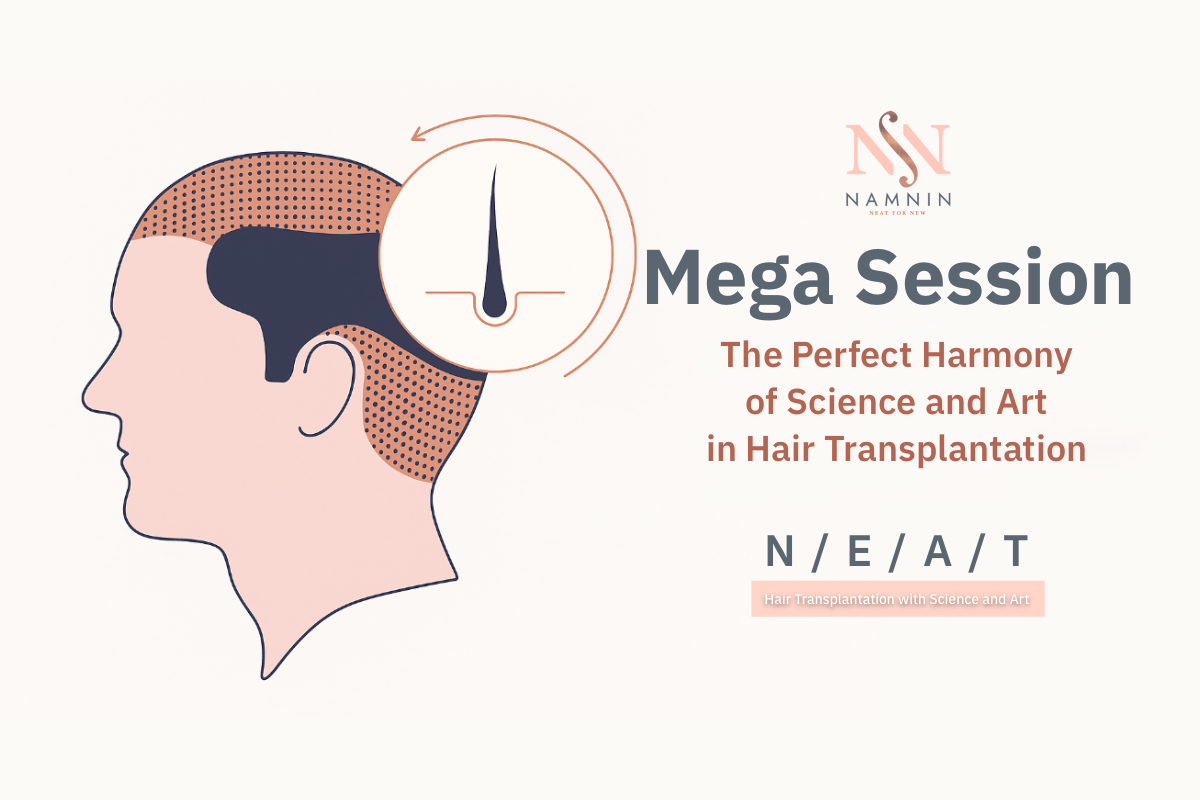
The Donor Area, or the back of the scalp, is the only area where hair grafts are strong and resistant to DHT, making them less likely to fall out and suitable for transplantation to a new area. However, this valuable supply of hair grafts is limited and decreases with age. Therefore, the doctor must carefully calculate and plan the use of grafts to ensure they are used appropriately and efficiently.
Pattern of Hair Thinning
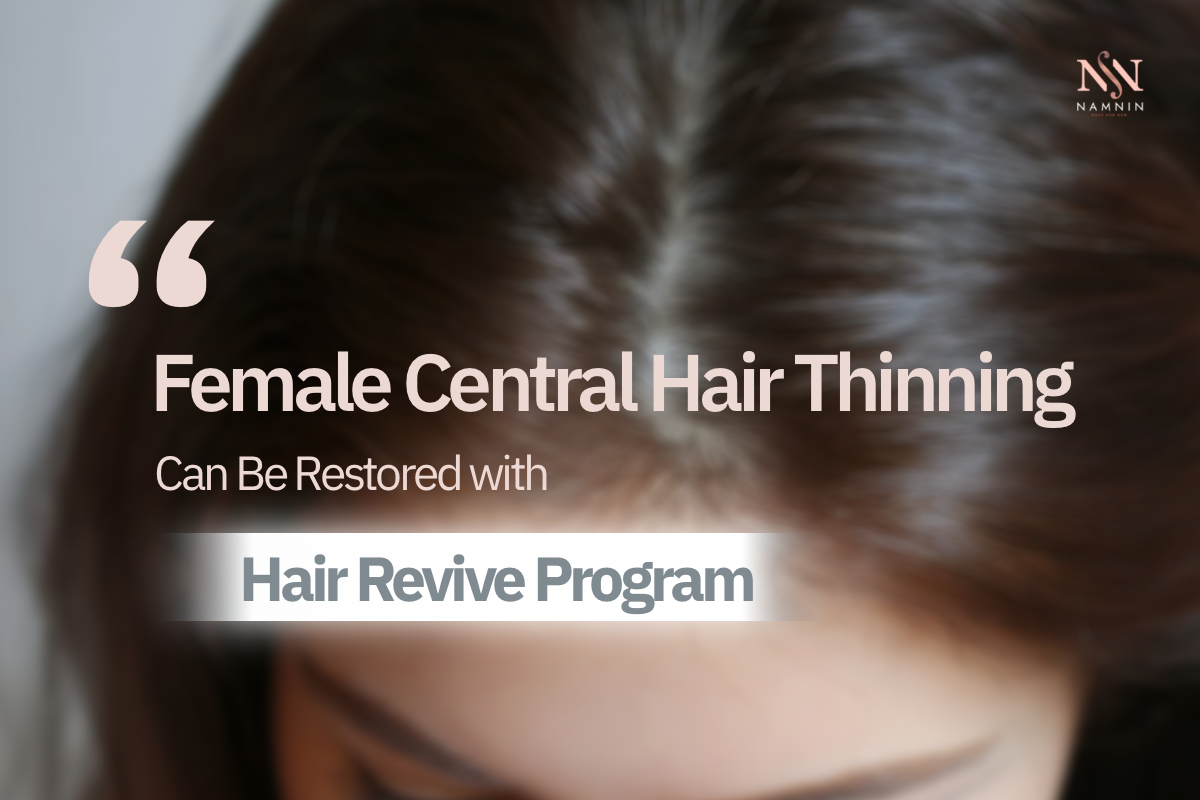
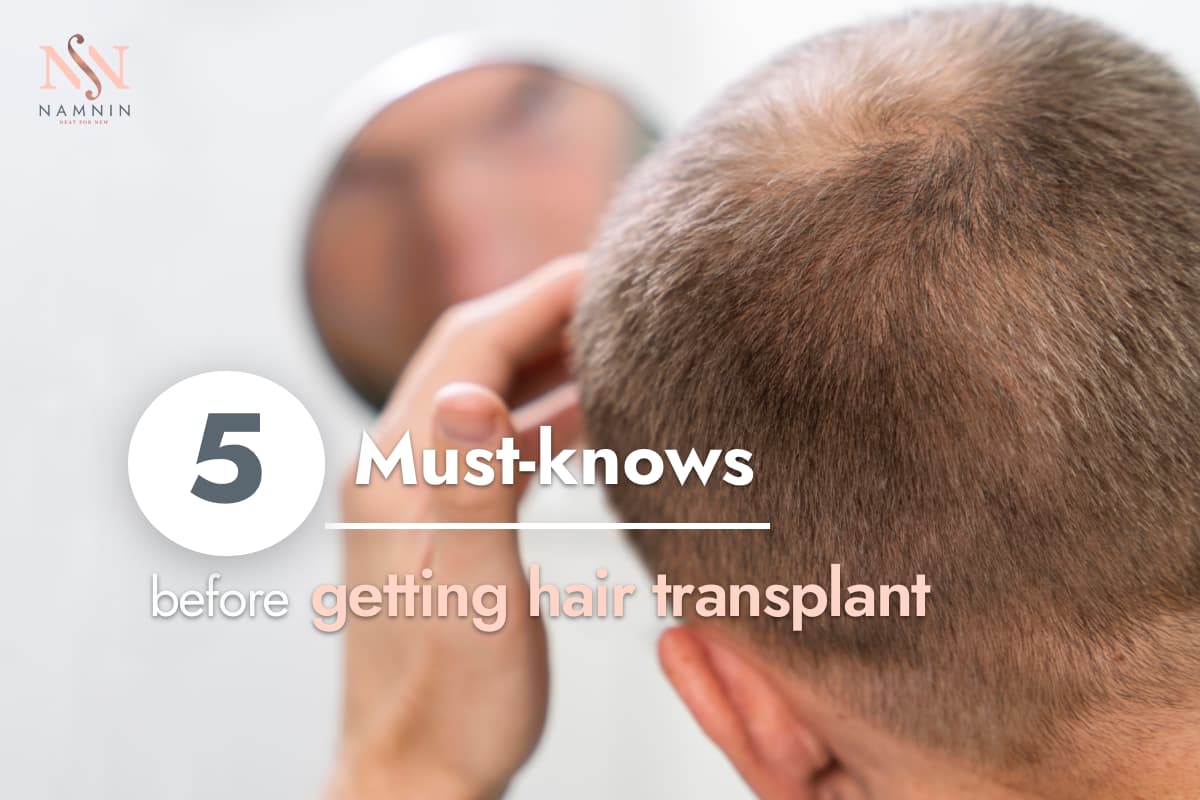
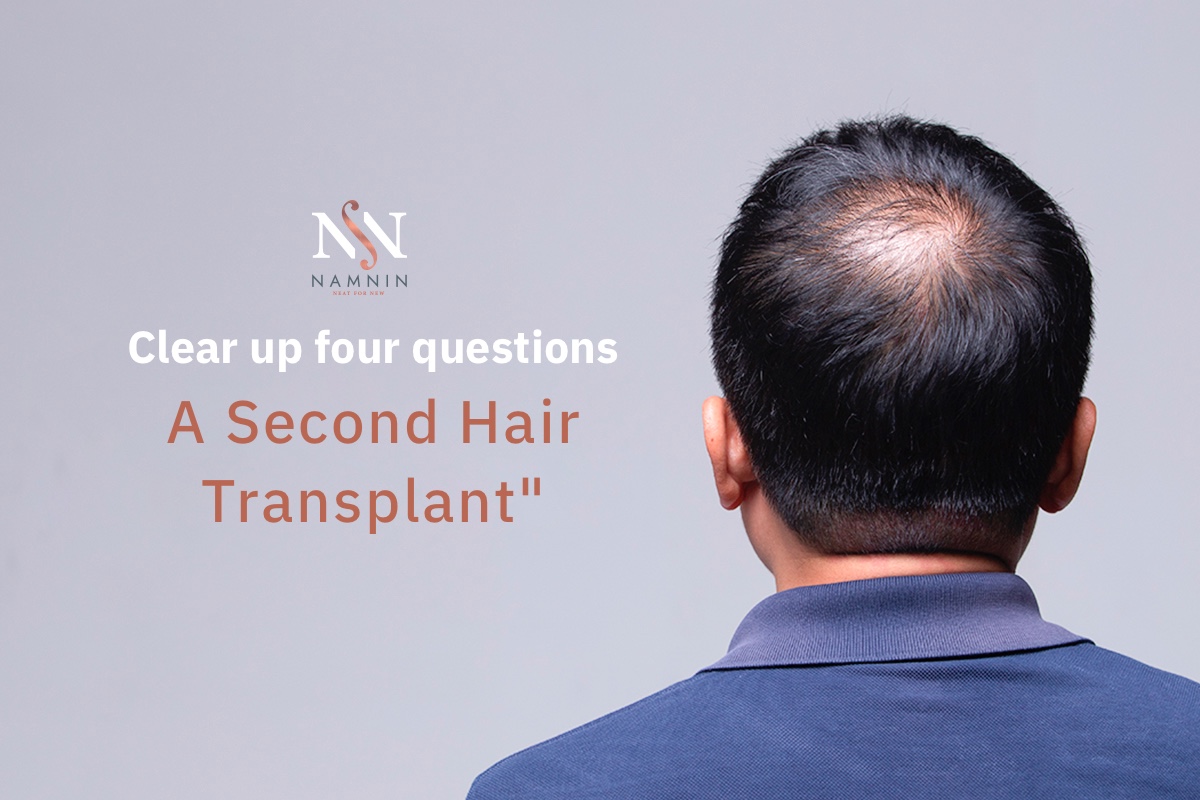
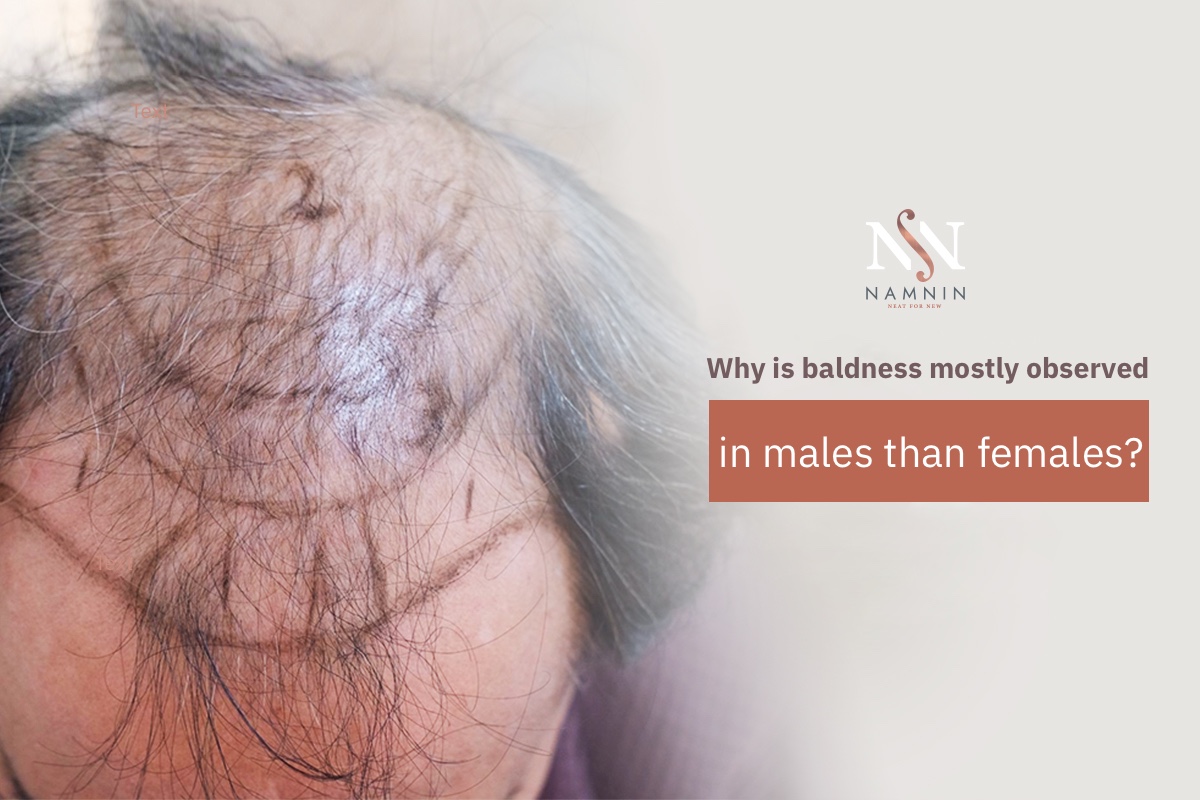
This includes how severe the thinning is, whether it has progressed to baldness, how extensive the thinning area is, and where it occurs on the scalp. Some people may experience an M shaped receding hairline at the forehead, while others may have O shaped thinning at the middle of the scalp, which is a common pattern among men.
Health of the Hair Transplant Patient
The doctor will ask about underlying medical conditions, medication use, and overall physical health, all of which can affect the body’s readiness to recover after a hair transplant.
Expectations of the Hair Transplant Patient
Each person has different needs and circumstances in life. The doctor will therefore develop a Personalized Treatment Plan to provide the highest possible level of satisfaction within realistic and achievable conditions.
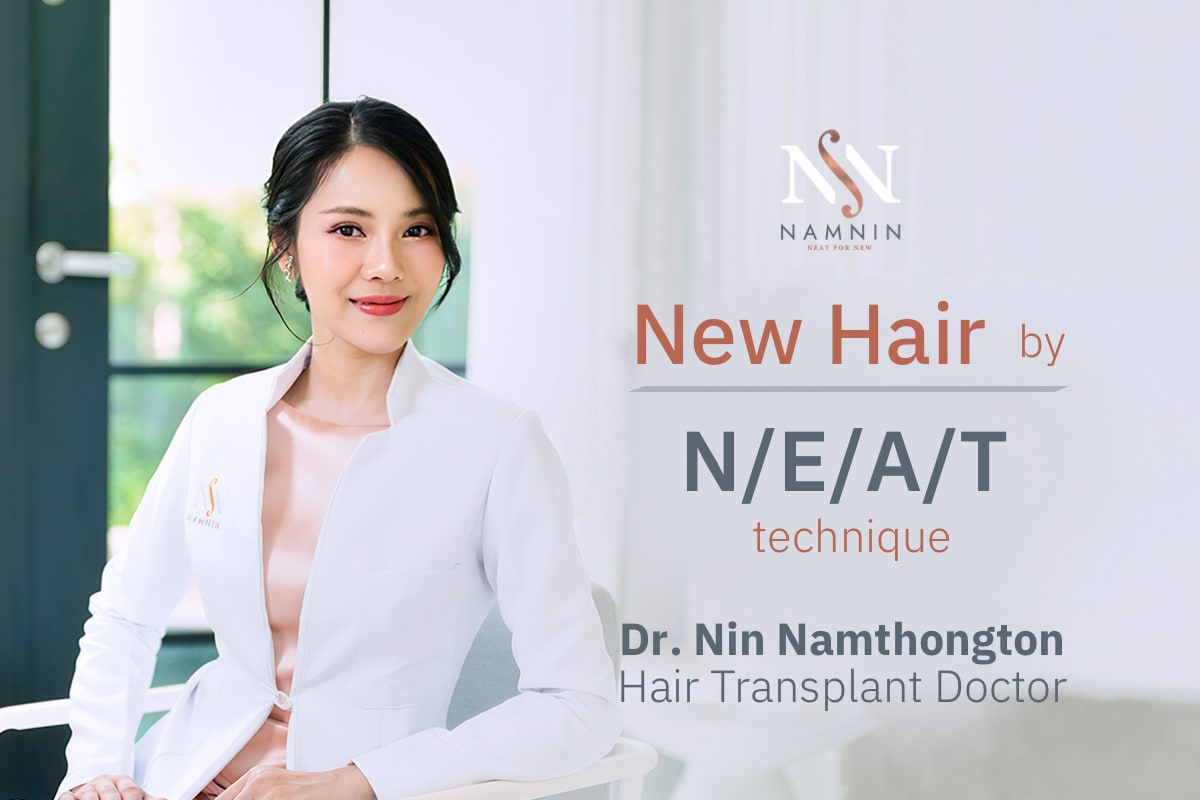
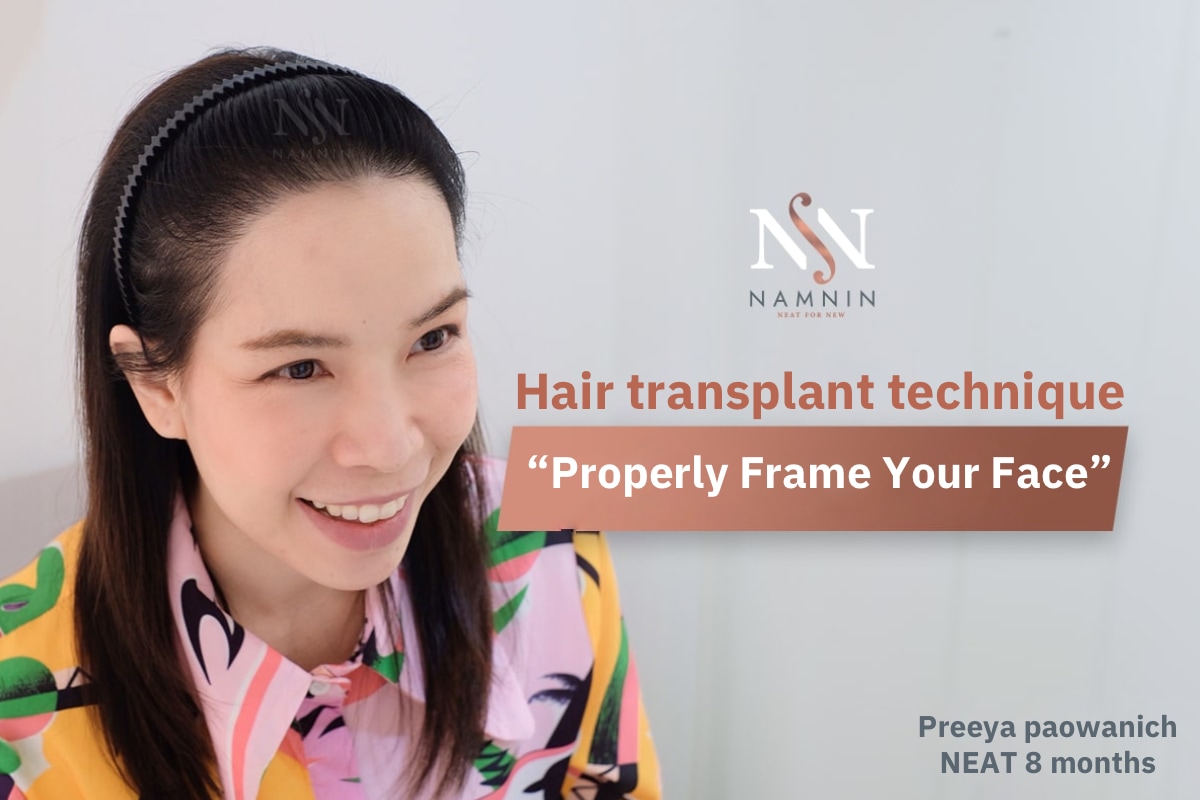
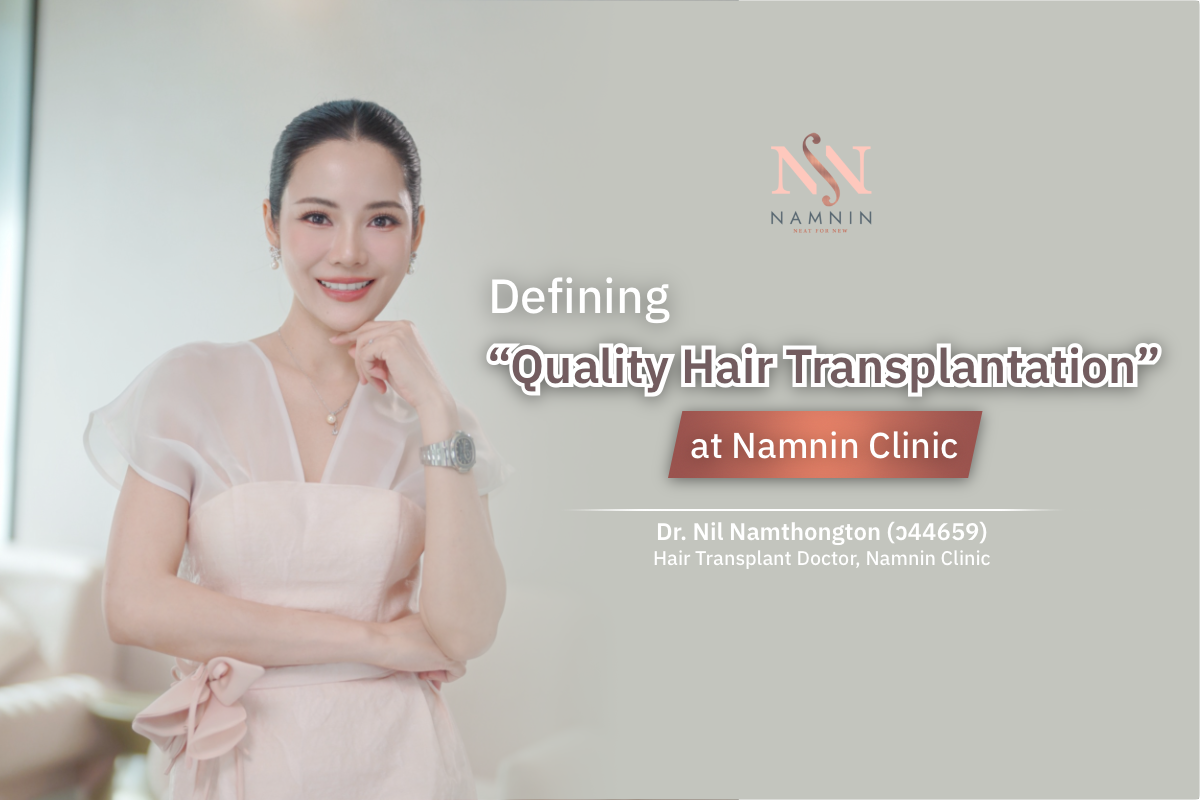
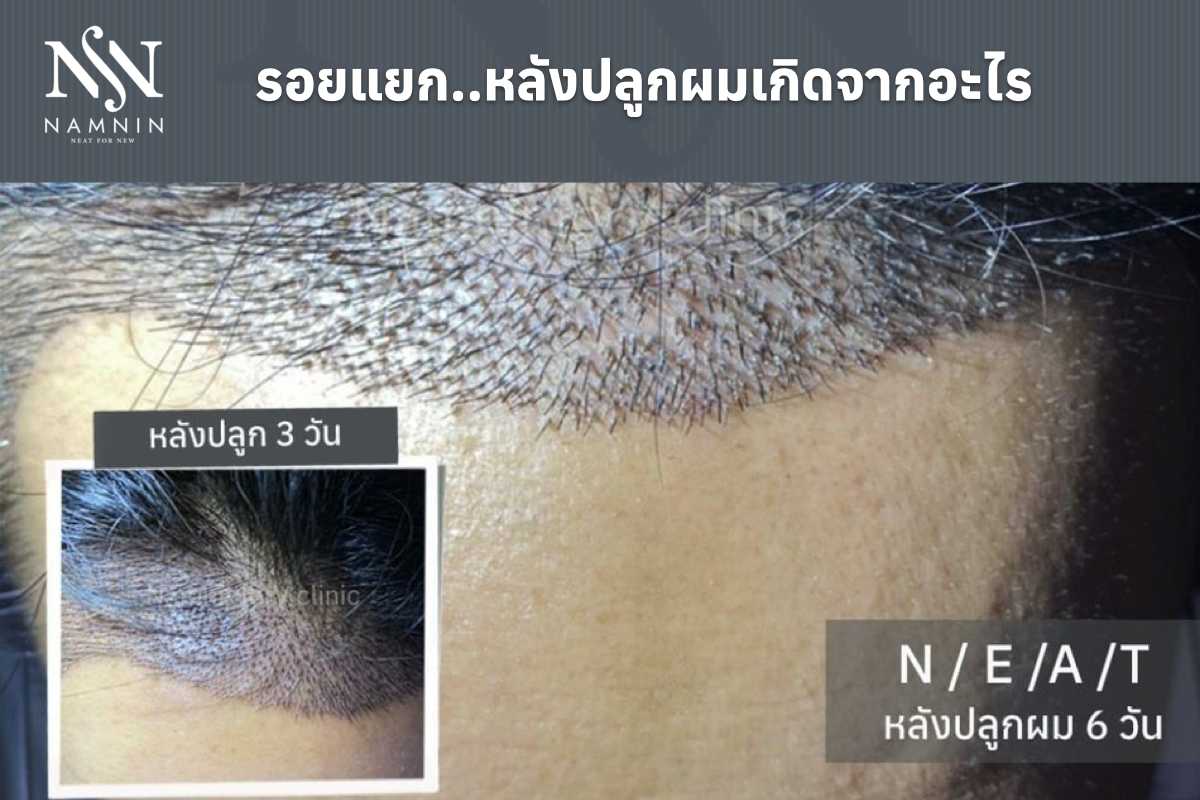
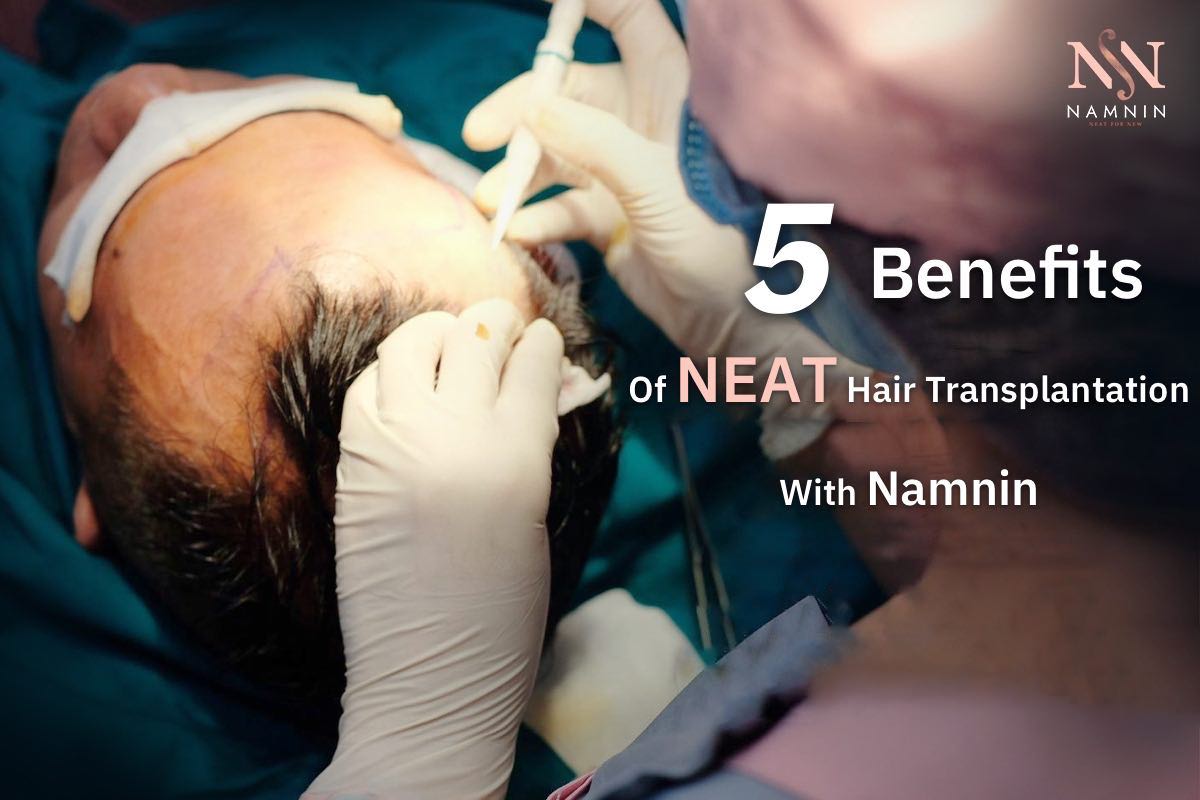
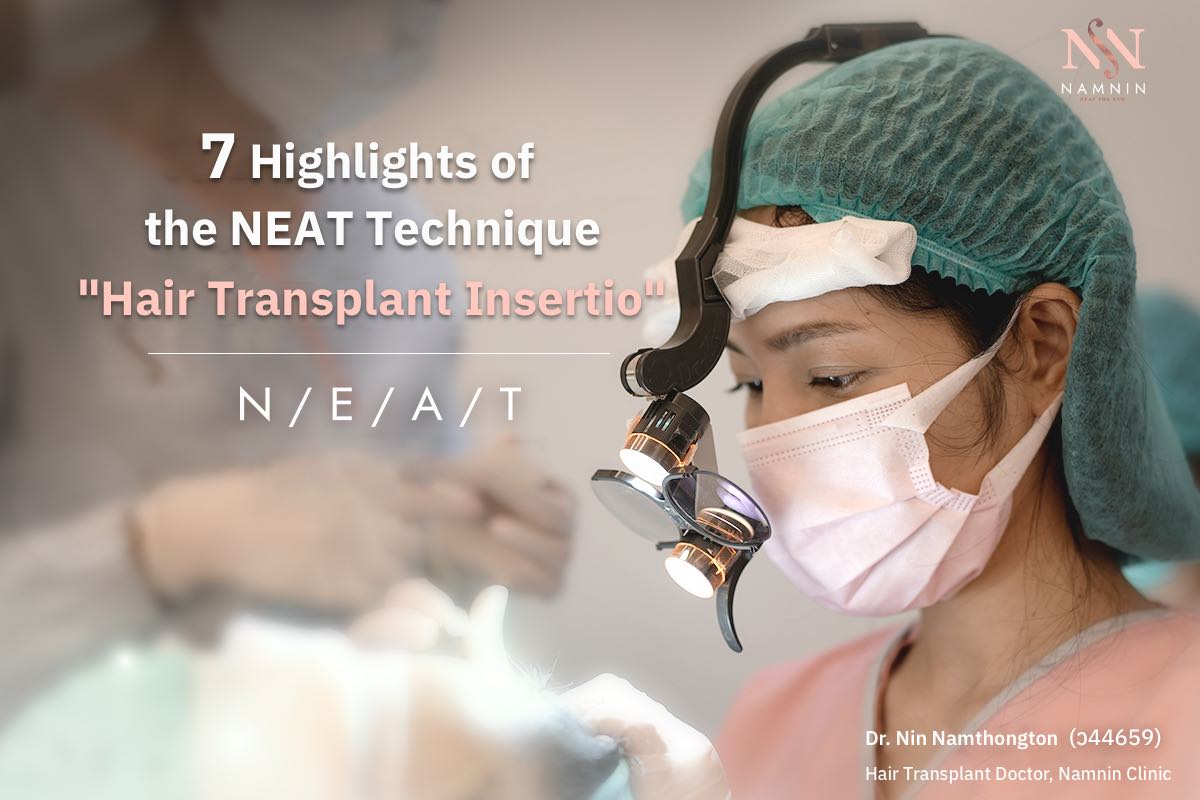
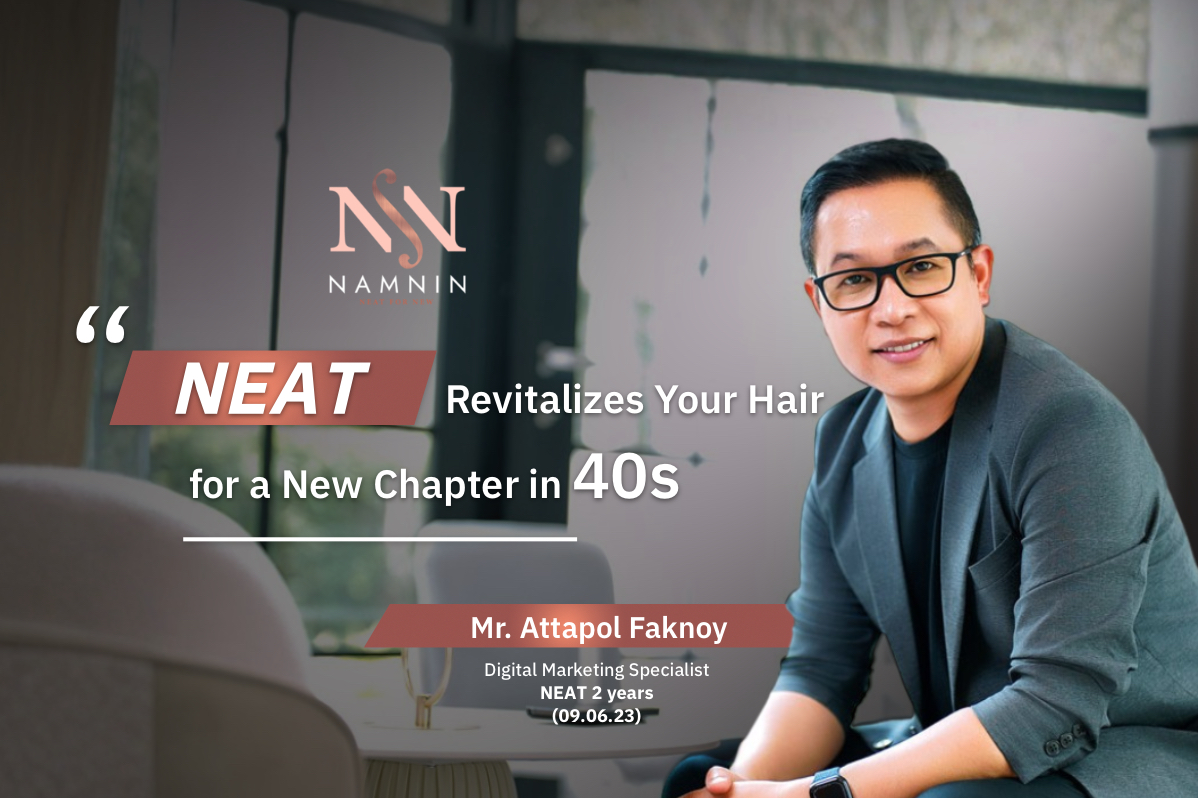
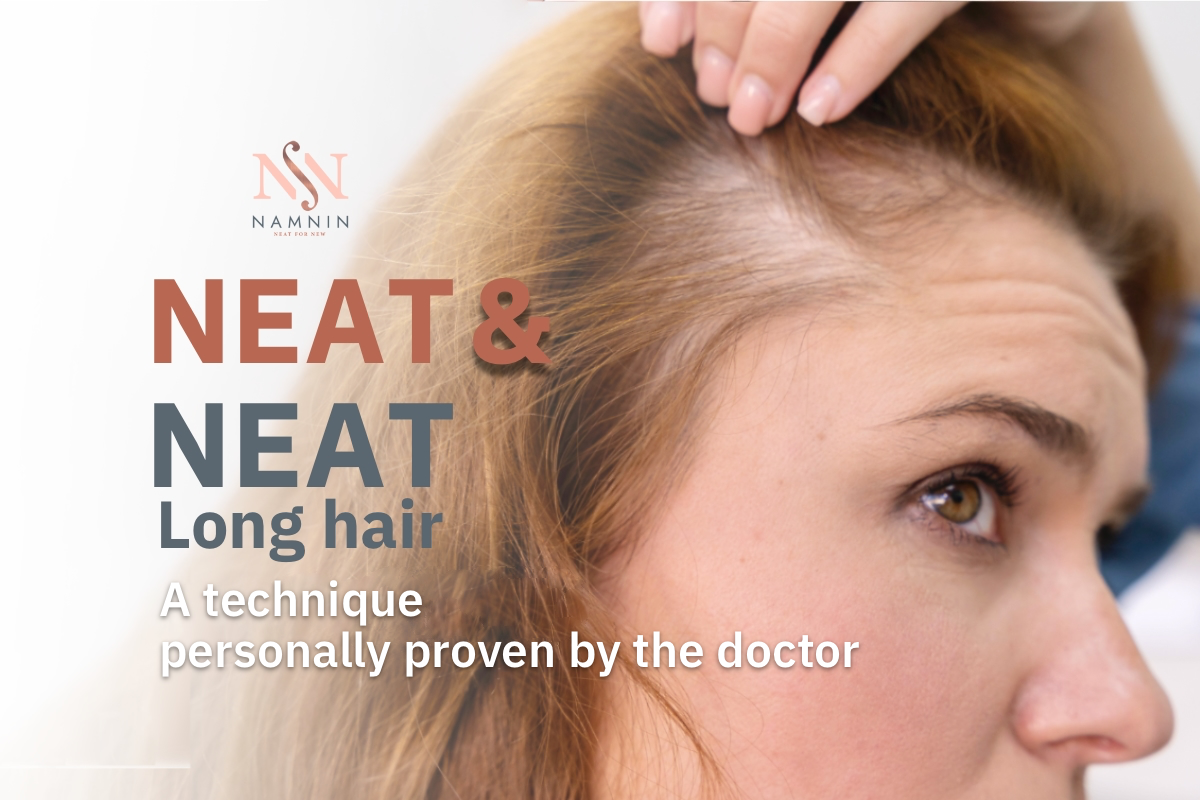
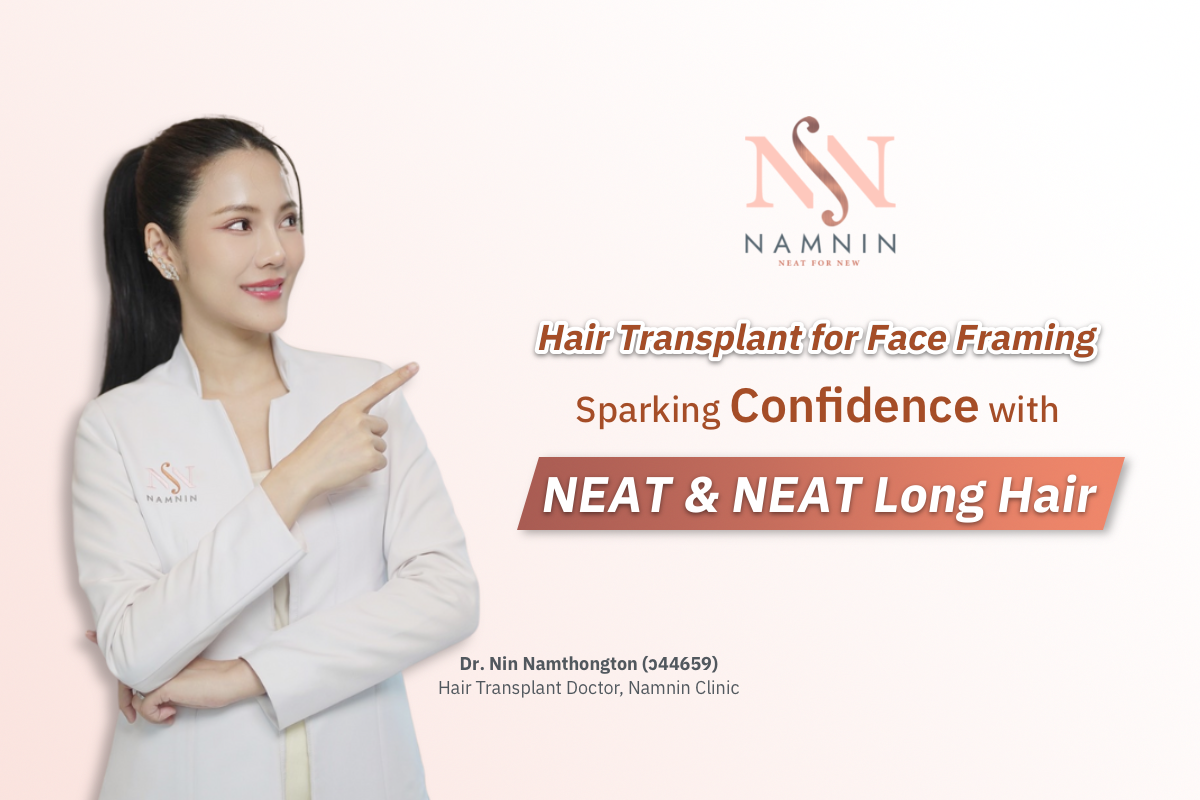
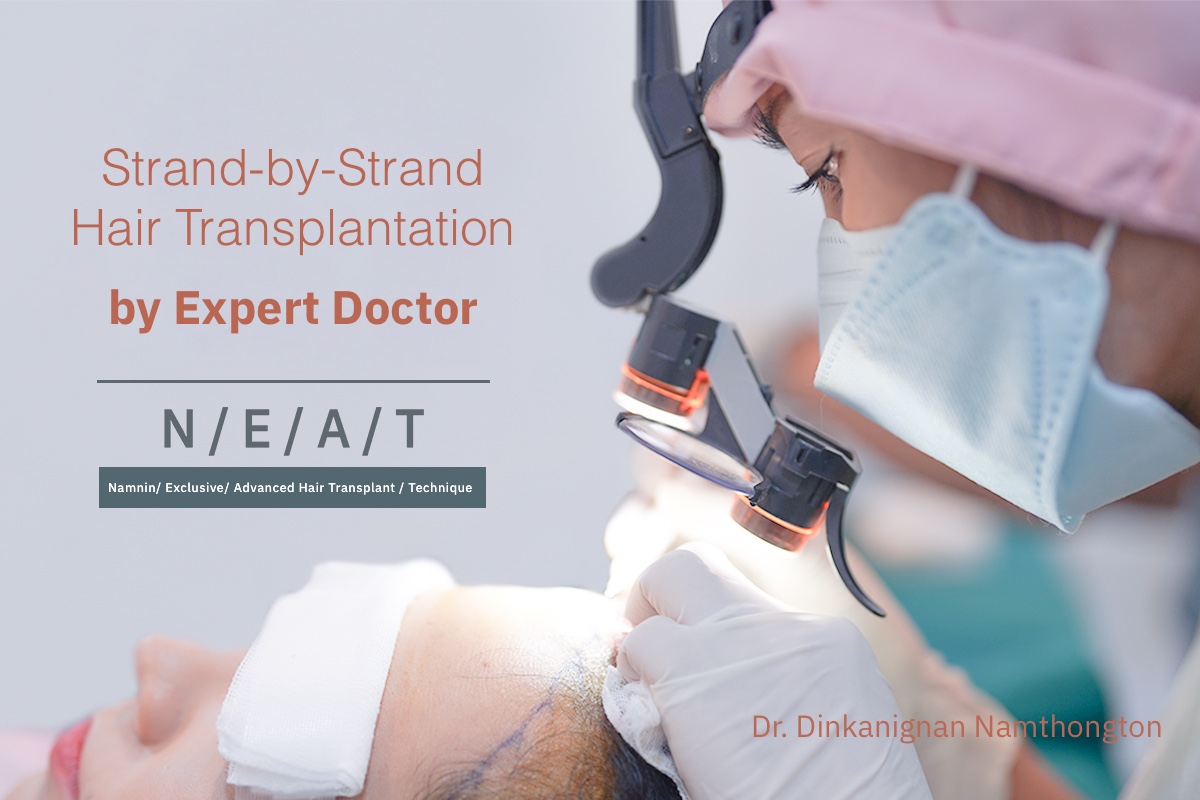
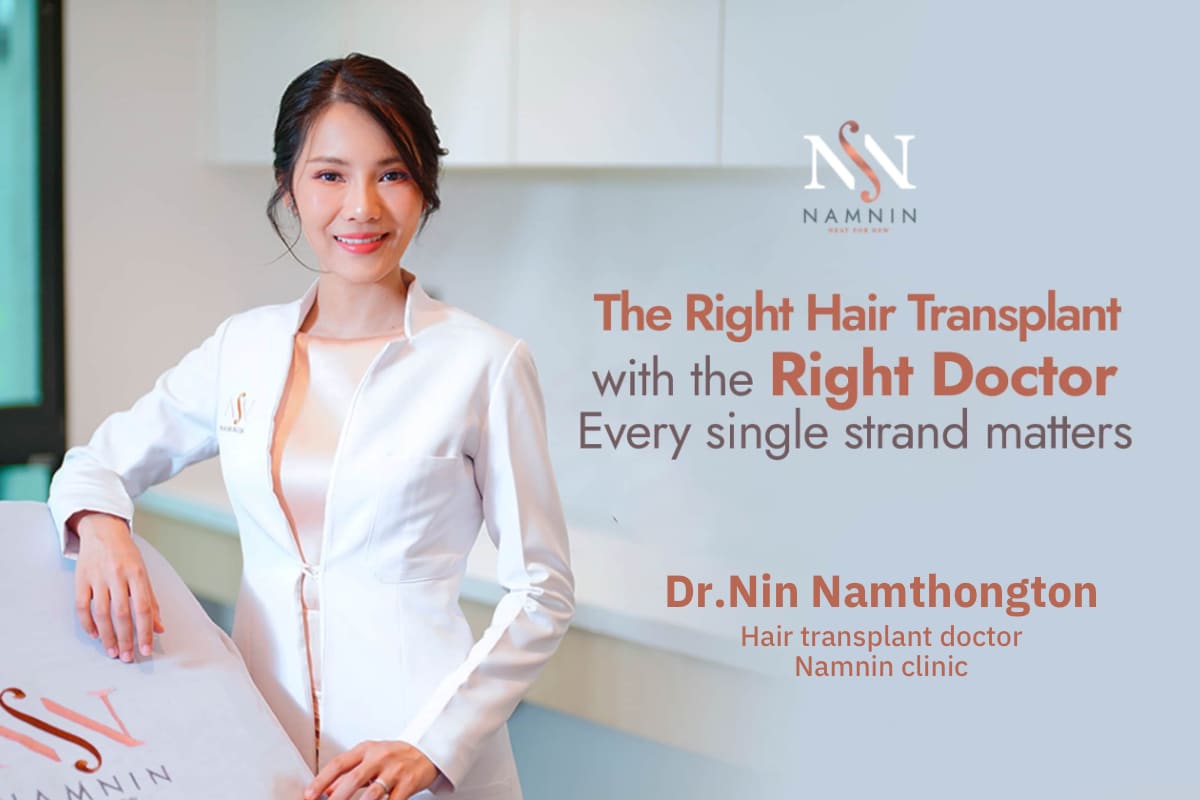
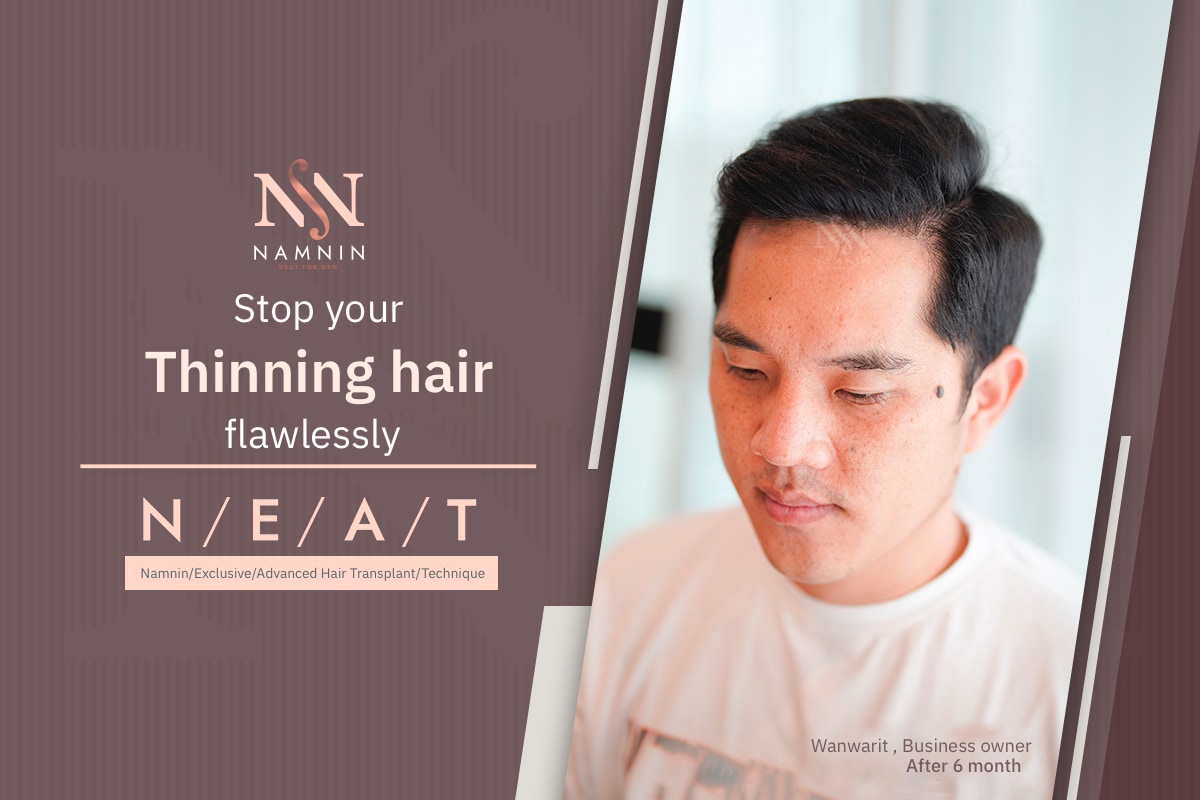
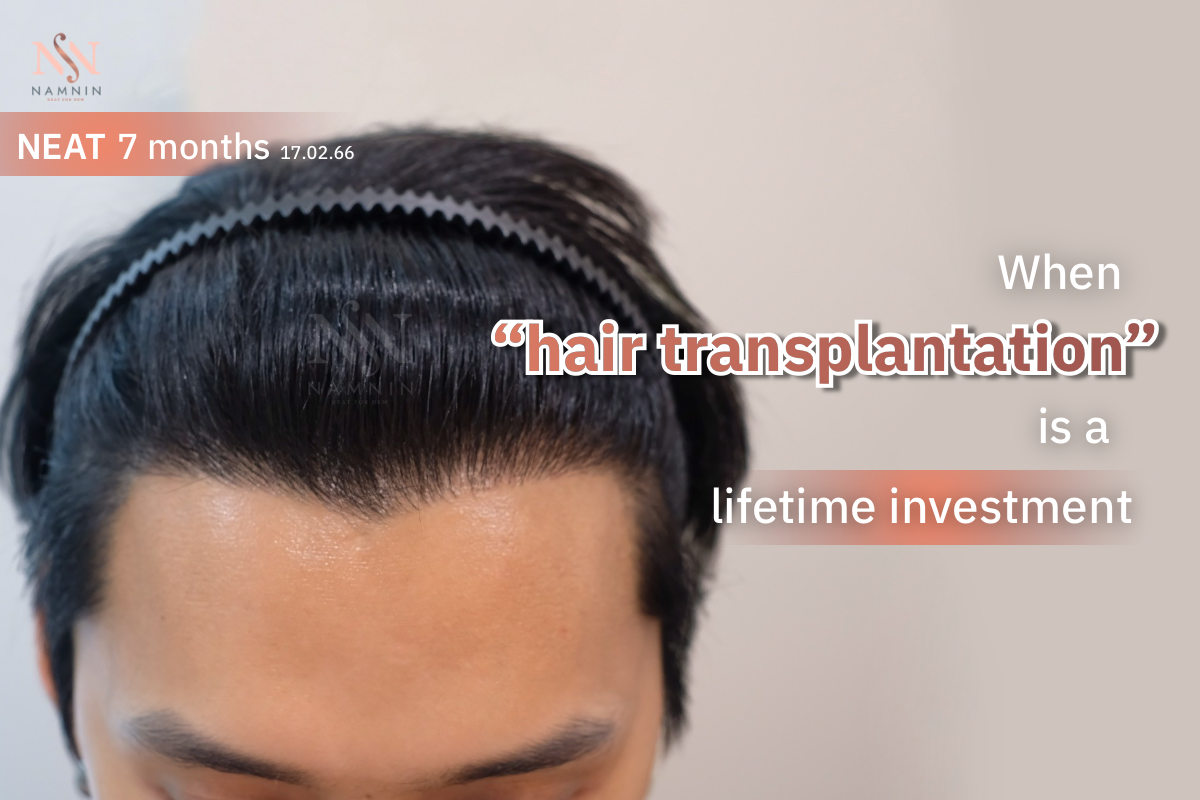
The NEAT, a permanent hair transplant from Namnin, is an option for people who wish to undergo a hair transplant at any age, whether they are young or over 60. The doctor will thoroughly assess the condition of the hair and scalp before working together with the patient to develop a treatment plan based on a patient centered approach. The doctor will explain each step in an easy to understand way, allowing the patient to clearly see the overall treatment process. The doctor will also discuss the likelihood of achieving the patient’s expectations based on realistic considerations.
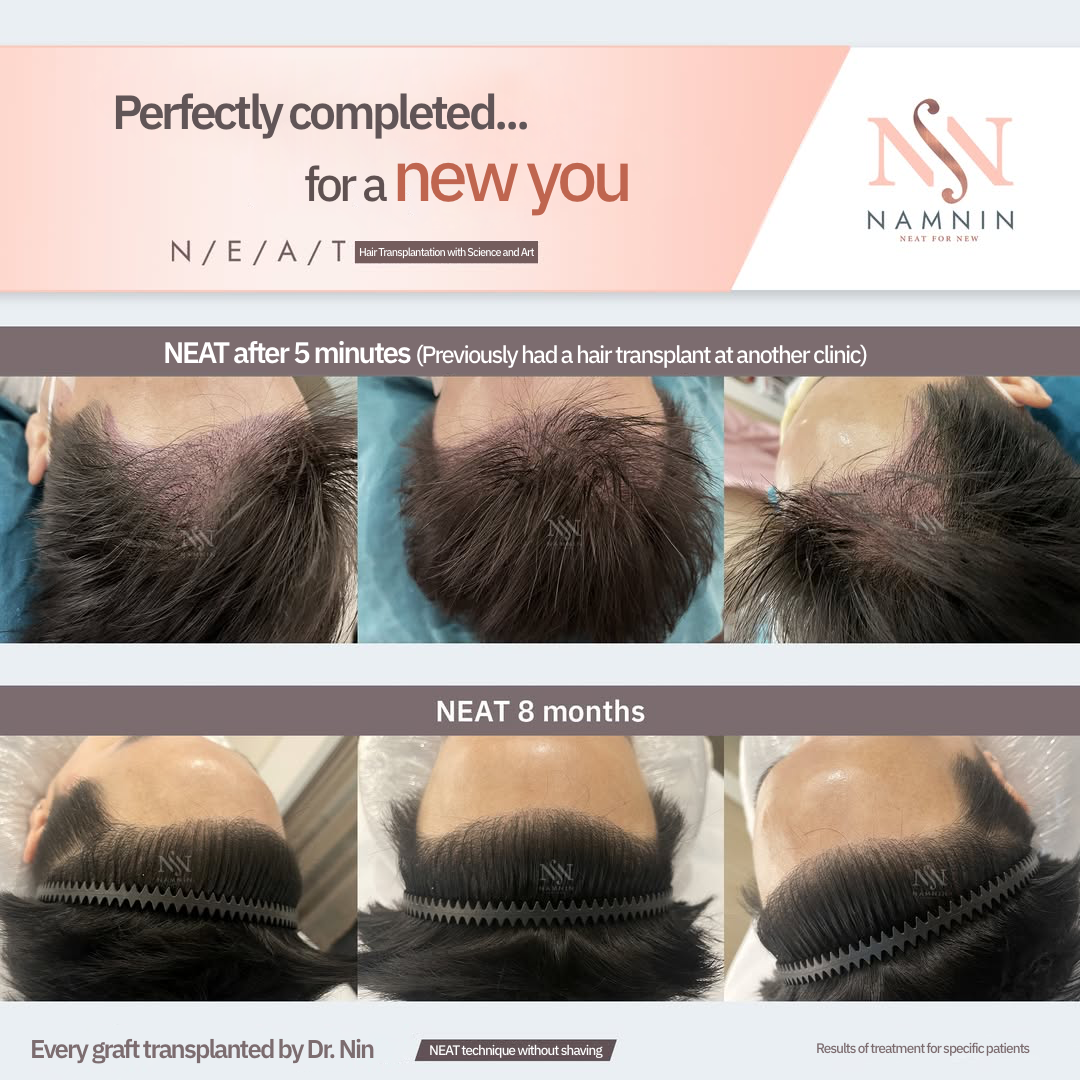
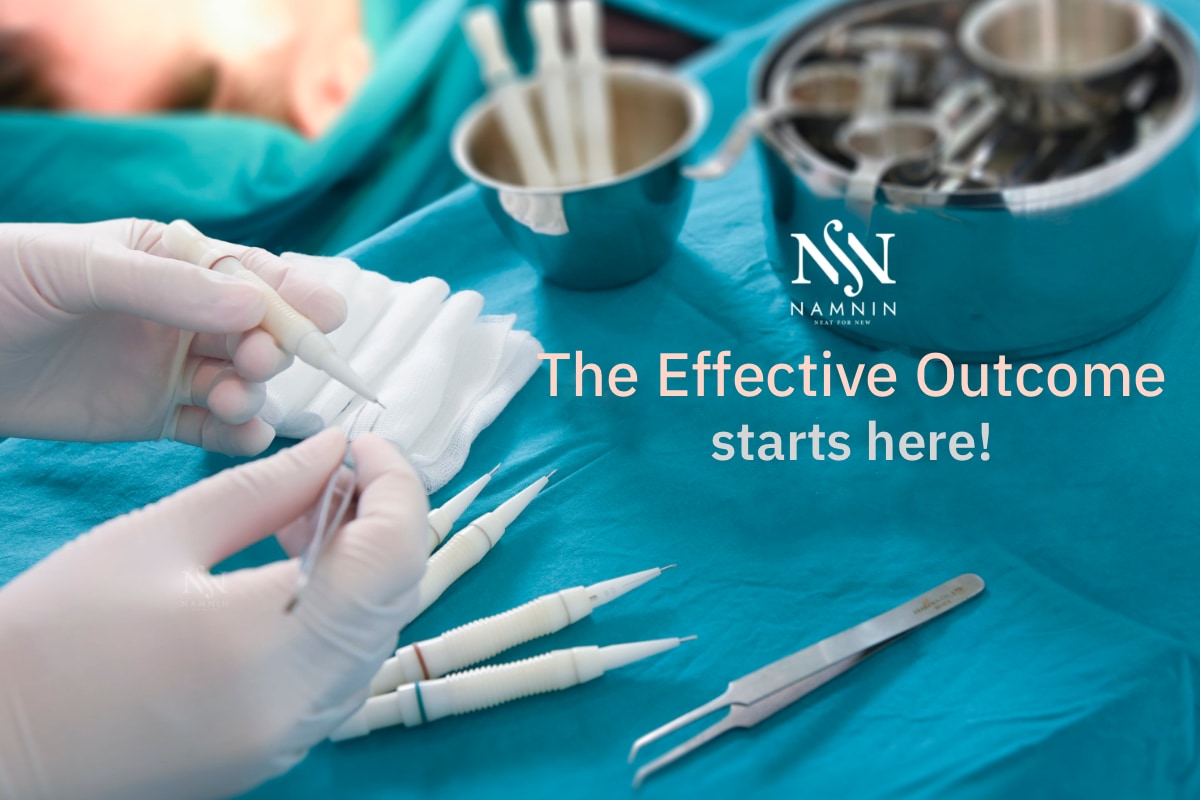
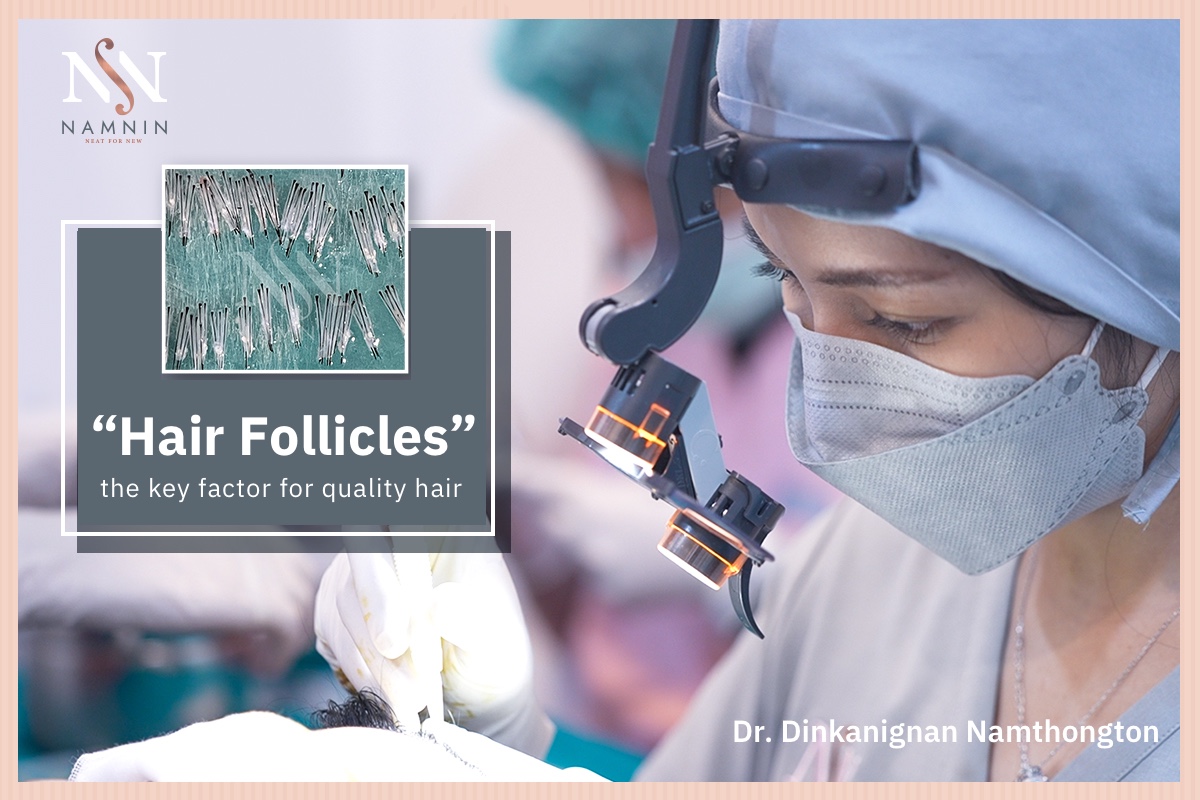
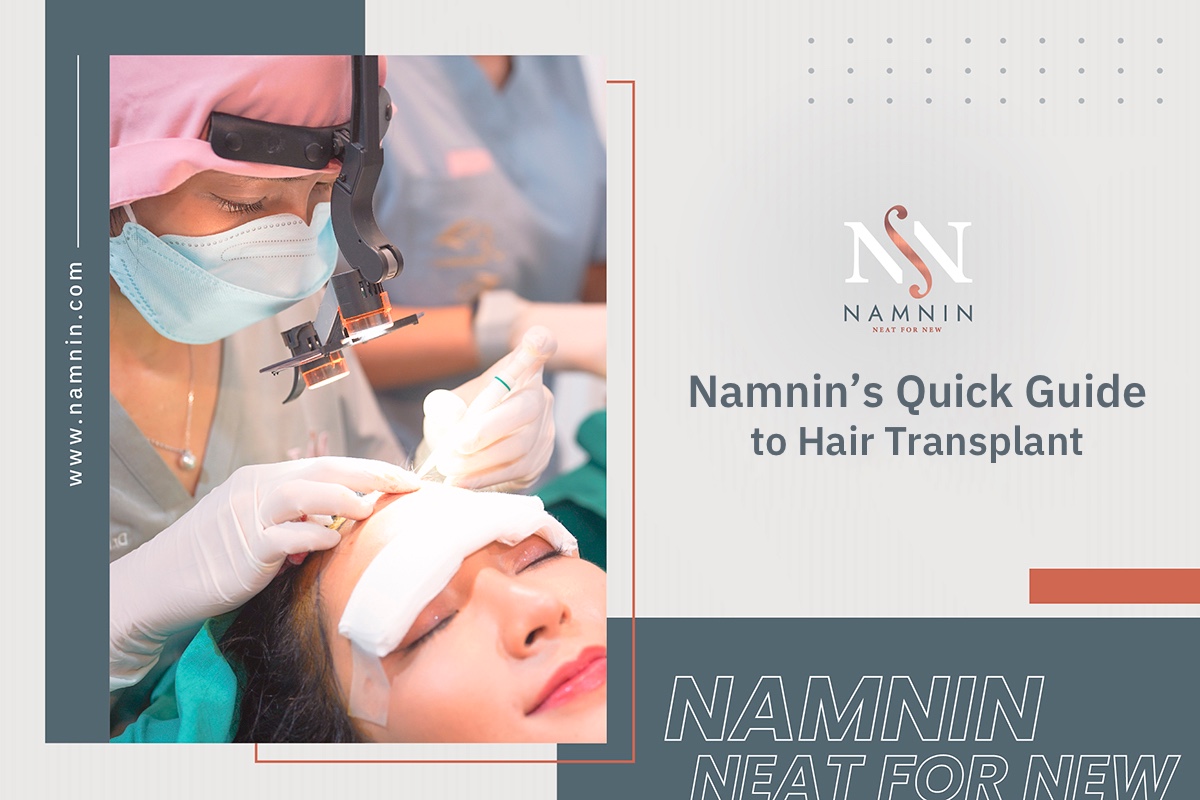
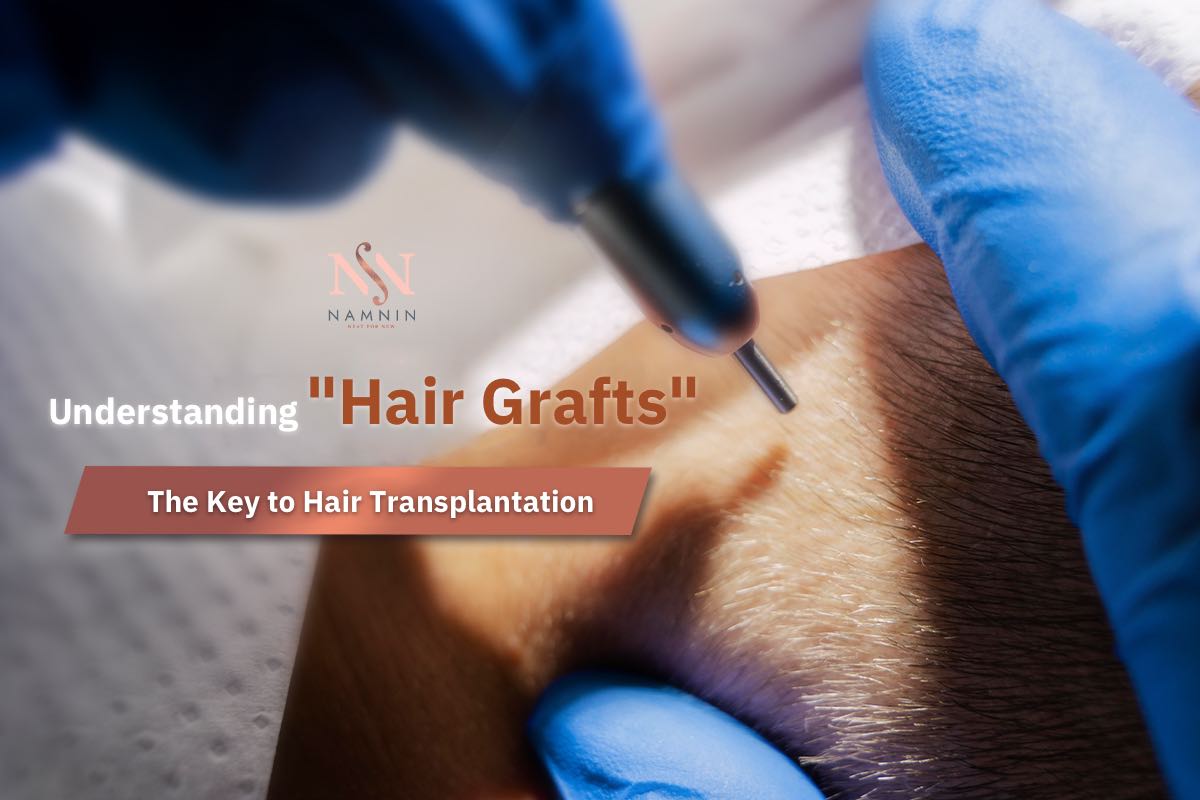
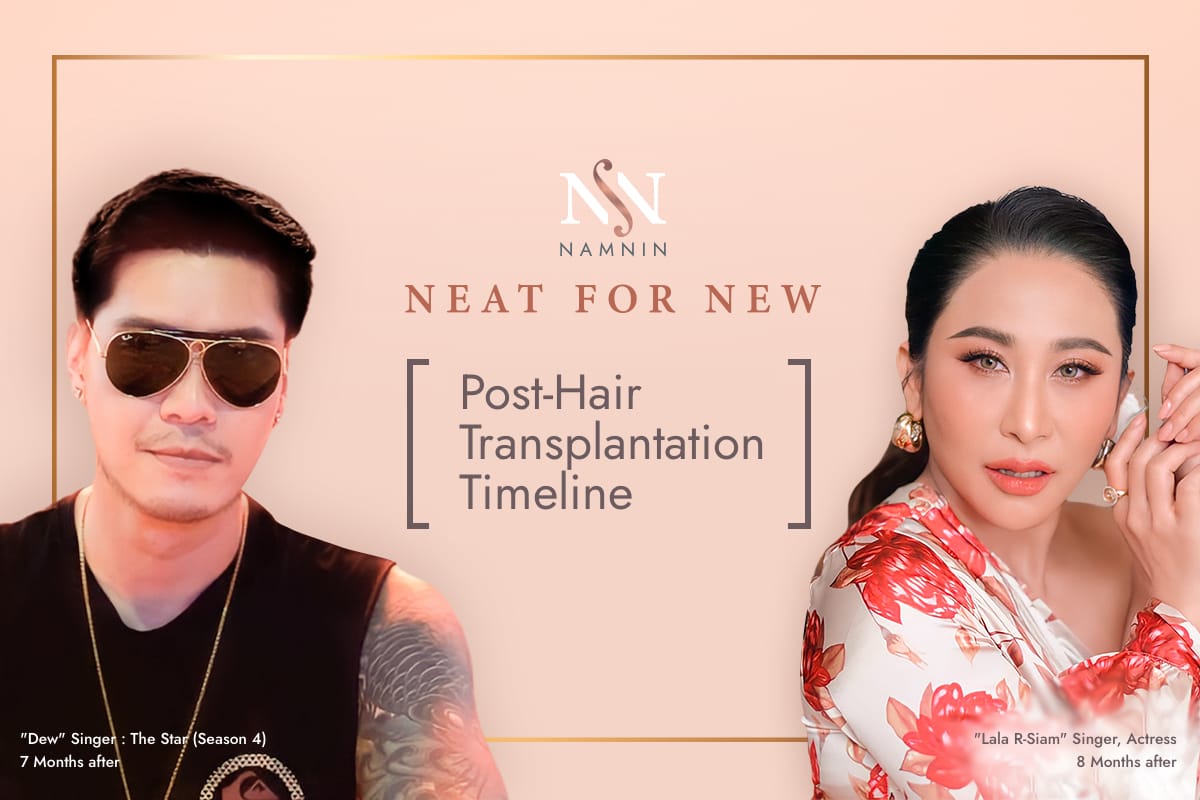
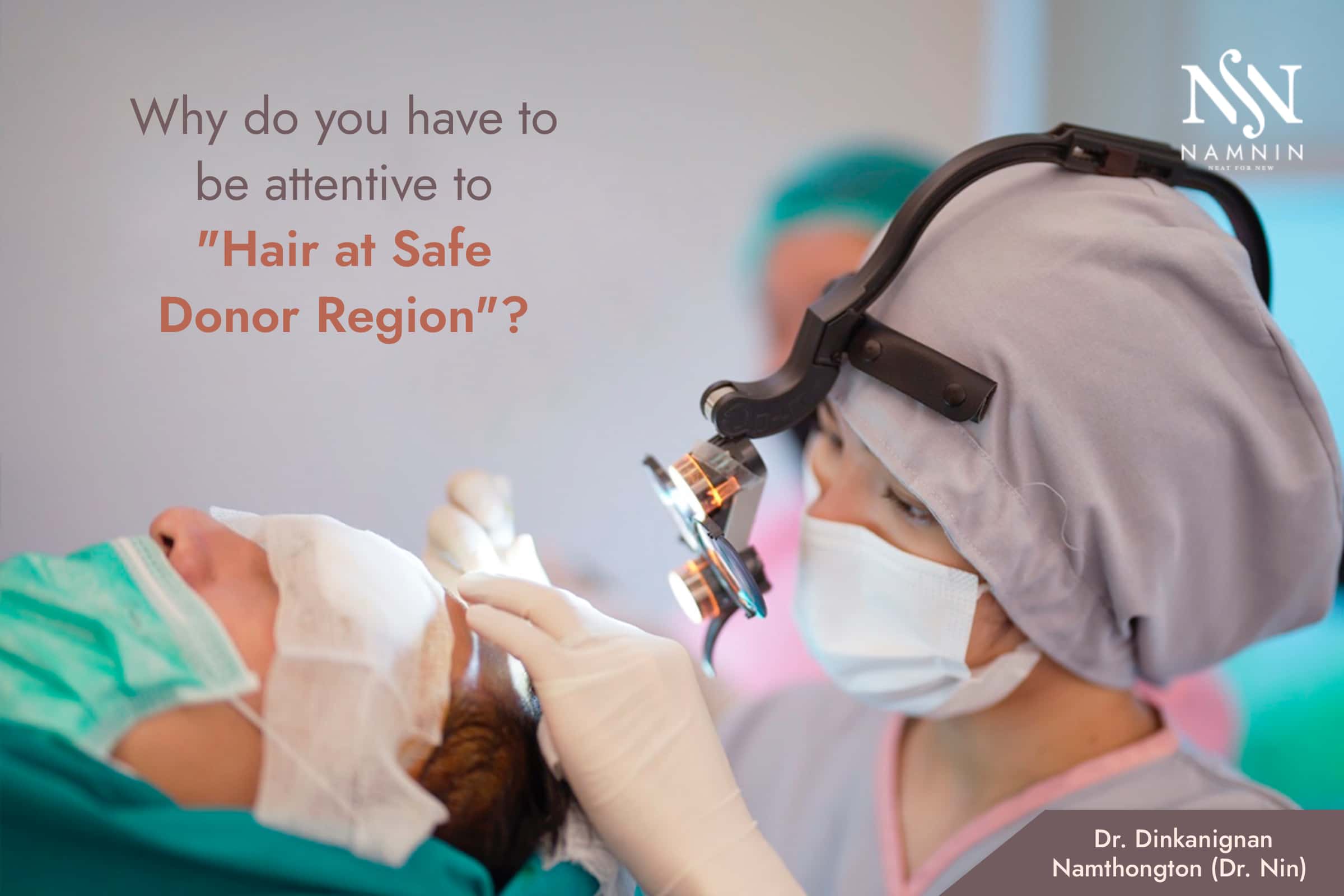
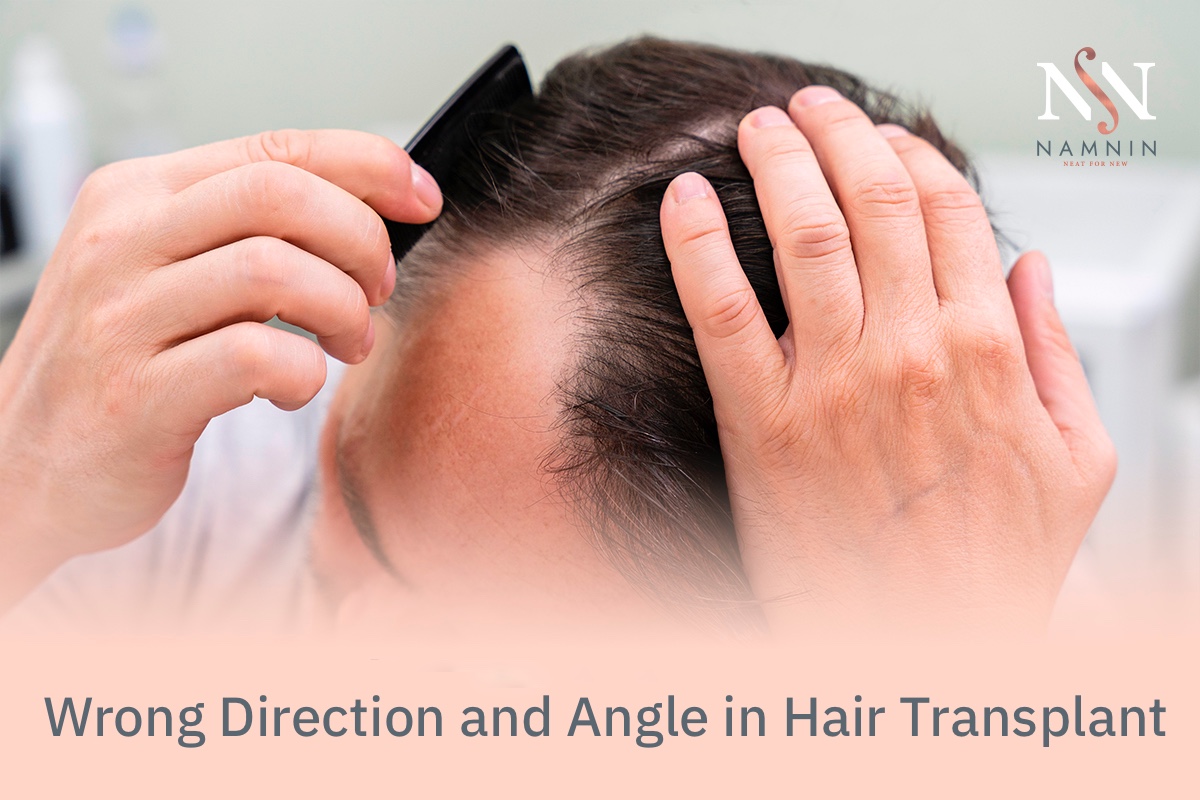
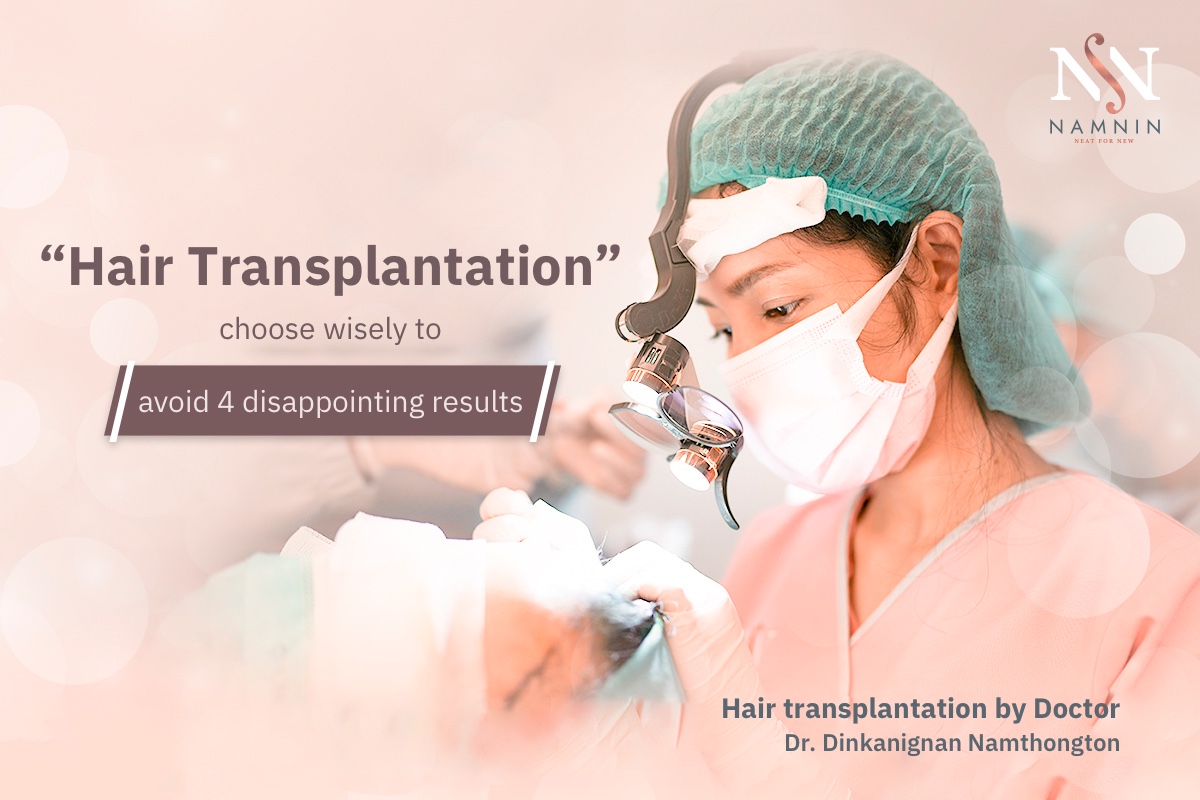
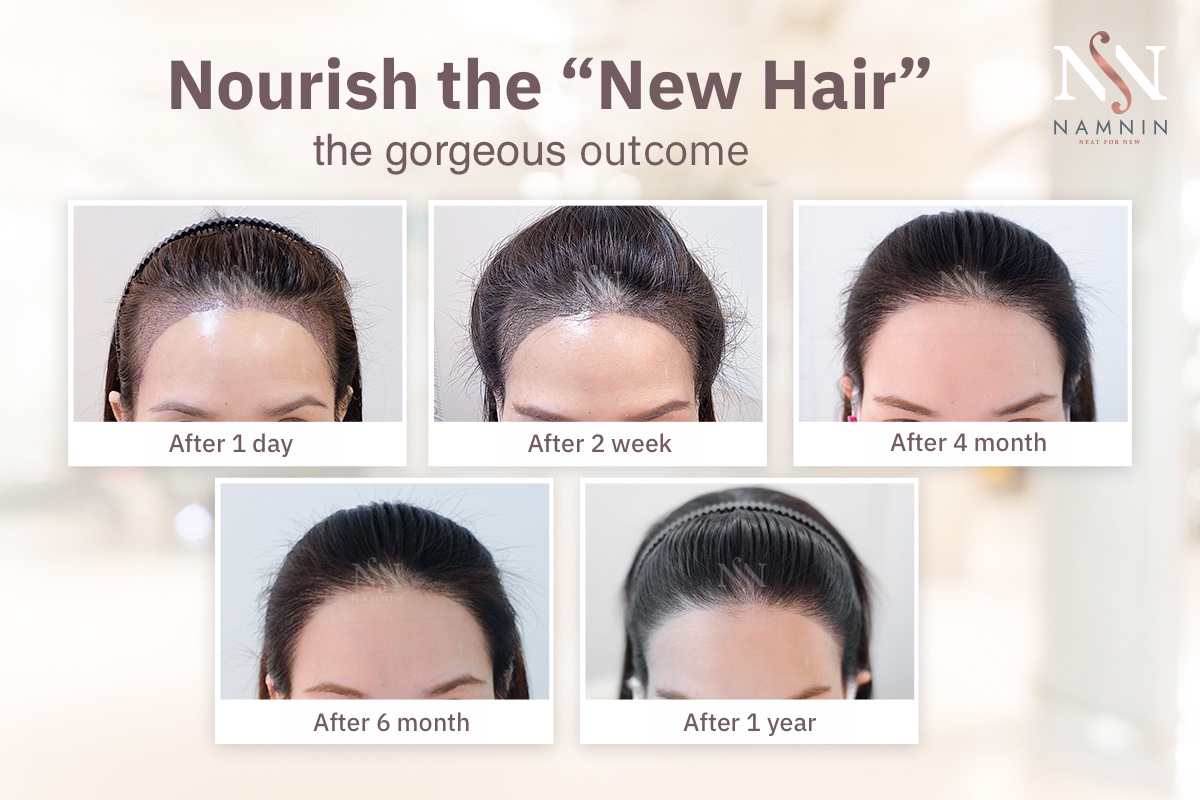
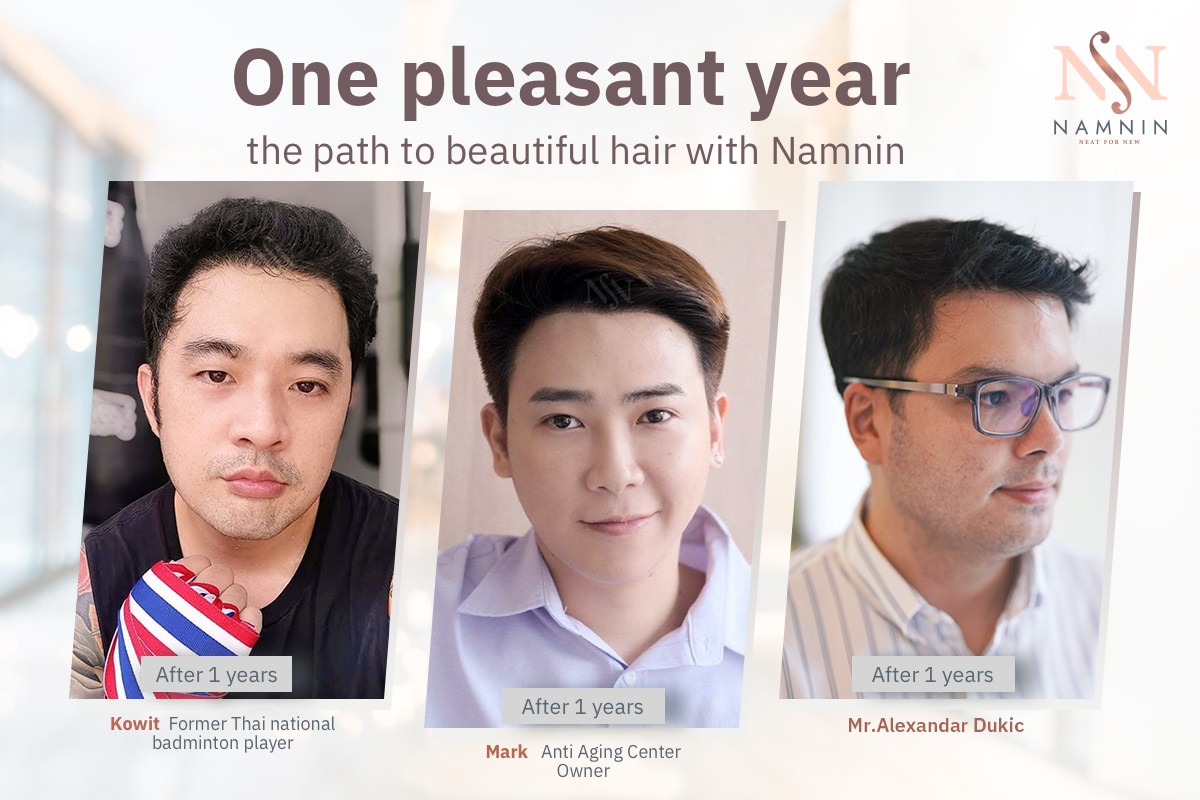
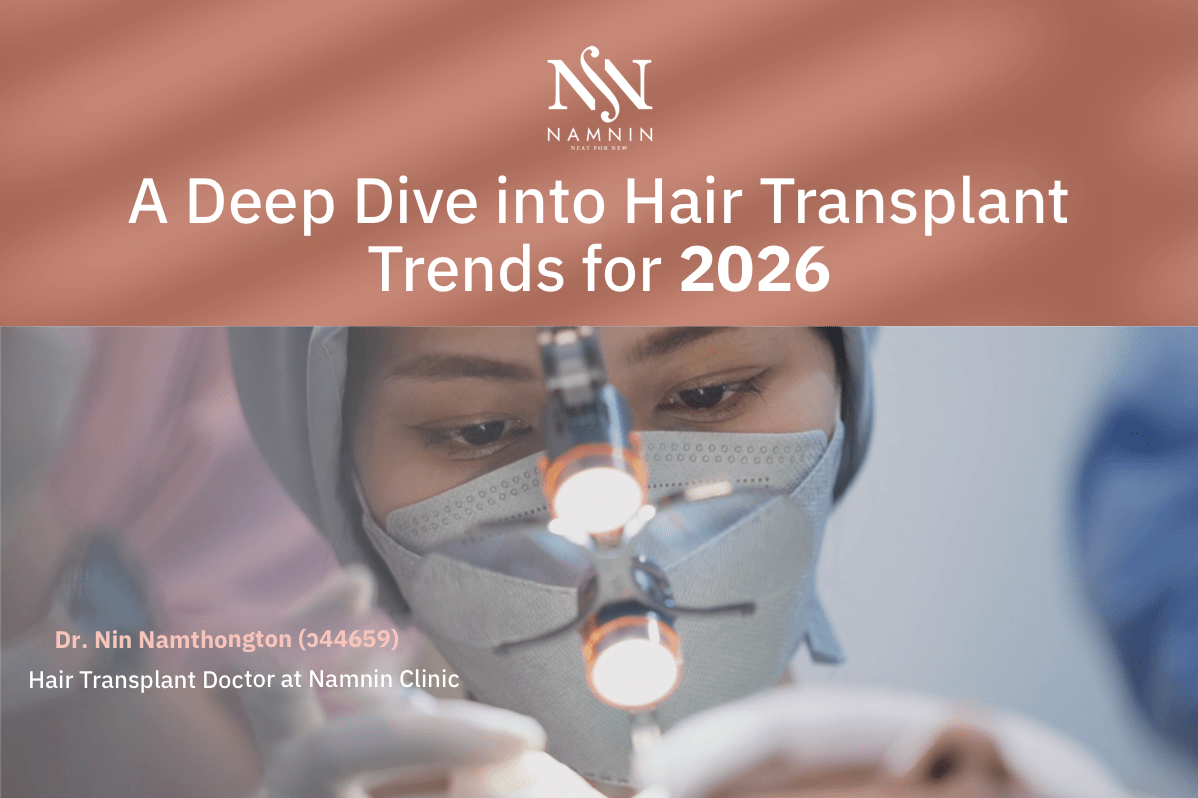
When the day of the hair transplant arrives, the doctor personally performs the transplantation of every graft with meticulous care. This allows the doctor to control the direction and angle of the new hair so that it blends naturally with the existing hair. The appropriate depth and density are also determined to support hair growth. In addition, specially designed small transplantation instruments are used to minimize trauma to the scalp as much as possible. Not only that, the doctor personally follows up on the results for a full year after the transplant, until the new hair has fully grown according to the natural hair cycle.
Although the NEAT can help restore hair regardless of age, if men begin to notice even minor signs of hair loss or thinning, they should not ignore them or wait until they are older. Seeing a doctor and starting appropriate care early can improve treatment effectiveness and increase the chance of keeping the hair for many years to come.