If we look at the lifestyles of working men and women today, many take good care of themselves. They exercise, choose protein rich foods, and try to get enough sleep. However, there is another aspect that is often overlooked: vitamin D. This is not necessarily because they neglect their health, but often because of busy schedules. They leave home early in the morning, spend most of their time in the office, and return home when the sun is already setting. As a result, they may have very little opportunity to get adequate sunlight at an appropriate time, which can lead to insufficient vitamin D levels without them realizing it.
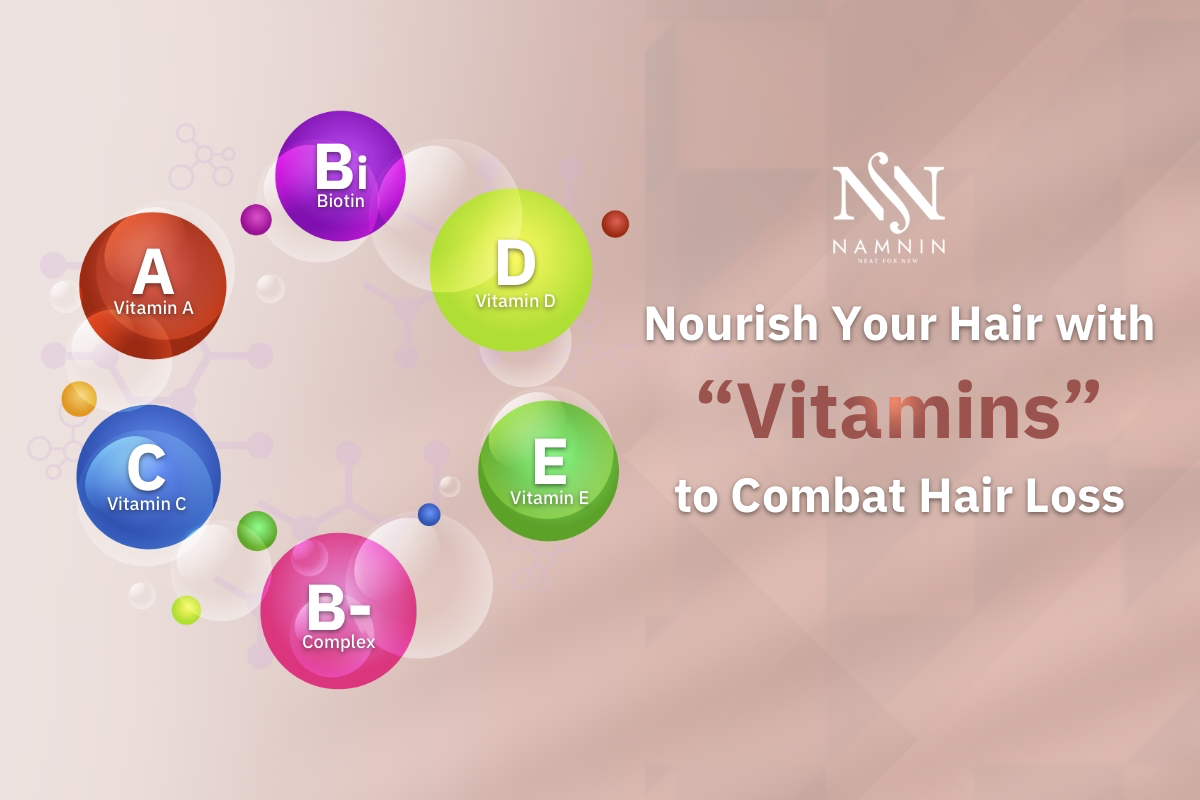
Although vitamin D is well known for its role in supporting bone health, it also plays a role in the immune system, muscle function, regulation of inflammation, as well as hair and scalp health. Research has found that vitamin D is involved in the hair growth cycle through the Vitamin D Receptor, or VDR, located in the hair follicles. People with low vitamin D levels may therefore be more likely to experience certain types of hair loss than the general population. This does not mean that vitamin D supplementation can resolve every case of hair loss, but maintaining an appropriate vitamin D level is considered one of the factors that can support normal hair follicle function.

Many people may have heard that sun exposure helps the body produce vitamin D, which is true. However, the body does not use all types of sunlight to synthesize vitamin D. Sunlight contains several types of radiation, including UVA, which contributes to premature skin aging and wrinkles, and UVB, which helps stimulate vitamin D production.
If you want to obtain vitamin D from sunlight, suitable times are before 8:00 a.m. or after 4:00 p.m. Simply going for a walk, walking to buy coffee, jogging lightly, or exercising outdoors for approximately 5 to 30 minutes, while allowing the arms or legs to receive some sunlight, may be sufficient to help the body begin producing vitamin D. However, the appropriate duration may vary depending on skin tone, weather conditions, and individual factors. In contrast, between 8:00 a.m. and 4:00 p.m., UV radiation is more intense. If you need to remain outdoors for an extended period without protection, this may increase the risk of sunburn, melasma, freckles, dark spots, premature wrinkles, and dull looking skin. If avoiding sun exposure during this period is not possible, wearing a hat, long sleeved clothing, or applying sunscreen can help protect the skin while supporting overall health.
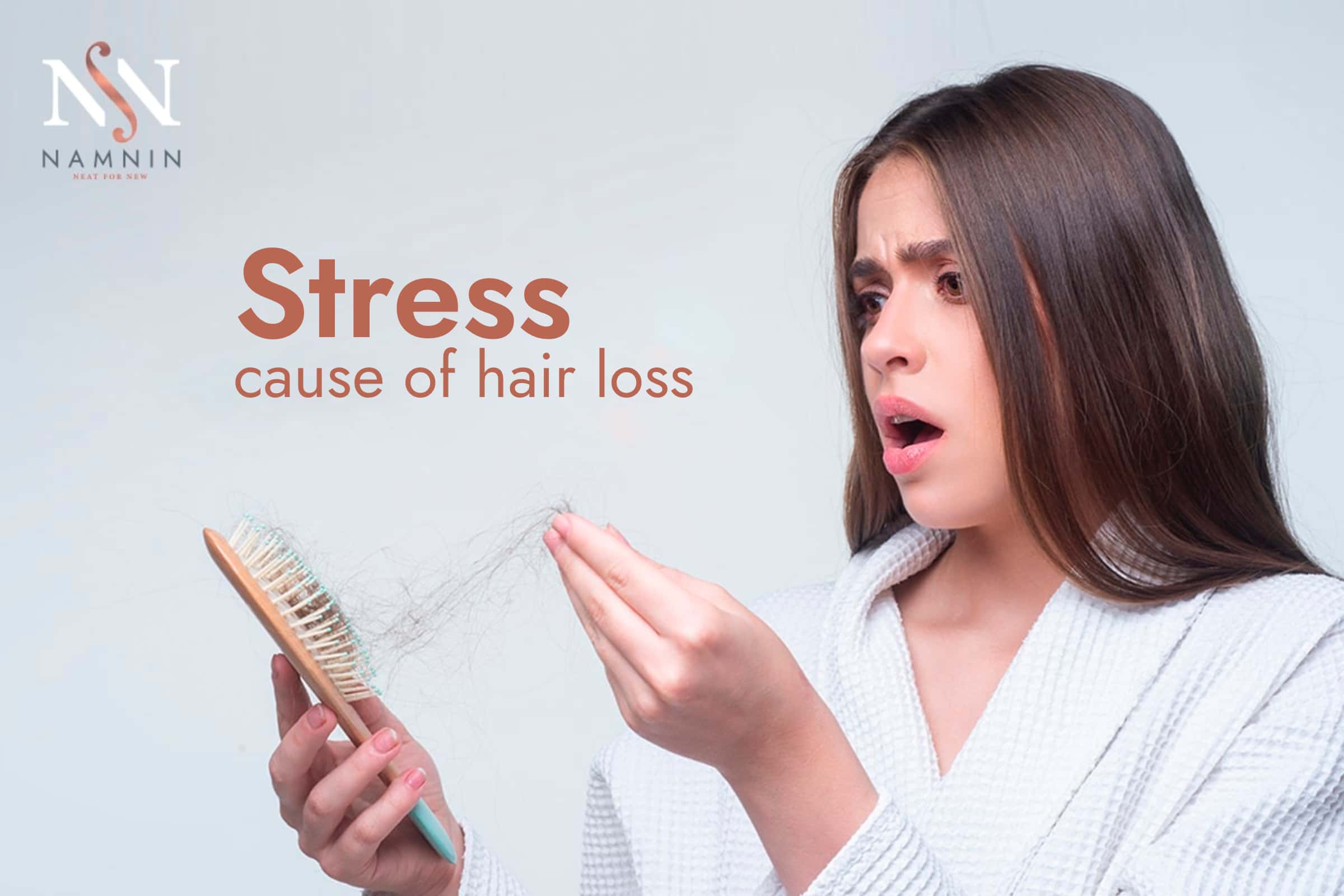
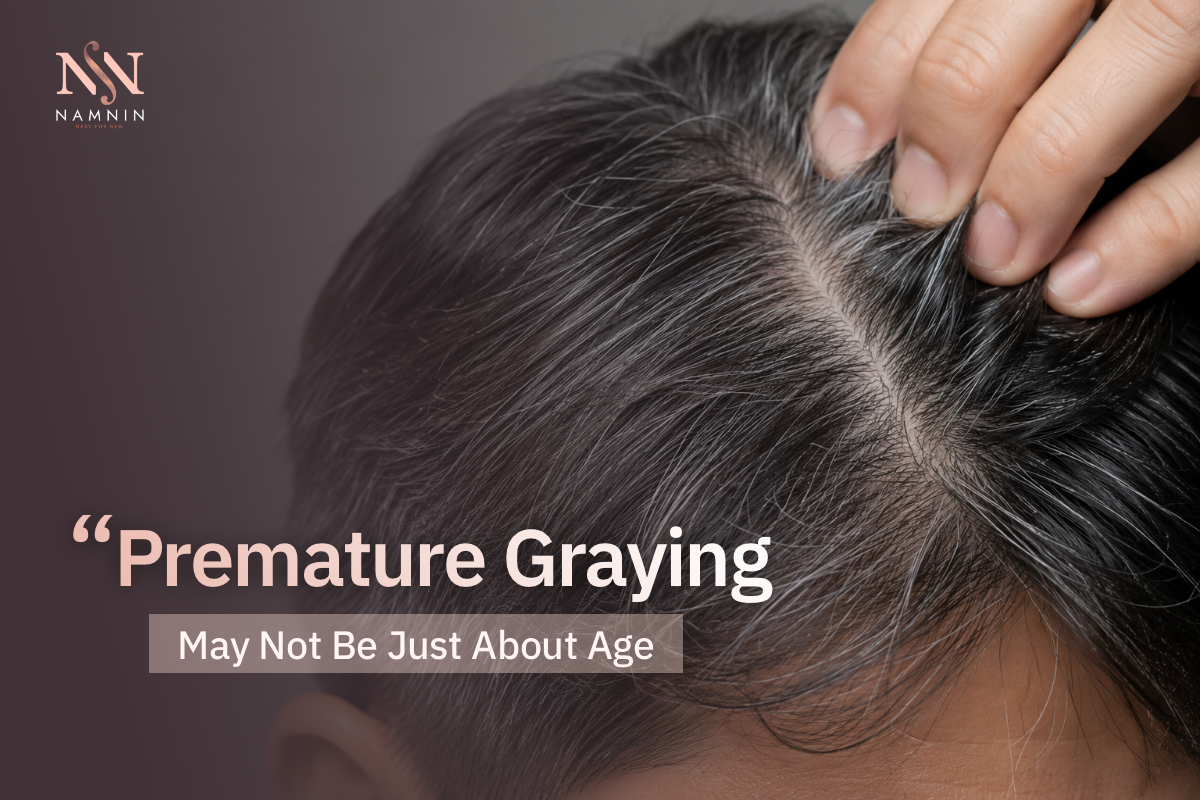
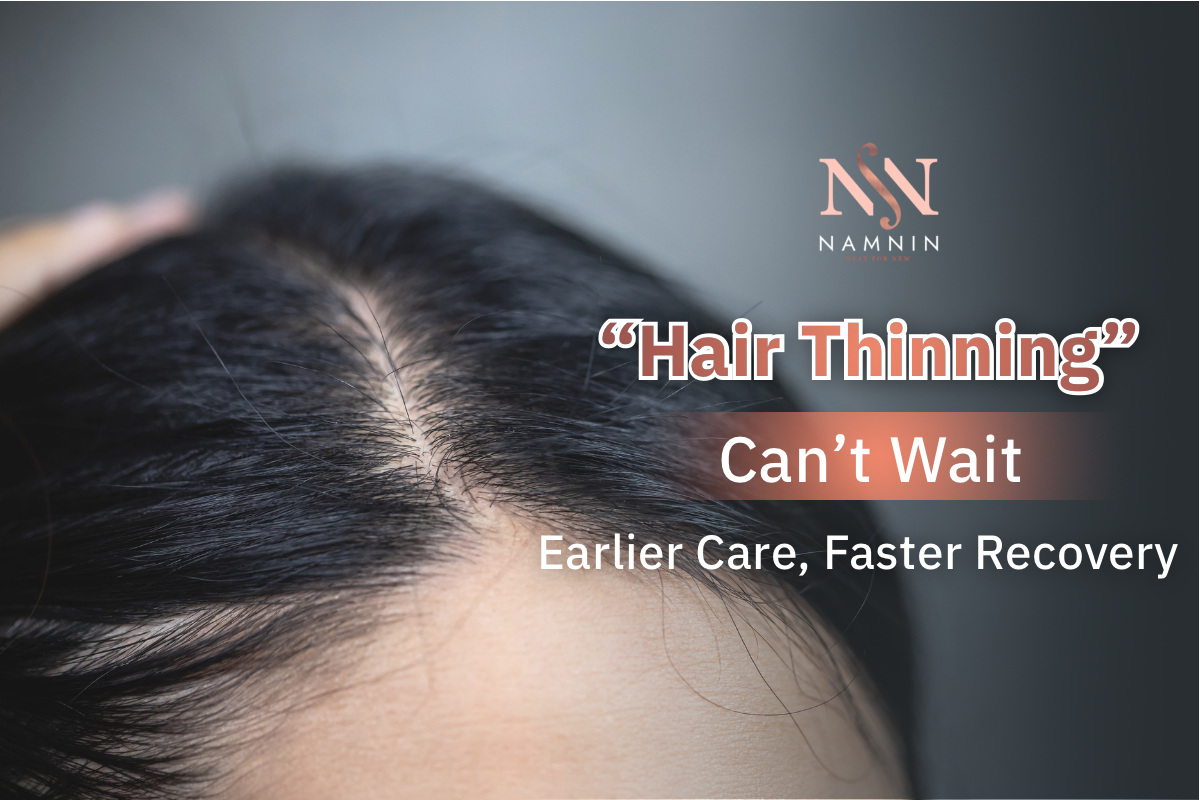
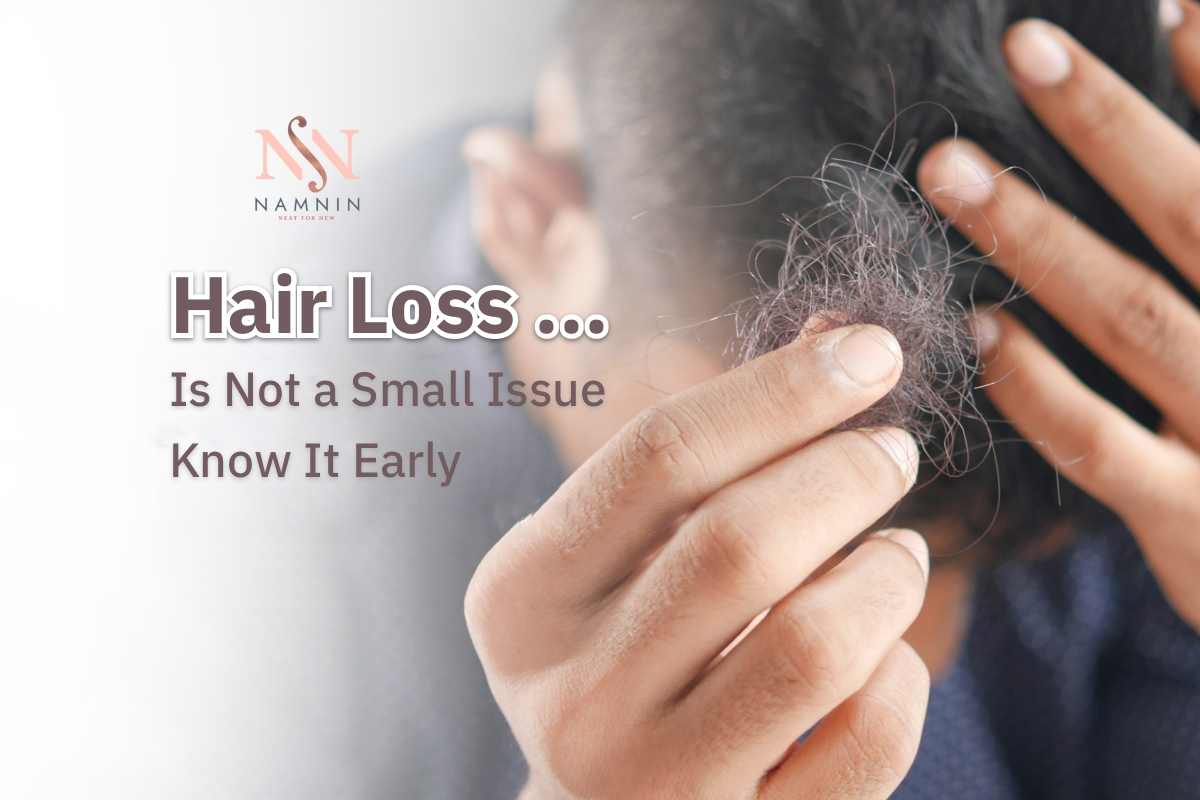
Vitamin D deficiency often does not cause clear symptoms. Many people can continue their daily lives as usual, but the body may sometimes show subtle signs such as fatigue, muscle aches, weakness, frequent colds, or wounds that take longer than usual to heal. In terms of hair, some people may notice increased hair shedding, gradual hair thinning, or hair that becomes brittle and breaks easily. However, these symptoms do not necessarily indicate vitamin D deficiency, as hair loss can also be associated with genetics, hormones, stress, insufficient rest, or deficiencies in other nutrients.
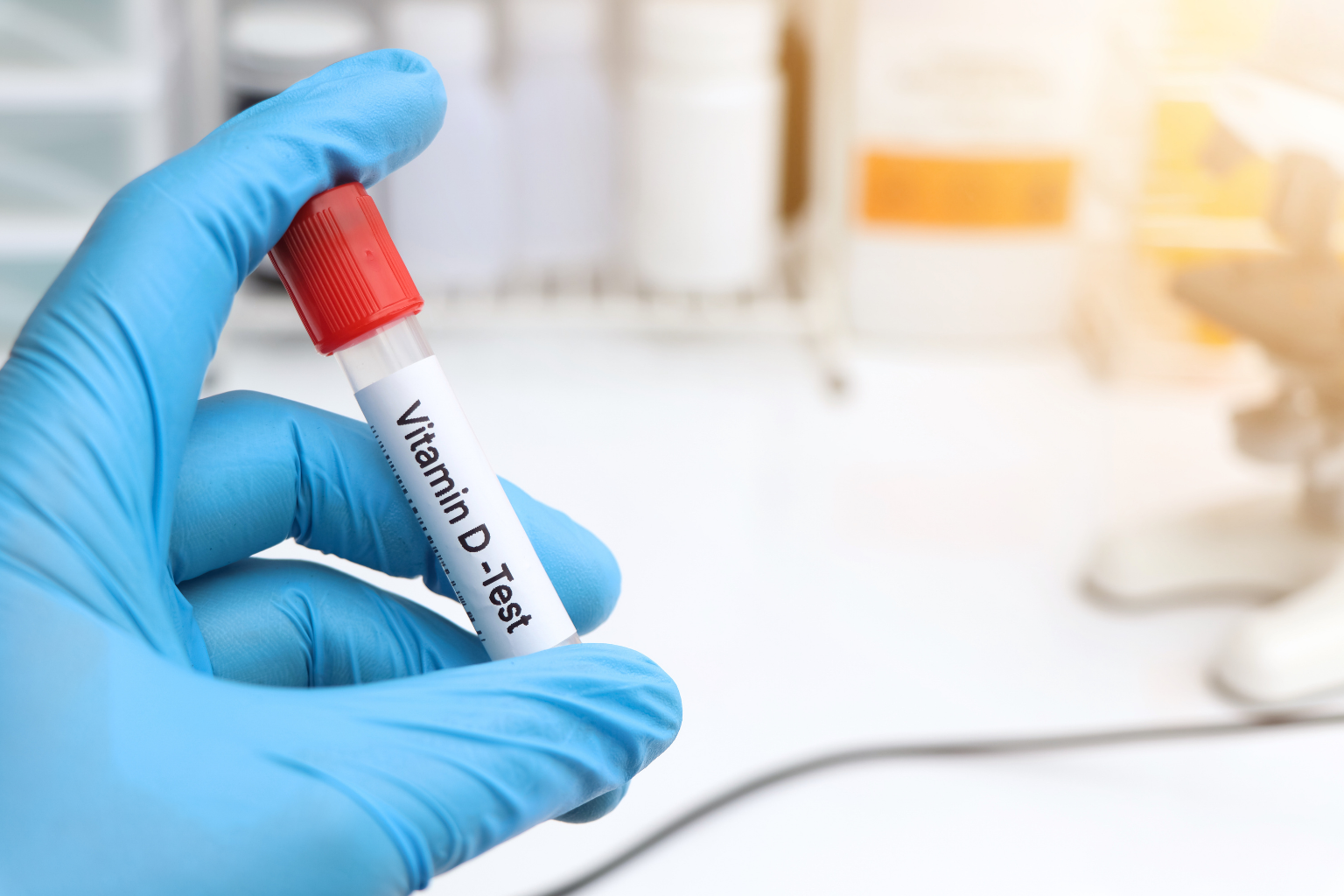
One way to obtain a clearer assessment is through a blood test to measure the level of 25 hydroxyvitamin D, or 25(OH)D. A doctor can then evaluate the results together with symptoms and medical history before recommending an appropriate approach, whether that involves lifestyle adjustments, increased sun exposure, dietary changes, or vitamin D supplementation when indicated. Taking high doses of vitamin D on your own may not be appropriate for everyone.
If testing shows that the body is not receiving enough vitamin D, adjusting lifestyle habits or taking vitamin D according to a doctor’s recommendation is a good starting point. However, for many people, hair loss may involve other contributing factors, including genetics, hormones, or inflammation of the scalp. For this reason, appropriate care should begin with identifying the underlying causes in each individual rather than focusing on correcting only one factor.
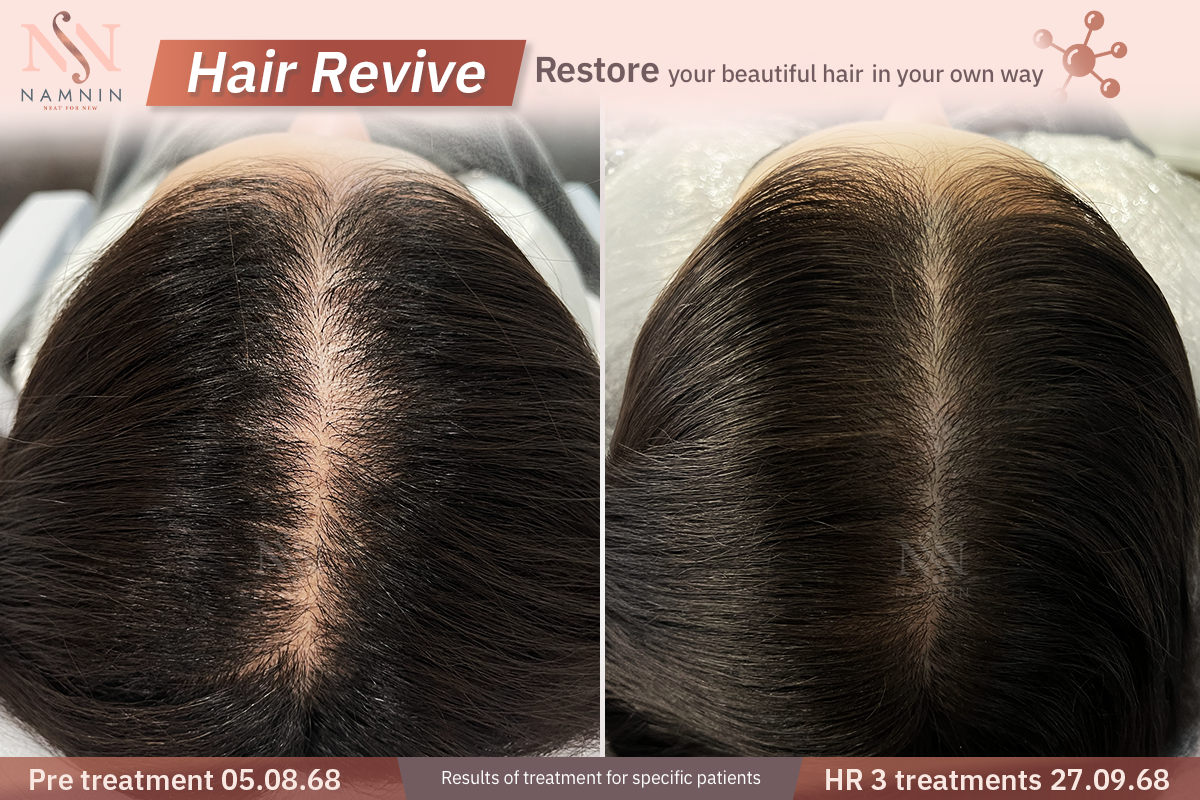
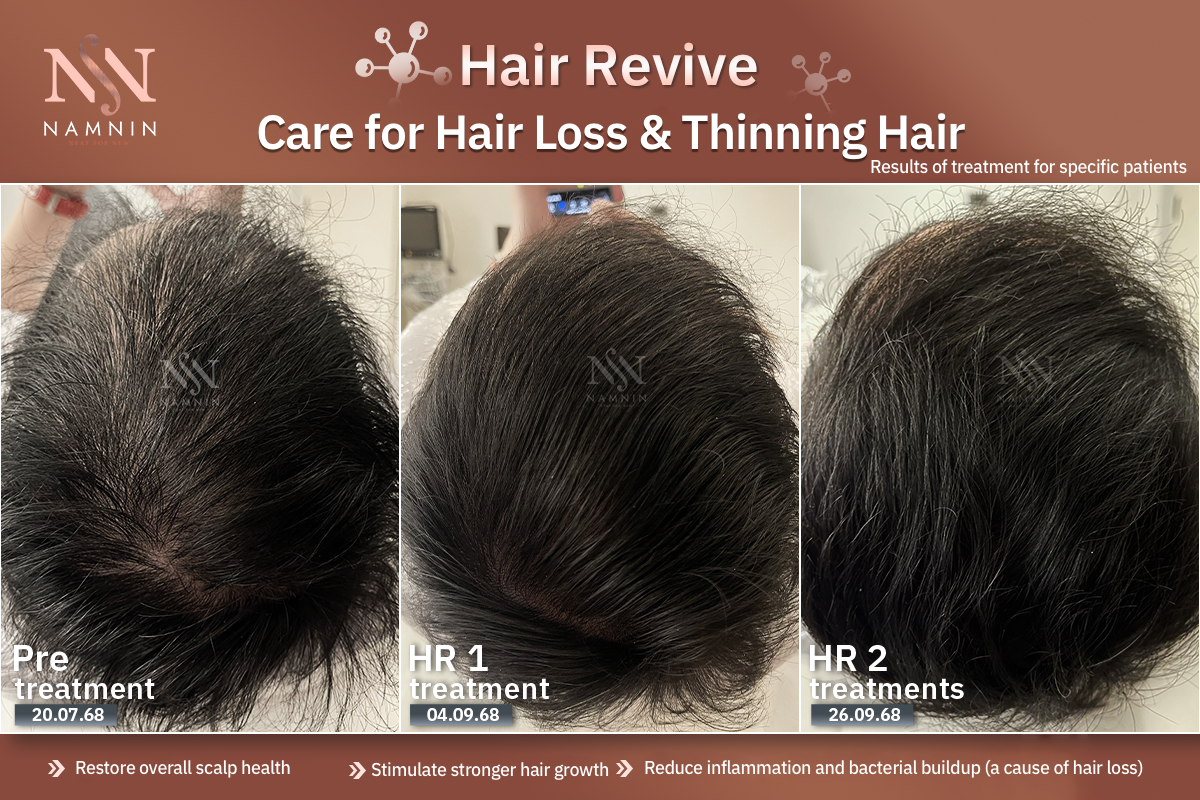
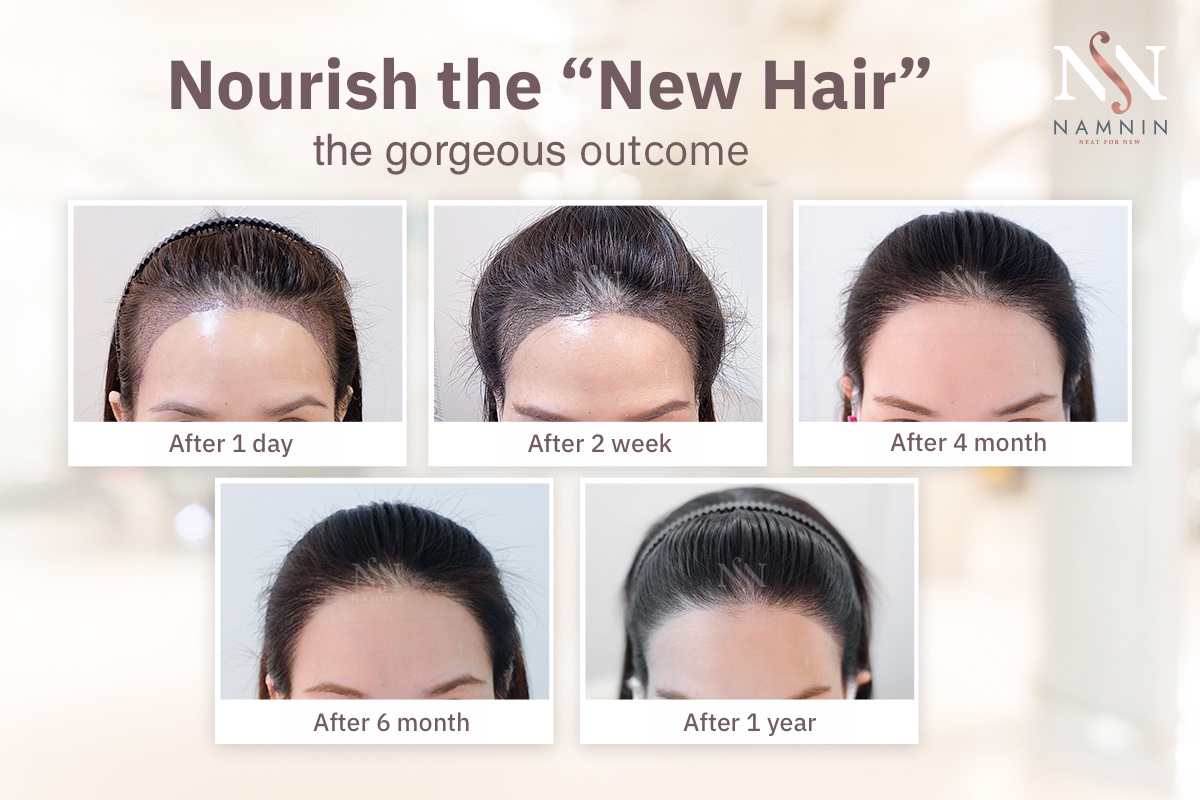
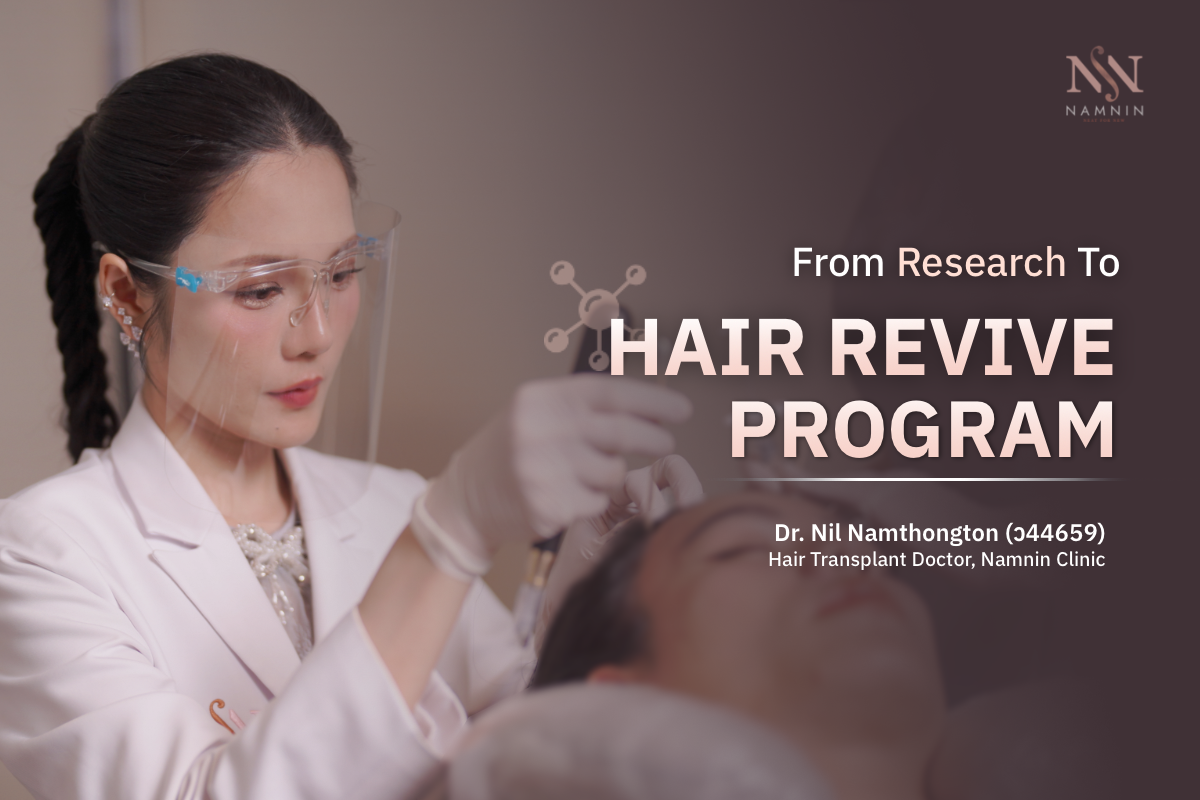
With the intention of addressing hair loss comprehensively, Dr. Nin developed the Hair Revive Program, a program for revitalizing and nourishing the hair and scalp, building on research conducted in collaboration with medical teams from South Korea and Indonesia. The program combines natural extracts with medical technology to provide gentle care for the hair and scalp.
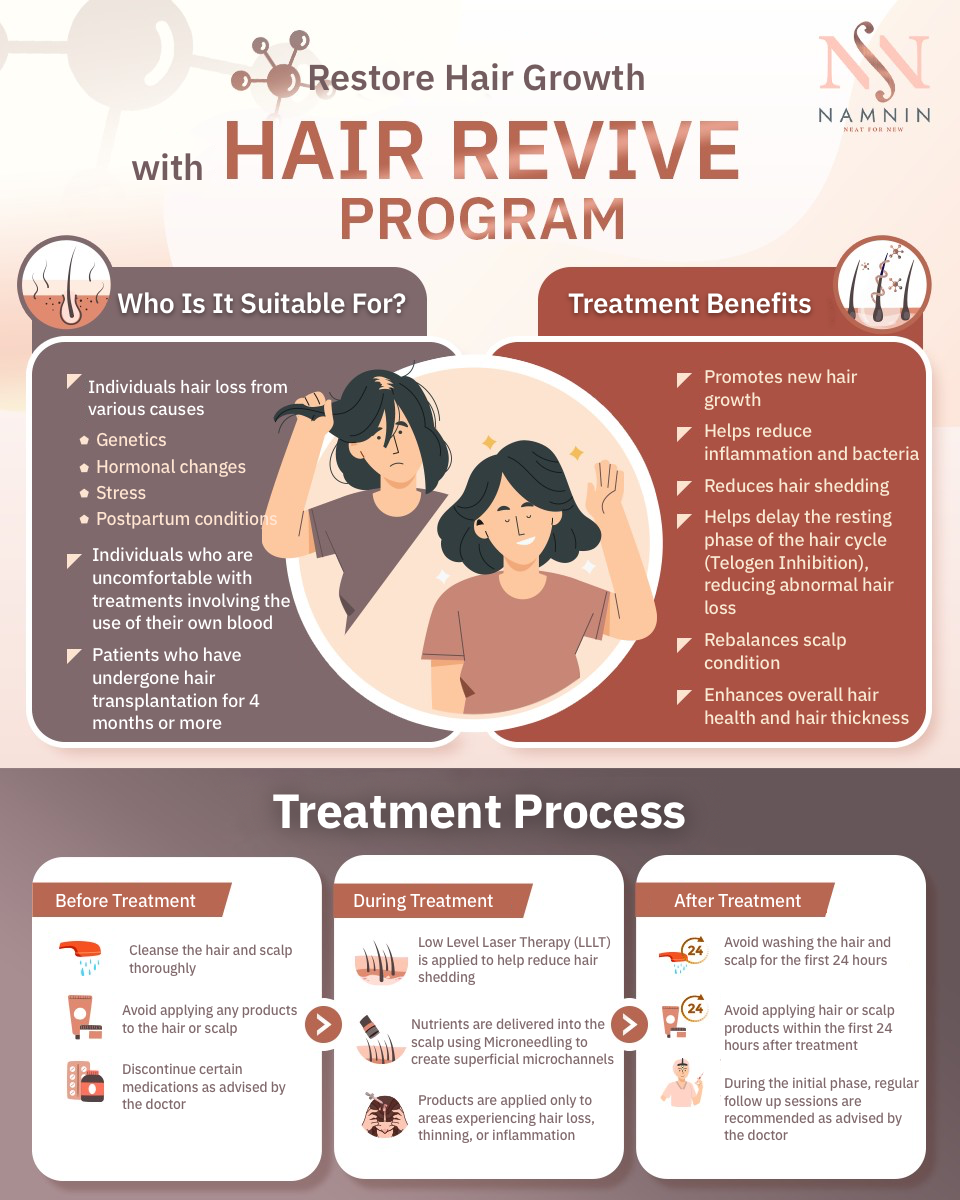
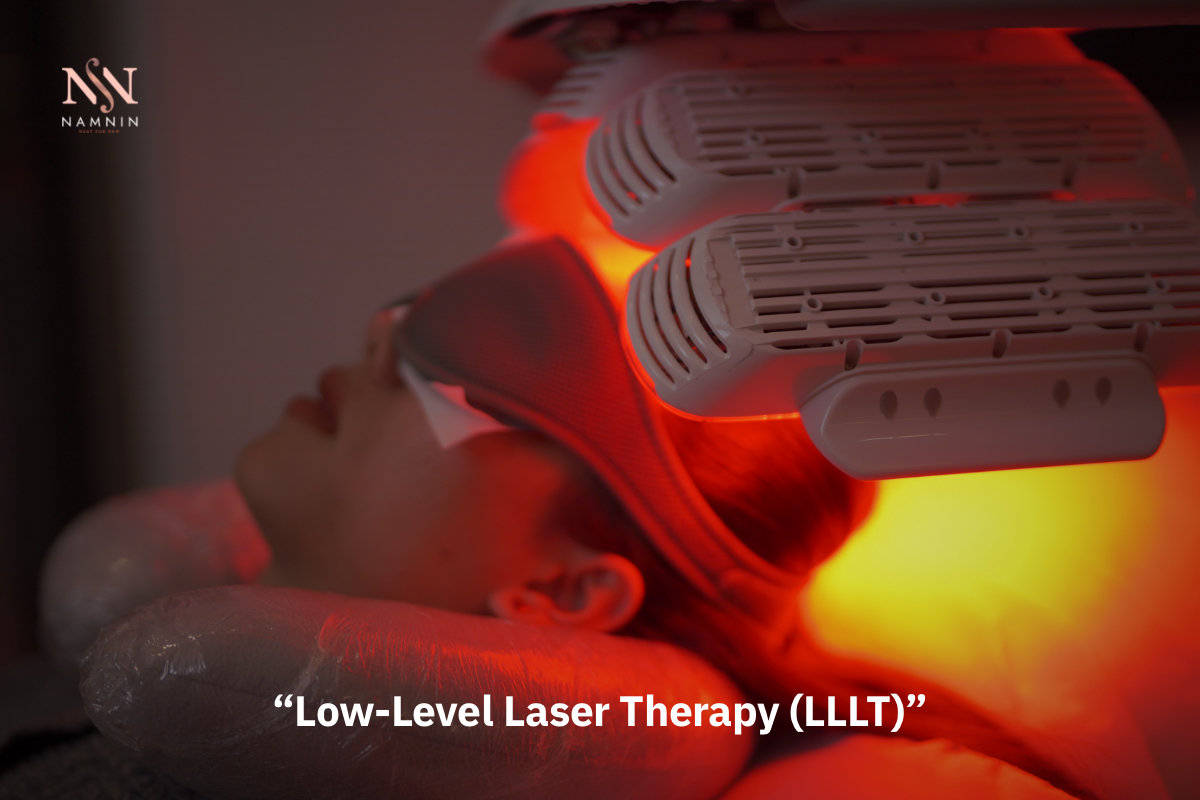
Before starting the program, the doctor conducts a detailed assessment of the scalp and hair follicles to develop an individualized care plan. Low Level Laser Therapy, or LLLT, is then used to help stimulate blood circulation, followed by Microneedle Therapy to enhance the absorption of key active ingredients. The program concludes with the application of chitosan extract and essential nutrients to the scalp. Each session takes approximately 45 to 60 minutes. After the treatment, patients can return to their normal daily activities, making it suitable for working men who want to take care of their hair without disrupting their busy schedules.
Hair health is influenced by many factors, and vitamin D is one of the factors worth considering. However, having low vitamin D levels does not necessarily mean that vitamin D deficiency is the primary cause of hair loss, and correcting vitamin D levels alone may not be sufficient when other contributing factors are present. Assessing the underlying causes and taking care of overall health are therefore important.
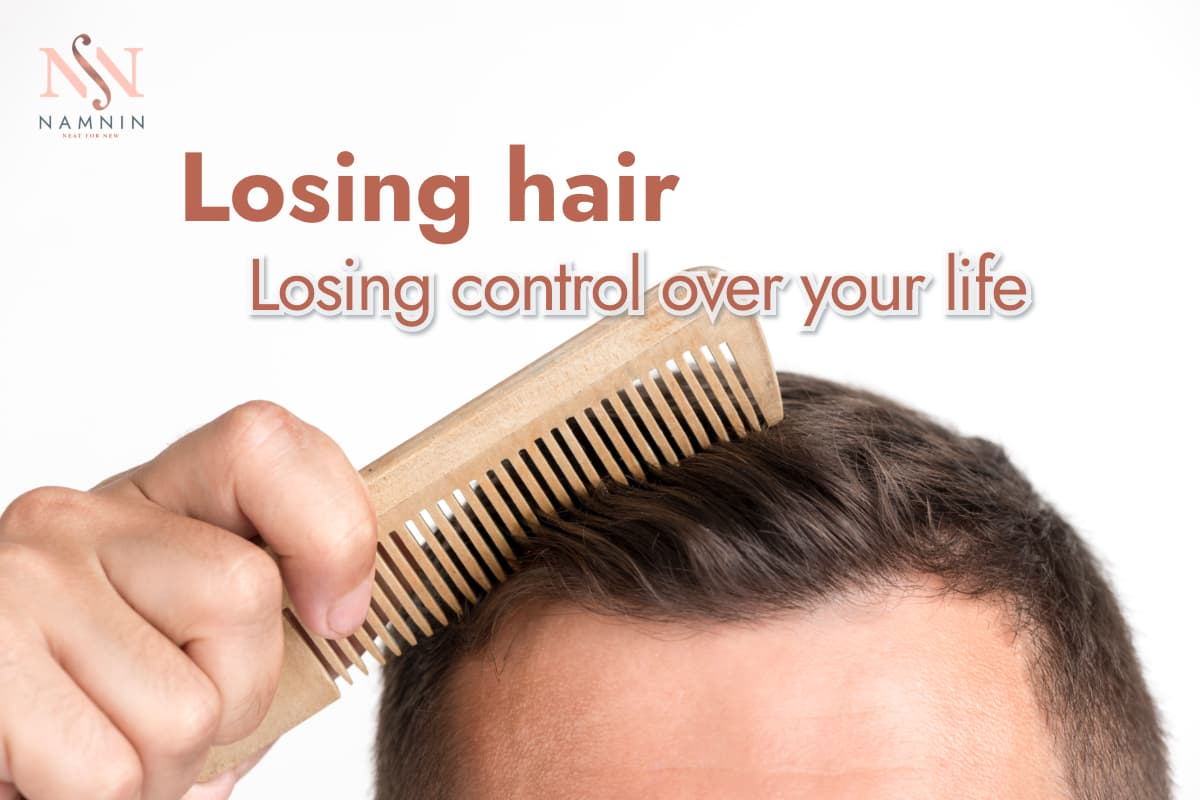
If you begin to notice increased hair shedding or thinning hair, you should consider consulting a doctor to assess the pattern of hair loss, associated symptoms, medical history, and relevant factors. This can help determine an approach that is appropriate for the underlying cause and suited to each individual.
Additional Sources
Systematic review and meta analysis on 25(OH)D levels and nonscarring alopecia, 2024.
Systematic review and meta analysis on Vitamin D deficiency in individuals with alopecia, 2024.
World Health Organization, or WHO. Ultraviolet radiation and guidelines for UV protection.