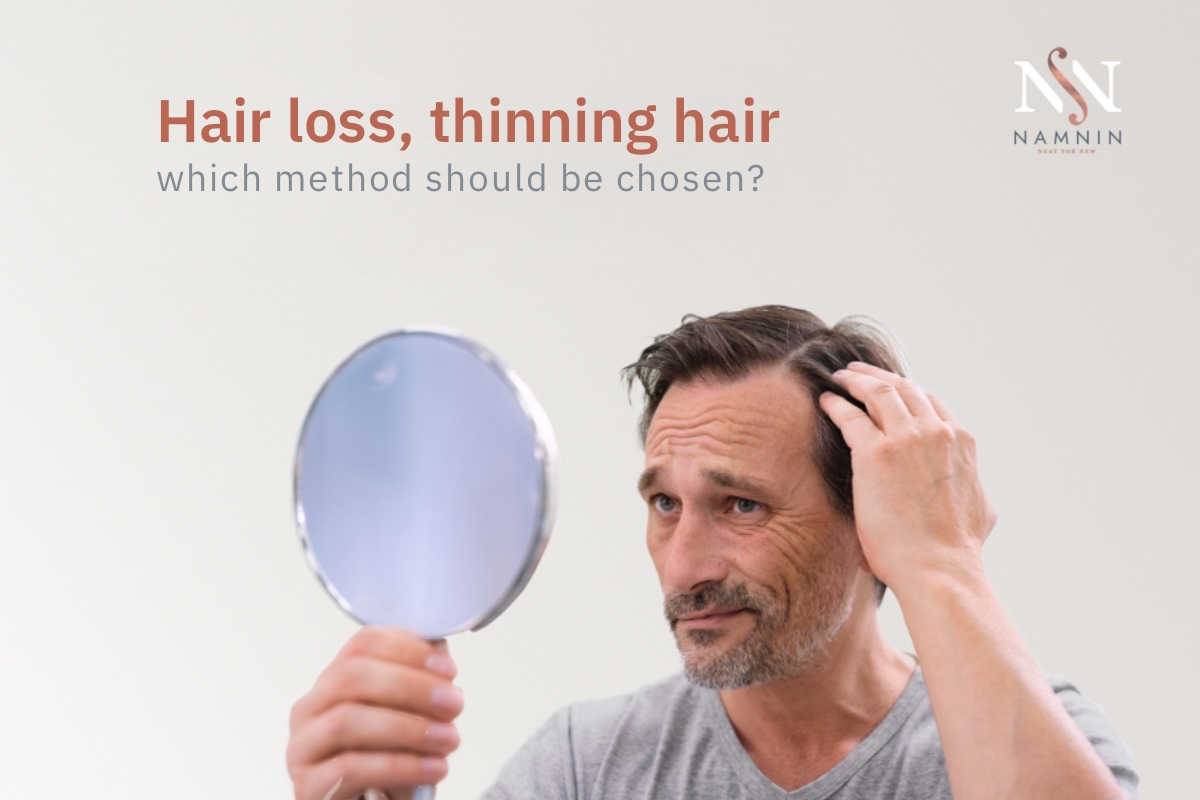
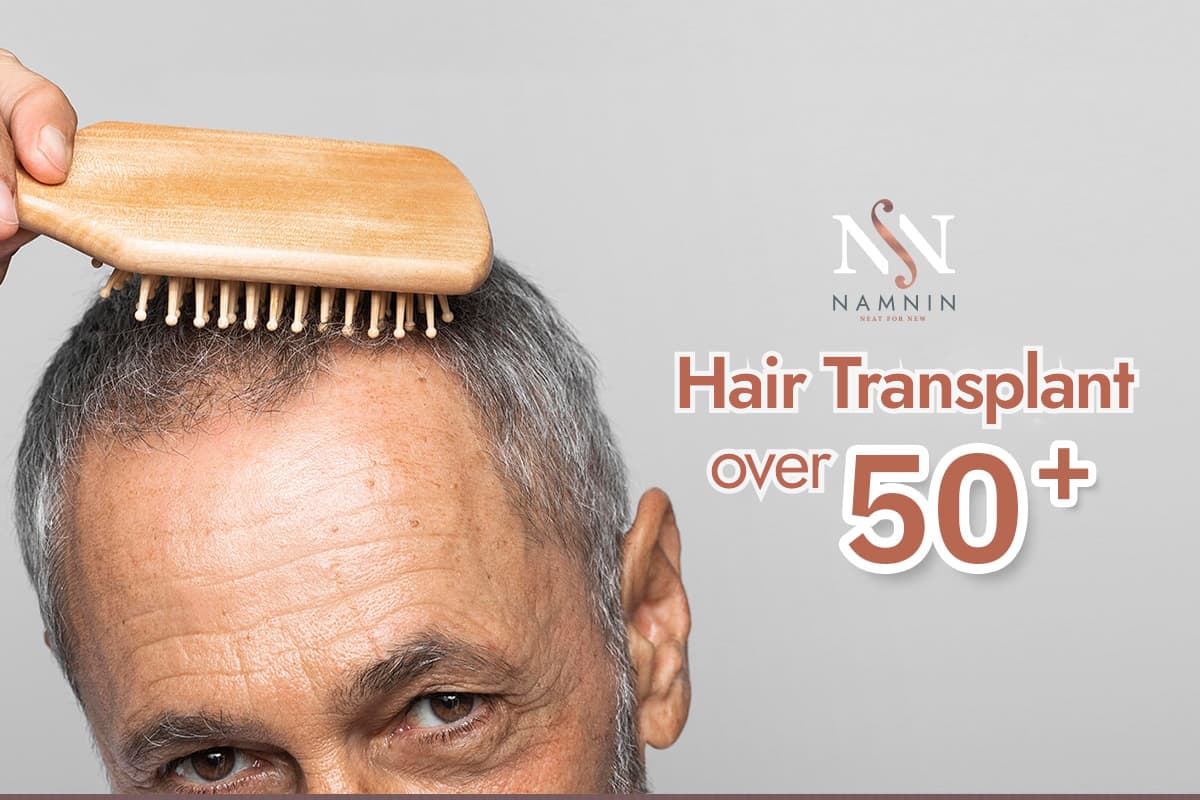
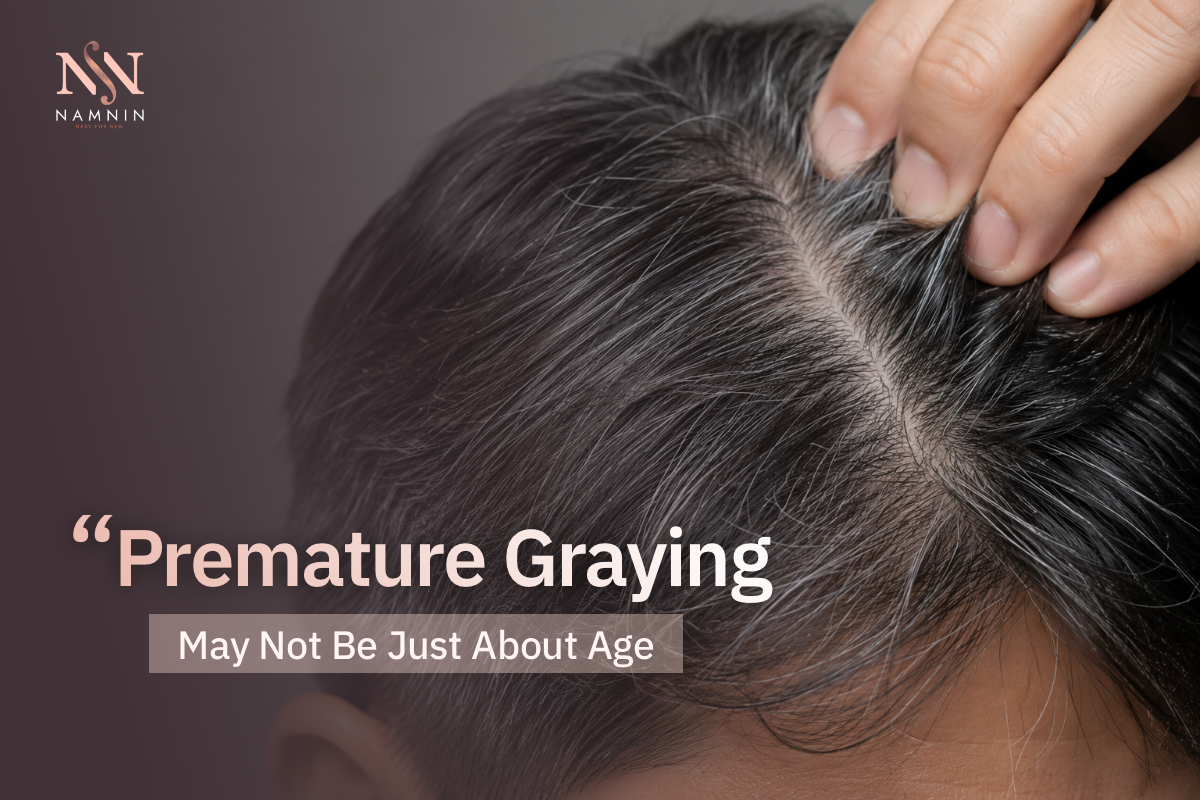
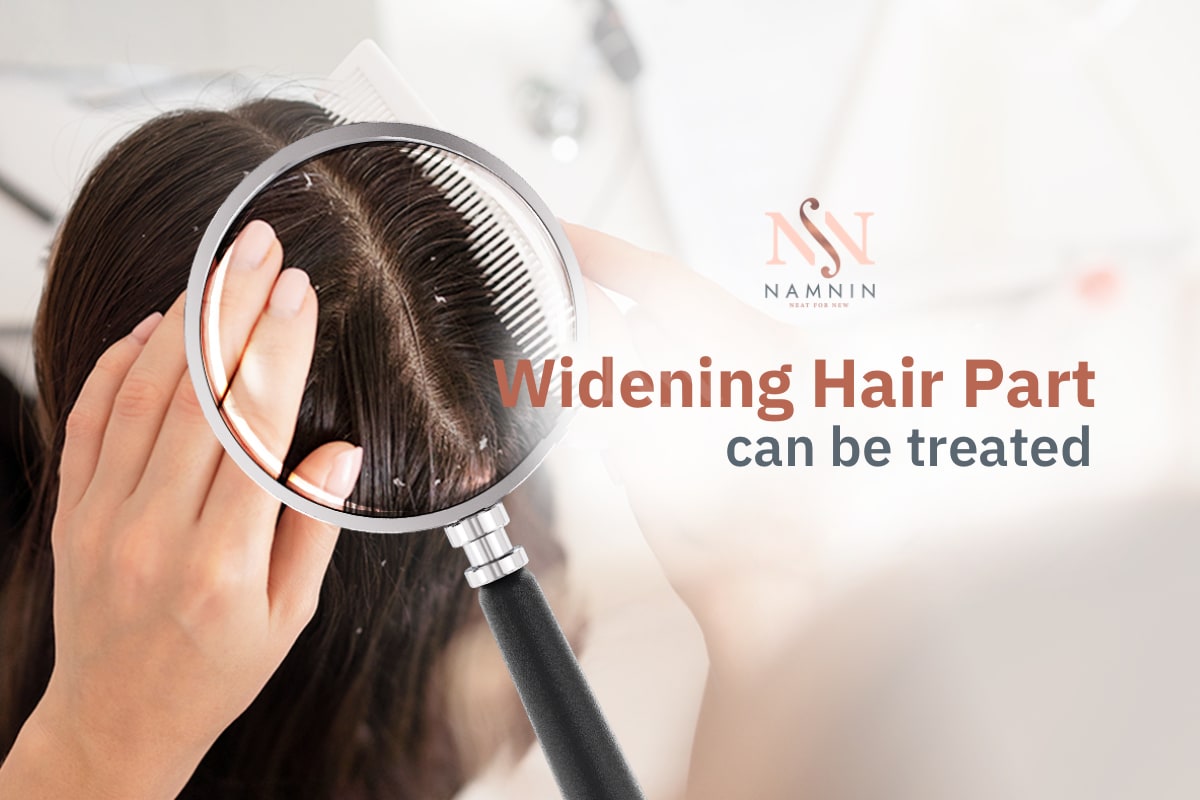
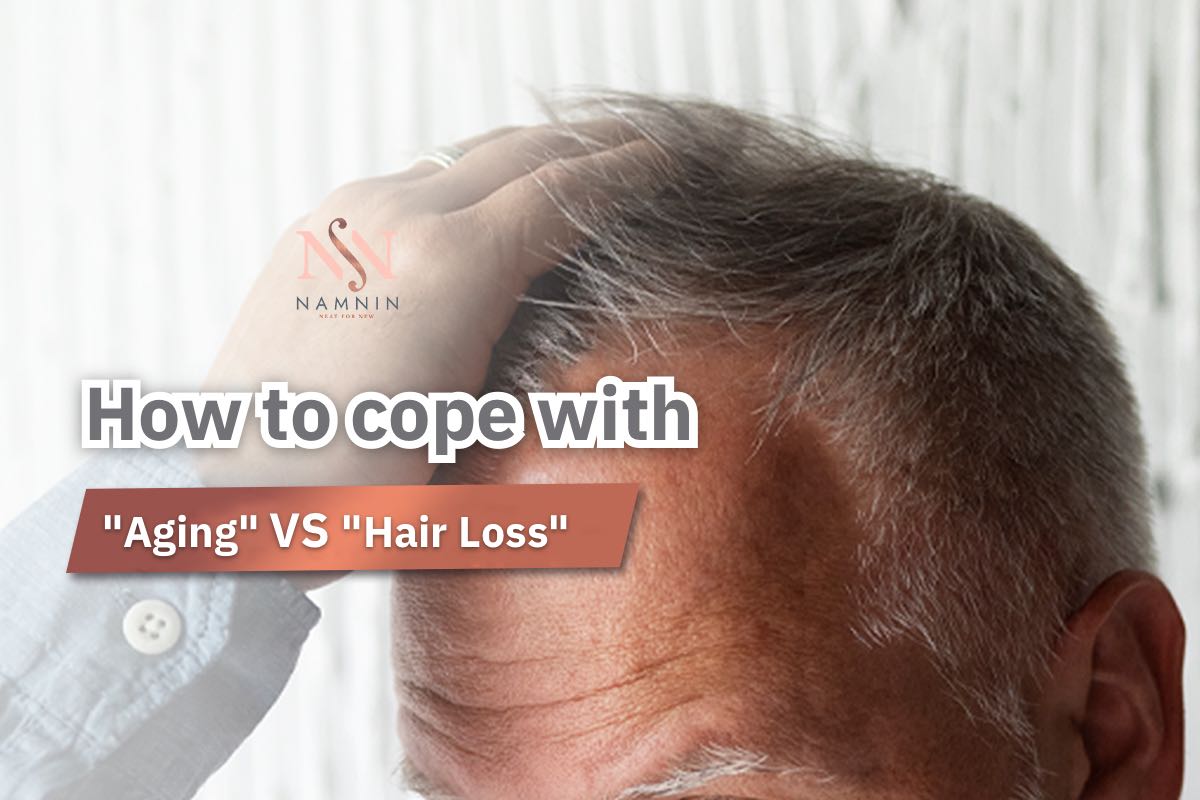
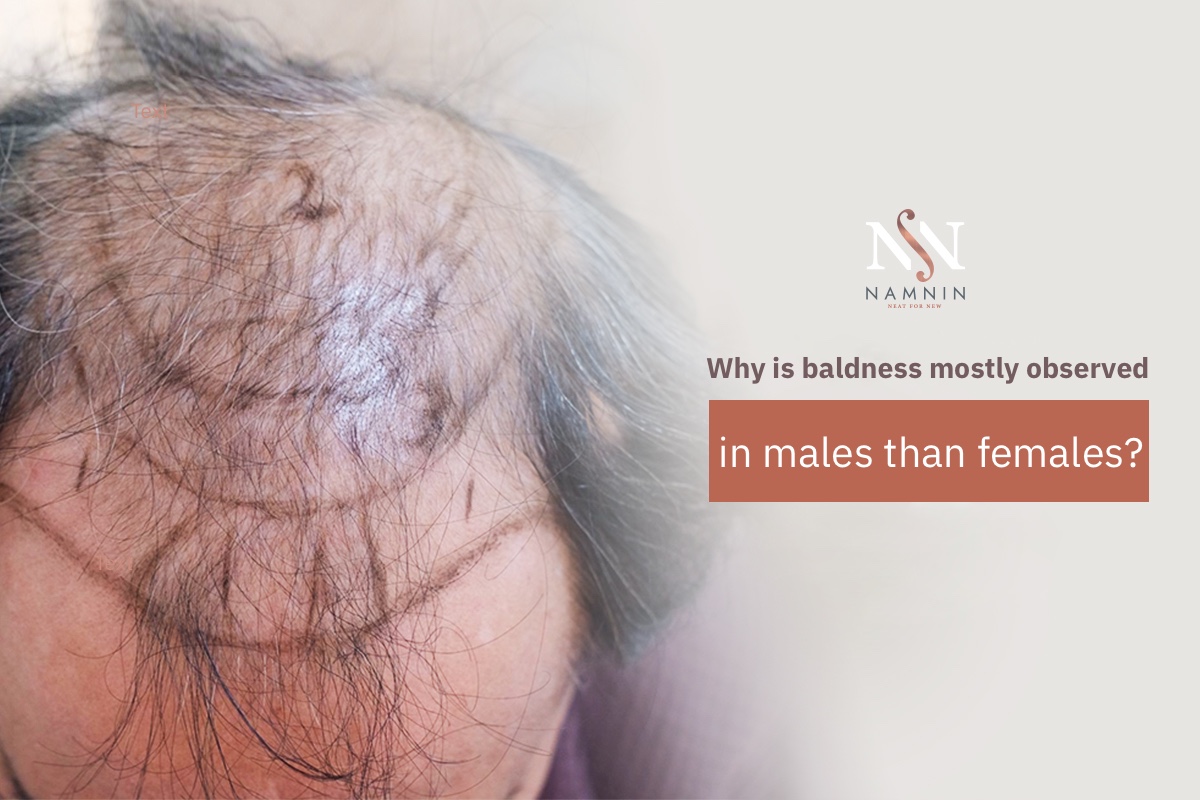
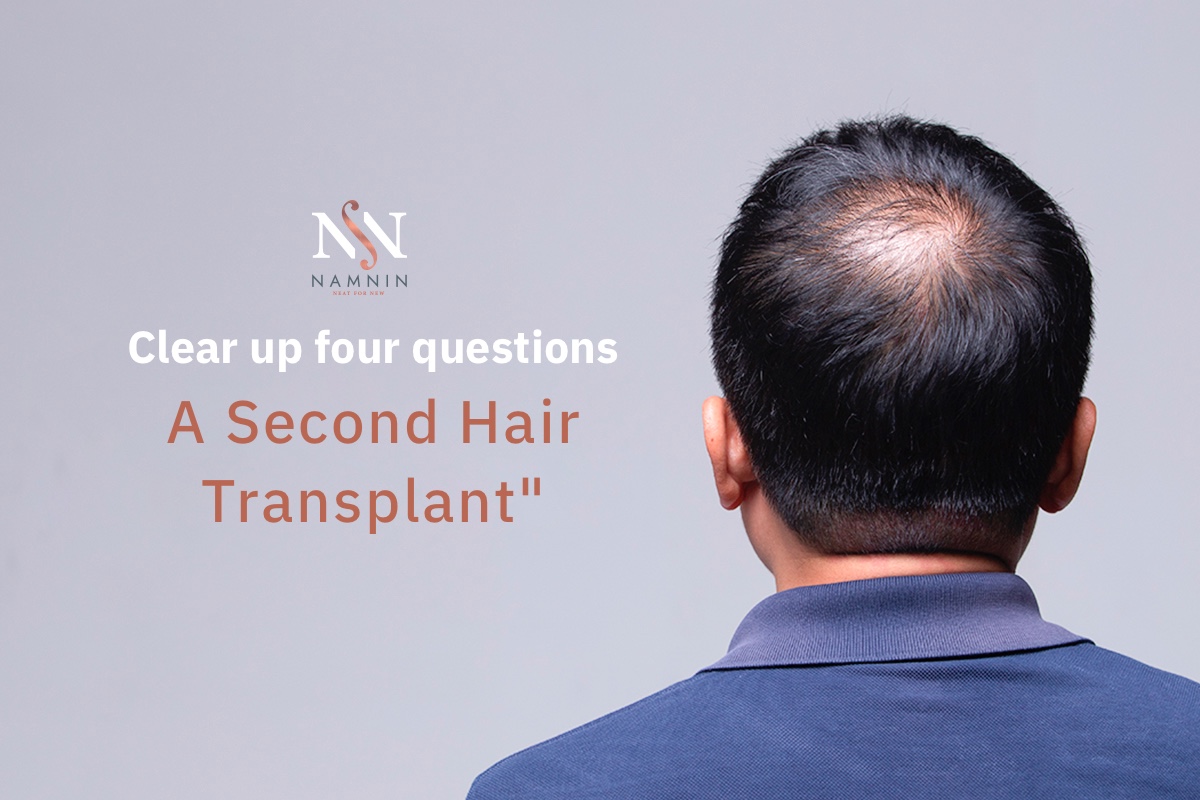
Believe it or not, there are many men who have lived with hair loss and thinning hair for more than 20 years. At first, the hair loss may have been mild and not very noticeable. But when they do not consult a doctor or receive continuous restorative treatment, the hair loss and thinning can gradually become more severe. After 10 to 20 years, the thinning may become more pronounced, with visible signs of thinning or hairline recession, eventually becoming a concern in everyday life. By then, many men may be approaching their 50s or 60s. This leads many to ask: if we have allowed our hair to become thin for more than 20 years, can we still undergo a hair transplant?
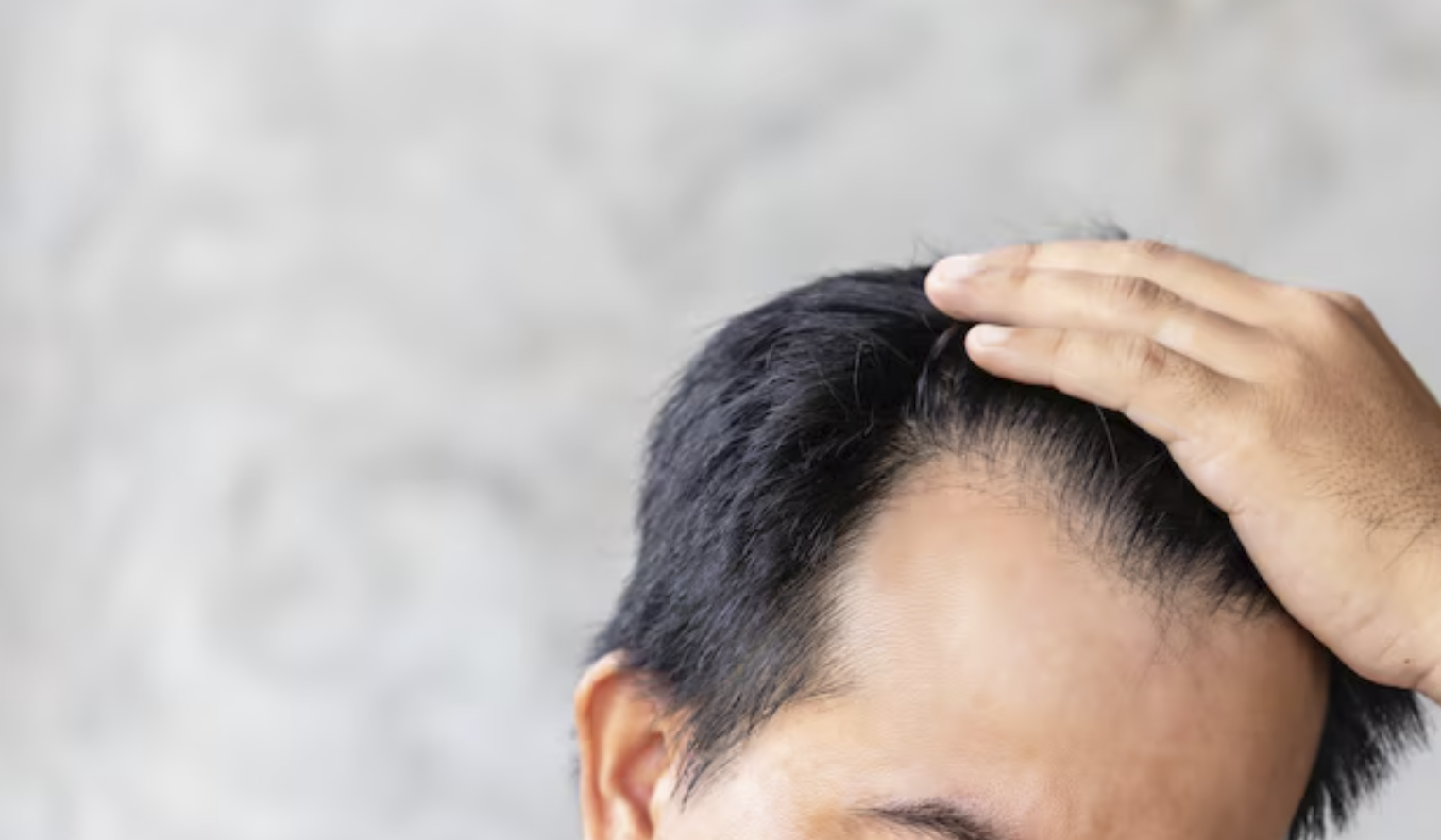
For this question, there is no definite answer. Each man should undergo an individual medical assessment, allowing the doctor to determine whether a permanent hair transplant can be performed successfully and how worthwhile the procedure would be as an investment. This is because hair transplantation involves many factors and conditions that need to be considered, which vary from one patient to another. These are the factors the doctor will assess to determine the feasibility of a hair transplant.
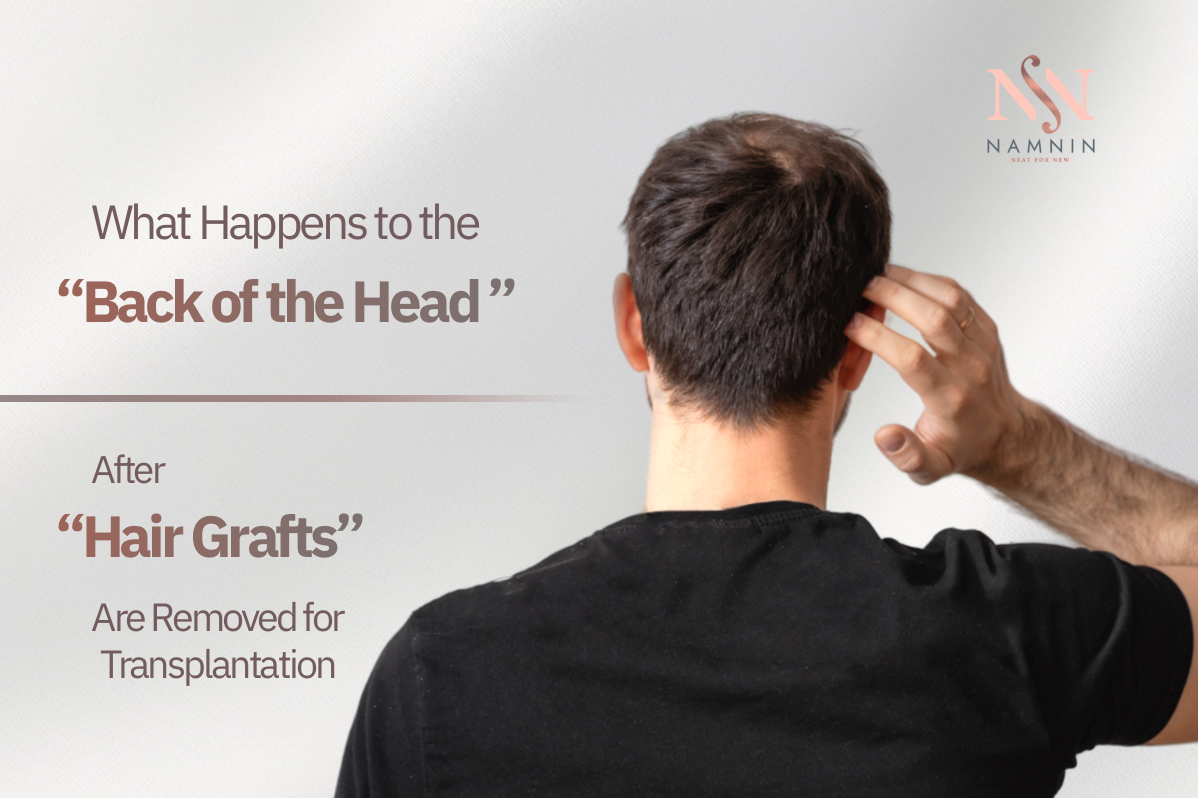
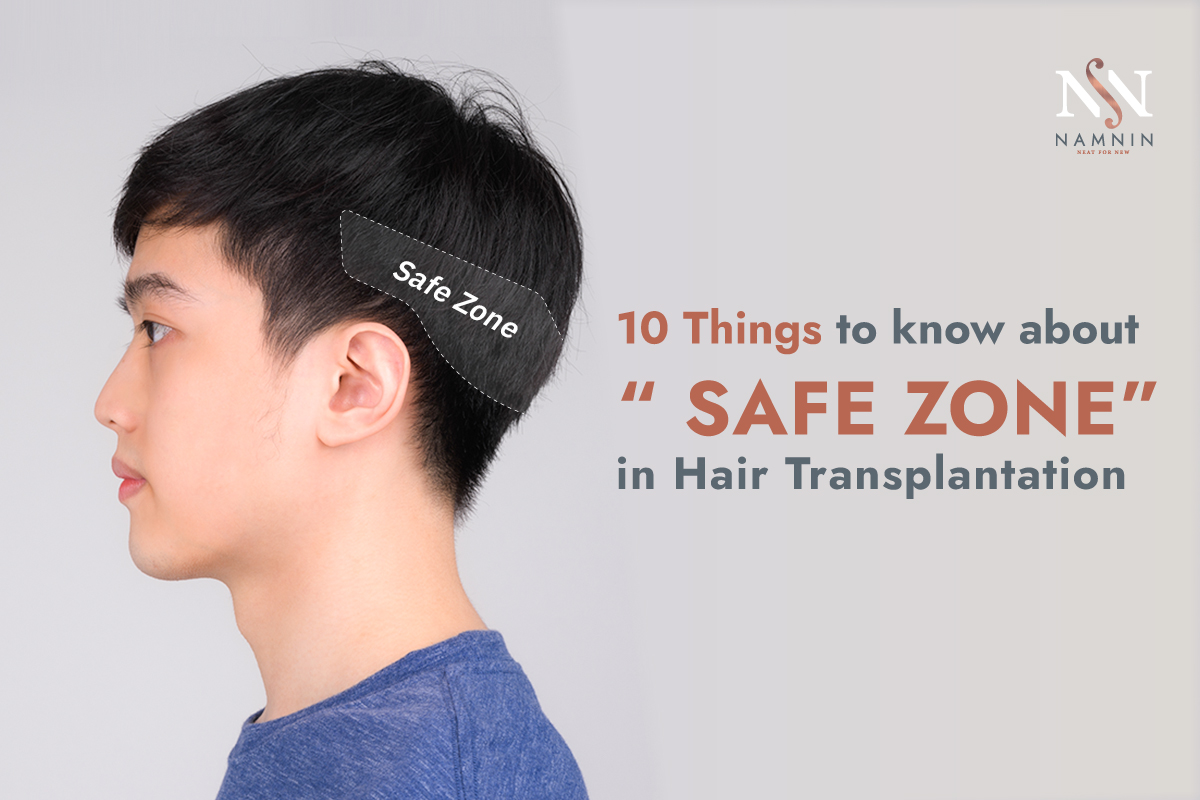
The Donor Area refers to the area at the back of the scalp where the doctor can move donor hair grafts and transplant them to other areas where they are needed. Hair in this area is strong and more resistant to shedding. When transplanted, these characteristics are retained, allowing the newly transplanted hair to potentially remain with us for a lifetime. If the Donor Area is in good condition, this also affects the quality of the donor hair grafts.
- Quantity of Donor Hair Grafts
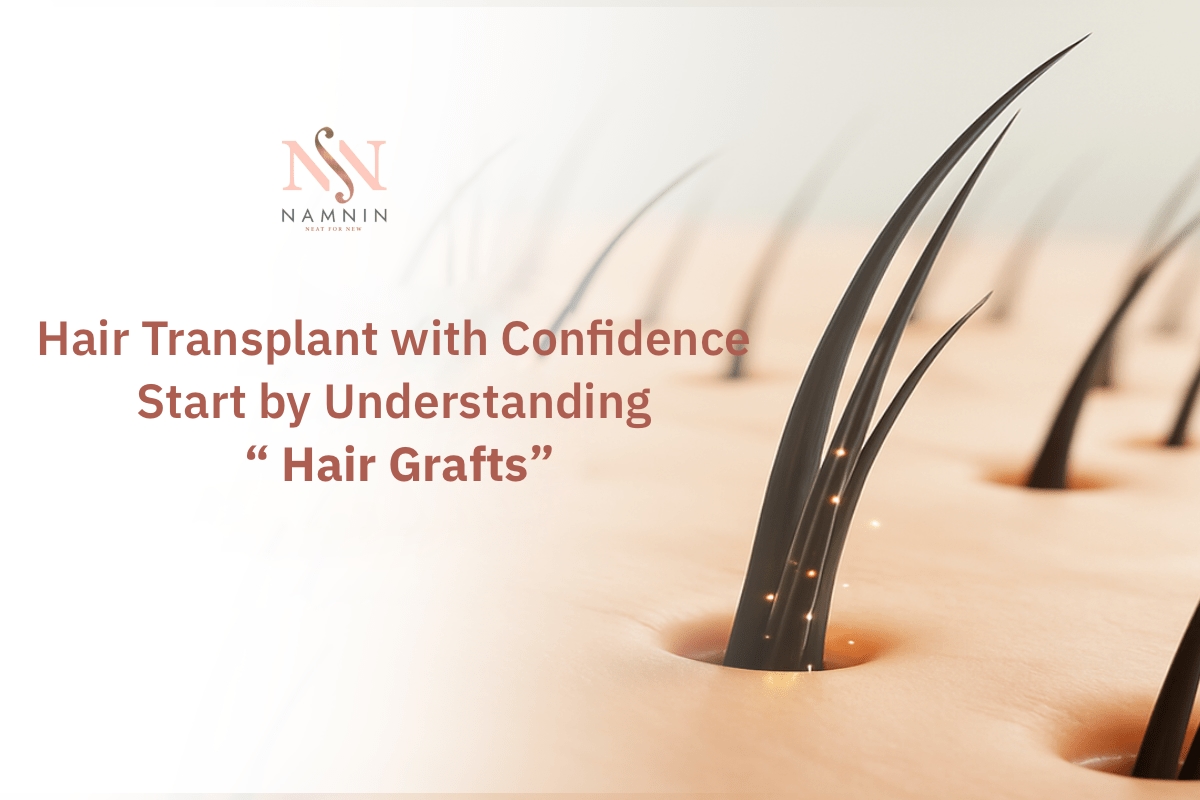
Donor hair grafts can be considered one of the key factors in hair transplantation. Since donor hair must come from the Donor Area at the back of the scalp, each person has a limited number of available donor grafts. These can generally be used for hair transplantation only once or twice. Importantly, donor grafts can also deteriorate with age. If a person undergoes hair transplantation at an older age, there is a possibility that the donor grafts may become weaker, which can also affect the quality of the hair transplant.
- Area Requiring Hair Transplantation
Whether the available donor grafts are sufficient also depends on the size of the area requiring transplantation. If a patient has only mild hair thinning, donor grafts may be sufficient to restore the thinning areas. However, if the patient has experienced hair thinning continuously for more than 20 years, the thinning area may be relatively extensive and require a larger number of donor grafts to restore it. This is therefore another important factor to consider.
Each patient has different expectations regarding hair transplantation. If a patient wants to achieve a high level of hair density but does not have enough available donor grafts, the result may not meet the patient’s expectations.
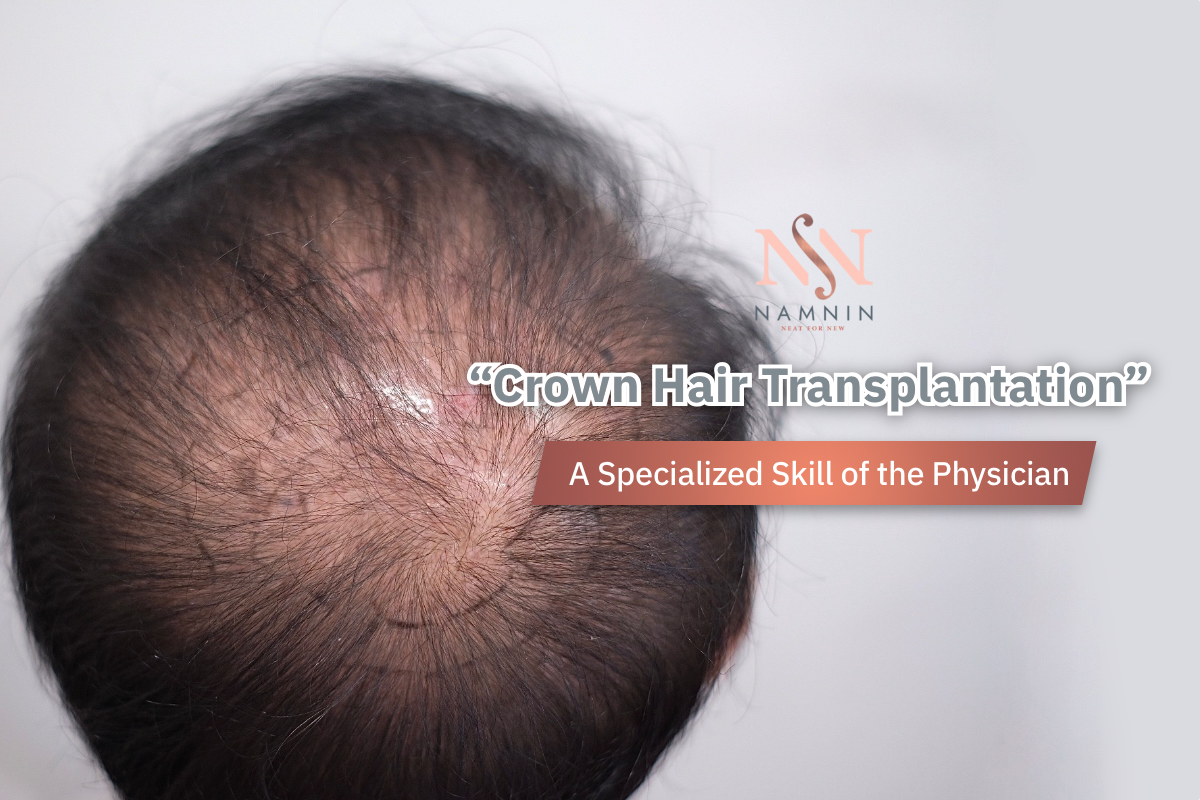
For patients who are beginning to enter older age, particularly those aged 50 and above, the available donor grafts may be limited while the areas requiring transplantation may be extensive and involve multiple areas, such as the forehead or mid scalp. In this case, the doctor will work with the patient to design a treatment approach by prioritizing the areas to be transplanted. This helps make the most effective use of the available donor grafts. Patients can choose which area they would like to prioritize, while other approaches for managing hair loss and thinning can be used for the remaining areas under the doctor’s care and guidance.
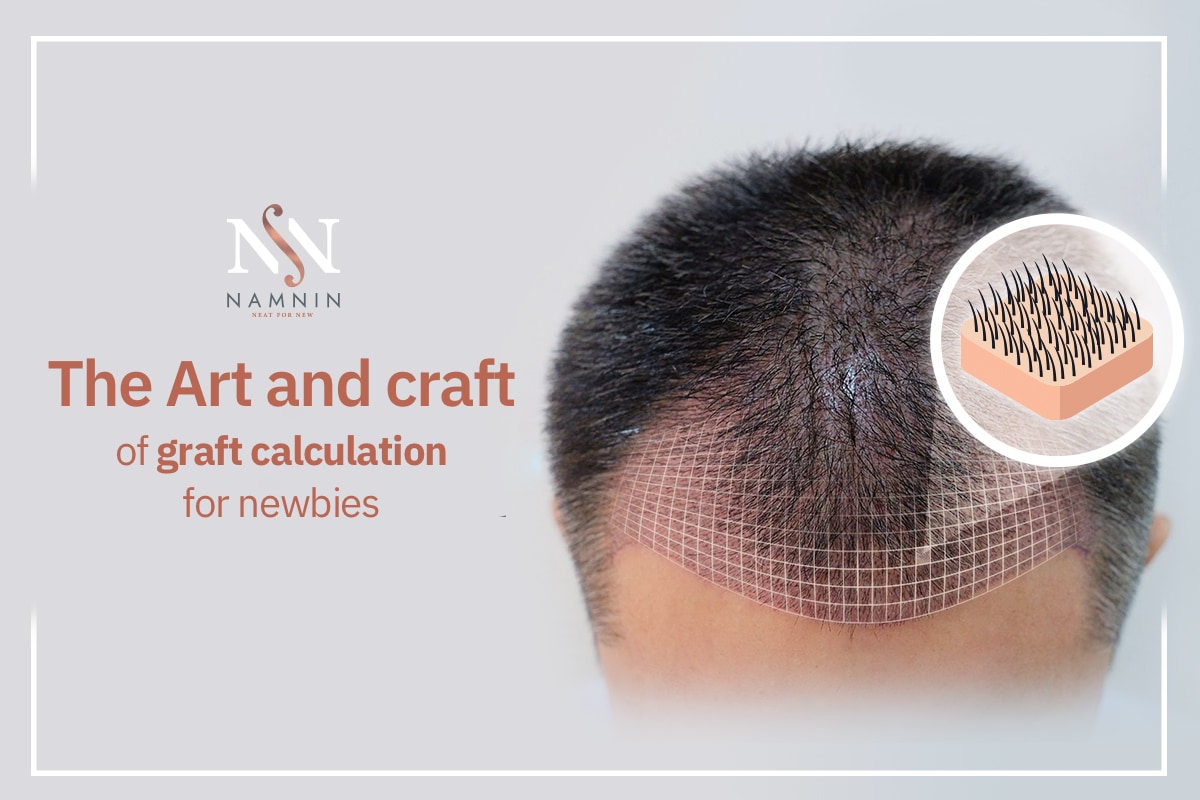
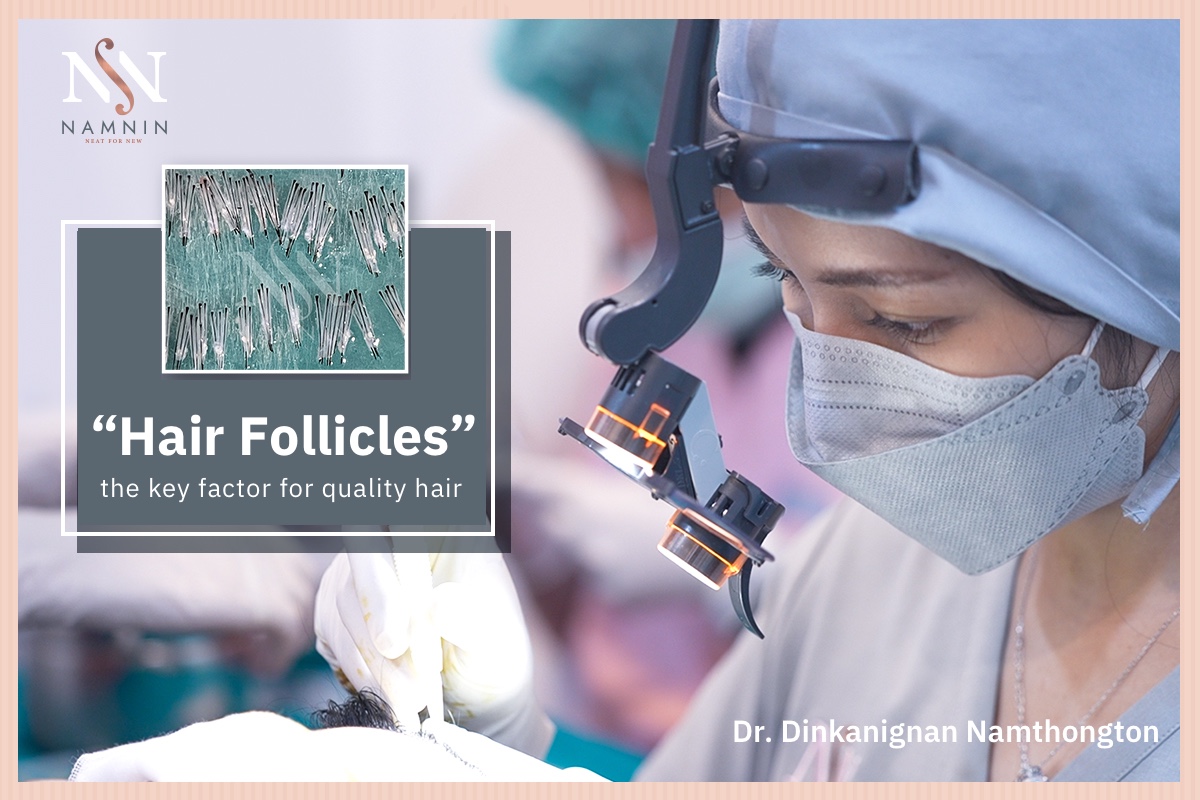
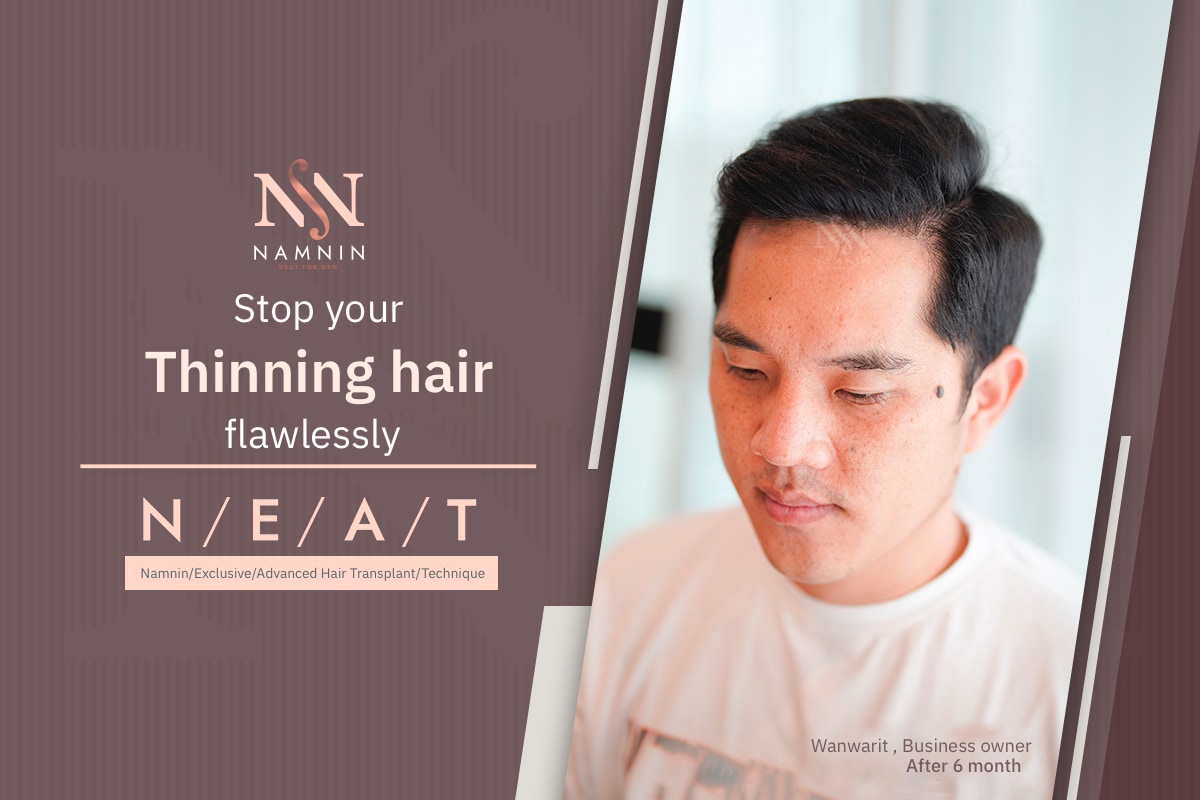
This is one of the important steps in the NEAT permanent hair transplantation technique at Namnin Clinic. The doctor places importance on an initial assessment of the hair and scalp, as well as calculating the available donor hair grafts, so that patients can design a treatment approach that closely matches their needs. It is an individualized approach that places the patient at the center of the treatment plan.
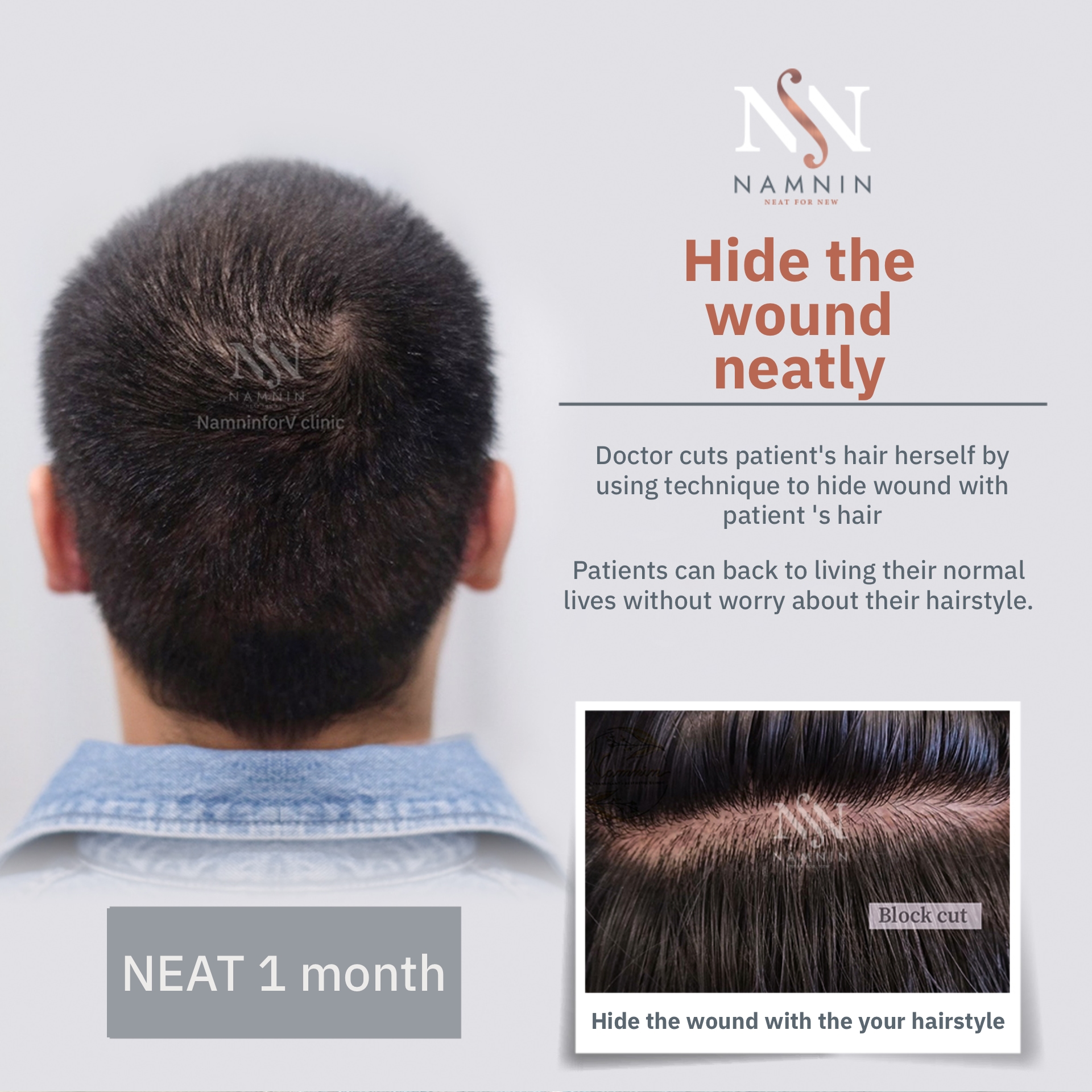
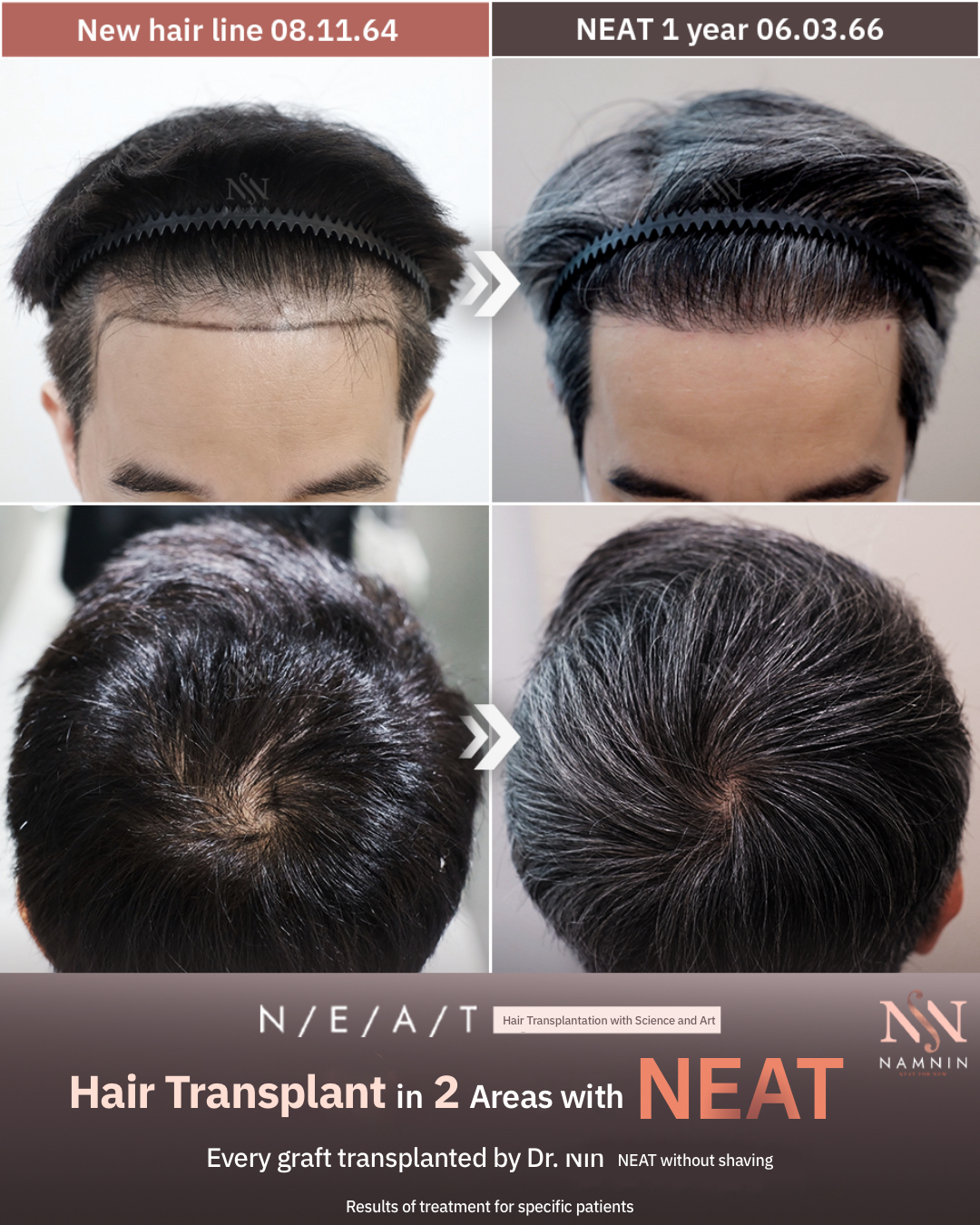
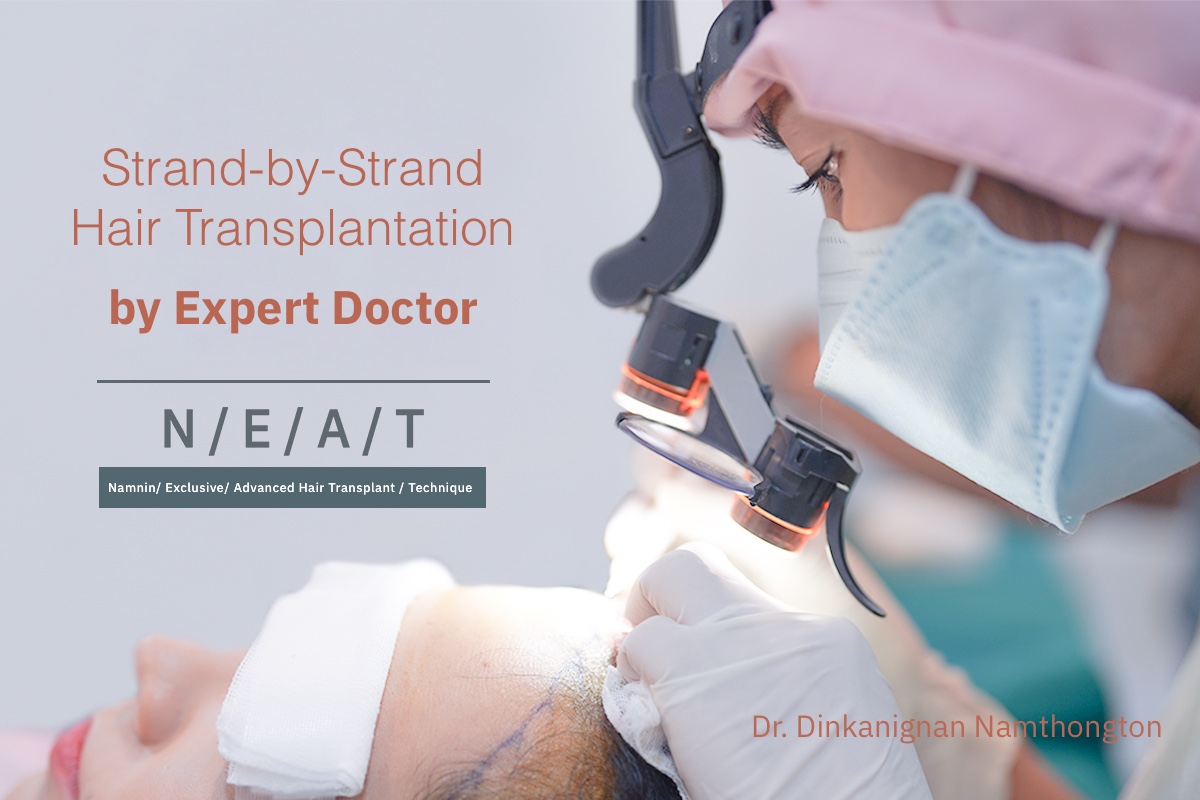
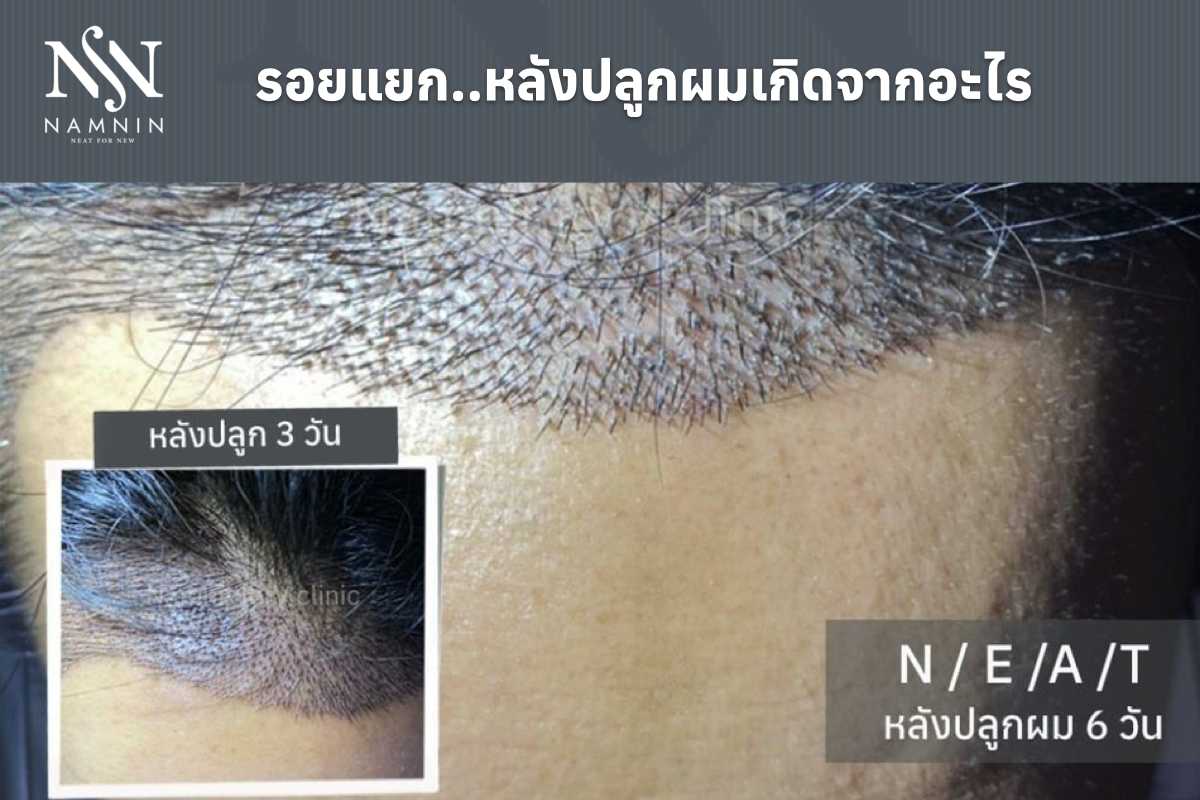
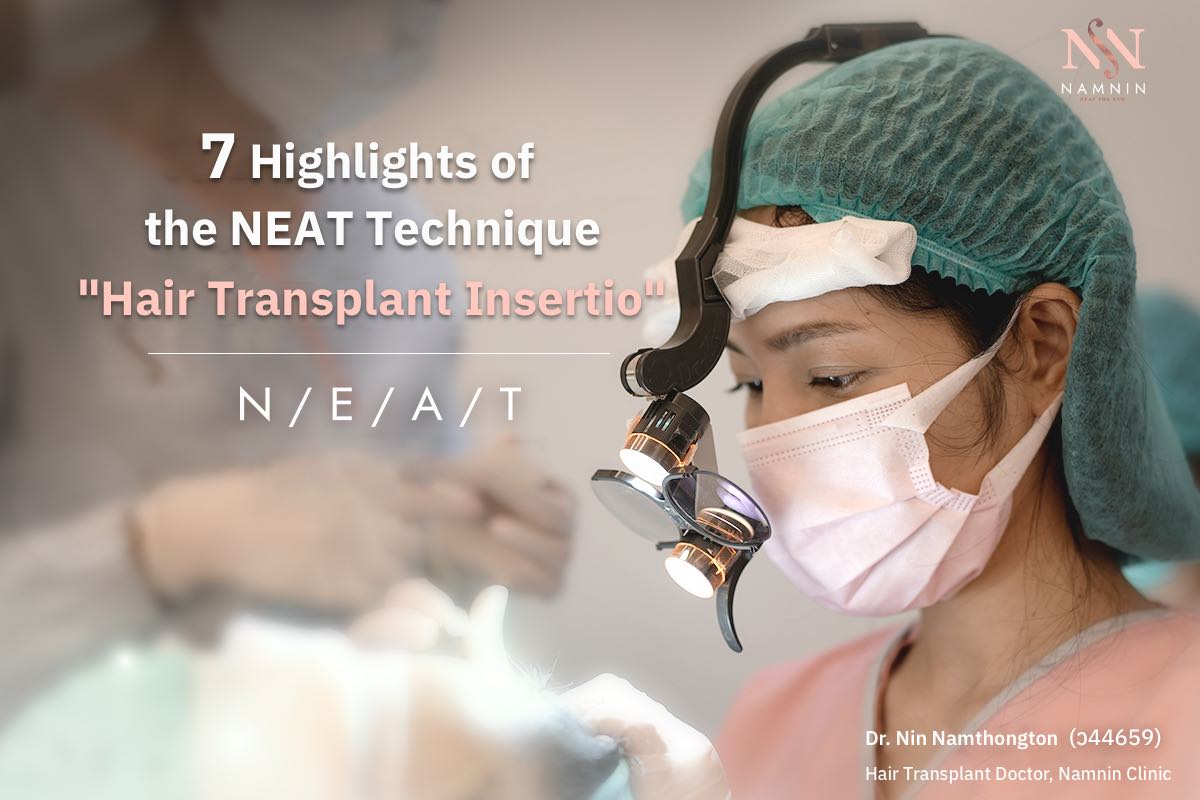
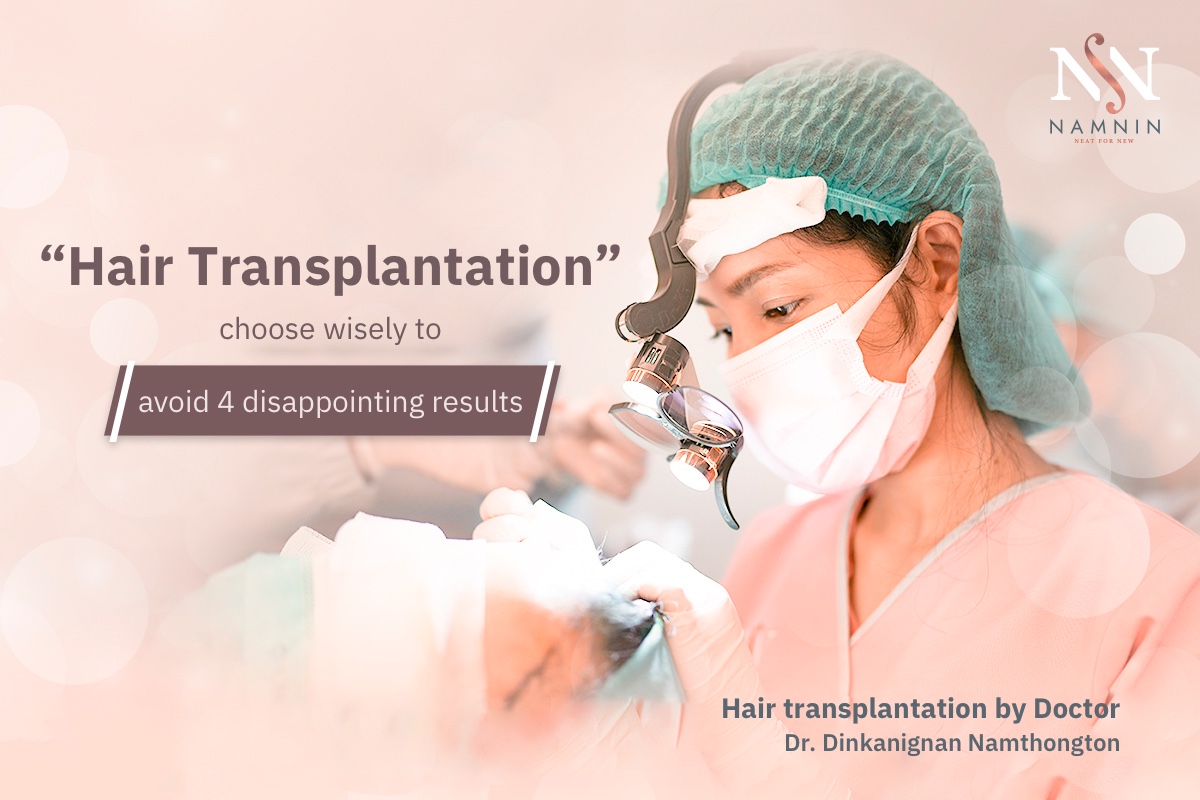
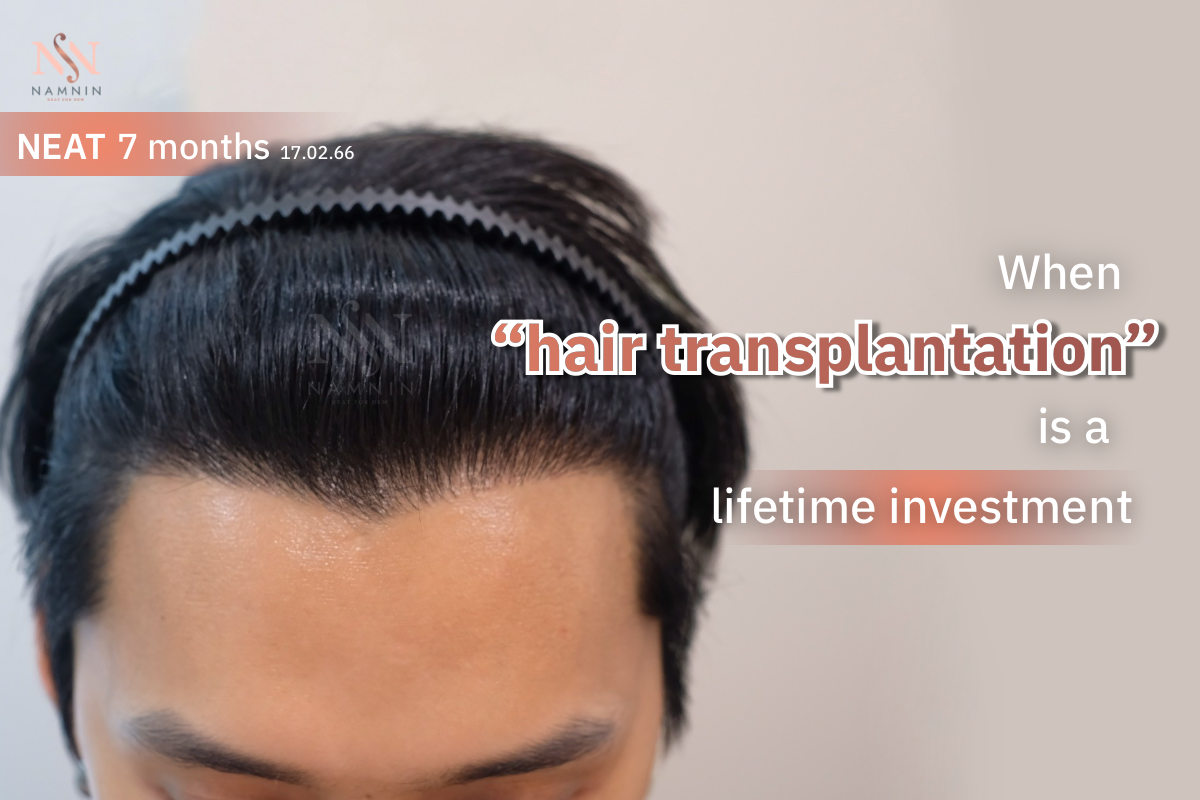
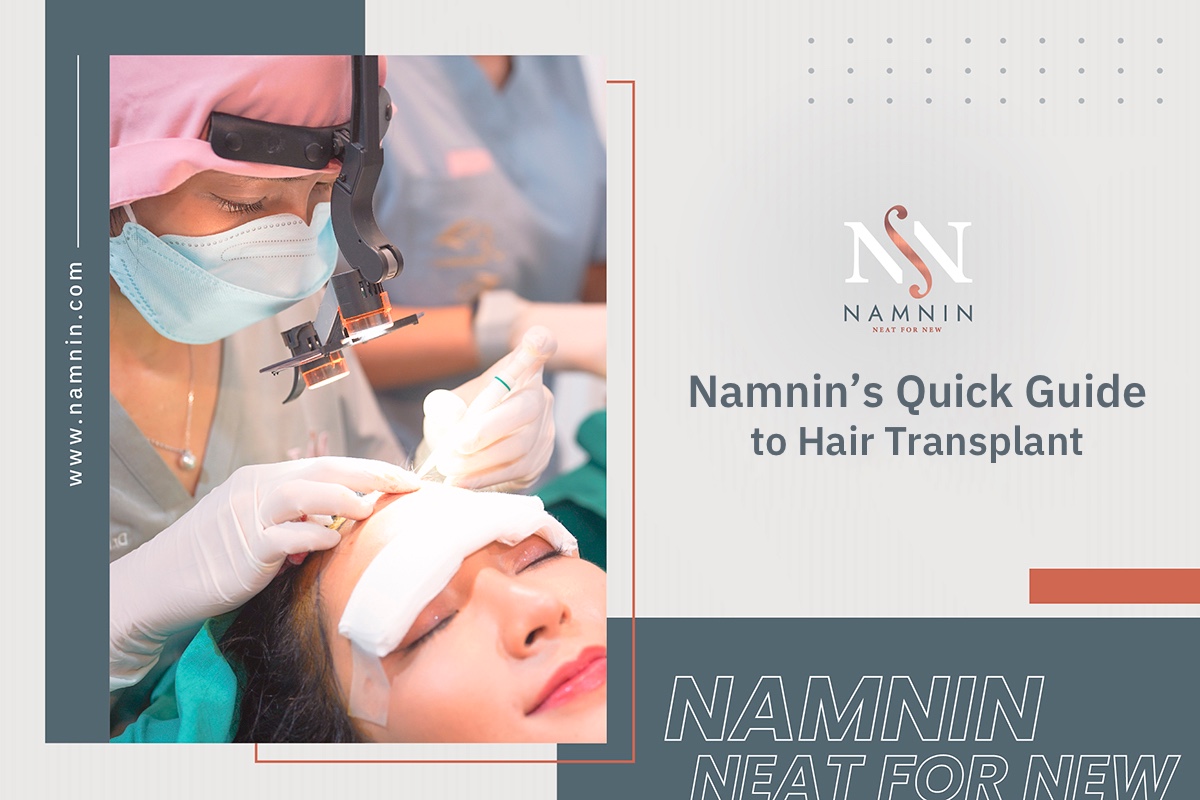
NEAT permanent hair transplantation also emphasizes hair transplantation performed personally by the doctor, graft by graft and hair by hair. Patients do not need to shave their hair, and techniques are used to help conceal the extraction sites at the back of the scalp. After the procedure, swelling is rarely observed, and there is no need to wear a head bandage. Importantly, when transplanting hair in the mid scalp area, the doctor uses a technique that places the transplanted hair among the existing hair to create a harmonious appearance.
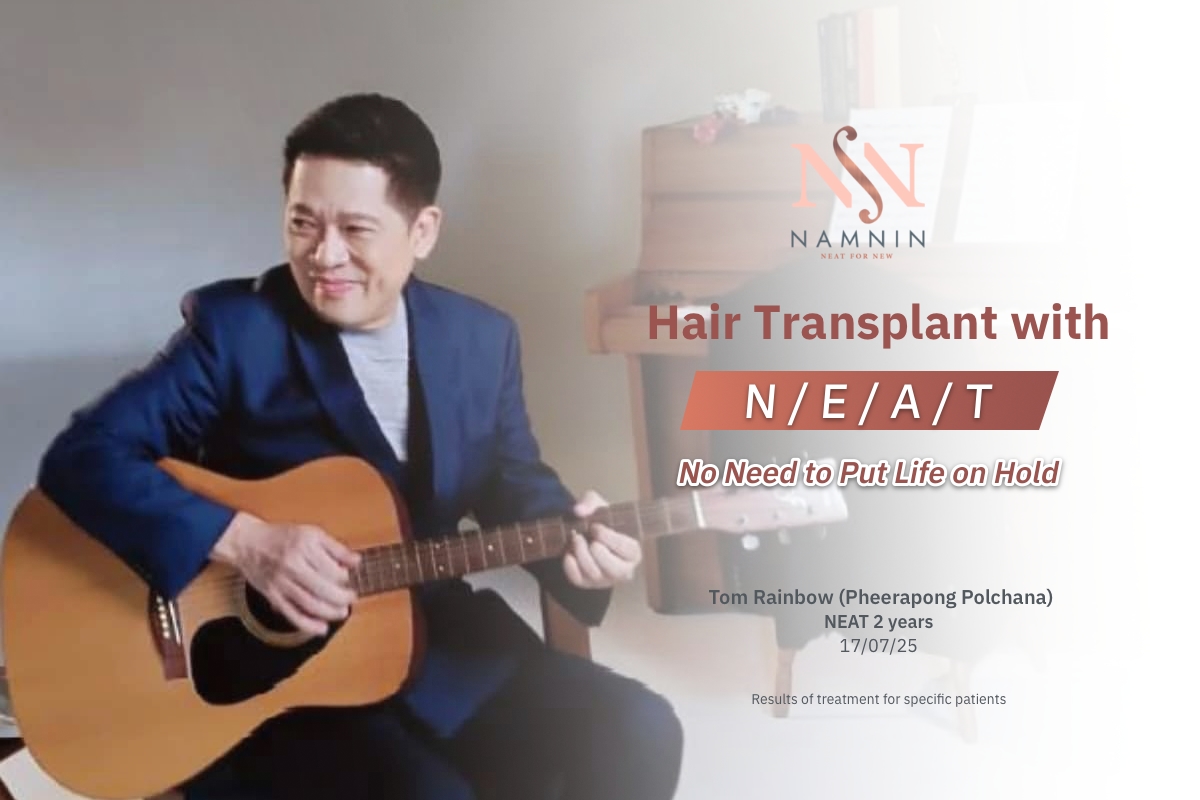
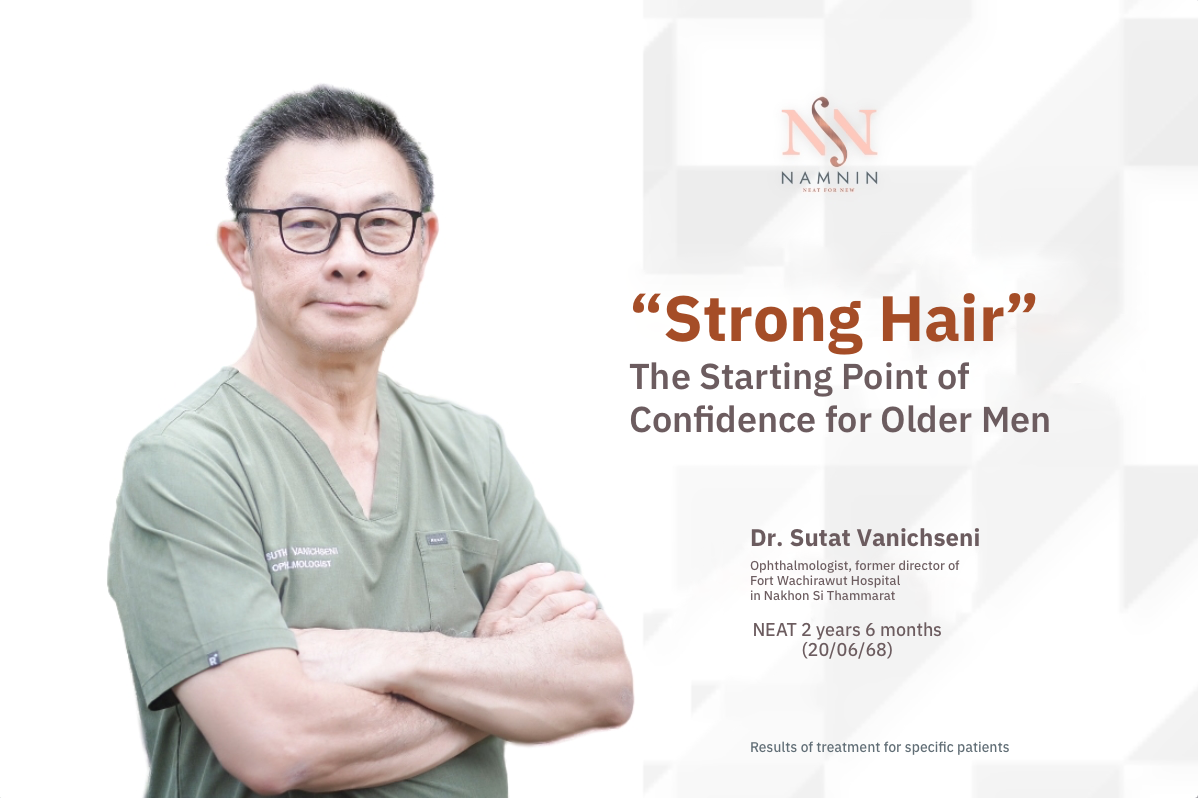
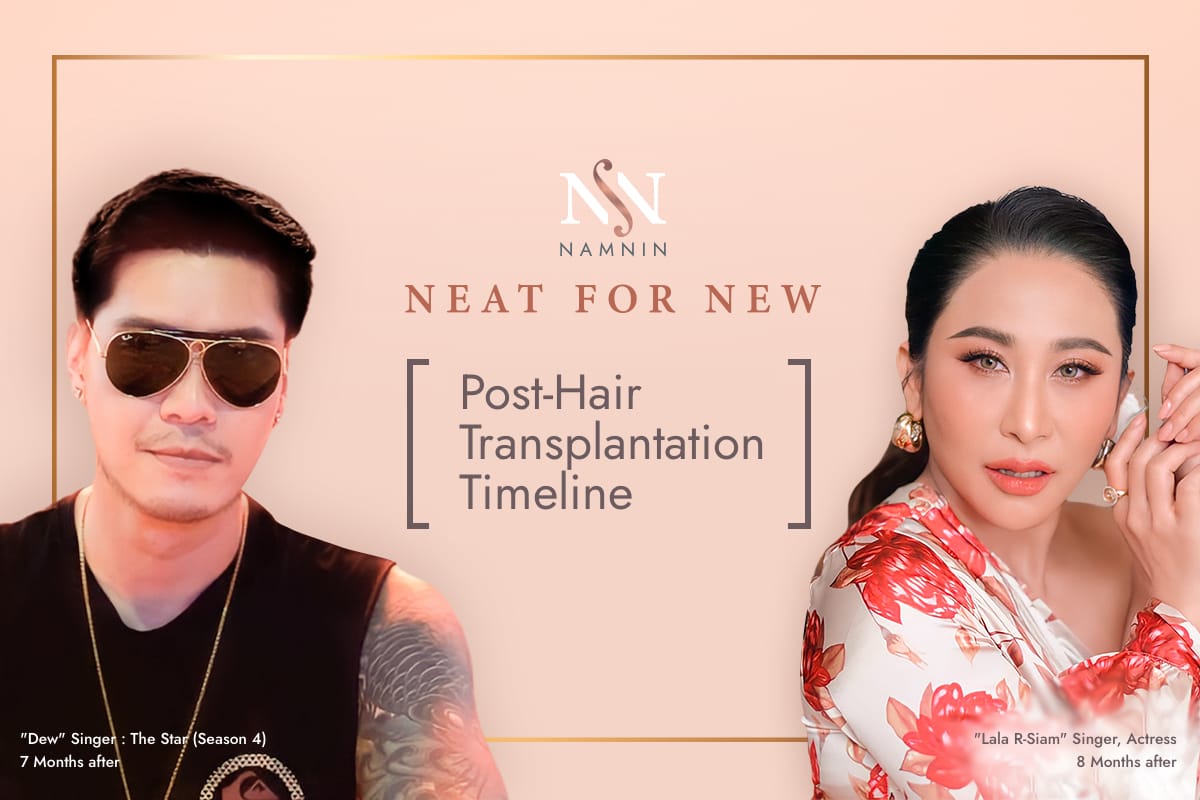
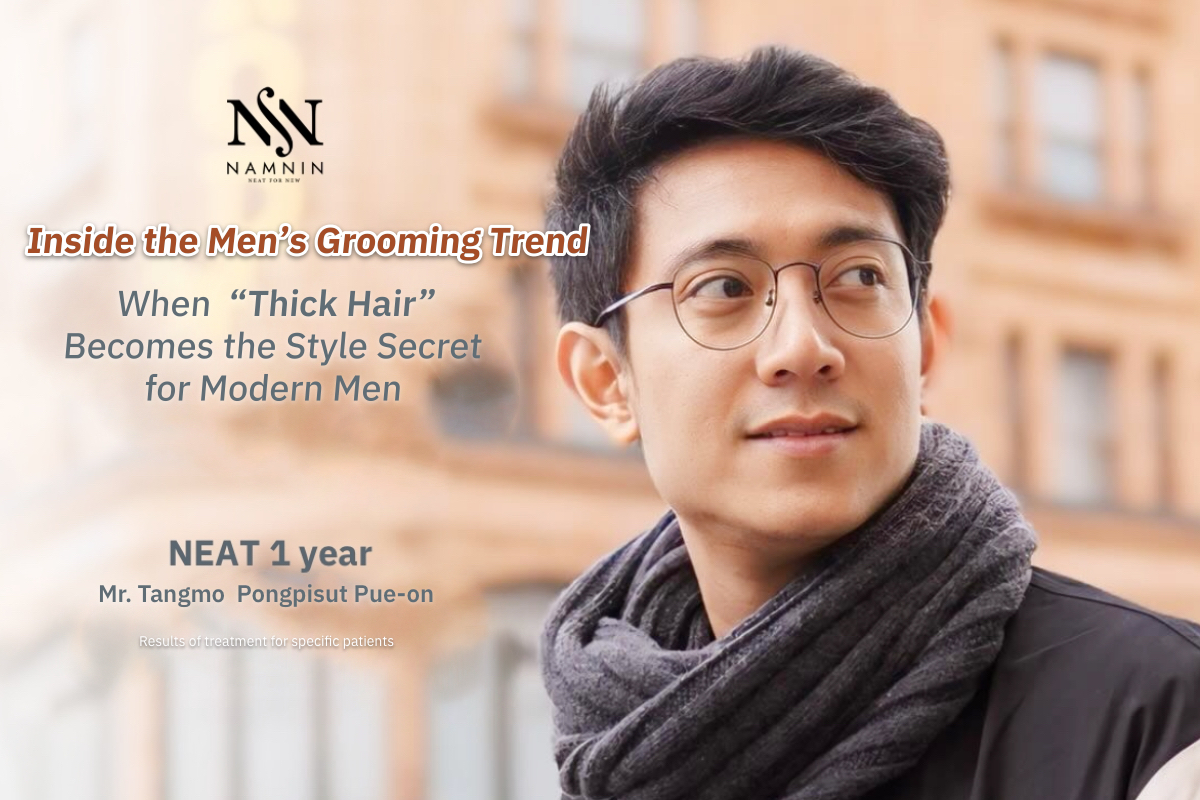
Men can also feel reassured that after the hair transplant, the doctor personally provides continuous consultation and follow up for a full year, supporting the growth and condition of the newly transplanted hair, even for those in their 50s and beyond.