Hair that begins to turn white or gray is often regarded as one of the natural signs of aging. However, premature graying has become increasingly common. Many people begin noticing white hairs as early as their 20s or 30s, even without a clear family history of premature graying. This raises an important question: What factors cause hair pigmentation to decrease earlier than it should?
Biologically, hair color is determined by melanin, a pigment produced by specialized cells within the hair follicles called melanocytes. These cells produce and transfer pigment to the hair during the hair growth process. When the function of these cells begins to decline, or when their number gradually decreases, the amount of pigment in the hair also decreases. Eventually, the hair begins to turn gray or white.
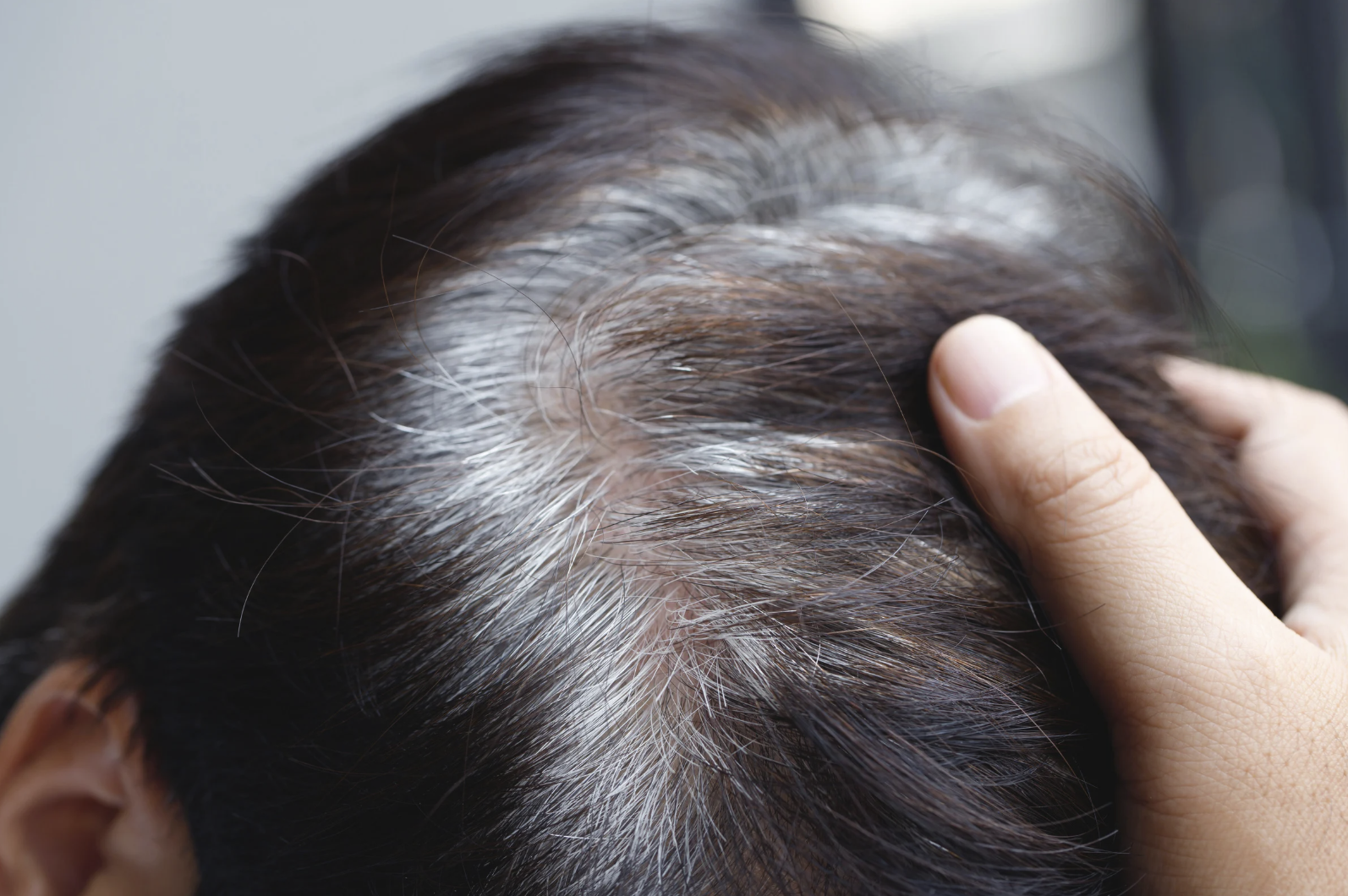
Although many people believe that graying hair is primarily determined by genetics, the reality is more complex. Several factors may be involved, including accumulated stress, insufficient sleep, hormonal imbalances, chronic inflammation, and deficiencies in certain nutrients. All of these can directly affect the function of pigment producing cells within the hair follicles. One of the key mechanisms associated with premature graying is oxidative stress, or cellular damage caused by free radicals. When the body is continuously exposed to this condition, melanocytes may gradually lose their ability to produce pigment efficiently, causing hair color to fade earlier than it naturally would.
Over the past several years, an increasing amount of medical evidence has indicated that hair health and the pigmentation process within hair follicles are closely related to the body's nutritional status. Certain nutrients in particular play a direct role in the function of pigment producing cells, including:
- Vitamin B Complex, particularly vitamins B12, B6, and B9, which are involved in cell division and the process of melanin production. Vitamin B12 deficiency has been reported to be associated with premature graying.
- Iron plays an important role in transporting oxygen to various cells, including hair root cells and pigment producing cells. When iron levels are insufficient, the efficiency of these cells may be reduced.
- Copper is a mineral involved in the enzyme tyrosinase, which plays an important role in melanin production. If copper levels are low, the melanin production process may also become less efficient.
- Zinc and selenium play roles in cellular repair, inflammation regulation, and supporting the overall functional balance of the hair follicles.
- Vitamin D. Several studies have found that some individuals with premature graying tend to have lower than normal vitamin D levels. This suggests that vitamin D may play a greater role in hair follicle health than previously understood.
Although these vitamins and minerals are important for the function of pigment producing cells, hair health often reflects the body's overall balance. Therefore, it is difficult to rely solely on supplements or vitamins to completely address the problem. Supporting health from within remains an important foundation, including eating a varied and balanced diet, consuming high quality protein, fruits and vegetables rich in antioxidants, and healthy fats from fish, nuts, and seeds. Getting adequate sleep, reducing accumulated stress, and avoiding behaviors that increase cellular damage from free radicals, such as smoking or insufficient sleep, can also affect overall hair health.
However, even though appropriate health care can support the function of pigment producing cells to some extent, in some cases, melanocytes within the hair follicles may have already begun to deteriorate. As a result, hair that has turned white may no longer be able to naturally produce pigment again. For this reason, current approaches to hair care are increasingly focusing on a holistic approach. Rather than focusing solely on temporarily concealing white hair, greater importance is placed on the health of the hair, scalp, and the environment surrounding the hair follicles at the same time.
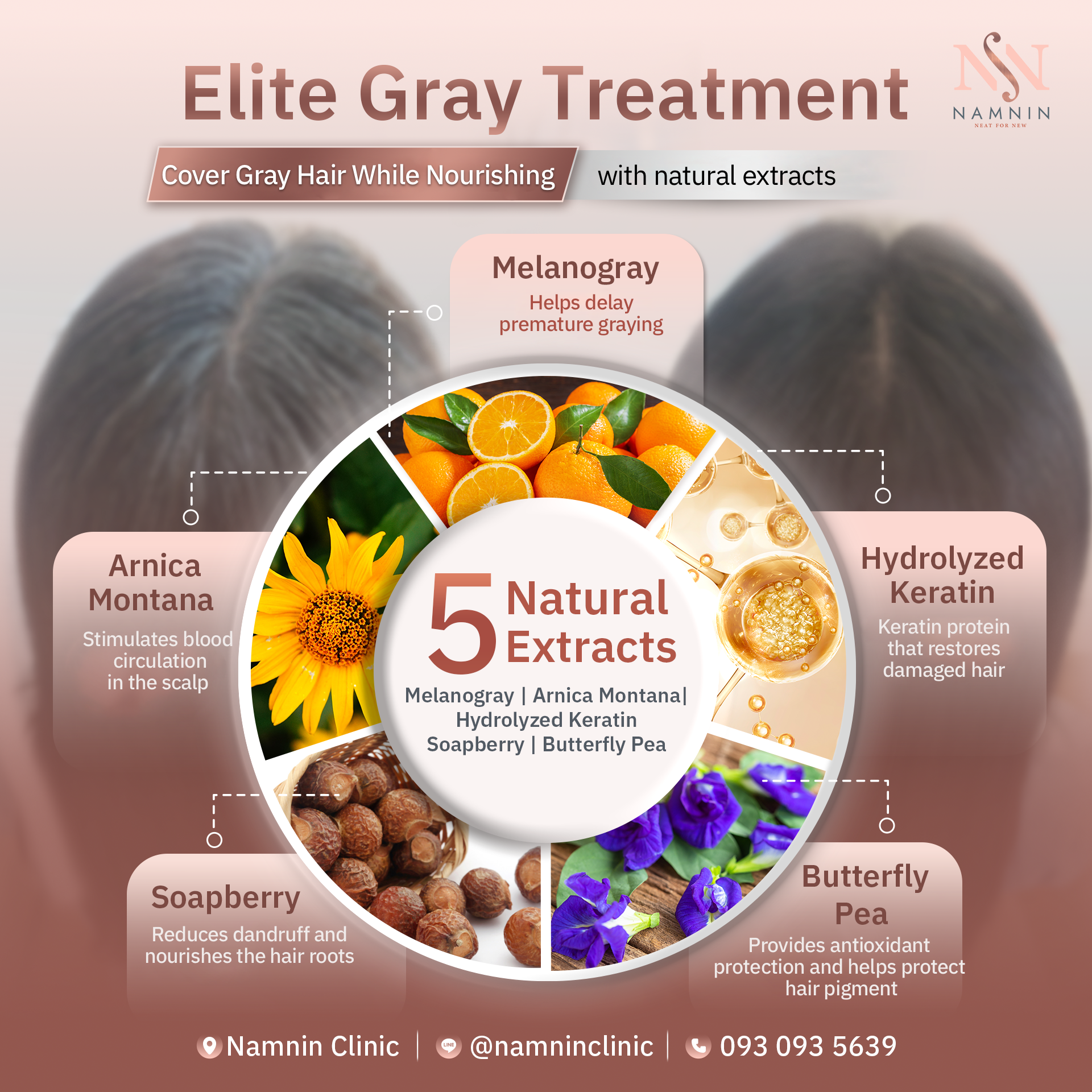
As the concept of hair care moves beyond addressing only visible concerns, this has led to programs such as Elite Gray Treatment, a hair and scalp care program that combines hair color care with hair and scalp nourishment in a single process. It incorporates beneficial natural extracts for hair, such as Melanogray from organic mandarin orange peel, which helps support the natural hair pigmentation process; Arnica Montana, which helps stimulate blood circulation in the scalp; Hydrolyzed Keratin, which helps restore dry and damaged hair; as well as Soapberry and Butterfly Pea Extract, which help care for scalp health and protect natural hair pigmentation. The program therefore does not focus solely on making the hair appear darker immediately, but places importance on creating an environment that supports healthy hair and scalp, allowing the hair to look naturally healthy.
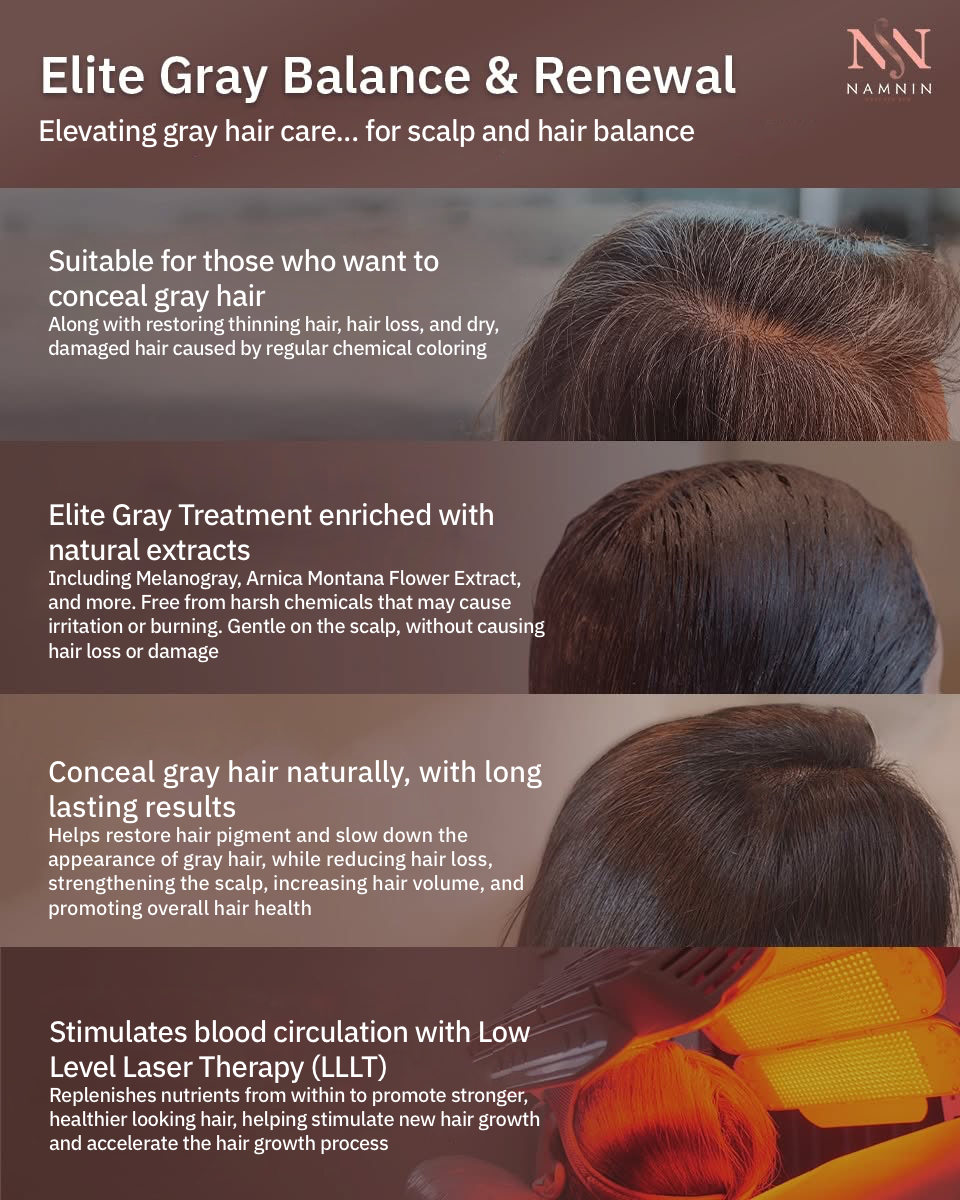
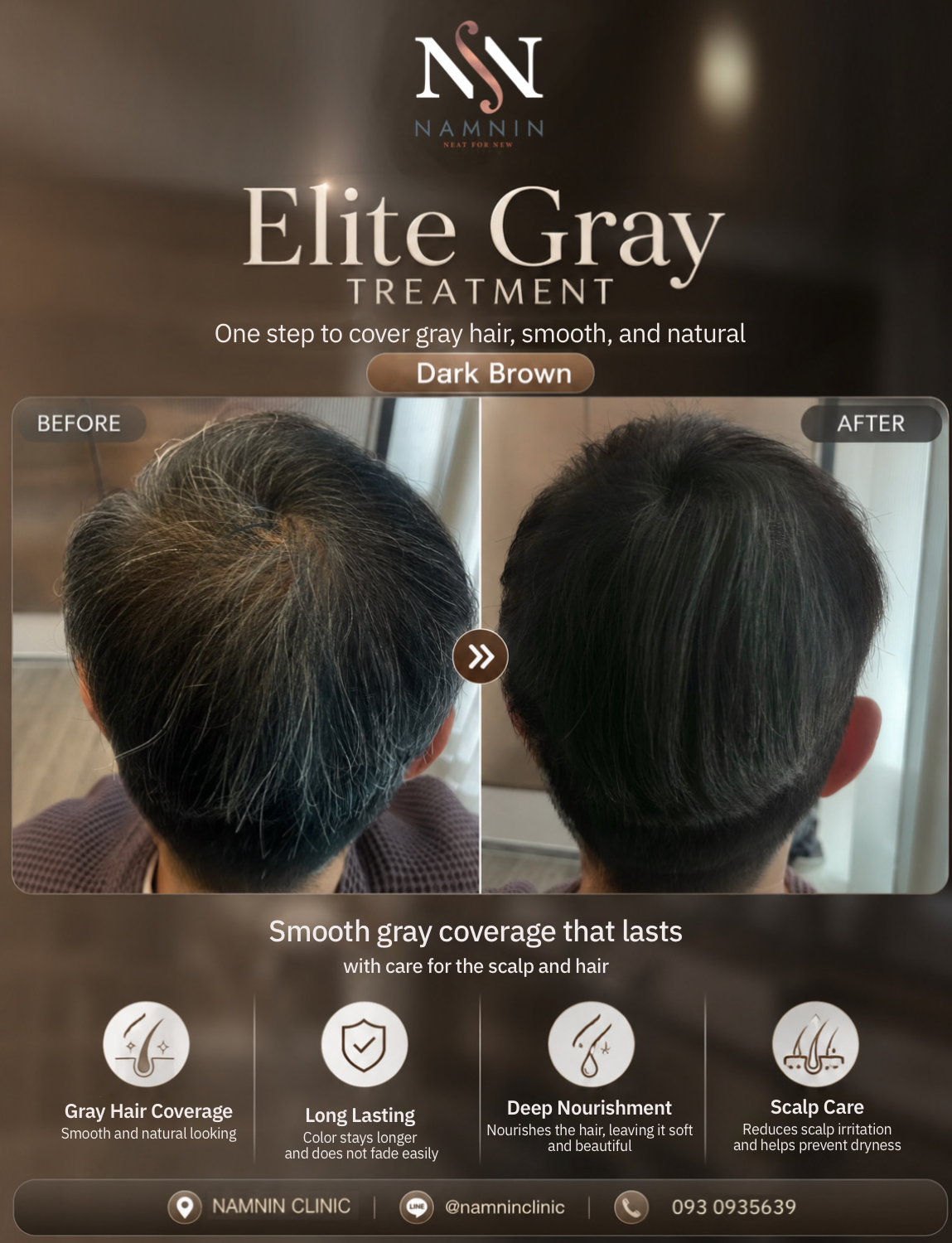
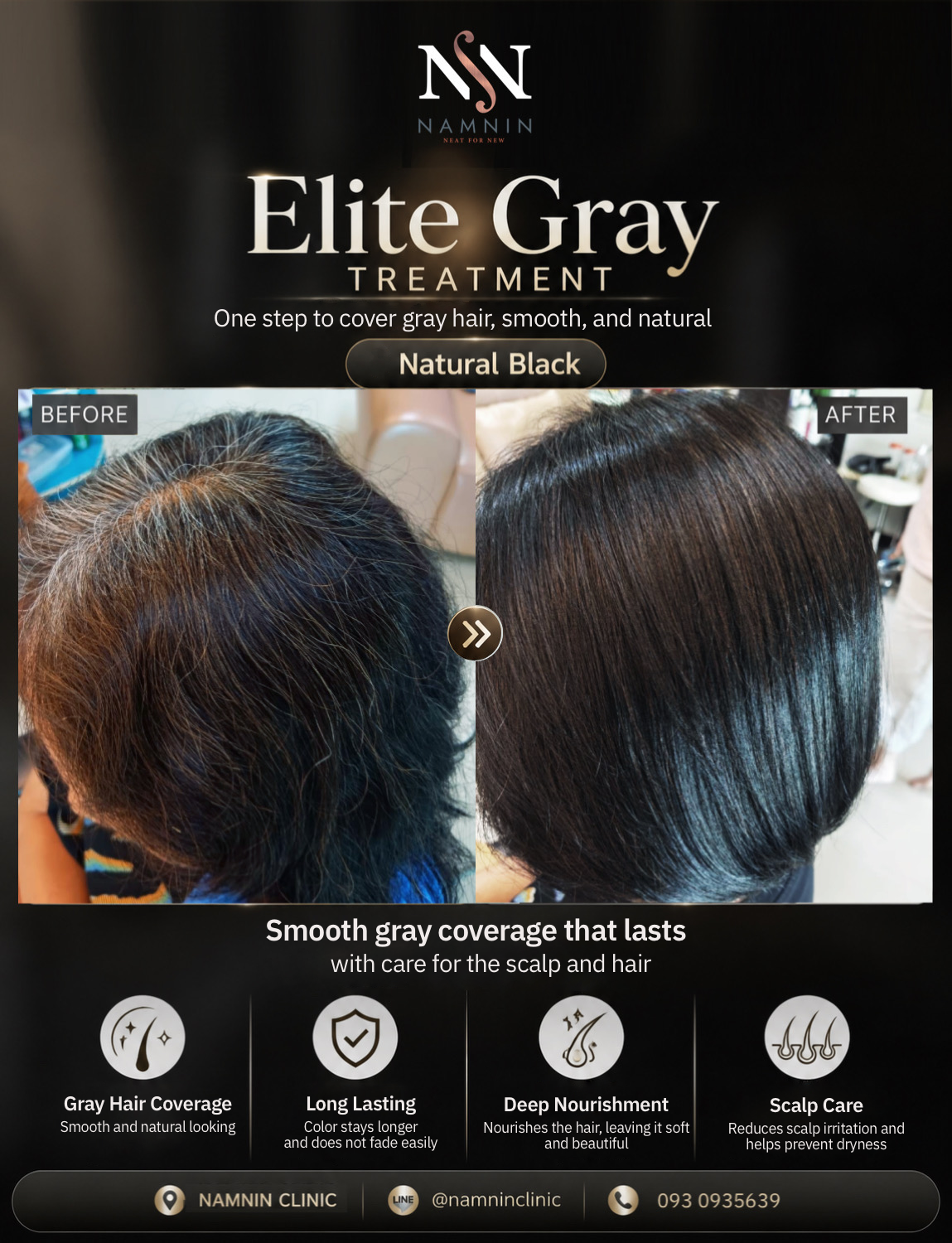
Ultimately, changes in the hair may not simply be a matter of hair color gradually fading with time. They may also reflect changes in the body's internal balance that are constantly taking place. Because in many cases, hair that looks naturally healthy begins with caring for the small details that go deeper than what we can see.