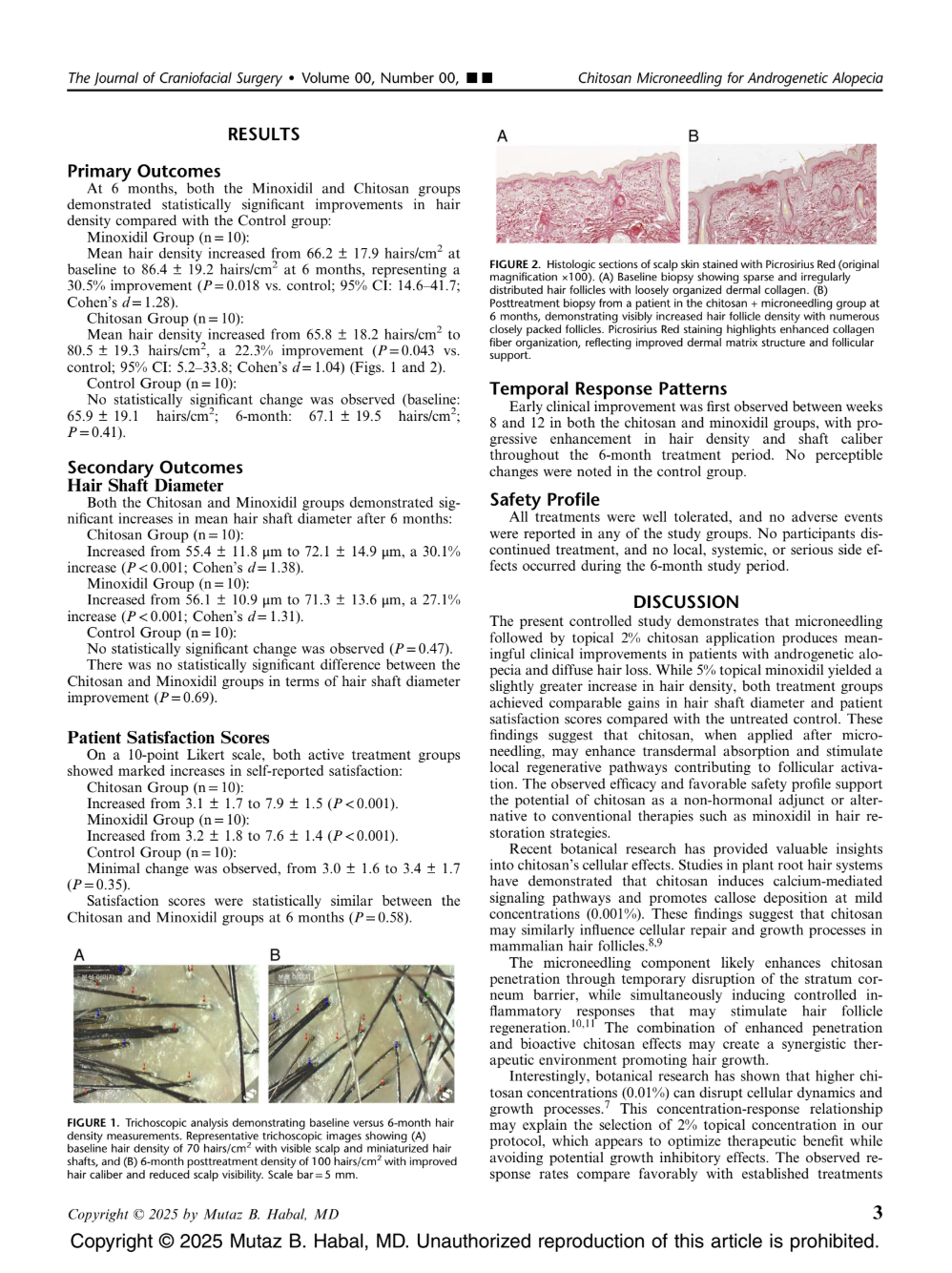
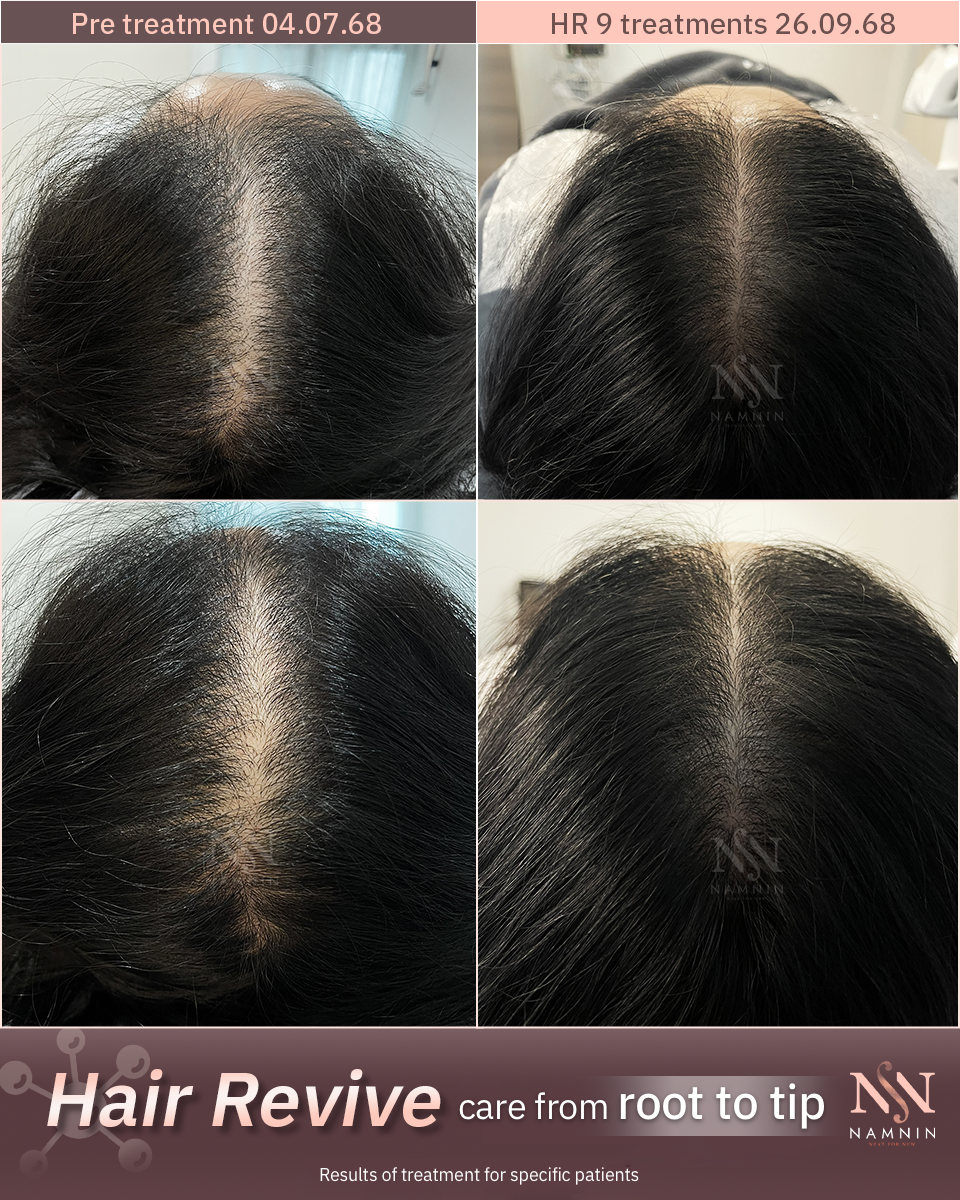
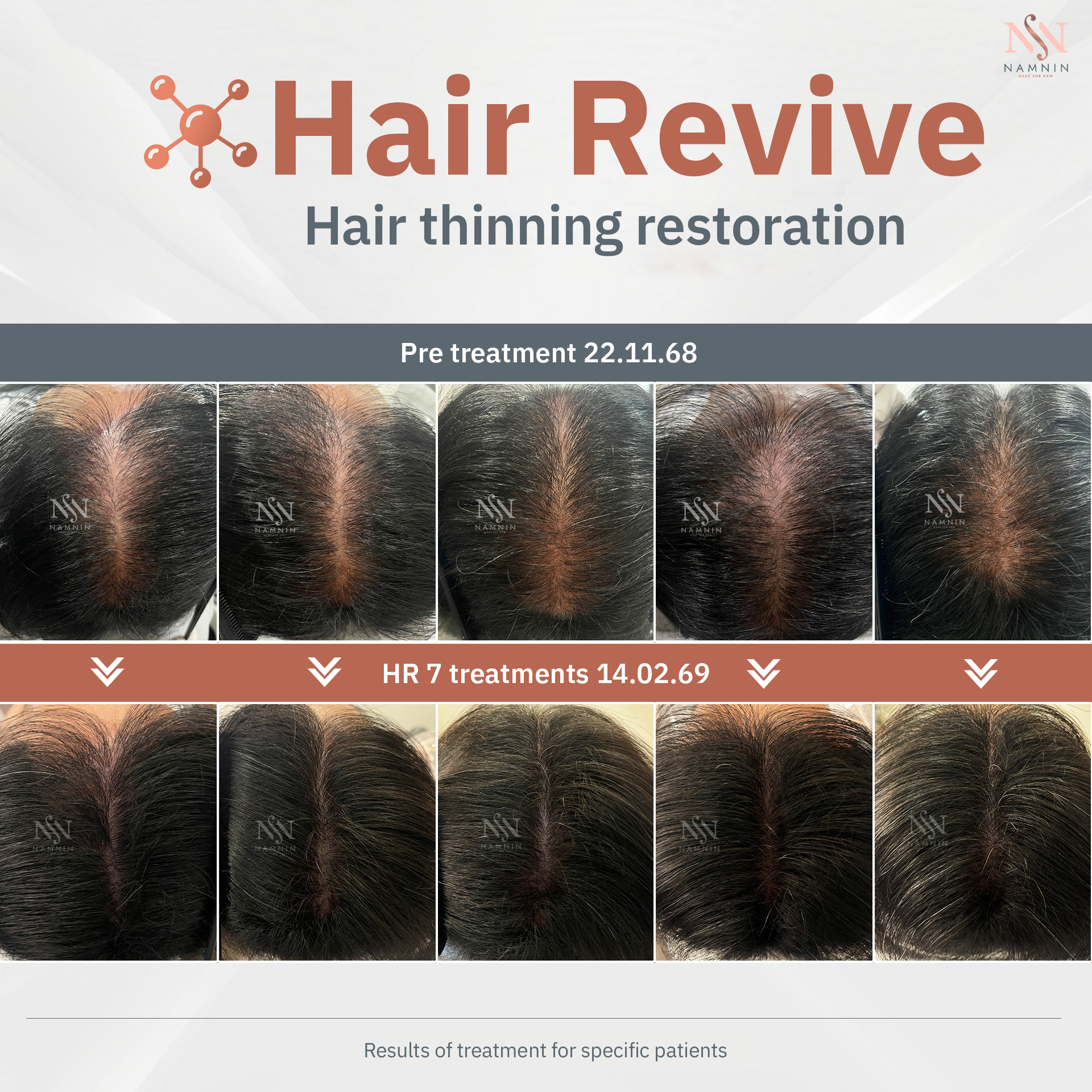
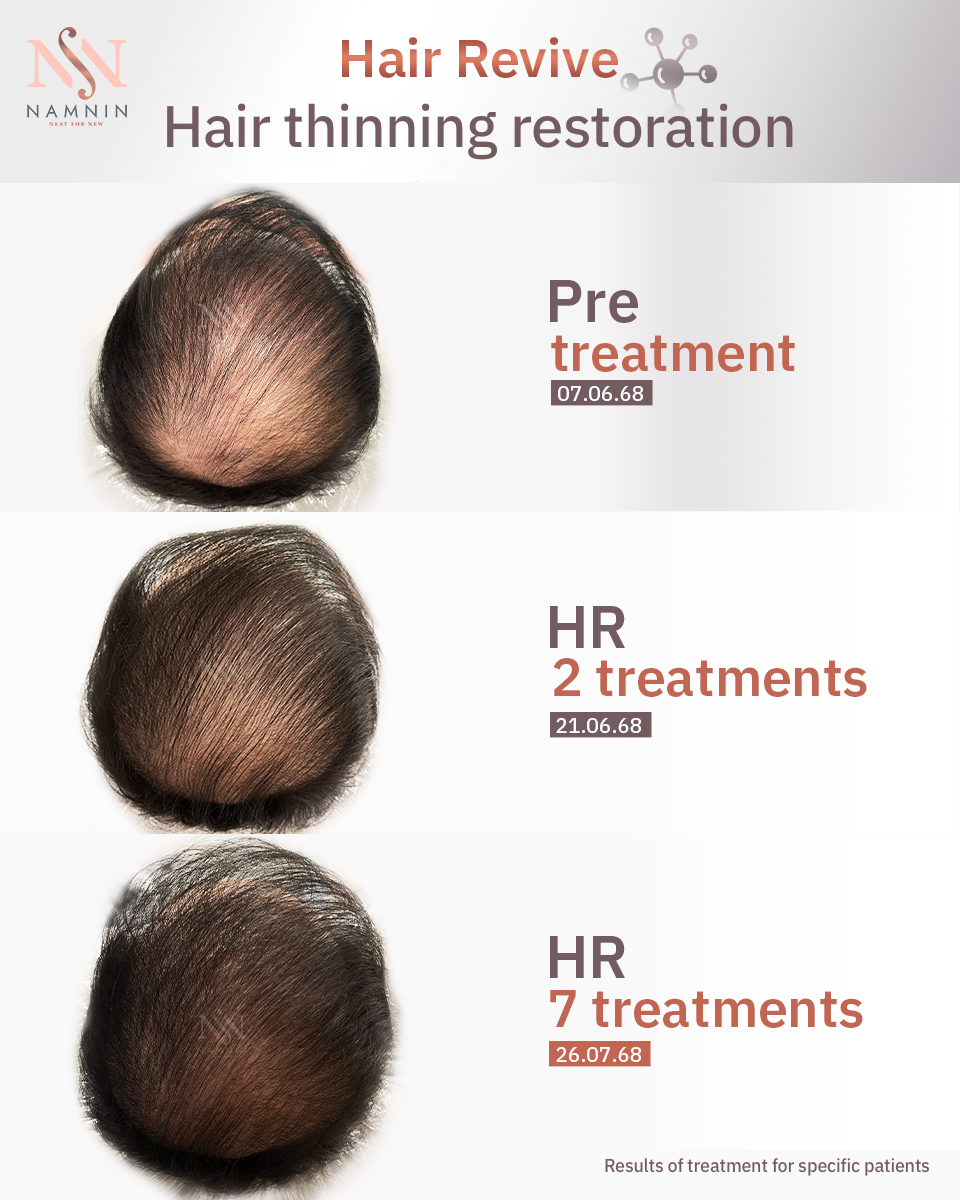
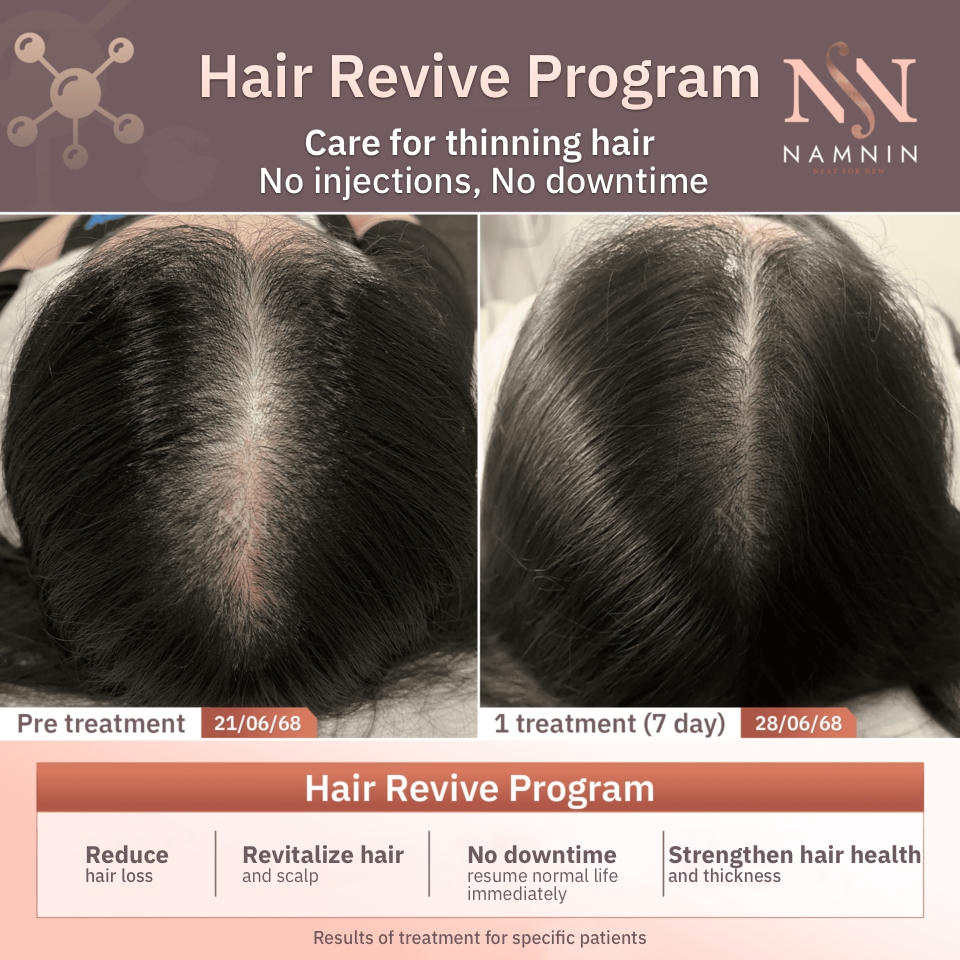
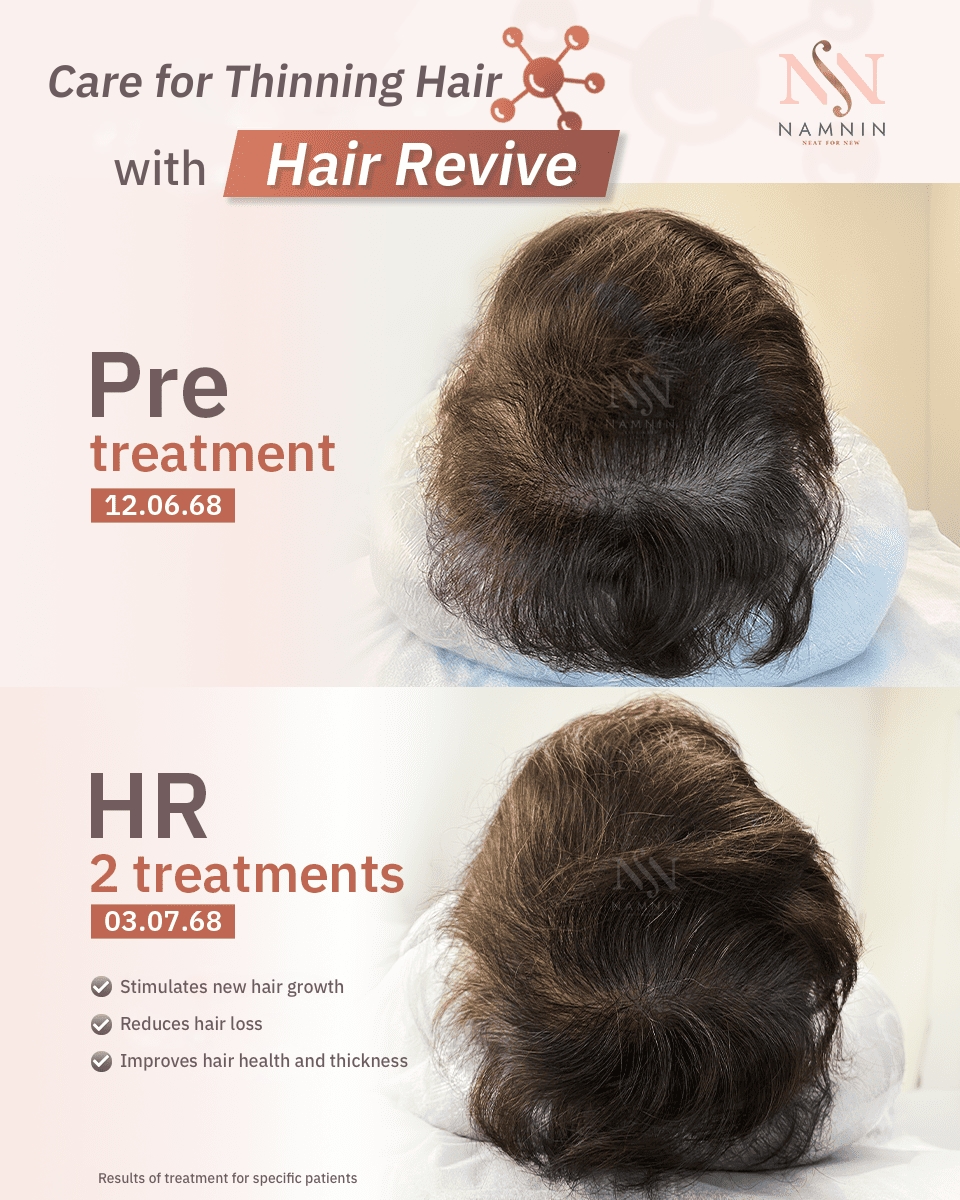
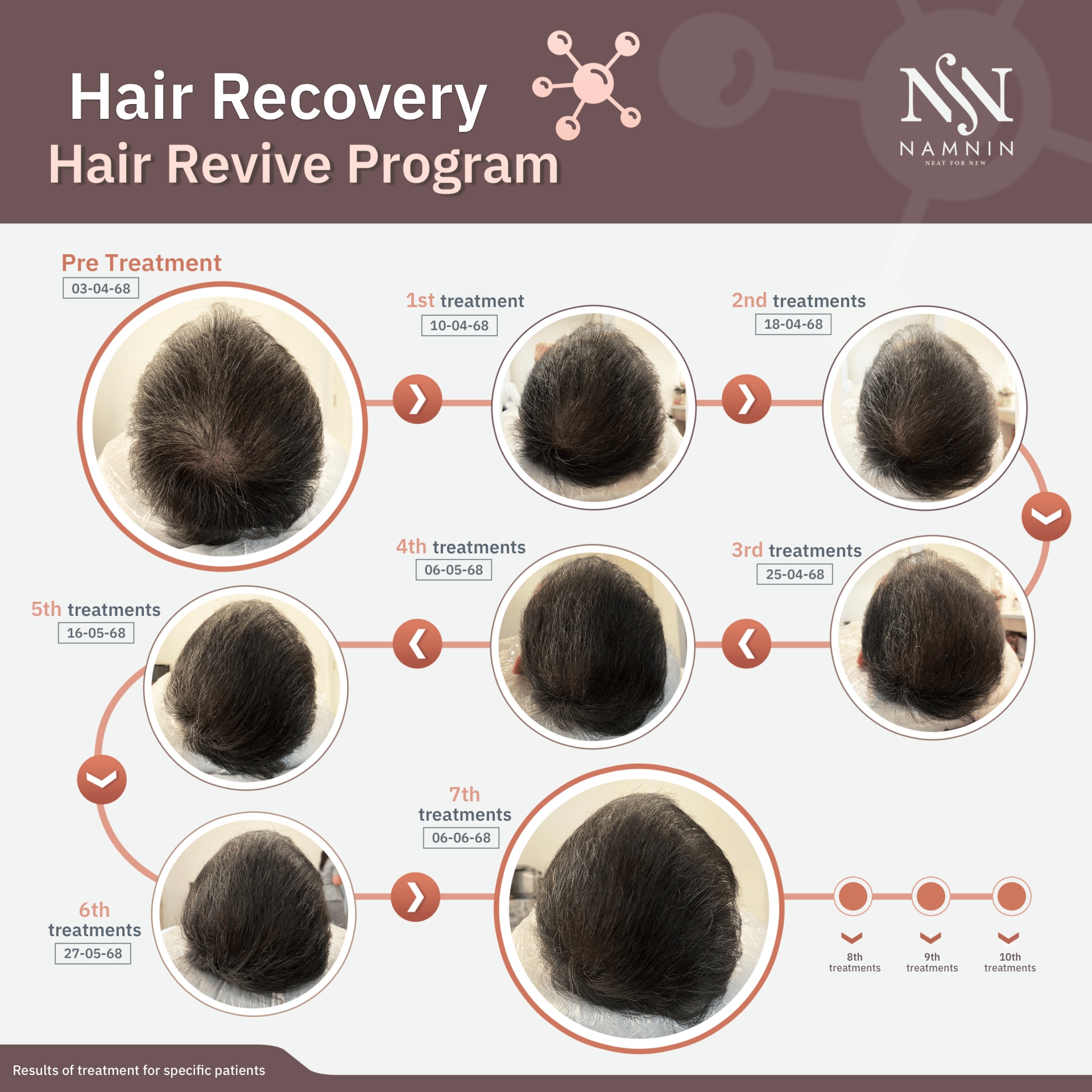
Tag : Hair revive program
Scalp Massage or Deep Root Care? Choose What Suits Your Hair
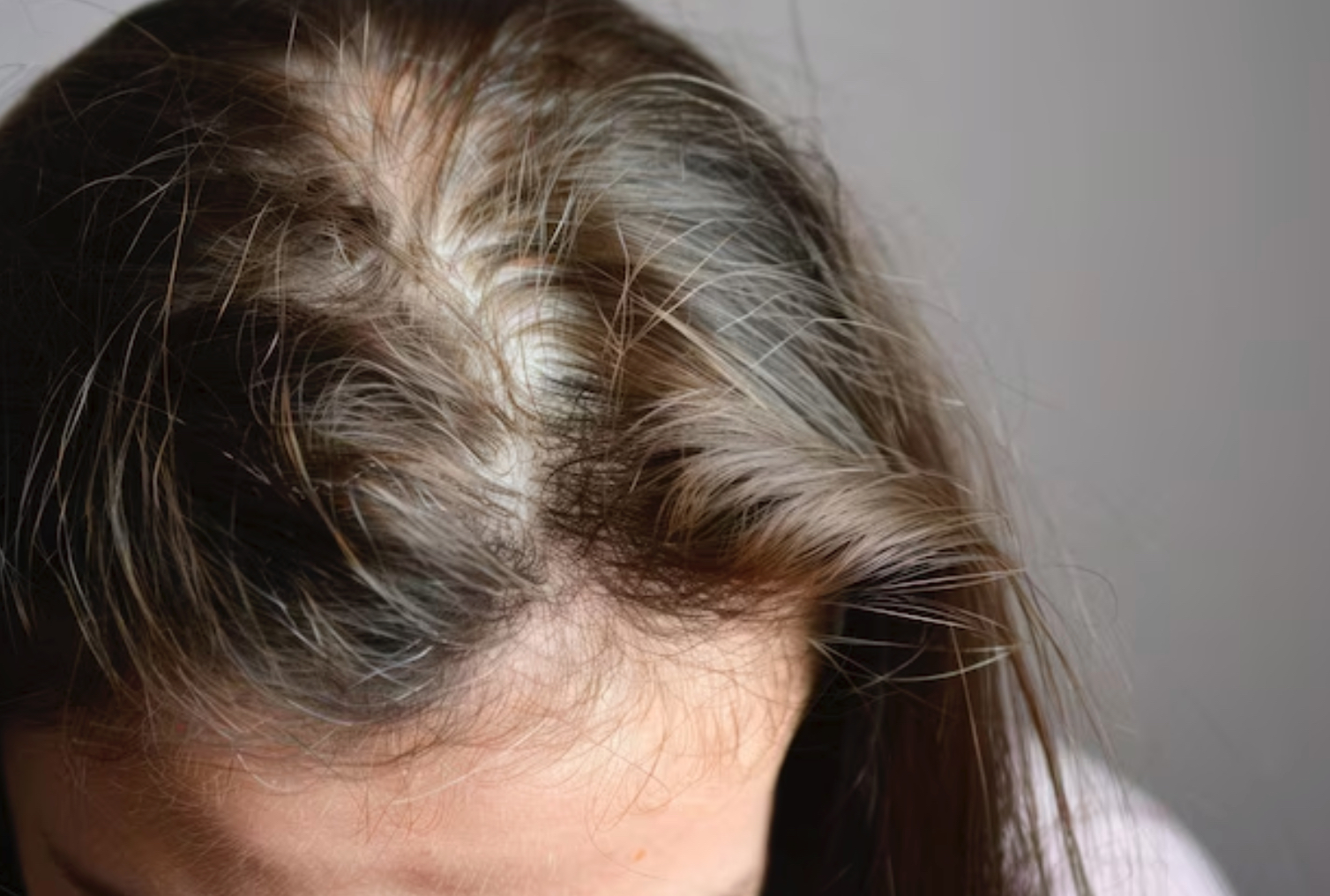
Our hair often changes quietly, without making a sound. Some people may begin to notice that a ponytail that once felt full now seems thinner, or that more hair strands stick to their hands during shampooing than before. At first, it may not feel alarming. But when these small signs appear more frequently, it may be time to pay a little more attention to your hair. Sometimes, hair is one of the body’s subtle languages, gently trying to tell us something.

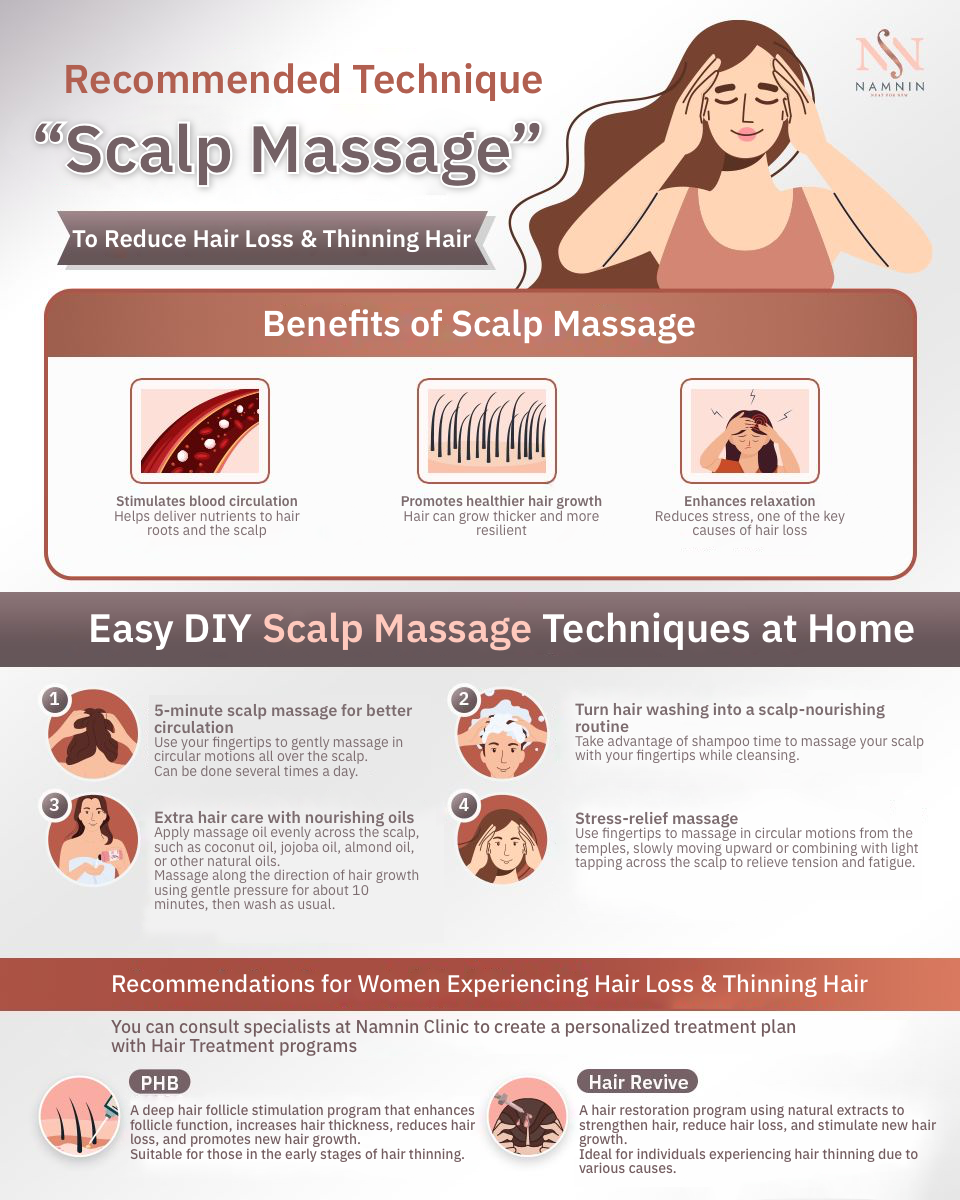
Although this may sound concerning, there is no need to panic. Restoring hair strength is not difficult at all, and most importantly, you can start caring for your hair by yourself right away. One simple method we would like to recommend is scalp massage. It may sound ordinary, but the results can be surprisingly effective. Gently massaging the scalp with your fingertips can already help improve hair loss and thinning. Numerous medical studies and physician recommendations agree that scalp massage helps stimulate blood circulation, increase the delivery of oxygen and nutrients to hair follicles, strengthen hair roots, prolong the hair growth phase, and visibly reduce hair shedding. Beyond hair benefits, scalp massage is also good for your mental well being. It helps relieve stress, reduce office syndrome discomfort, and gently restore overall balance. It is like a small daily reward you give to yourself.


For those who would like to begin, here are four easy massage techniques you can do on your own every day, taking only three to five minutes.

  • First, circular fingertip massage. Use the fingertips of both hands and gently press in circular motions across the scalp. Start from the crown, move toward the sides near the ears and the nape, then return to the front. It feels as if your fingers are drawing a path of relaxation across your entire scalp.
  • Second, massage while shampooing. While applying shampoo, gently massage the scalp at the same time. This helps cleanse residue more thoroughly while also promoting relaxation.
  • Third, temple massage with the thumbs. Gently press the temples using your thumbs. This helps create a light and clear sensation, especially on days when the mind feels fatigued. It is ideal when you want to reset yourself.
  • Fourth, massage with nourishing oil. Choose an oil suitable for your hair condition, such as coconut oil to help reduce hair loss or peppermint oil to stimulate blood circulation. Massage gently in circular motions before applying a warm towel. It feels soothing while deeply nourishing the hair in a single step.

However, there are times when even with the best self care, hair shedding does not improve or thinning continues until the scalp becomes increasingly visible. If you are at this point, there is no need to worry. At Namnin Clinic, we offer effective options for more targeted hair restoration through deep root focused hair care programs personally designed by Dr. Nin to suit each individual’s condition and lifestyle.

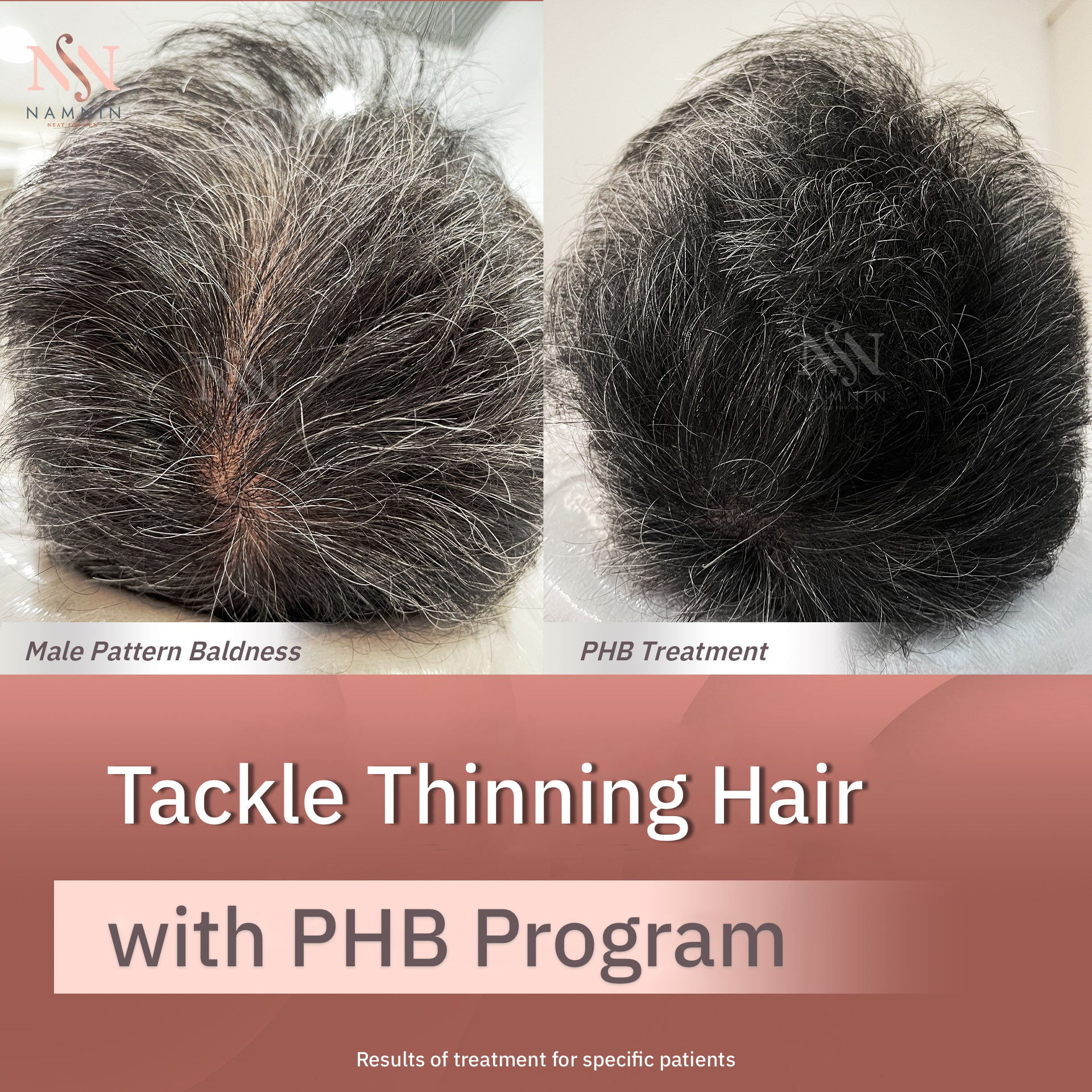
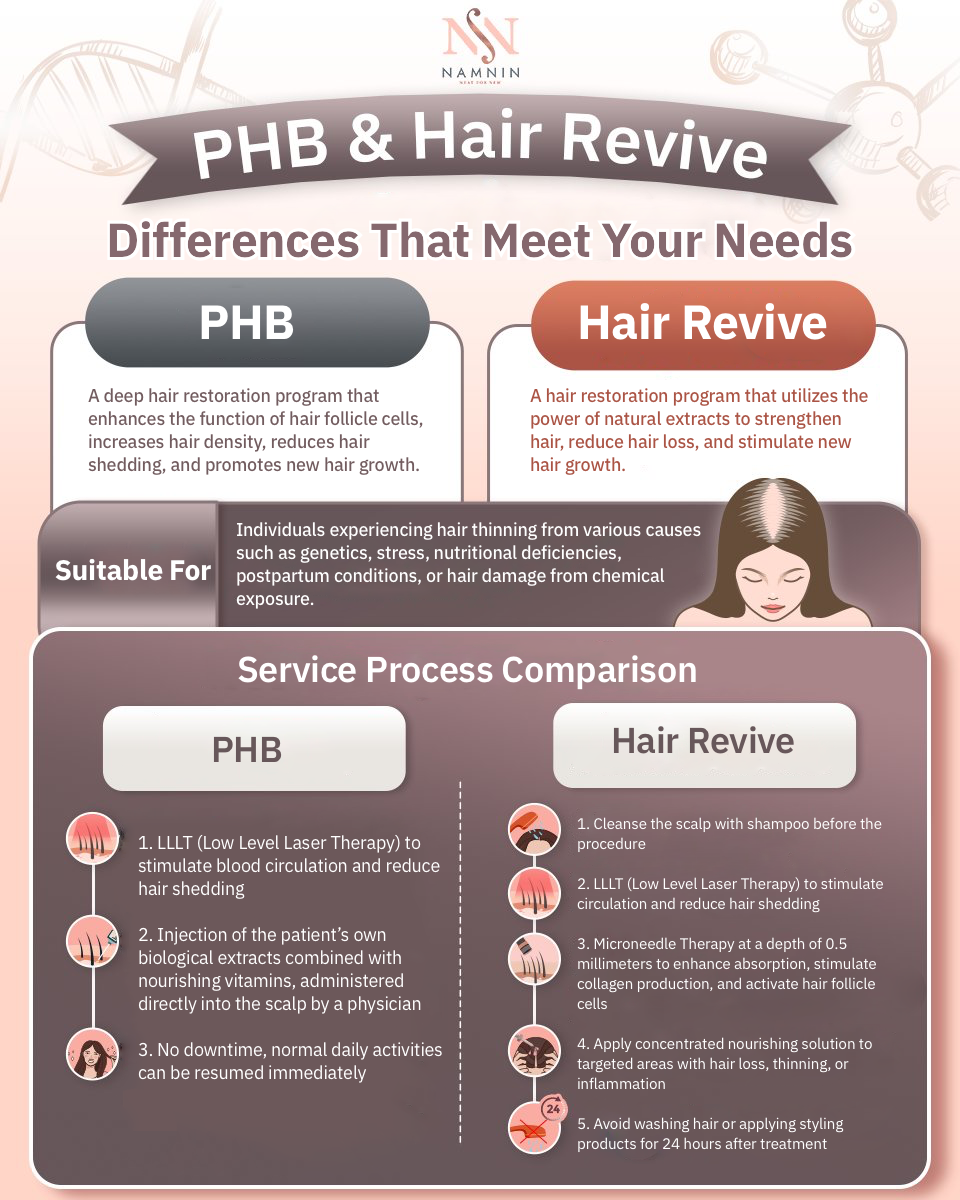
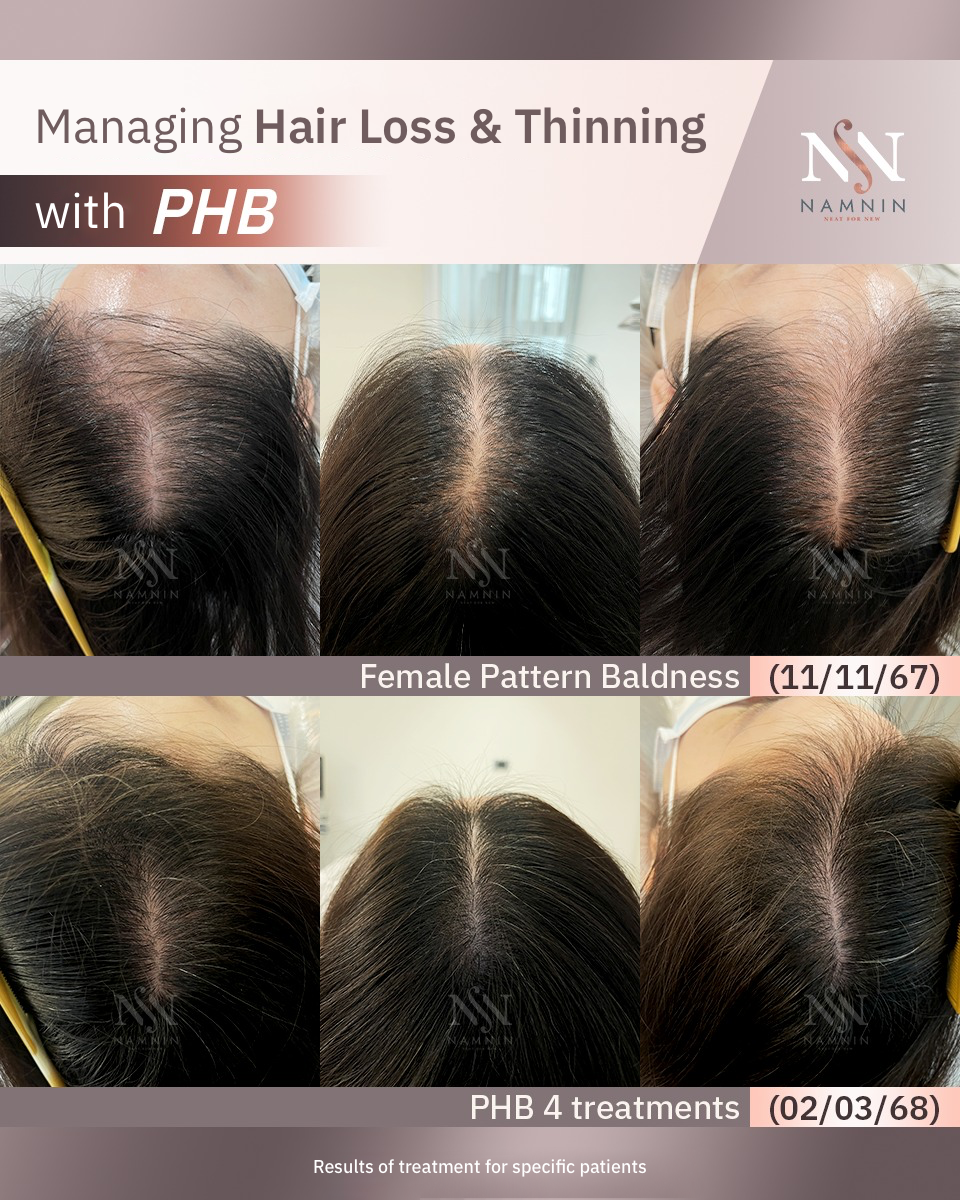
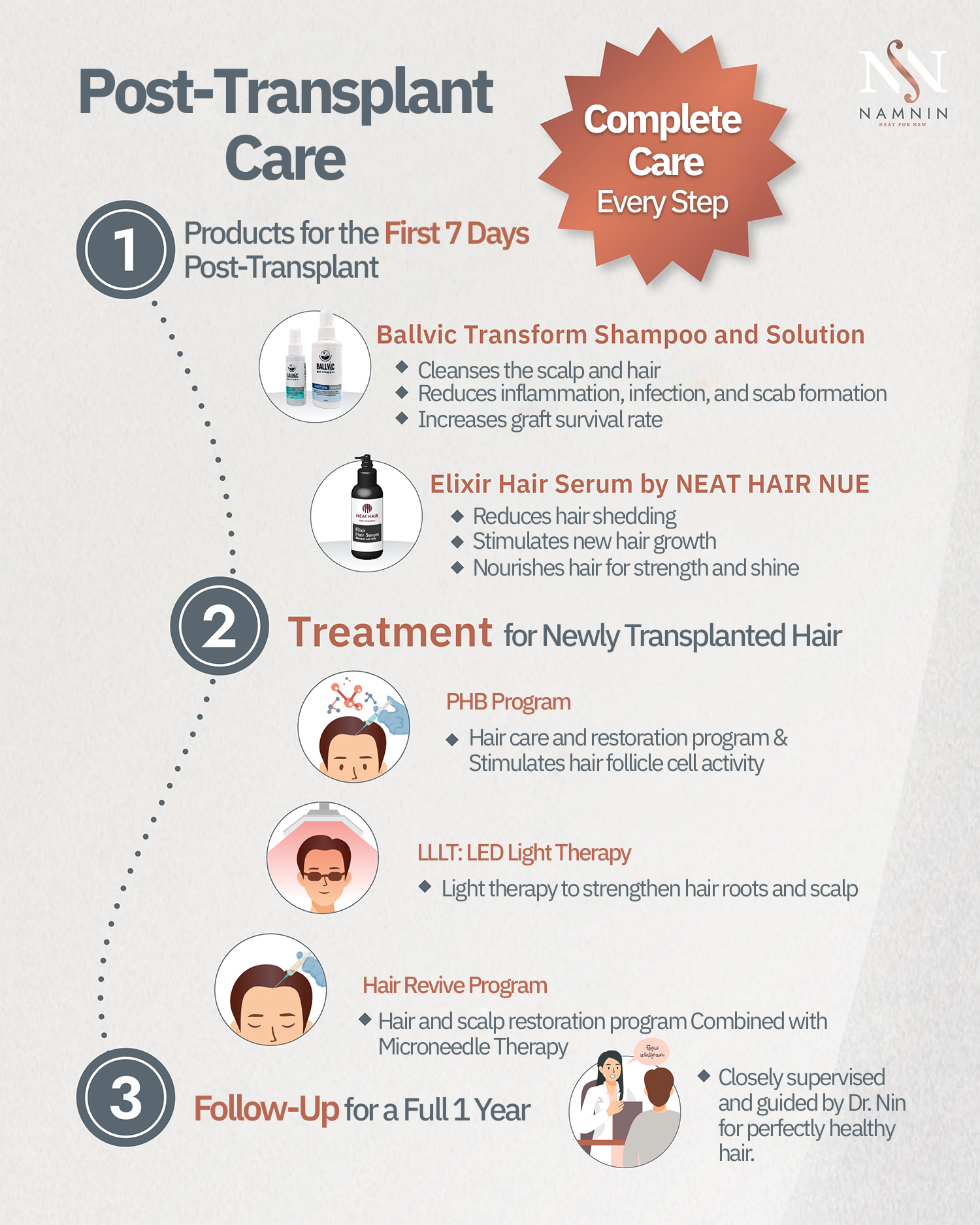
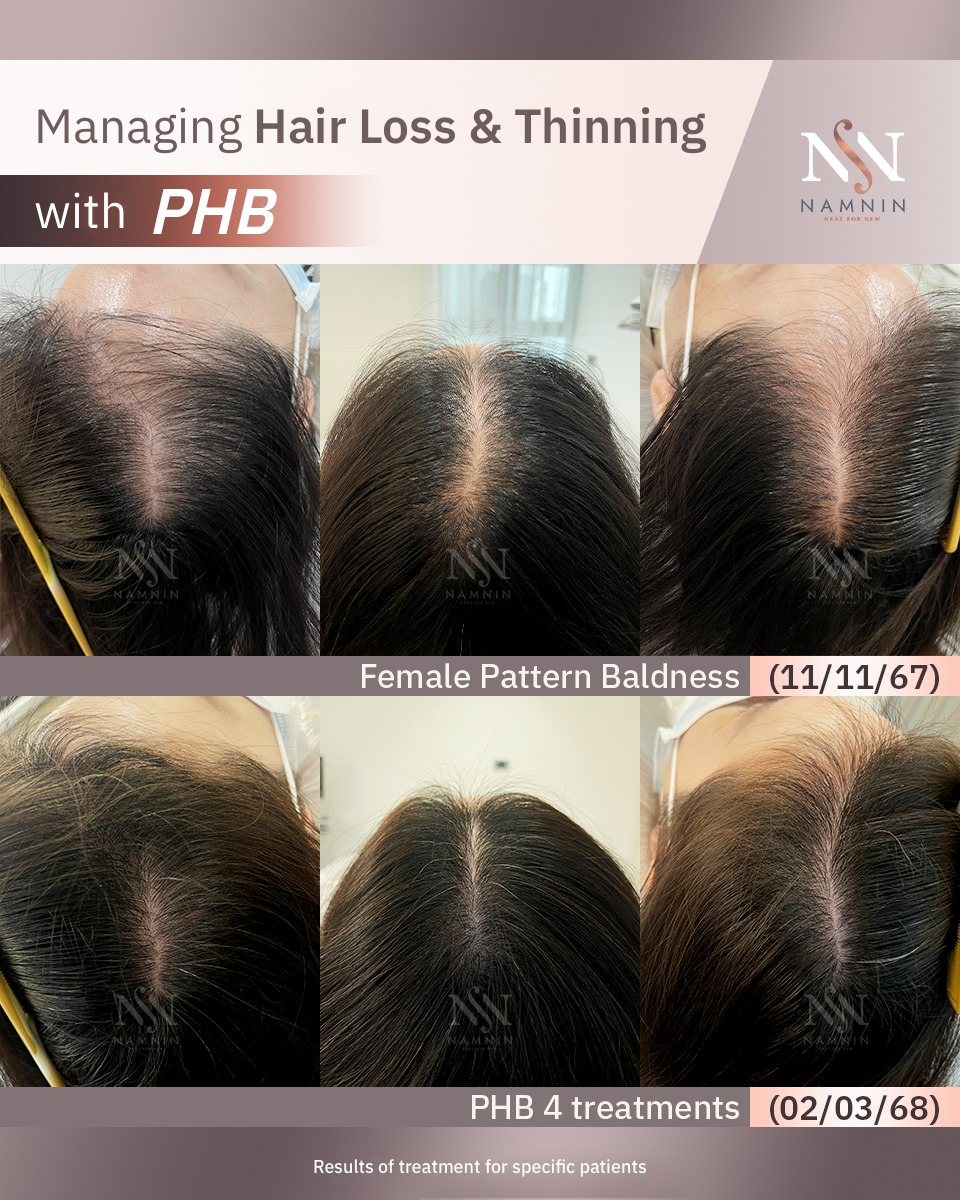
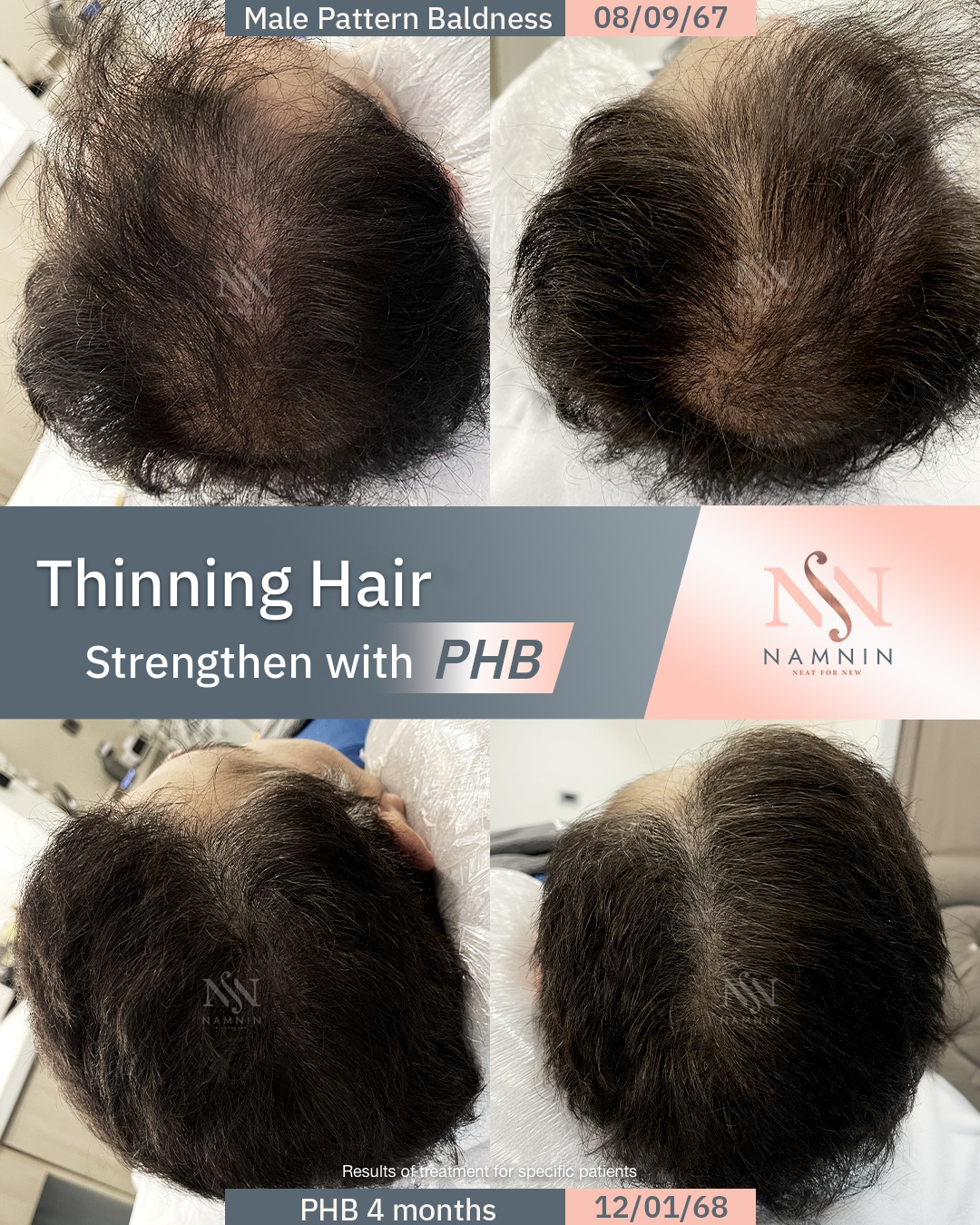
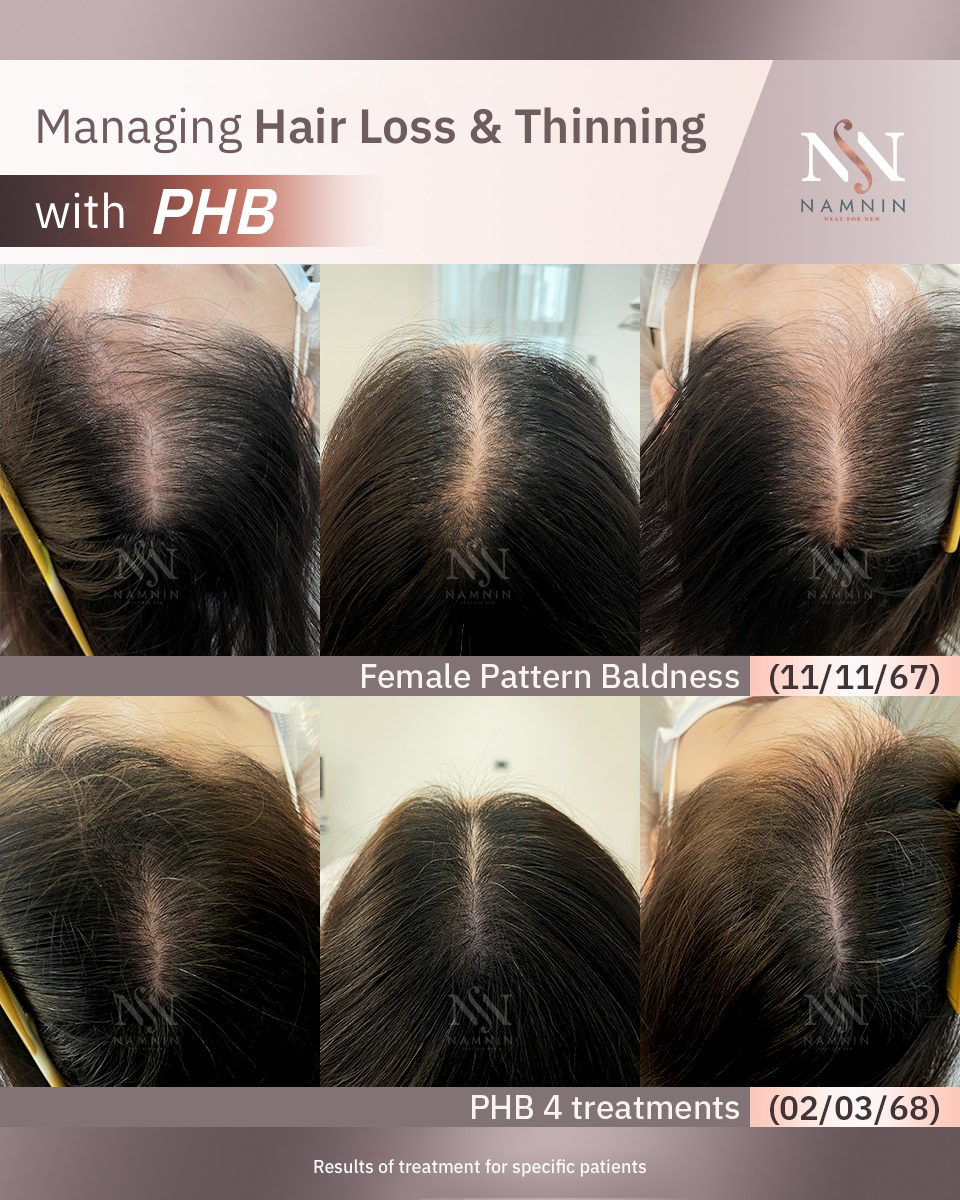
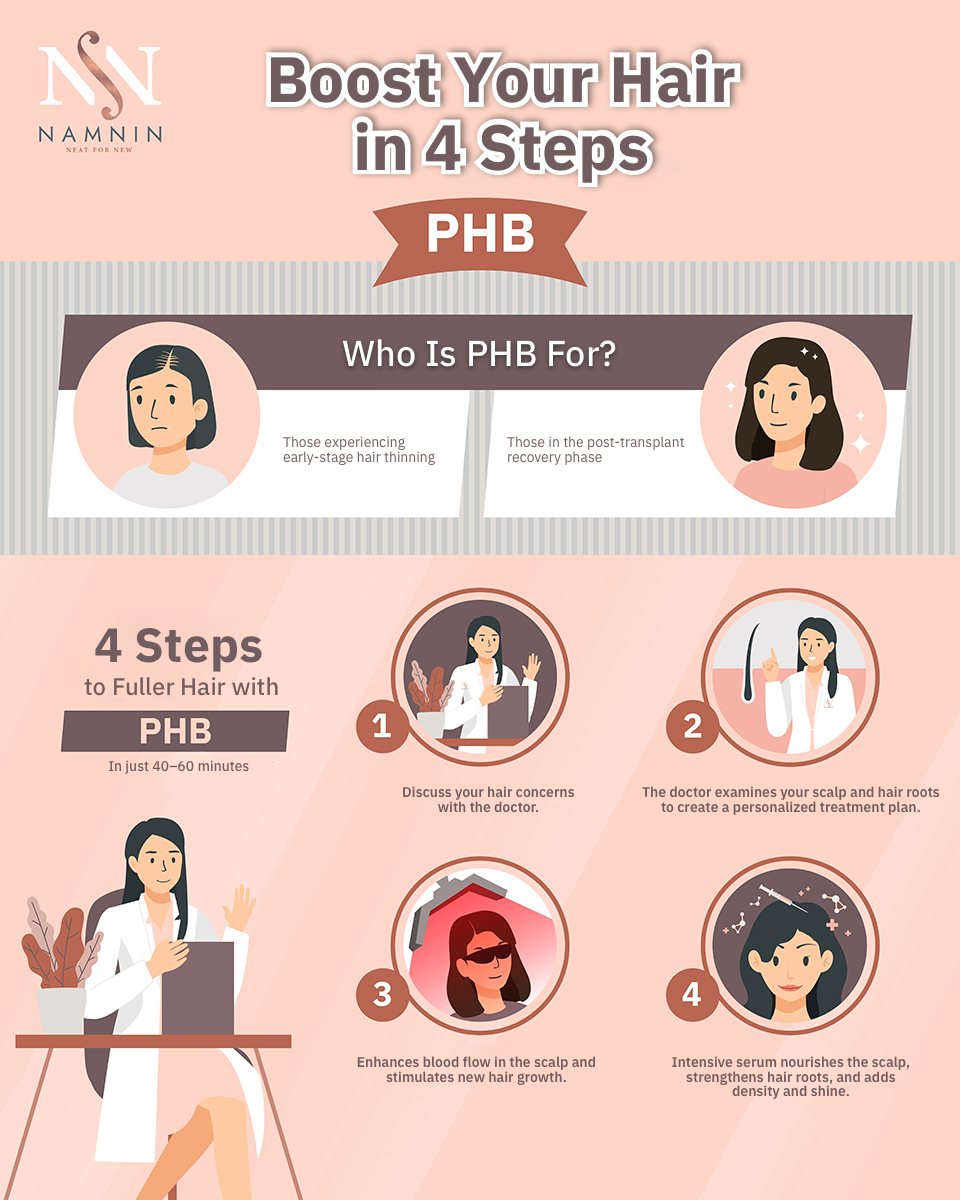
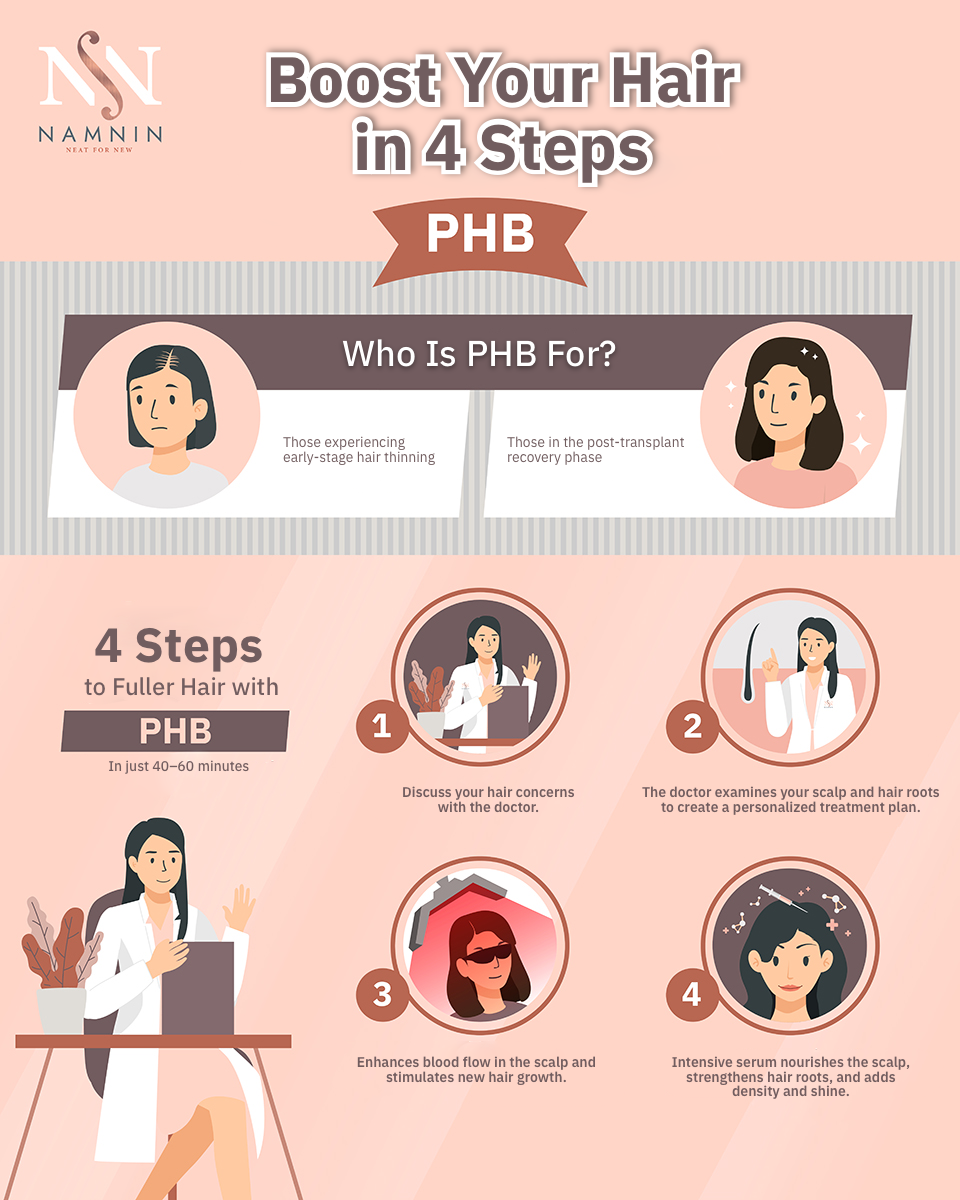
The PHB Program is designed for individuals who are beginning to experience hair problems and want fast recovery with visible results. This program is suitable for those who notice excessive hair shedding or clearly thinning hair. The key feature is the use of the patient’s own blood, processed and combined with Namnin Clinic’s specialized vitamin formulation, then injected into the scalp. This stimulates hair follicle cells to repair themselves from within. Although it may sound complex, it is actually a comfortable medical procedure that takes only forty to sixty minutes. There is no recovery period required. Most importantly, results can be seen quickly. Within the first three to seven days, hair shedding is noticeably reduced. Within one to three months, new hair begins to grow stronger, while hair density, shine, and vitality improve naturally.


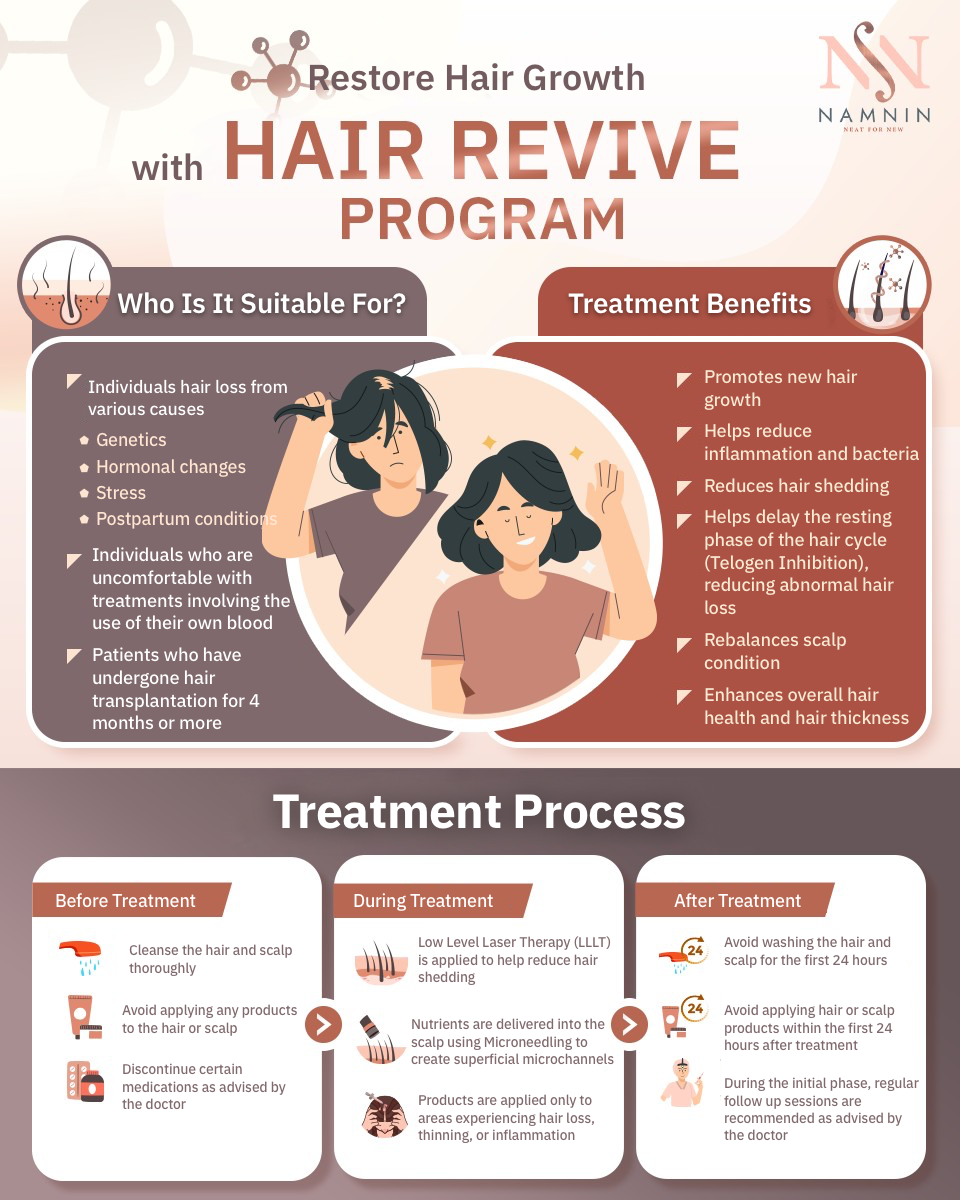
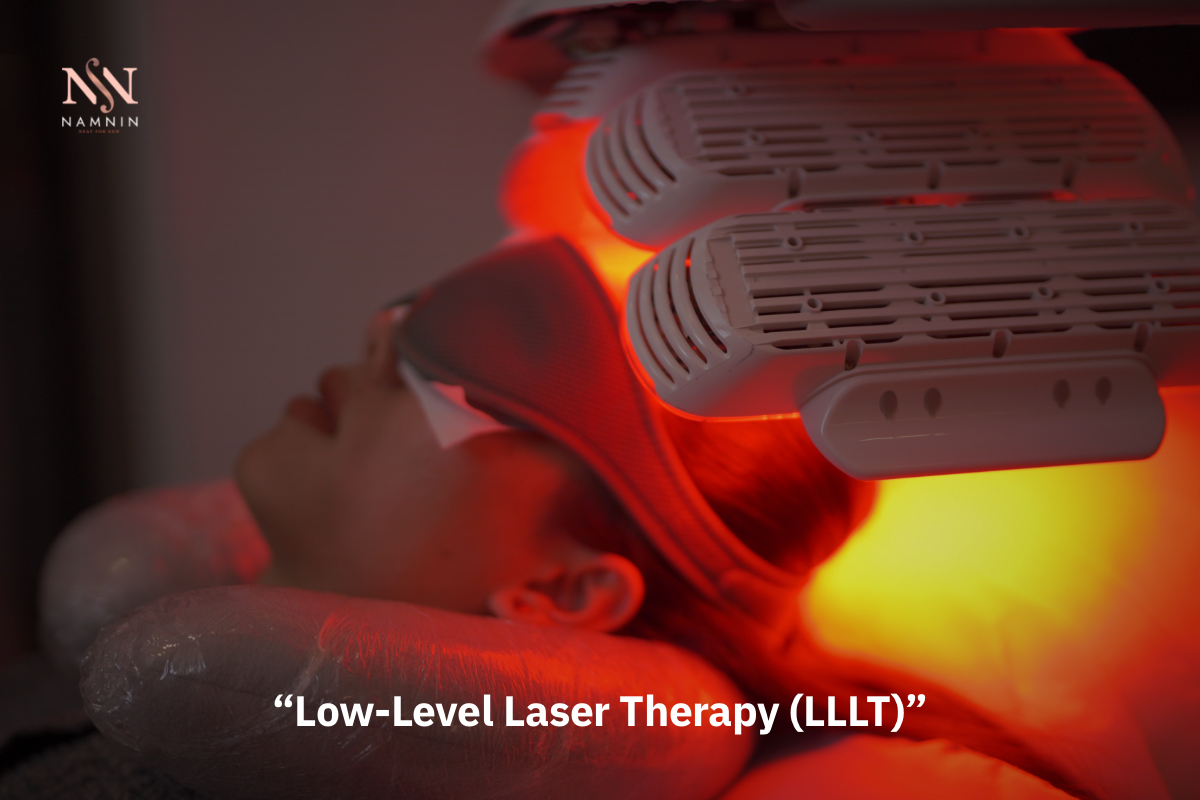
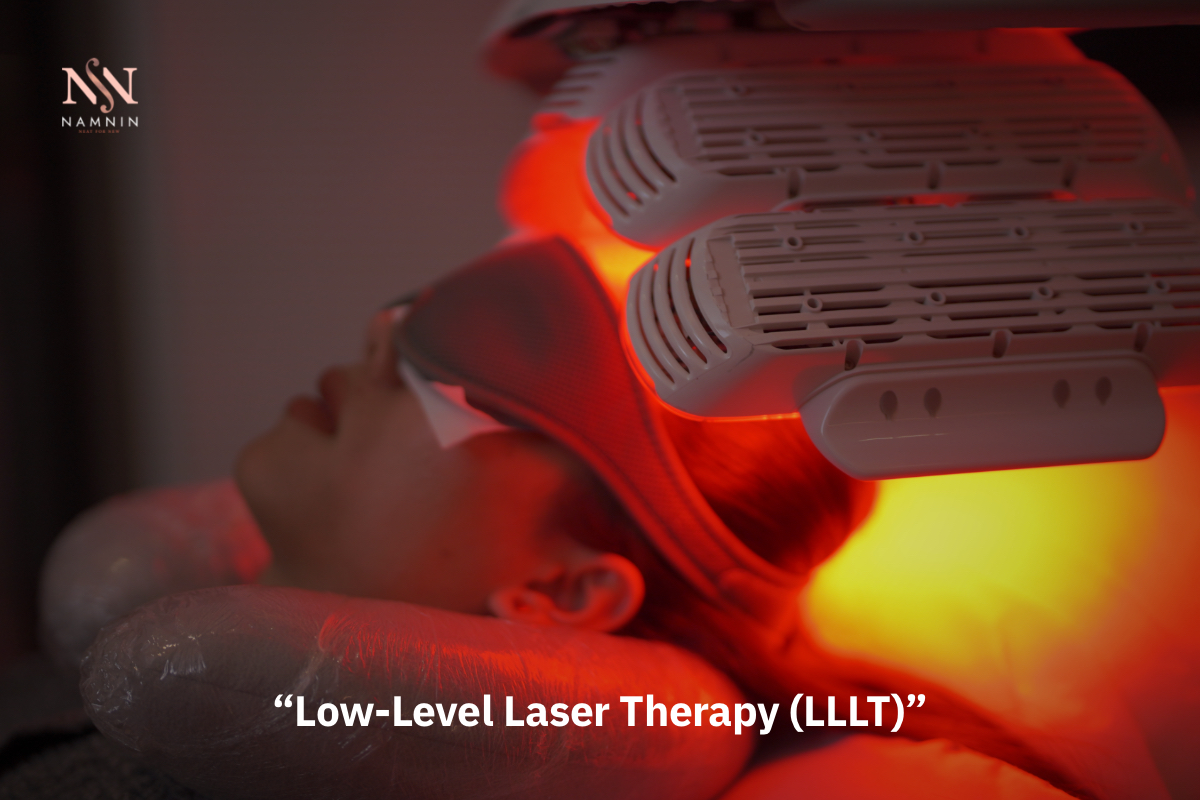
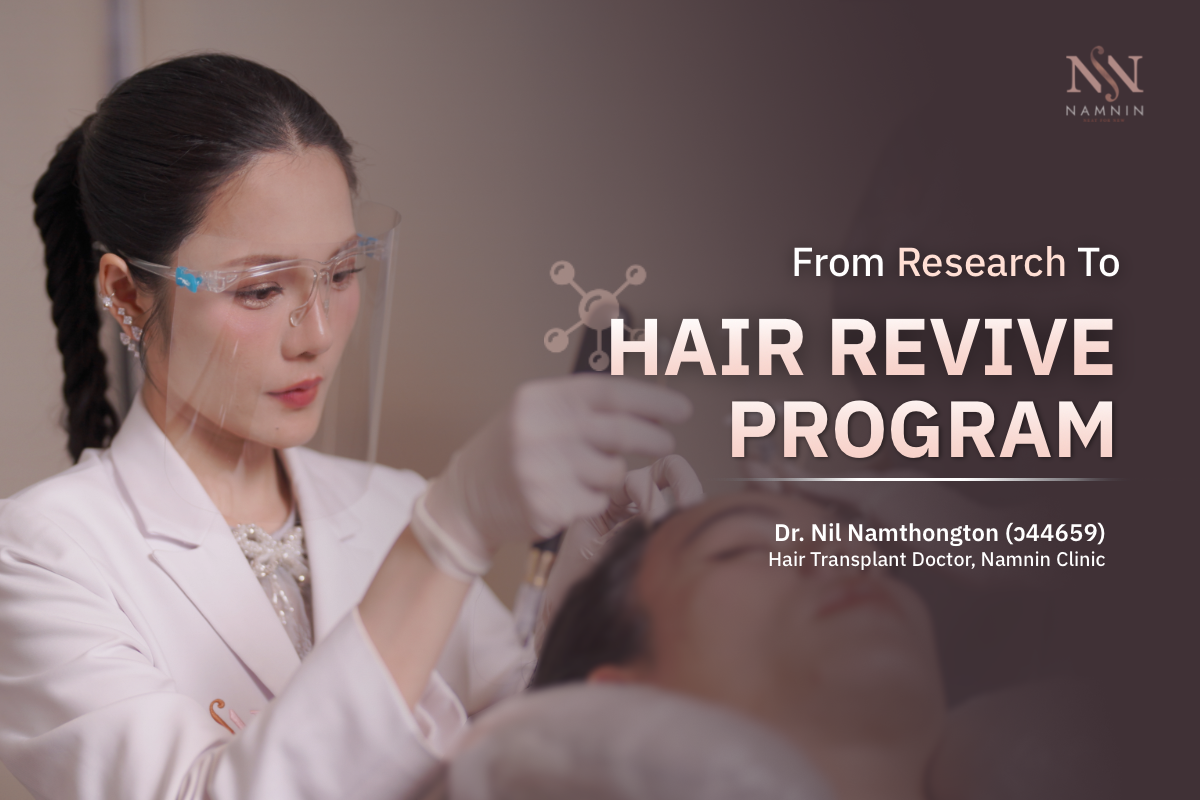
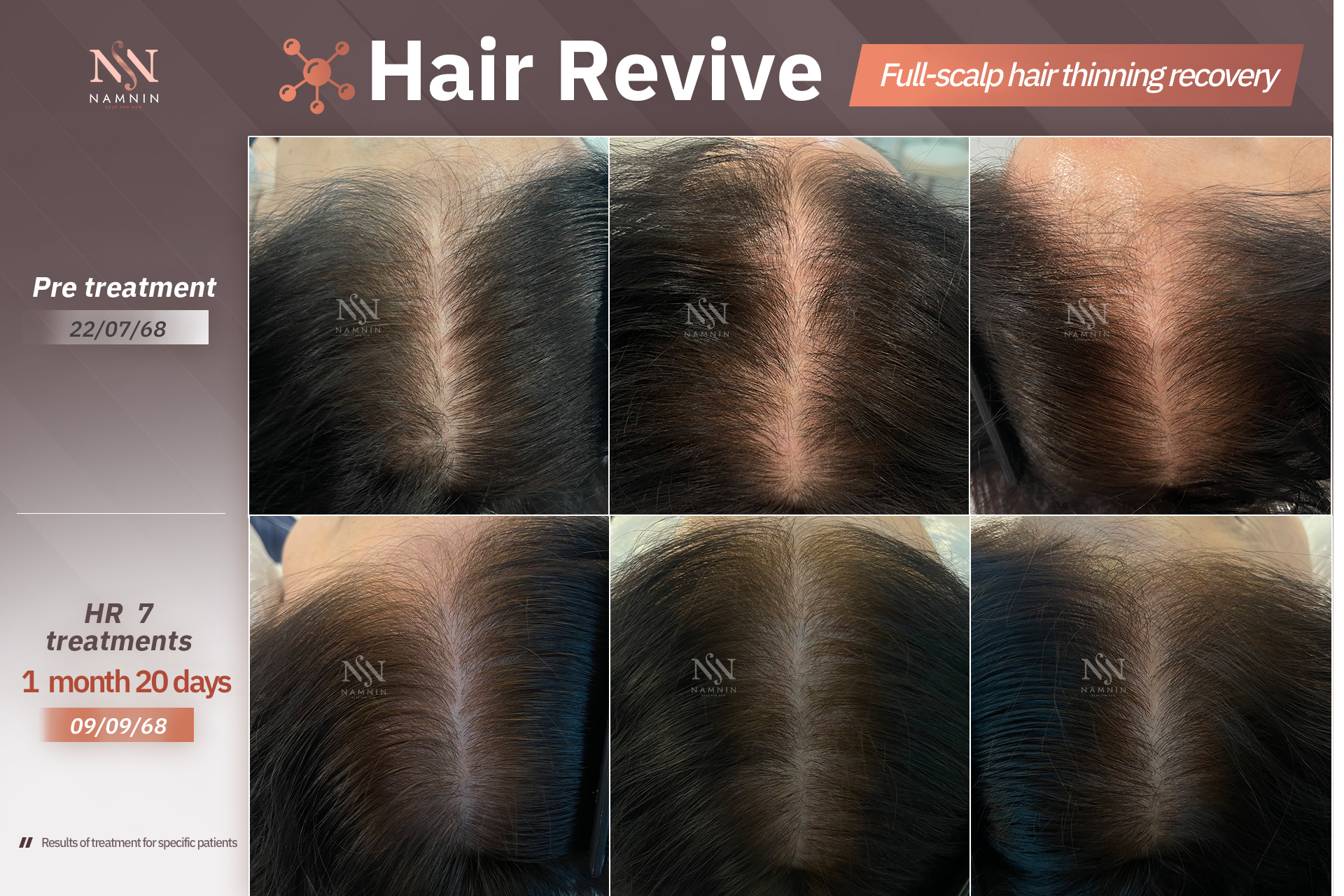
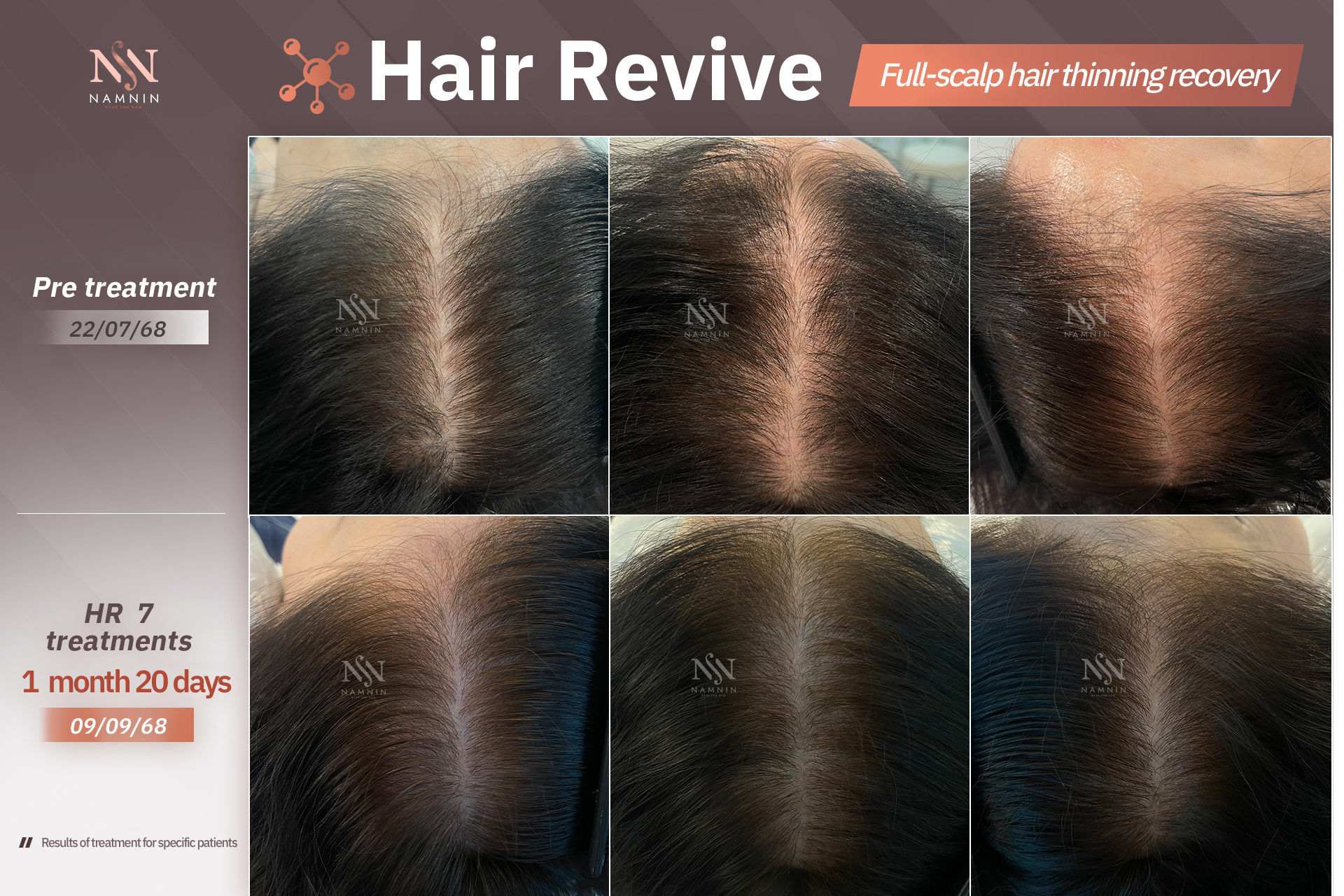
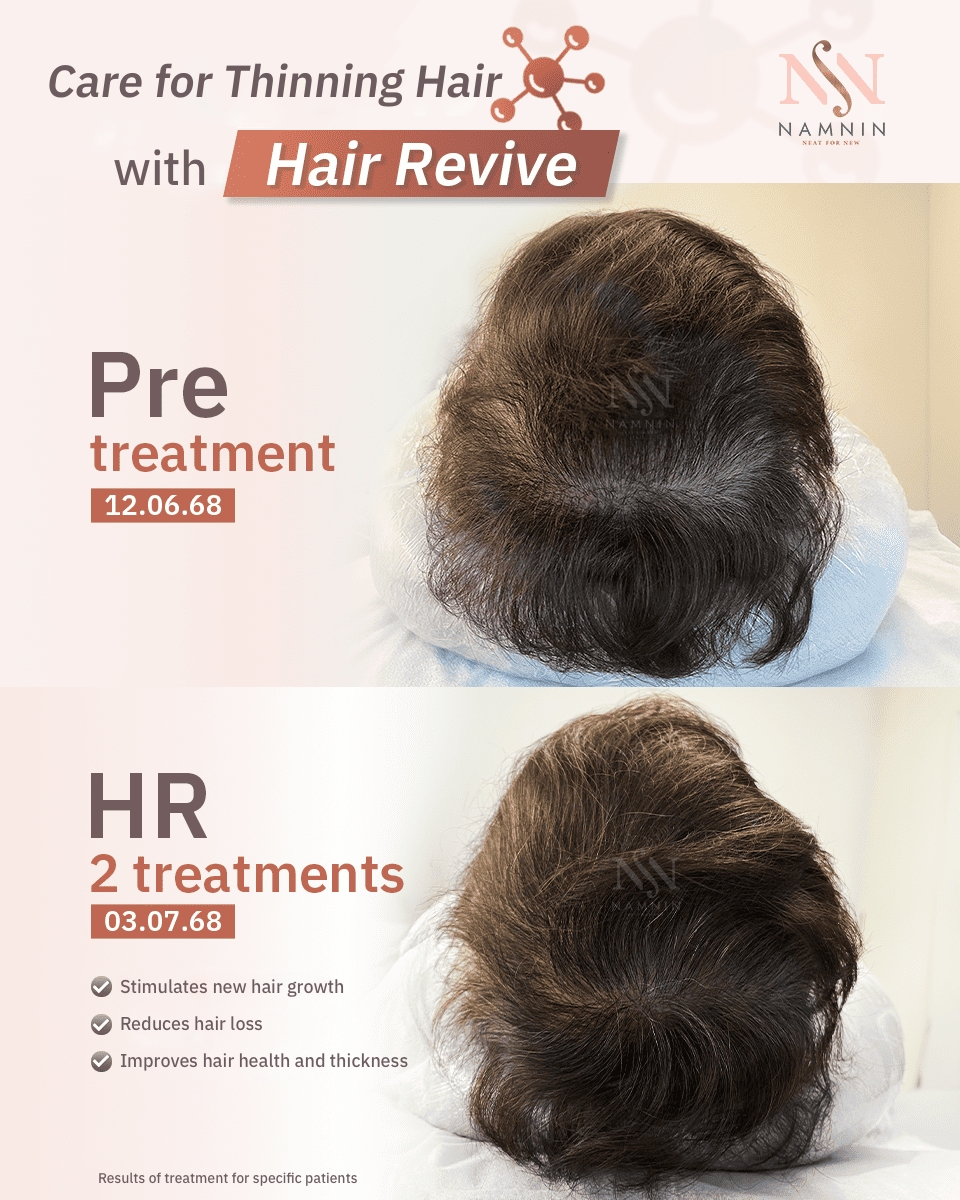
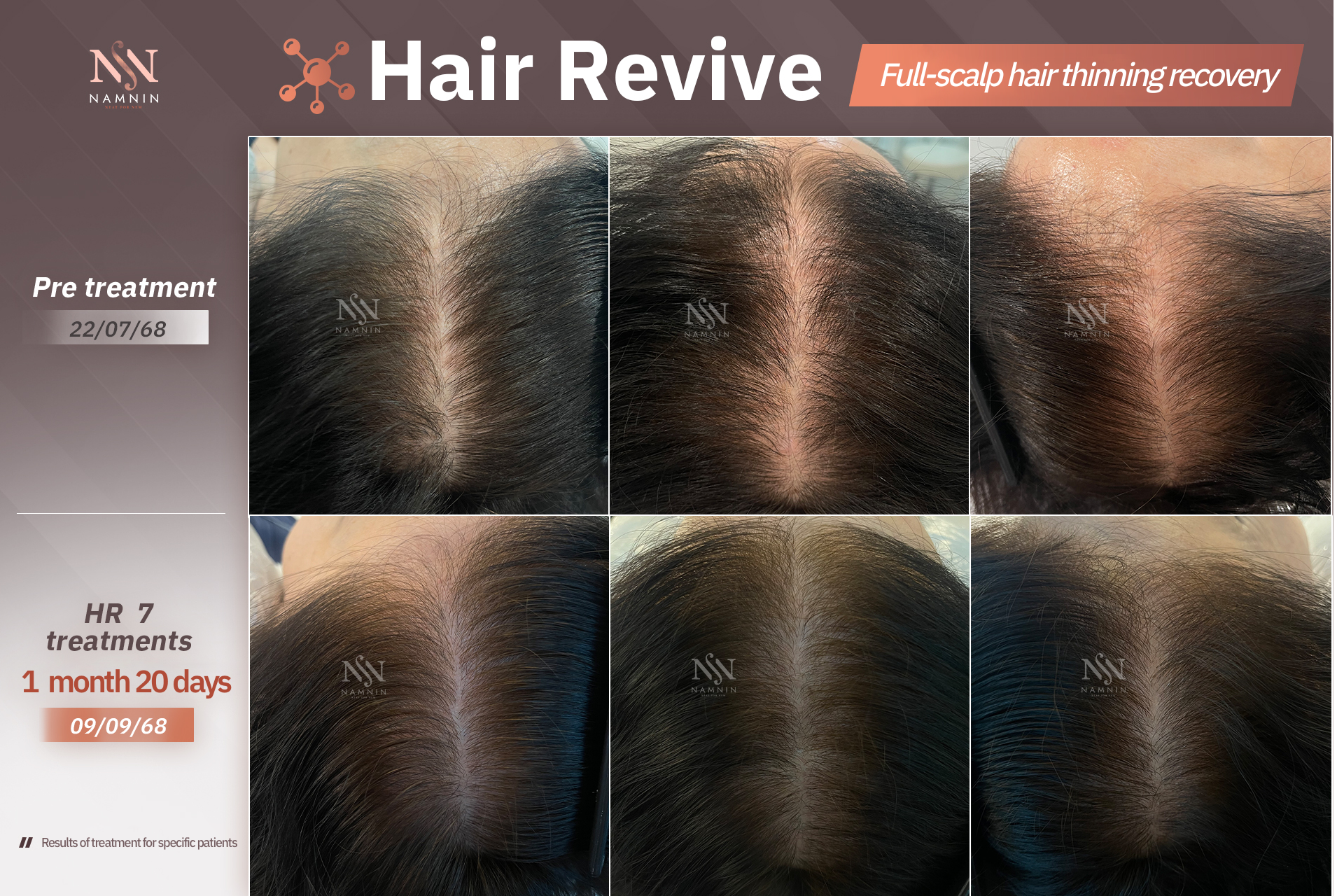
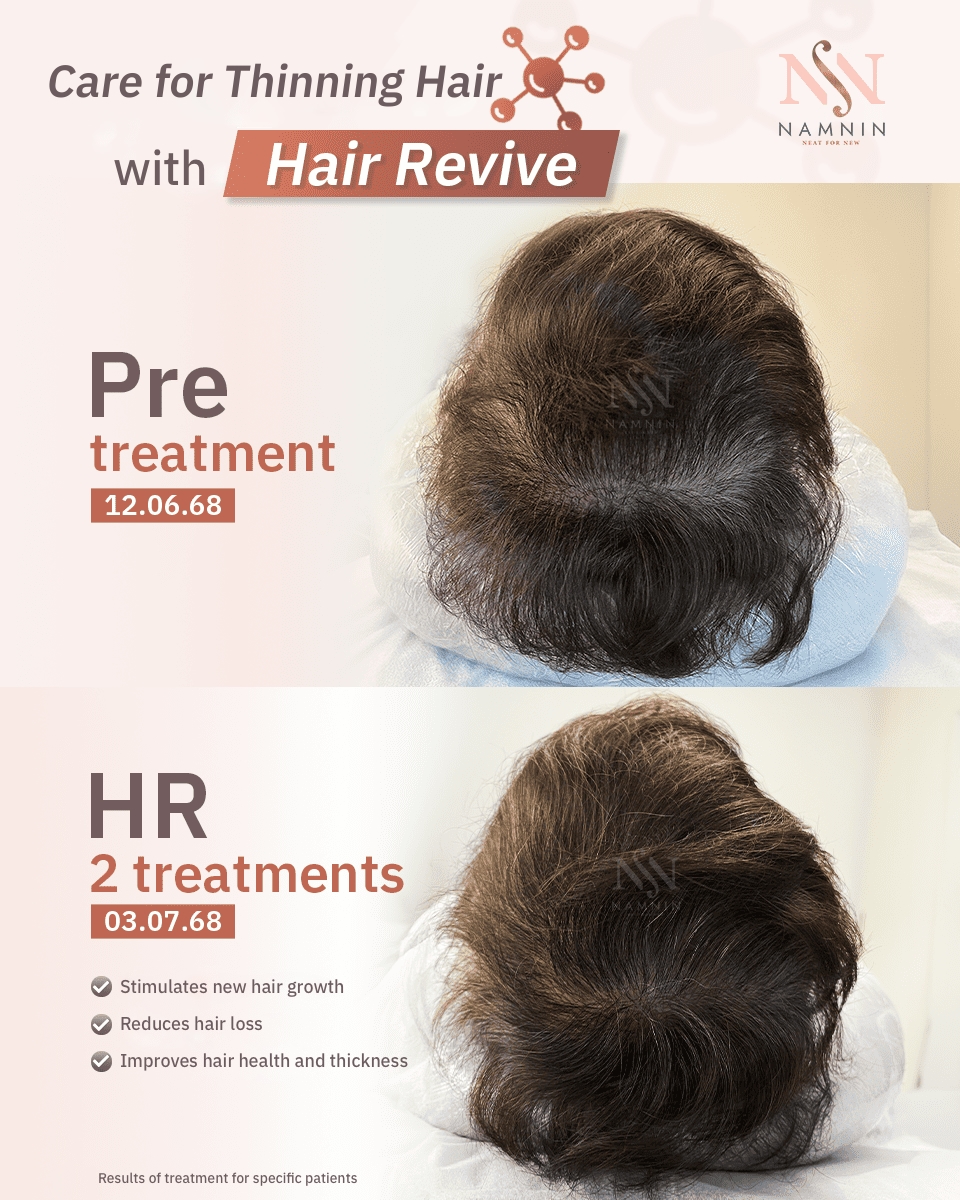
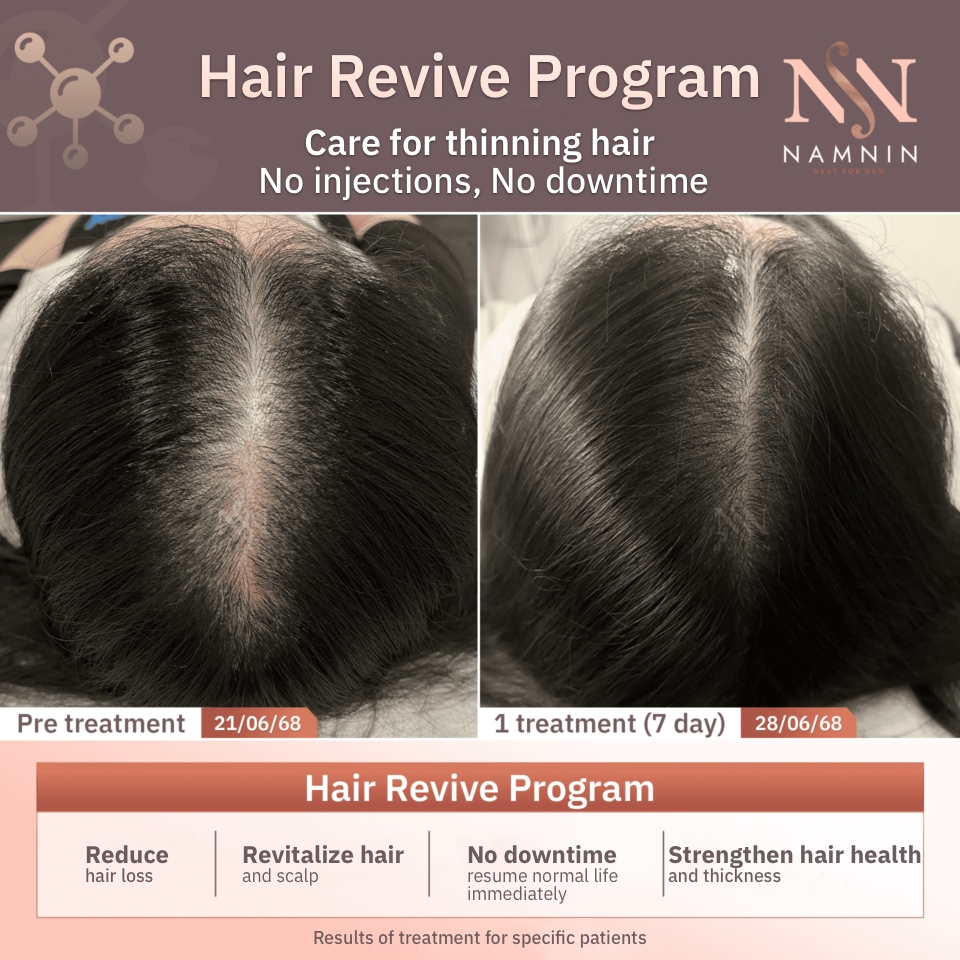
The Hair Revive Program is ideal for those who want deep nourishment but are not comfortable using their own blood, or for those whose hair loss has multiple causes such as stress, hormonal imbalance, genetics, or postpartum hair thinning. The program begins with gentle scalp cleansing using a mild shampoo to prepare the skin for treatment. This is followed by low level laser therapy to stimulate blood circulation and reduce hair shedding.

Next, Microneedle Therapy is performed using very fine needles measuring only 0.5 millimeters to gently stimulate the scalp. This enhances absorption of active ingredients while promoting collagen production and new hair cell regeneration. Targeted nourishing products are then applied to problem areas to strengthen hair roots and reduce inflammation. This program is especially suitable for individuals who have undergone chemical treatments, hair coloring, or frequent heat styling, resulting in weakened hair. It is also suitable for those who have previously undergone hair transplantation and wish to support healthy long term growth of newly transplanted hair.


Regardless of which program you choose, both PHB and Hair Revive are designed for comfort, leave no visible wounds, and can be naturally integrated with other hair care plans. Dr. Nin personally evaluates and closely supervises each step of the treatment process.

In the end, whether you begin with gentle self massage at home or choose deep root care at Namnin Clinic, we believe that every bit of care you give your hair today is a valuable long term investment. Healthy hair is not only about external beauty. It is about confidence that reflects your inner self and every step you take toward standing confidently as who you truly are.

If you are looking for a hair care approach that truly suits you, we invite you to speak with Dr. Nin at Namnin Clinic. We are here to care for you with understanding, because sometimes the greatest changes begin with the smallest things, just the touch of your fingertips.
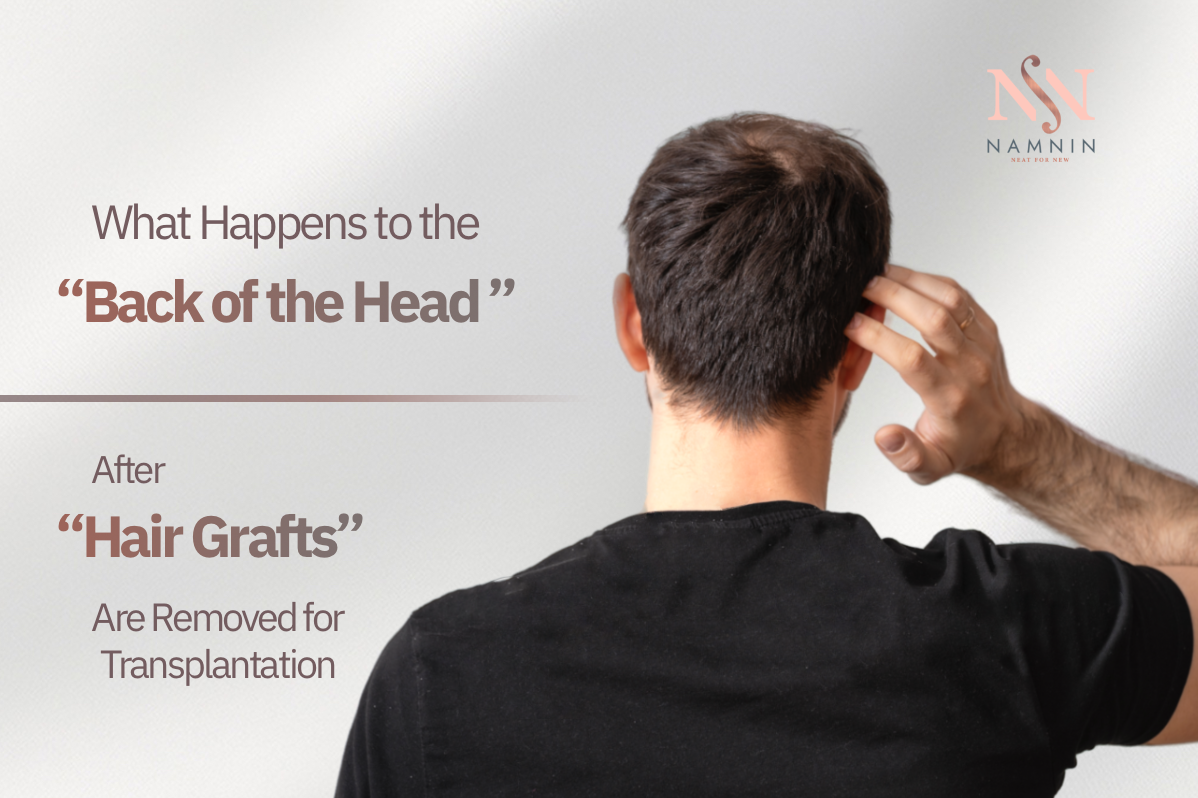
What Happens to the Back of the Head After Hair Grafts Are Removed for Transplantation
Before making a once in a lifetime decision to undergo hair transplantation, it would be beneficial for patients to first understand the essential basics of the procedure, especially the topic of hair grafts taken from the back of the head.

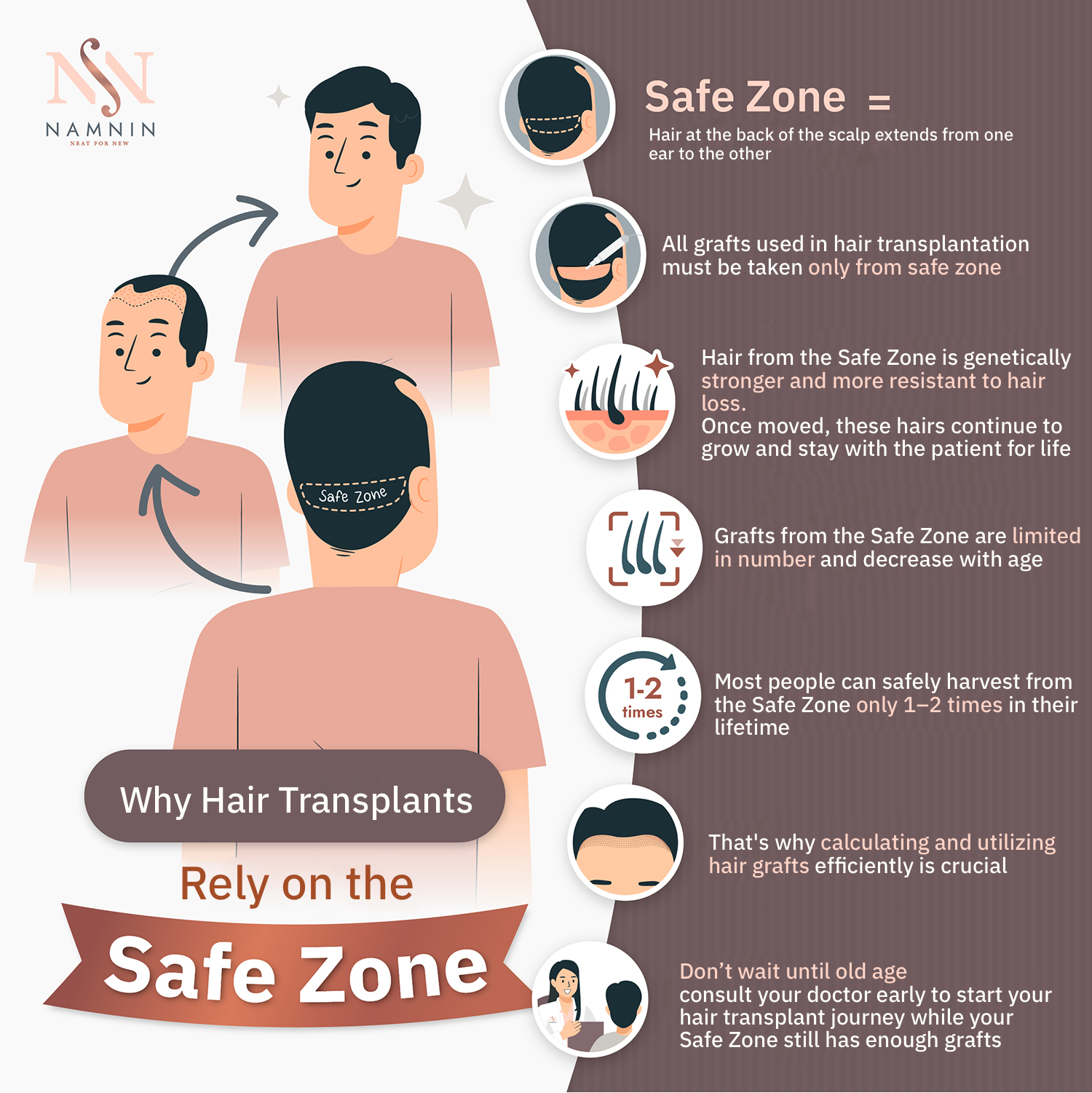
Permanent hair transplantation involves harvesting high quality donor hair grafts from the back of the head and relocating them to areas affected by hair loss or thinning. If one wonders why the back of the head is chosen, the answer lies in the nature of this area. Hair grafts in this region are naturally strong and less prone to shedding because they are resistant to the effects of DHT hormones, which are a primary cause of hair loss. This area is therefore known as the Safe Zone. Once transplanted, these grafts are able to grow, shed, and regenerate according to the natural hair growth cycle for the rest of the patient’s life. Most importantly, the transplanted hair must always come from the patient’s own scalp and cannot be taken from another person.


A common question that follows is what happens to the Safe Zone at the back of the head after the donor grafts have been removed. Will hair be able to grow back normally in that area?

The answer is that once hair grafts are extracted, new hair will not grow again at those exact points. This is because hair transplantation requires removing both the hair shaft and the hair root together. It is similar to transplanting a tree, which cannot continue to grow without its roots. Once the hair root is implanted into a new area, the hair growth cycle can continue as normal in that new location.

When the Safe Zone no longer contains hair roots, it cannot regenerate new hair or create new follicles. At this point, many people understandably worry that after hair transplantation, the back of the head will appear patchy or show visible extraction marks.

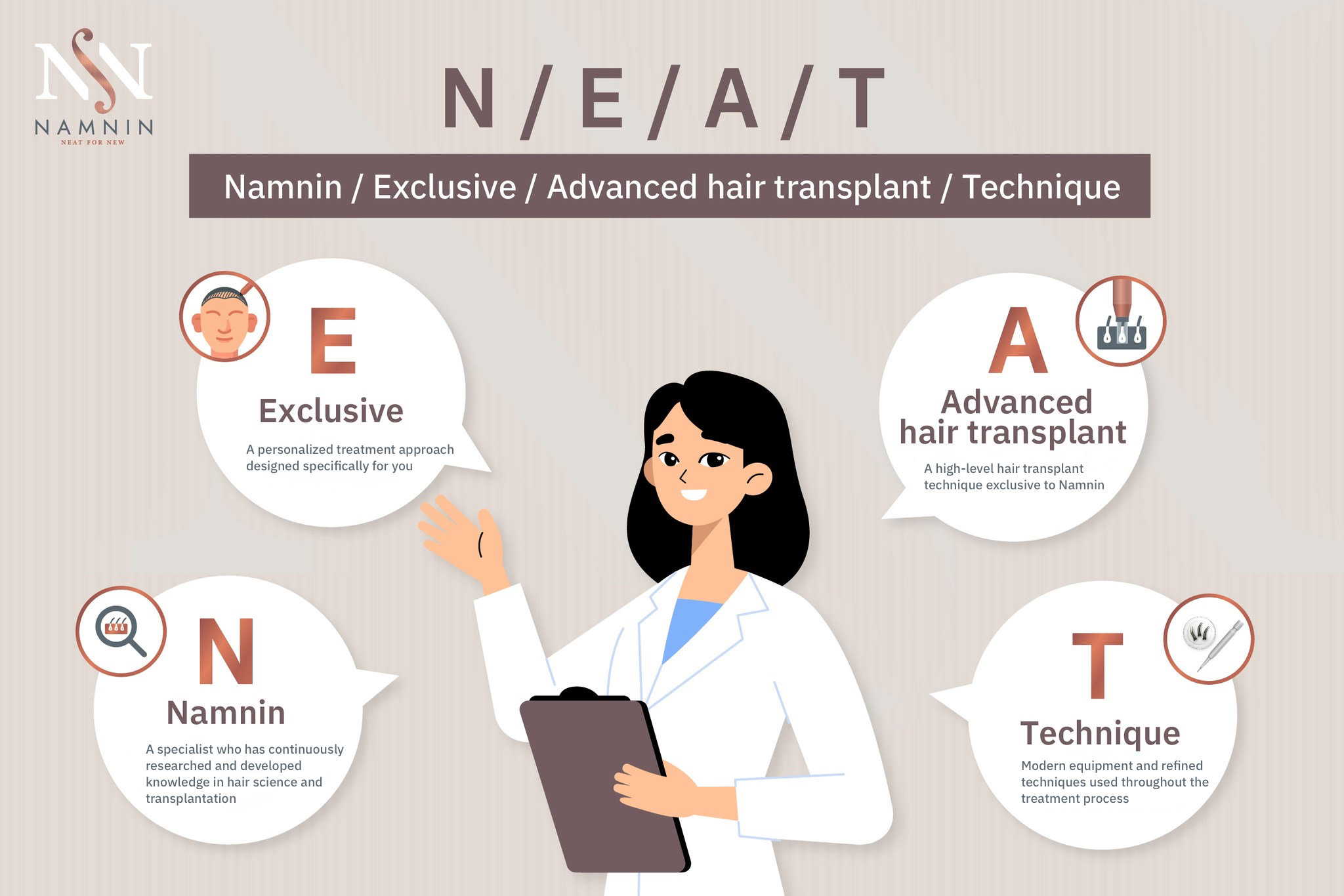
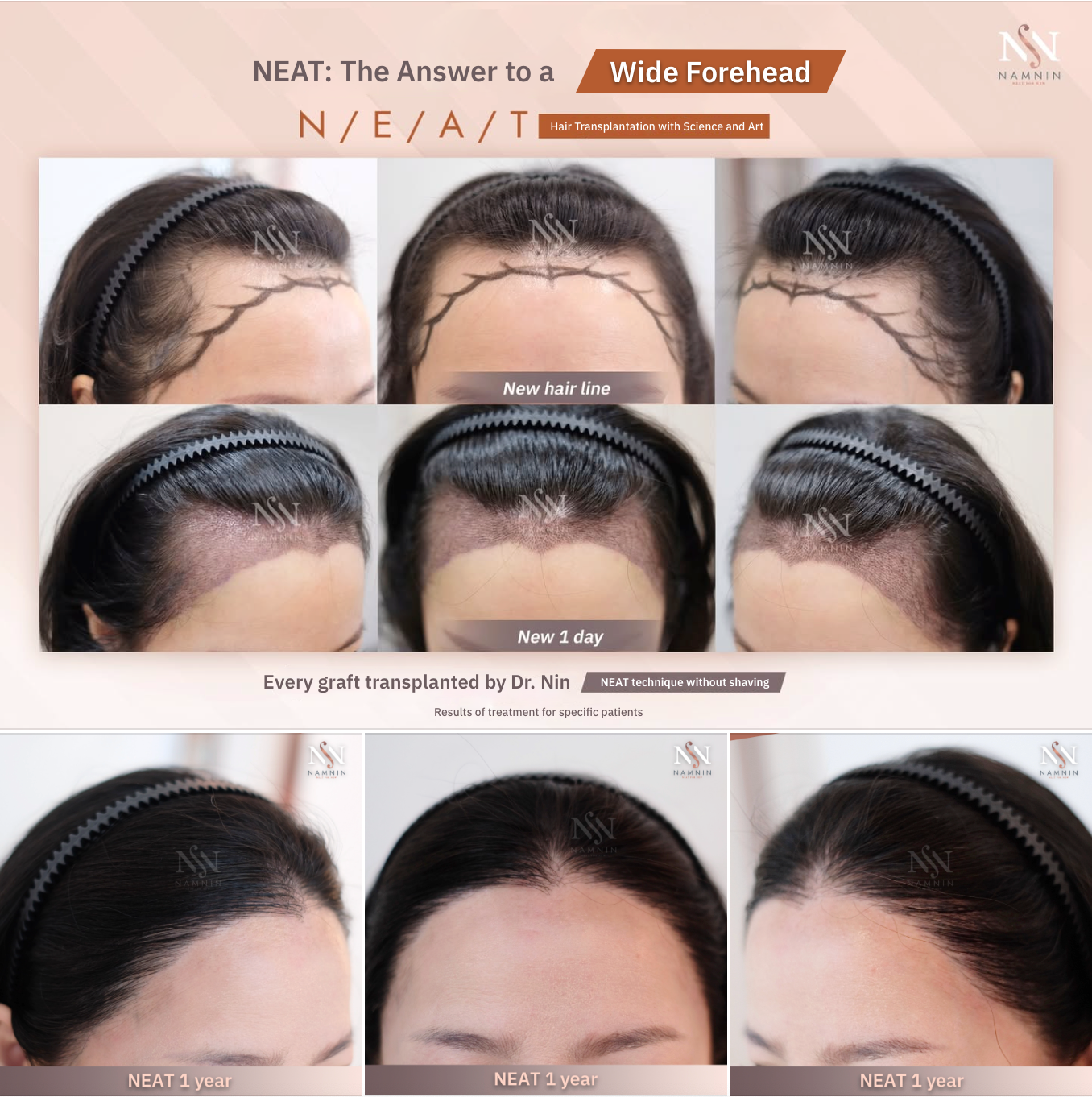
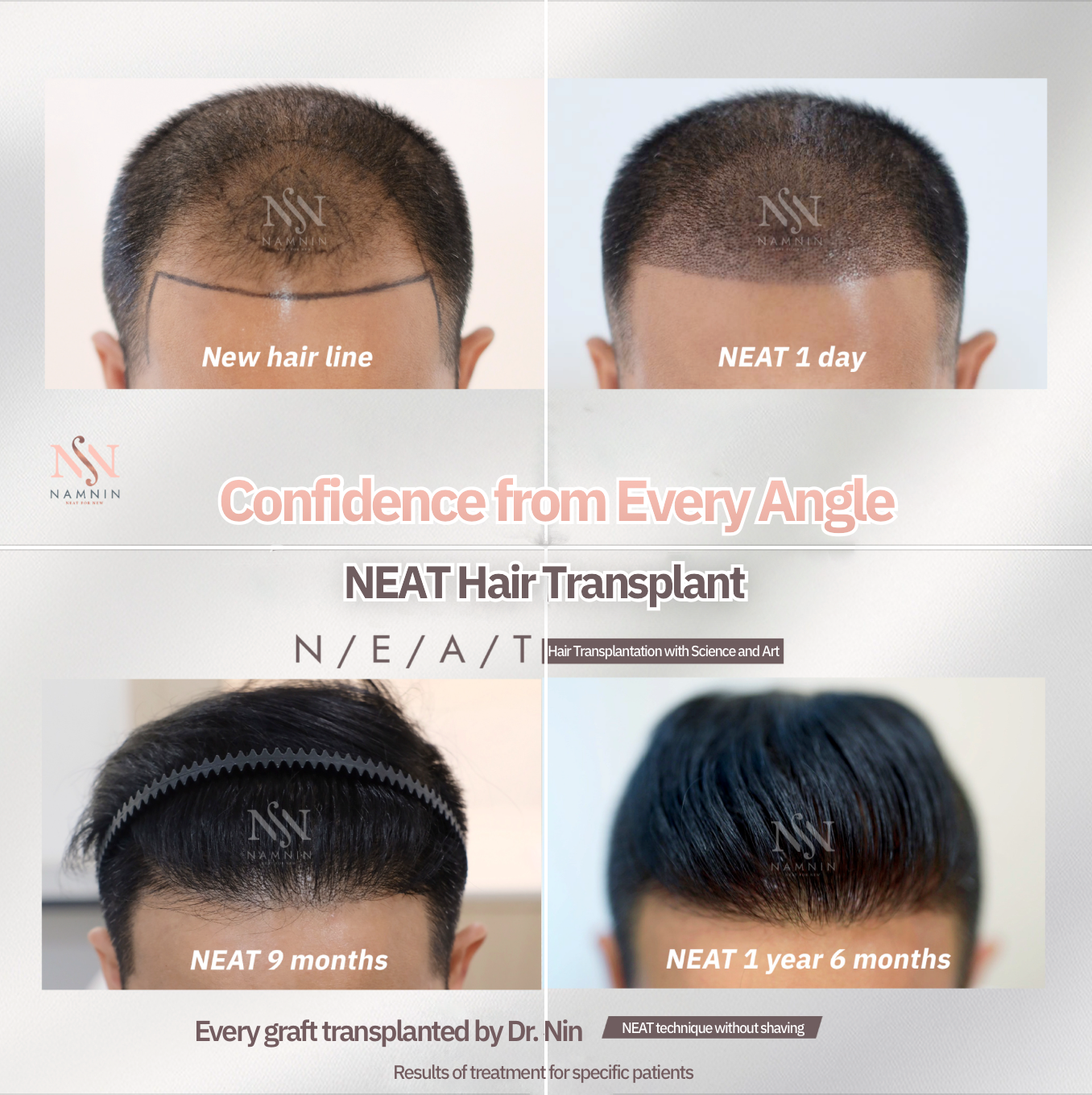
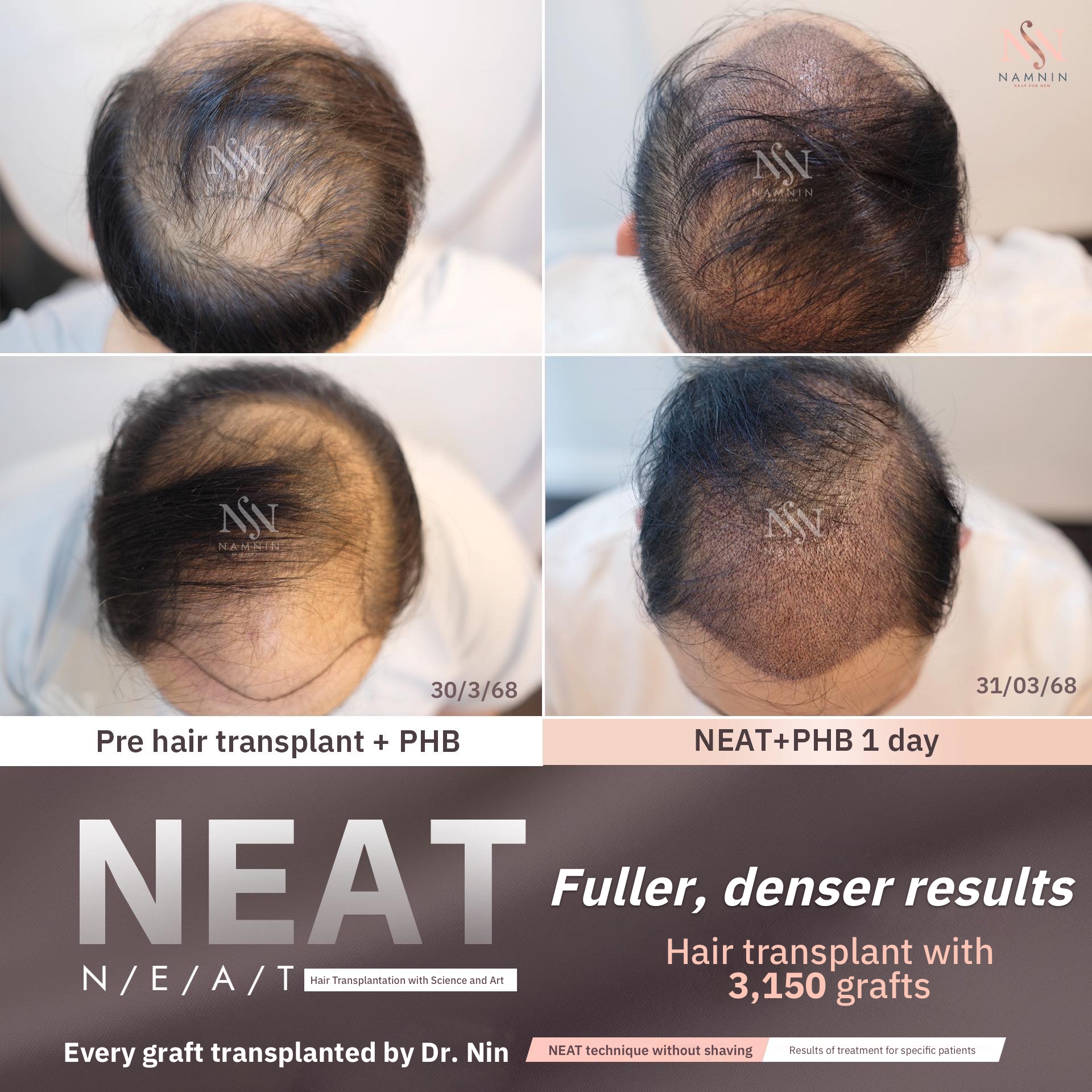
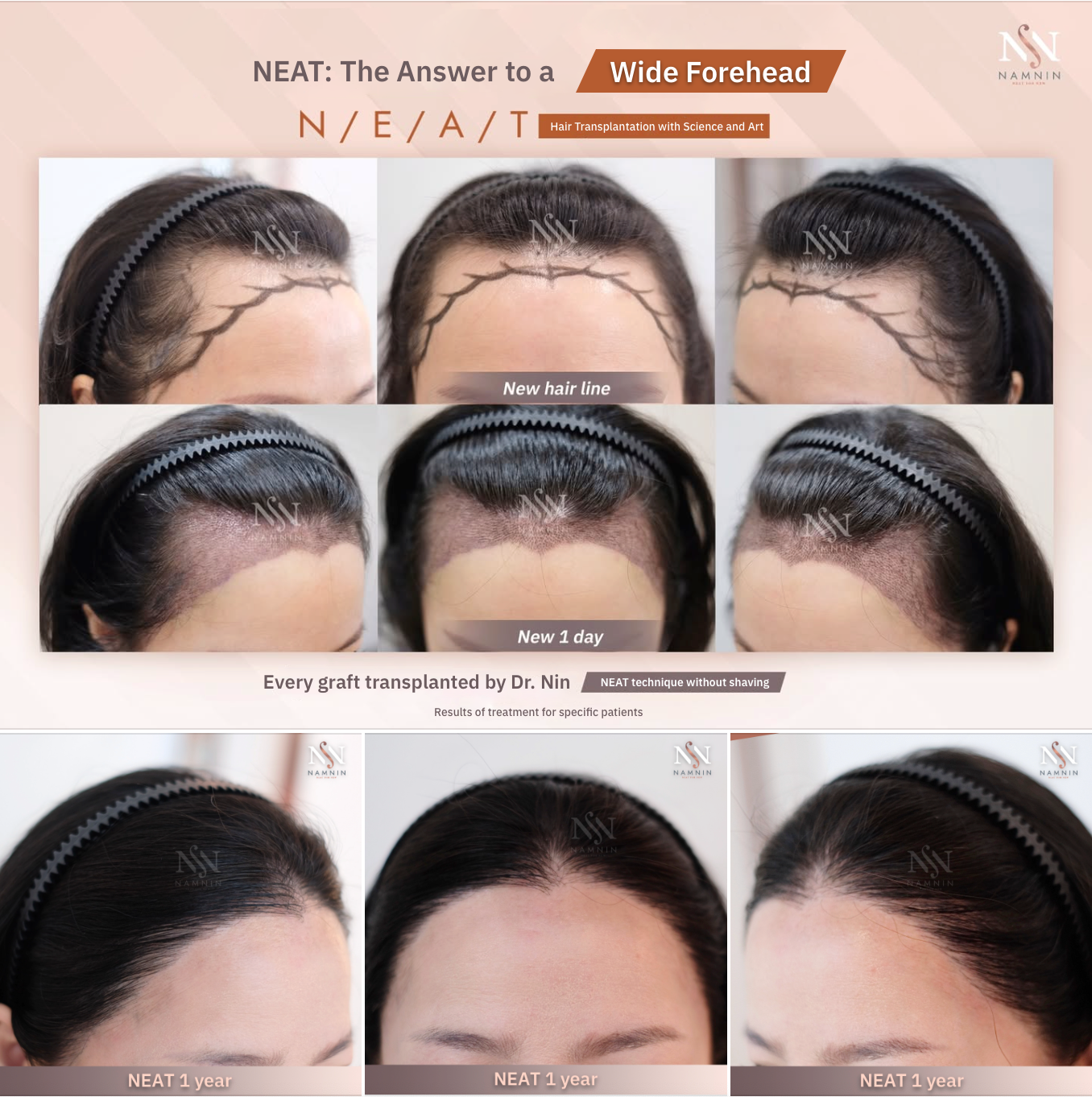
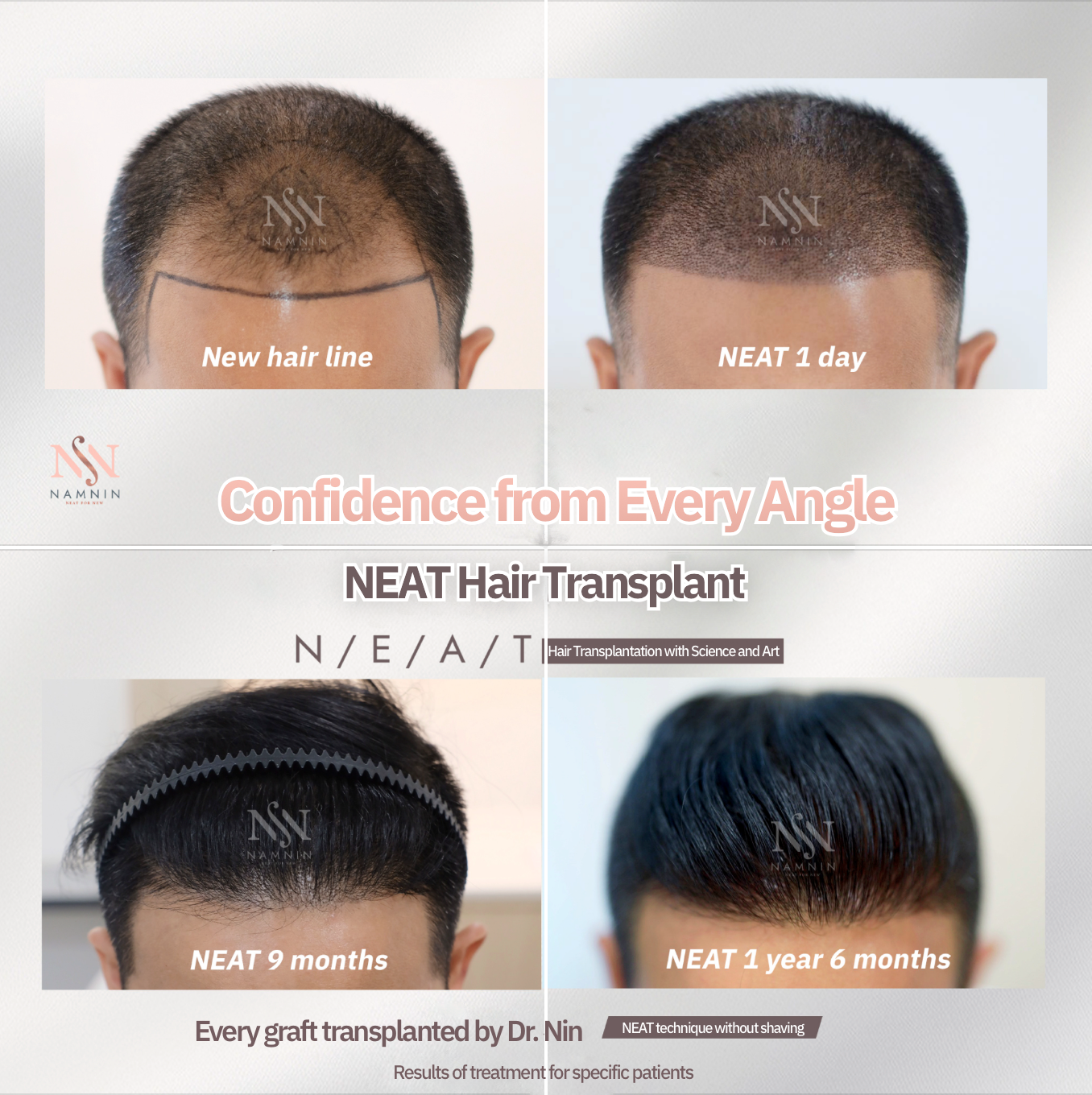
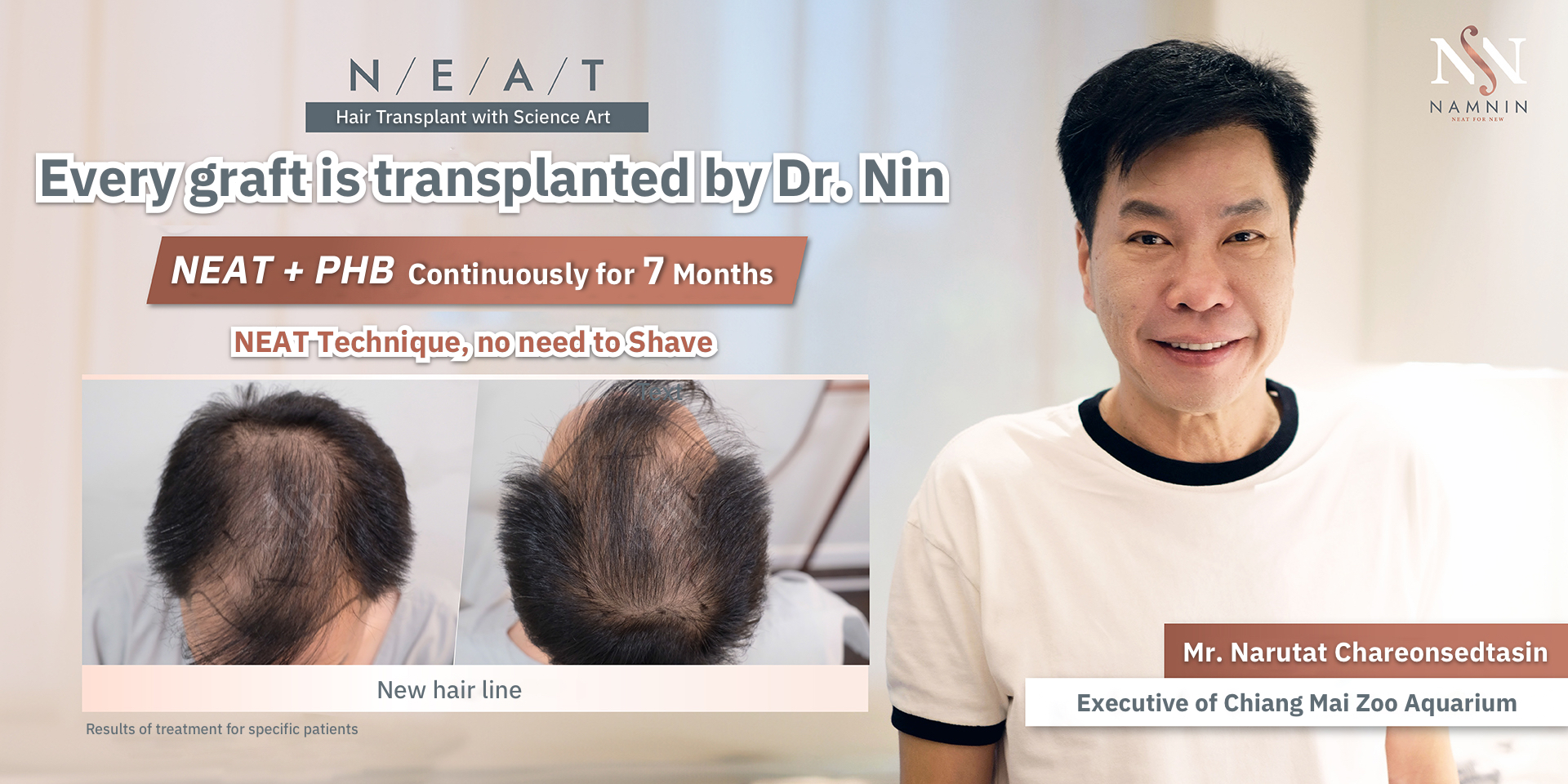
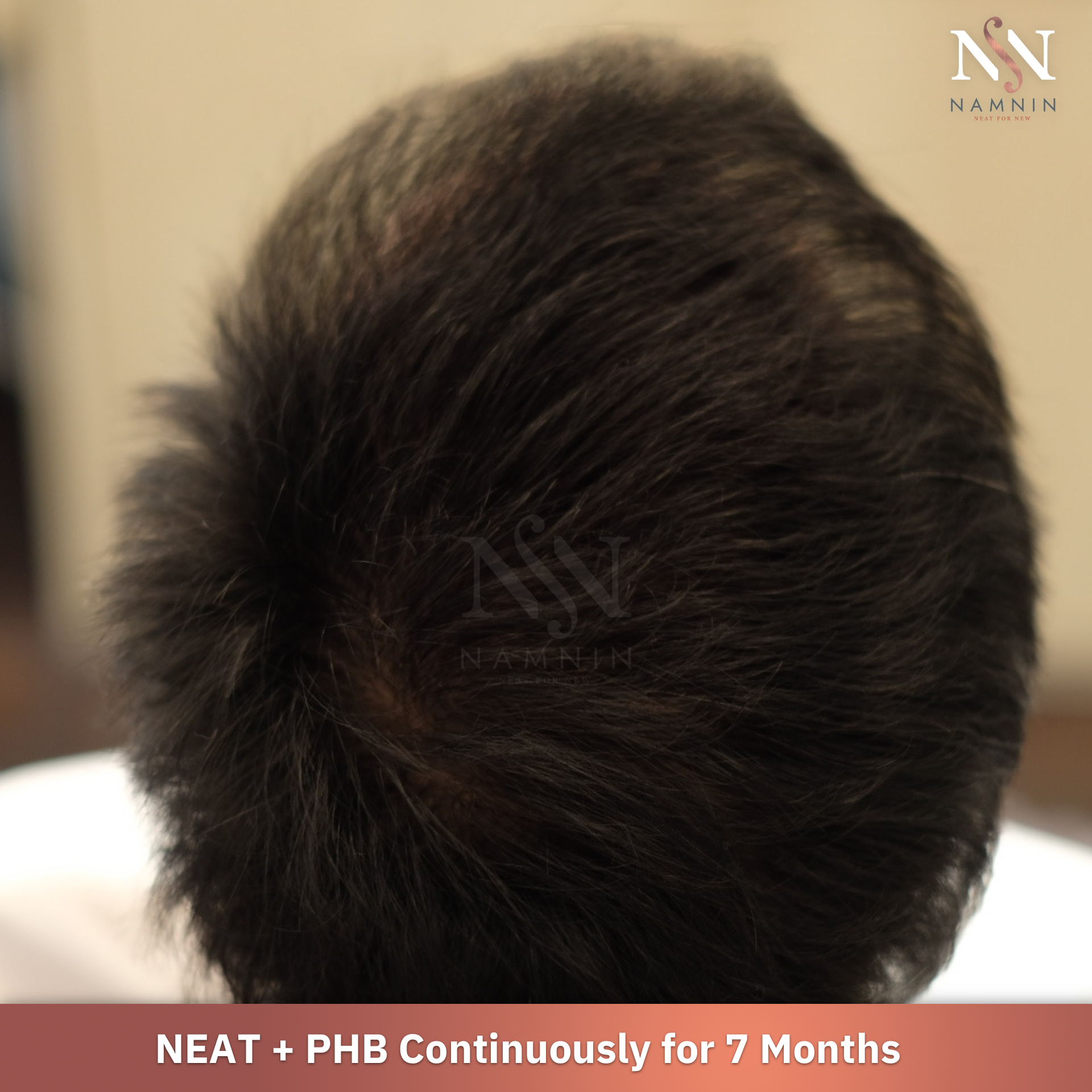
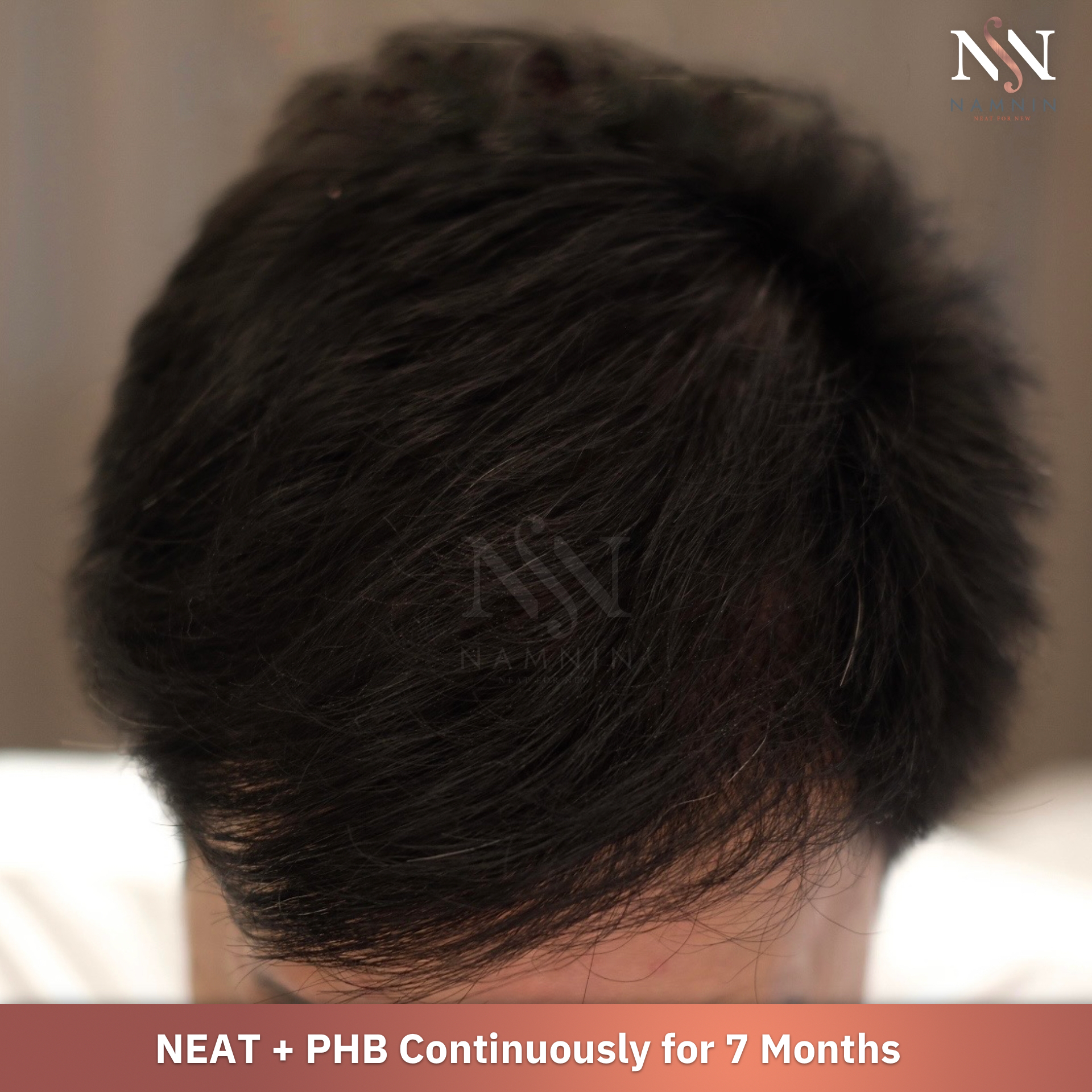
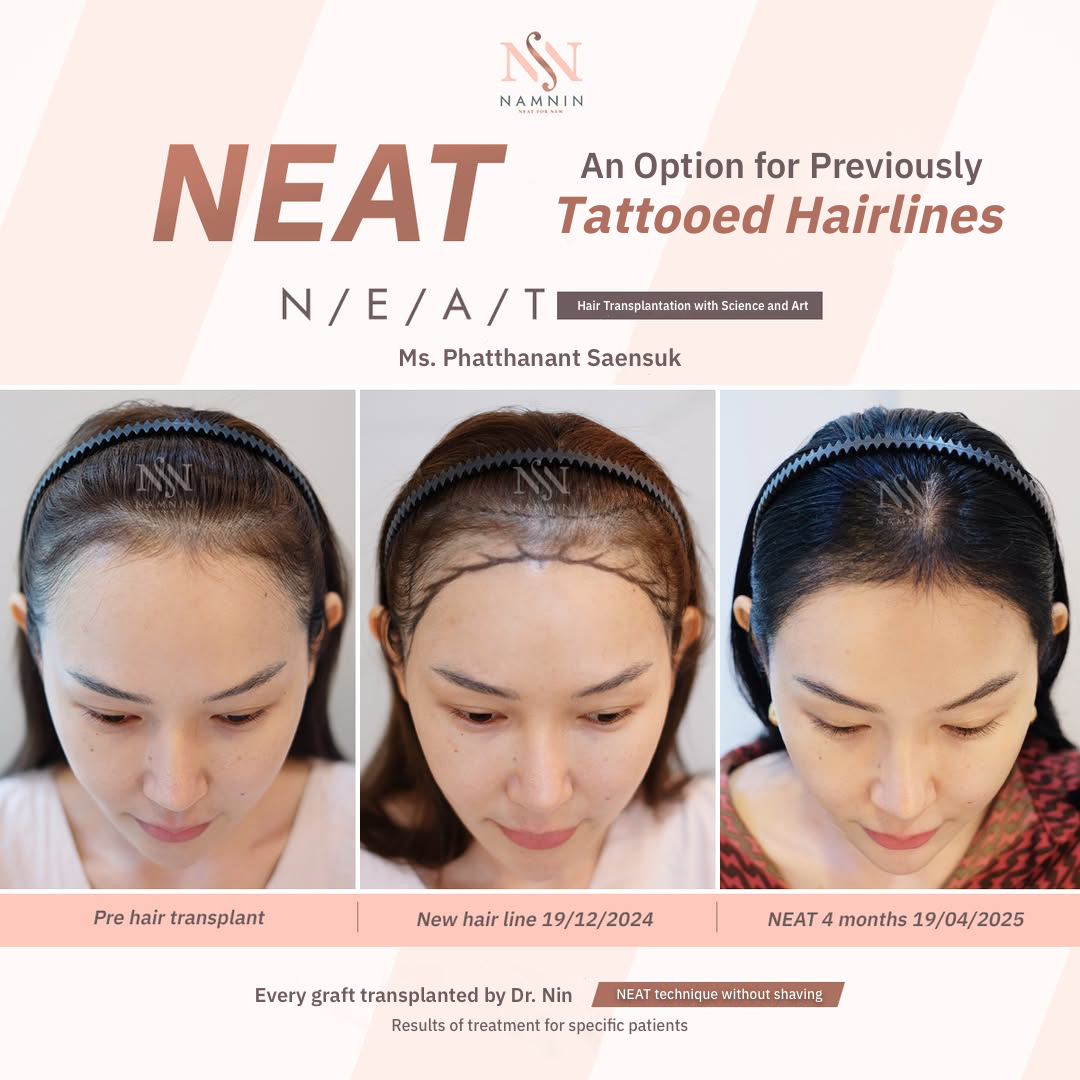
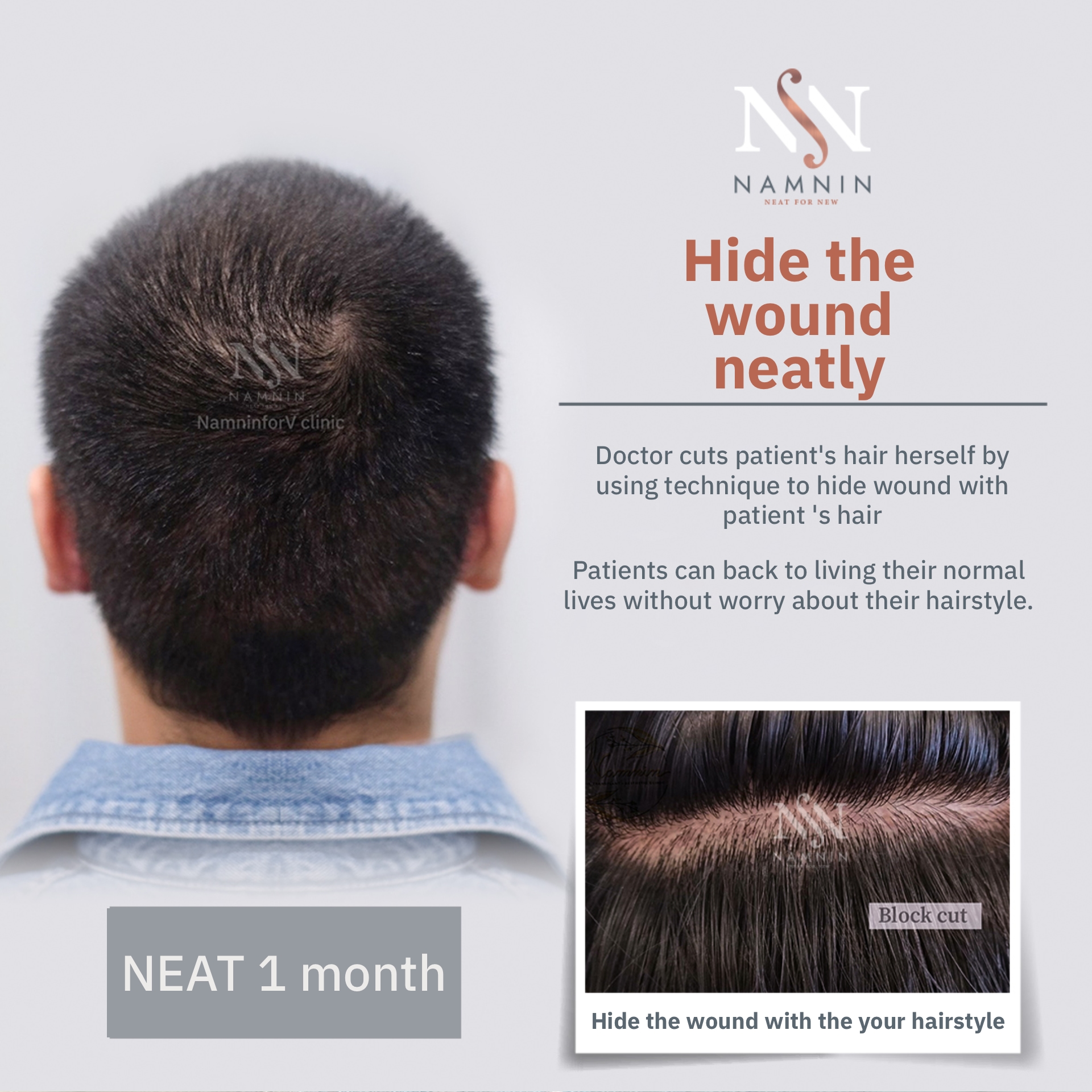
For anyone considering NEAT hair transplantation with Dr.nin, there is no need for concern. Although hair cannot regrow in the extracted areas, Dr.nin has developed refined techniques to ensure that the back of the head continues to look natural. Dr.nin uses a stepwise extraction design, removing grafts in an alternating pattern without shaving the hair. This allows existing hair to naturally conceal the extraction sites. In addition, grafts are harvested in a dispersed manner rather than concentrated in one spot, preventing visible thinning or patchiness.


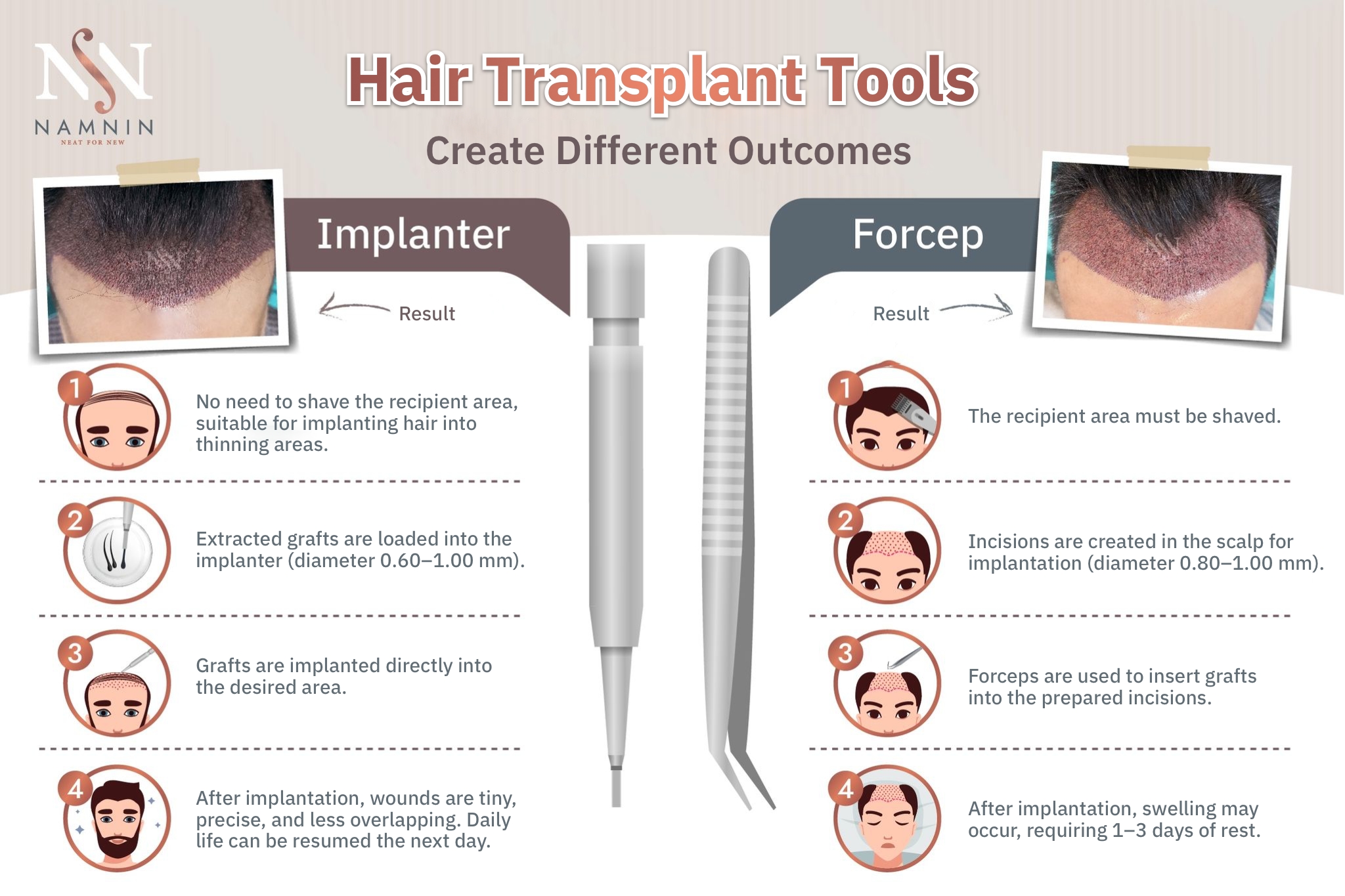
Another important factor in minimizing visible marks is the use of specialized extraction tools with exceptionally small punch sizes. These tools can be adjusted to match the size of each patient’s hair grafts, ensuring intact graft harvesting while leaving behind extremely small wounds that are barely noticeable. As a result, patients can style their hair freely even after undergoing hair transplantation.

One of the most distinctive aspects of the NEAT technique is that Dr.nin personally performs the entire procedure, graft by graft and hair by hair. This allows precise control over every detail of the transplant, including the direction and angle of each hair to blend seamlessly with existing hair, the depth of implantation, and the appropriate density. All of these elements directly affect the survival of newly transplanted hair and the overall harmony of the final result.


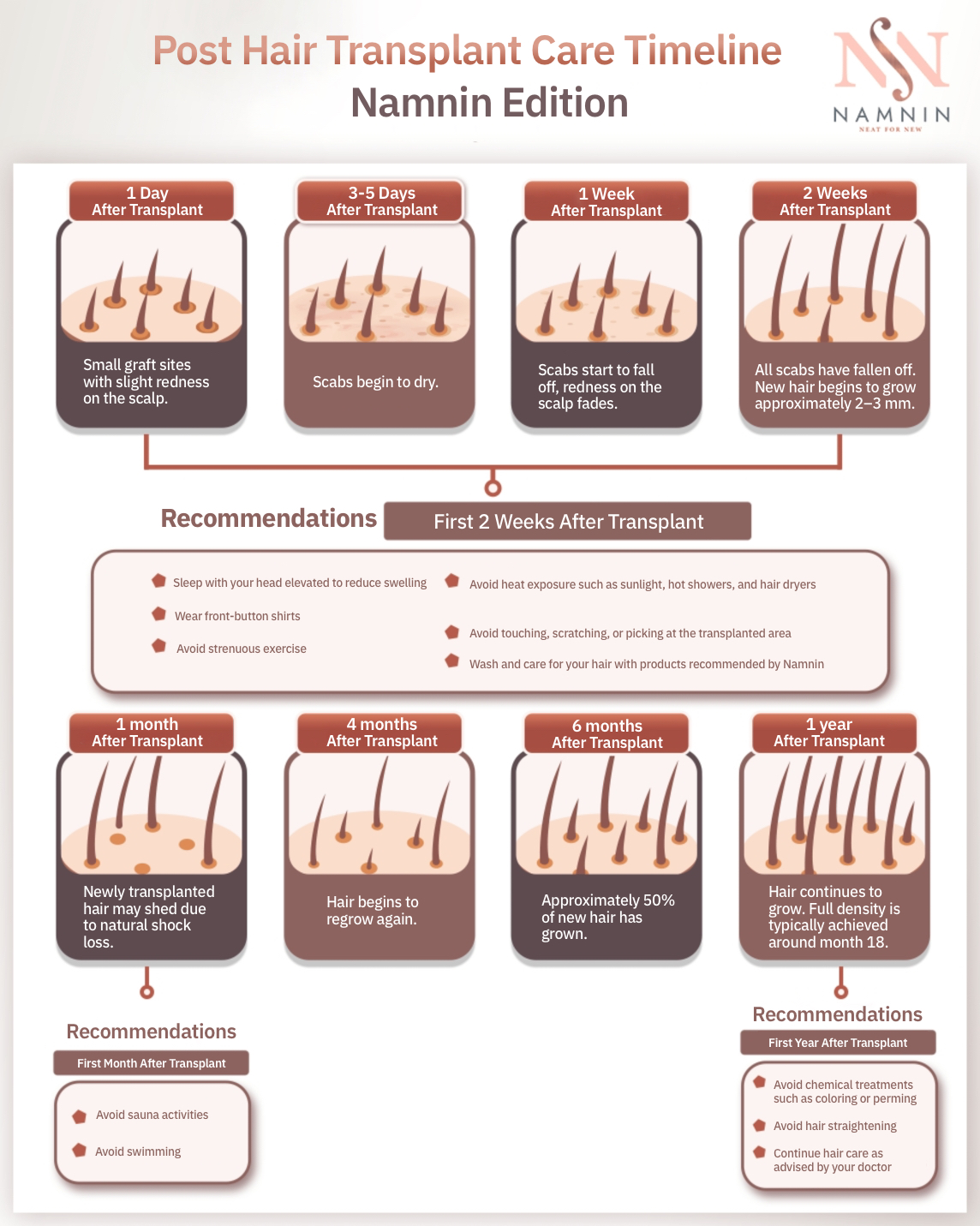
Beyond the procedure itself, Dr.nin also provides continuous follow up care for a full year and recommends supportive treatments to strengthen both new and existing hair, including the following options.

PHB Program
An intensive scalp and hair nourishment program that can be continued after hair transplantation under medical guidance. The treatment supports hair follicle activity, strengthens both hair and scalp, promotes new growth, and helps slow hair shedding. Visible changes can be observed starting from the first session.


Hair Revive Program
A hair and scalp care program suitable for patients who are at least four months post hair transplantation. Using natural extracts and nutrient rich hair supplements, the program nourishes the scalp, strengthens hair, reduces inflammation, lowers the risk of shedding, and encourages faster growth of new hair.


This reflects part of the dedication of Dr.nin, who recognizes and understands the pain points of patients and continues to refine and expand treatment approaches to support comfort, confidence, and the freedom to live everyday life fully after hair transplantation.
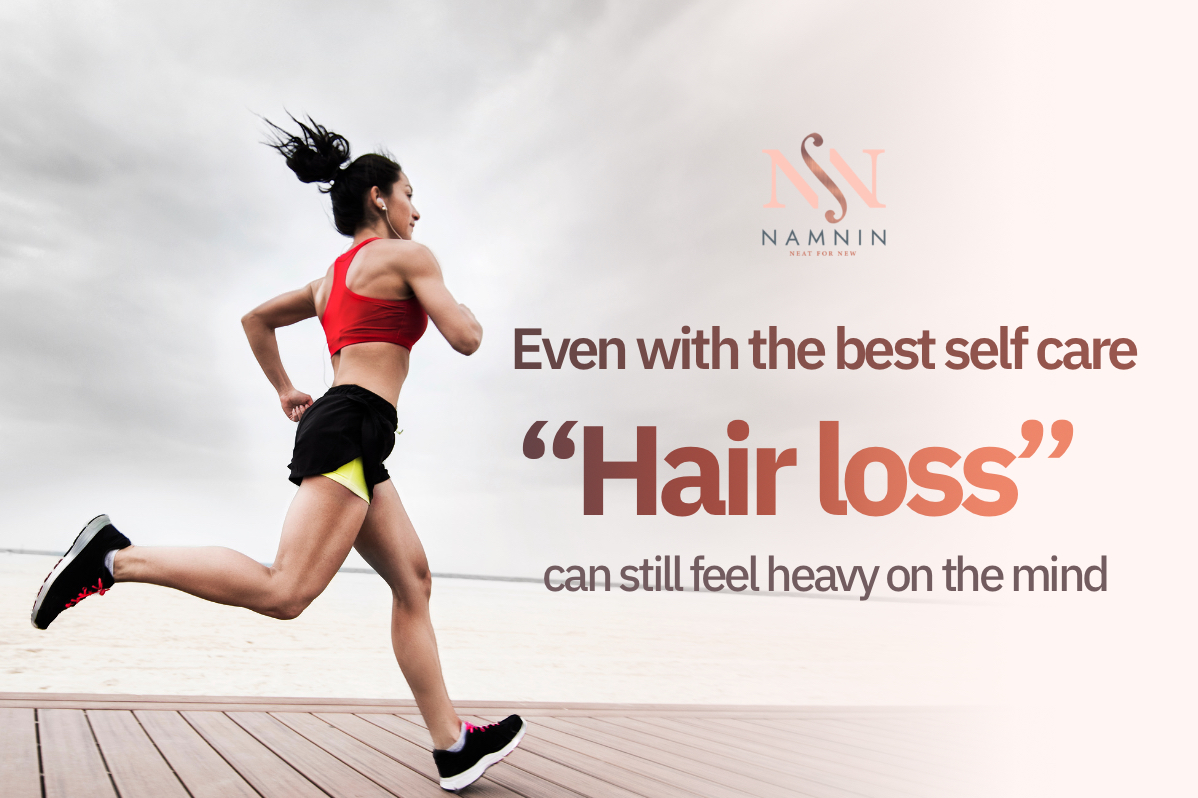
Even with the best self care, hair loss can still feel heavy on the mind
A strong and healthy body is the reward of those who truly commit to self care. Many people exercise regularly to stay fit and strong. Many choose nourishing foods and mindful lifestyles. Yet among these health conscious individuals, some still find themselves facing a frustrating concern hair loss and thinning hair.

You may take excellent care of yourself, but why does your hair health not seem to follow
This is because hair loss and thinning can arise from many different causes. No matter how well someone looks after their overall health, if hair concerns are not addressed at their true source, shedding may continue without slowing down.


How much hair loss is considered concerning
It is important to understand that hair naturally sheds every day as part of the normal hair growth cycle. However, hair loss may be considered abnormal and worth professional attention if you notice any of the following signs.

  • Hair shedding more than 100 strands per day over a prolonged period, noticeable while washing, combing, cleaning the floor, or on your pillow
  • Sudden and excessive hair loss unlike anything you have experienced before
  • Hair falling out in patches with visible scalp
  • Hair loss accompanied by inflammation or sores on the scalp

Time to uncover the true cause of hair loss
Once you feel that your hair loss may be abnormal, the next step is careful self observation or consulting a doctor with experience in hair care. Together, you can identify the cause and determine an appropriate plan. Hair loss often results from multiple factors beyond general physical health.

Look closer at your family history
Is there anyone in your family with thinning hair or baldness
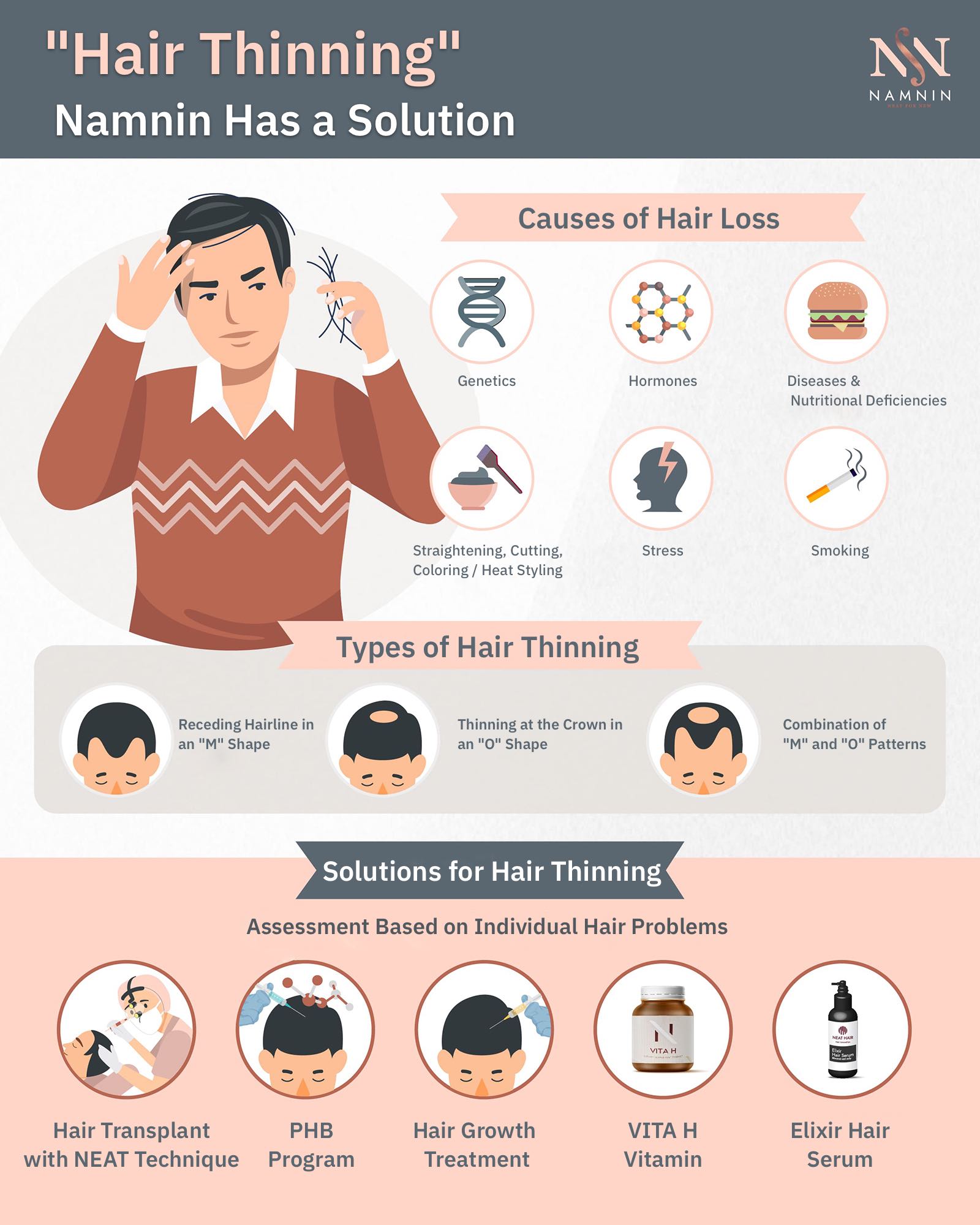
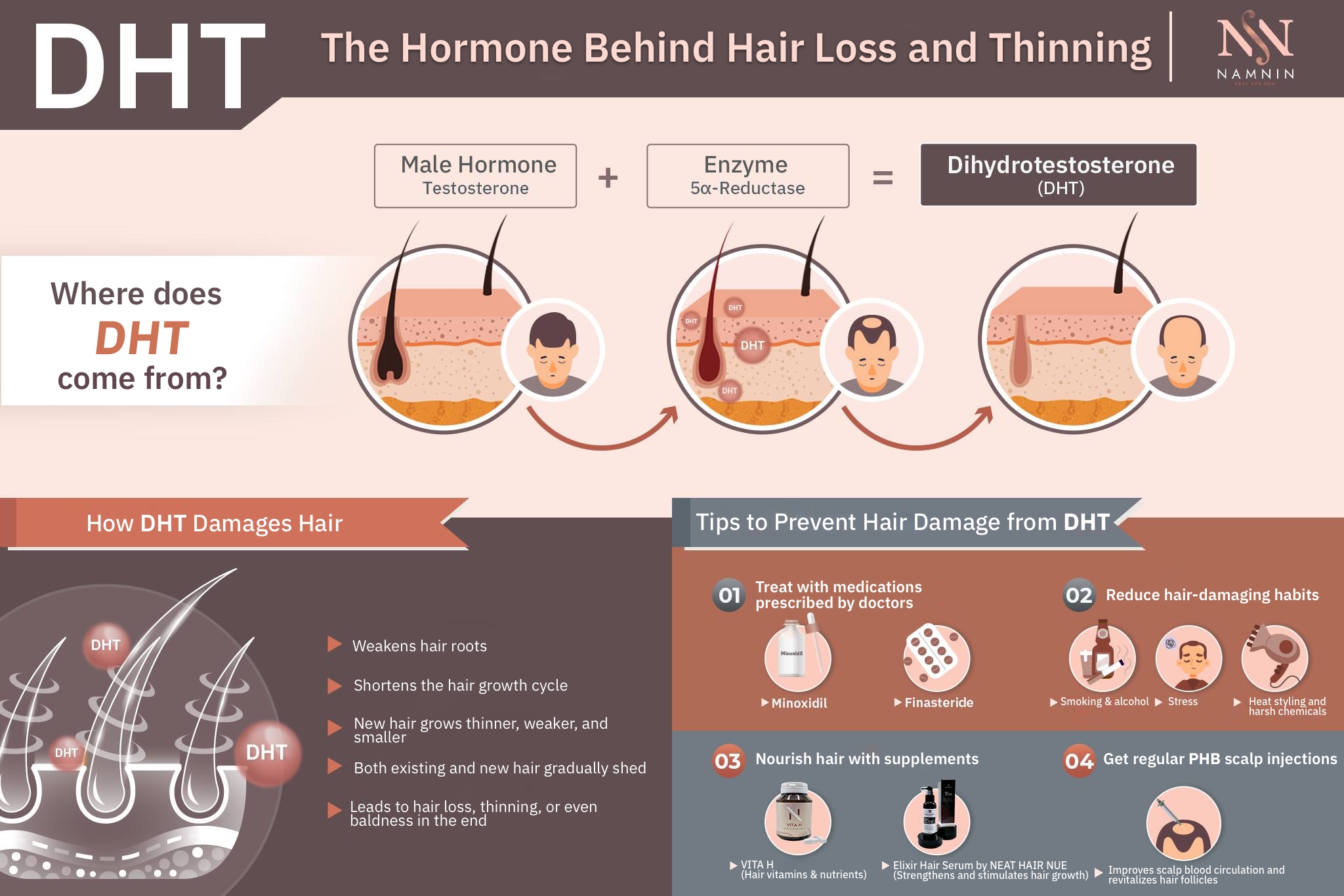
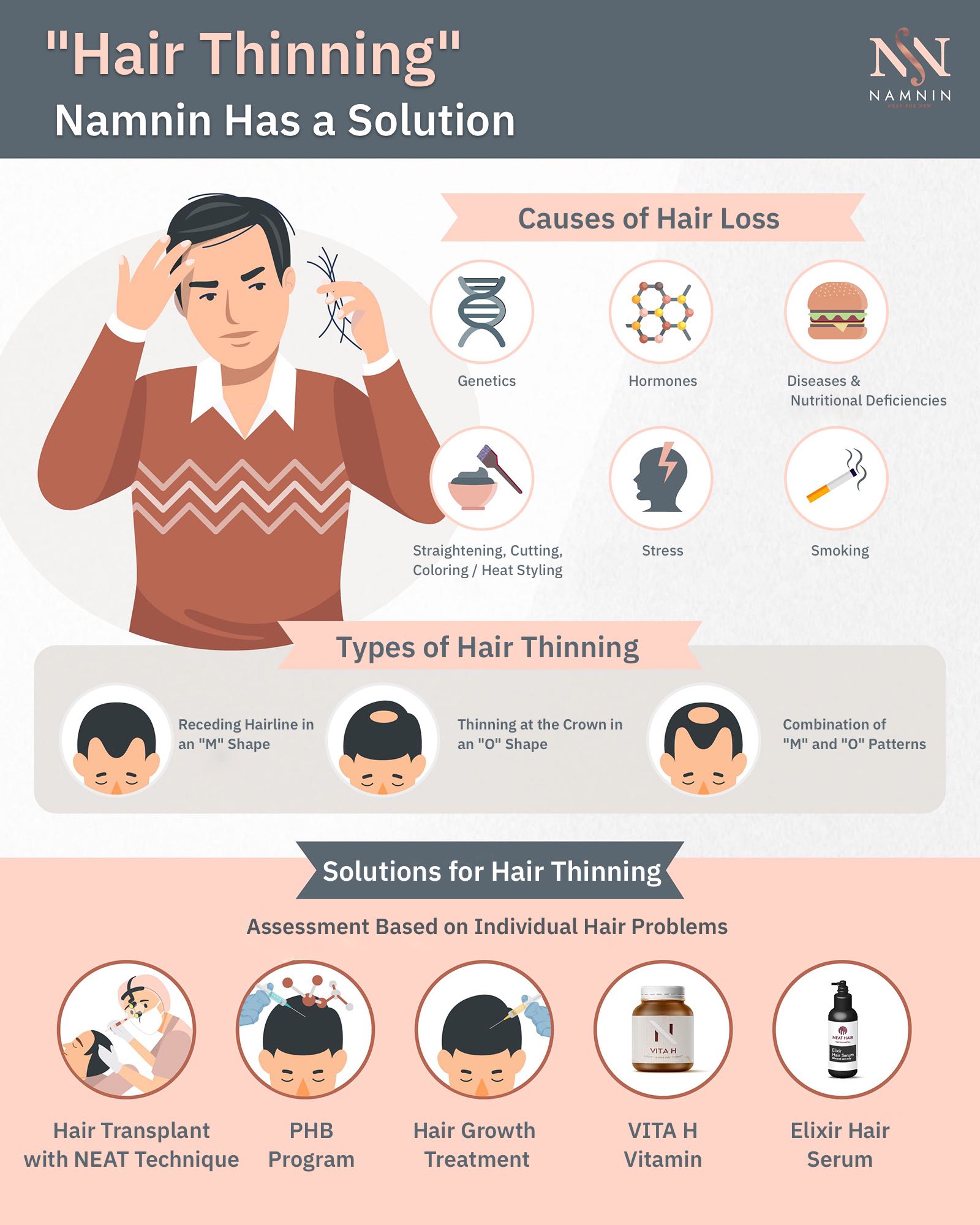
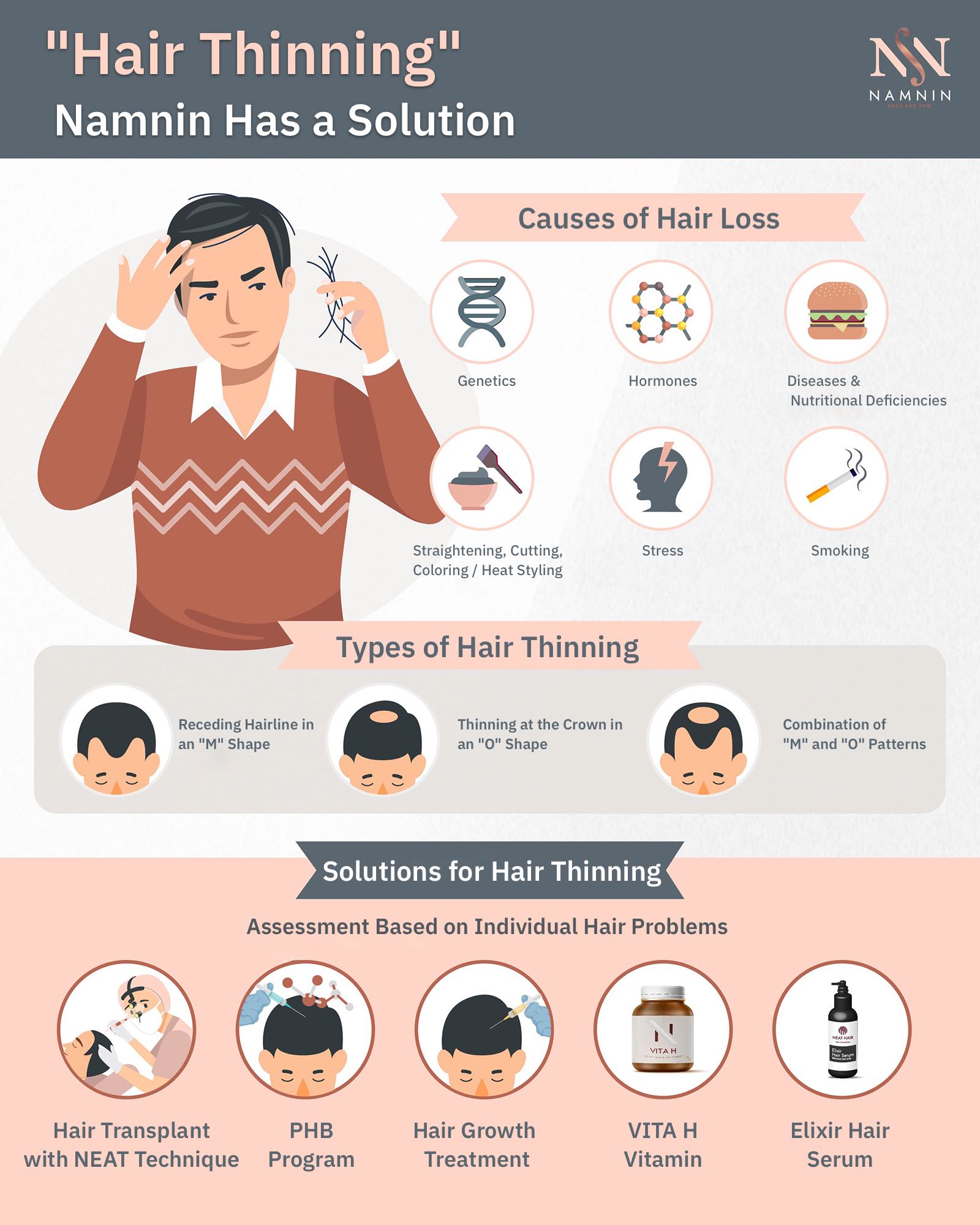
Genetics is one of the main reasons many men experience hair loss and thinning that may eventually progress to baldness. In most genetic cases, a hormone called DHT plays a significant role. An enzyme known as 5 alpha reductase on the scalp converts the male hormone testosterone into dihydrotestosterone or DHT. This hormone is found in higher levels in individuals with hereditary hair loss. Genetics determine how sensitive the hair follicles are to DHT.

DHT binds to receptors around hair follicles and hair roots, disrupting the normal hair growth cycle. The growth phase becomes shorter, while the resting phase becomes longer. Hair falls out sooner than it should, and new growth becomes slower. Over time, follicles shrink, hair roots weaken, and newly grown hair becomes finer, thinner, and more fragile. In some cases, hair may stop growing altogether.

Take a moment to check your emotional state
Sometimes stress builds up without us realizing it
Stress is another factor that can lead to abnormal hair loss. When the body is under stress, it releases cortisol, which interferes with the hair growth cycle. Hair enters the resting phase for longer periods, leading to faster shedding. Stress can also trigger unconscious behaviors such as scratching or pulling hair, further damaging hair roots and slowing regrowth.

Lack of sleep and inadequate rest also increase cortisol levels and interfere with the production of growth hormone, which plays a role in hair cell development.

Eating well does not always mean eating completely
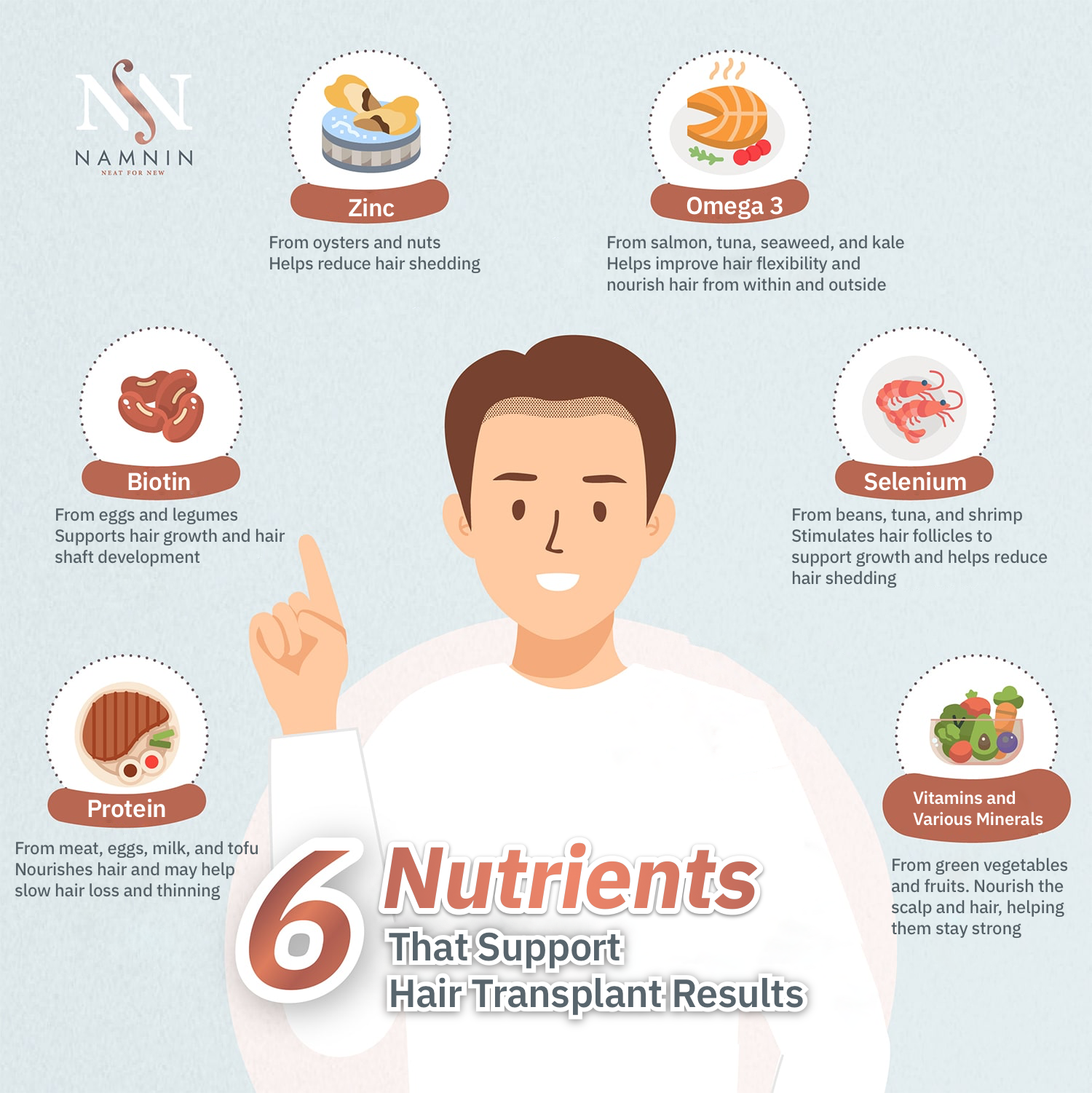
Even when choosing nutritious foods, certain nutrients essential for hair health may still be missing. These include vitamins and minerals such as biotin, iron, and zinc, as well as sufficient protein, which forms the primary structure of hair. Smoking and alcohol consumption should also be approached with caution, as both can directly contribute to hair loss.

Small habits we often overlook
Unintentional behaviors that weaken hair
Repeated daily habits can gradually weaken hair. Washing hair too frequently can dry out the scalp and weaken hair roots. Using unsuitable shampoos or products with harsh chemicals may damage hair further. Combing hair while it is still wet can also cause breakage, as wet hair is more fragile.

Styling practices contribute as well. Chemical treatments and excessive heat expose both hair and scalp to stress. Without proper care, damage becomes more likely.
For those who spend long hours outdoors without protection such as hats or umbrellas, sun exposure can also harm hair, especially for individuals who exercise outside regularly.

Age and medical conditions
Another contributing factor to hair loss
Many men begin to notice changes in their hair between the ages of 30 and 40. These changes include increased shedding, thinning hair, or a receding hairline forming a deeper M shape. Hair loss can also be linked to health conditions such as thyroid disorders, chemotherapy treatments, or certain scalp related diseases.

Although hair loss and thinning can affect anyone, even those who take excellent care of their health, there is no need to feel discouraged. Hair loss is a condition that can be improved with appropriate care, depending on individual circumstances. Once the true cause is identified, the next step is choosing the most suitable restoration approach.
Initial ways for men to manage hair loss and thinning
  • Adjust daily habits that may harm hair, including washing, combing, styling, and prolonged sun exposure
  • Address lifestyle factors such as smoking, alcohol consumption, stress management, and ensuring adequate sleep
  • Follow a balanced diet with complete nutrition, focusing on essential vitamins and minerals such as vitamin C, vitamin E, B vitamins, biotin, zinc, iron, and sufficient protein. Protein can also be consumed conveniently in plant based peptide forms such as pea or soy
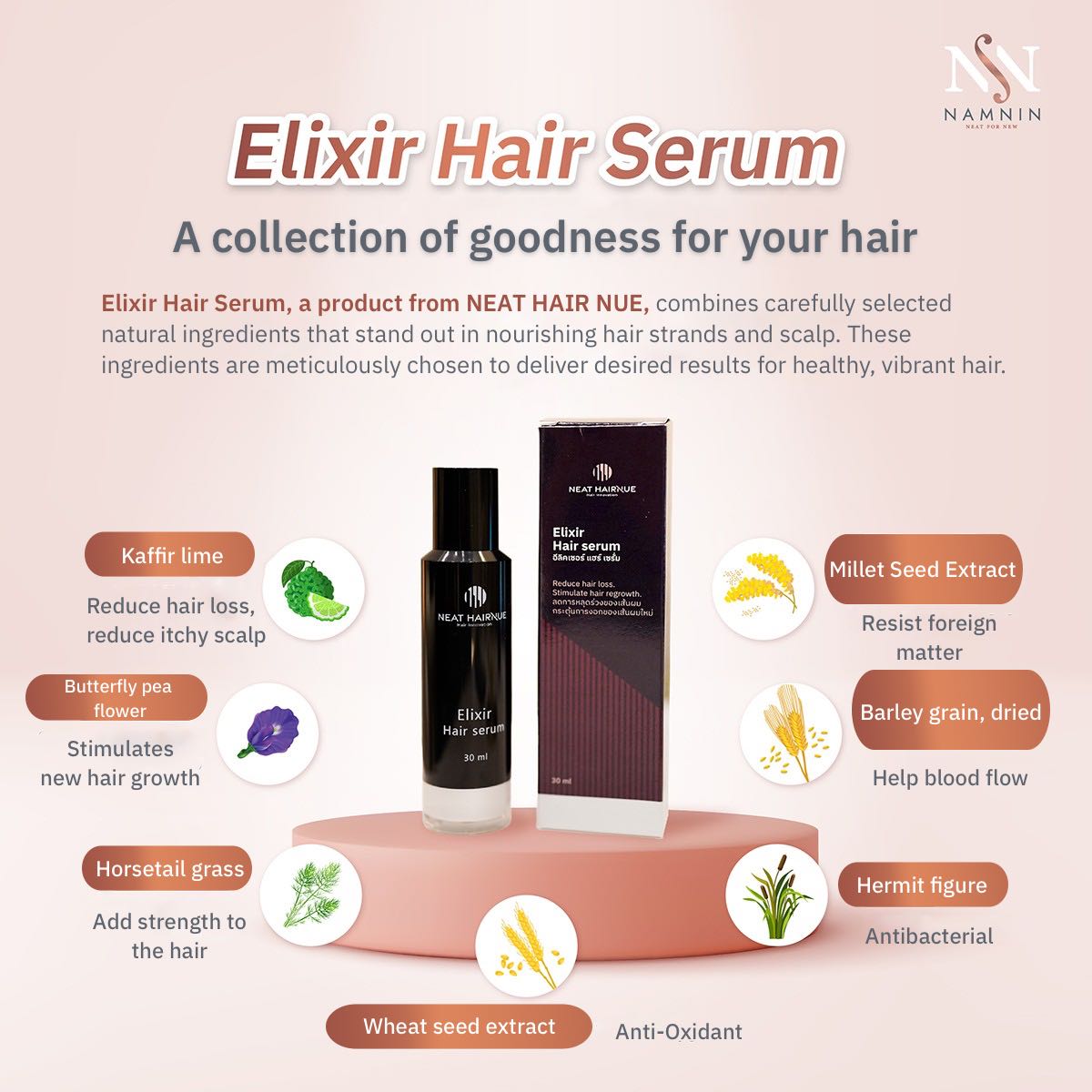
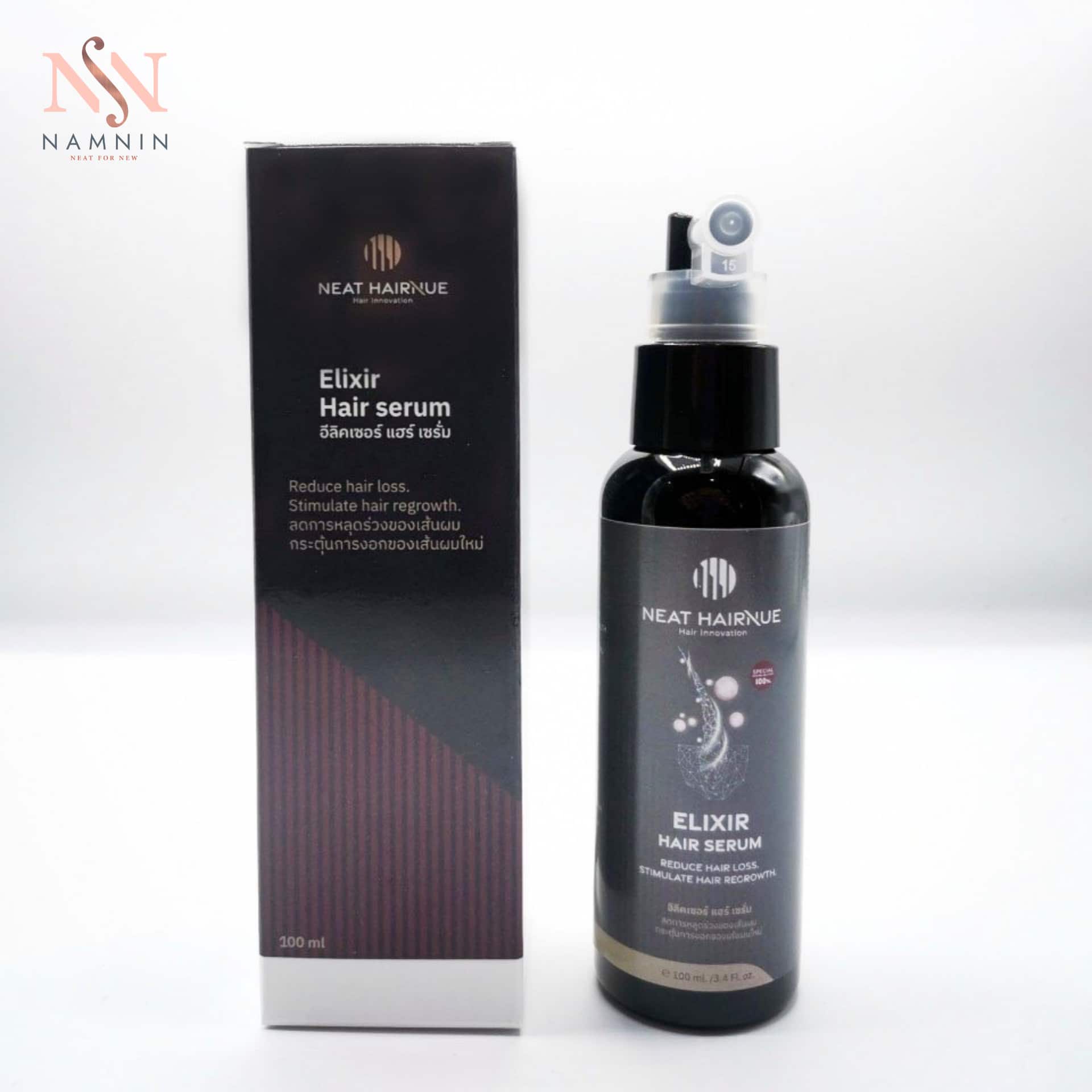
  • Another simple option is using scalp and hair serums designed to support hair growth, stimulate circulation, and maintain scalp health

When hair loss becomes overwhelming, it is time to consult a doctor
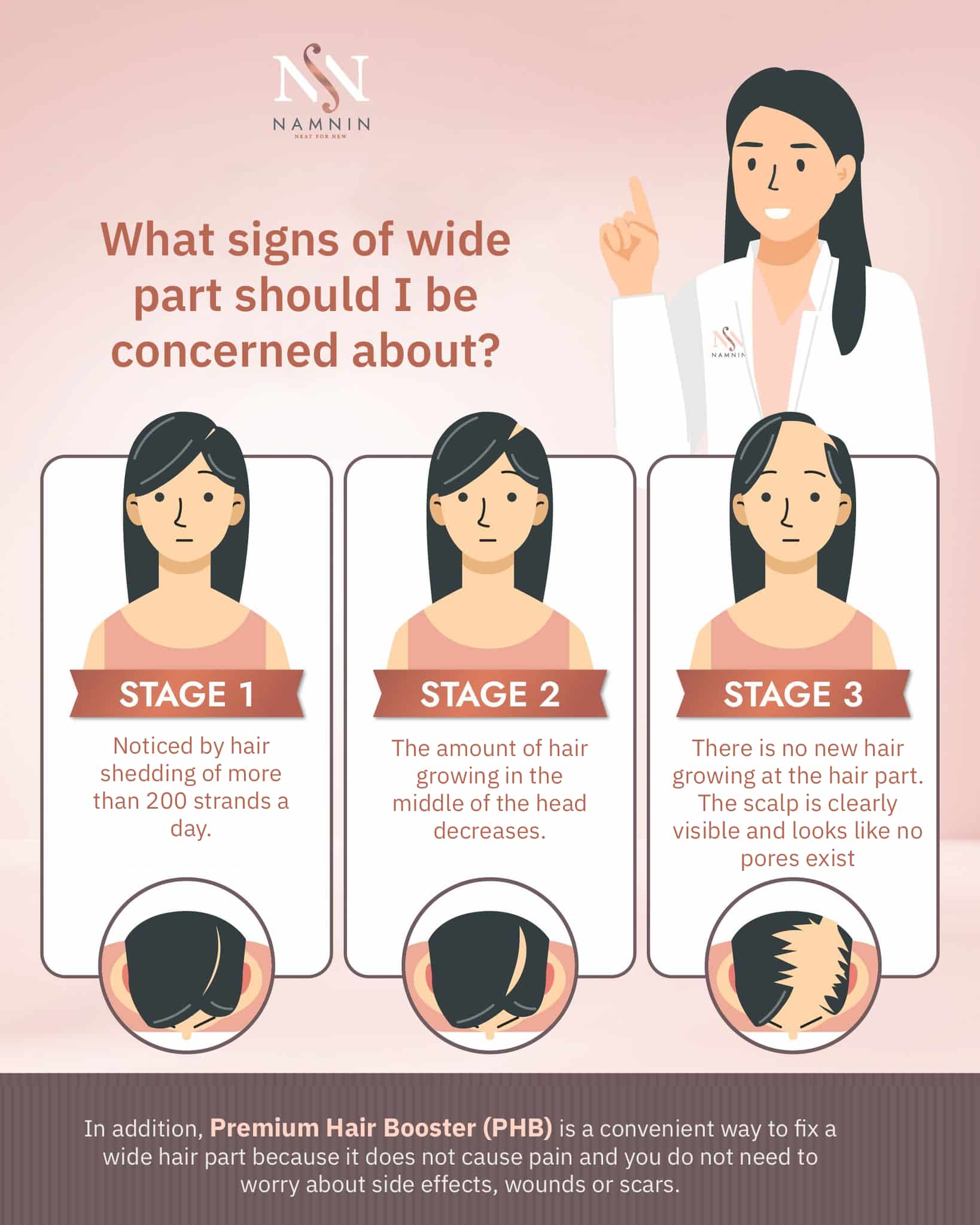
Many people delay seeking care until hair loss becomes more noticeable and the scalp is clearly visible. At this stage, Namnin recommends consulting a doctor experienced in hair restoration to develop a targeted care plan.

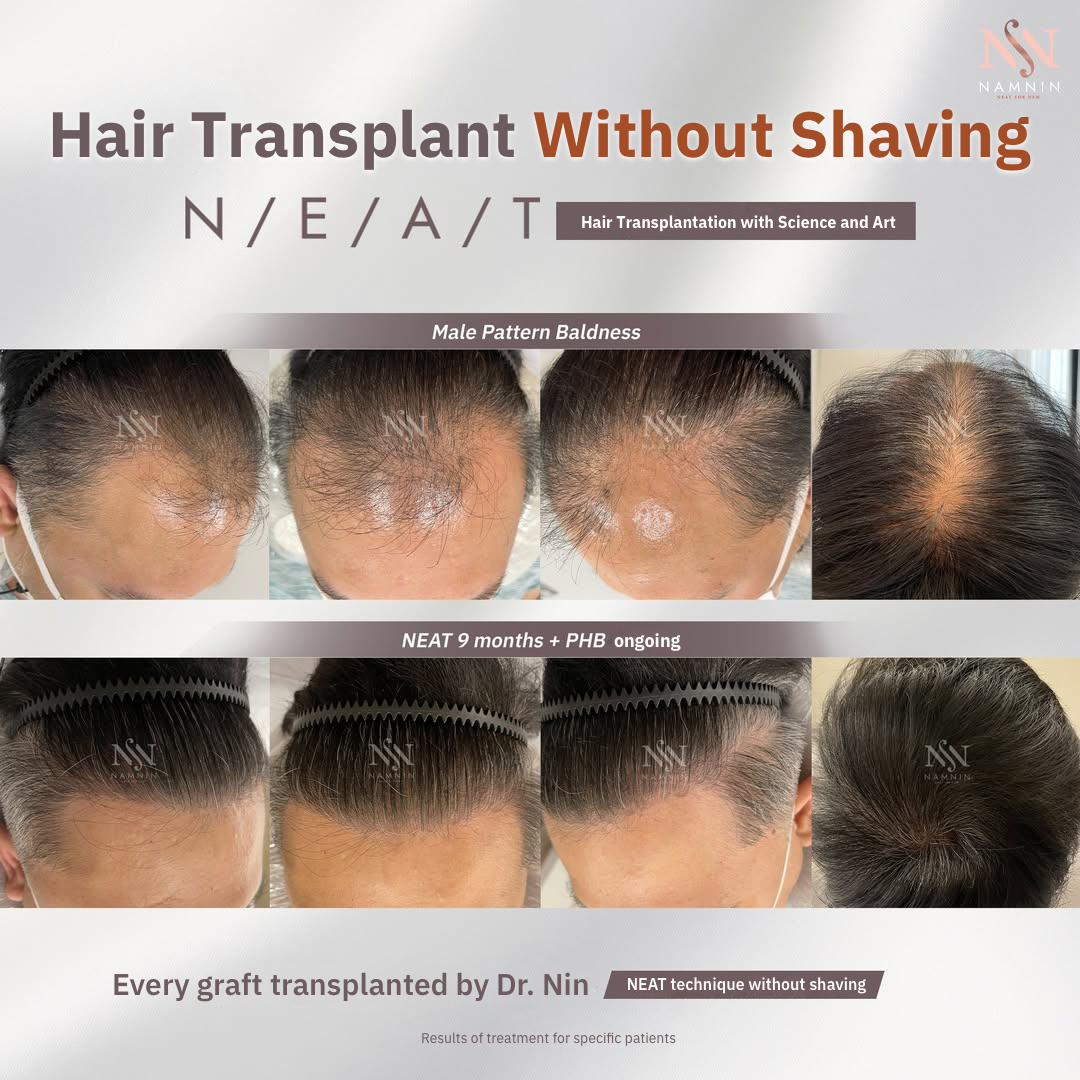
Permanent Hair Transplant with the NEAT technique
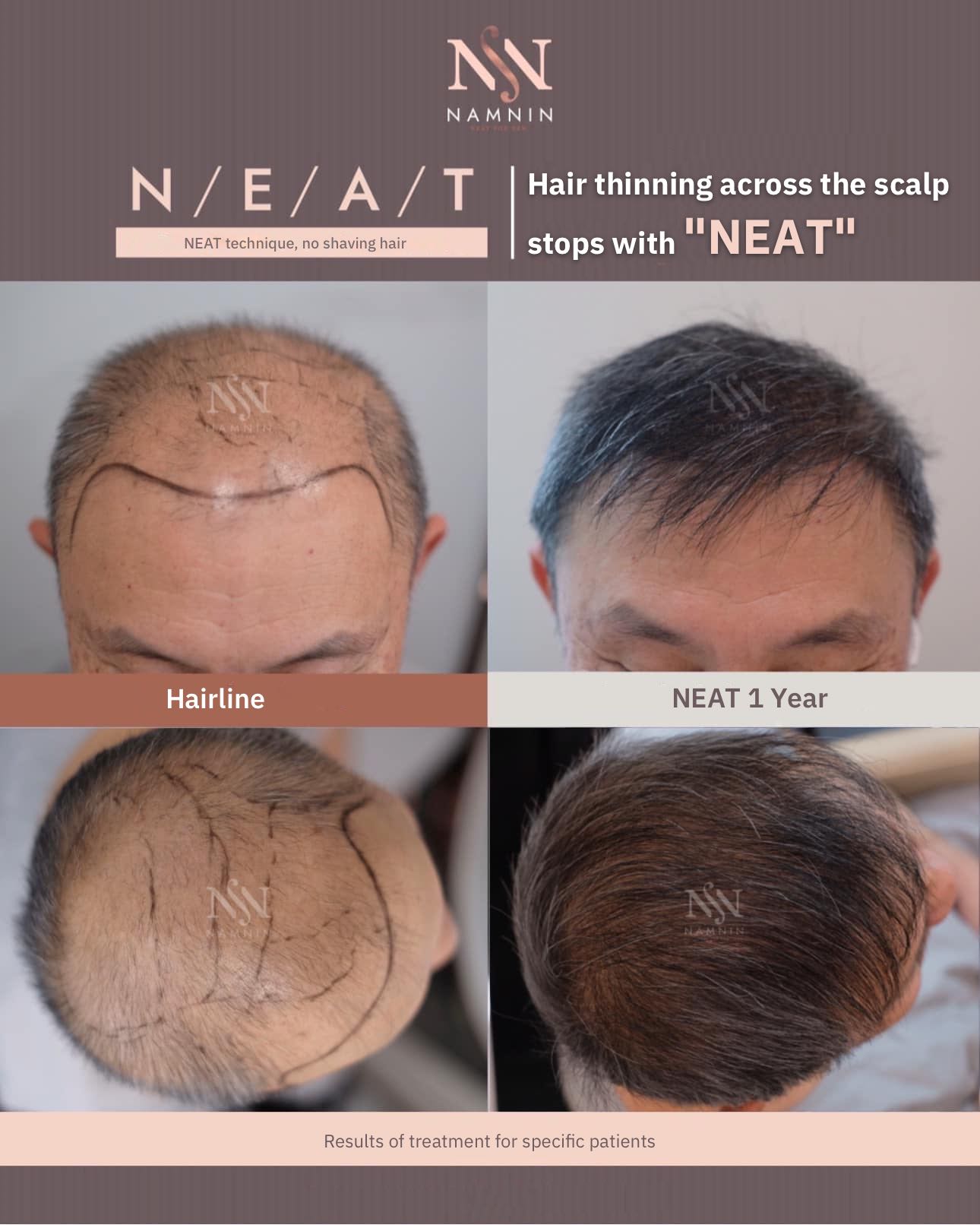
This method involves transferring hair grafts from the back of the scalp to areas affected by hair loss or thinning. There is no shaving and no surgery. Specially designed micro instruments are used, resulting in minimal swelling, minimal bleeding, very small wounds, and little disruption to daily life. After the procedure, patients can resume normal activities right away.


Each plan is designed individually by the doctor to match the patient’s condition and expectations, combining both medical knowledge and aesthetic judgment to restore confidence through refined hair restoration.

The NEAT technique is performed strand by strand by the doctor, ensuring close attention to detail and patient care. The technique has been further refined to enhance comfort both during the procedure and after returning to daily routines.

Dr. Nin also advises starting NEAT hair transplantation early, without waiting for older age or severe thinning. Beginning treatment when hair loss is still mild offers several advantages.

First, hair grafts are taken from the back of the scalp, where supply is limited and may decrease with age. Early treatment ensures sufficient grafts for transplantation.
Second, fewer grafts mean lower overall costs compared to advanced hair loss cases.
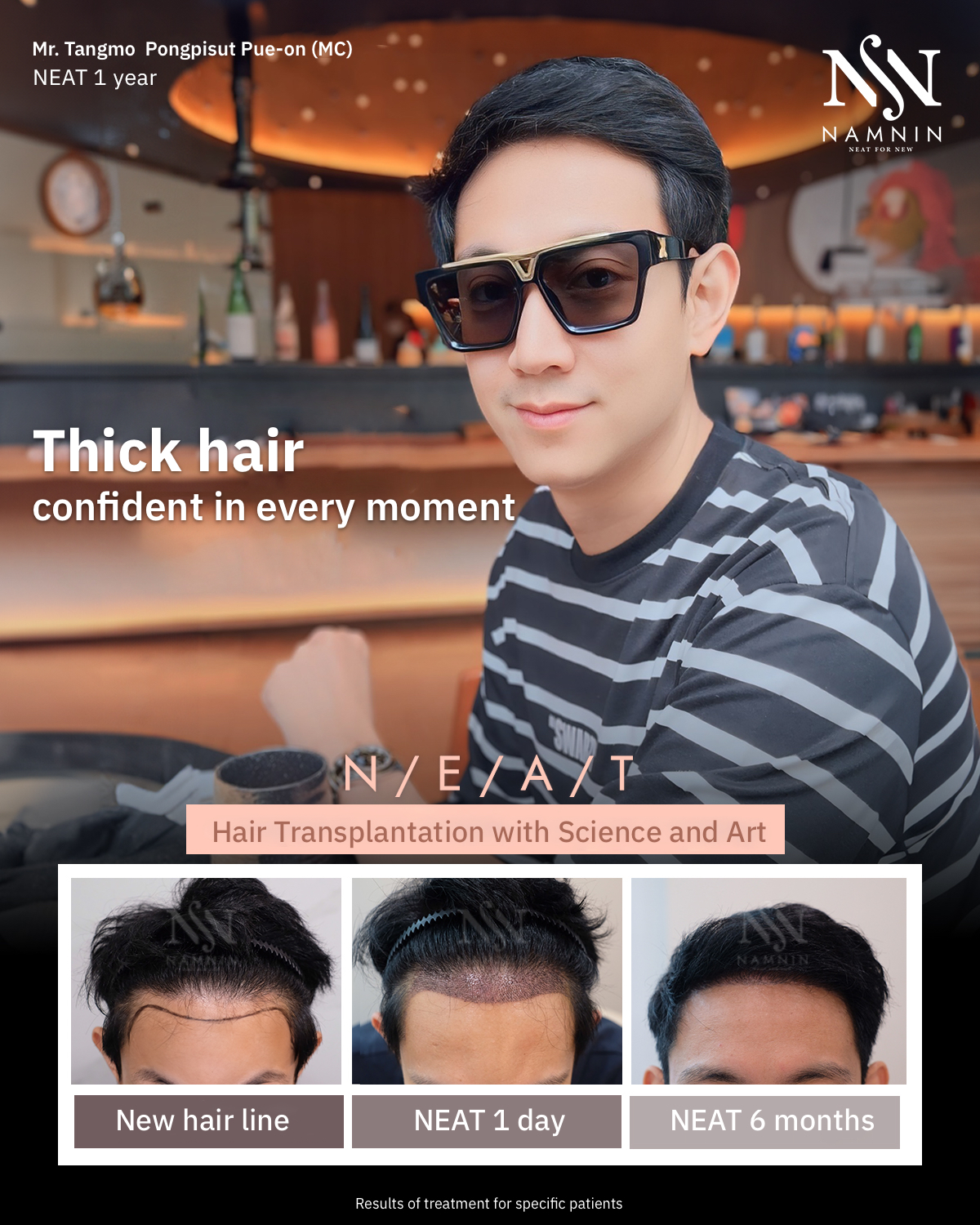
Third, when transplantation is done at a younger stage, the overall appearance changes subtly, making it difficult for others to notice that any procedure was done.
Finally, the doctor personally follows up on progress for a full year until the new hair grows strong and stable, allowing results to last as long as possible.

PHB Program
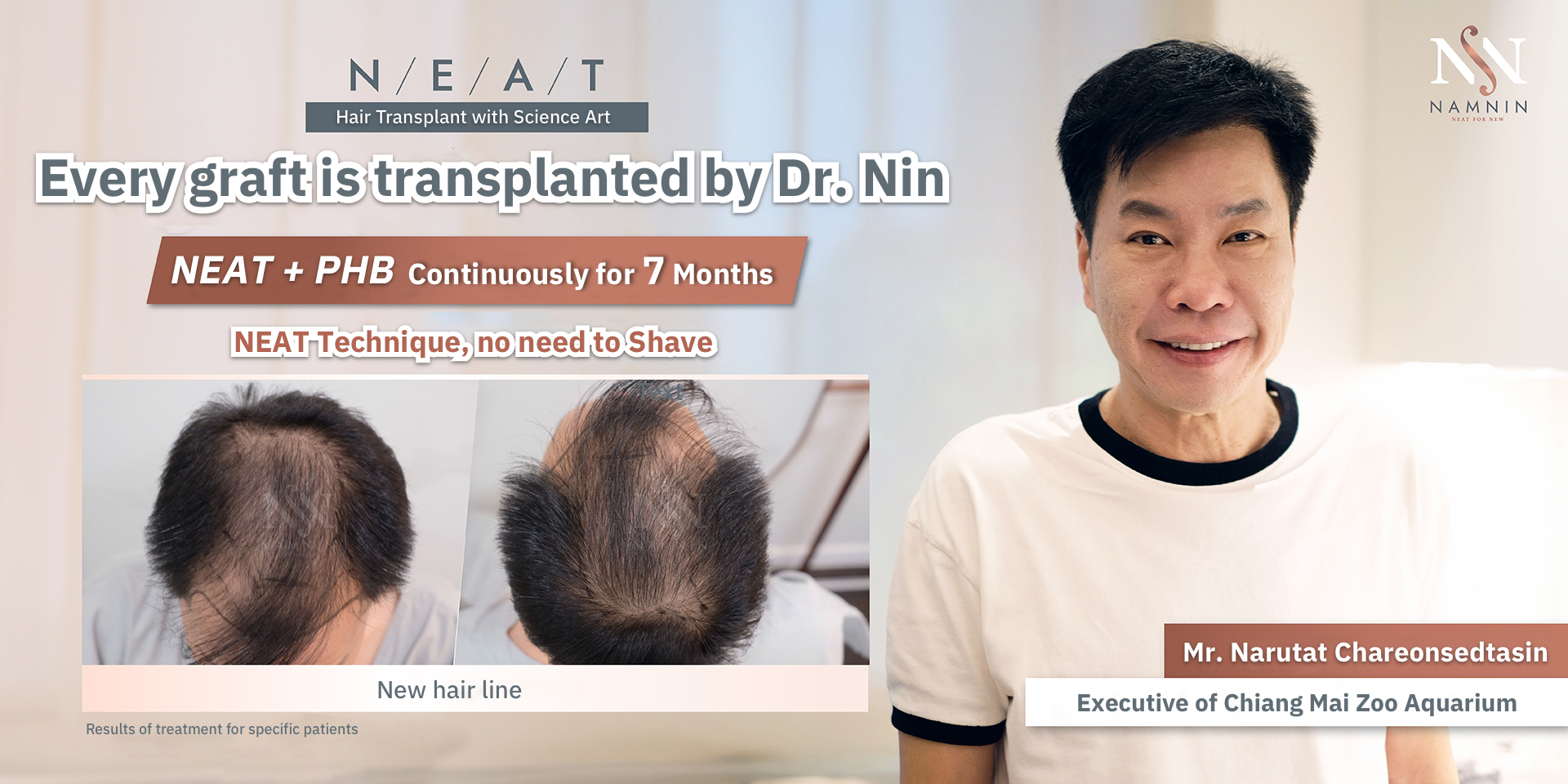
In addition to permanent hair transplantation, the doctor may recommend treatments such as the PHB program. This program is designed to nourish hair at deeper levels, stimulate hair root cells from within, strengthen hair and scalp, support new hair cell formation, and slow hair shedding.


PHB treatment is convenient and involves direct scalp injections in targeted areas. It does not leave visible marks and does not require downtime. It is suitable for individuals in the early stages of hair loss and thinning, with visible improvement often noticed from the first session.

Hair Revive Program
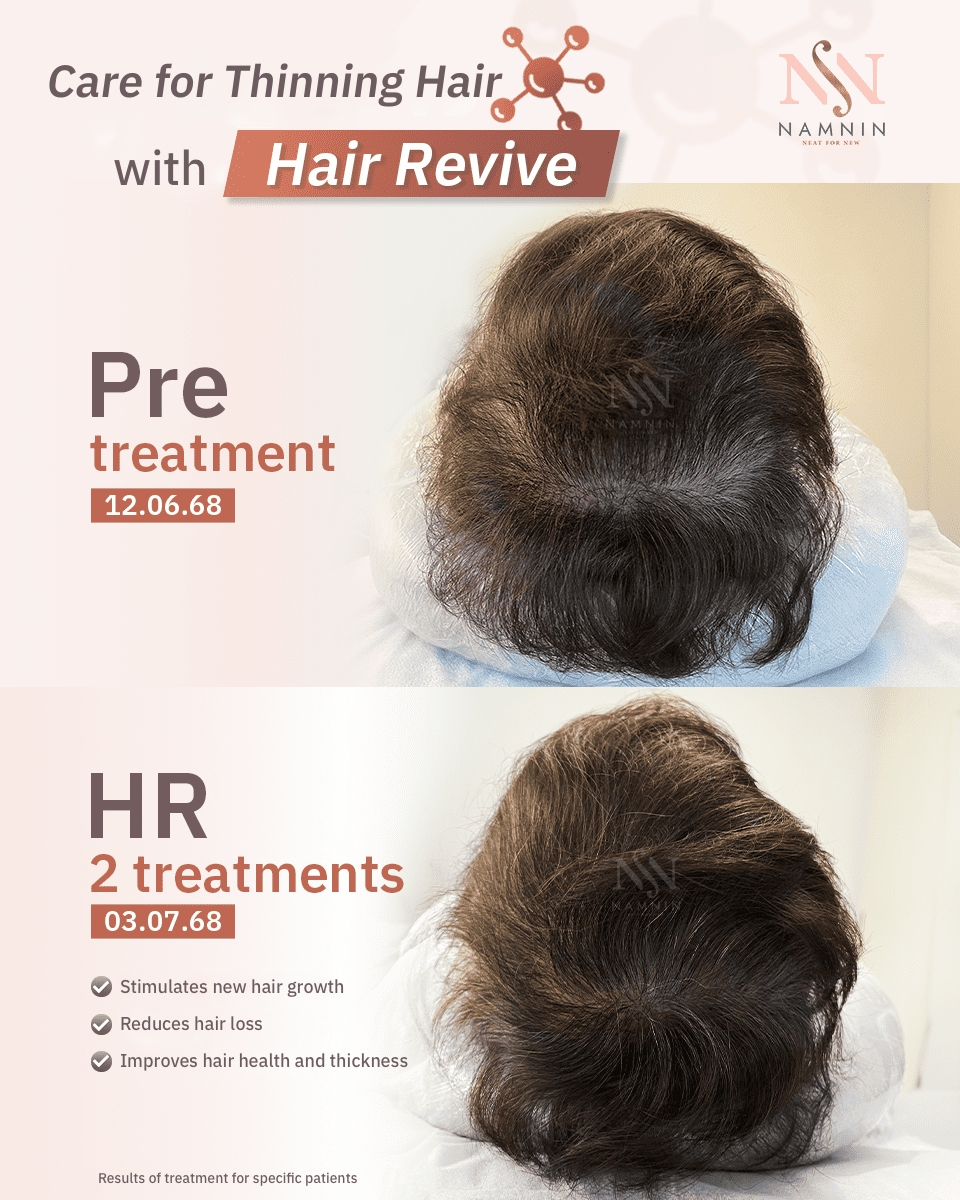
Hair Revive Treatment focuses on plant based extracts combined with hair nutrients. It supports stronger hair condition, helps reduce inflammation, addresses bacterial imbalance, stimulates hair root activity, encourages new growth, and reduces the likelihood of shedding.

The process begins with Microneedle Therapy at a depth of 0.5 millimeters to prepare the scalp for better absorption of nourishing products applied to areas affected by hair loss and thinning.


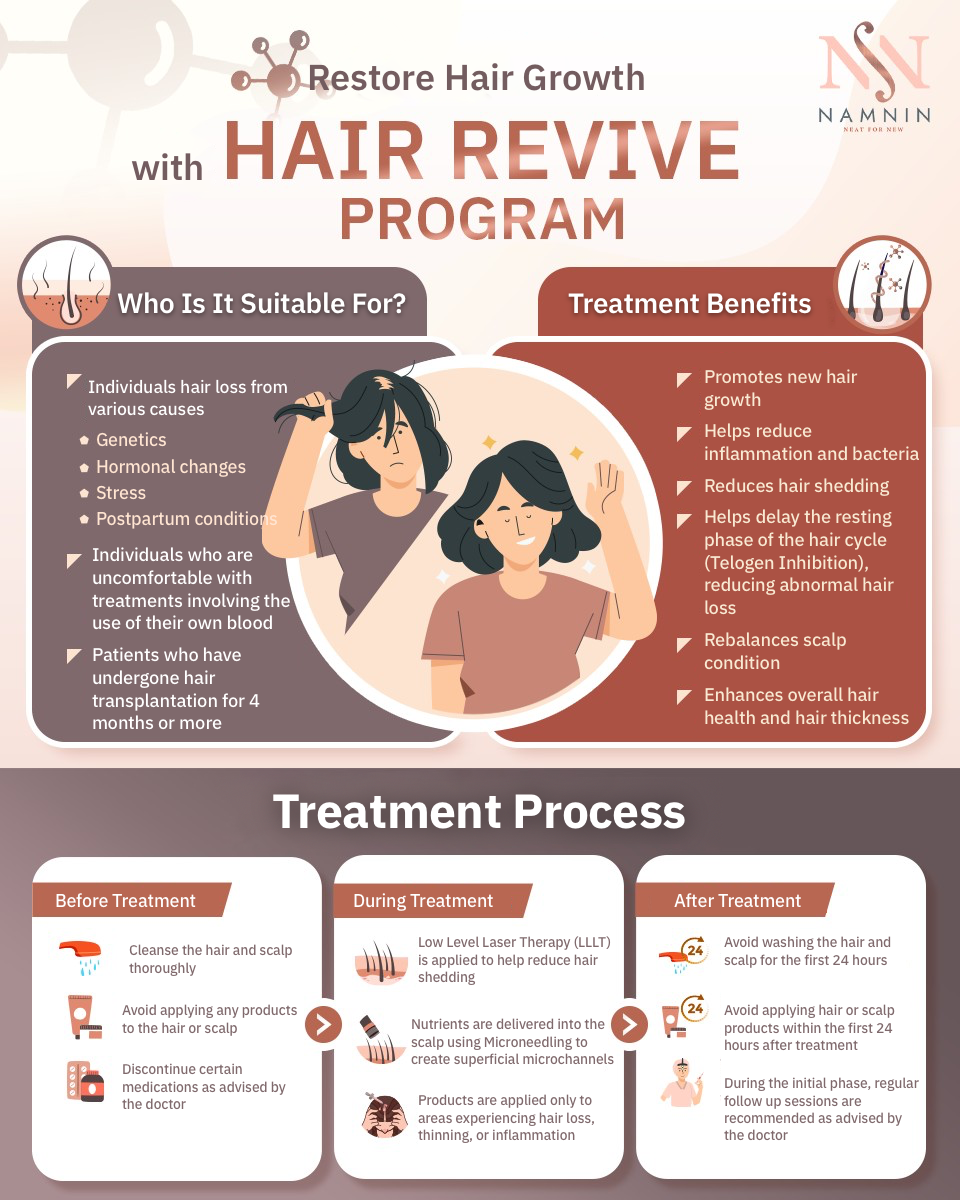
Hair Revive Treatment is suitable for individuals experiencing hair loss from various causes mentioned earlier and is also appropriate for those who have undergone hair transplantation for at least four months.

We hope this information helps men gain a clearer understanding of hair loss and thinning, leading to more informed decisions about hair and scalp care. You may also consult the doctors at Namnin early on to explore suitable options and move toward healthier hair with confidence.
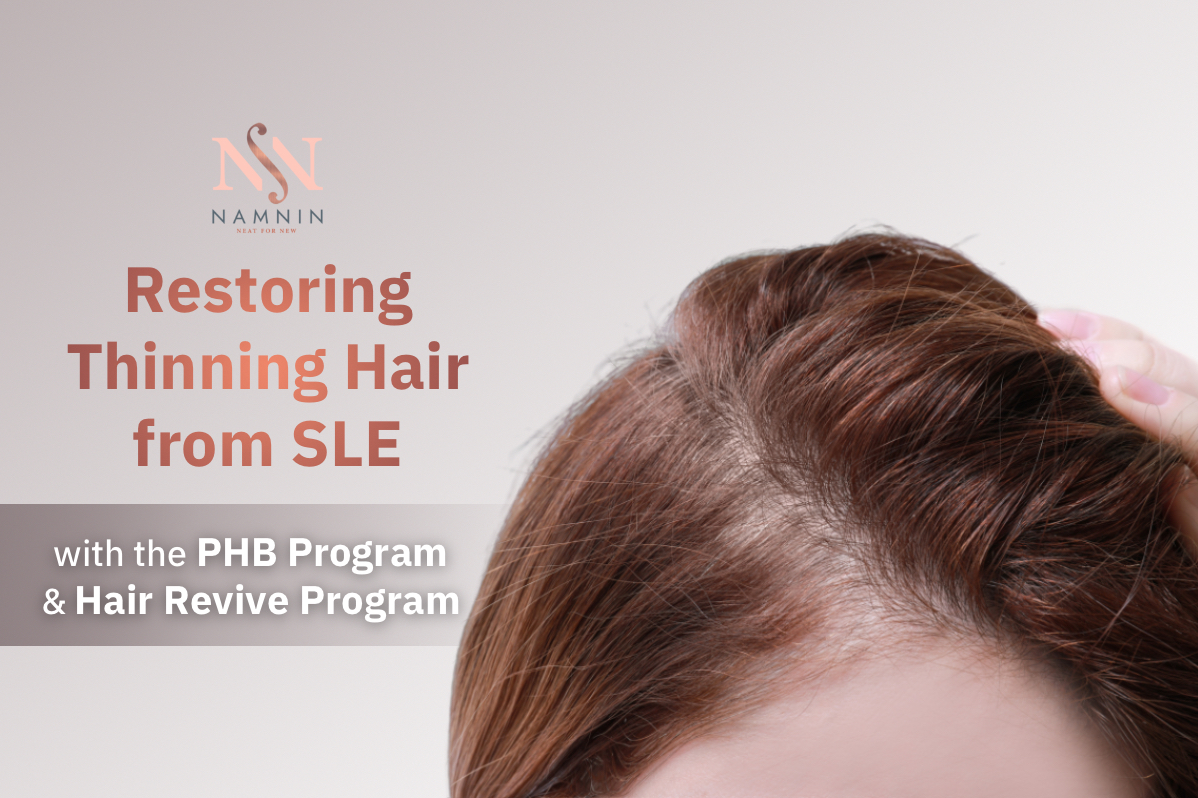
Restoring Thinning Hair from SLE with the PHB Program and Hair Revive Program
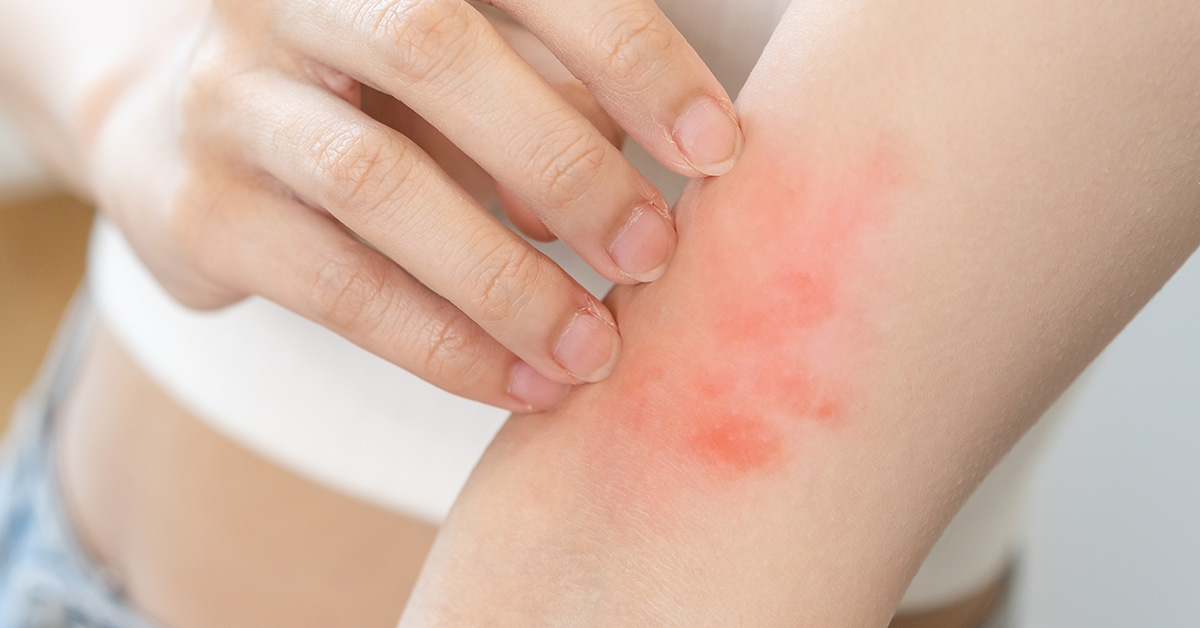
Systemic Lupus Erythematosus (SLE) is a chronic autoimmune condition caused by an overactive and misdirected immune system. Normally, the immune system protects the body from harmful pathogens. However, in individuals with SLE, the immune system mistakenly attacks the body’s own tissues. This leads to inflammation in multiple organs such as the skin, joints, kidneys, heart, lungs, blood, and nervous system. As a result, symptoms vary greatly among patients. Some may experience only rashes and hair loss, while others may have more severe internal complications.


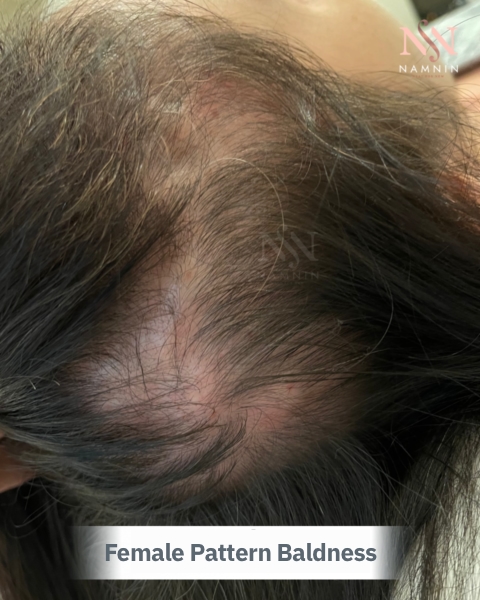
One of the symptoms that significantly affects self-confidence is hair loss. This often occurs when hair follicles are disrupted by immune system activity. The follicles may become inflamed or temporarily stop functioning, causing hair to fall easily. In some cases, inflammation of the scalp may also occur. Hair loss from SLE often appears as diffuse thinning across the scalp or patchy shedding without scarring and usually corresponds with disease flare-ups or certain medications.


If you are experiencing these symptoms or feel worried every time you see your hair thinning, Namnin Clinic is here to support you with care and guidance through this challenging time. As long as the hair follicles remain intact and not permanently damaged, proper restoration methods can help your hair grow back. At Namnin, this is achieved through the PHB Program and Hair Revive Program, both of which were designed and developed by Dr. Nin, a hair restoration physician. These two programs are non-surgical solutions for revitalizing hair without requiring a hair transplant.

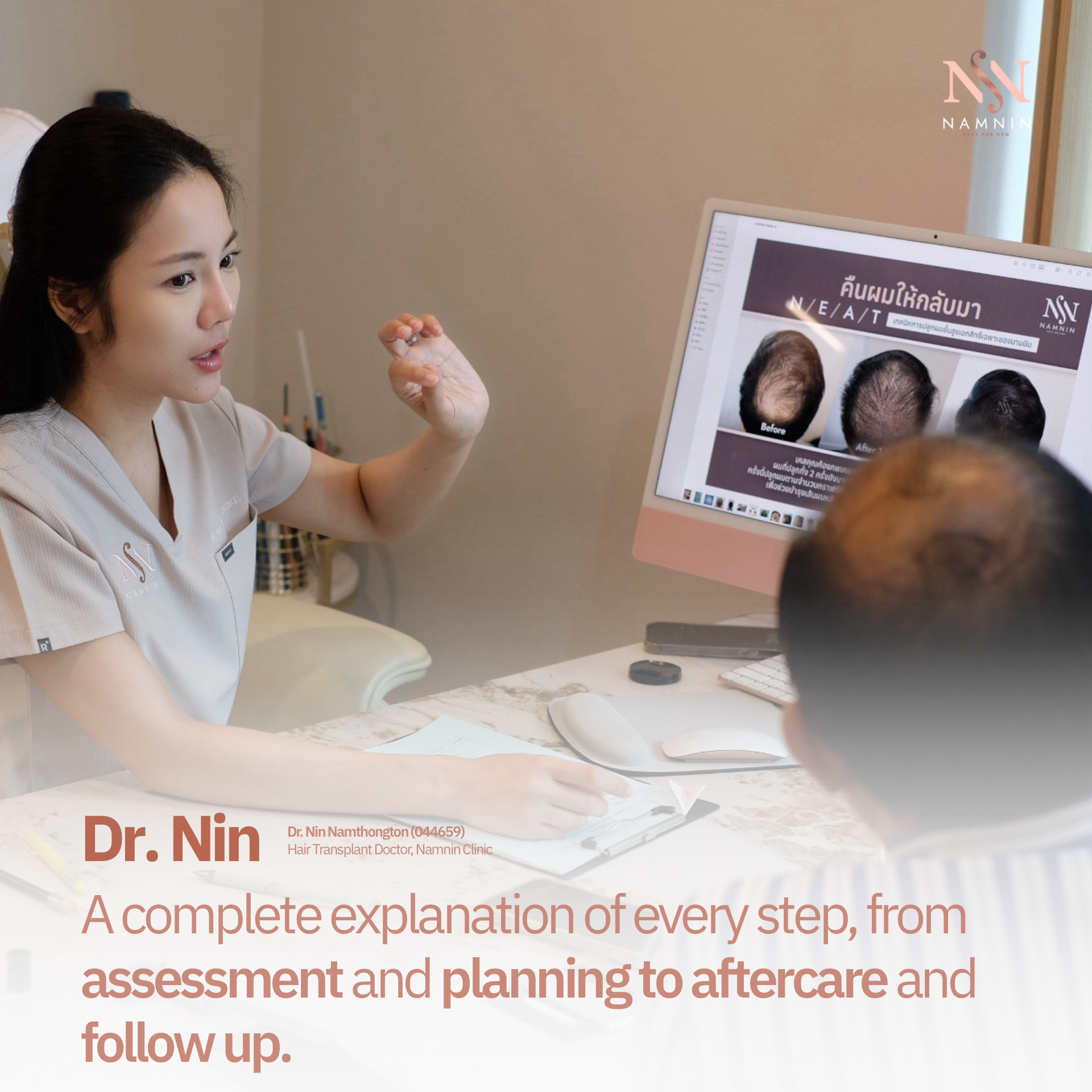
Throughout every step of the PHB Program and Hair Revive Program, Dr. Nin personally oversees your treatment. She begins with a consultation to understand your individual concerns, followed by a detailed examination of your hair and scalp to determine the most suitable care plan. Since each person’s hair and follicles differ, targeted treatment is essential for effective restoration.

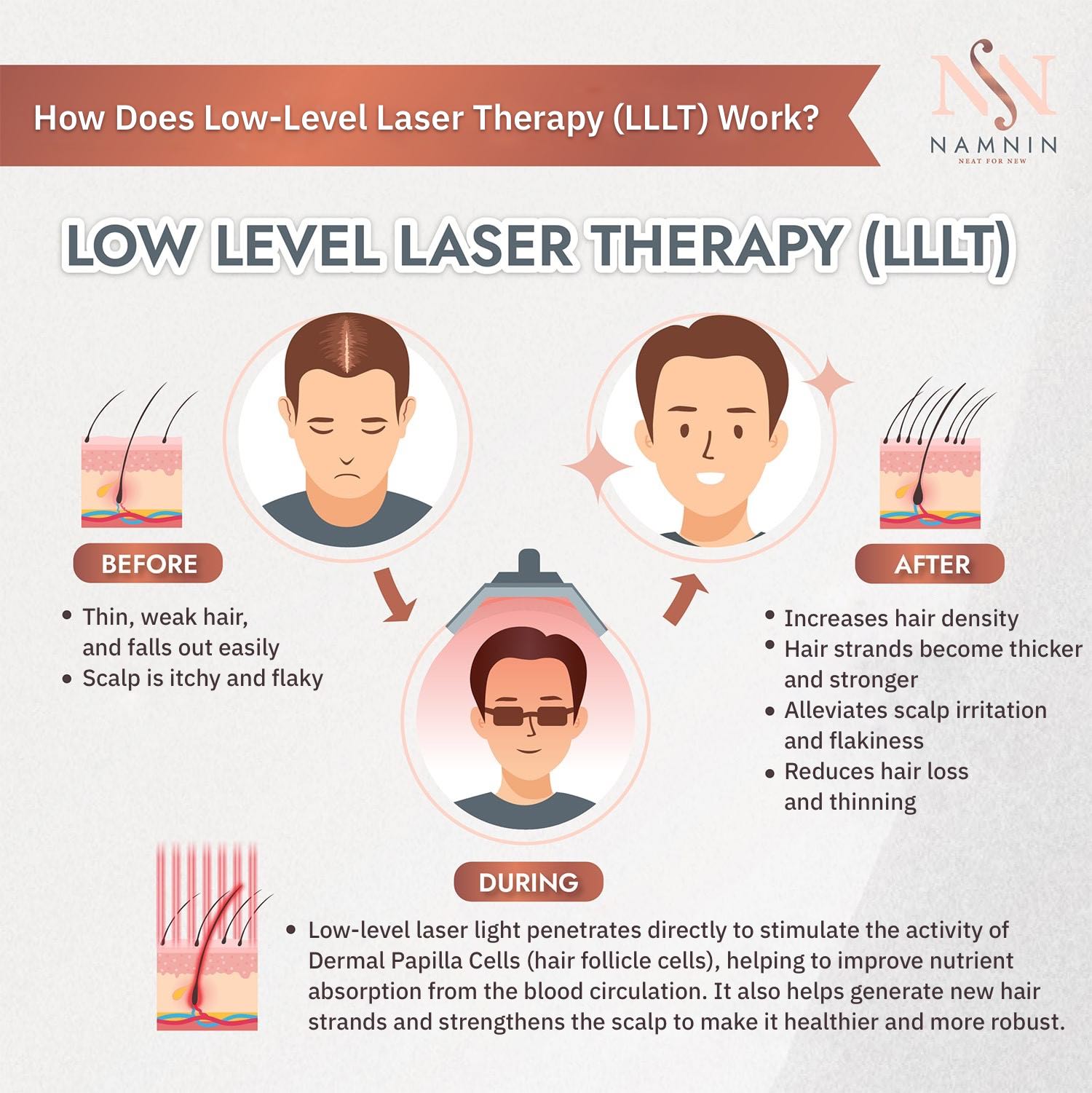
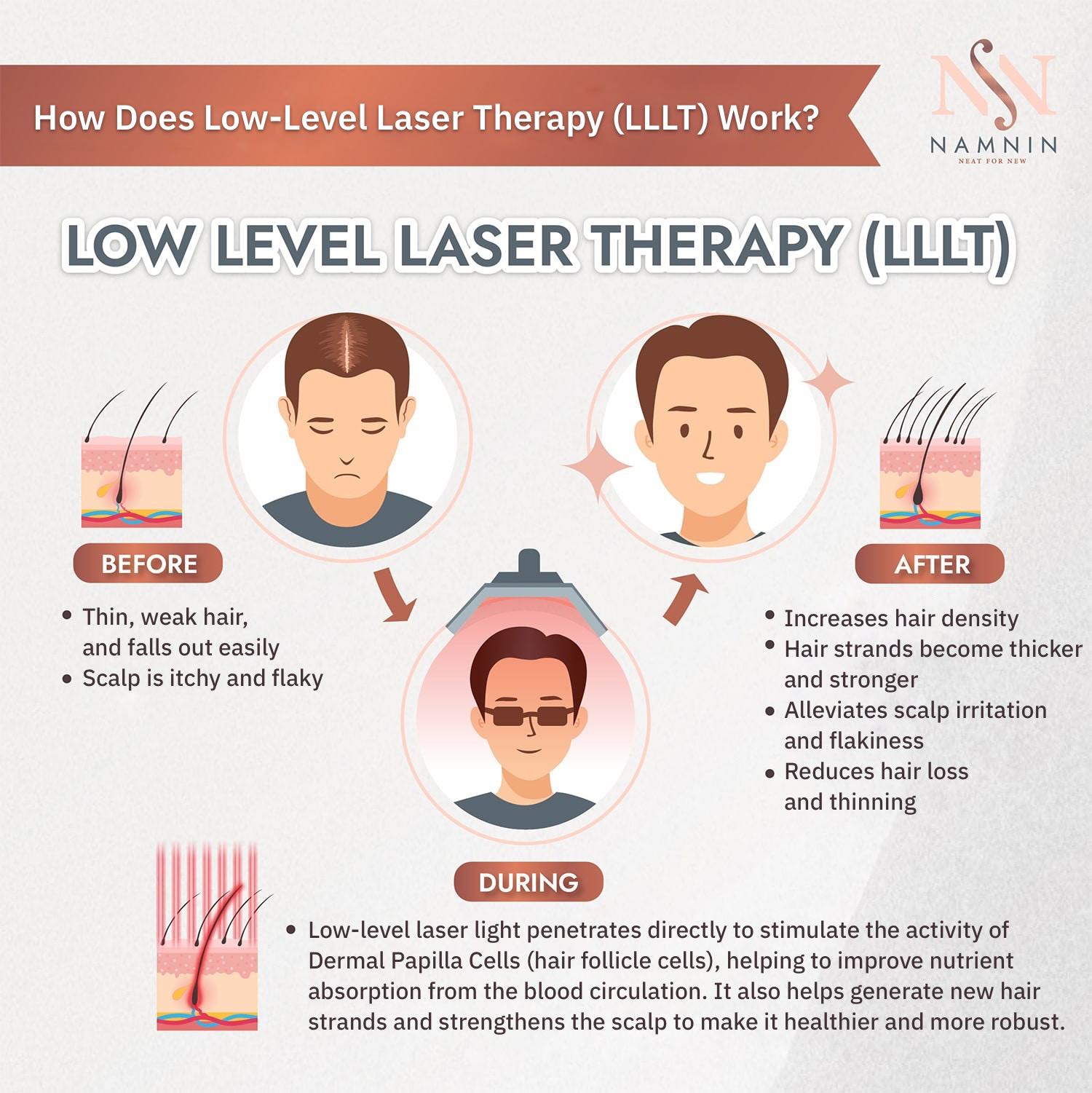
During the treatment process, you will receive LLLT (Low-Level Laser Therapy), a gentle laser technology that stimulates hair follicle cells, enhances nutrient and oxygen delivery, improves scalp blood circulation, and strengthens the roots in preparation for recovery.


While both programs aim to restore hair health, their techniques differ slightly.
The PHB Program involves injecting nourishing ingredients directly into the scalp to strengthen the hair roots, helping weak strands regain vitality and appear fuller and healthier.
The Hair Revive Program is ideal for those who prefer deep nourishment without using their own blood. It uses Microneedle Therapy with tiny 0.5 mm needles to gently create microchannels on the scalp, enhancing the absorption of topical solutions while stimulating collagen production and new hair cell activity. Targeted serums are then applied to support long-term follicle strength. Dr. Nin will guide you and select the most suitable treatment path for your needs.


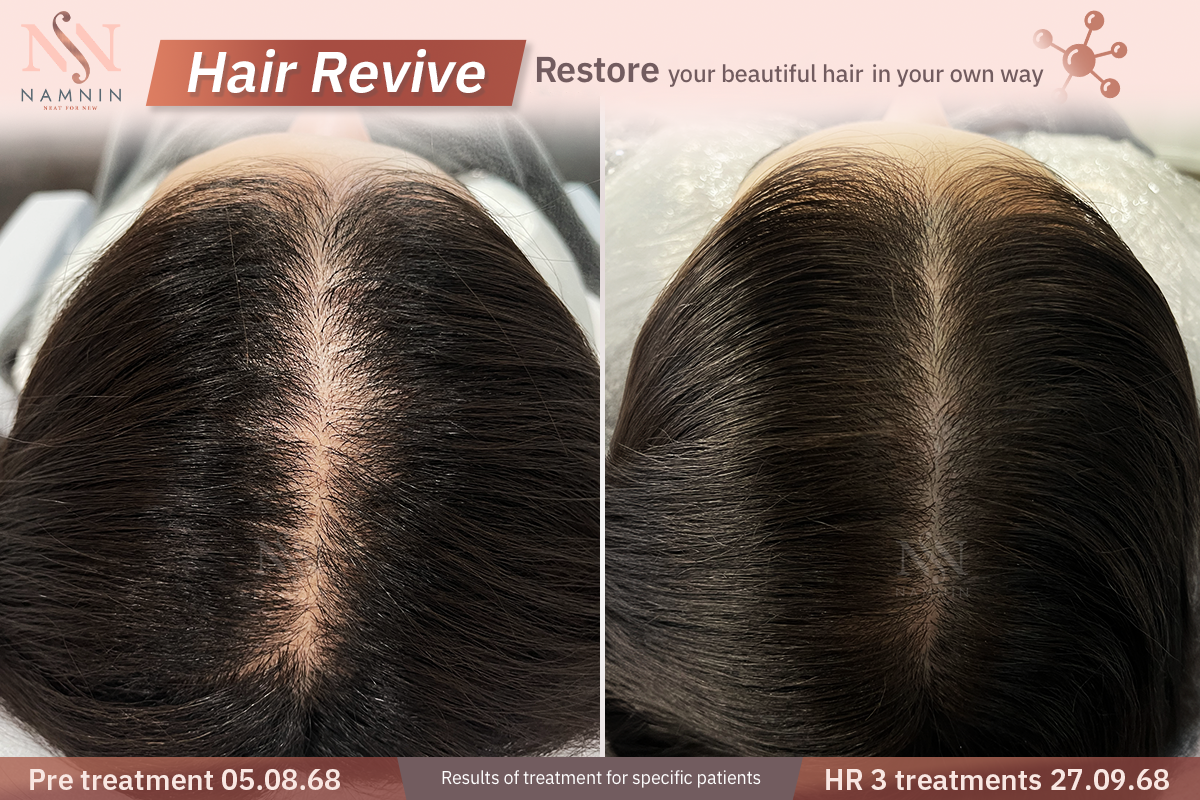
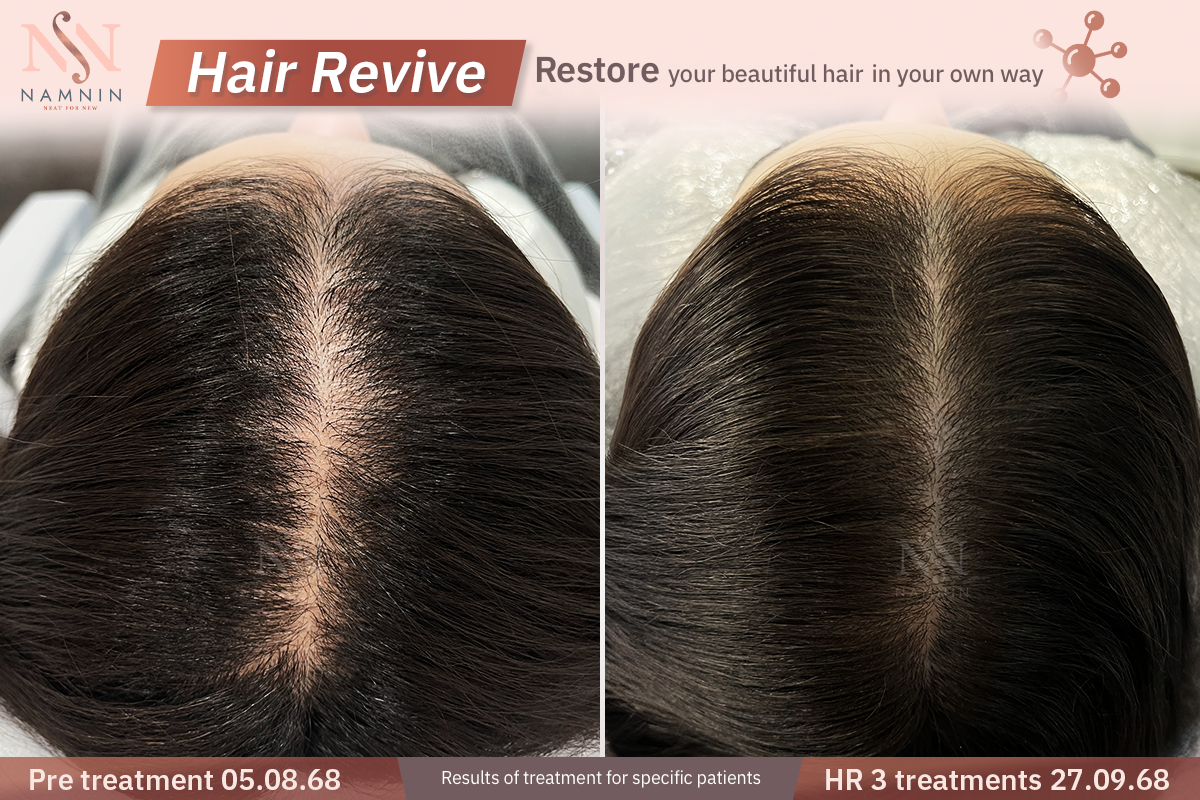
With consistent care and adherence to medical recommendations, both programs gradually stimulate hair regrowth, increase density, and improve overall hair health. Hair that once appeared thin will slowly regain vitality, gently restoring your confidence.

Living with SLE can be a long journey that requires patience and emotional strength. But you are not walking this path alone. Every small effort you make to care for yourself is an important step toward healing both body and mind. At Namnin Clinic, we believe that beauty and confidence do not fade with hair loss. they can return when given the right care. If you allow us to walk alongside you, your once-fragile hair can become lively again, accompanied by renewed inner confidence and a genuine smile.


PHB & Hair Revive Which Hair Restoration Program is Right for You?
At Namnin Clinic, our hair treatment programs are designed to restore and strengthen your hair from within. Each treatment has been thoughtfully developed to suit different hair conditions, allowing doctors and patients to personalize the treatment journey together. Many of these programs can be combined, and some can also complement NEAT hair transplantation to further enhance overall hair care results.

Let’s explore some of Namnin’s signature treatment programs, each created to address different stages and causes of hair concerns.

If you’ve just started noticing hair loss or thinning

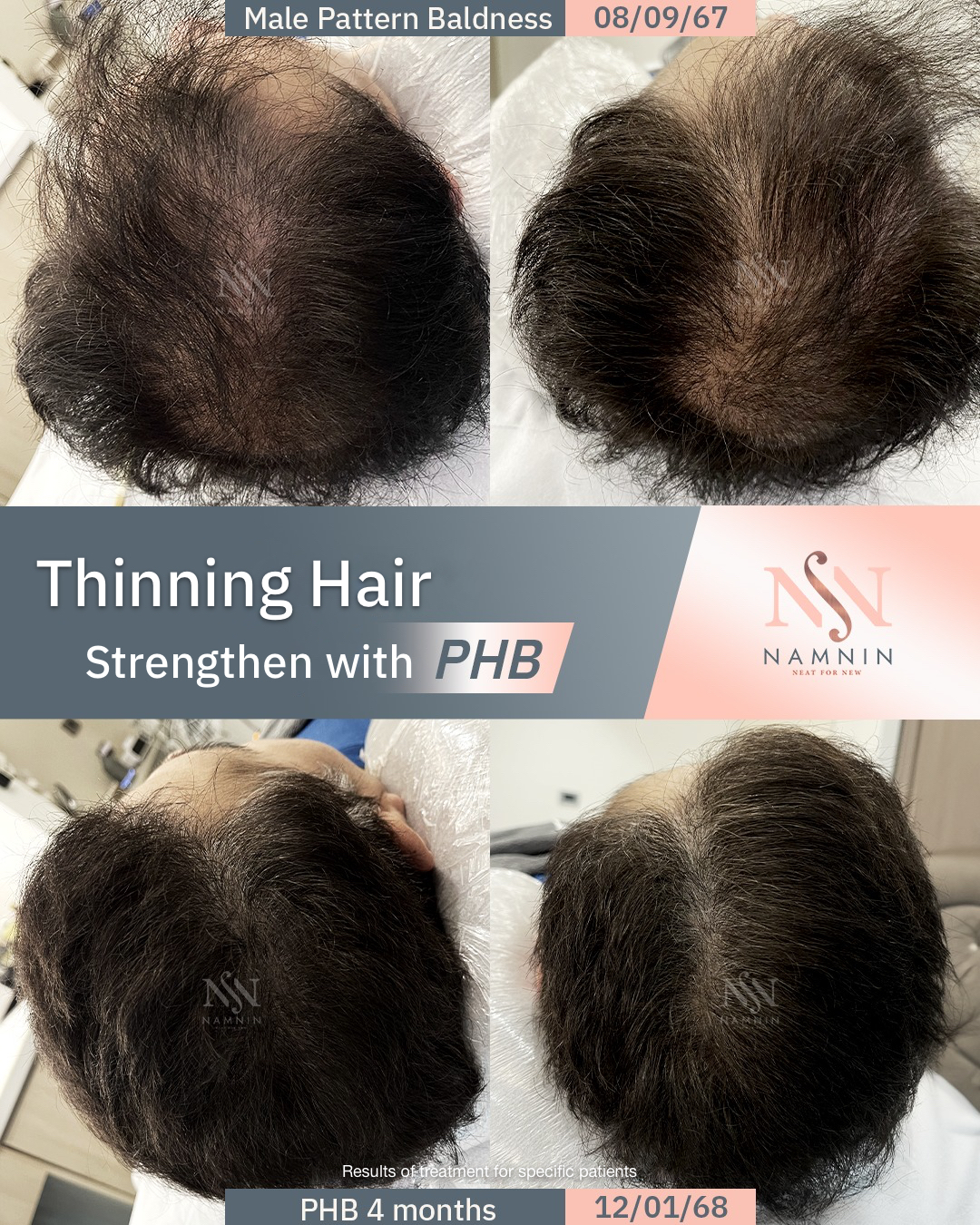
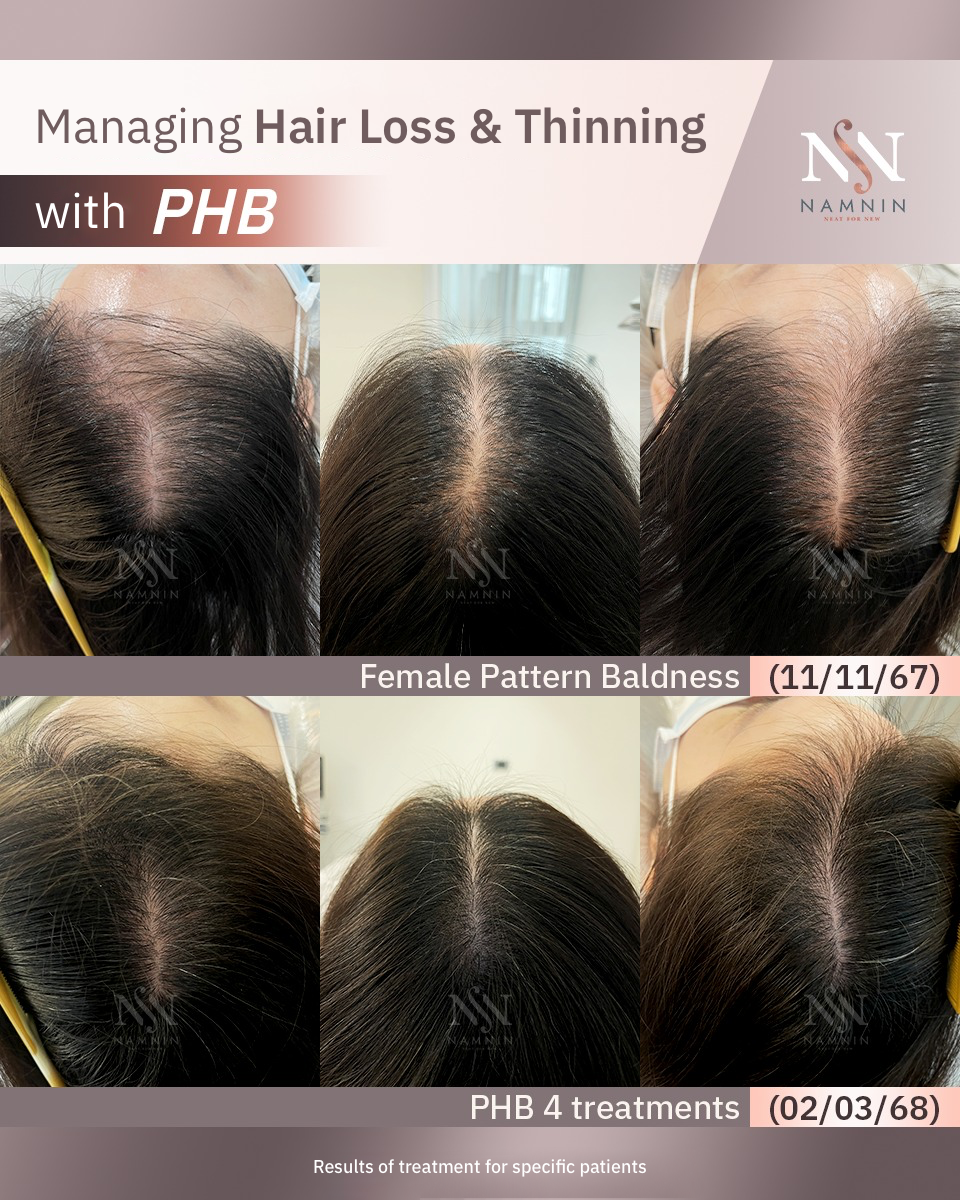
Namnin recommends the PHB Program, a revitalizing treatment that nourishes and rejuvenates hair from deep within. It works by stimulating the hair follicle cells to repair themselves and promote new hair growth, helping strengthen both hair and scalp while slowing hair loss effectively. Noticeable improvements can be seen as early as the first session.

PHB Treatment Process
The procedure is simple and comfortable. The nourishing formula is injected directly into areas of concern without leaving visible marks. There is no downtime and no side effects, and it can also be combined with other treatments. In some cases, doctors may recommend PHB as a complementary treatment after NEAT hair transplantation to boost results.


Visible Improvements
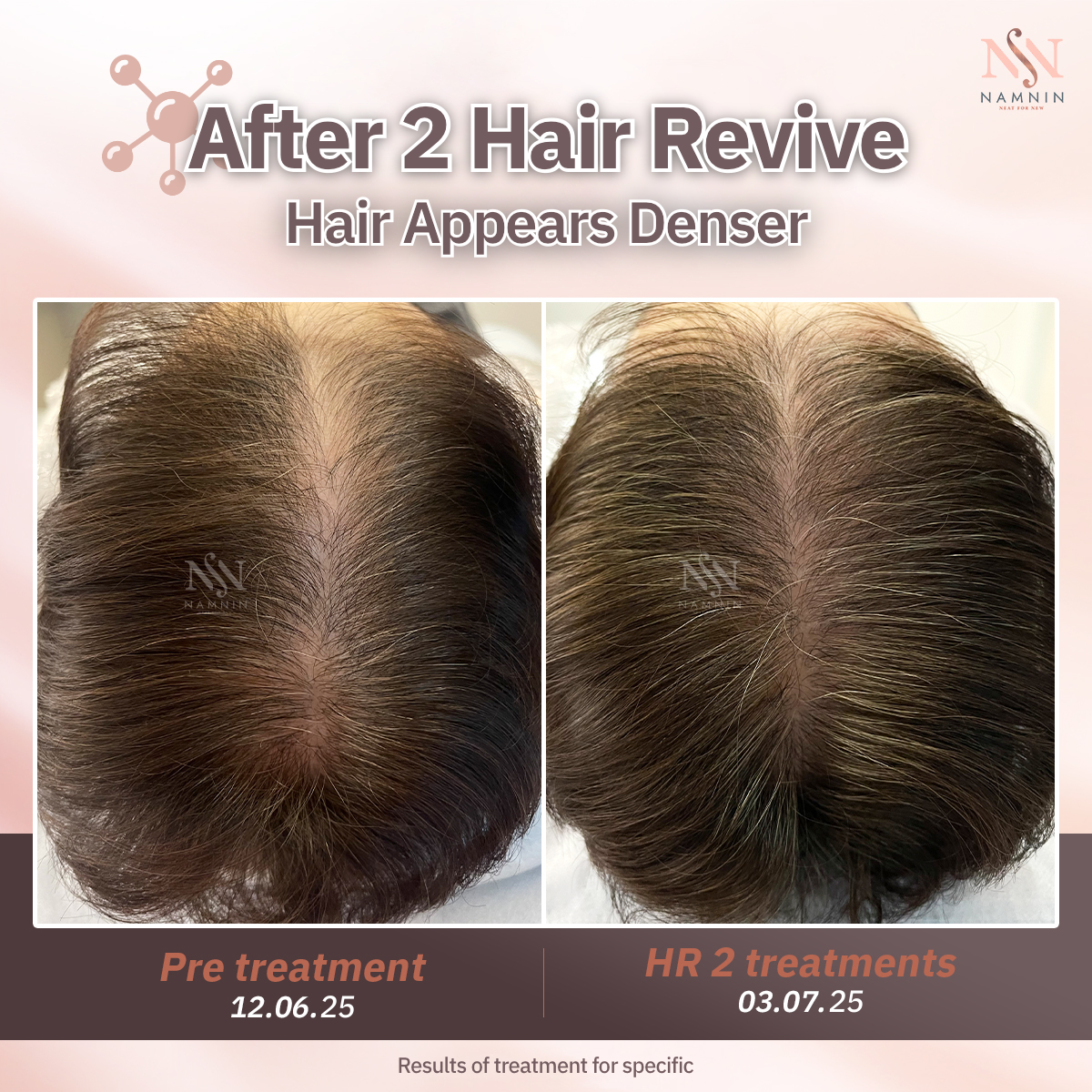
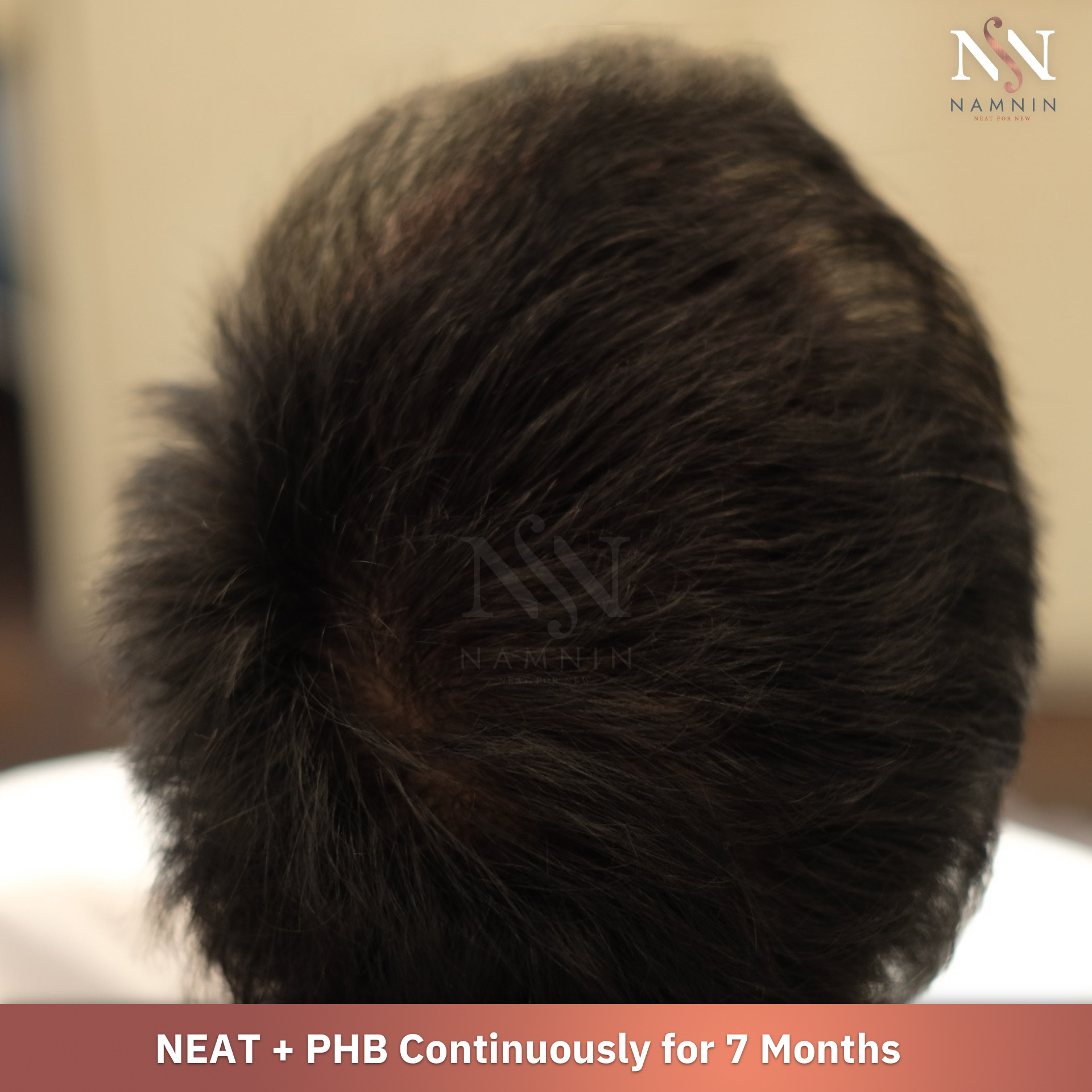
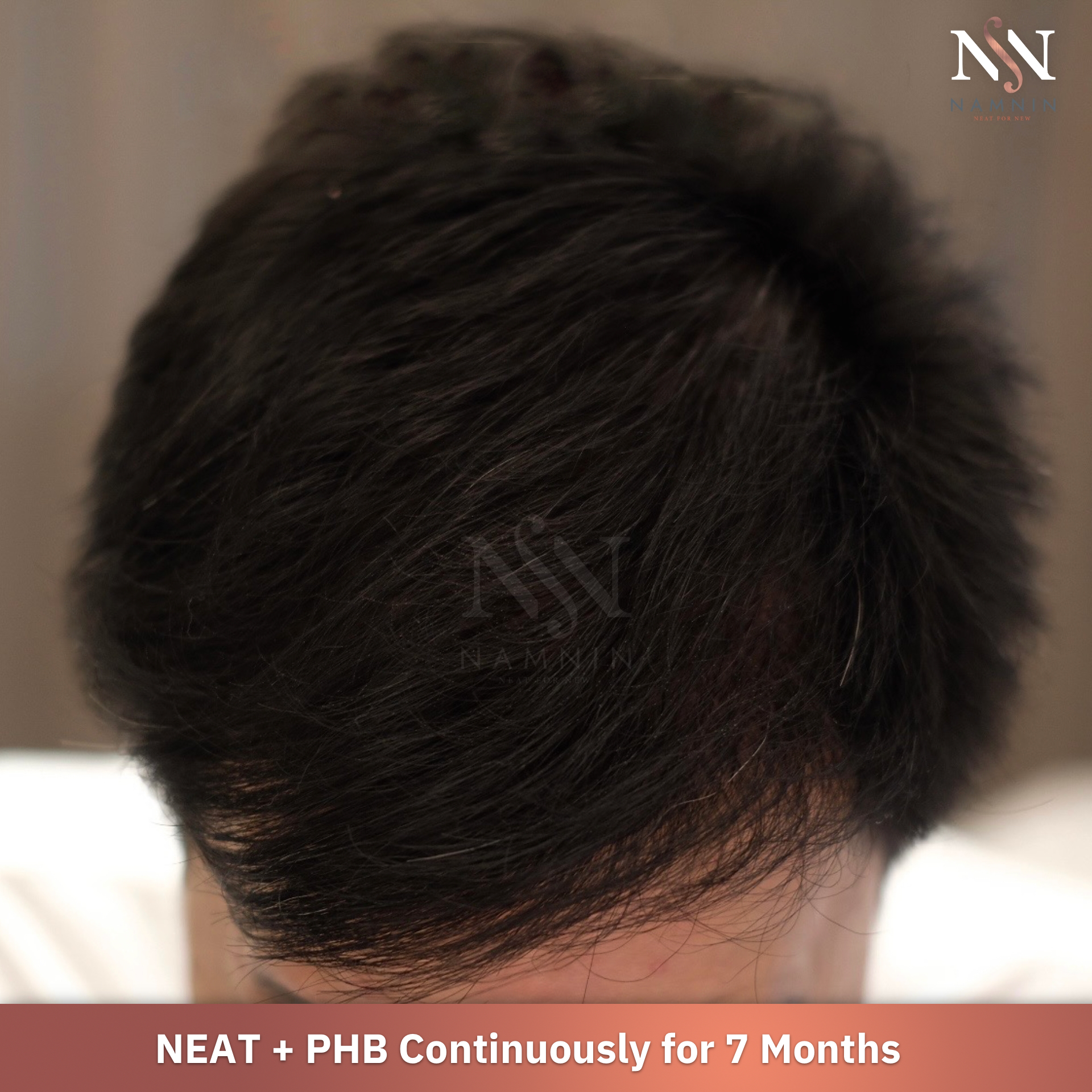
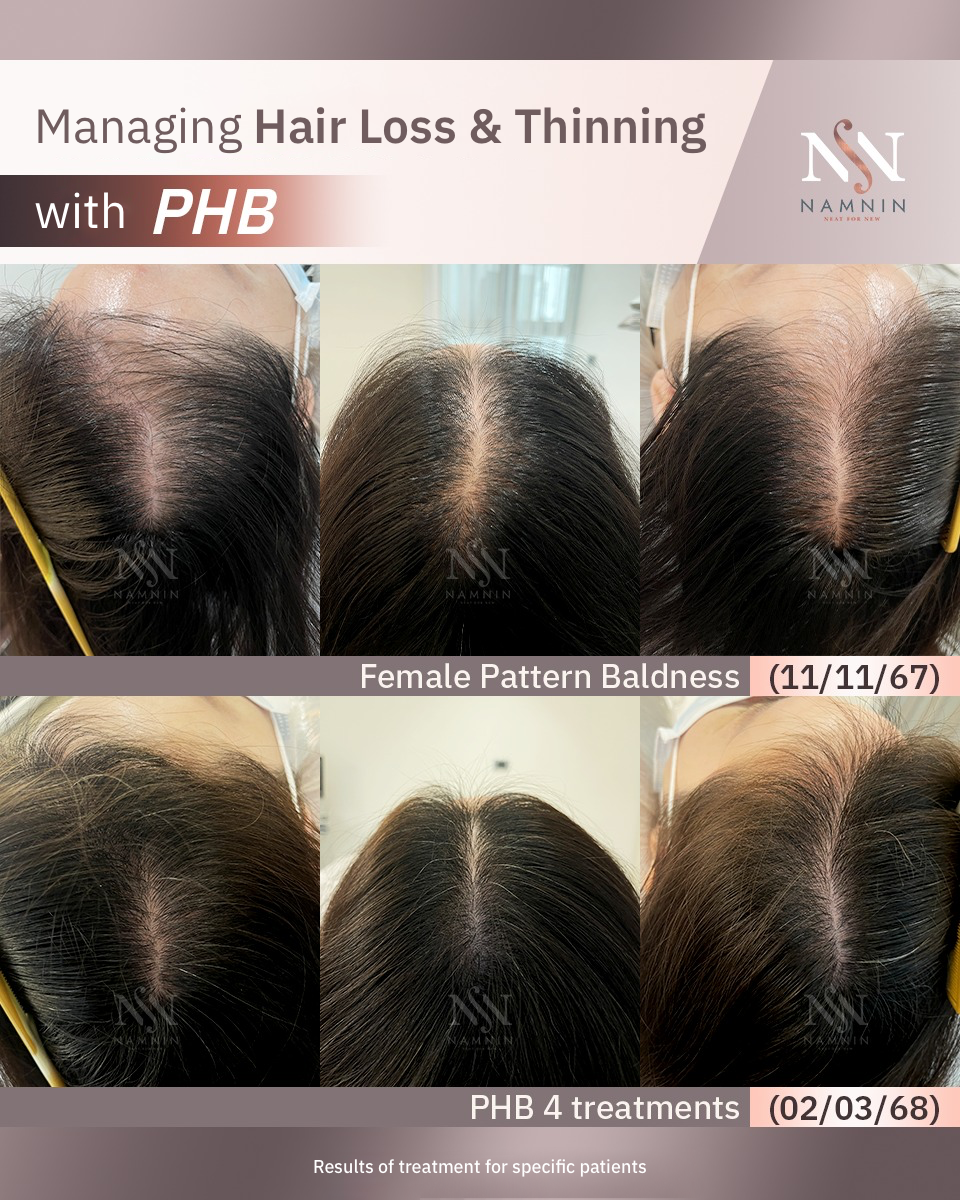
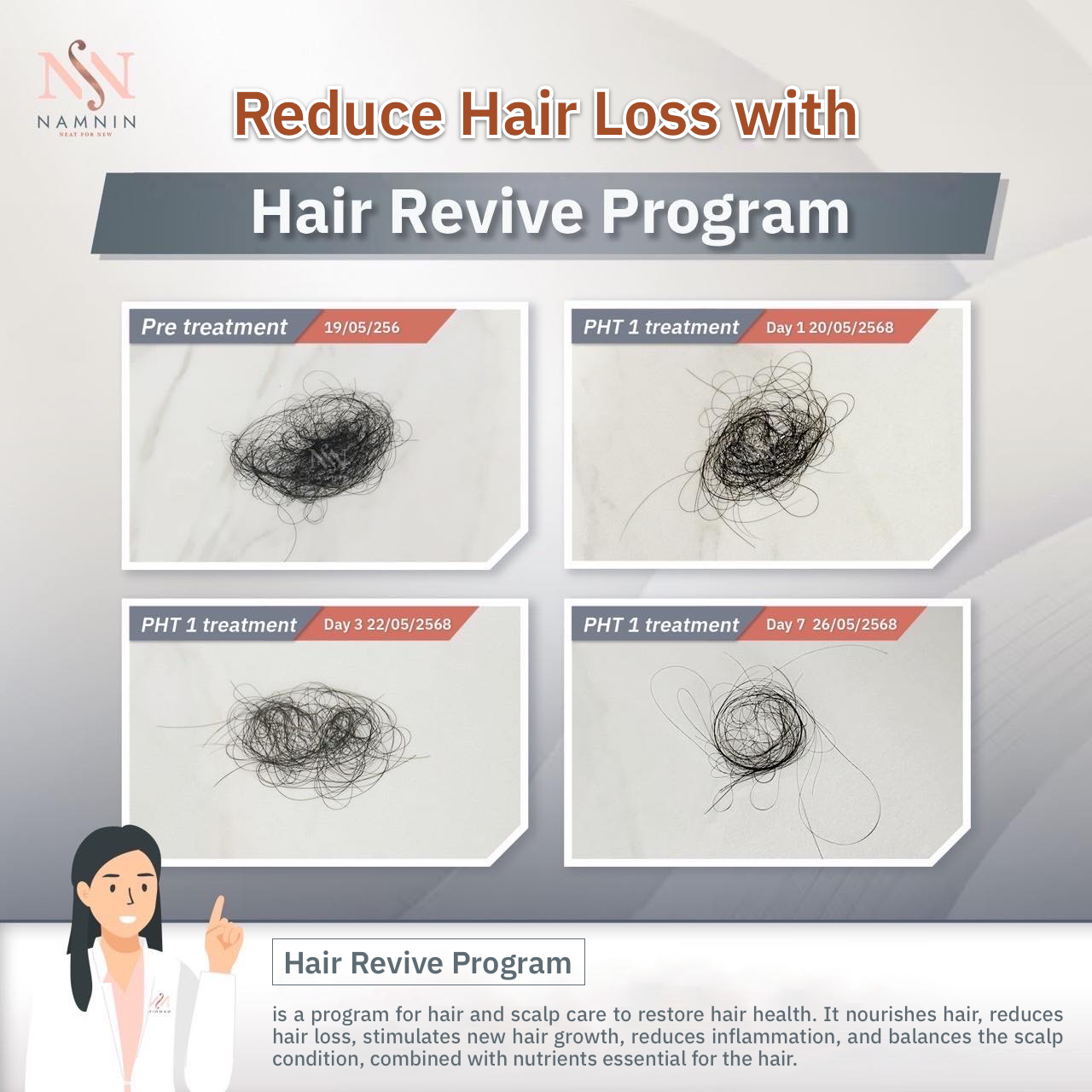
Patients often notice reduced hair shedding within 3 to 7 days, visible new growth within 1 to 3 months, and thicker, stronger hair within 3 to 4 months. Hair appears healthier, denser, and naturally shiny.

If you are struggling with hair loss or thinning caused by multiple factors

The Hair Revive Program is an intensive hair restoration treatment powered by nutrient-rich natural extracts. It is ideal for individuals experiencing hair loss due to
  • genetic predisposition
hormonal changes
  • stress
  • nutritional deficiencies
  • postpartum hair loss
  • chemical damage from hair treatments

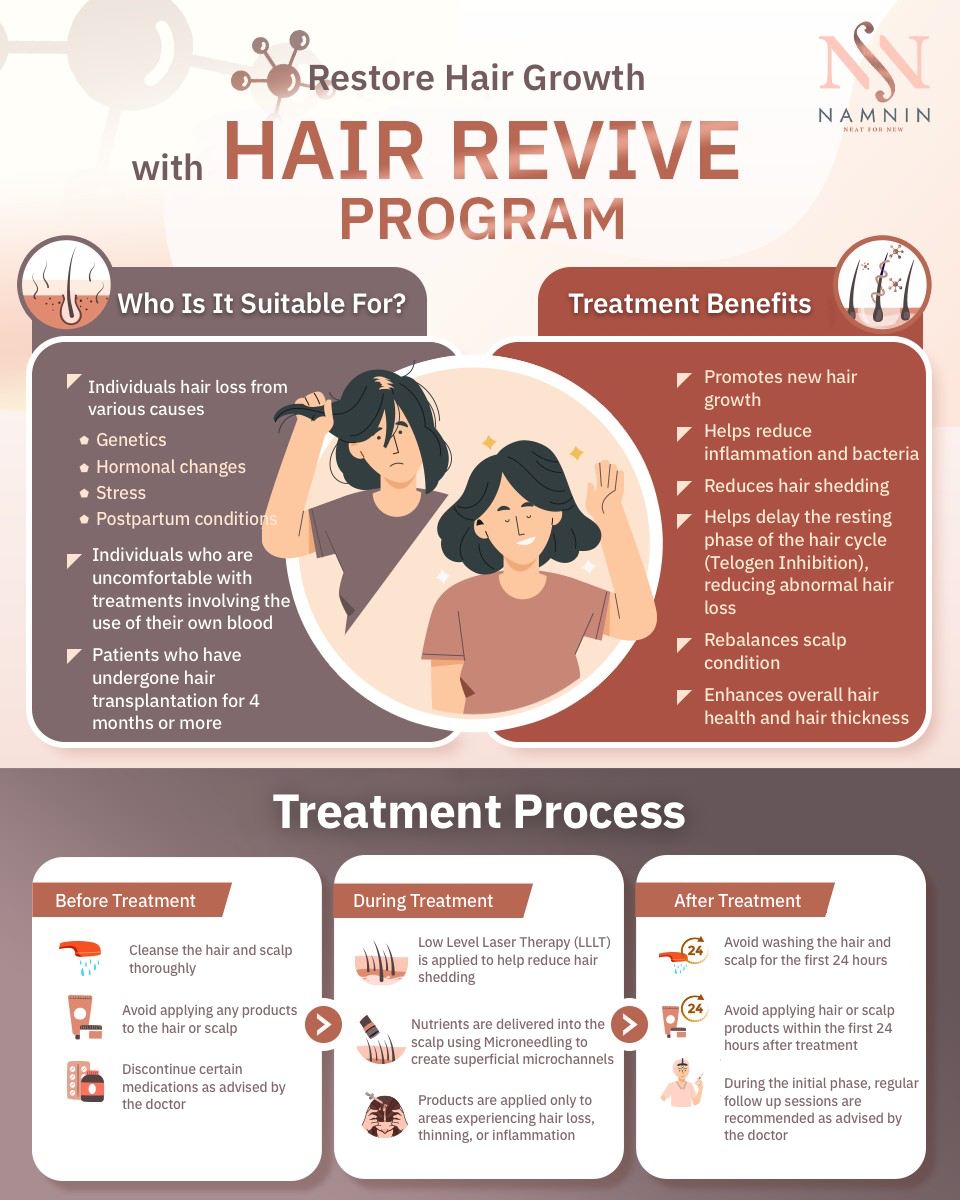
This program is also suitable for those who prefer treatments that do not involve using their own blood, and for patients who have undergone hair transplantation, recommended from 4 months post-surgery under medical supervision.

Hair Revive Program Steps
  • Scalp cleansing with a gentle shampoo
  • Low Level Laser Therapy (LLLT) to stimulate circulation and reduce shedding
  • Microneedle Therapy (0.5 mm depth) to improve absorption, boost collagen, and activate follicle cells
  • Application of restorative serums on areas affected by hair loss, thinning, or inflammation
  • Avoid shampooing or styling for 24 hours after treatment

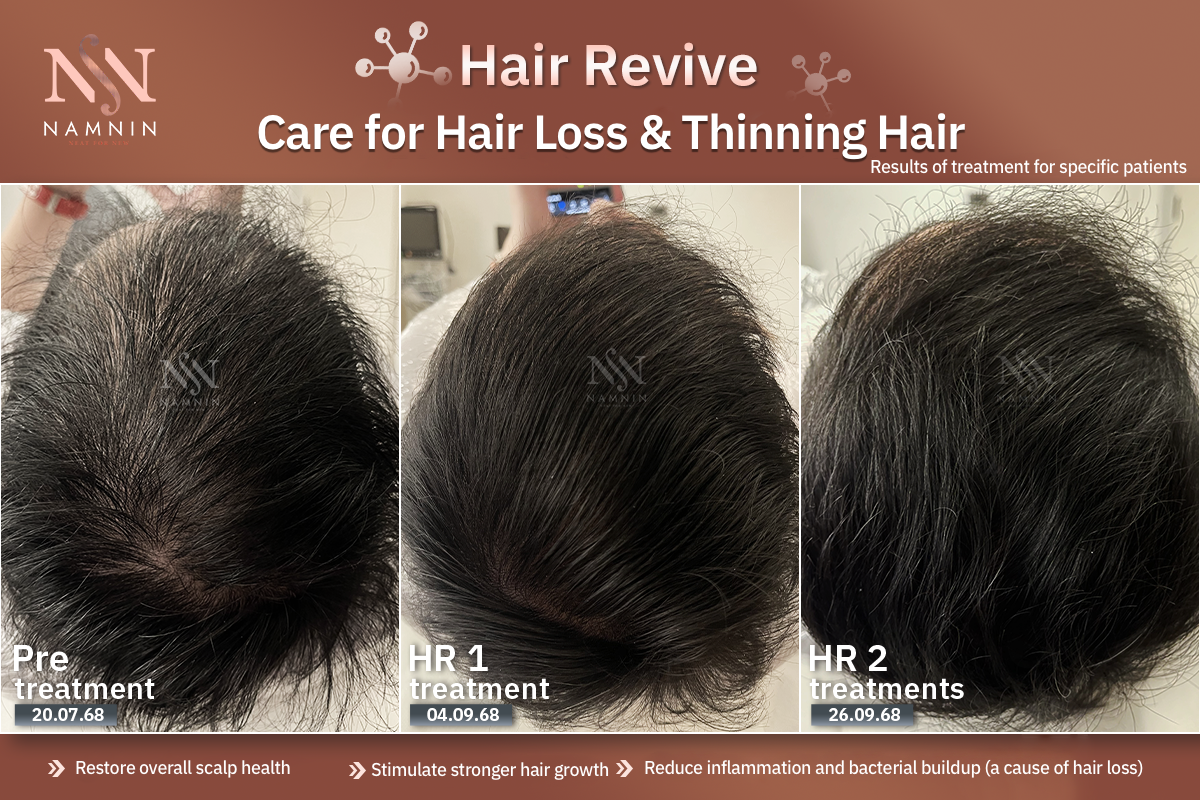
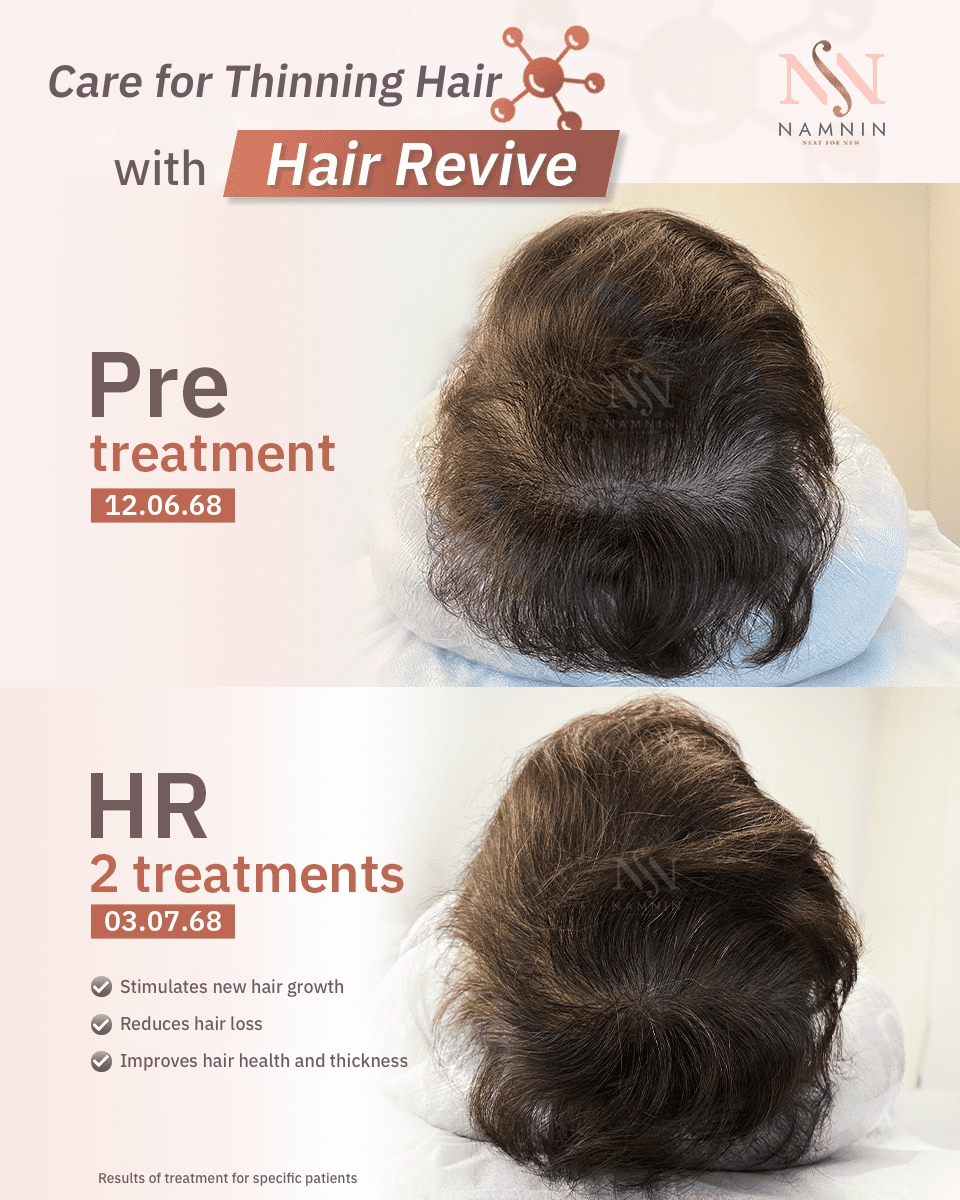
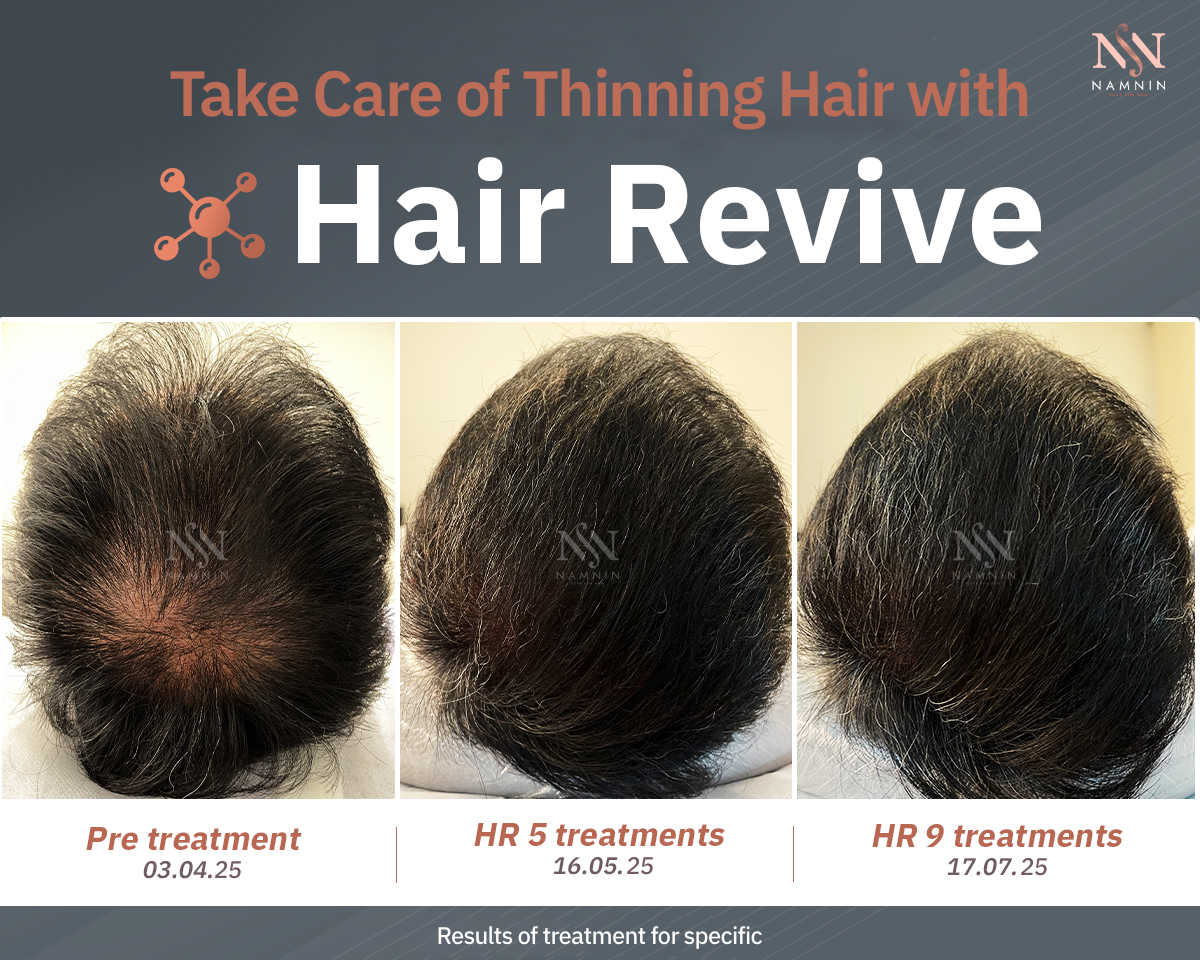
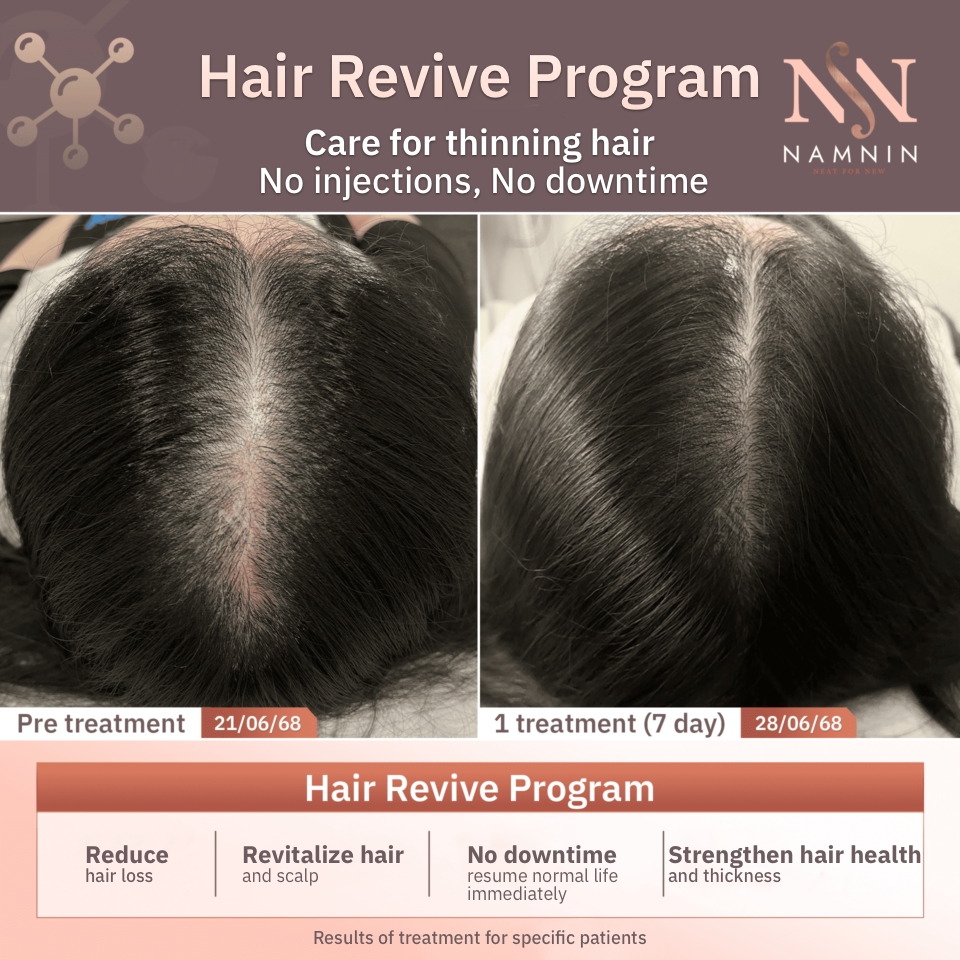
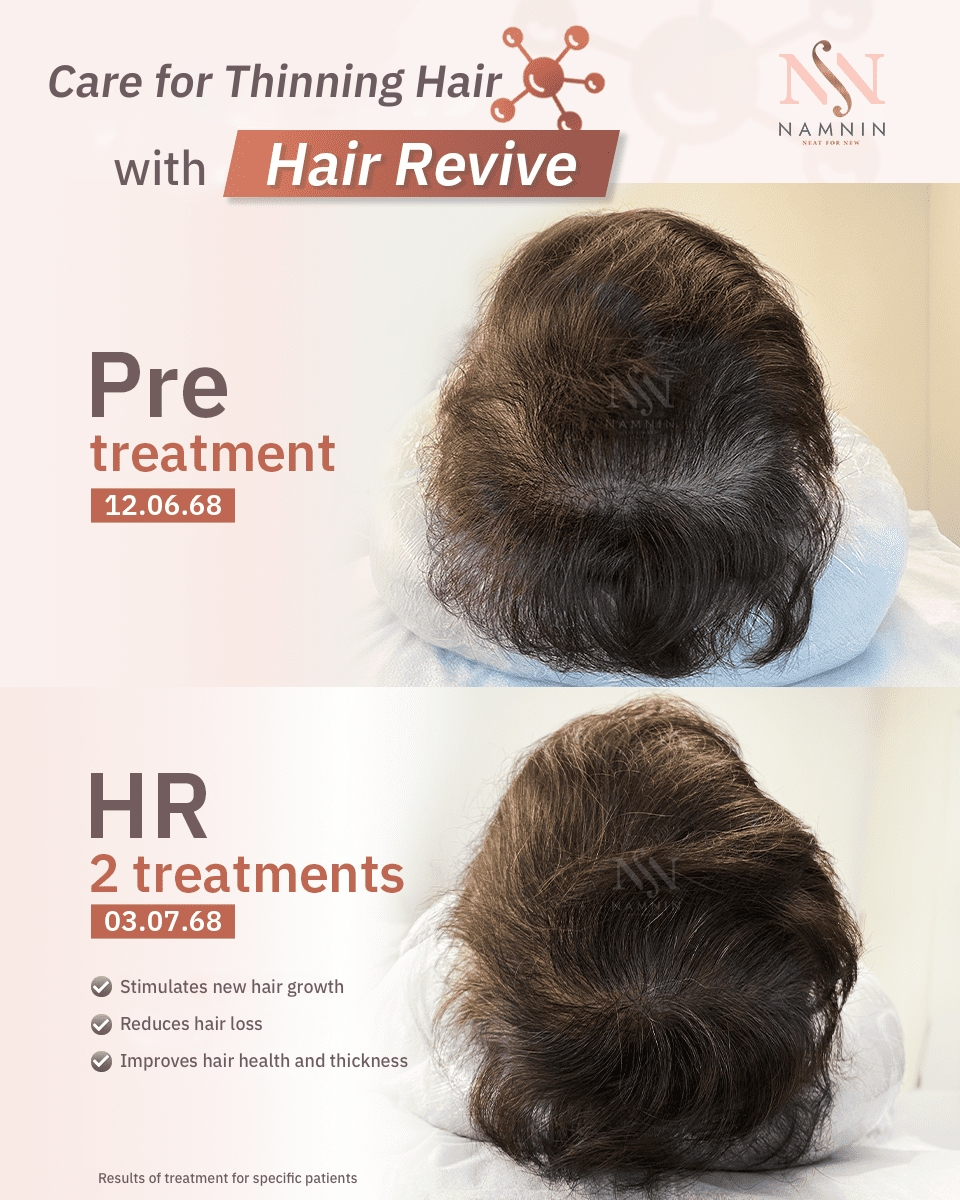
The Hair Revive Program helps restore scalp health, reduce inflammation, eliminate bacteria, and stimulate follicle regeneration, minimizing hair loss and promoting new growth.


These programs represent Namnin’s commitment to continuous innovation in hair restoration and scalp care. With each treatment, we strive to offer more personalized and holistic solutions because every strand of hair deserves the care it needs to thrive.
Nourish Your Hair with “Vitamins” to Combat Hair Loss
Have you given your hair the right nutrients today?

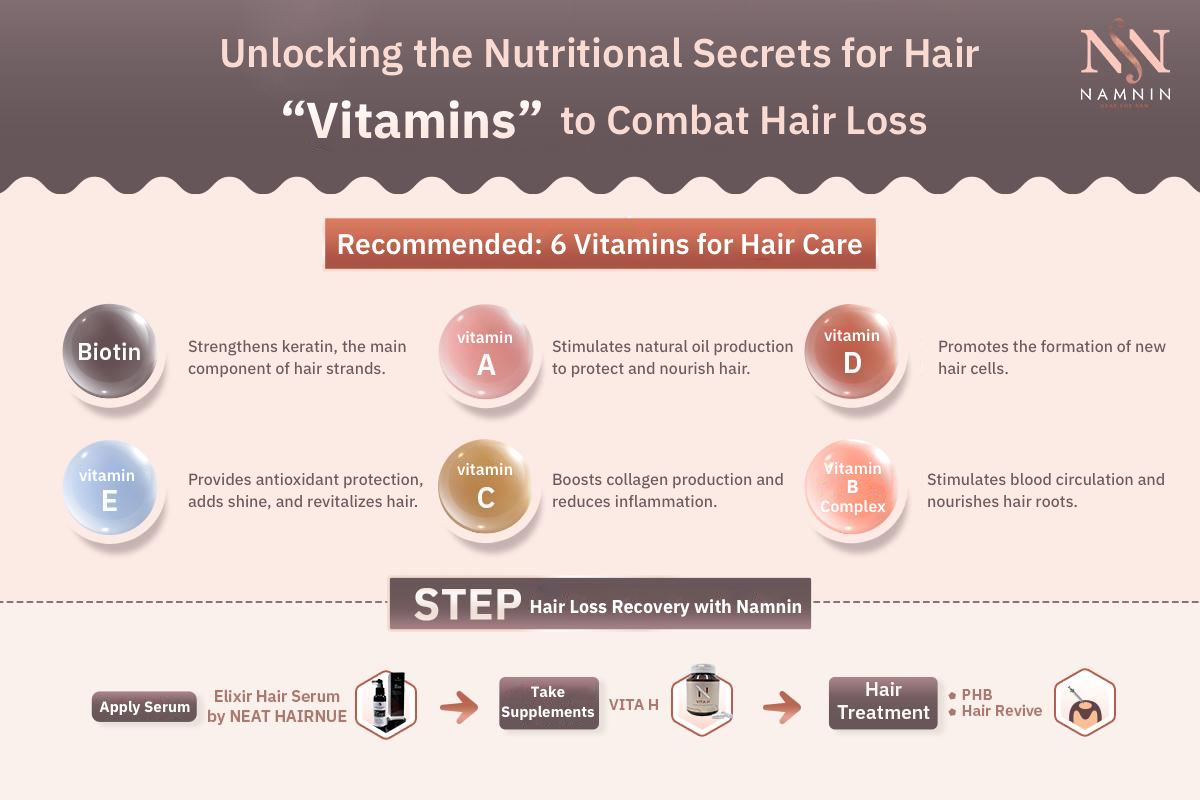
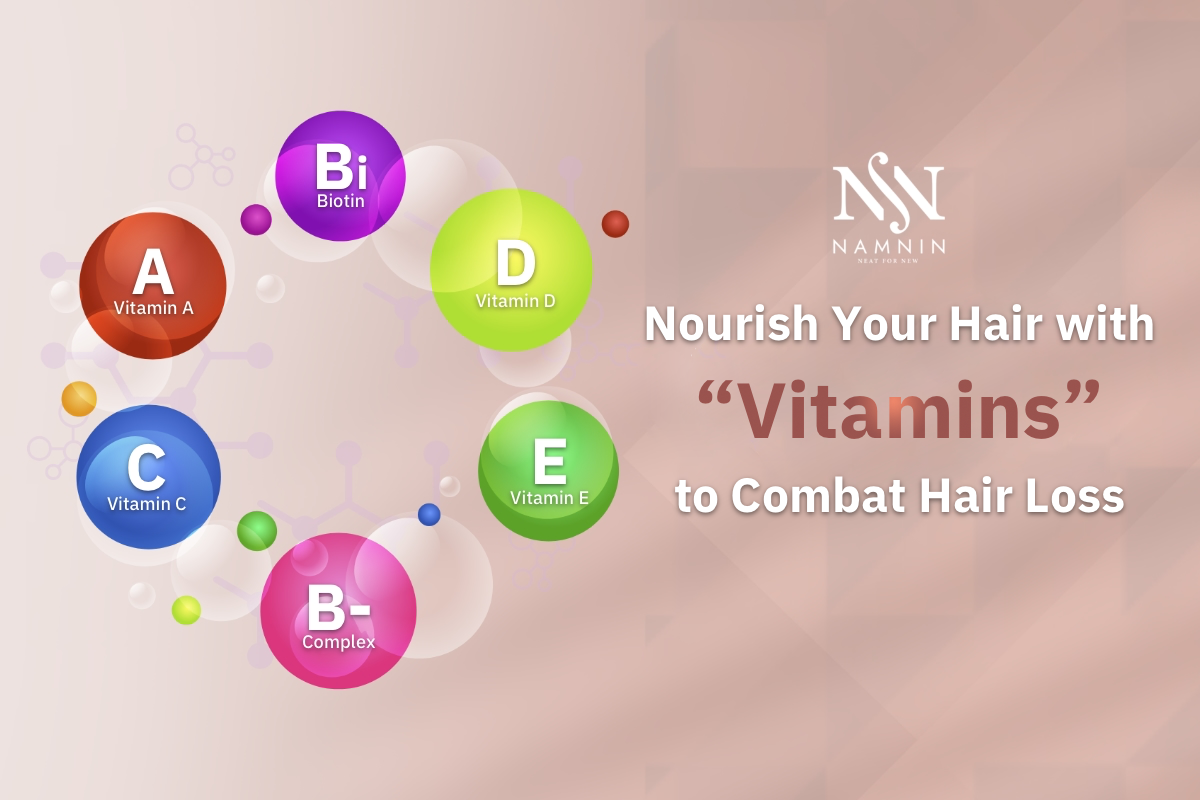
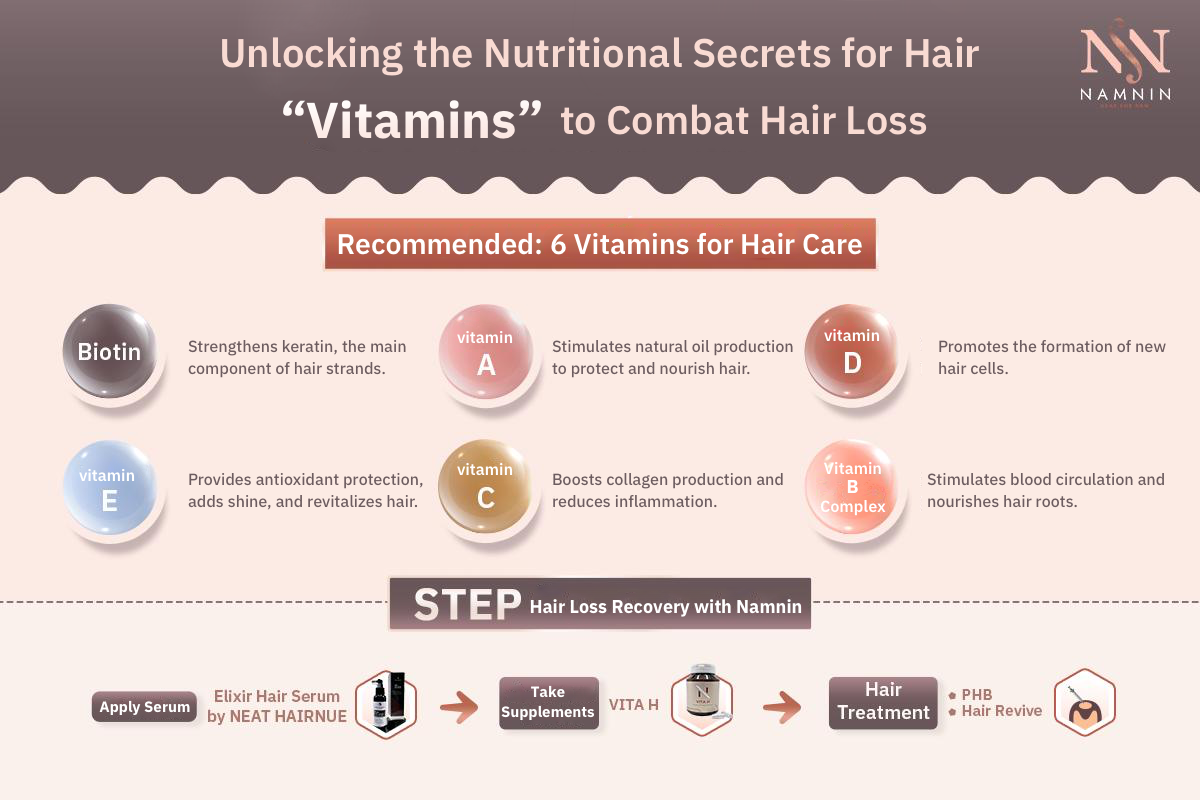
Just like any other part of the body, your hair needs proper nutrition to support healthy cell growth and function. Among the essential nutrients that hair lovers should include in their diet are vitamins, which play a vital role in keeping hair strong and healthy. Sometimes, hair loss can actually be linked to a deficiency in certain vitamins. The good news is you can improve and restore your hair by eating vitamin-rich foods or taking supplements under a doctor’s guidance.


Biotin
Supports the production of keratin, the main protein that makes up hair. It stimulates hair growth, strengthens hair strands, and reduces brittleness, dryness, and breakage.
Food sources: Salmon, eggs, liver, nuts, sweet potatoes, avocado.

Vitamin D
Helps hair follicles function normally, promotes new hair cell growth, and adds shine to hair. A deficiency in vitamin D can increase the risk of patchy hair loss.
Food sources: Milk, eggs, salmon. (You can also get vitamin D naturally by spending a few minutes in the morning sun.)

Vitamin E
Plays a key role in keratin production, acts as an antioxidant, improves blood circulation to the scalp, and keeps hair strong, shiny, and full of life.
Food sources: Meat, milk, eggs, nuts, and whole grains.

Vitamin A
Essential for cell growth throughout the body, helps fight free radicals, and stimulates sebum production (the scalp’s natural oil) to prevent dryness. It should be consumed in the right amounts.
Food sources: Leafy green vegetables, tomatoes, pumpkin, fruits, liver, fish oil, eggs, and milk.

Vitamin C
Boosts collagen production, nourishes hair roots, reduces inflammation, and protects hair from free radicals that can weaken strands and cause hair loss.
Food sources: Oranges, lemons, guava, kale, spinach, cabbage, and cauliflower.

Vitamin B Complex
Improves blood circulation to the scalp and strengthens hair roots.
Food sources: Meat (especially fish), eggs, nuts, and leafy green vegetables.


When good nutrition becomes your hair’s defense against damage and hair loss from within, it’s time to start paying closer attention to what you feed your strands.
A simple step like adding the right vitamins can be your hair’s best love language.
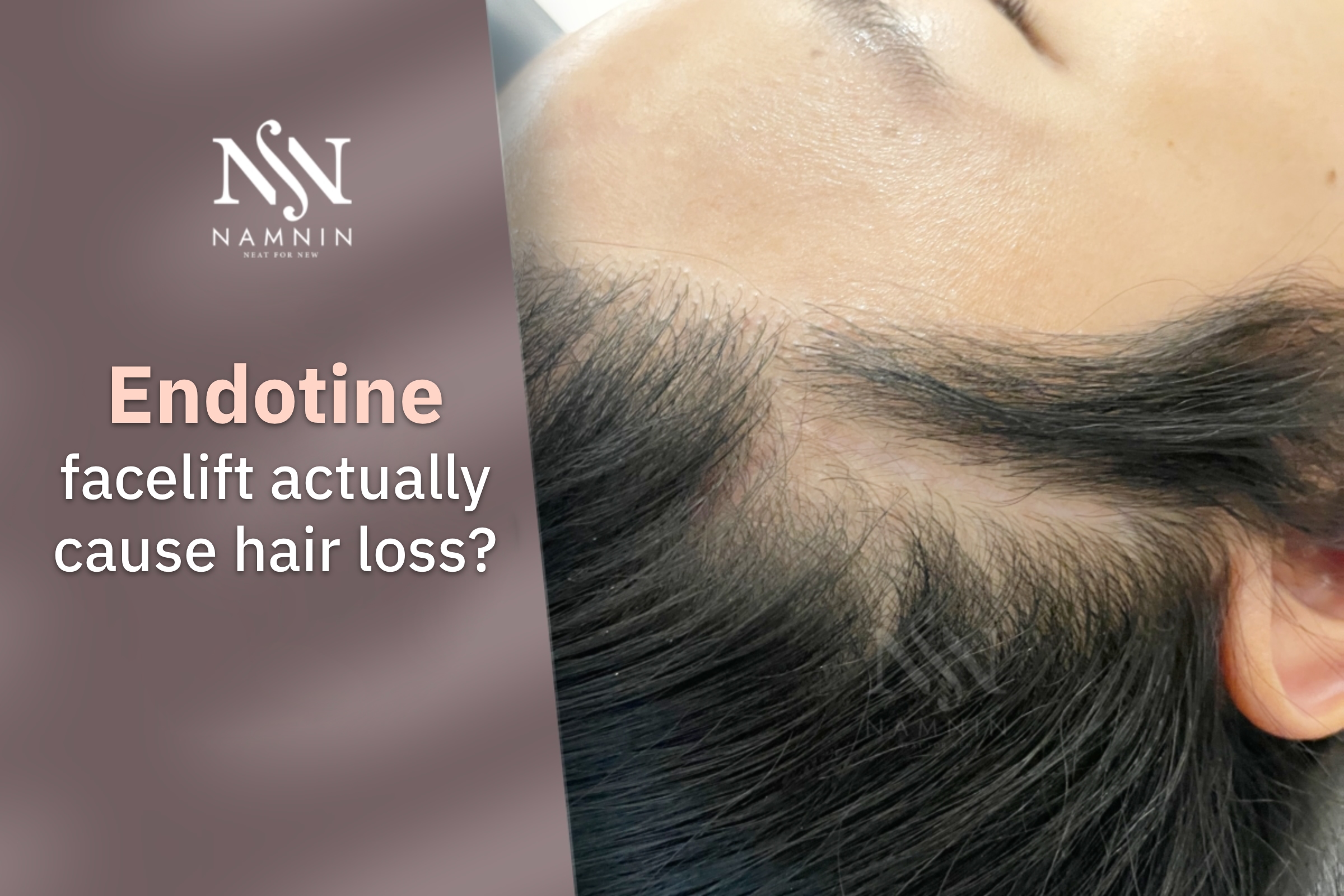
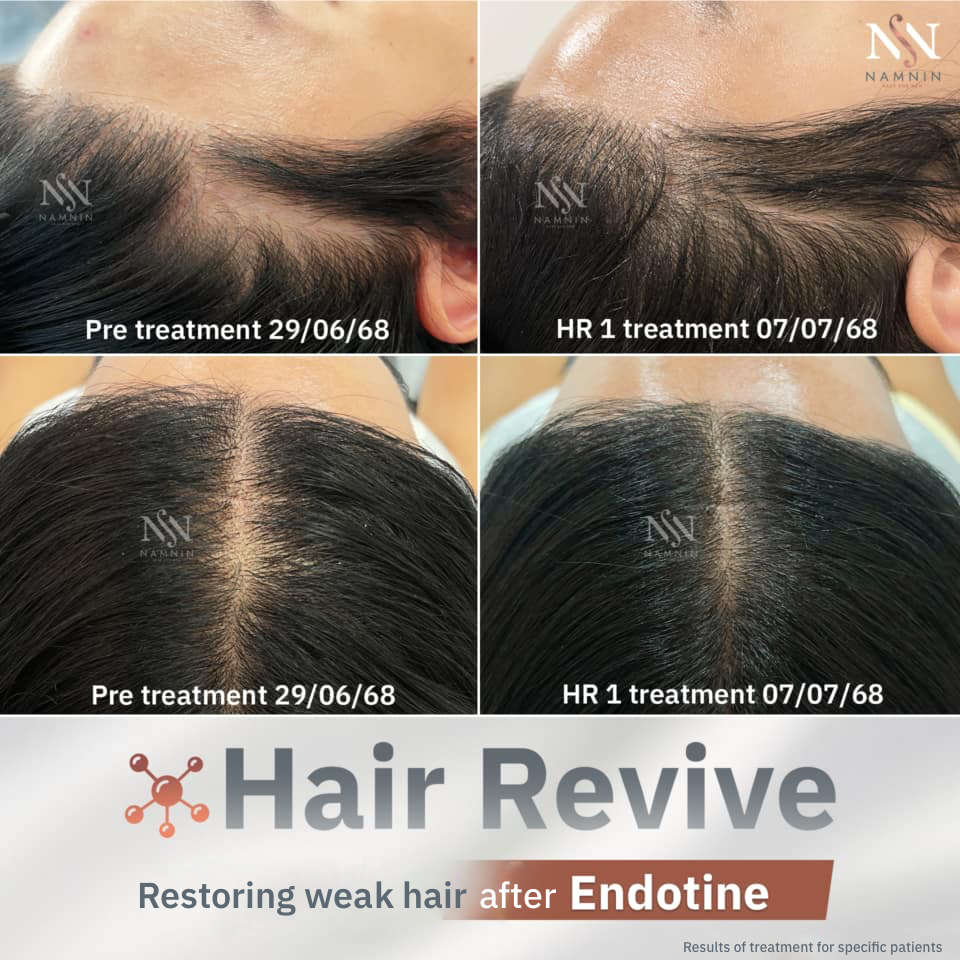
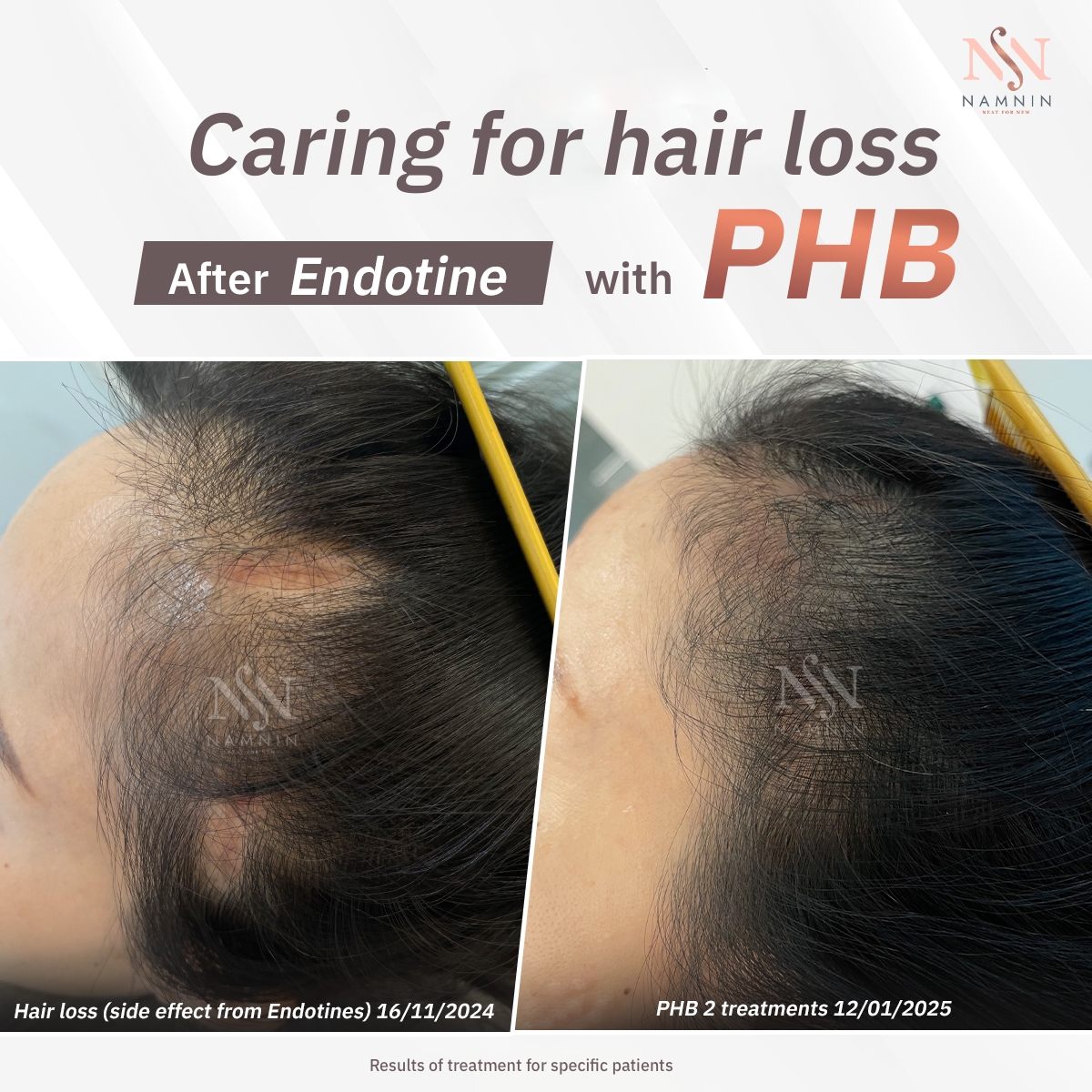
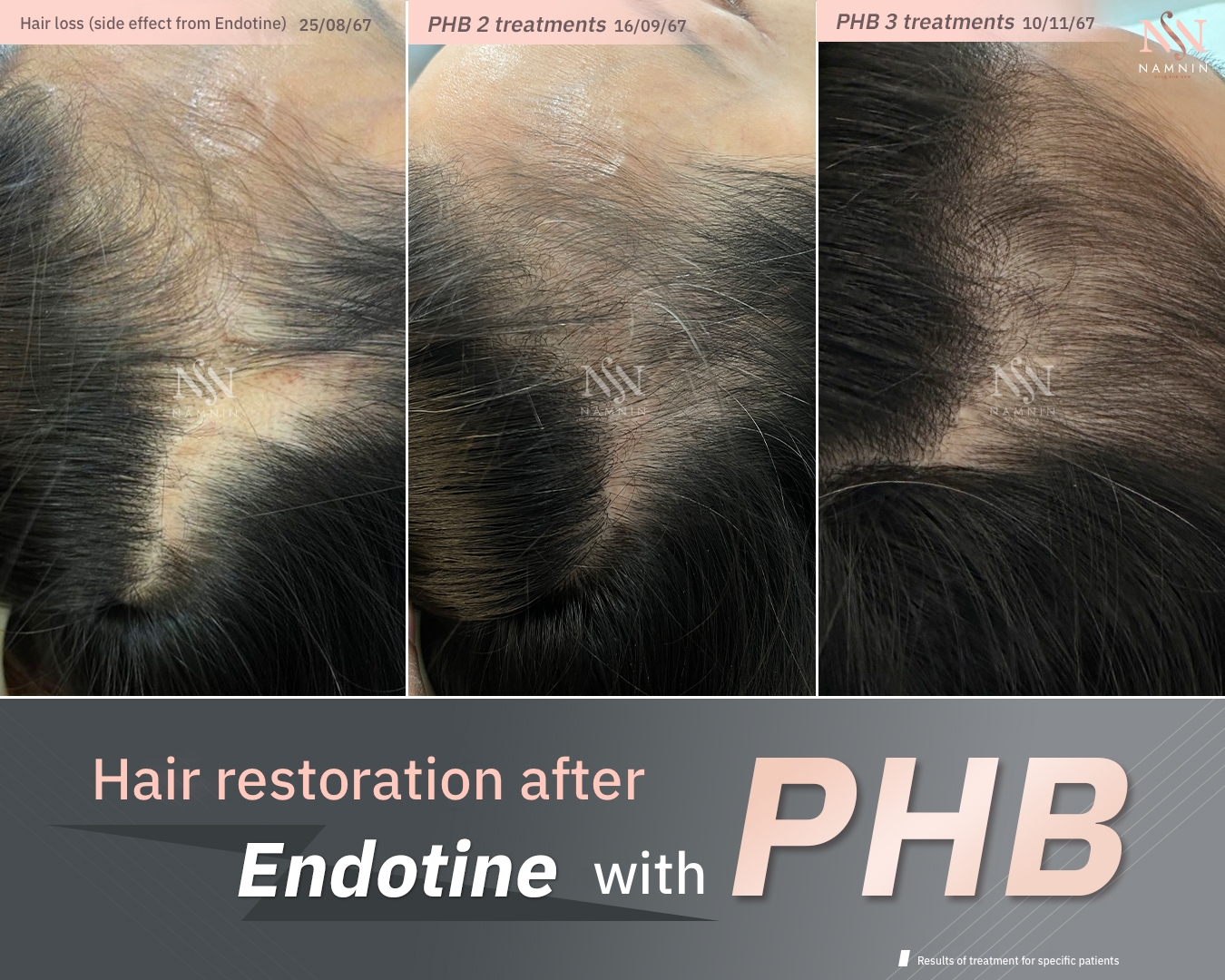
Endotine facelift actually cause hair loss?
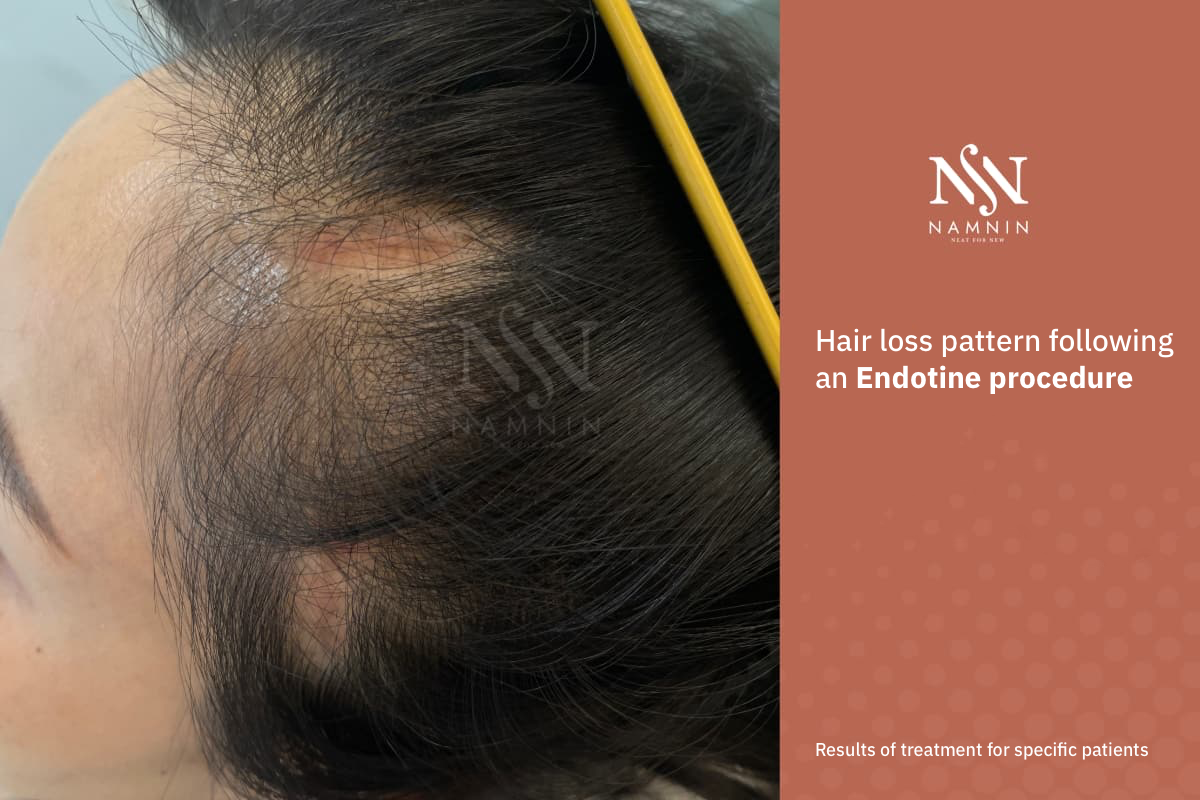
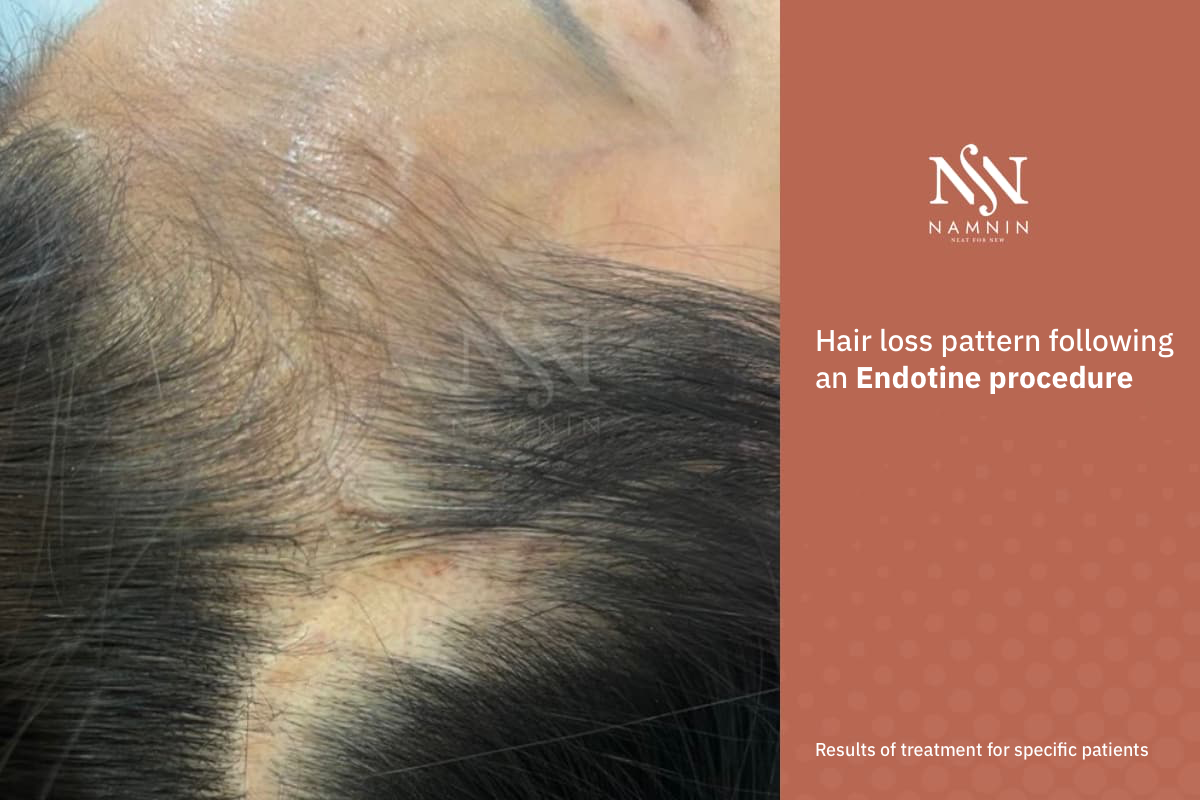
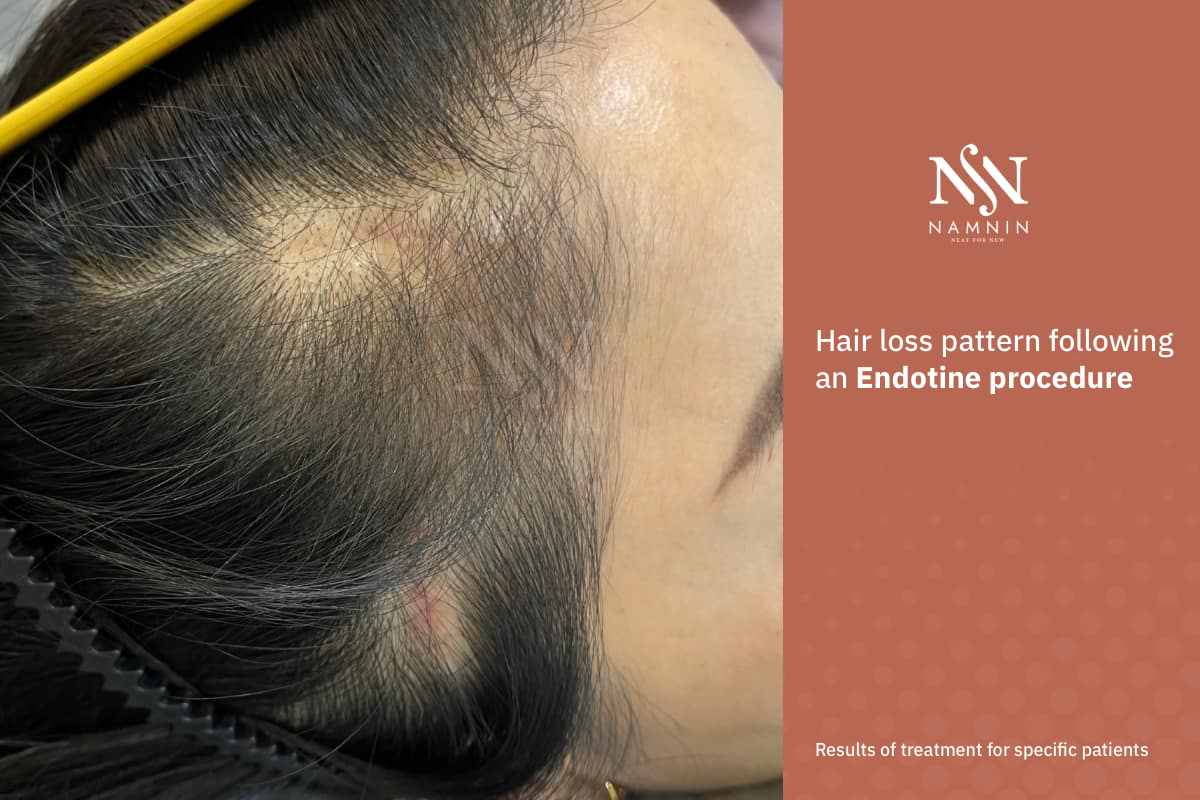
Hair loss after undergoing surgery can occur in some cases. This is because certain surgical procedures require incisions and sutures in the scalp, which may pose a risk of disturbing or affecting the hair follicles in that area, potentially leading to hair loss.

Endotine is a procedure that focuses on addressing issues in the upper part of the face, including the forehead and eyebrows, and it can also potentially impact hair follicles. Endotine refers to a small device or technology used as part of a facelift surgery. It is made from medical-grade materials that naturally dissolve over time. During the procedure, Endotine is inserted under the skin, anchored to the tissue, and helps lift and tighten sagging skin. It can be used to lift various parts of the face, such as the cheeks and chin. However, it is especially popular for lifting the forehead and eyebrows, as it can help reshape the face, reduce wrinkles, and restore a youthful appearance.


Surgical incisions made during an Endotine forehead and eyebrow lift are typically hidden within the hairline. Hair loss can occur if the surgeon lacks experience or sufficient caution during the procedure, potentially causing damage to the hair follicles. Another scenario is when the patient does not properly care for the surgical site after the procedure, which may lead to complications or infection, again harming the hair follicles.


However, if the surgeon chooses appropriate incision placement and takes extra care to protect the hair follicles during surgery, the risk of hair loss can be minimized.

For patients who experience hair loss after an Endotine procedure, there is generally no need to worry. In most cases, hair loss occurs only temporarily, with hair beginning to regrow within 6–8 months. In some cases, hair loss may cover a larger area or last longer. Patients can support recovery by applying hair-loss prevention serums that promote new growth or taking hair-nourishing vitamins rich in essential nutrients.

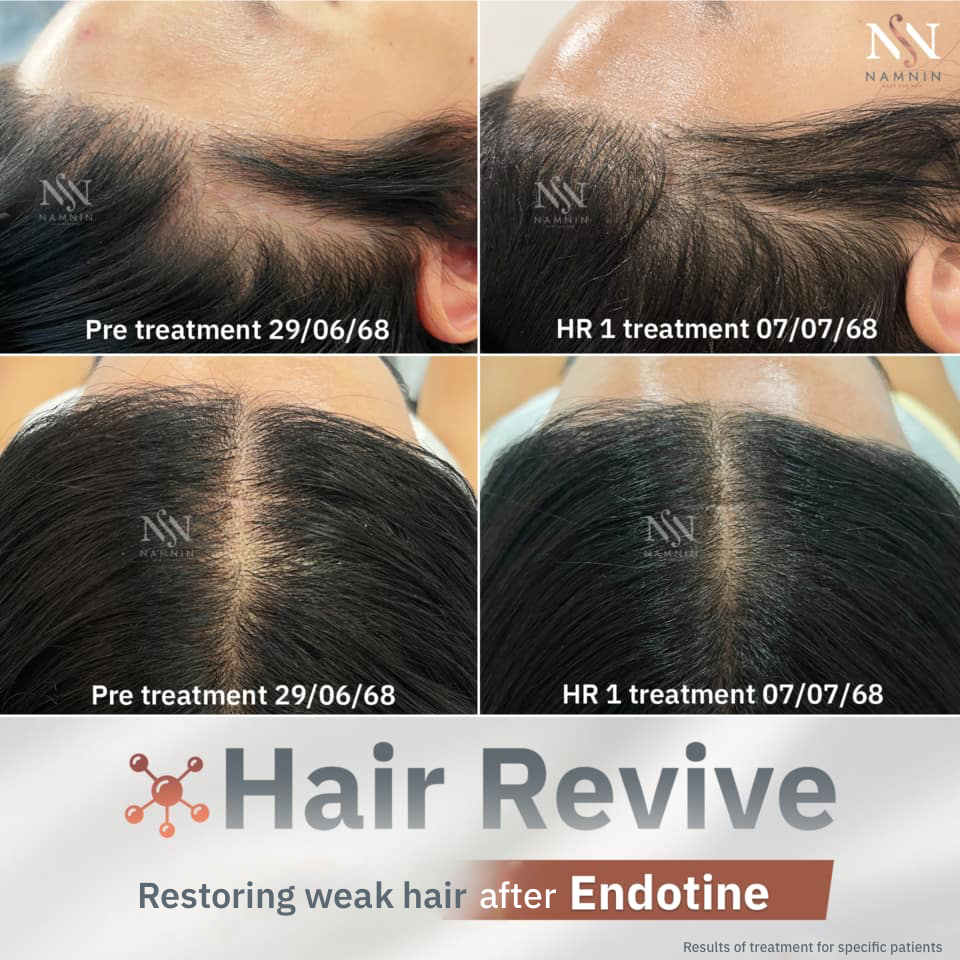
For those seeking faster hair restoration, Namnin currently offers two main hair recovery programs: Hair Revive Program and PHB, both effective but with different methods.

Hair Revive Program
This program helps reduce hair loss and stimulate new hair growth without using the patient’s blood. It uses low-level laser therapy (LLLT) and microneedling to deliver nutrients deep into the scalp.


PHB
This treatment requires the patient’s blood. The blood is processed to separate nutrient-rich components and growth factors, which are then injected directly into the scalp. This method effectively restores hair follicles, reduces hair loss, and stimulates new hair growth. It is suitable for those who want accelerated hair recovery or are beginning to experience thinning hair.


Whether you choose the Hair Revive Program or PHB, both are designed to nourish and strengthen hair follicles, gradually helping hair grow thicker and healthier. The doctor will assess and recommend the most suitable method based on your hair condition and needs.
Hair Revive Program
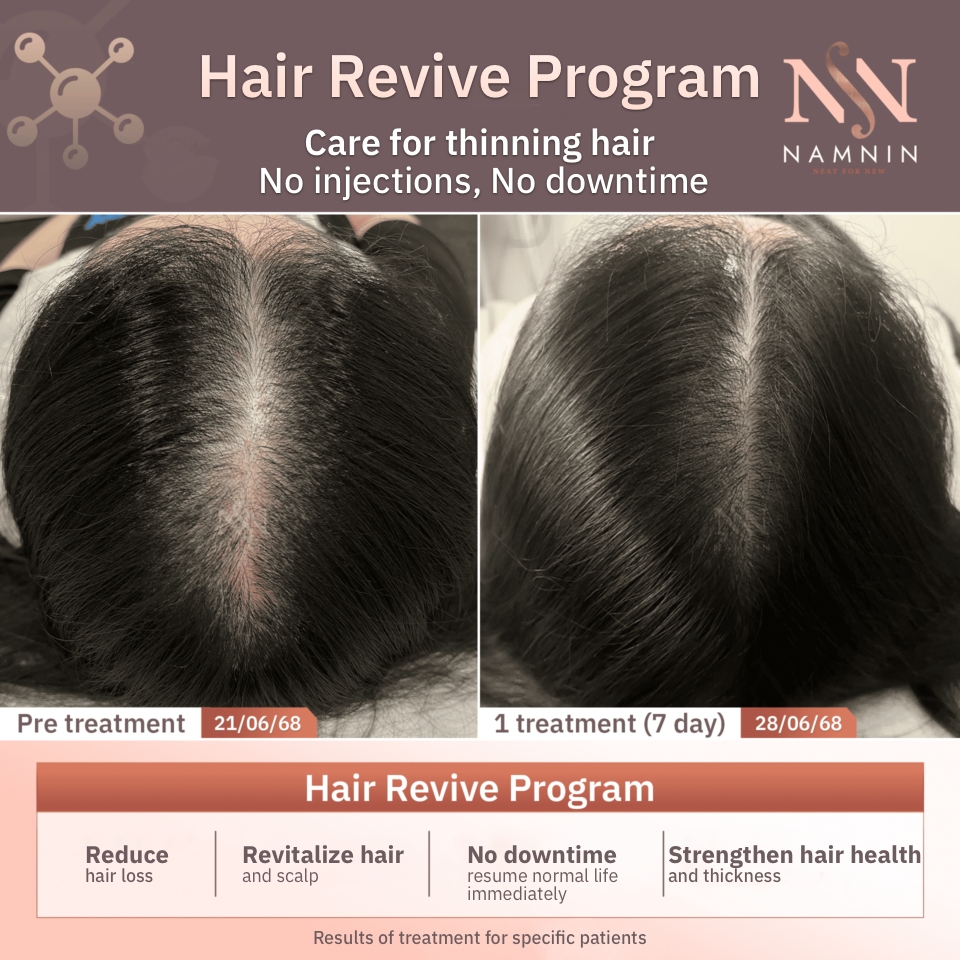
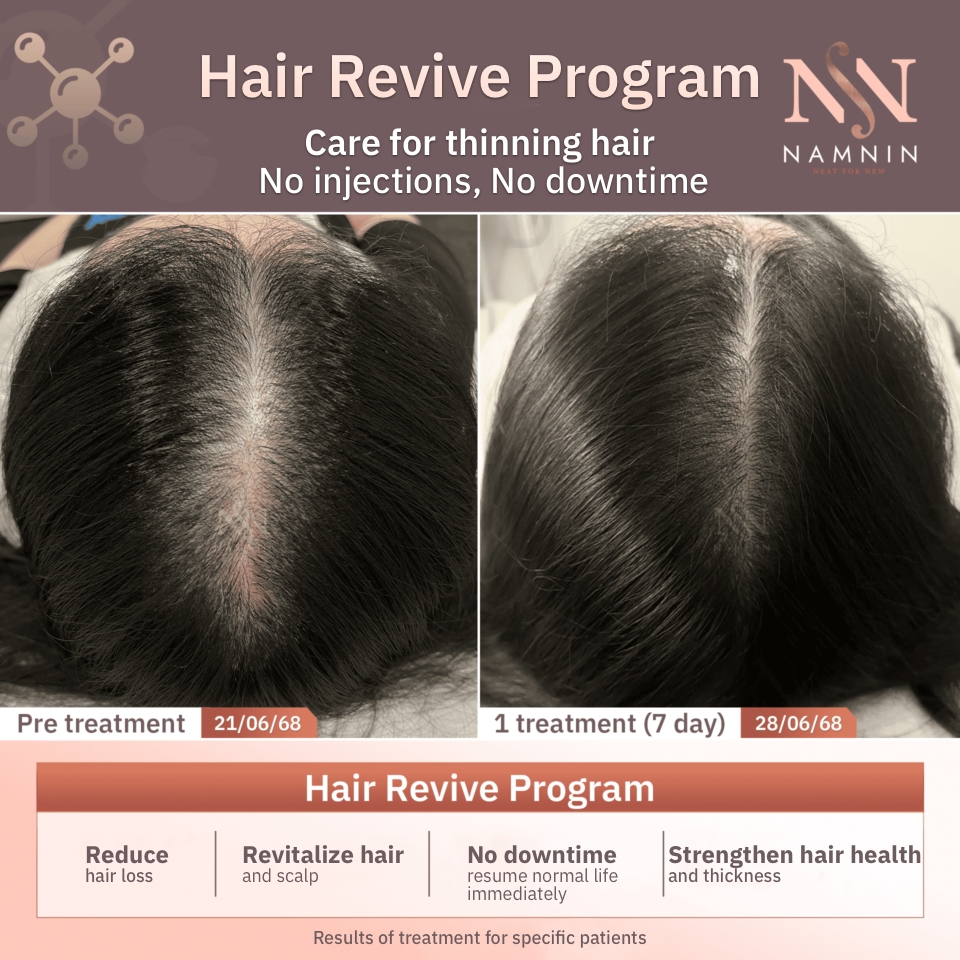
Discover the new Hair Revive Program from Namnin Clinic, designed especially for those who want to address hair loss and thinning hair. This program is the right choice for scalp care, helping reduce hair shedding and stimulating new hair growth. It combines natural extracts with essential nutrients that work together to enhance the health of both hair and scalp.

Who is the Hair Revive Program for?
The Hair Revive Program is suitable for people experiencing hair loss or thinning caused by various factors, such as:

  • Family genetics
  • Hormonal changes
  • Stress
  • Nutritional deficiencies
  • Postpartum condition
  • Hair damage from chemical use

Most importantly, this program is also an option for those who are not comfortable with certain treatments that require using their own blood as part of the procedure. It is also suitable for patients who have undergone a hair transplant, starting from the 4th month onward, under a doctor’s supervision.


Benefits of the Hair Revive Program
  • Reduces inflammation and eliminates bacteria
  • Minimizes hair shedding
  • Revitalizes and stimulates weak hair follicles
  • Improves hair strength and increases hair shaft thickness
  • No downtime required, you can continue daily activities as usual


Things to Know Before Treatment
Preparation before the session:
  • Wash and clean your hair and scalp thoroughly
  • Avoid applying any hair or scalp products
  • Stop using certain medications, such as blood thinners or drugs that may cause skin irritation (consult your doctor before discontinuation)

Steps on the day of treatment:
  • Clinical assessment: The doctor examines hair and scalp condition, evaluating the physical state and scalp inflammation.
  • Low-Level Laser Therapy (LLLT+): Specific wavelengths of laser light stimulate blood circulation and cellular activity.
  • Vitamin and nutrient injections: A blend of vitamins and essential supplements is injected directly at the hairline.
  • Microneedle infusion: A special micro-needle device gently punctures the scalp about 1 mm deep to open micro-channels, delivering the key nutrient Peptide deeper into the skin. This significantly improves nutrient absorption compared to topical application. Microneedling not only enhances nutrient and oxygen delivery to the follicles, but also stimulates the body’s production of collagen and elastin, strengthening hair structure and improving elasticity. As a result, new hair grows stronger, healthier, and less prone to shedding.
  • The full session takes about 45–60 minutes.


Aftercare (within the first 24 hours):
  • Do not wash hair or scalp
  • Avoid additional treatments or applying products on hair and scalp

Treatment Frequency
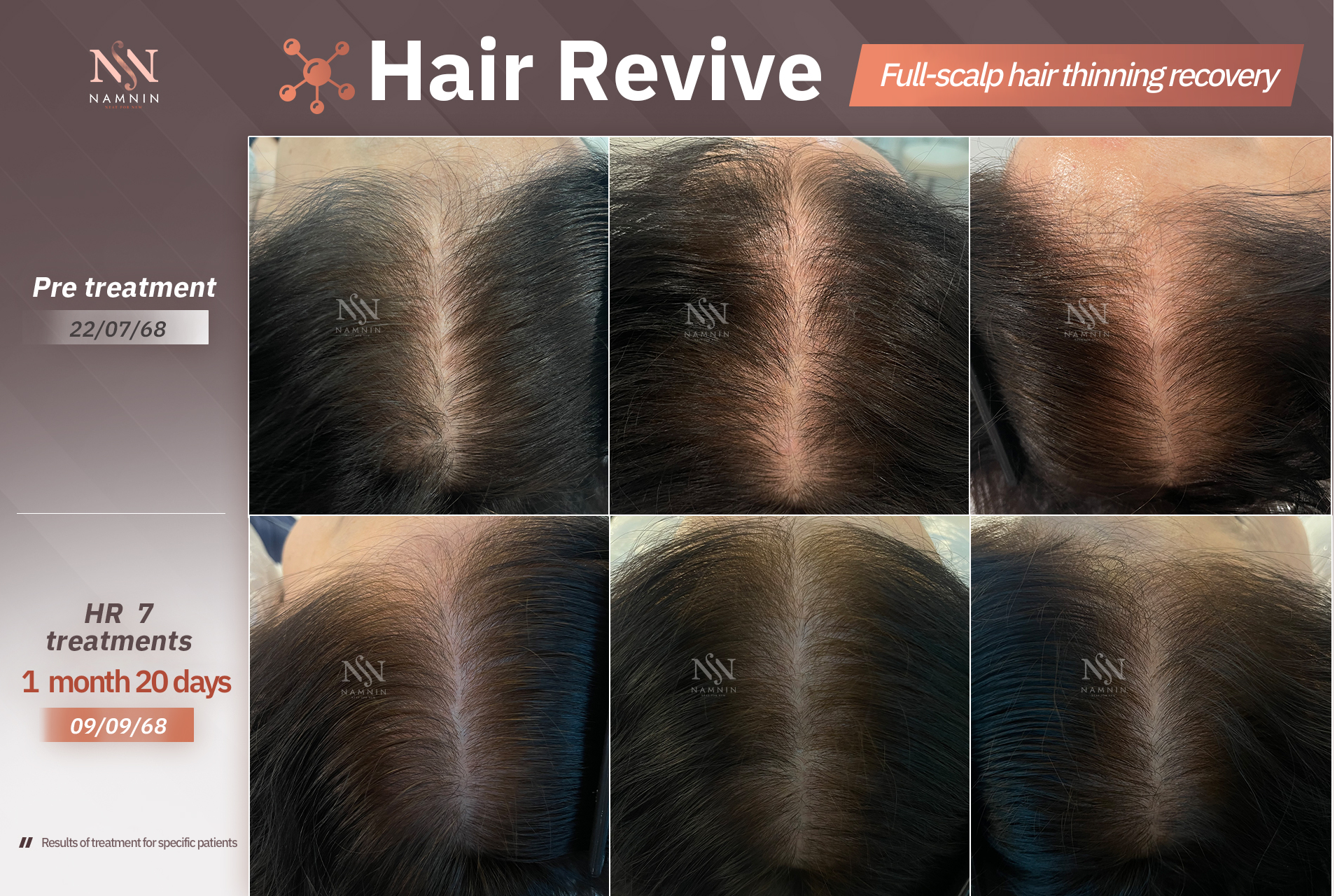
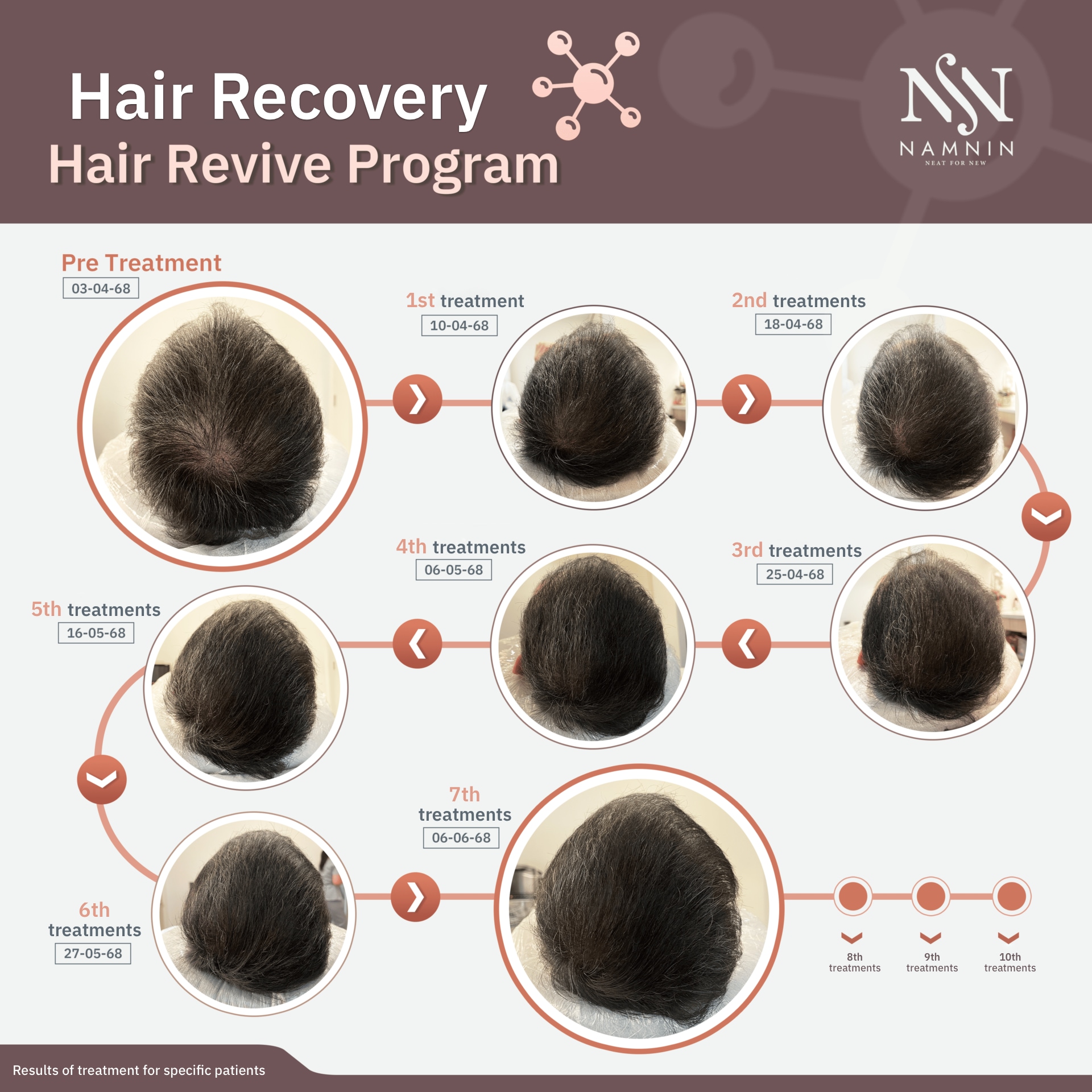
The Hair Revive Program is typically performed every 7–10 days, for a total of 4–10 sessions. The doctor will provide guidance, monitor progress, and recommend the most suitable treatment schedule.
Those interested can consult with Namnin Clinic from today to create a personalized hair care plan tailored specifically to you.