Today, people who pay attention to skincare are likely familiar with and place great importance on the term Skin Barrier, or the skin’s protective barrier. But did you know that for people who care about their hair, whether women or men, there is another term that deserves special attention? That is the Scalp Barrier, or the protective barrier of the scalp.
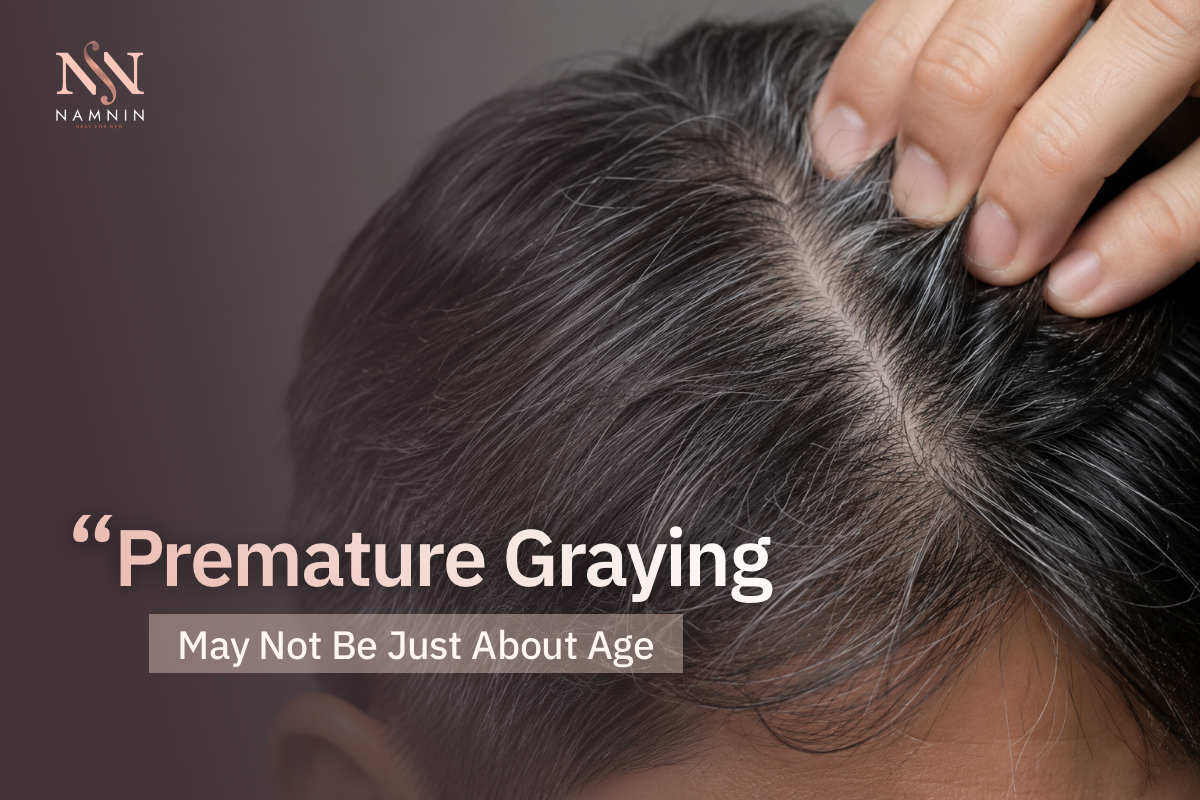
When people talk about nourishing and restoring hair health, the scalp is often overlooked. It is commonly viewed simply as ordinary skin that serves as the area where hair grows. In reality, from a dermatological perspective, the scalp is a complex ecosystem that directly affects the health and strength of the hair, as well as its lifespan and survival, whether it is natural existing hair or newly transplanted hair.
Getting to Know the Scalp Barrier
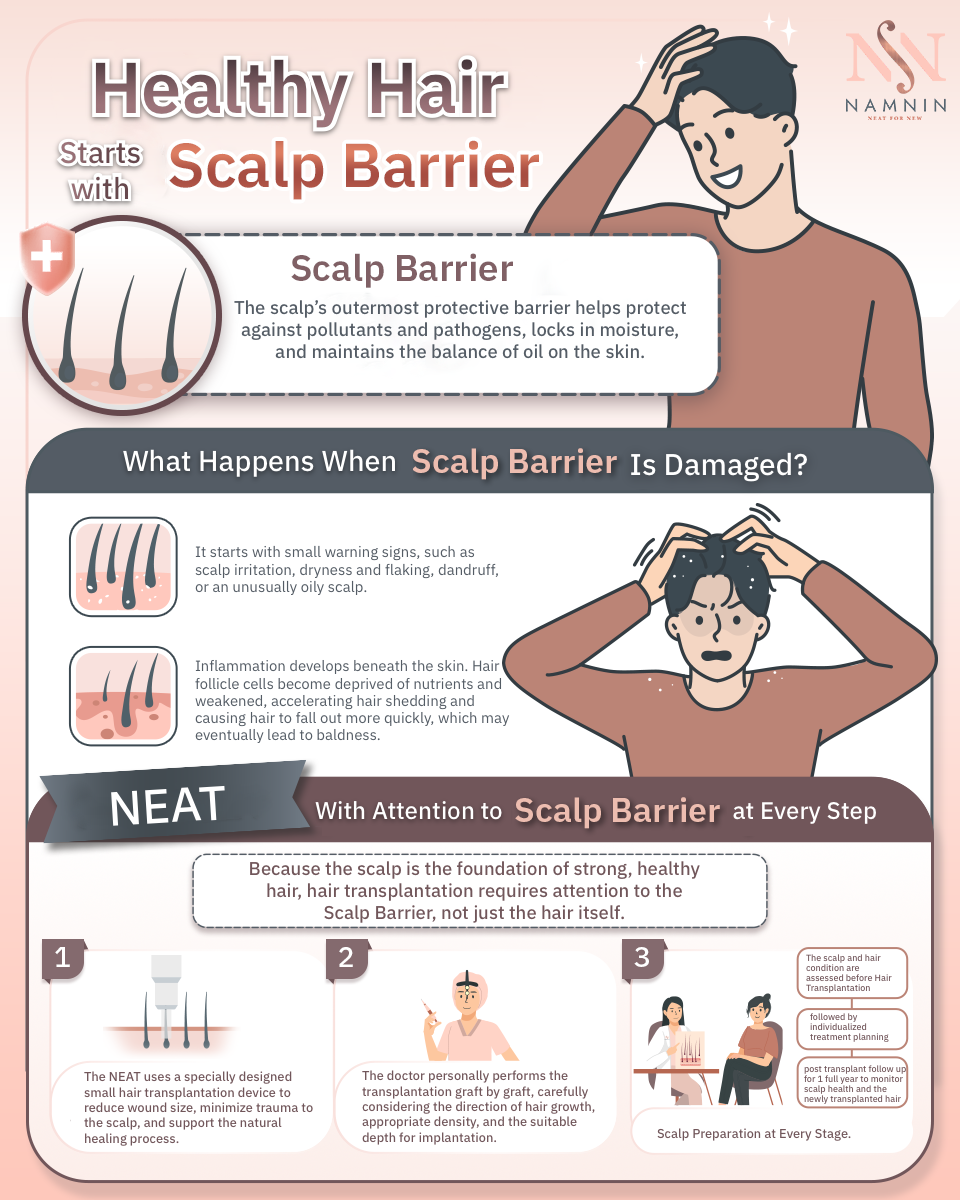
The Scalp Barrier is the outermost protective layer of the scalp, where the natural microorganisms known as the Microbiome, the Hydrolipid Film, and the outermost skin cells work together in balance. Its functions include:
- Protecting the scalp from environmental pollutants, dust, chemicals, as well as fungi and various pathogens
- Locking in moisture beneath the skin to prevent the scalp from becoming dry or flaky
- Maintaining the balance of sebum secretion from the sebaceous glands beneath the hair roots
So, why is the Scalp Barrier important? This outermost protective layer of the scalp is a key factor affecting healthy hair growth. When the Scalp Barrier is strong, it means that the ecosystem or environment surrounding the hair roots is healthy. The capillaries can efficiently deliver nutrients and oxygen to the hair follicle cells, allowing new hair to grow strongly and remain firmly anchored rather than falling out easily. The hair also maintains a longer growth cycle, allowing it to naturally shed and regrow throughout life.
Causes and Warning Signs
When the Scalp Barrier Becomes Weakened
Believe it or not, many men may be experiencing an imbalance of the Scalp Barrier without realizing it. This may be caused by habits that damage the scalp, such as:
- Washing the hair too frequently, which may strip away the natural oils that coat and protect the scalp
- Using Dry Shampoo or styling products continuously without washing them out thoroughly, which may lead to clogged hair follicles
- Using products containing harsh chemicals
- Regularly exposing the scalp to heat, whether from blow drying with excessively hot air or engaging in outdoor activities where the scalp is directly exposed to sunlight without protection
These are signs that the ecosystem of your scalp may be compromised:
- Scalp irritation, itching, or a burning sensation
- A dry, flaky scalp with scales or dandruff
- An unusually oily scalp, as the hair follicles increase oil production to compensate for scalp dryness
- Hair beginning to shed in greater amounts than usual, or more than 100 strands per day
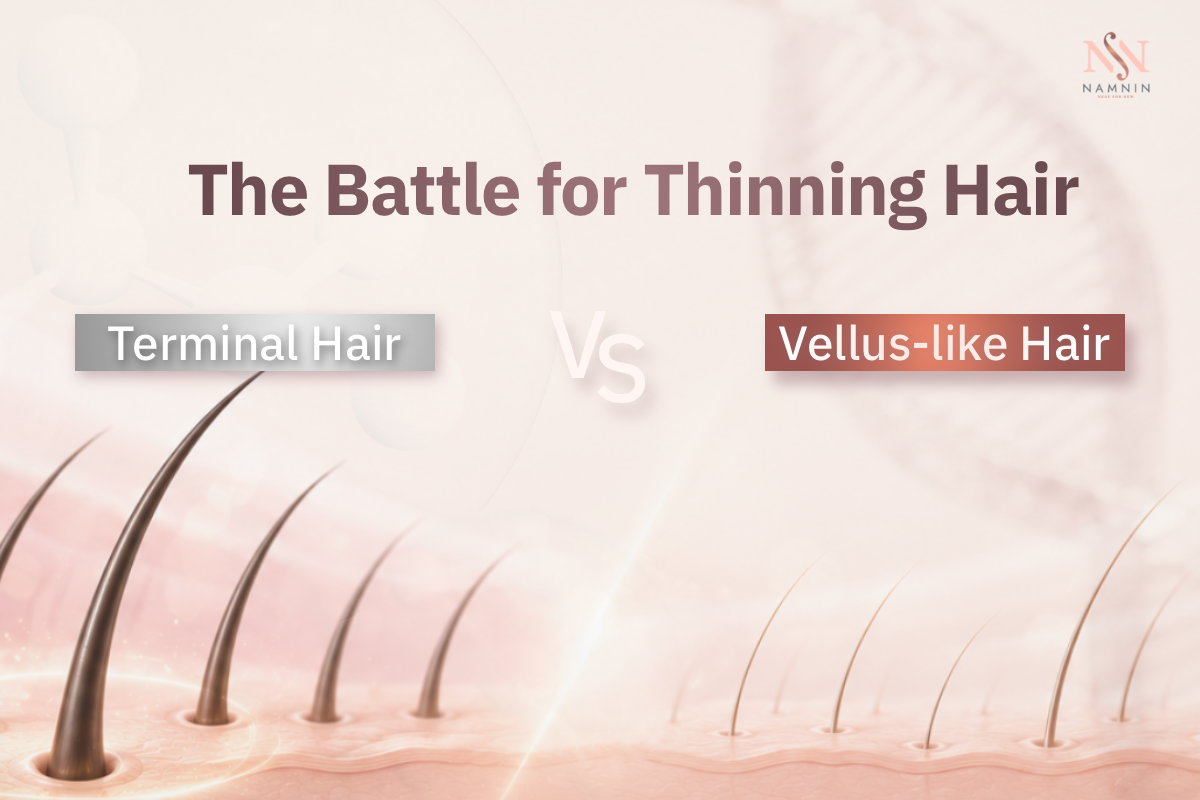
- Newly growing hair appearing increasingly smaller, thinner, or lighter in color
Why does neglecting the Scalp Barrier have a greater impact on hair health than you might think? When this layer of the scalp becomes weakened, it means there is less of a protective barrier to prevent pollutants or pathogens from penetrating beneath the skin. This can trigger chronic inflammation beneath the scalp. More importantly, this inflammation is not easily visible from the outside, so we may not realize that the hair follicle cells are being damaged. Fibrosis can develop around the hair follicles, causing the capillaries to constrict and preventing them from delivering nutrients to the cells as efficiently as before.
When the hair roots are deprived of nutrients, the resulting effect is an accelerated hair cycle. The growth phase of the hair, known as the Anagen Phase, becomes shorter, causing the hair to enter the resting and shedding phase, known as the Telogen Phase, earlier than it should. At the same time, the hair roots gradually become smaller through a process known as Miniaturization, potentially reaching a point where they permanently stop producing hair.
Scalp Barrier and Hair Transplantation
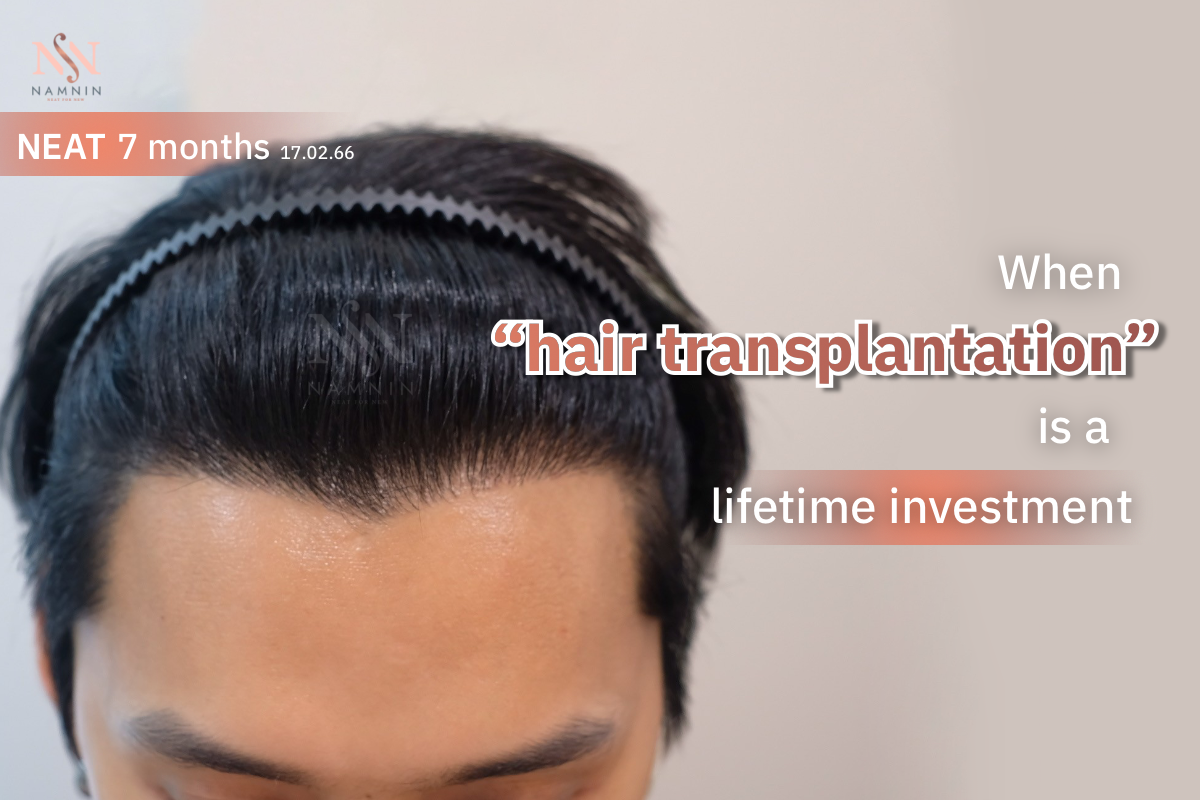
Naturally, people undergoing hair transplantation expect their newly grown hair to be healthy, strong, and resistant to shedding. This is what makes the investment in hair transplantation worthwhile. One important point Namnin would like to emphasize is that caring for and nourishing the hair itself may not be enough. Paying attention to the health of the Scalp Barrier alongside hair care is another factor that can support the survival of newly transplanted hair.
Hair transplantation is not simply a matter of moving hair grafts from the back of the scalp and implanting them in a new area. Even when we have high quality donor grafts, comparable to healthy seedlings, if the scalp, like the soil, lacks the right environment, the seedlings cannot establish strong roots and continue to grow.
The Scalp Barrier also plays an important role both before and after hair transplantation. If the scalp is inflamed, red, or has chronic dandruff before transplantation, implanting new hair grafts may reduce their survival rate. Especially during the post transplant period, the scalp needs a healthy ecosystem to promote faster wound healing, help the new hair roots become firmly established, and support continued growth without the risk of premature shedding.
NEAT Designed to Support Scalp Barrier Care
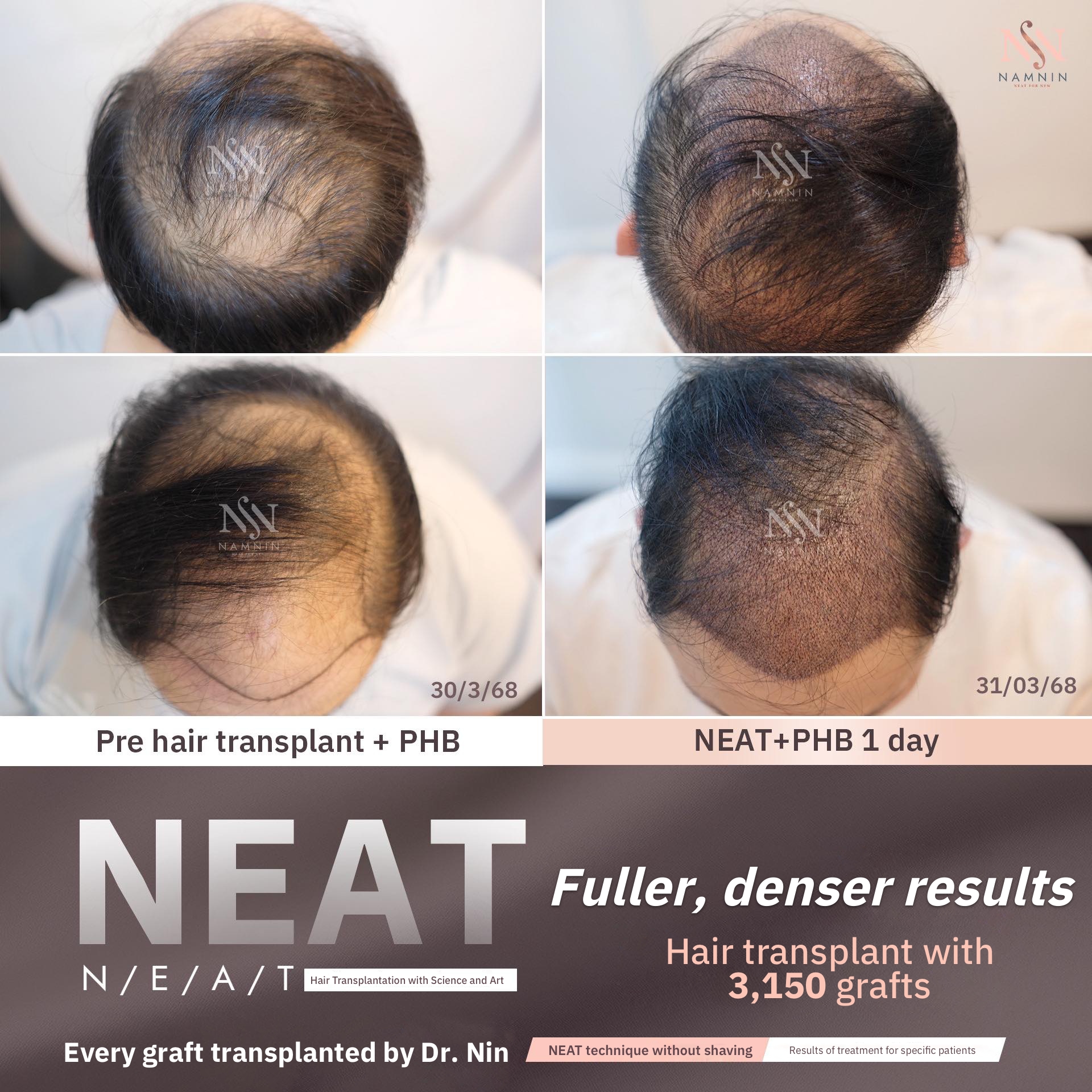
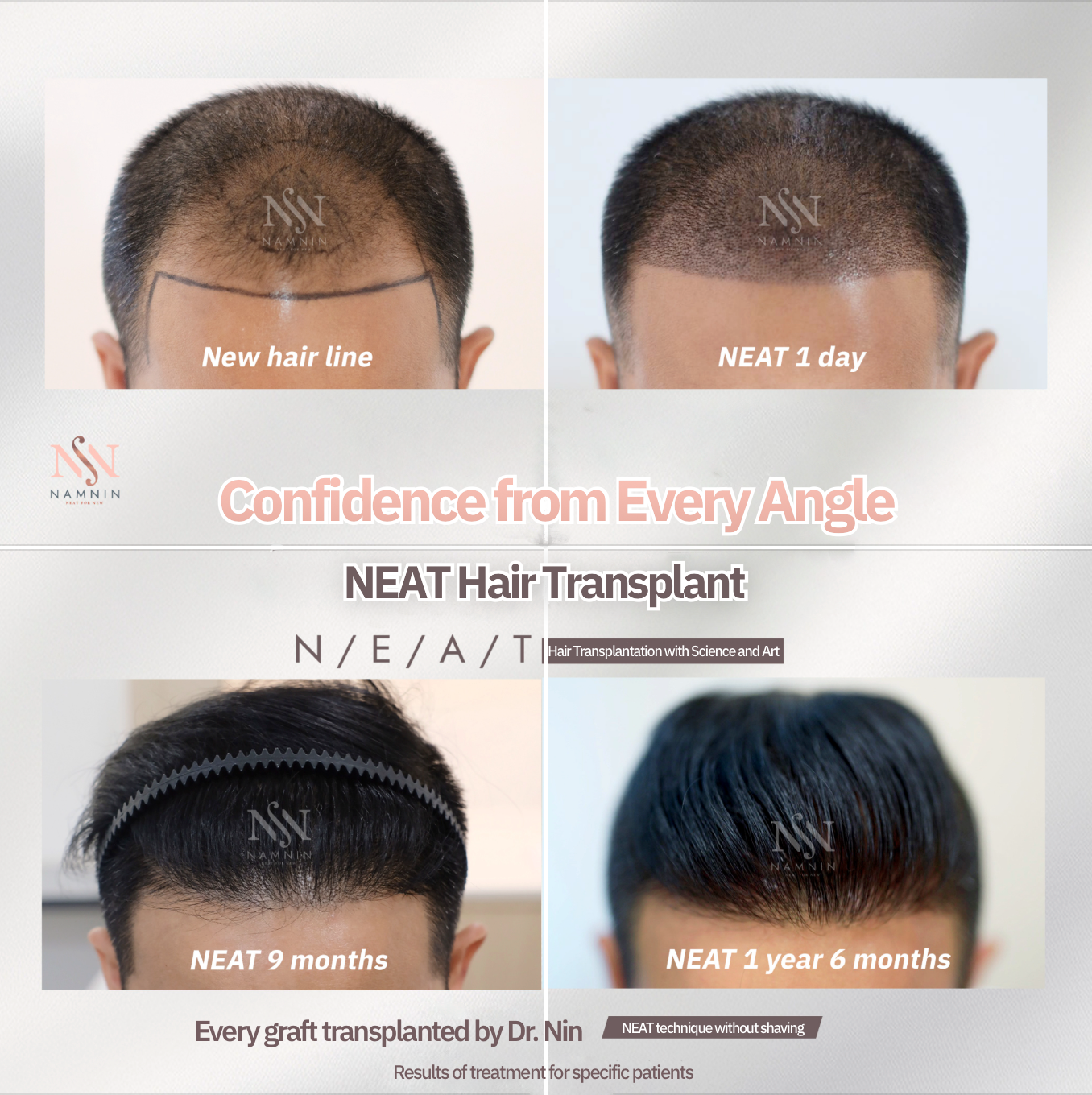
The NEAT Technique from Namnin is a permanent hair transplantation technique that takes the condition of the scalp into consideration at every stage. It is based on combining an artistic perspective with medical knowledge, with an in depth understanding of the biology of the scalp.
- Designed to Minimize Scalp Trauma
For the NEAT hair transplantation, the doctor uses a specially small implantation device measuring only 0.6 millimeters. This helps preserve the scalp by minimizing the size of the wounds, reducing bleeding, minimizing trauma to the Scalp Barrier, and supporting a faster natural healing process.
- The Doctor Personally Transplants Every Hair Graft
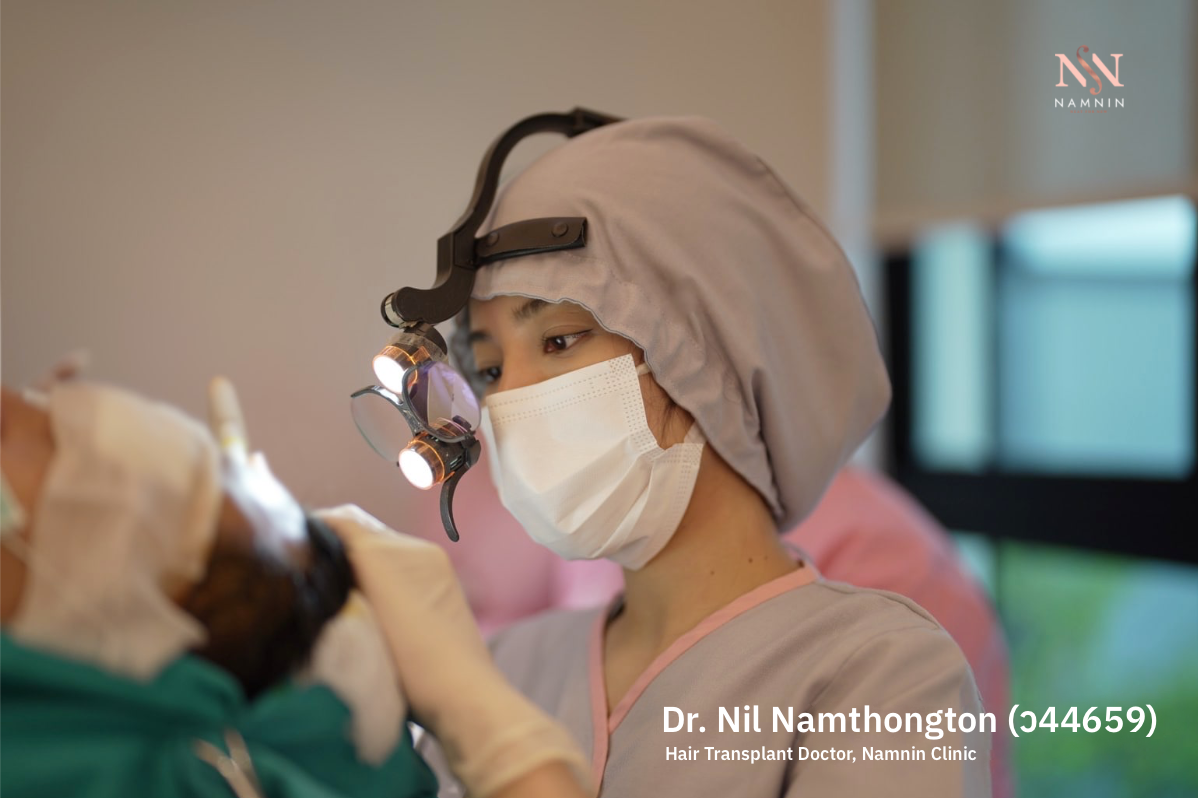
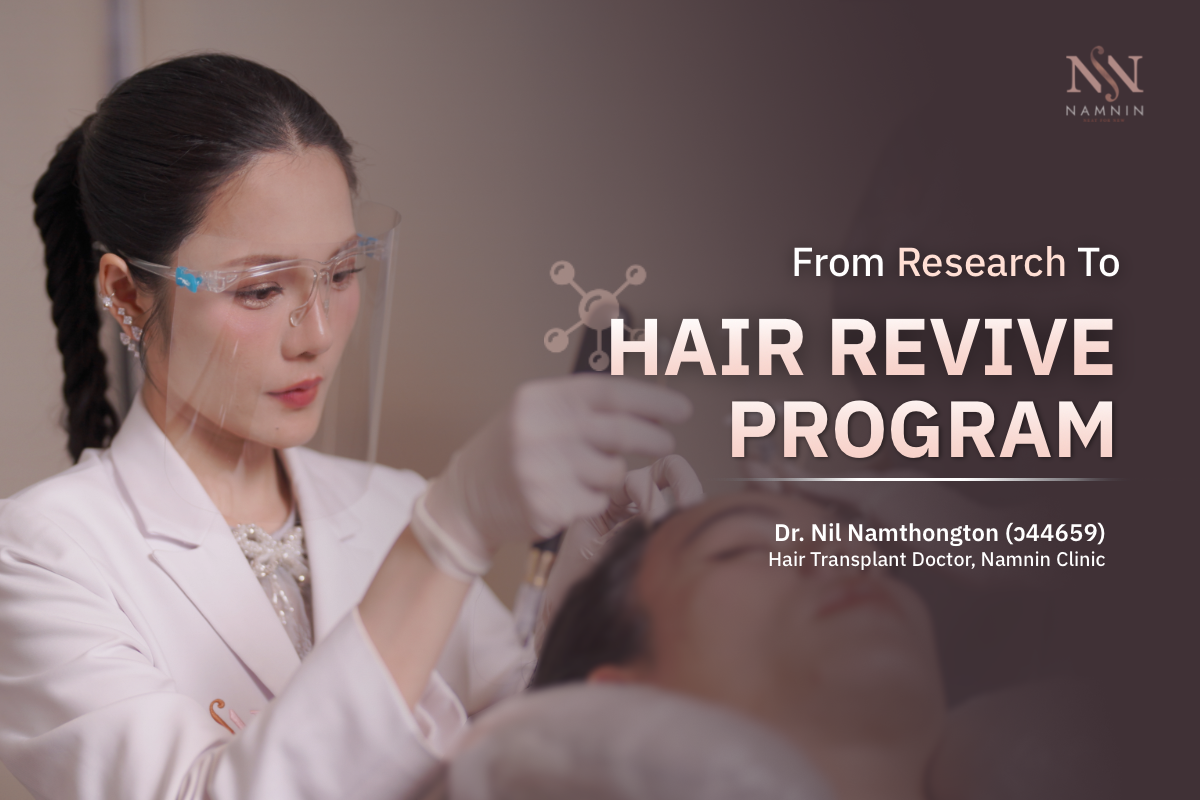
Namnin’s doctor does not simply oversee every stage of the hair transplantation process, but personally performs the transplantation graft by graft and hair by hair. Each graft is selected and trimmed appropriately for the recipient area before being carefully implanted. The direction of the newly transplanted hair is aligned with the existing hair, while the depth and density are carefully controlled to support appropriate hair growth.
- Preparing the Scalp at Every Stage
The doctor also places importance on the scalp health of each hair transplant patient throughout every stage, from evaluating the scalp and hair before transplantation and developing an individualized treatment plan to post transplant follow up. This involves long term care for up to 1 year to ensure that the patient’s scalp has a healthy and sufficiently strong Scalp Barrier to support hair growth.
Our scalp is therefore the foundation of every aspect of hair care, from preventing hair loss and undergoing various treatments to permanent hair transplantation. If you are experiencing hair loss or thinning hair, you can consult with a doctor at Namnin Clinic, beginning with a detailed assessment of your hair and scalp. This is the most important first step before developing a treatment plan together, with a patient centered approach, for healthy and fully developed new hair.