Traction Alopecia: Hair Loss Caused by Chronic Tension That Should Not Be Overlooked
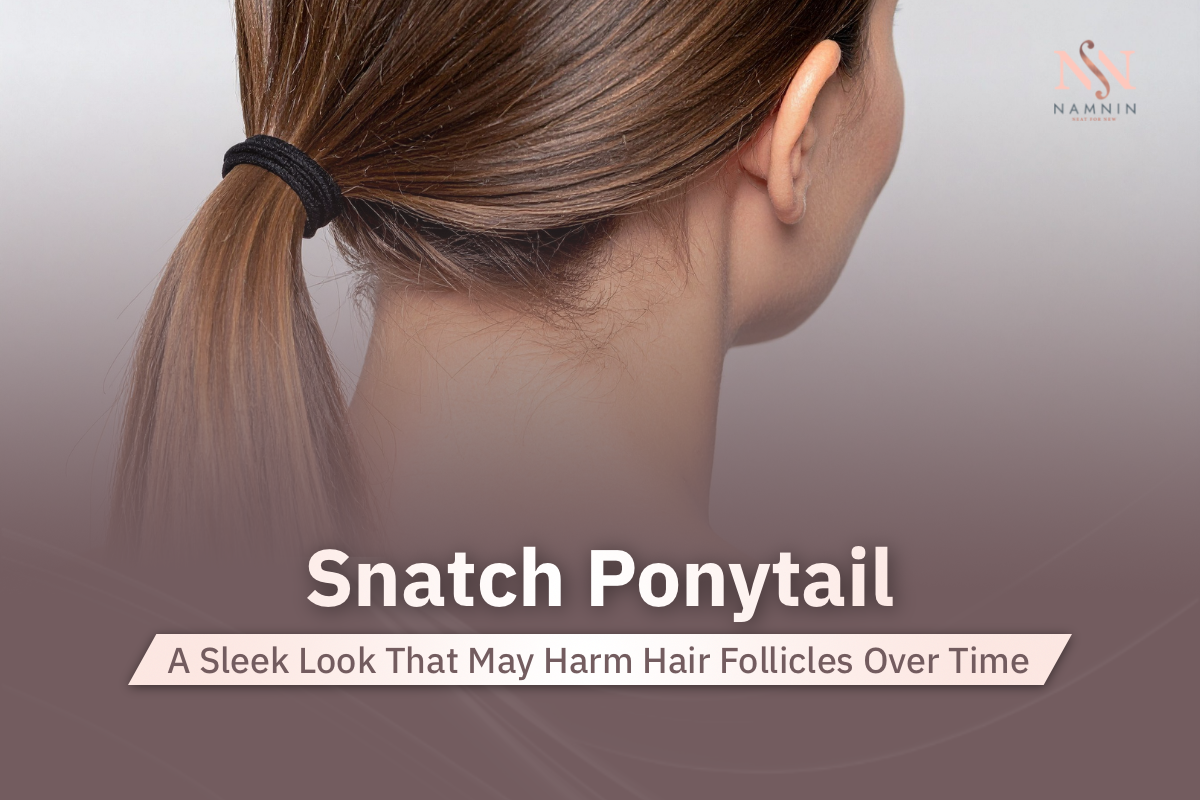
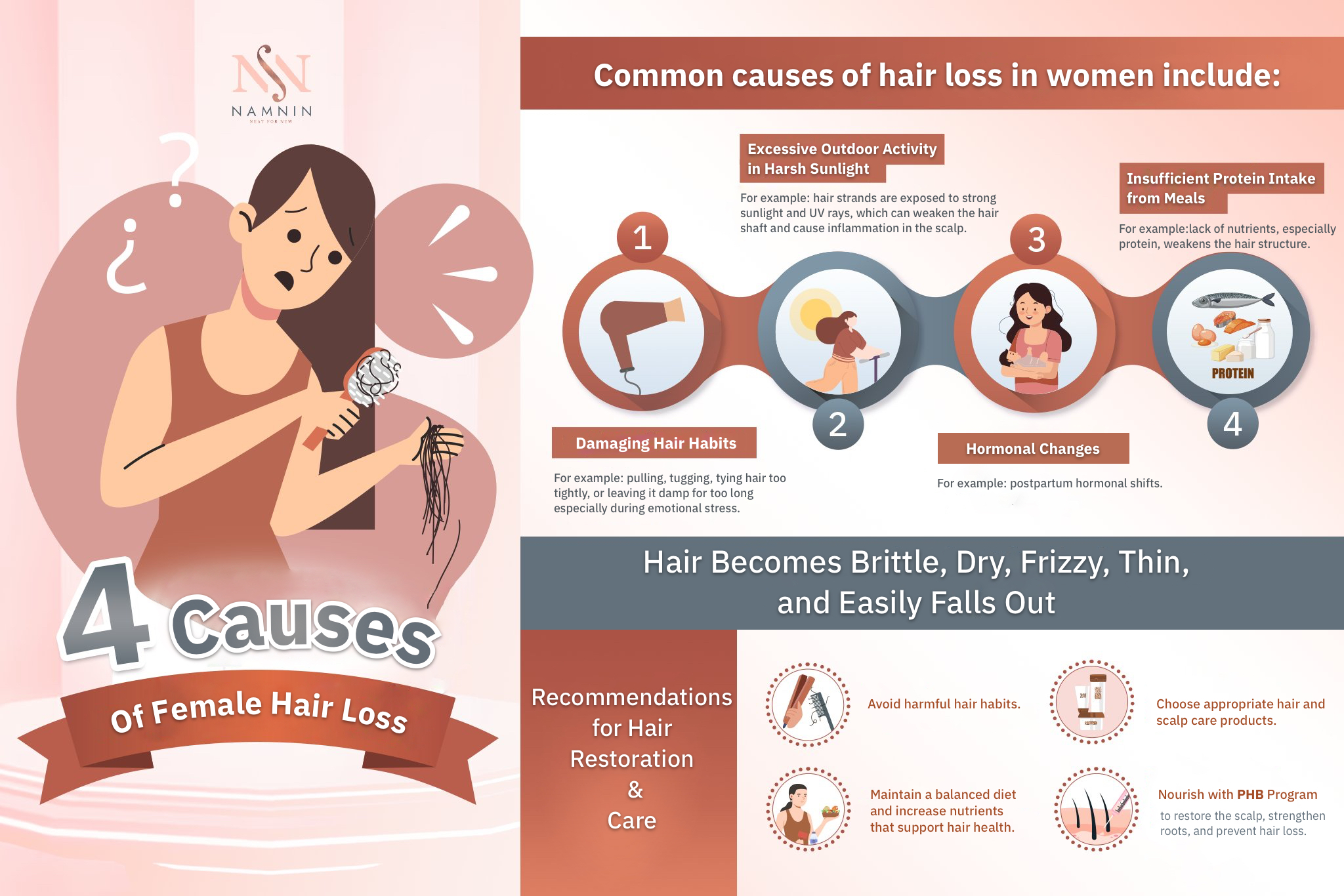
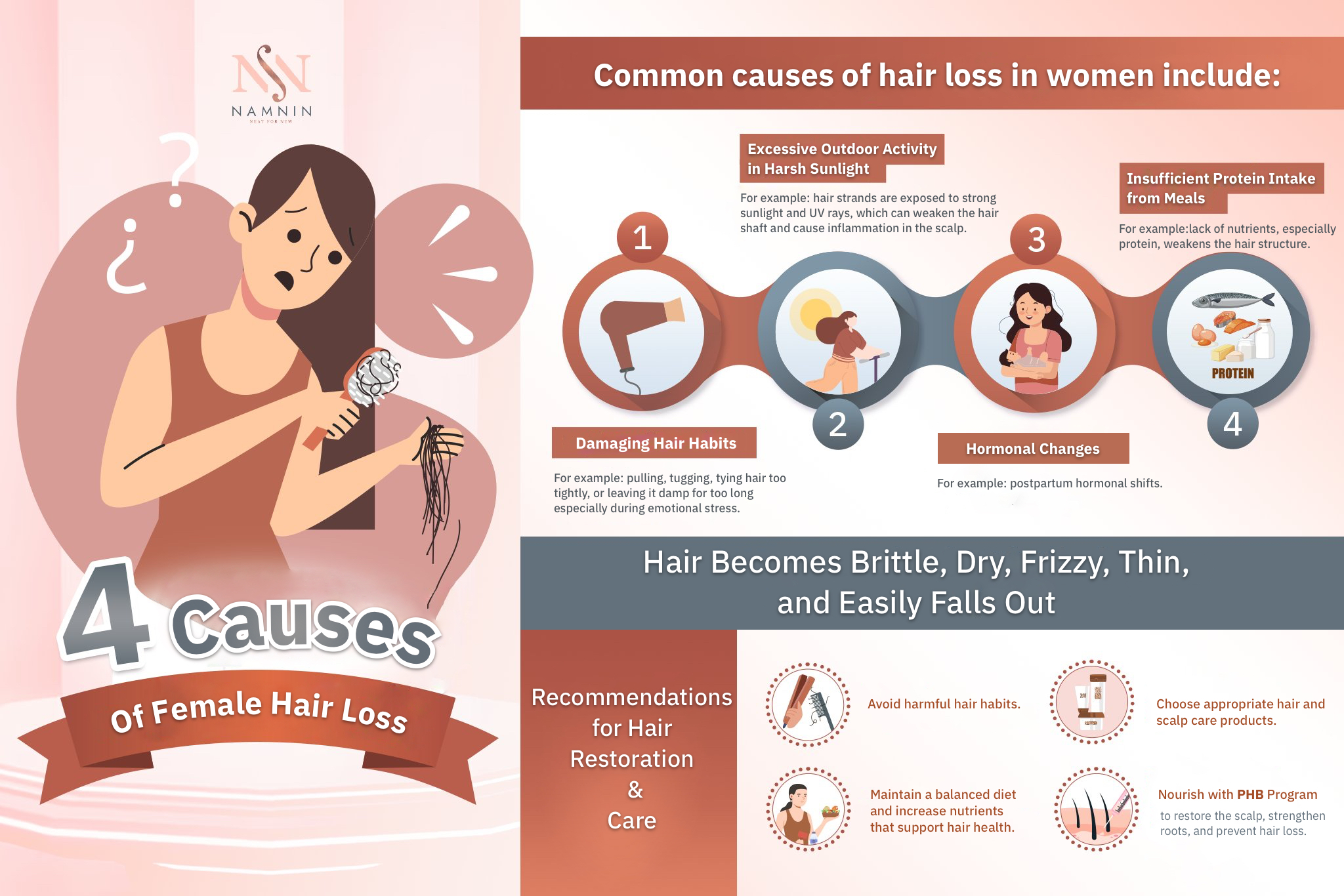
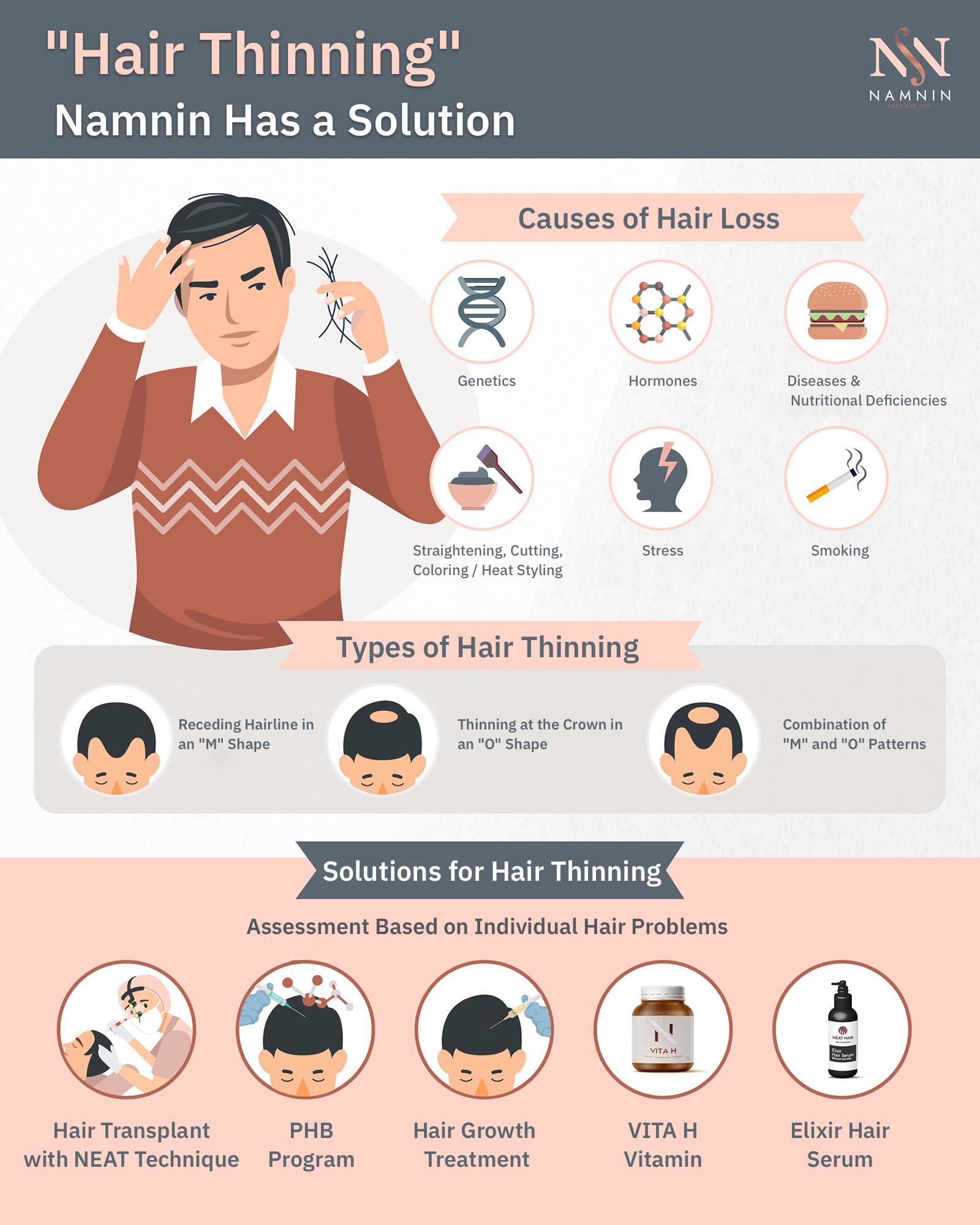
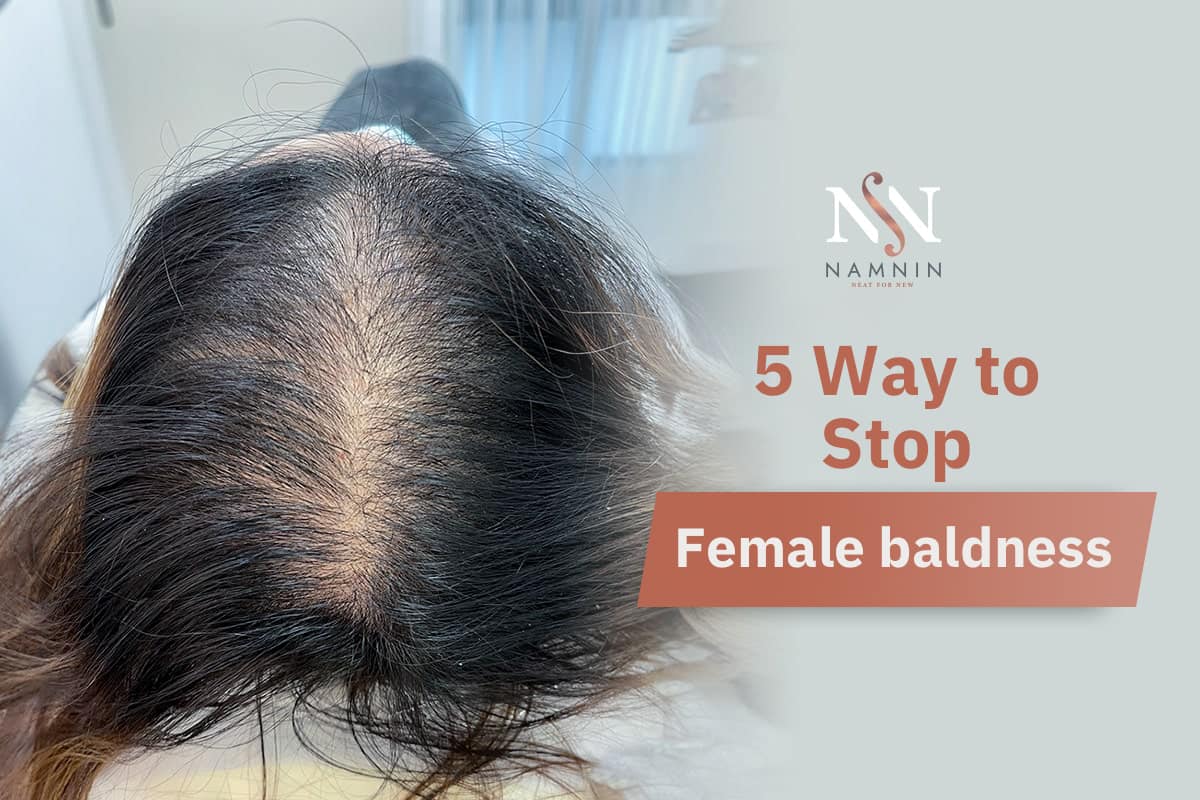
A tightly pulled ponytail, often referred to as a Snatch Ponytail, has become a symbol of elegance, sophistication, and confidence among modern women. However, beneath its polished appearance, the scalp and hair follicles may be subjected to continuous mechanical tension without noticeable symptoms. From a medical perspective, this repetitive tension is recognized as one of the major causes of hair loss that can affect people of all ages and ethnicities, particularly women who regularly wear tightly pulled hairstyles.
What Is Traction Alopecia?
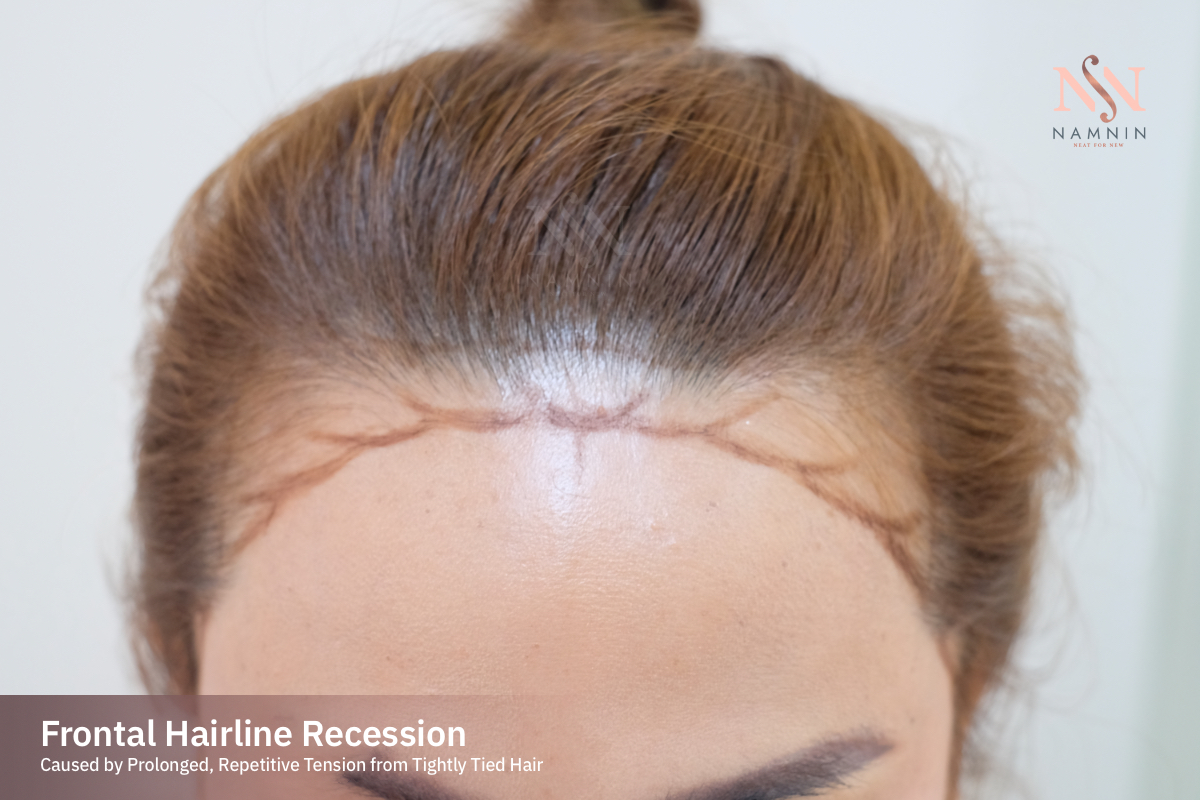
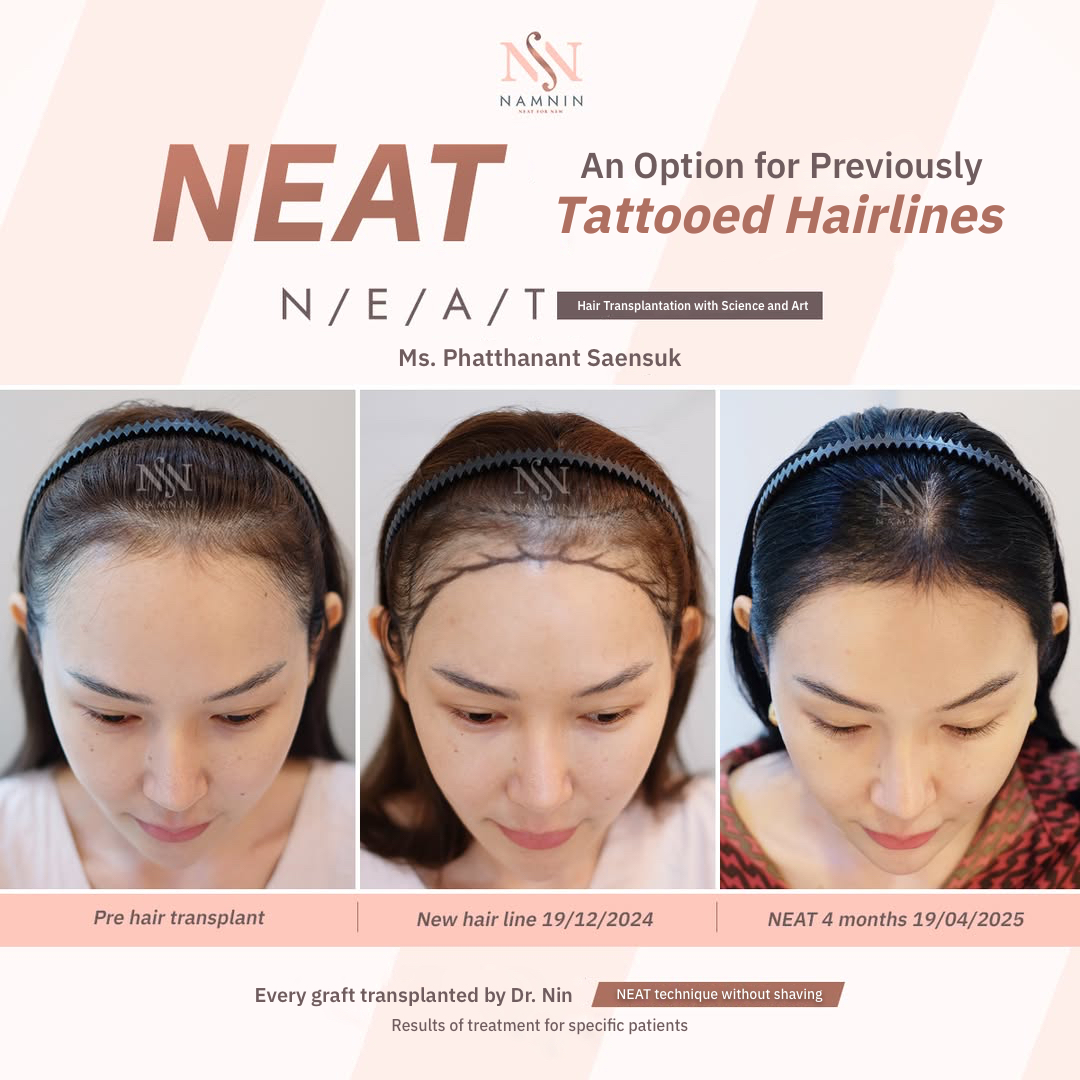
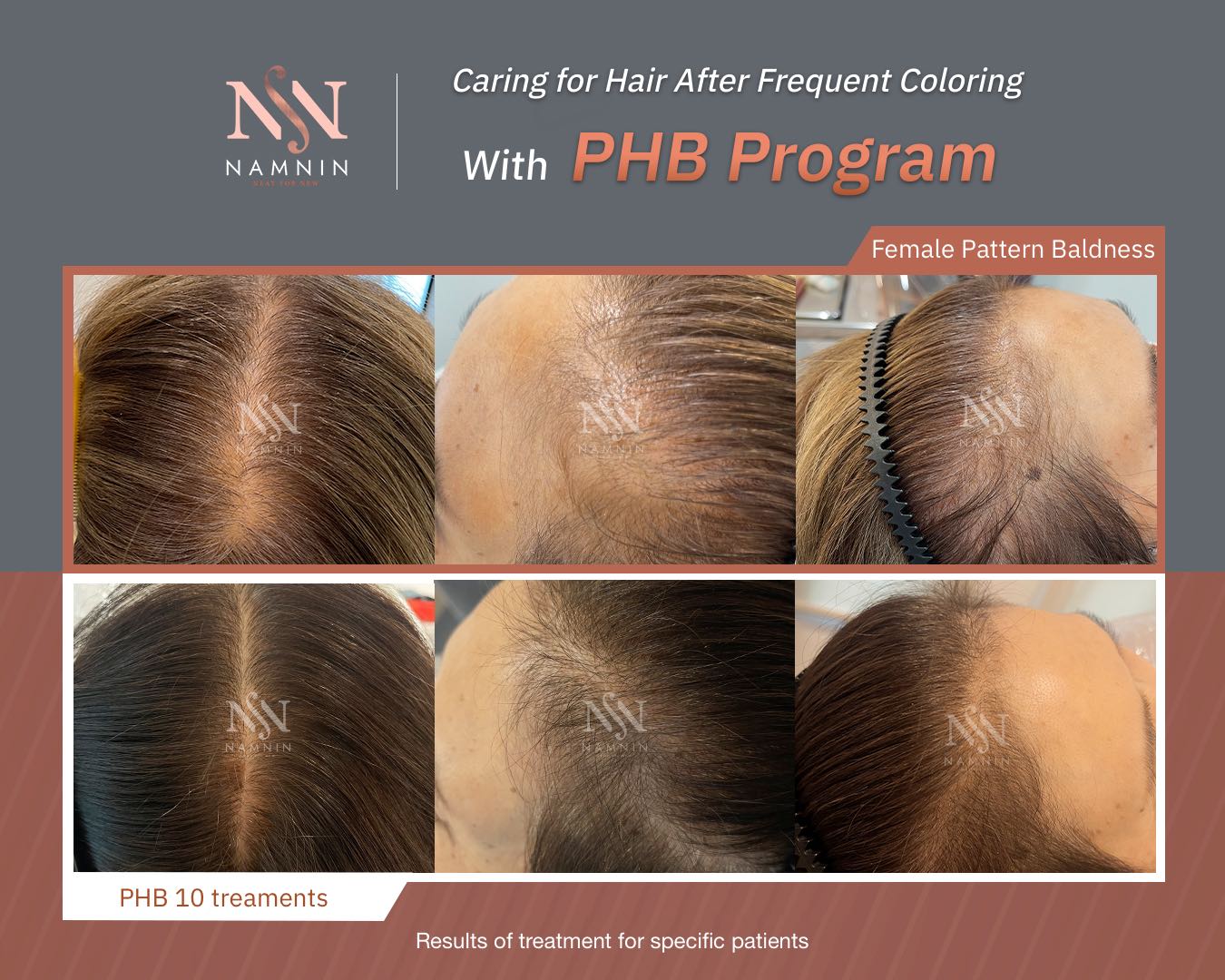
This condition is known as Traction Alopecia, a form of hair loss caused by prolonged and repetitive pulling on the hair and hair follicles. It commonly results from tightly tied ponytails, tight braids, or any hairstyle that repeatedly places tension along the hairline.
Traction alopecia has been consistently documented in the medical literature and has been reported in women of all ethnic backgrounds. The condition is particularly common among individuals whose daily hairstyling routines involve prolonged tension on the hair.
Reference:
Khumalo NP, et al. (2010). Prevalence of traction alopecia in South African school children. Archives of Dermatology, 146(11), 1163–1166.
American Academy of Dermatology (AAD). Hair Loss Resources.
The severity of traction alopecia depends on several factors, including:
- The degree of tension applied to the hair
- The frequency and duration of tight hairstyling
- Individual hair characteristics and hair density
- Genetic factors that influence the resilience of hair follicles to mechanical stress
As a result, hair loss may develop at different rates even among people with similar hairstyling habits.
Reference:
Olsen EA. (2003). Disorders of Hair Growth: Diagnosis and Treatment (2nd ed.). McGraw Hill.
Haskin A, Aguh C. (2016). All hairstyles are not created equal: What the dermatologist needs to know about black hairstyling practices and the risk of traction alopecia. Journal of the American Academy of Dermatology, 75(3), 606–611.
Inflammation: The Invisible Beginning
When hair is repeatedly pulled, the body responds to this mechanical injury through perifollicular inflammation, an inflammatory process surrounding the hair follicles. This represents the earliest stage of long term deterioration in hair follicle health.
In many cases, early signs of inflammation may begin to develop after only 3 to 6 months of consistently wearing tight hairstyles, while visible hair thinning may take 2 to 3 years before it becomes noticeable.
Reference:
Freedberg IM, et al. (2003). Fitzpatrick's Dermatology in General Medicine (6th ed.). McGraw Hill.
Verma SB. (2020). Traction alopecia in Sikh male patients. International Journal of Dermatology, 52(7), 882–887.
The body increases blood flow to the affected area while recruiting immune cells around the follicles. Inflammatory mediators stimulate nearby nerve endings, causing sensations such as tightness, tenderness, soreness, or burning, even after the hair has been released.
These symptoms should not be regarded as temporary discomfort. Rather, they represent early inflammatory warning signs from hair follicles beneath the scalp.
The Most Vulnerable Areas: Temples and the Frontal Hairline
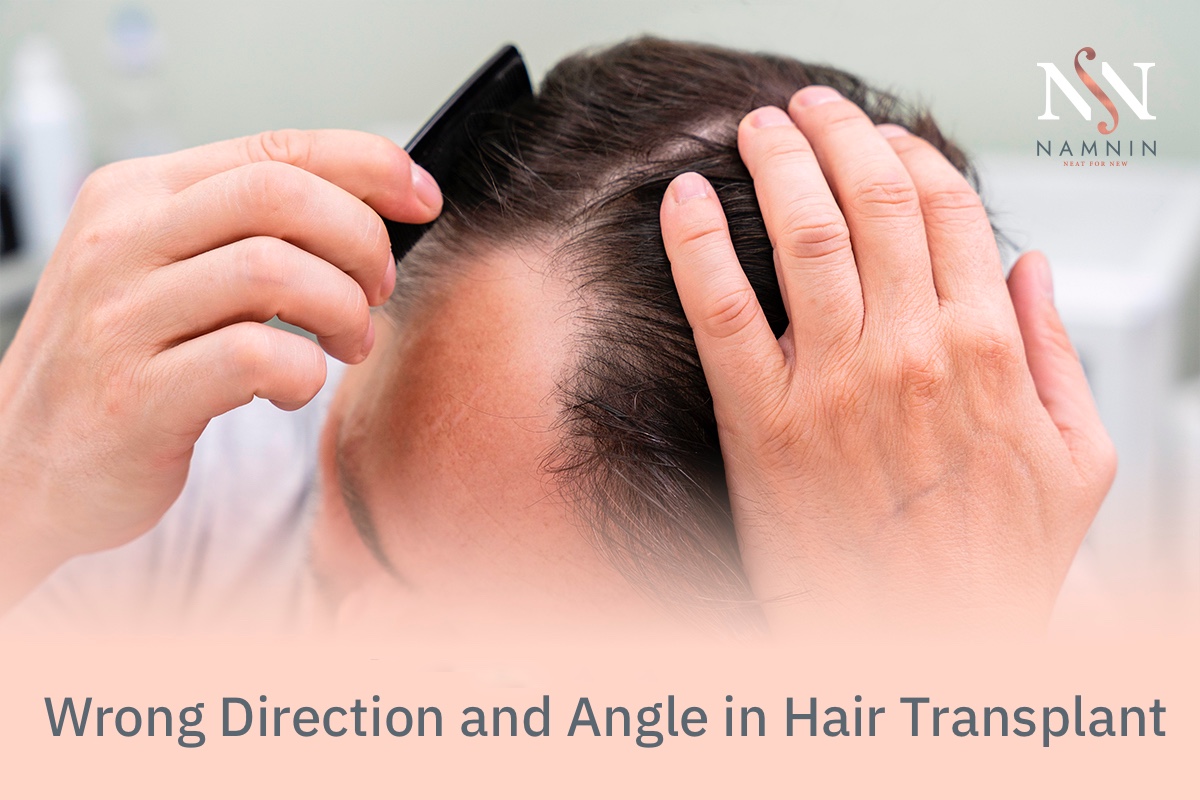
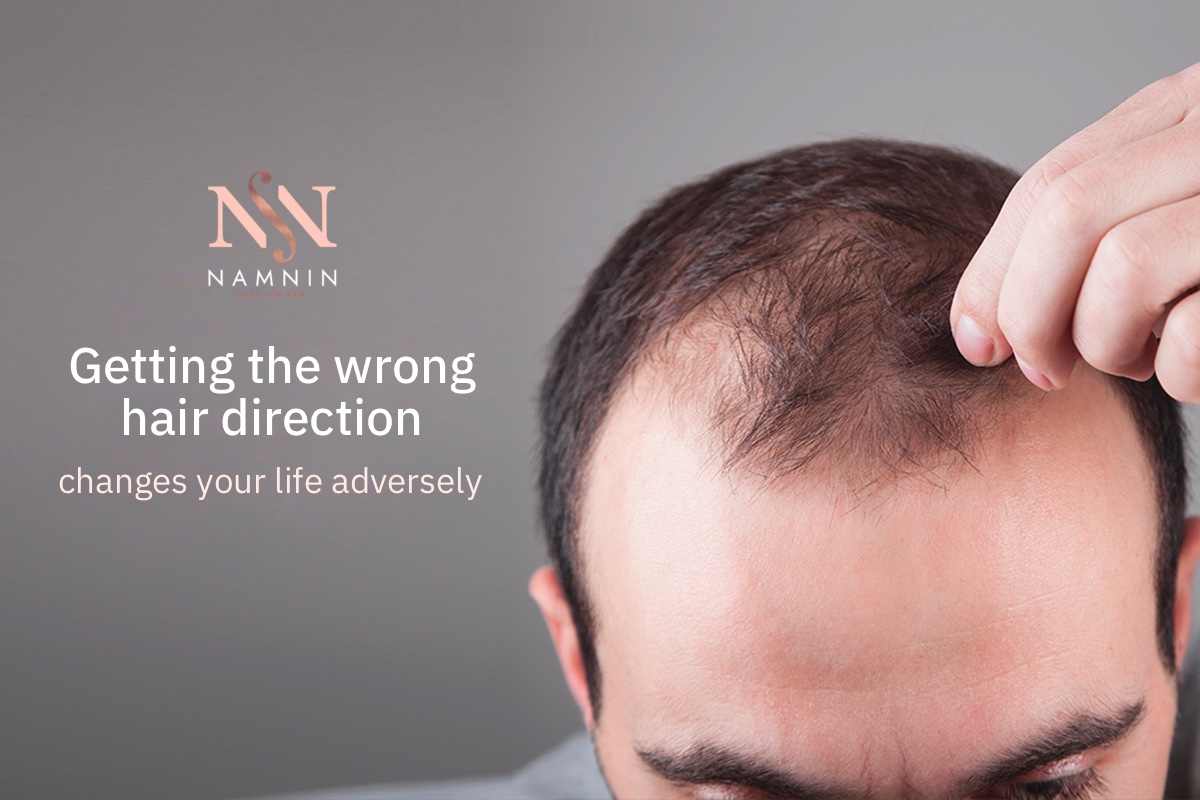
The temples and frontal hairline are among the most vulnerable areas of the scalp because they contain fewer hair follicles and have a thinner layer of subcutaneous fat than other regions. Consequently, they are significantly less resistant to repeated mechanical tension.
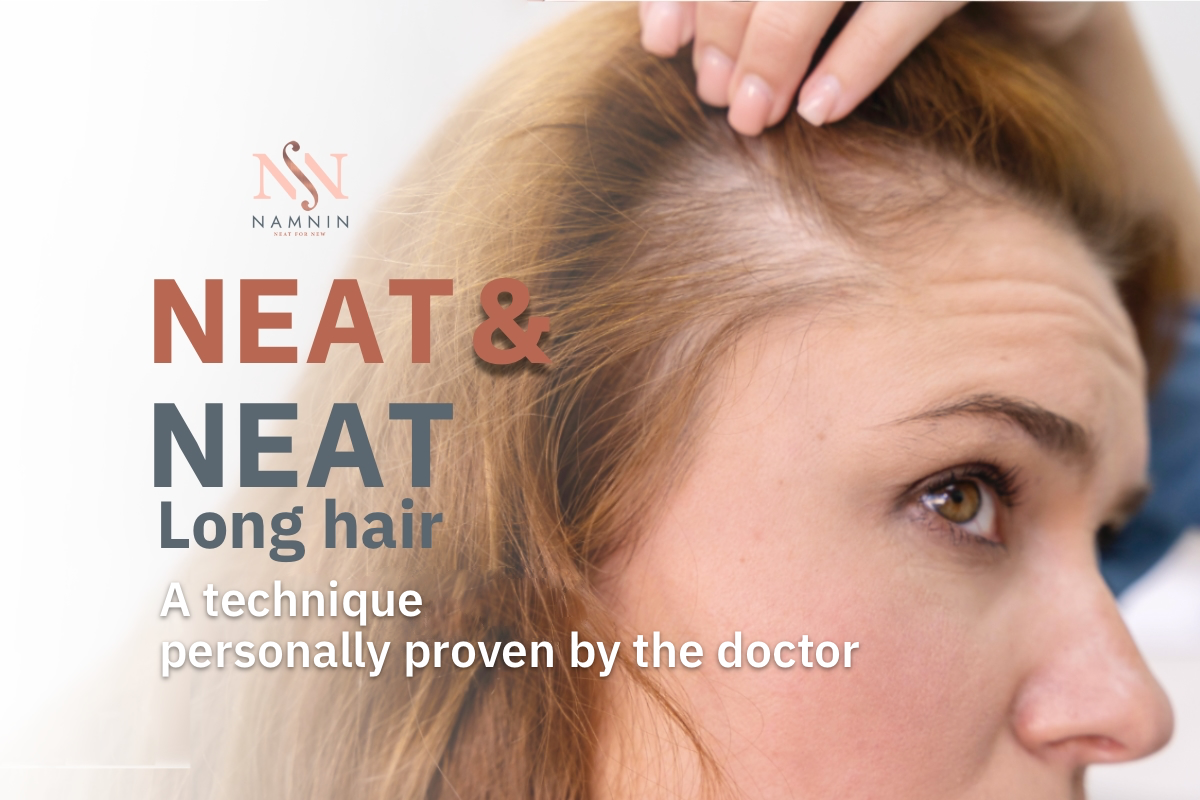
Clinically, most patients with traction alopecia first develop thinning around the temples before the condition gradually extends to the frontal hairline, matching the distribution of tension typically created by a Snatch Ponytail hairstyle.
Reference:
Aguh C, Maibach HI. (2017). Dermatology for the Equal Opportunity Patient. Springer.
Billero V, Miteva M. (2018). Traction alopecia: The root of the problem. Clinical, Cosmetic and Investigational Dermatology, 11, 149–159.
Follicular Fibrosis: Irreversible Damage
When inflammation becomes chronic, the body activates fibroblasts, which produce collagen and gradually form fibrotic tissue around the hair follicles. This process is known as fibrosis.
As the damage progresses to cicatricial (scarring) changes, the follicles may permanently lose their ability to produce new hair.
Reference:
Ahn BK, Bergfeld WF. (2014). Cicatricial alopecia. Journal of the American Academy of Dermatology, 70(5), AB195.
Whiting DA. (1999). Cicatricial alopecia: Clinico pathological findings and treatment. Clinical Dermatology, 17(3), 305–312.
In other words, living hair follicles are gradually replaced by scar tissue that can no longer generate new hair.
This is what distinguishes traction alopecia from many other forms of hair loss. Once permanent scarring has developed, no medication can restore hair follicles that have already been lost.
Baby Hairs: An Early Warning Sign
Besides scalp tenderness, another commonly overlooked sign is when the baby hairs around the temples begin to break easily, shed more frequently, or stop growing to their normal length.
Scientifically, these so called baby hairs are actually vellus hairs—miniaturized hairs produced by shrinking follicles that have lost their ability to generate healthy terminal hairs. This reflects a direct disruption of the normal hair growth cycle.
Reference:
Trueb RM. (2003). Pharmacologic interventions in aging hair. Clinical Interventions in Aging, 1(2), 121–133.
Price VH. (1999). Treatment of hair loss. New England Journal of Medicine, 341(13), 964–973.
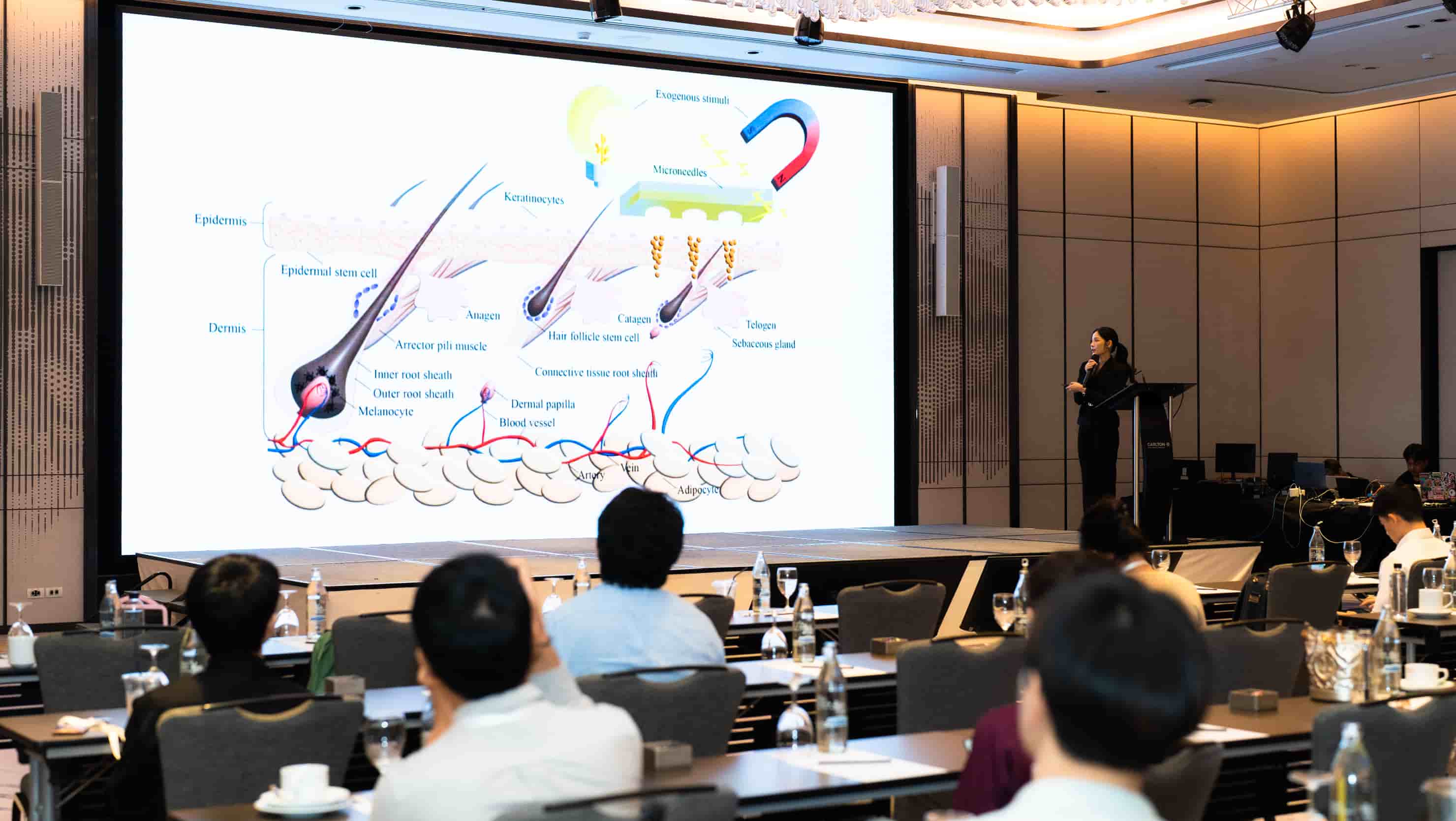
Normally, healthy hair remains in the anagen (growth) phase for approximately 3 to 7 years, with an average of 5 to 6 years.
Under chronic traction, this growth phase gradually shortens, causing hairs to become finer, thinner, and weaker through a process known as follicular miniaturization.
Reference:
Messenger AG, et al. (2004). The hair follicle: A comparative review of structure and function. Clinical and Experimental Dermatology, 29(2), 131–137.
Sinclair R. (2004). Male pattern androgenetic alopecia. BMJ, 328(7447), 1233–1237.
Diagnosis and Recovery: The Earlier, the Better
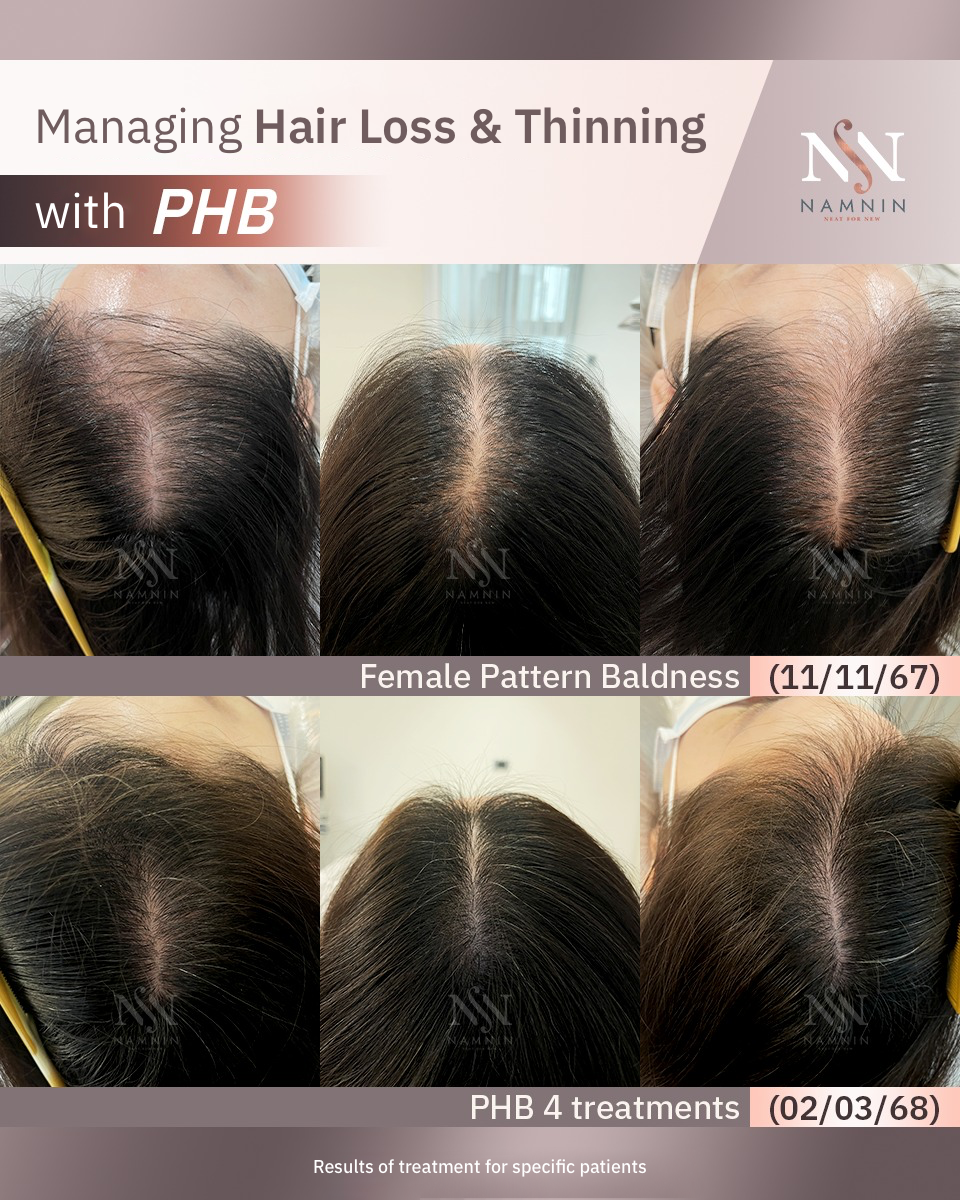
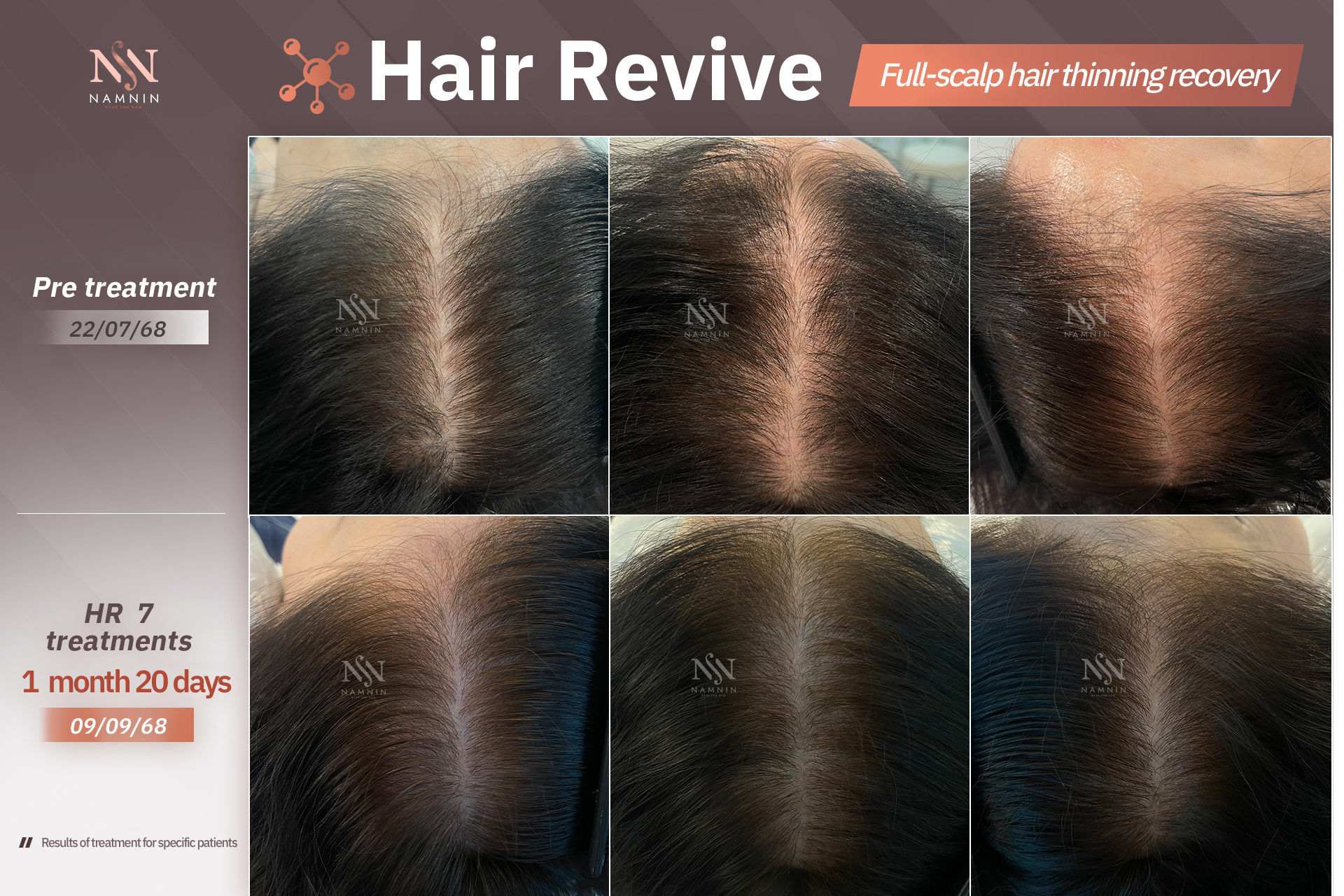
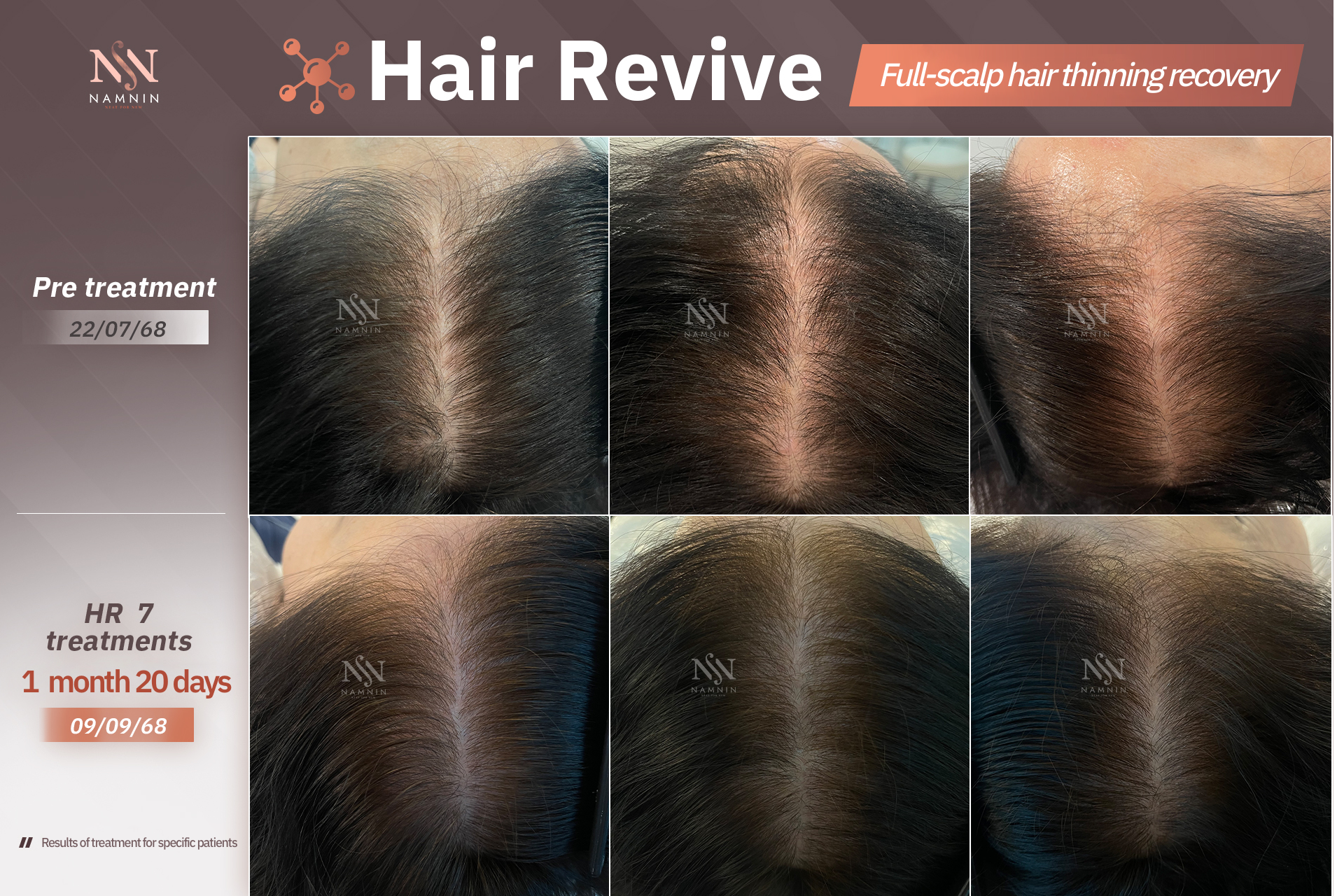
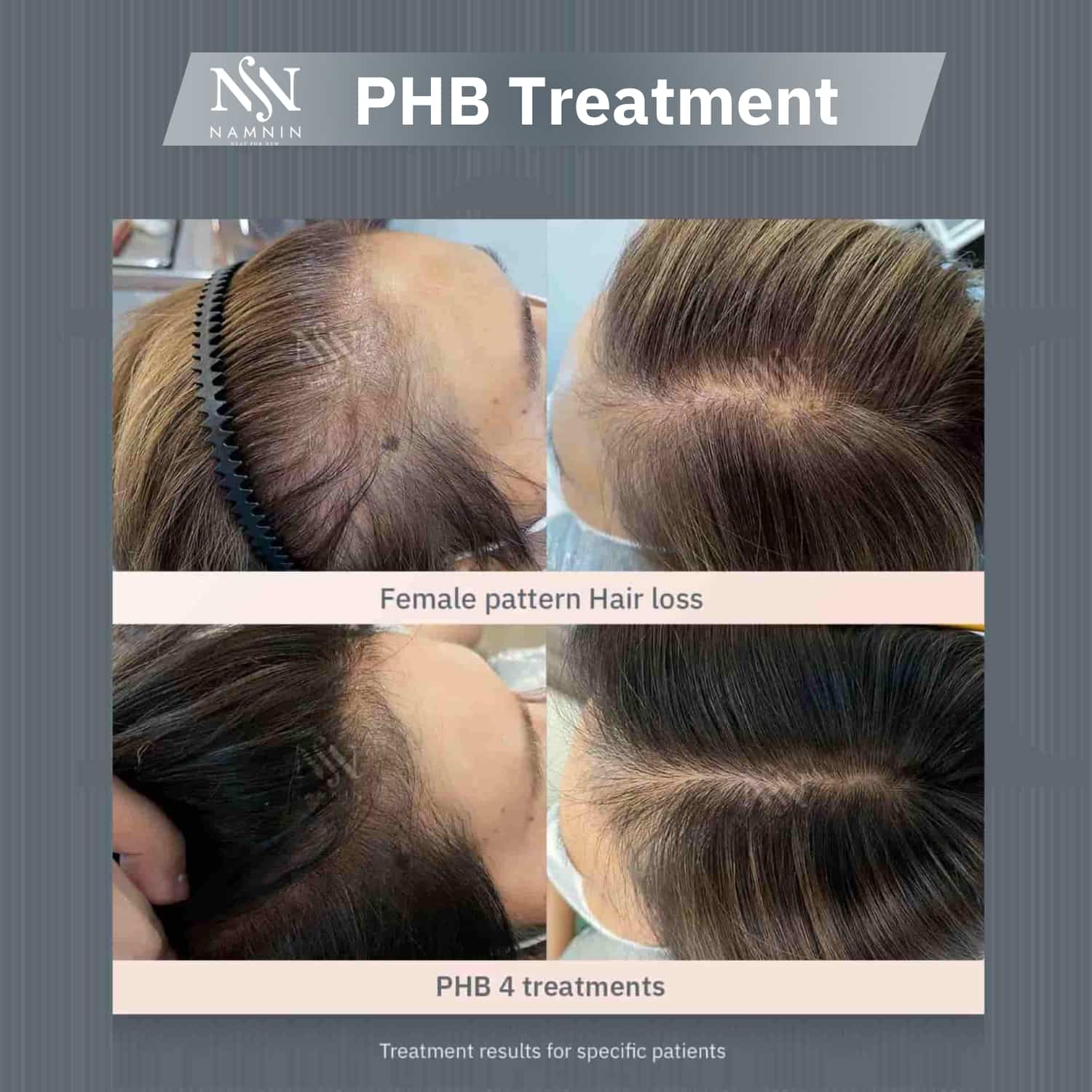
During the early stages, hair follicles still have the potential to recover if diagnosed and managed appropriately.
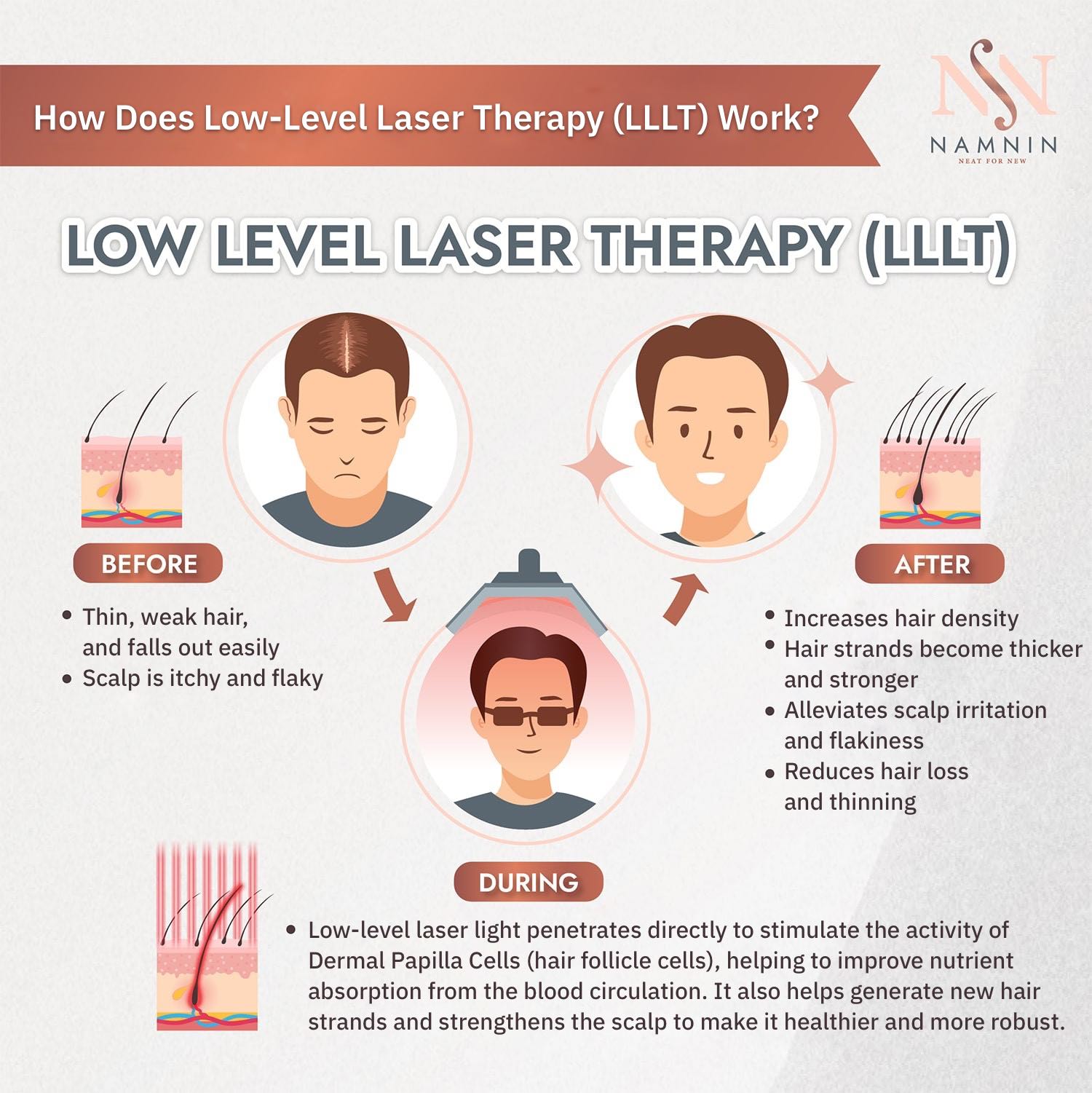
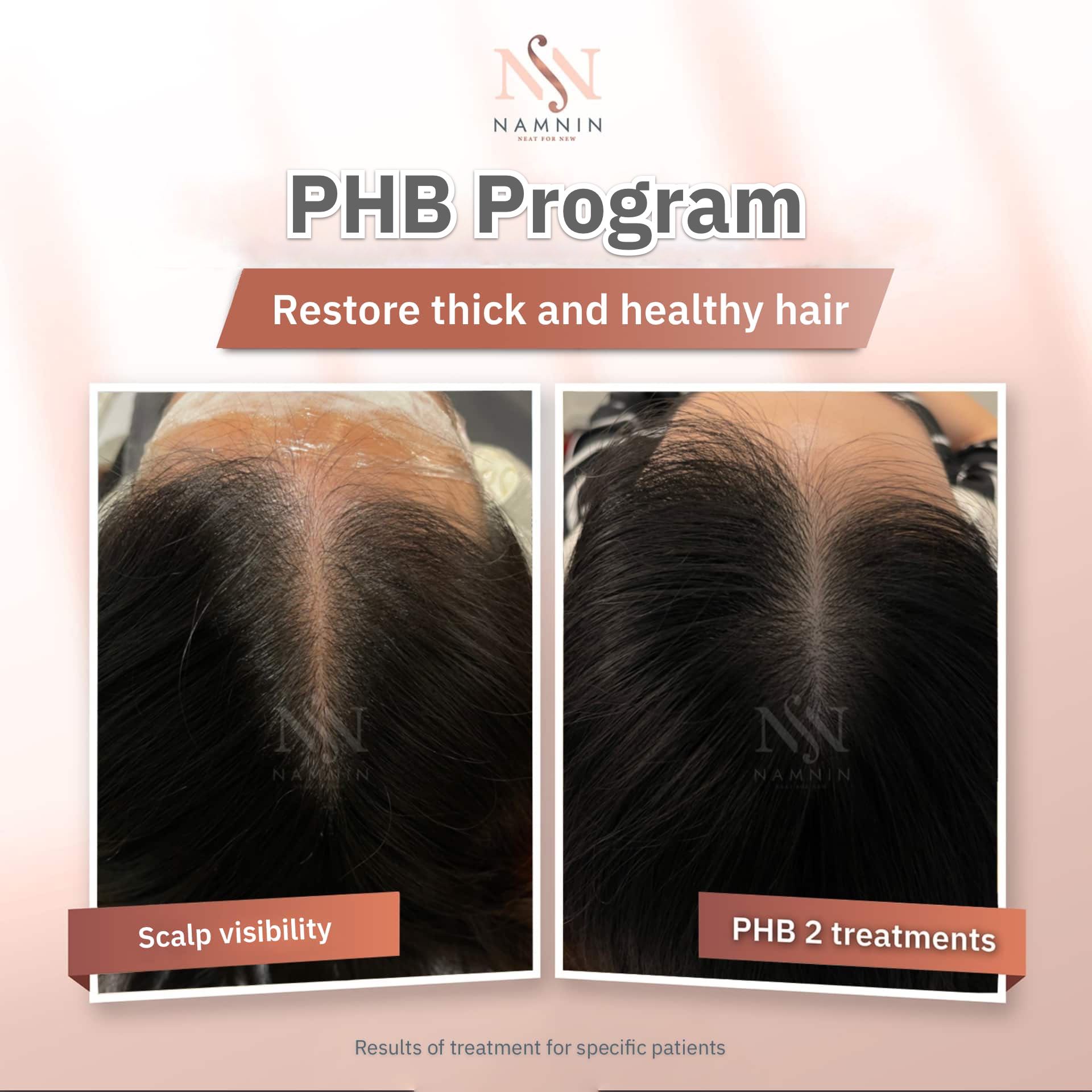
Treatment may include reducing mechanical tension, controlling inflammation, and modifying hairstyling habits.
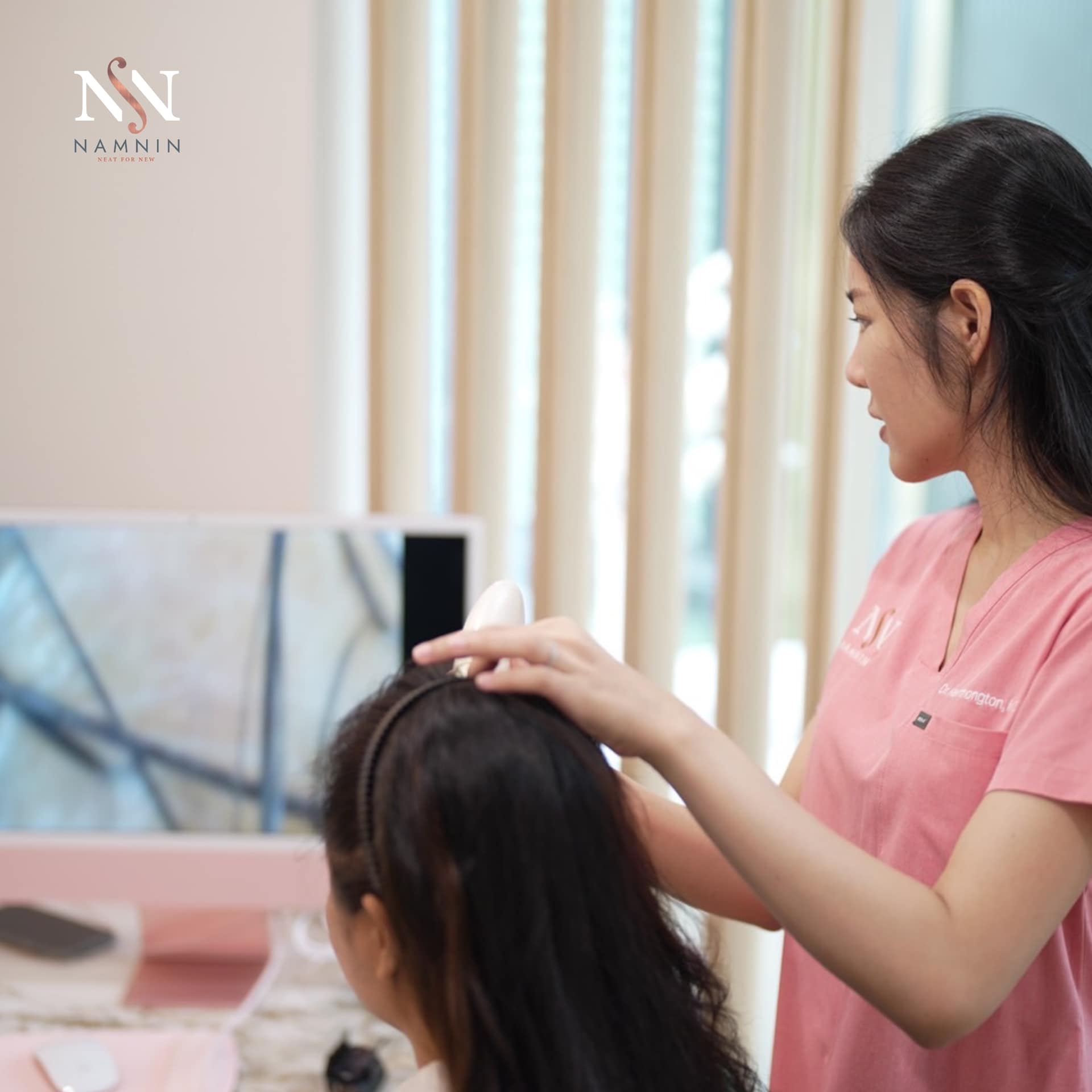
Dermoscopy or trichoscopy enables physicians to detect traction alopecia at an early stage by identifying signs of perifollicular inflammation before visible hair loss develops.
Reference:
Inui S, et al. (2019). Clinical significance of dermoscopy in alopecia areata. Journal of Dermatology, 46(11), 1000–1008.
Miteva M, Tosti A. (2012). Hair and scalp dermoscopy. Journal of the American Academy of Dermatology, 67(5), 1040–1048.
However, if inflammation continues untreated and progresses to fibrosis, the damage may become irreversible. Listening to these early warning signs from your scalp may be the key to preserving your natural hair before permanent damage occurs.
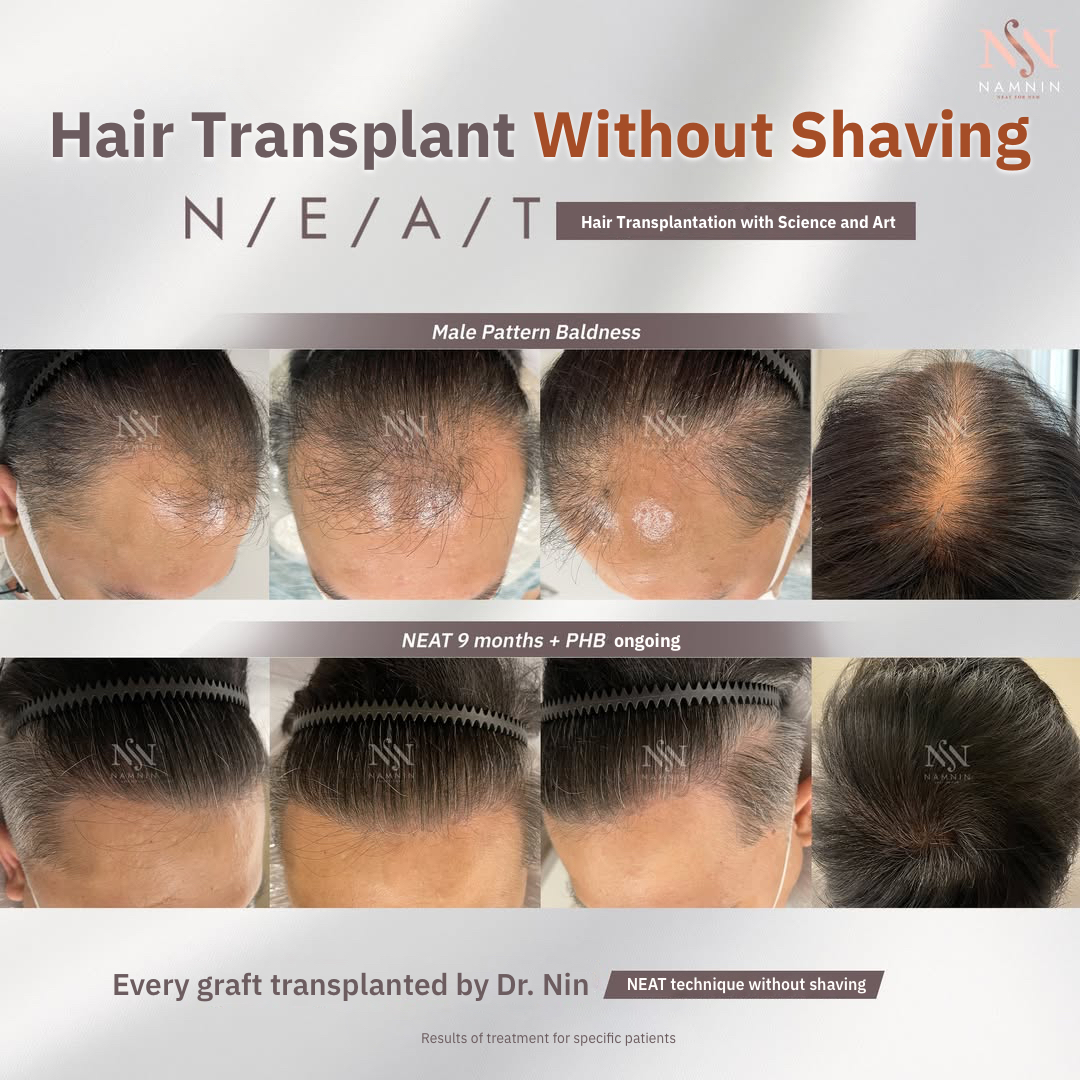
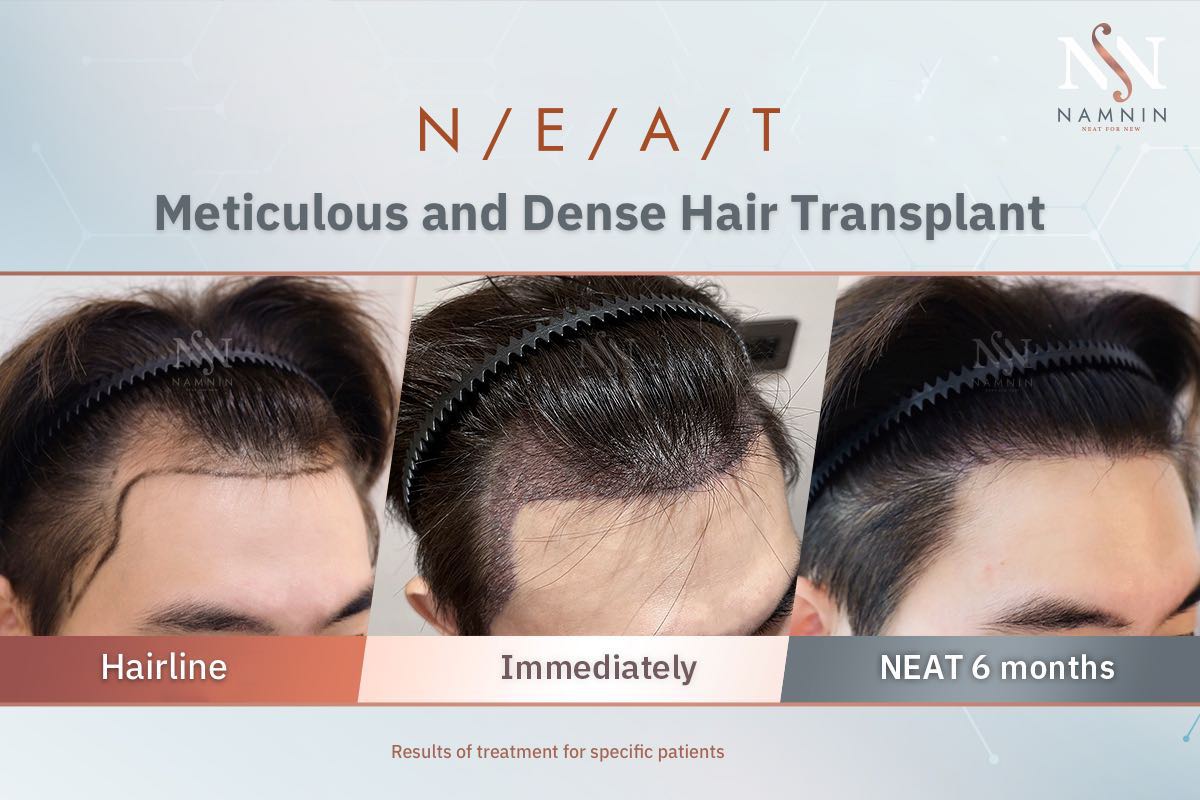
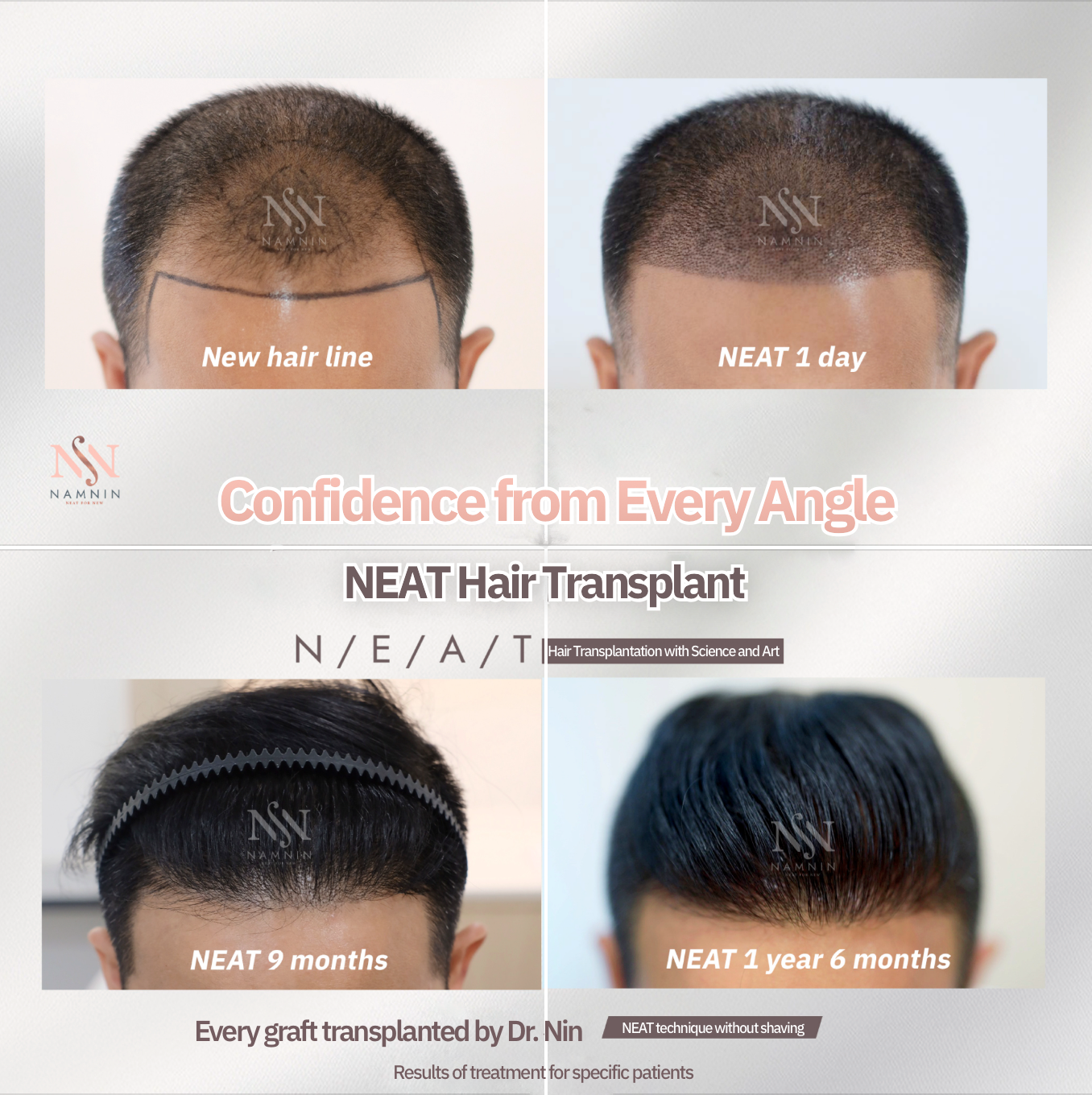
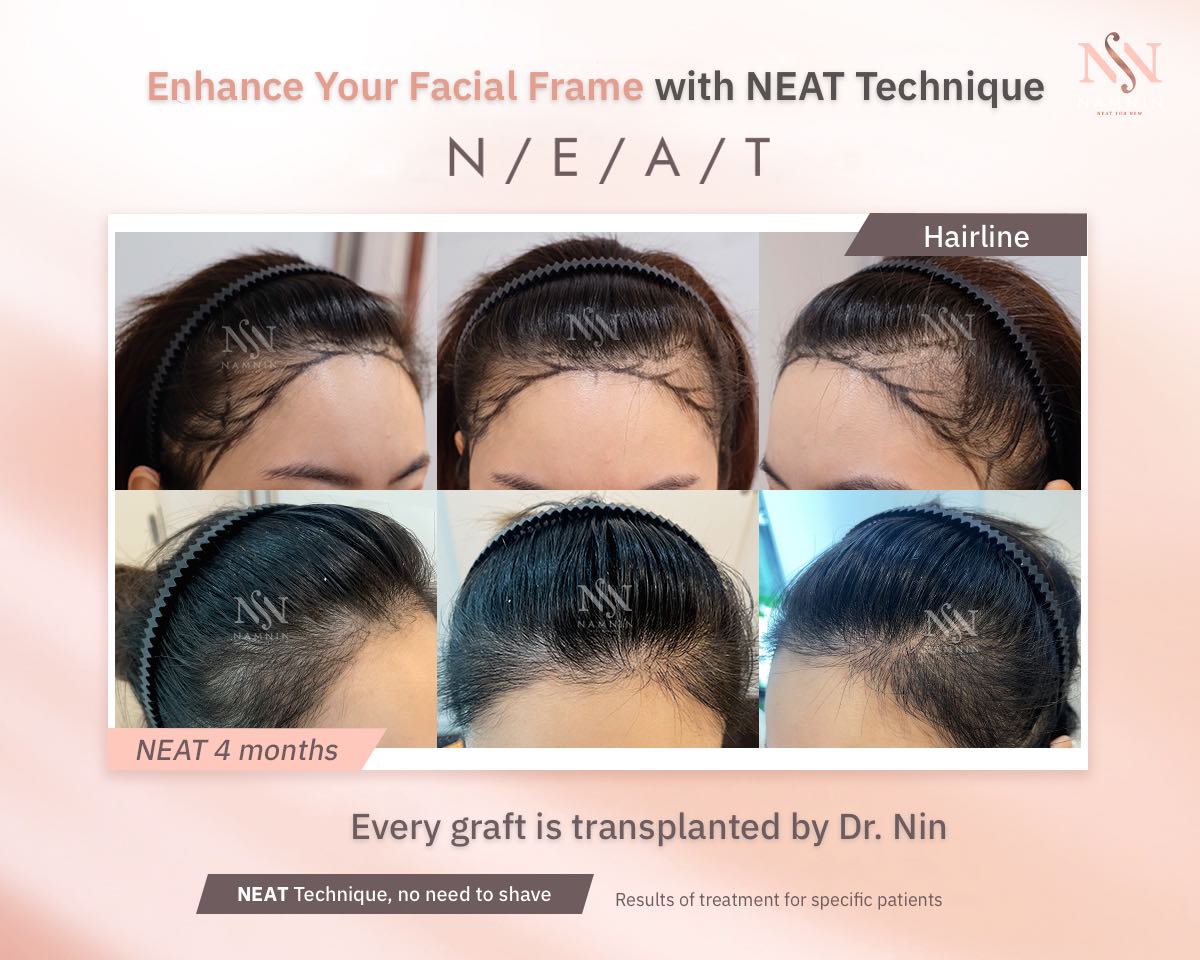
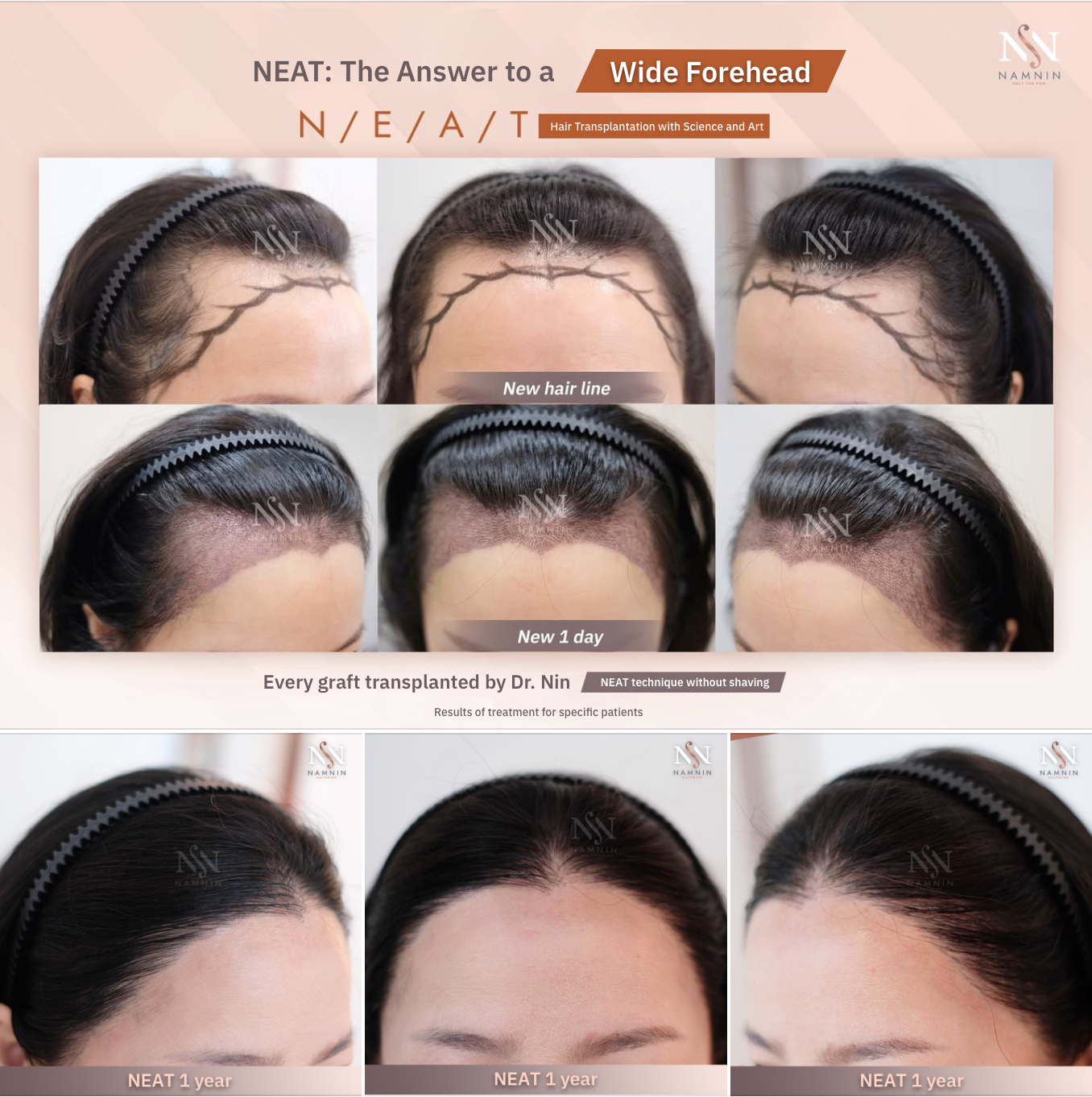
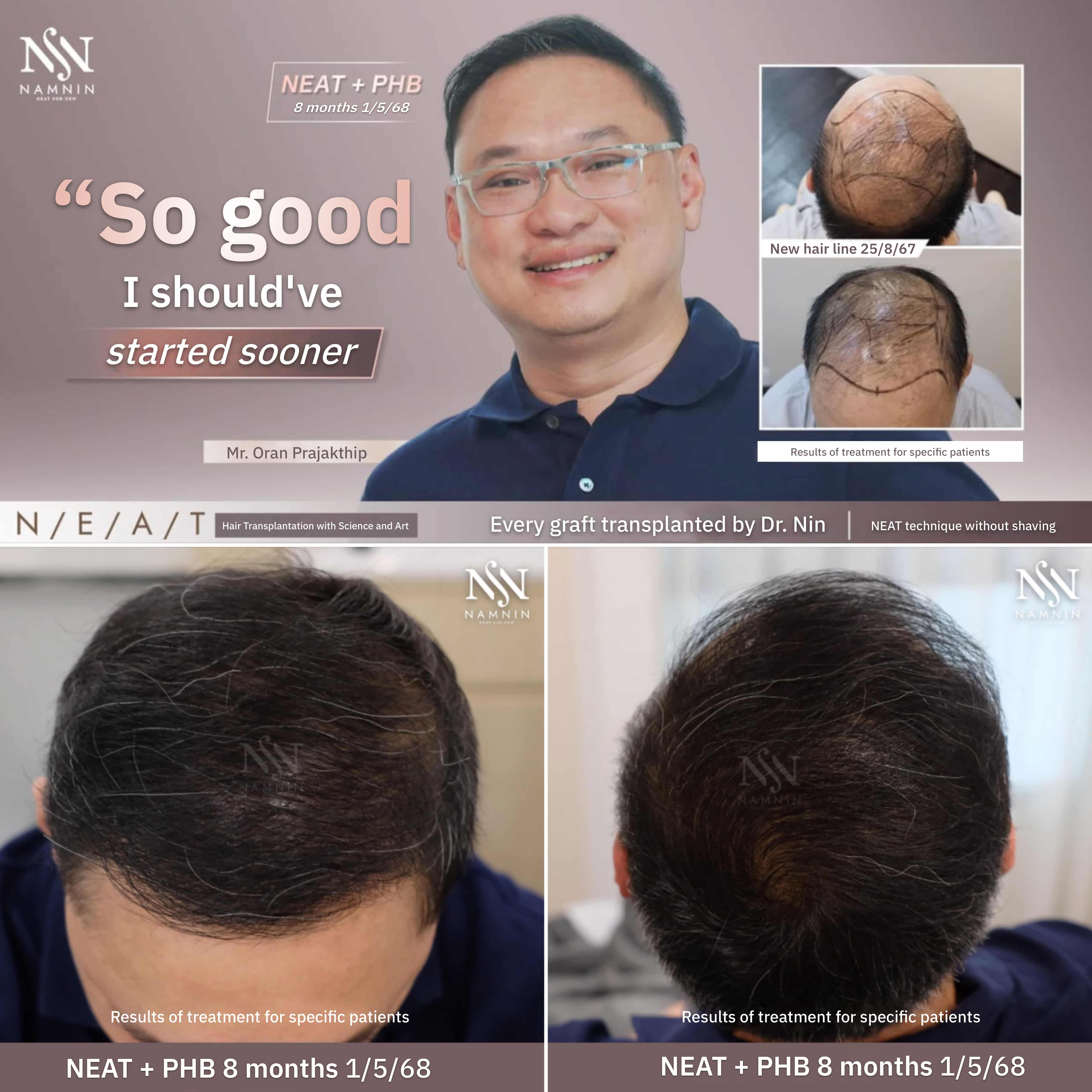
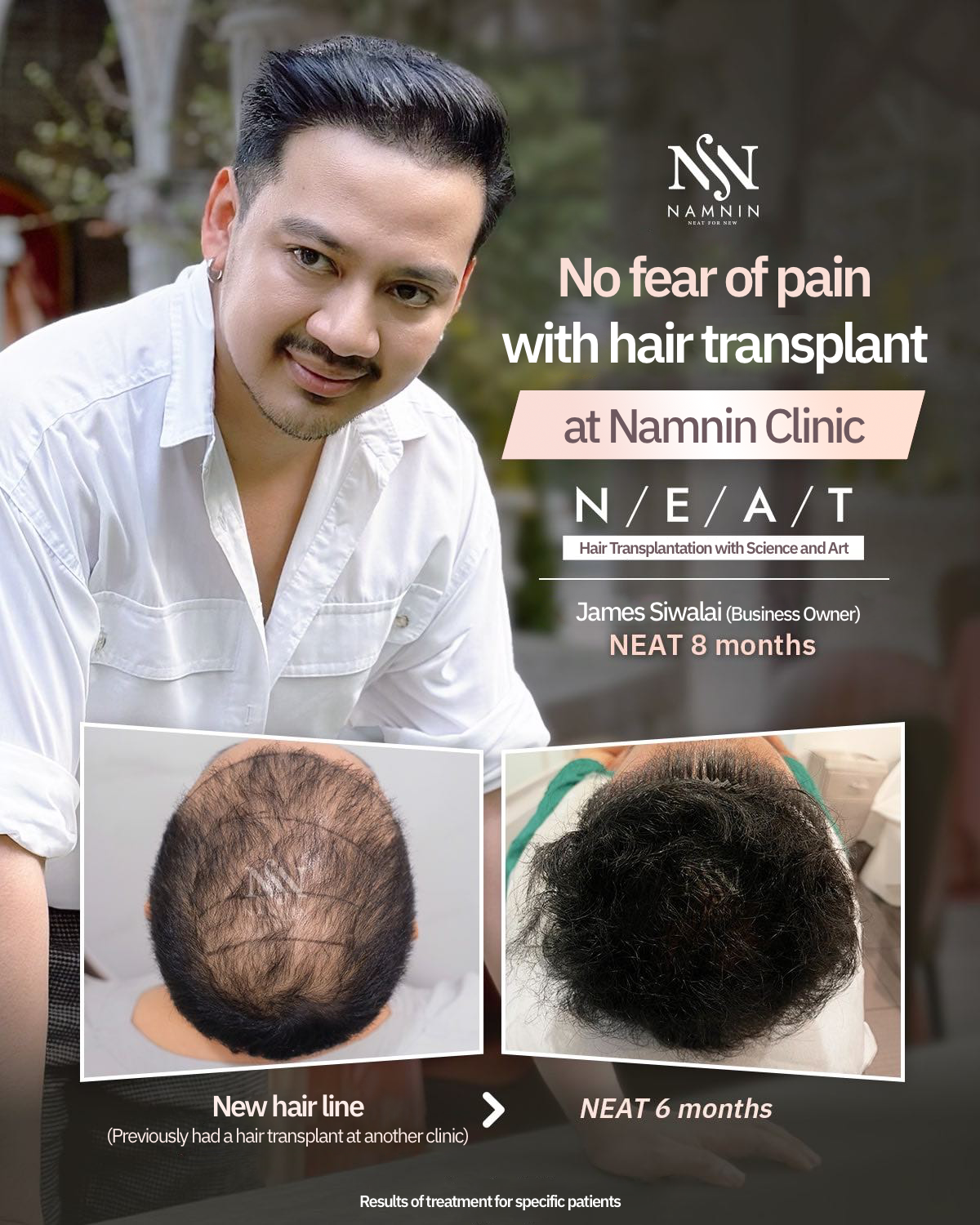
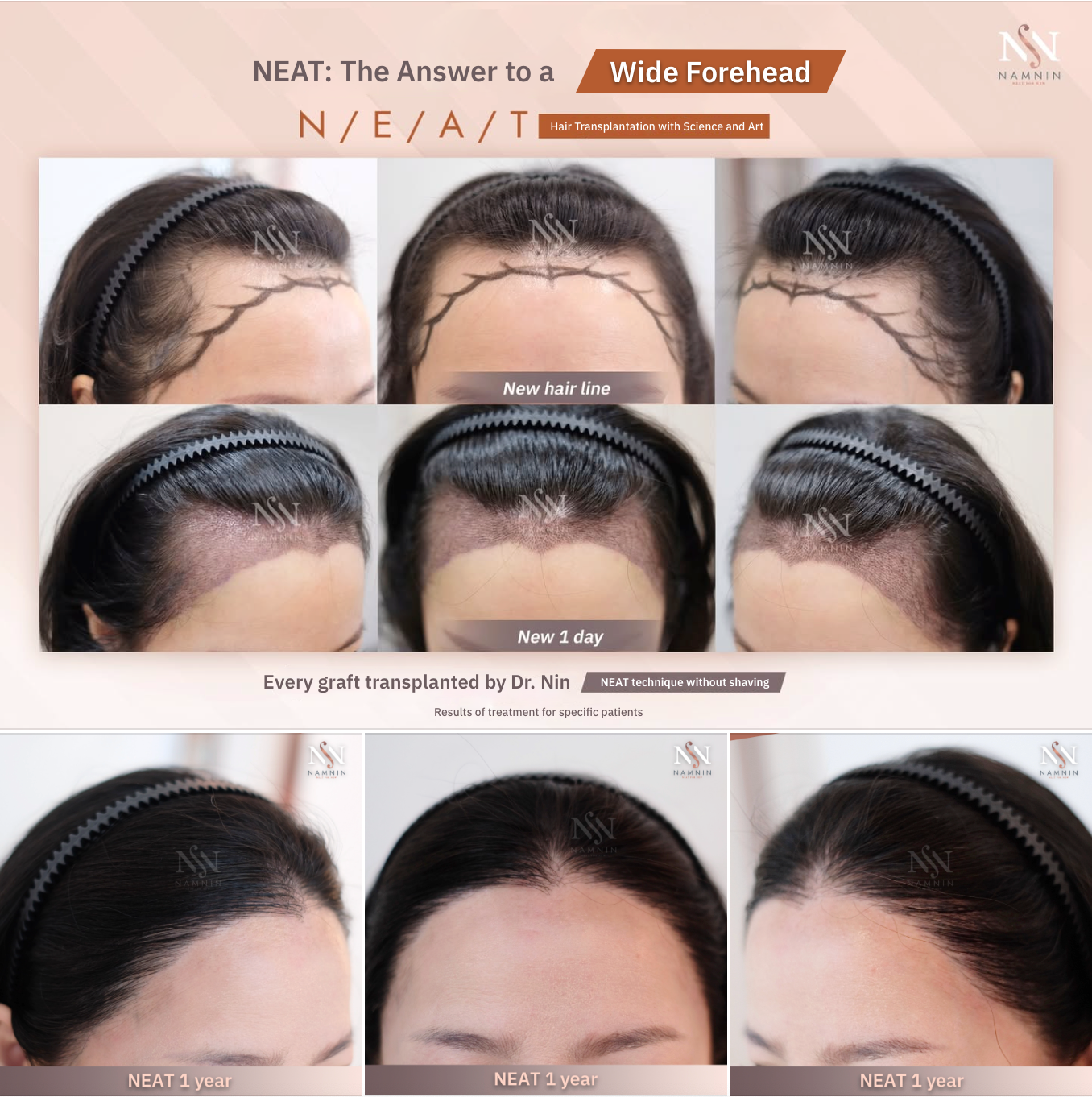
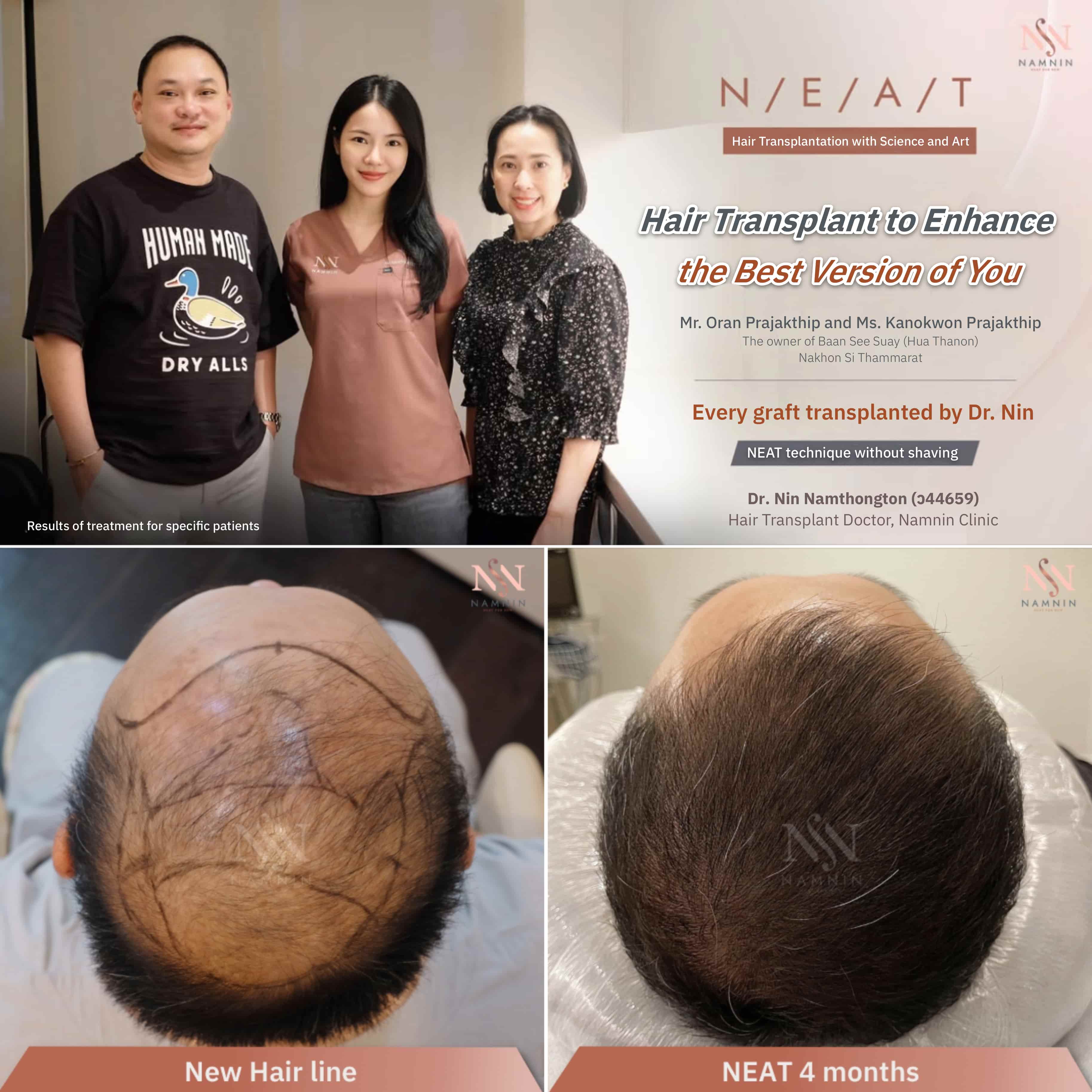
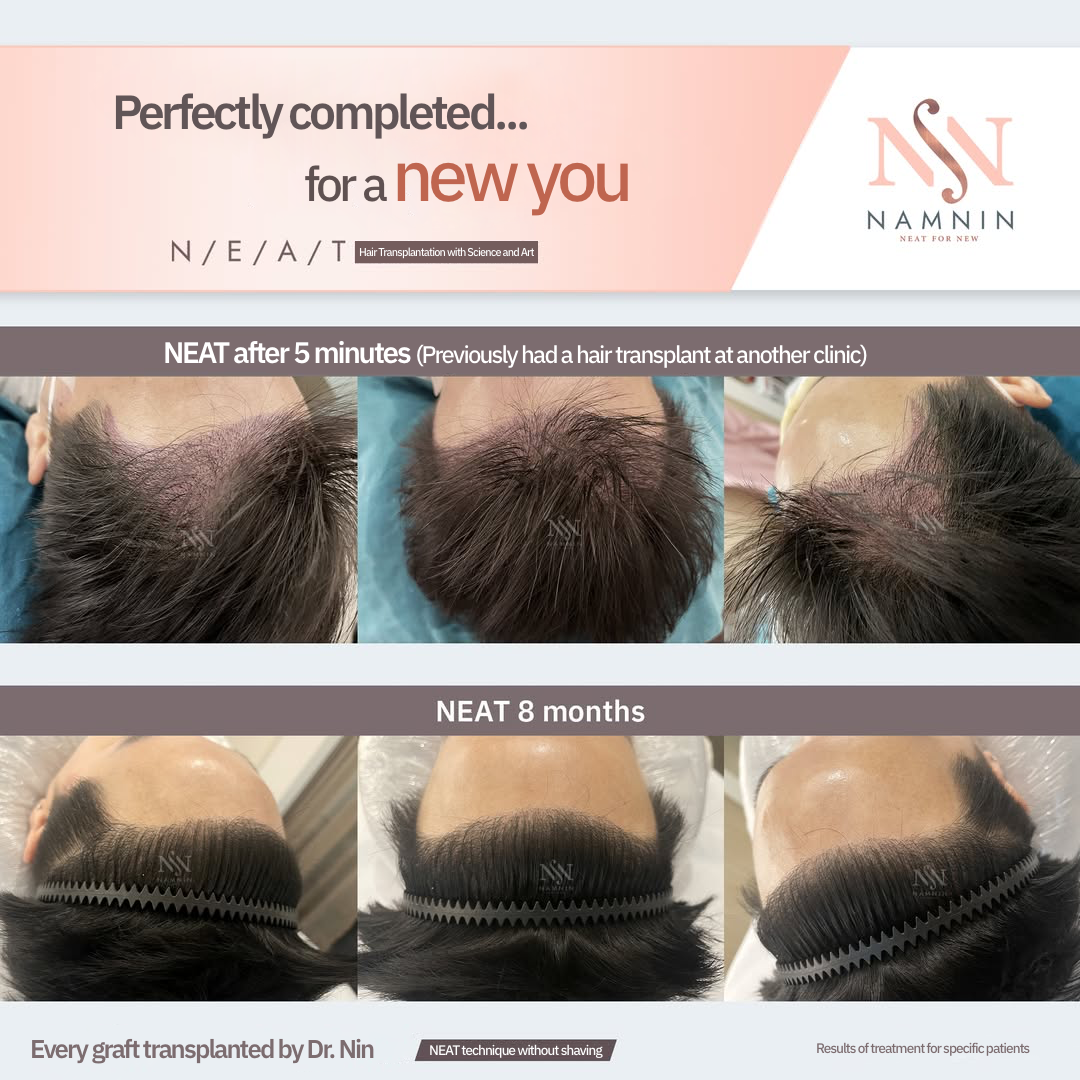
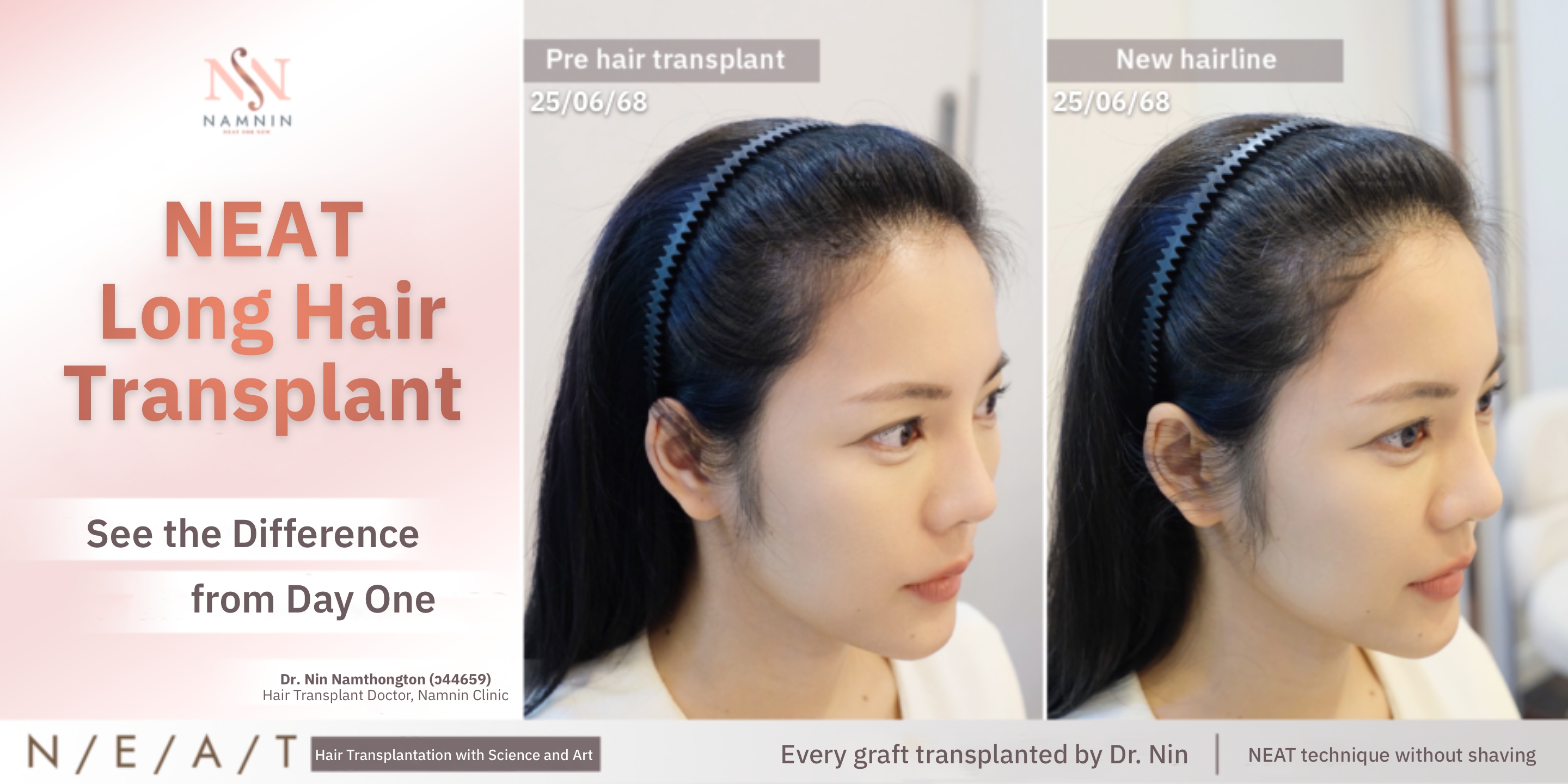
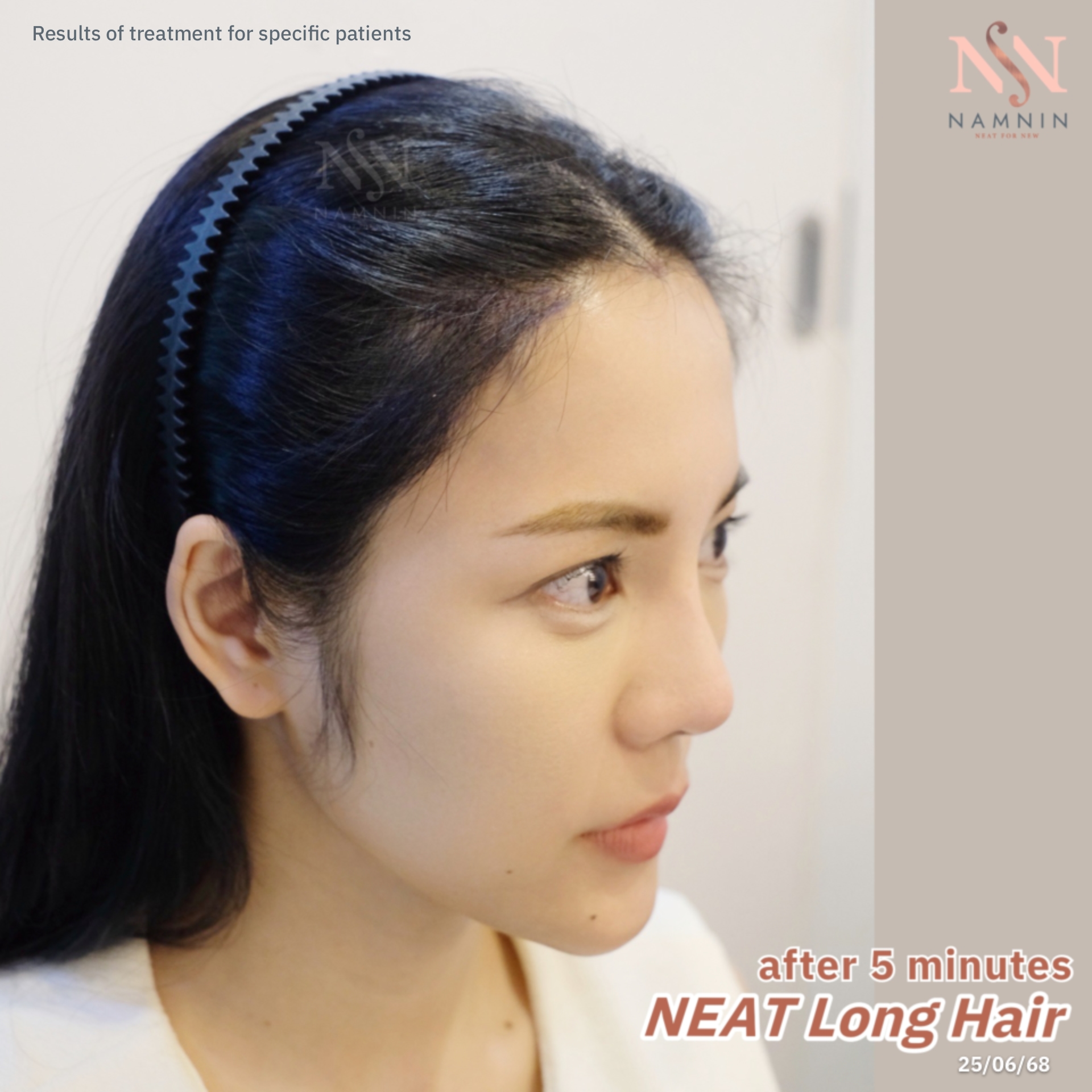
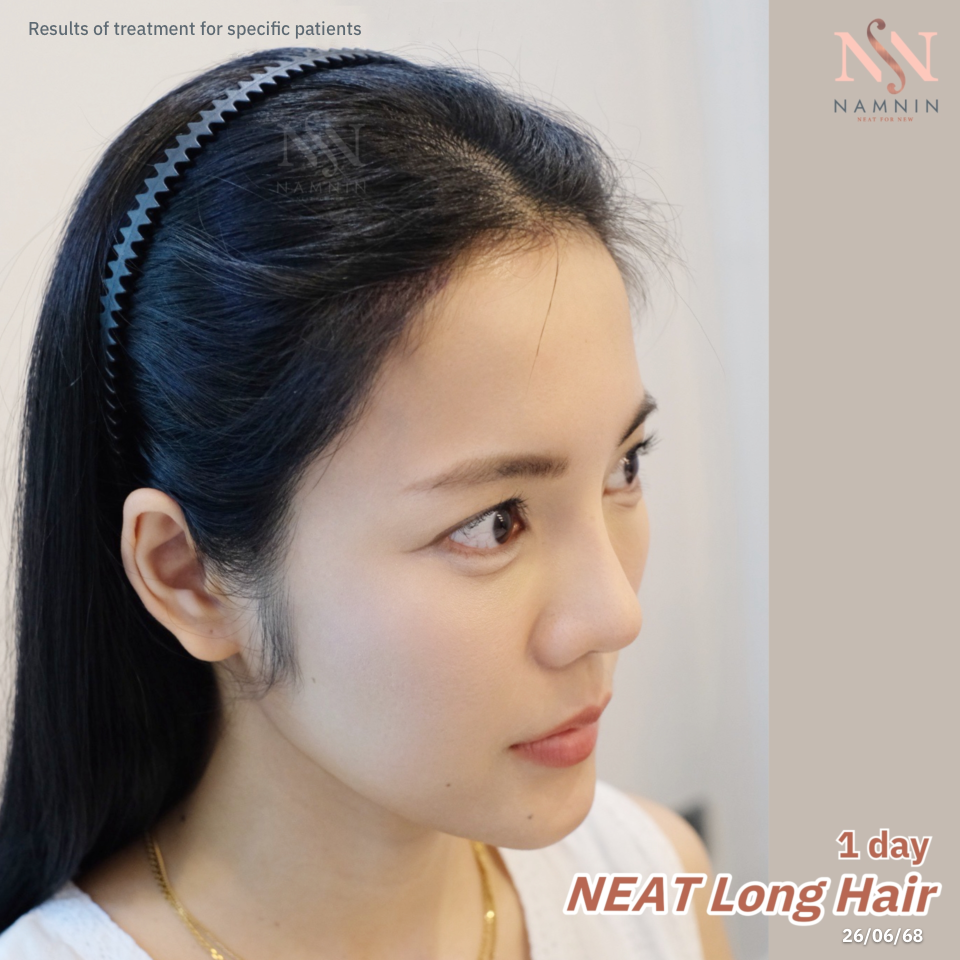
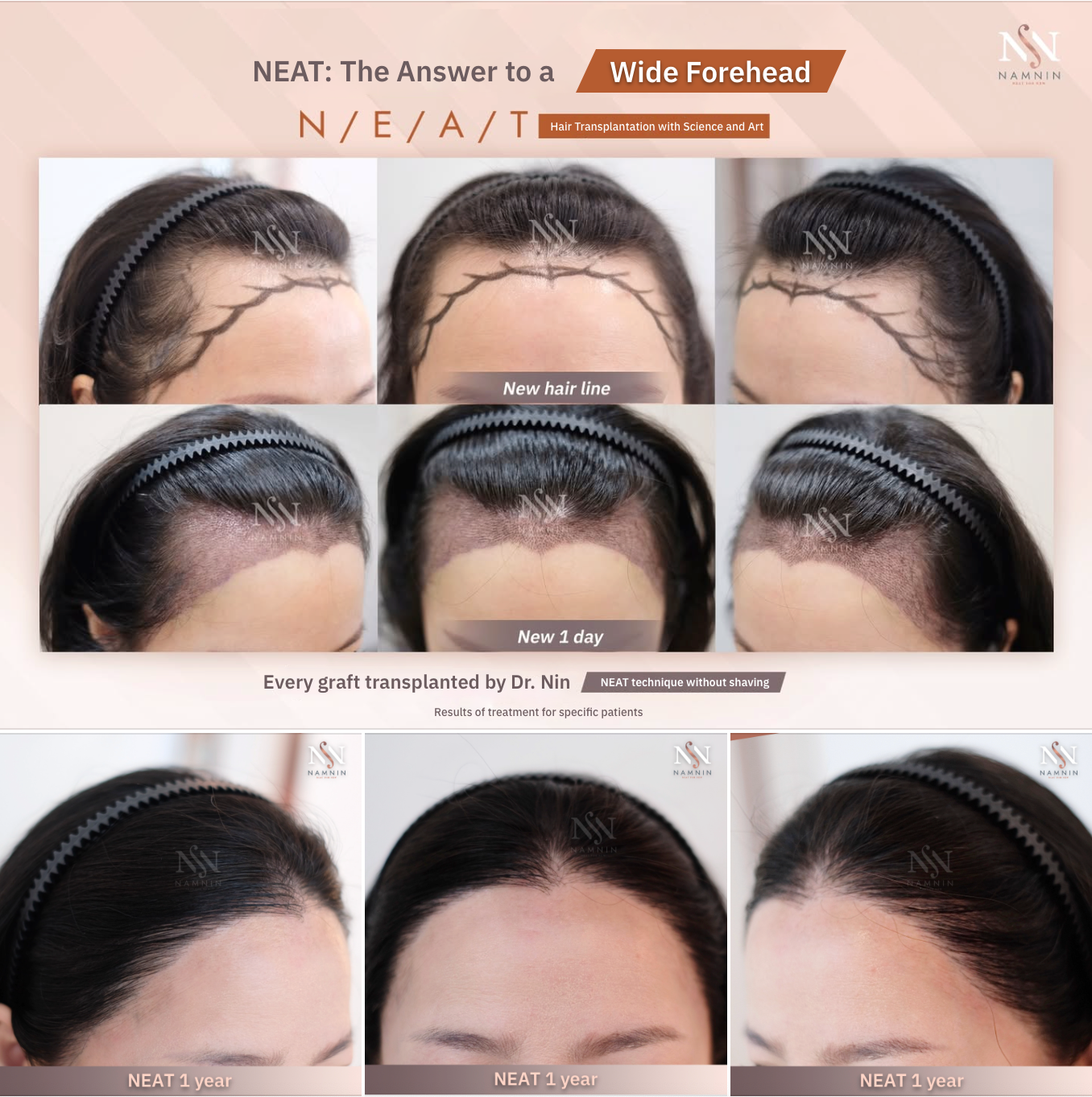
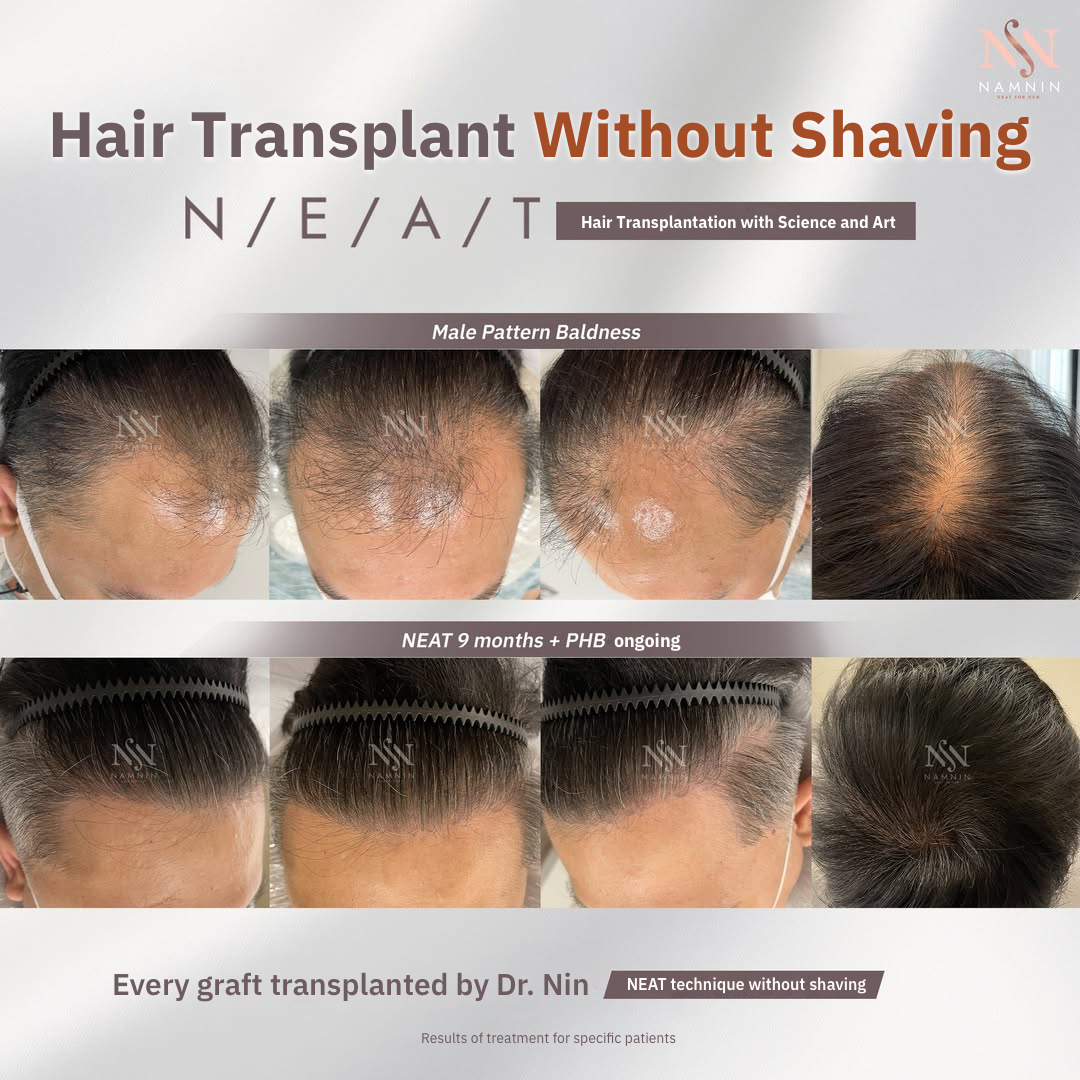
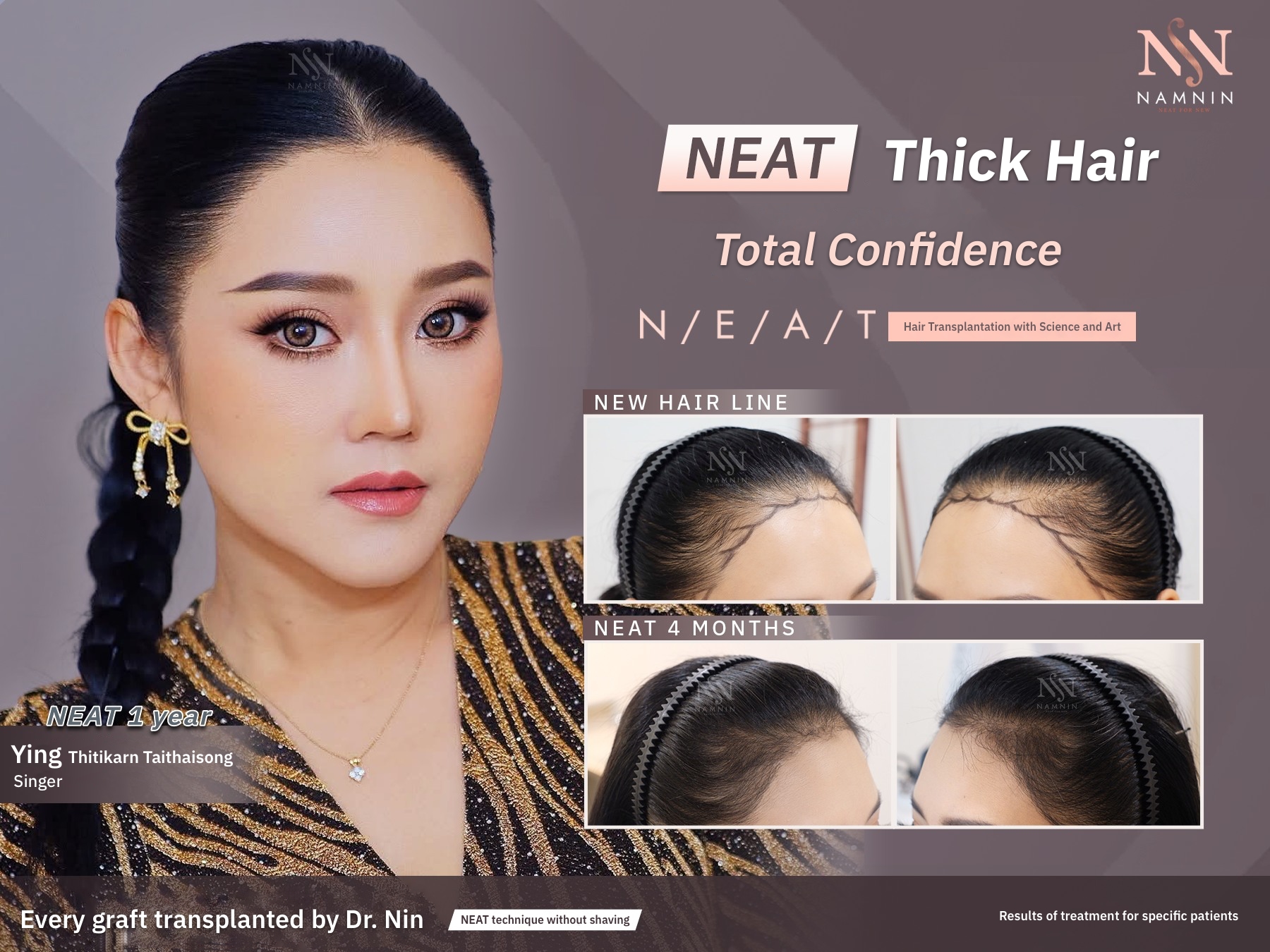
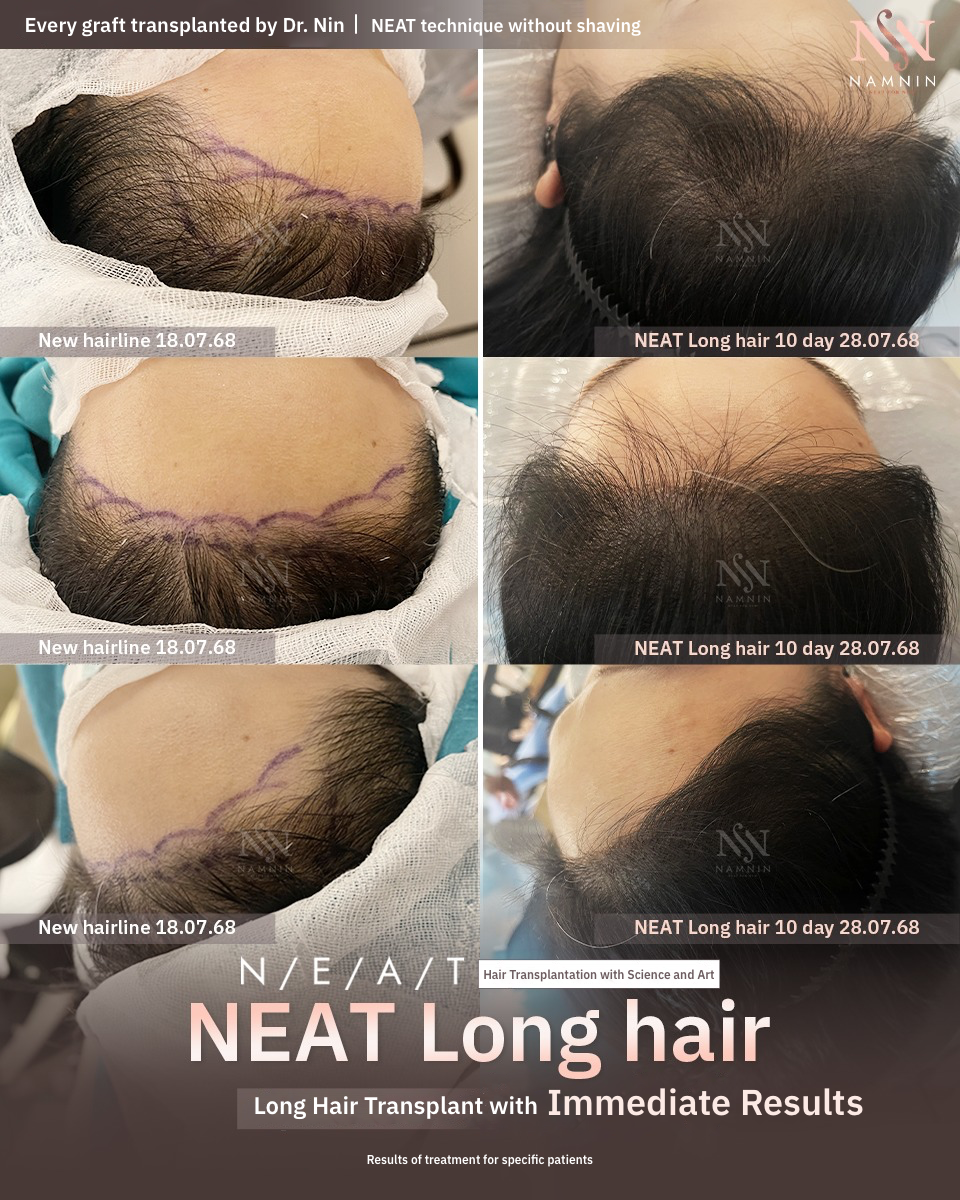
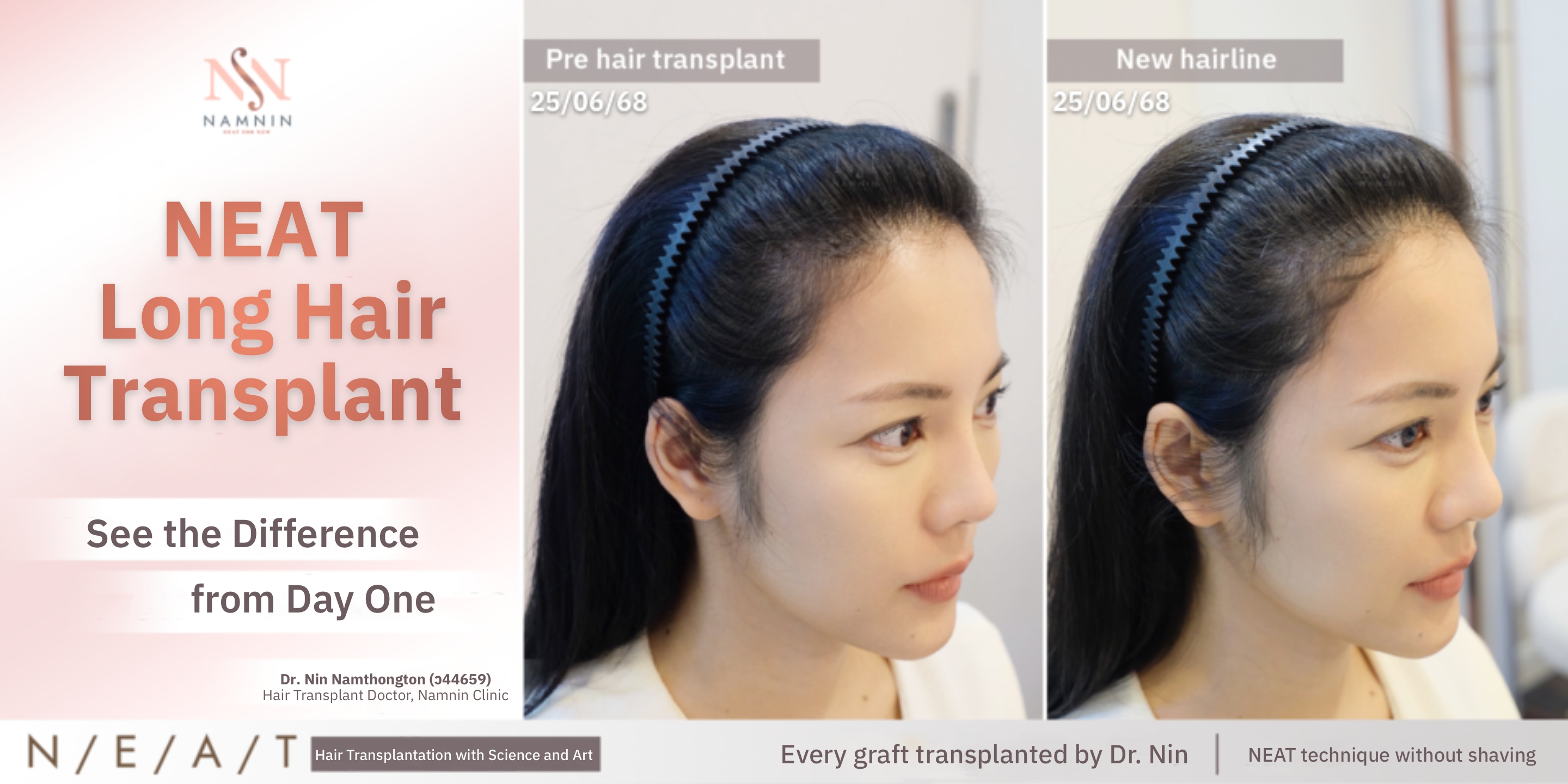
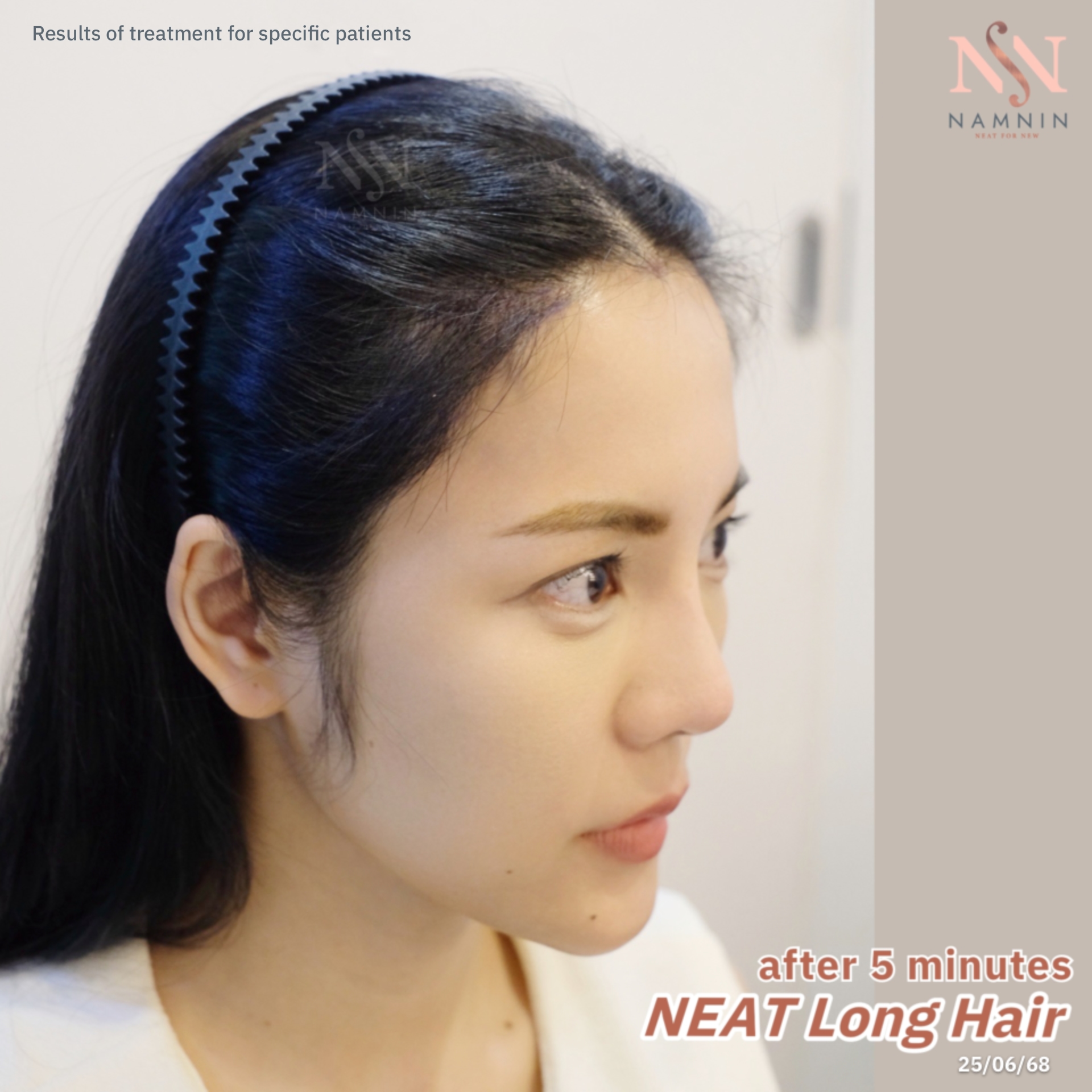
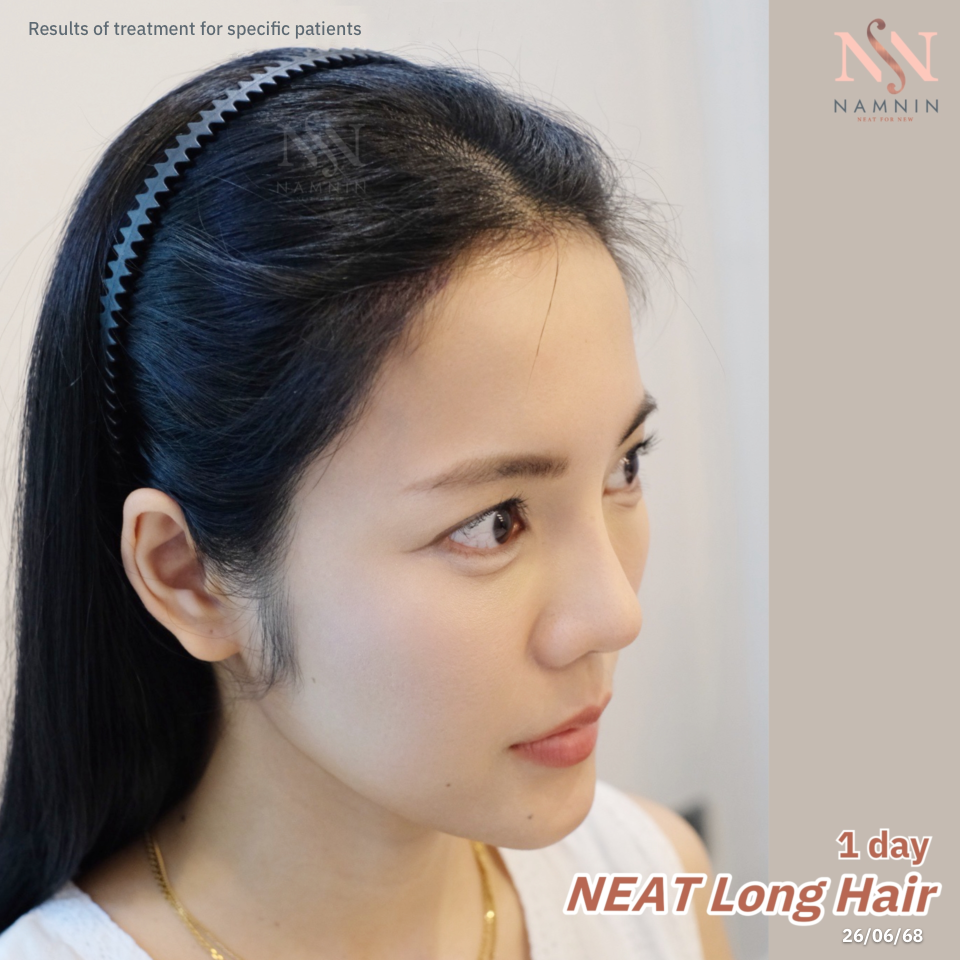
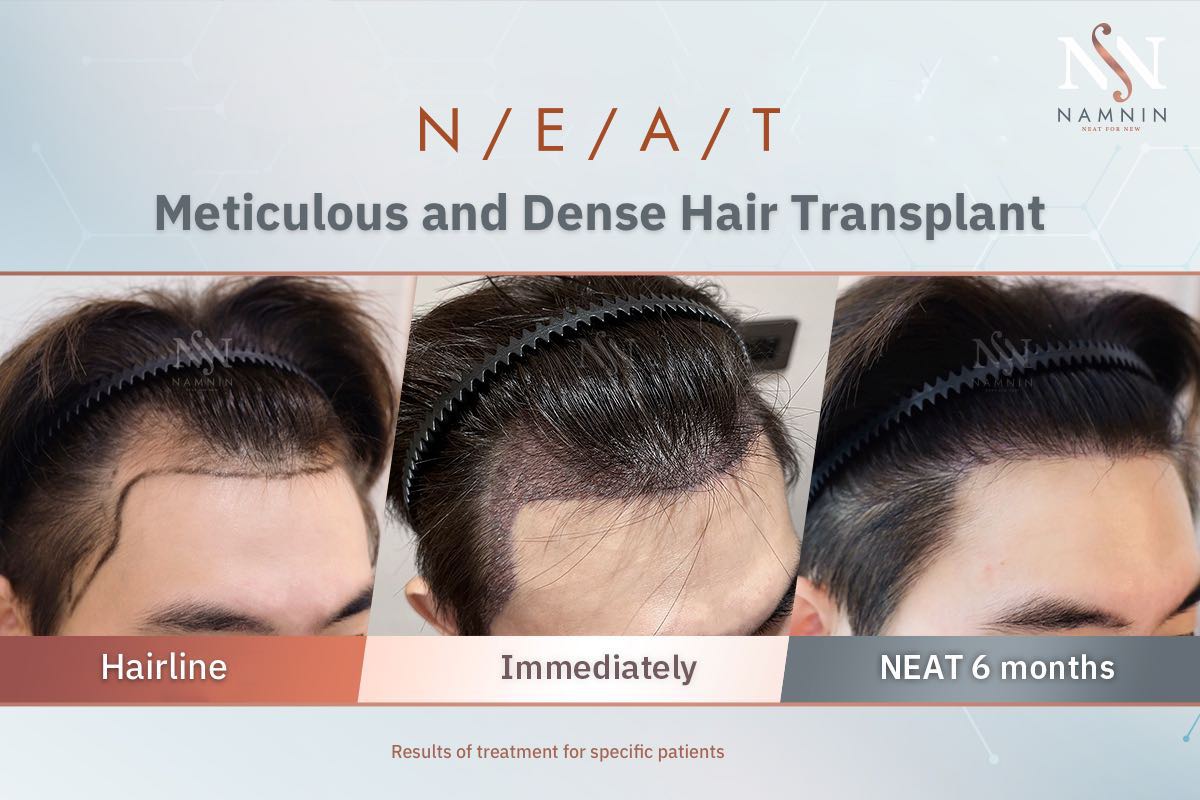
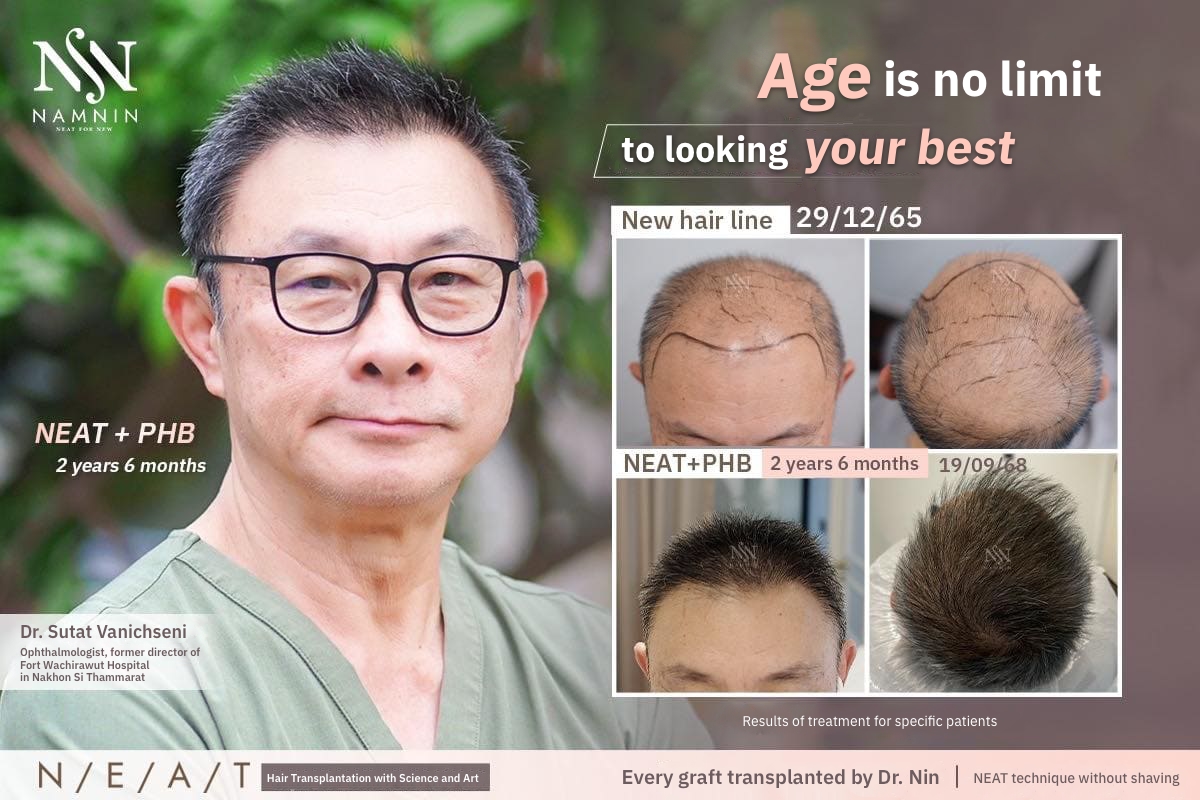
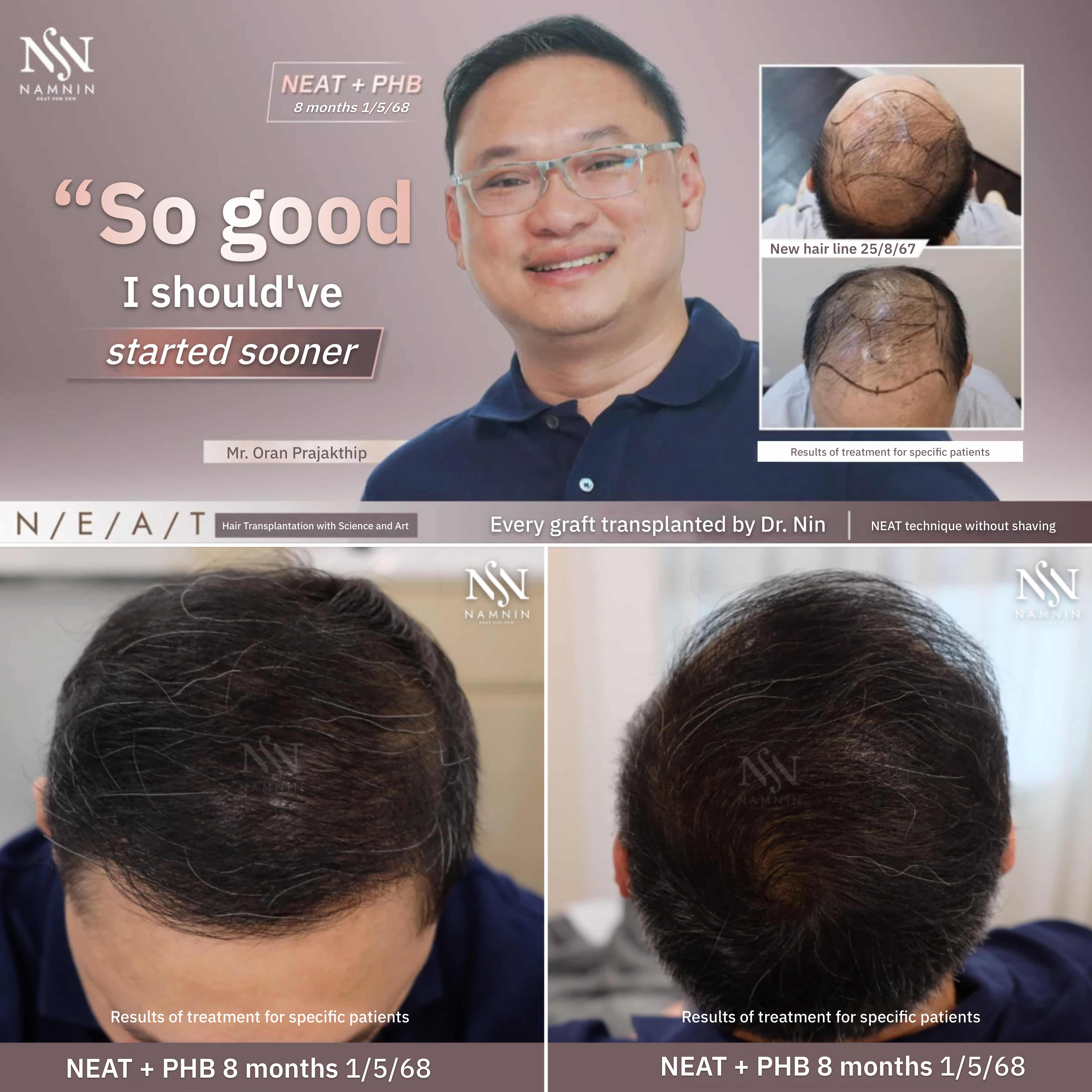
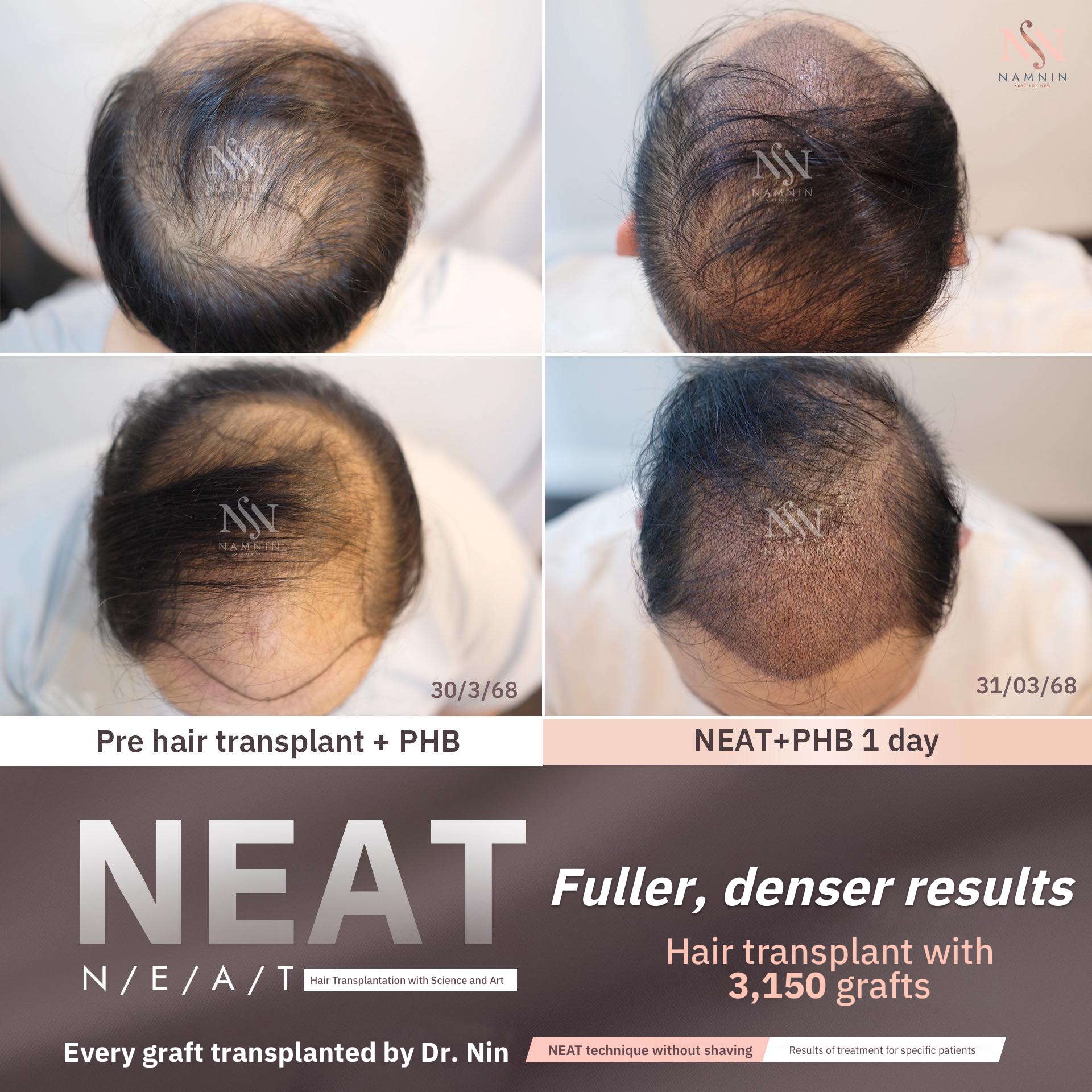
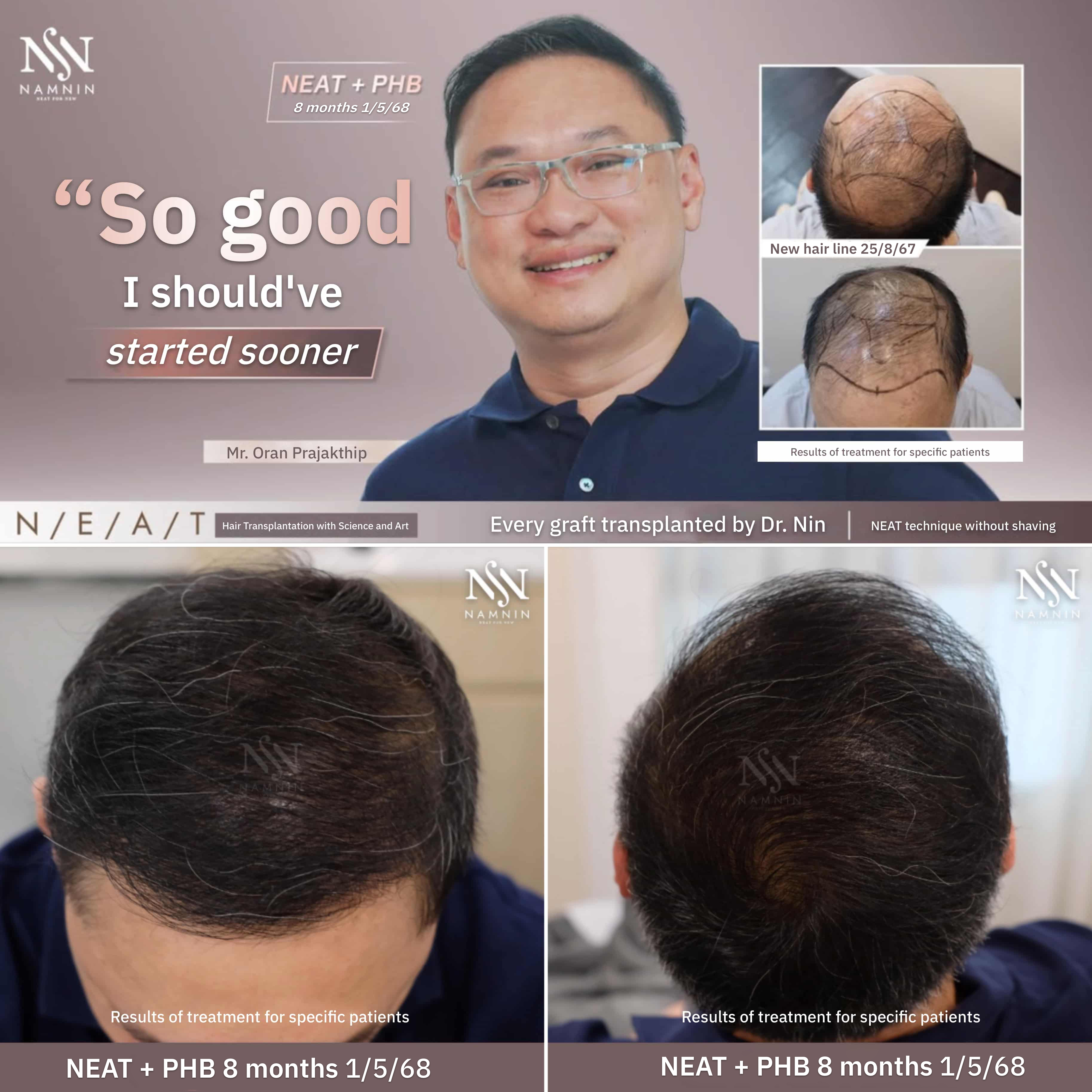
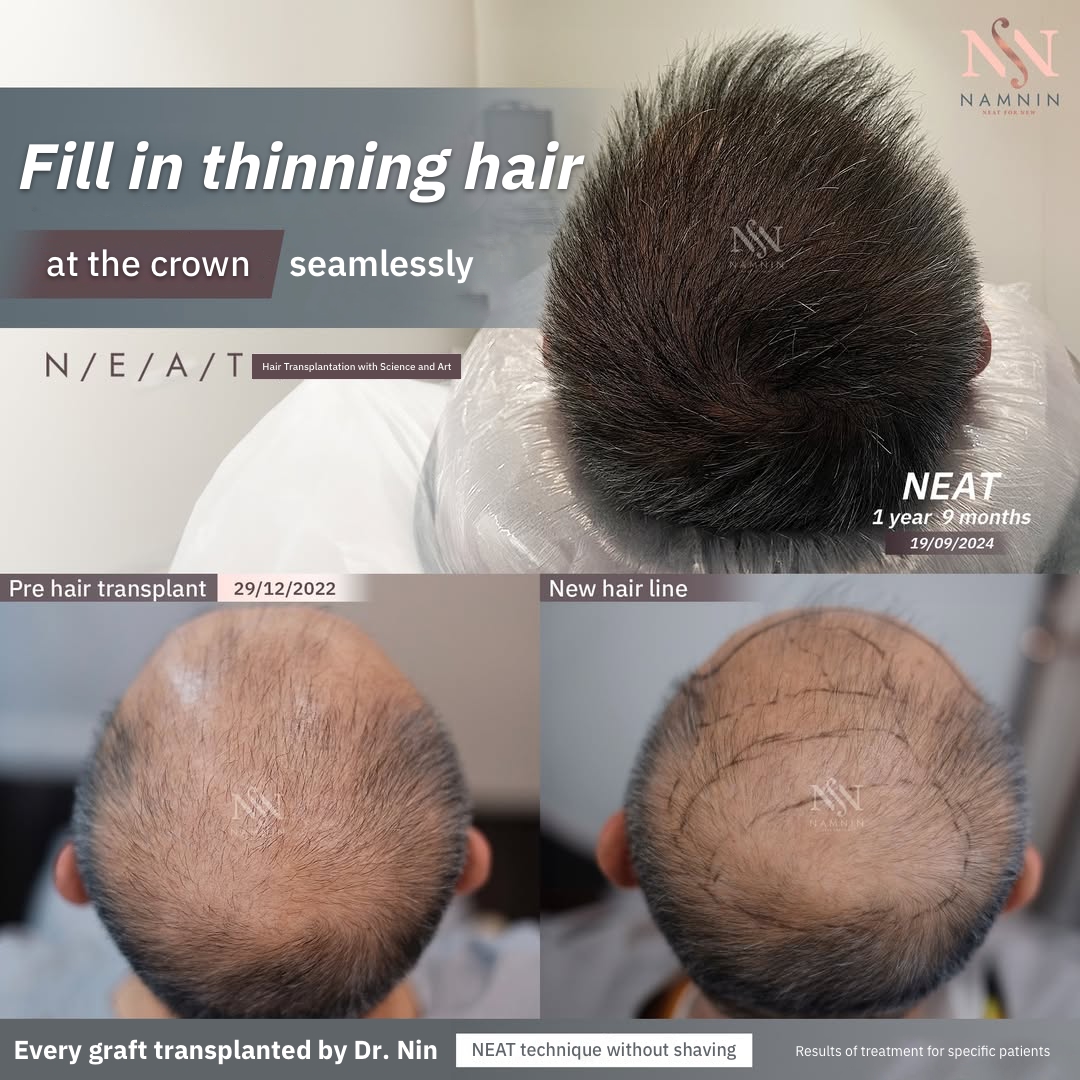
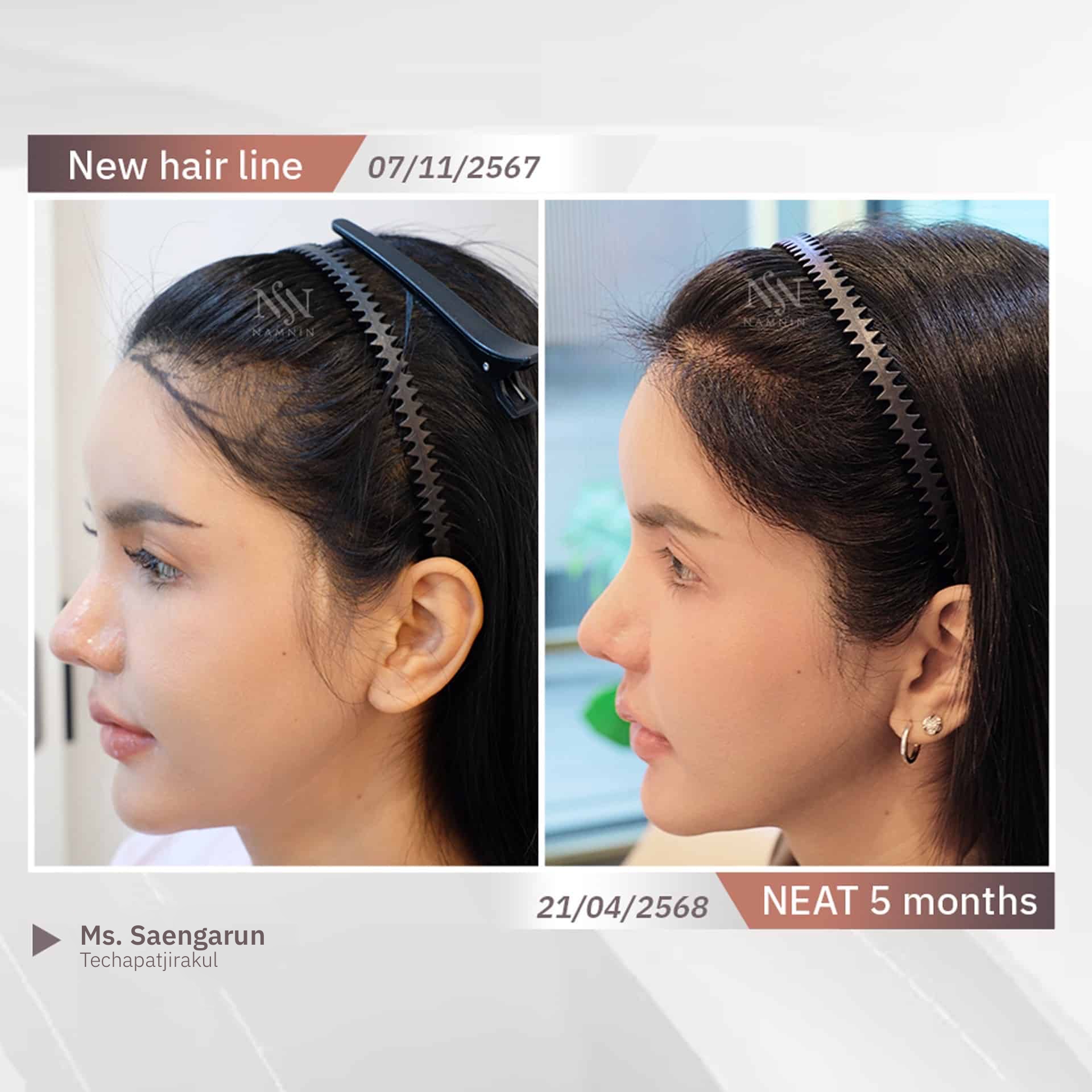
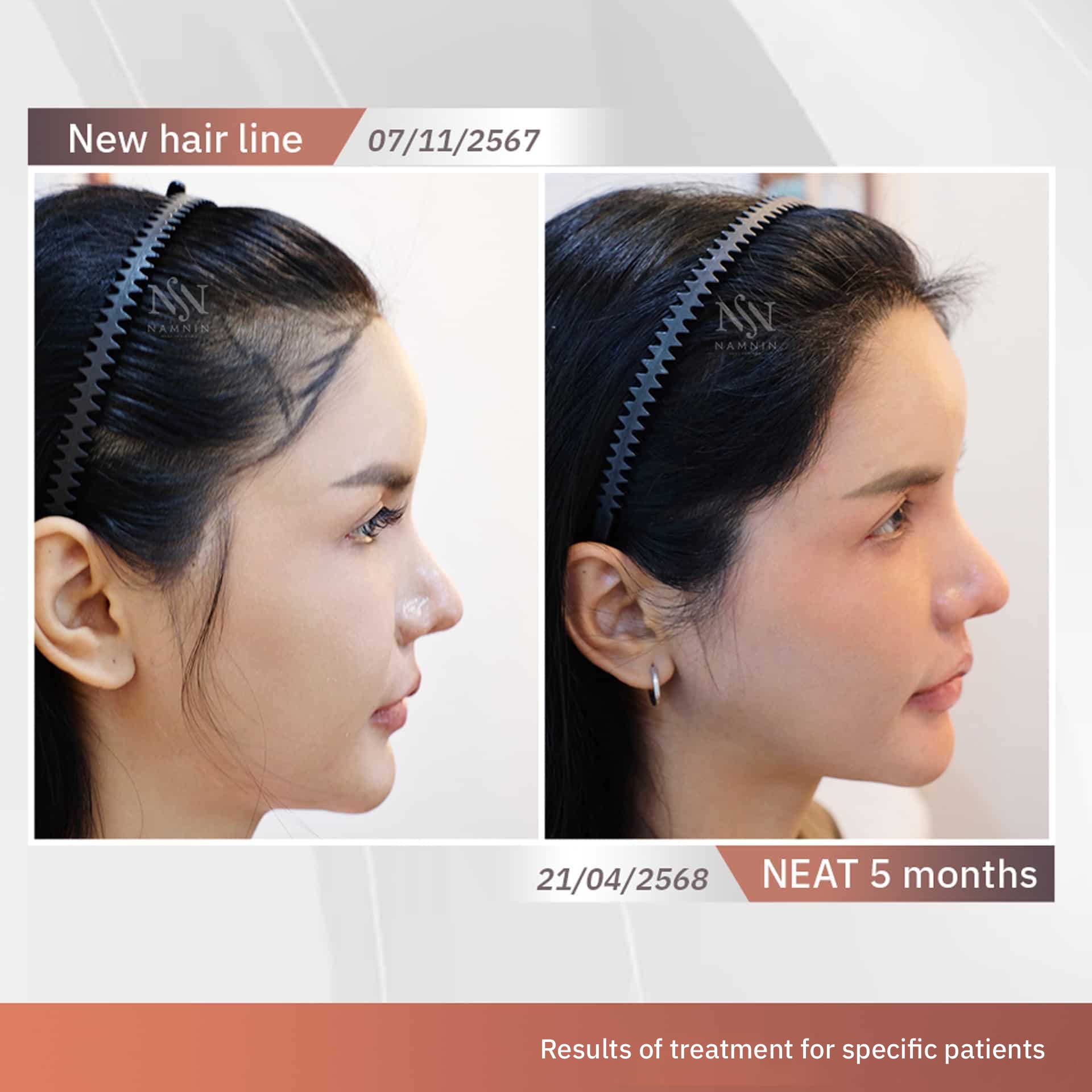
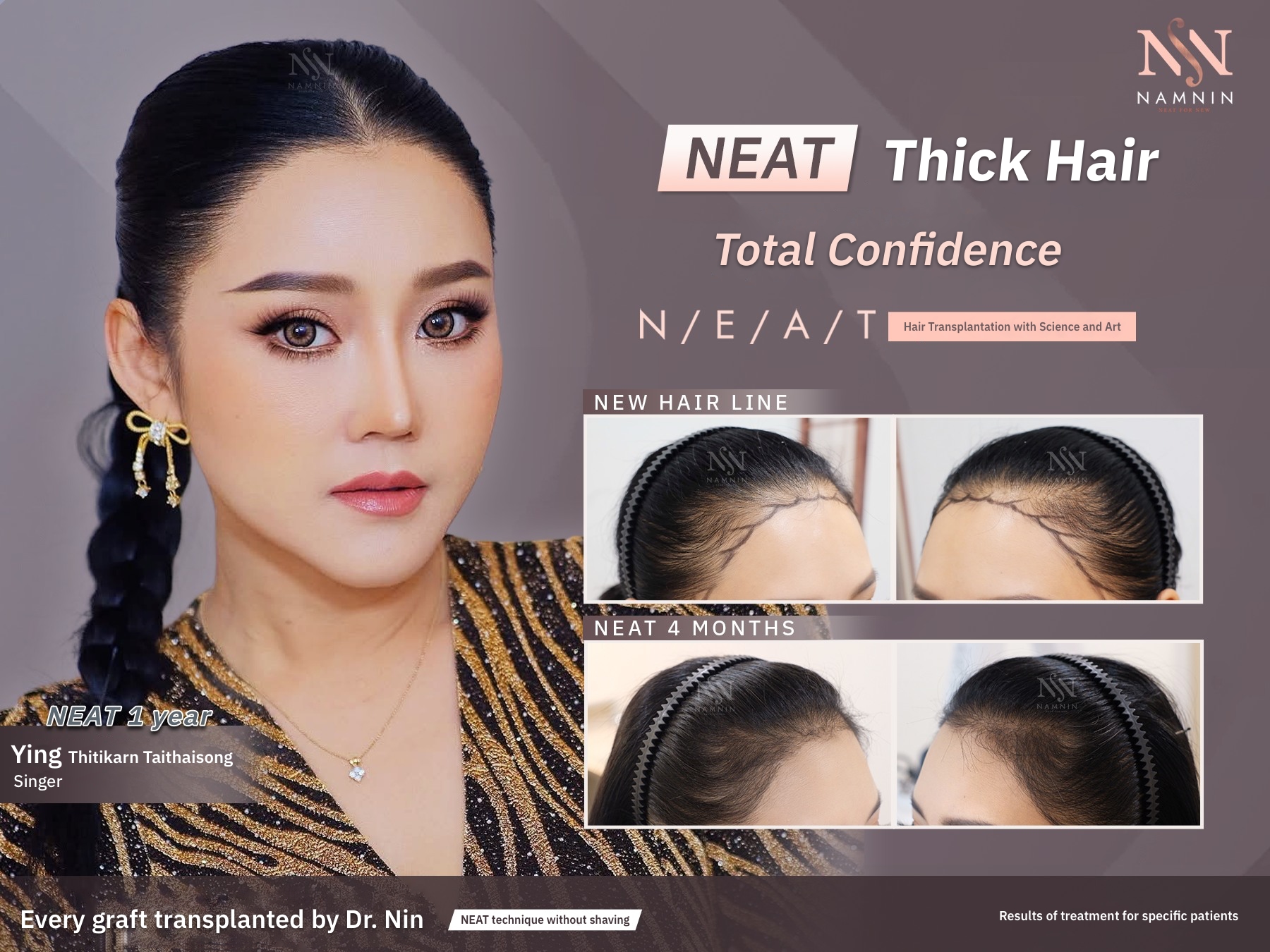
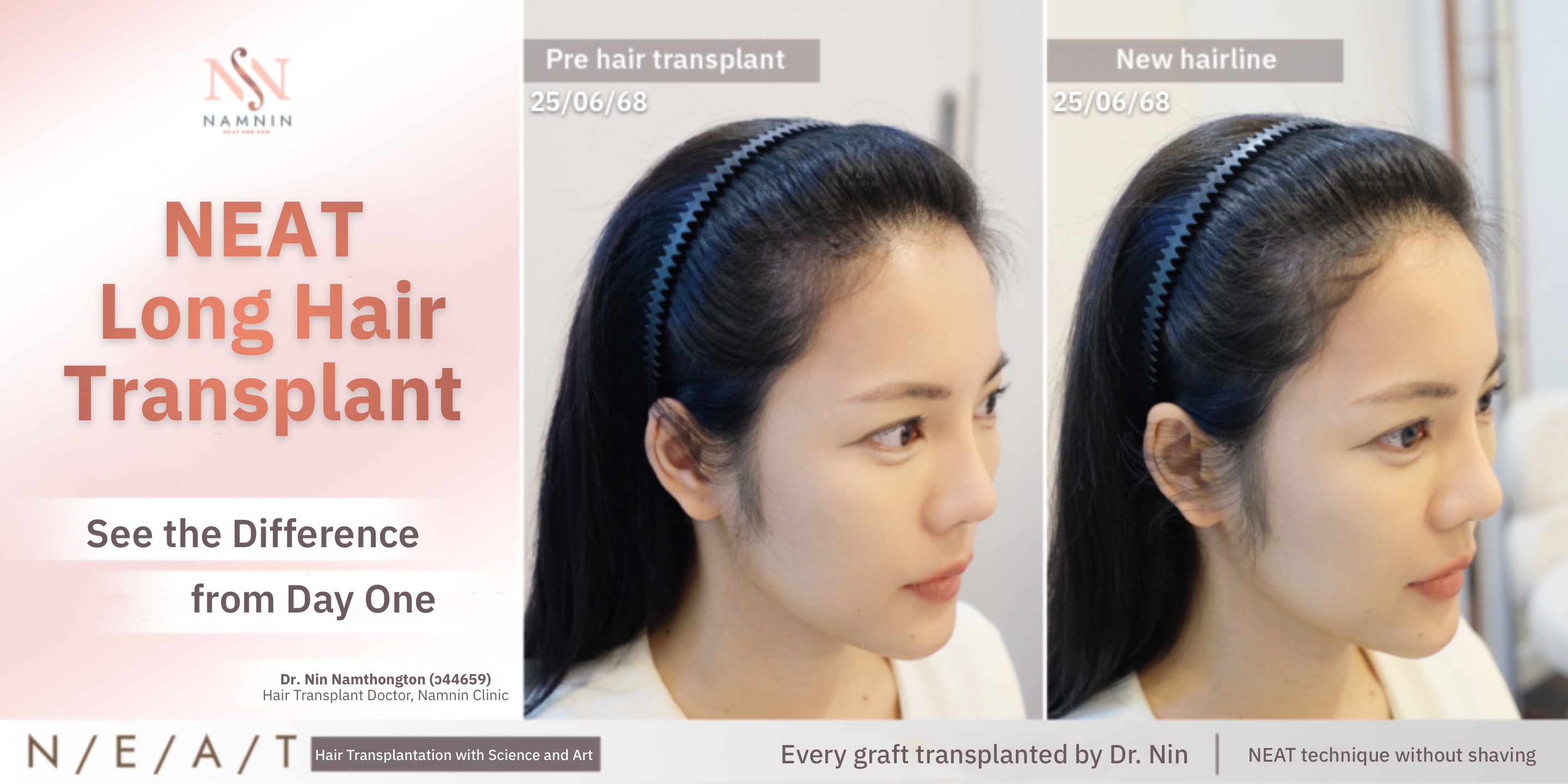
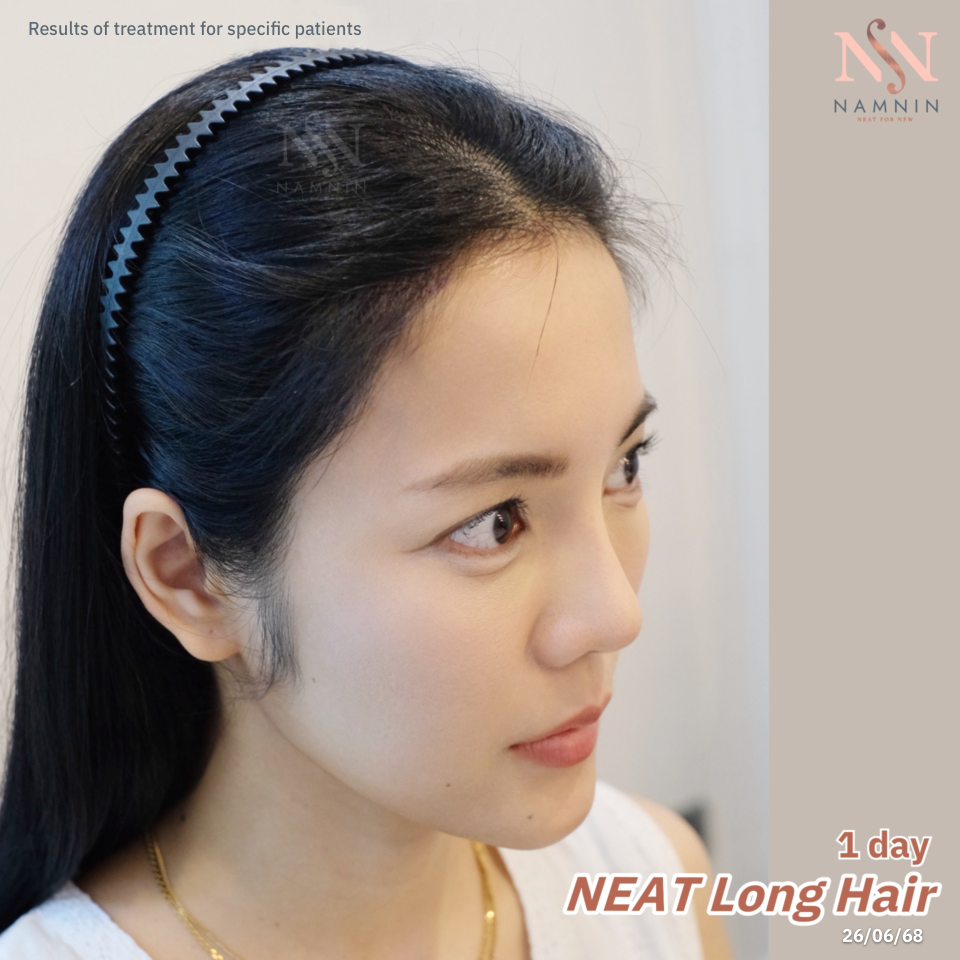
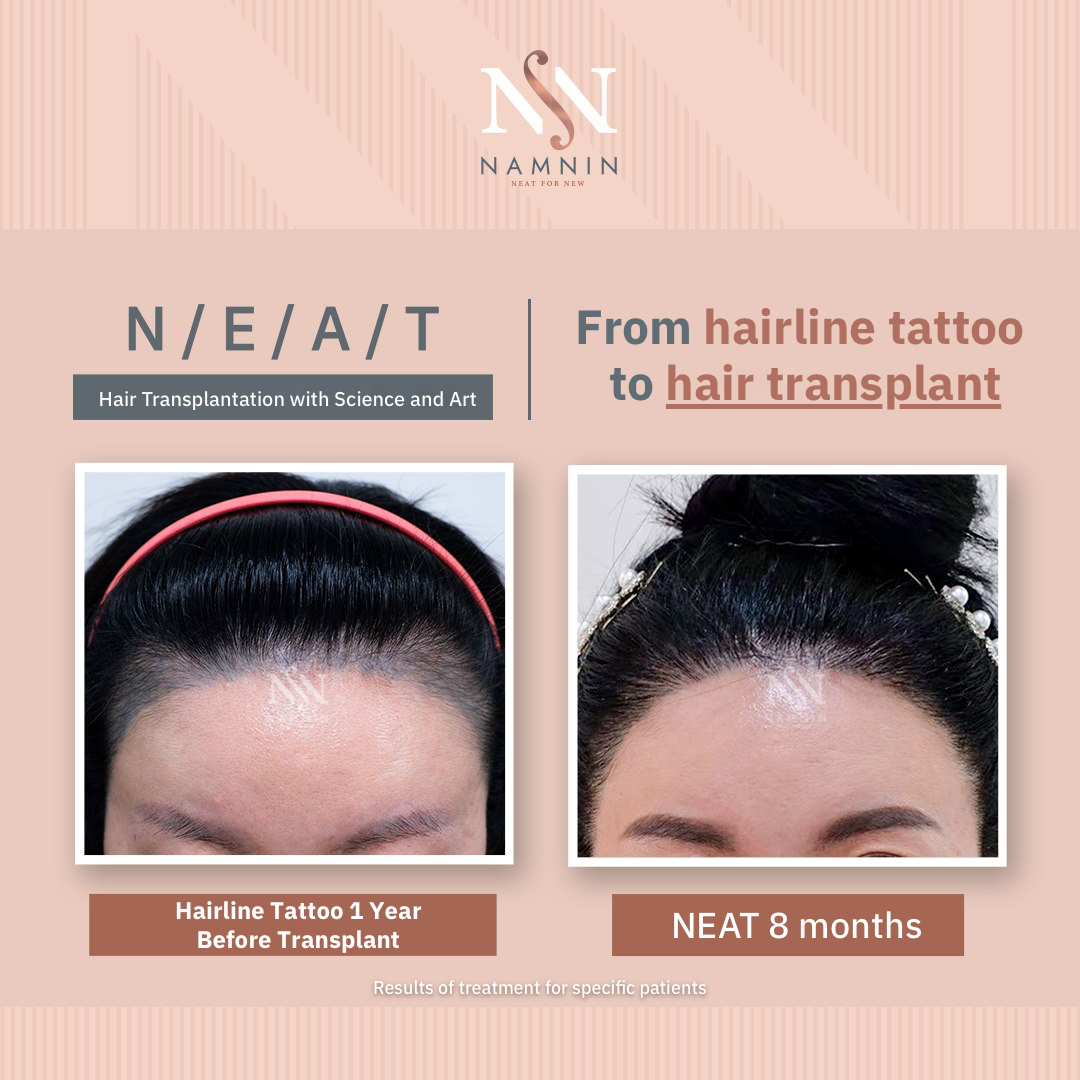
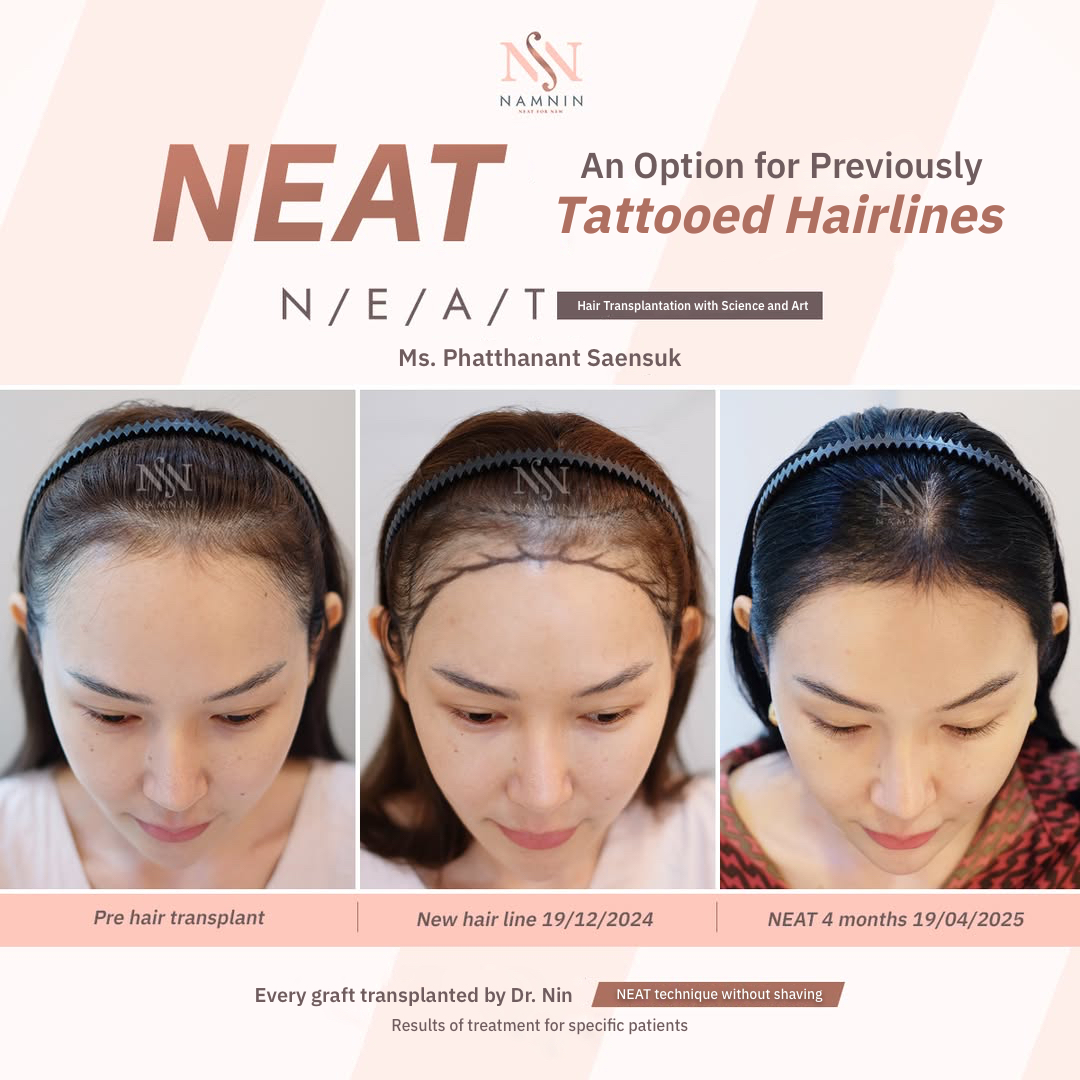
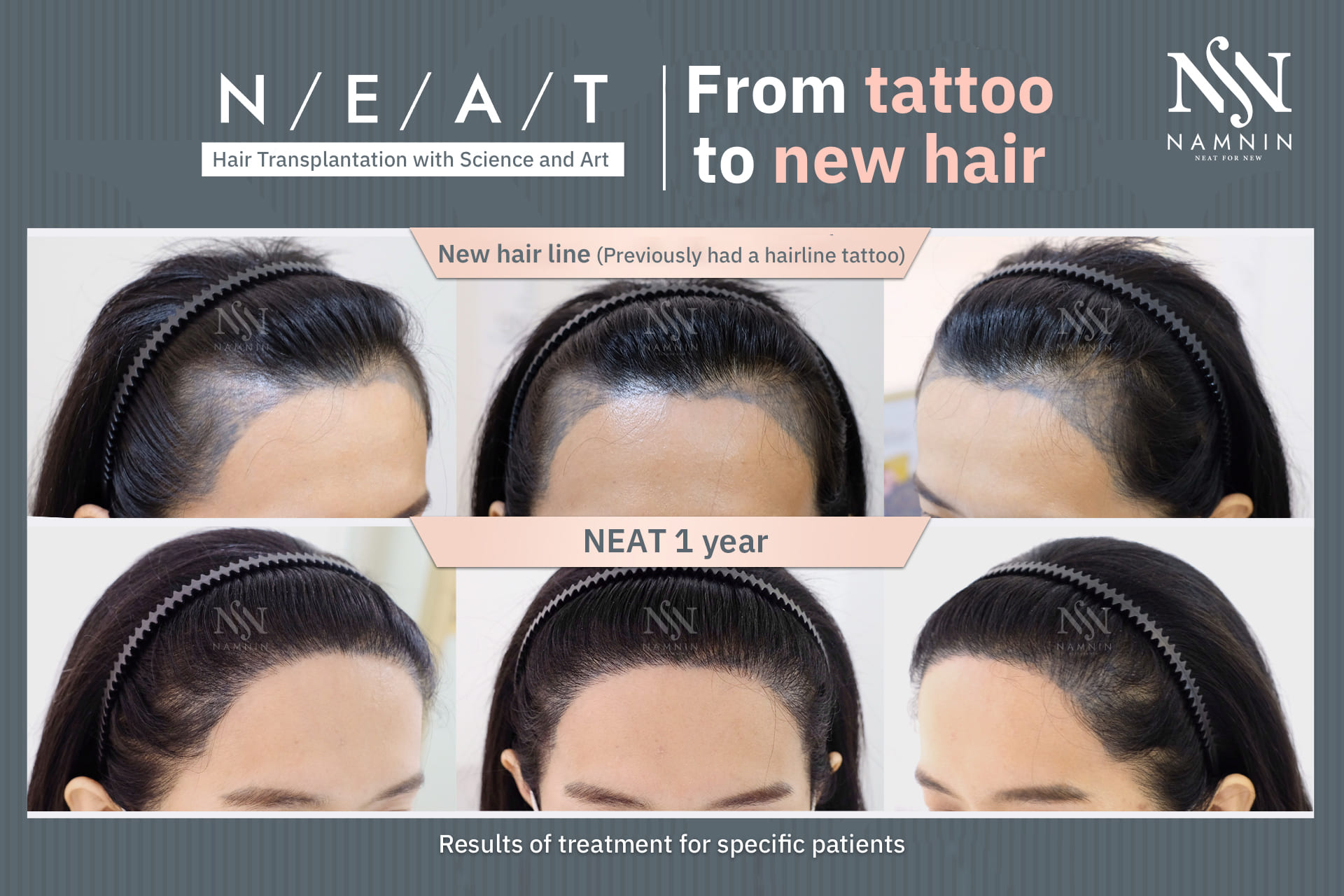
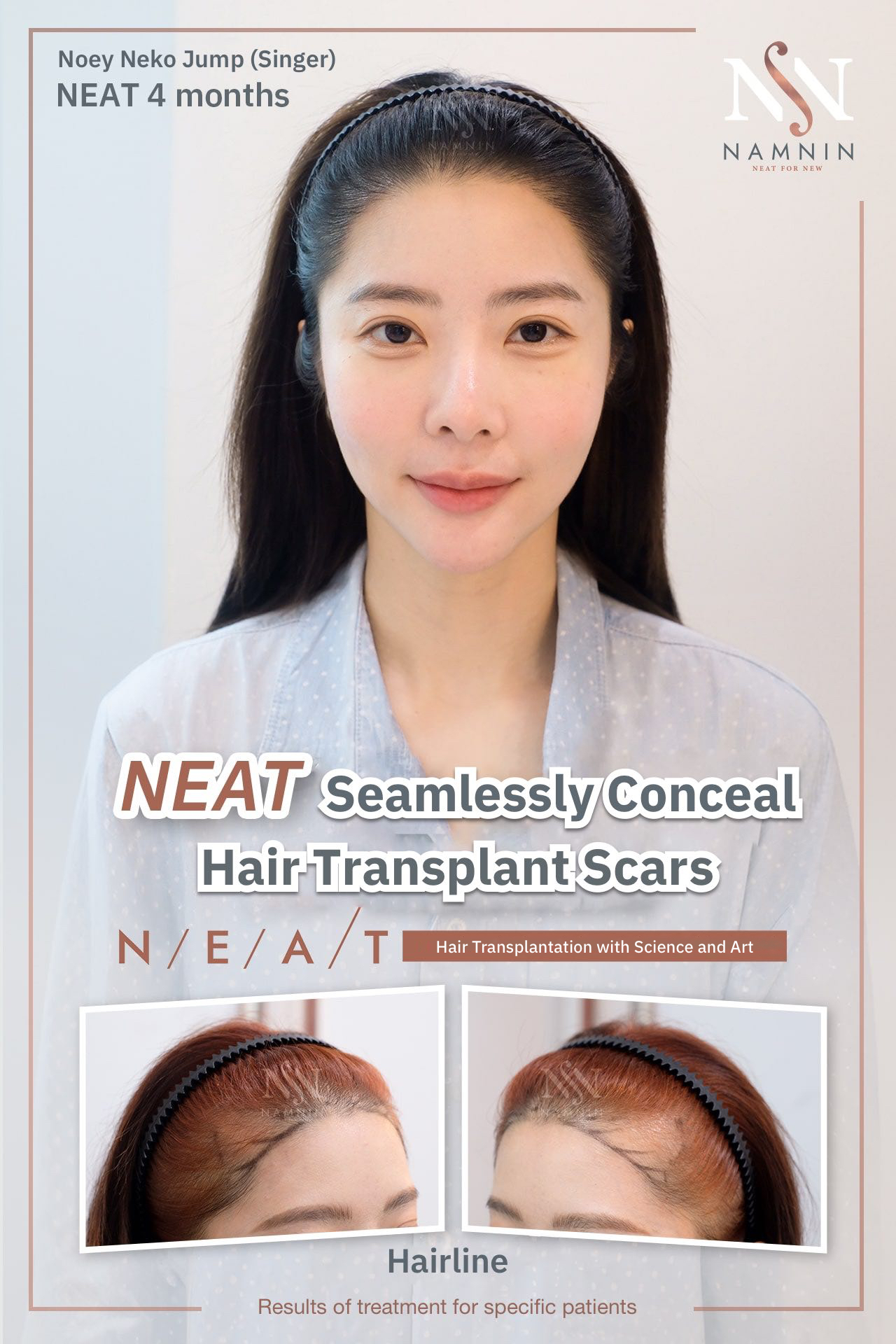
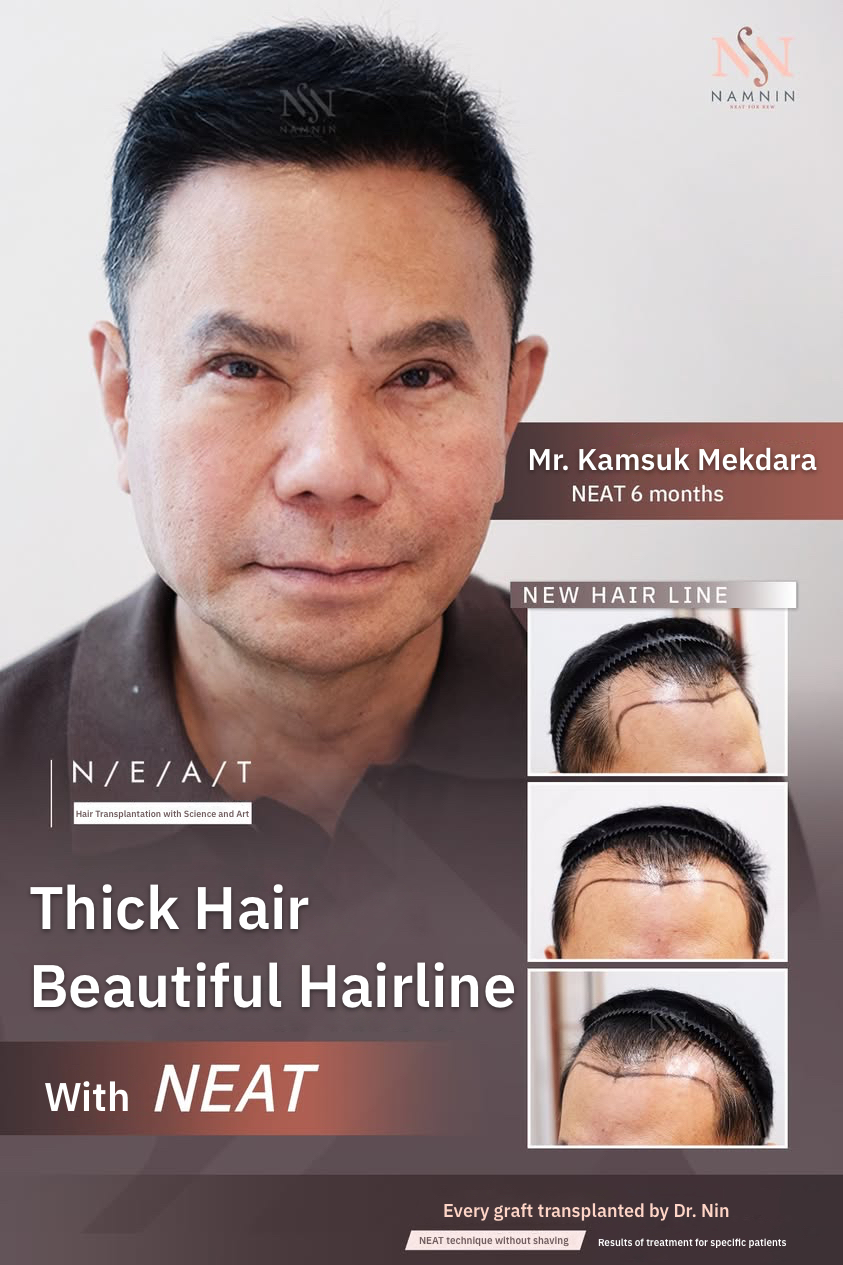
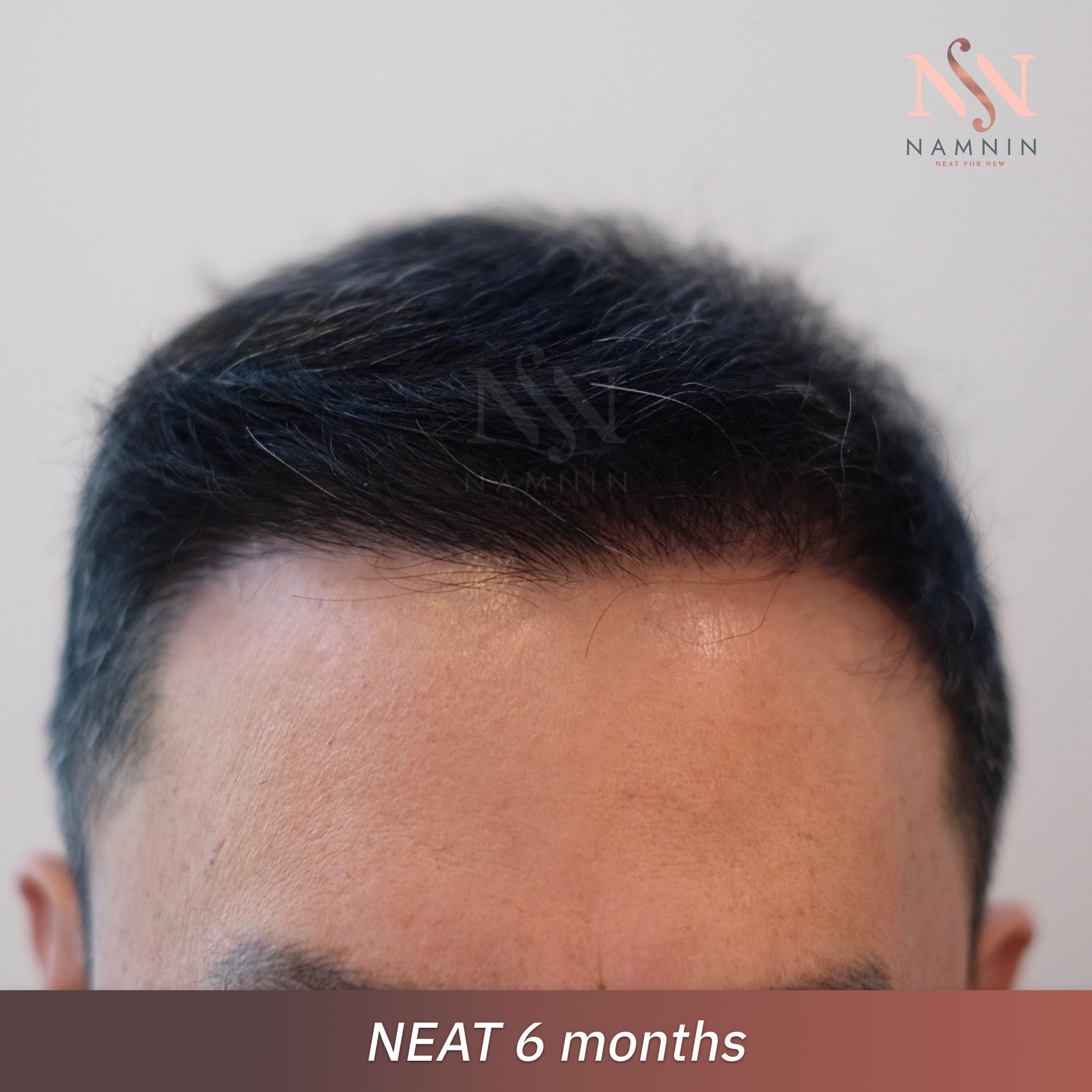
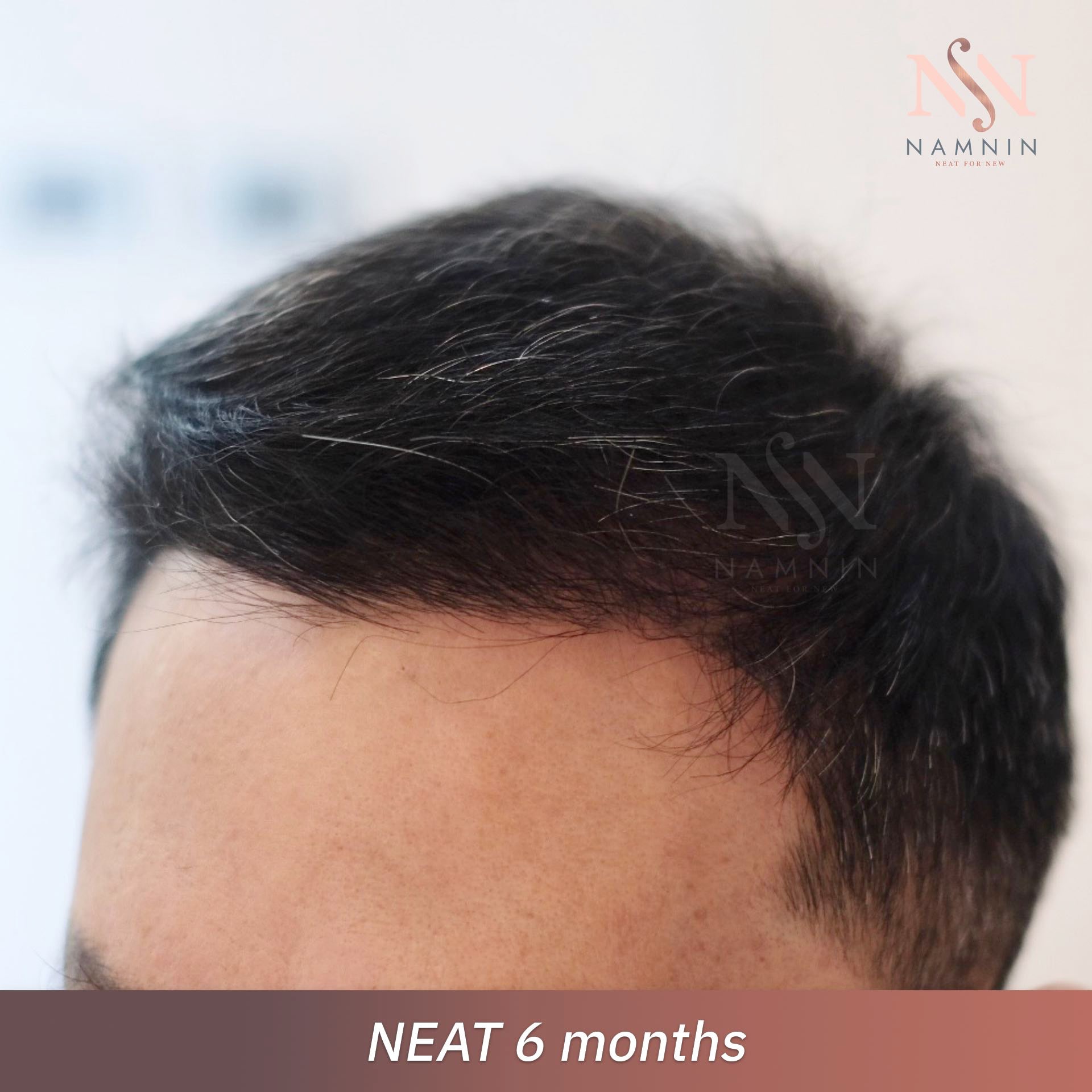
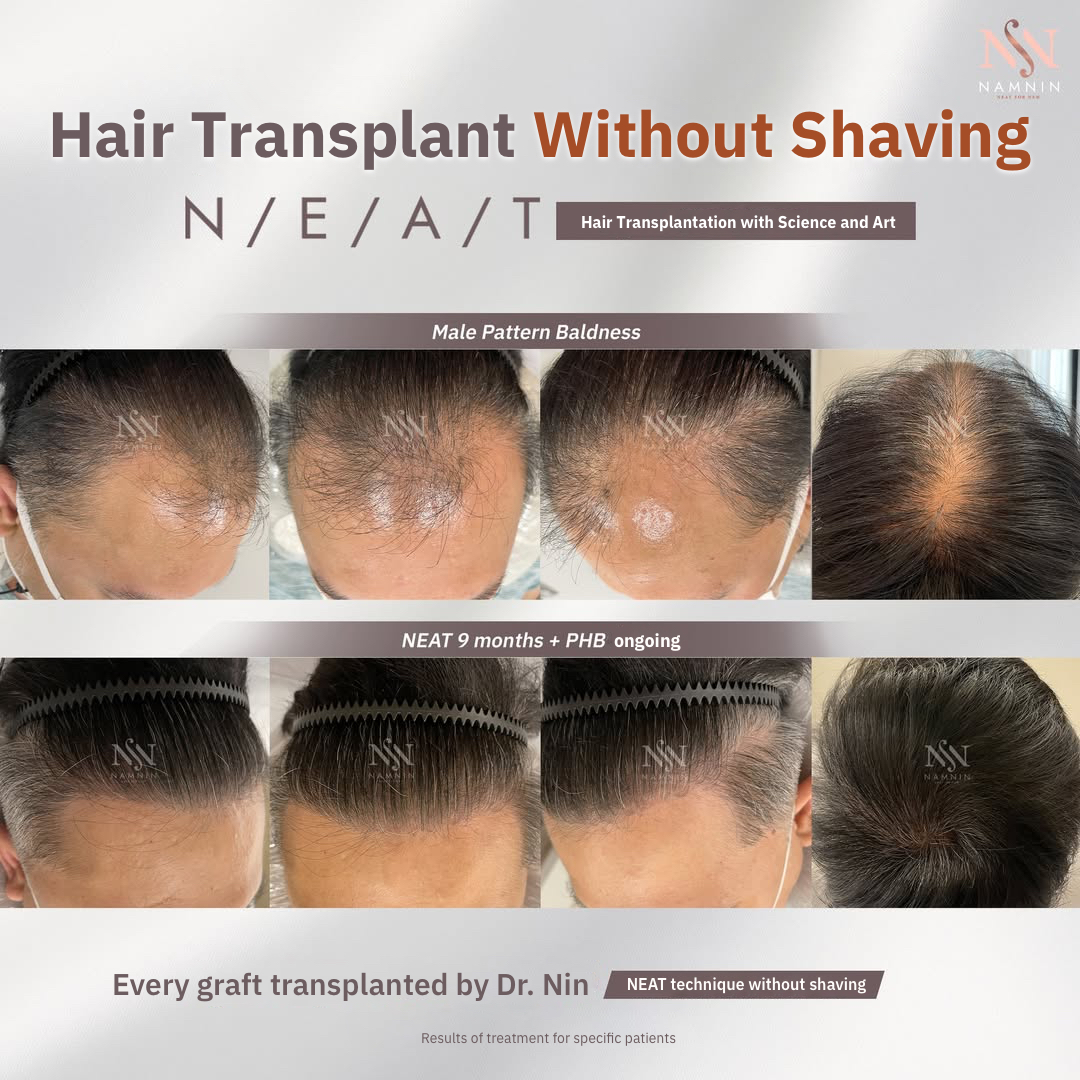
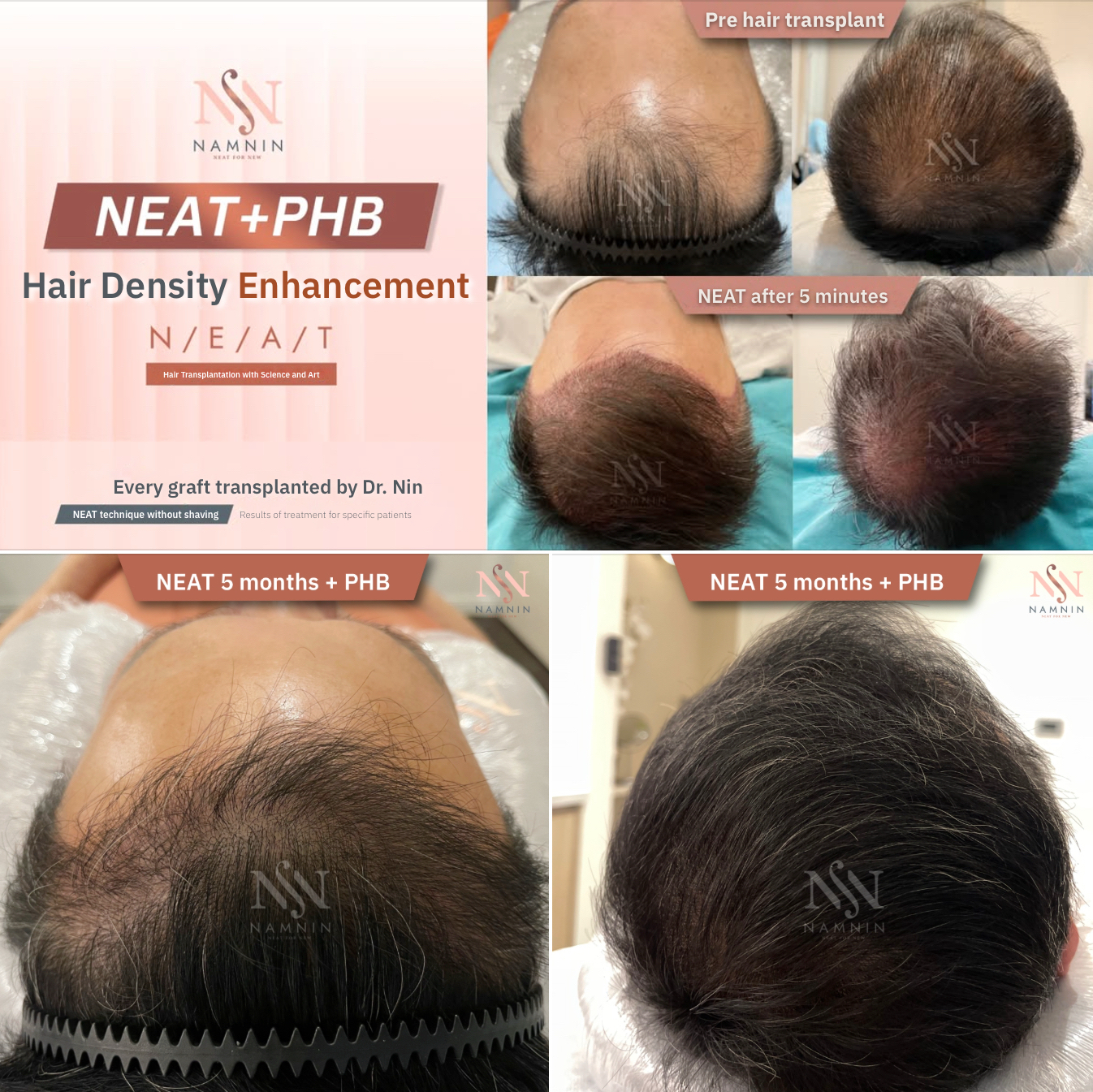
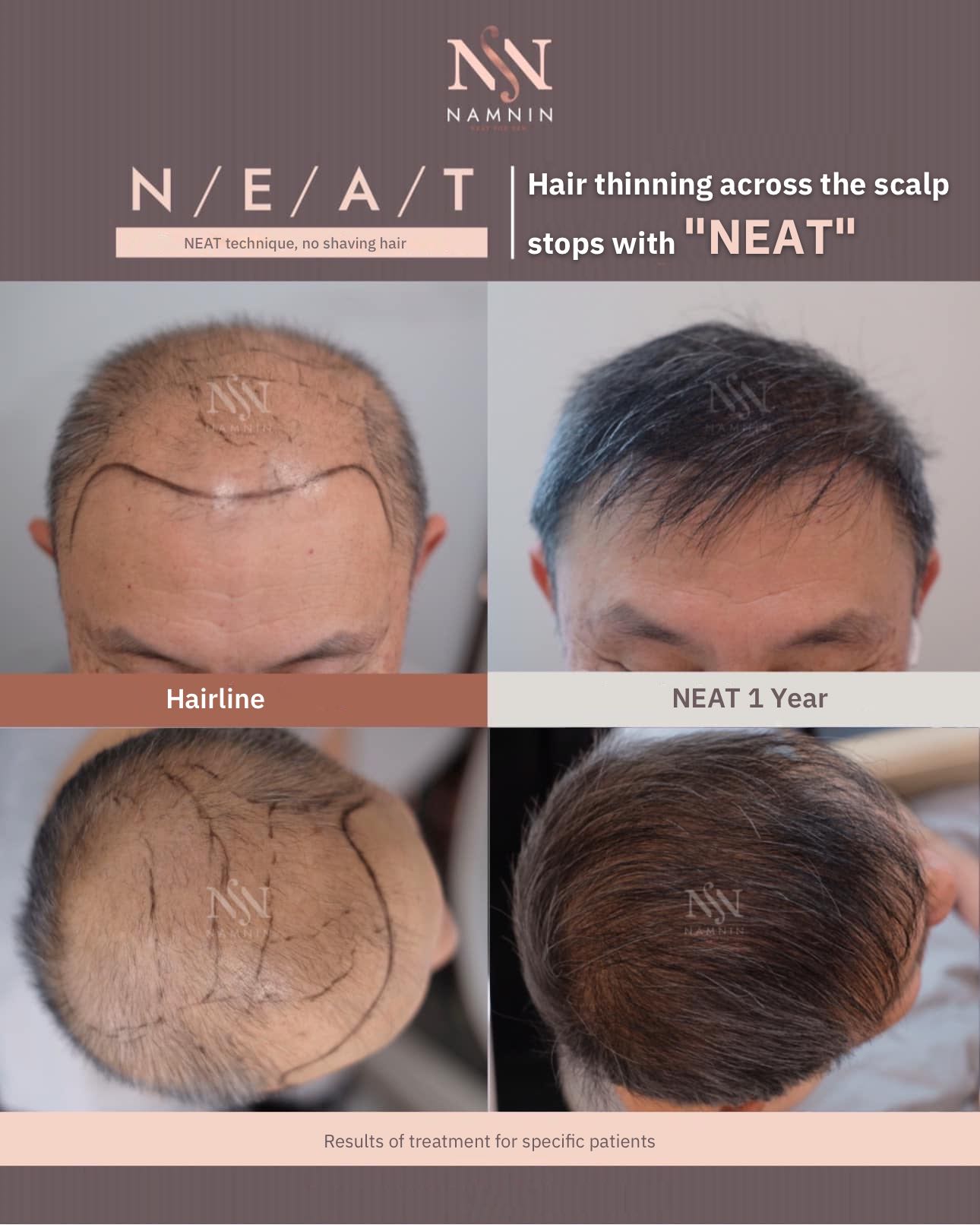
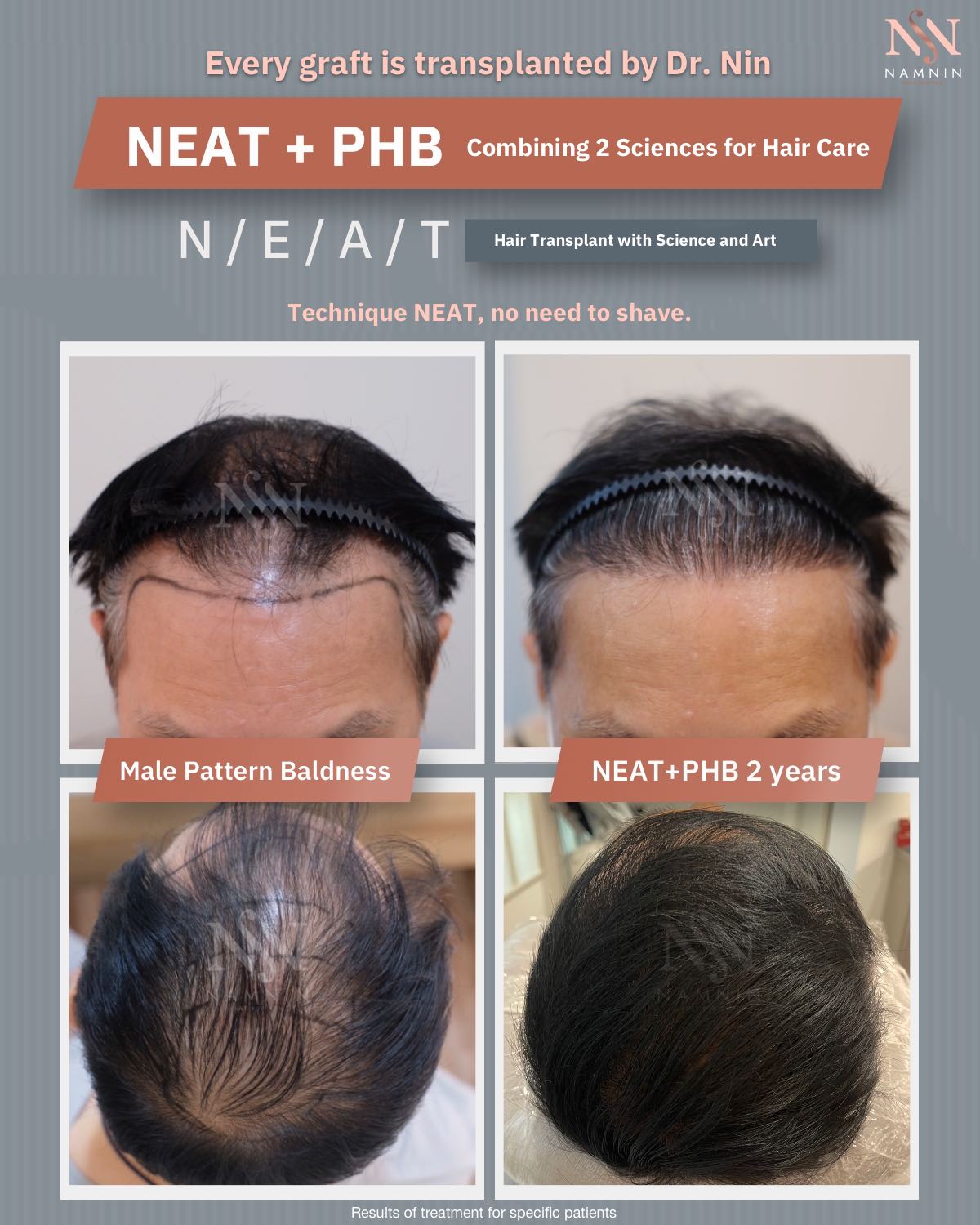
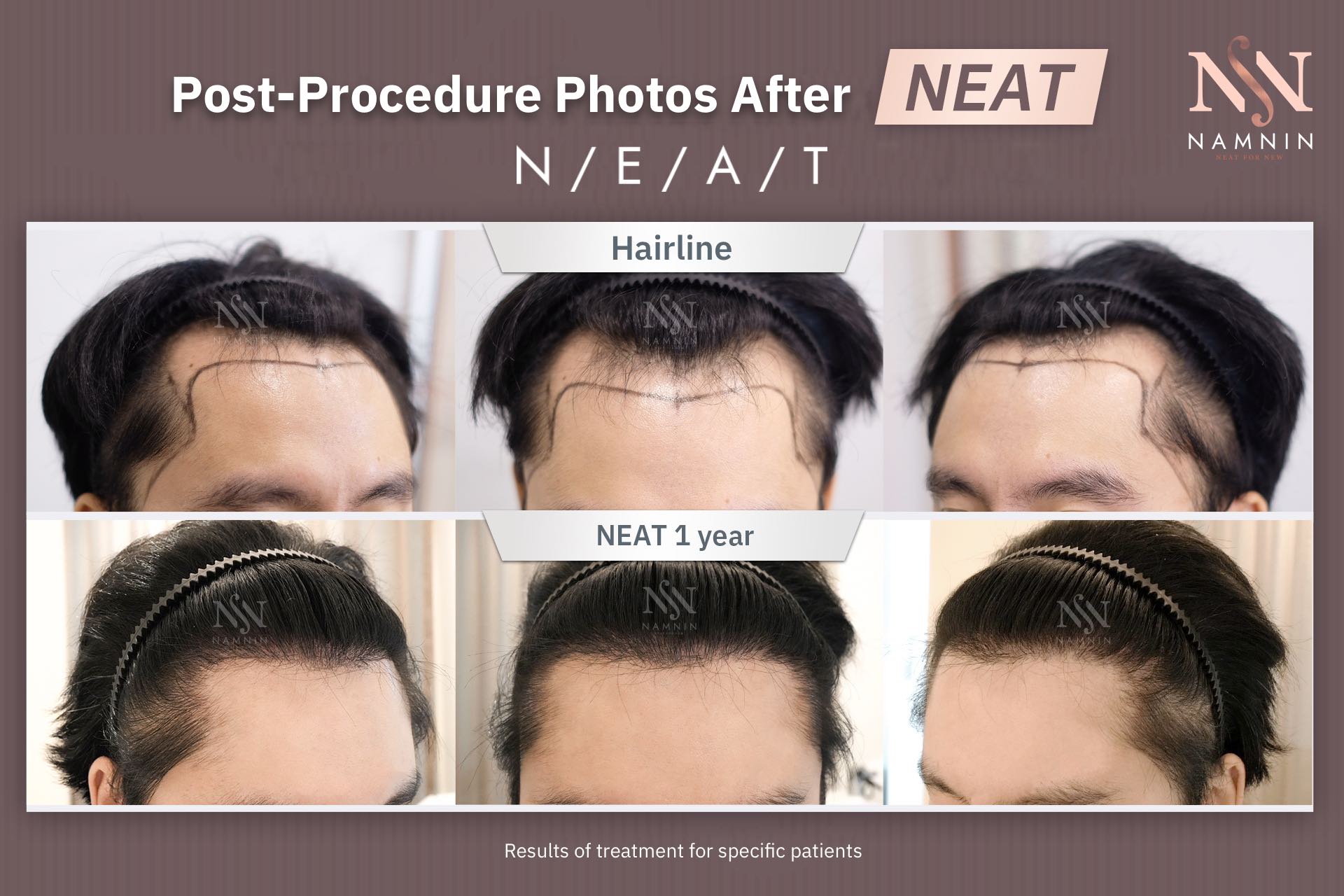
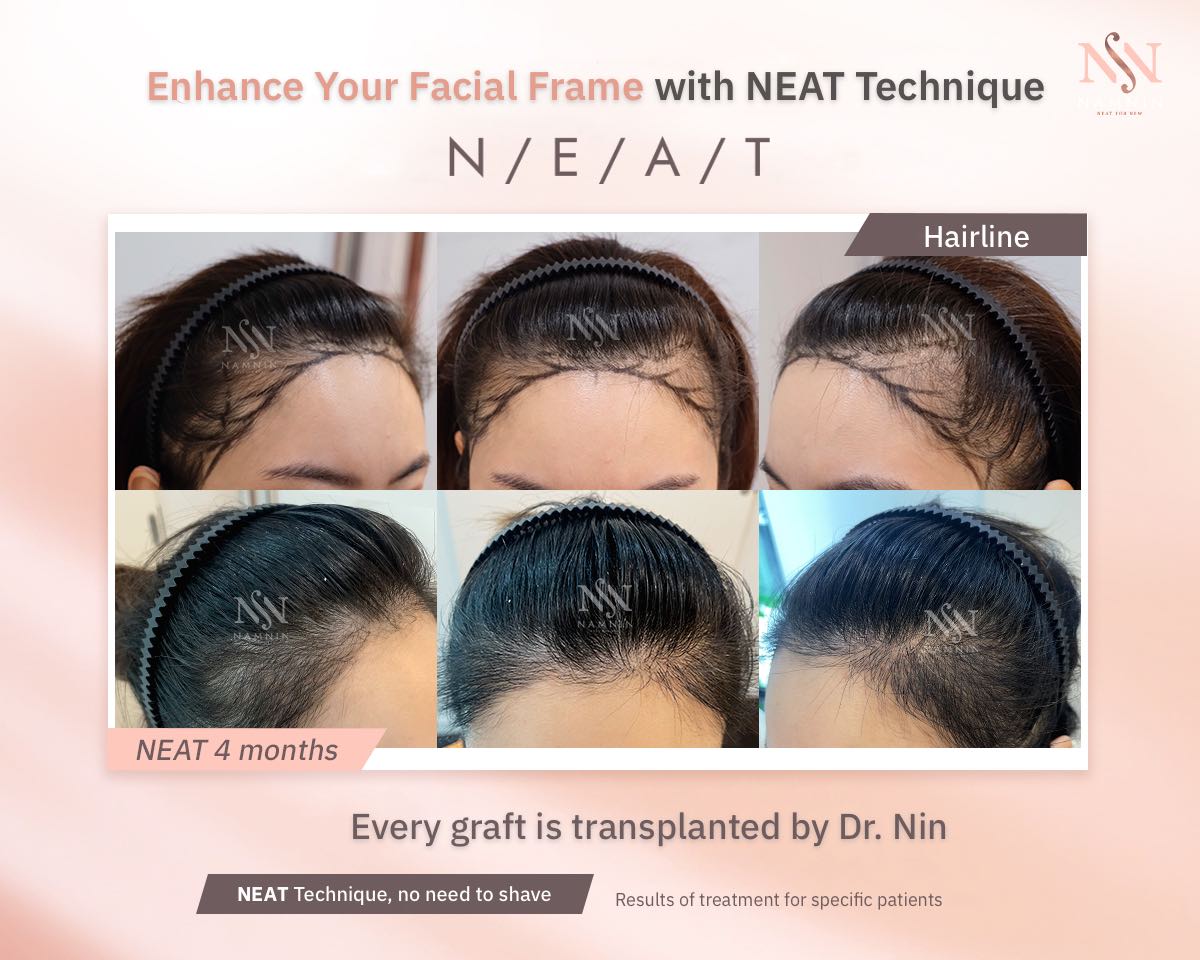
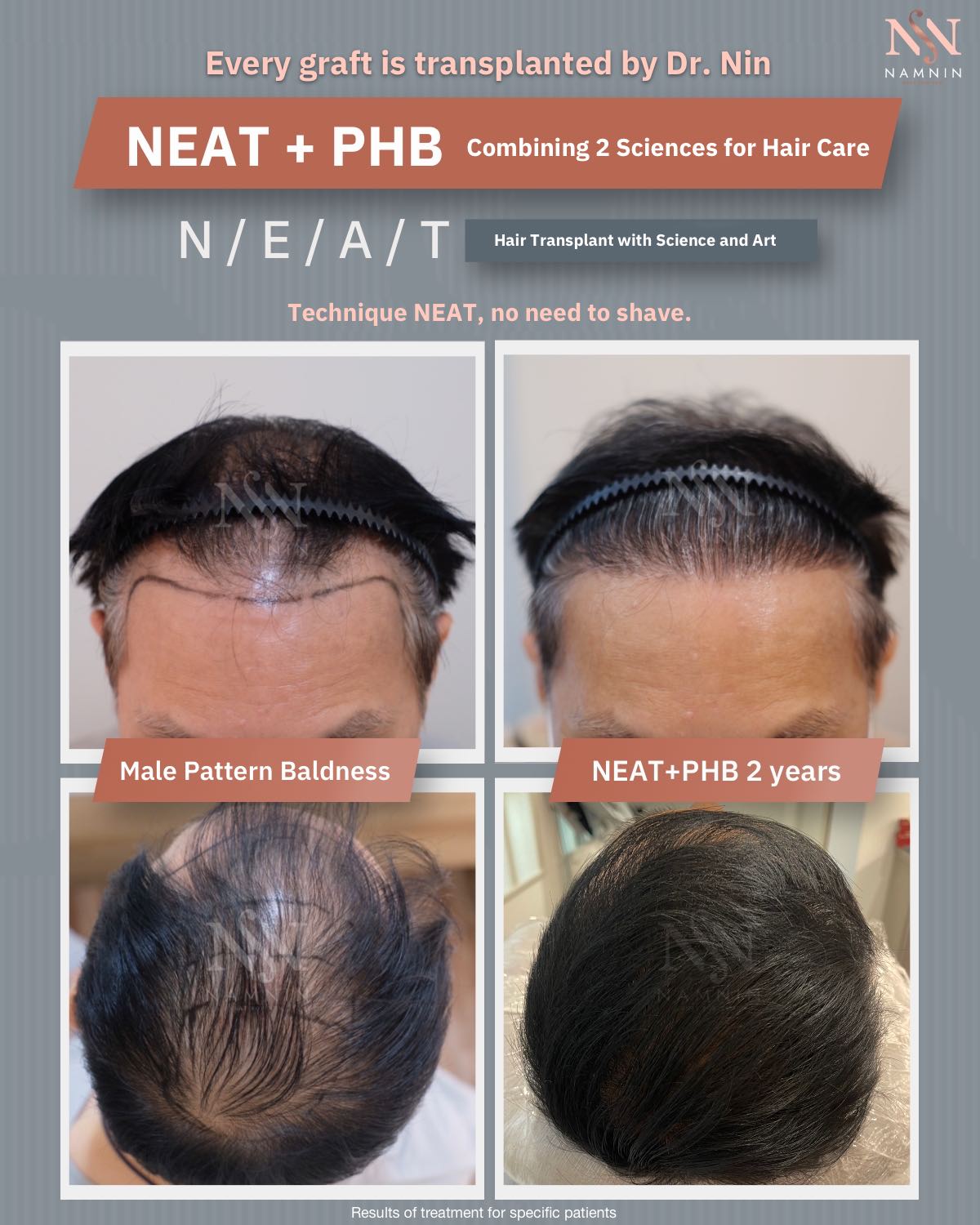
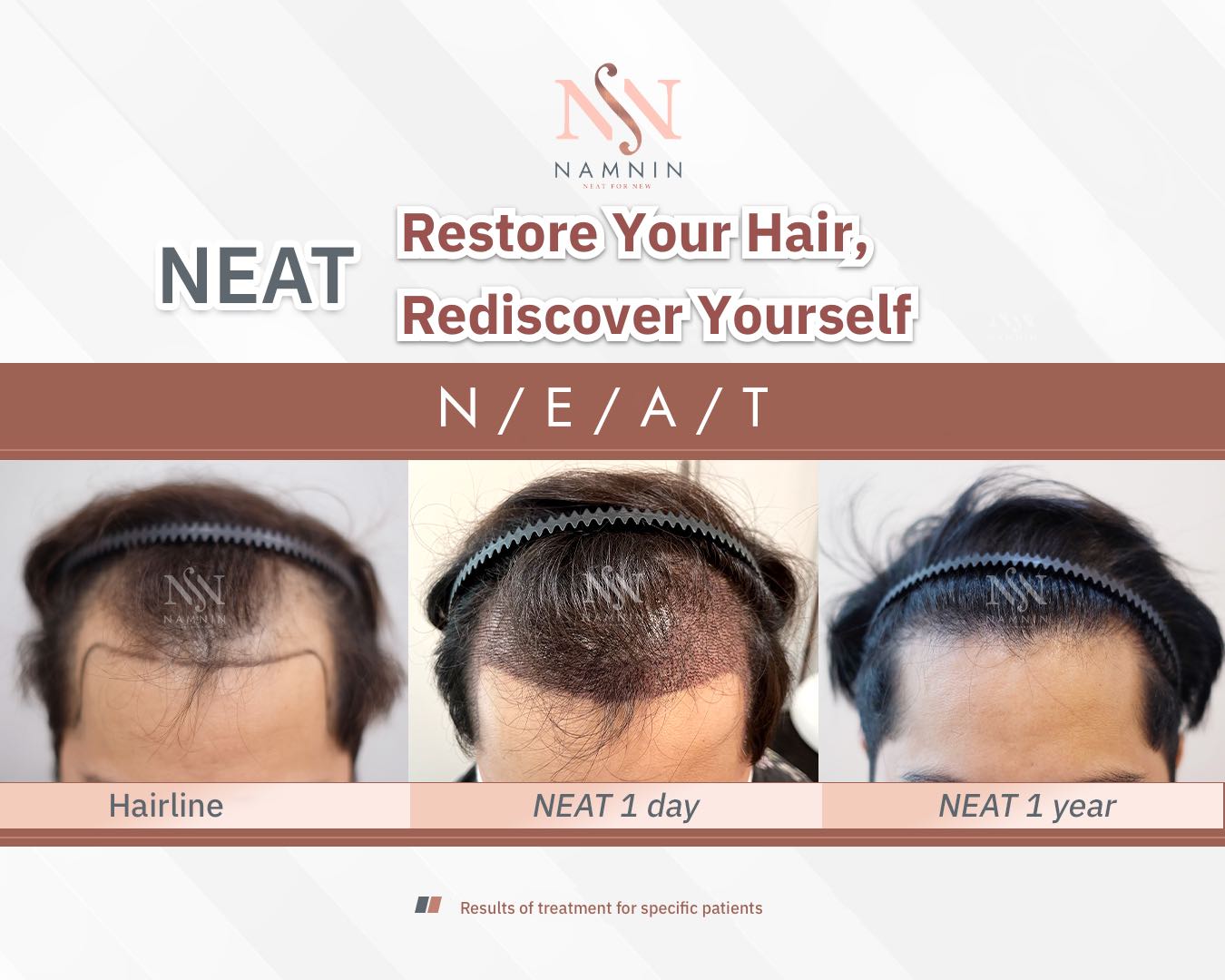
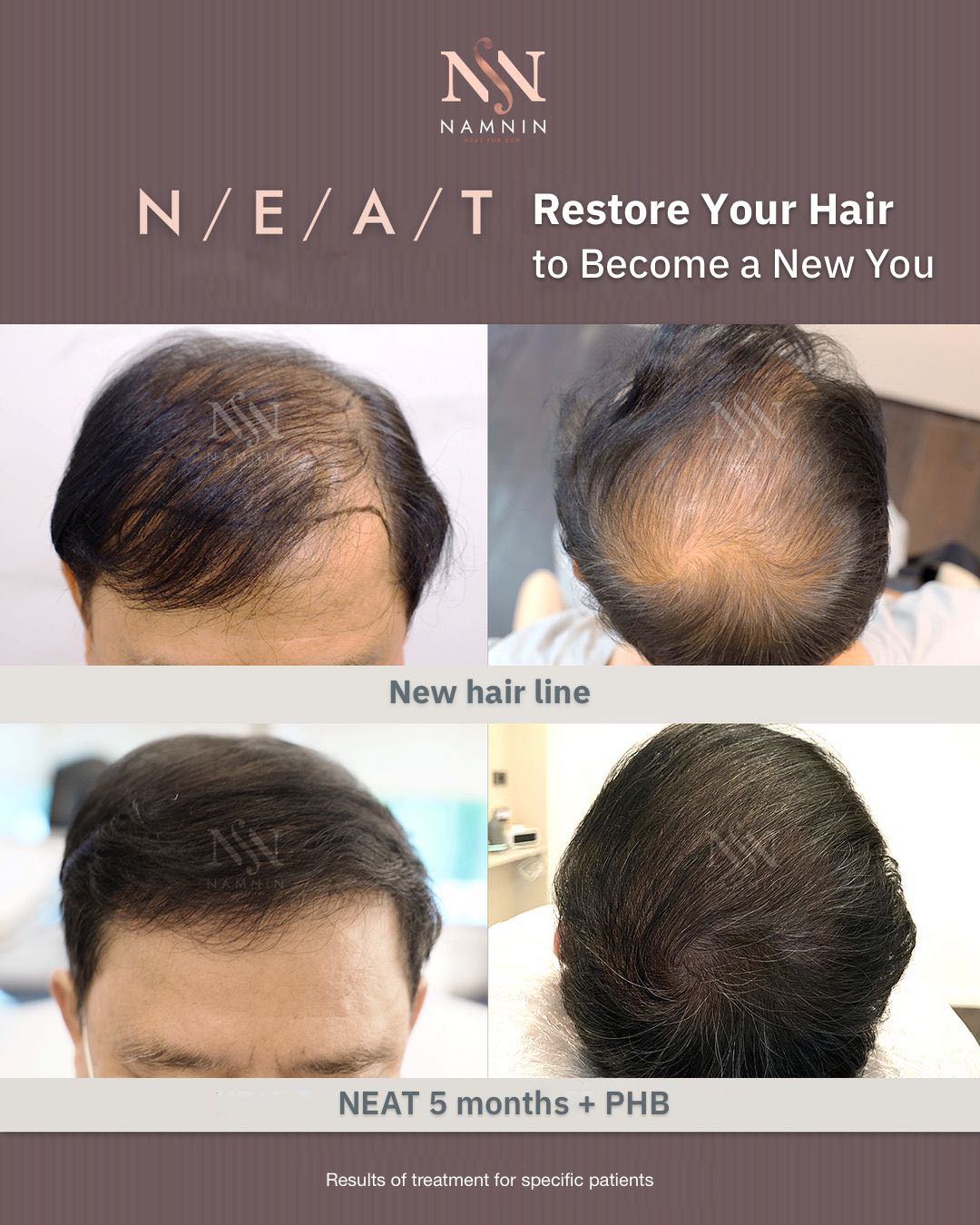
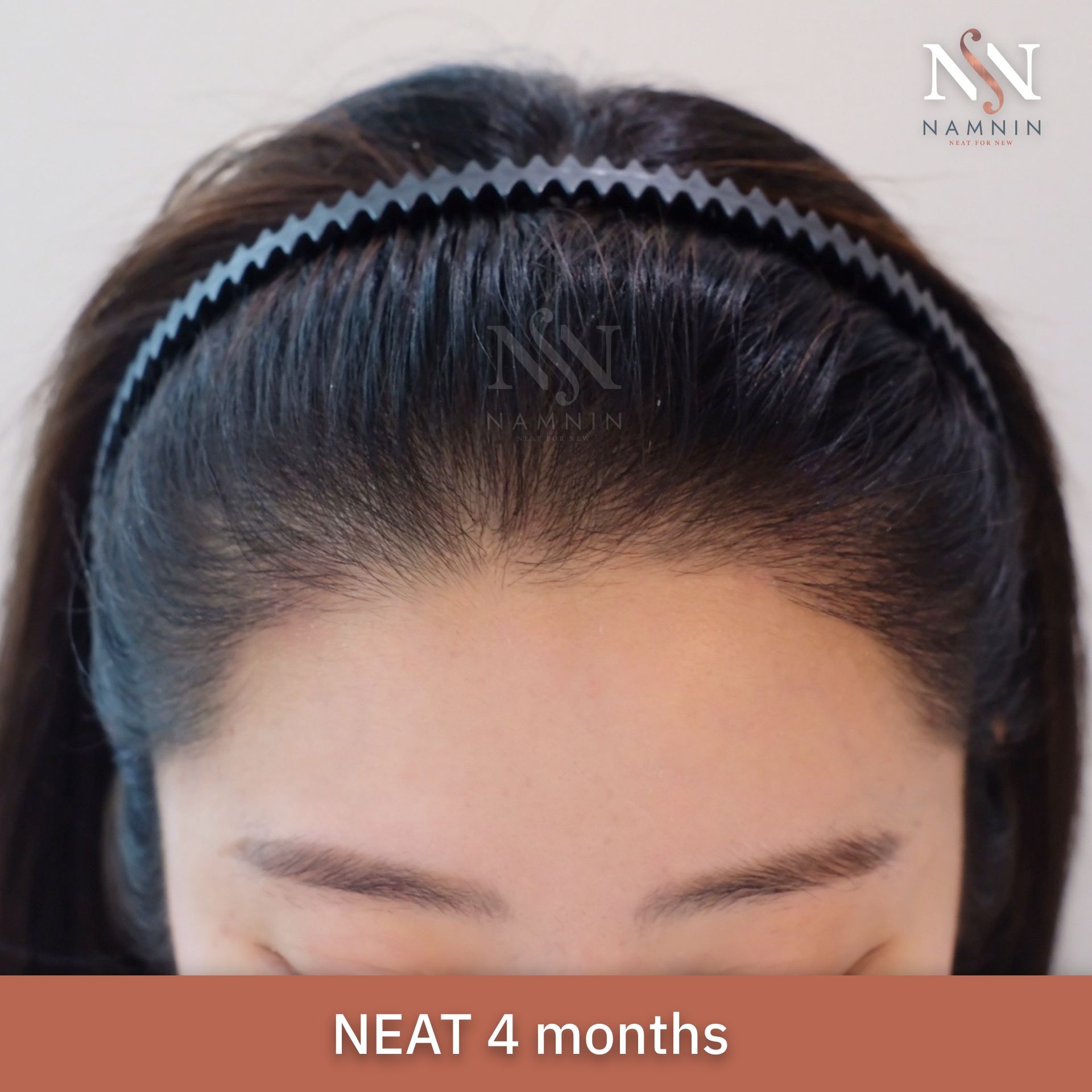
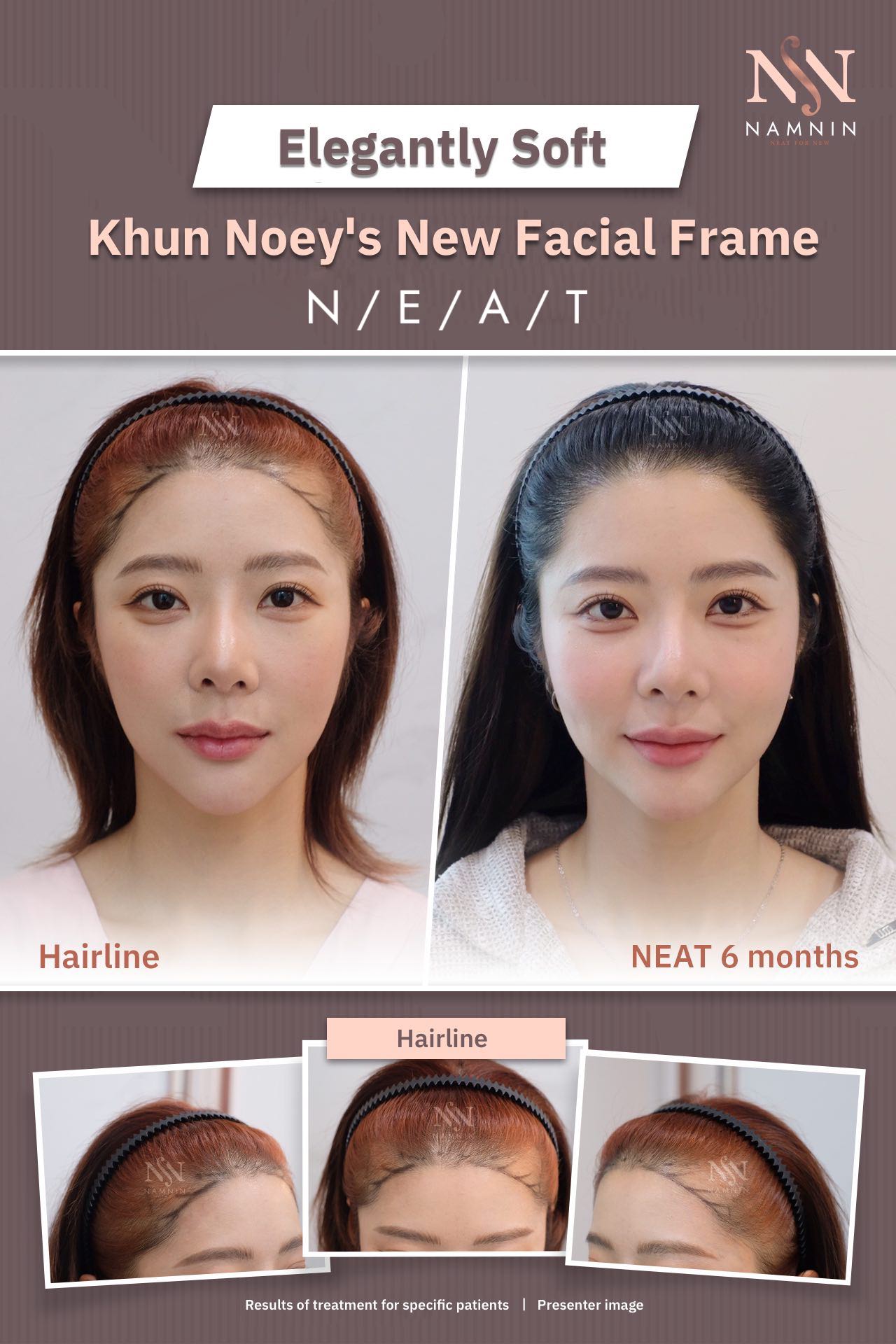
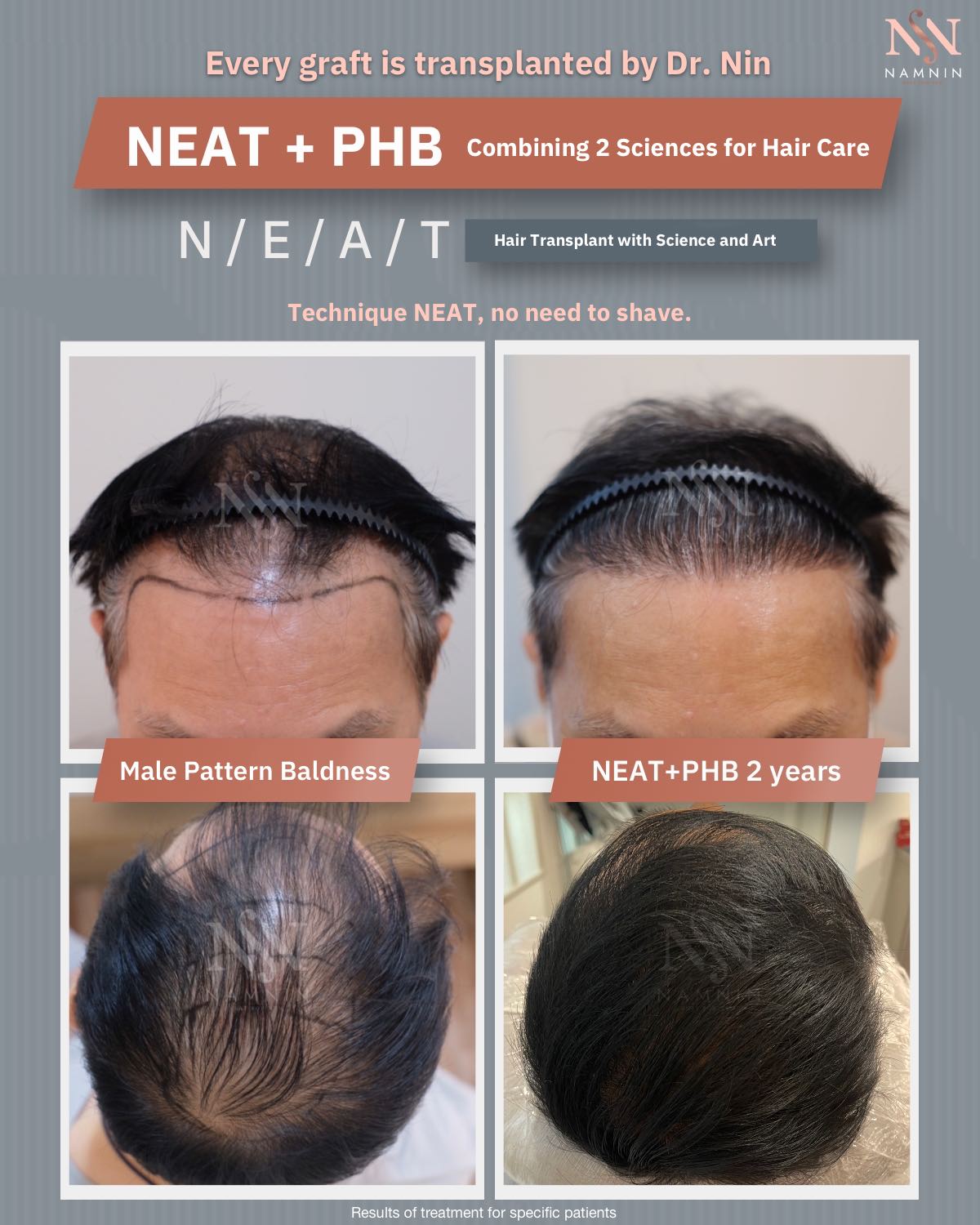
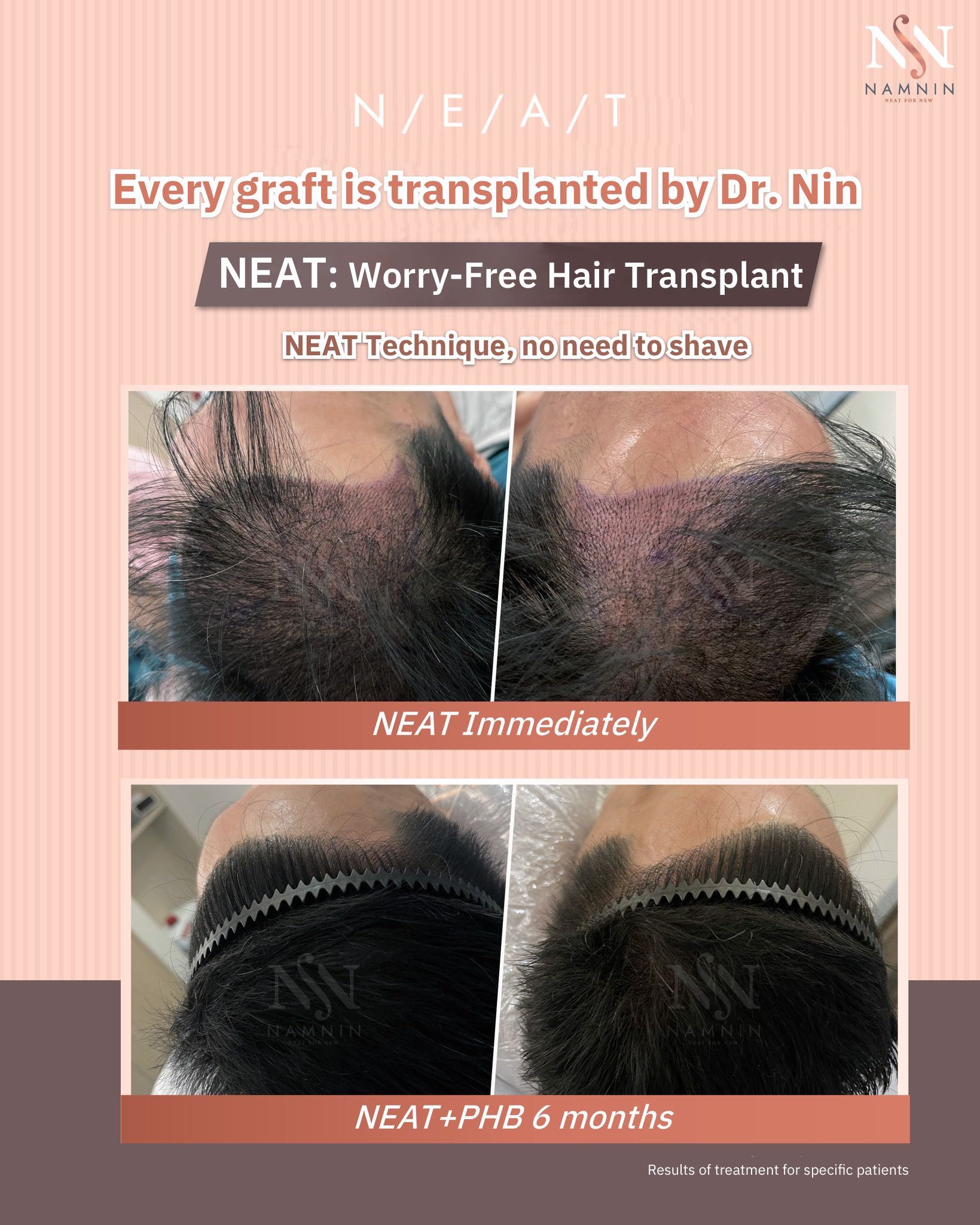
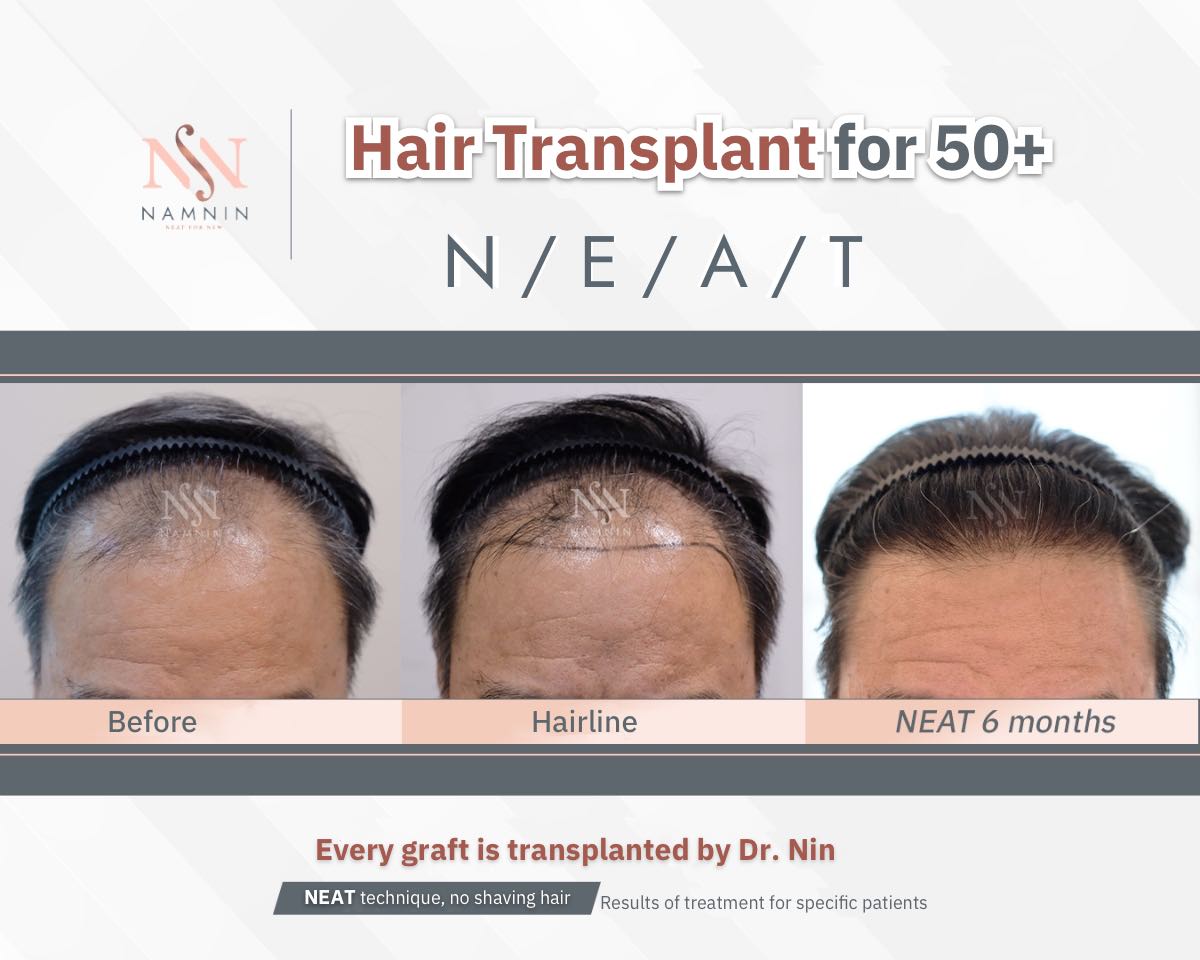
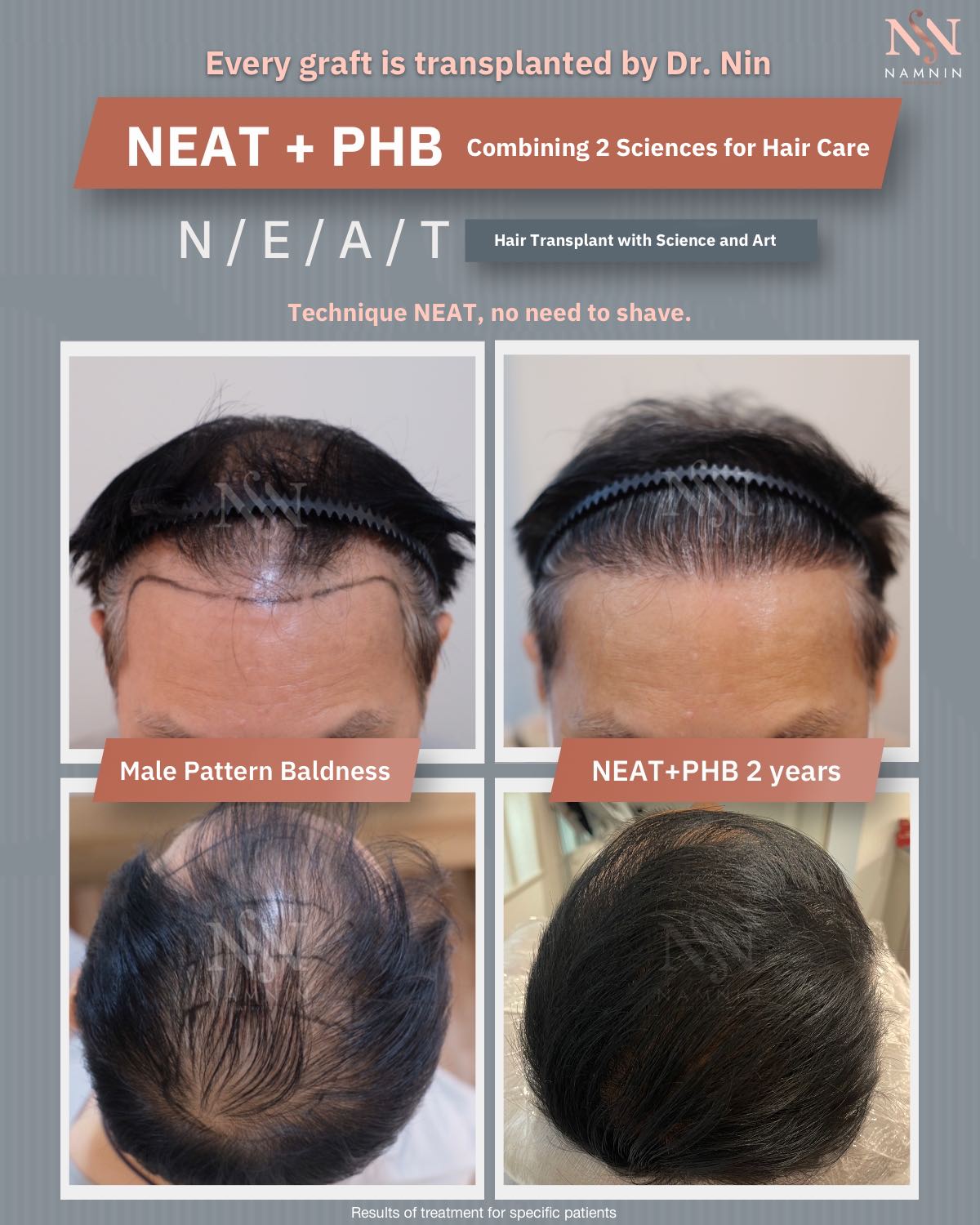
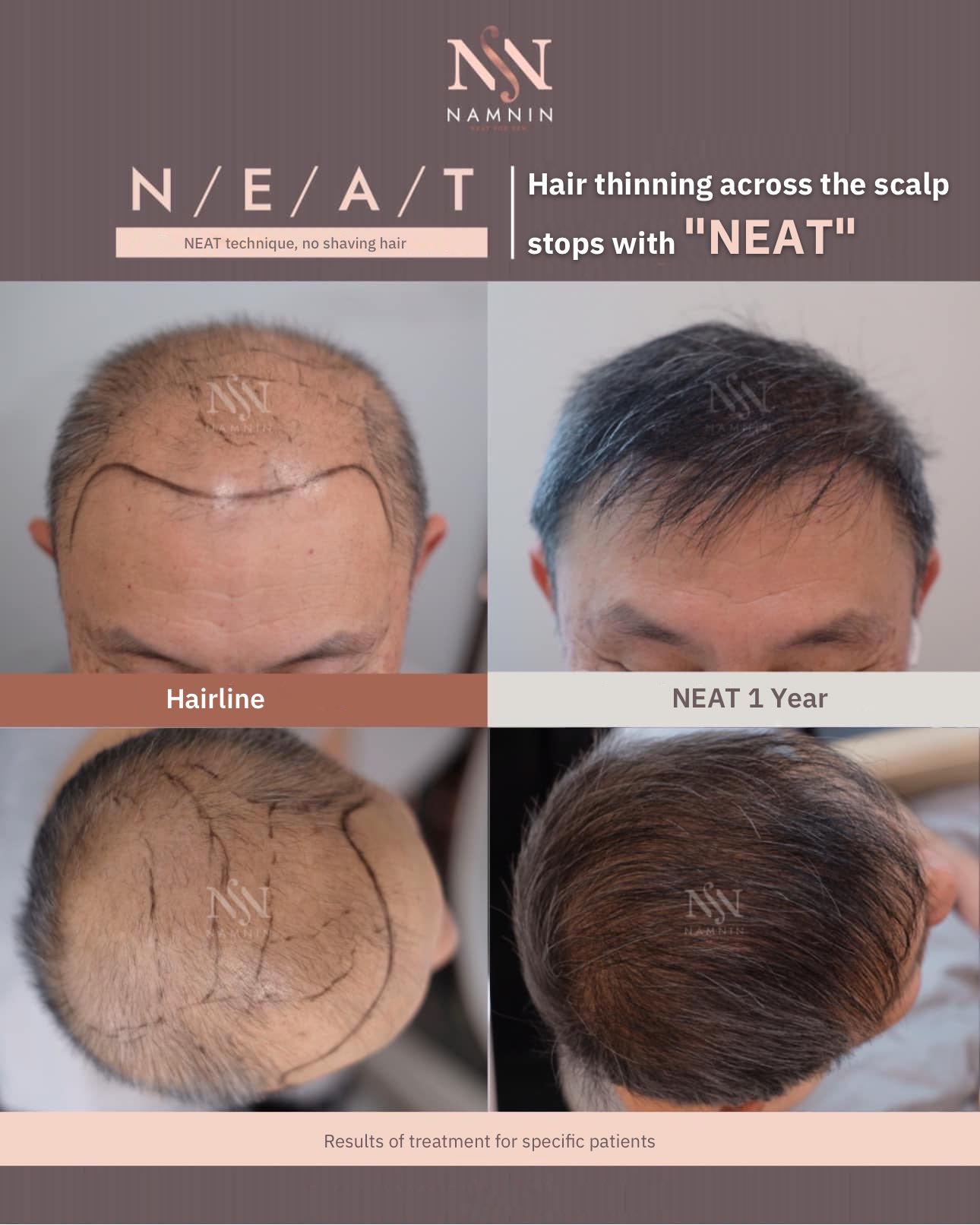
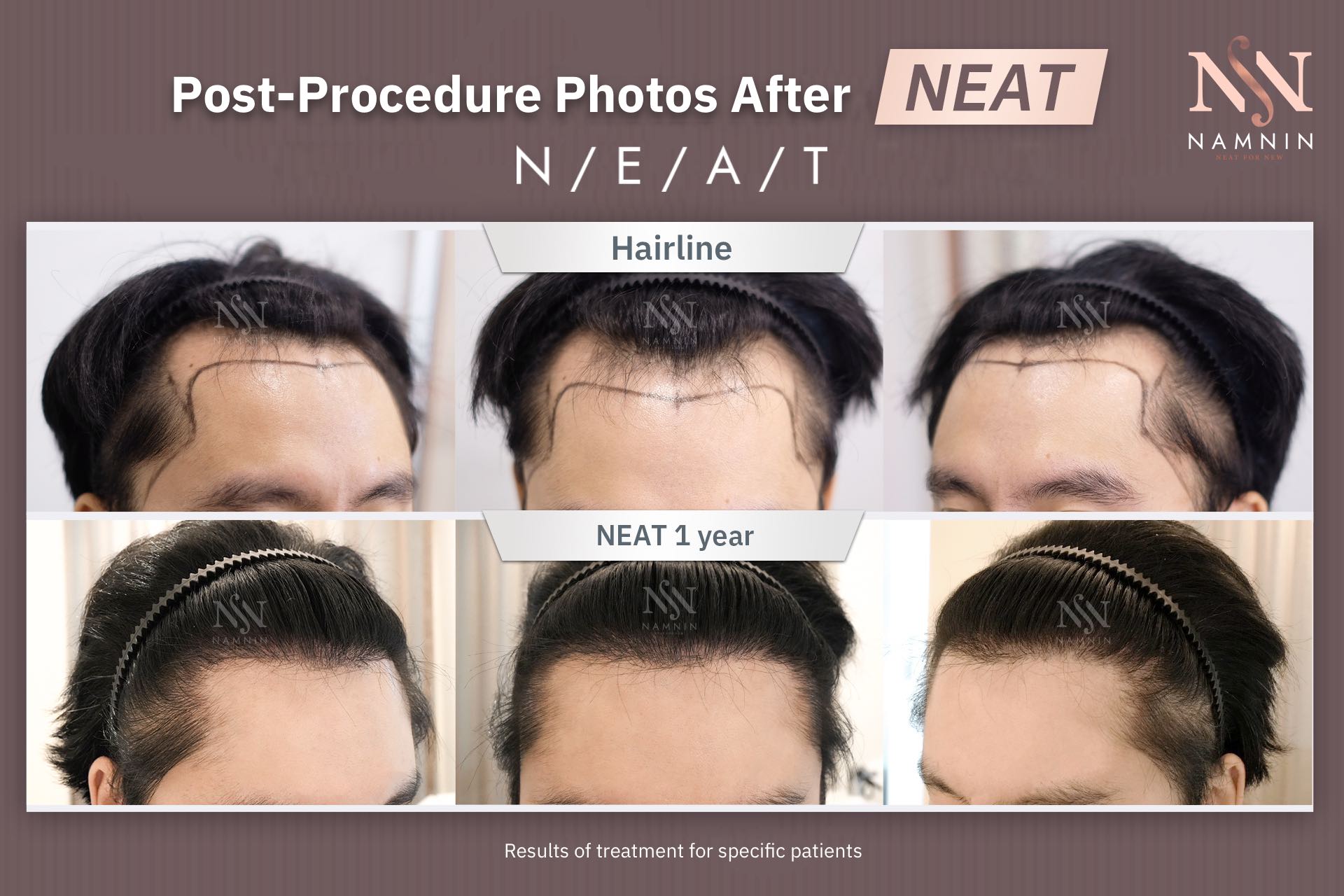
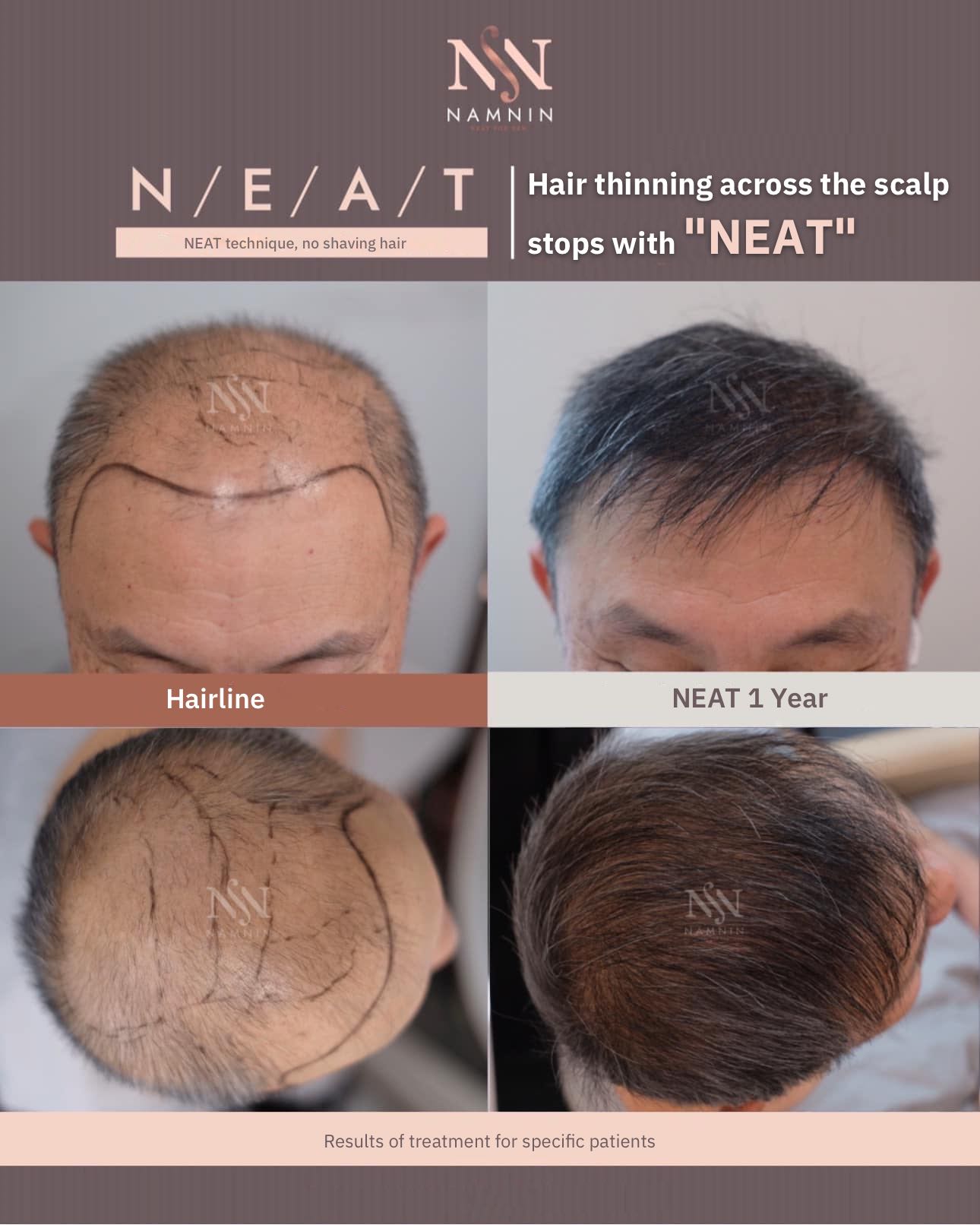
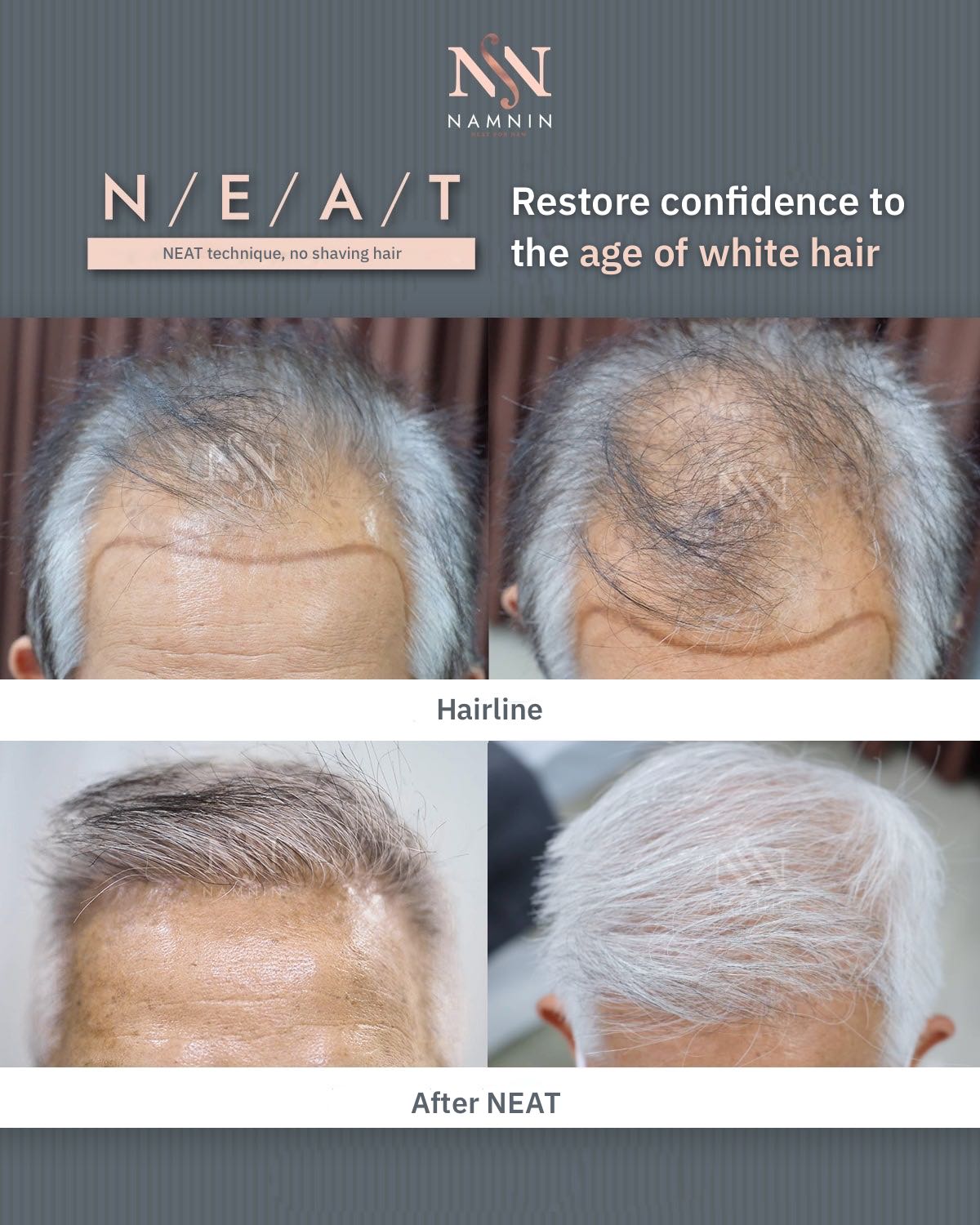
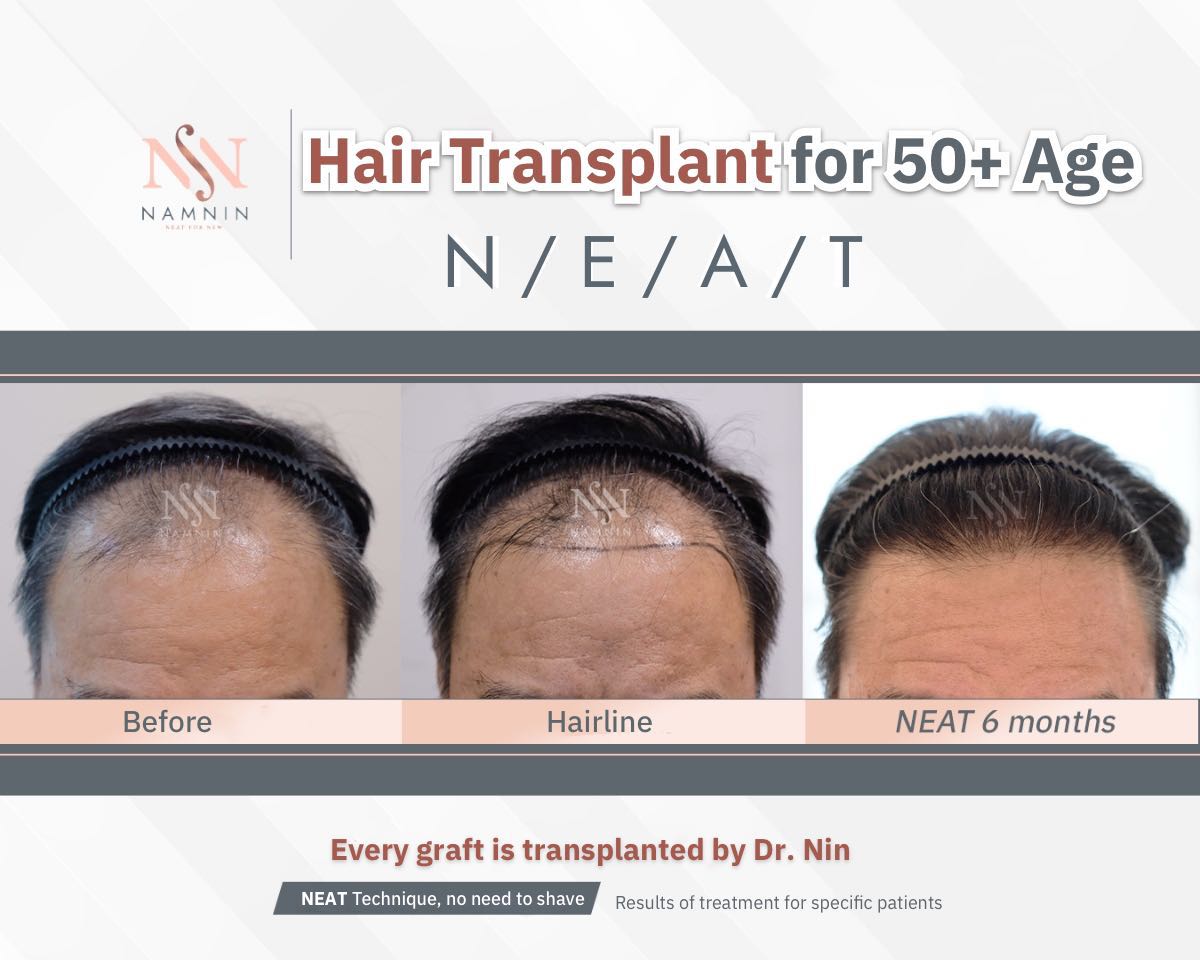
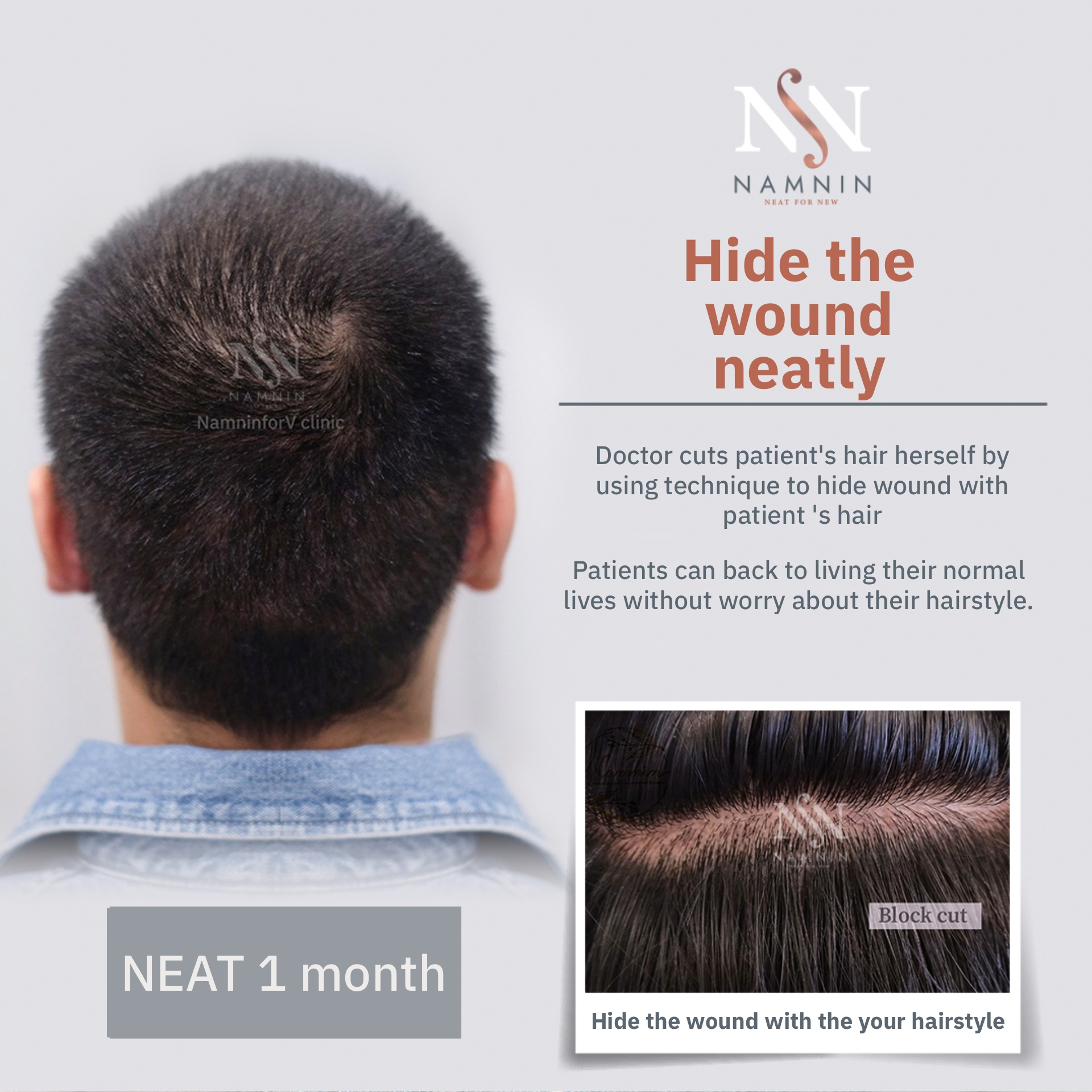
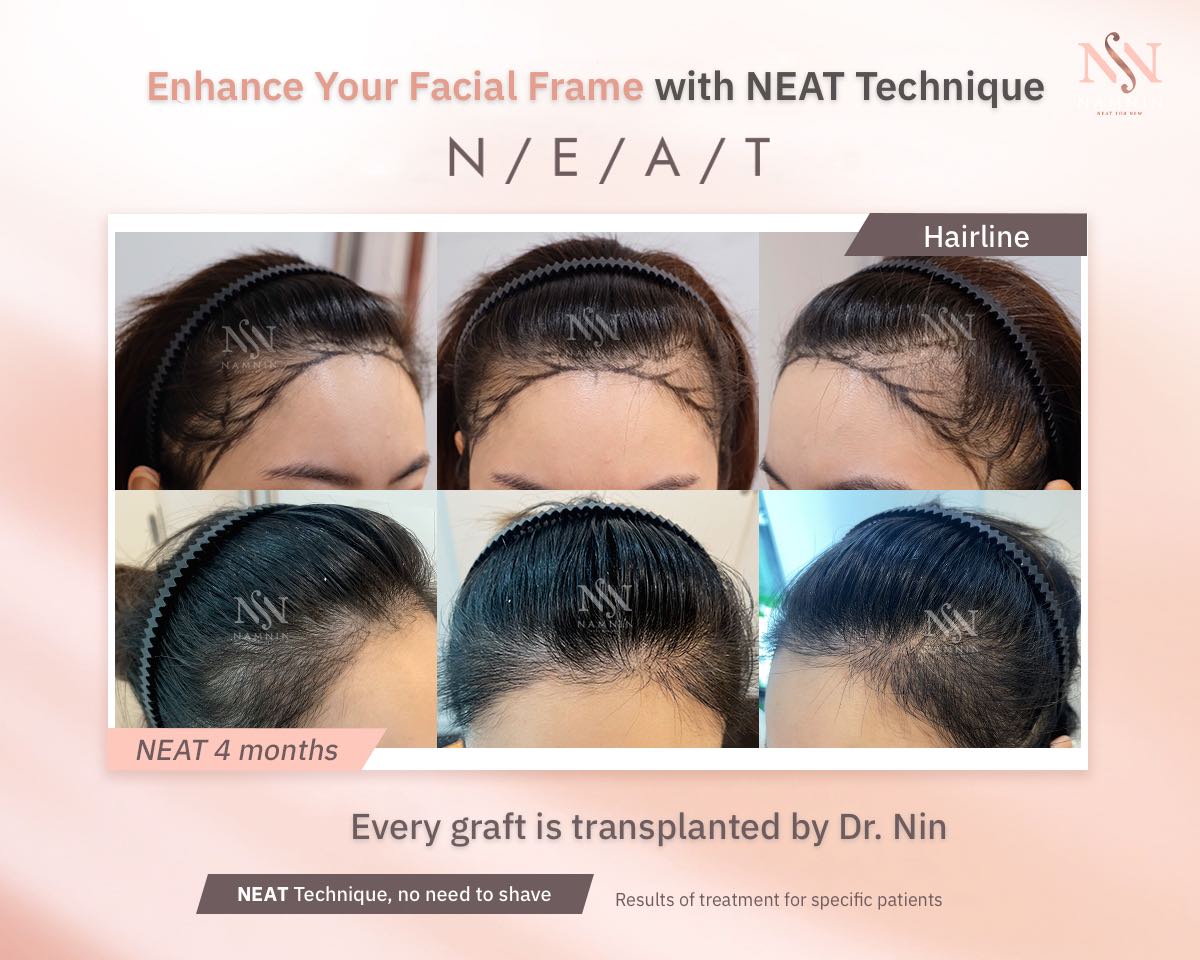
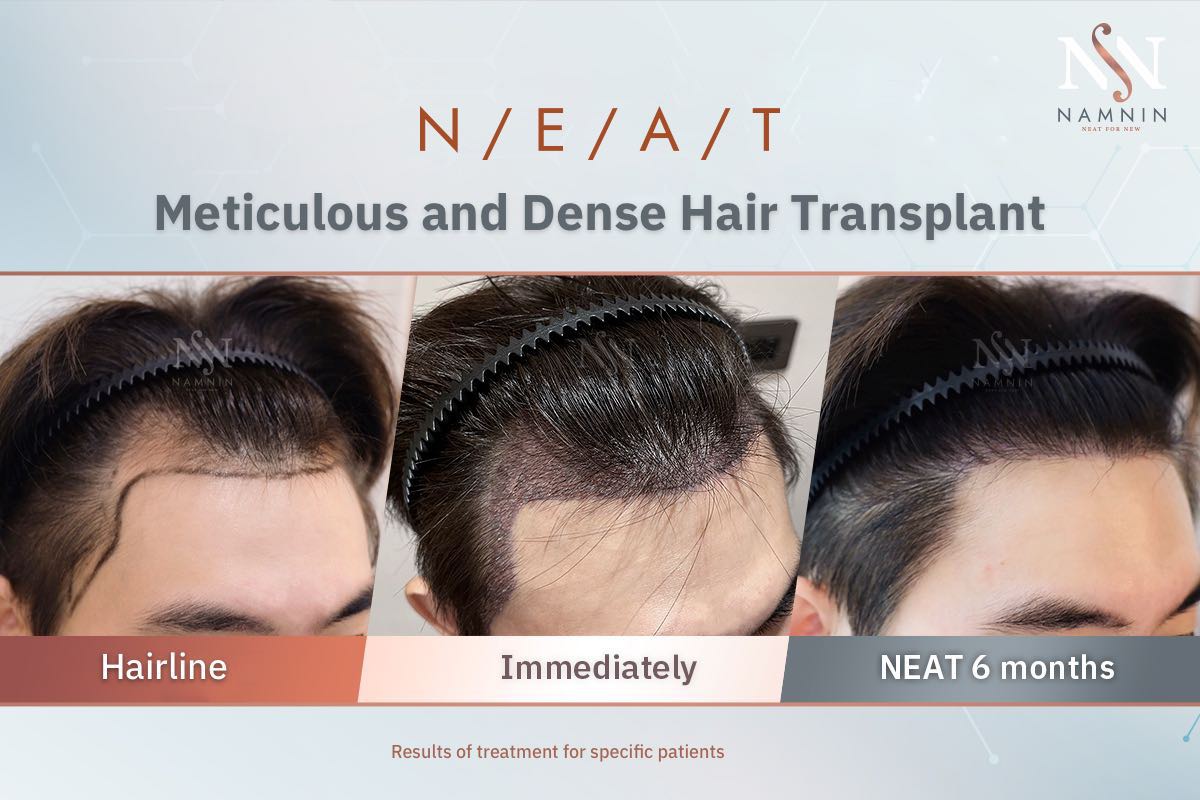
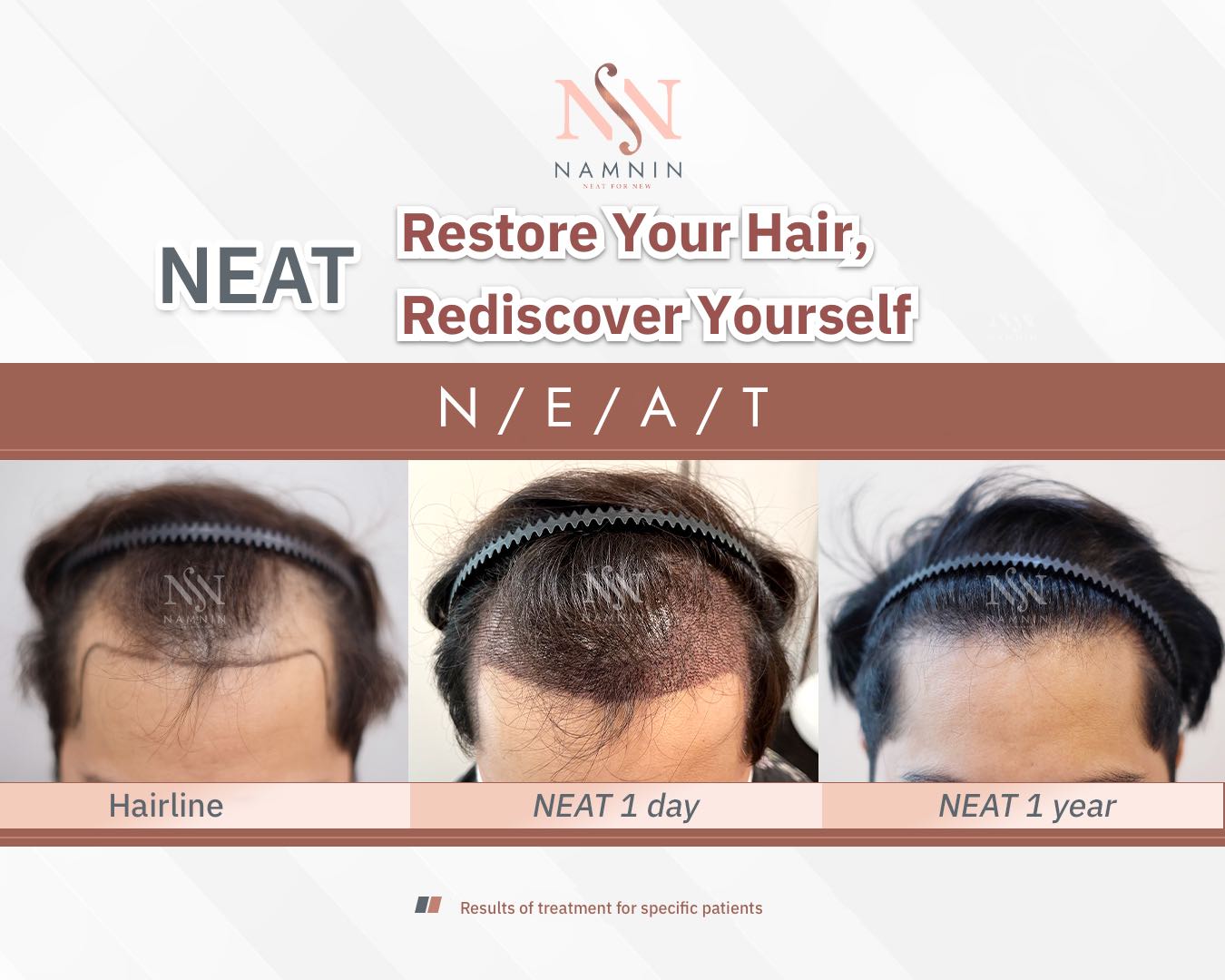
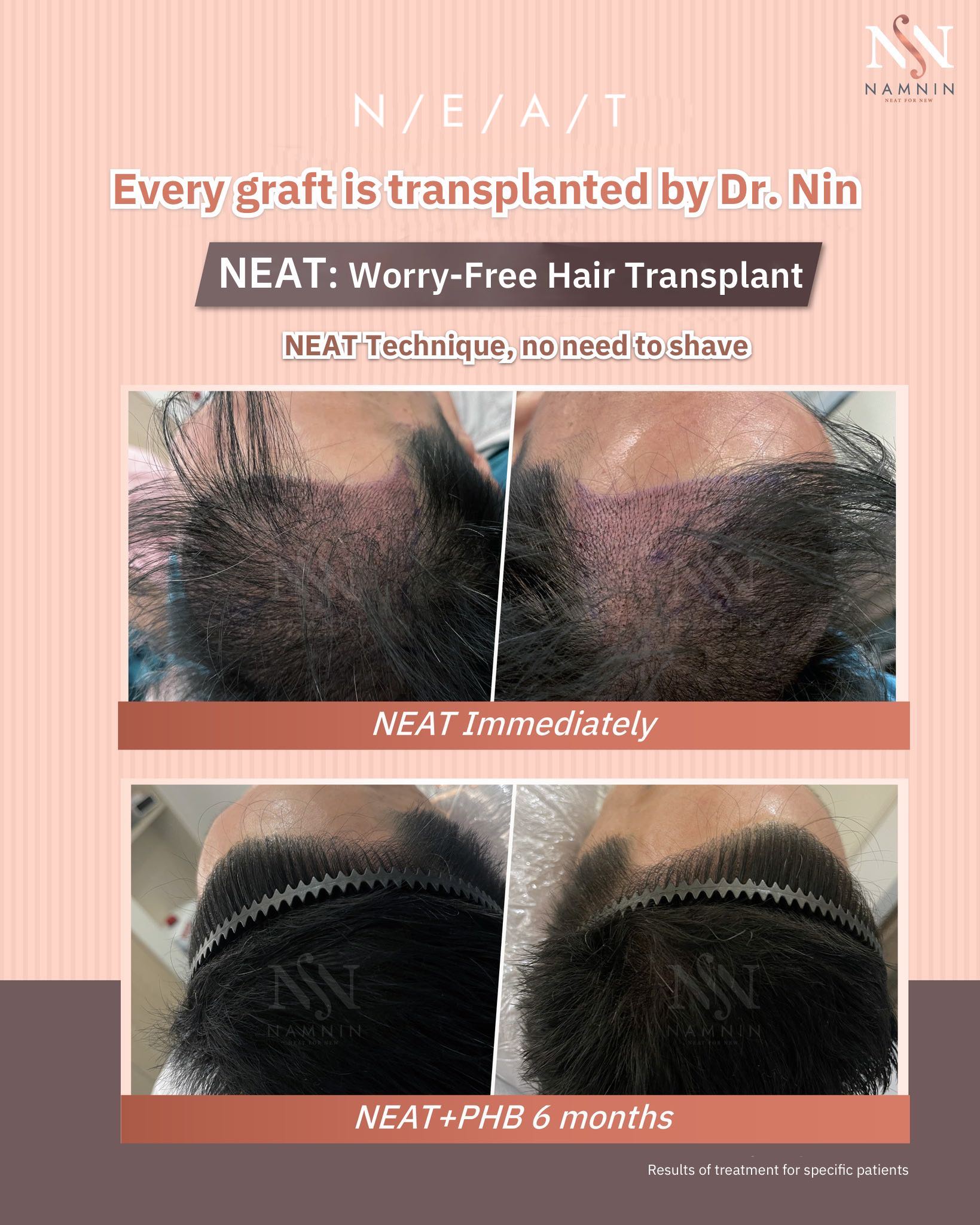
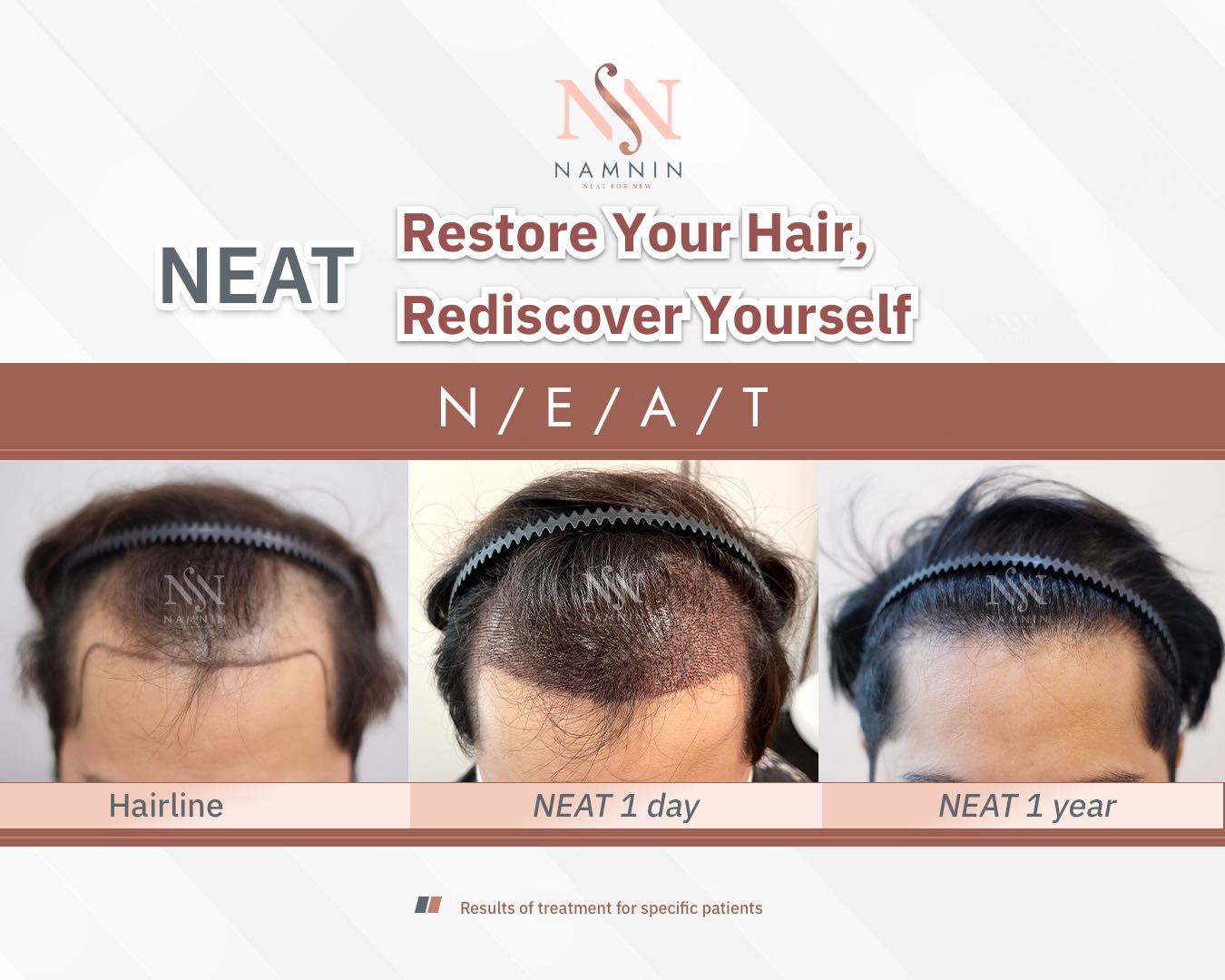
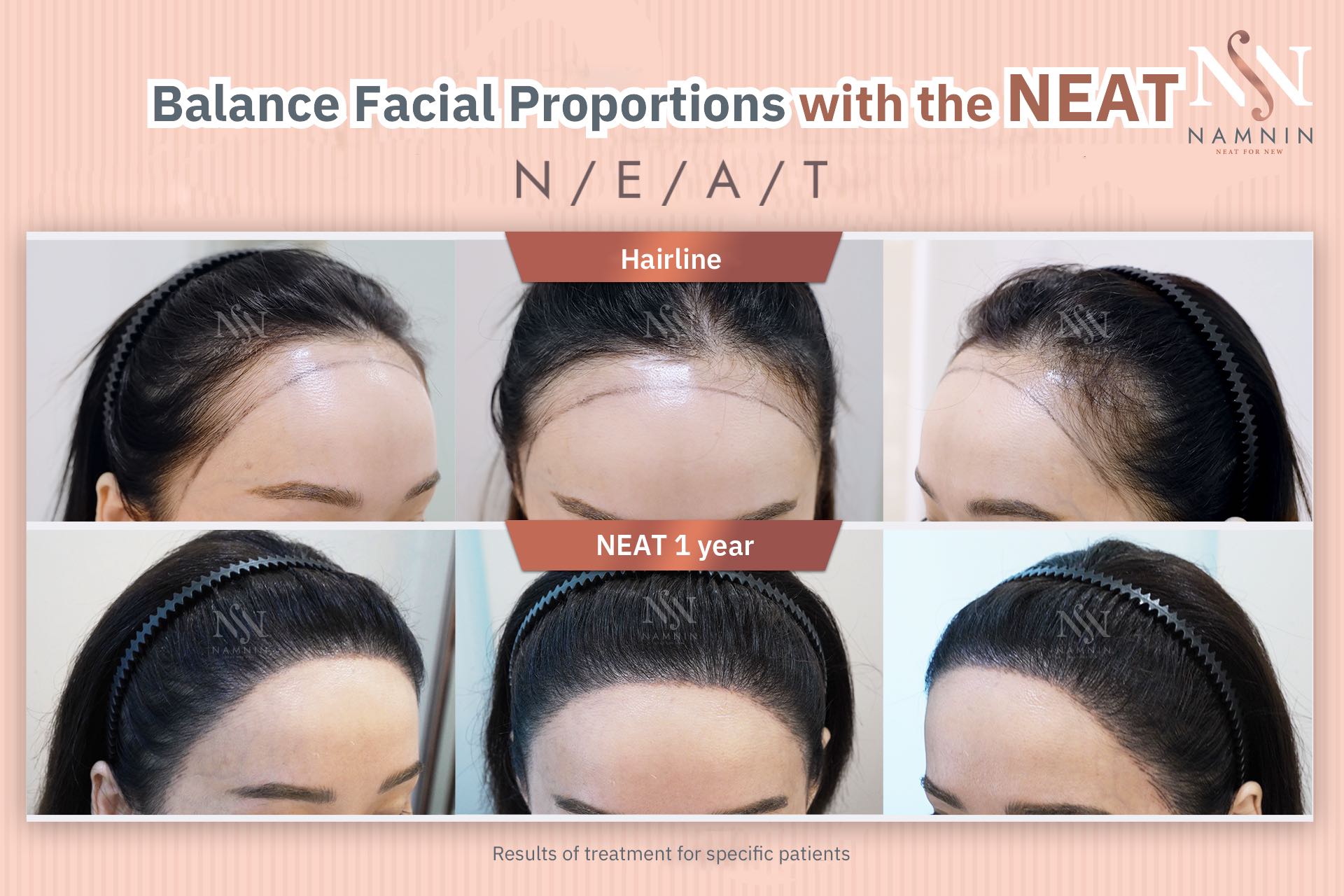
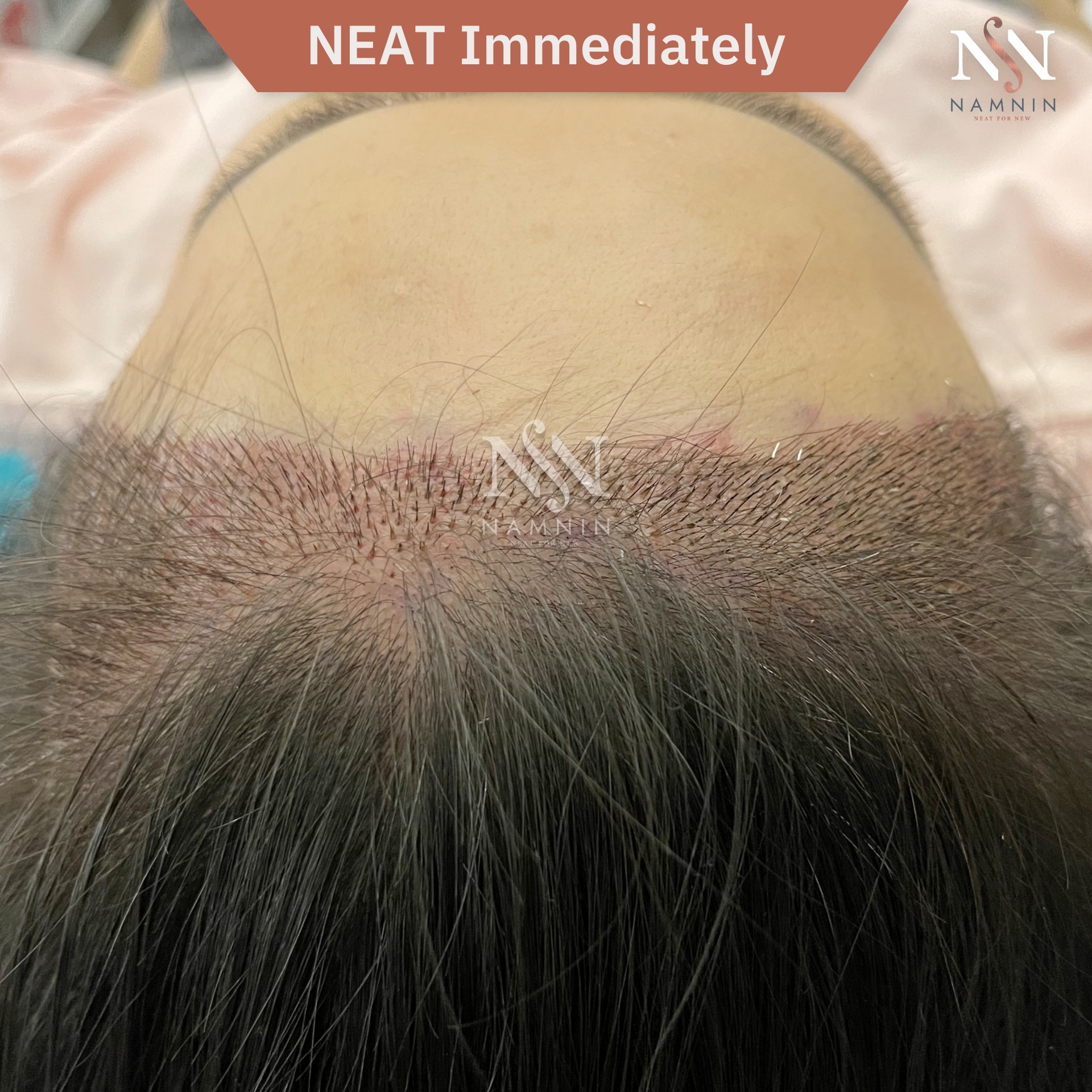
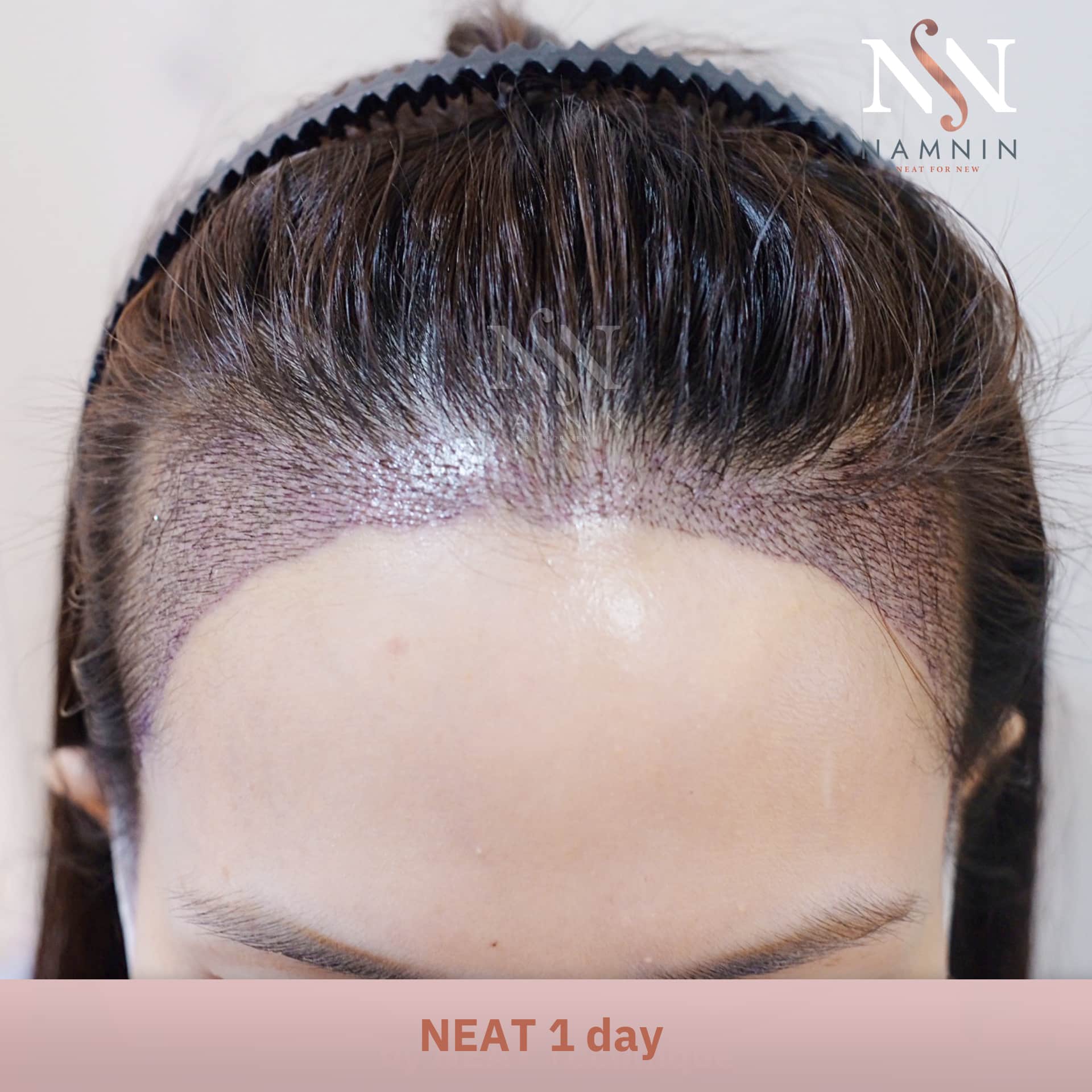
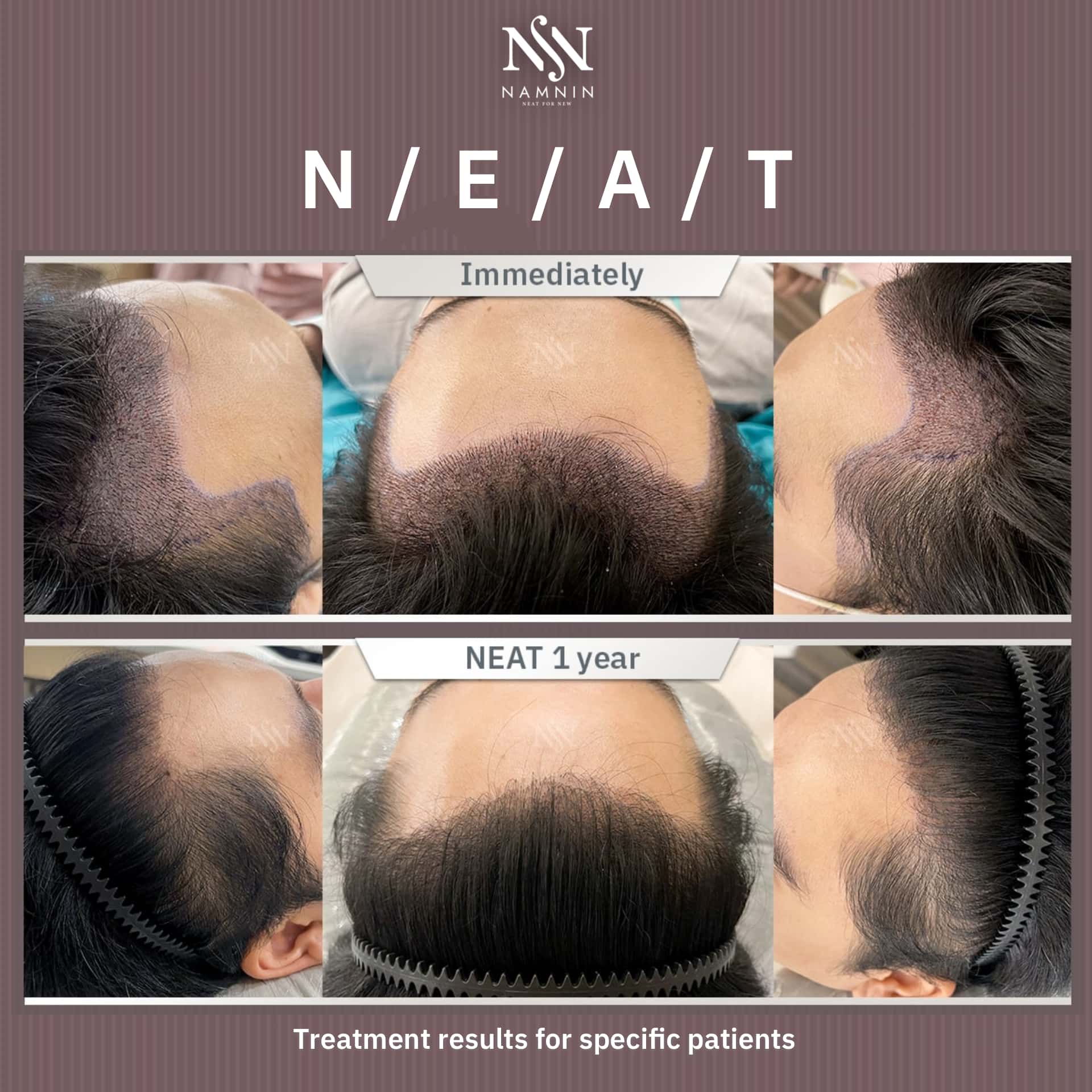
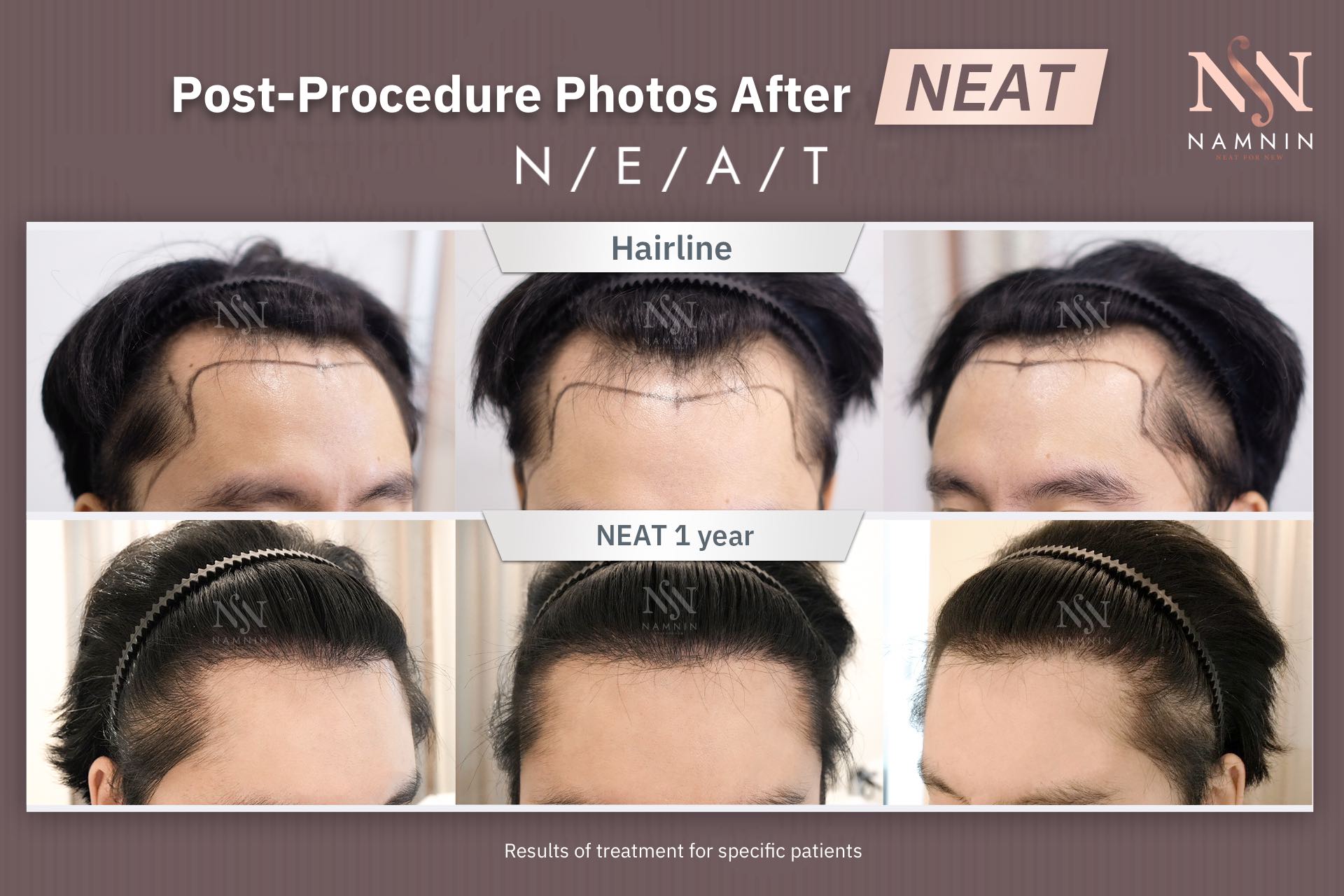
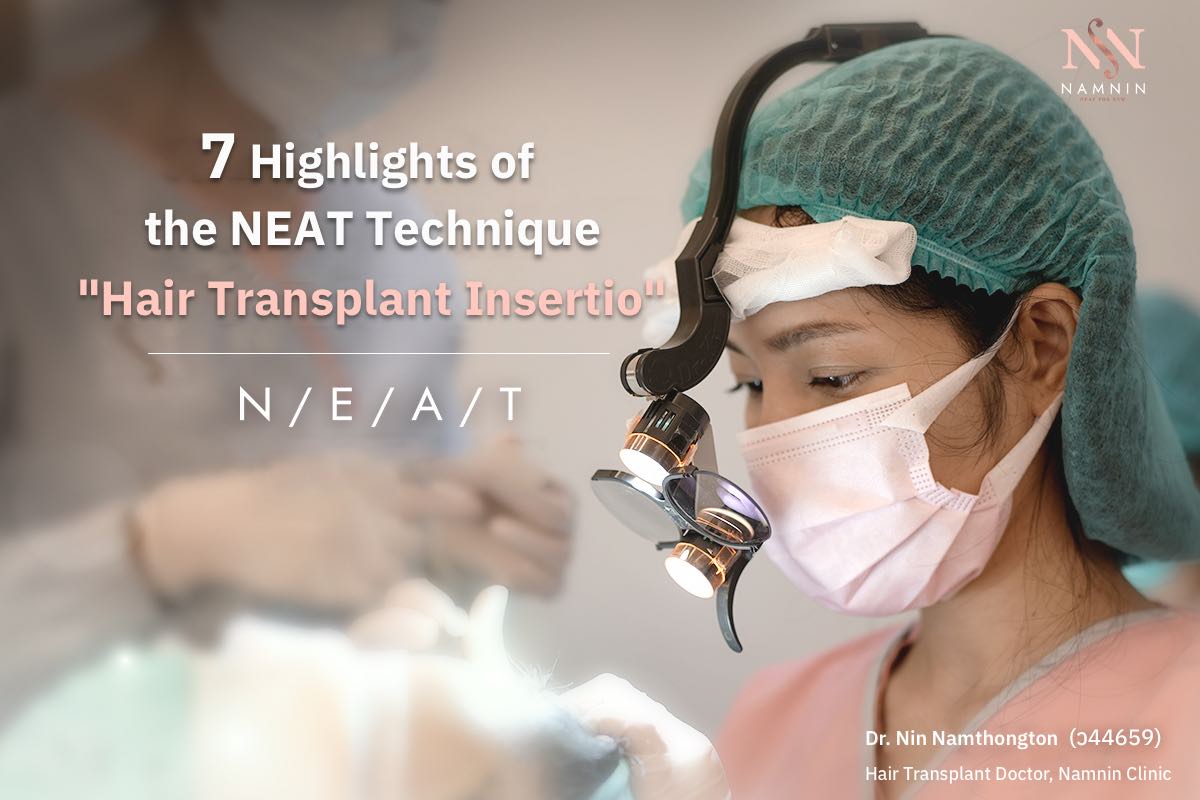
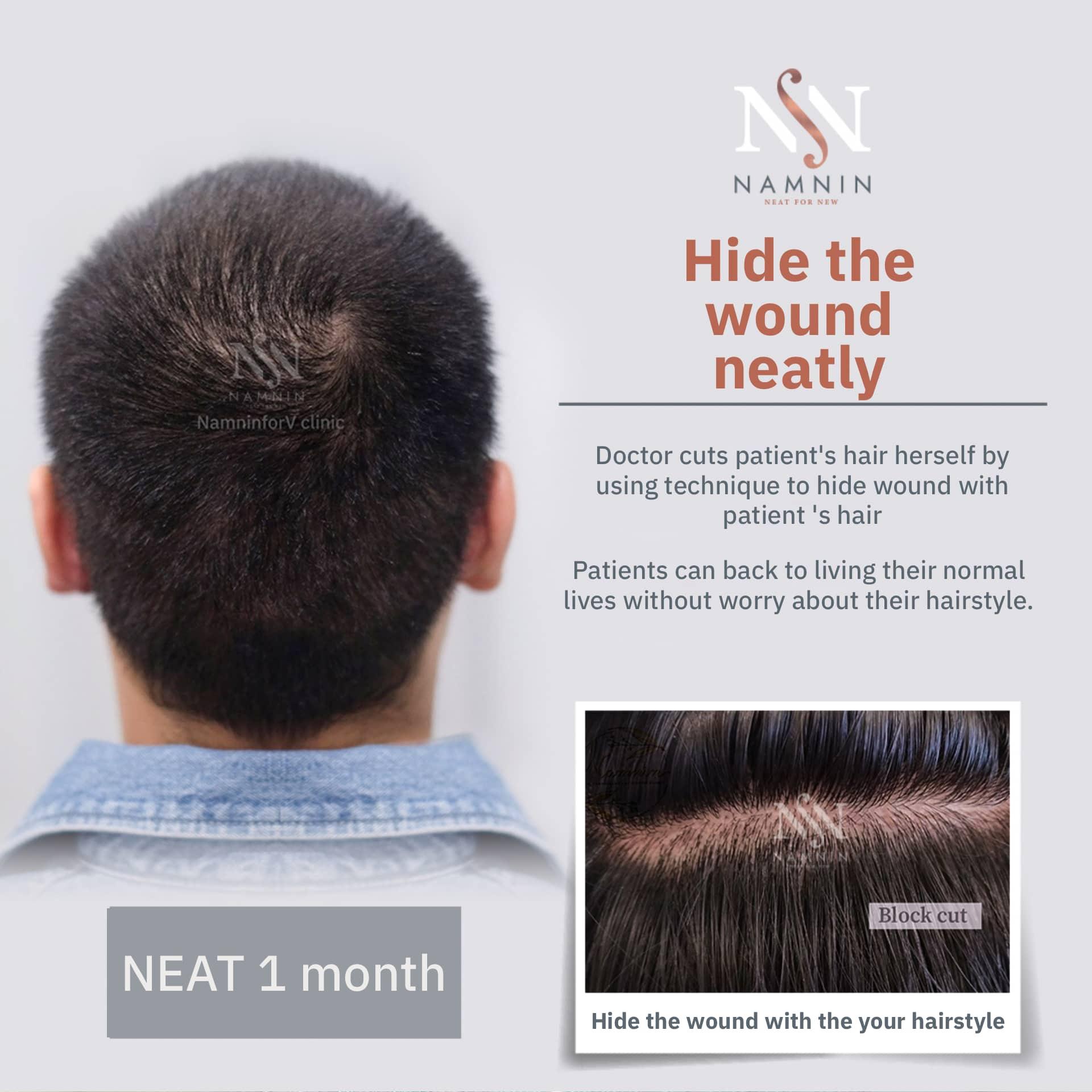
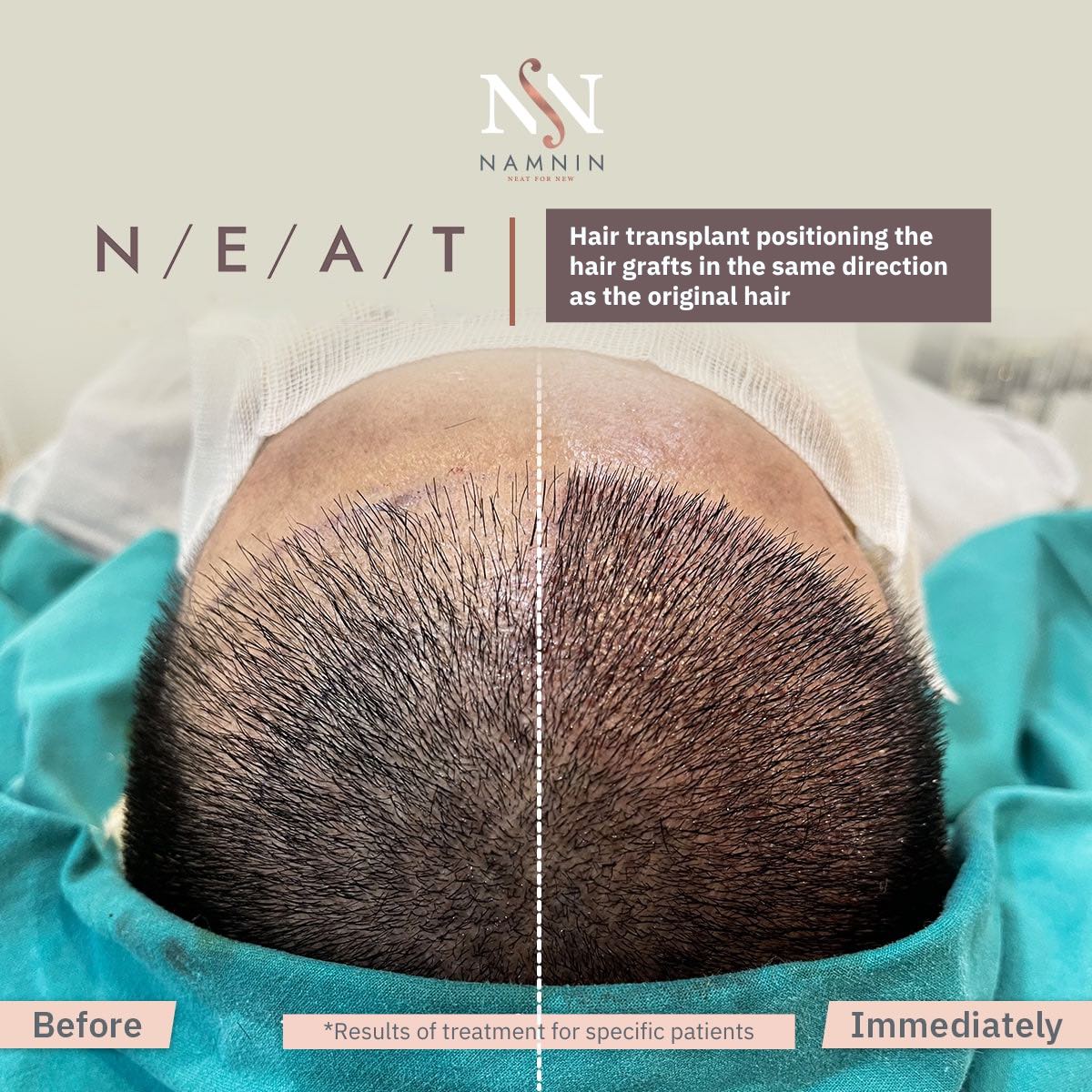
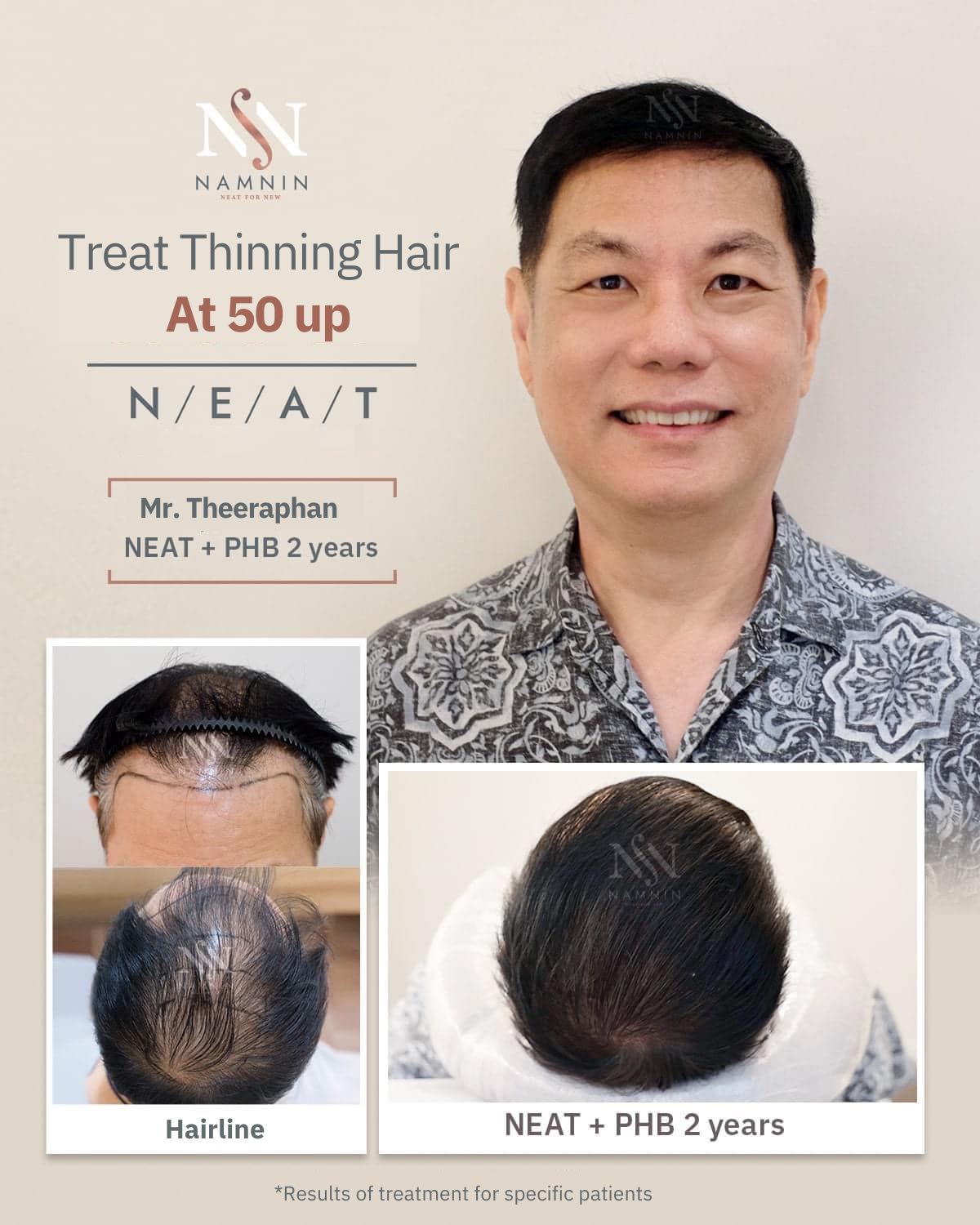
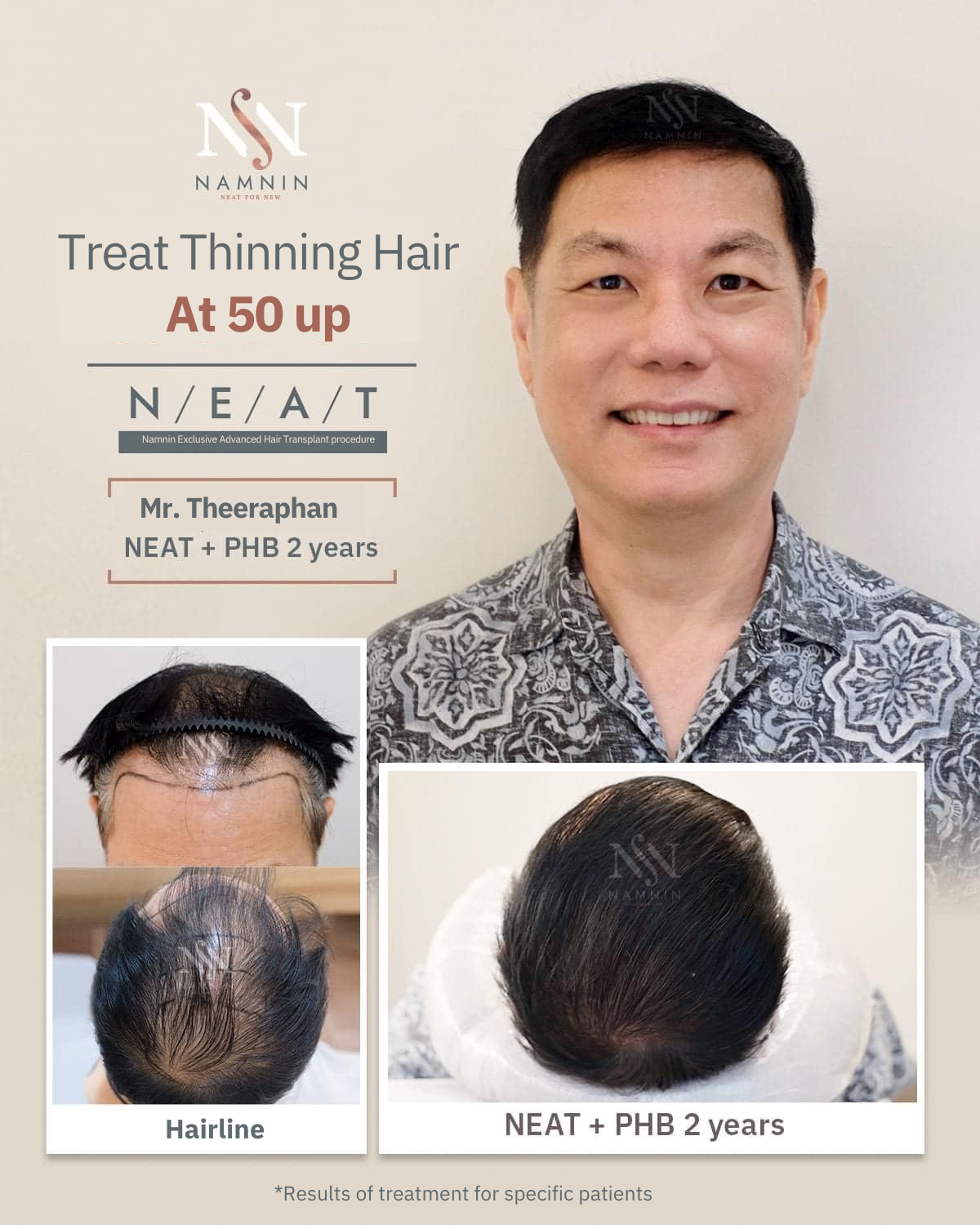
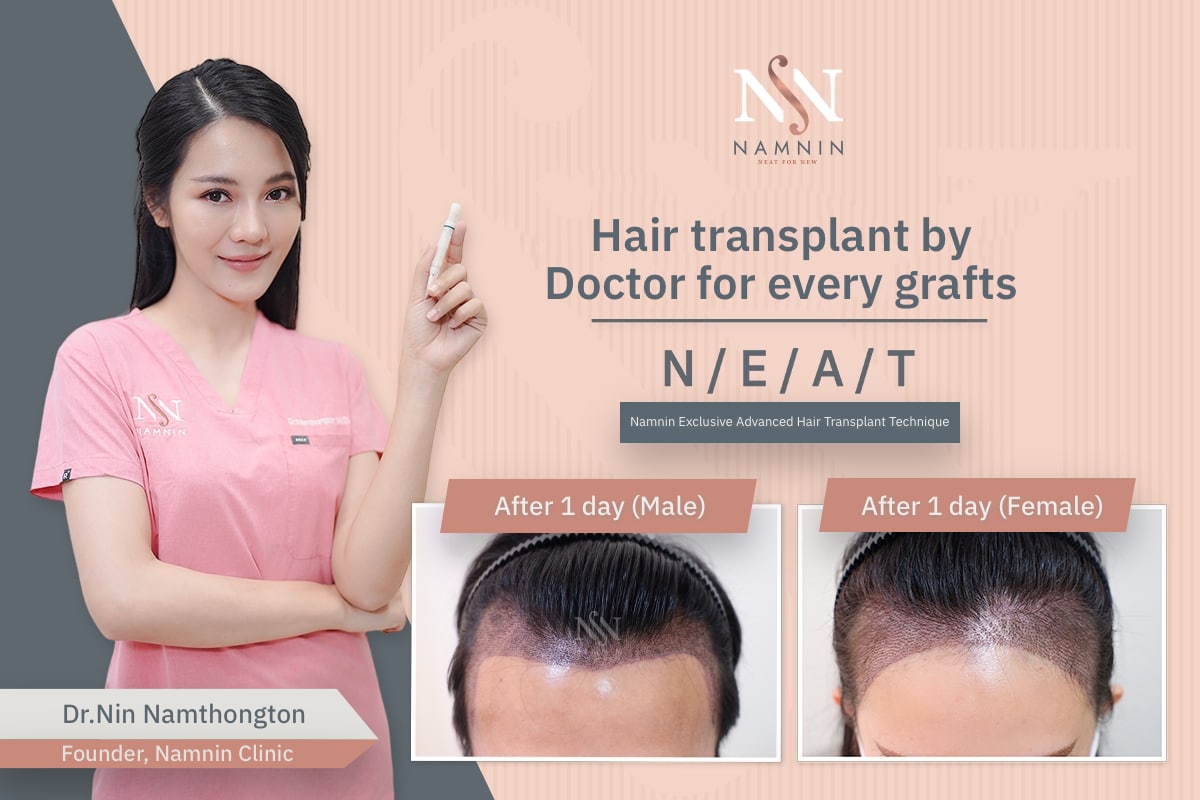
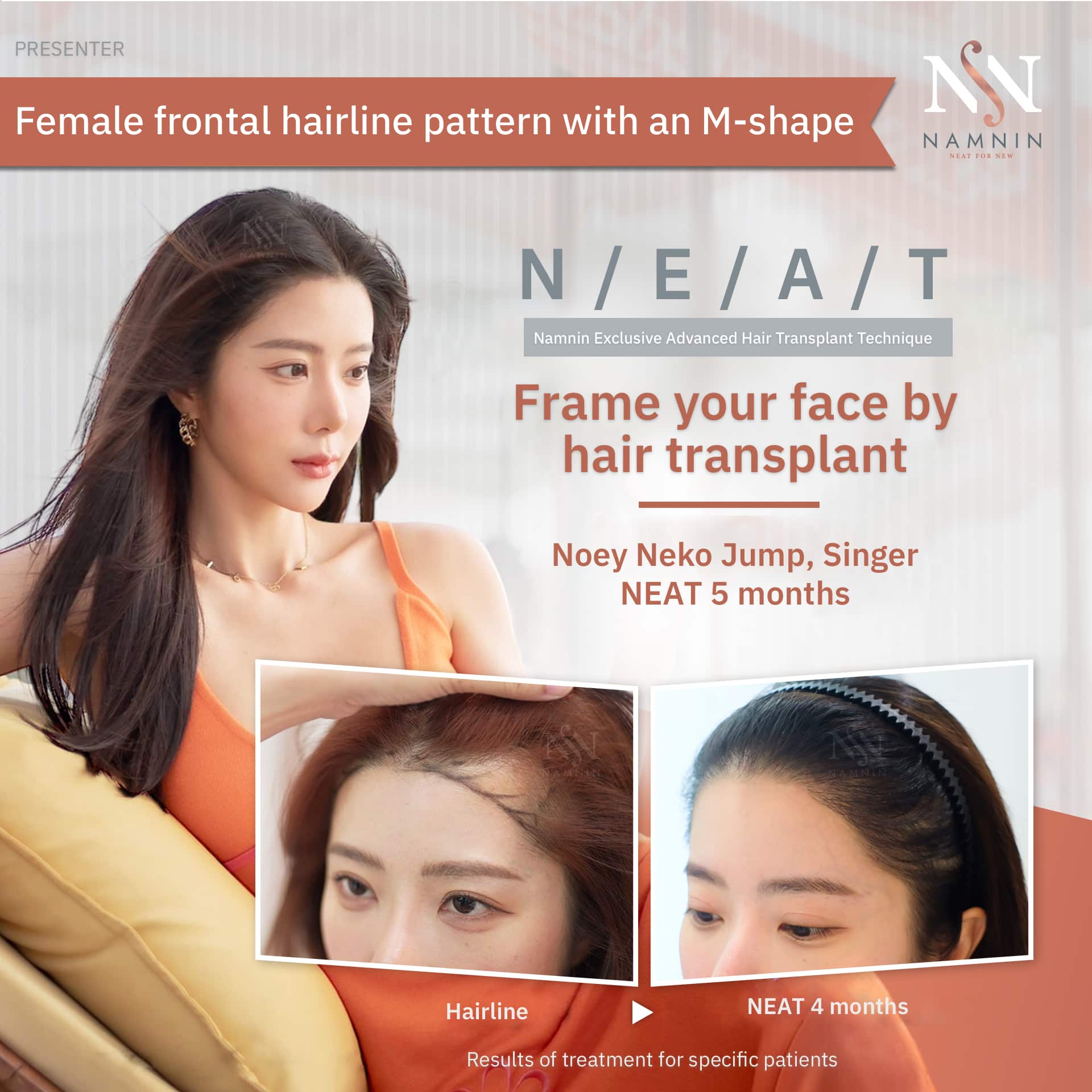
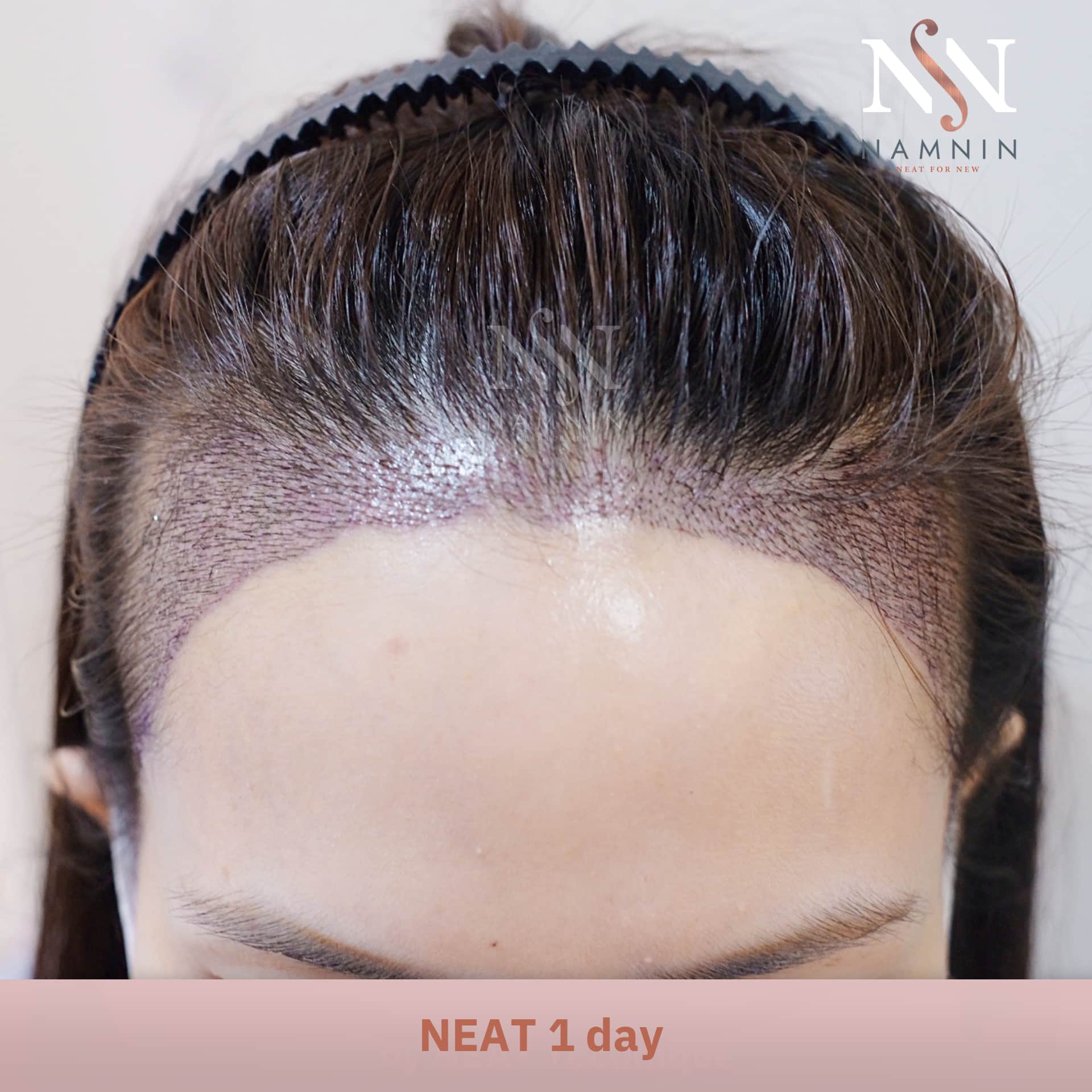
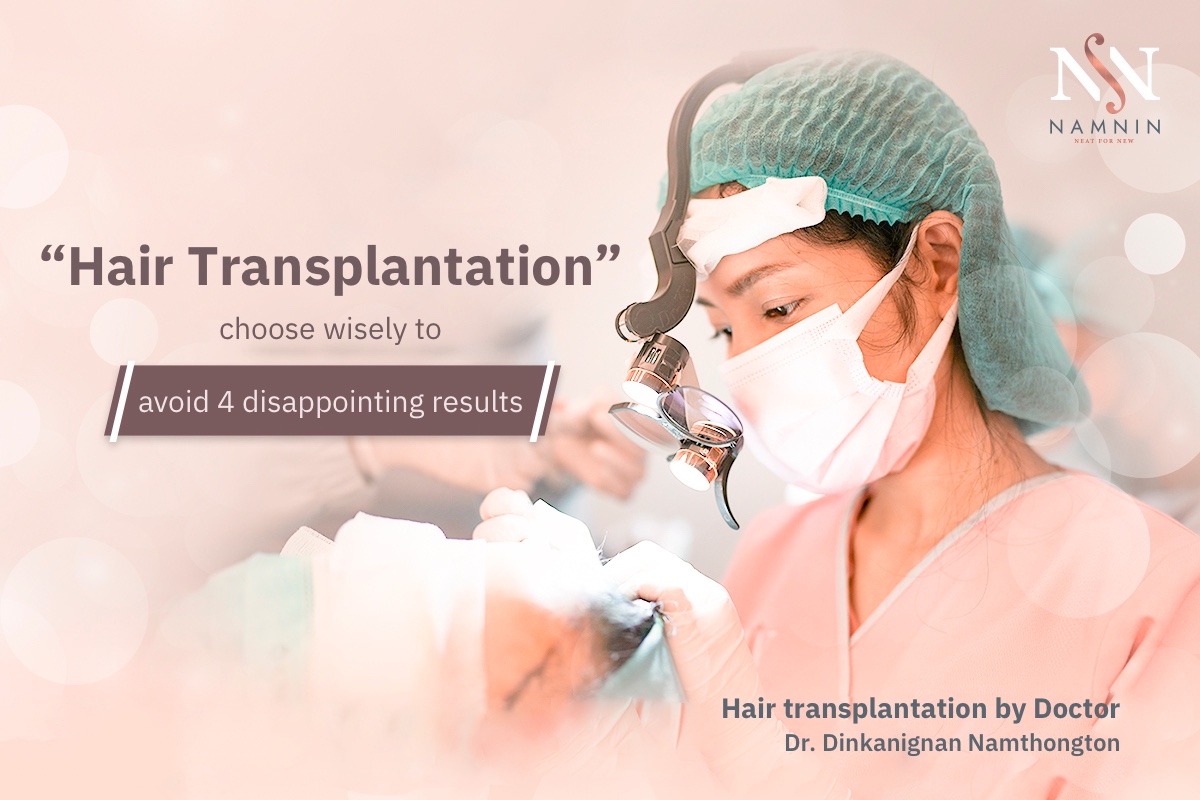
NEAT Technique Hair Transplantation: The Art and Science of Facial Framing
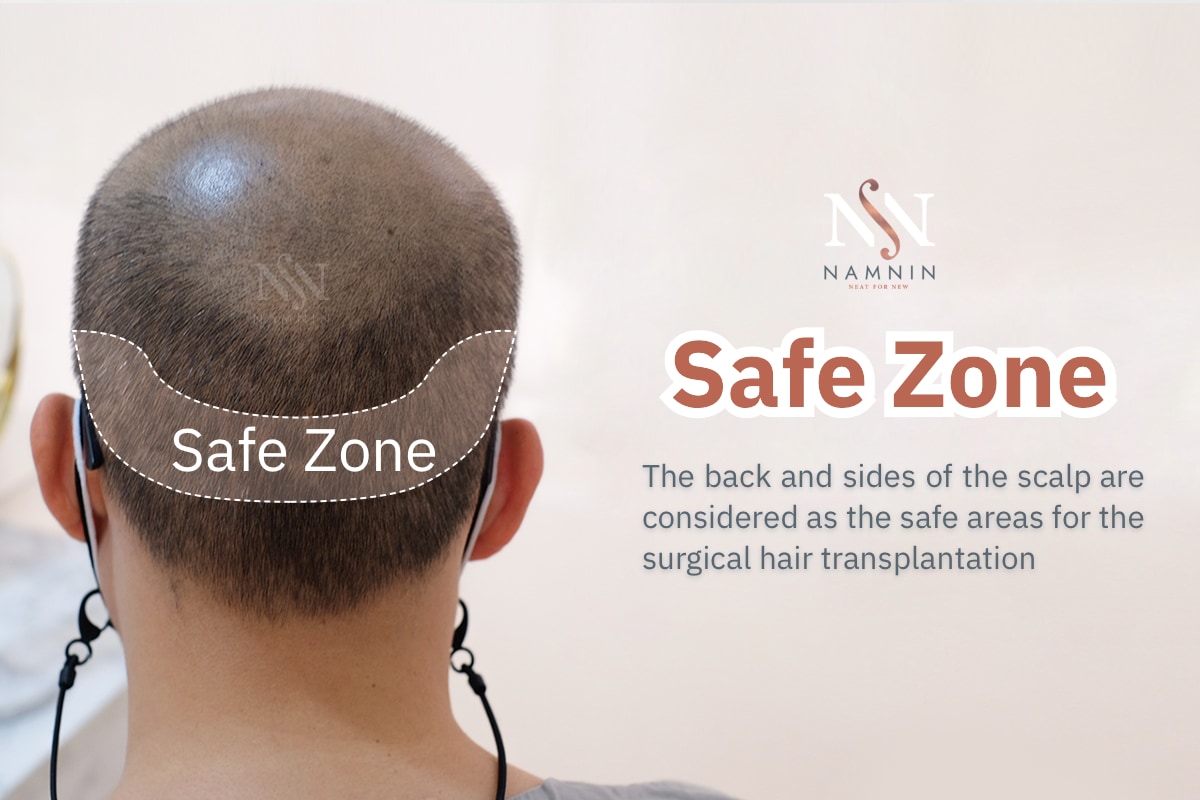
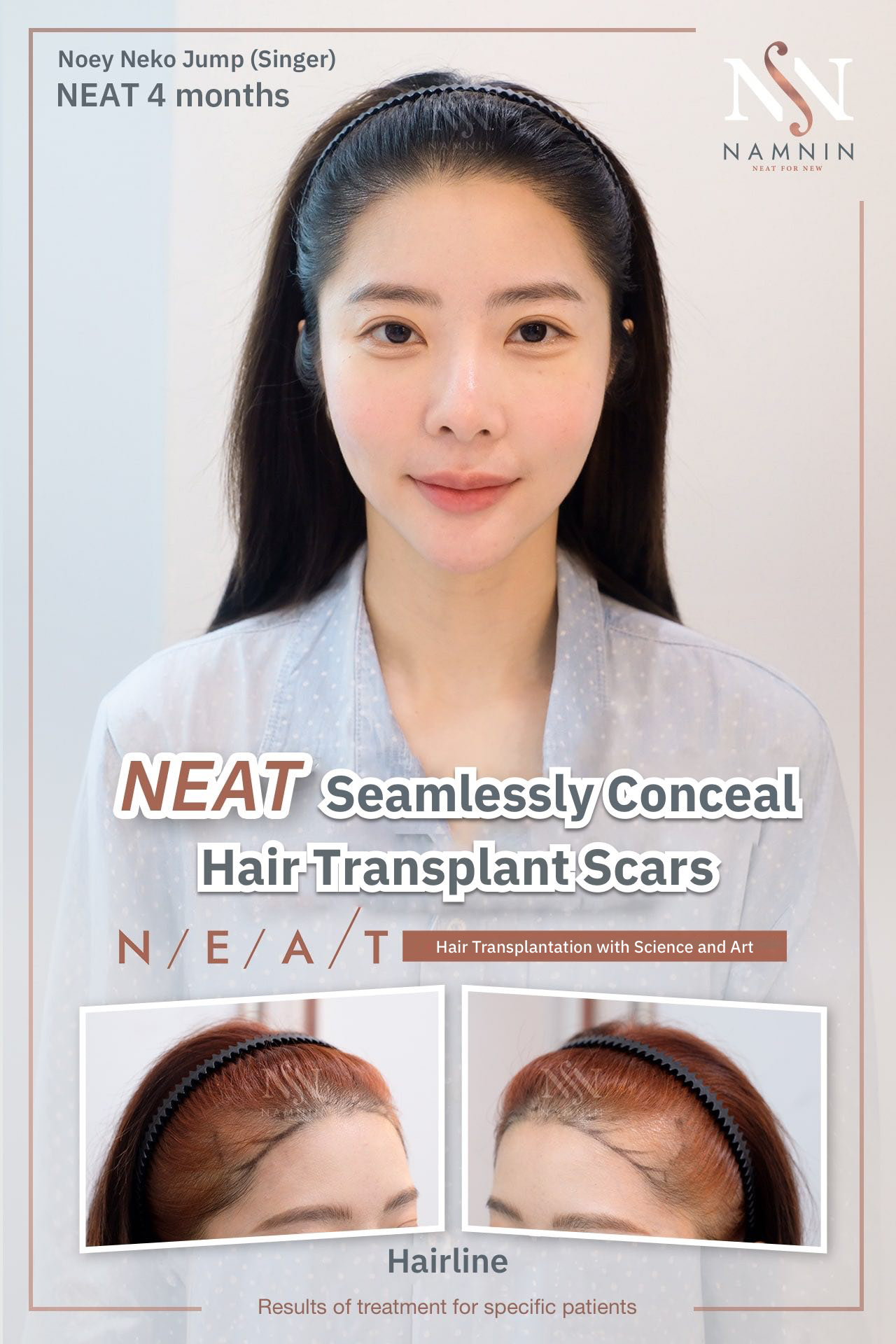
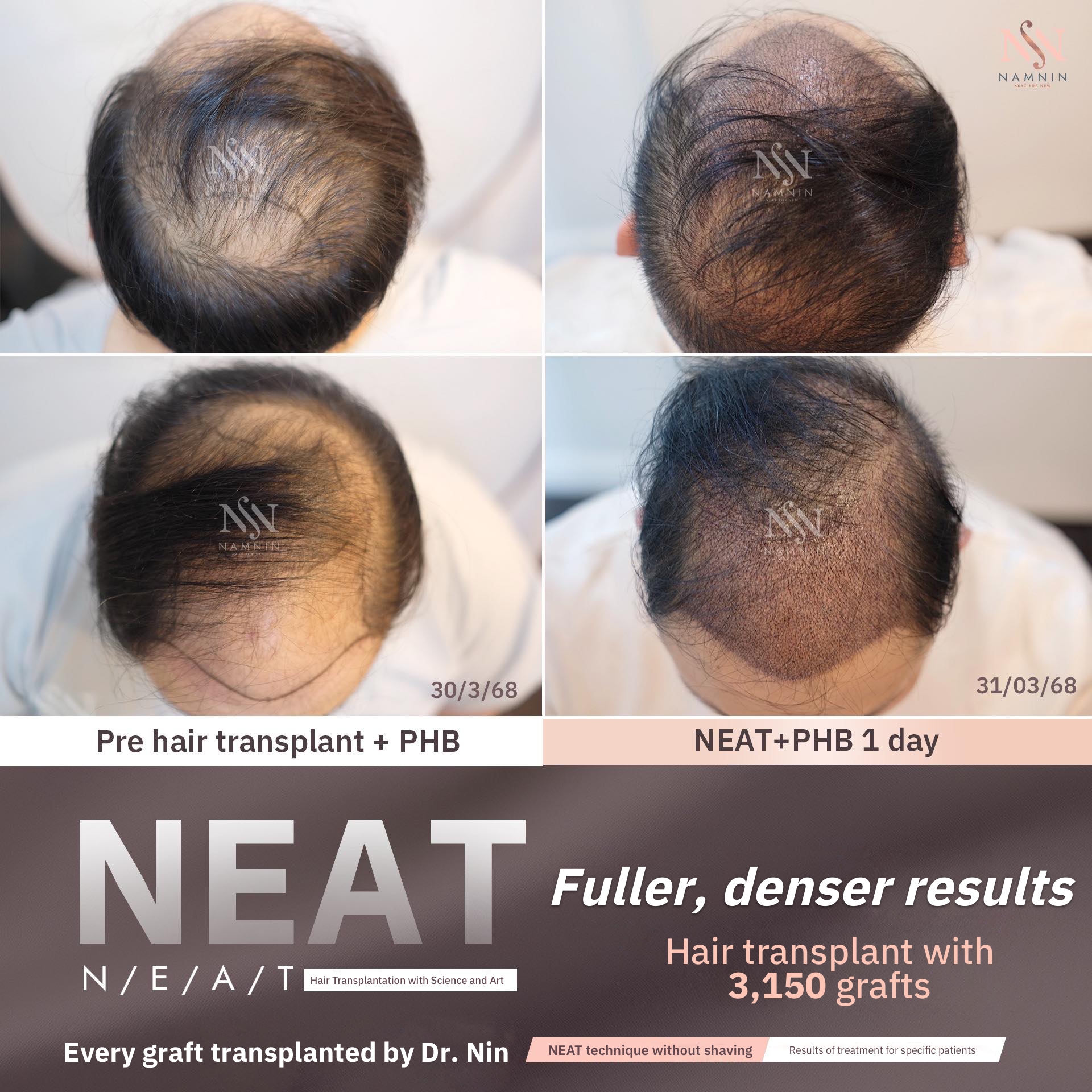
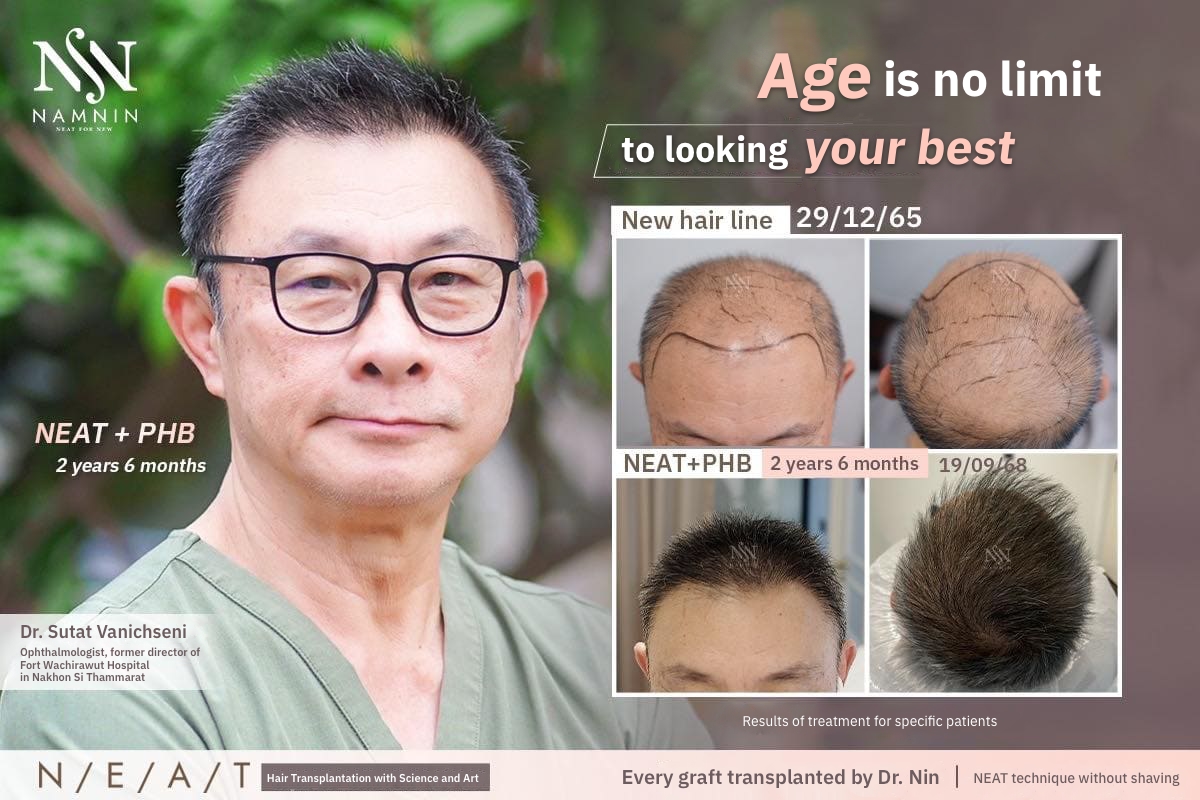
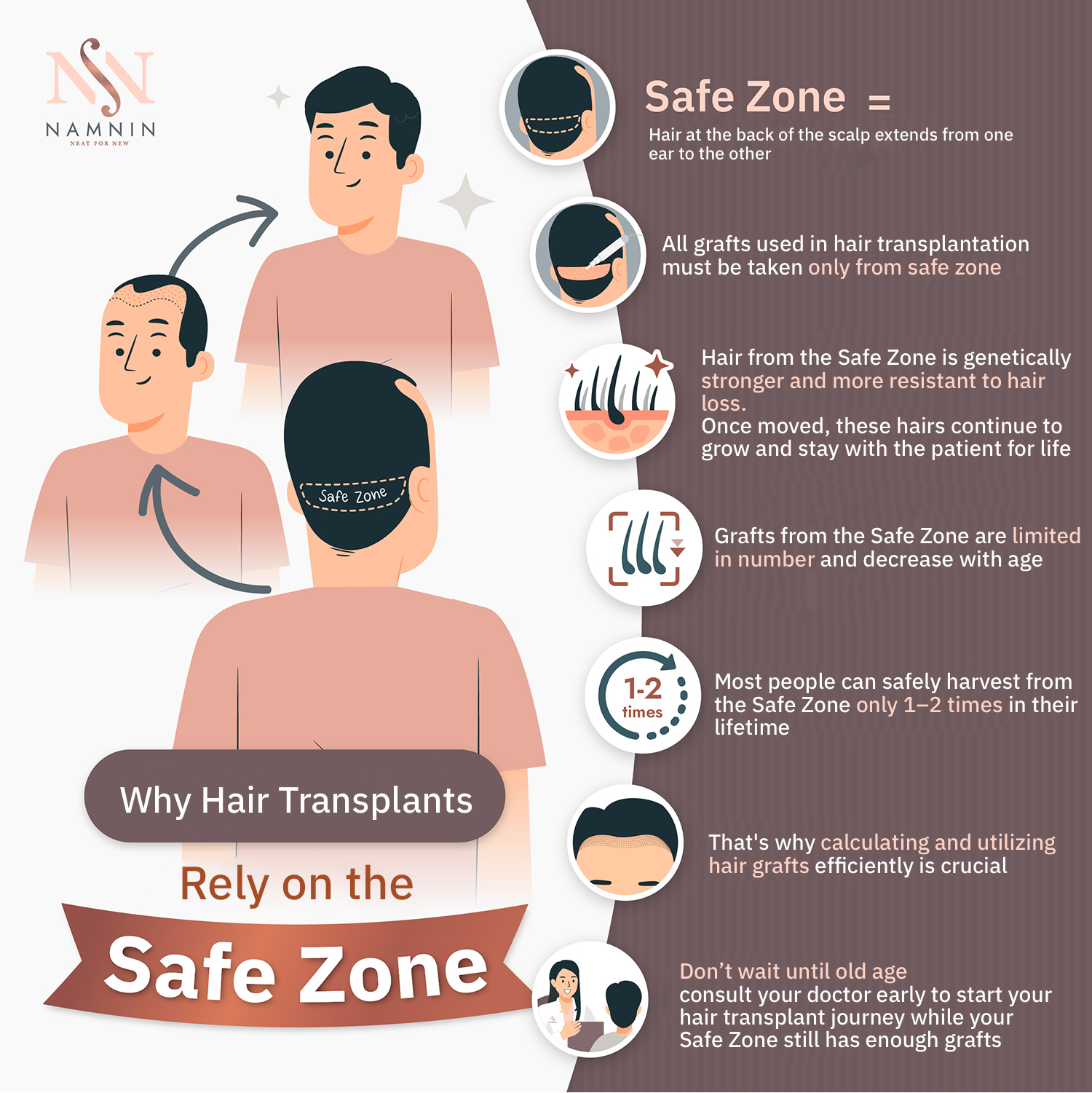
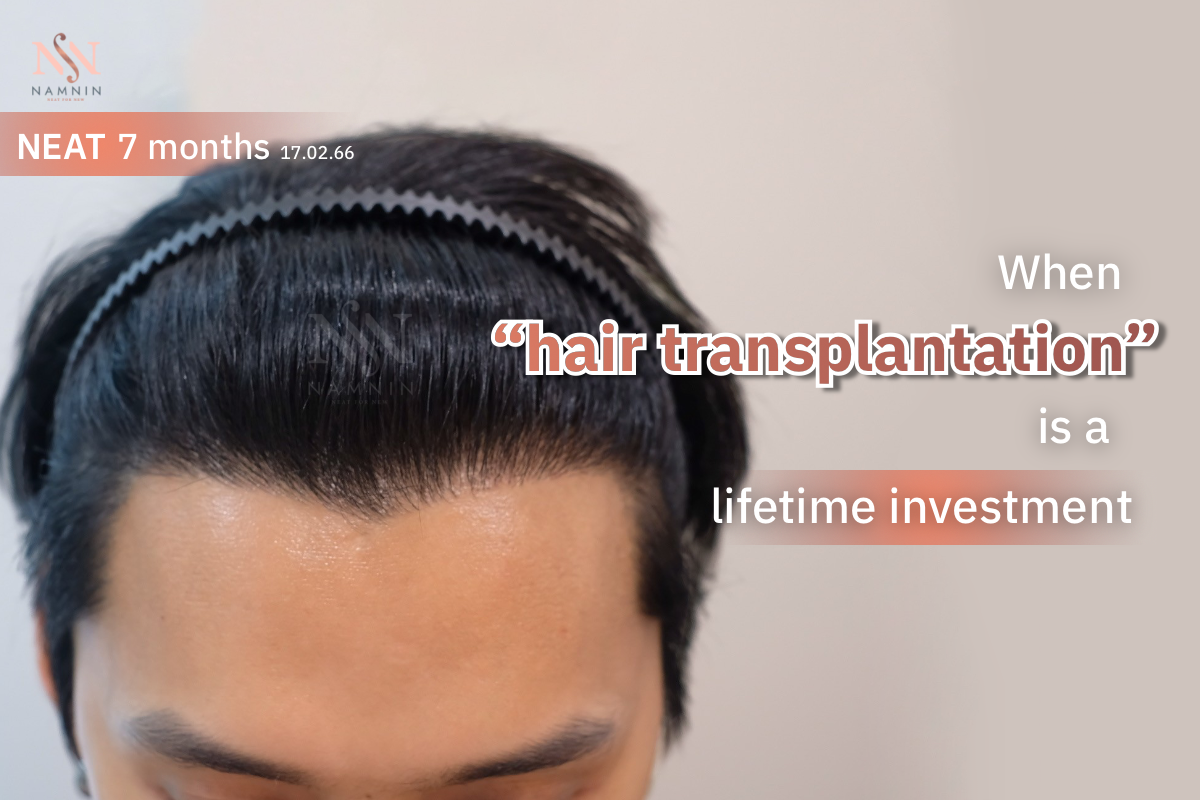
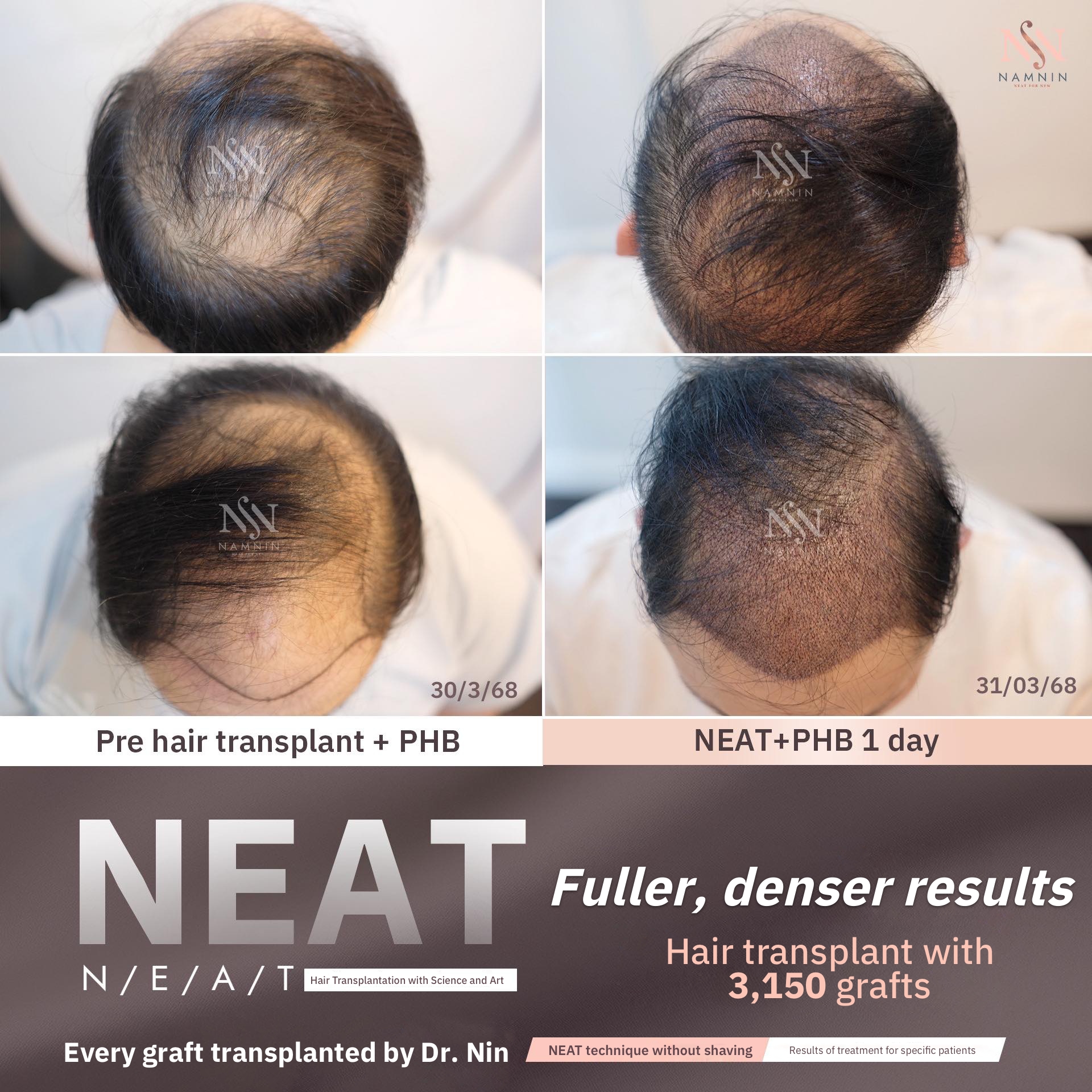
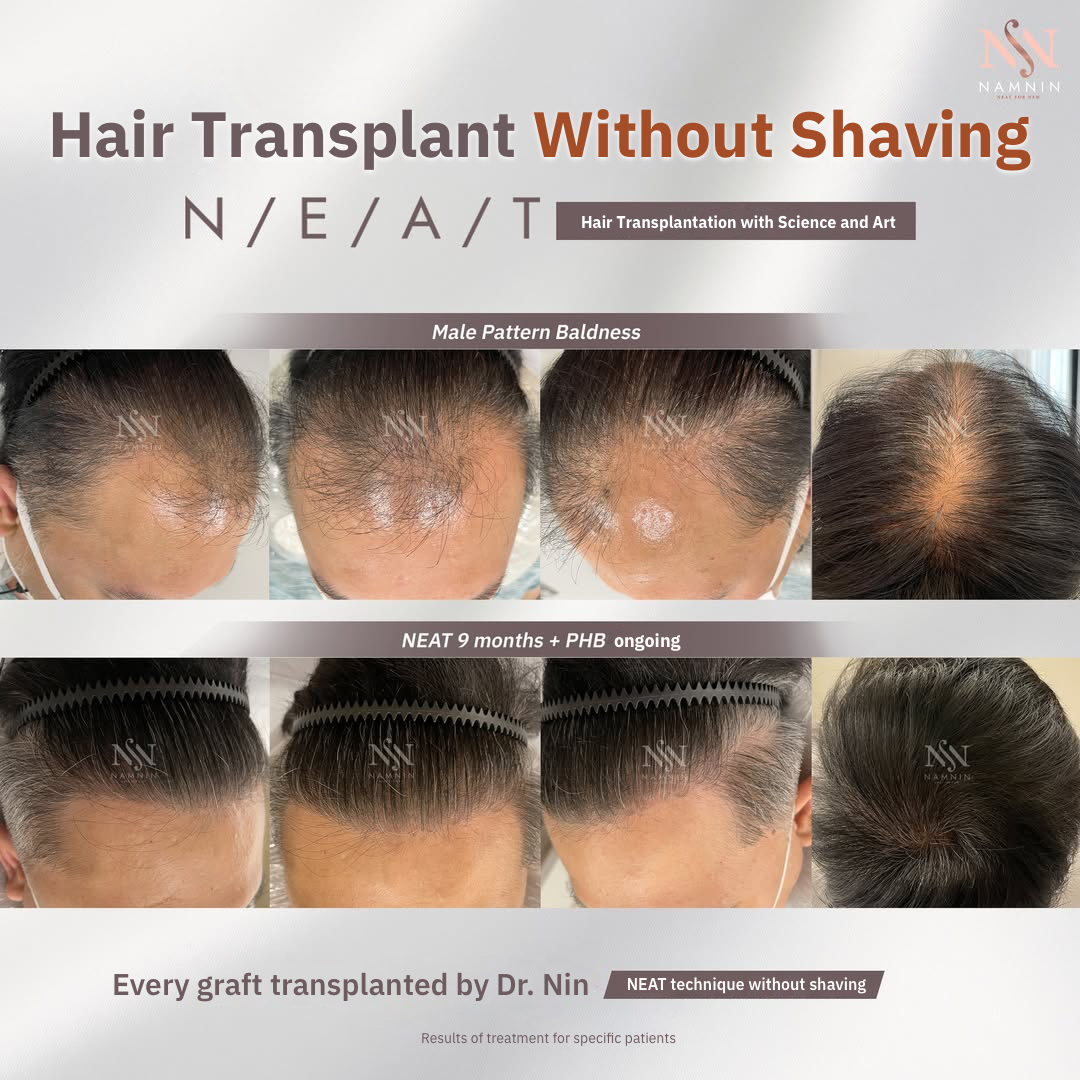
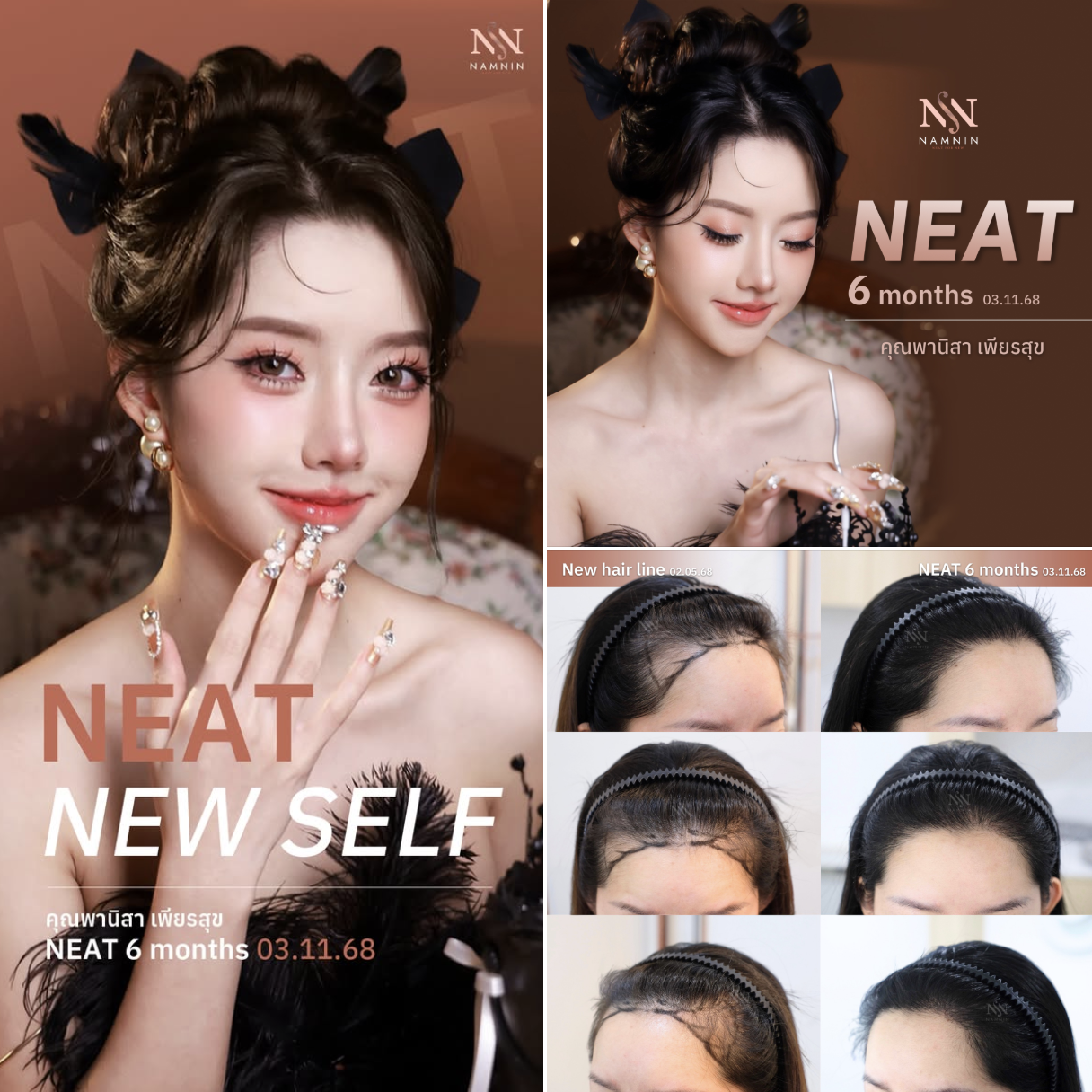
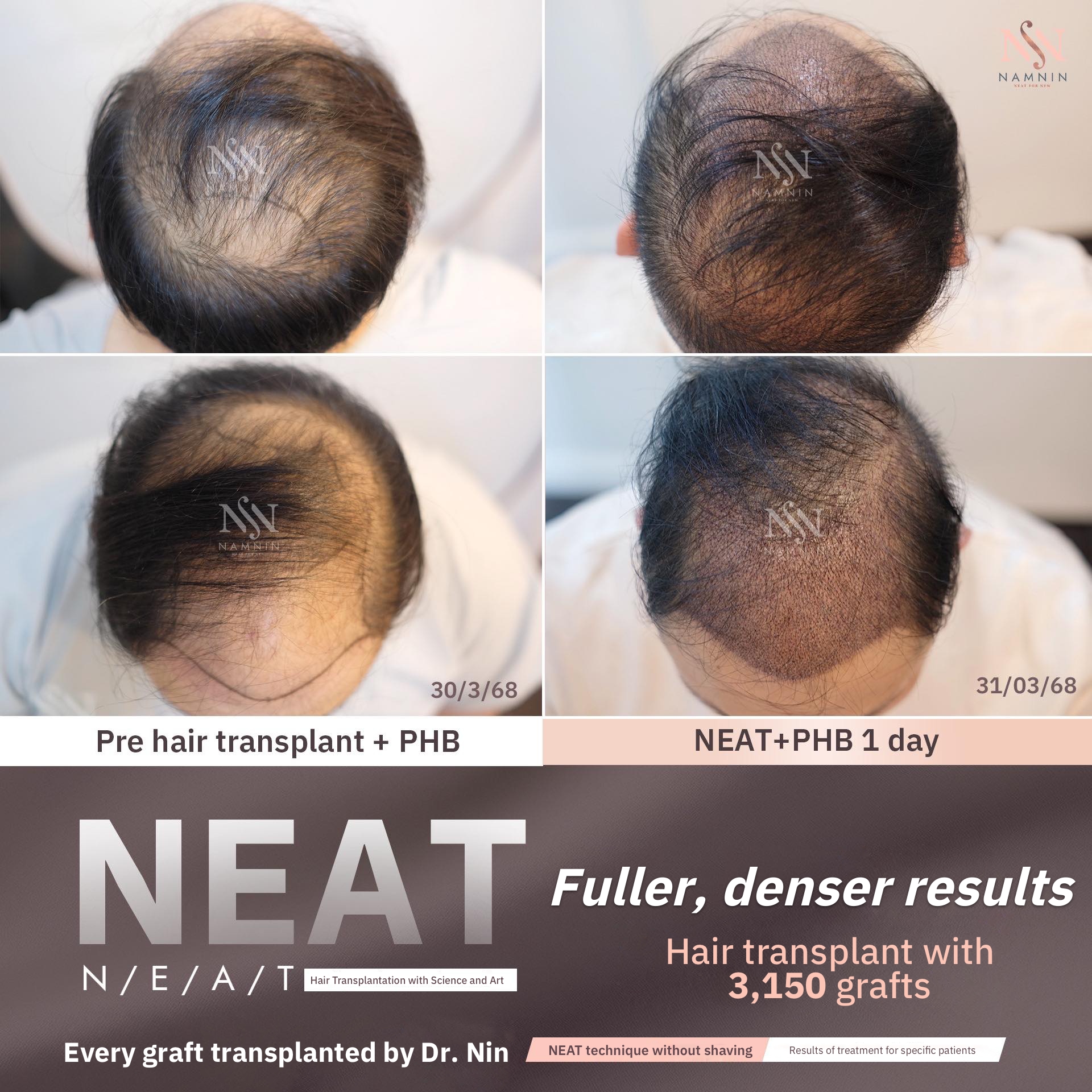
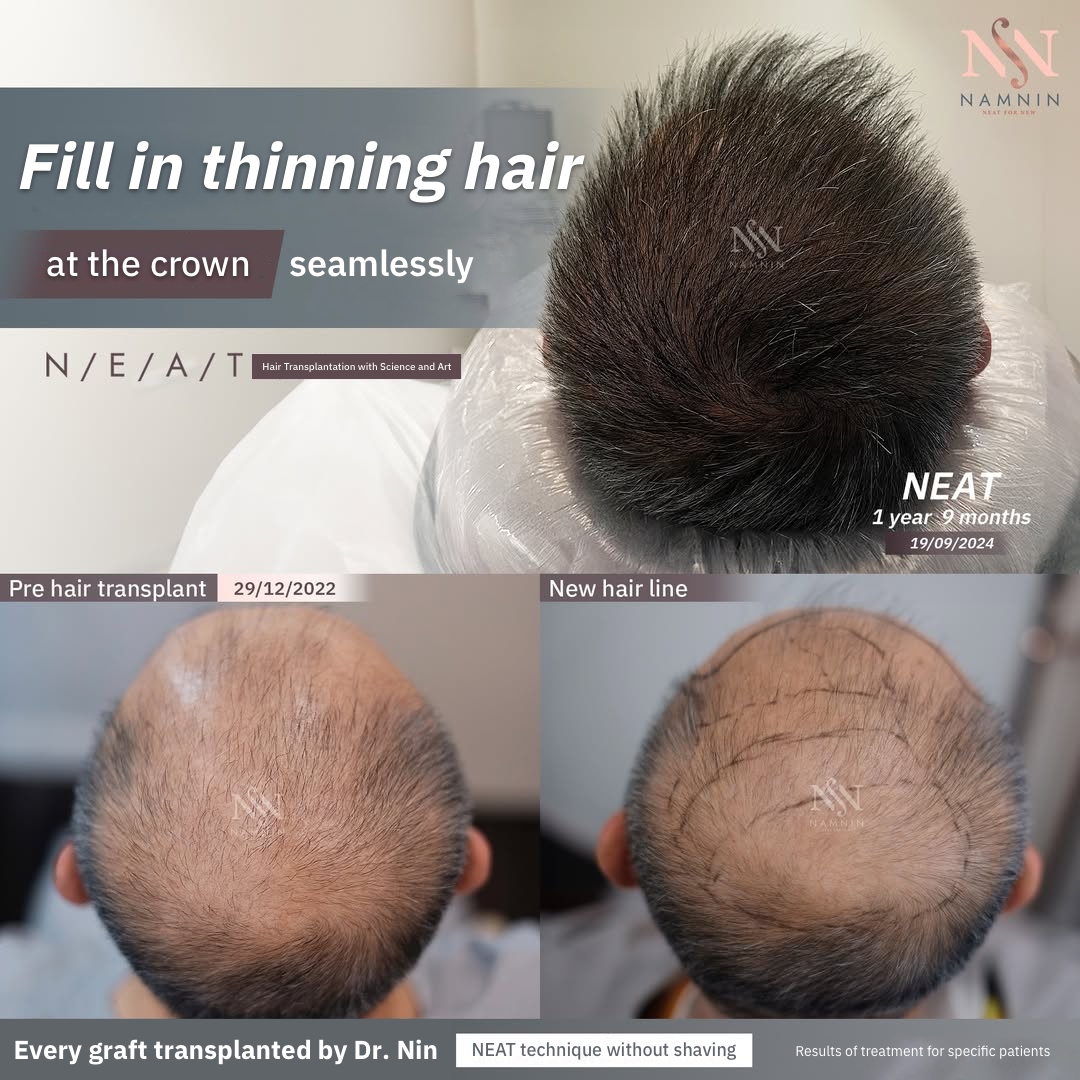
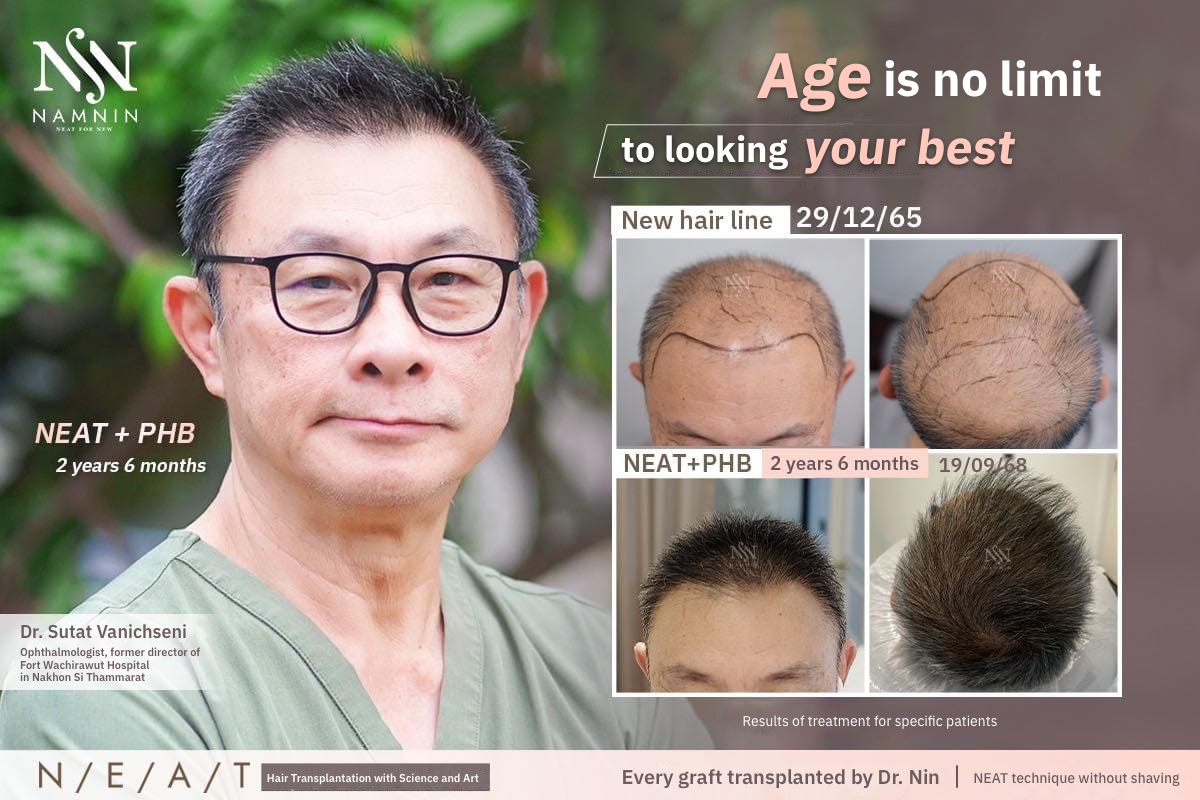
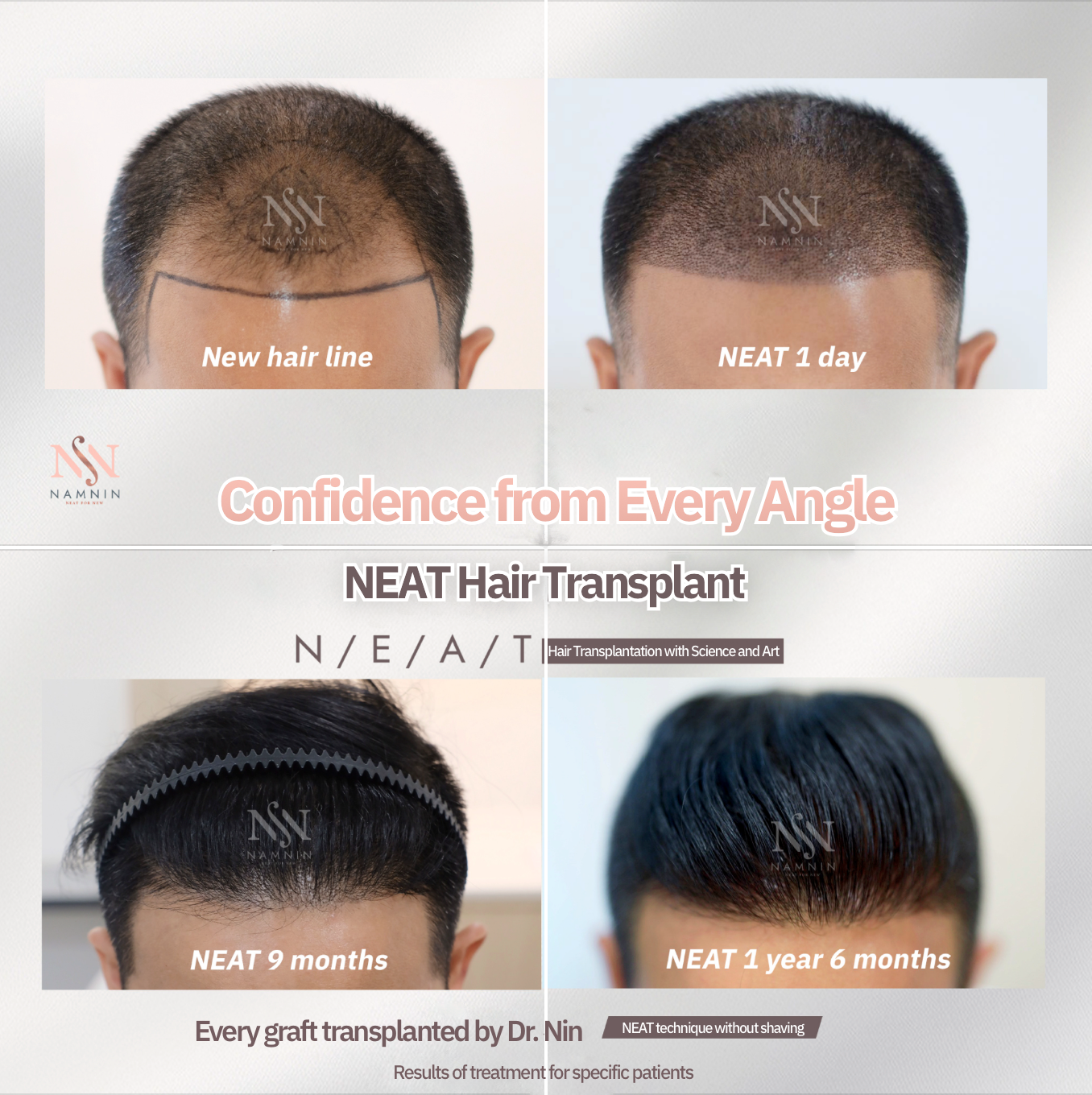
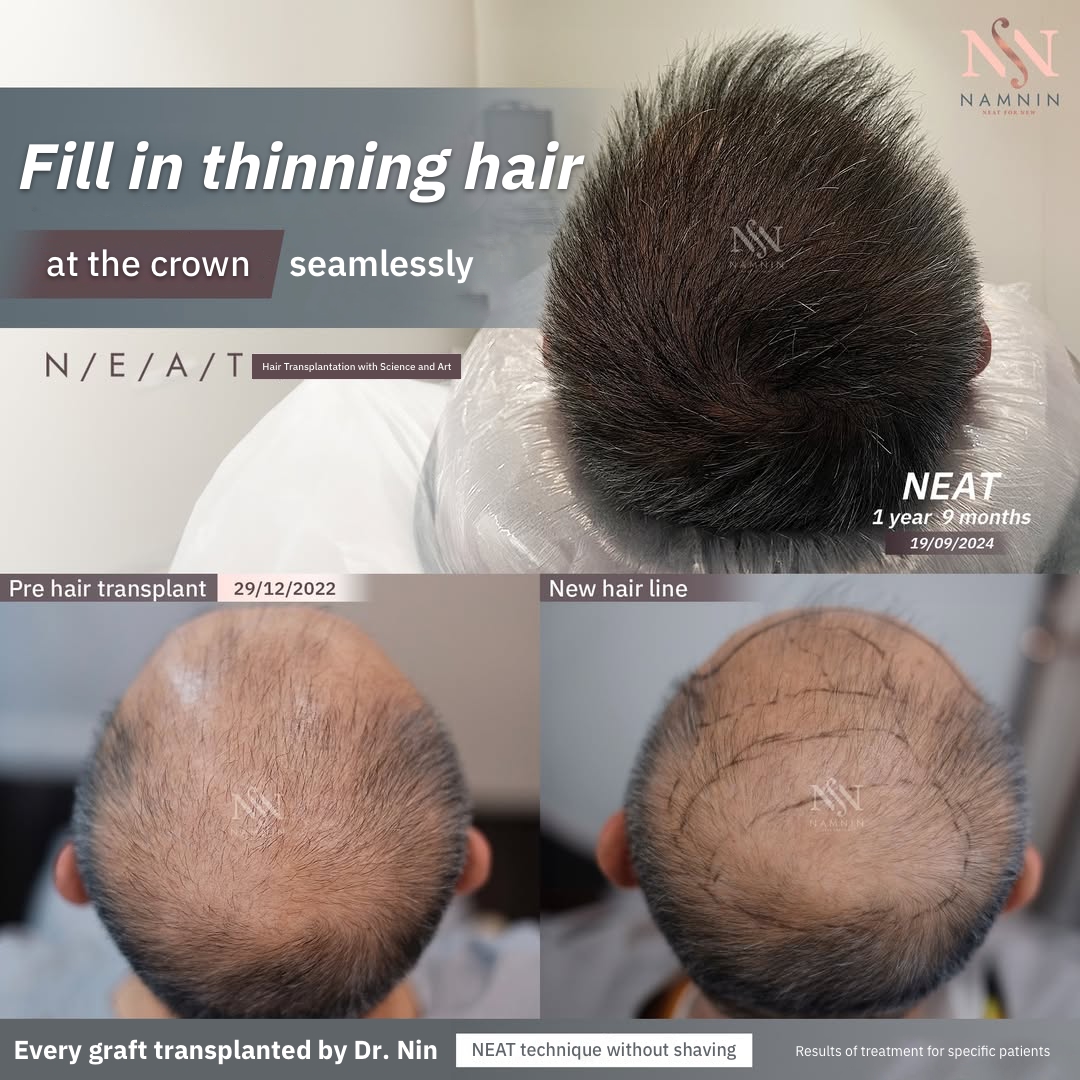
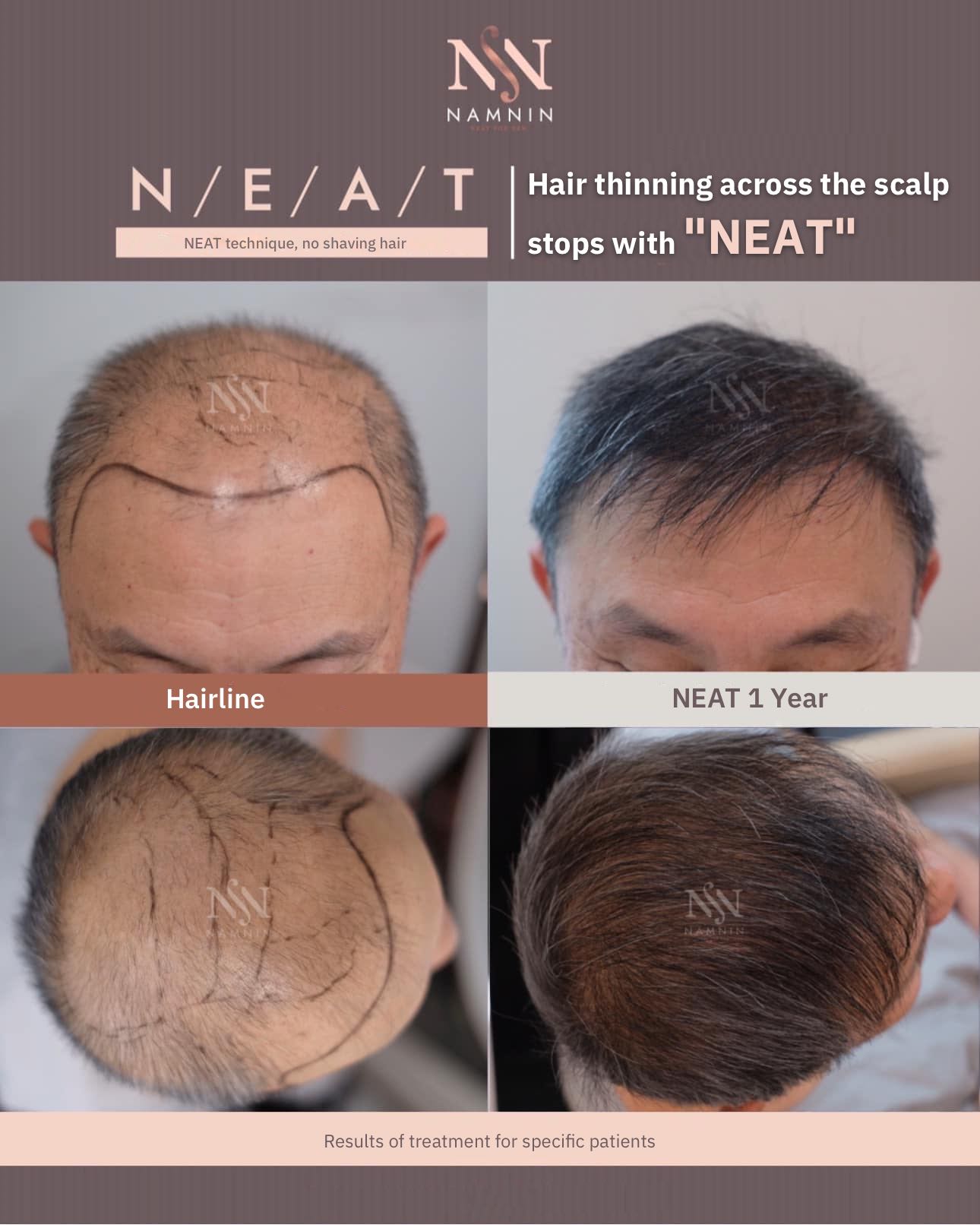
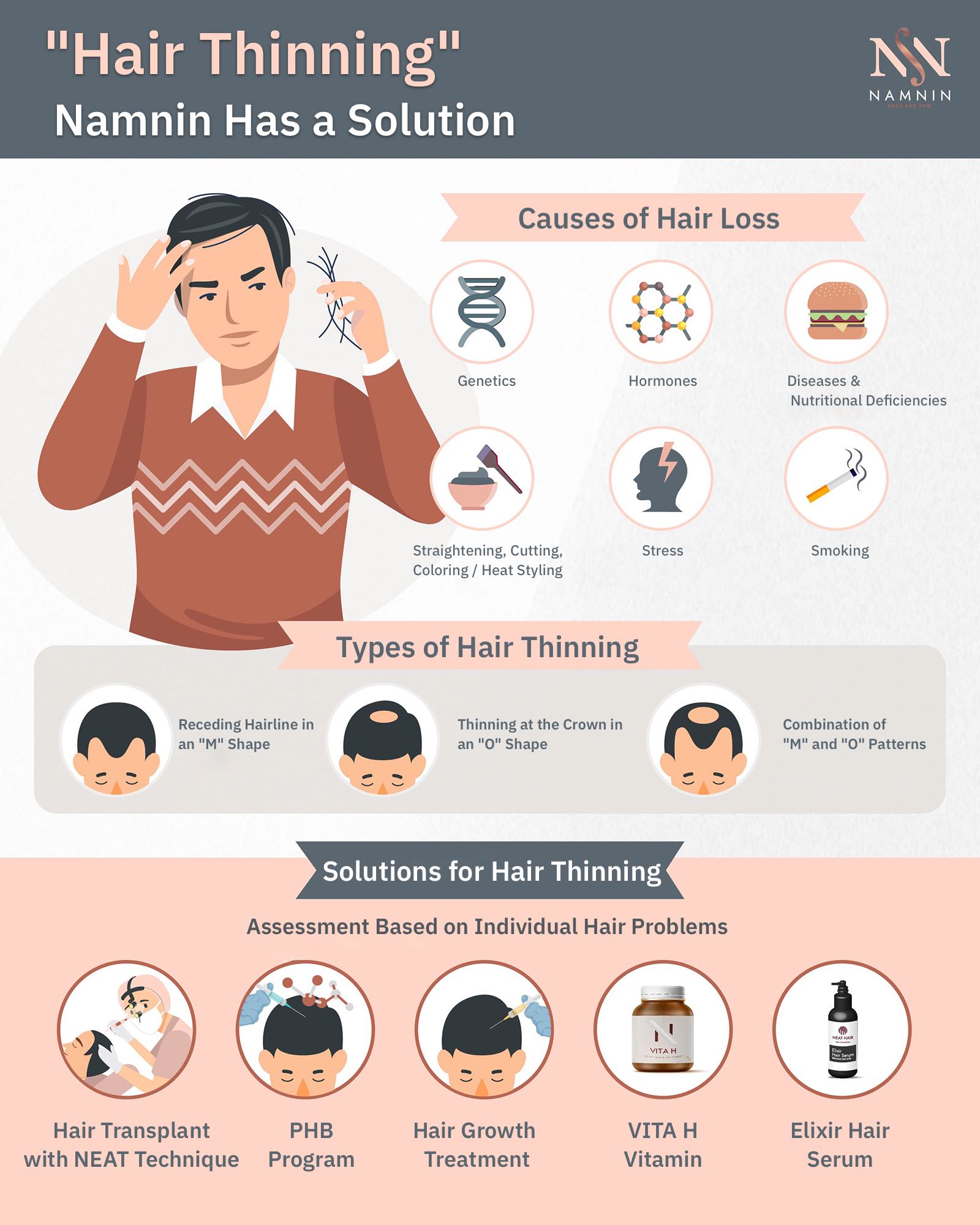
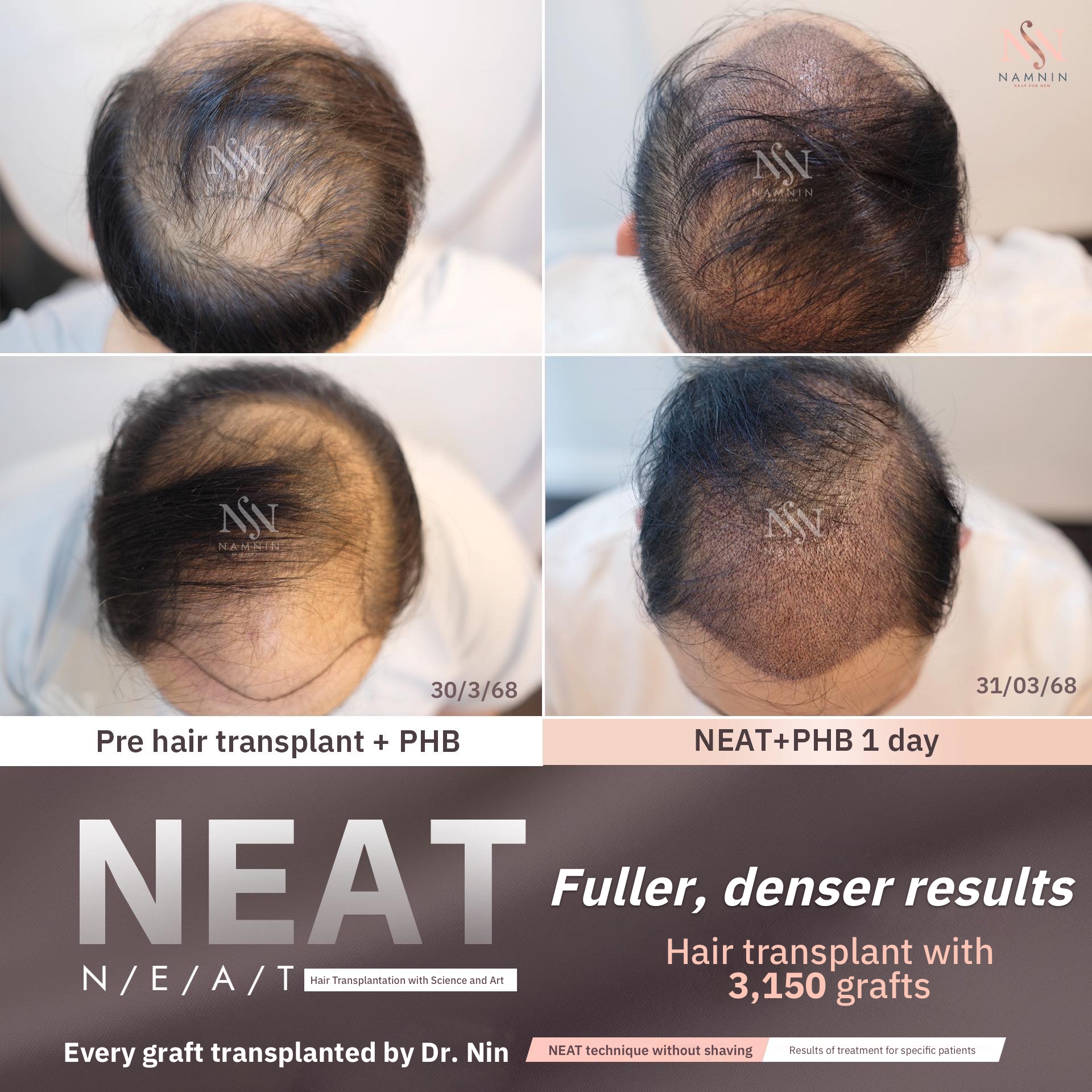
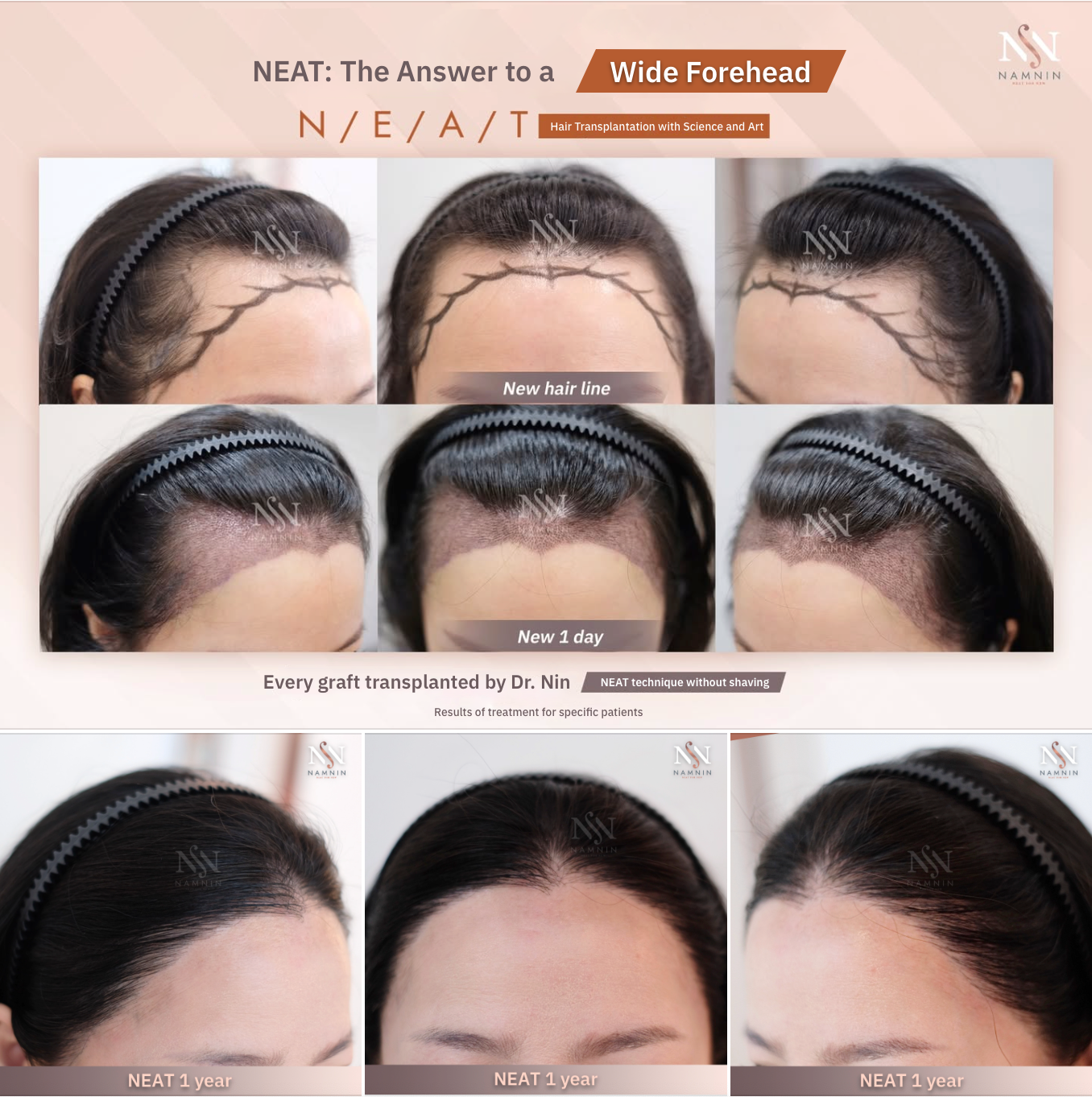
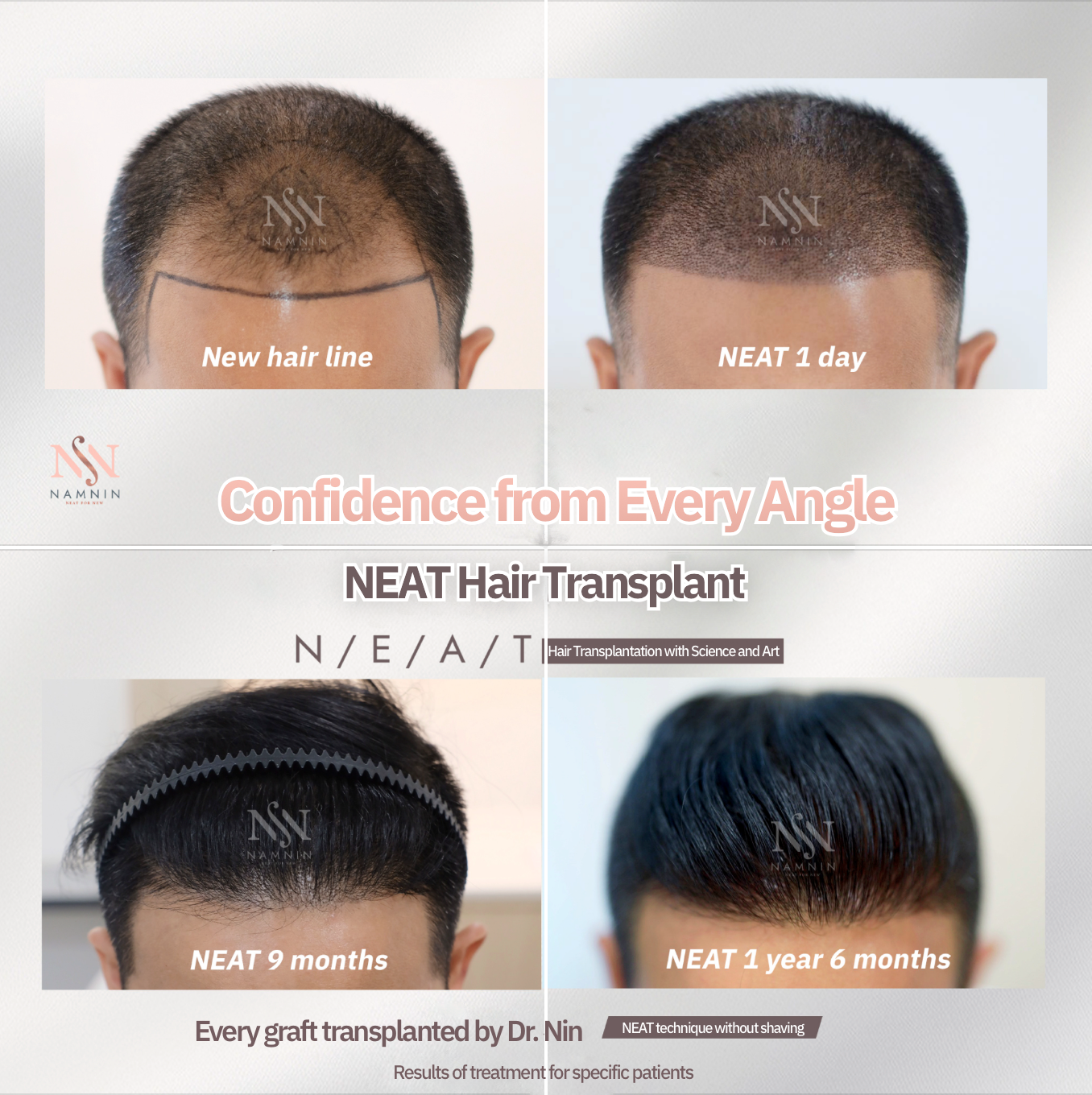
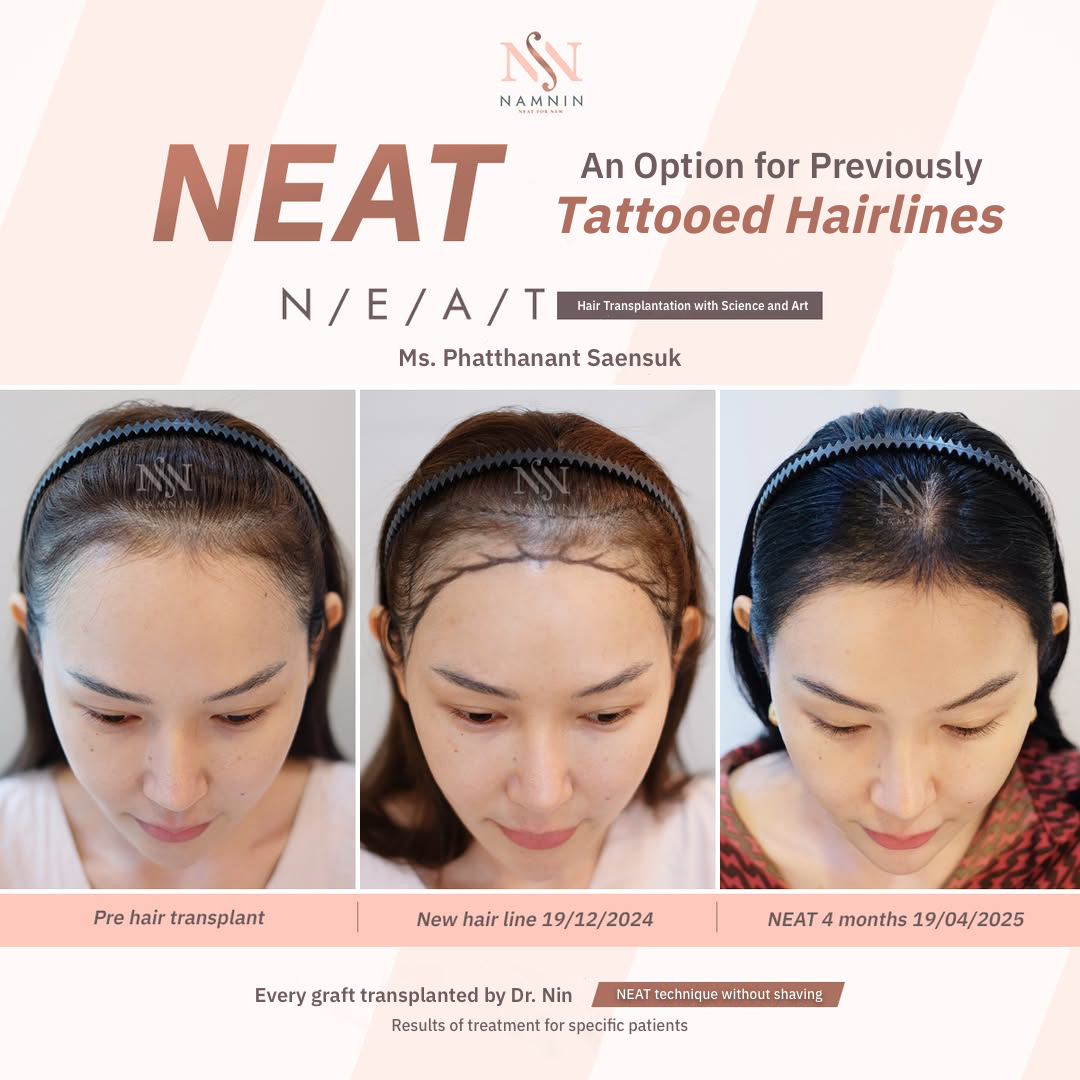
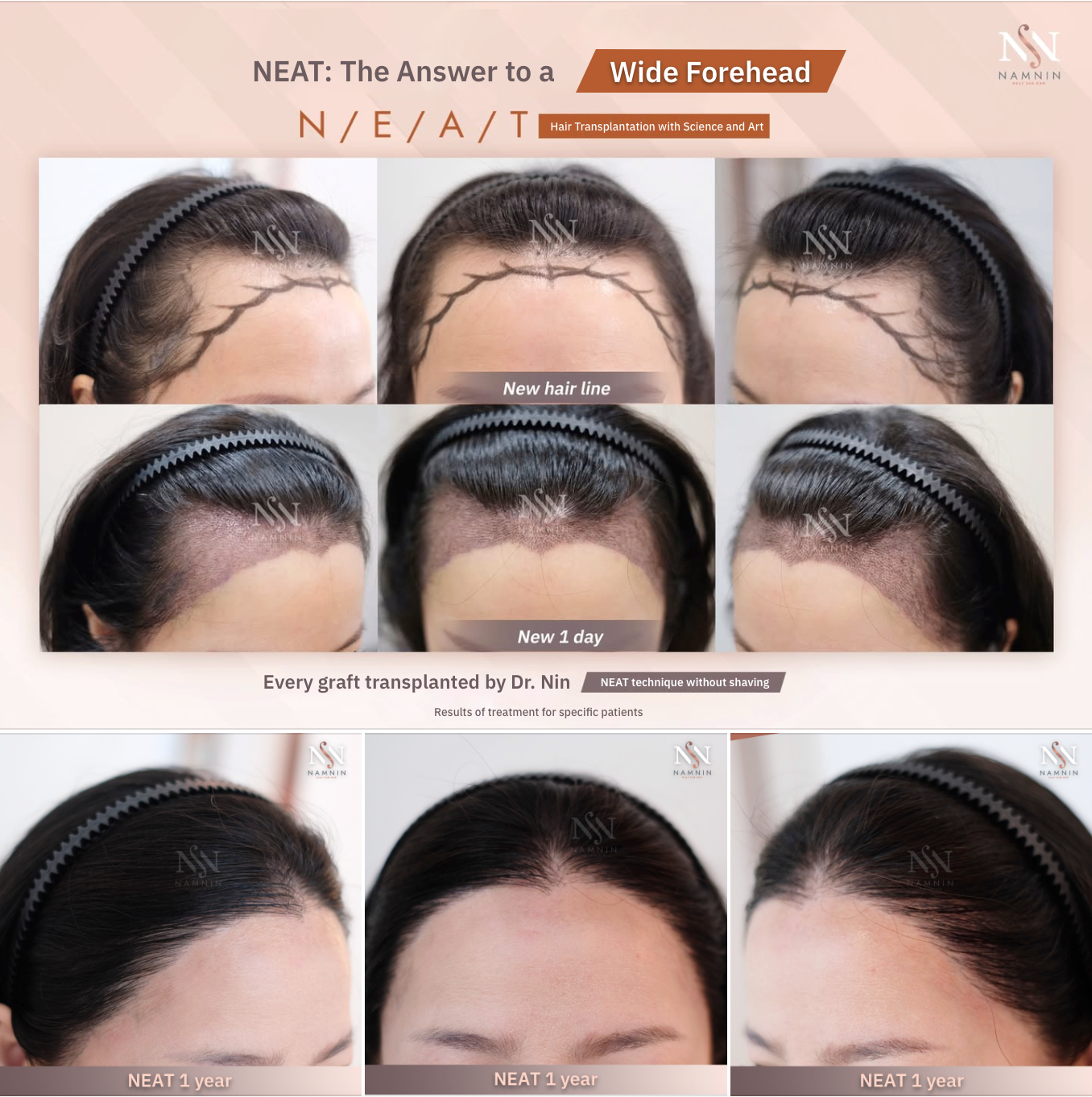
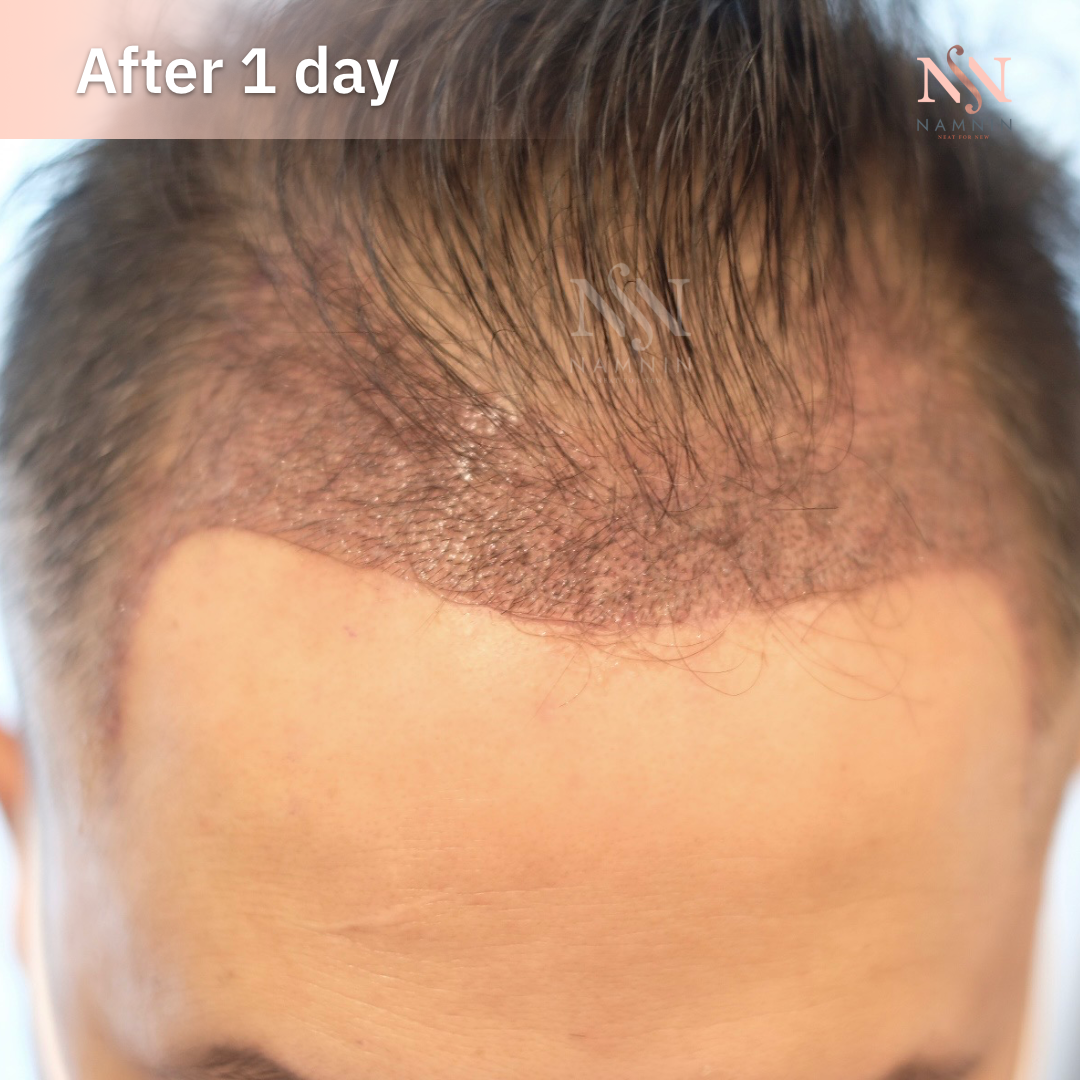
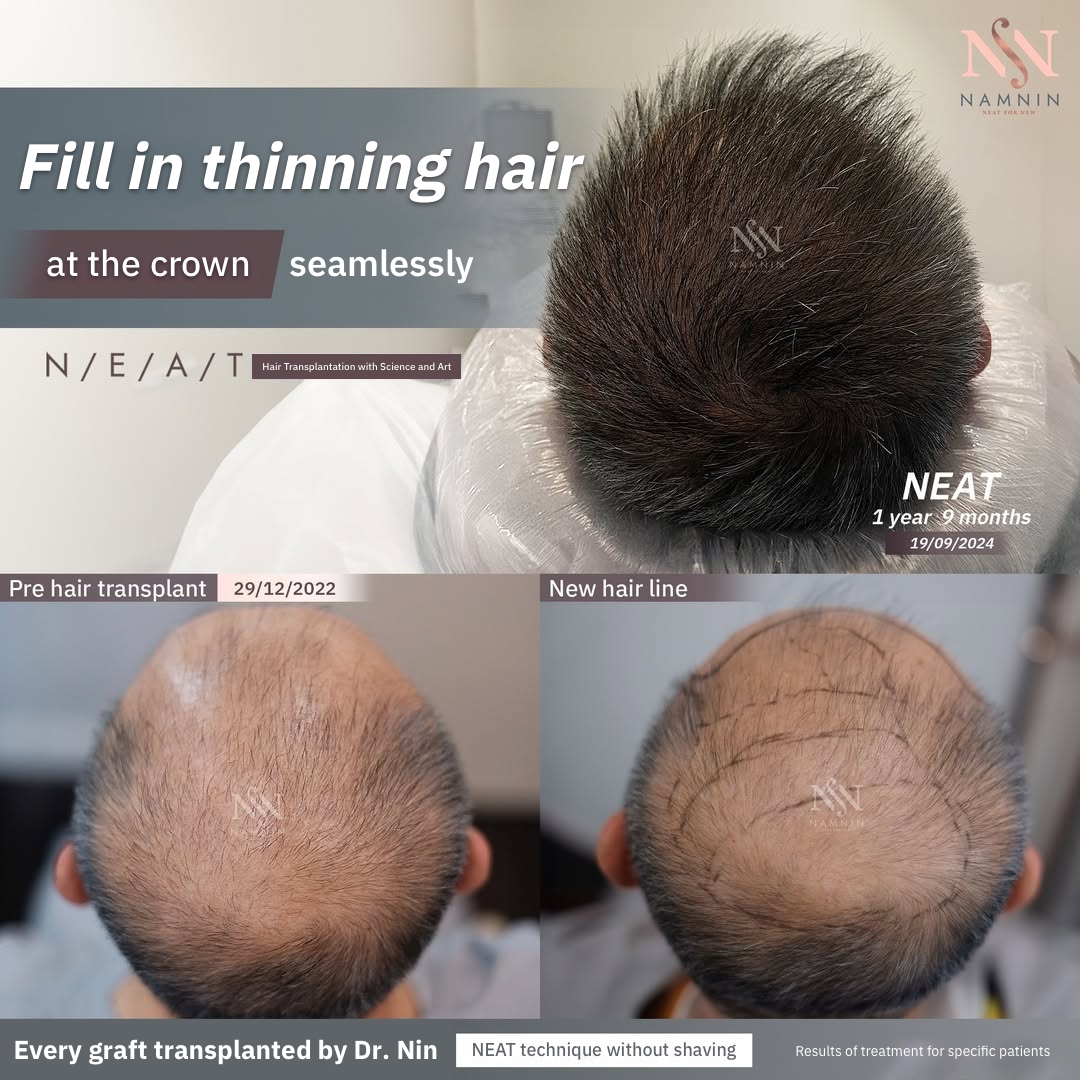
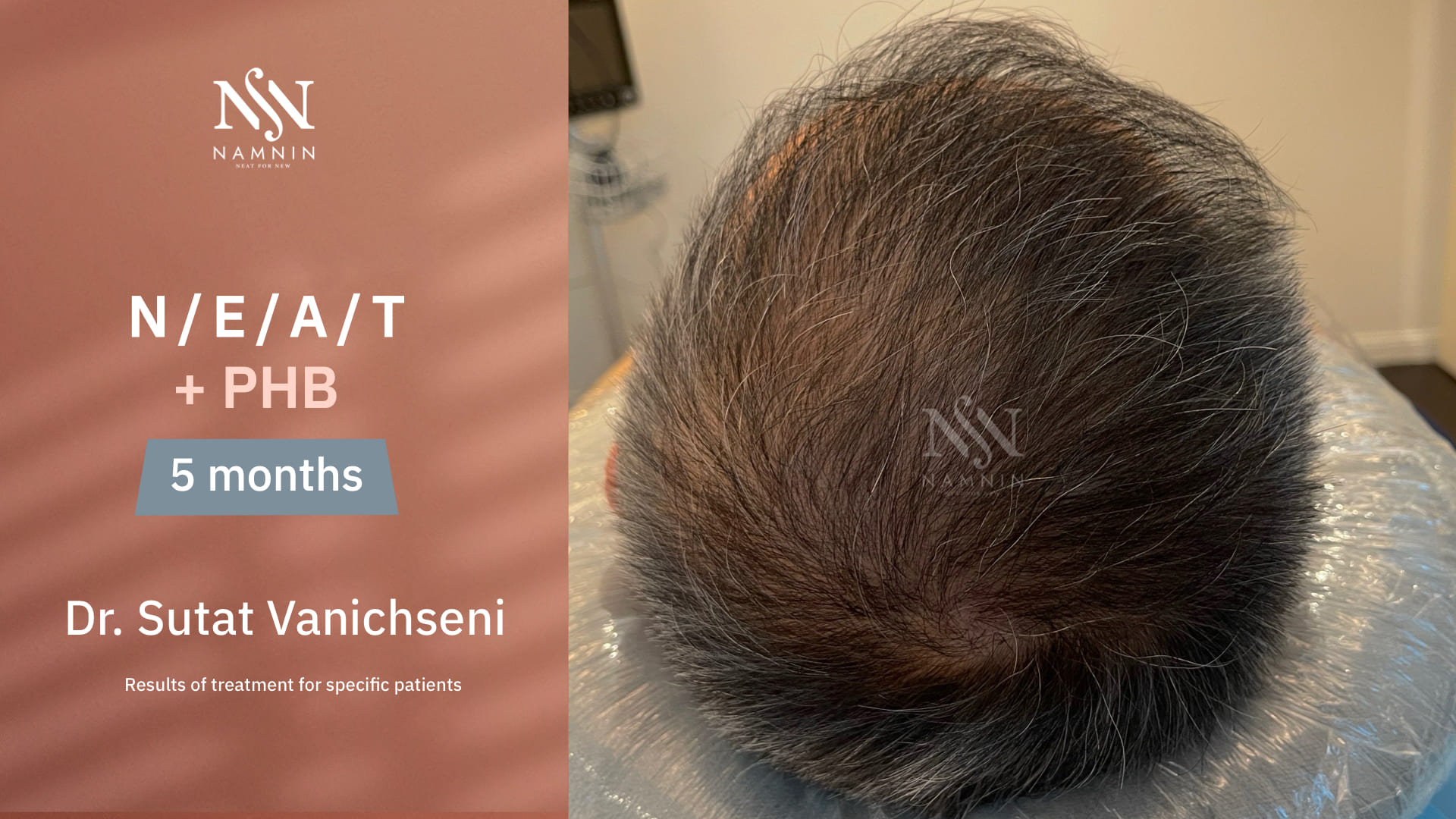
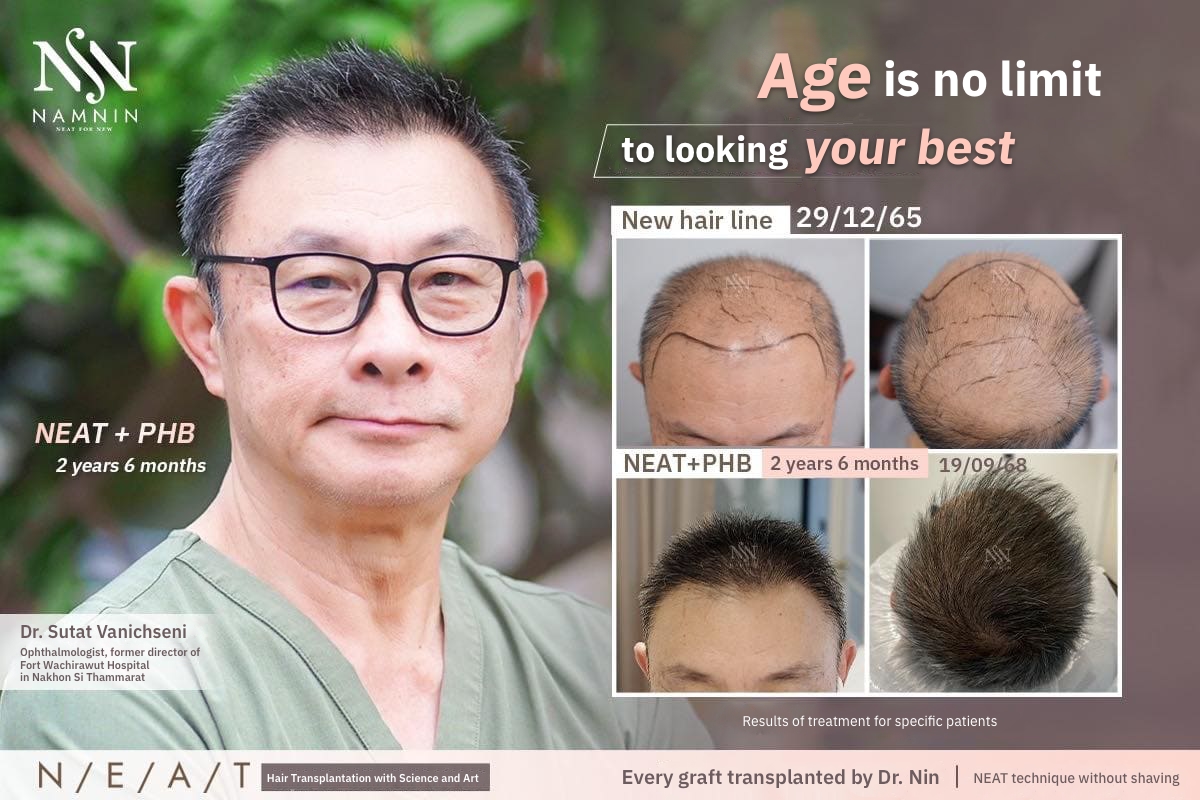
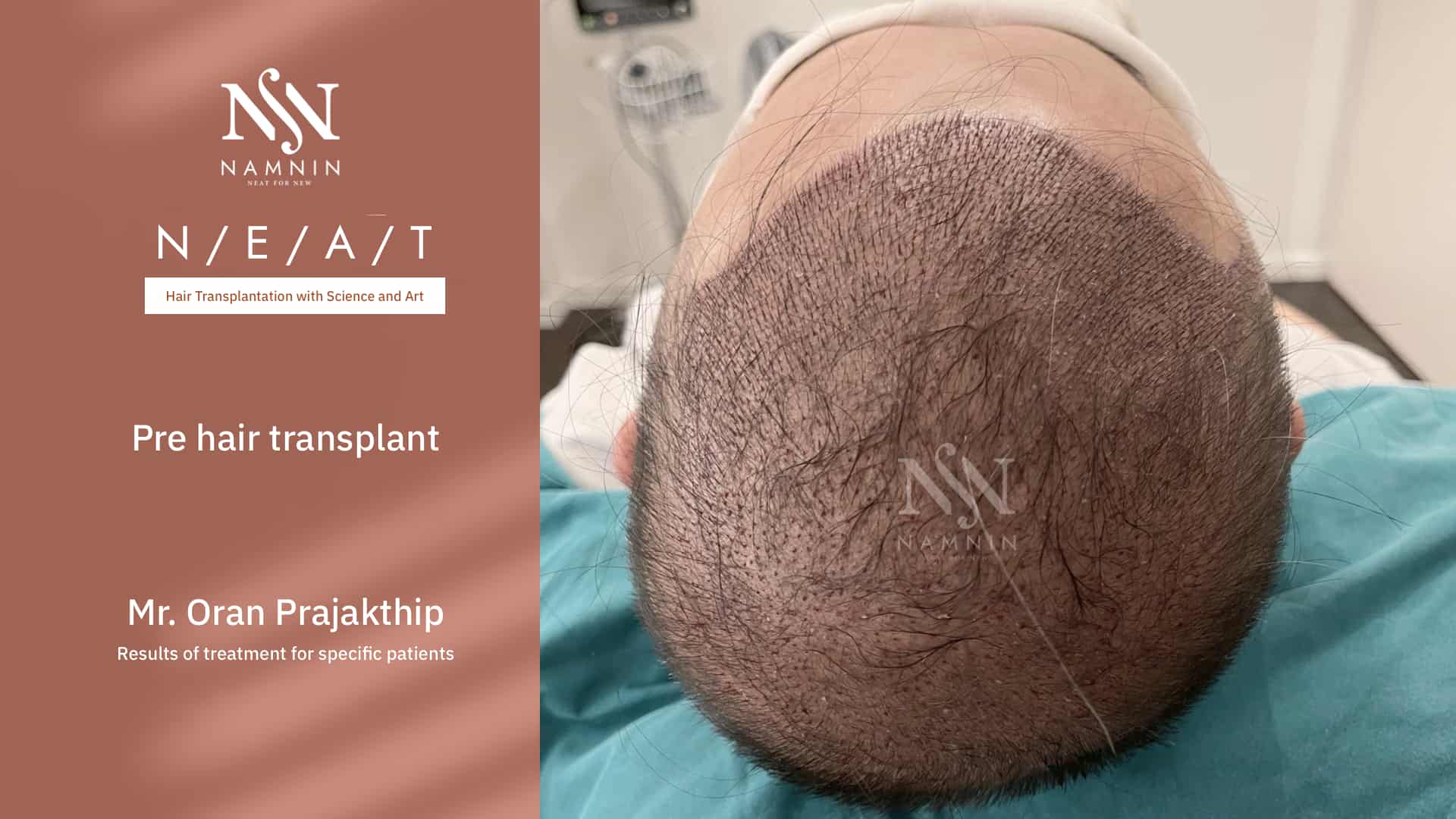
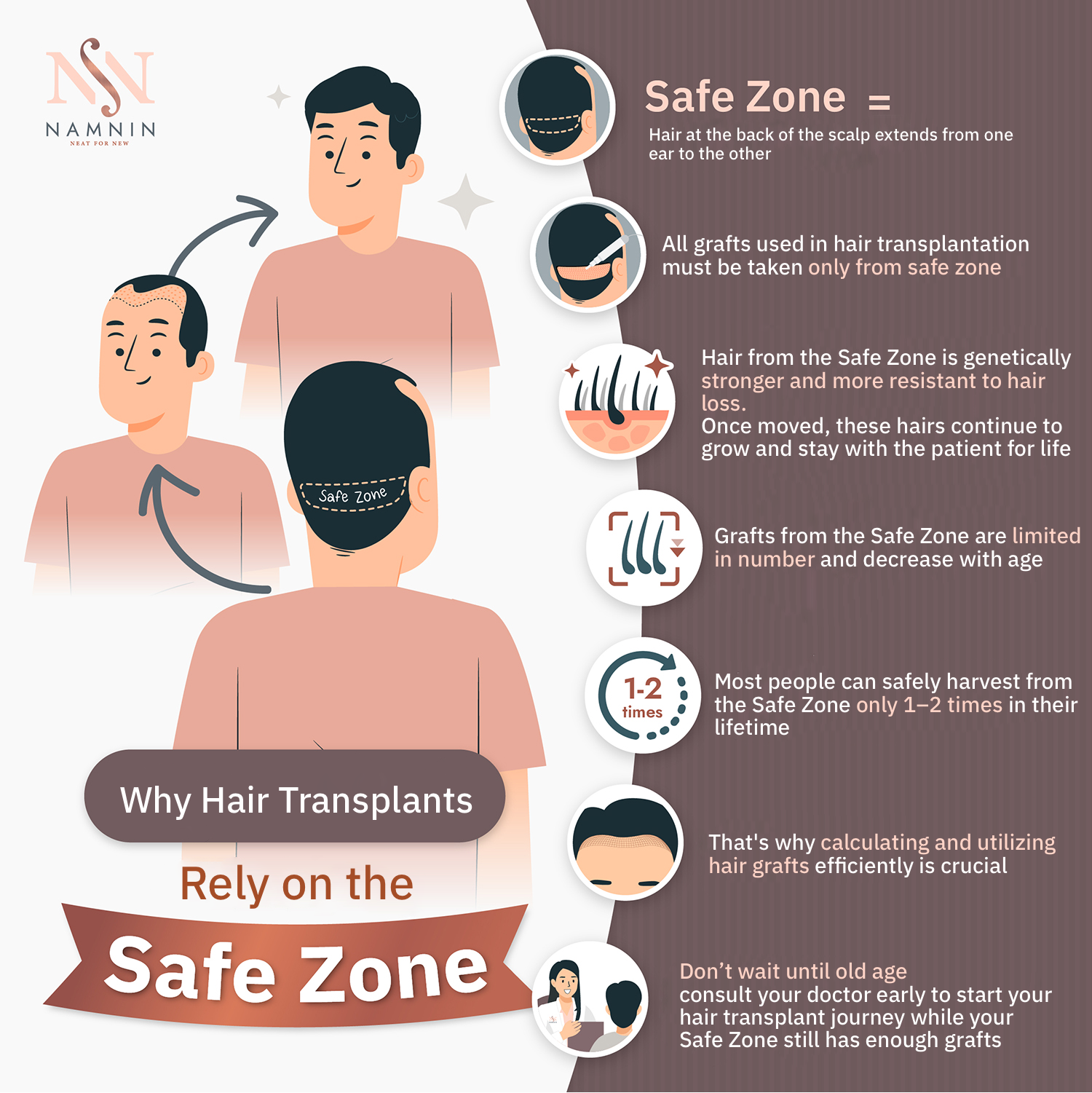
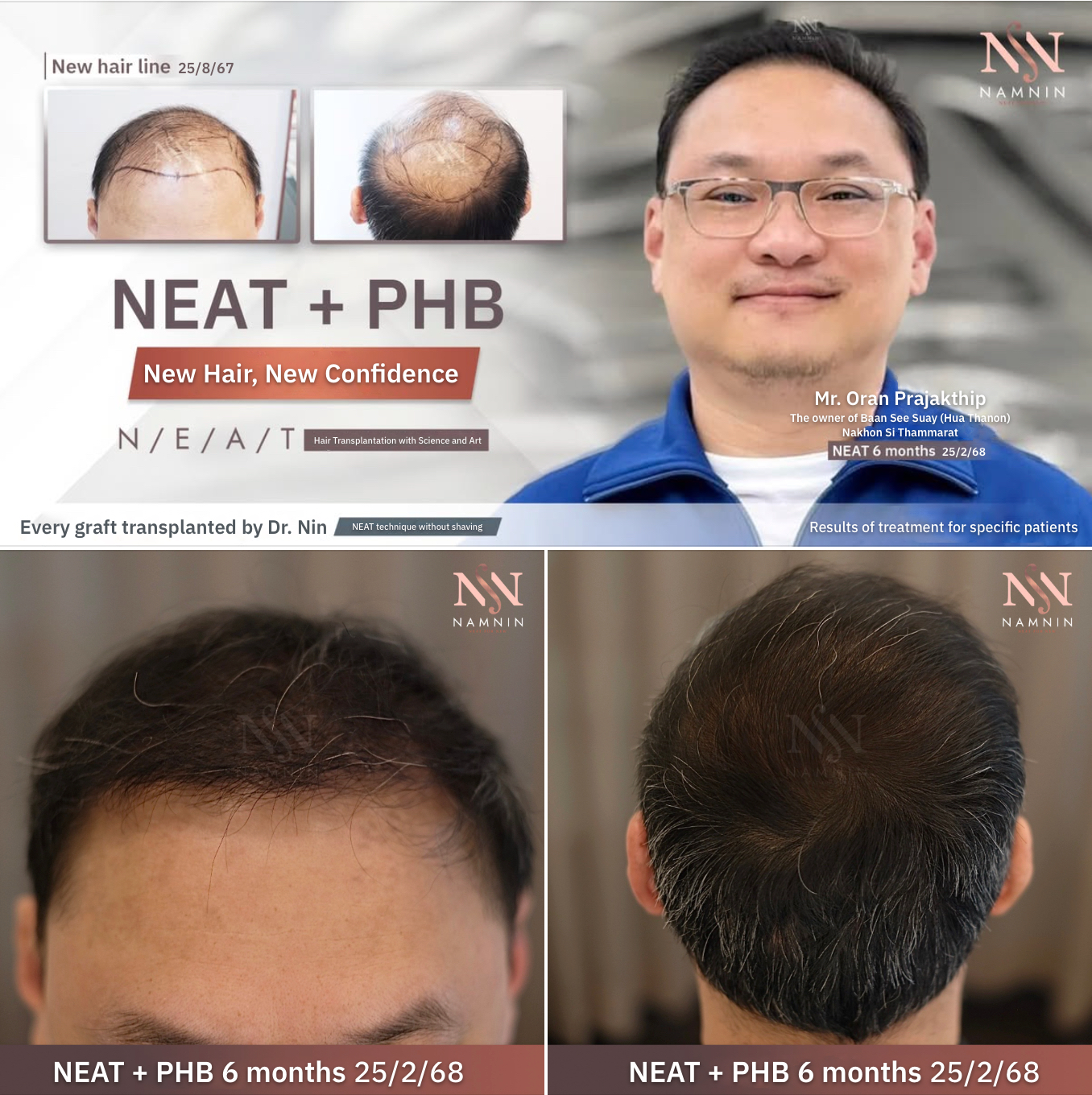
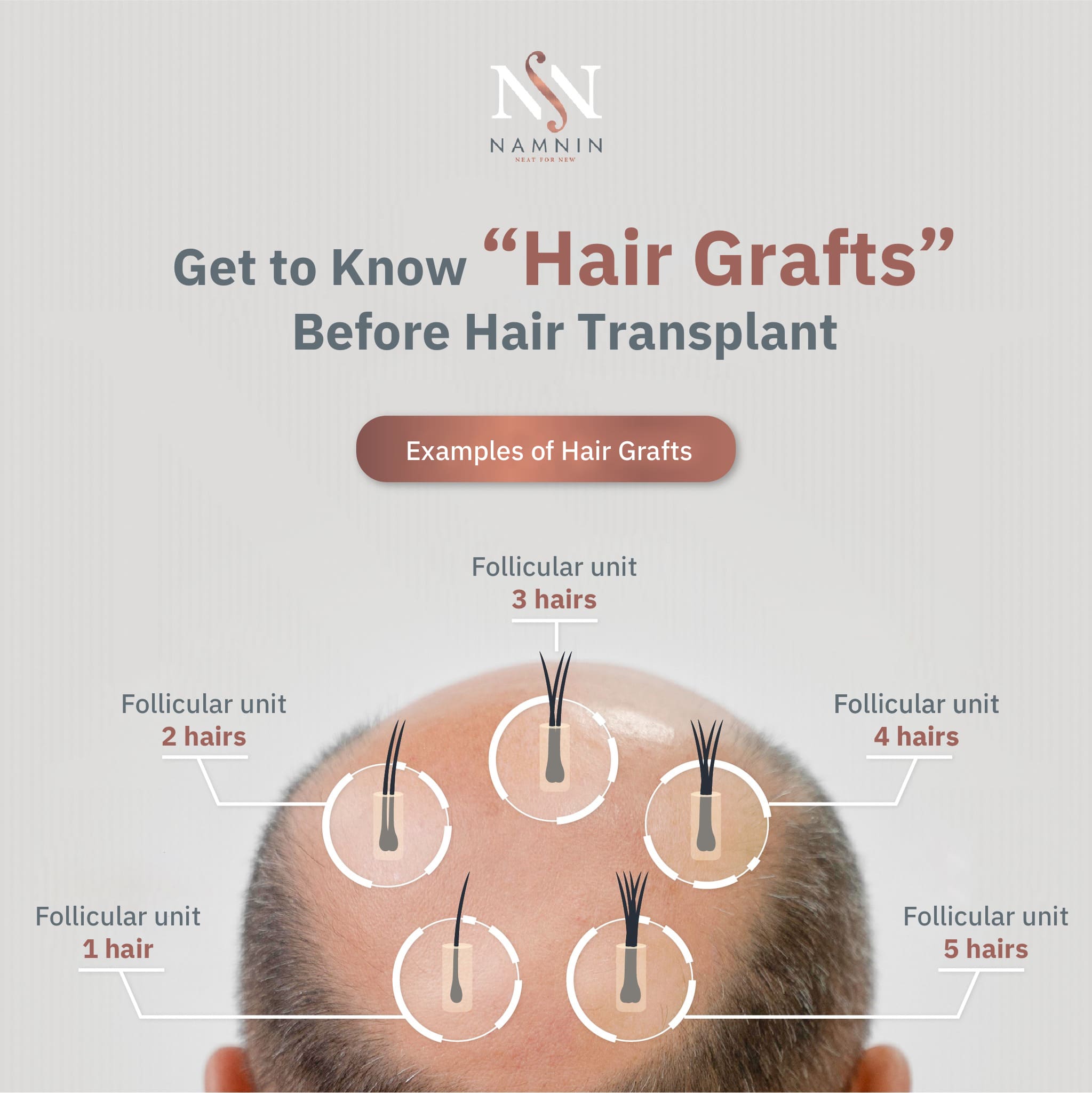
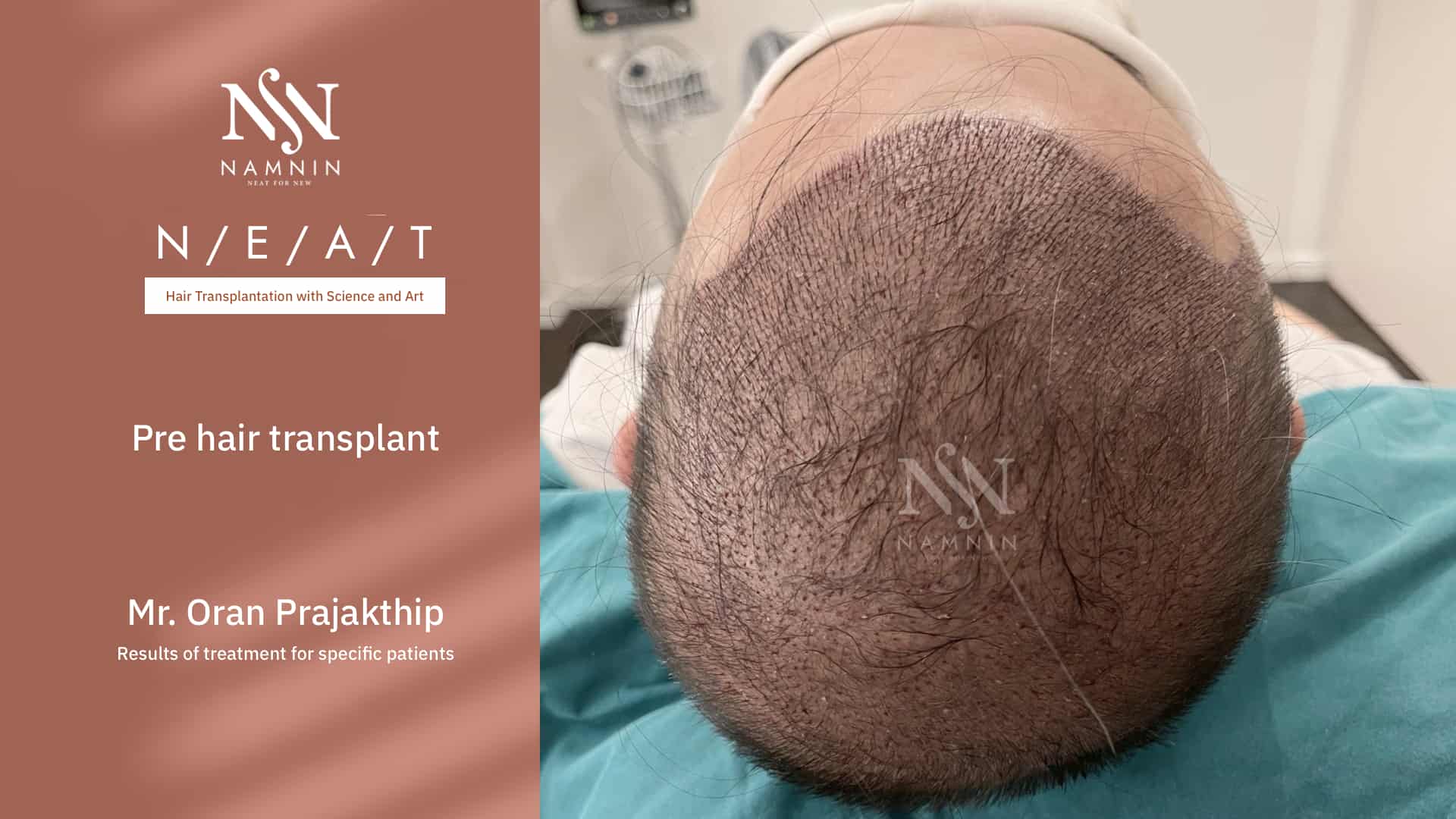
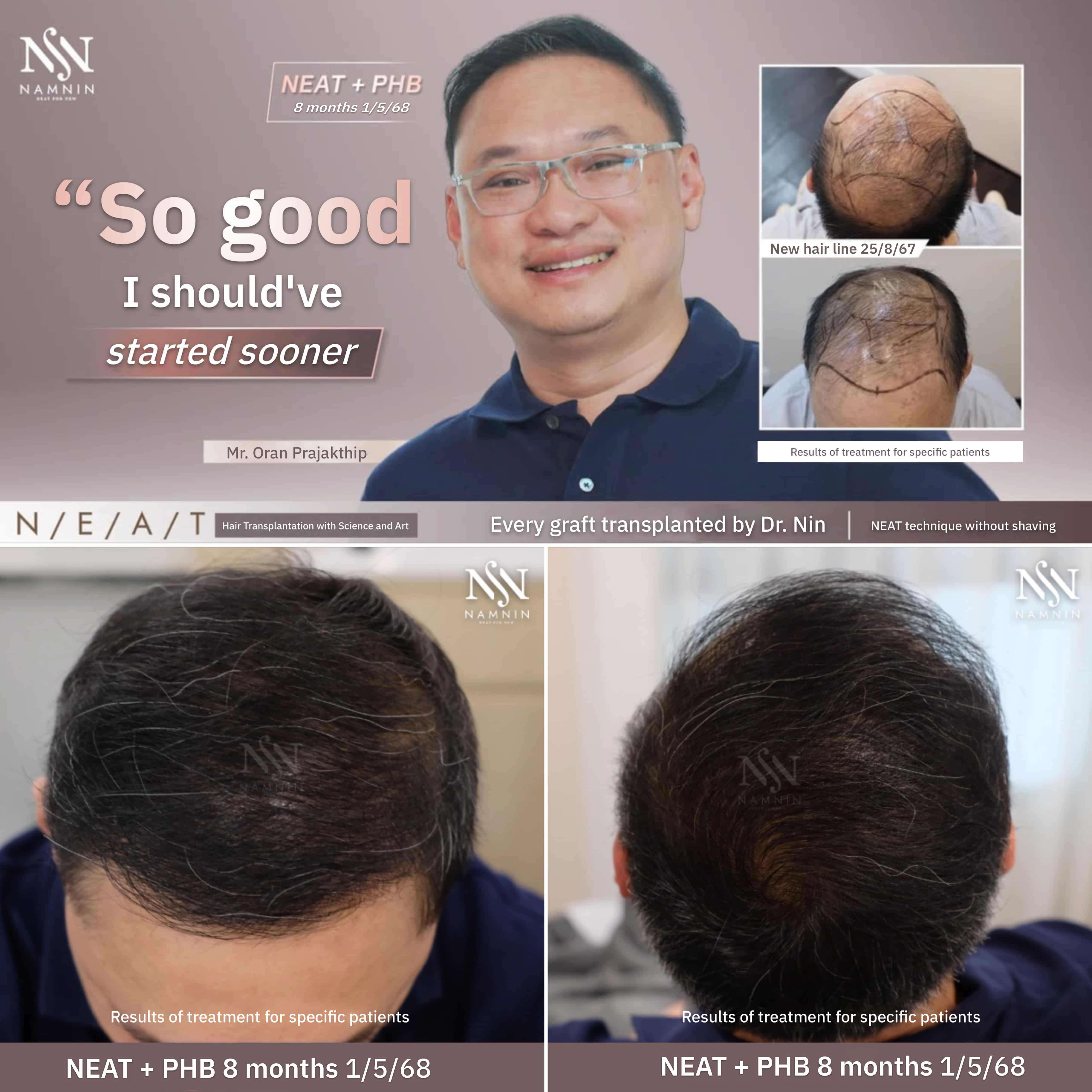
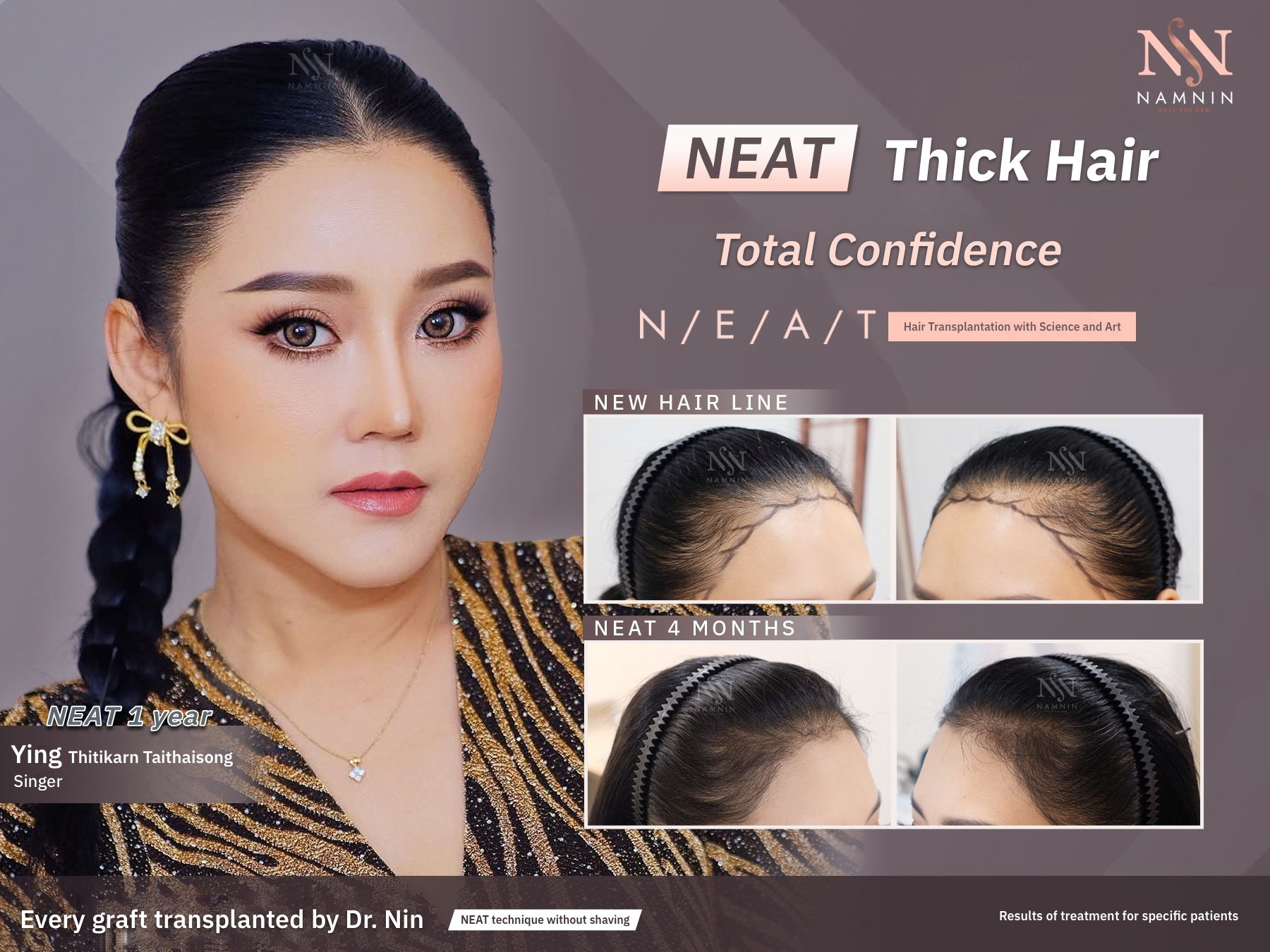
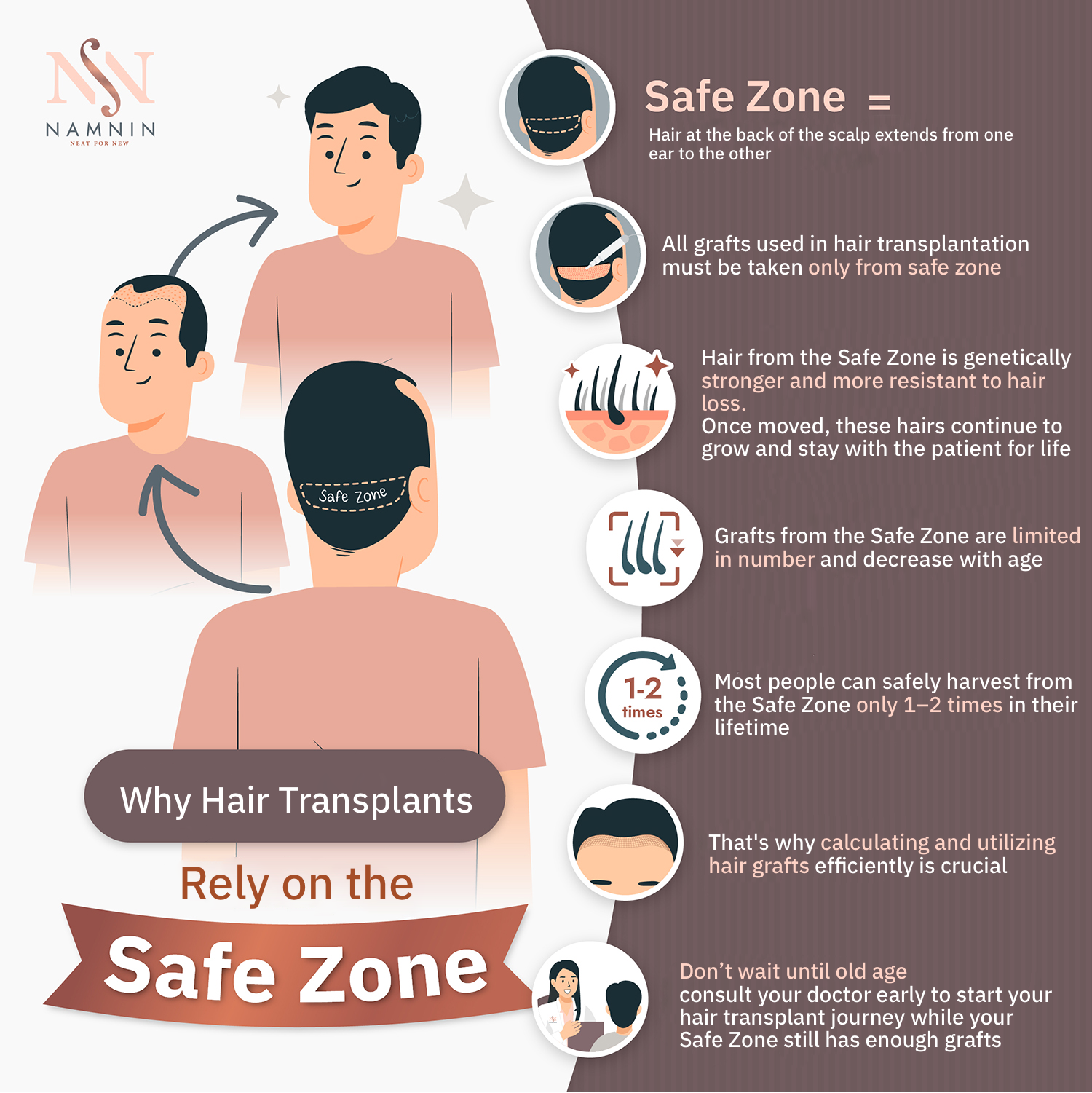
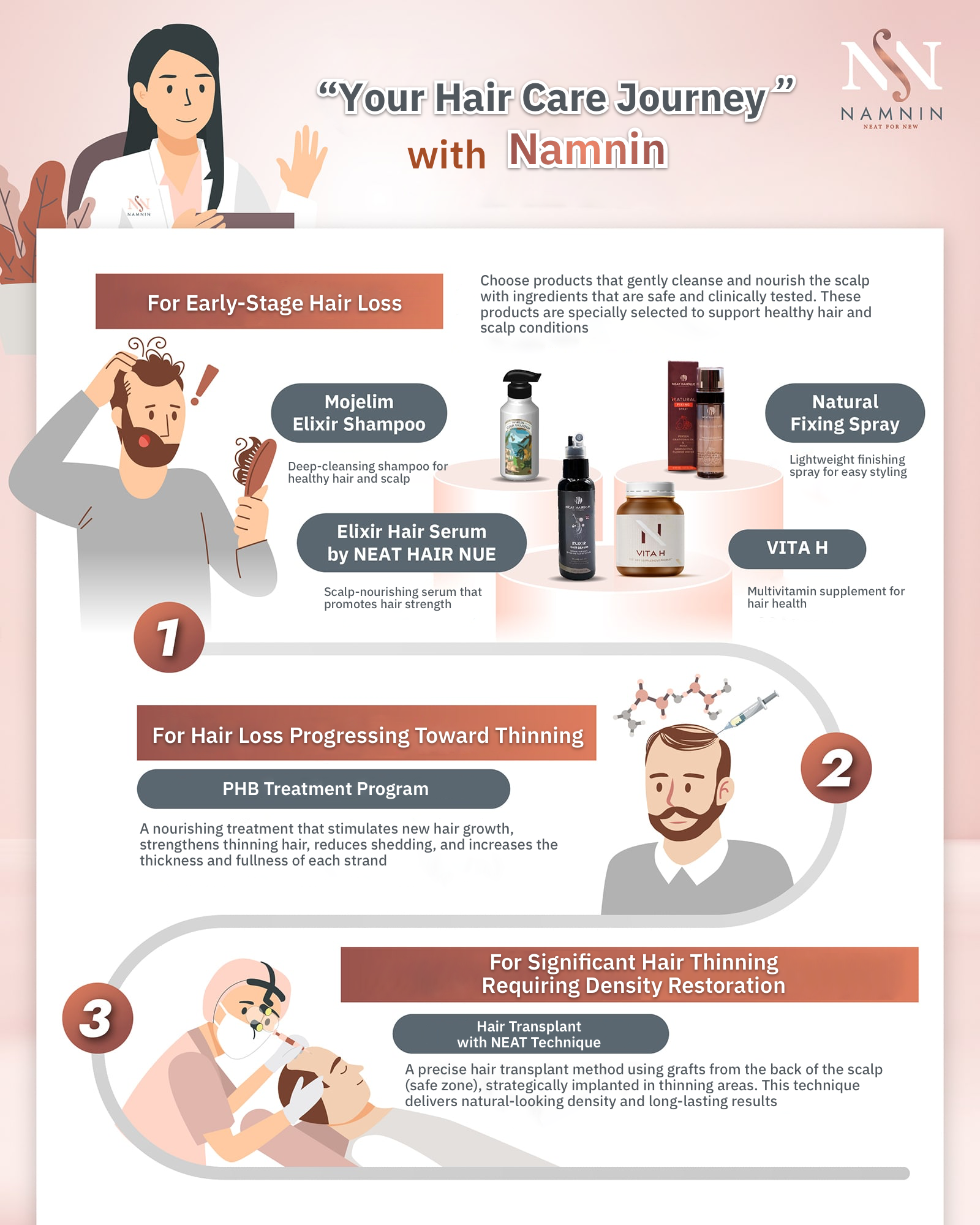
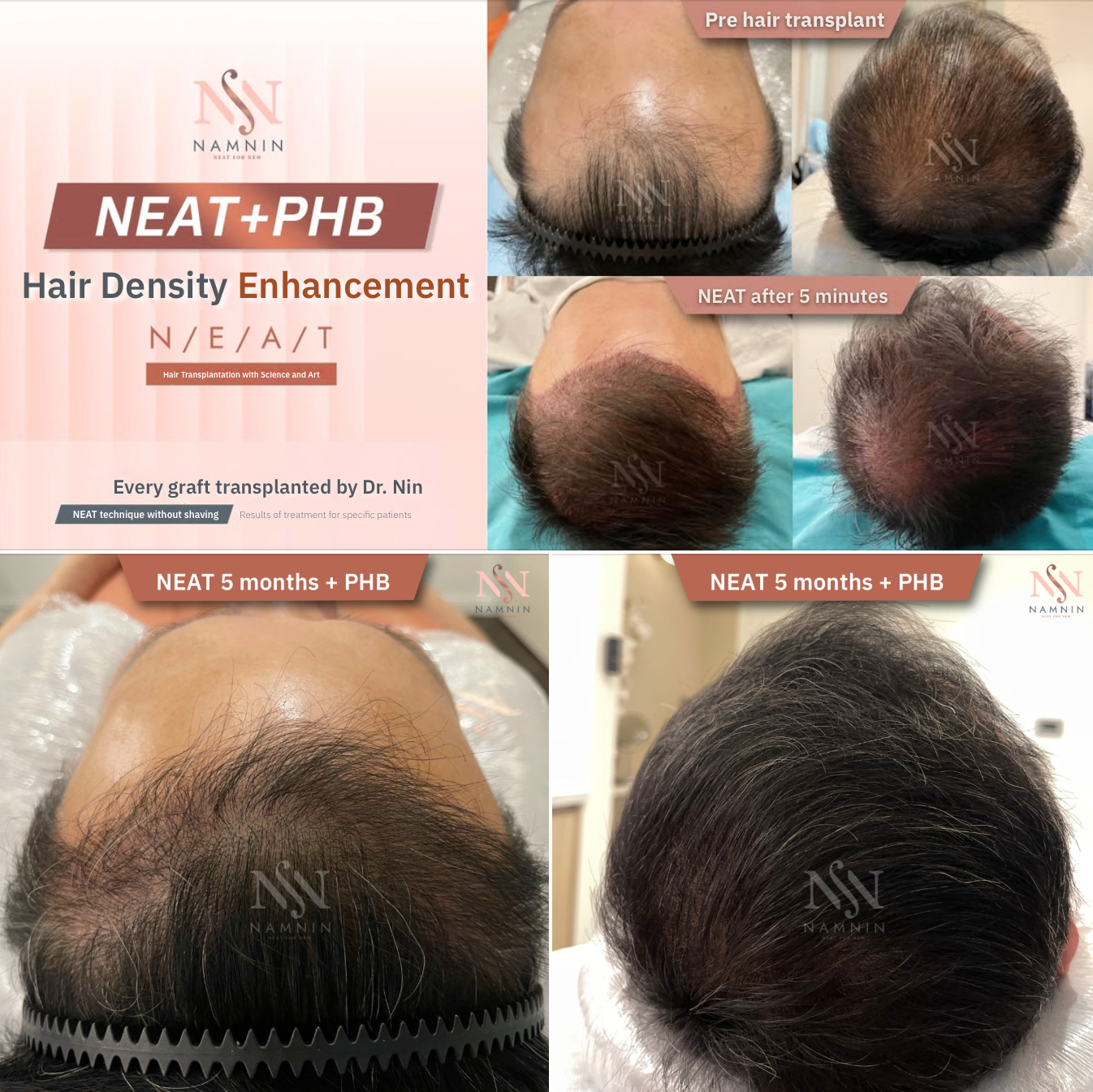
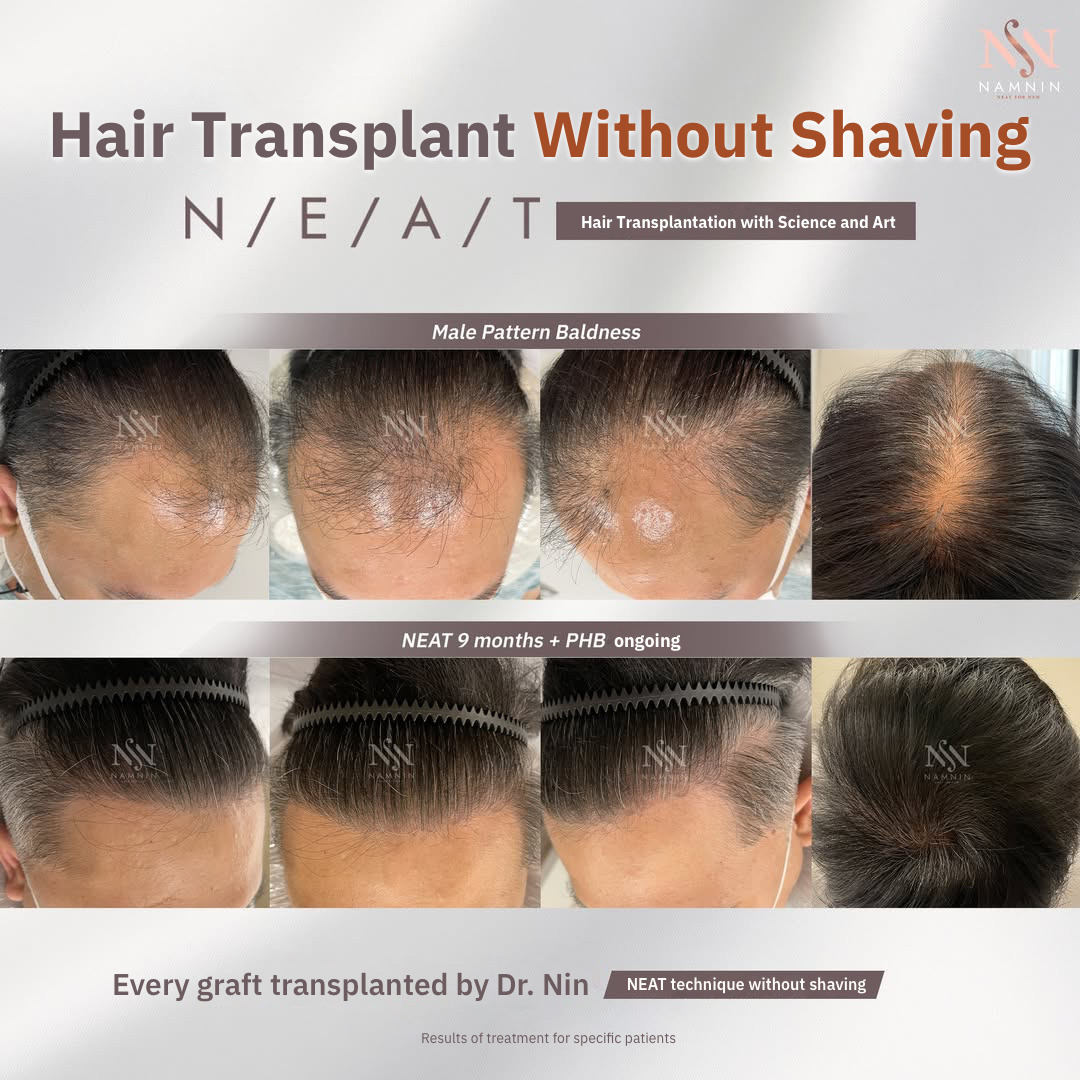
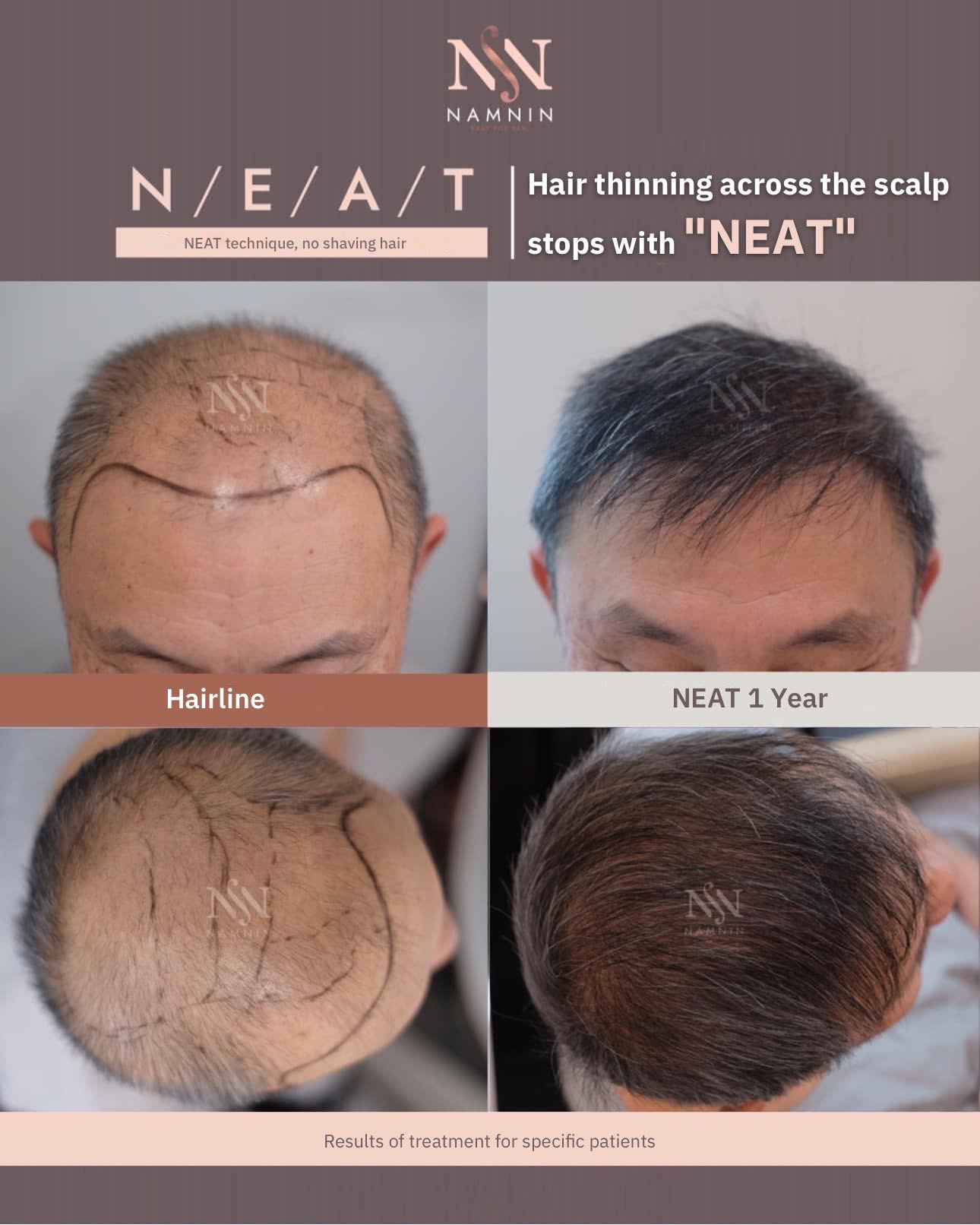
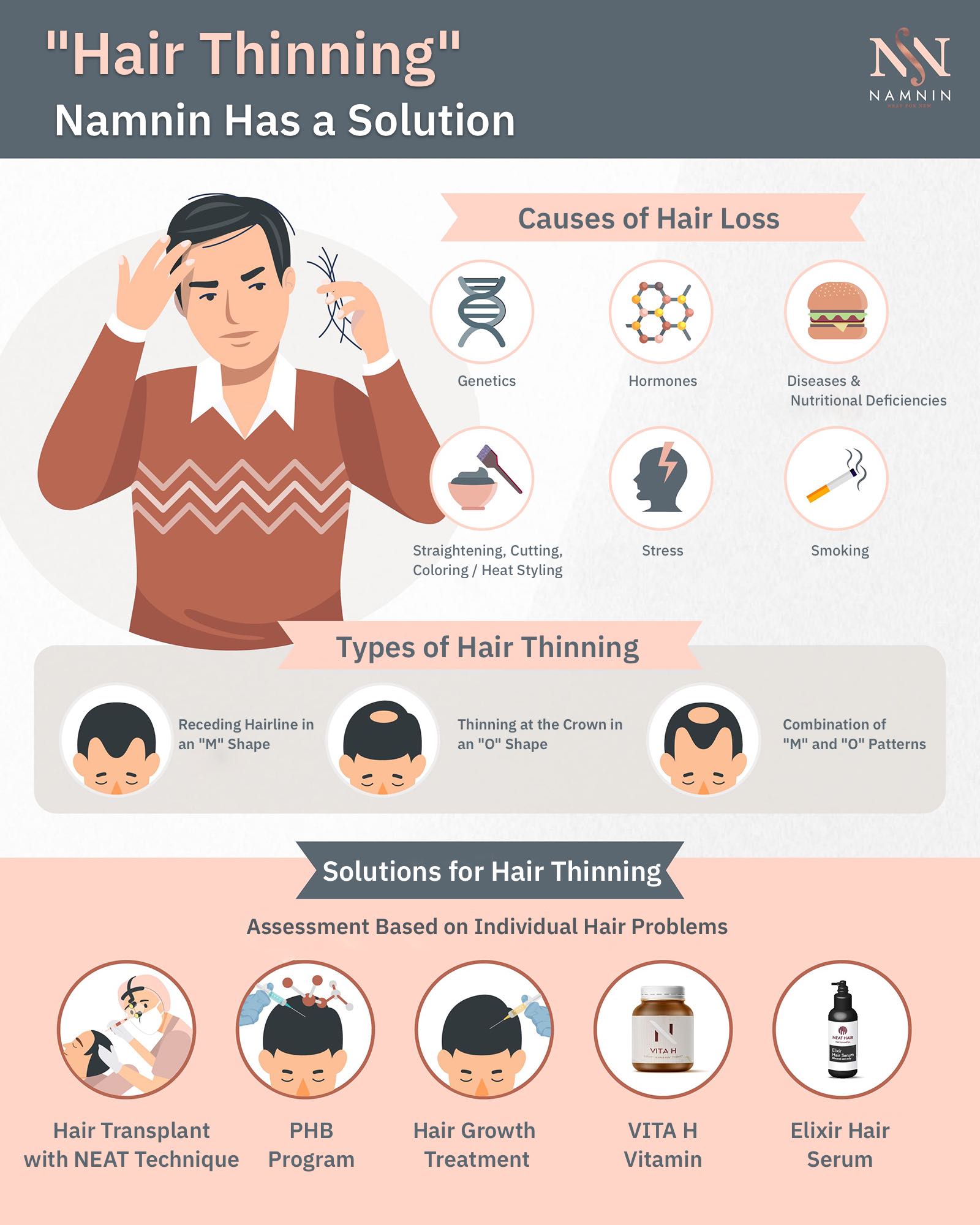
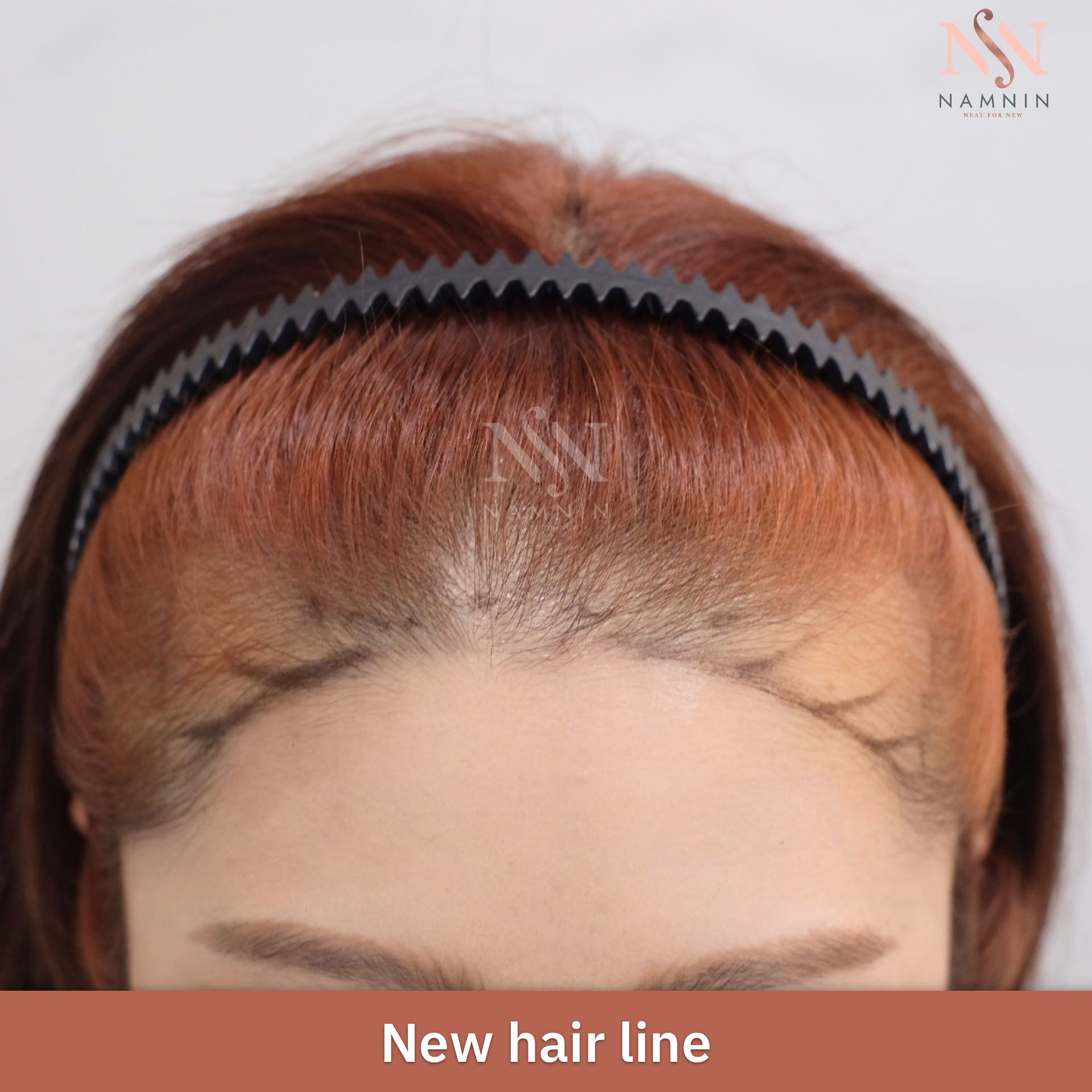
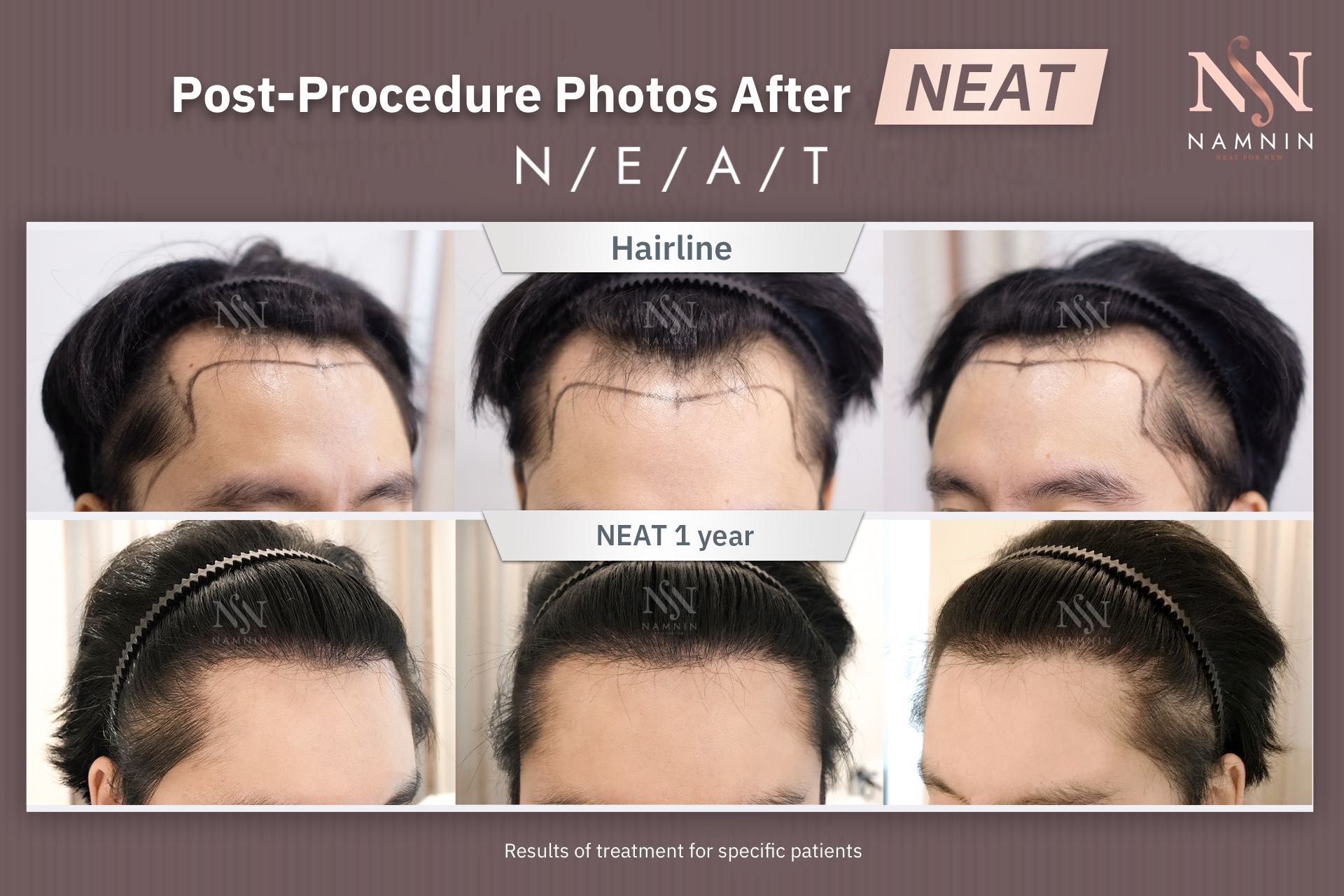
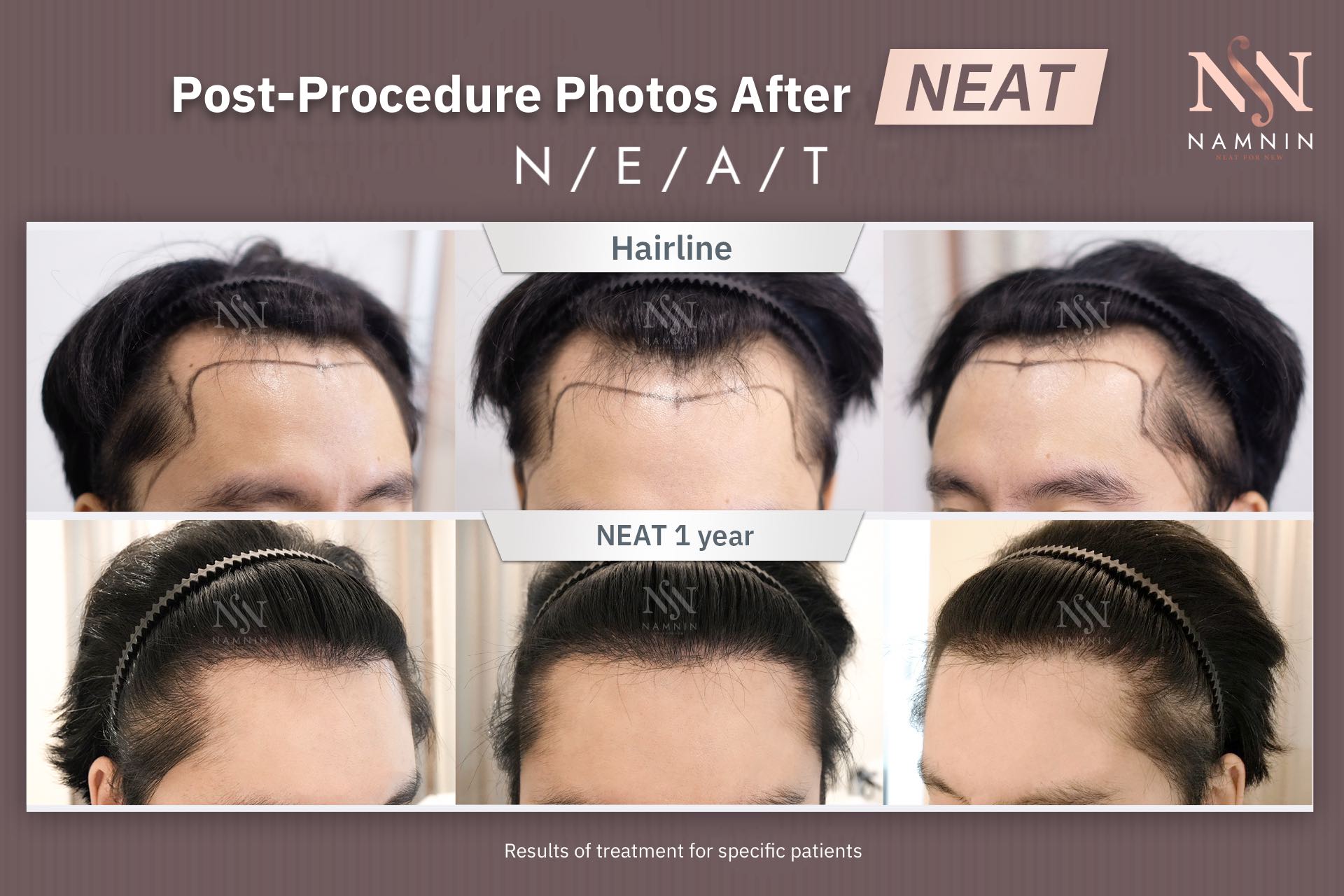
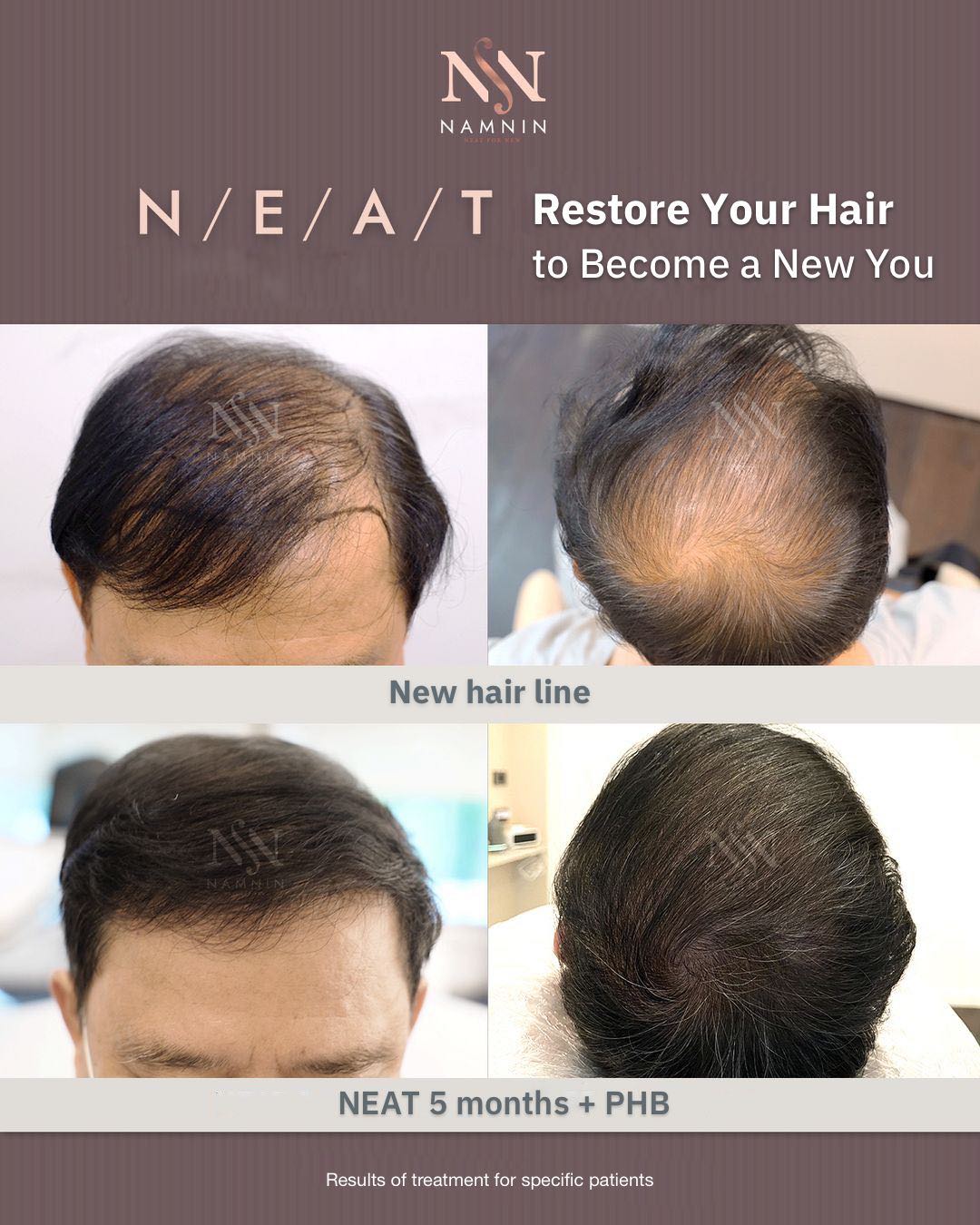
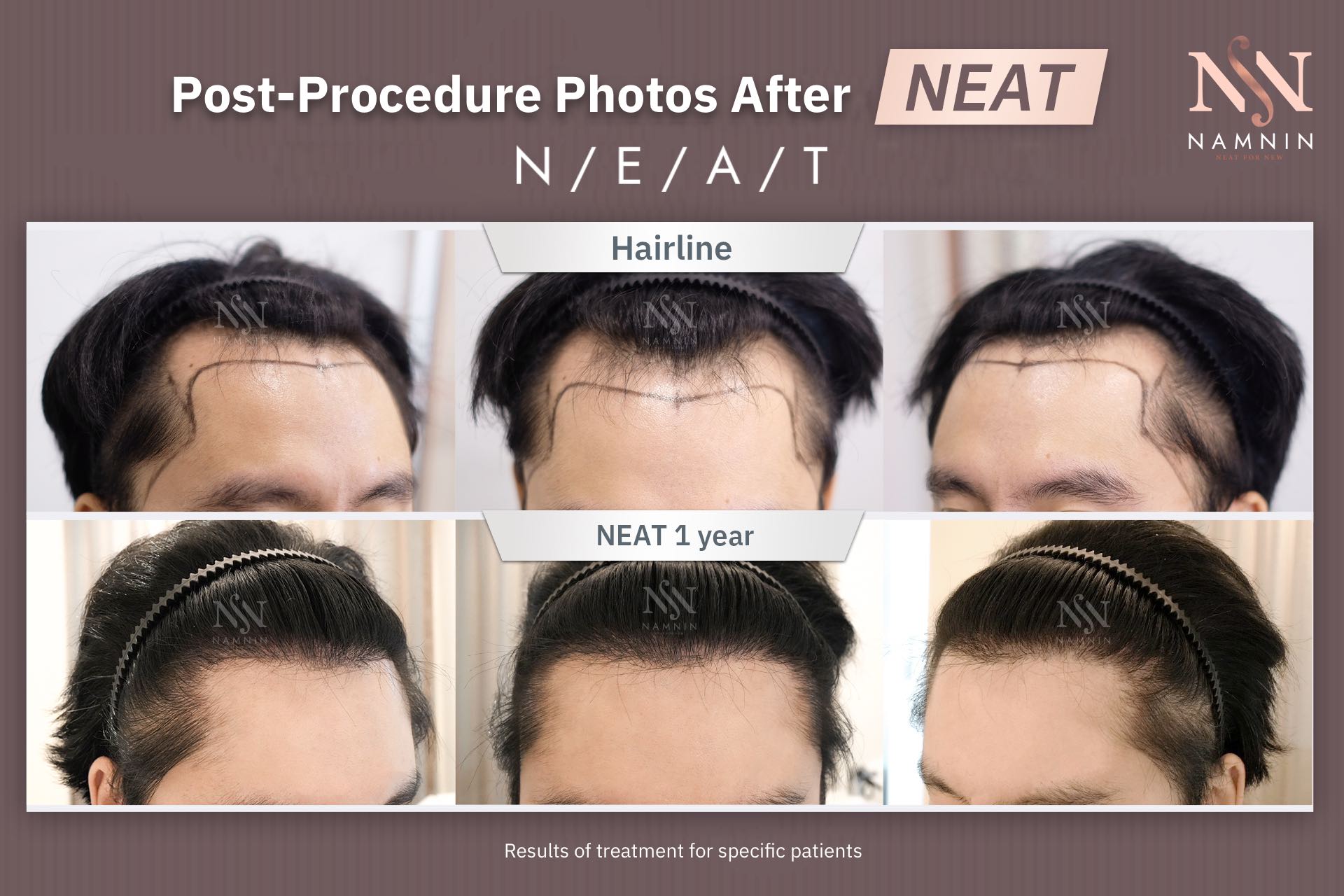
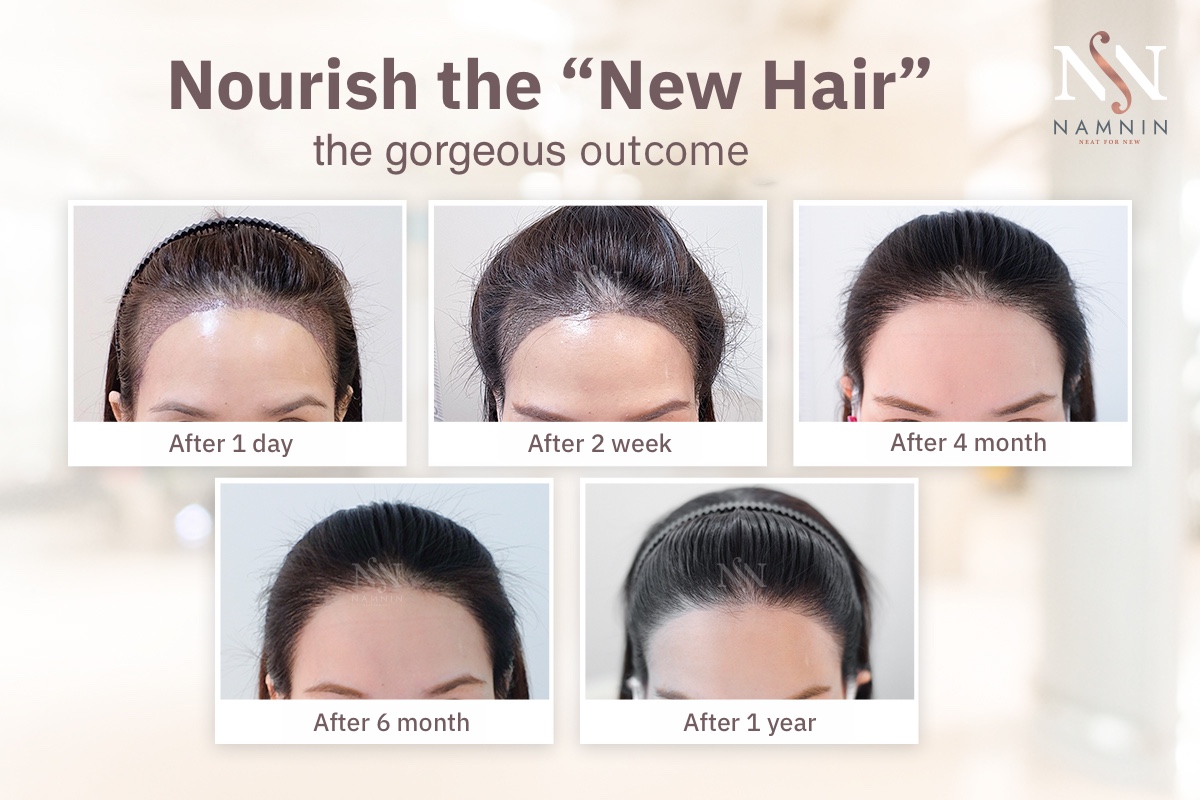
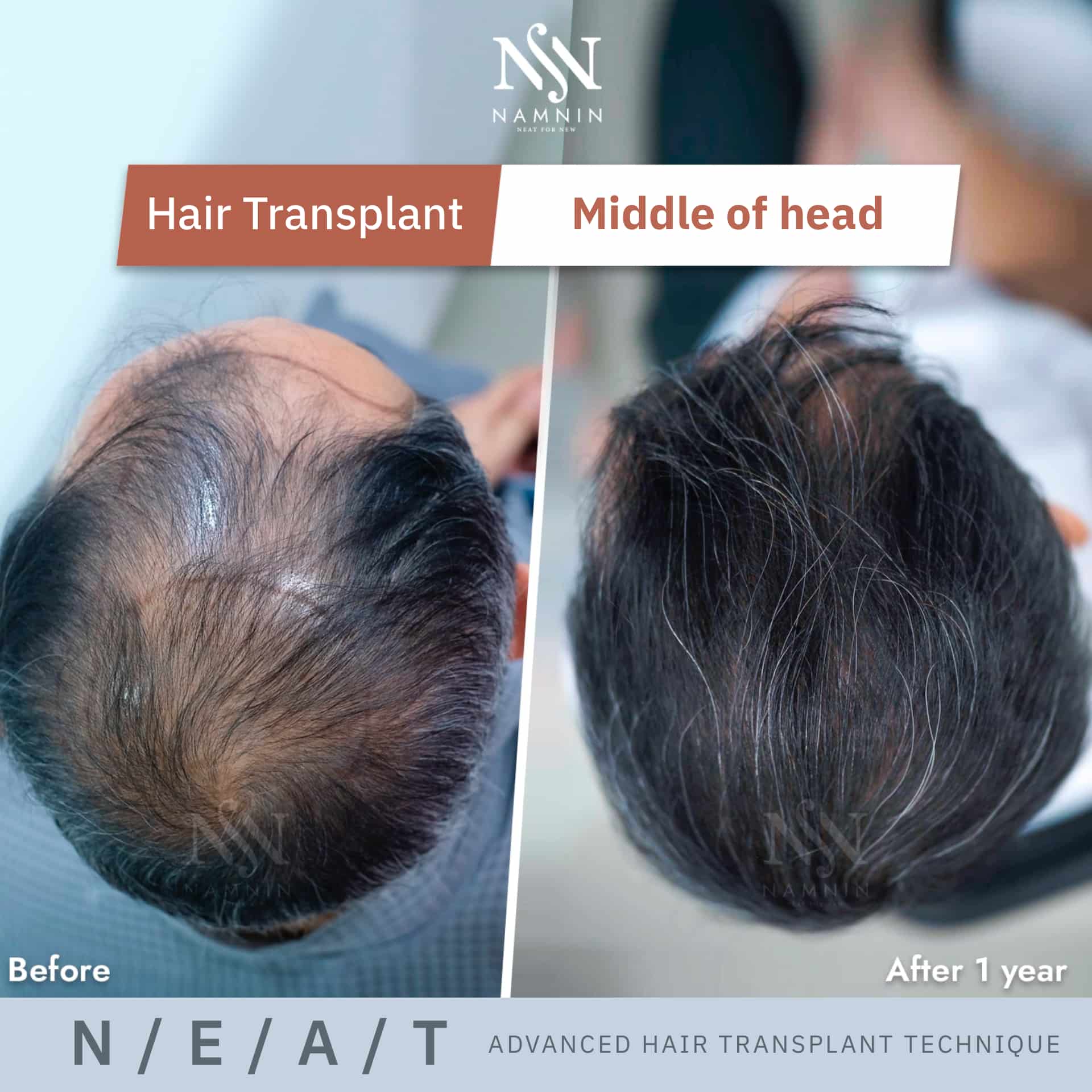
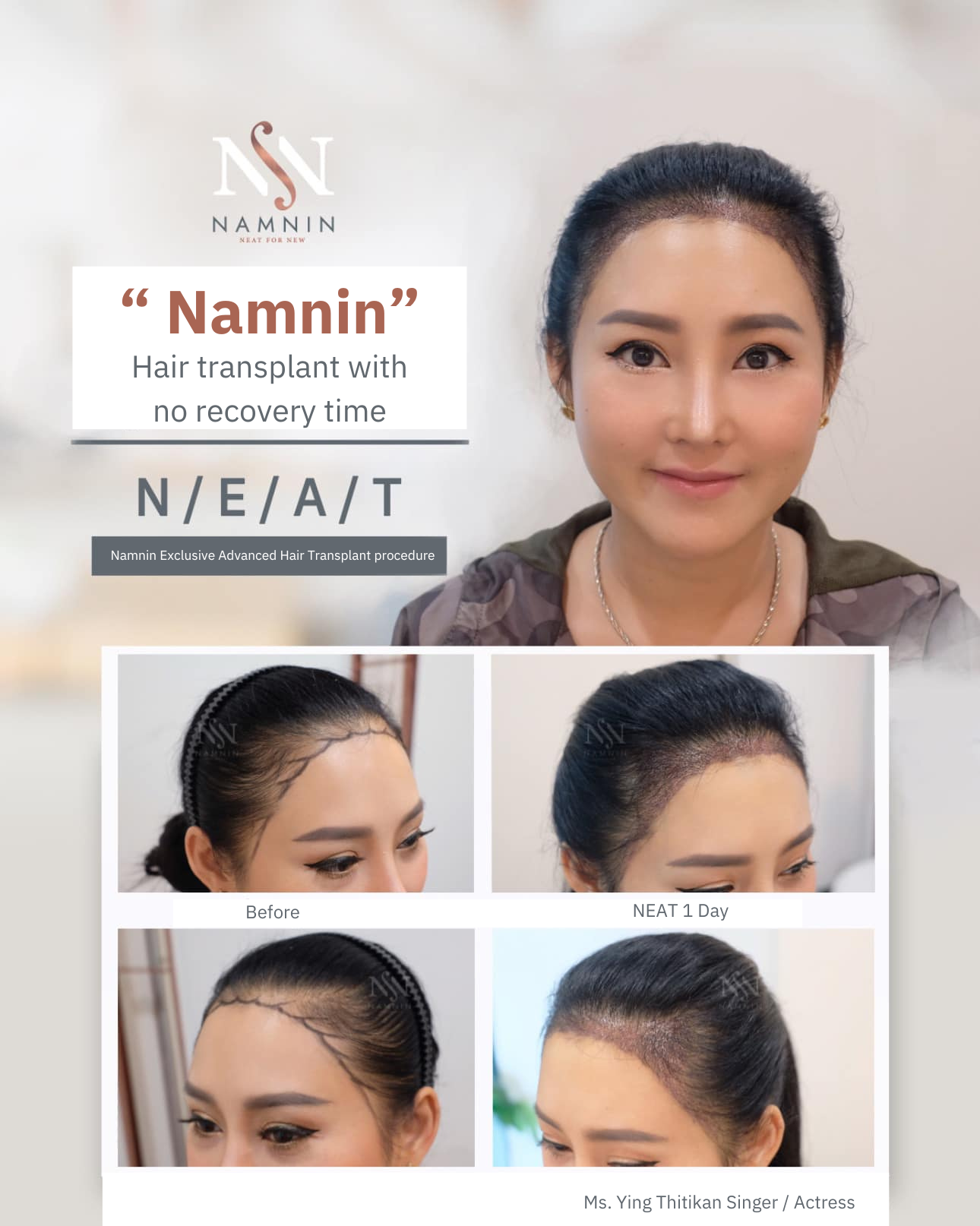
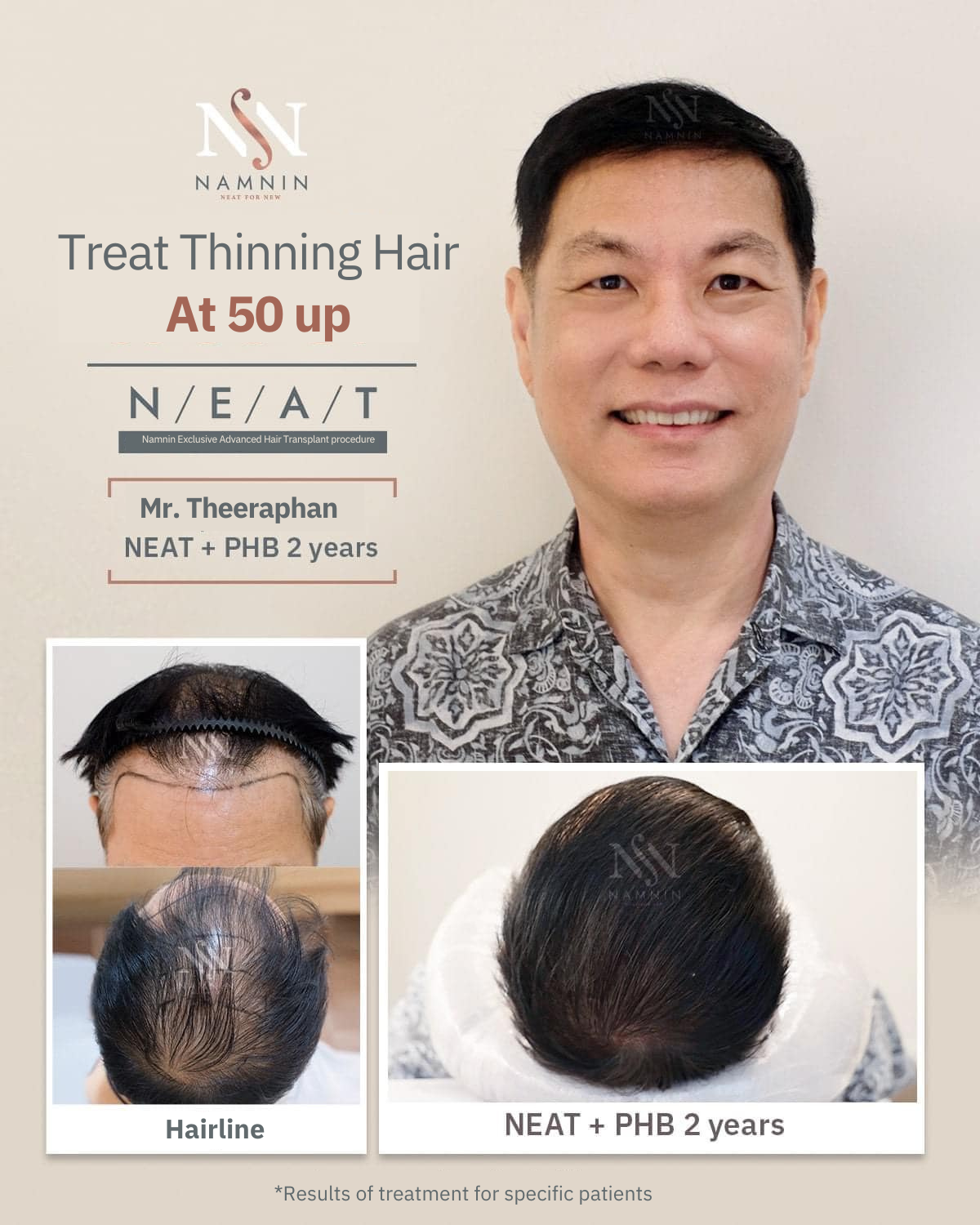
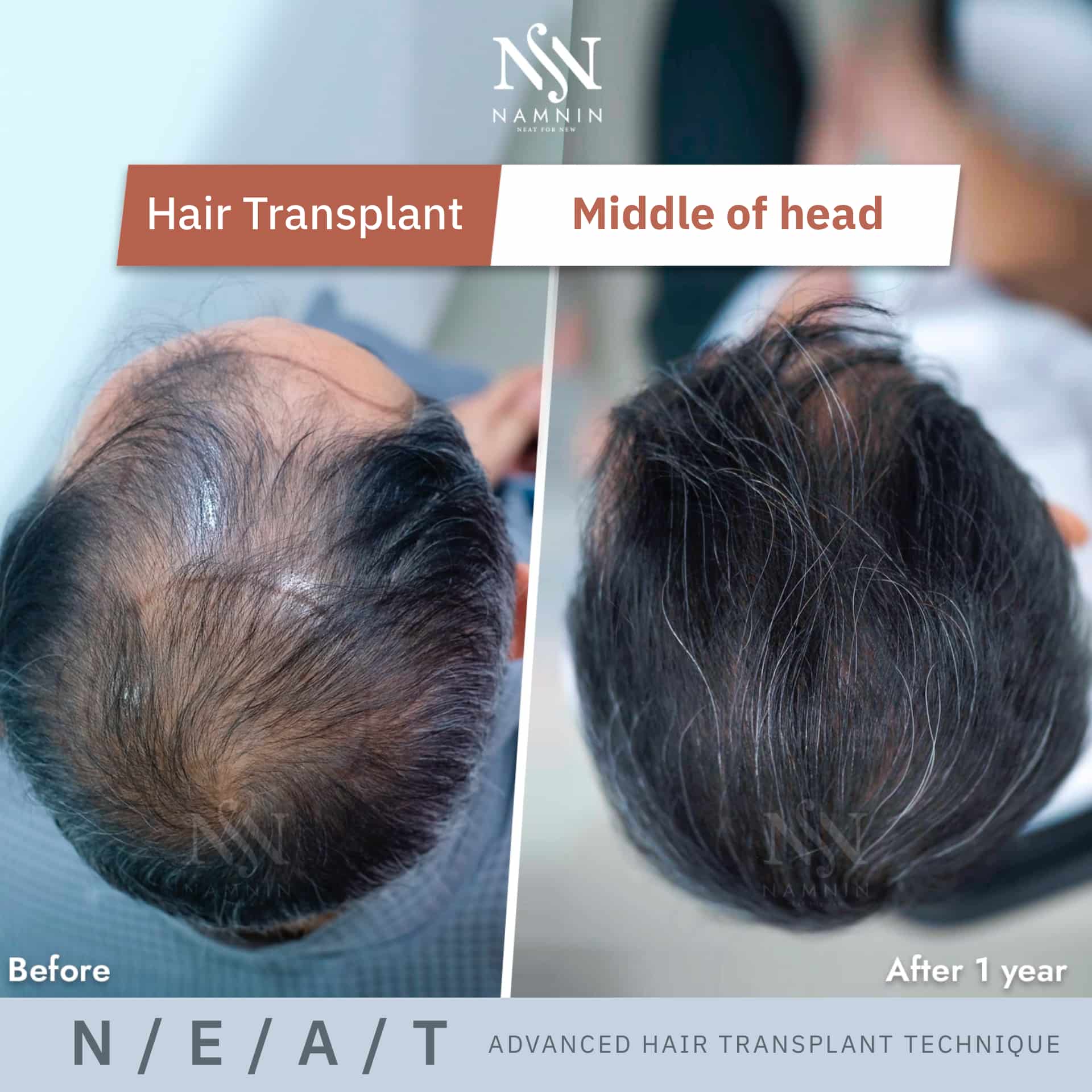
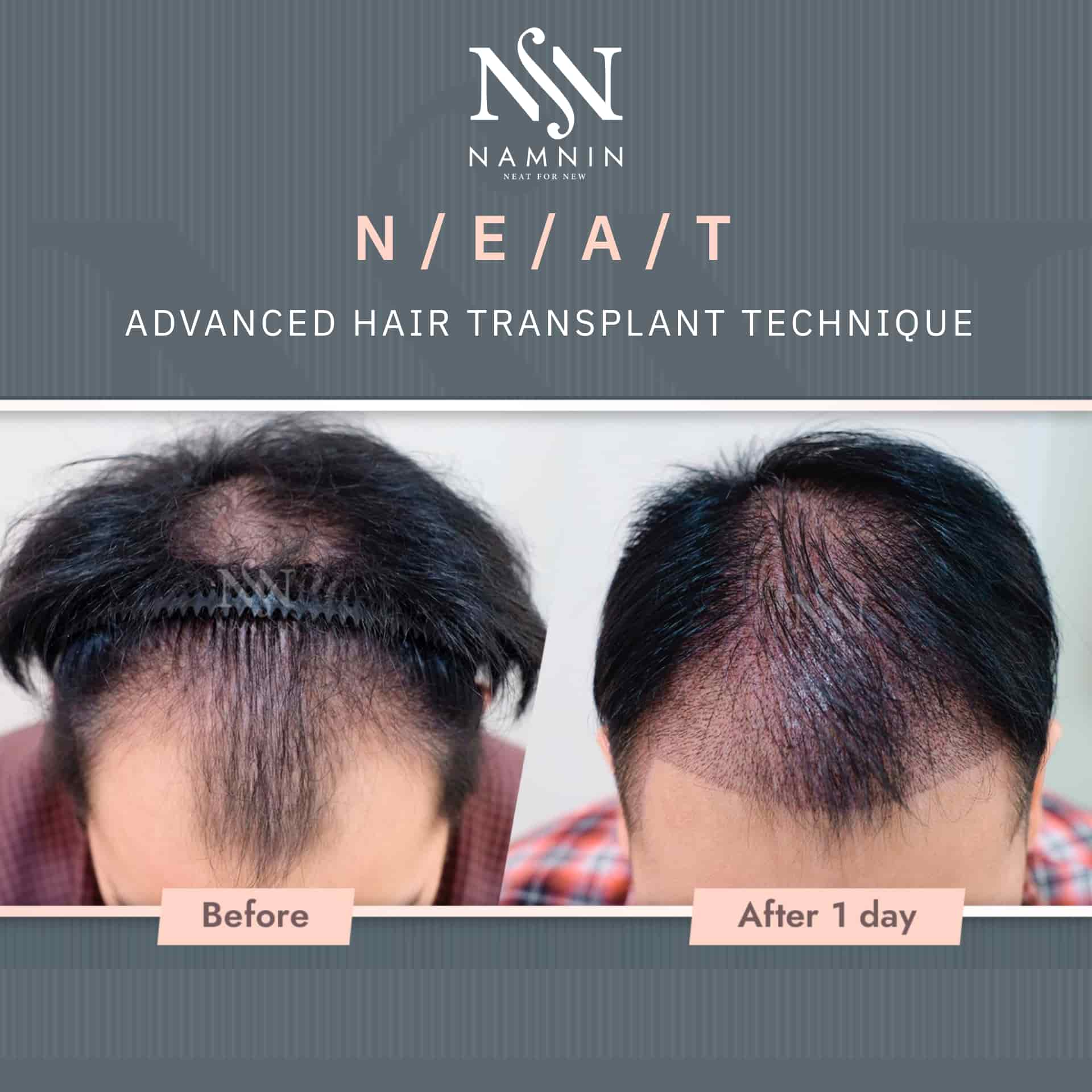
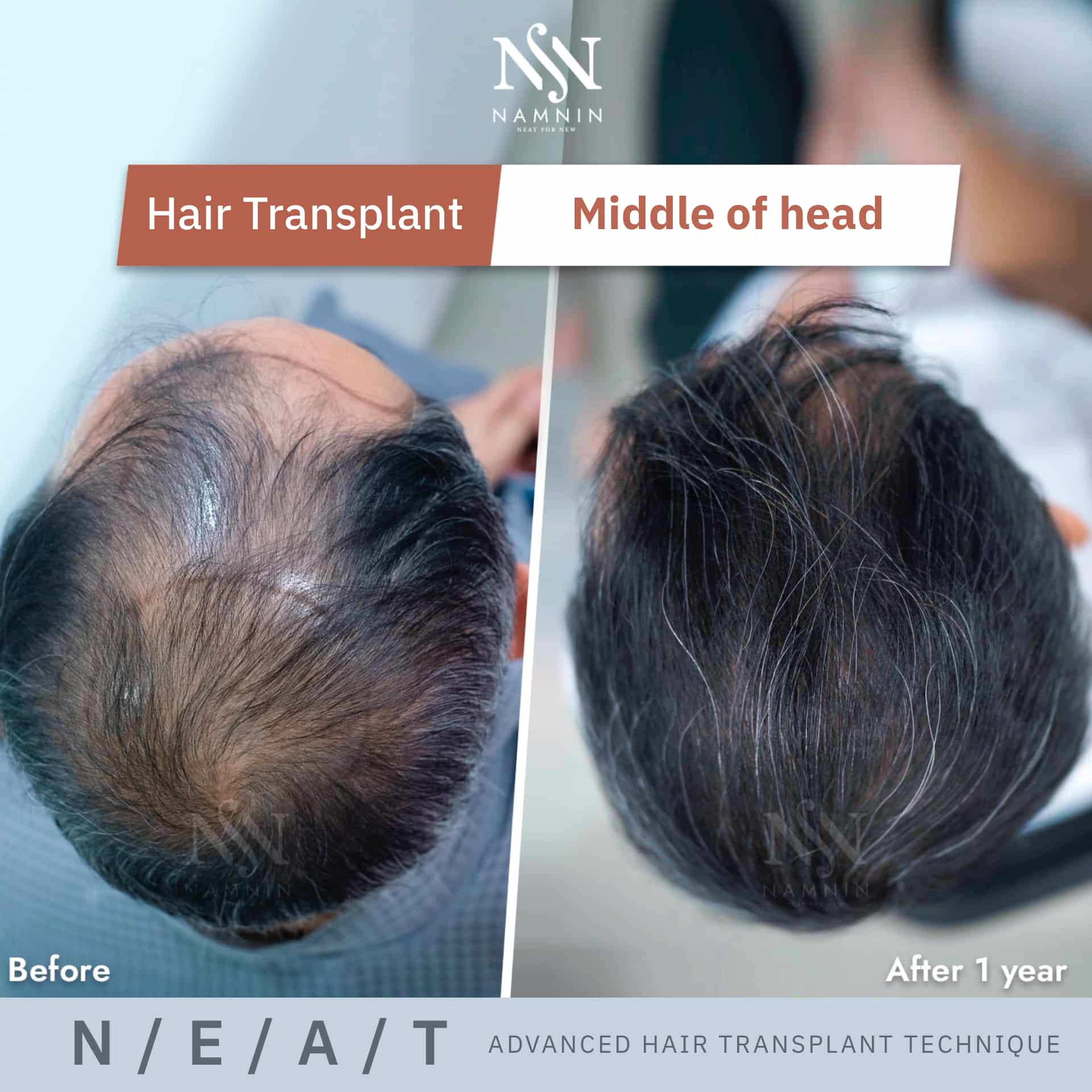
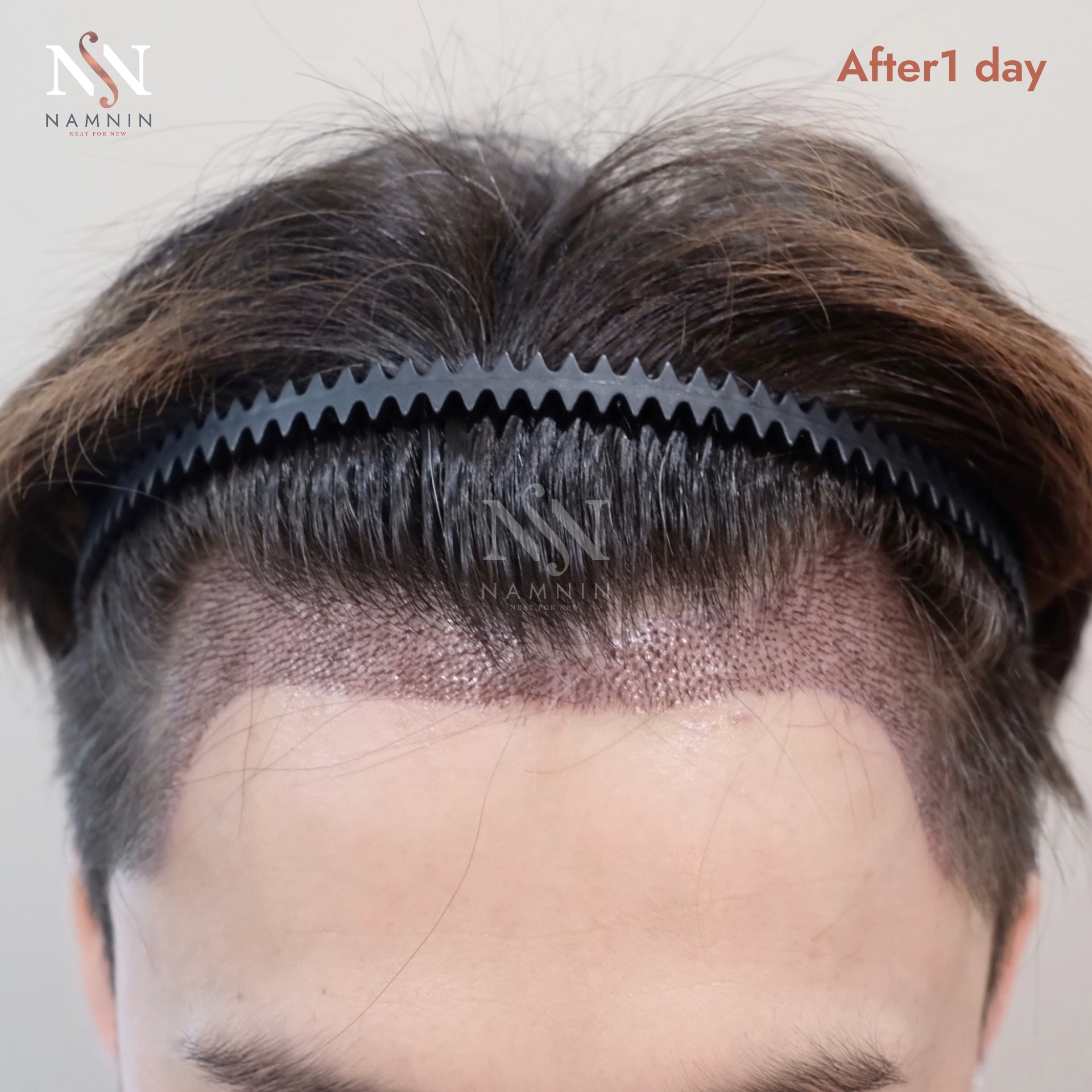
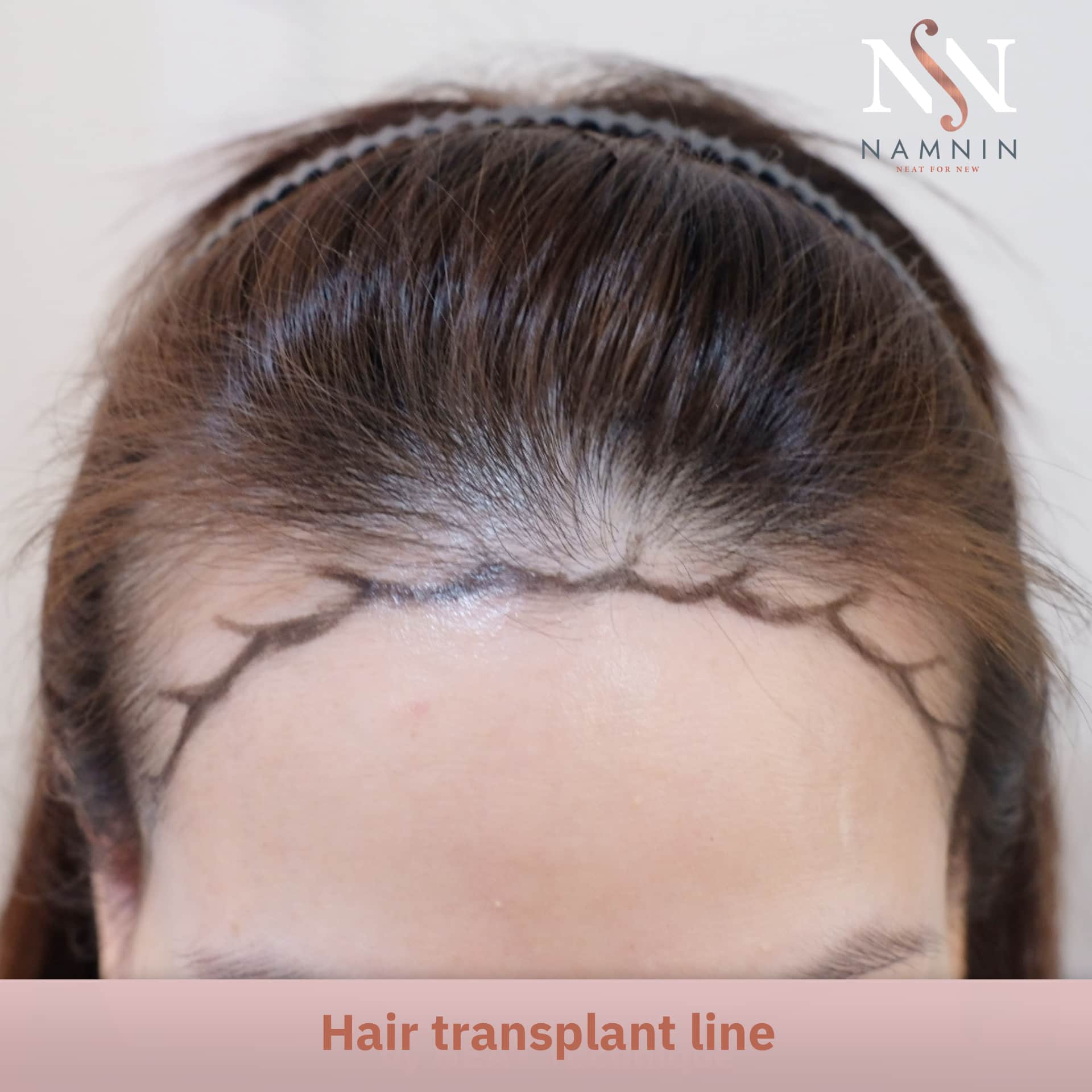
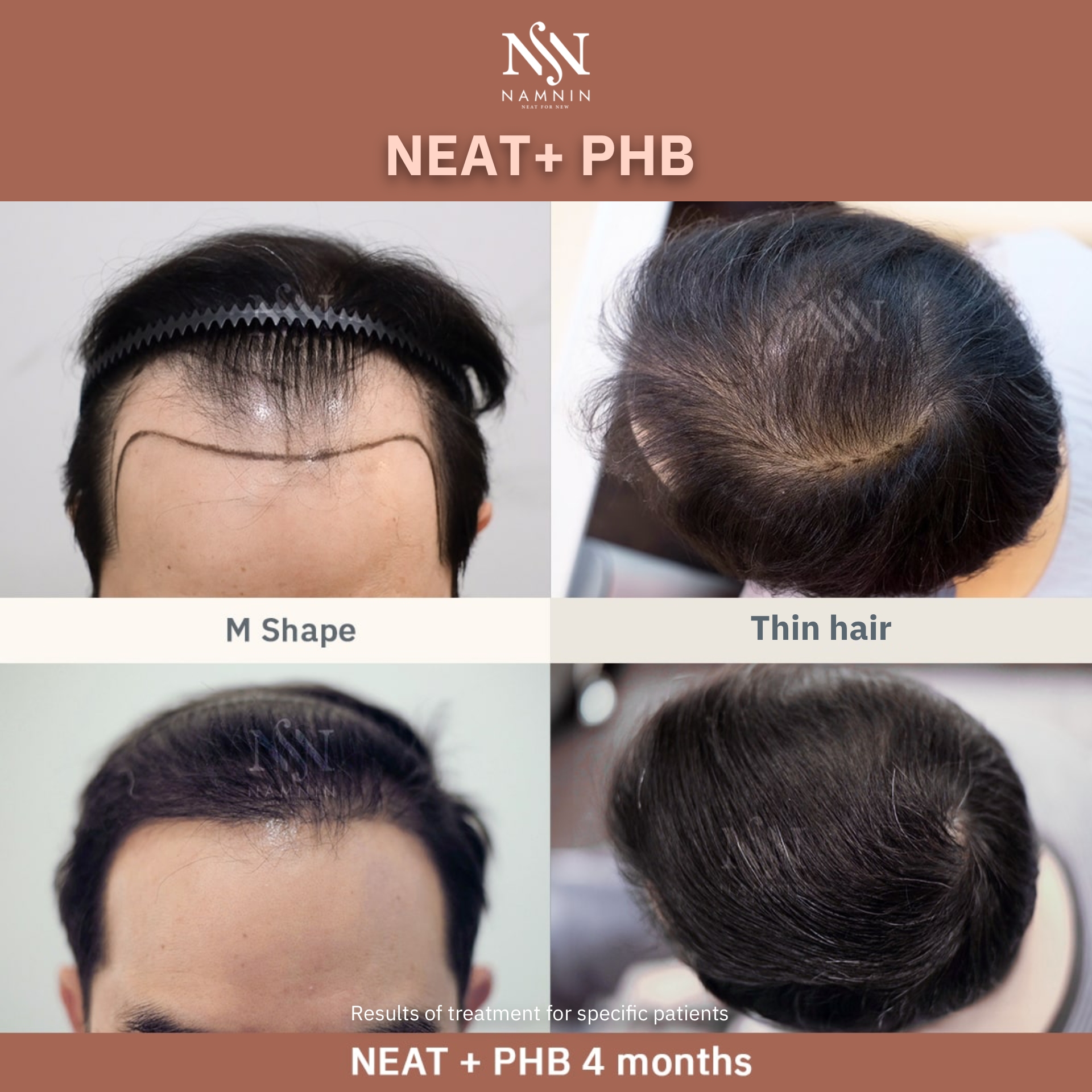
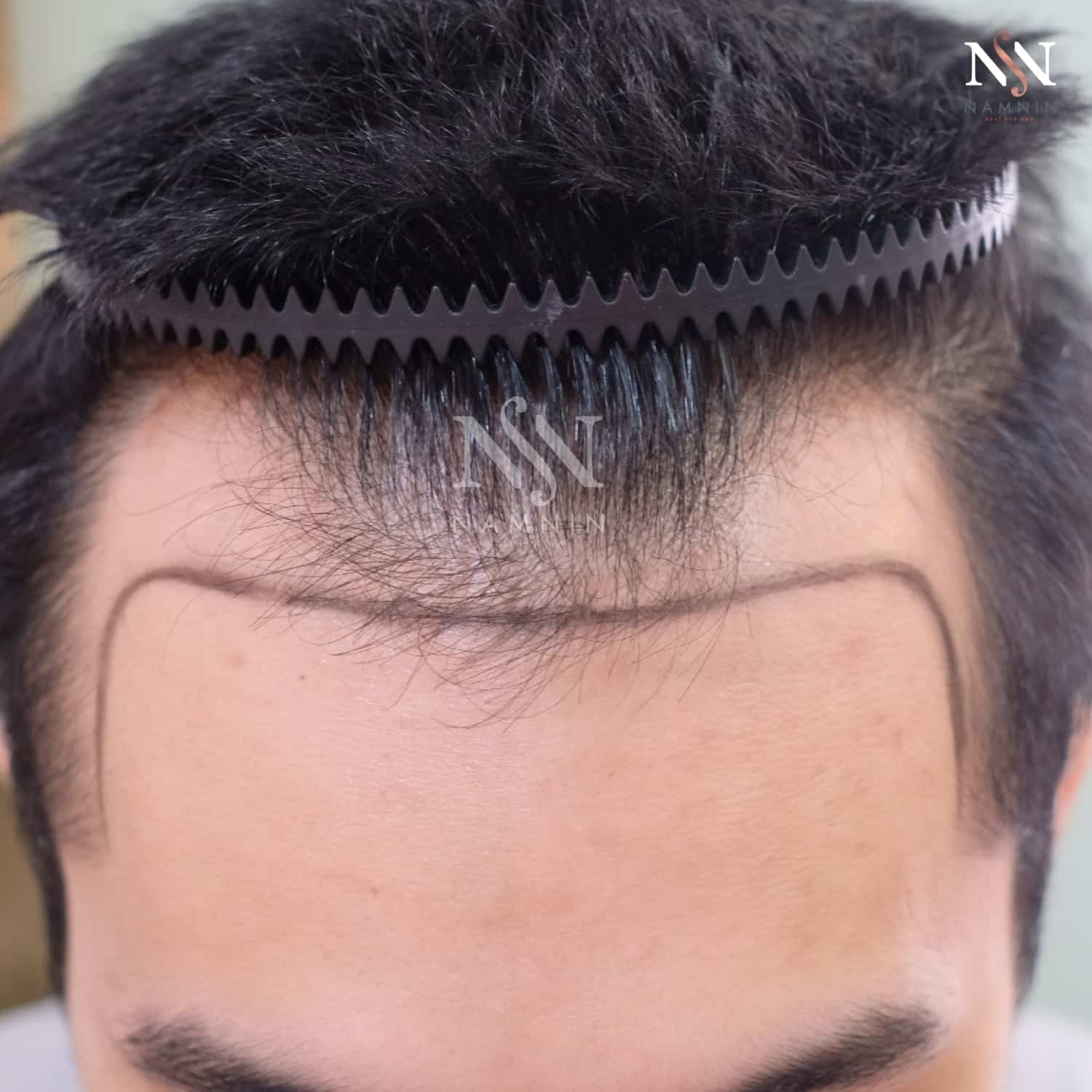
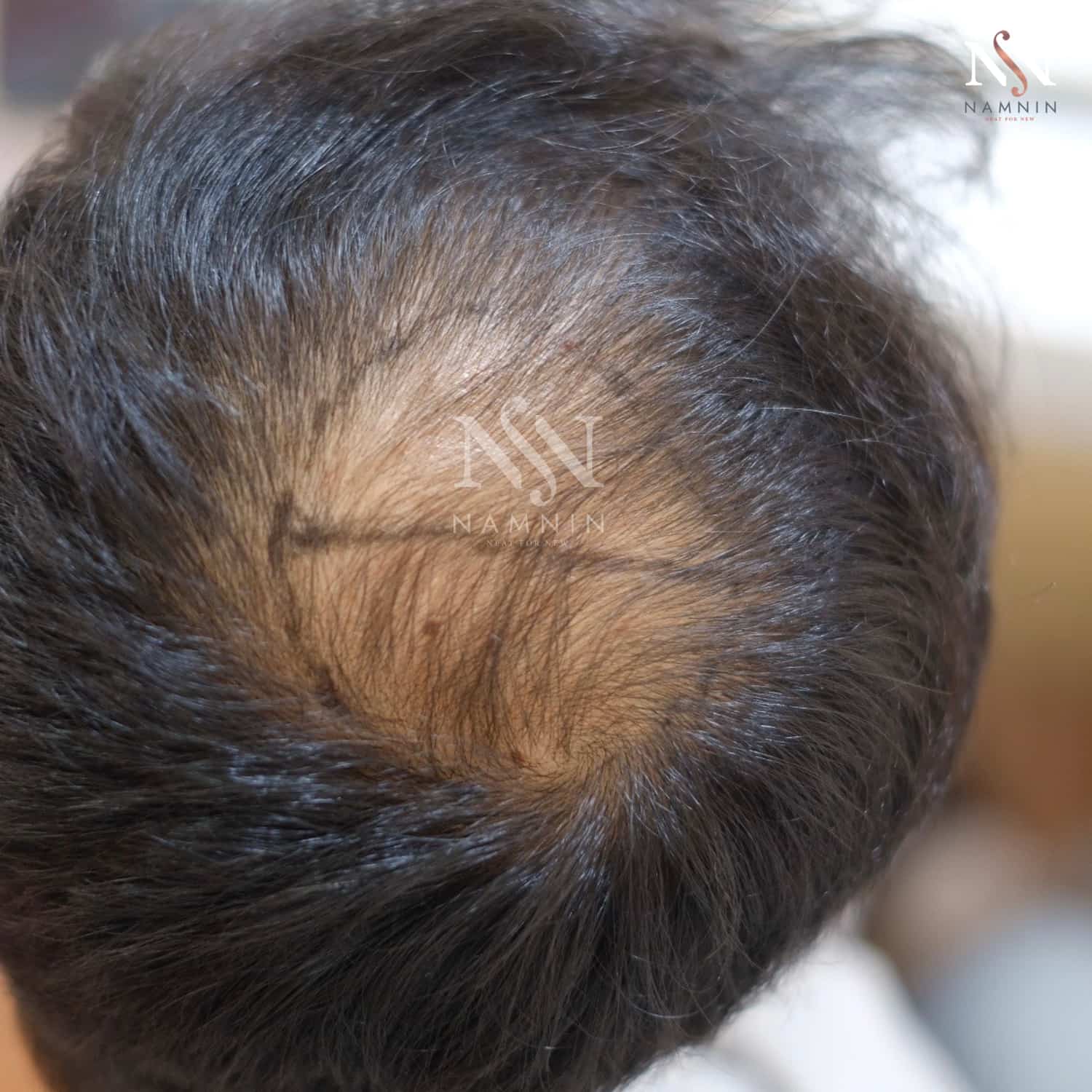
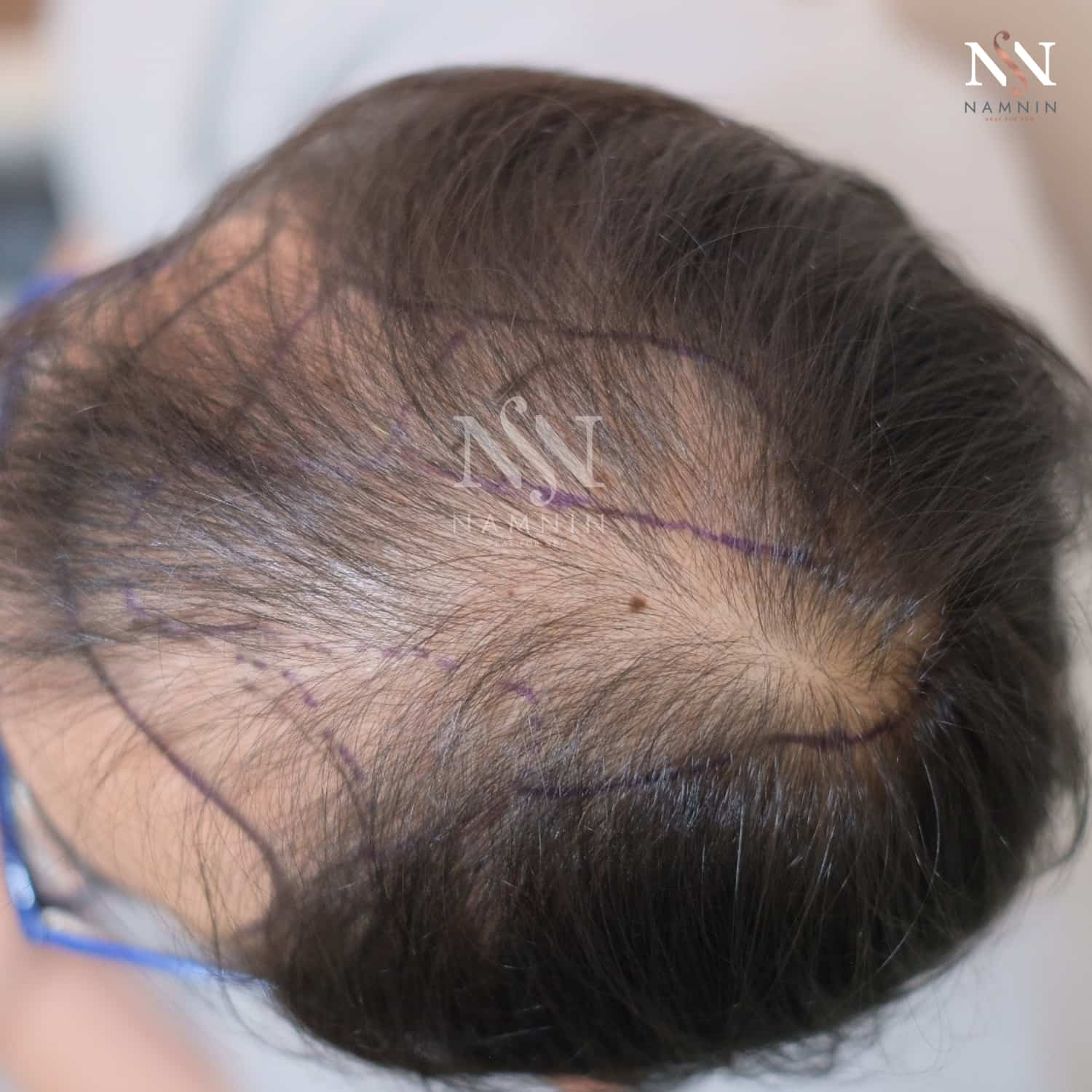
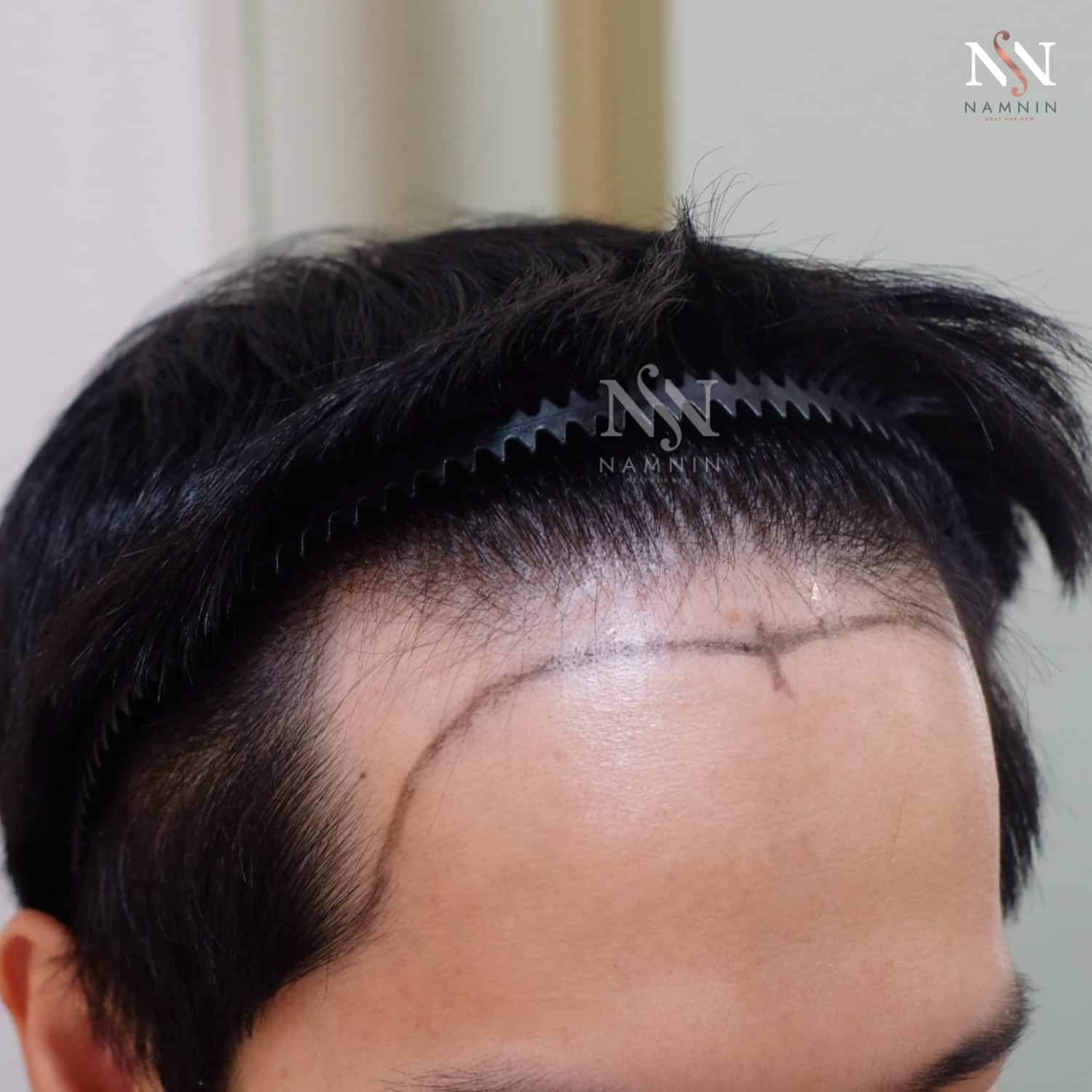
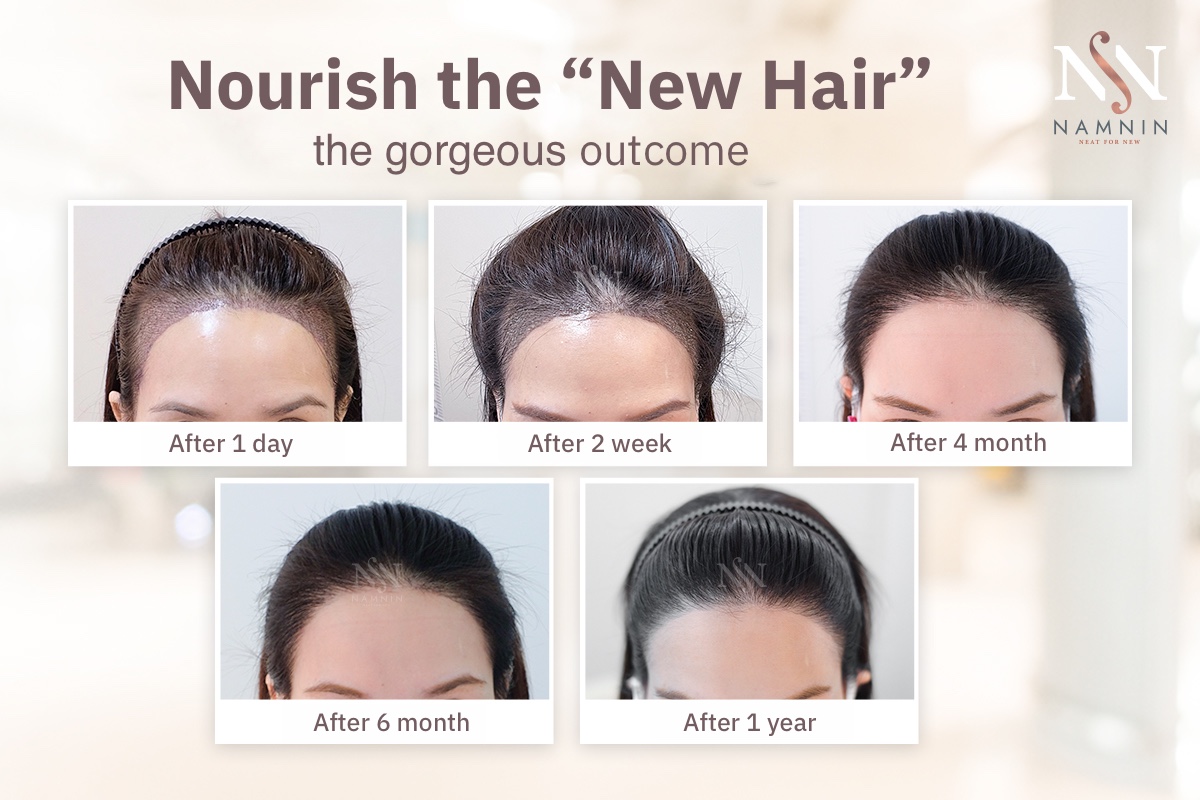
When the hairline has receded significantly and the original follicles have permanently lost their function, hair transplantation becomes a medical option for restoring the hairline over the long term.
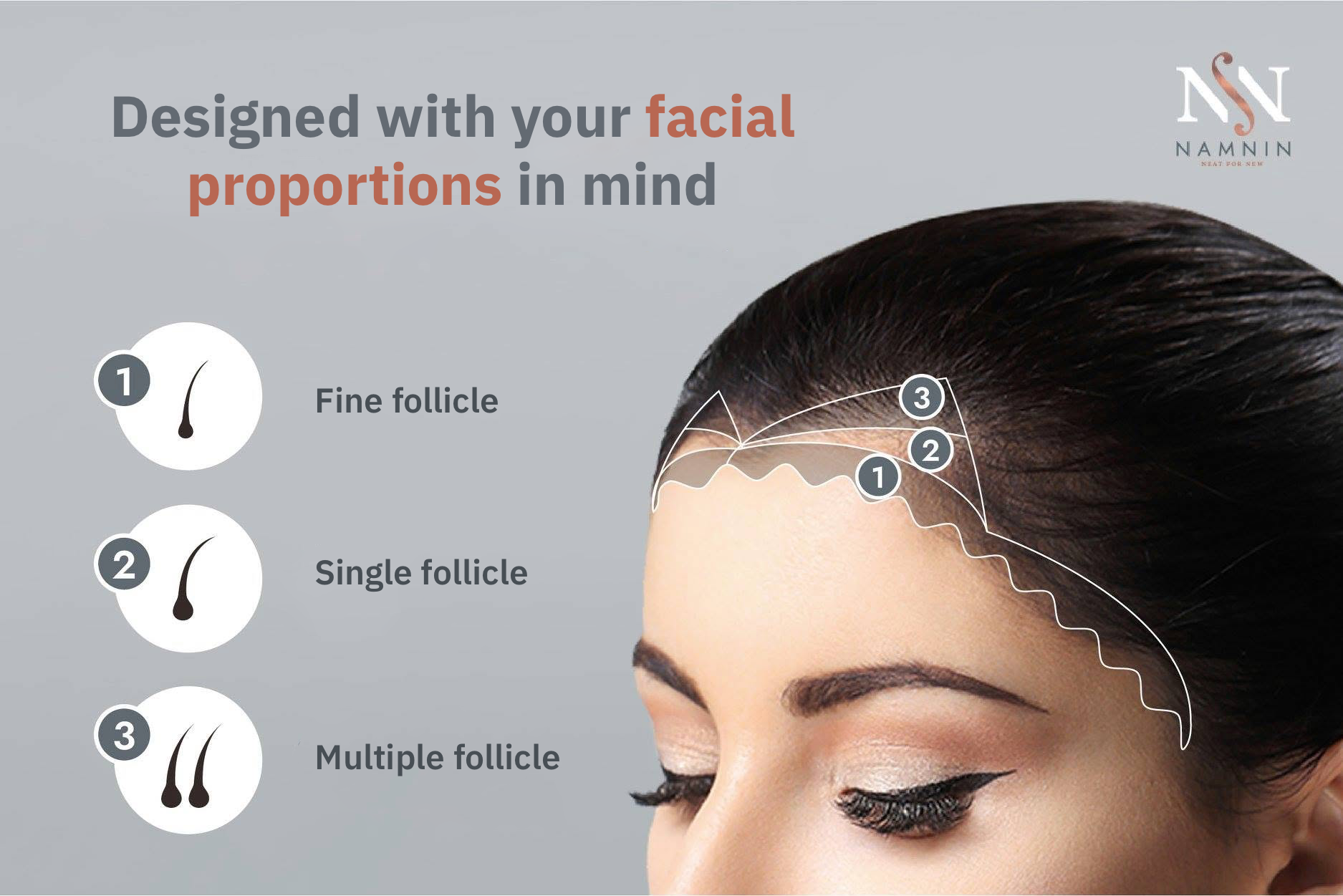
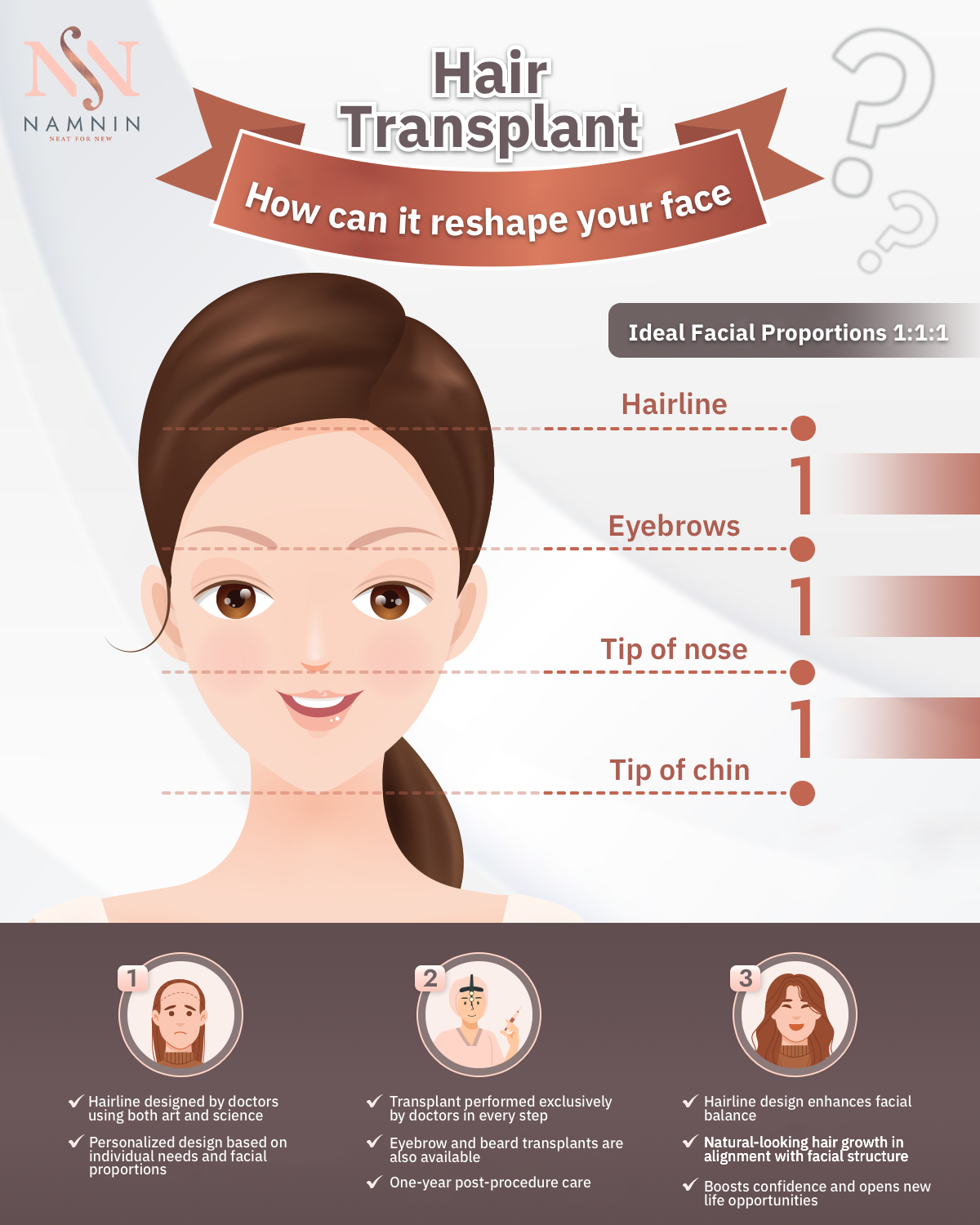
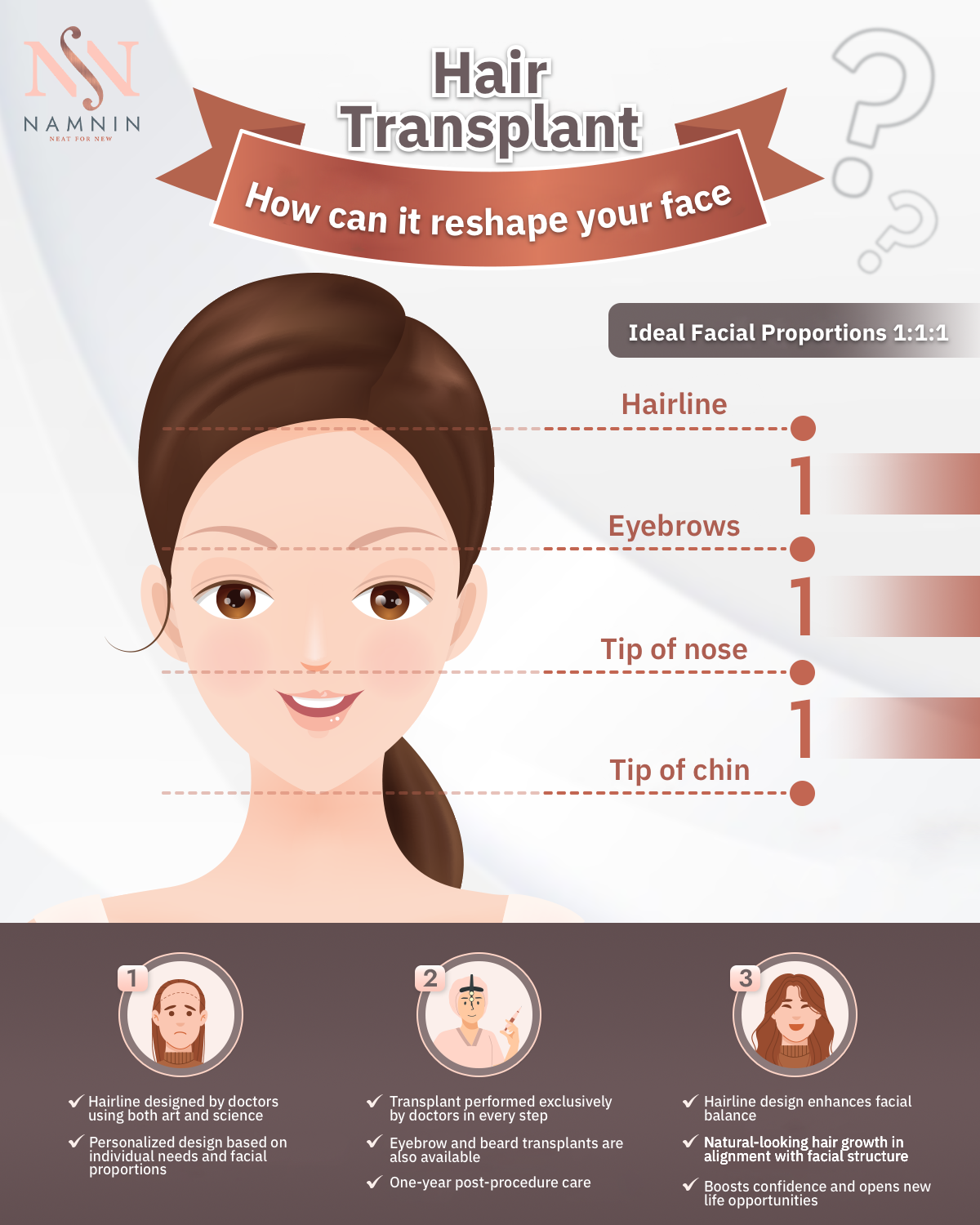
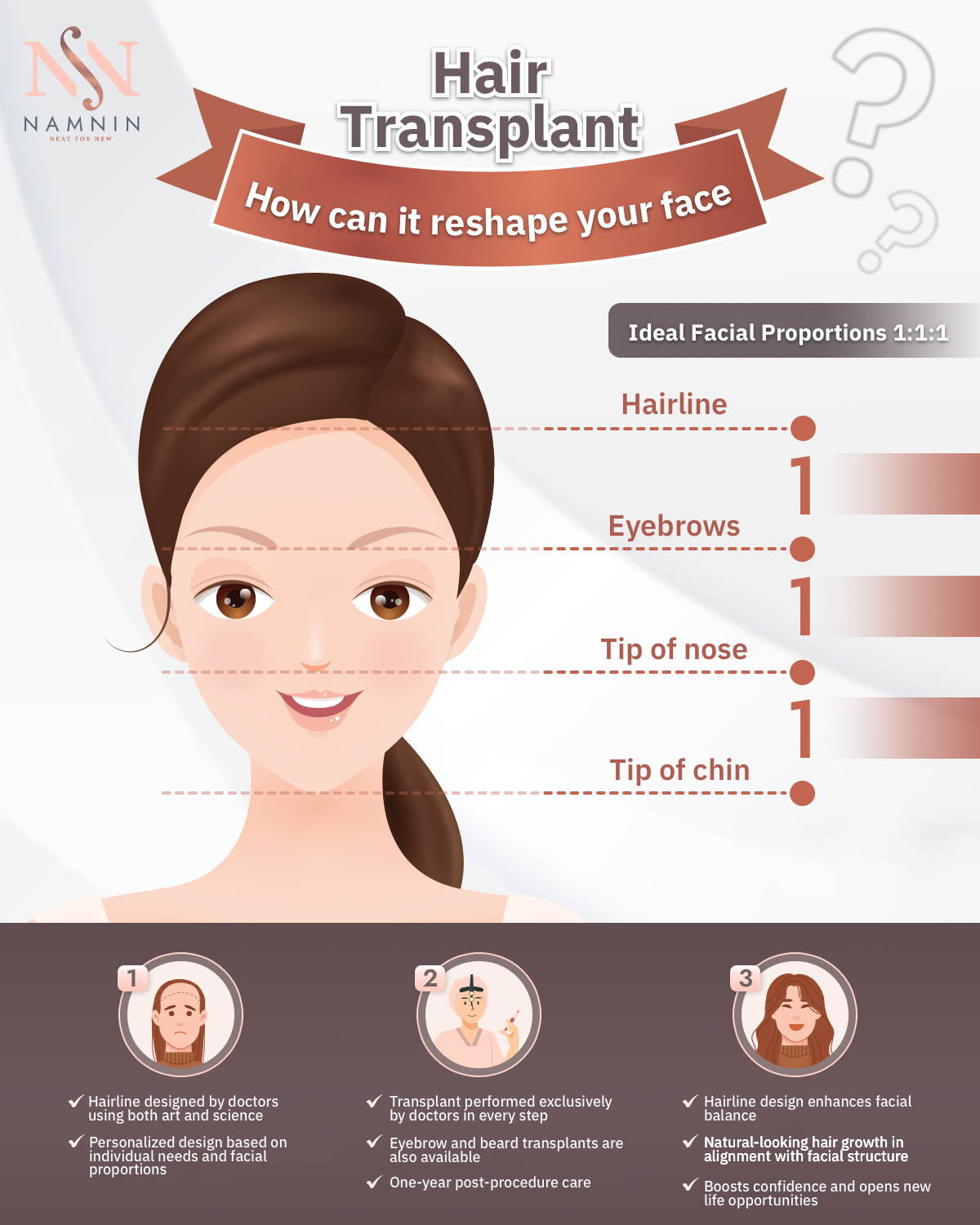
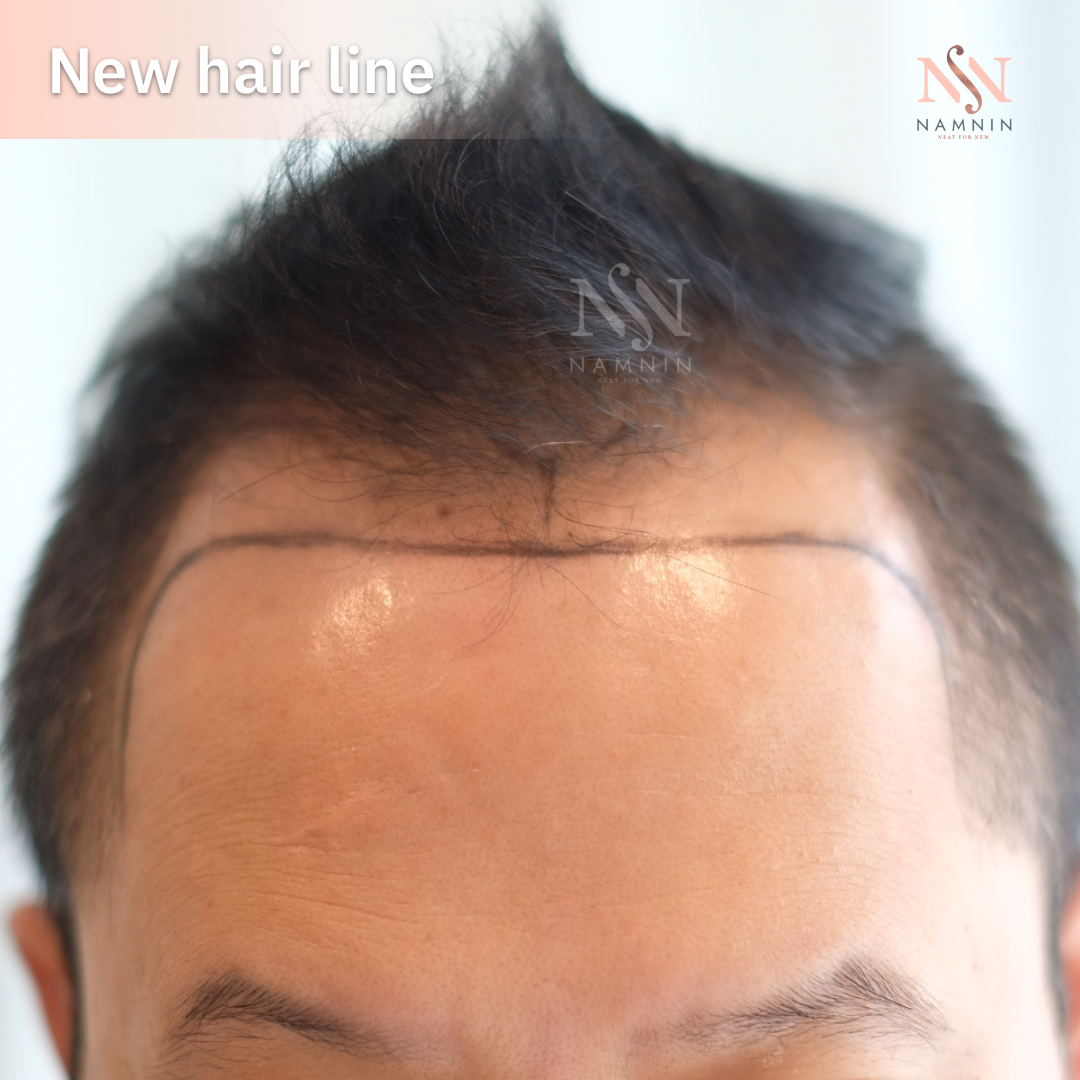
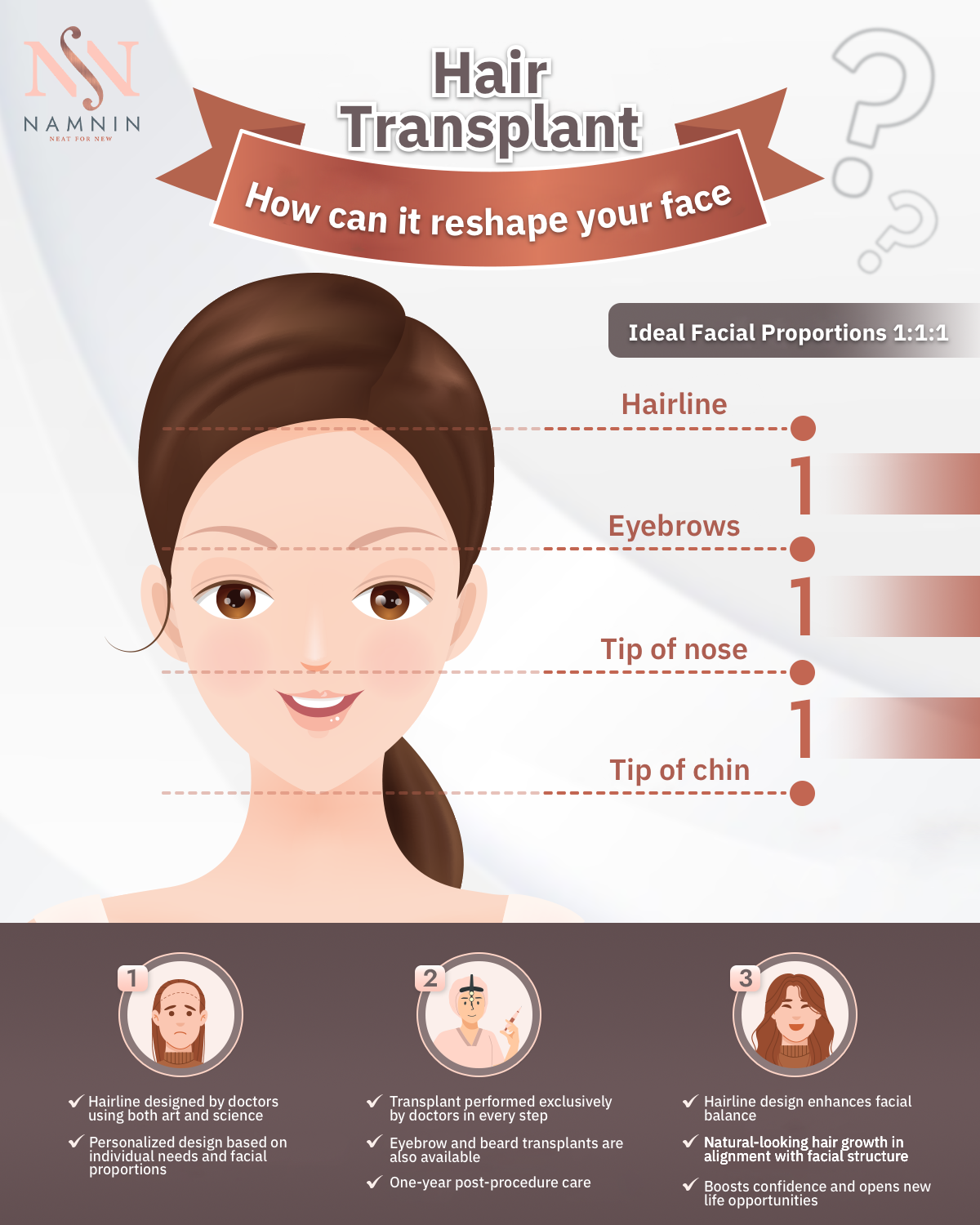
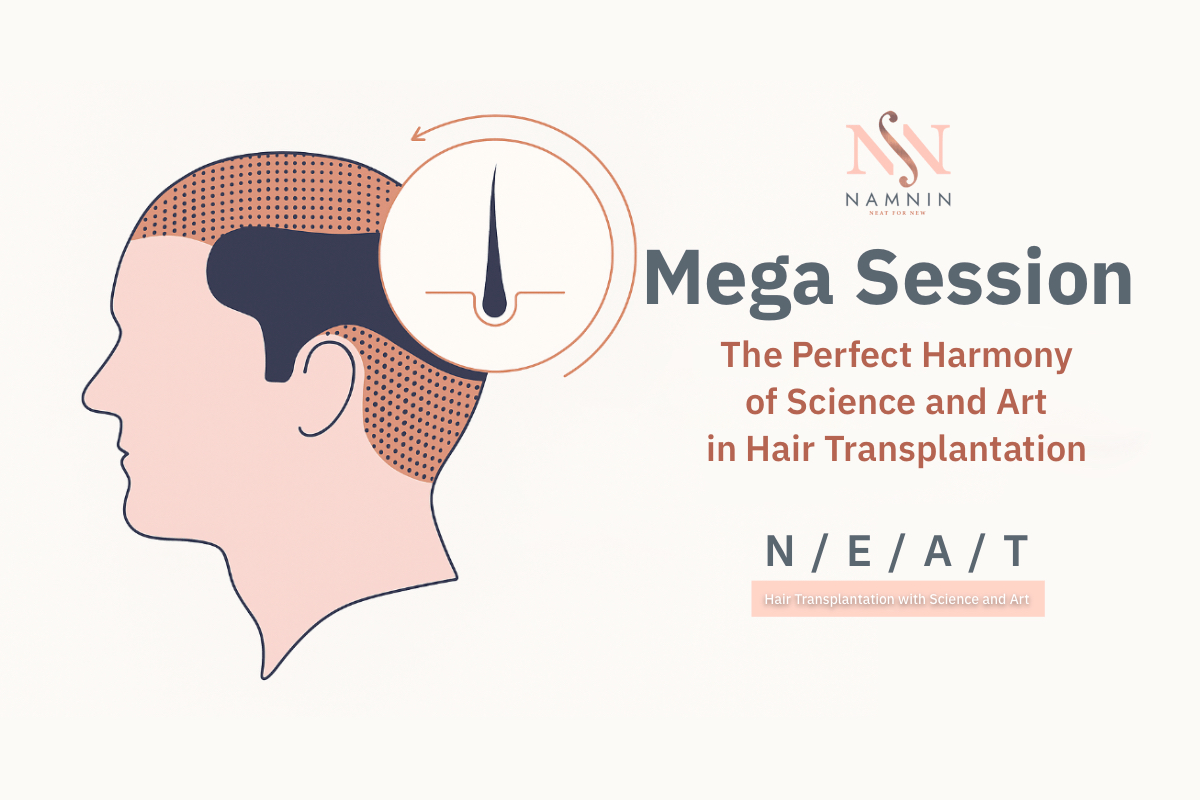
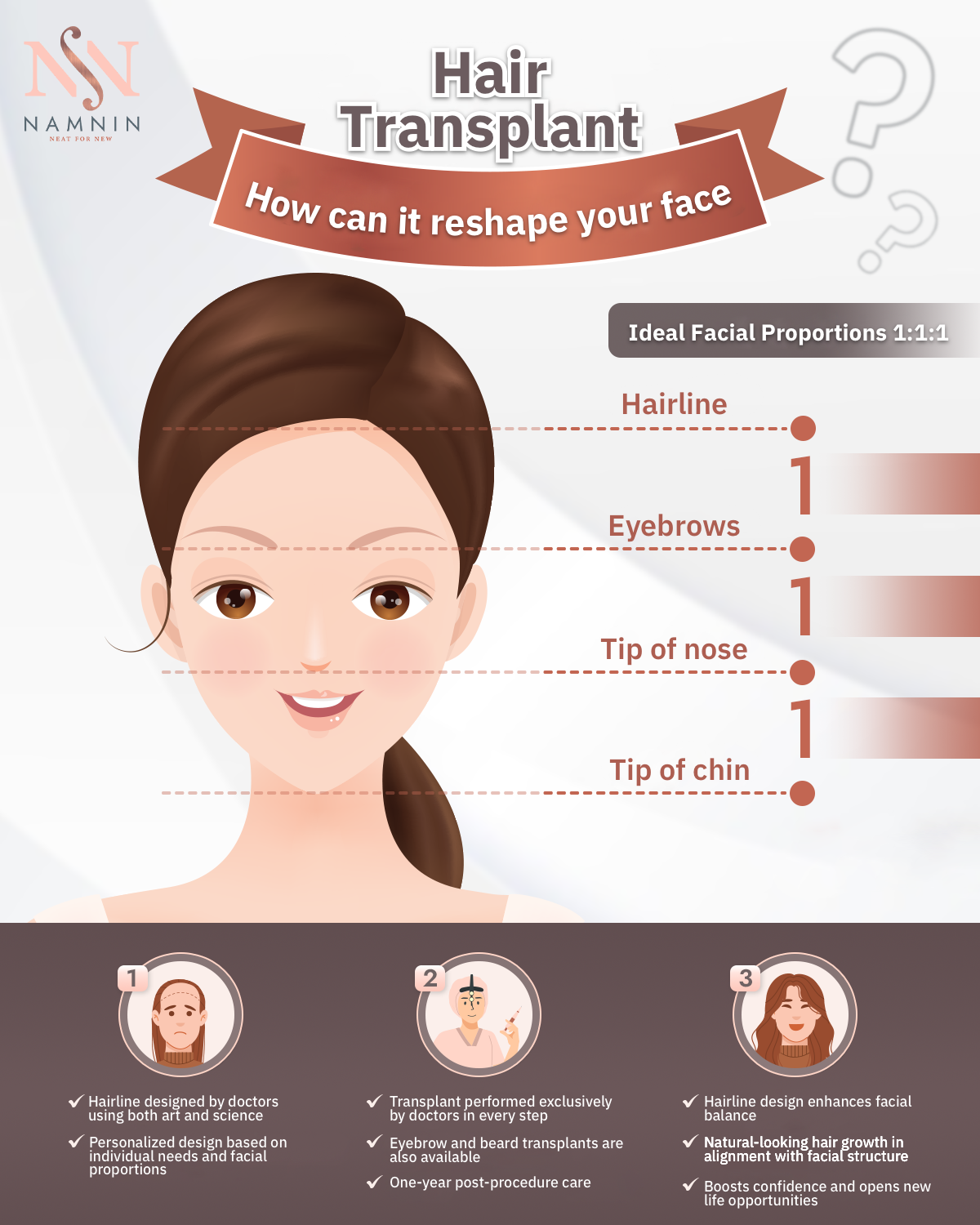
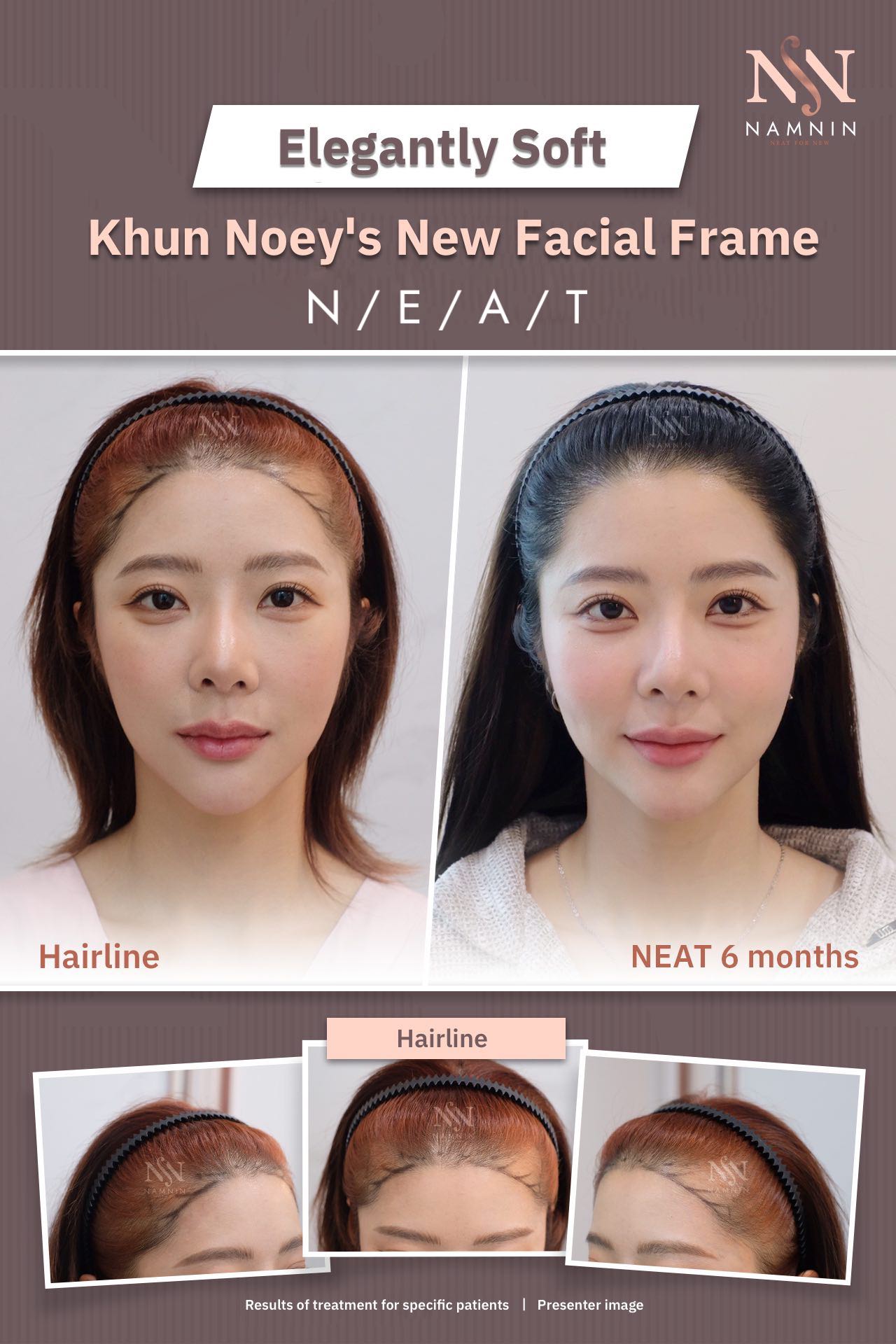
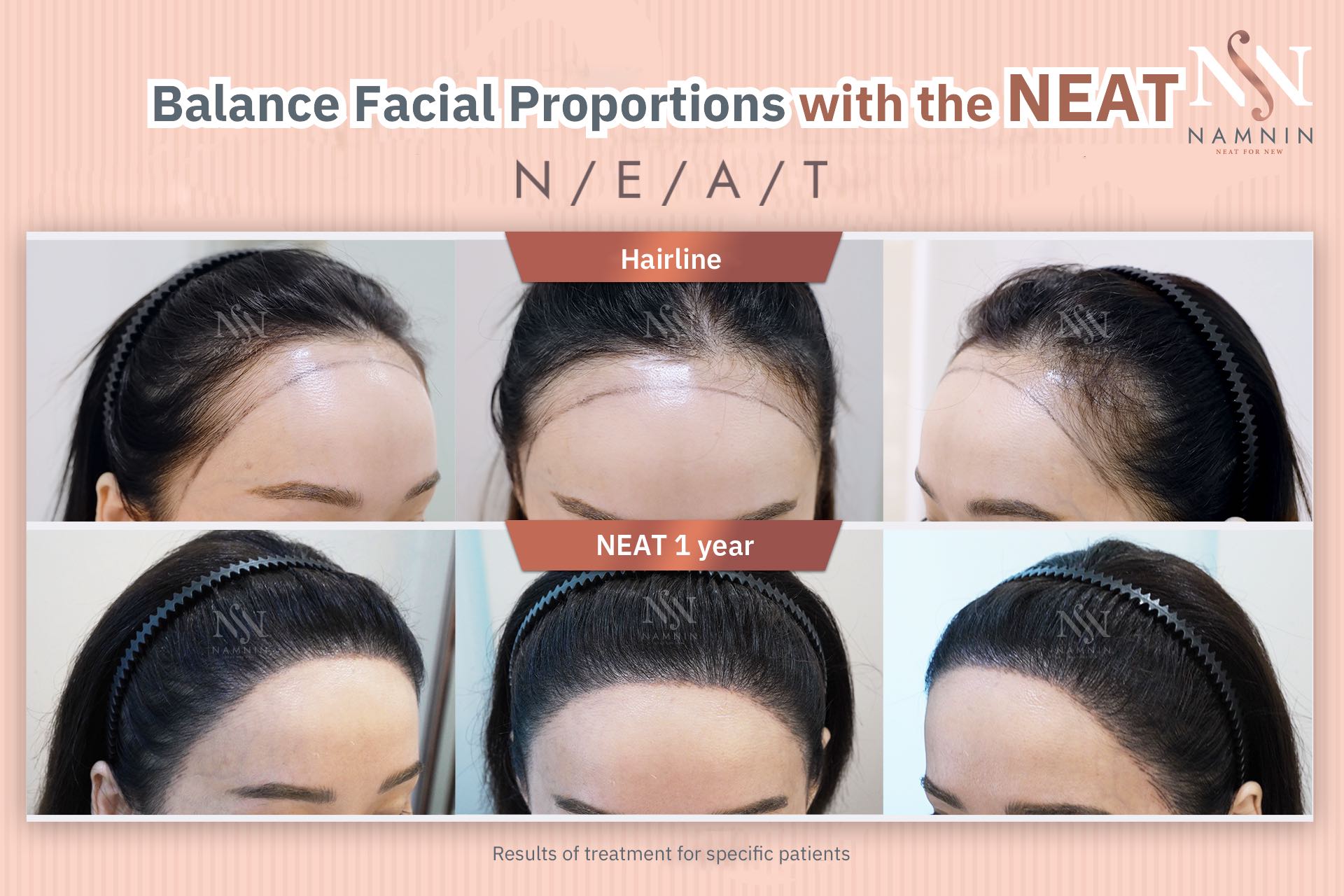
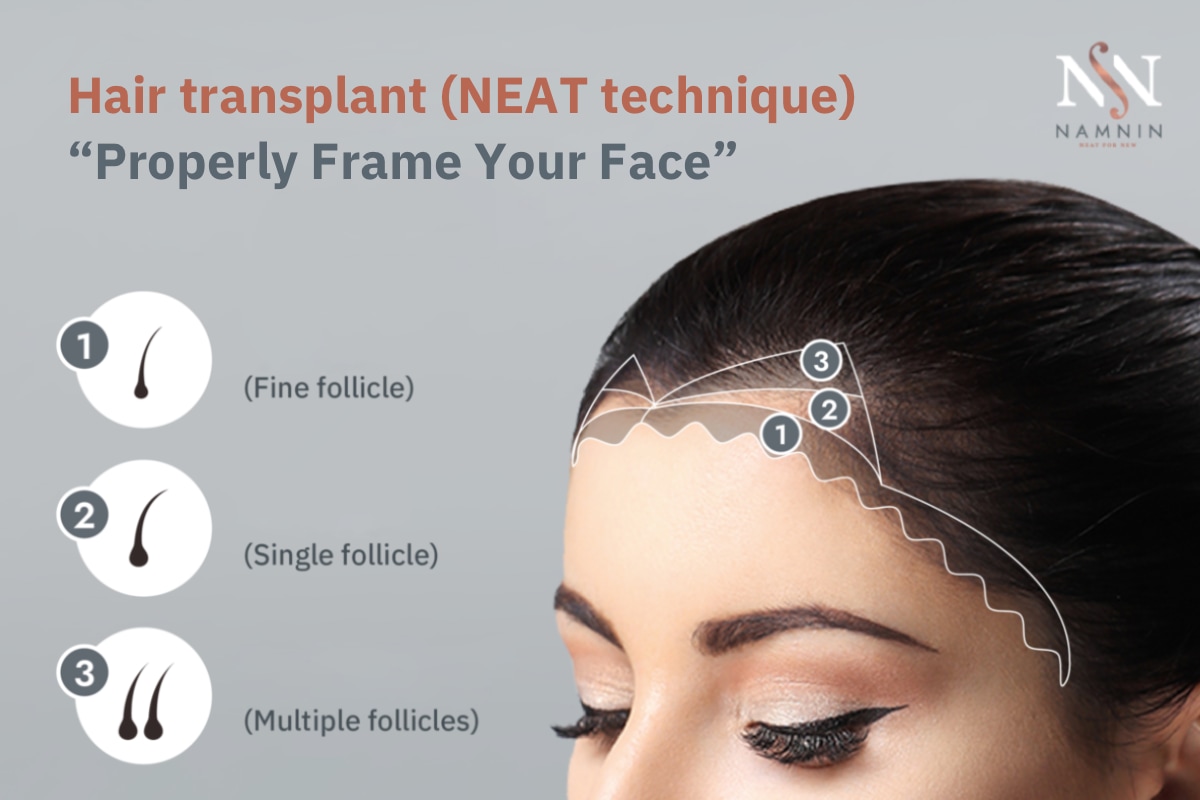
Modern hair transplantation has evolved beyond simply increasing hair density. It is now the art and science of designing a facial frame that complements each individual's facial proportions, softness, and unique characteristics.
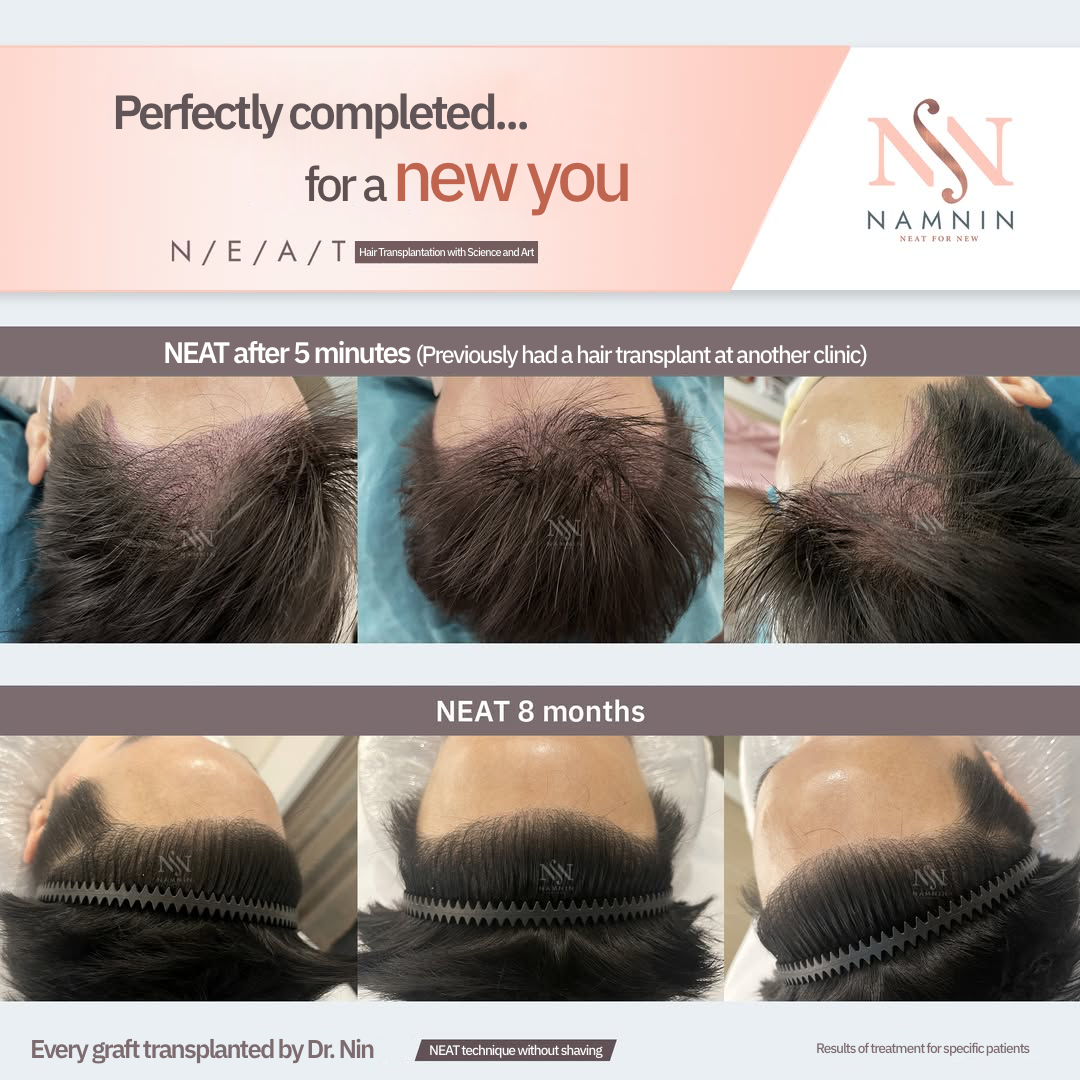
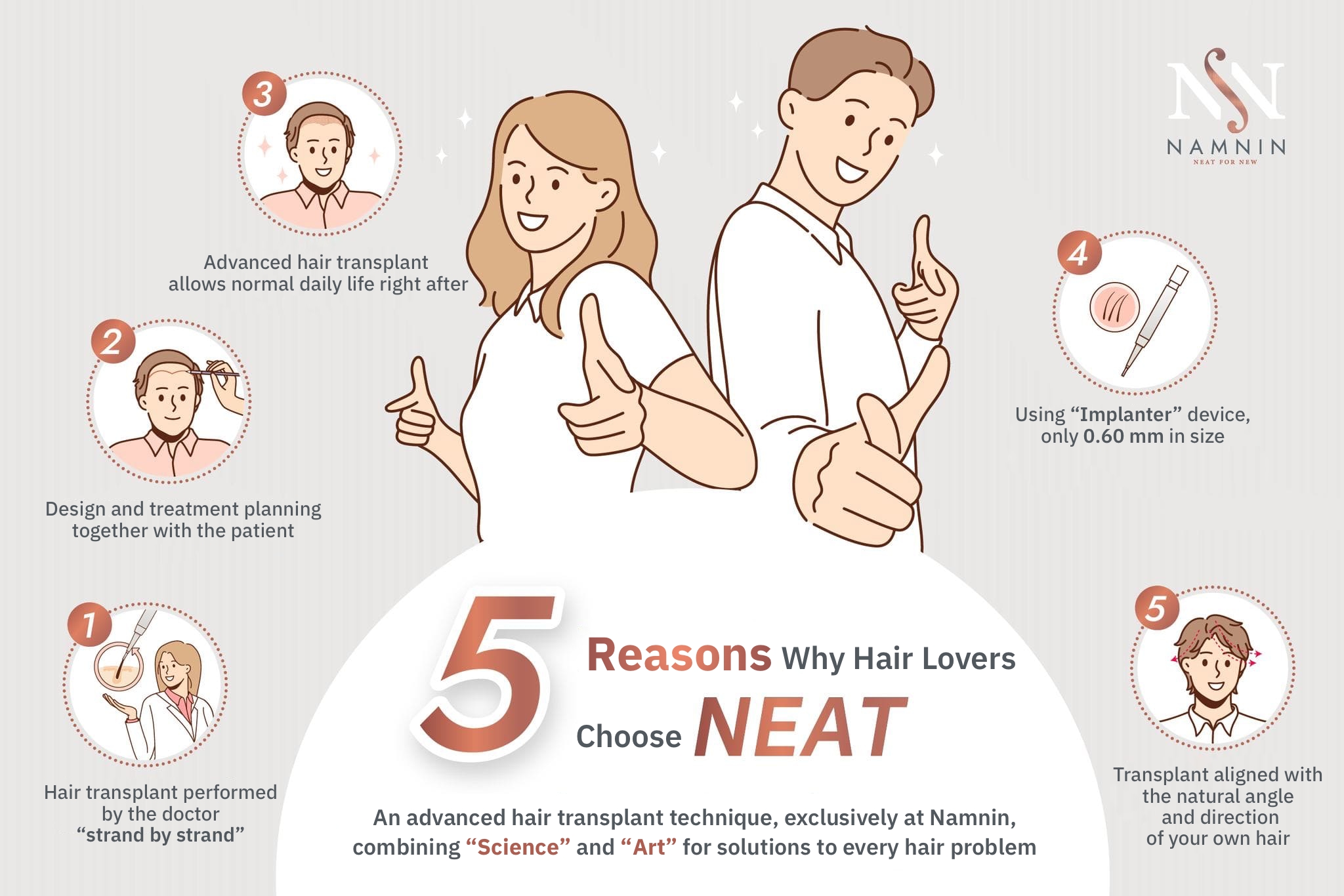
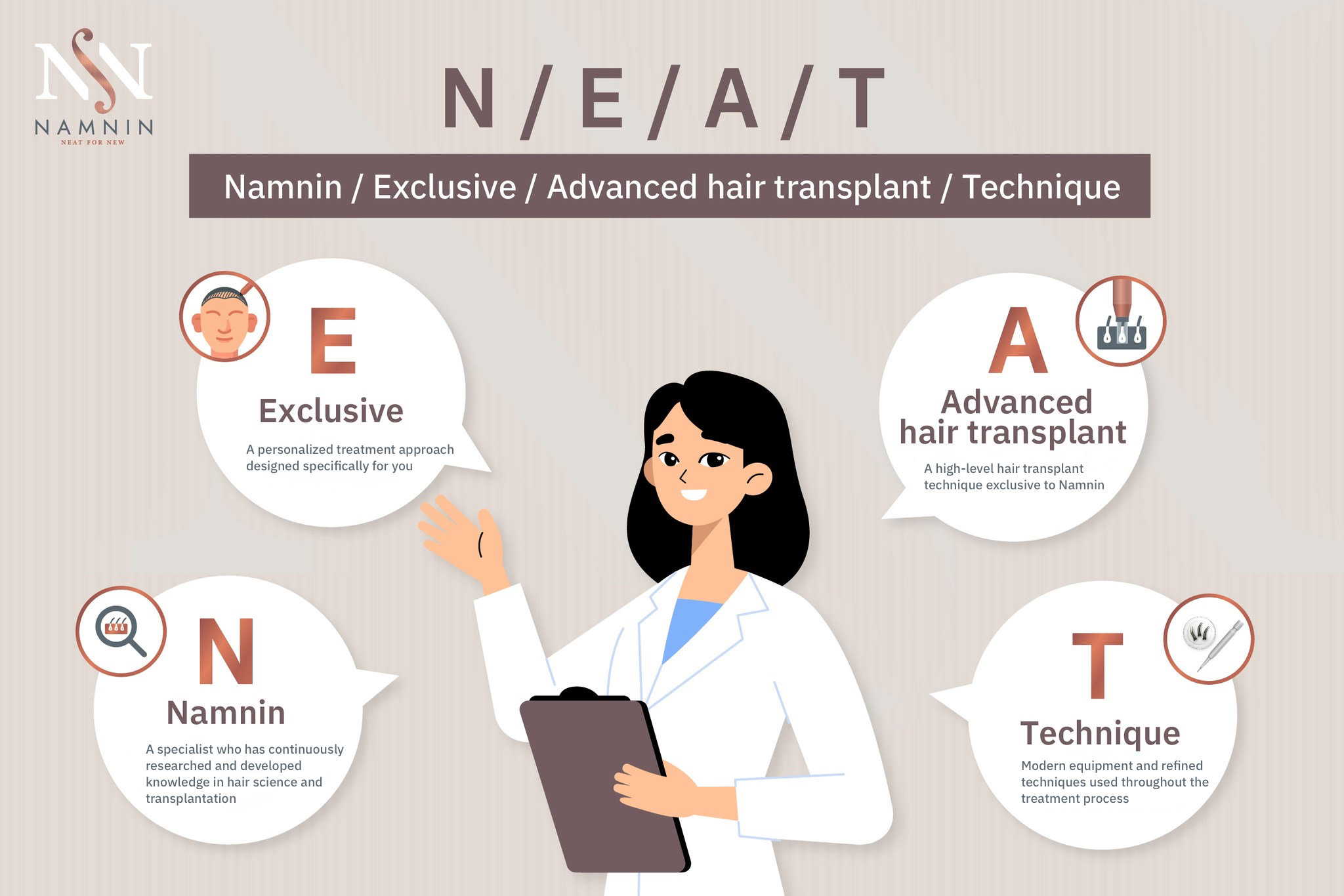
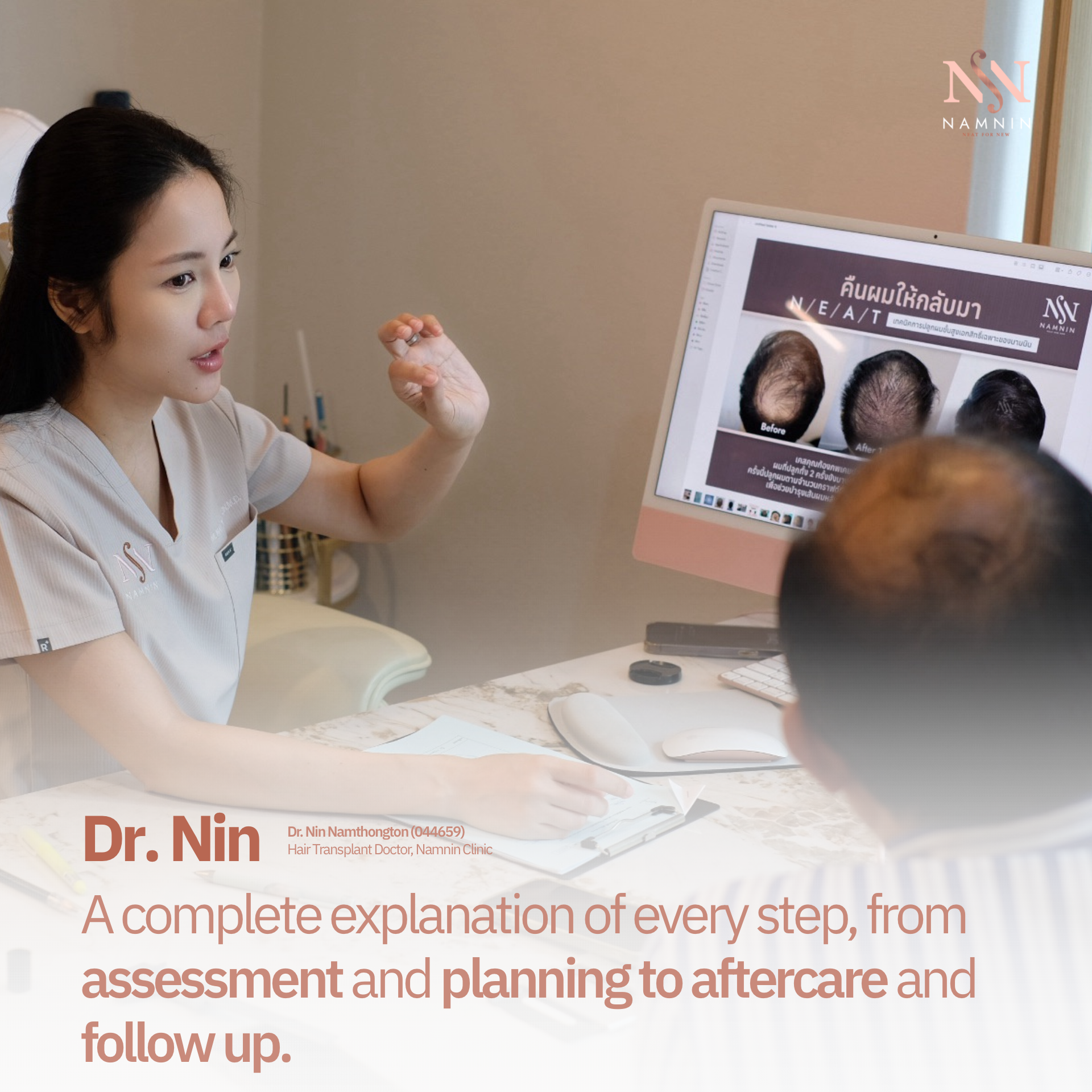
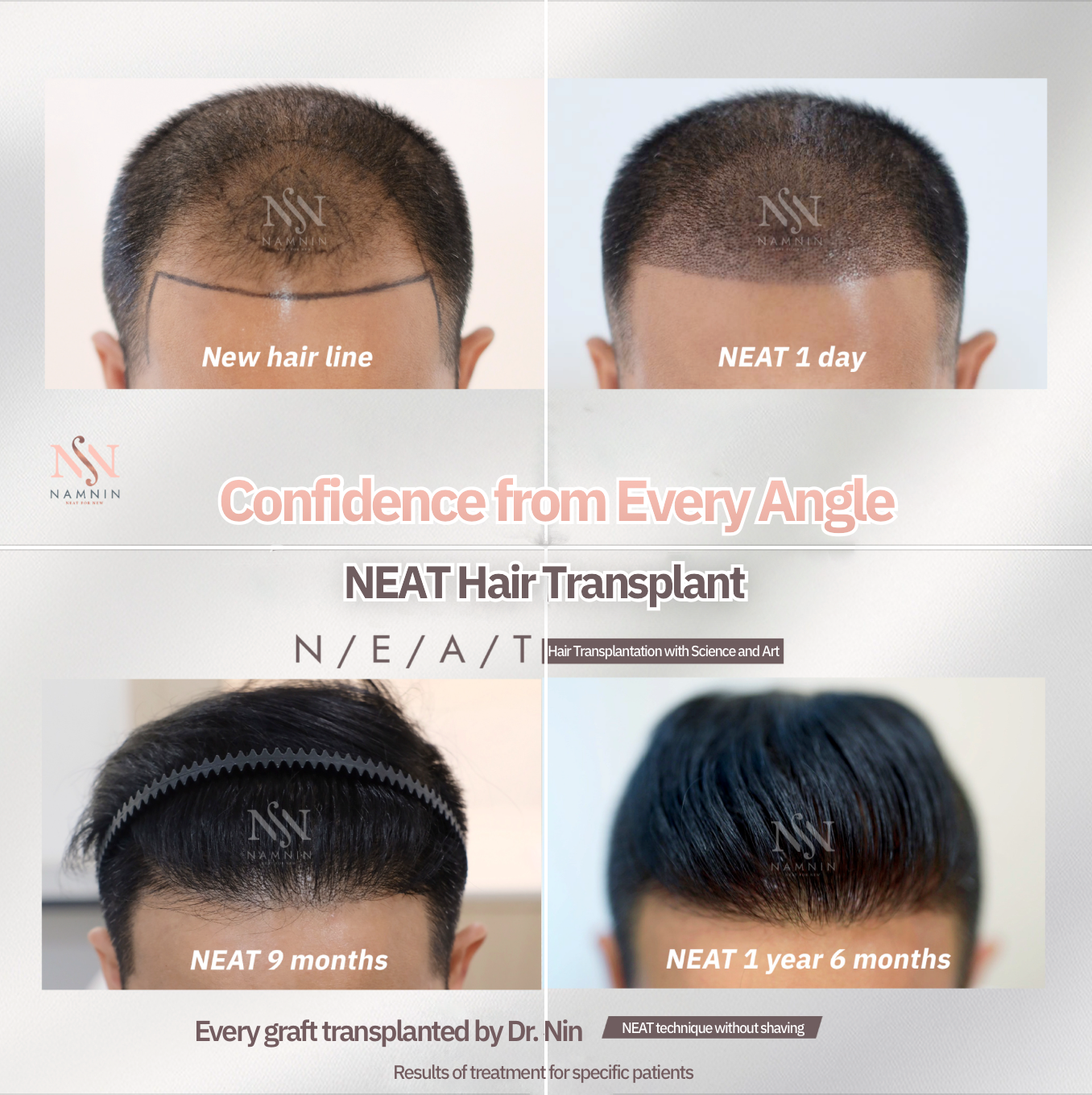
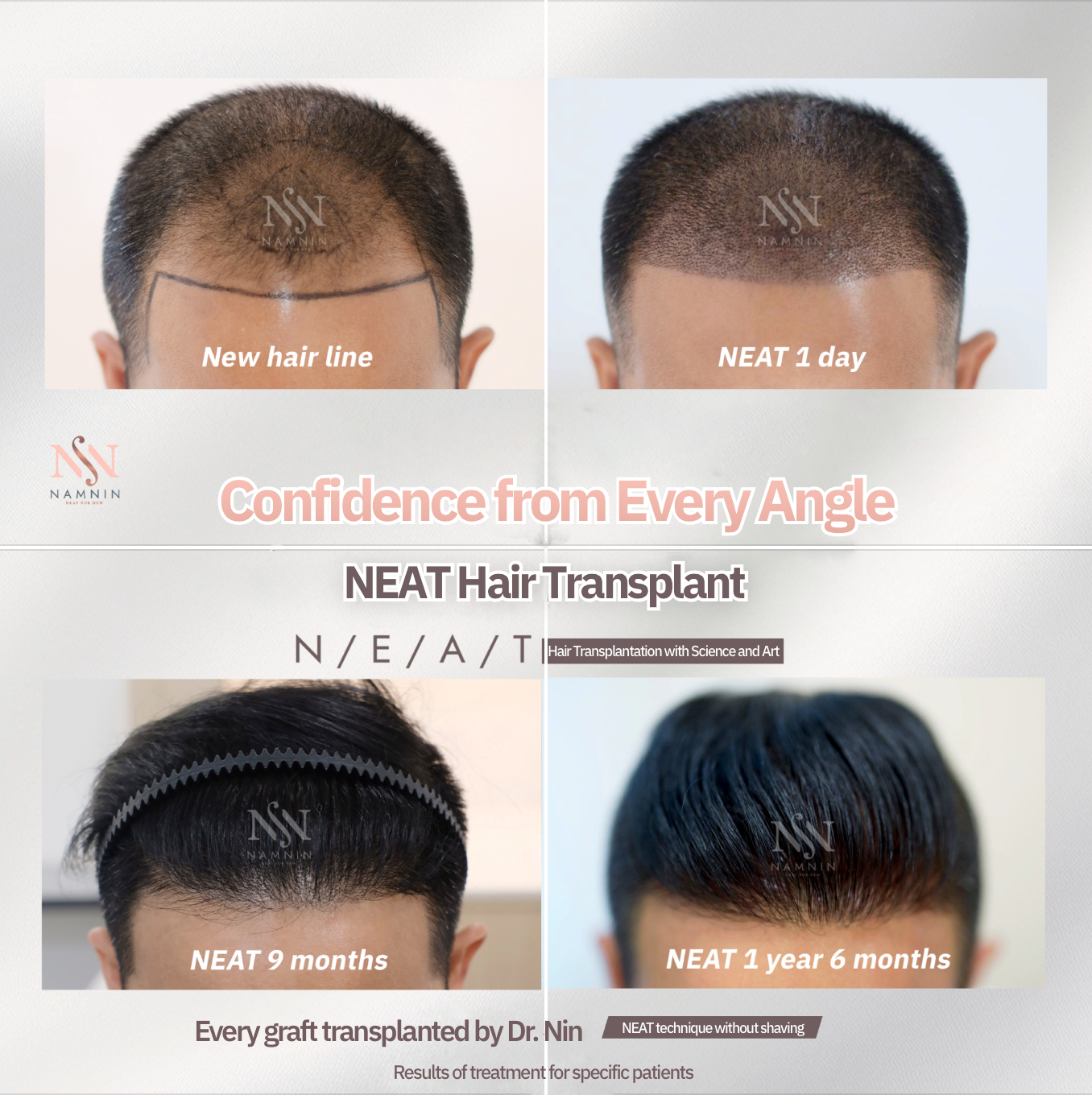
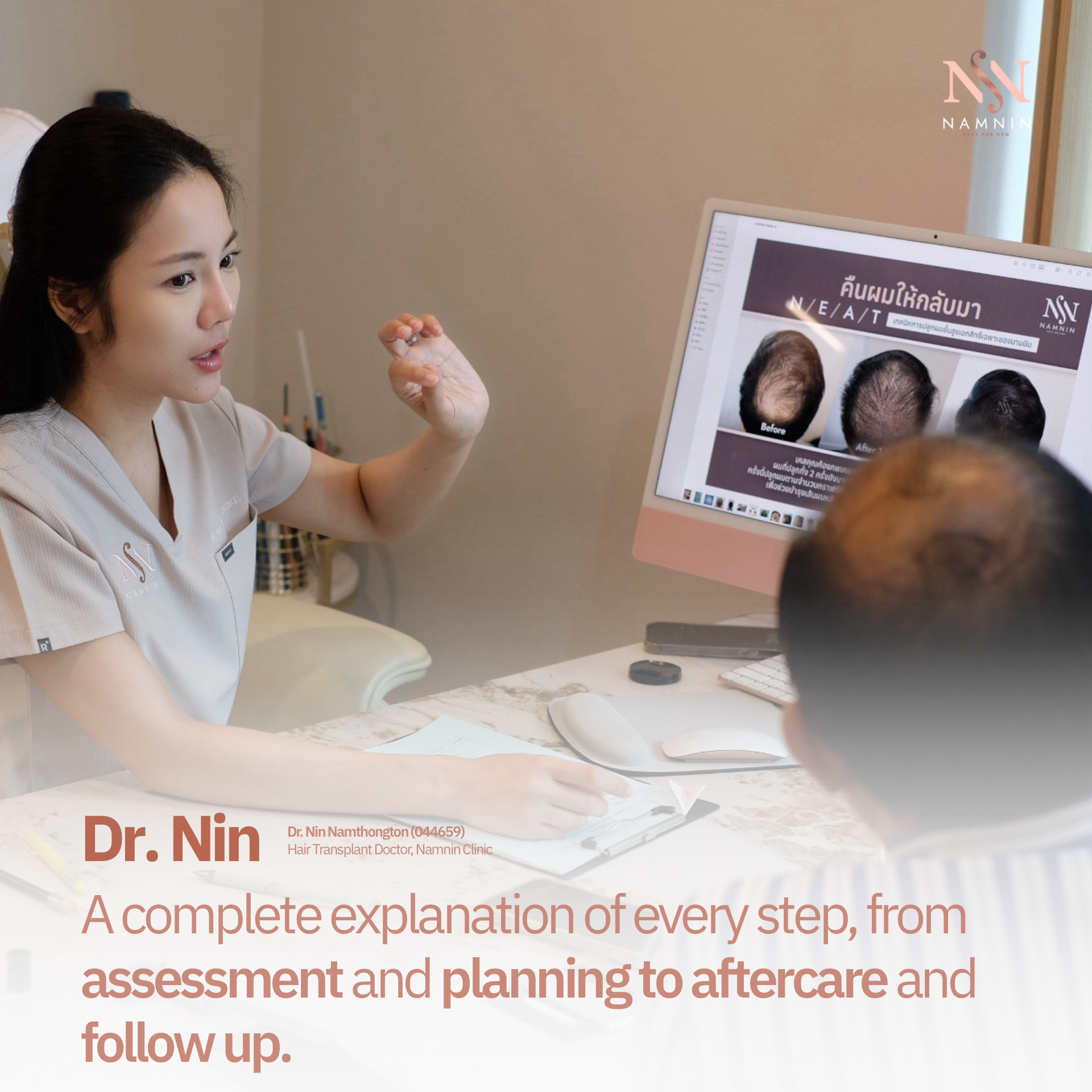
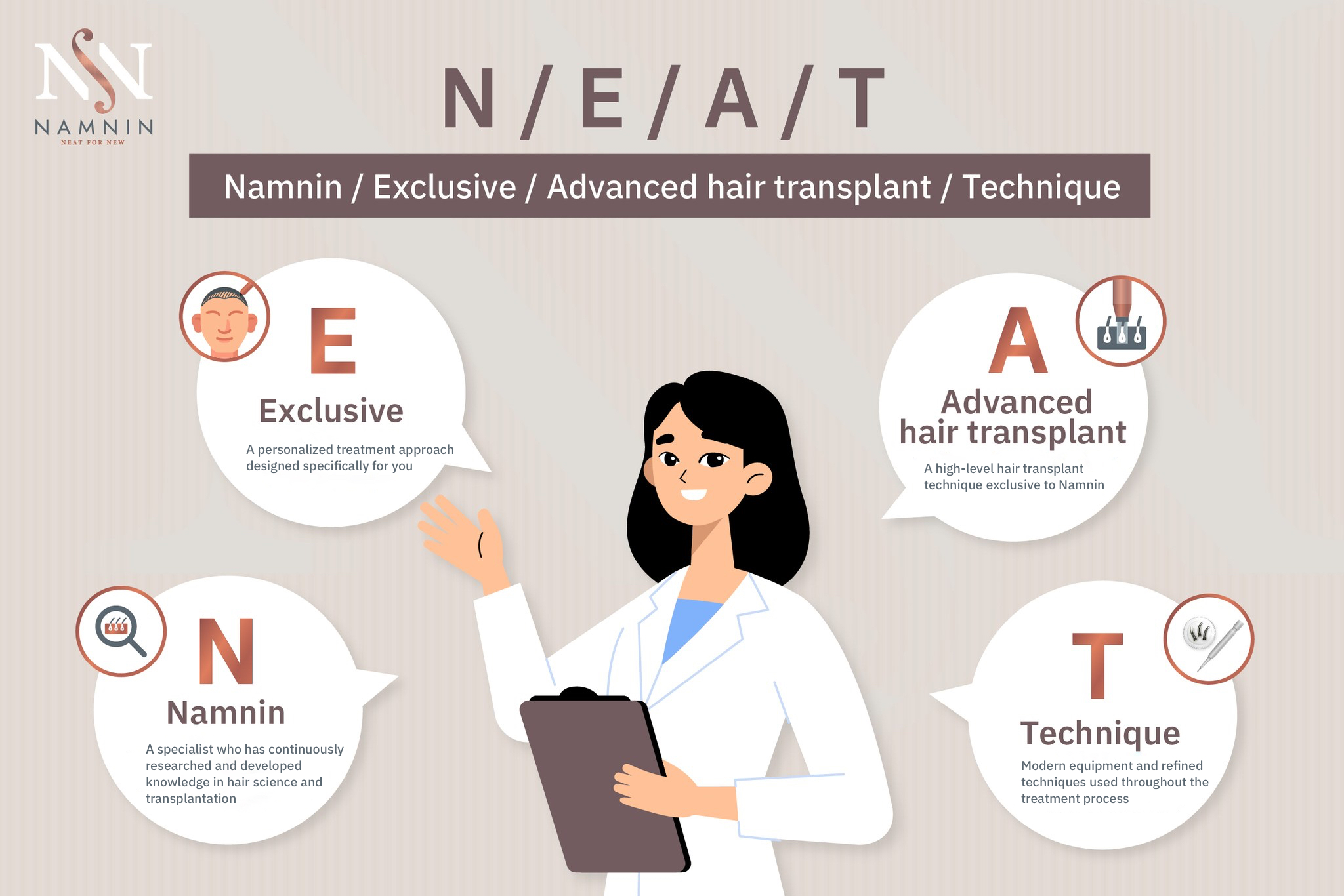
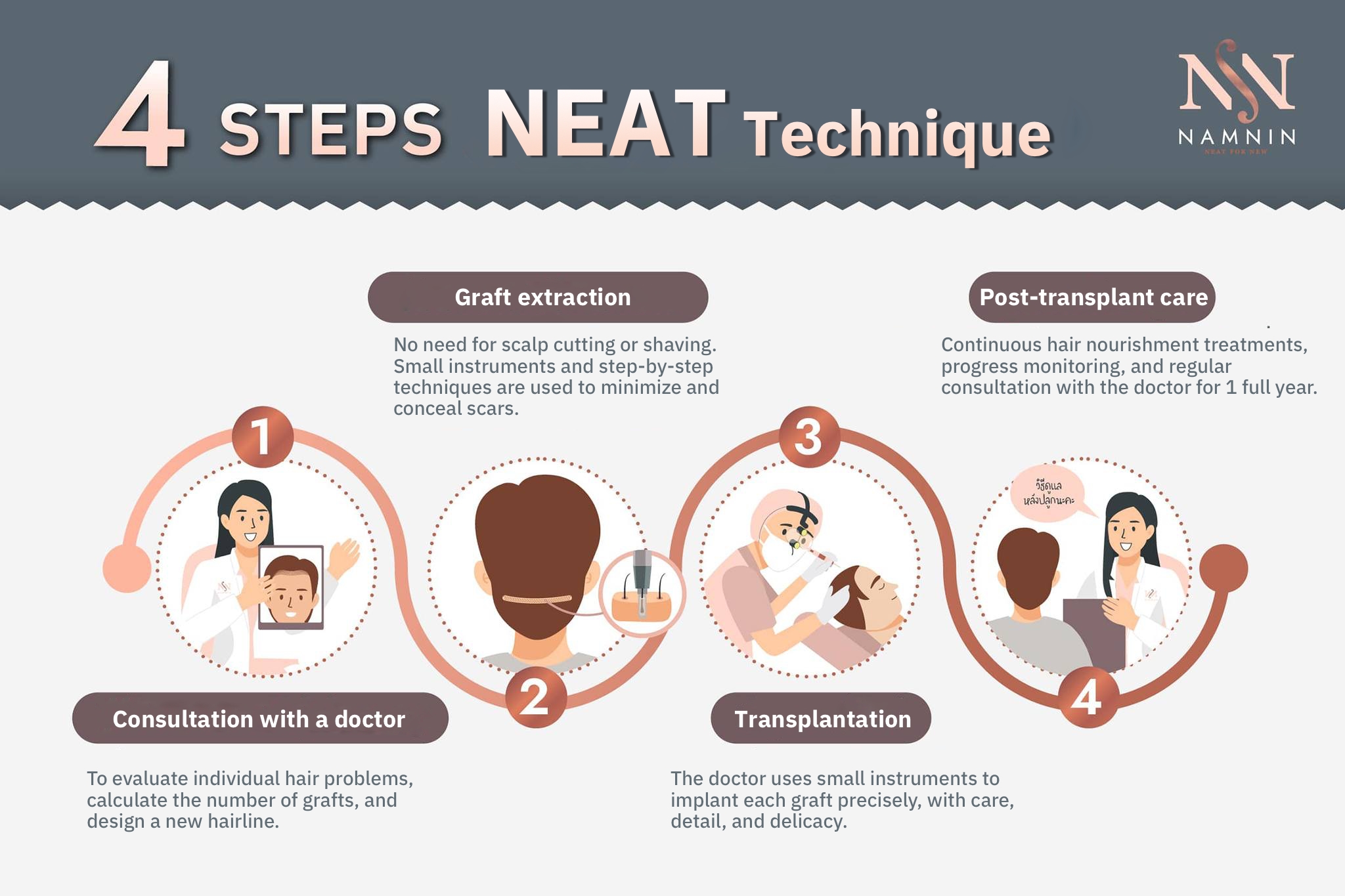
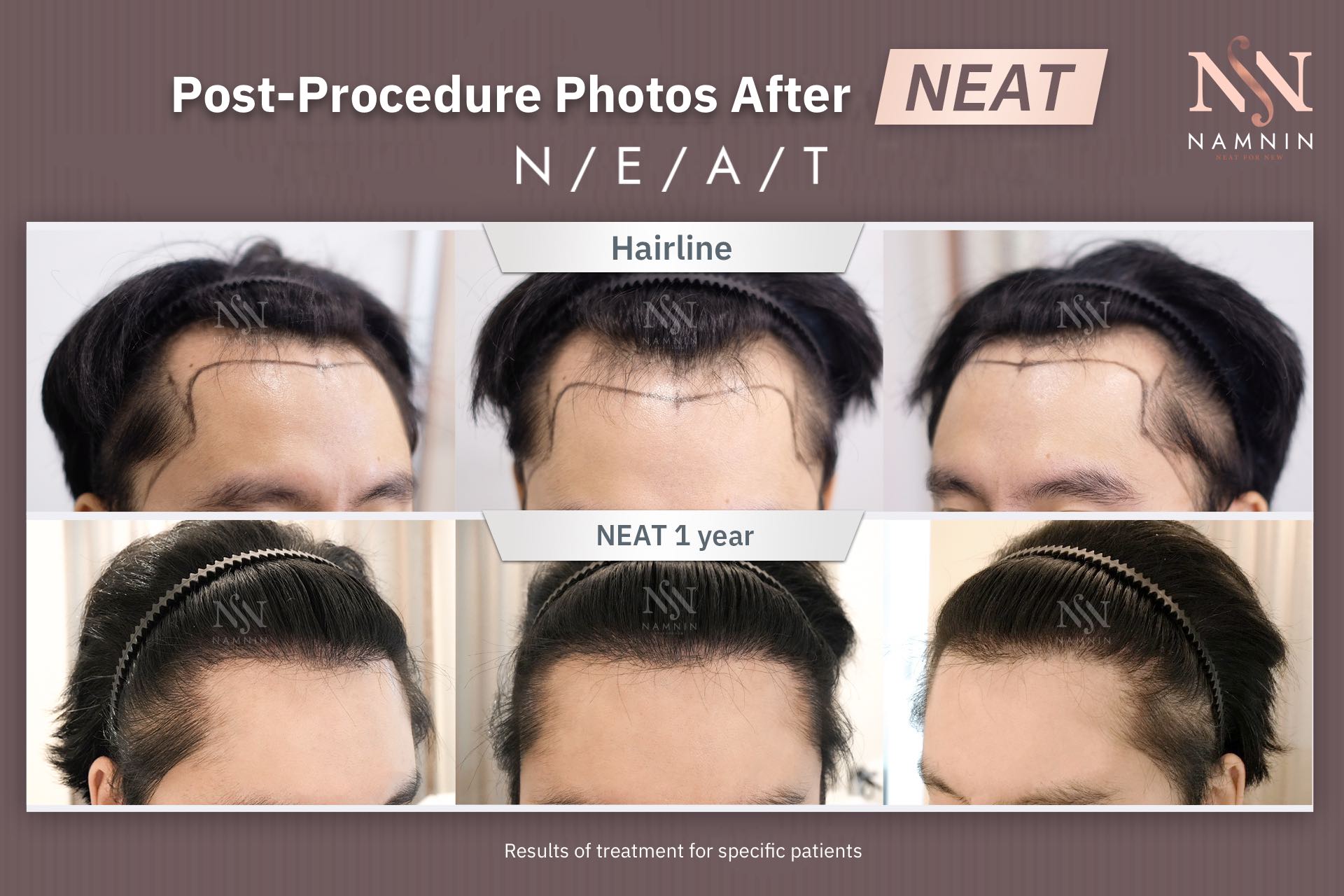
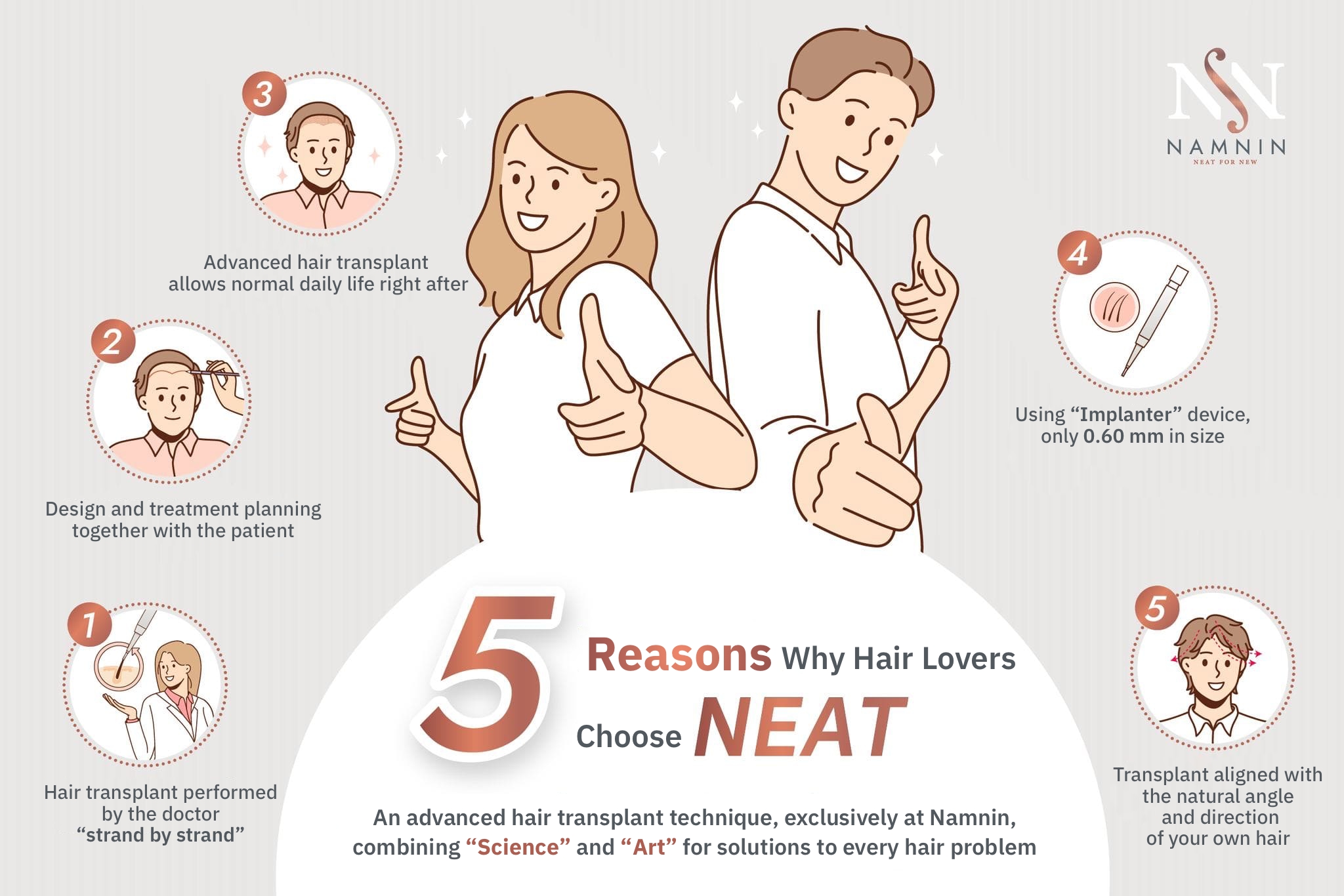
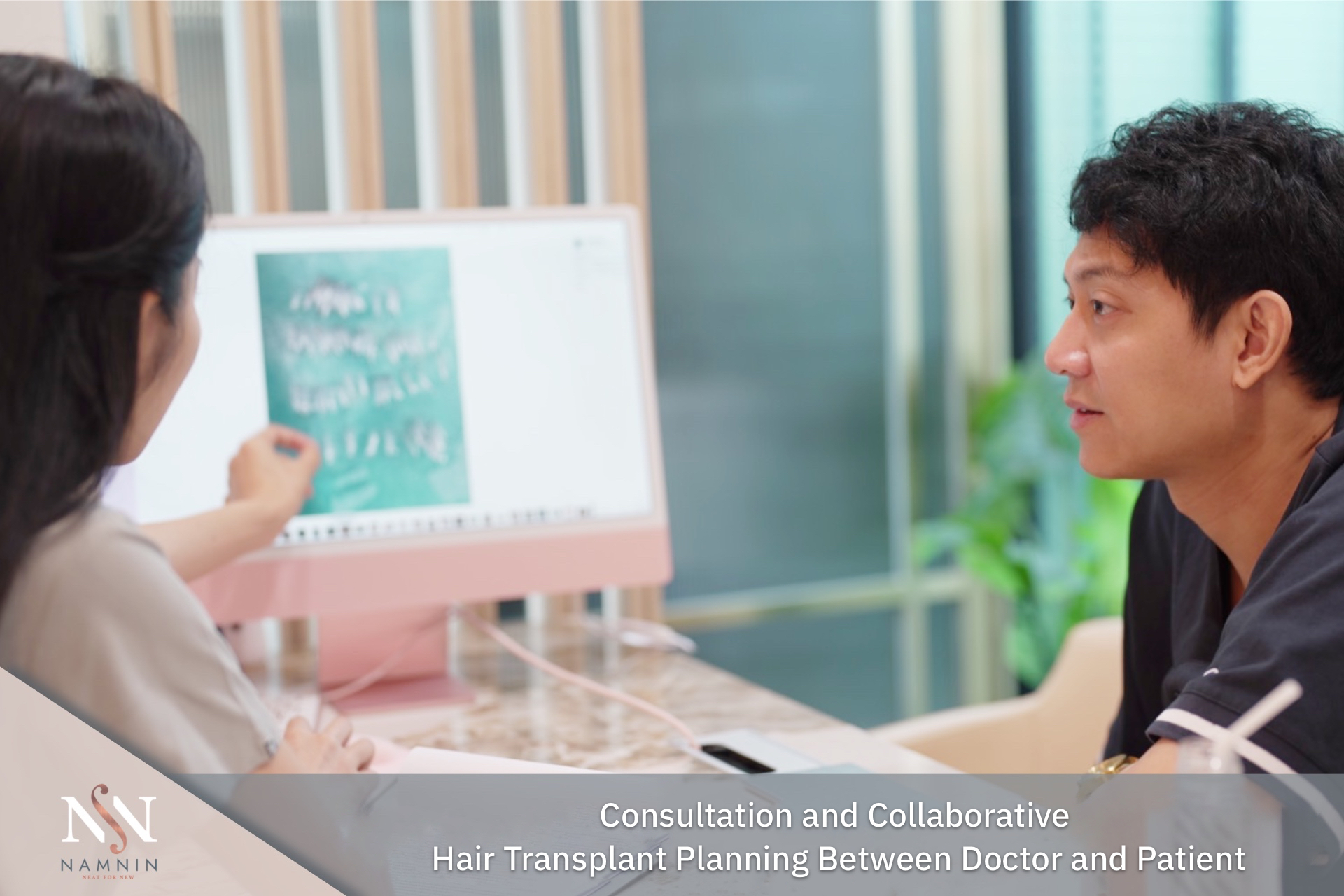
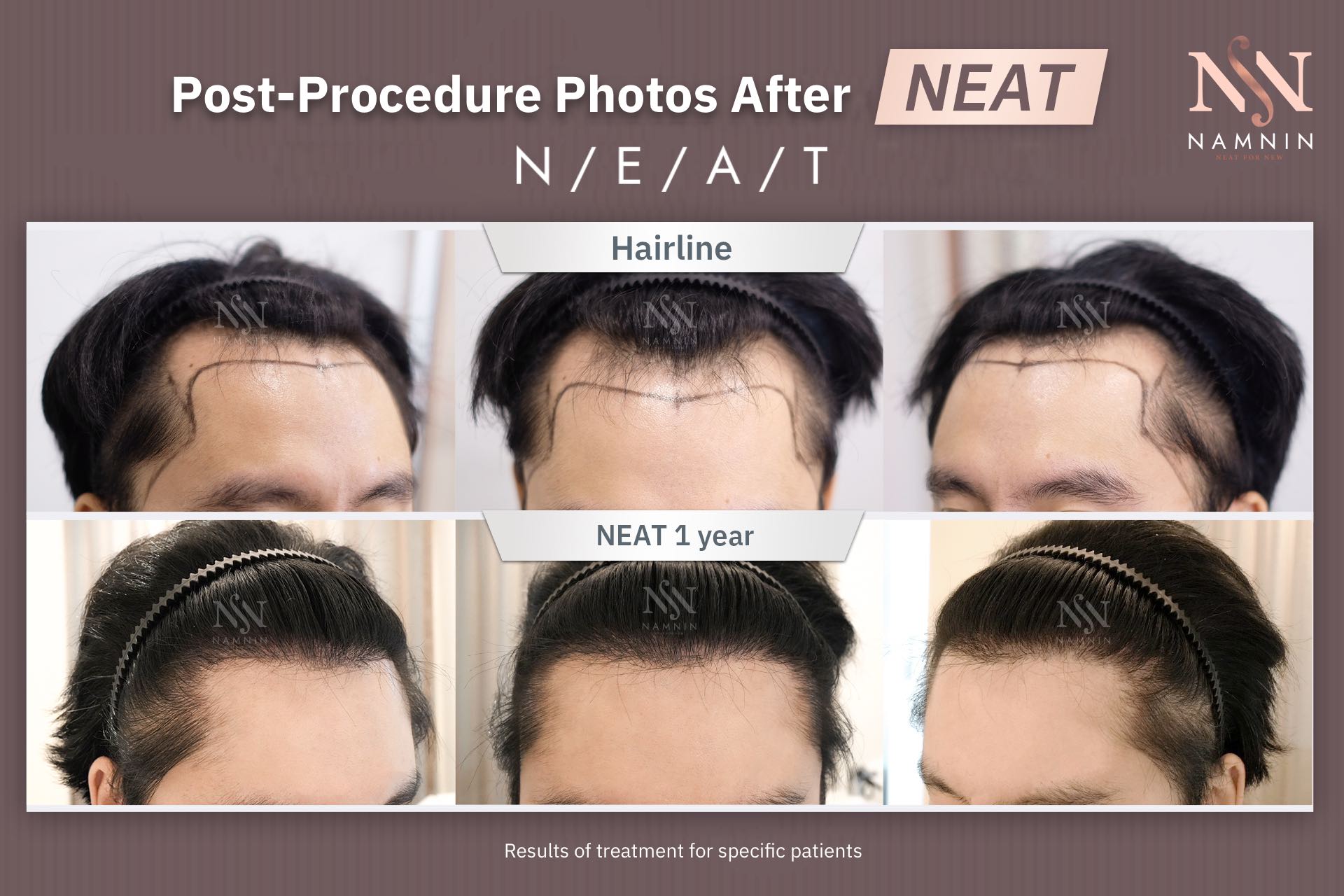
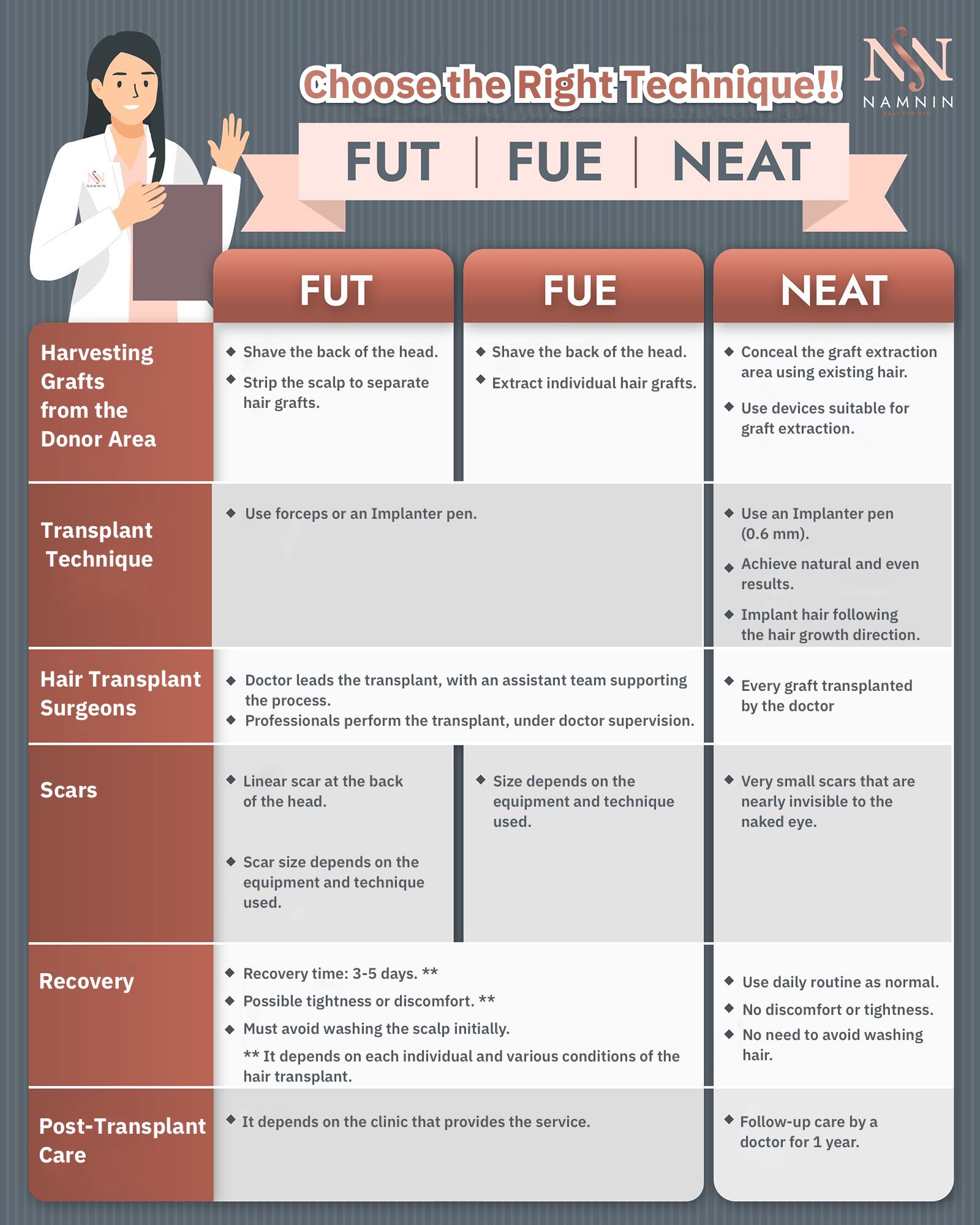
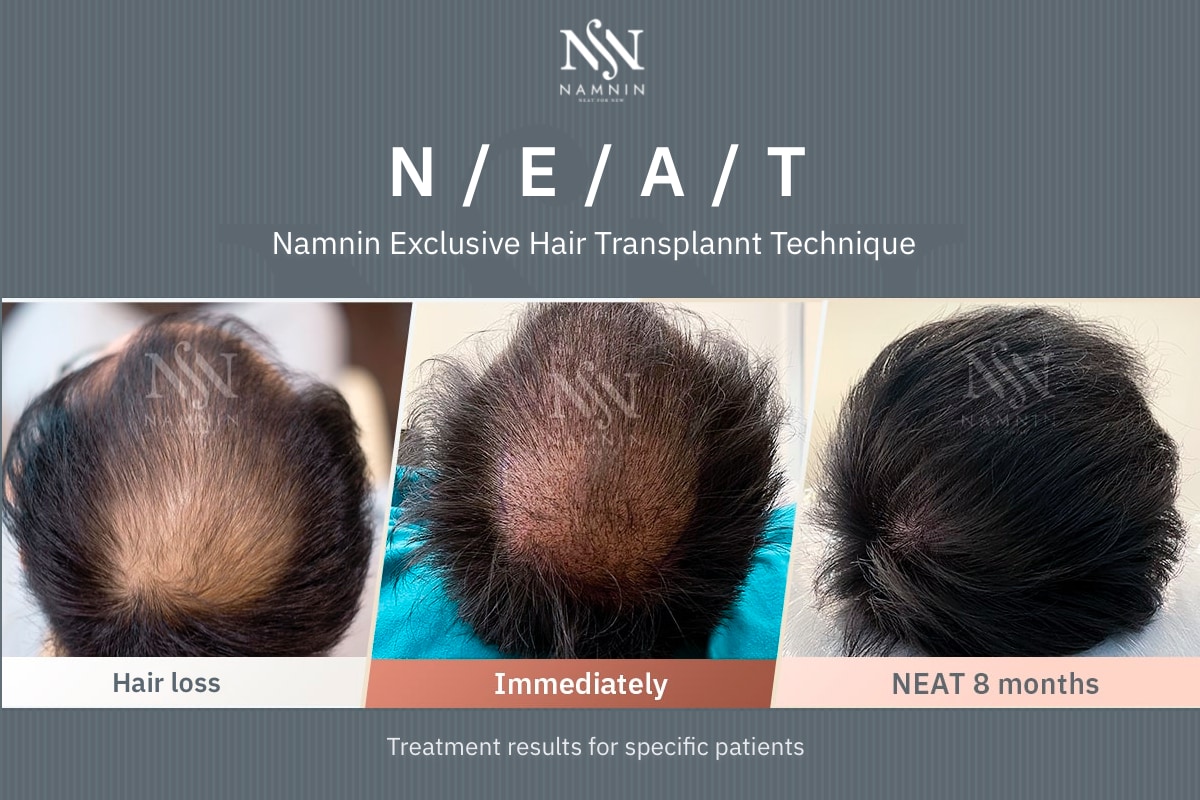
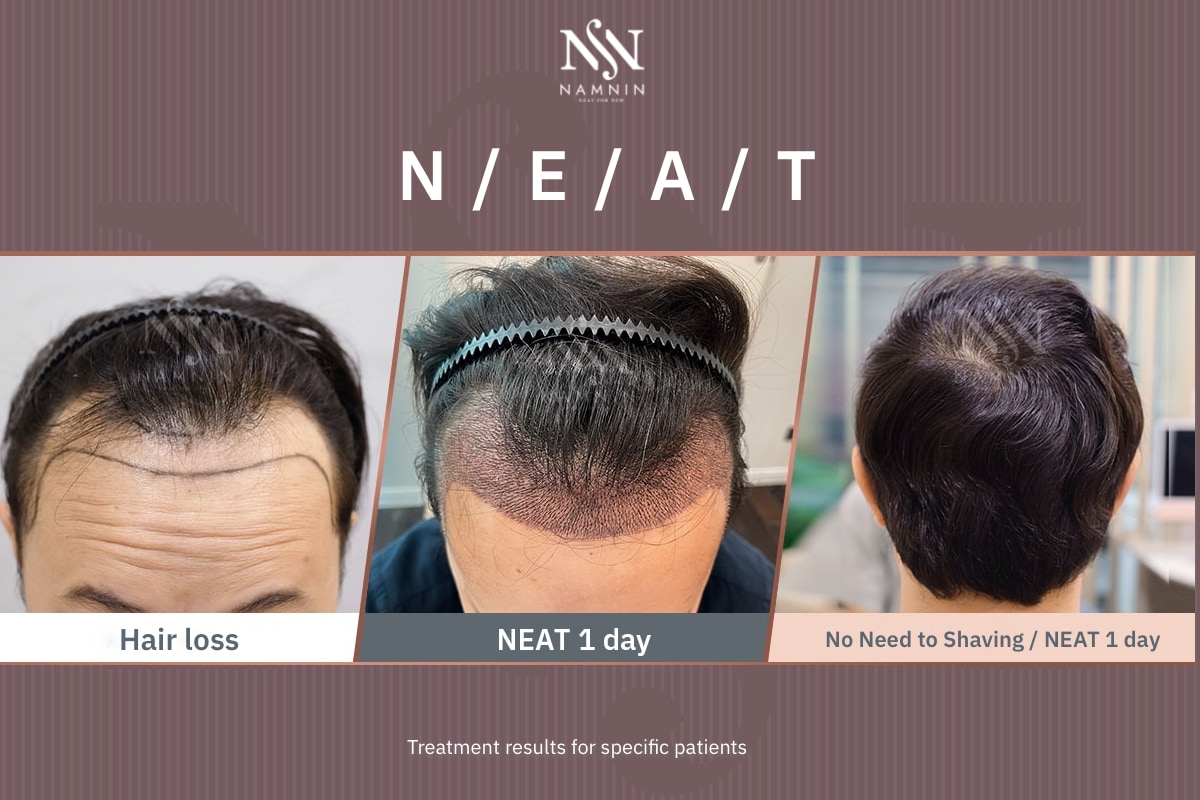
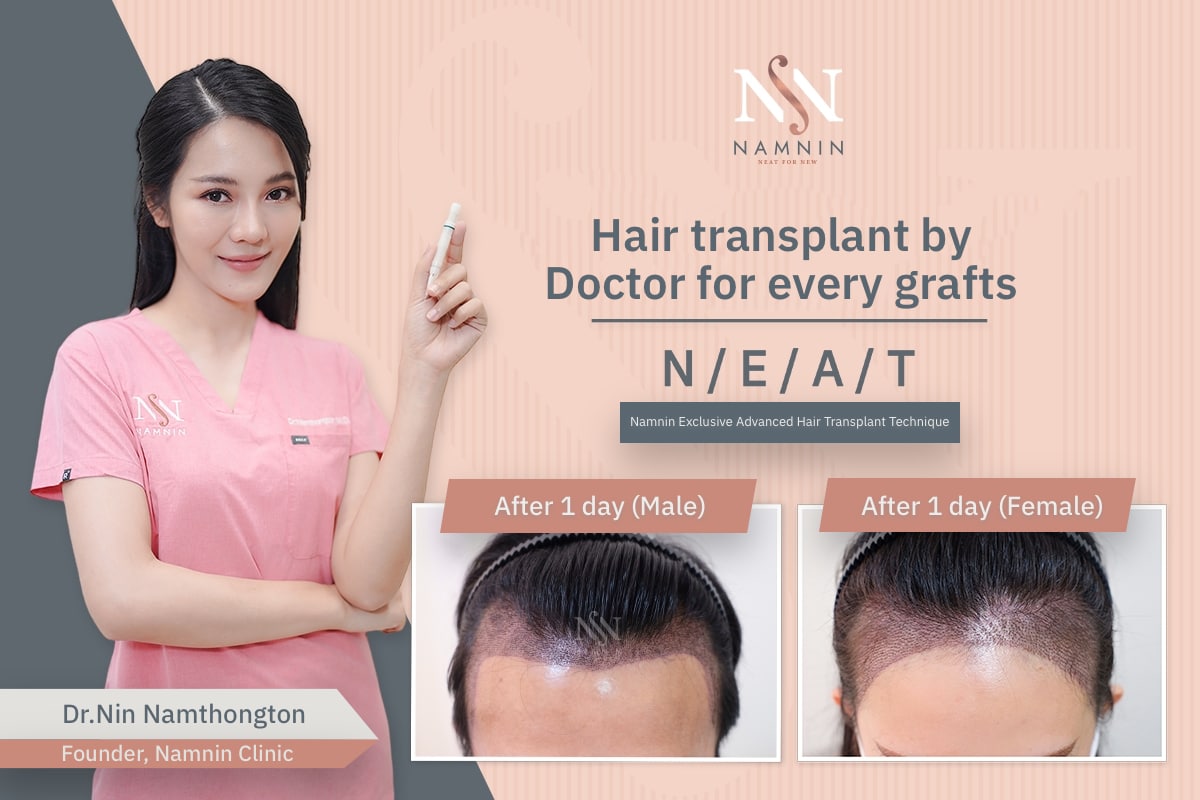
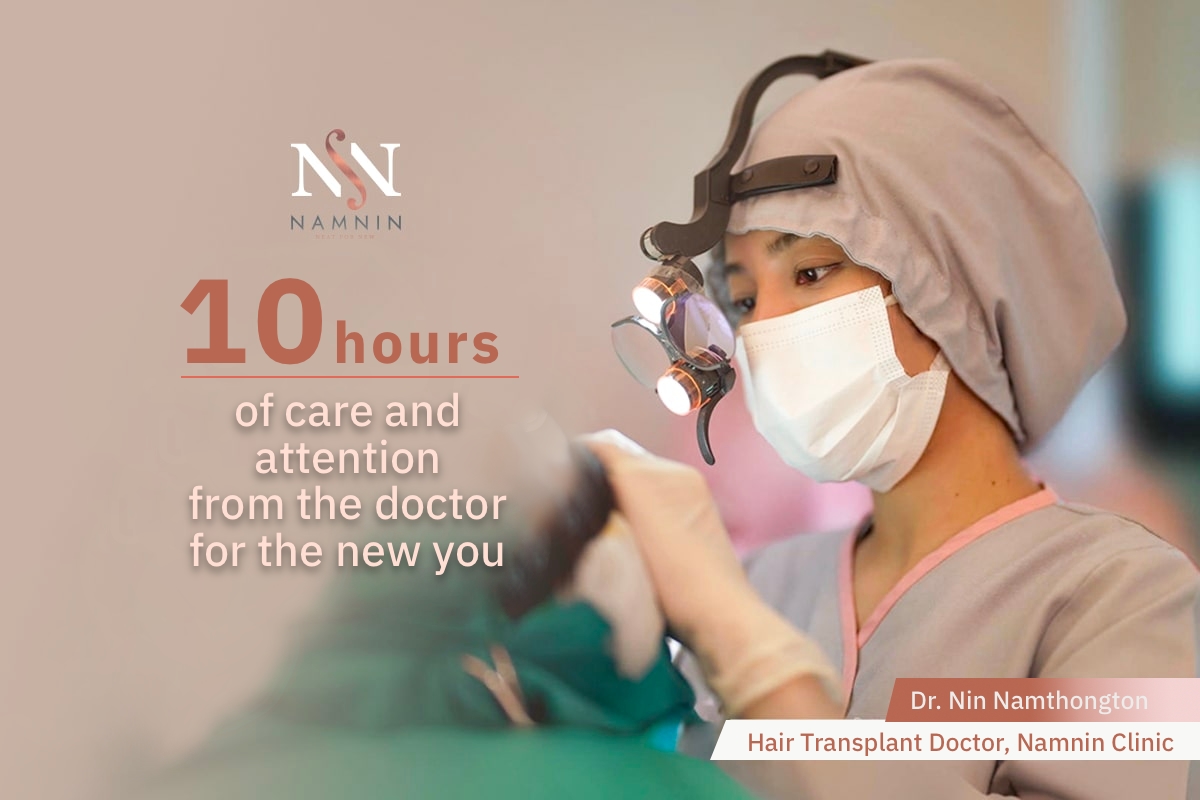
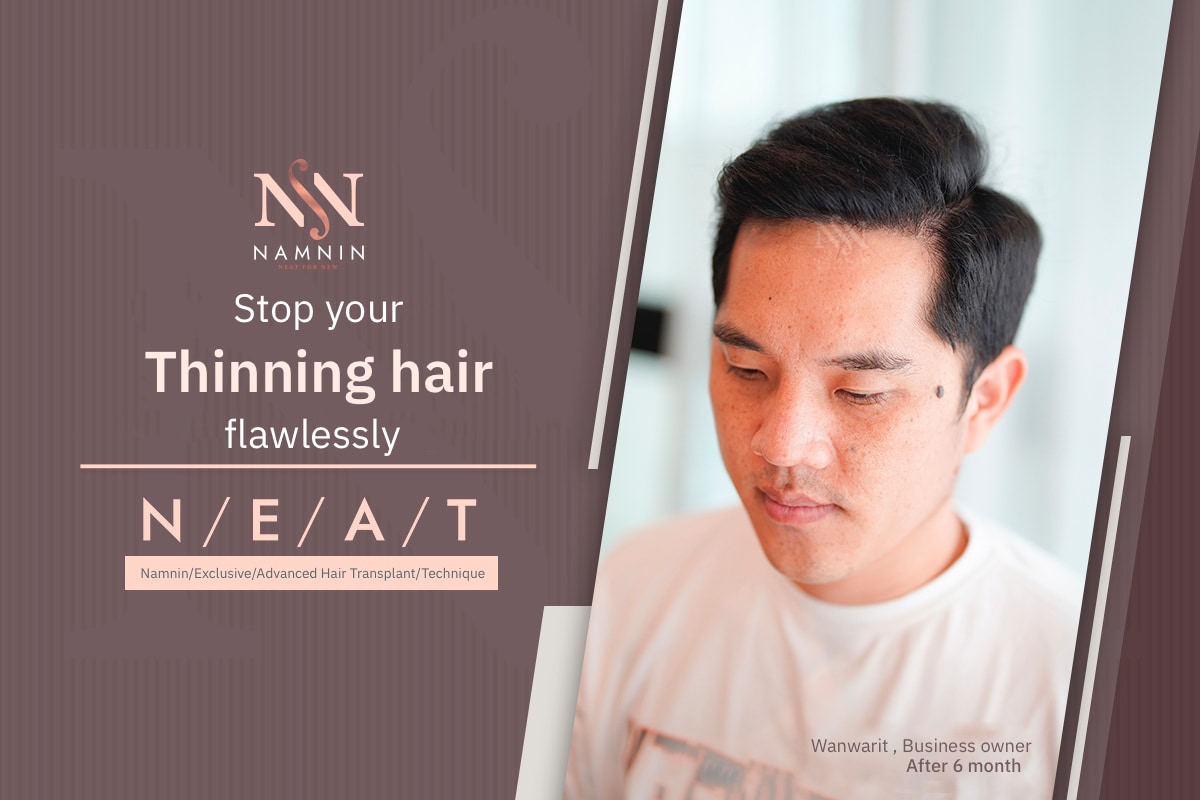
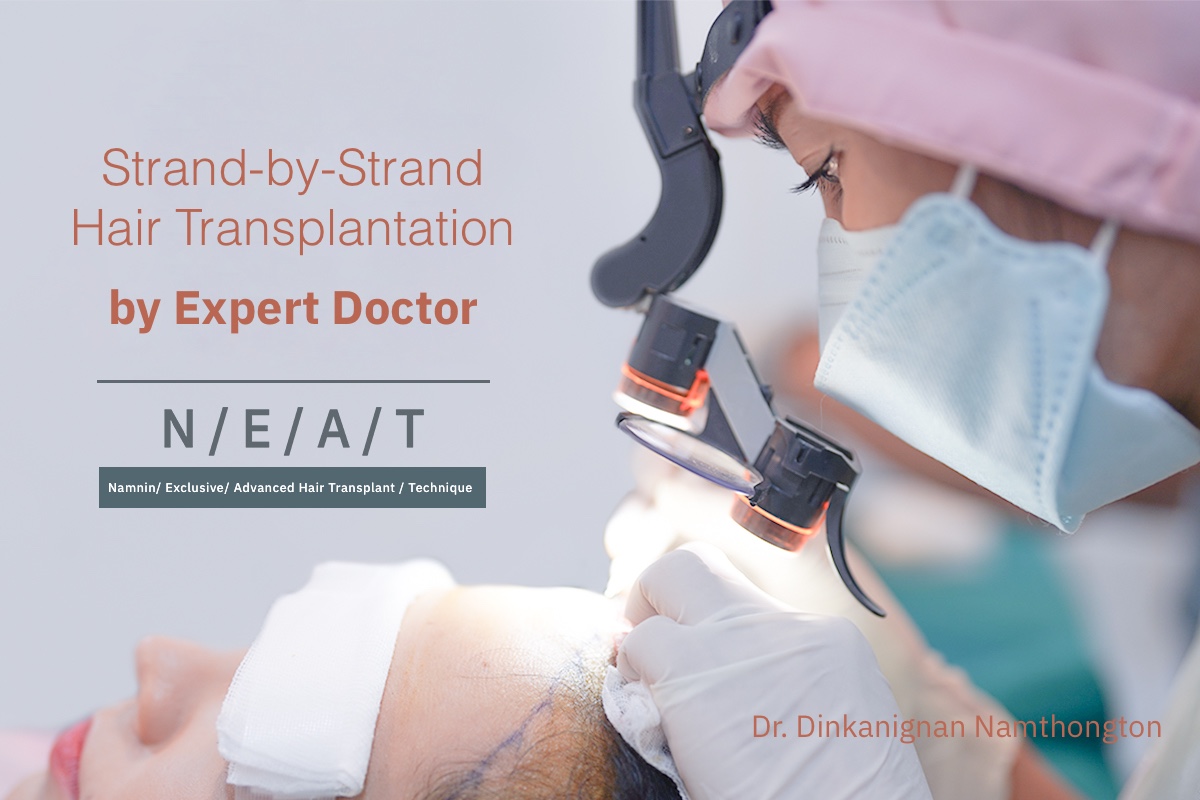
The NEAT Technique places meticulous attention on every step, beginning with facial analysis based on the Golden Ratio, followed by personalized hairline design that harmonizes with each patient's natural facial structure.
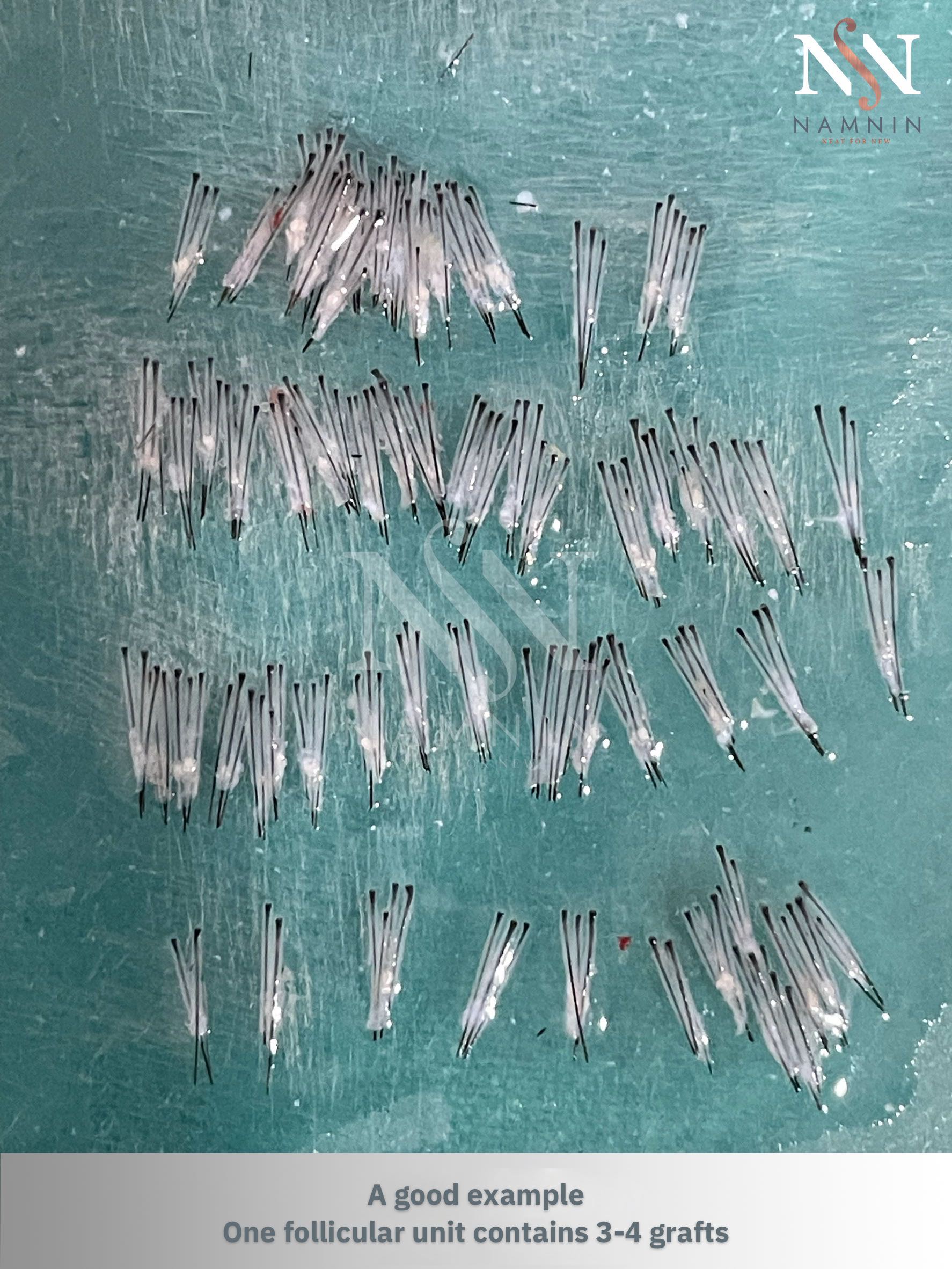
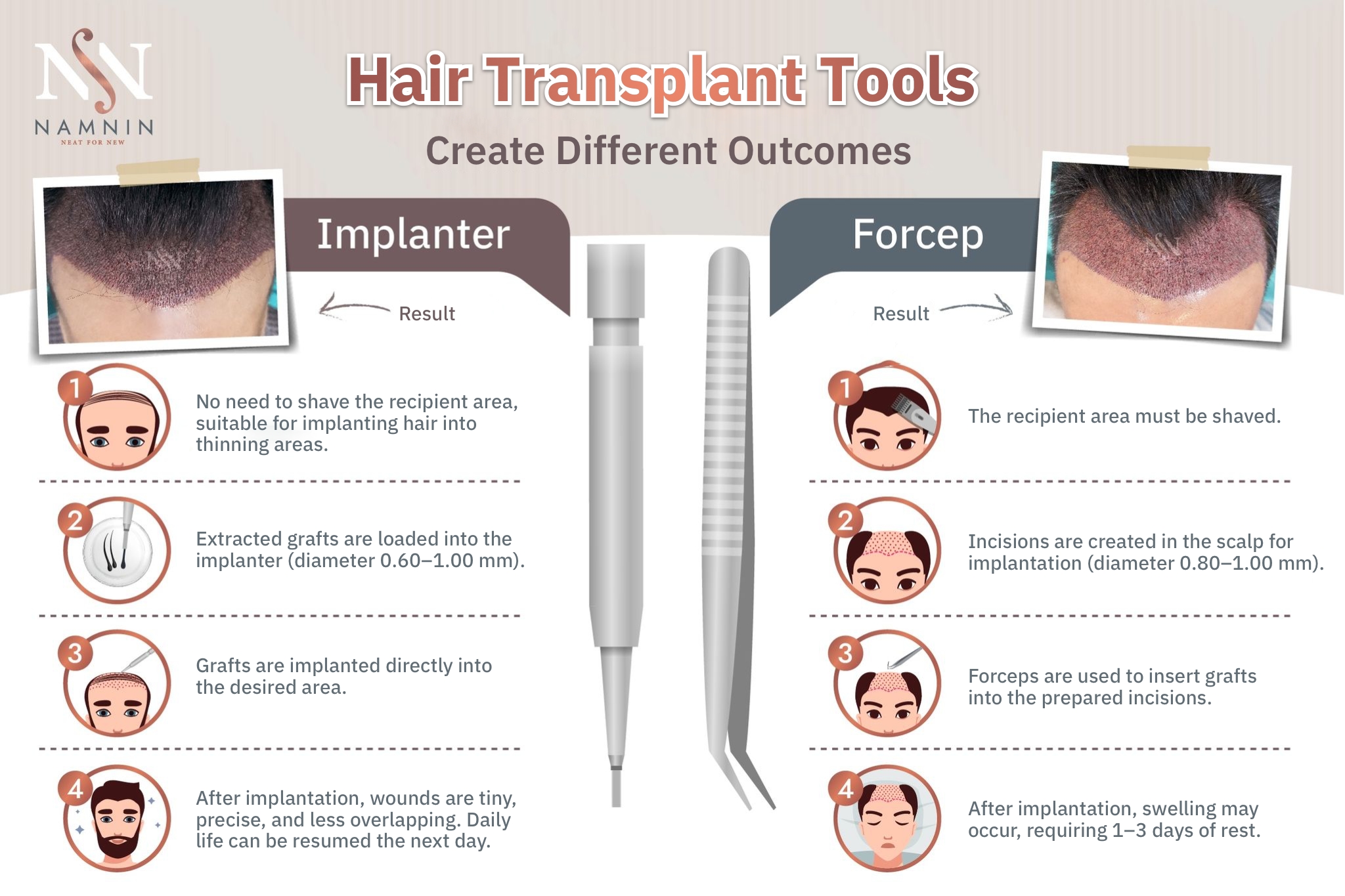
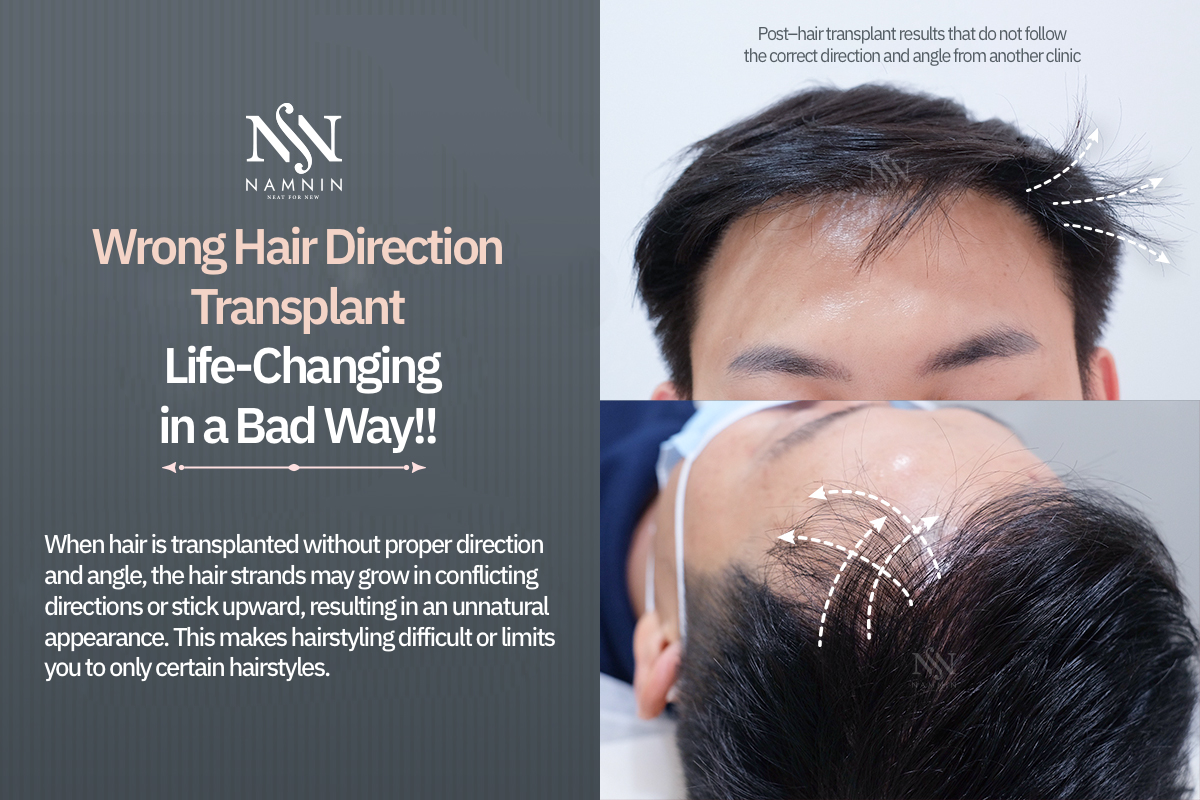
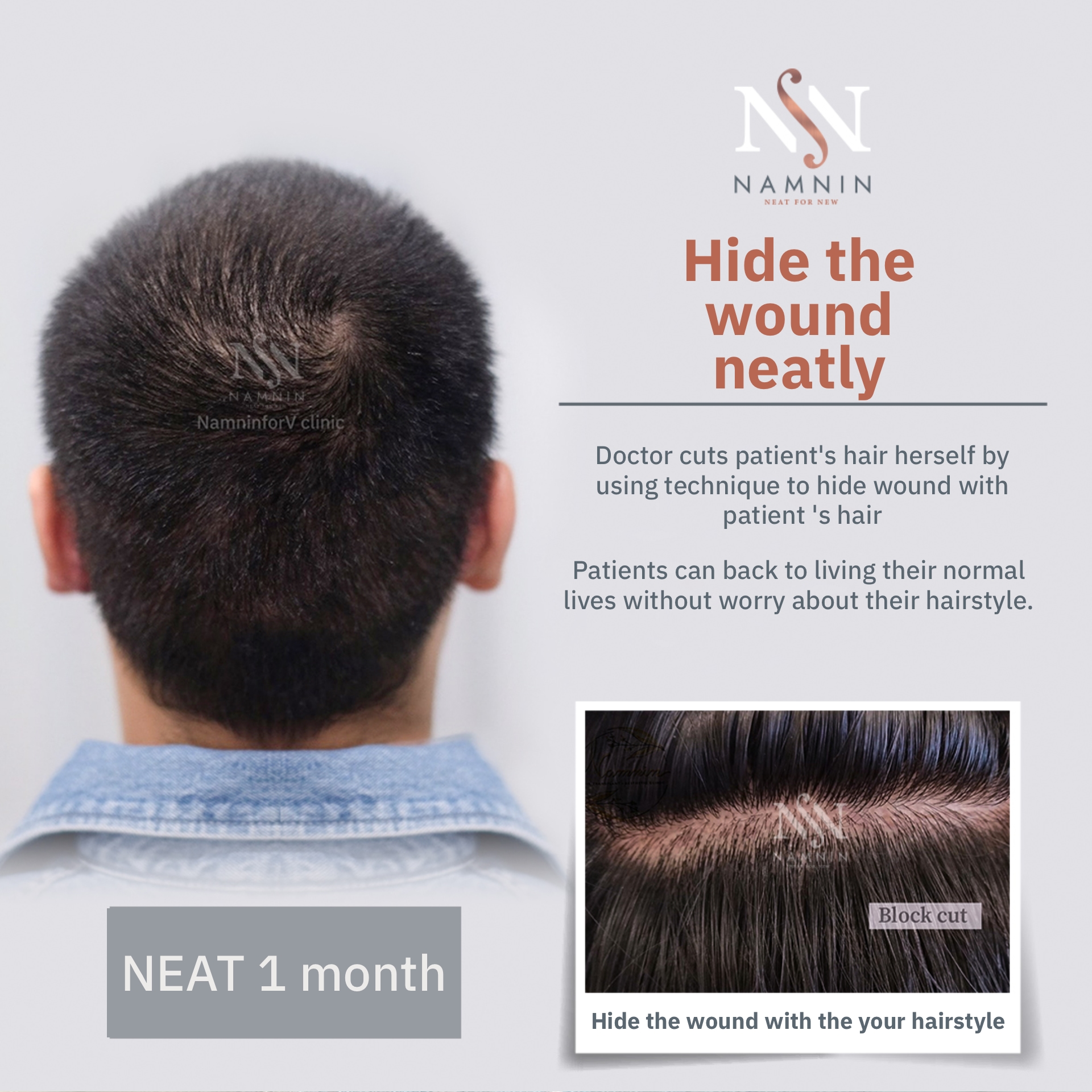
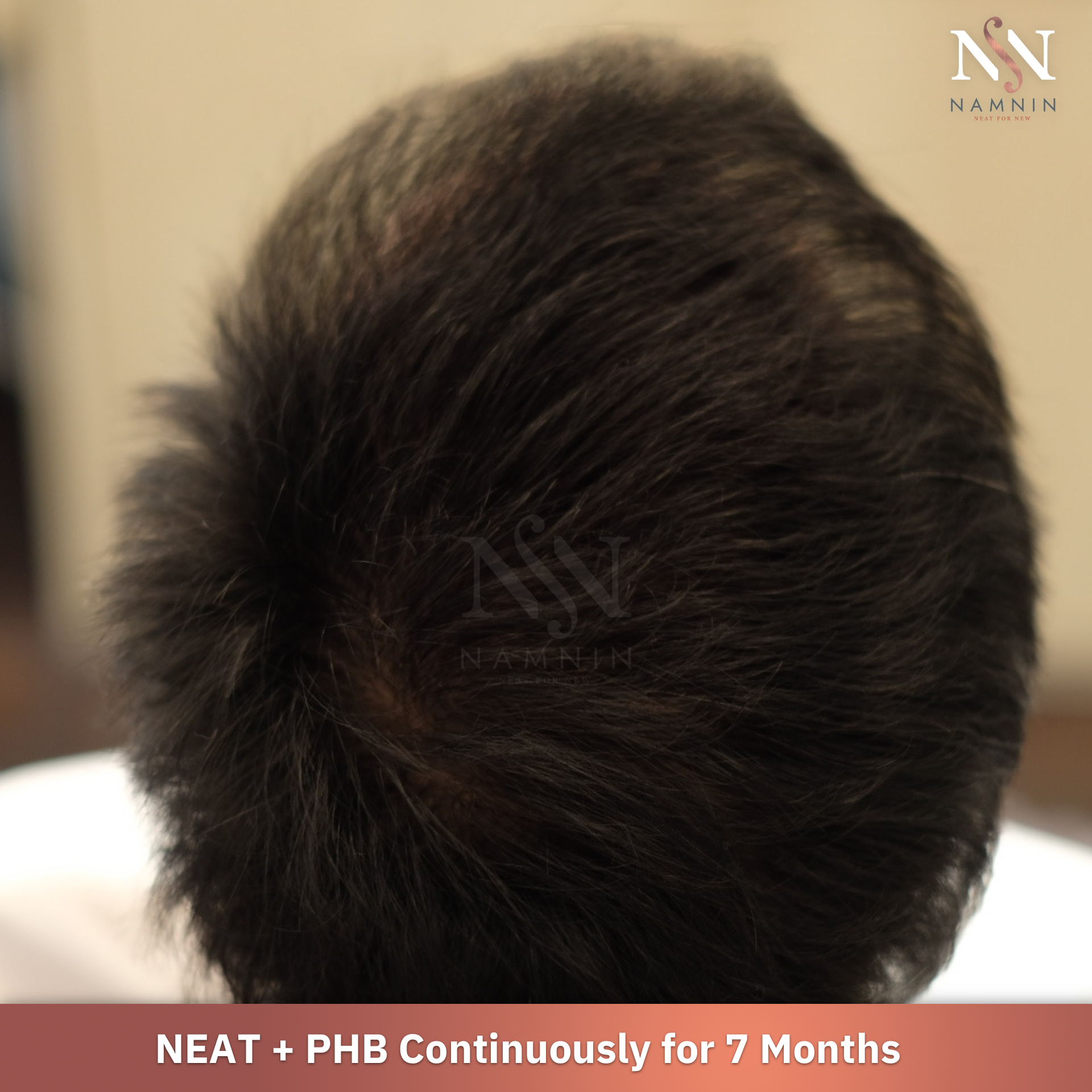
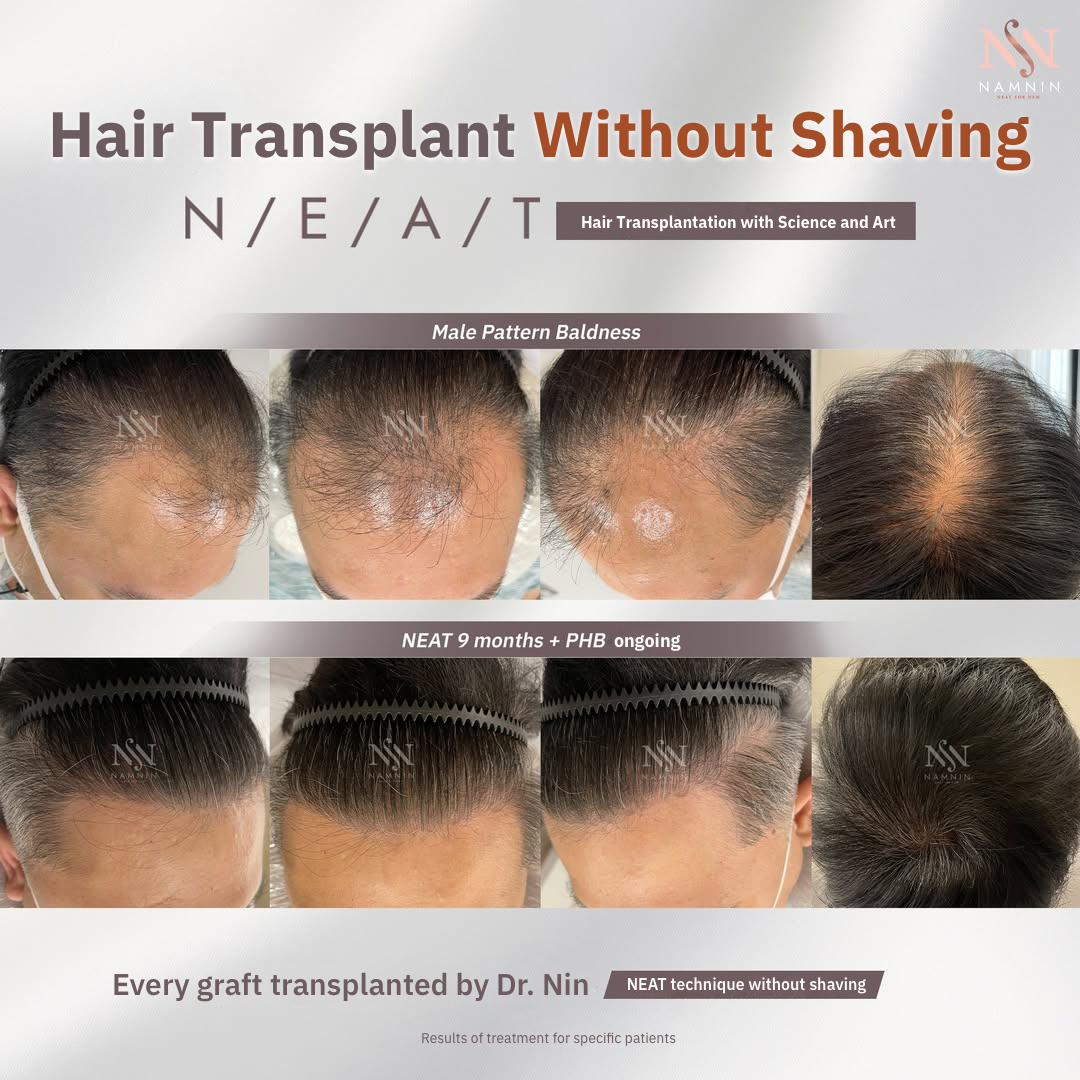
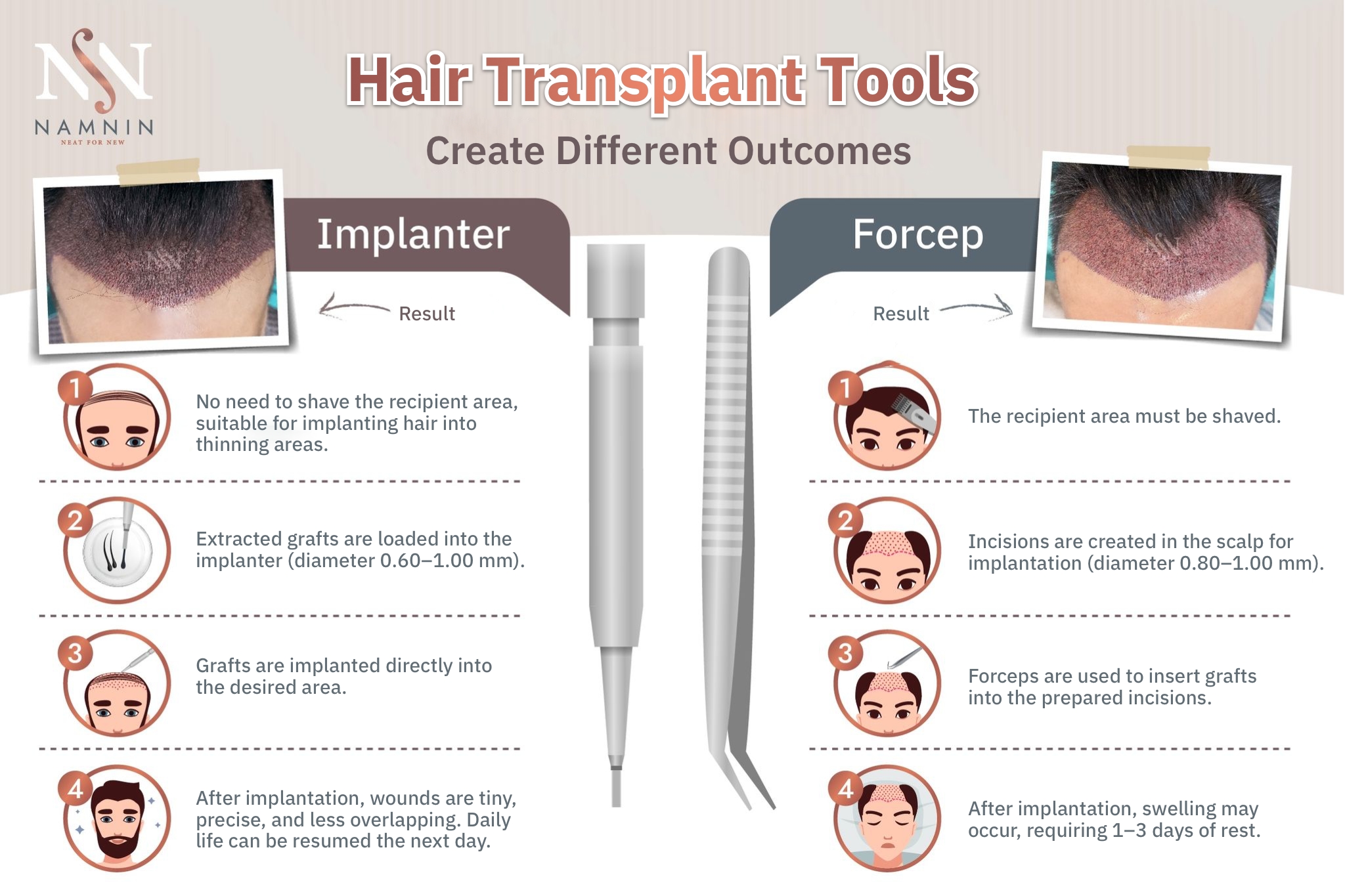
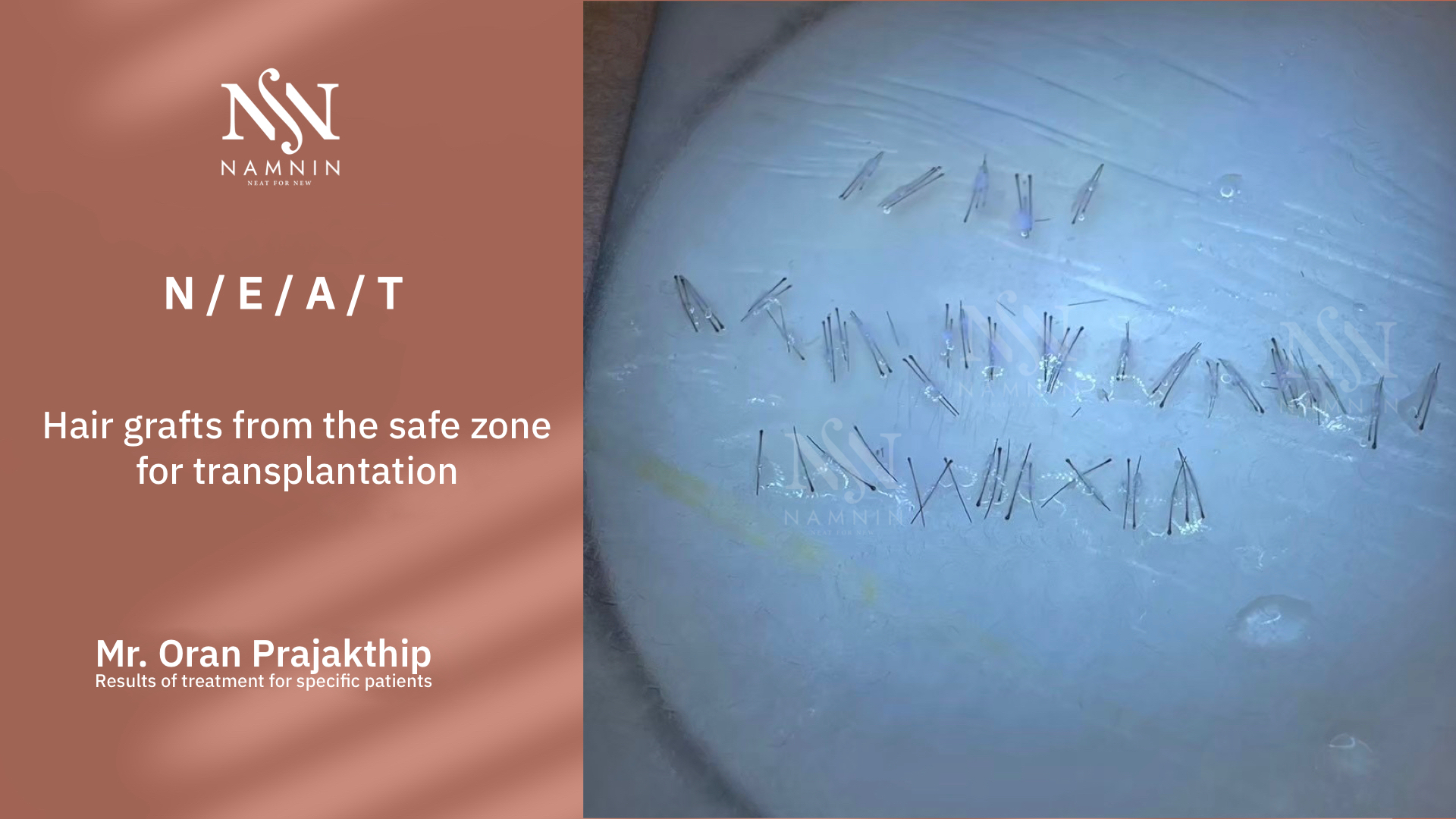
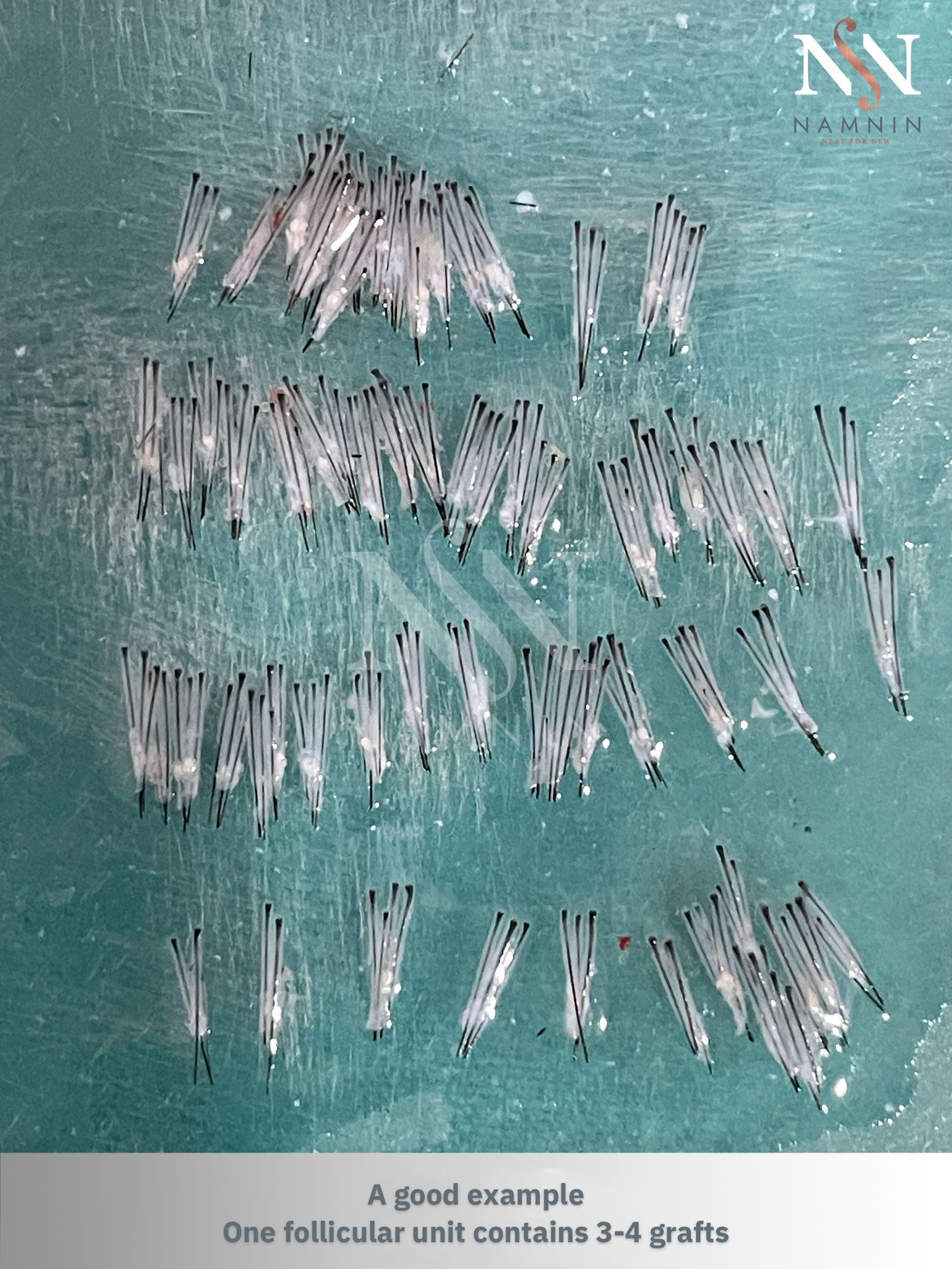
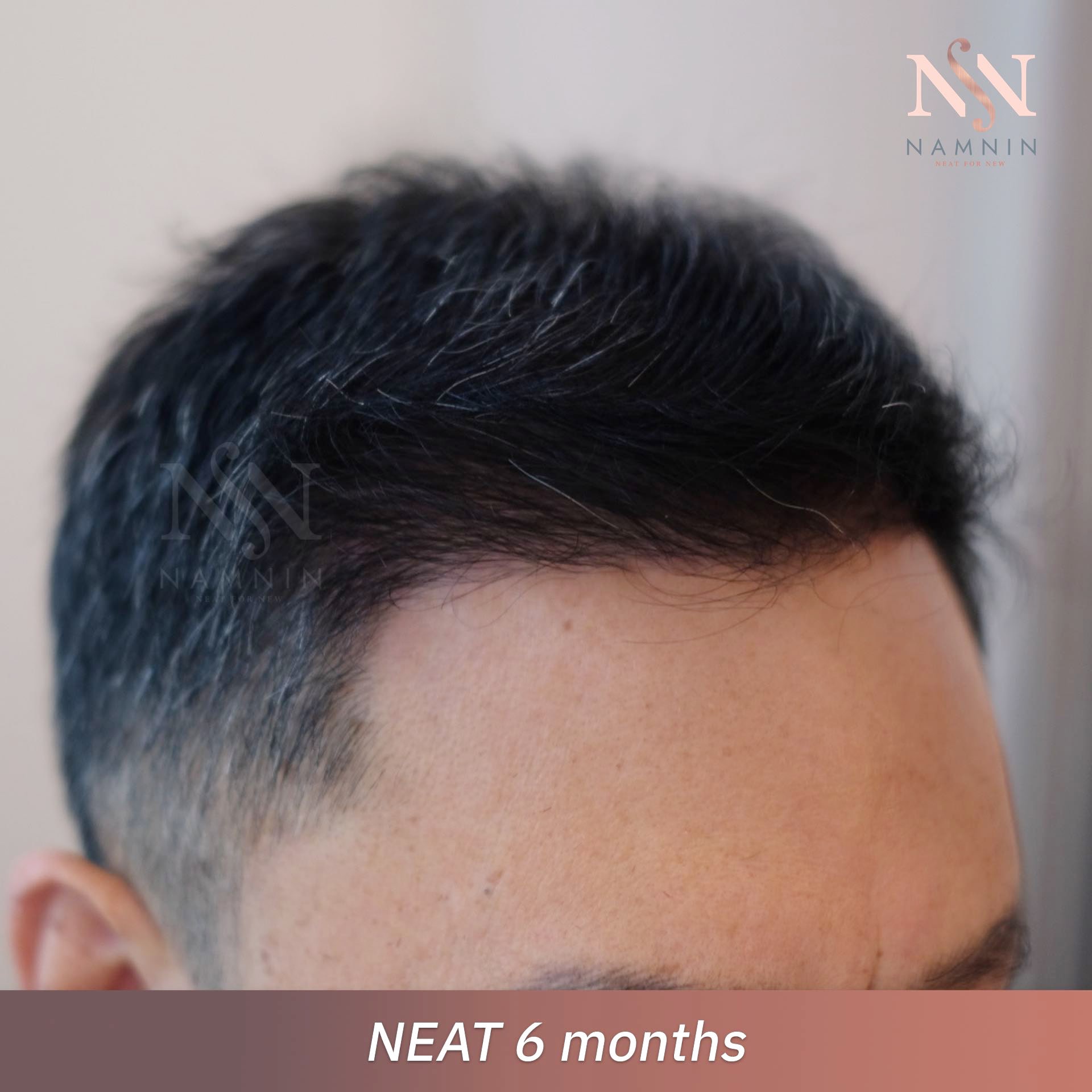
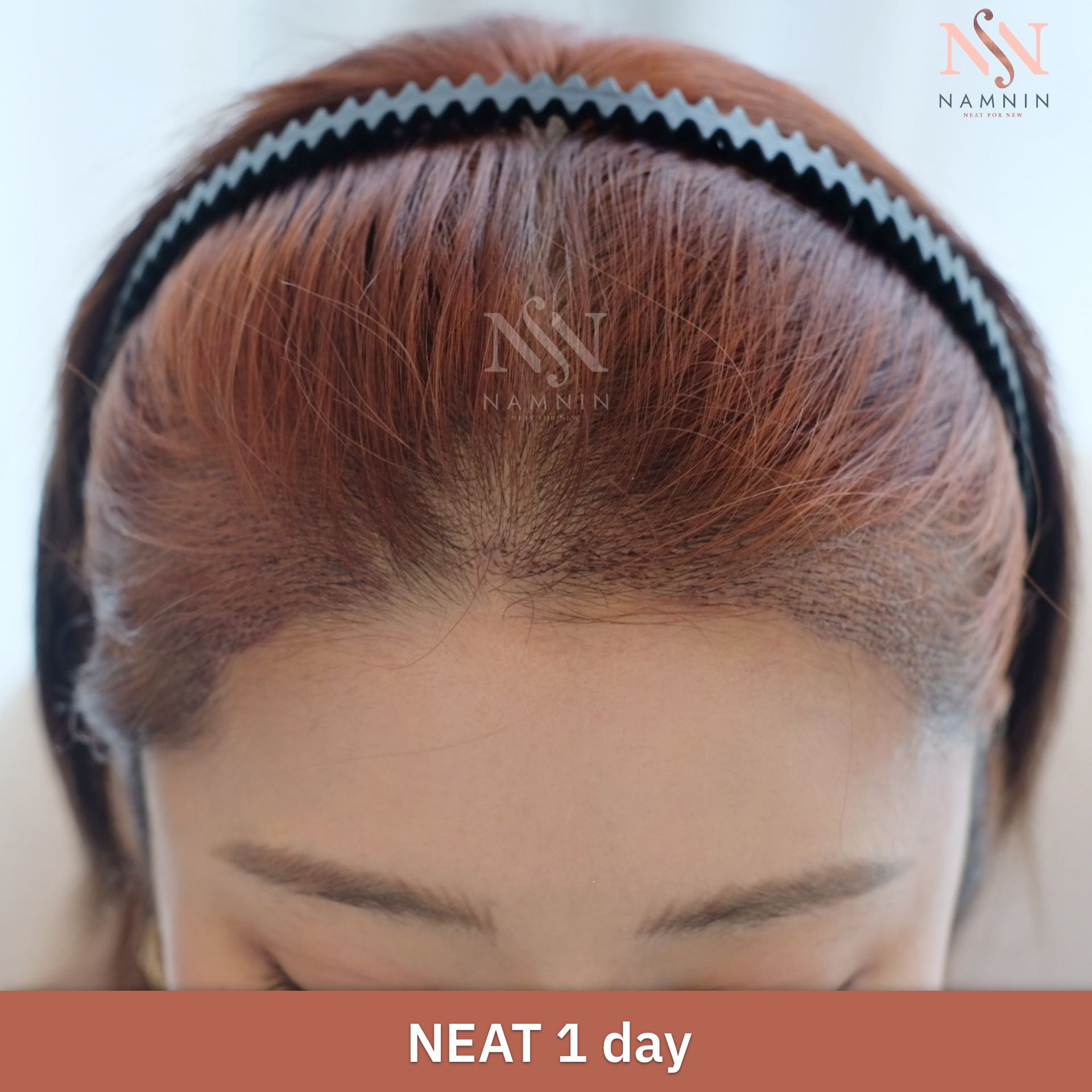
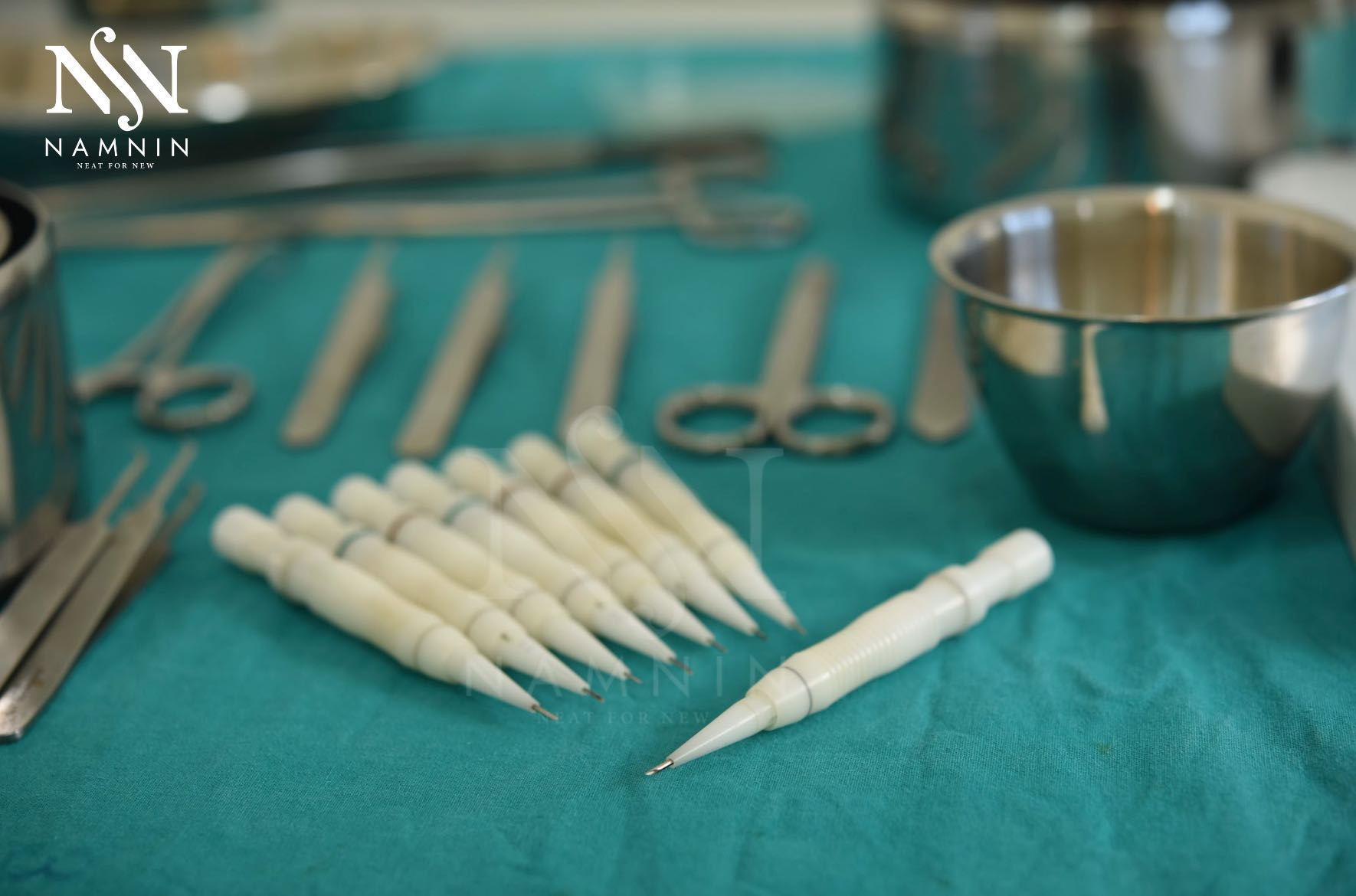
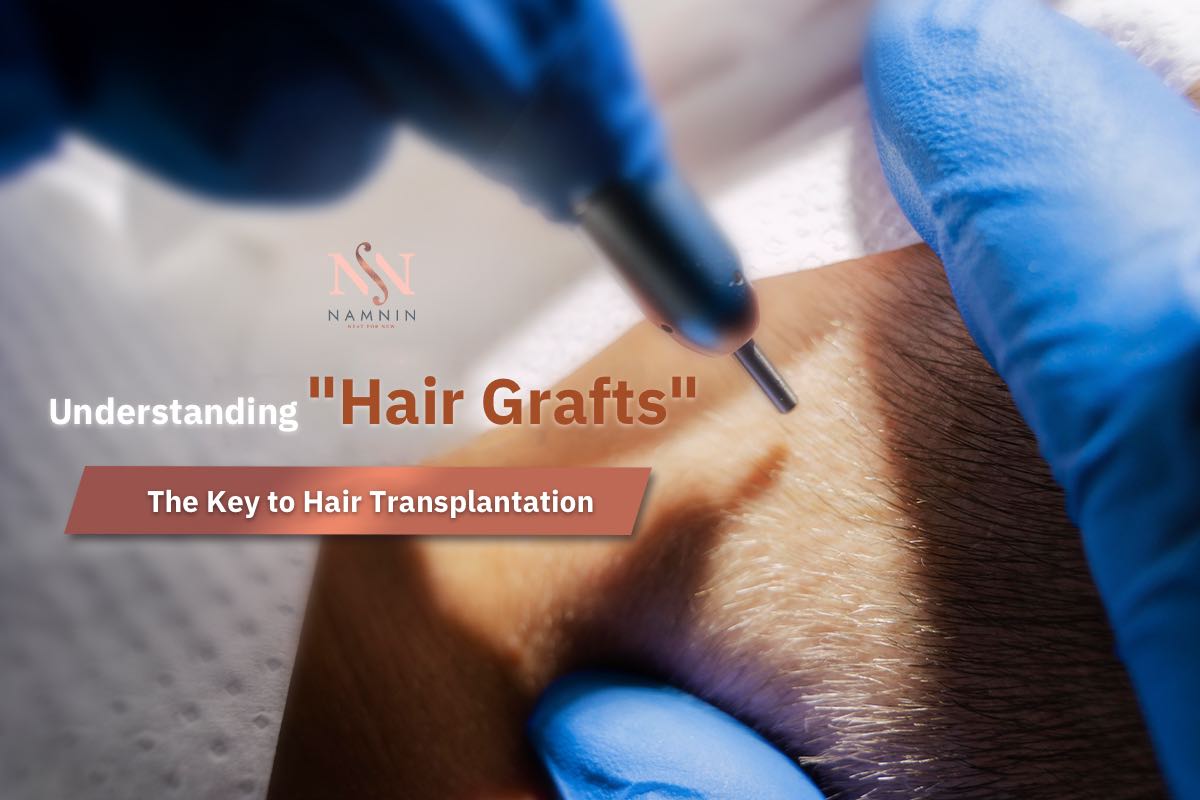
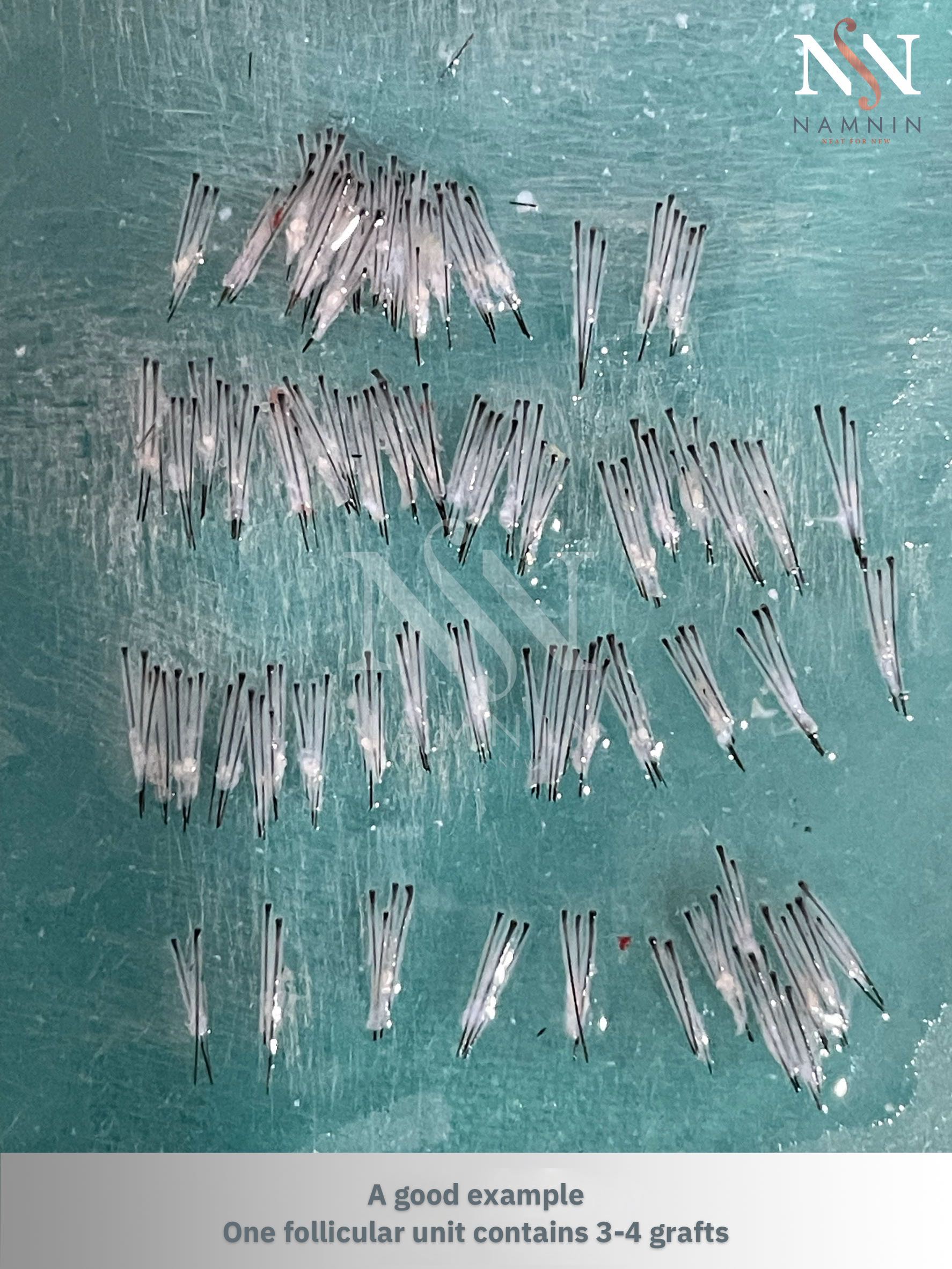
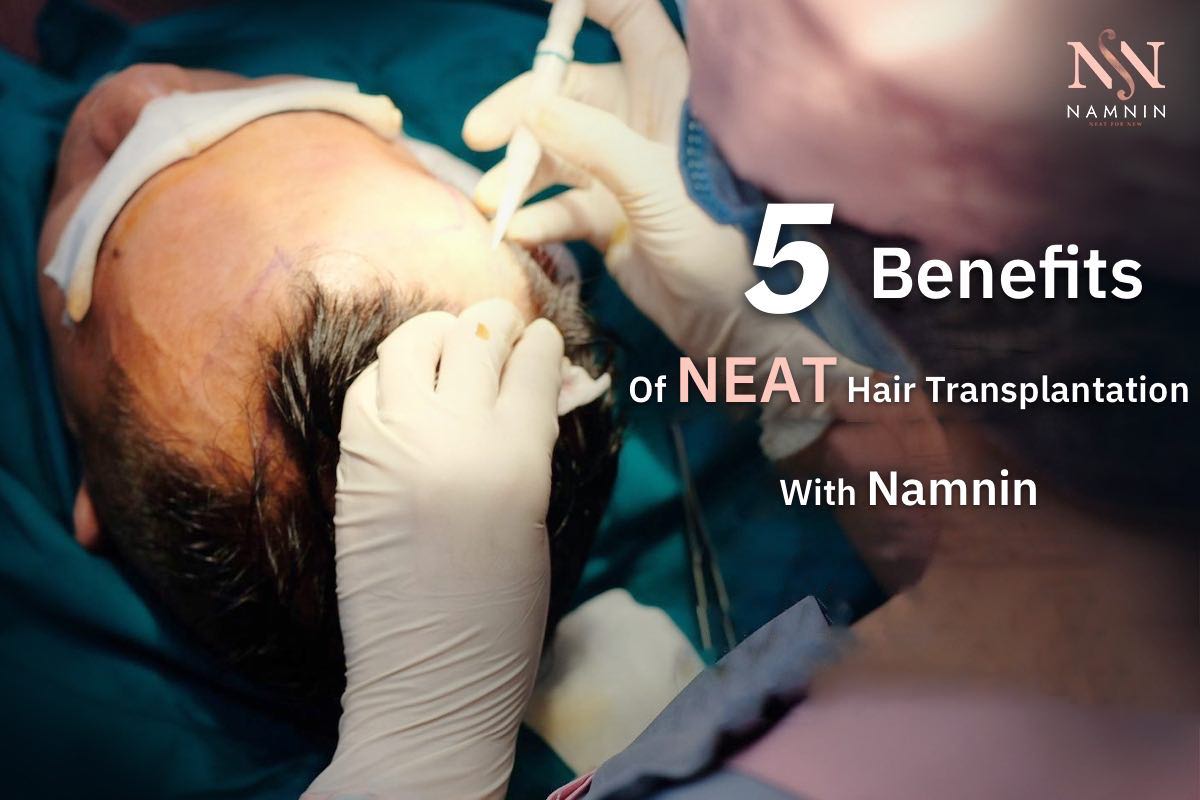
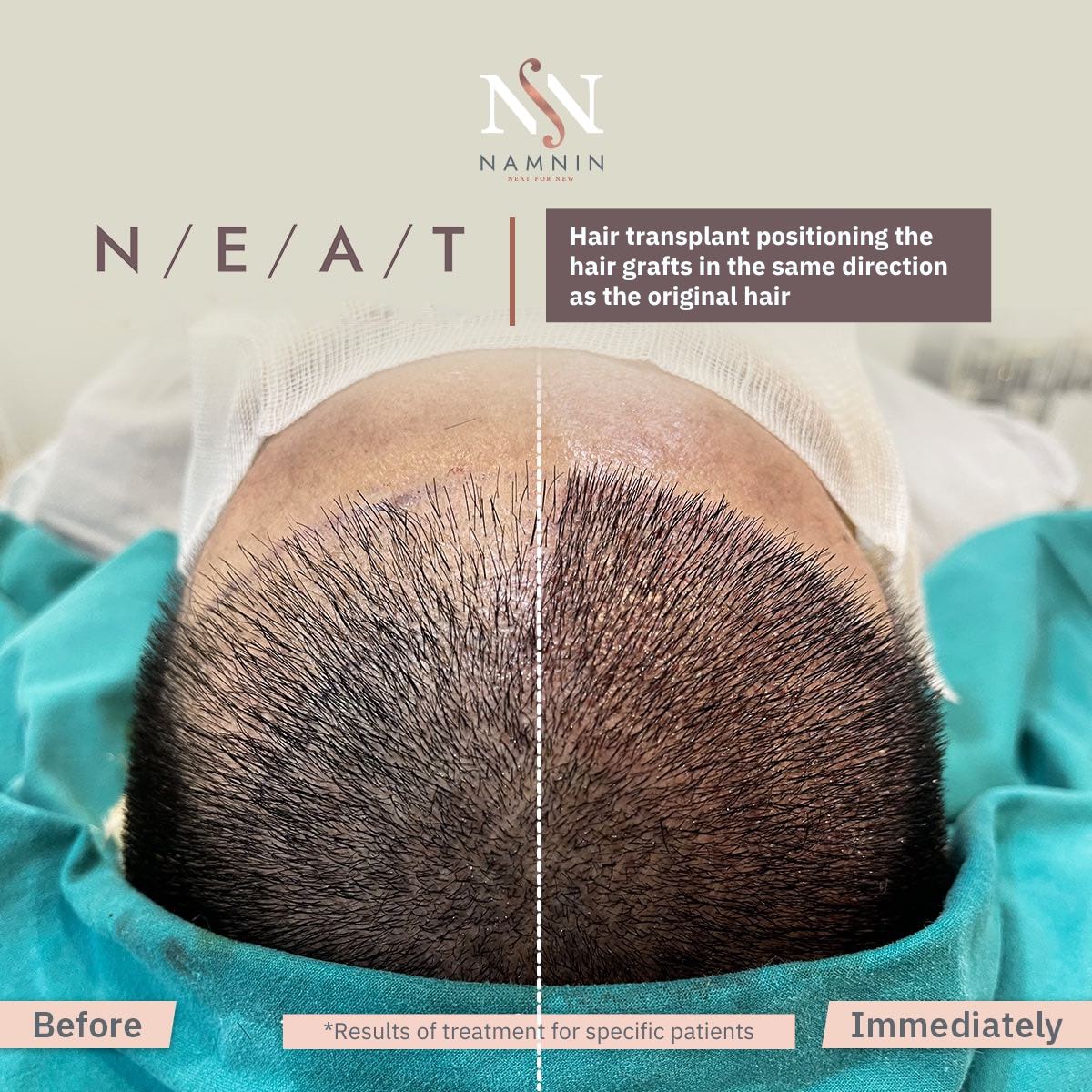
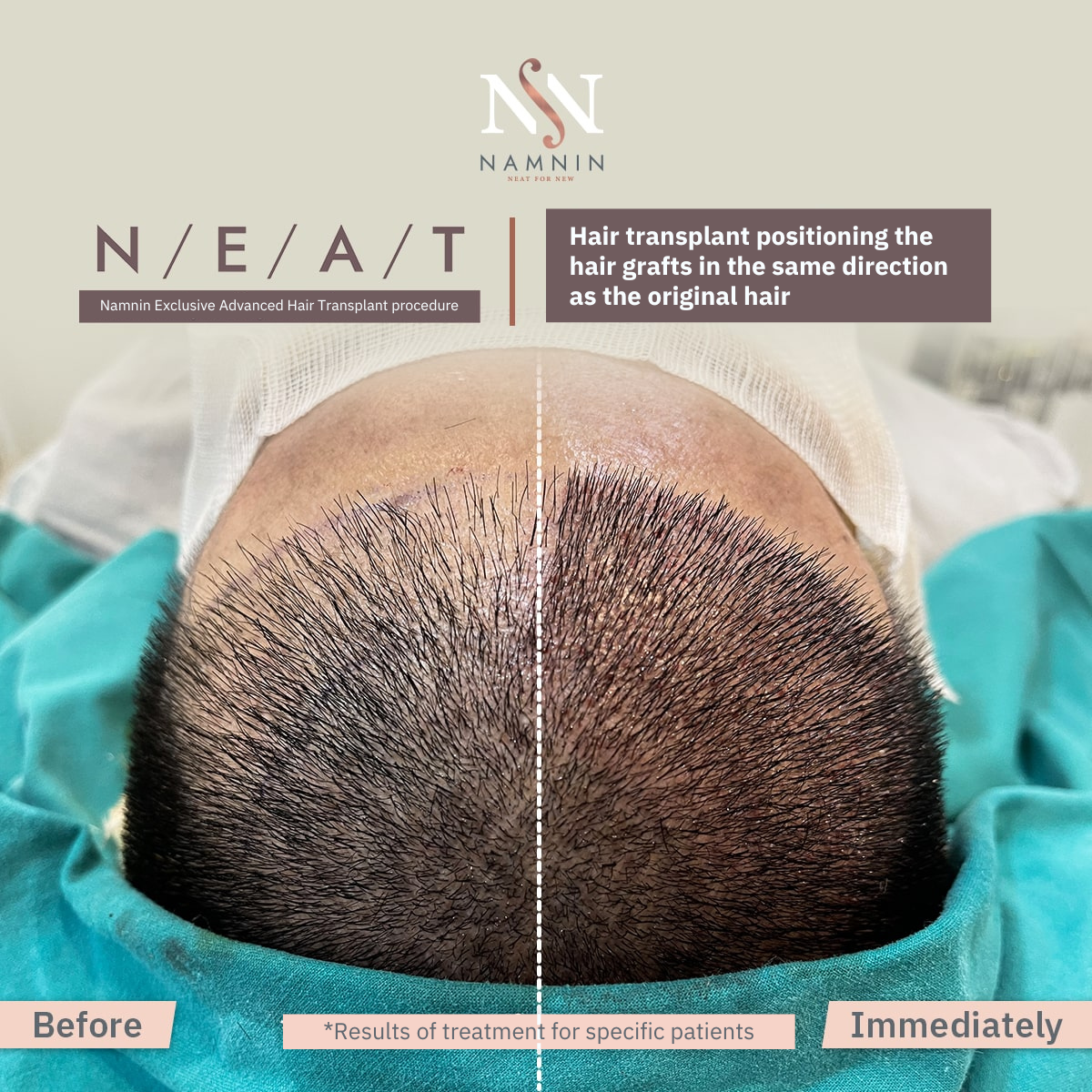
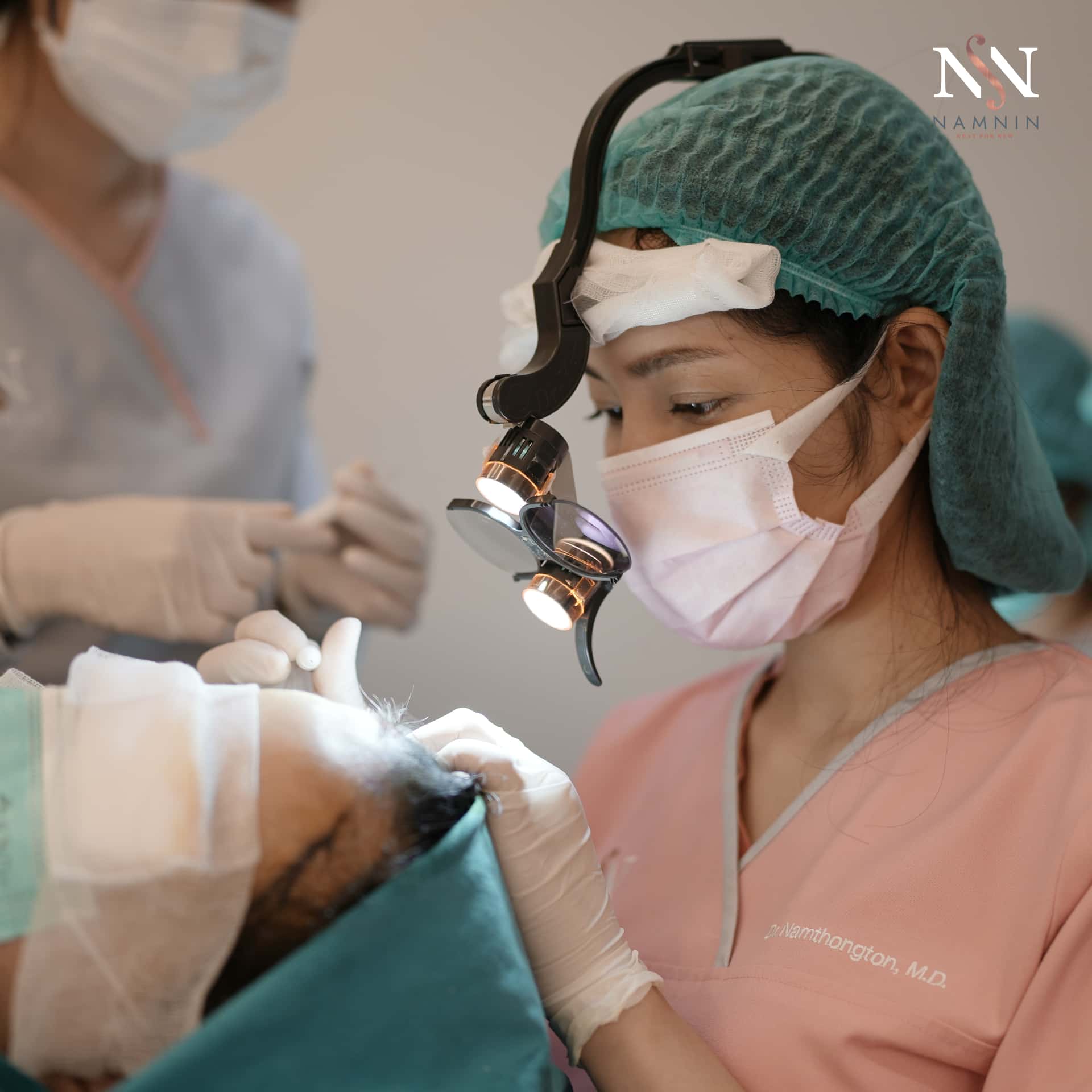
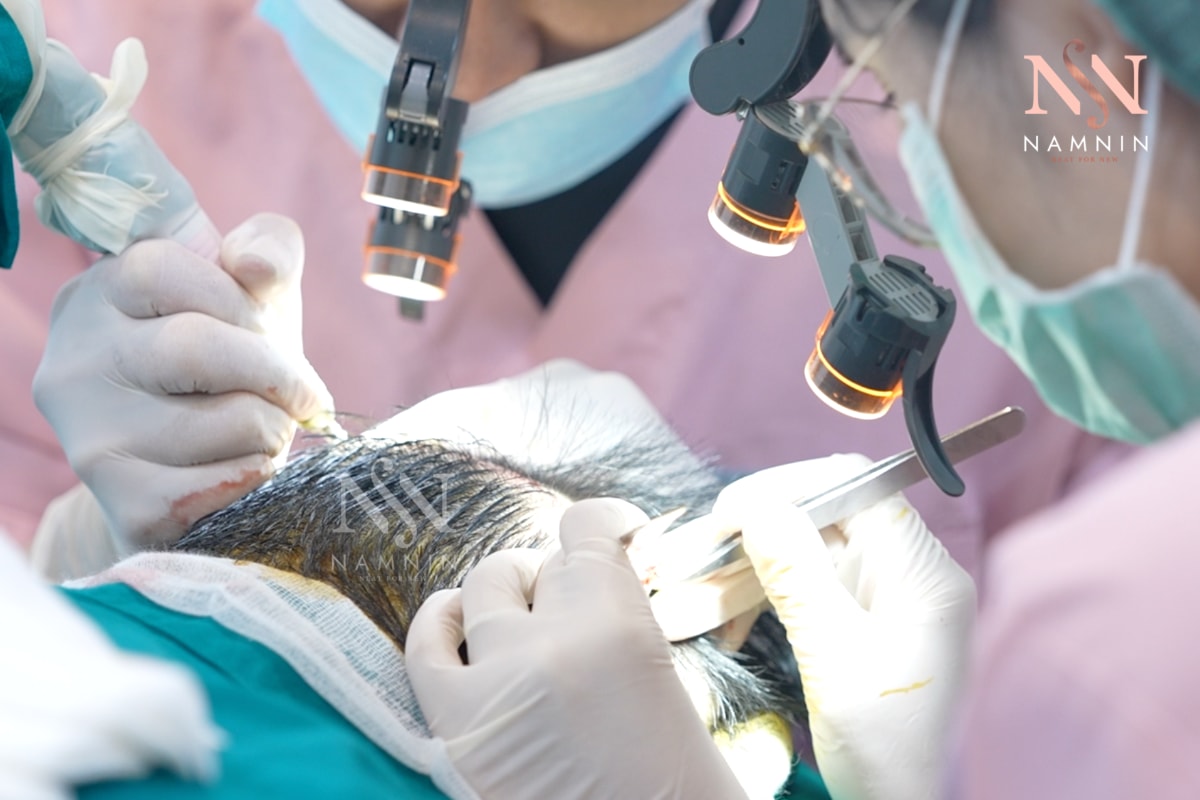
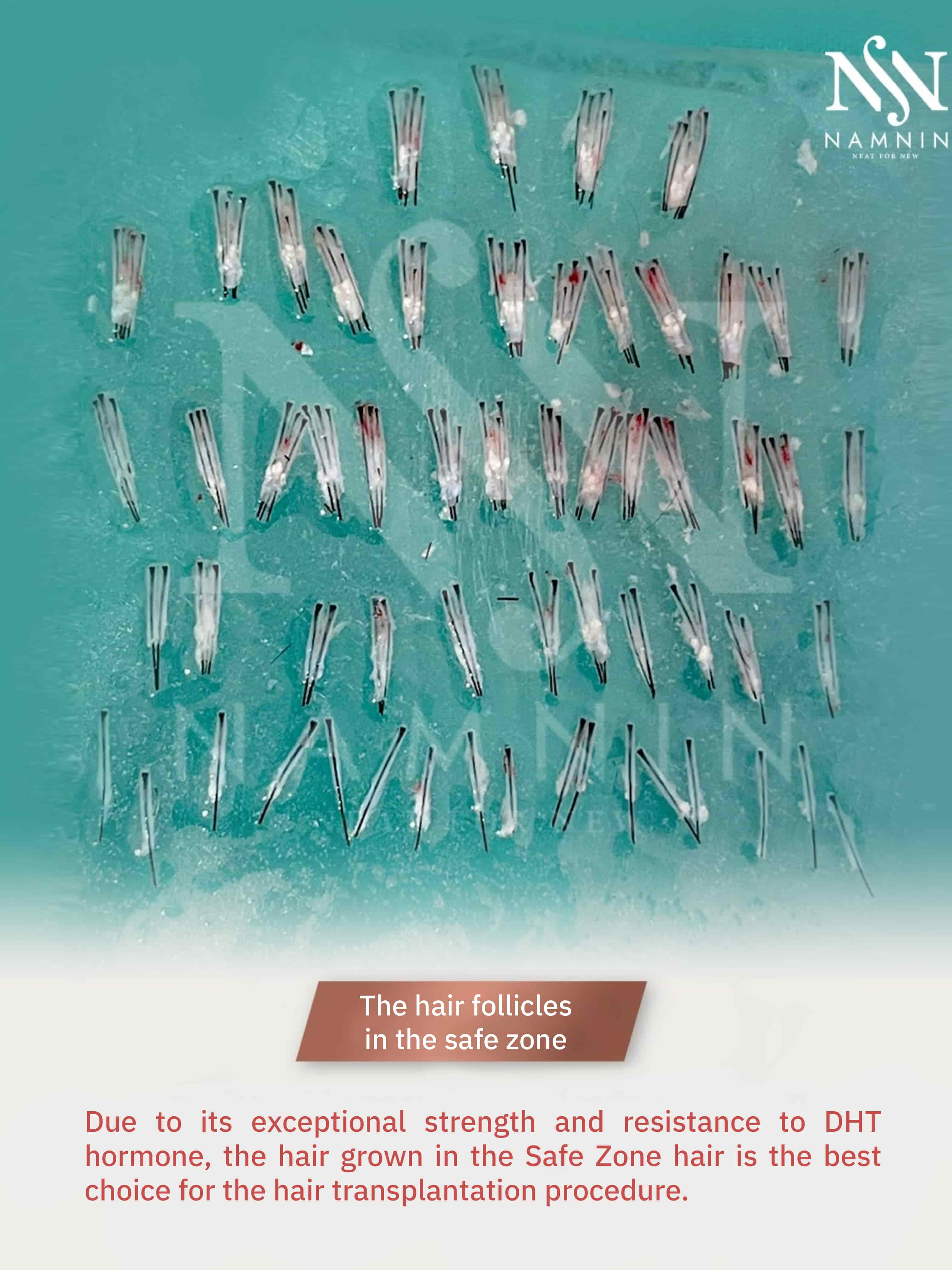
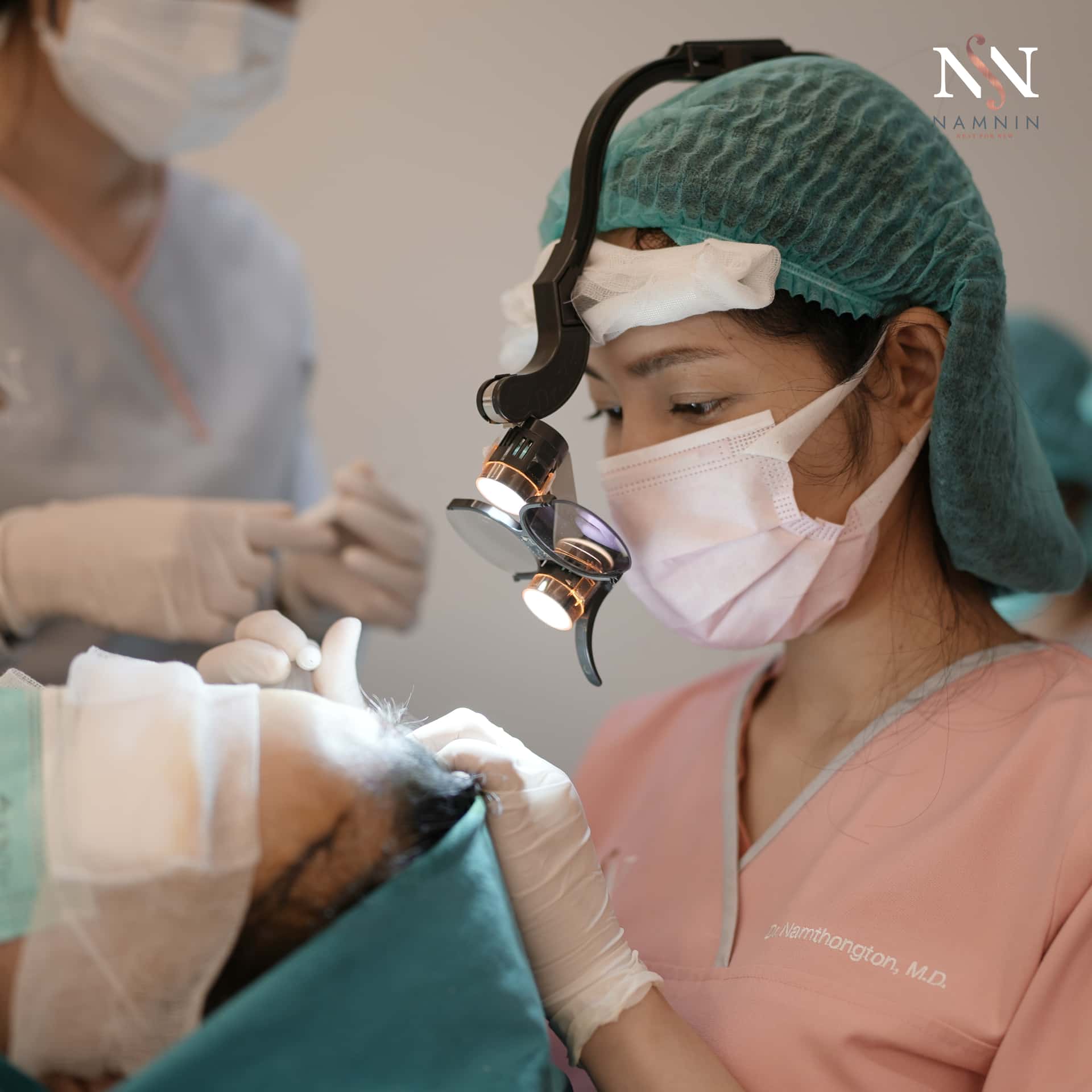
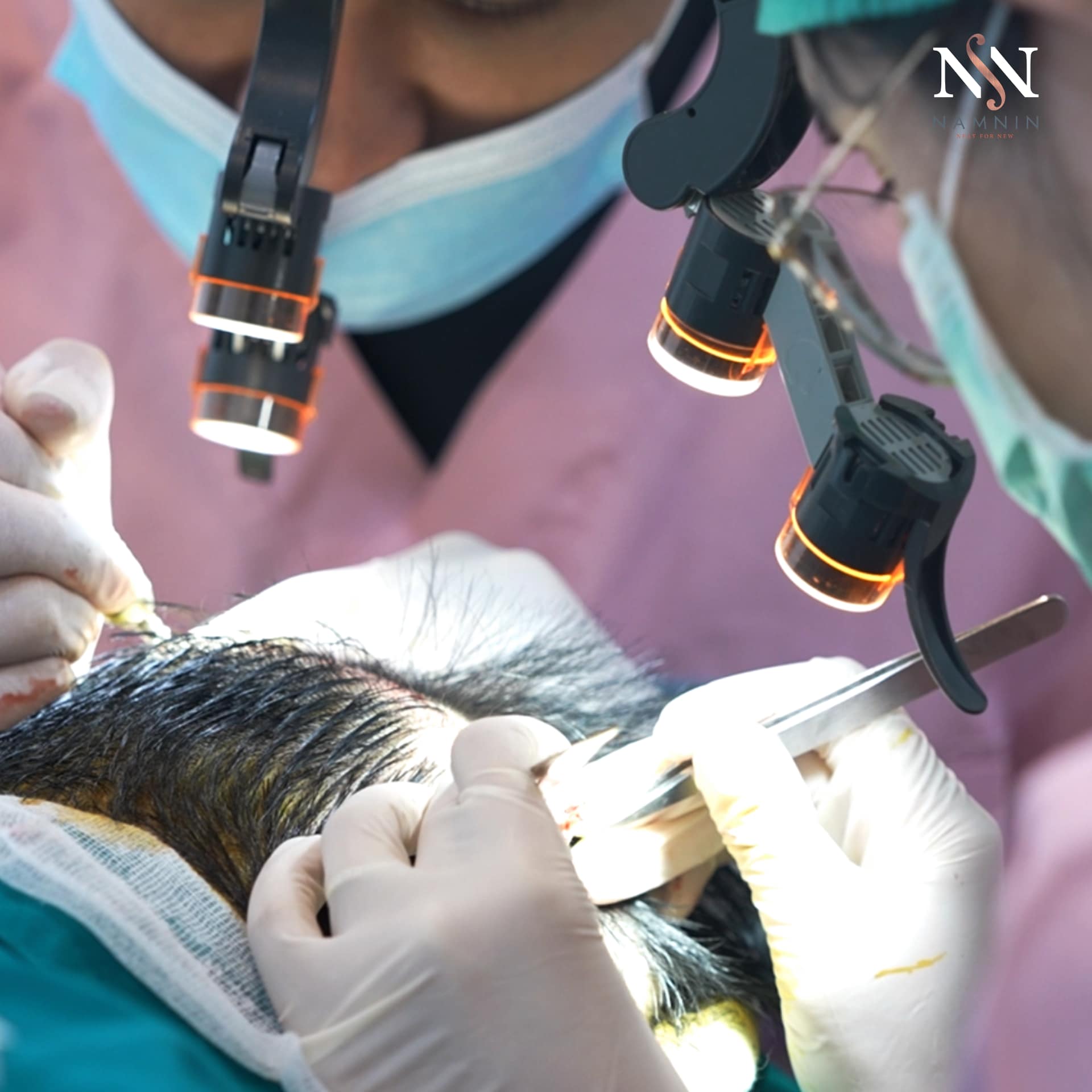
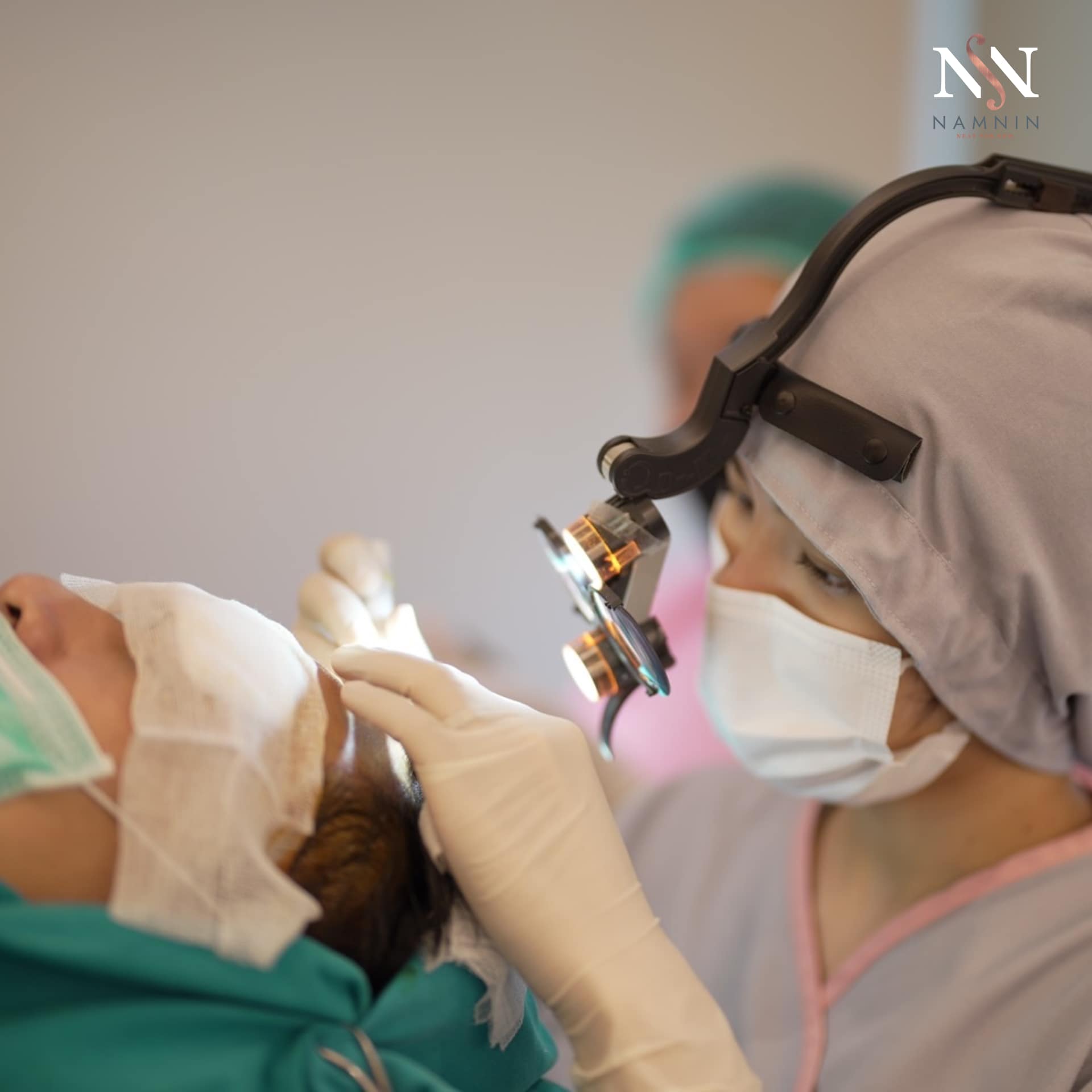
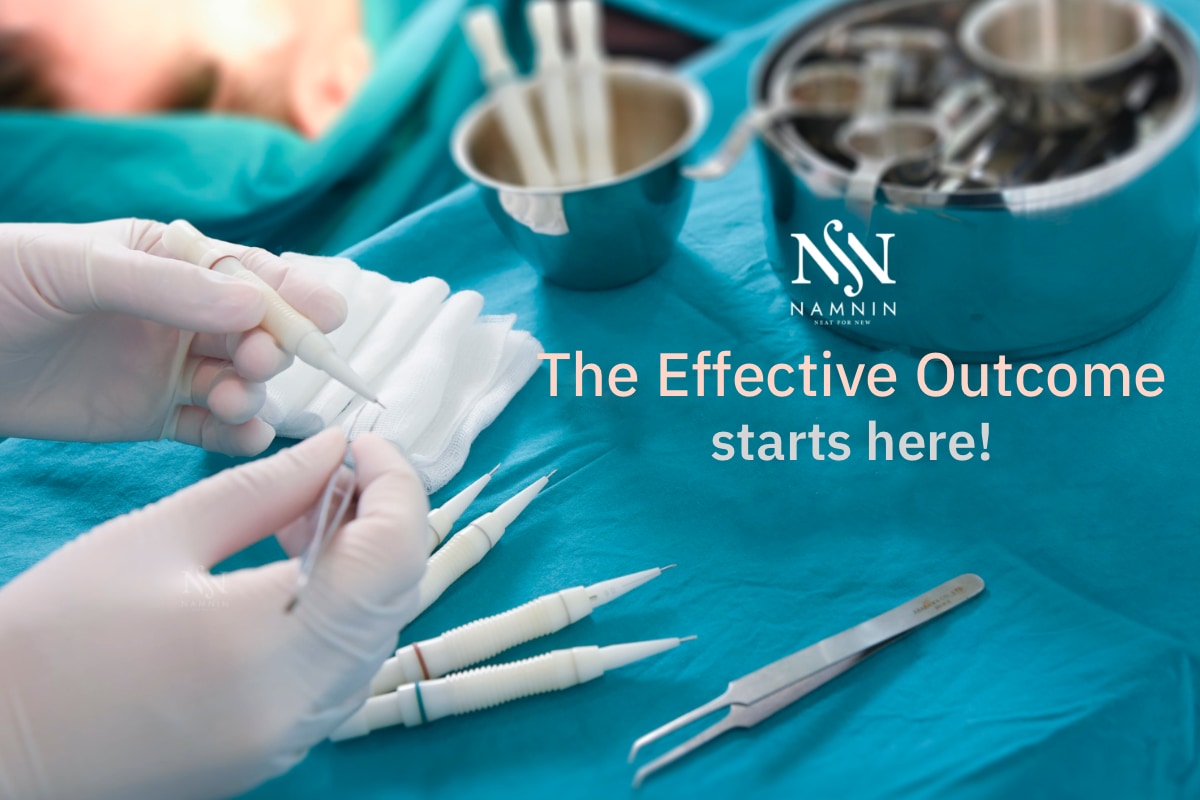
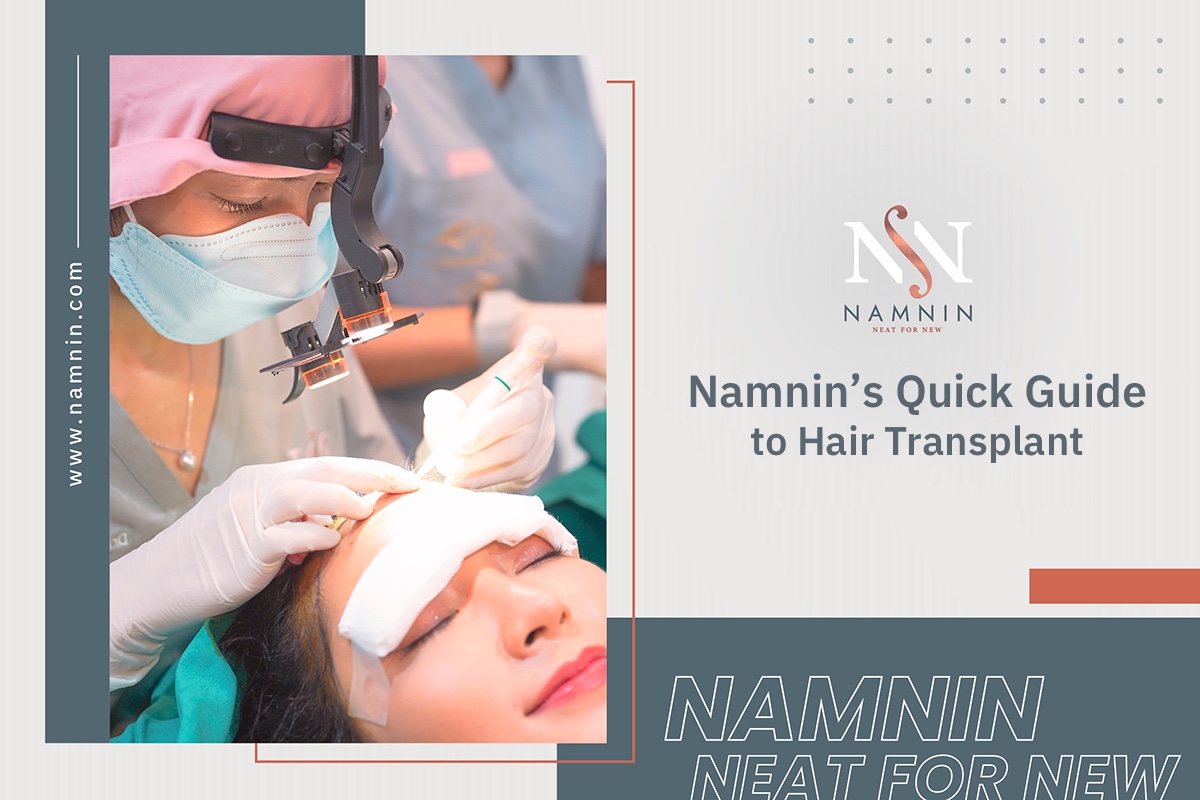
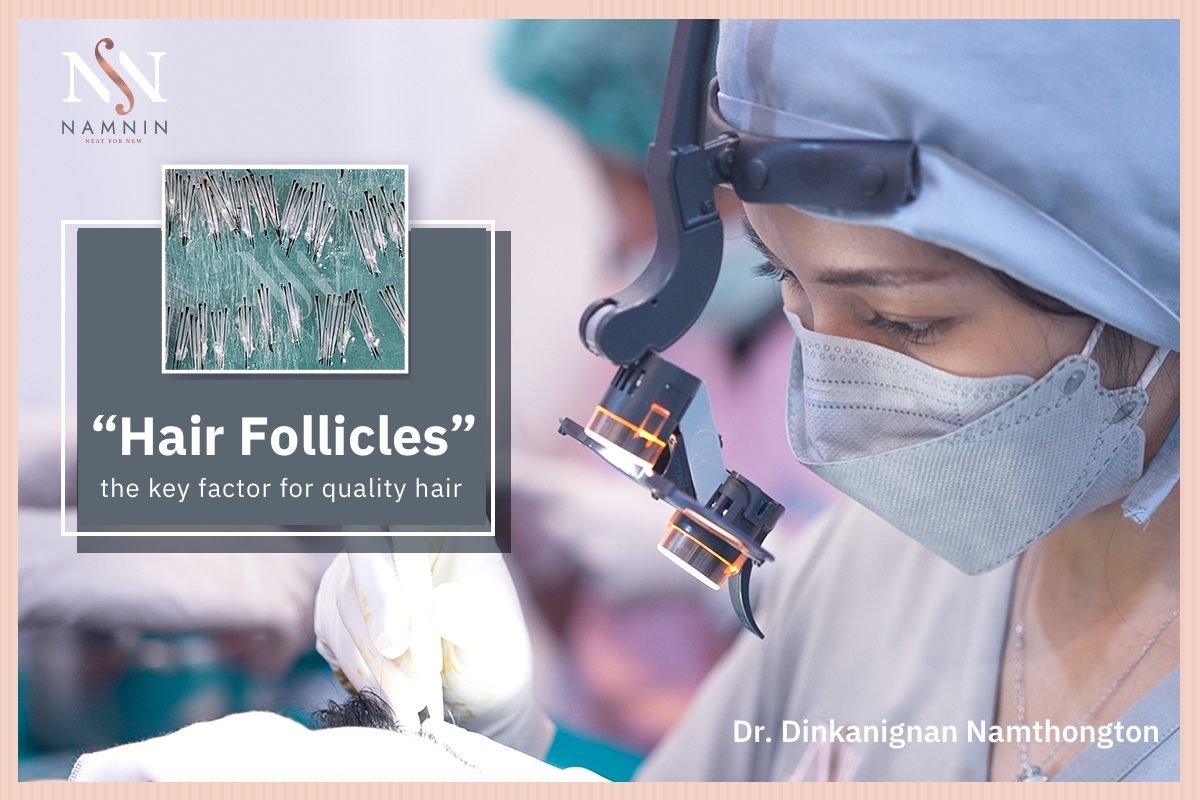
During the procedure, an approximately 0.6 mm implanter is used to implant each graft individually with precision. The angle, direction, and density of every graft are carefully controlled to closely match the patient's original hair growth pattern.
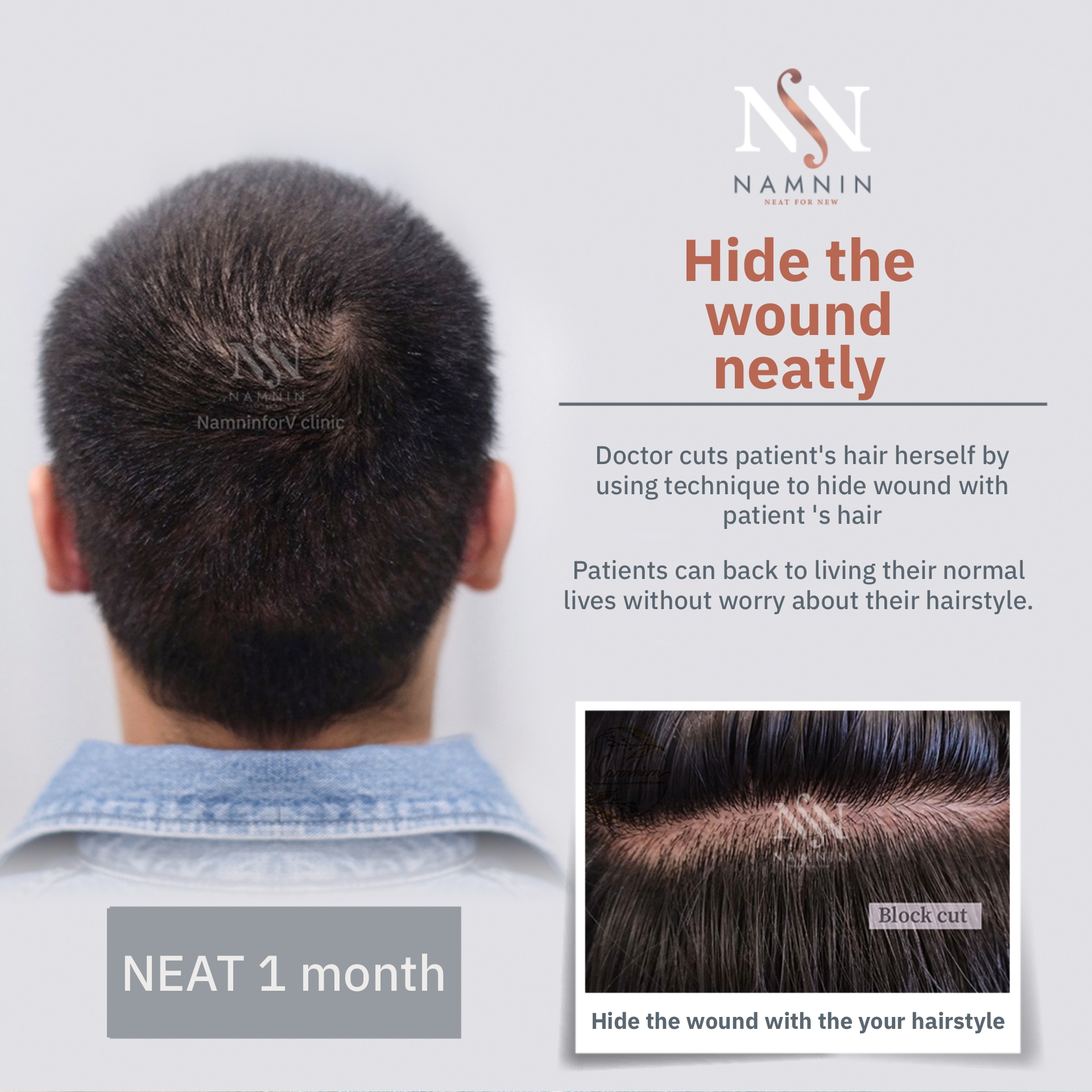
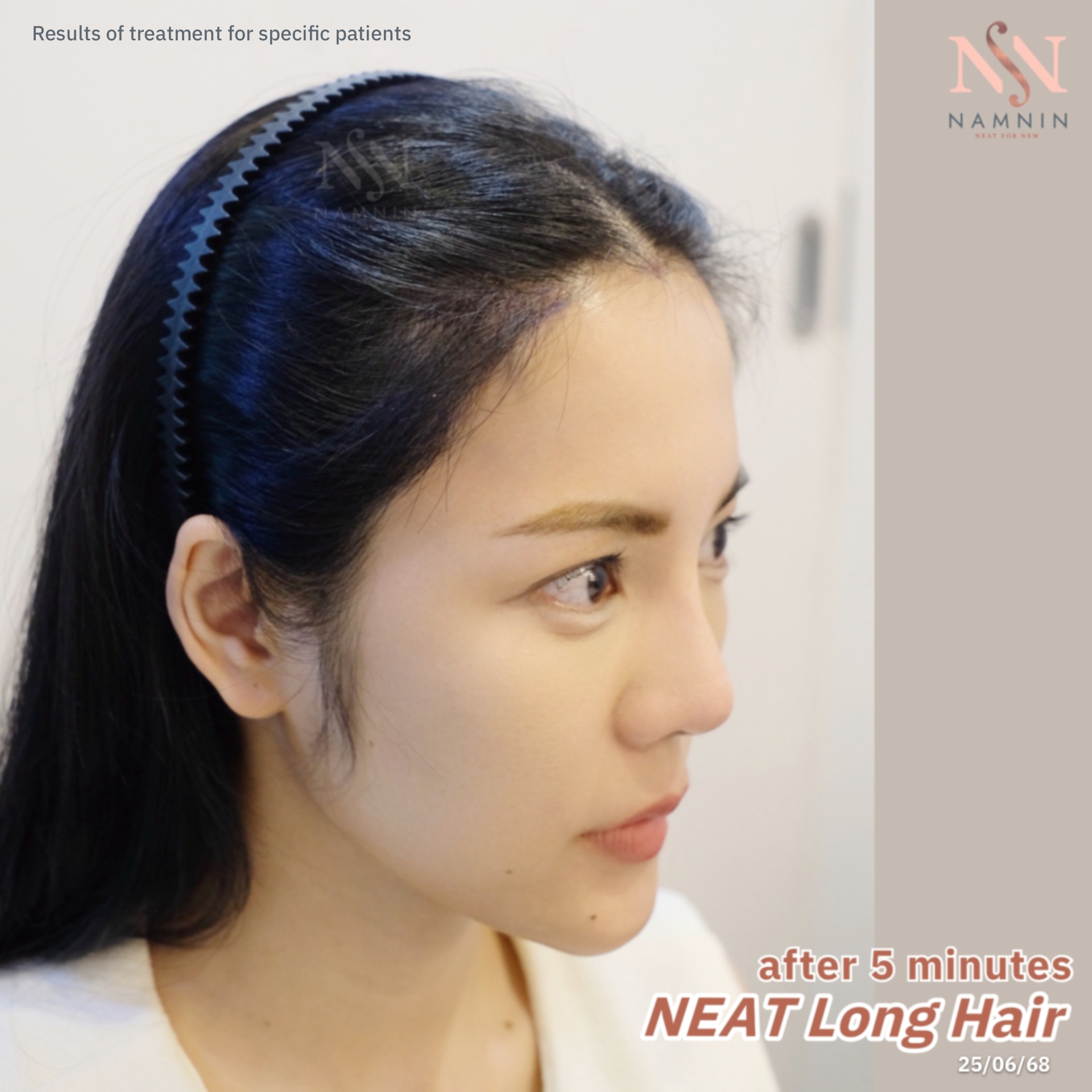
The result is not merely a fuller hairline, but a facial frame that appears softer, more balanced, and naturally harmonious.
Frequently Asked Questions (FAQ)
Q: How often does wearing a ponytail become a risk?
A: There is no exact threshold. However, wearing a tightly pulled hairstyle every day for more than 3 to 6 months significantly increases the risk of developing early inflammatory changes, particularly in individuals with more vulnerable hair follicles.
Q: Can Traction Alopecia resolve on its own?
A: During the early stage, hair follicles may recover within 3 to 6 months if the source of tension is eliminated. Once fibrosis has developed, however, medical treatment becomes necessary.
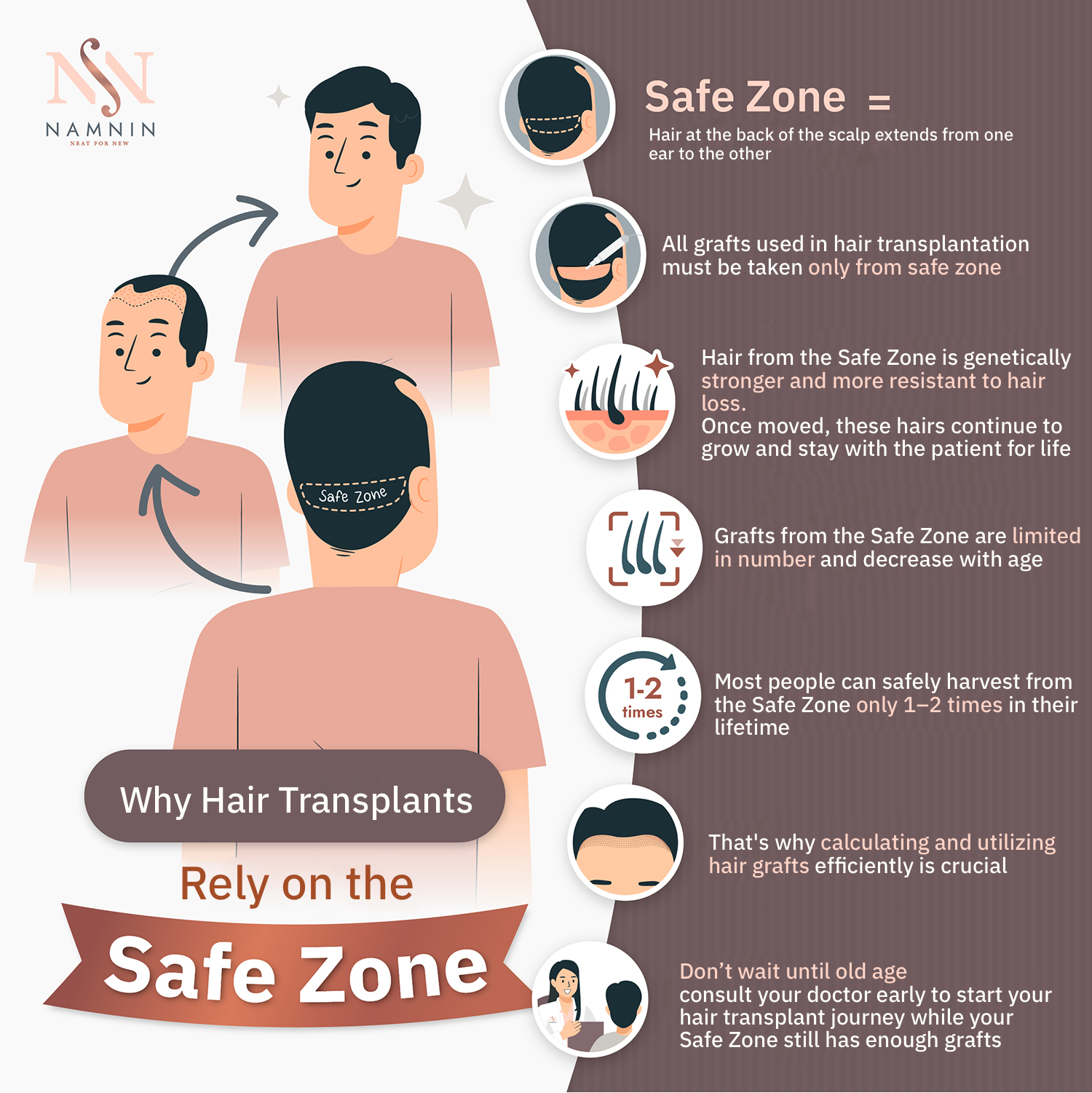
Q: Is hair transplantation suitable for everyone?
A: Suitability depends on the amount of donor hair available and the overall condition of the scalp. A consultation with a hair restoration physician is recommended to determine the most appropriate treatment for each individual.
Conclusion: Listen to What Your Scalp Is Telling You
Healthy hair is more than an element of outward beauty. It reflects the long term health of your hair follicles.
Paying attention to subtle warning signs such as scalp tightness, tenderness, or changes in your baby hairs, and seeking appropriate care during the early stages, may help preserve your natural hair before permanent damage occurs.
Should hairline restoration become necessary in the future, choosing a technique that combines medical science with the artistry of aesthetic design is essential for achieving results that appear beautifully natural.