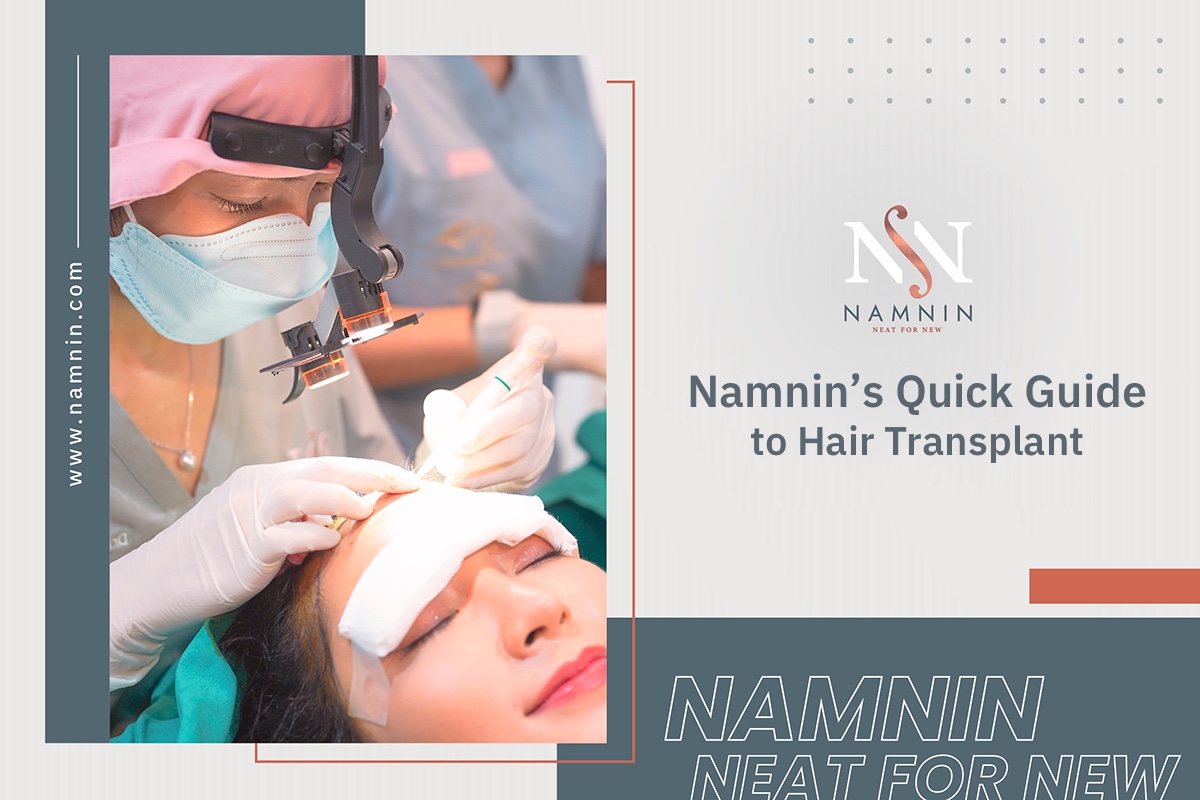
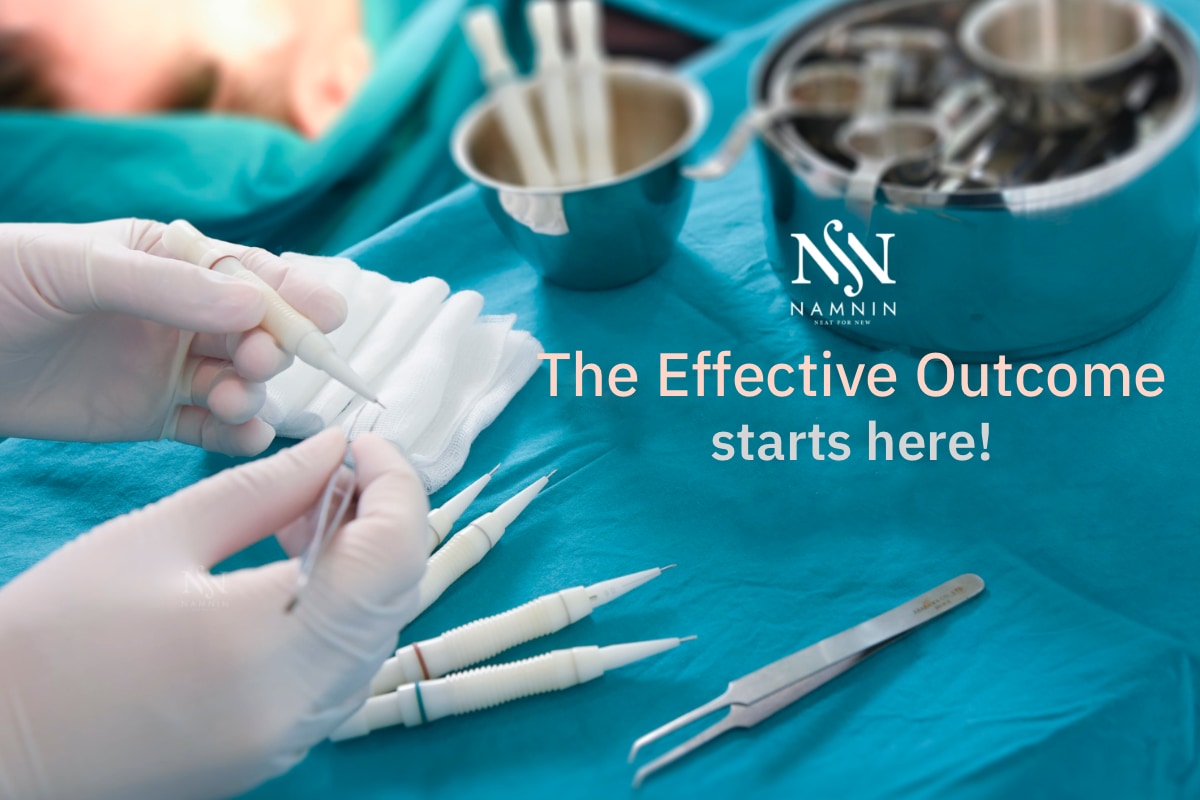
Hair transplantation is not based solely on artistic aesthetics. It is a medical procedure that requires specialized medical expertise and an in depth understanding of hair science. Although hair is something we encounter every day, few people truly understand its structure or growth cycle, both of which directly influence the treatment plan your doctor will design specifically for you.
At Namnin Clinic, we created Hairology101 to help you understand the fundamentals of hair and scalp science before deciding to undergo a hair transplant. This knowledge will make it easier to communicate with your doctor, better understand a complex treatment plan, and most importantly, determine whether your hair transplant will be one of the most worthwhile investments of your life. A solid understanding of these concepts also helps you set realistic expectations based on established medical evidence.
Four Essential Terms Before Hair Transplantation
Simply understanding these key terms will help you follow your doctor's explanations and better visualize the complex world of hair and scalp biology.
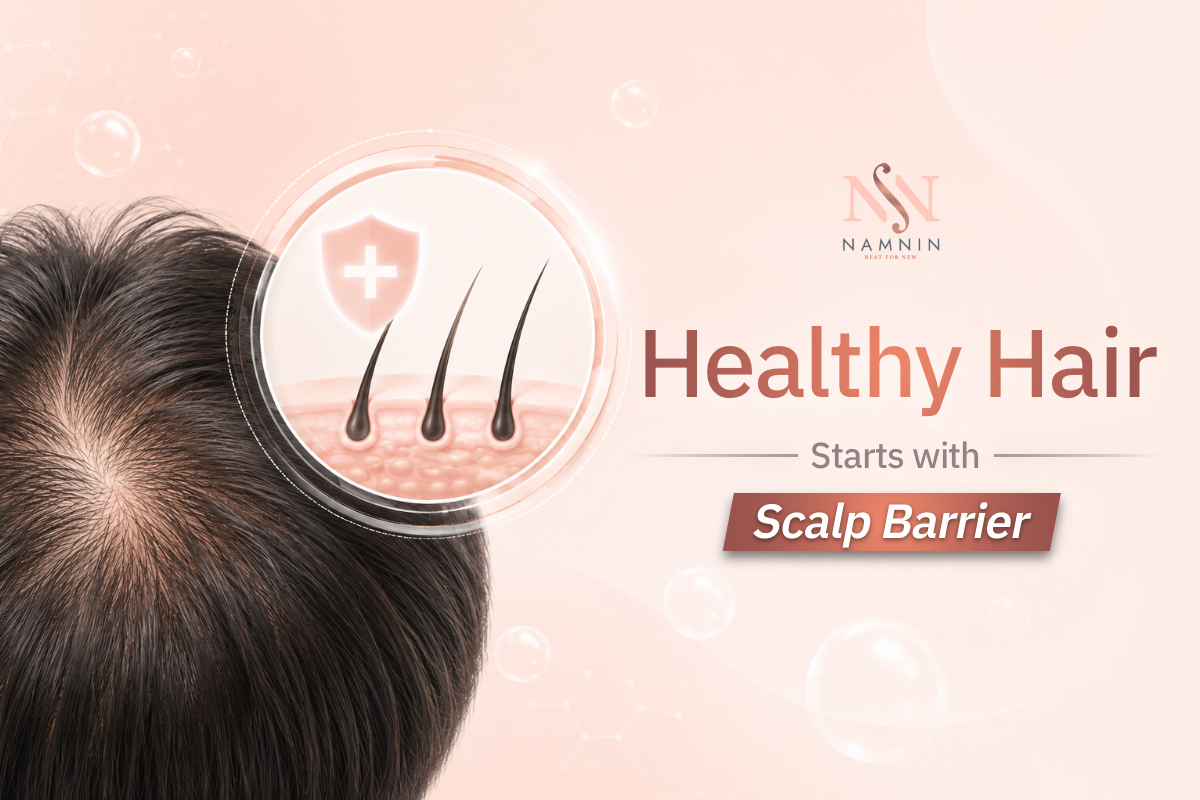
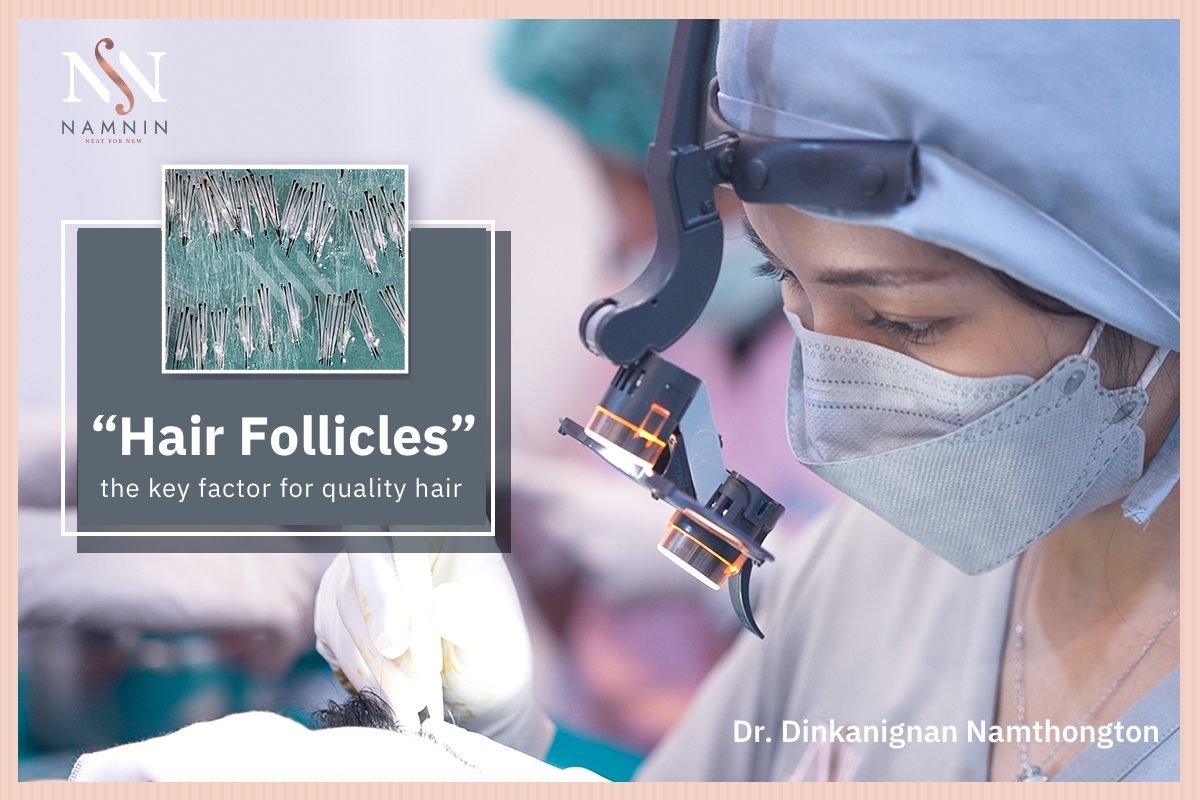
A hair follicle is a tiny cylindrical structure located deep within the dermis that surrounds the hair root. Each follicle produces one individual hair shaft.
Hair does not naturally grow as individual strands scattered across the scalp. Instead, it grows in naturally occurring anatomical groups called Follicular Units.
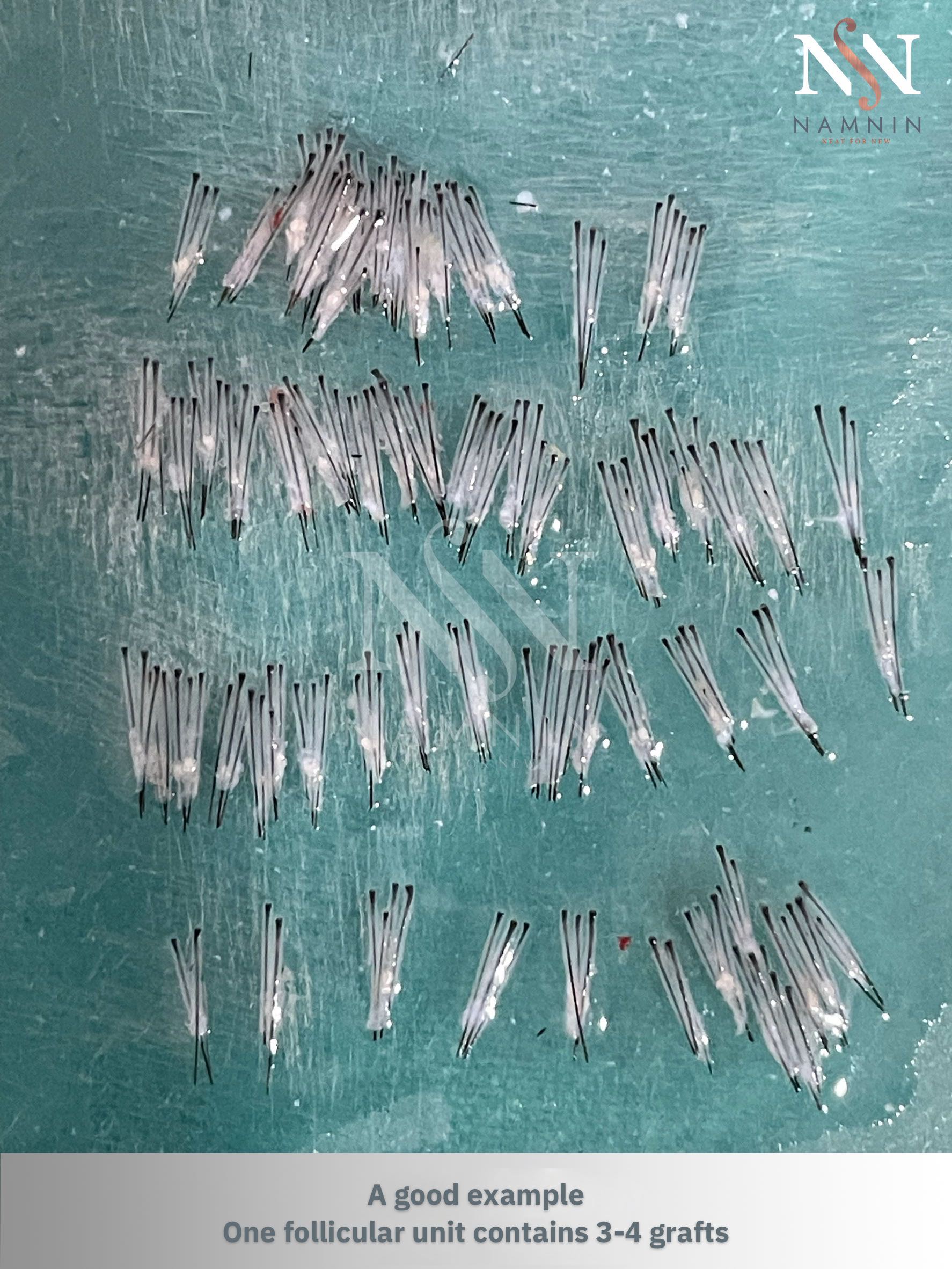
One Follicular Unit may contain 1 to 4 hair follicles (and occasionally 5 to 6 follicles). Hair follicles within the same unit share the same connective tissue sheath, sebaceous gland, arrector pili muscle, and blood supply.
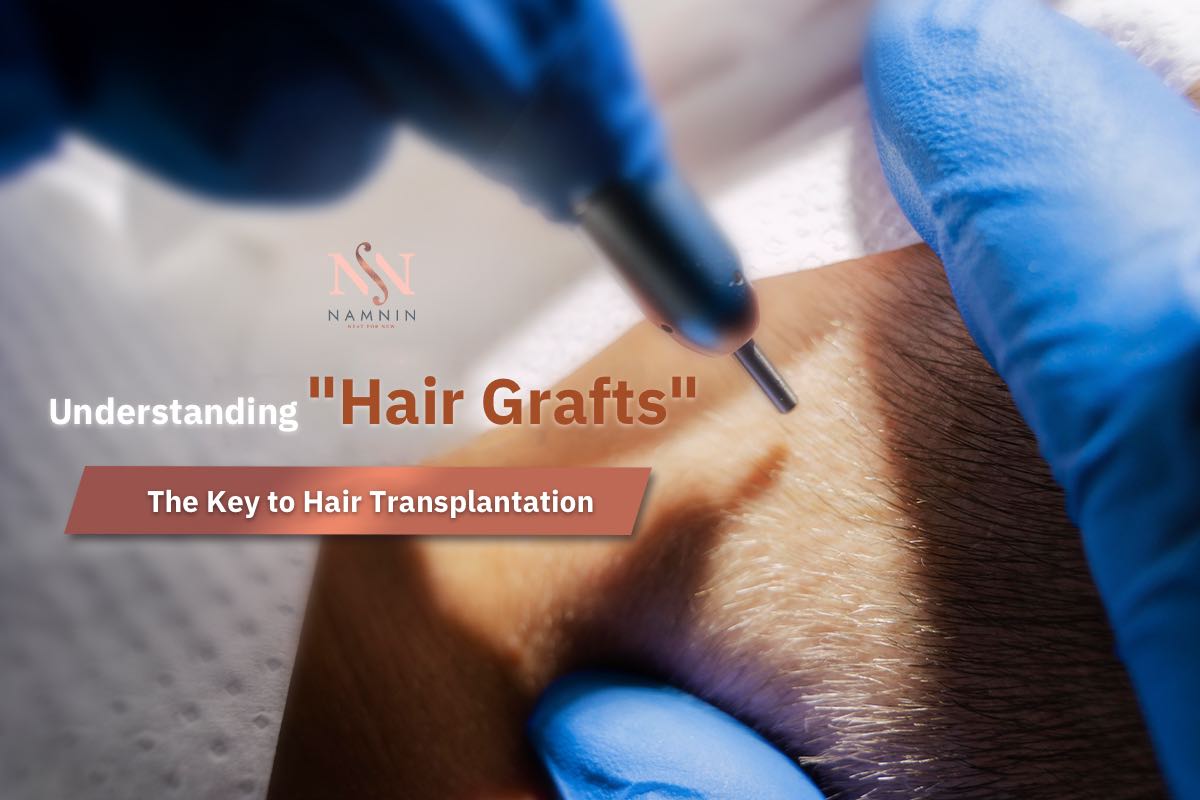
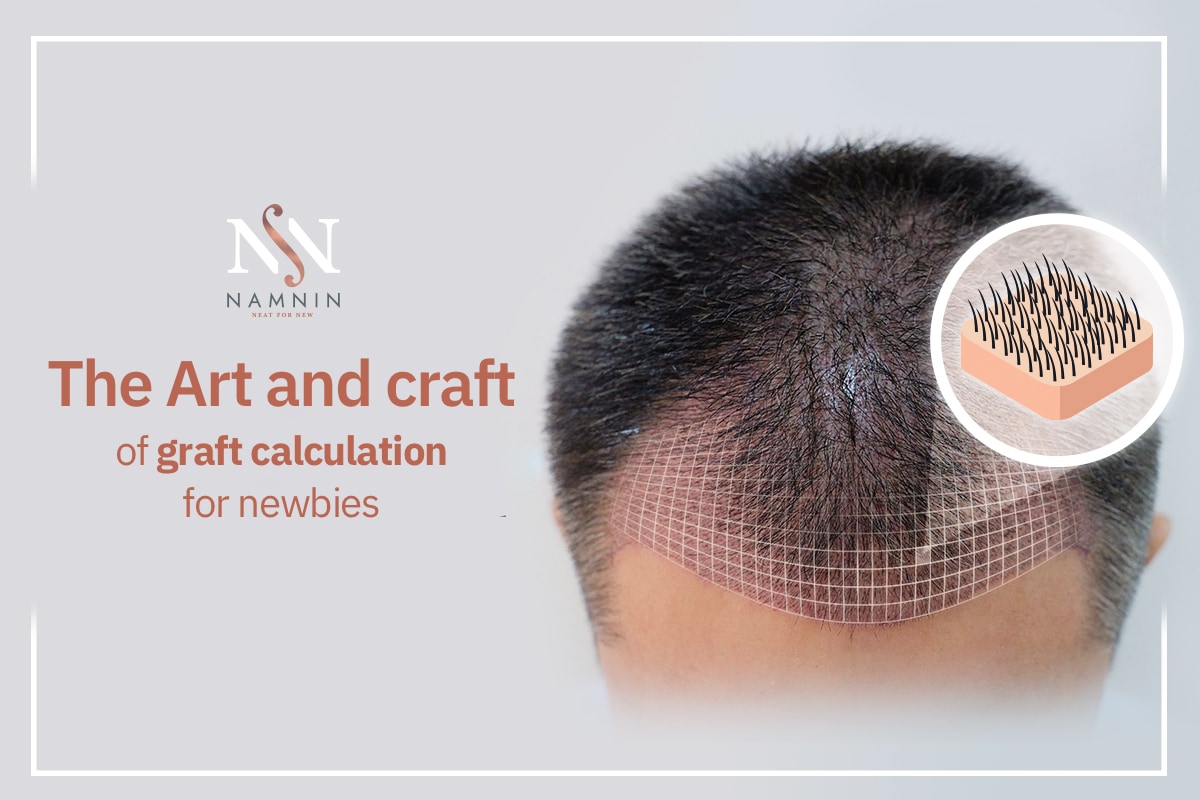
A graft is the unit doctors use during hair transplantation. Medically, one graft equals one Follicular Unit. Therefore, a single graft may contain 1 to 4 hairs, depending on the patient's natural hair characteristics.
Follicular Unit Density (FU Density) refers to the number of follicular units per square centimeter (units/cm²), which is the standard measurement used to evaluate hair density.
Follicle vs. Follicular Unit
Hair Follicles Are NOT the Same as Follicular Units
These are two of the most commonly misunderstood terms, and many people mistakenly use them interchangeably.
In medical terminology, however, a hair follicle and a follicular unit are entirely different structures. Understanding this distinction will also help you better understand how hair transplant costs are estimated.
A simple principle to remember is: "One Pore, Multiple Hairs." This means that one pore on the scalp represents one Follicular Unit, which contains multiple hair follicles and multiple hair shafts. Therefore, if your doctor recommends 2,000 grafts, it does not mean you will receive only 2,000 hairs.
Instead, you may receive 4,000 to 5,000 individual hairs, because: 1 Graft = 1 Follicular Unit = 1 to 4 Hair Shafts. The exact number depends on your individual hair characteristics.
Did You Know? Hair Is Different in Every Area of the Scalp
Hair naturally varies depending on its location on the scalp. These subtle differences are important factors that doctors consider when designing your hair transplant.
Hairline
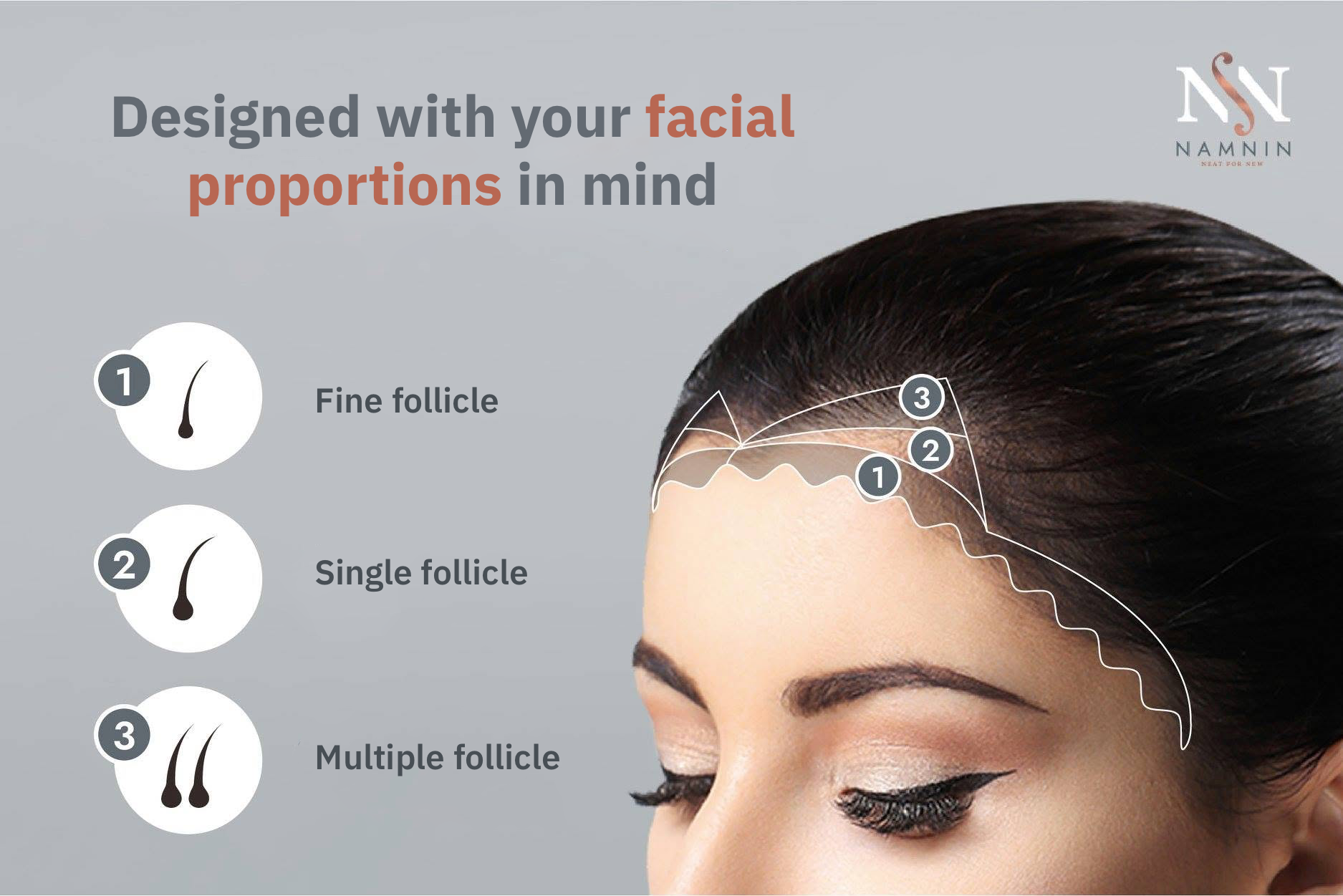
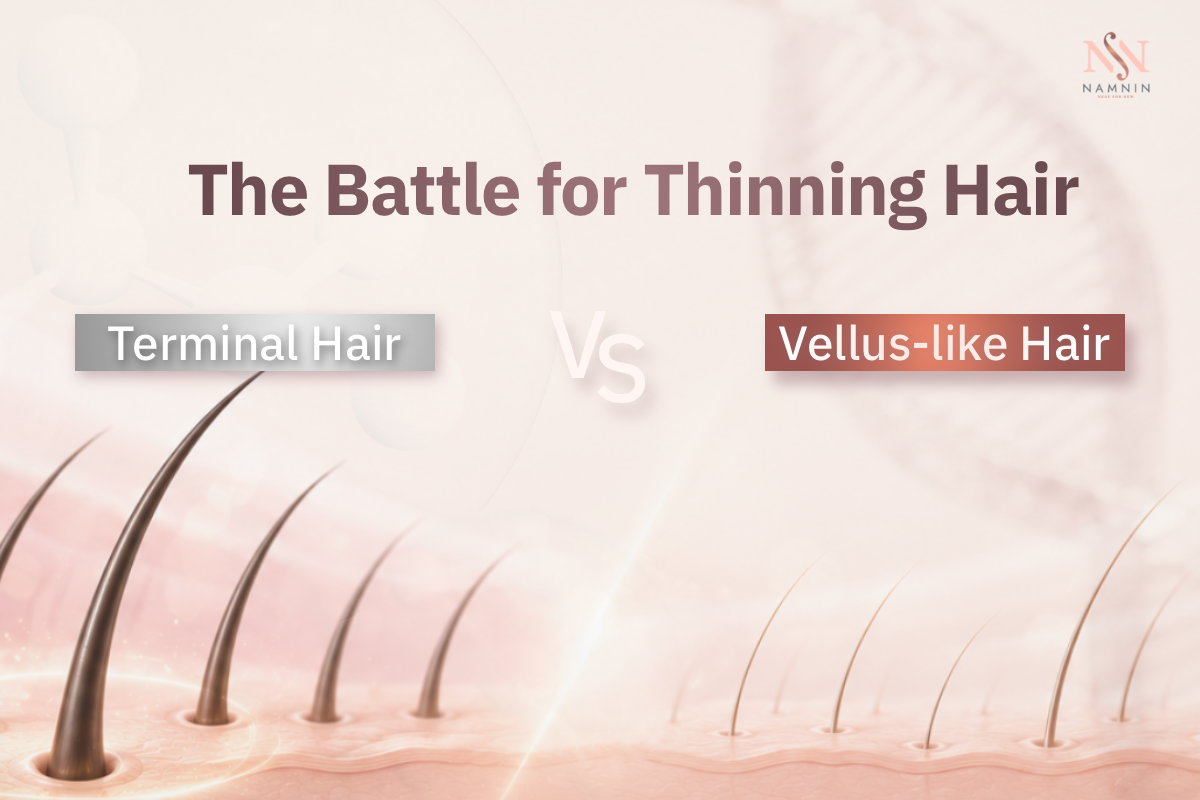
The frontal hairline is composed predominantly of single hair follicular units, accounting for approximately 20% of the scalp. The hairs in this area are naturally finer and thinner than those elsewhere on the scalp, creating a softer, more delicate, and natural looking hairline.
Mid Scalp
The mid scalp mainly contains 2 to 3 hair follicular units, representing approximately 50% of the scalp. These are considered the standard follicular units responsible for creating overall hair density.
Back of the Head
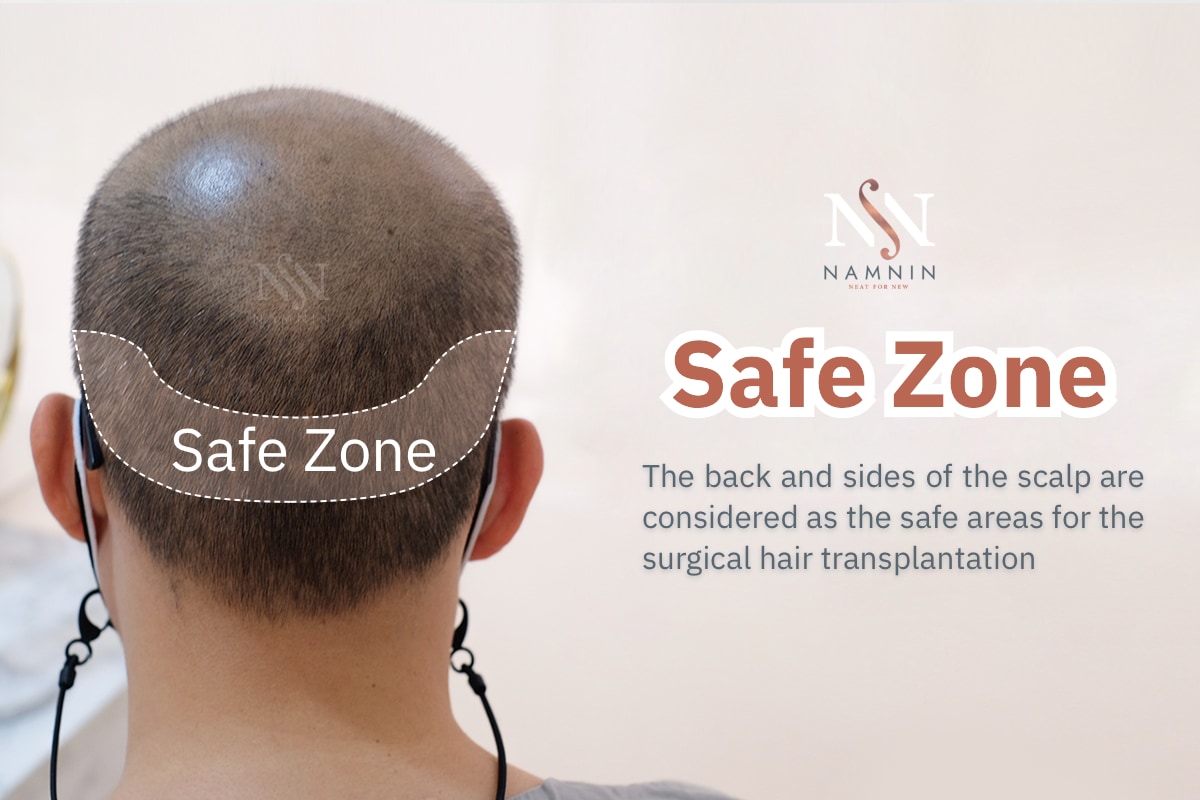
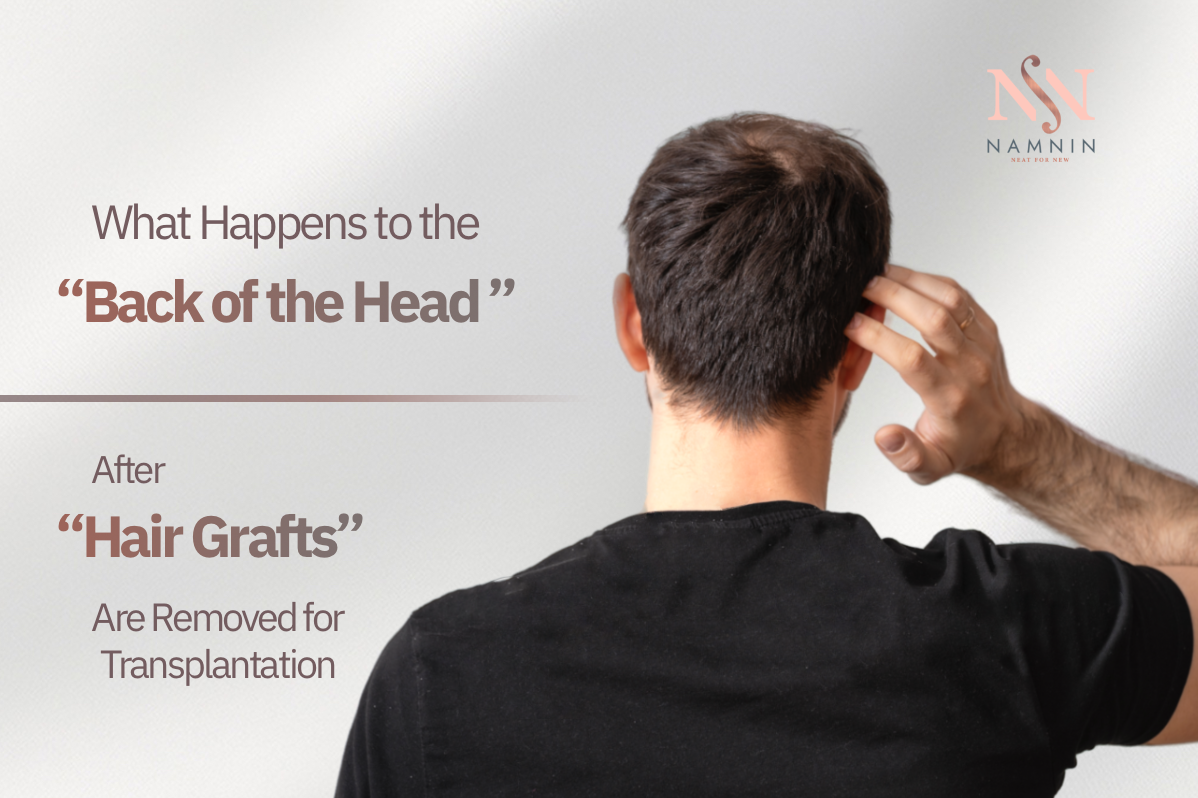
The occipital area typically contains 3 to 4 hair follicular units, making it the densest region of the scalp. More importantly, this area is known as the Safe Zone or Donor Zone, where hair follicles are naturally resistant to genetic and hormonal hair loss. These follicles are therefore selected for transplantation into thinning or balding areas.
Understanding Hair Density in Hair Transplantation
Once you understand the differences between follicles, follicular units, and grafts, understanding FU Density becomes much easier. For example, if your doctor measures your hair density at 85 units/cm², it means there are 85 follicular units within one square centimeter. Depending on your individual hair characteristics, those 85 follicular units may represent approximately 190 individual hairs. Doctors use specialized instruments to accurately measure this density.
Understanding hair density also helps you objectively monitor your treatment progress and results. However, it is important to note that higher density is not always better. Excessively high graft density within a limited area may compromise blood circulation, causing transplanted follicles to compete for nutrients and potentially increasing the risk of graft loss.
Important Questions to Ask Before Hair Transplantation
To ensure your treatment plan is appropriate and a worthwhile investment, these are some important questions you should discuss with your doctor.
Q: How many grafts will I need?
Before treatment, your doctor should explain:
- The total number of grafts required
- The treatment area
- The size of the transplant area
This information also forms the basis for estimating treatment costs.
Q: What is my average number of hairs per graft?
Remember that everyone has a different average number of hairs within each graft. As a result, two patients receiving the same number of grafts may achieve different overall hair density.
Q: What type of grafts will be used for my frontal hairline?
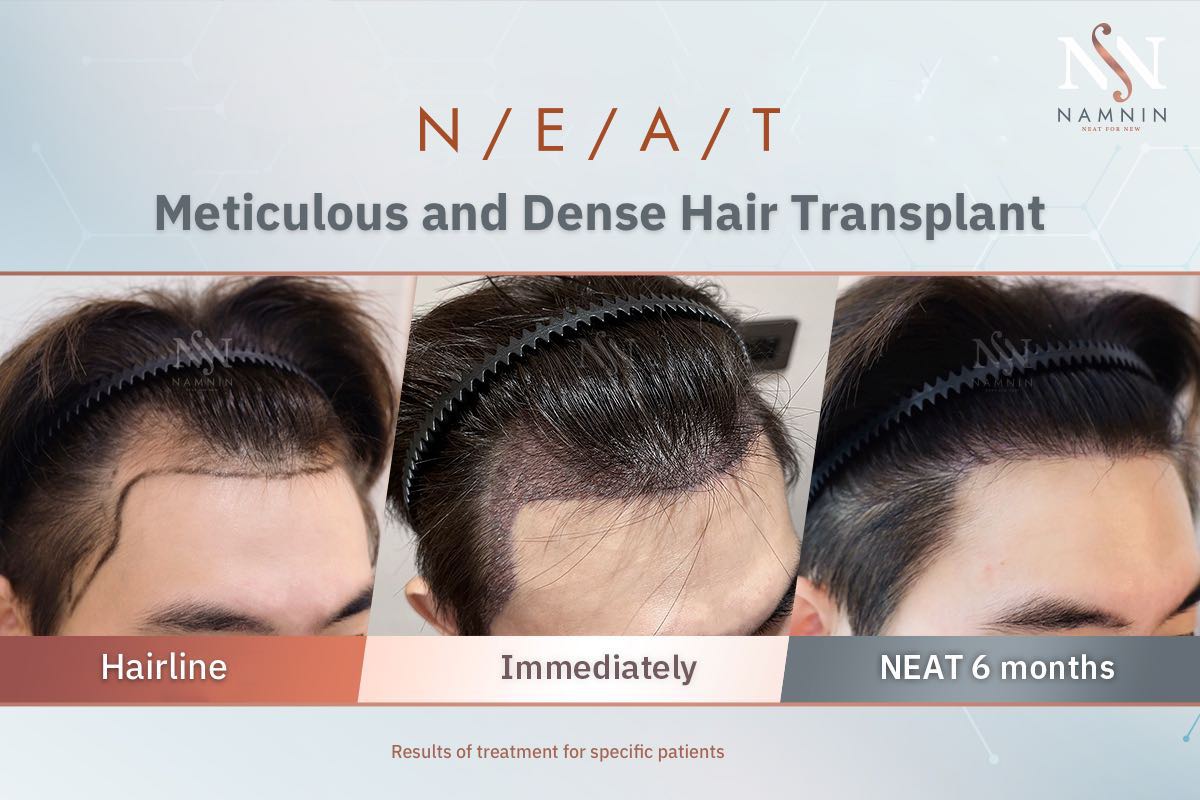
Hairline reconstruction generally requires single hair grafts. A meticulous surgeon carefully selects finer, thinner hairs to recreate a soft, natural hairline, avoiding an overly dense appearance that may resemble a wig.
At Namnin Clinic, you will never be left confused by technical terminology or complicated explanations. Our doctors believe in taking the time to sit down and have an open conversation with every patient, allowing you to fully discuss your concerns and expectations. At the same time, your doctor carefully analyzes your hair condition, evaluates the underlying causes, and explains every step of your personalized treatment plan in clear and understandable language. Every treatment plan is individually designed using a patient centered approach. Every new case is evaluated from the beginning, with no standardized template.
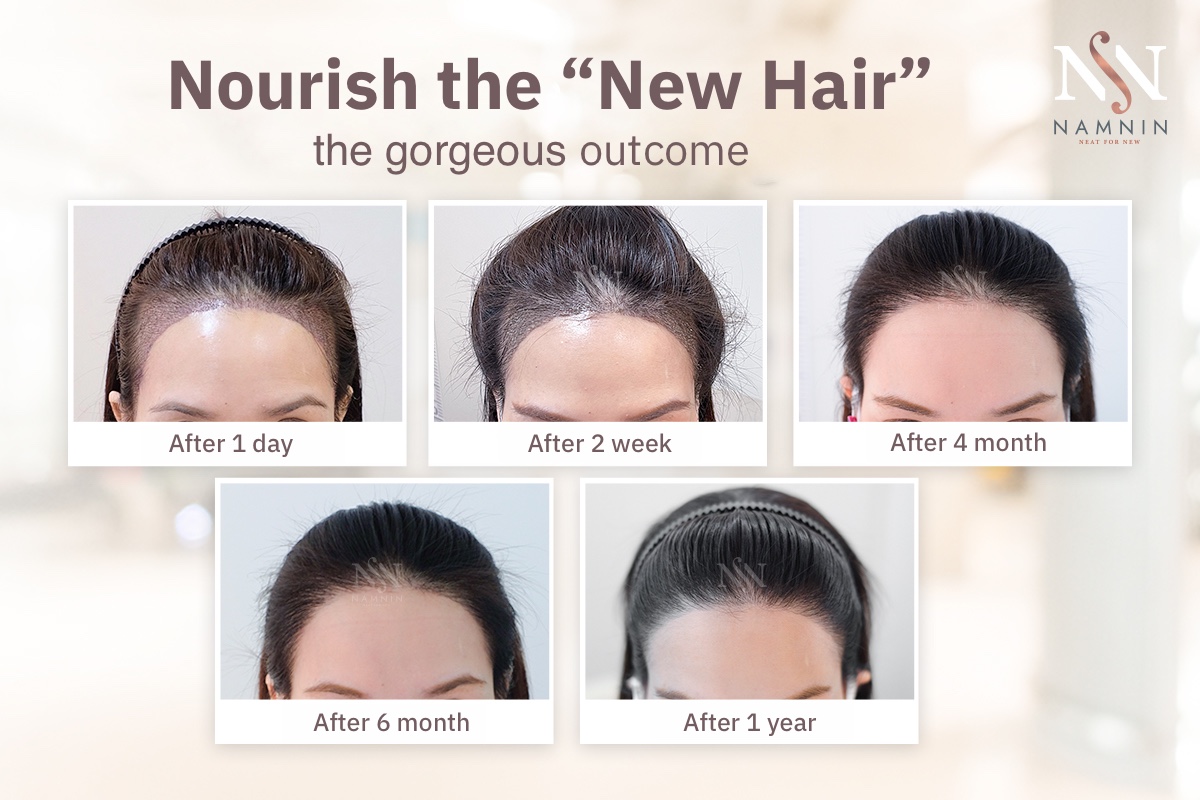
Most importantly, your doctor will honestly explain what results you can realistically expect based on established medical evidence. You are welcome to ask questions at every stage of your journey, from your first consultation through the full one year follow up period, ensuring you receive the most valuable and rewarding hair restoration experience at Namnin Clinic.
Article by: Namnin Clinic | Hair and Scalp Specialists | Published: June 2026