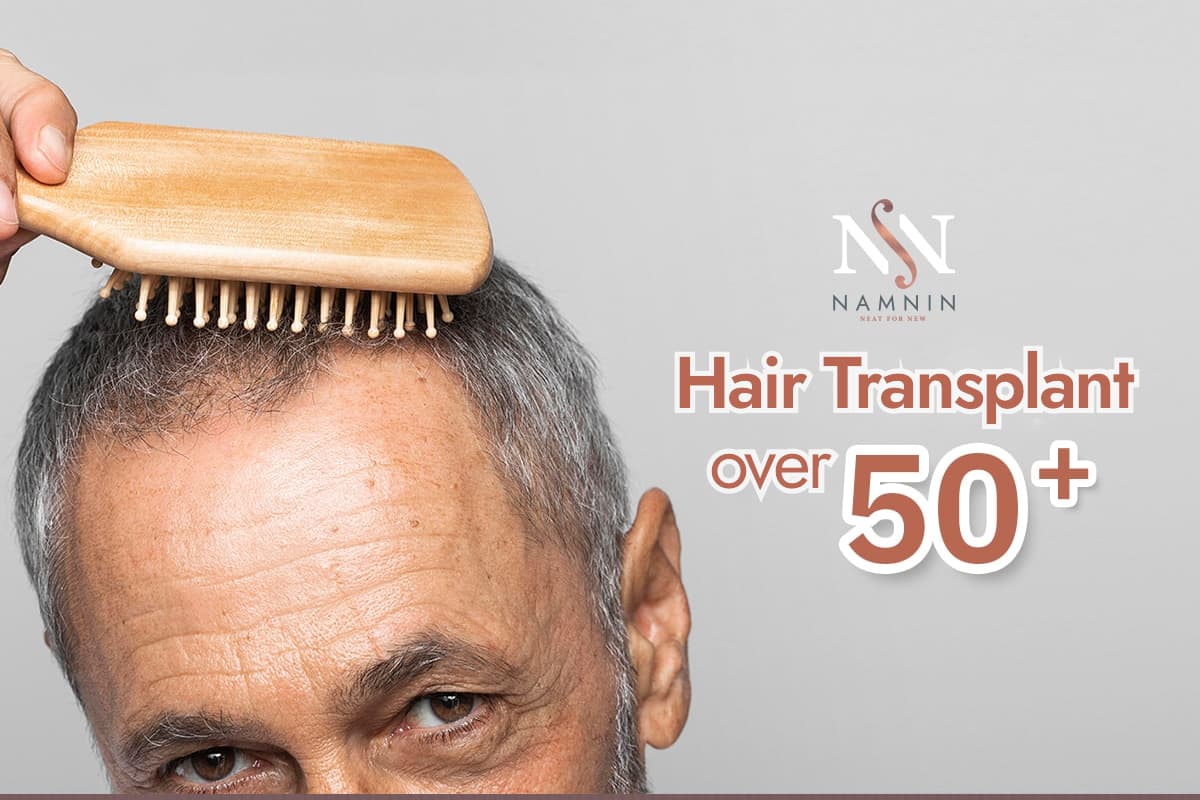
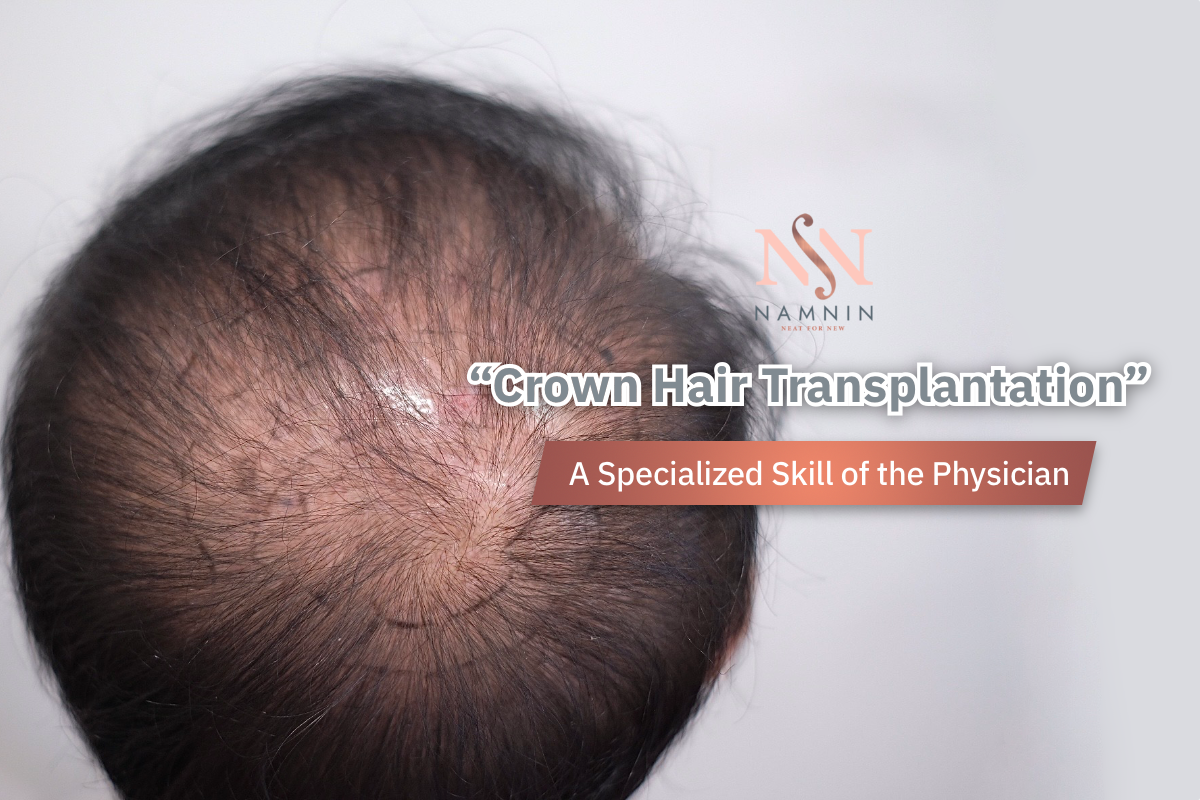
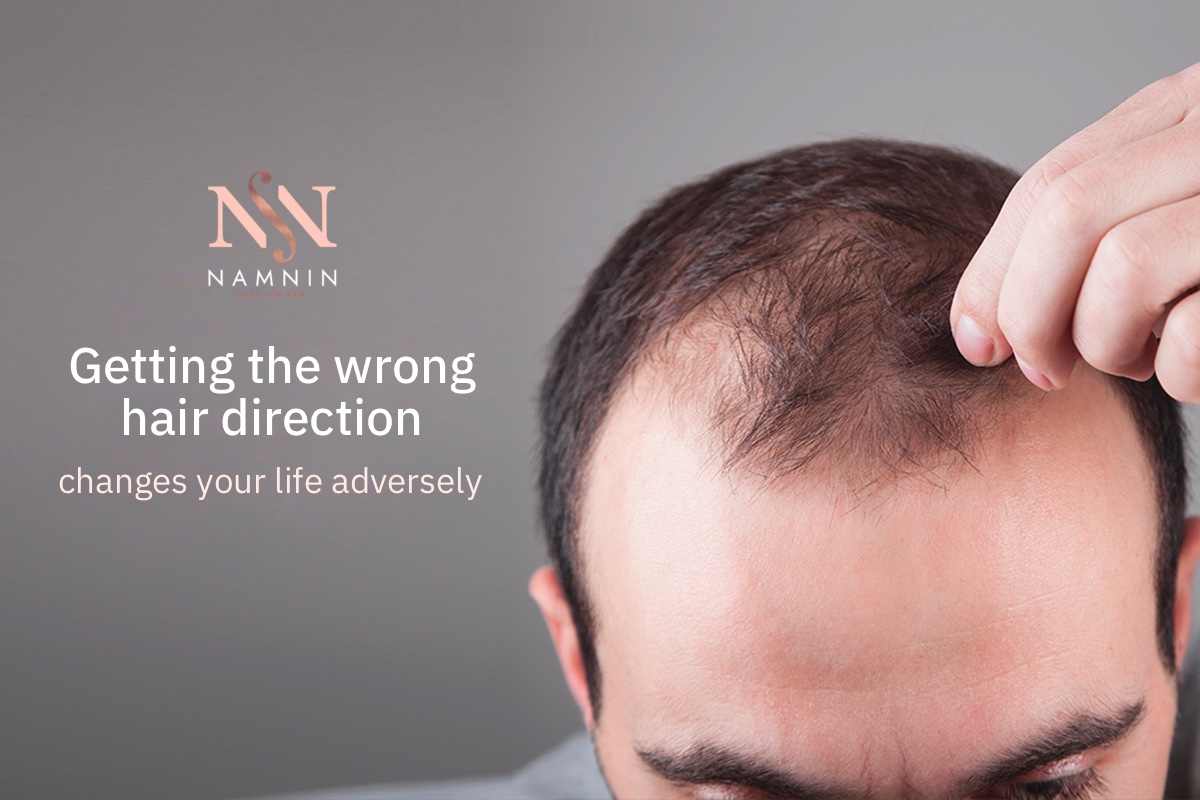
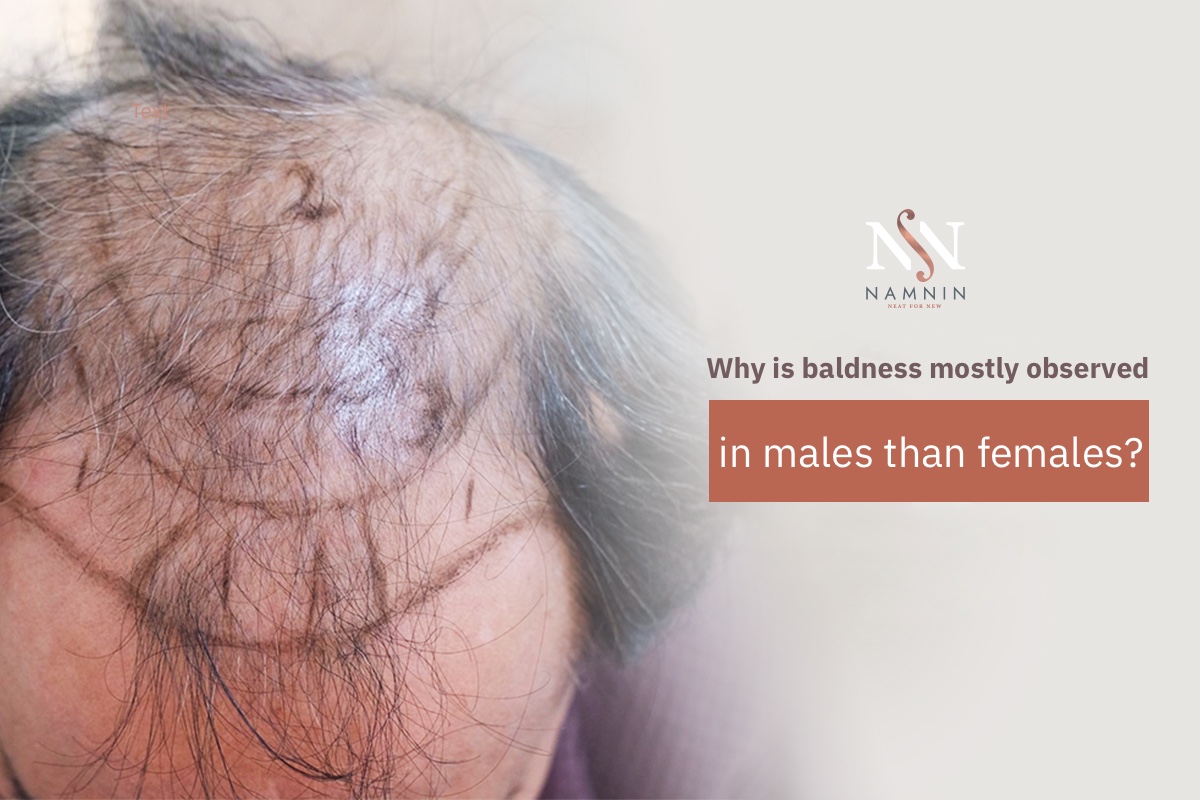
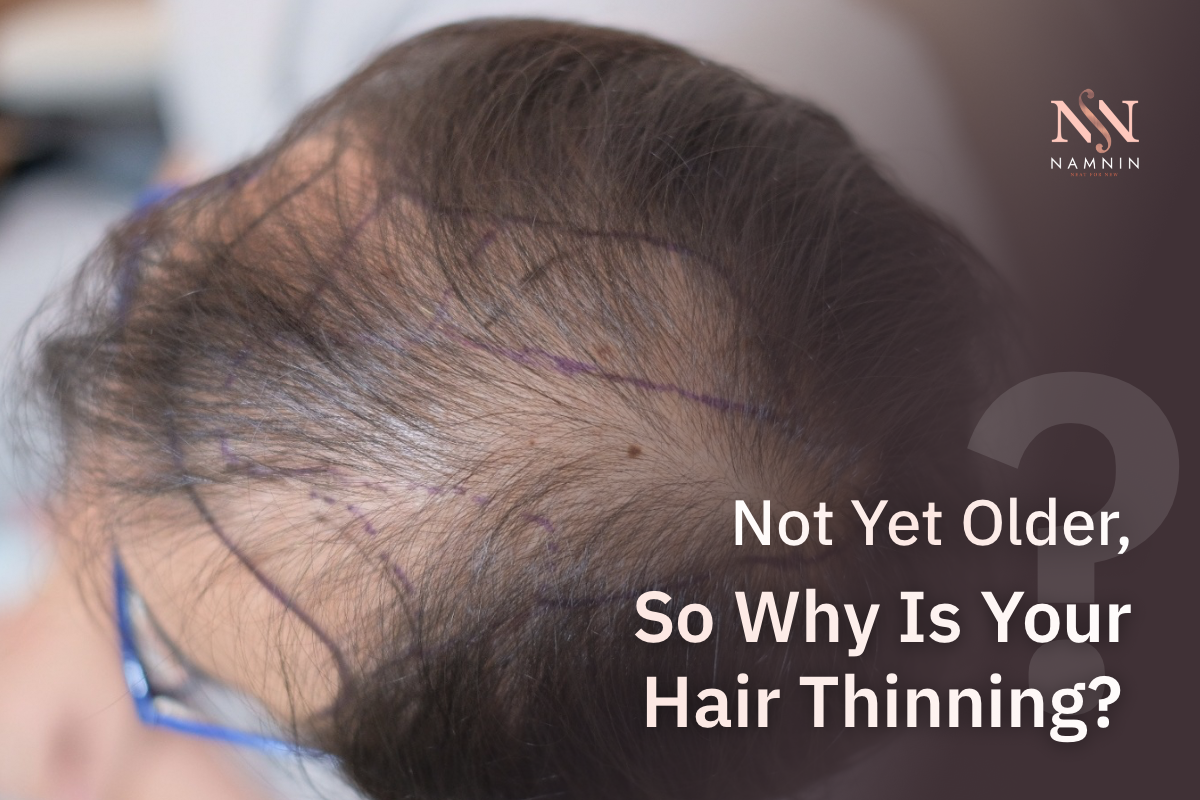
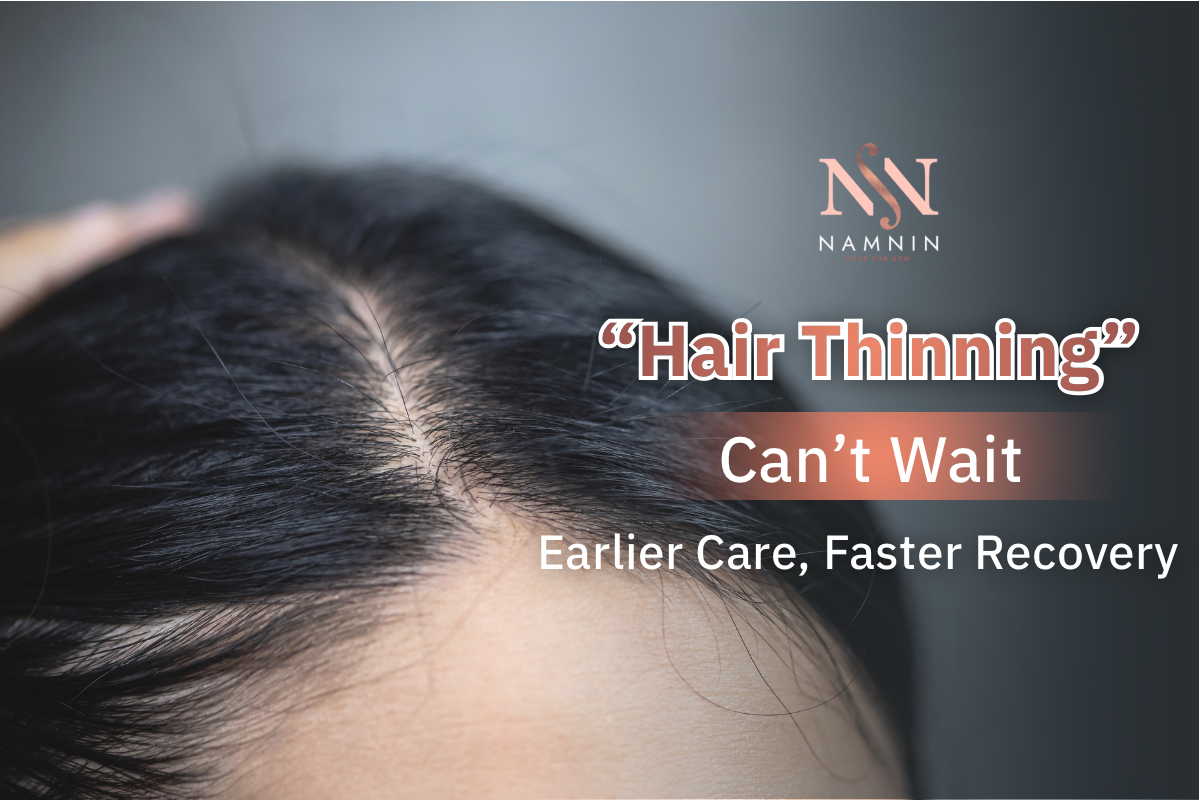
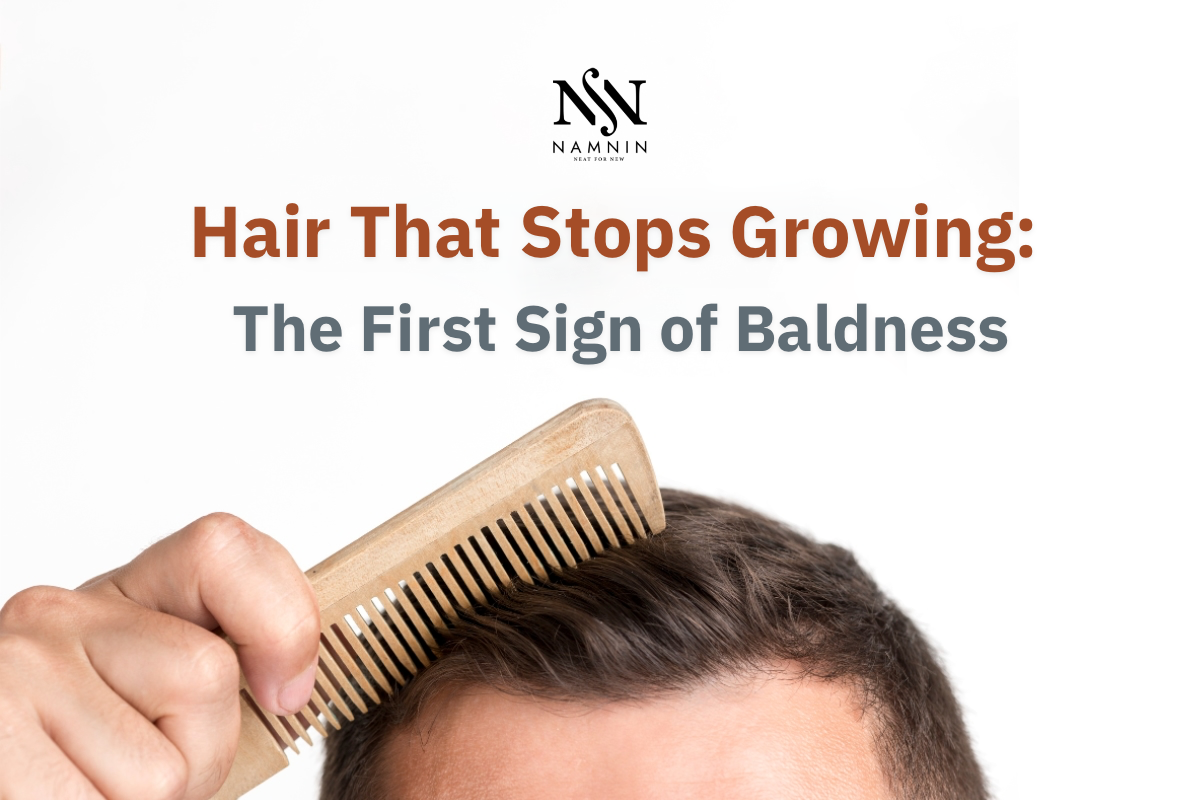
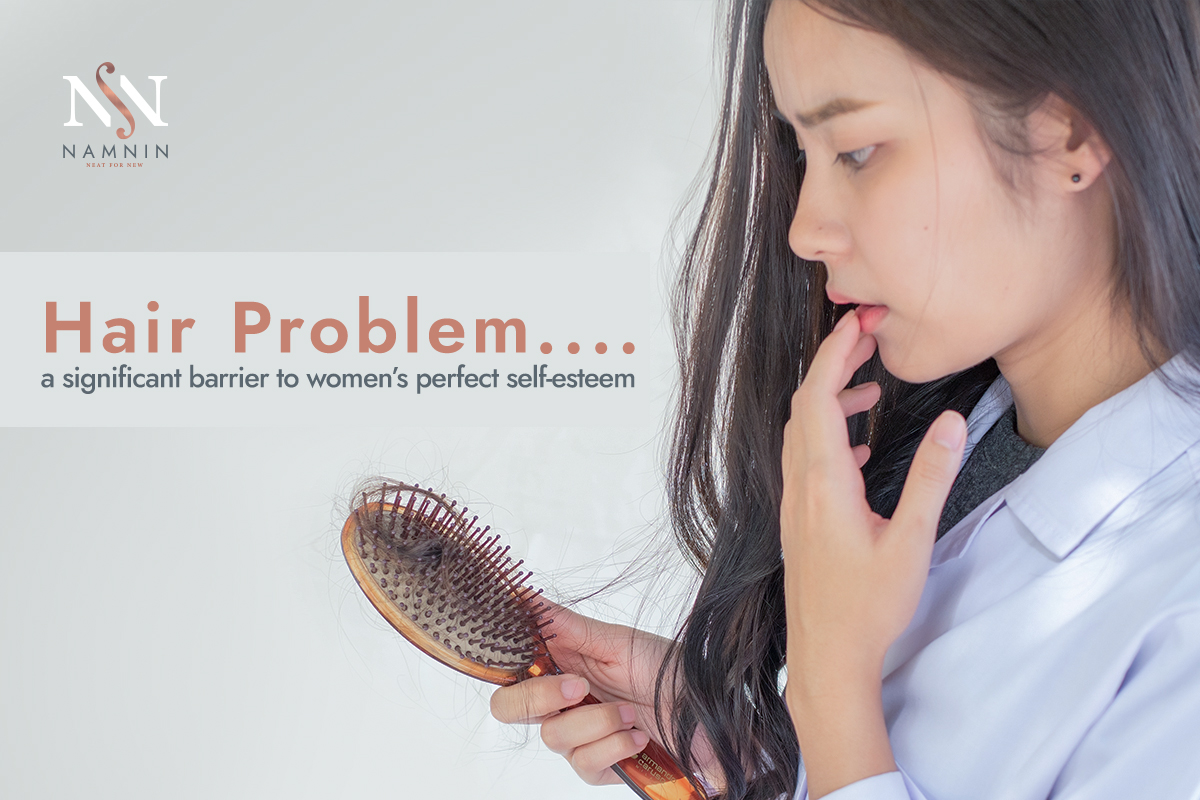
As men enter their mid 40s and beyond, many begin to notice subtle changes that gradually become more visible. A slightly receding hairline, thinning at the crown, or hair that no longer feels as dense as before. These changes rarely happen overnight. Instead, they develop slowly and quietly, to the point where many may feel that “the hair is still there,” just not the same as it used to be.
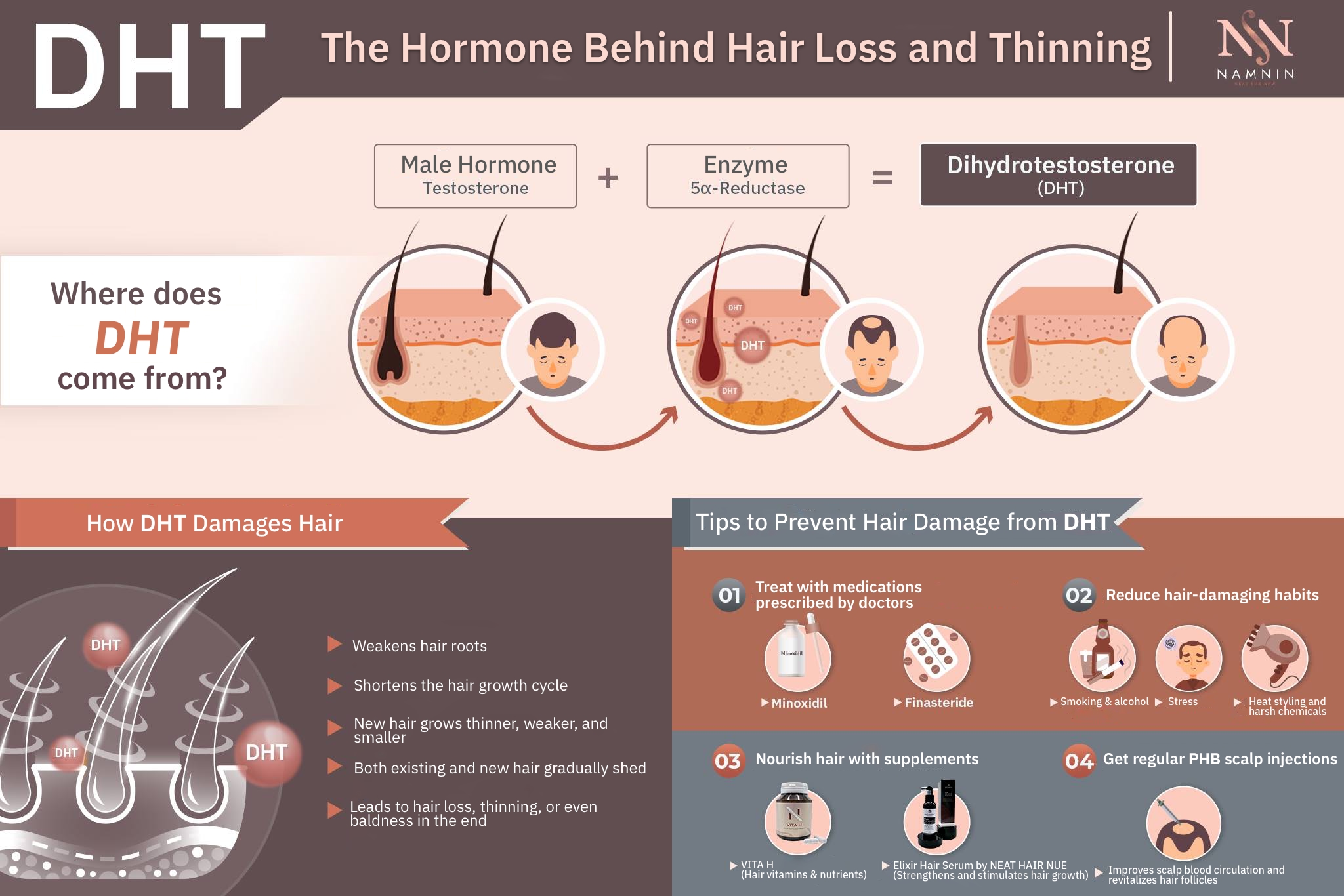
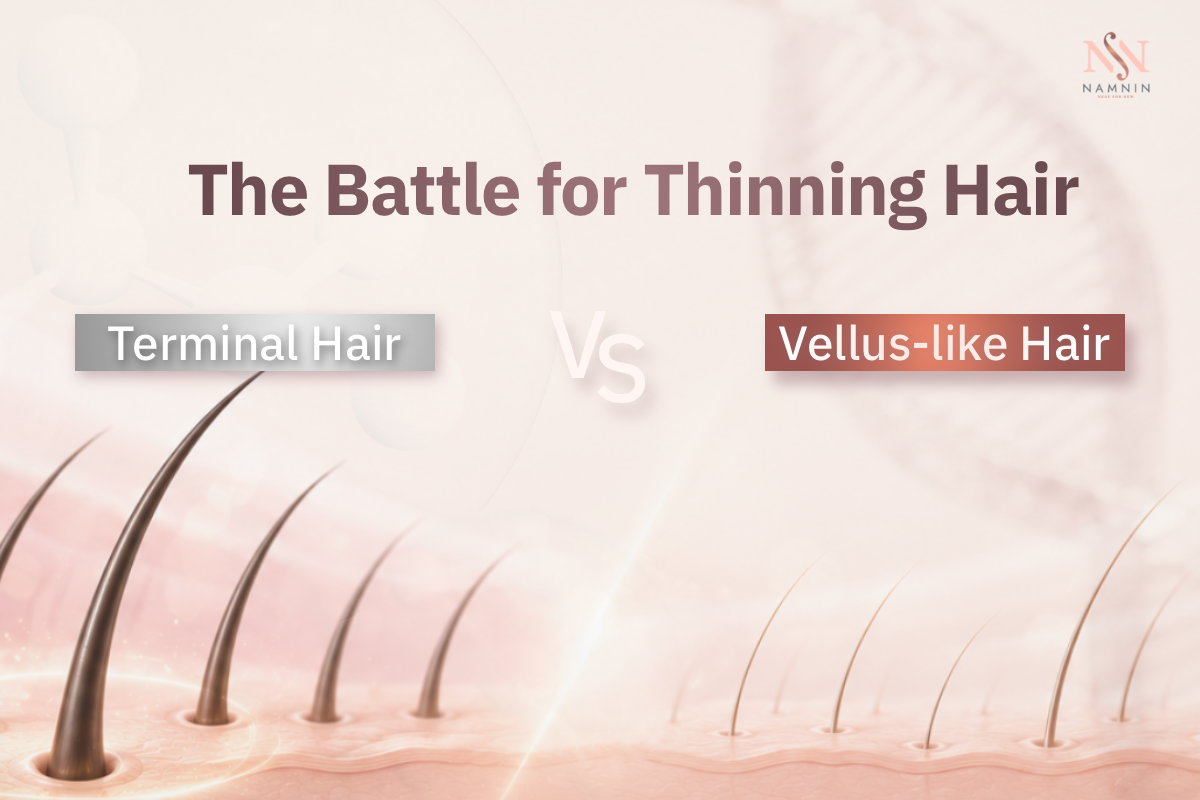
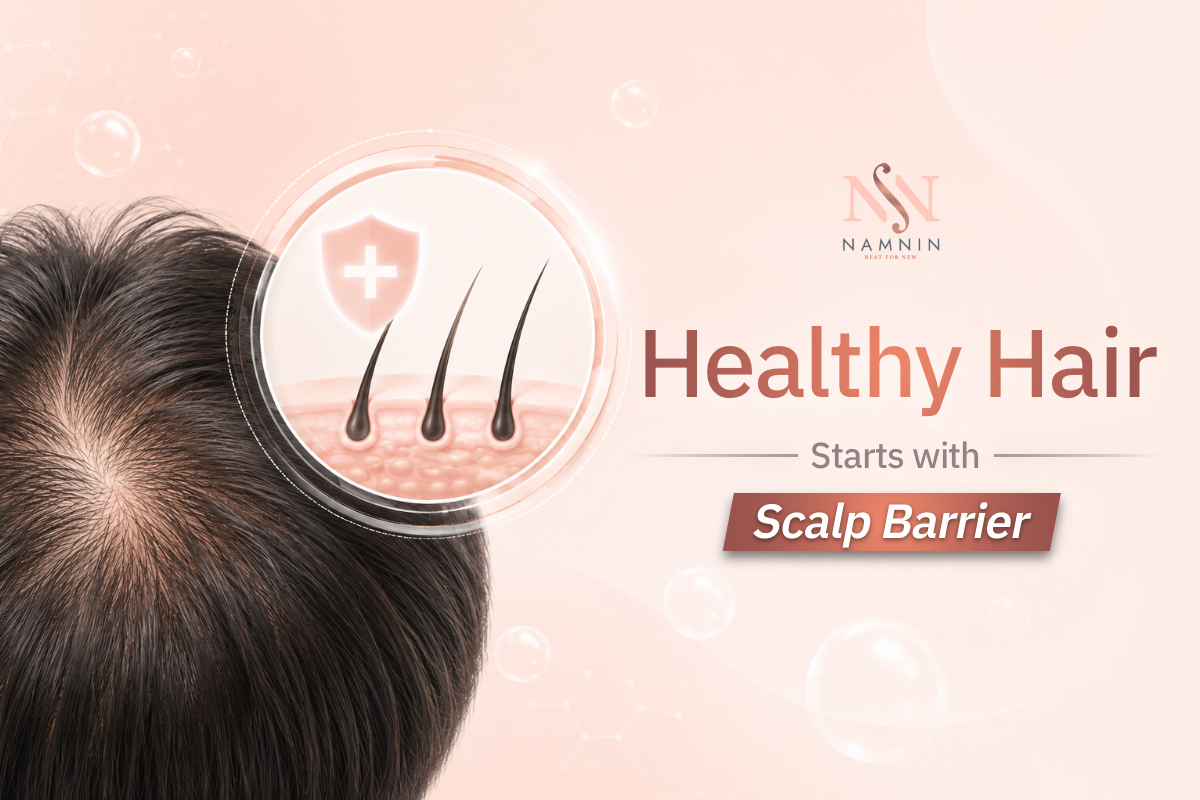
This condition is often associated with androgenetic alopecia, or hereditary hair thinning. In some men, hair follicles are more sensitive to DHT (Dihydrotestosterone) than usual. Over time, continuous exposure to DHT shortens the hair growth cycle. Newly grown hair becomes finer, thinner, and weaker, and in some areas, hair growth may eventually stop altogether.
Although genetics play a major role, everyday factors such as stress, insufficient sleep, nutritional imbalance, and underlying medical conditions may also accelerate hair thinning. For this reason, understanding the hormonal mechanism behind hair loss is an important first step before considering treatment options. Whether it involves medication, vitamin supplementation, or hair transplantation, each approach serves a different purpose. There is no universally right or wrong method, only the one most suitable for the individual condition.
When discussing hormone related treatments, anti androgen medications are among the most extensively studied options. Two commonly prescribed medications are Finasteride and Dutasteride. Both work by inhibiting the enzyme 5 alpha reductase, which converts Testosterone into DHT. As DHT levels decrease, the impact on hair follicles is reduced as well. This helps slow hereditary hair loss, delay thinning, and in some individuals, gradually improve hair density over time.
However, these medications cannot completely change genetic predisposition. Their role is to help regulate hormonal activity at a more suitable level. Once the medication is discontinued, DHT levels gradually return to baseline, and hair thinning may resume within 6 to 12 months. For this reason, medication is considered a long term management approach that should be monitored under medical supervision.
Many people worry that these medications might drastically reduce male hormones. In reality, they specifically reduce the conversion of Testosterone into DHT, while Testosterone itself generally remains within the normal range. Potential side effects related to sexual performance or fertility can occur, but are relatively uncommon and are often reversible after stopping the medication under a doctor’s guidance. Some individuals may also experience temporary increased shedding during the early stages of treatment. This process, known as shedding, reflects the hair cycle adjusting and does not necessarily indicate an allergic reaction or treatment failure. Clear understanding and open discussion with a doctor can help patients make decisions more confidently.
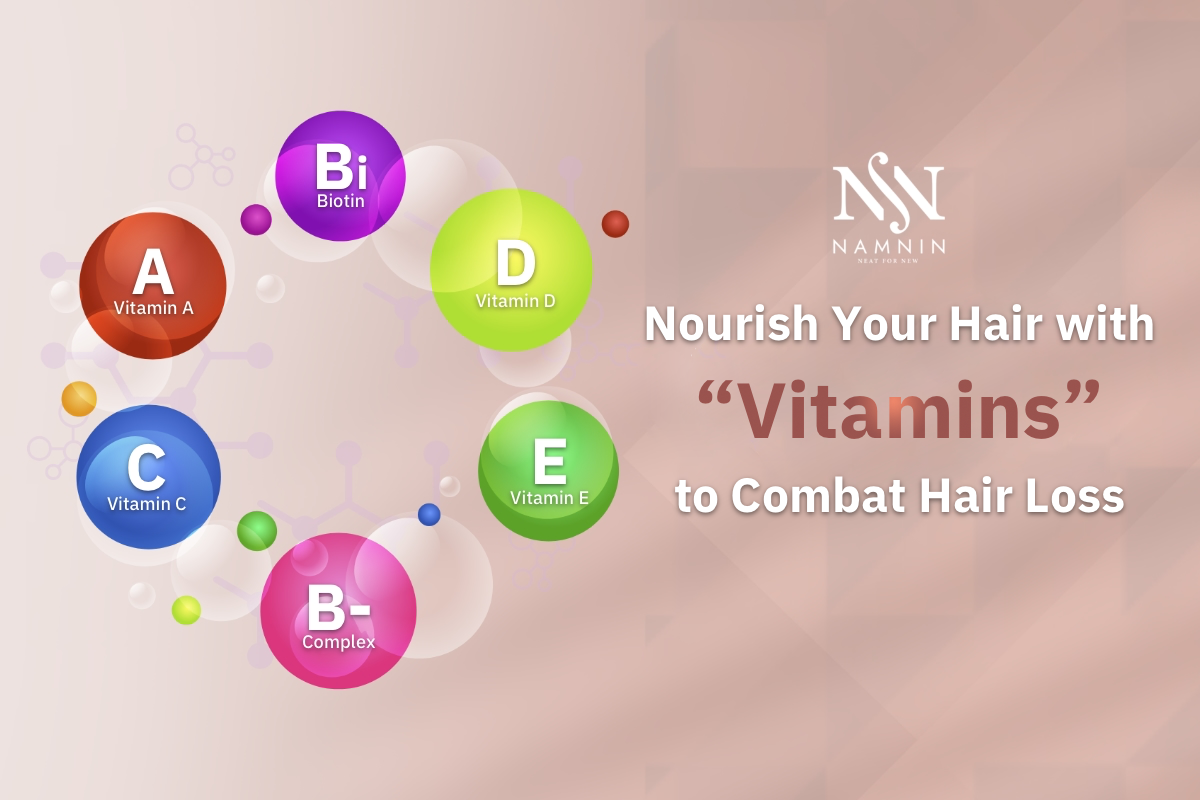
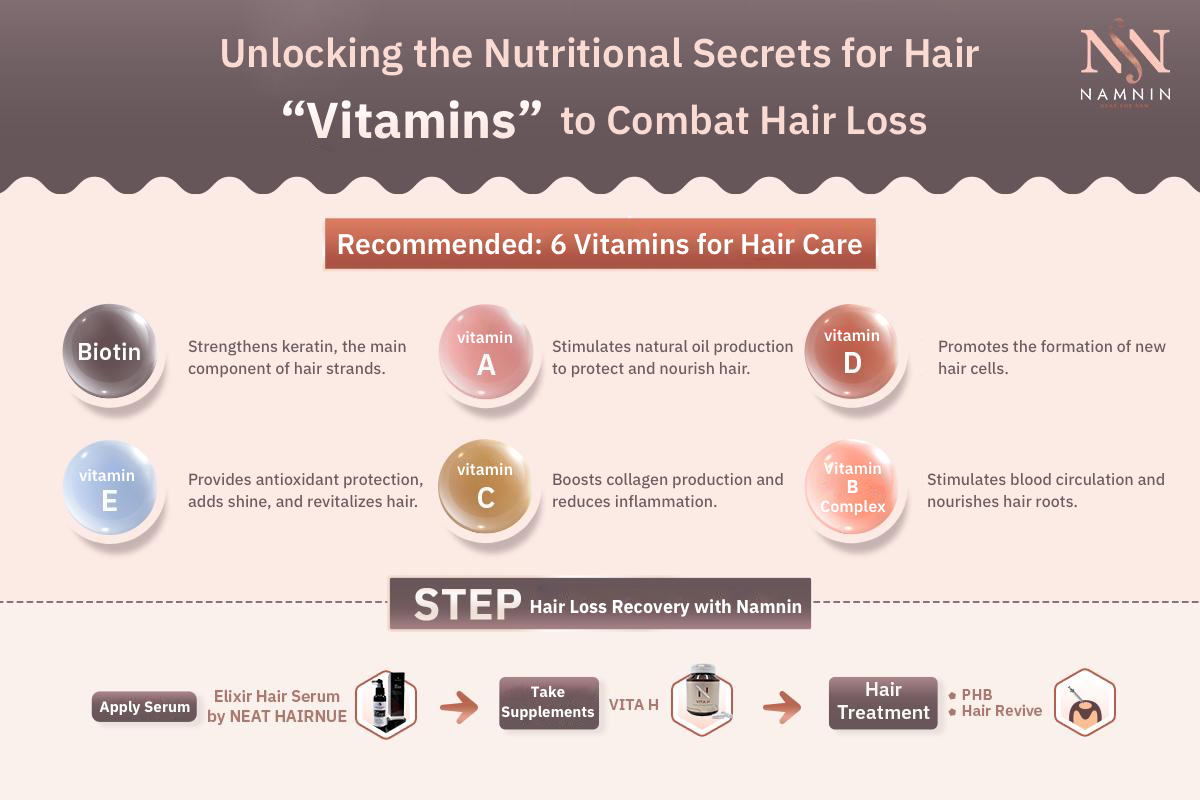
Beyond hormonal management, supporting hair health from within is equally important. Although vitamins do not directly block DHT, they help strengthen overall hair quality. Biotin supports keratin production, Vitamin D contributes to healthy follicle function, Vitamin E helps reduce oxidative stress, and B complex vitamins support blood circulation to the scalp. For middle aged men and older, evaluating overall health before starting supplements is a thoughtful approach, because proper care is not about taking everything available, but about choosing what truly suits the body’s needs.
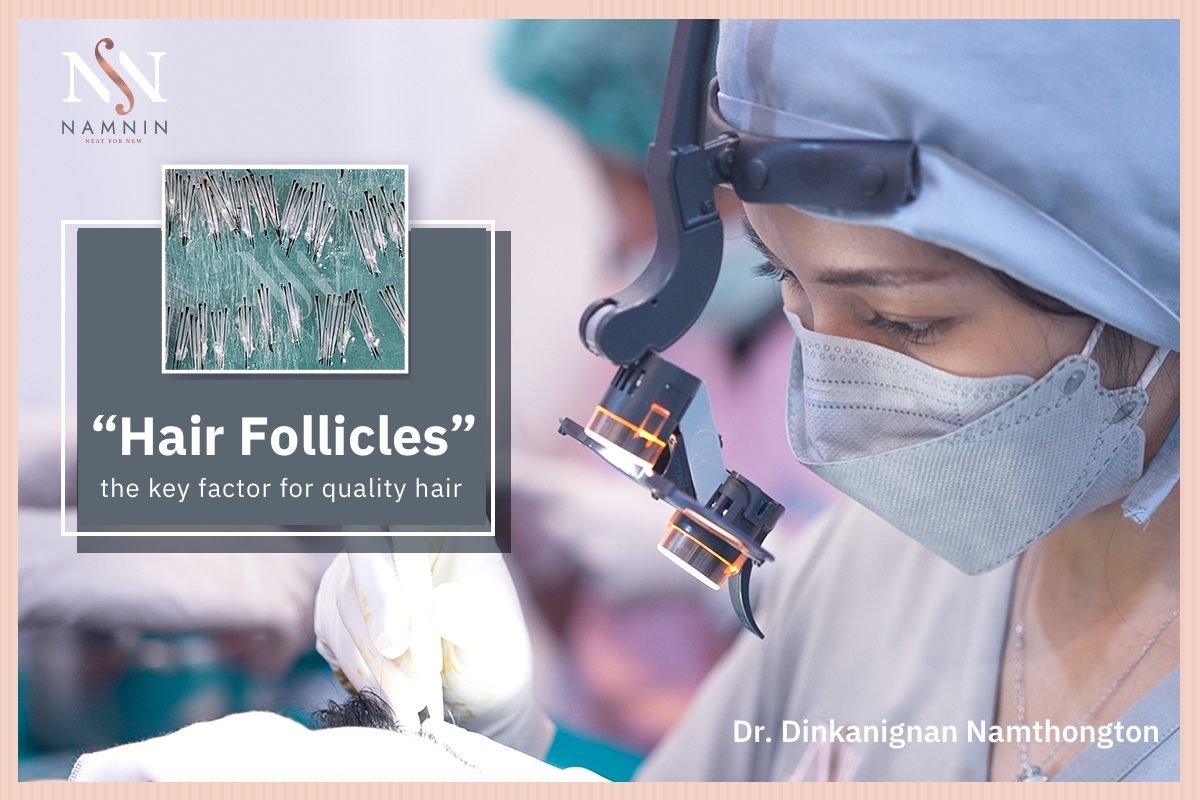
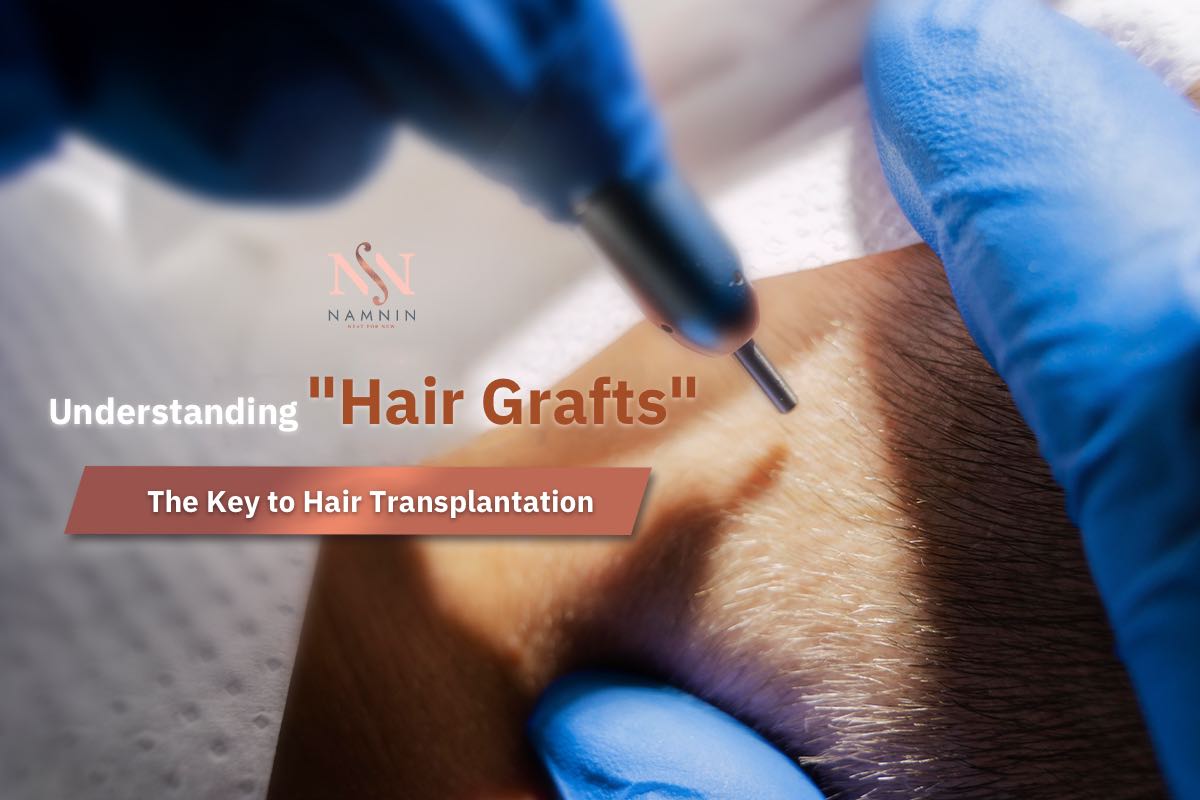
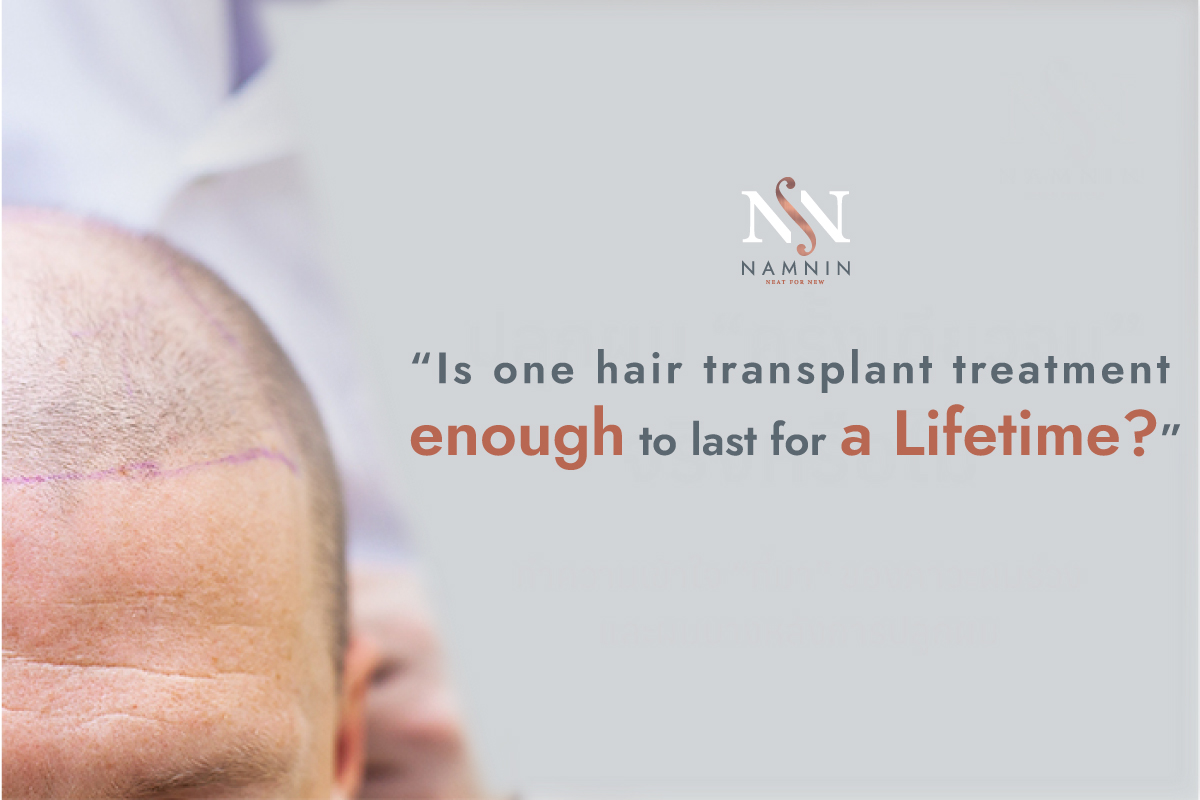
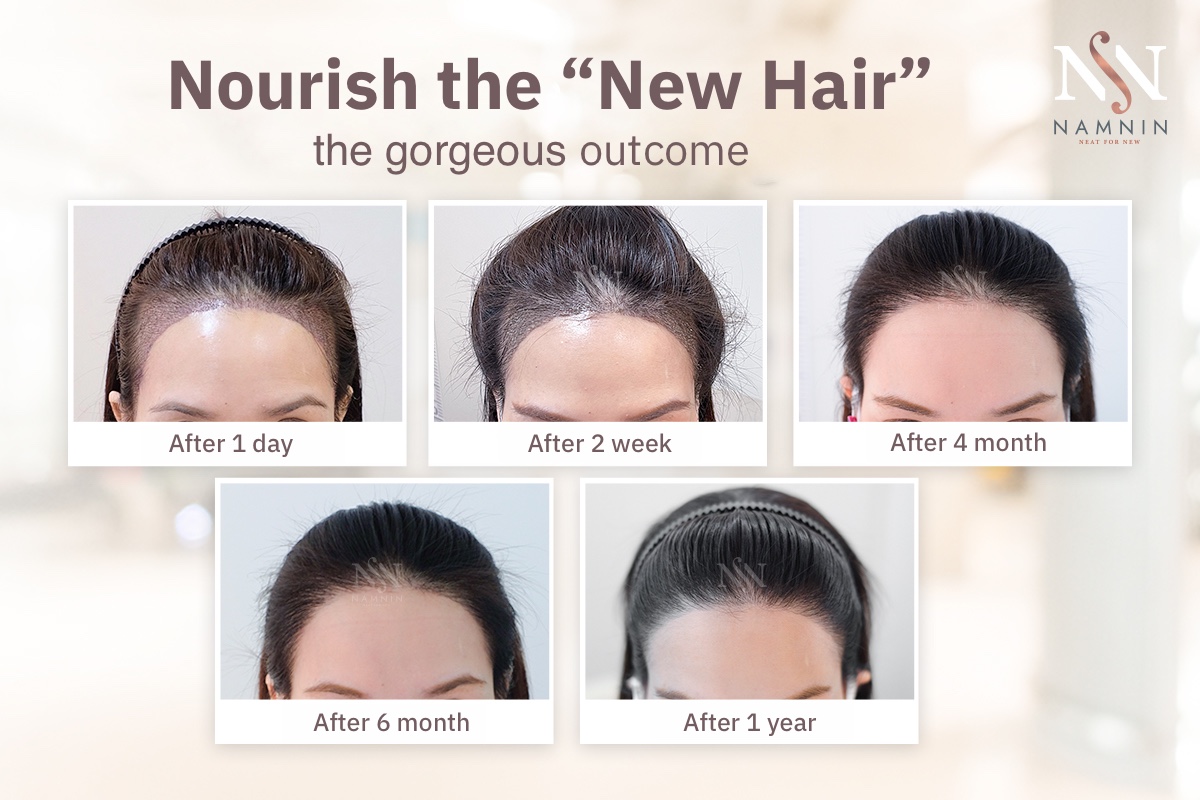
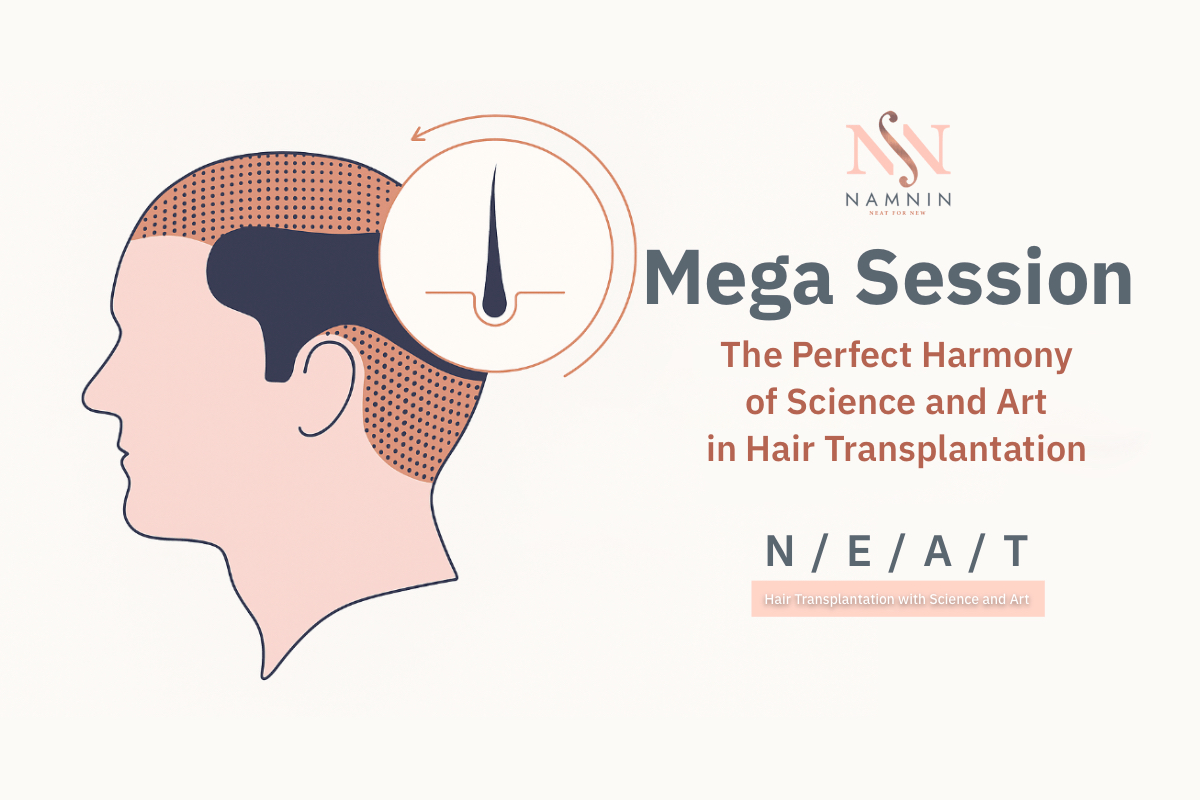
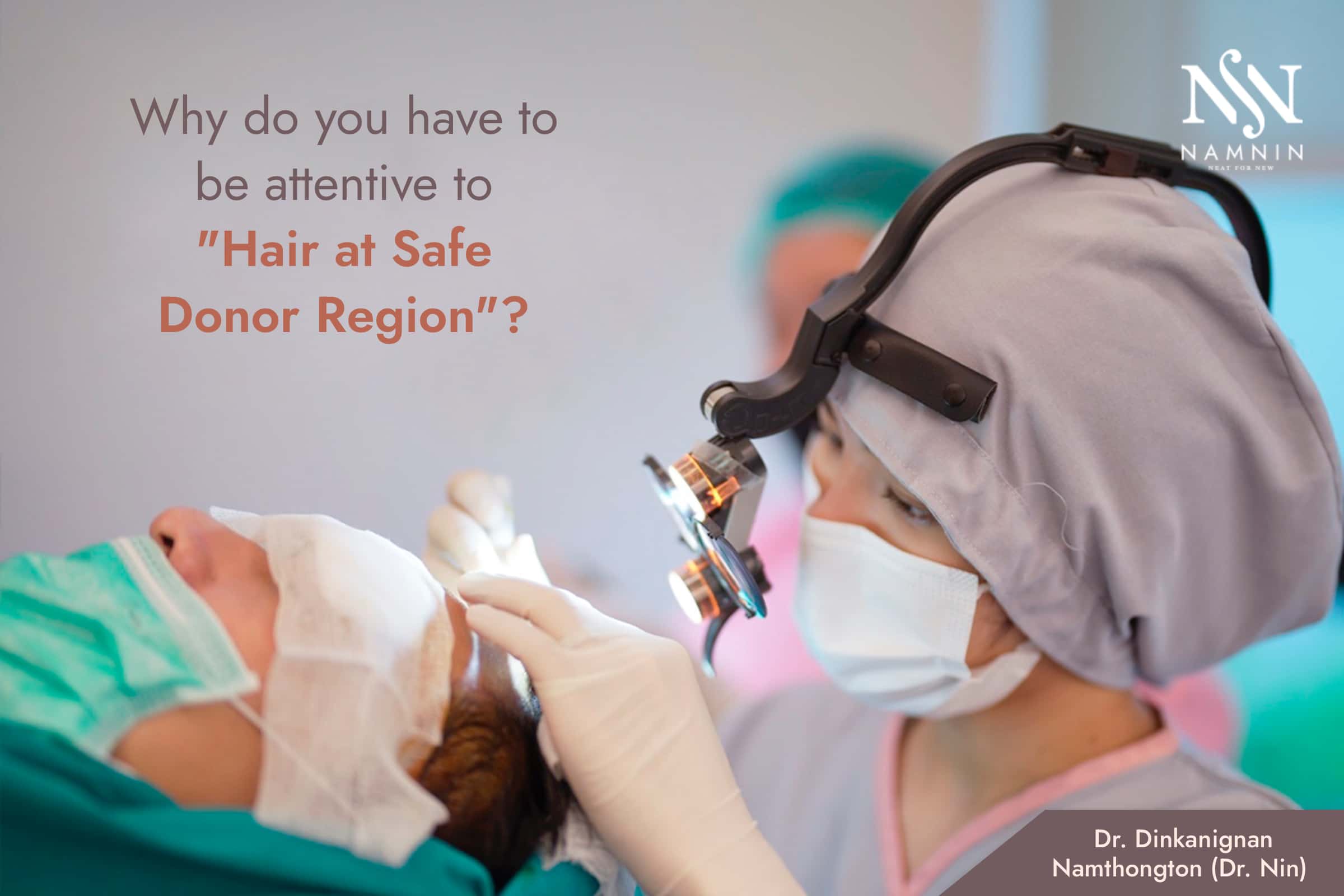
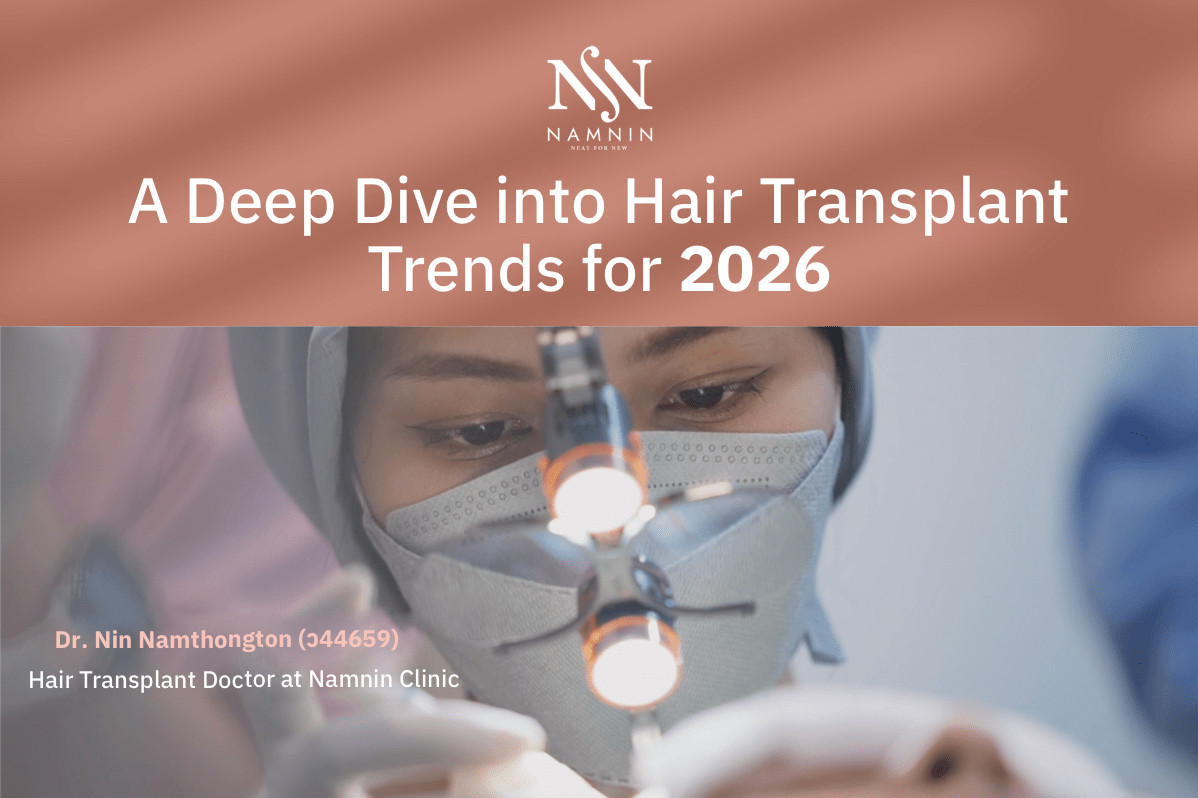
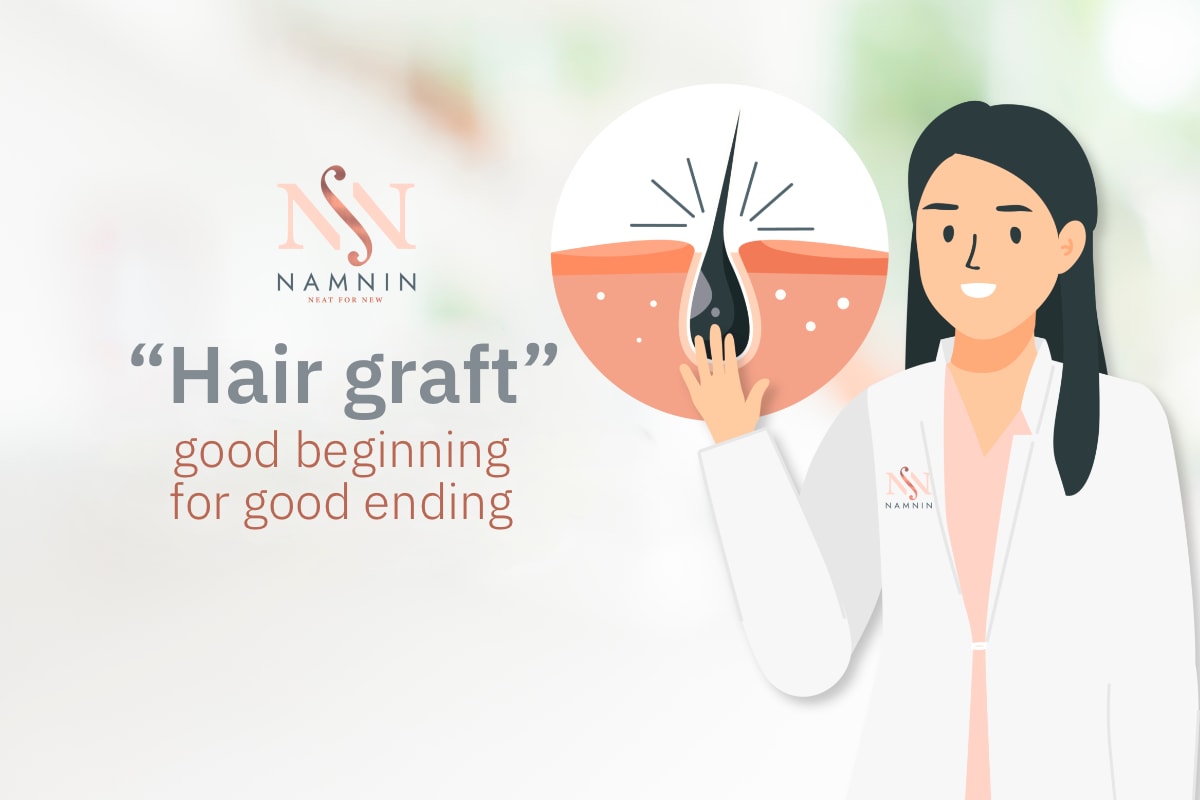
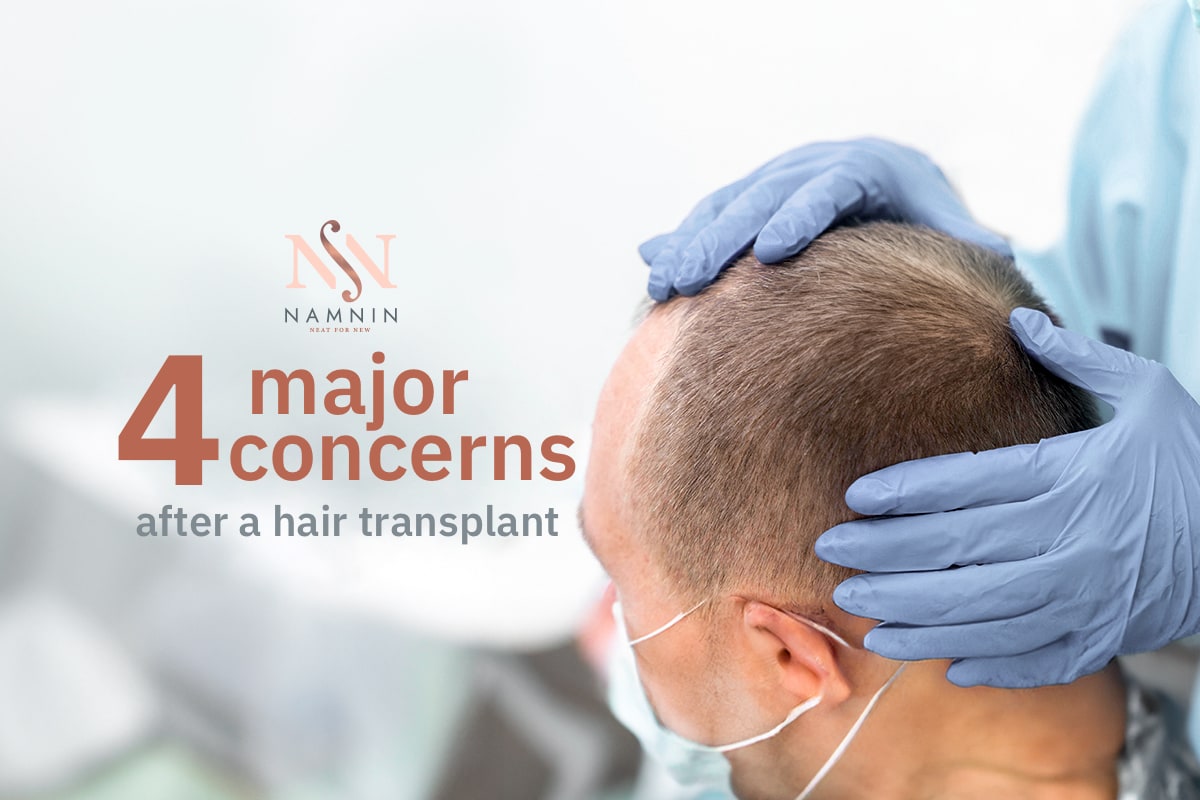
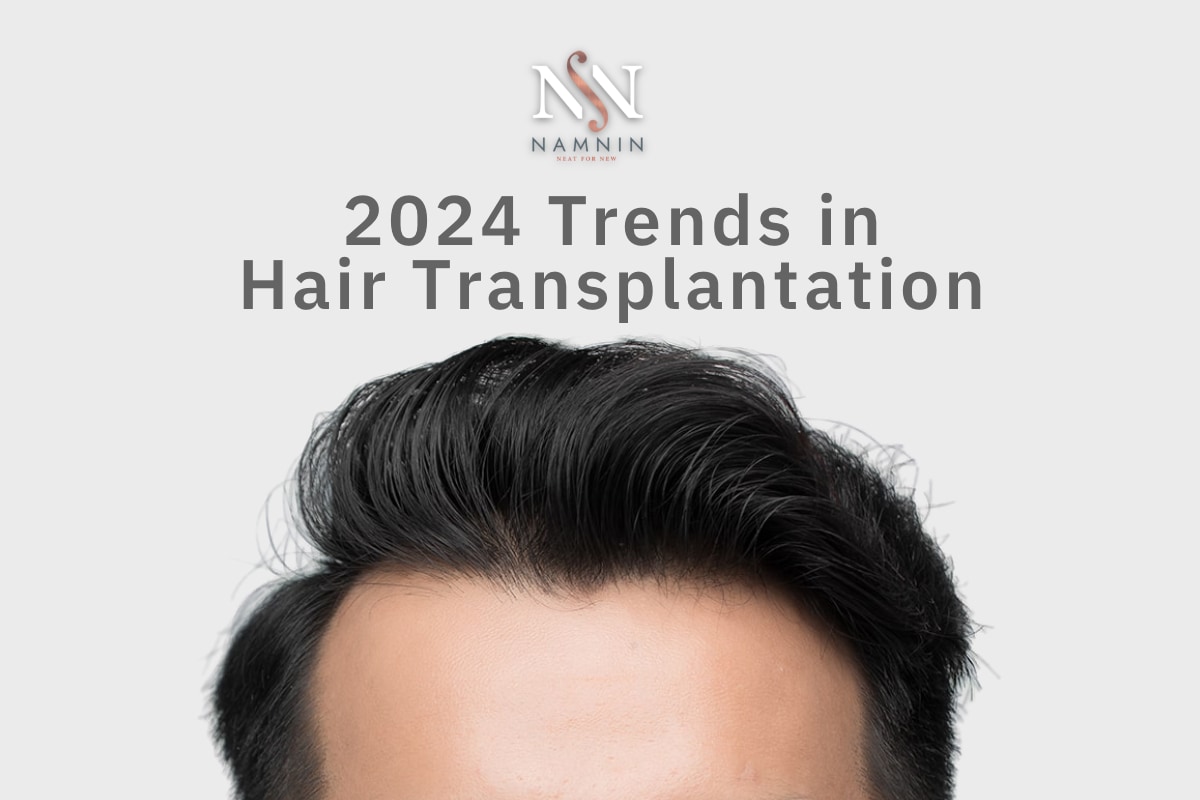
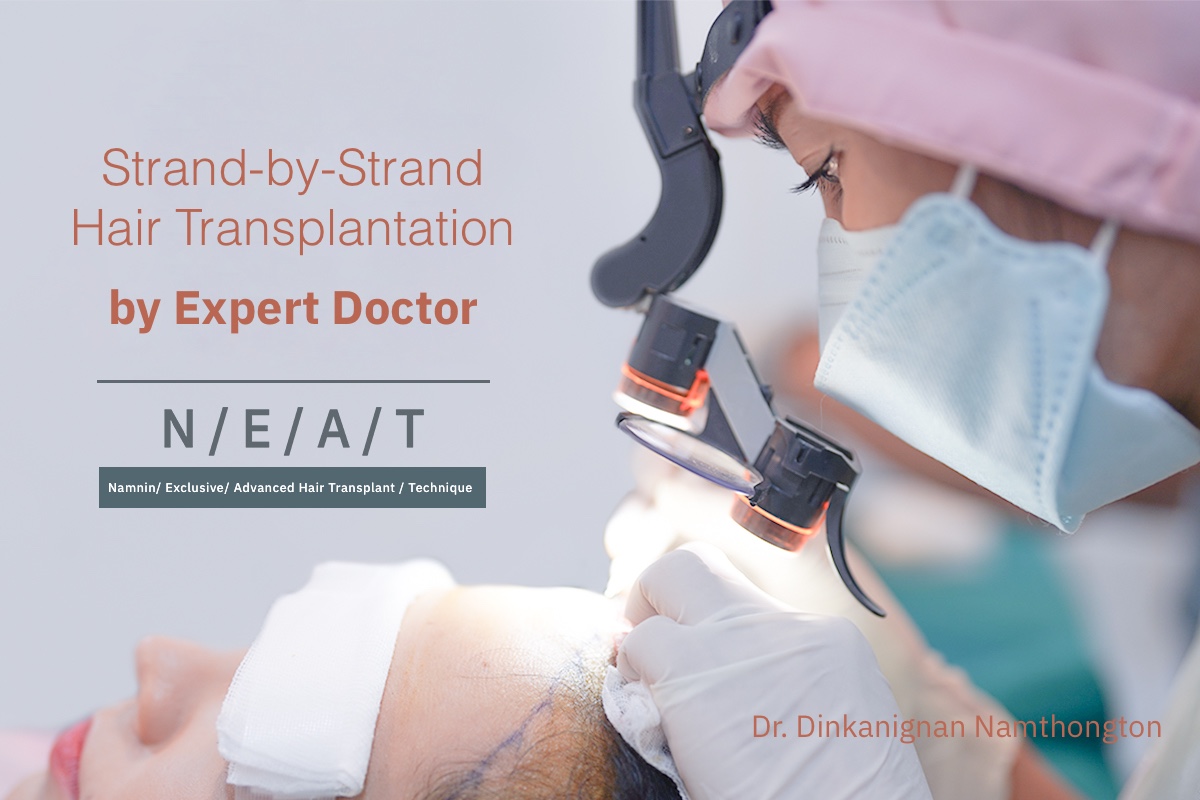
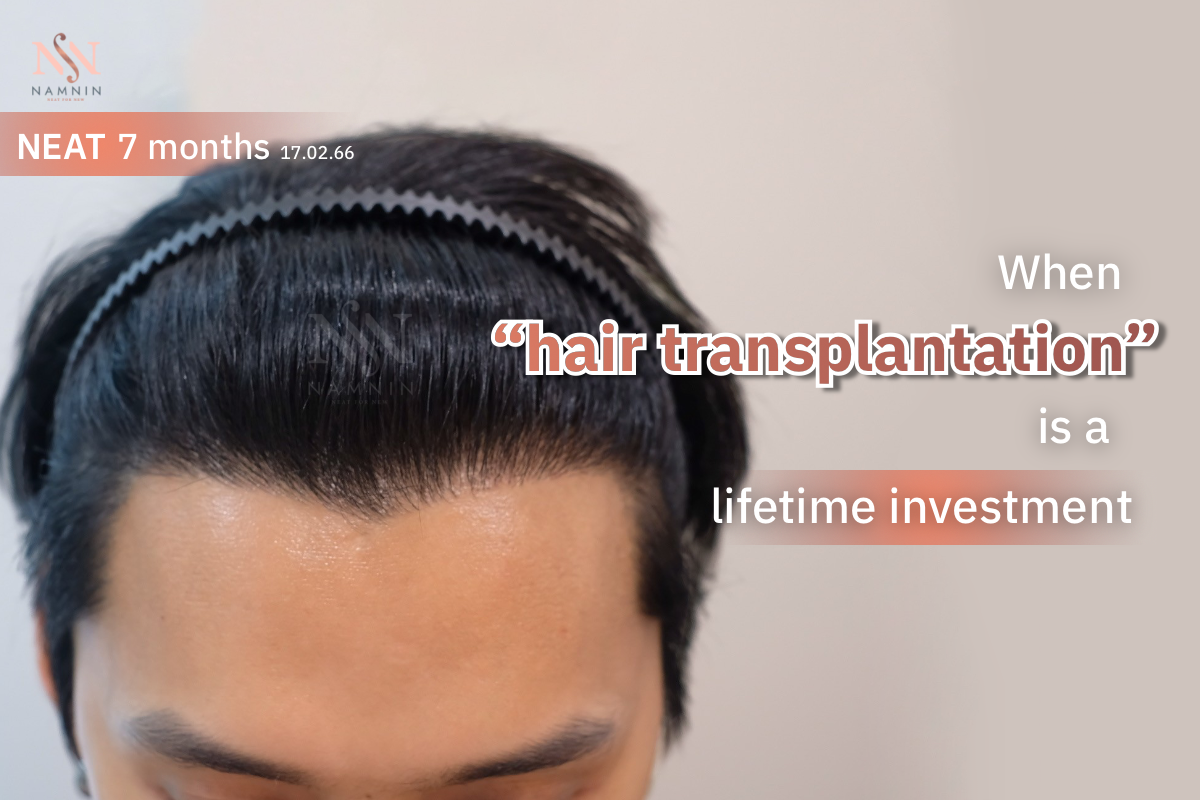
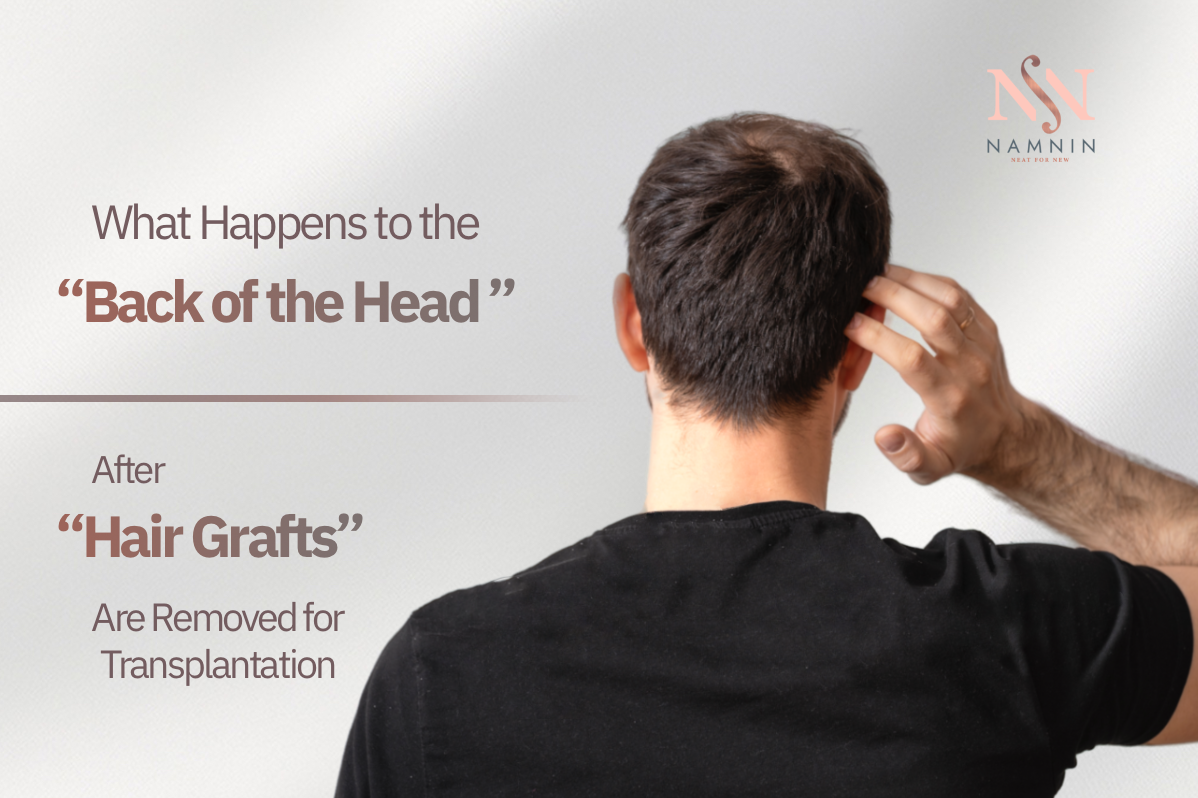
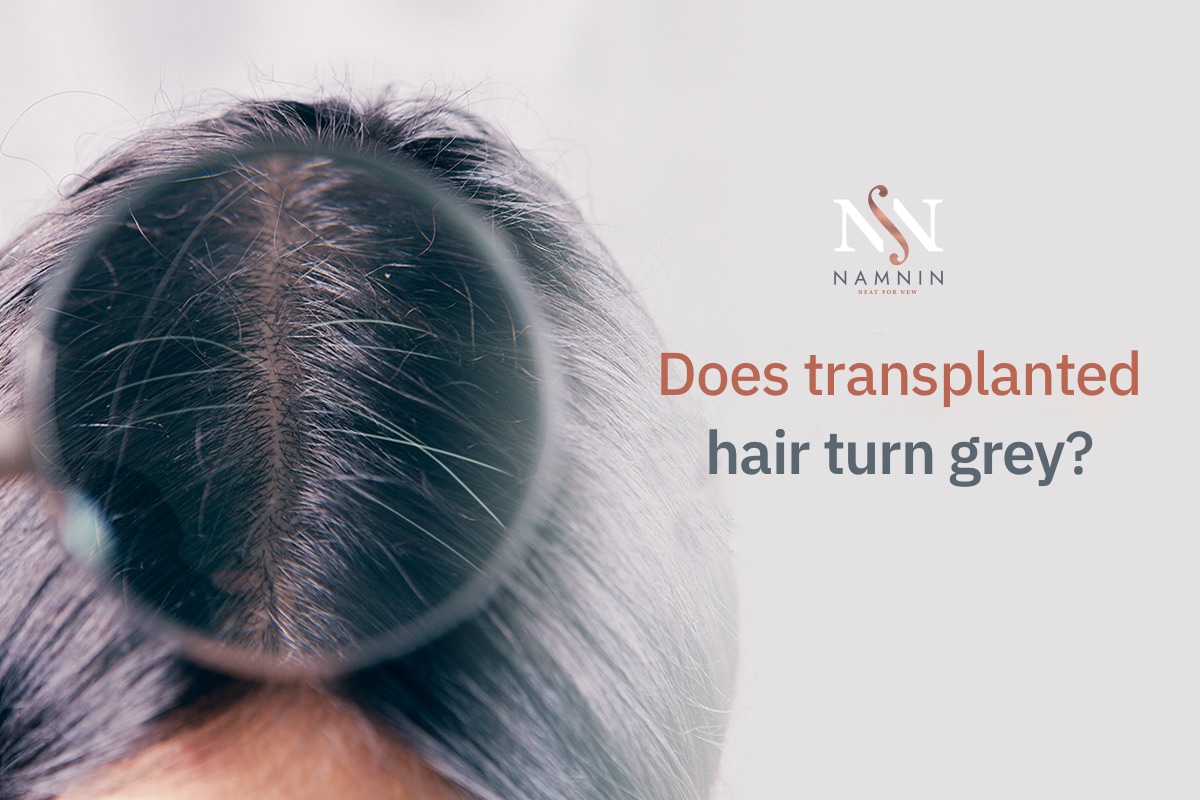
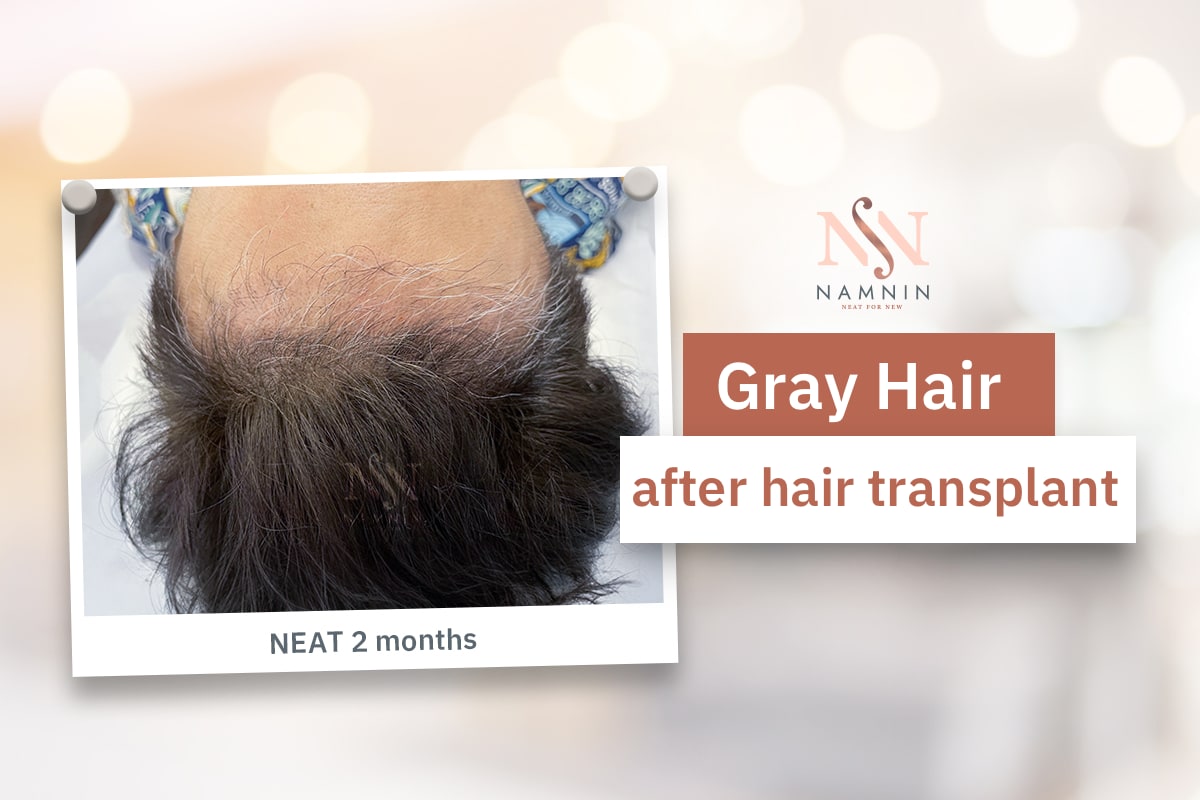
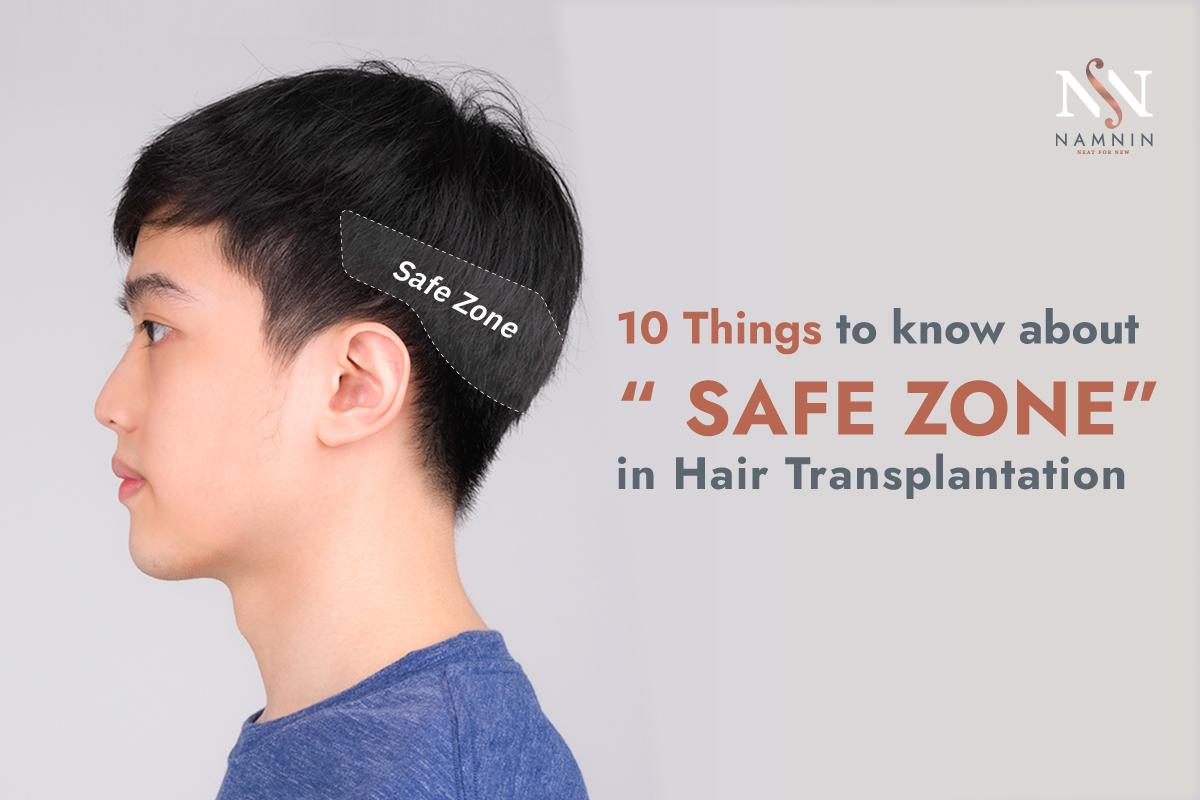
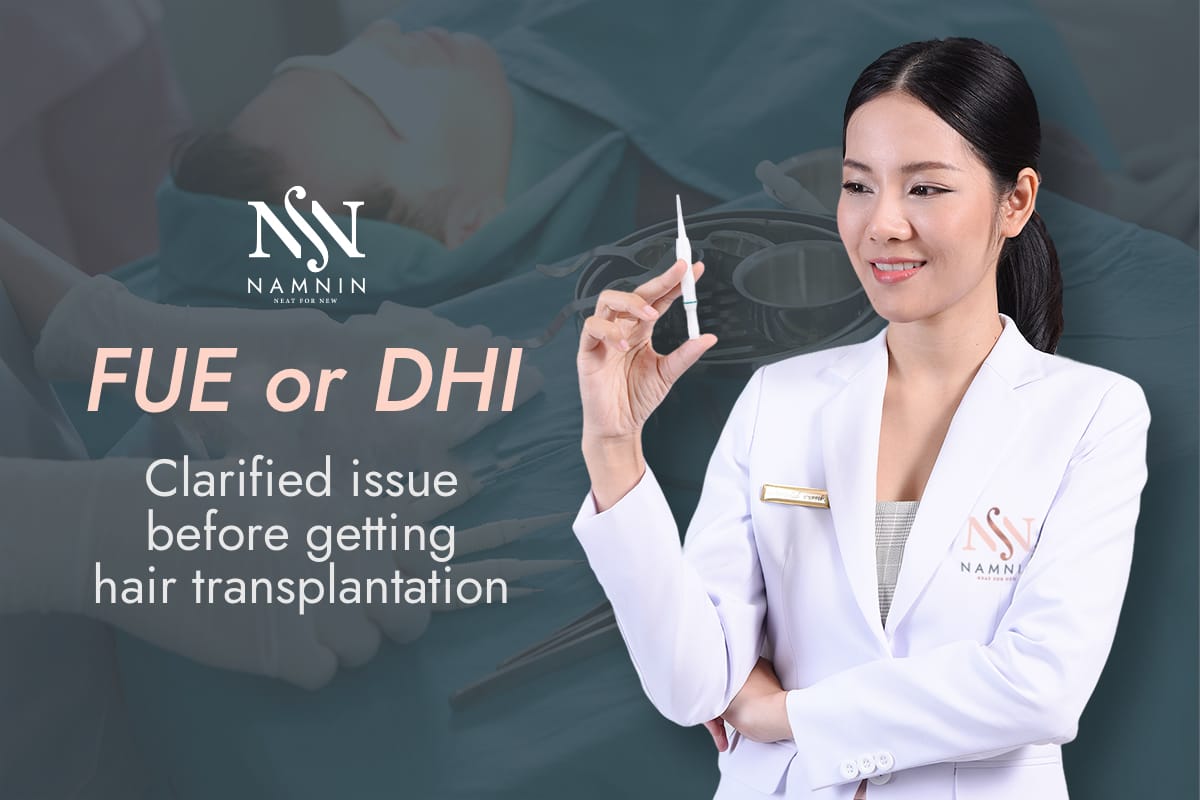
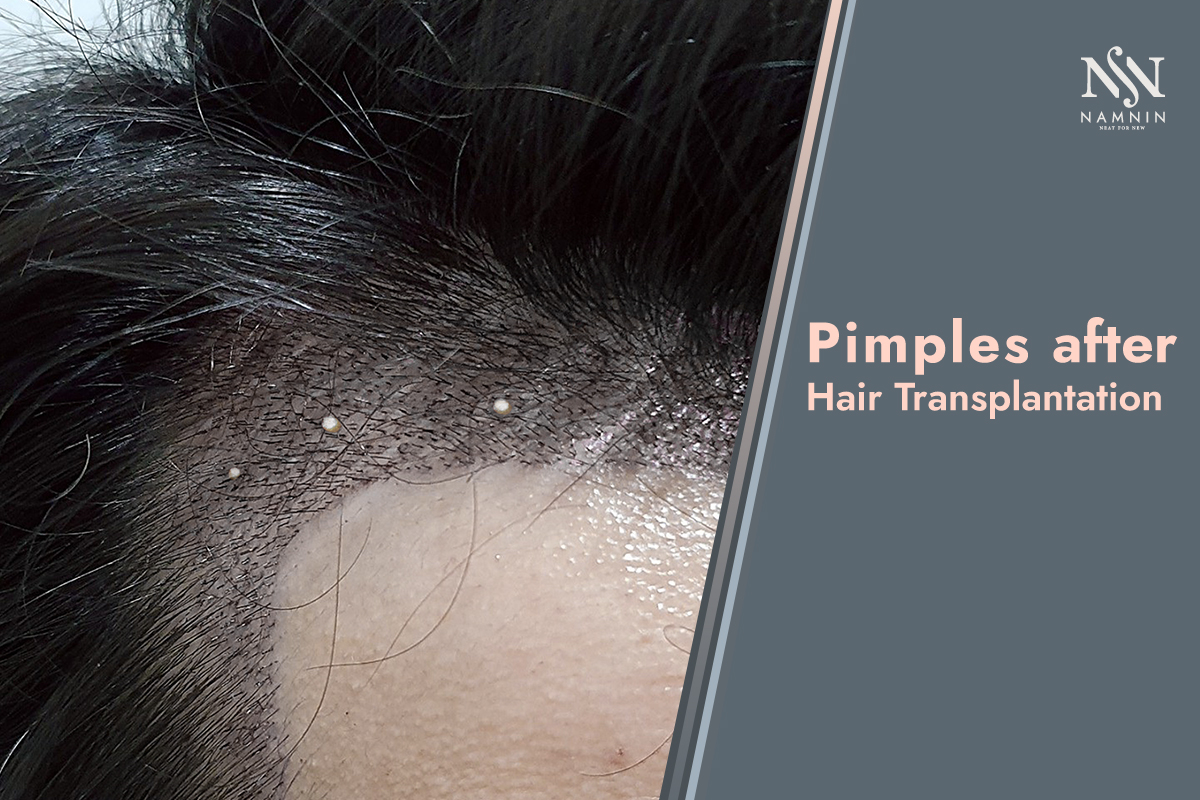
In cases where hair thinning becomes more advanced and some follicles have permanently miniaturized, medication alone may not be sufficient. Hair transplantation can then become an option to restore lost density. The principle of hair transplantation involves relocating healthy hair grafts from the donor area at the back of the scalp to thinning areas such as the frontal hairline or crown. Hair from the occipital region is selected because it tends to be more resistant to DHT. Once transplanted, this resistance remains, allowing for long lasting results in the treated area.
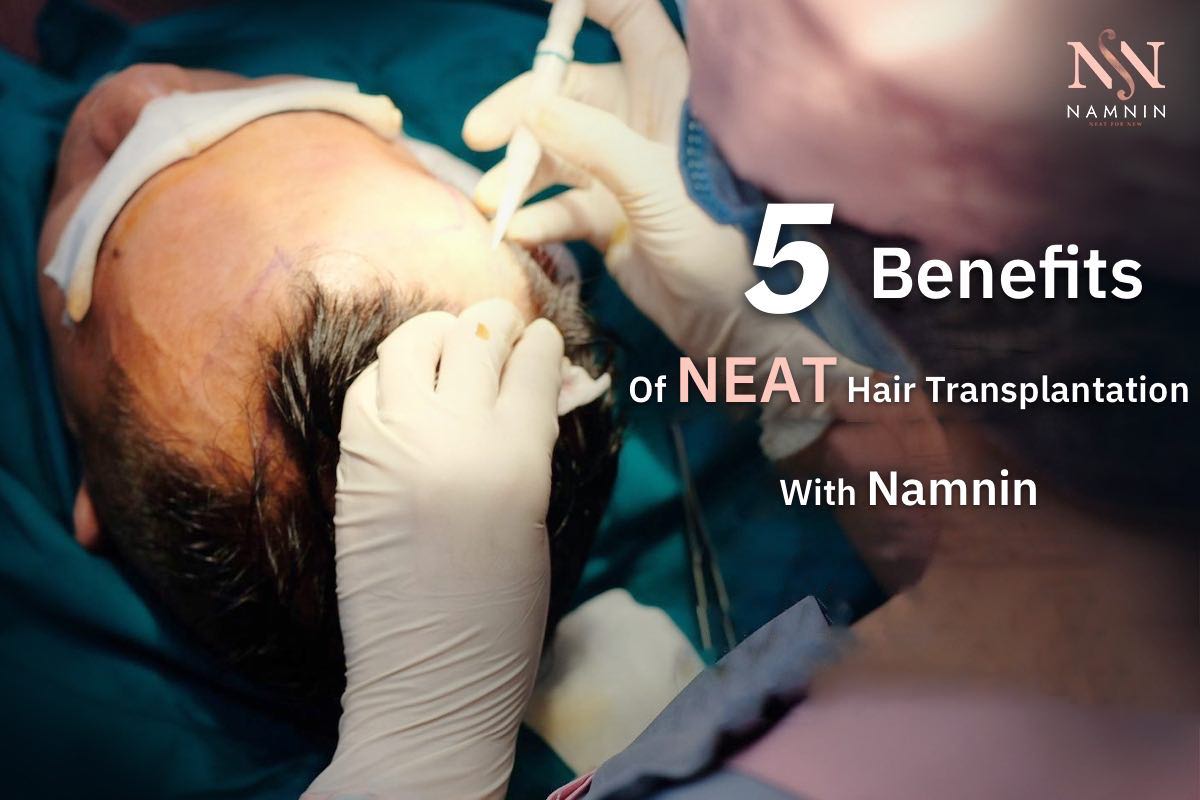
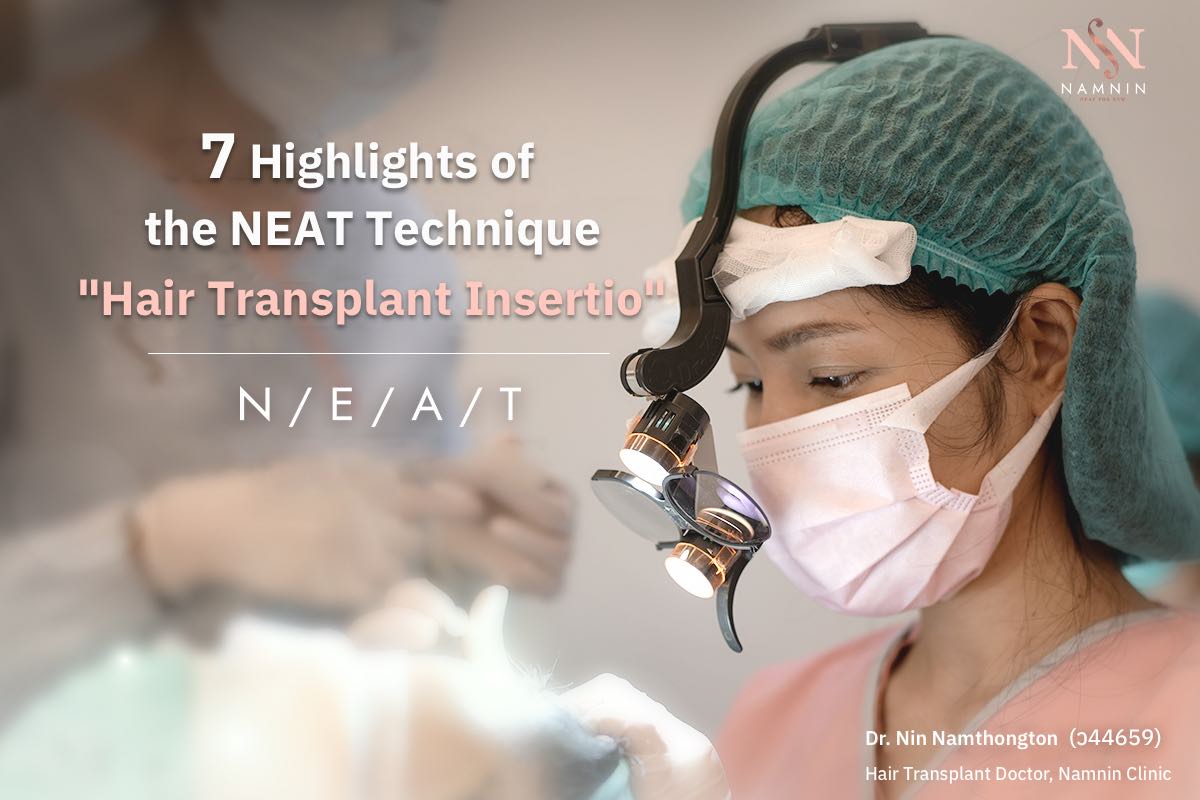
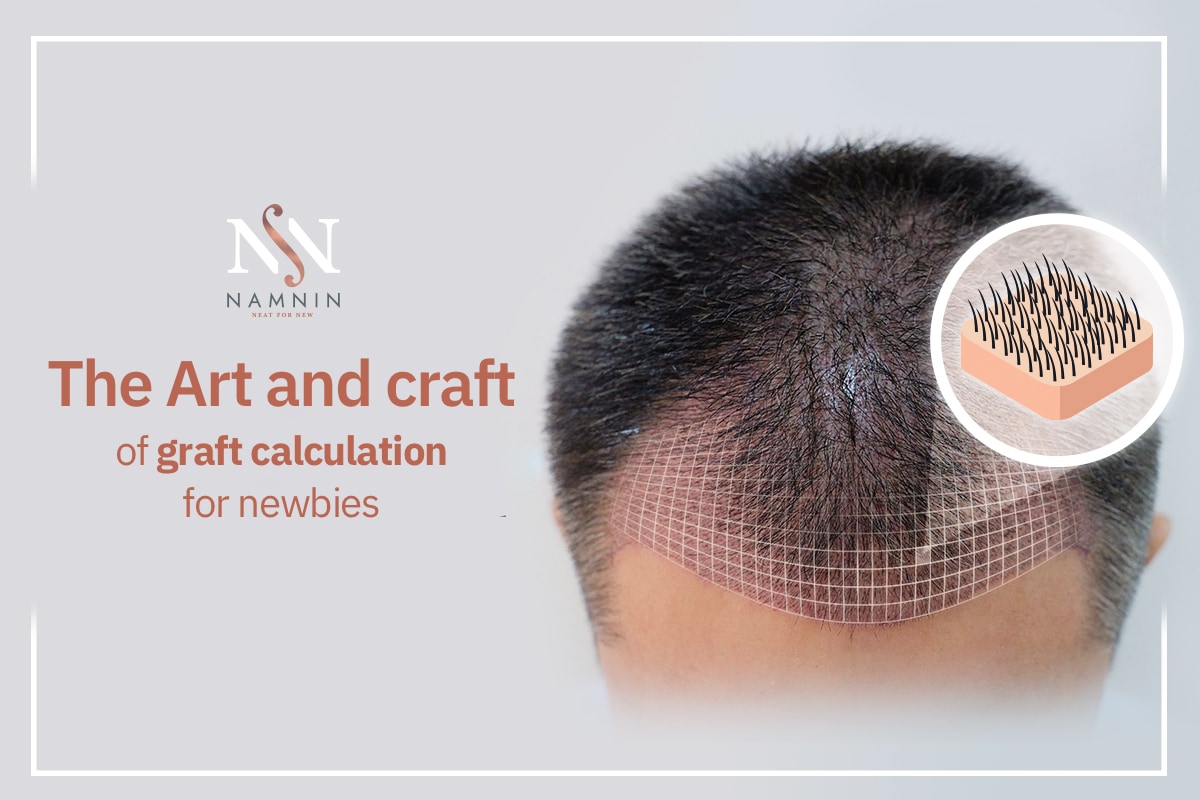
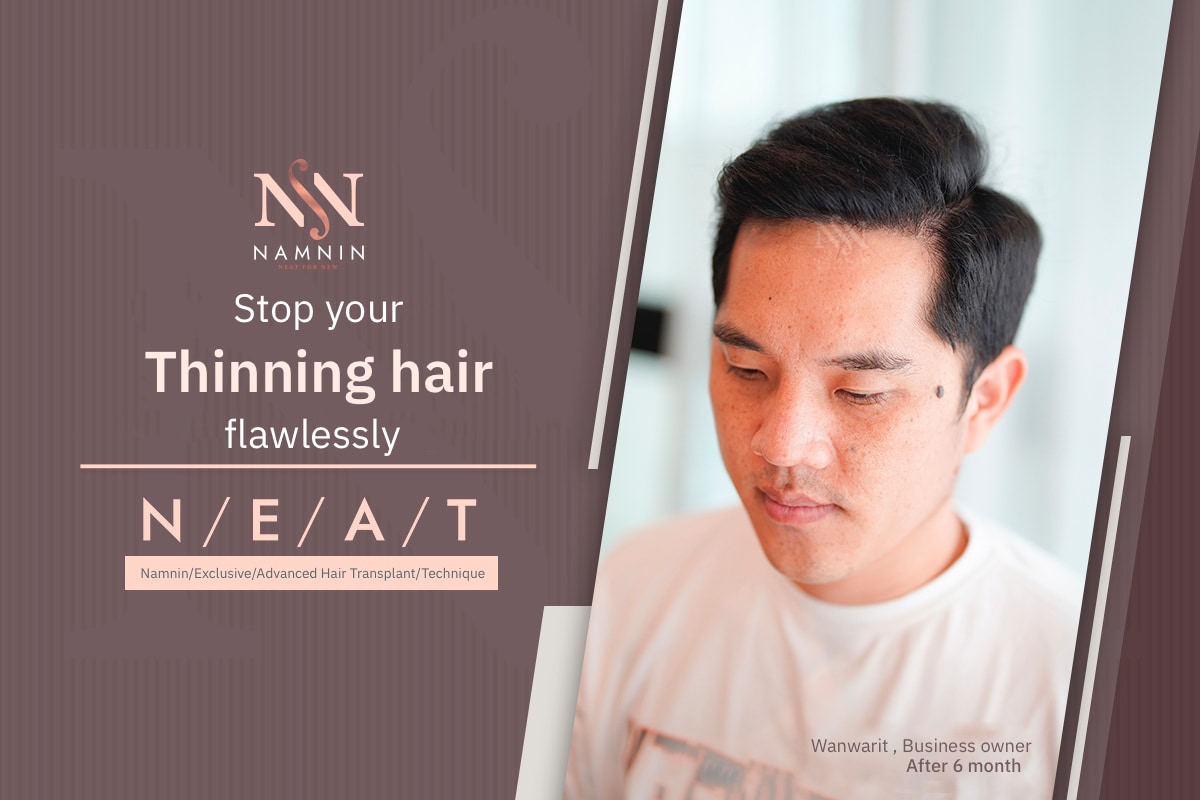
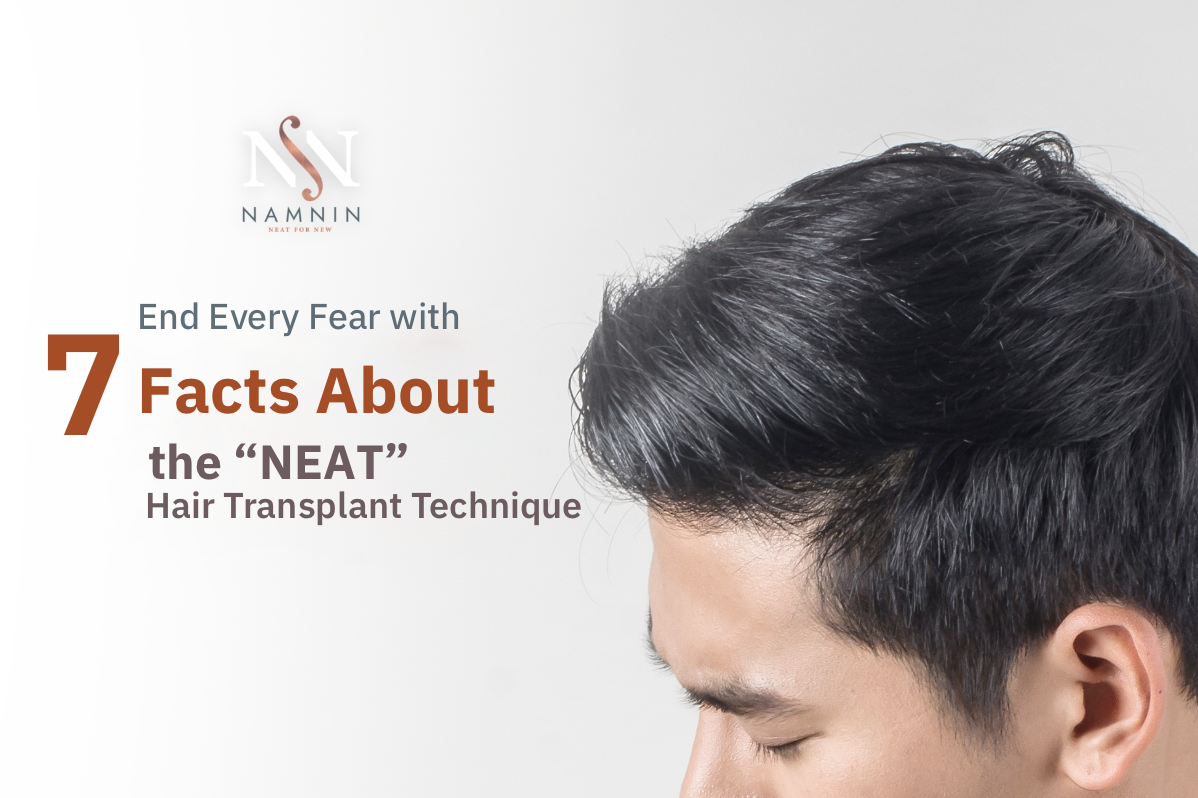
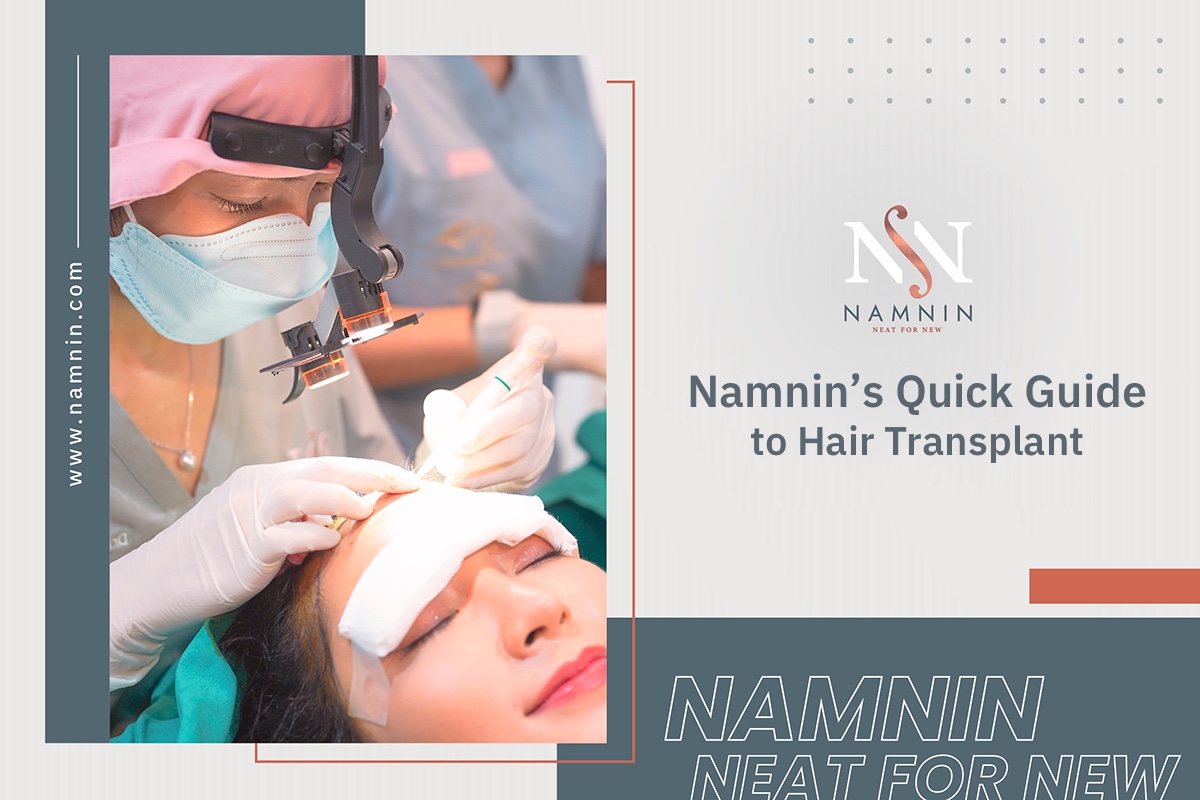
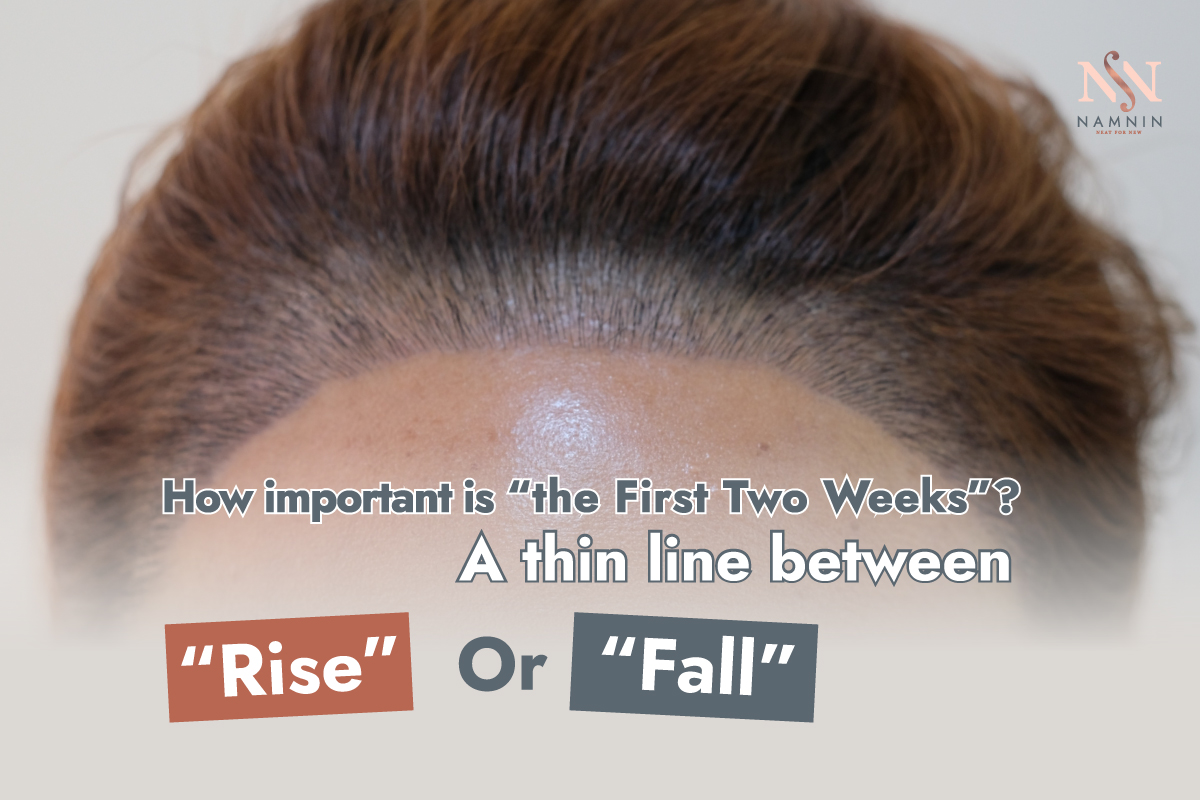
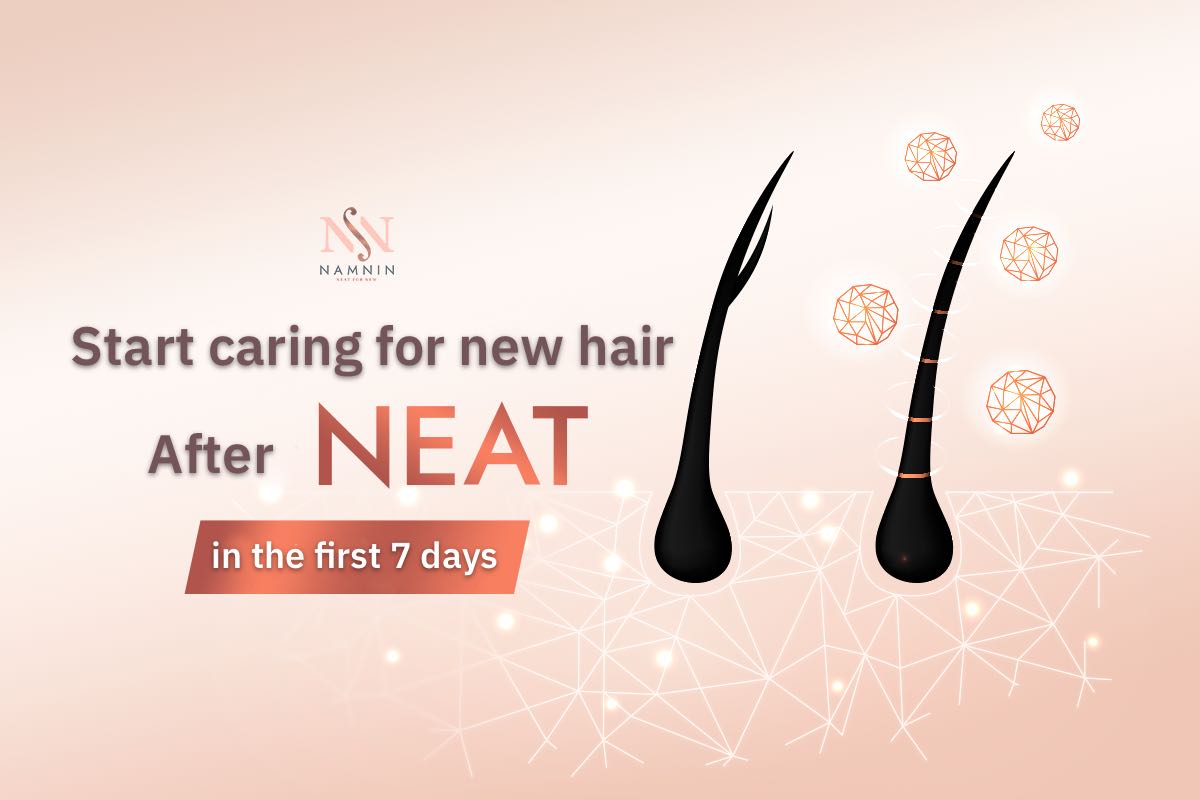
The NEAT hair transplantation technique focuses on precision and individualized design. Doctors carefully assess the appropriate number of grafts and use a 0.60 millimeter implanter to place each graft individually while controlling direction and angle to blend naturally with the patient’s existing hair. The goal is to create a hairline that complements both facial features and age appropriately. Hair transplantation is not simply about increasing hair count, but about restoring confidence and creating a balanced, natural appearance that reflects each individual’s identity.
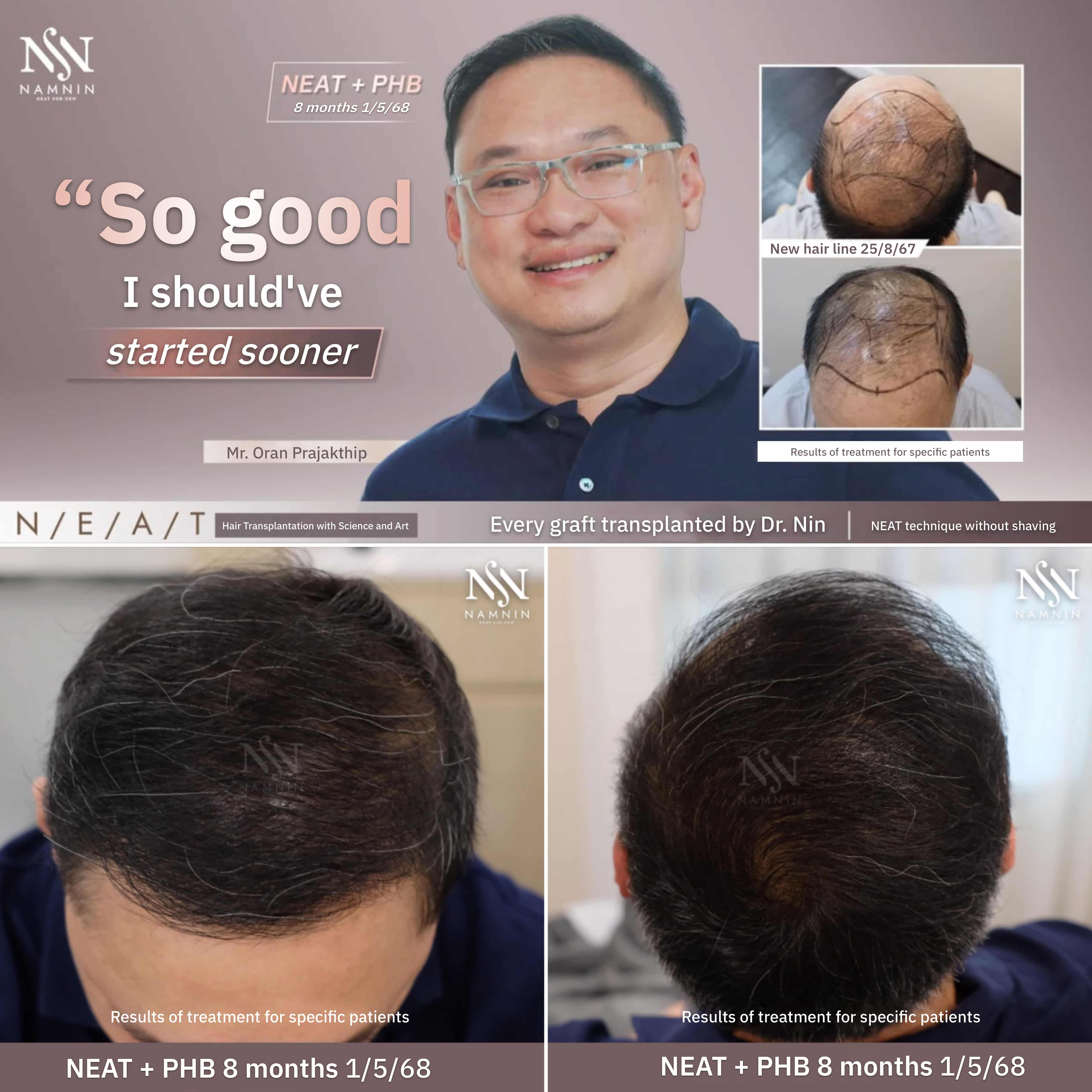
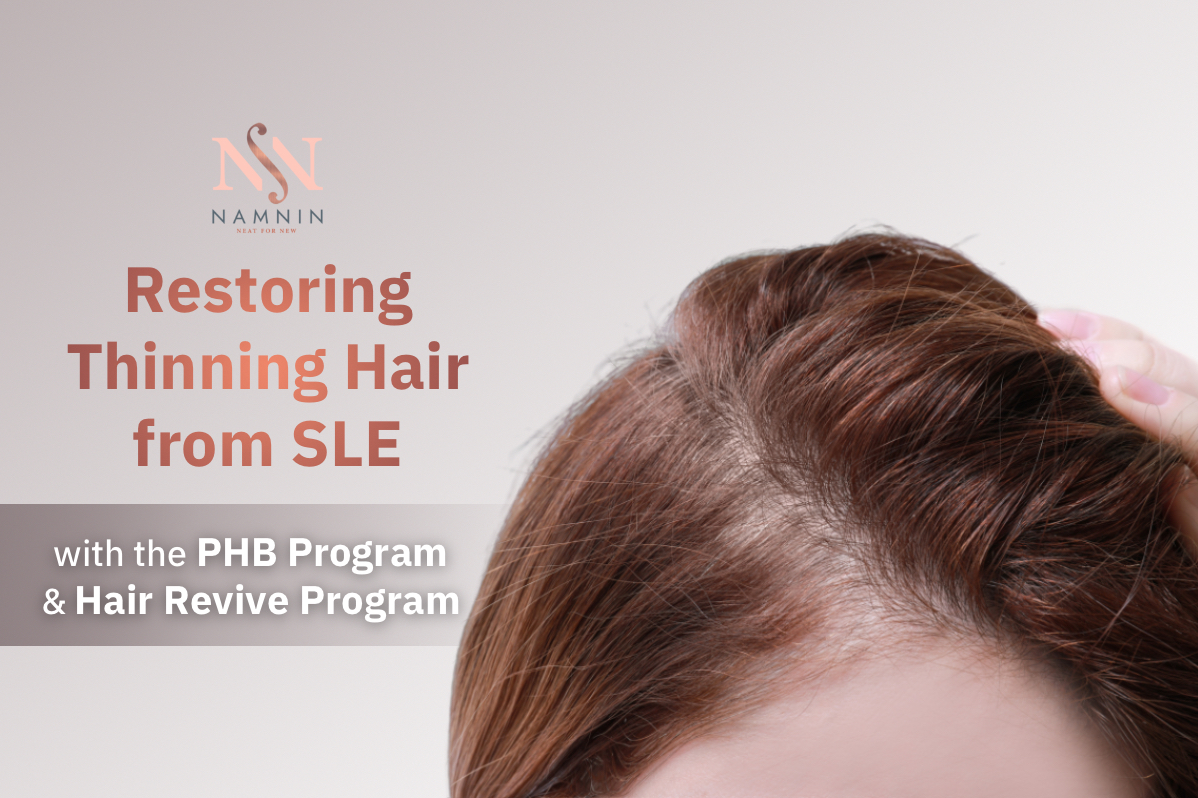
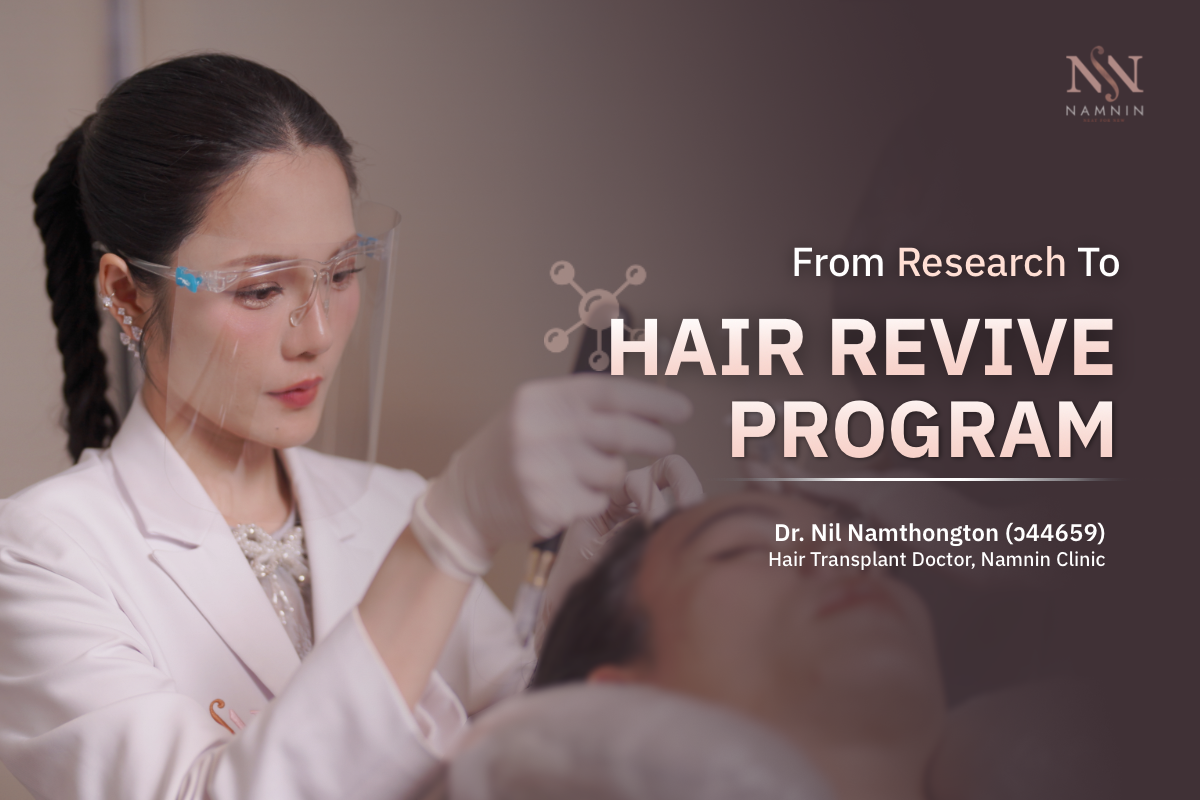
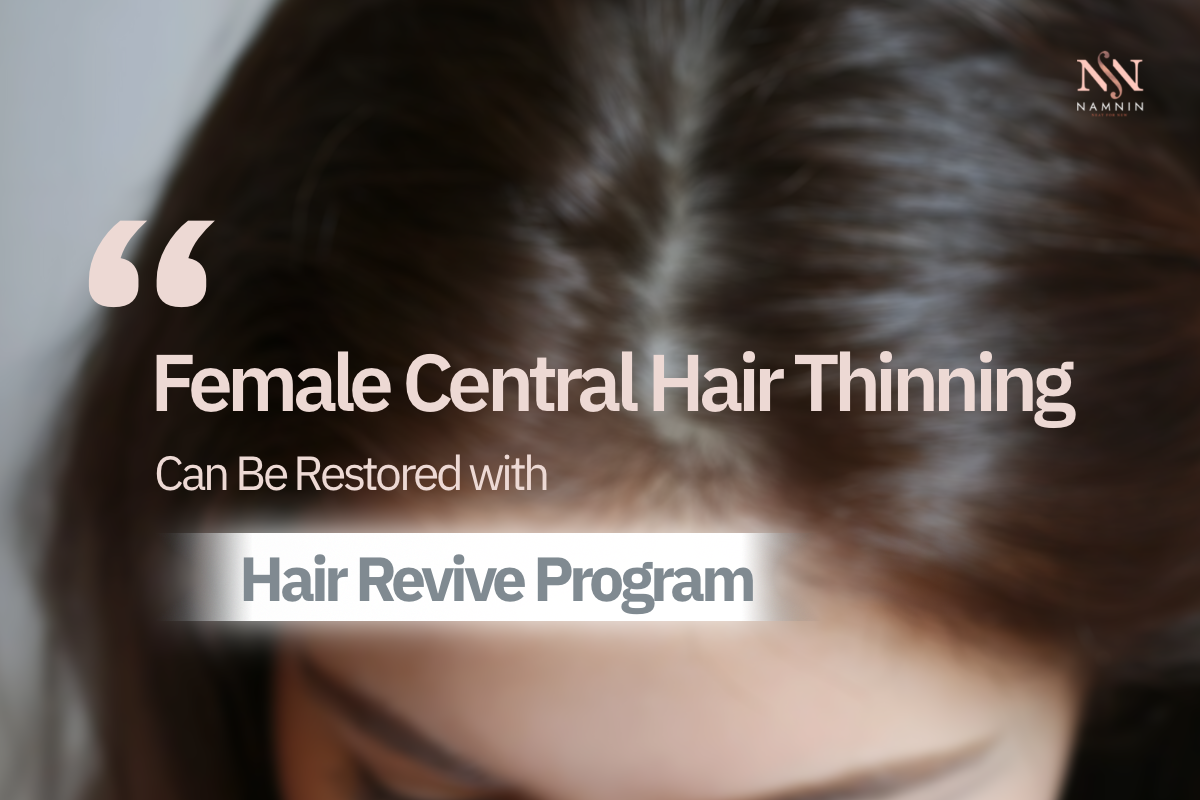
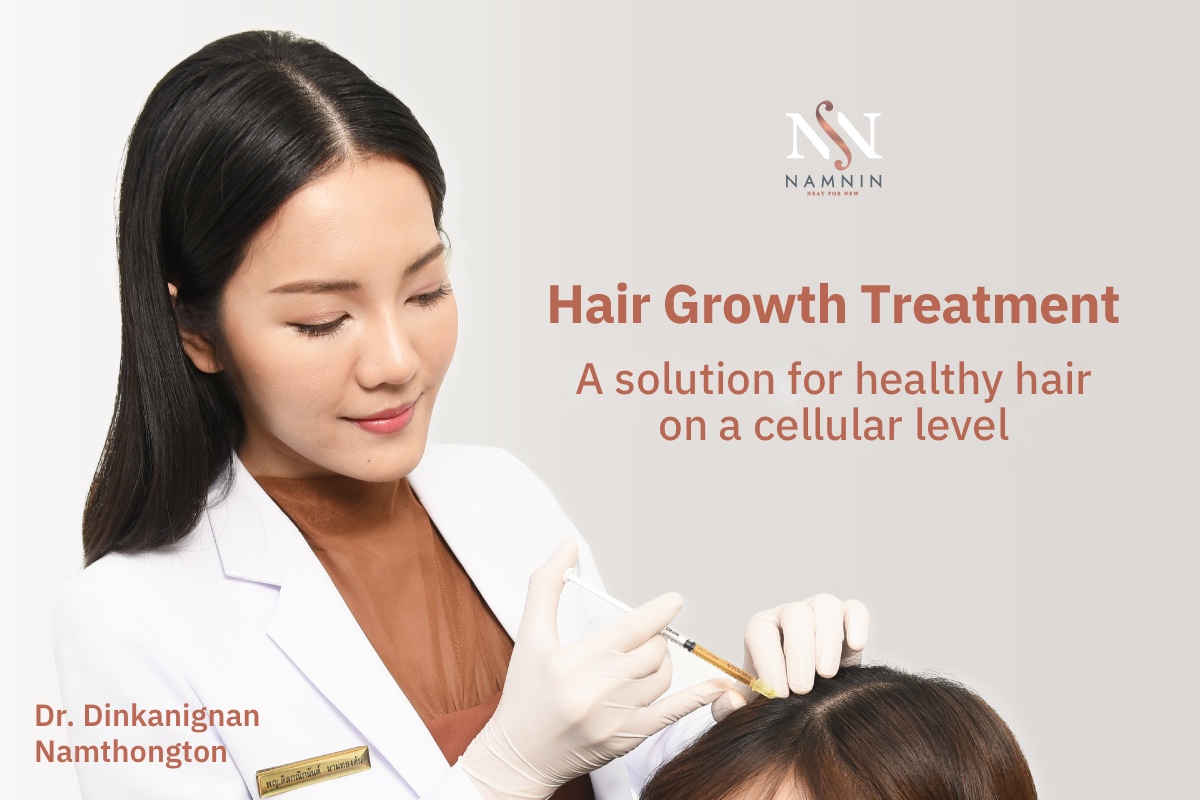
Even after transplantation, while the transplanted grafts remain permanent, the surrounding native hair can still be affected by DHT. Doctors may therefore recommend continuing hormone control medications to help slow future thinning, along with supportive scalp care programs such as PHB or the Hair Revive Program to maintain scalp and hair health over time. All treatment plans should be personalized and approached gradually under professional evaluation.
Ultimately, whether you are personally experiencing these changes or searching for information out of concern for someone close to you, the most important thing is understanding and making informed decisions without rushing. Hair may only be one part of the body, but for many people, it reflects confidence, identity, and different stages of life. Caring for hair is not only about appearance, but also about self care, confidence, and feeling comfortable in your own skin from within.