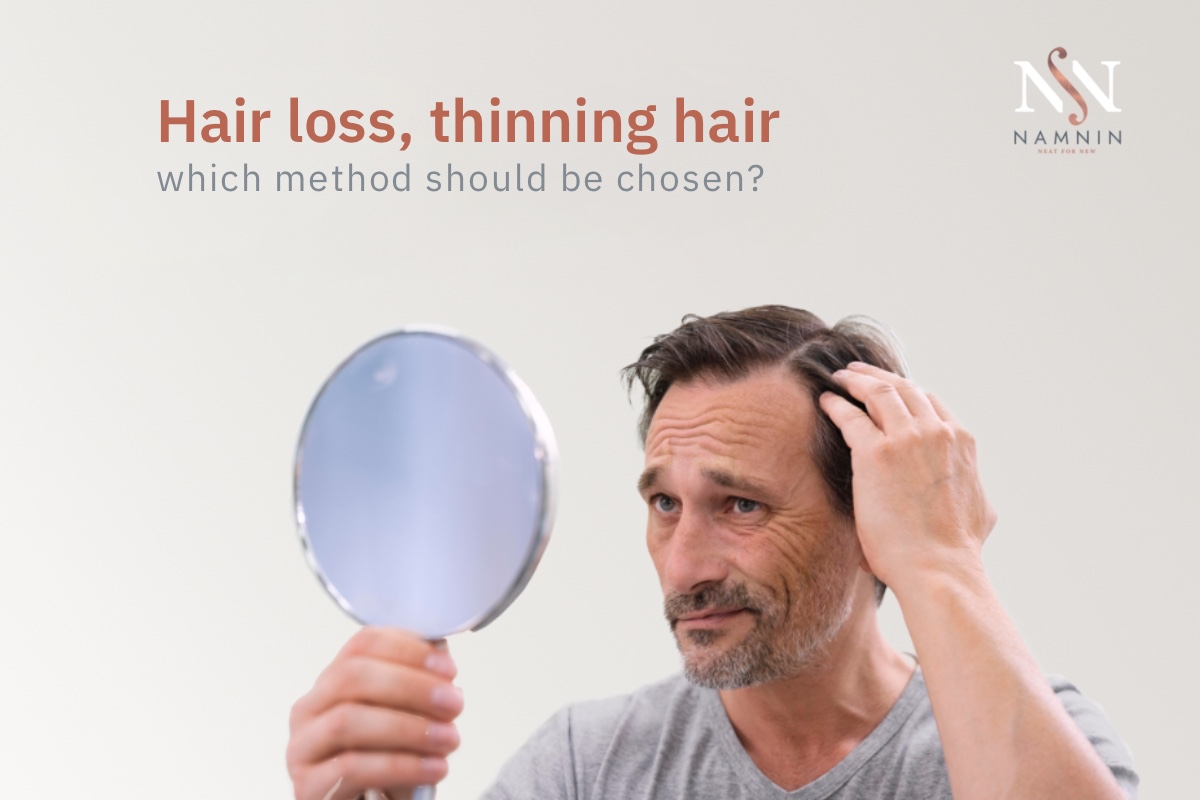
Men’s Pain Point “Not Aging. Just Thinning Hair.”
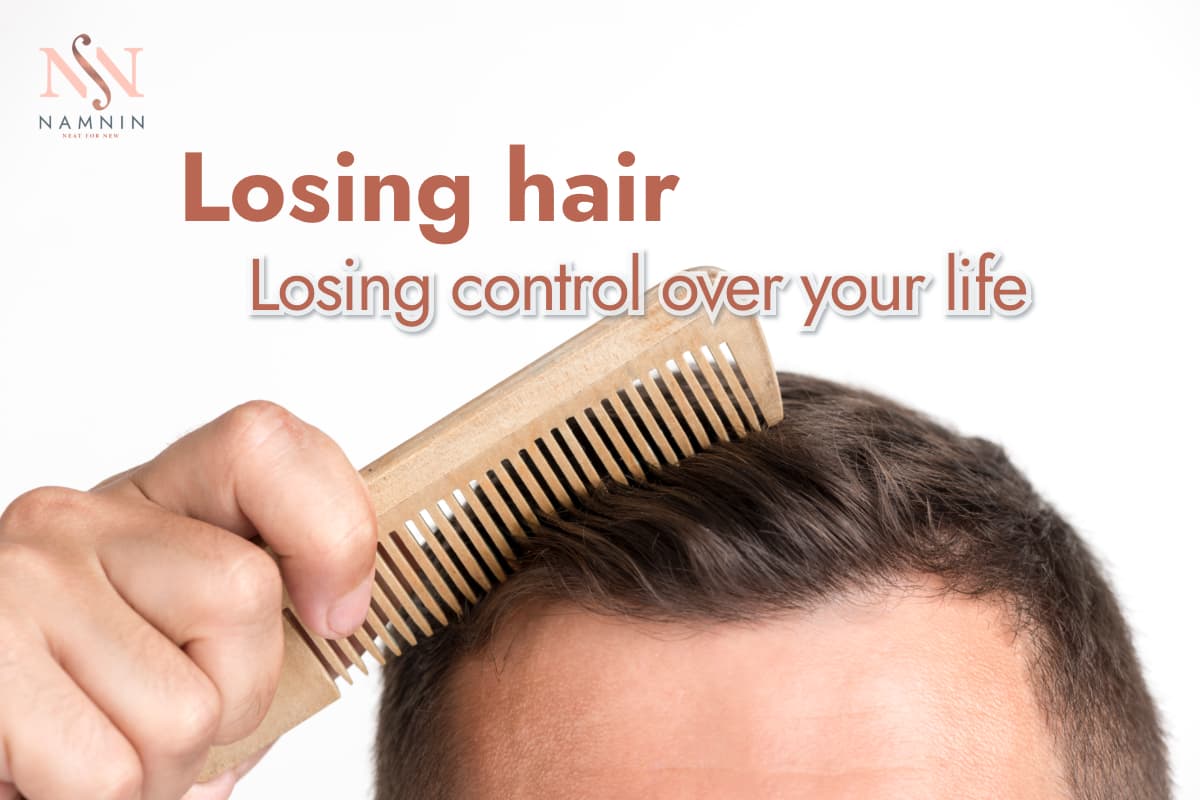
One of the biggest concerns for men around the world is looking in the mirror and feeling older than they really are, even at a relatively young age, while friends of the same age still appear sharp, youthful, and confident.
There are many reasons why men may lose a youthful appearance, whether from age itself, lack of self care, unhealthy habits, or even personal style. But one of the most underestimated “enemies of youth” for men is hair.
Hair is often seen as a symbol of age. People naturally judge whether someone looks younger or older than their actual age based on their hair. More importantly, hair is a key part of a man’s overall image. It reflects personality, confidence, professionalism, and personal style, all of which contribute to how confident a man feels in everyday life.
If you are still young, take care of yourself well, and dress with style, but still feel that your appearance looks older than it should, try looking in the mirror again and paying attention to your hair.
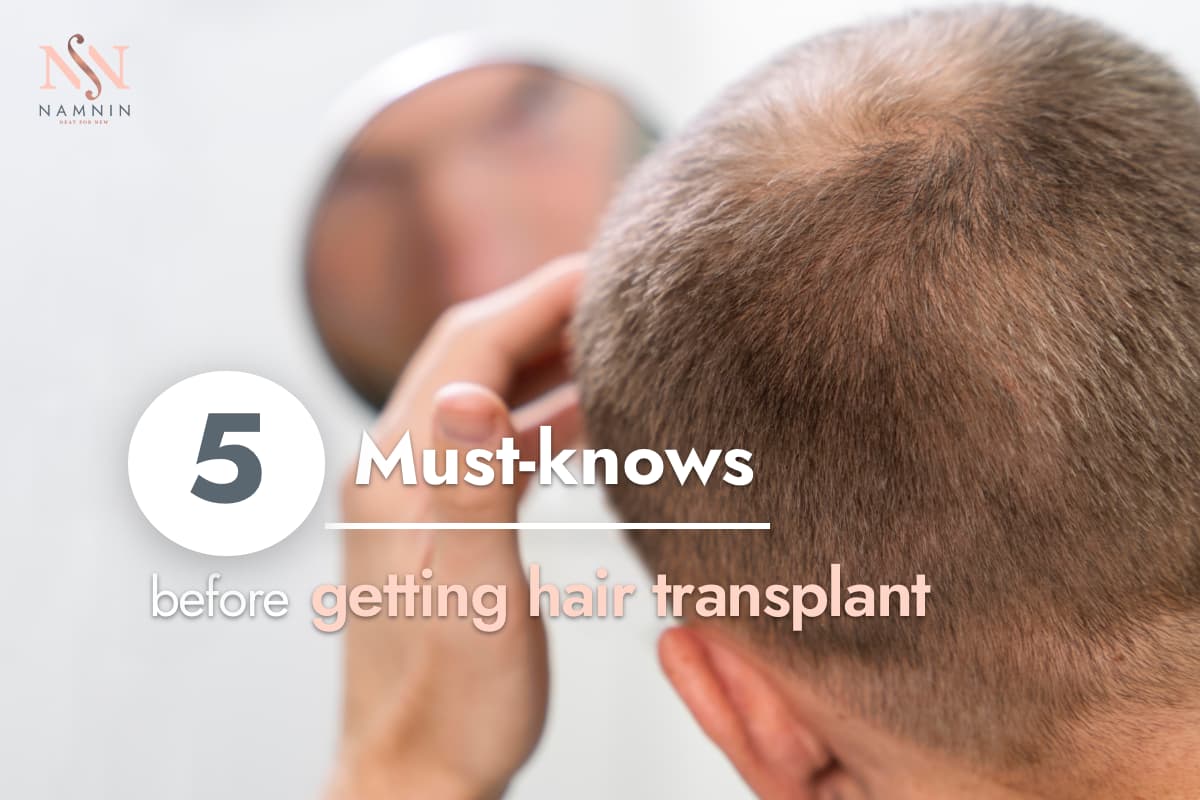
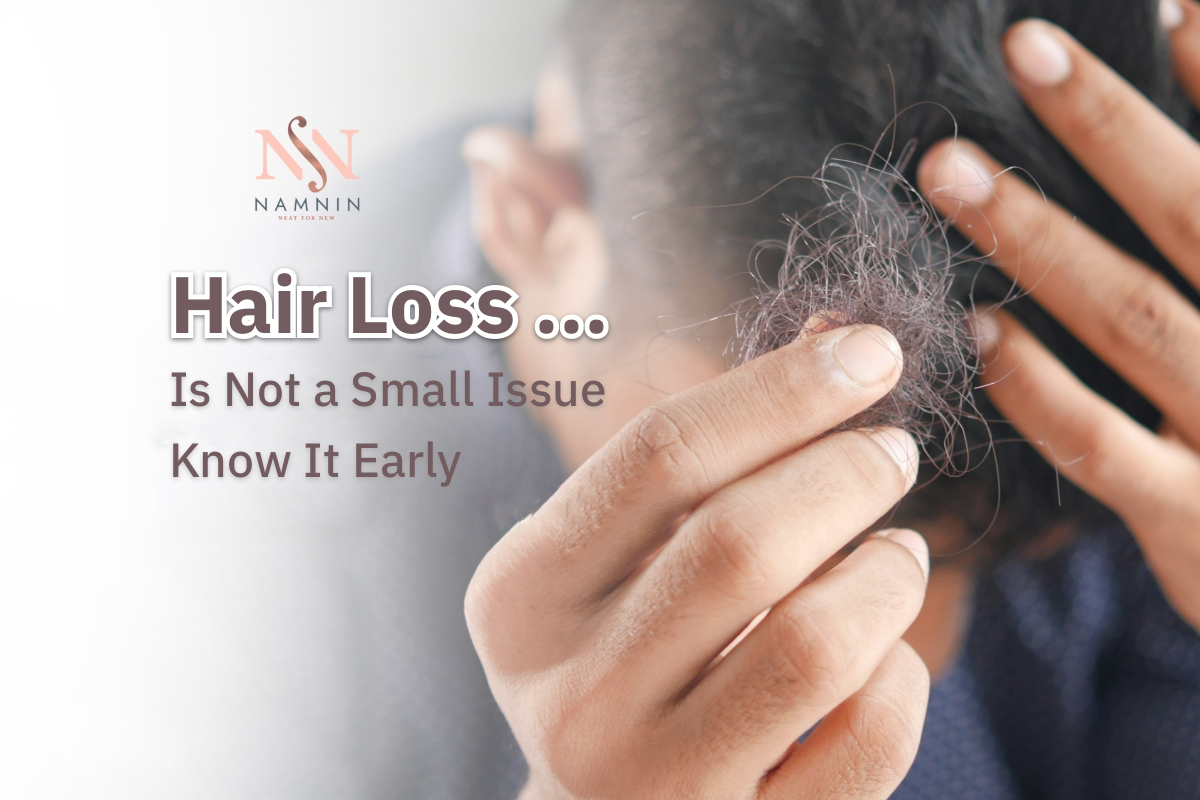
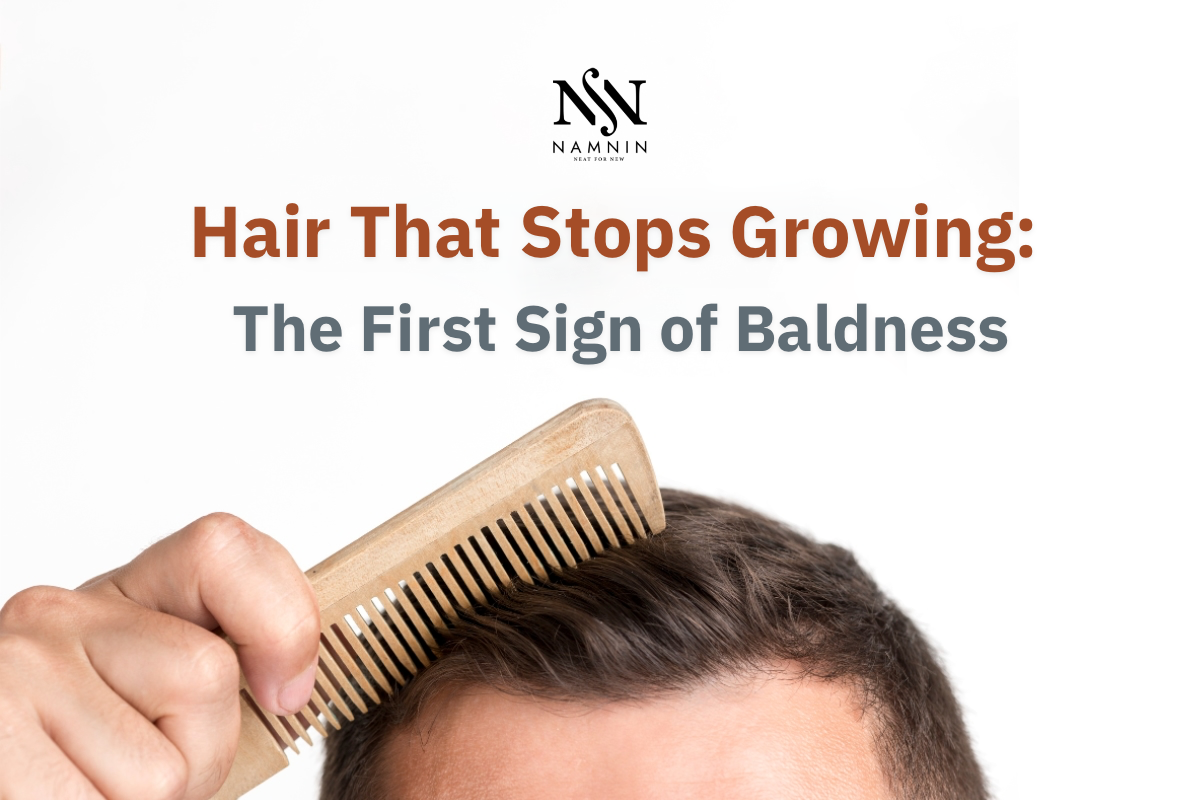
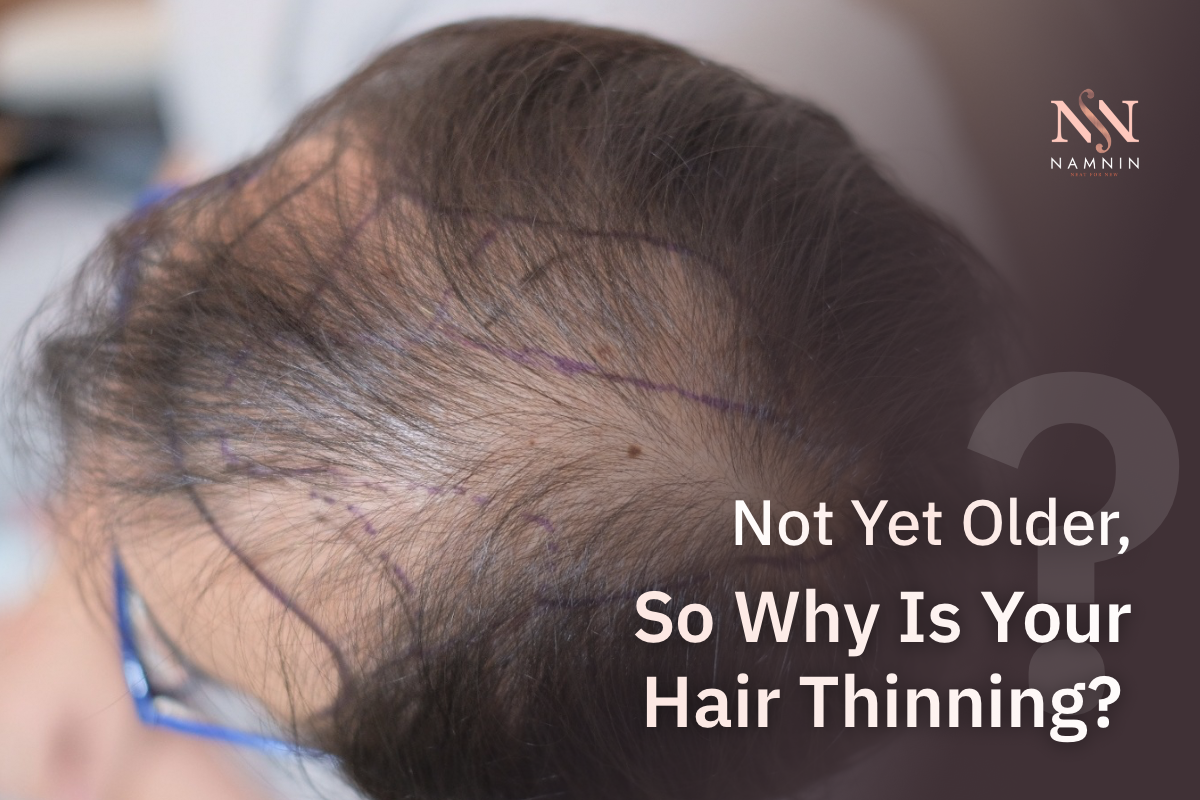
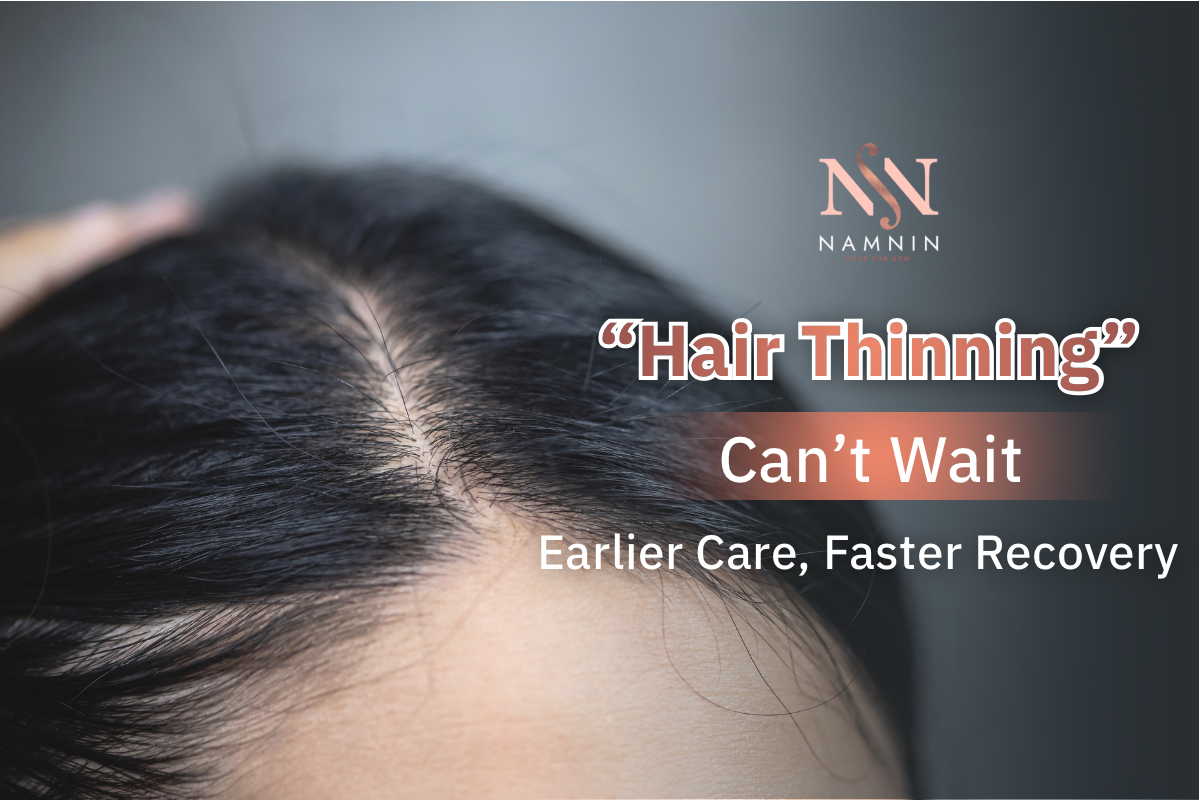
…Does it seem thinner than before…?
Today, Namnin Clinic would like to explain in a simple way how thinning hair can make men appear older than their actual age.
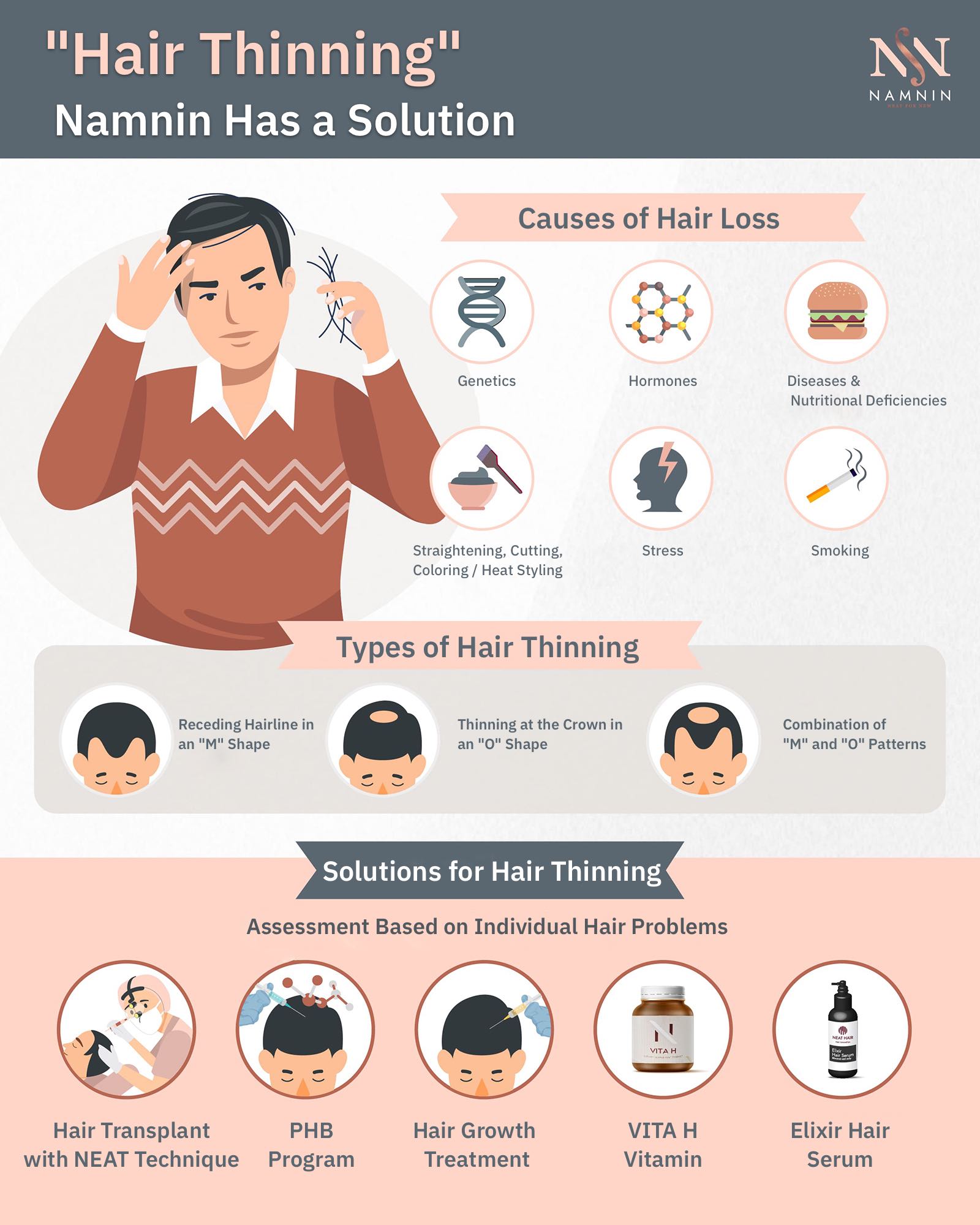
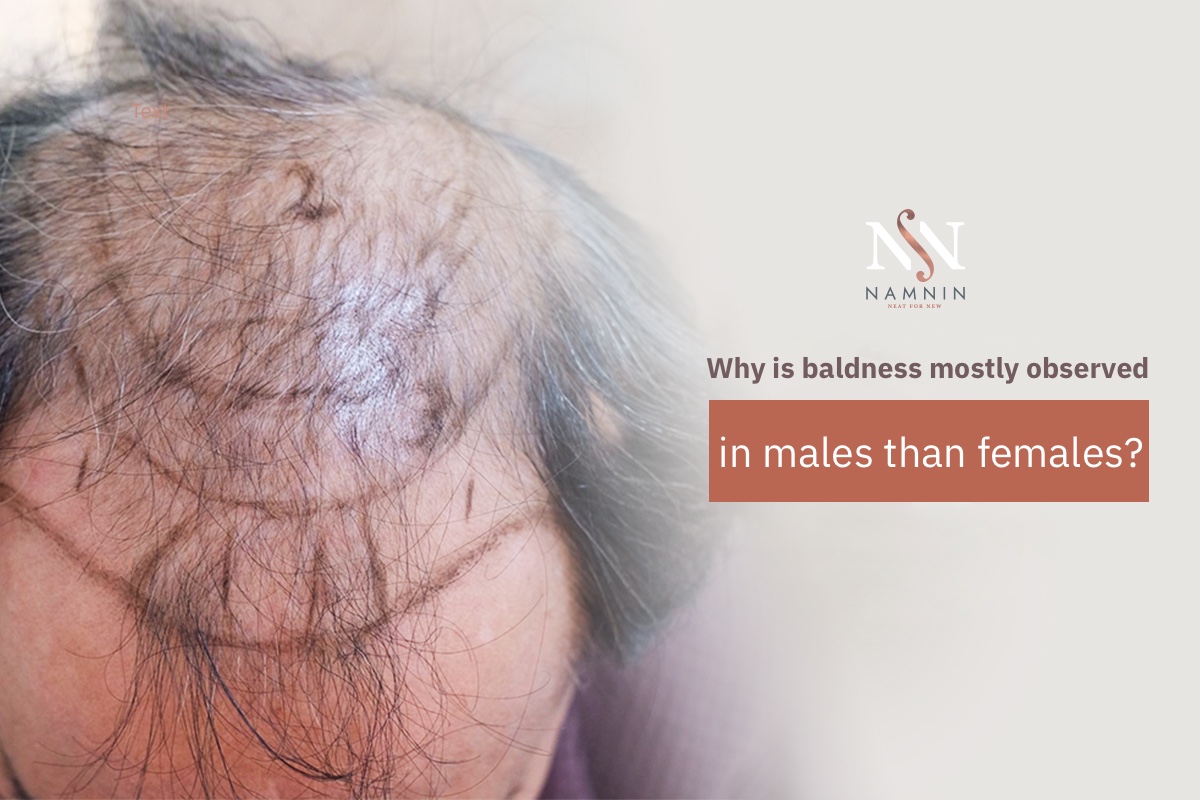
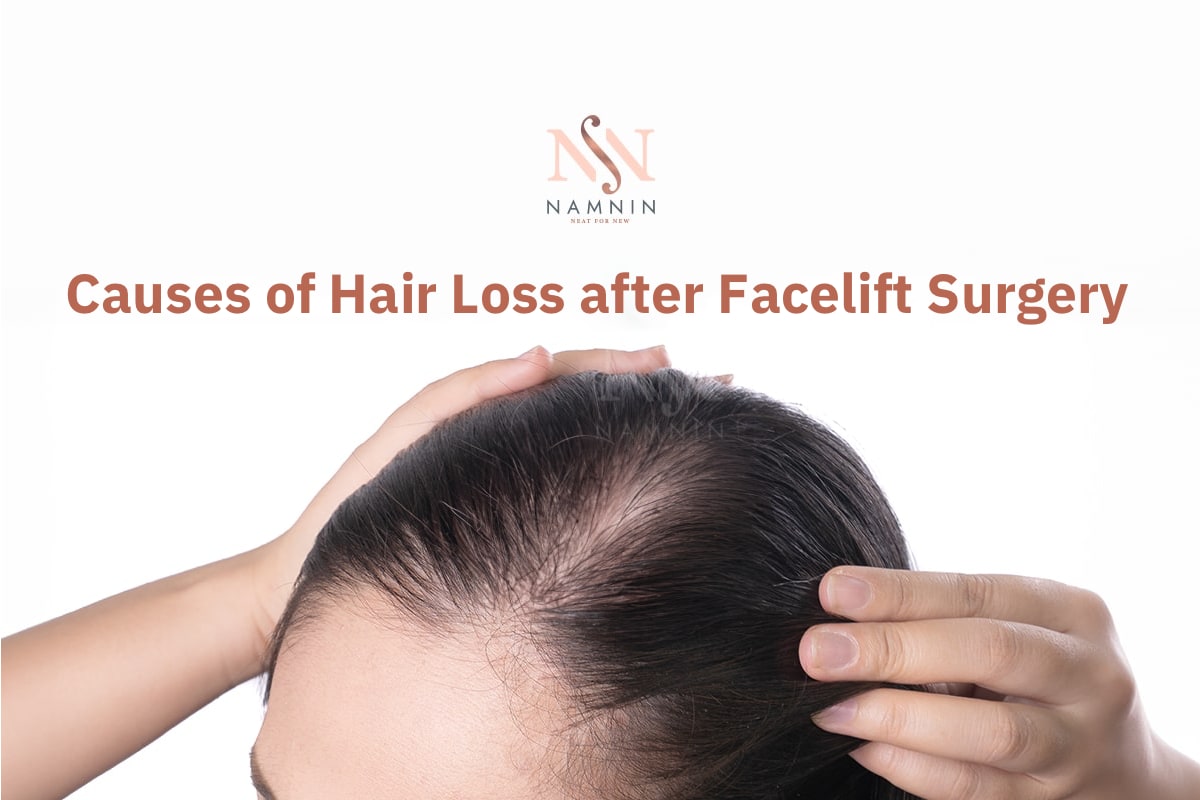
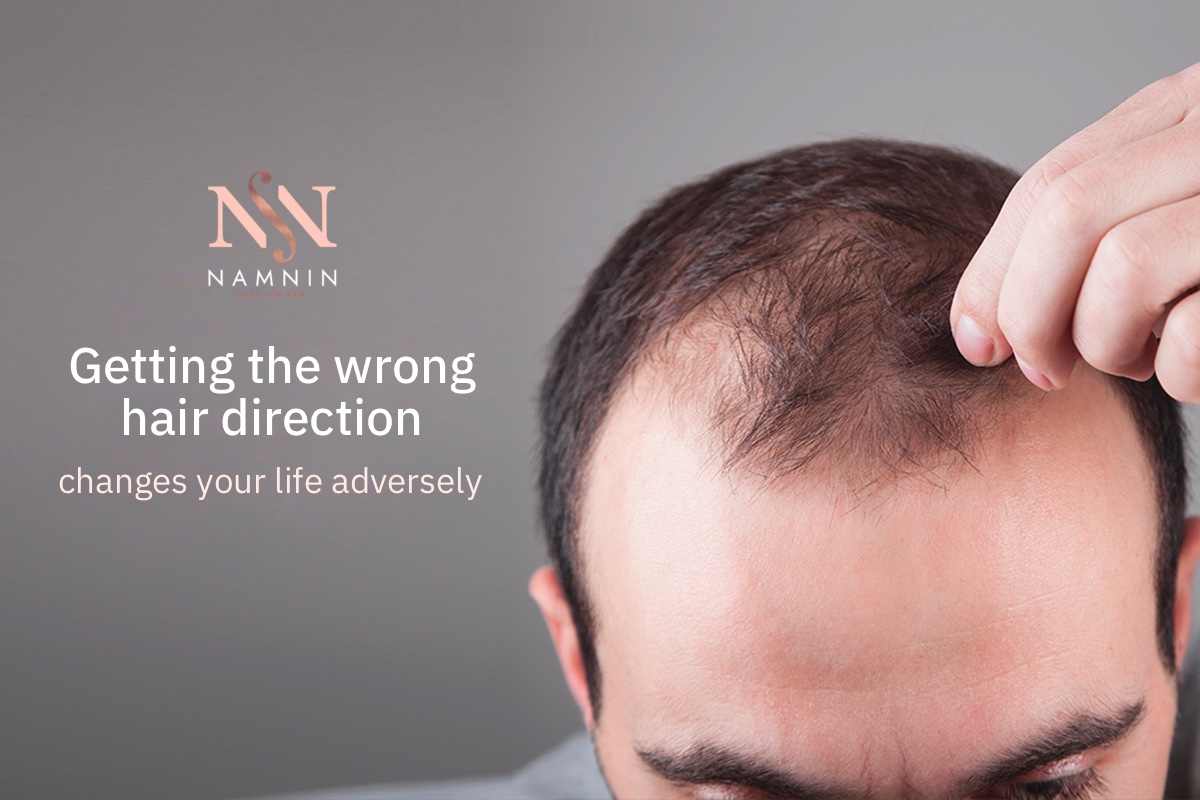
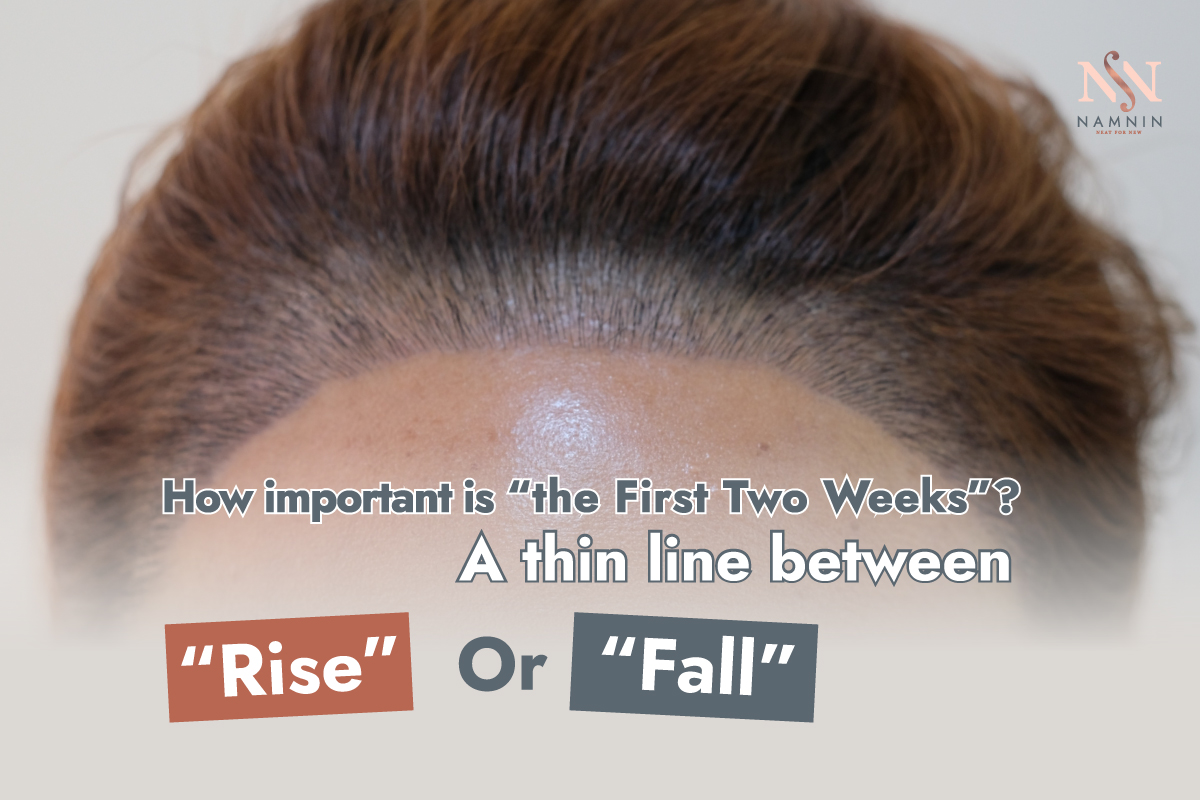
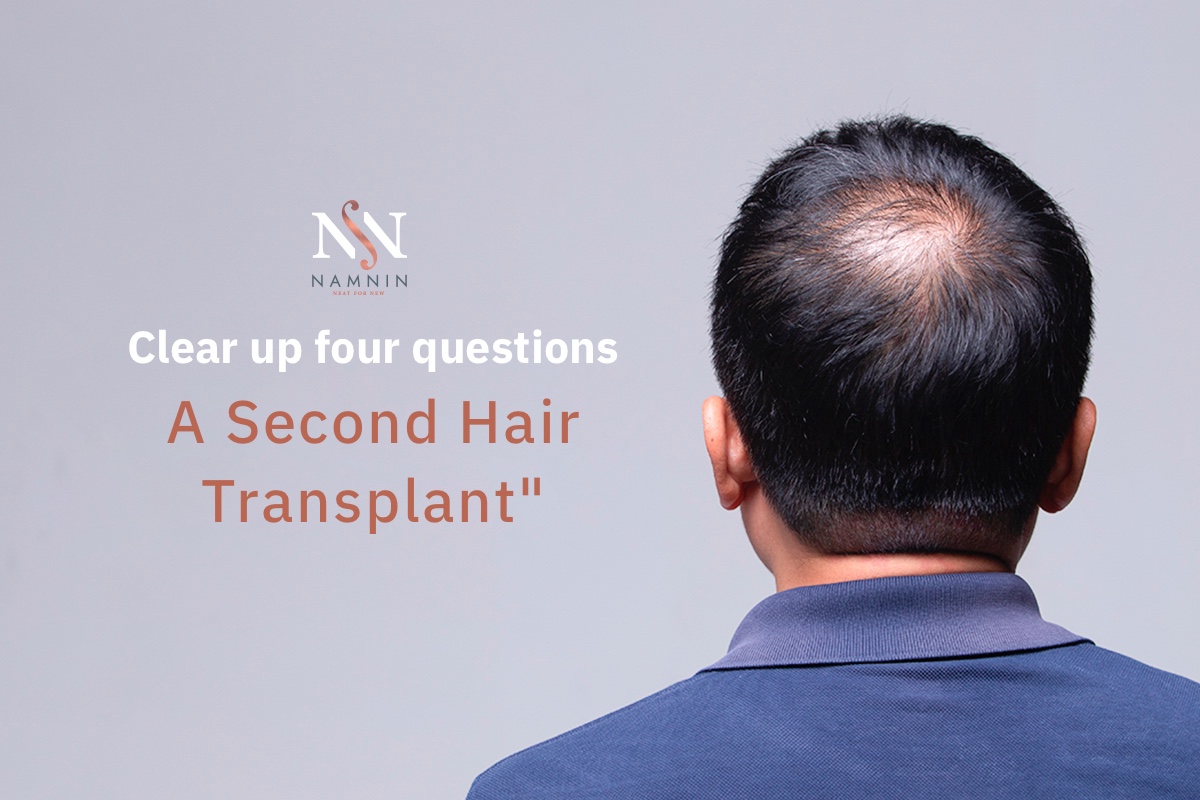
For most men, thinning usually begins around the forehead area. The hairline gradually recedes on both sides into an M shape, a common condition even among younger men.
So what happens when the hairline recedes and the forehead appears wider? Normally, facial proportions follow what is often referred to as the Golden Ratio, creating a balanced and attractive appearance. But when the forehead becomes larger due to hair recession, facial proportions begin to shift out of balance, making the overall appearance look older and more mature than intended.
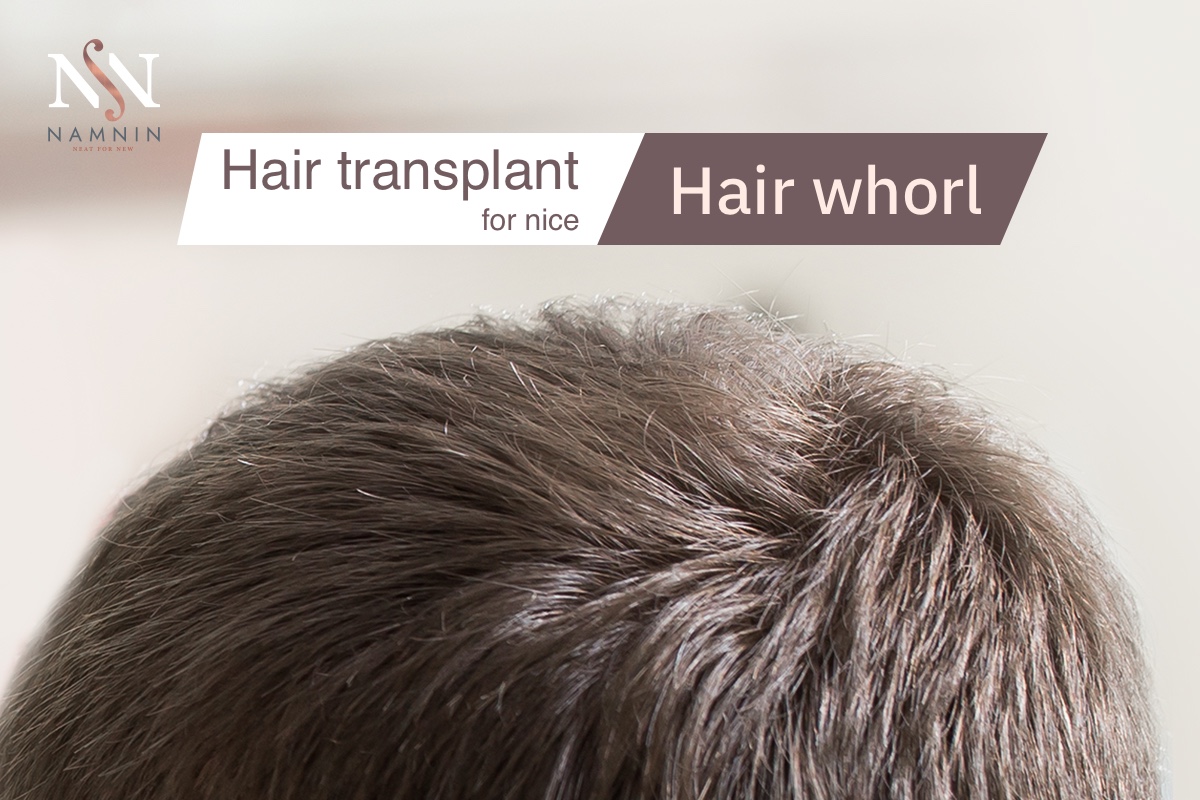
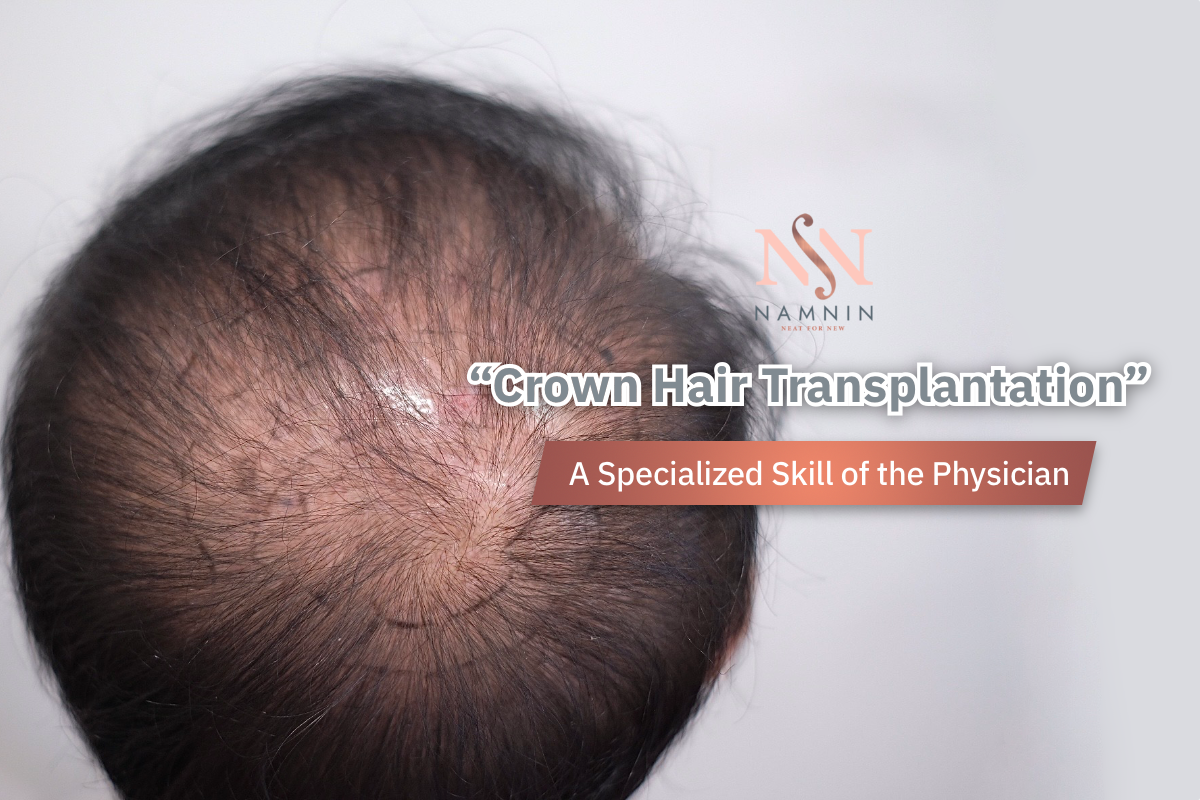
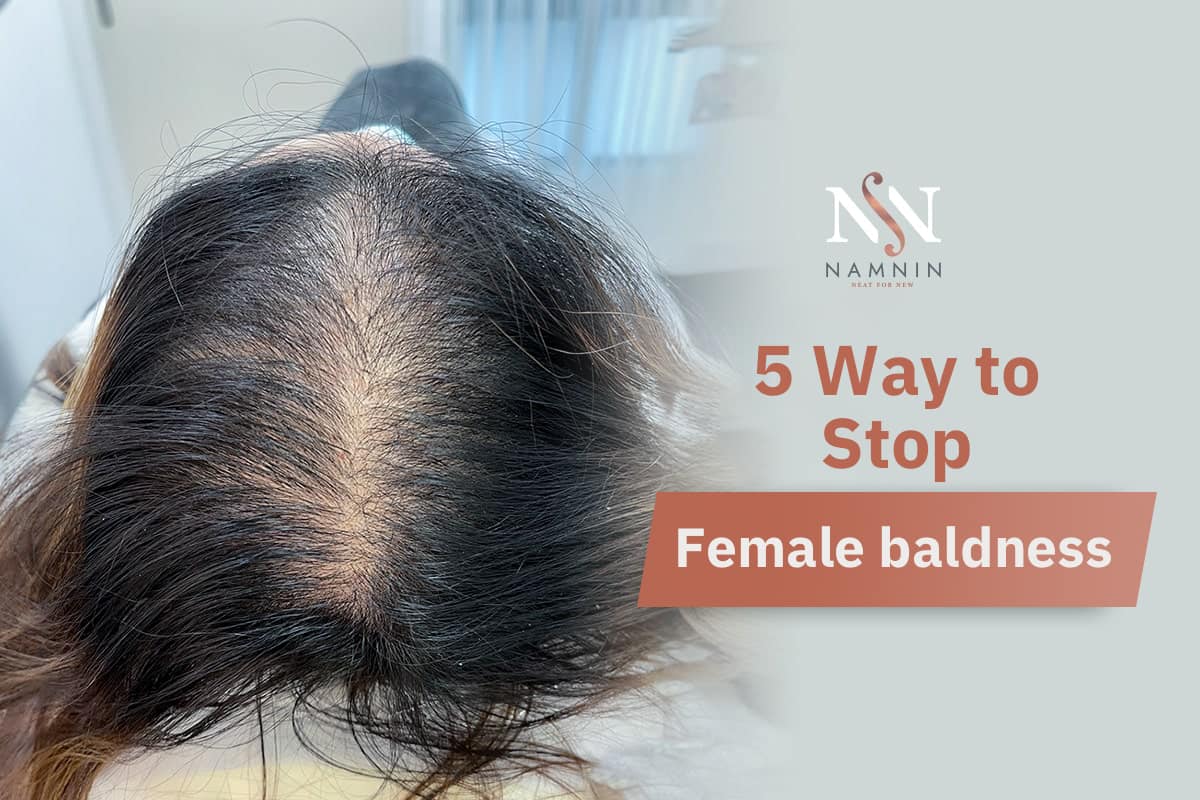
Another common early thinning area is the crown. Since every man’s hair whorl pattern is unique, thinning in this area can disrupt the natural direction of the hair, making hairstyles appear less structured and more difficult to manage. This can also contribute to an older appearance.
As hair becomes thinner in any area, many men begin trying to hide it. Certain hairstyles may no longer feel possible, and styling choices become more limited. When freedom of self expression through hairstyle disappears, it can affect confidence, style, and overall appearance.
Hair loss and thinning also never pause with time. They gradually progress if left untreated. Whether the changes happen slowly without notice, or because someone believes they are still too young to worry about it, continued thinning may eventually lead to permanent follicle closure, where hair no longer grows back, progressing toward baldness that becomes increasingly difficult to restore.
At this point, many men begin to realize the importance of early treatment and restoration, not only to regain a more youthful appearance, but also to prevent thinning from becoming more severe in the future.
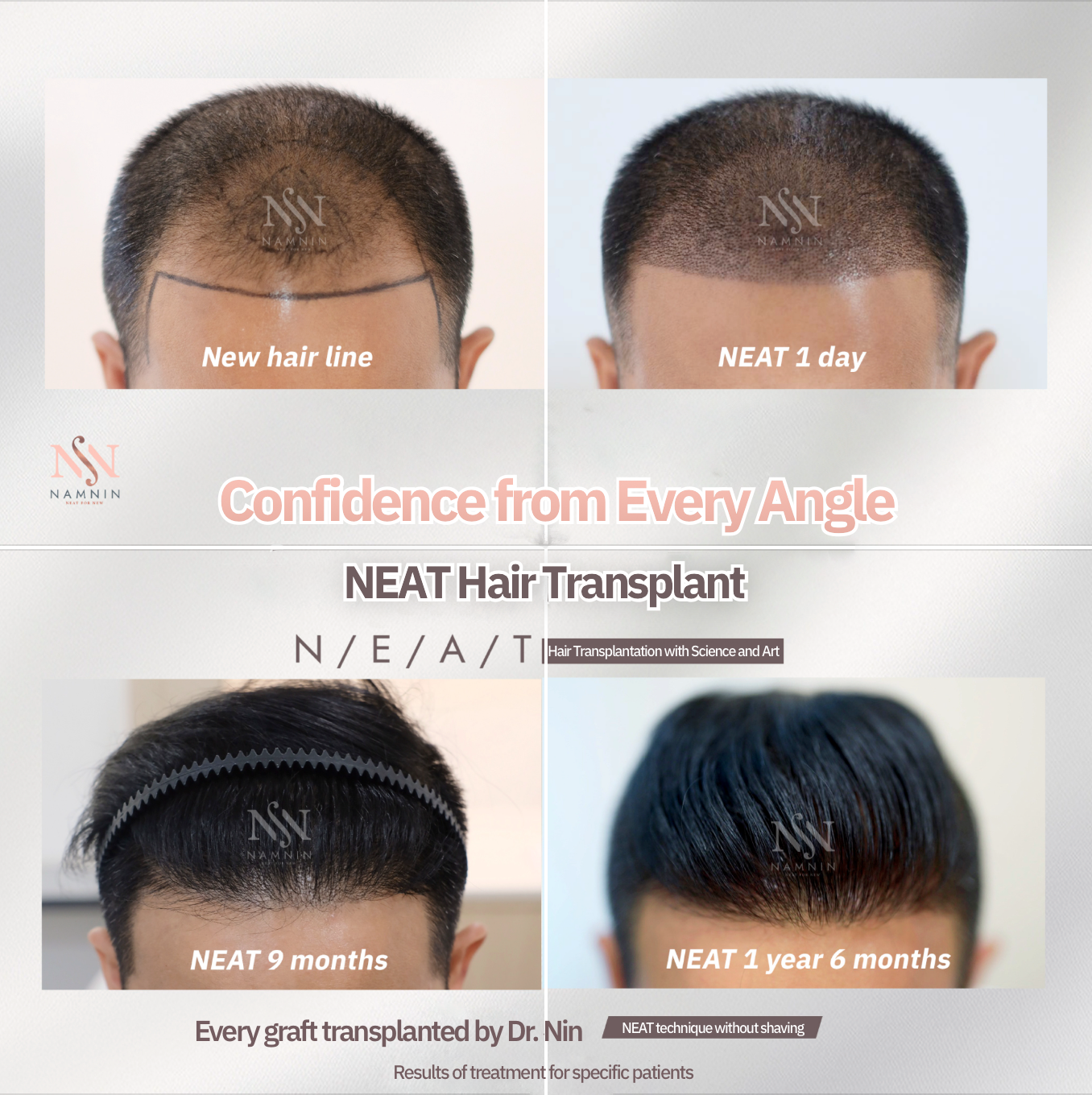
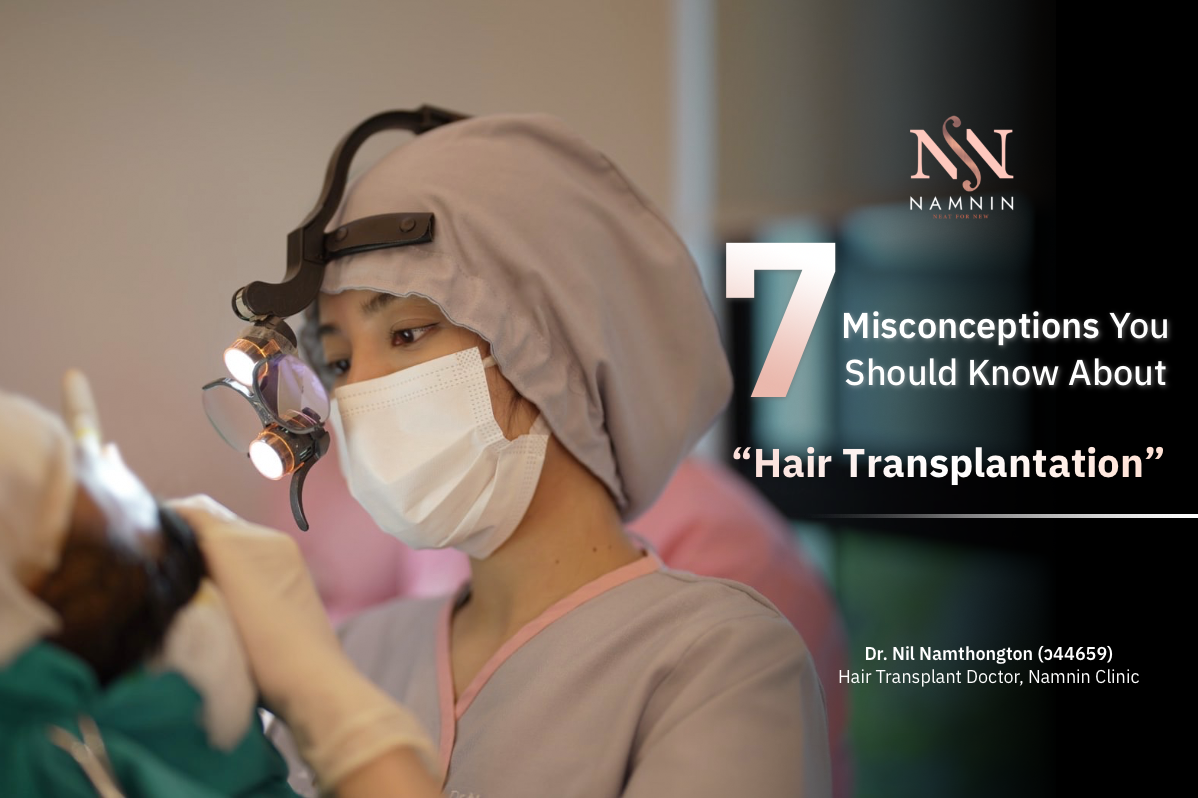
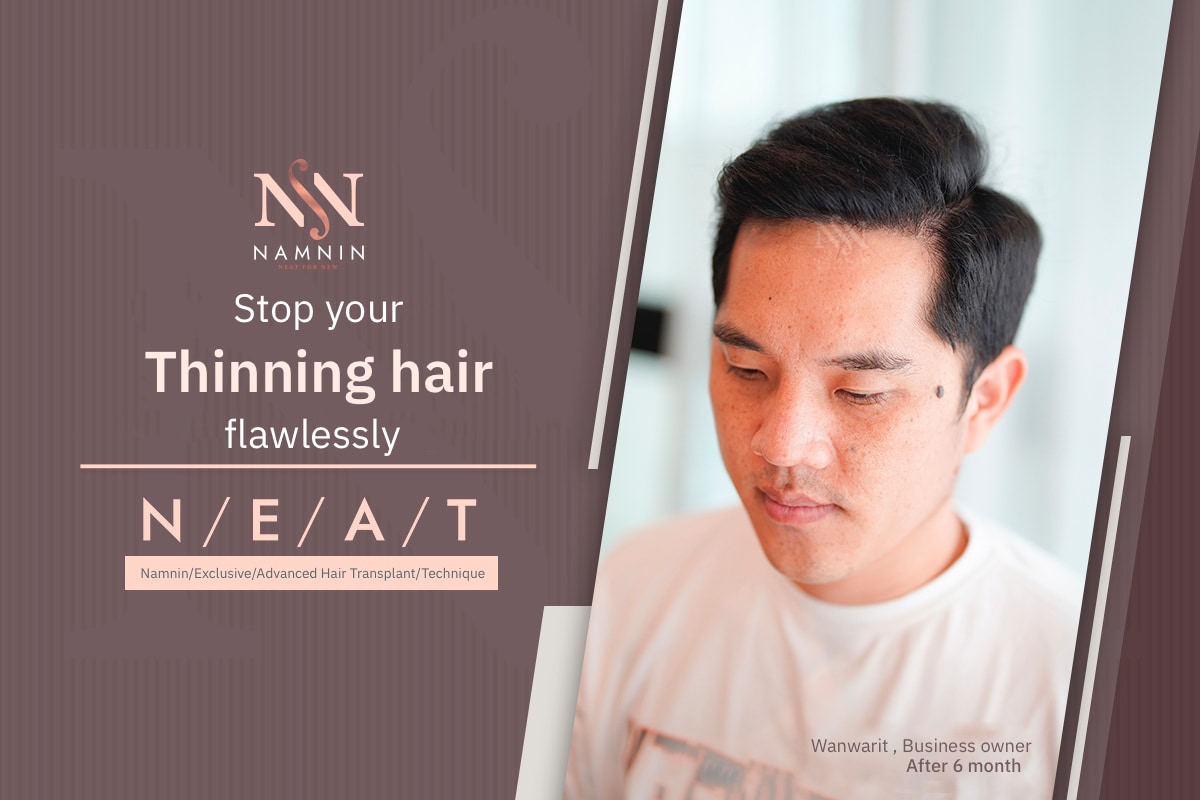
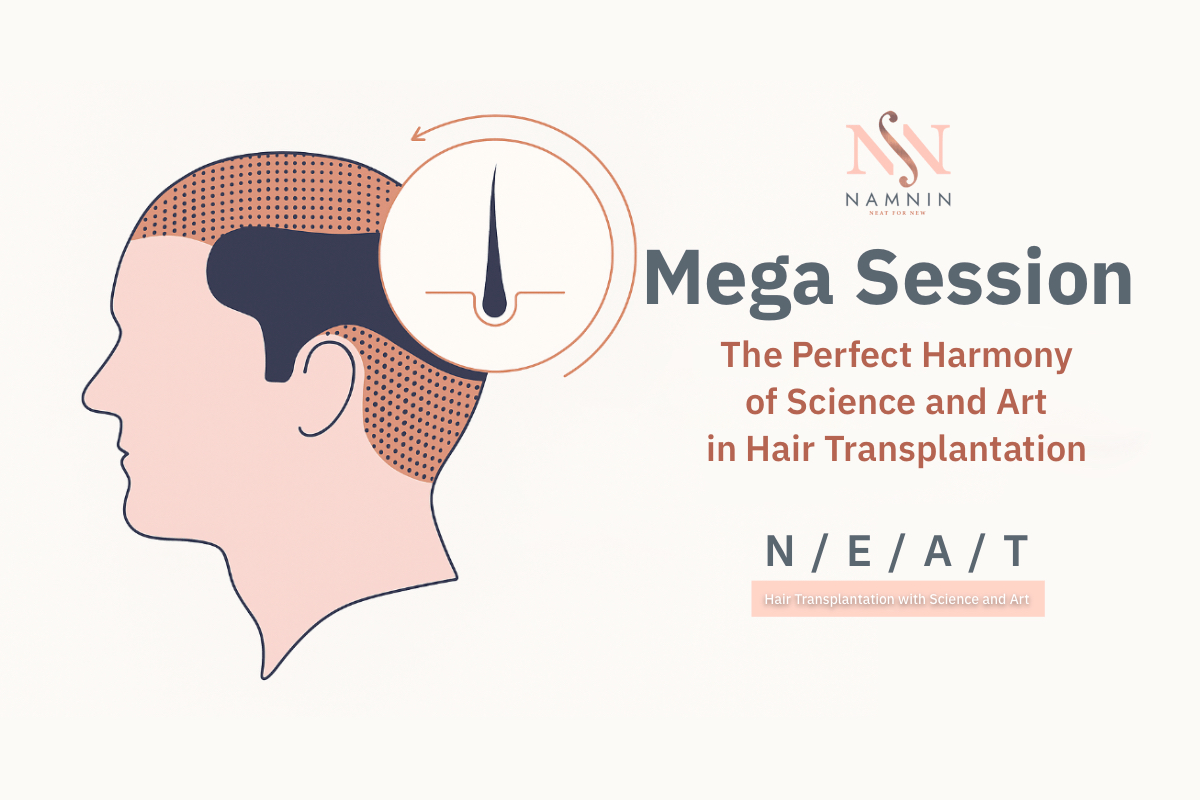
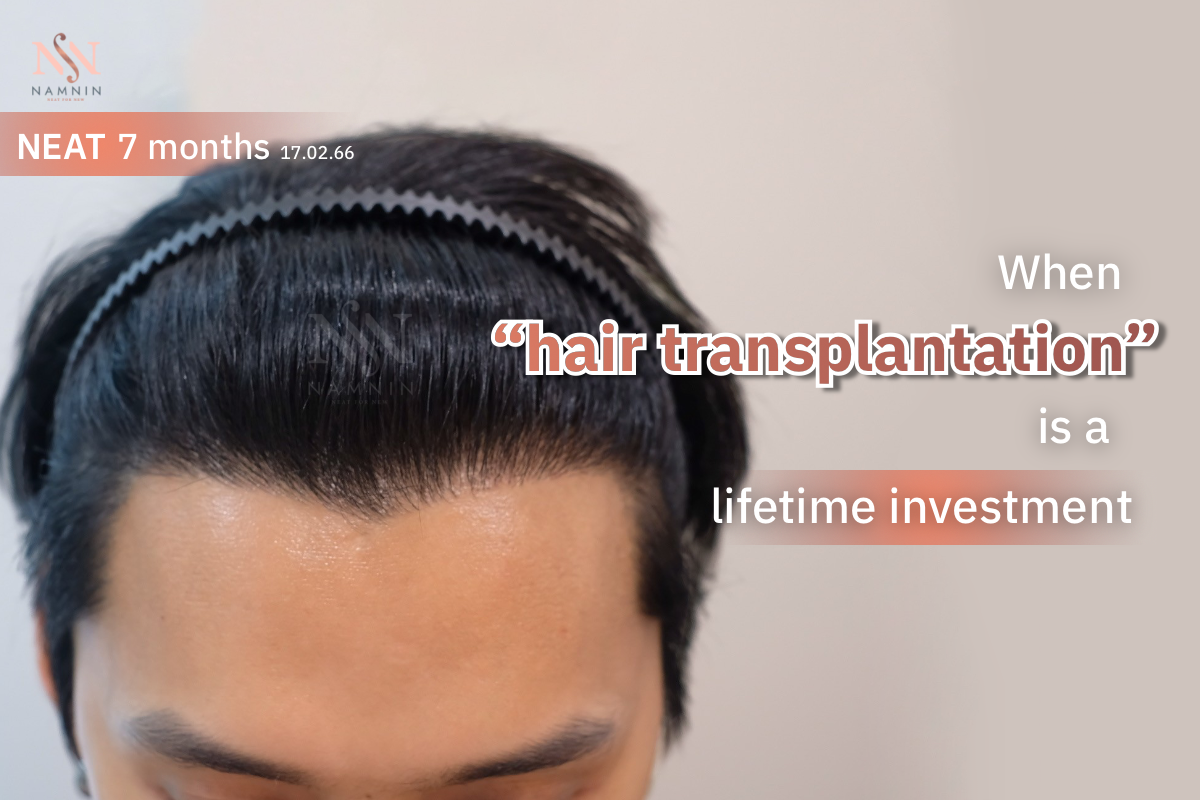
One solution that Namnin Clinic proudly offers is the NEAT Hair Transplant Technique, developed further by Dr. Nin specifically to address hair loss and thinning while restoring natural density for each patient. However, Dr. Nin often explains that one key factor affecting transplant success is timing. The difference between “transplanting early” and “waiting too long” can significantly affect the final outcome.
See a Doctor Early. Decide Early.
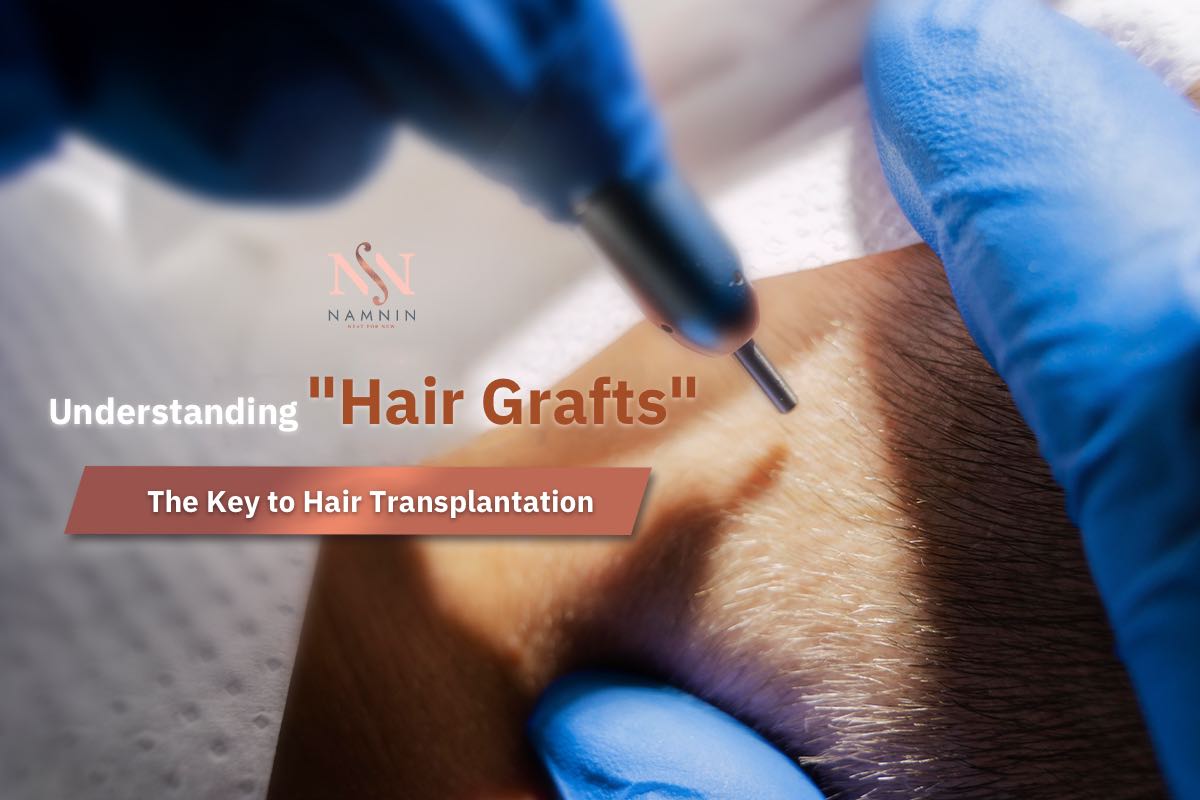
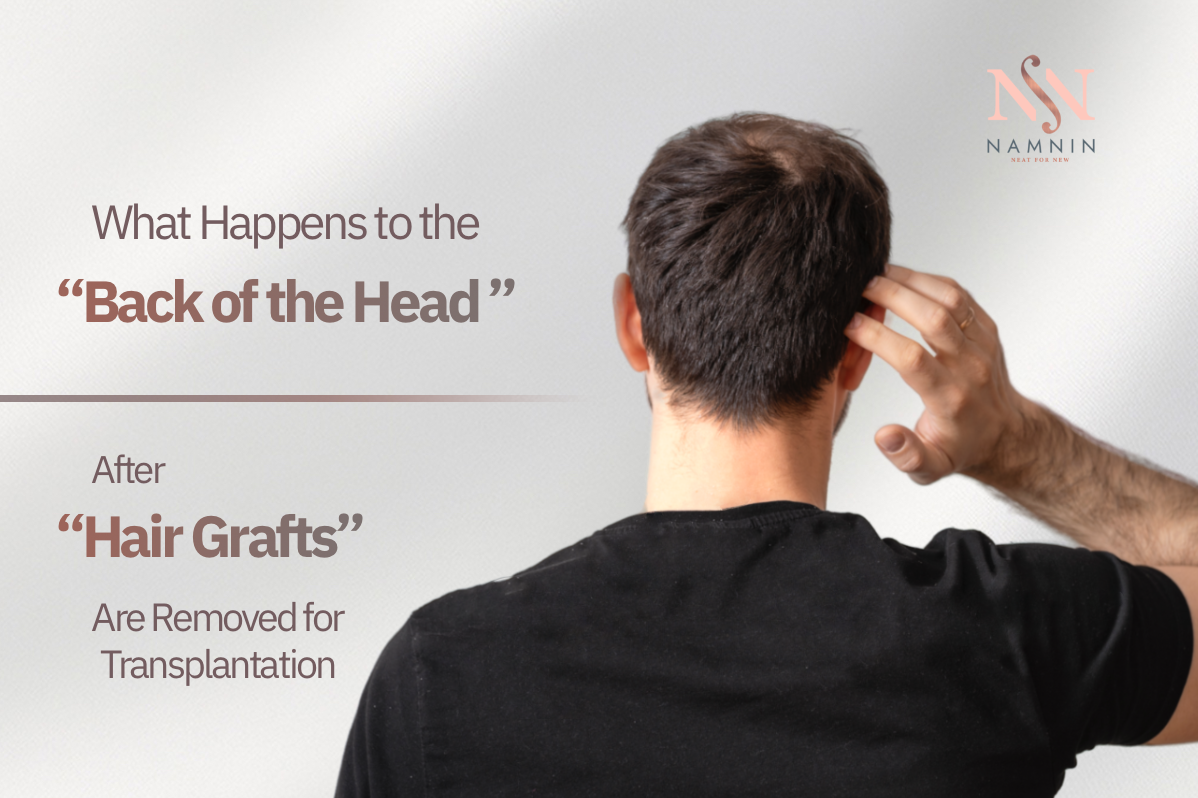
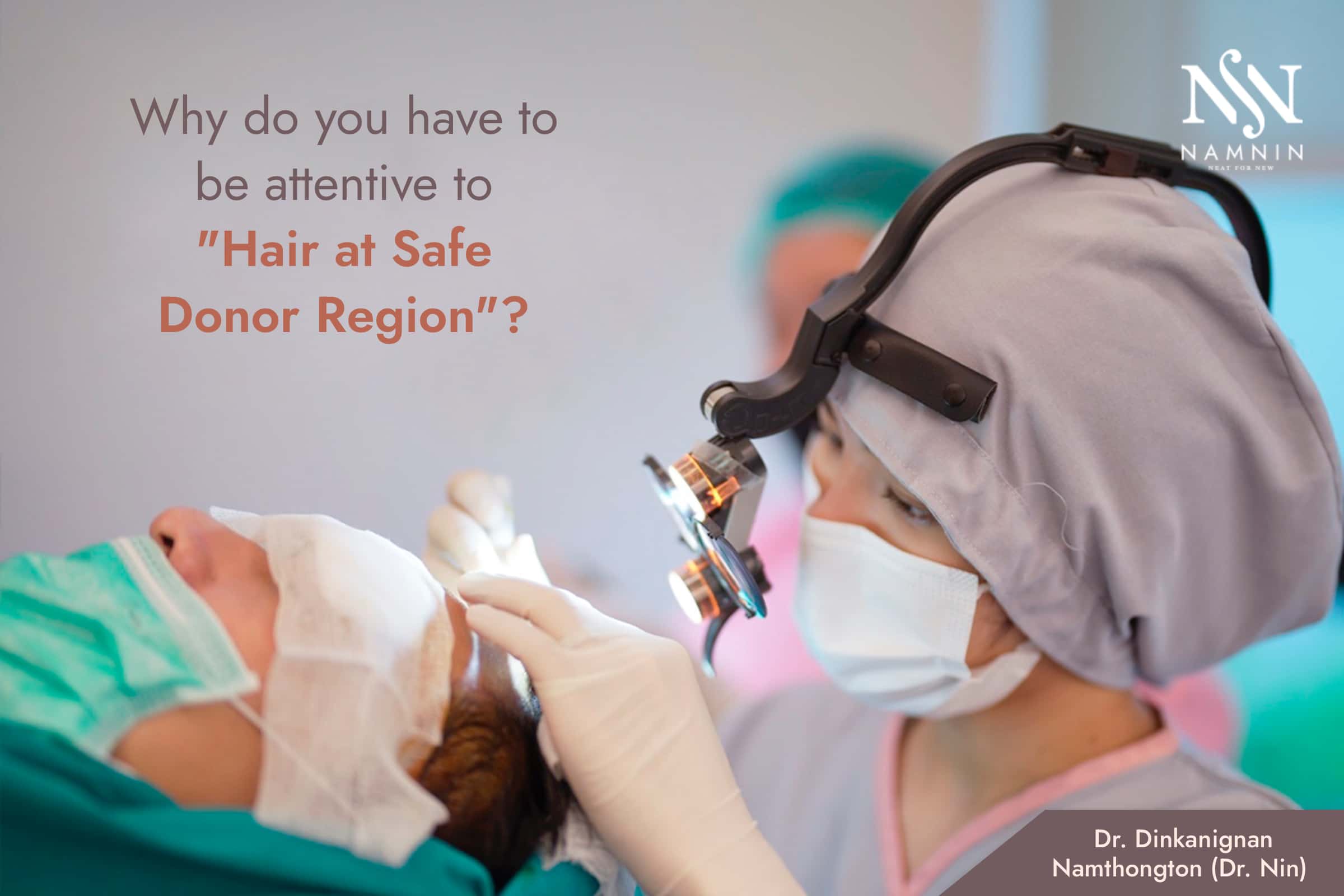
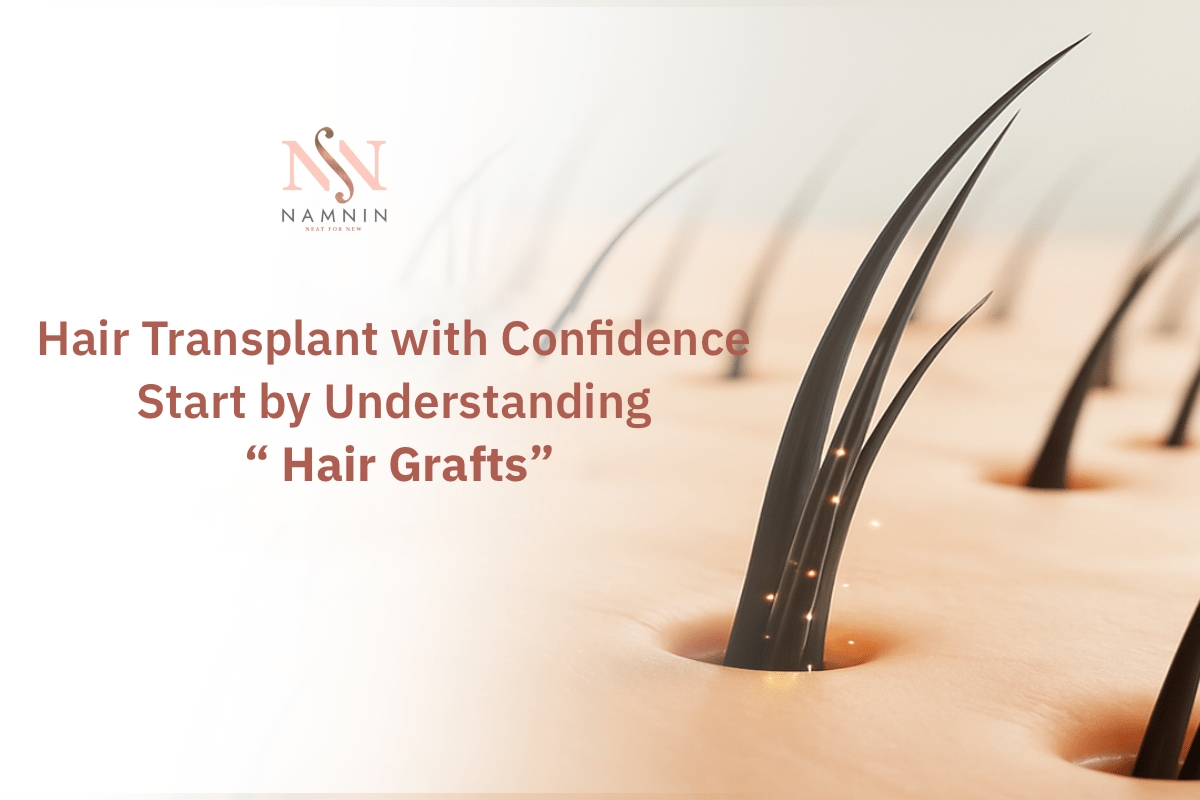
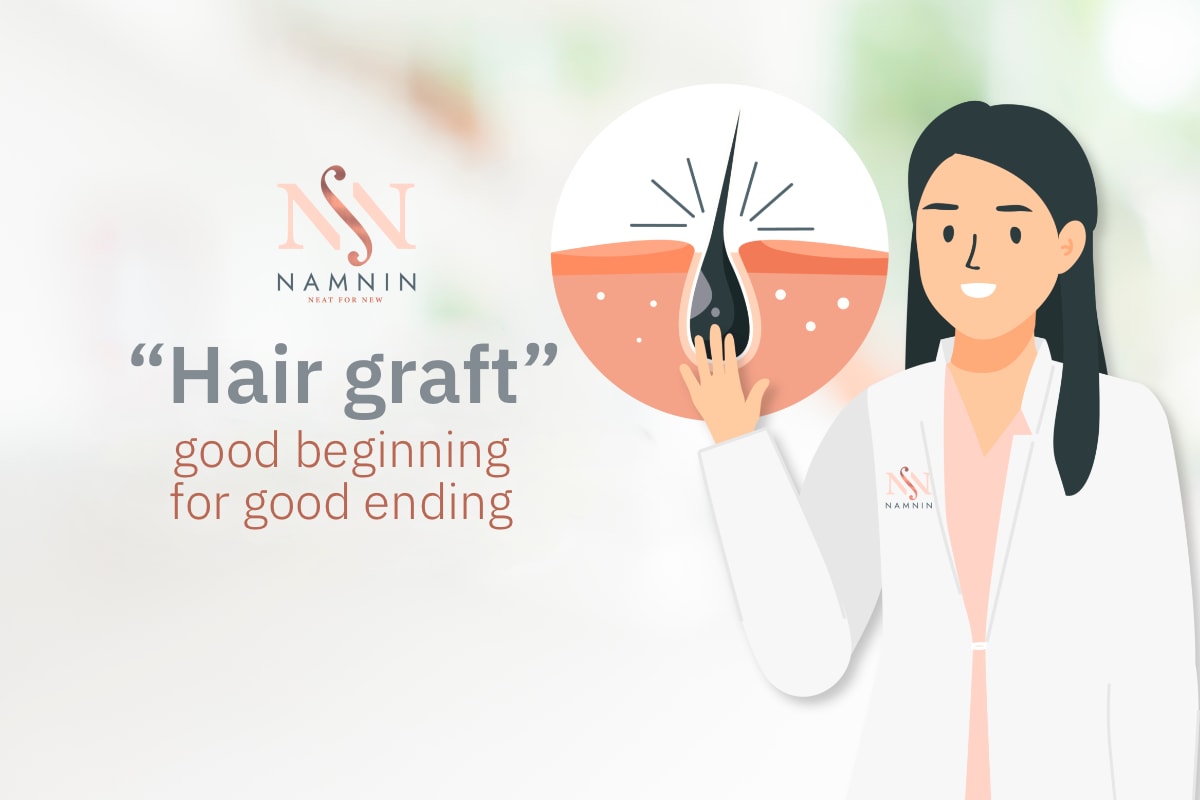
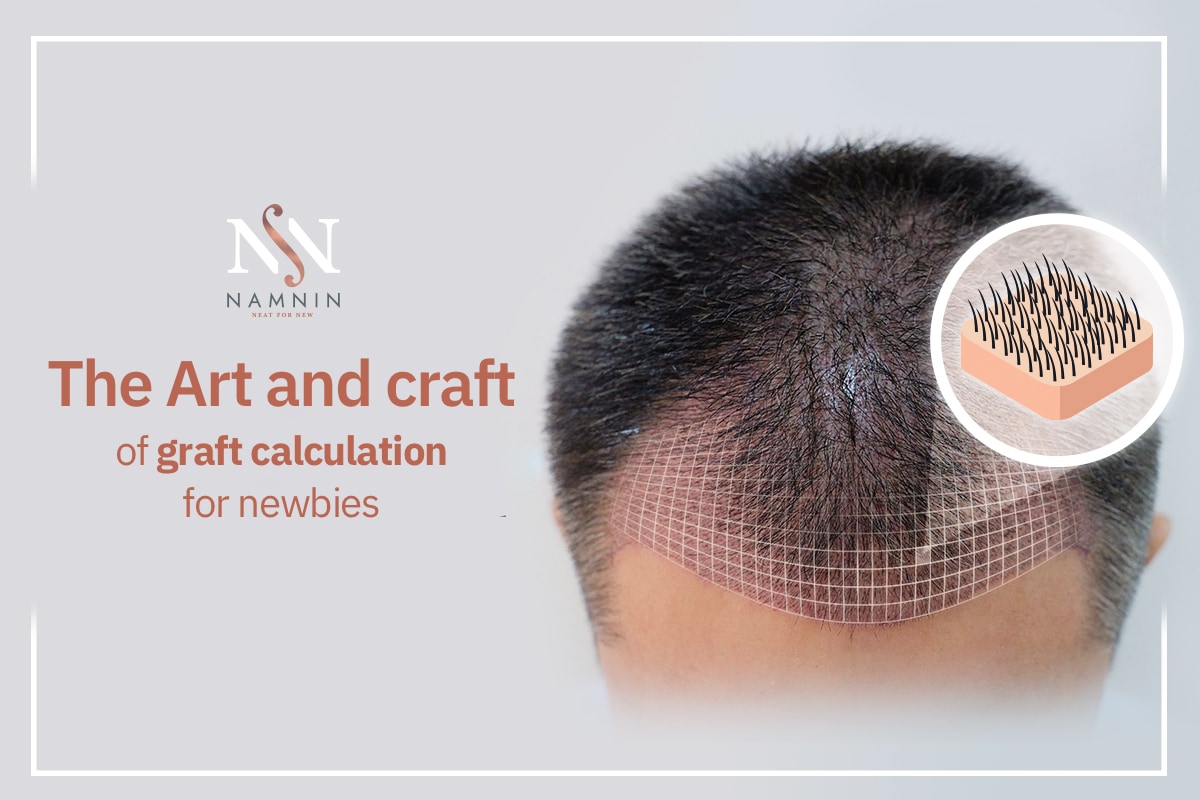
Choosing a hair transplant while thinning is still mild has several advantages. Since the thinning area is smaller, fewer grafts are needed. Hair grafts are limited resources taken from the back of the scalp, where the follicles are naturally more resistant to the hormones responsible for hair loss. Once transplanted, these grafts continue growing throughout life.
Using fewer grafts allows for greater density in the treated area while preserving grafts for possible future needs.
When men undergo transplantation before hair loss becomes severe, their appearance changes more subtly and naturally afterward. This often reduces concerns about others noticing the procedure, which is something many men value greatly.
And because fewer grafts are required, the overall treatment cost is usually lower and more cost effective as well.
Waiting Too Long. Transplanting Too Late.
On the other hand, delaying treatment until hair loss becomes severe means a much larger area requires restoration, resulting in the need for significantly more grafts.
The challenge is that donor grafts at the back of the scalp are limited. In some cases, the donor supply may not be sufficient, or doctors may need to distribute grafts more broadly across a large area rather than focusing on maximum density. At the same time, enough donor hair must remain at the back of the scalp to avoid visible thinning in the donor area itself. This becomes one of the biggest limitations for men who wait too long before considering transplantation.
And naturally, using more grafts also means higher overall treatment costs.
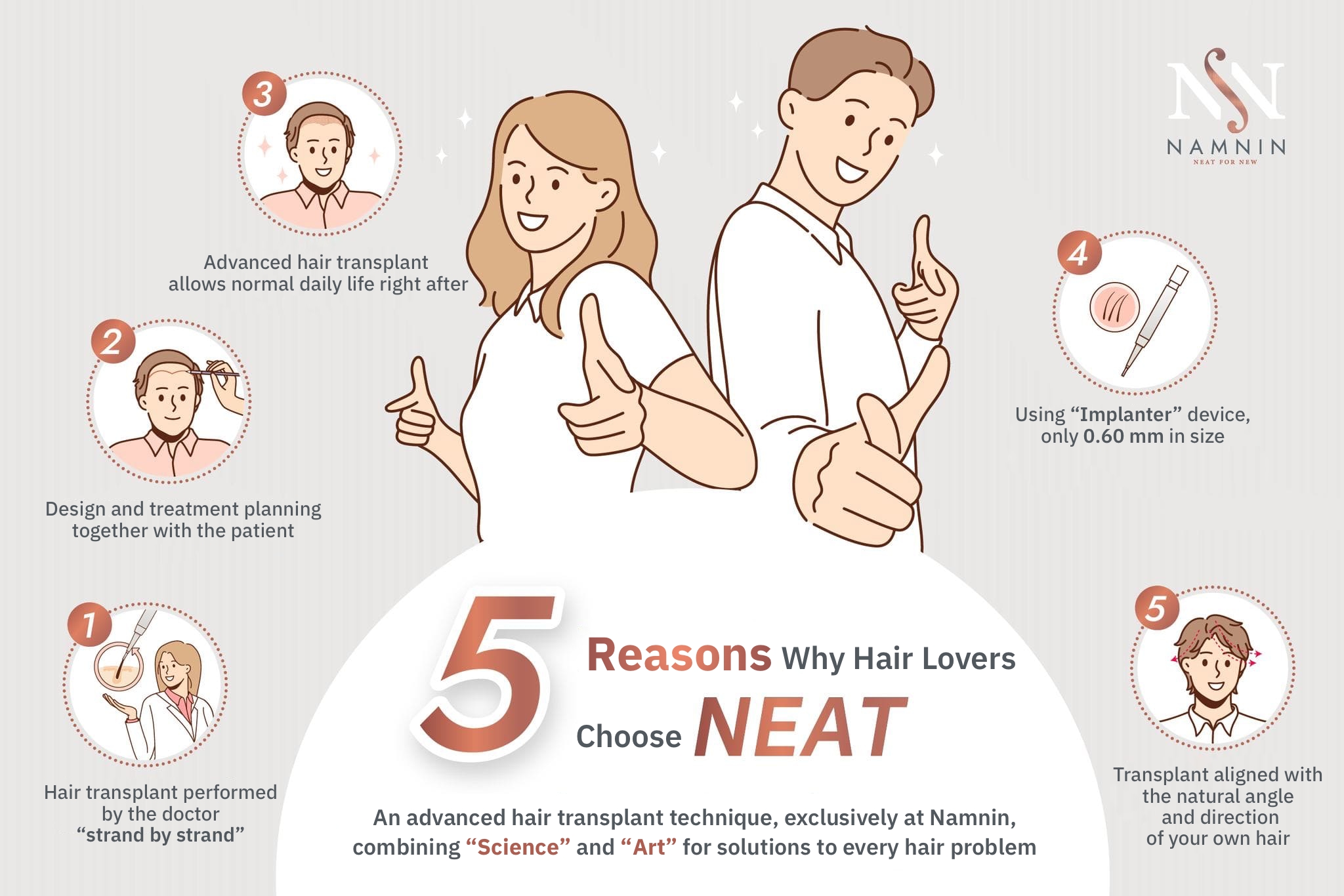
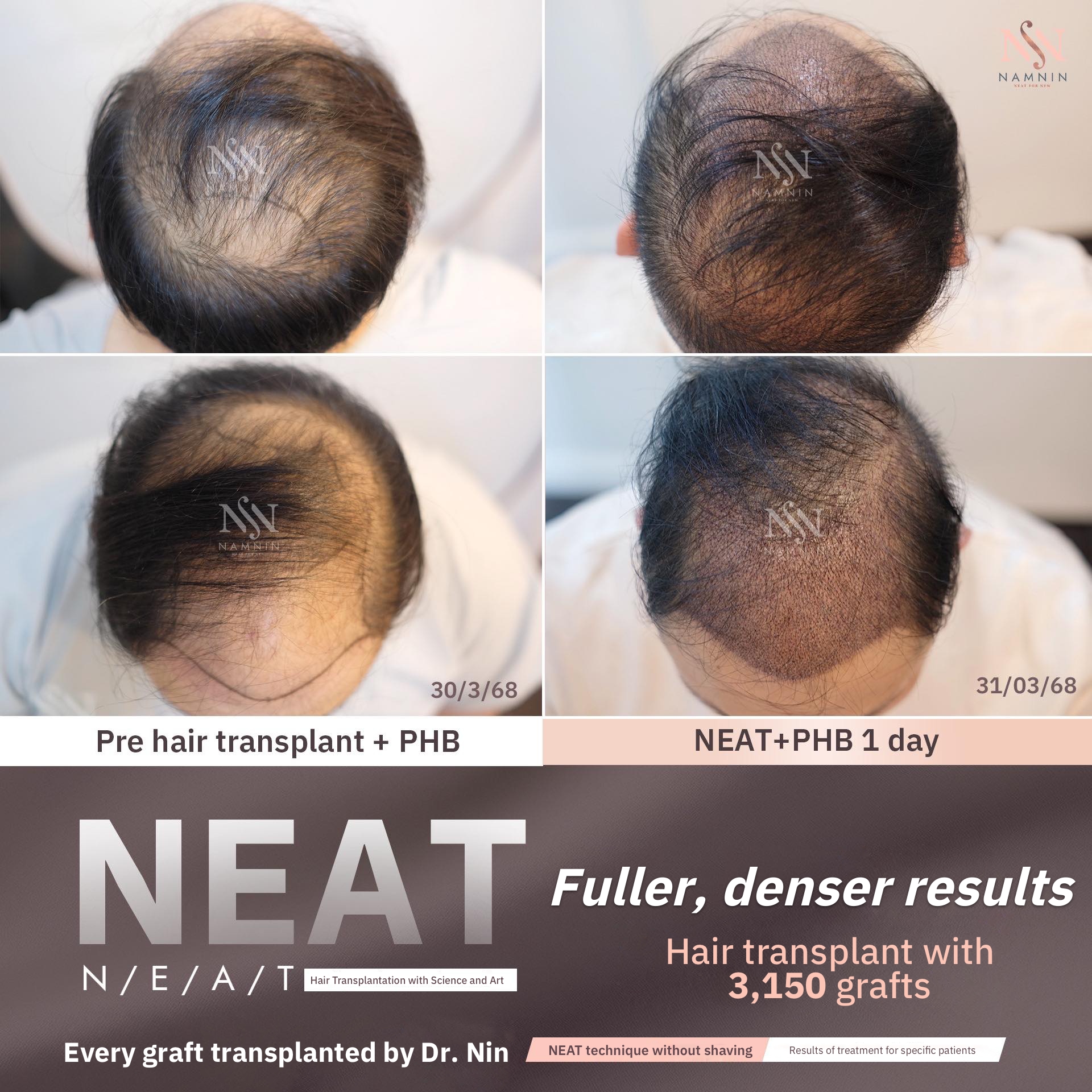
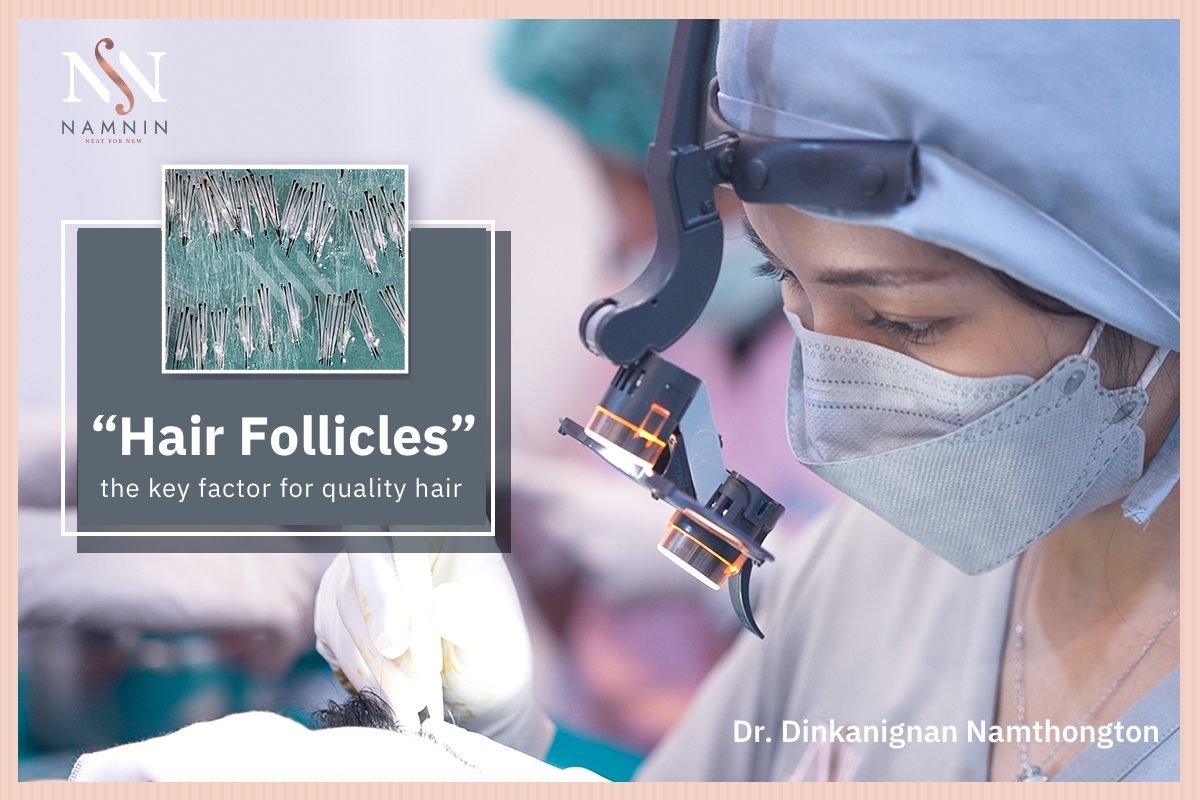
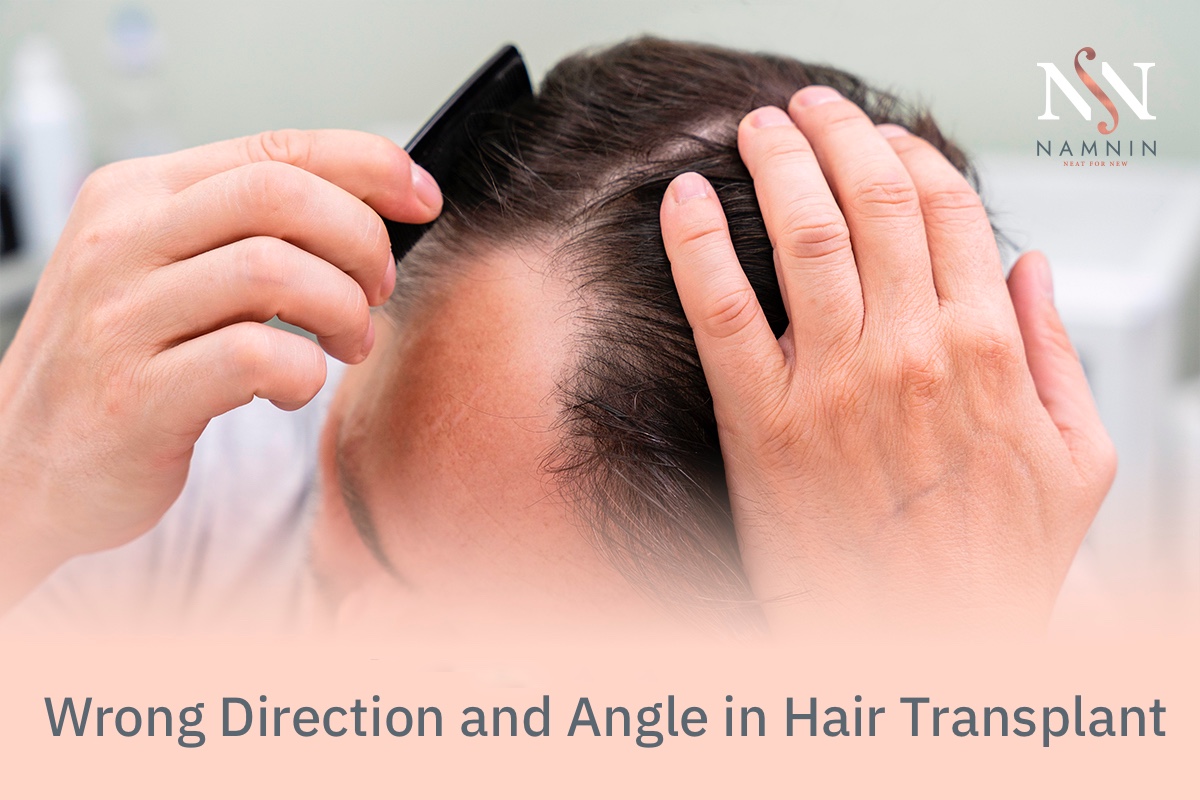
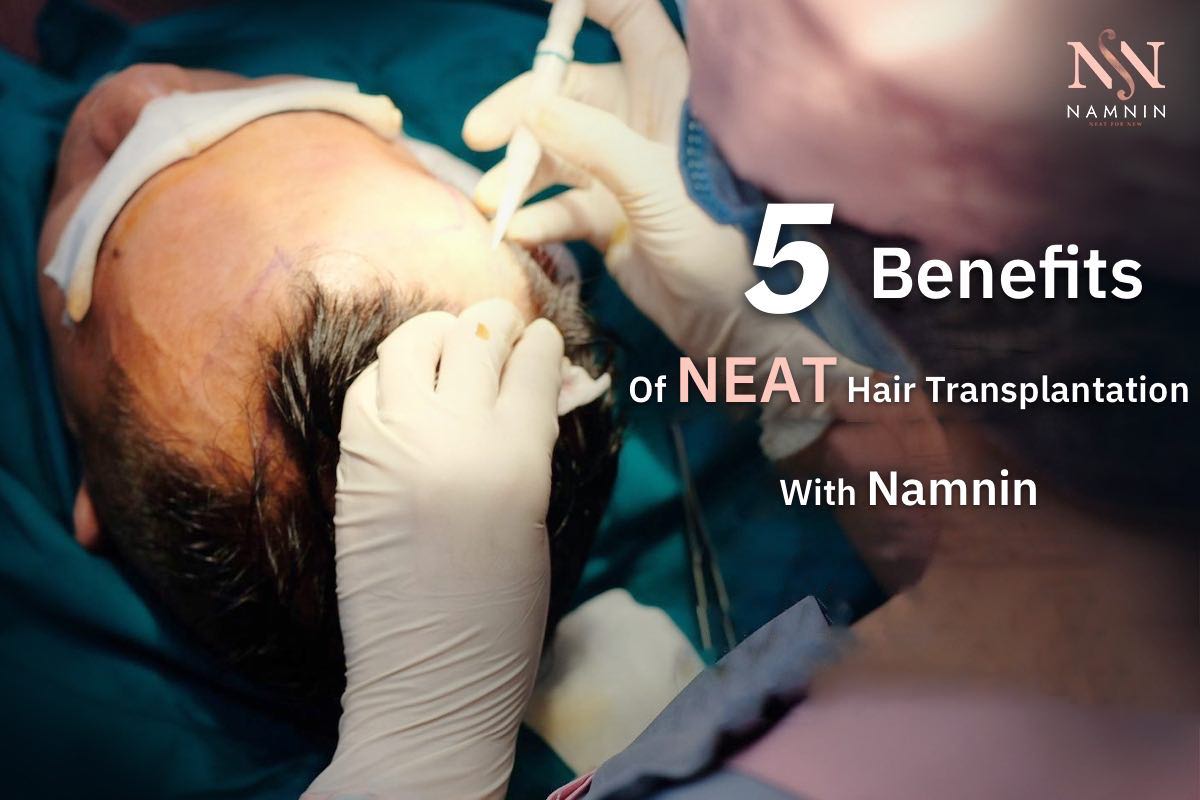
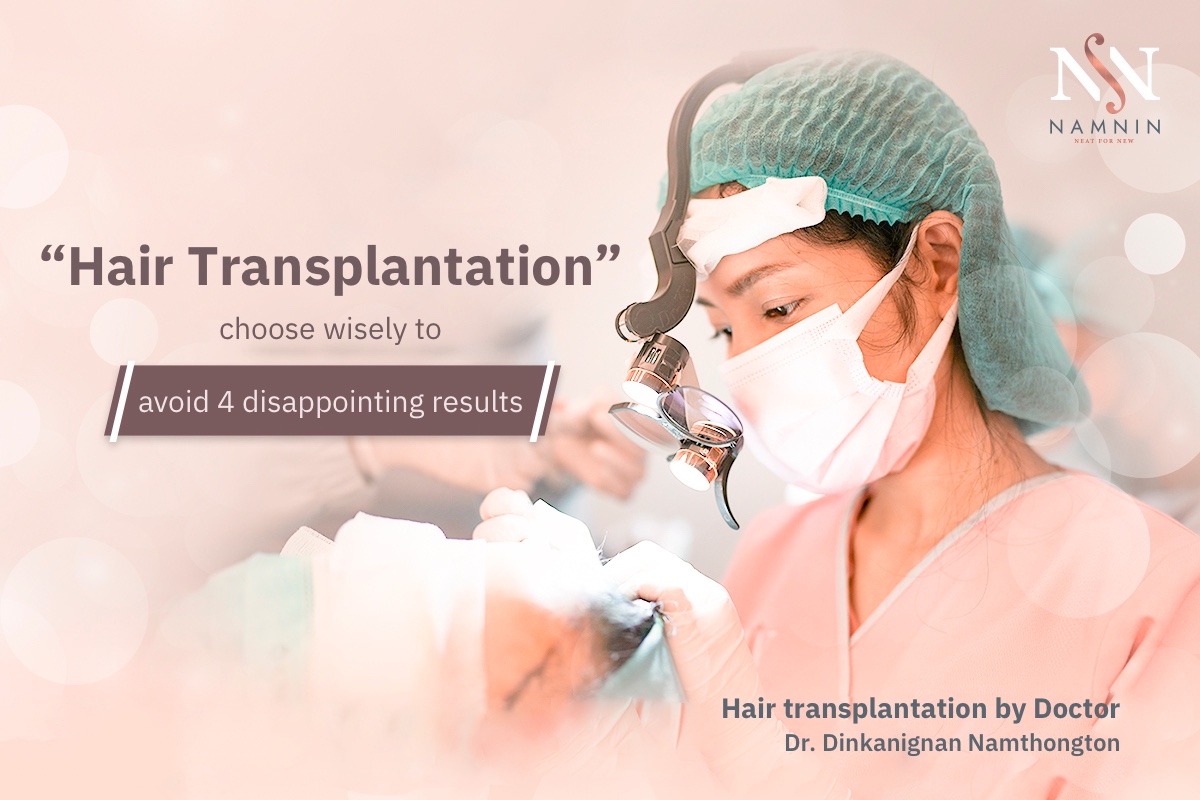
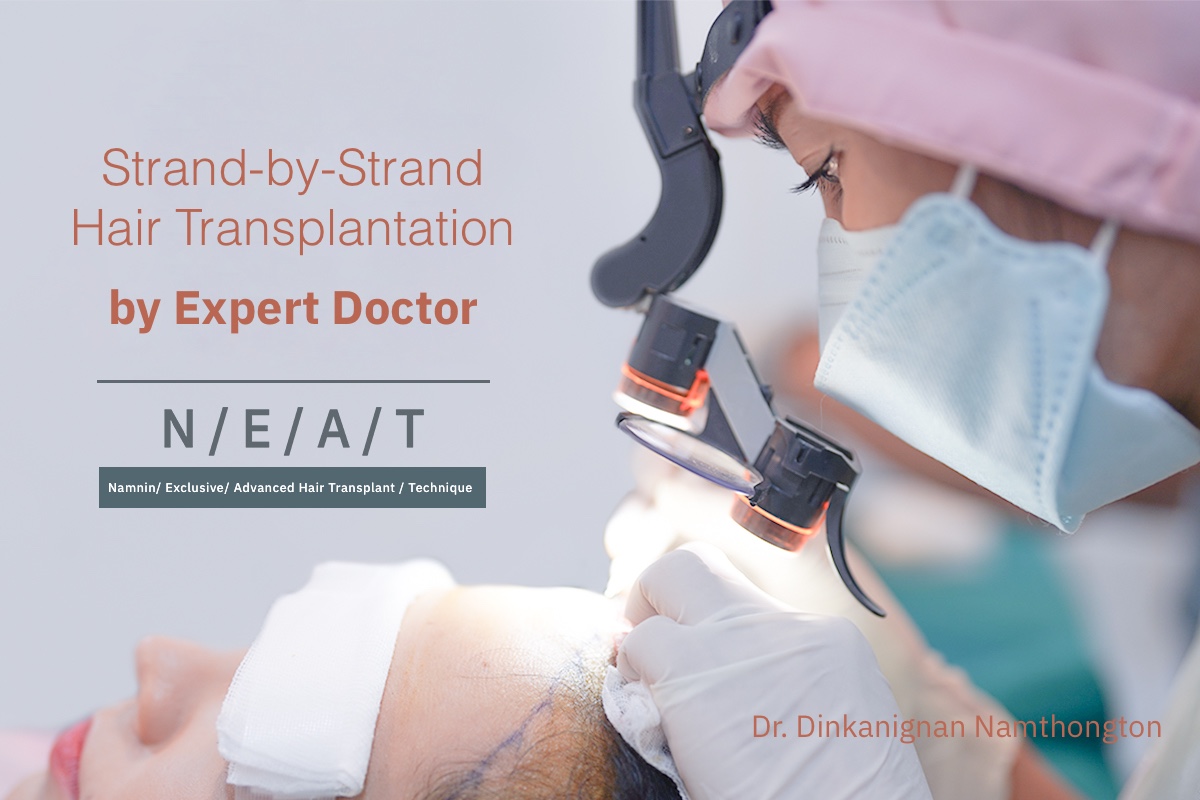
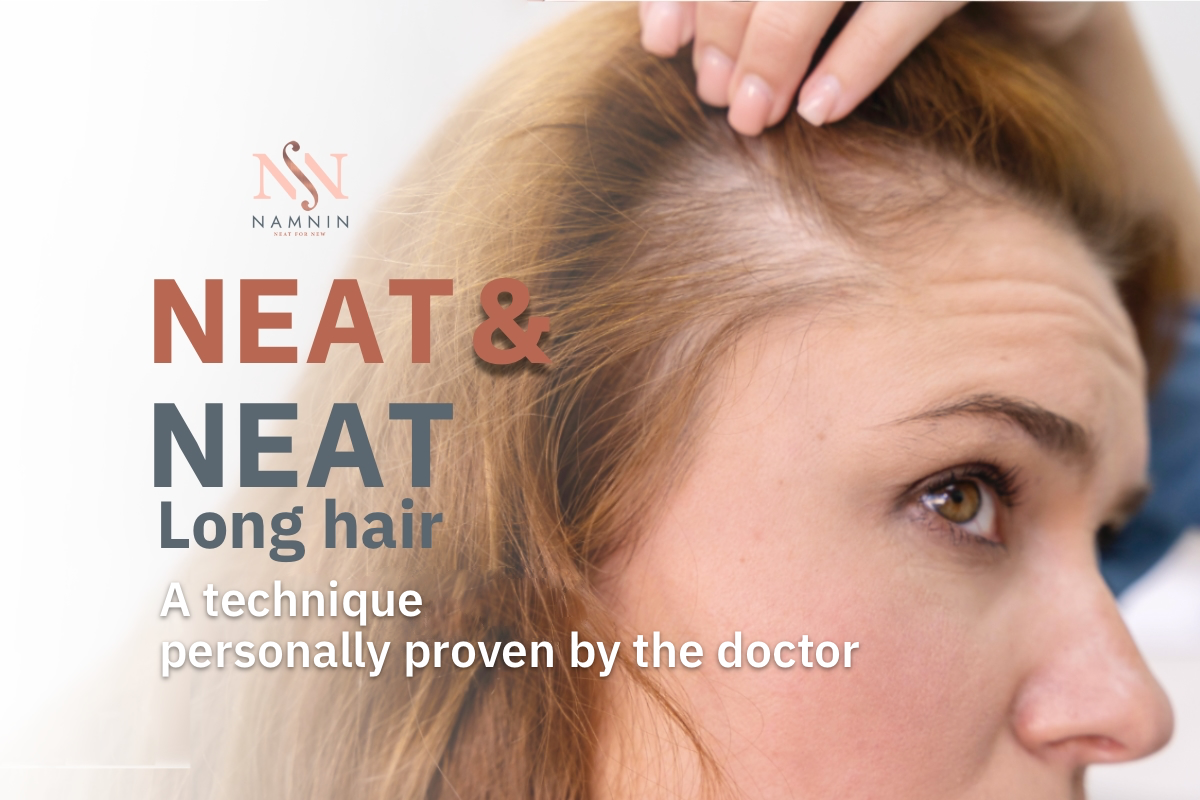
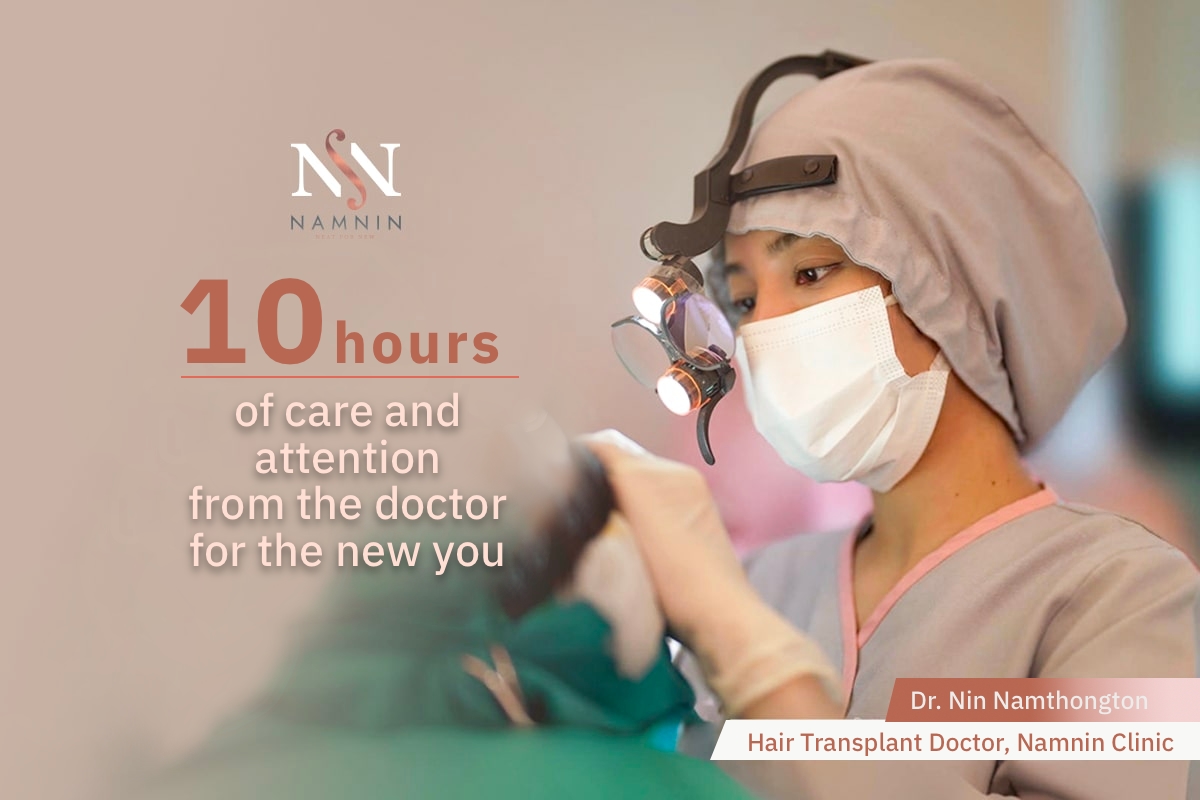
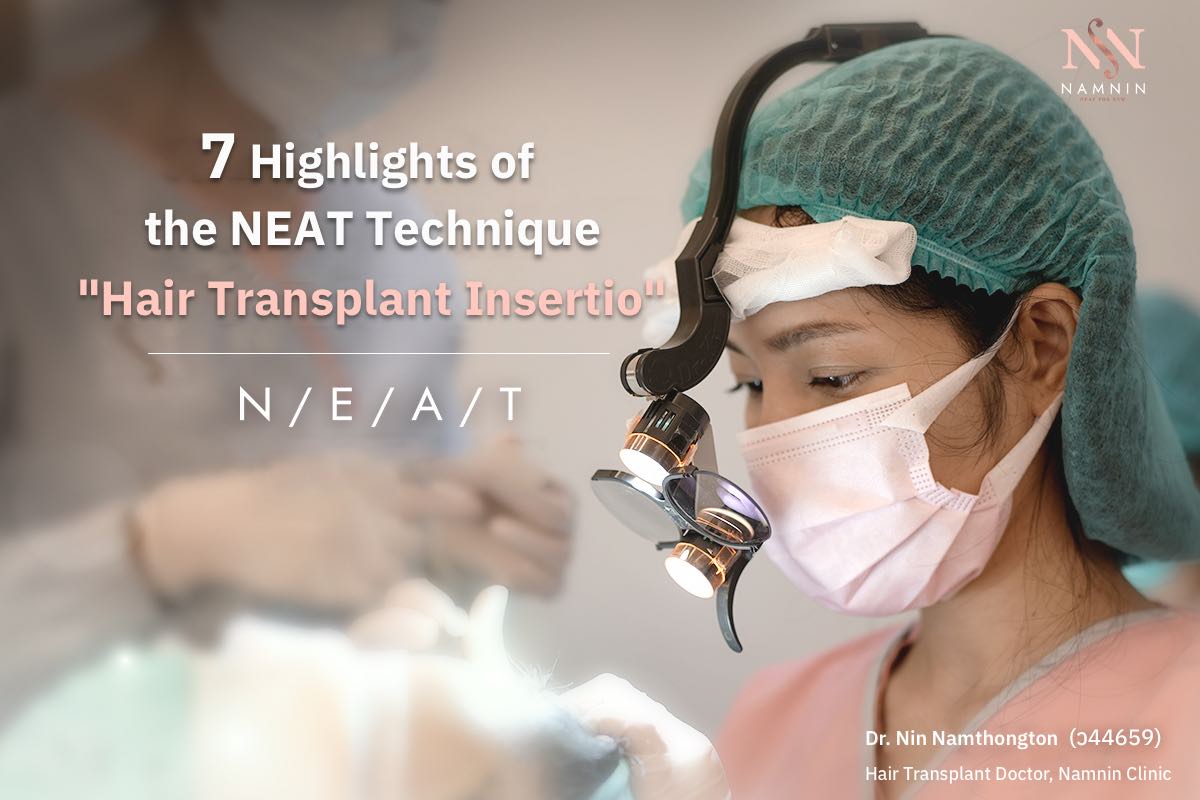
Dr. Nin has extensive experience performing the NEAT Hair Transplant Technique for patients with various levels of hair loss and thinning. Each case is carefully evaluated to calculate the most suitable and efficient number of grafts. Dr. Nin personally performs the transplantation graft by graft, carefully placing each one according to the natural angle and direction of existing hair for seamless, natural looking results.
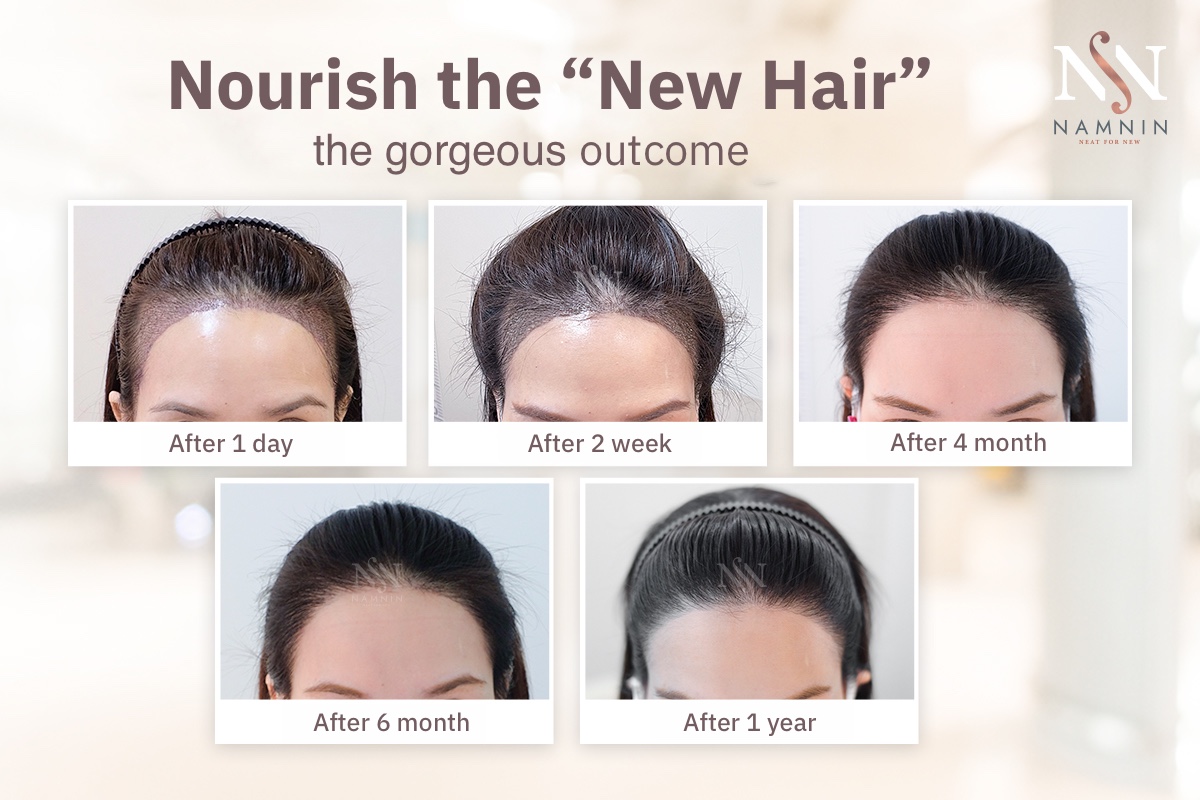
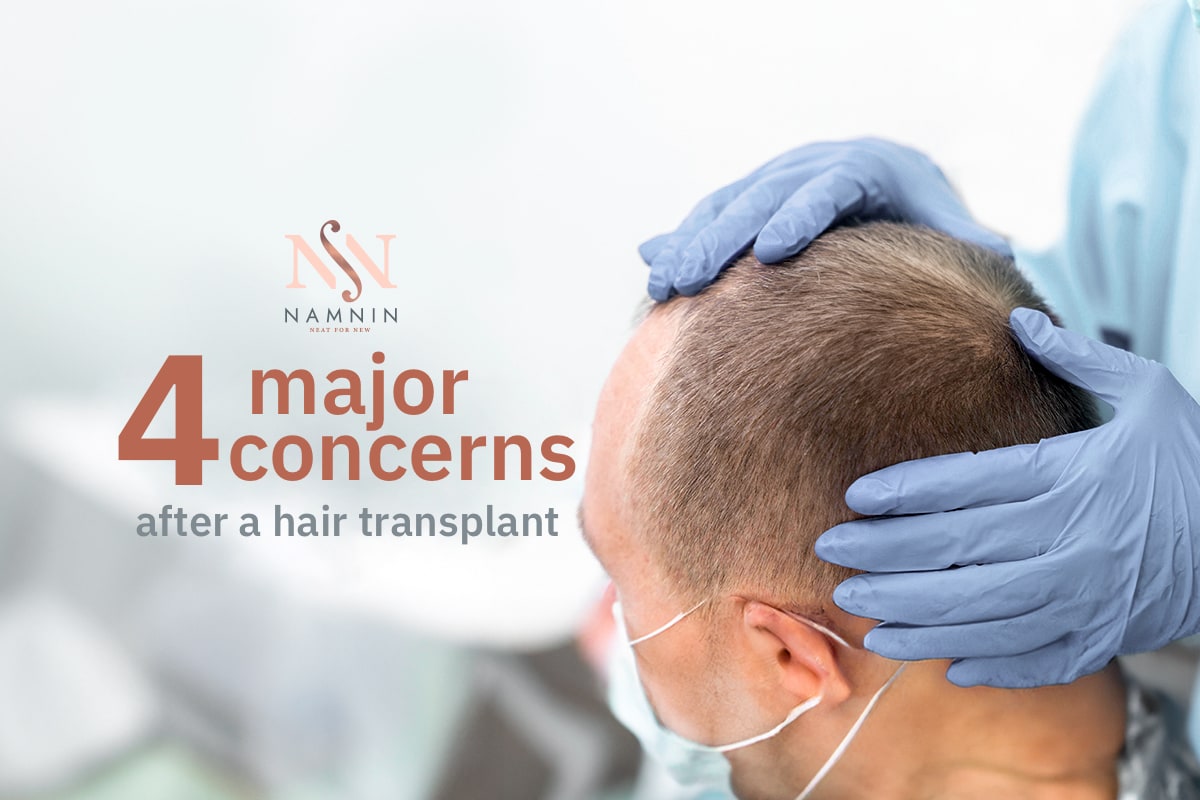
The technique leaves only tiny wounds, requires minimal recovery time, and allows patients to return to normal daily life almost immediately. Most importantly, Dr. Nin provides continuous follow up care for a full year after the procedure, allowing patients to receive ongoing guidance and consultation throughout the recovery process.
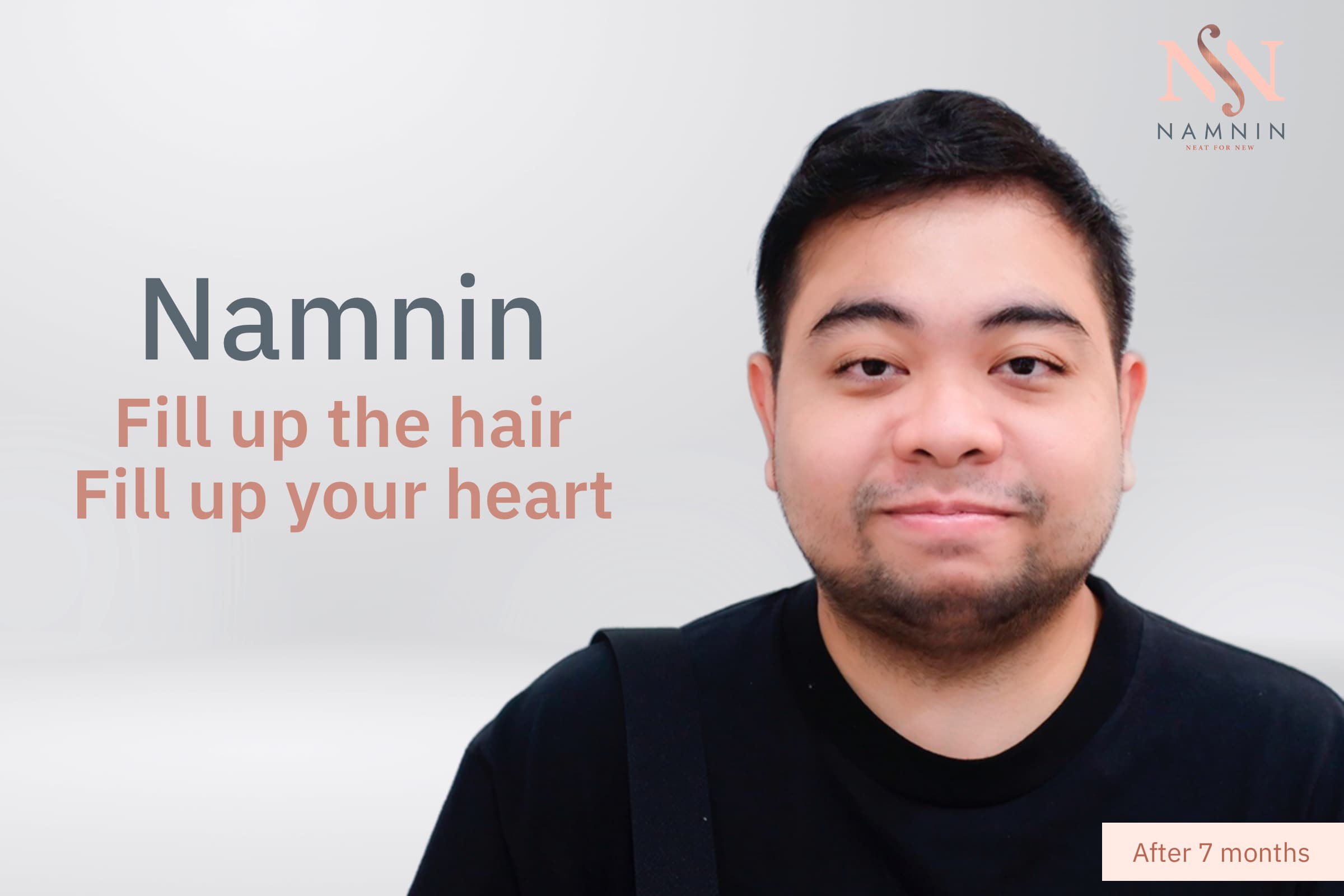
The NEAT Hair Transplant Technique is therefore a worthwhile investment for men who want to restore thinning hair, regain a sharper and more youthful appearance, and rebuild confidence while still looking like themselves.