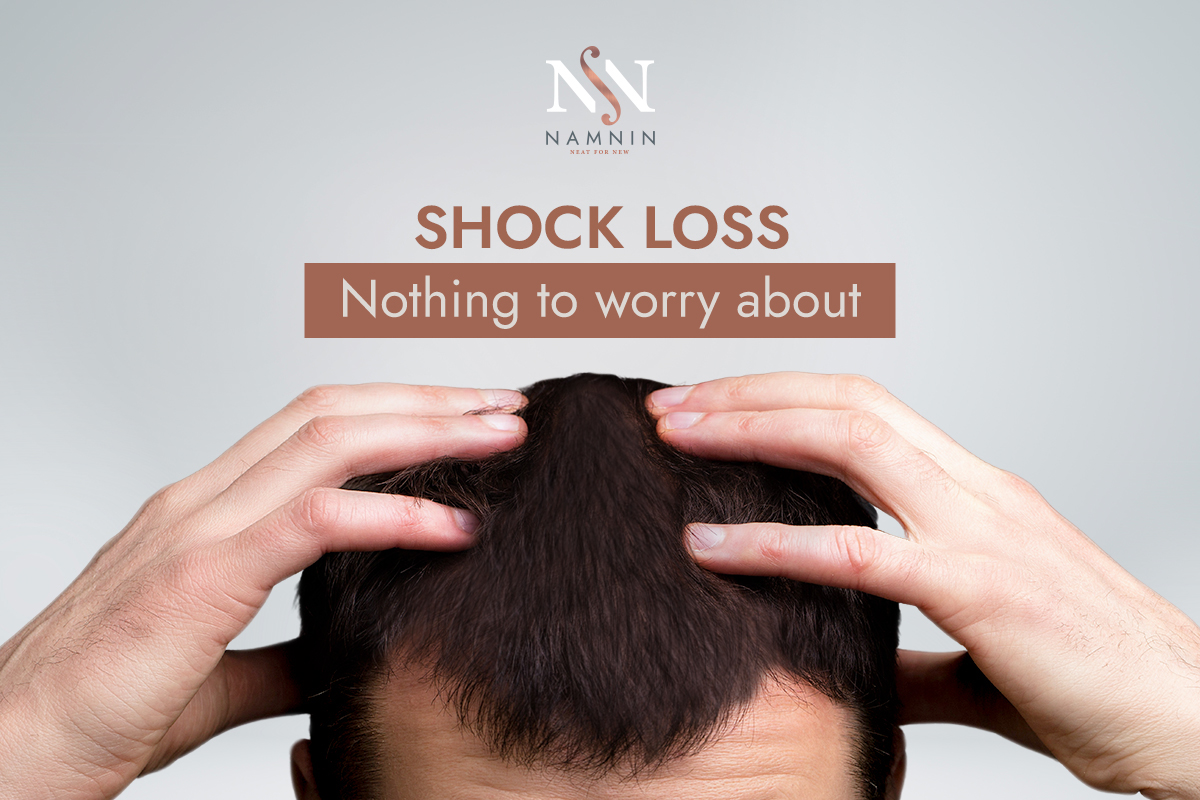
If one day you begin to feel that your forehead looks slightly higher than before, or you notice in photos that your frontal hairline seems to have receded a little, the first thing we want you to know is this: you are not imagining it, and it does not necessarily mean that you are “aging” the way you may fear.
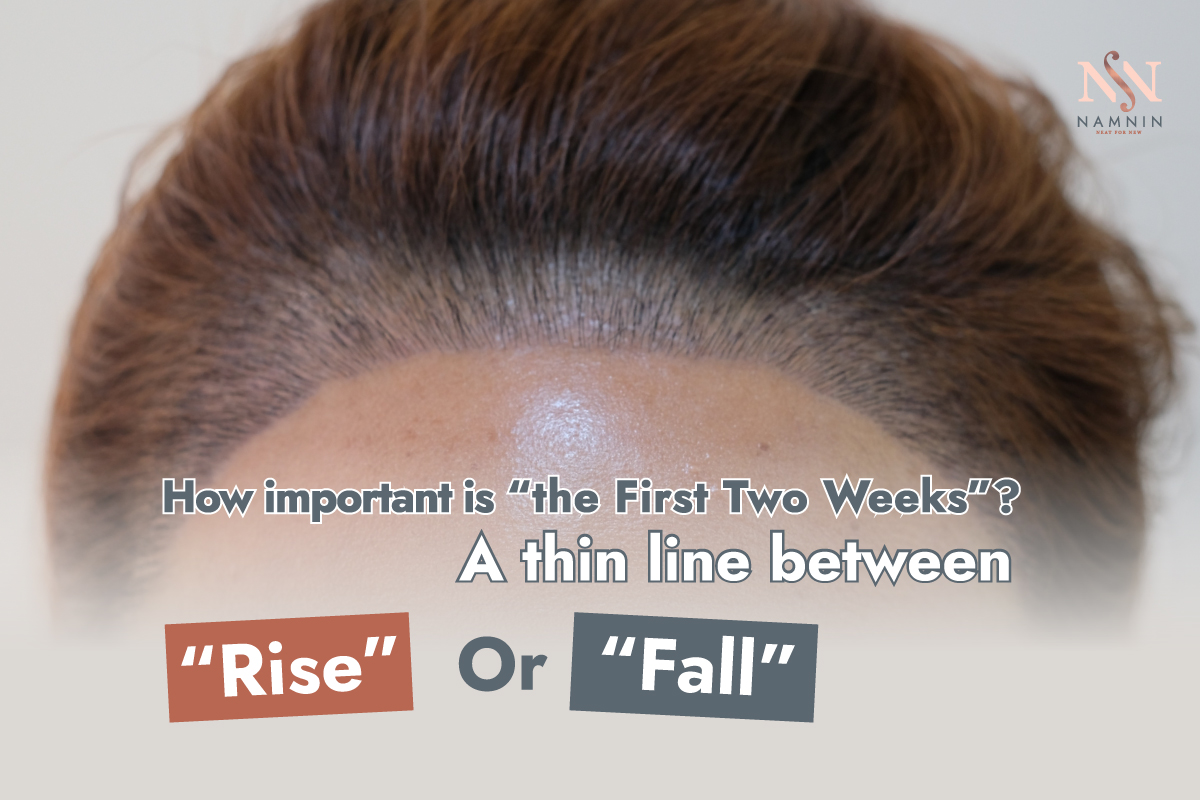
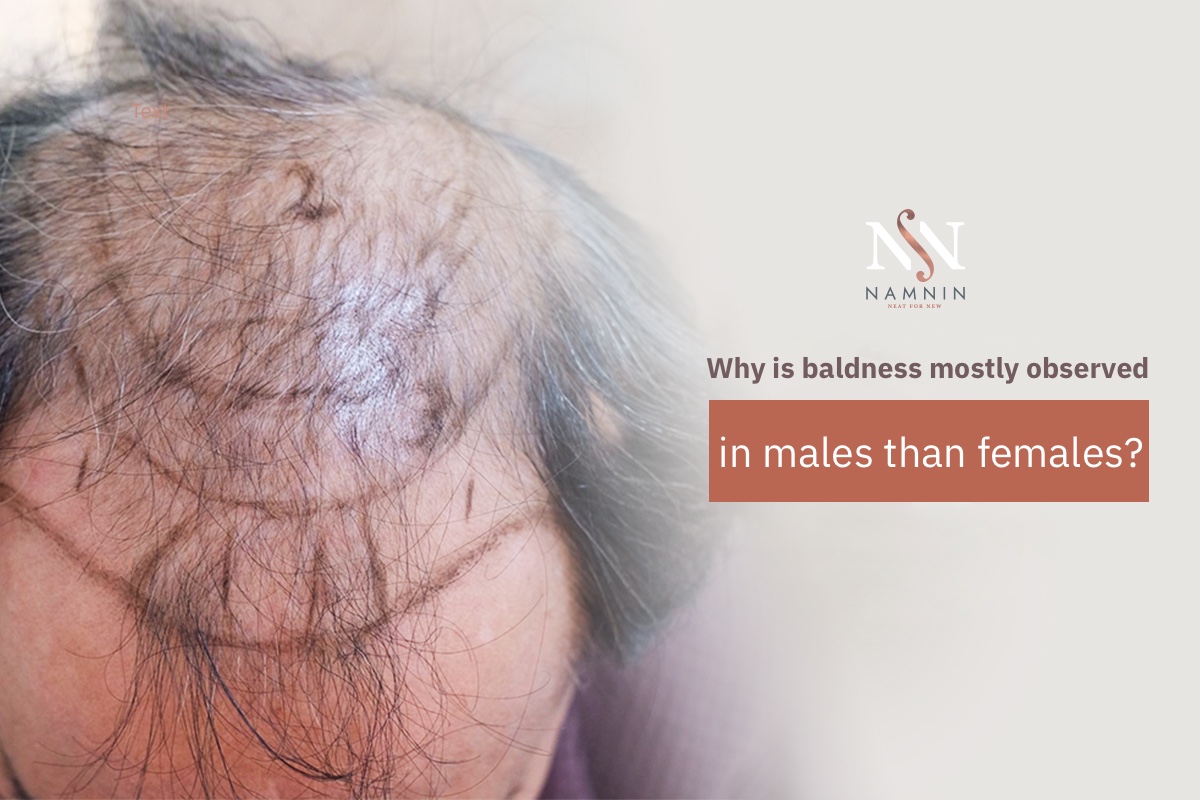
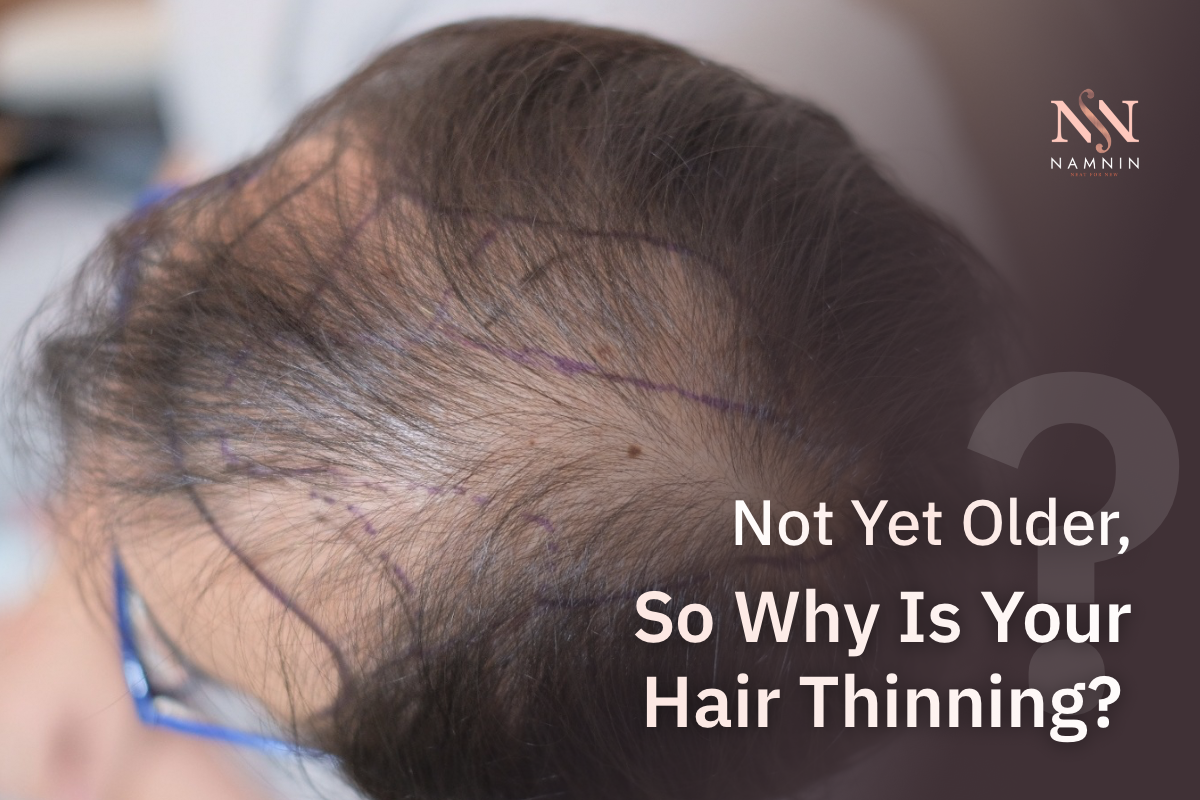
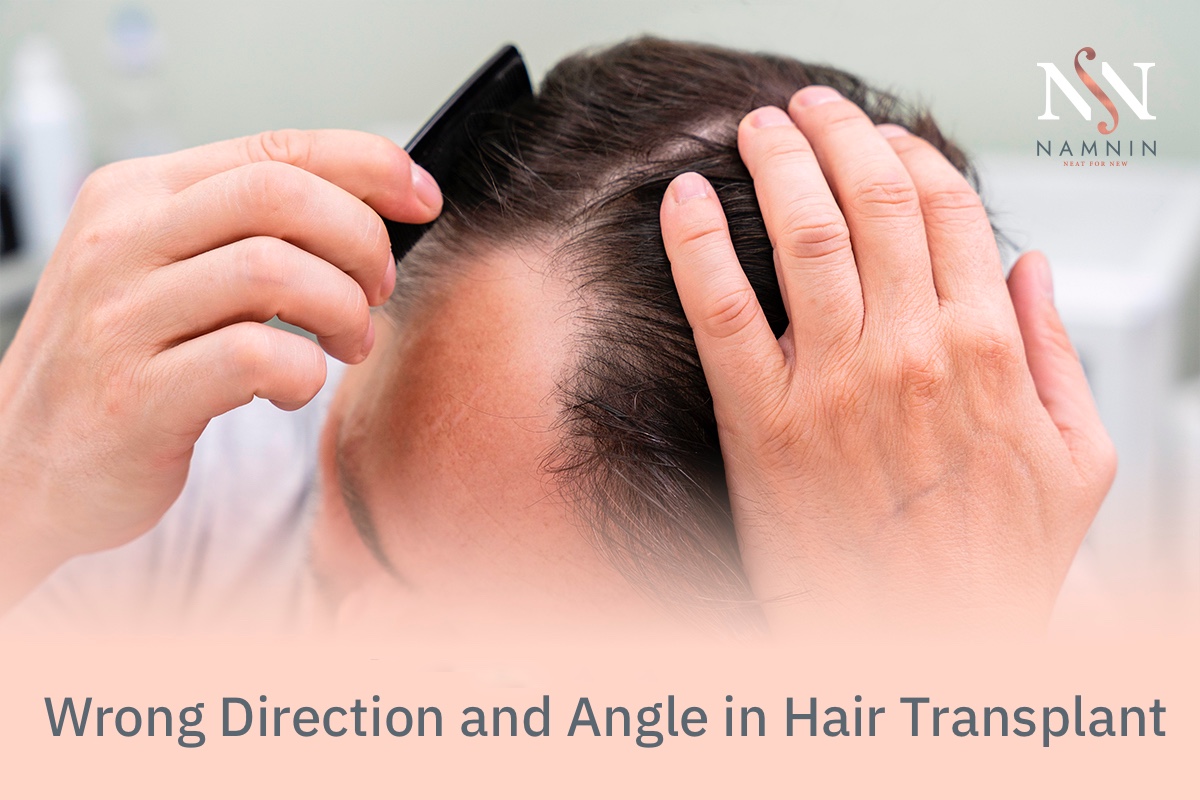
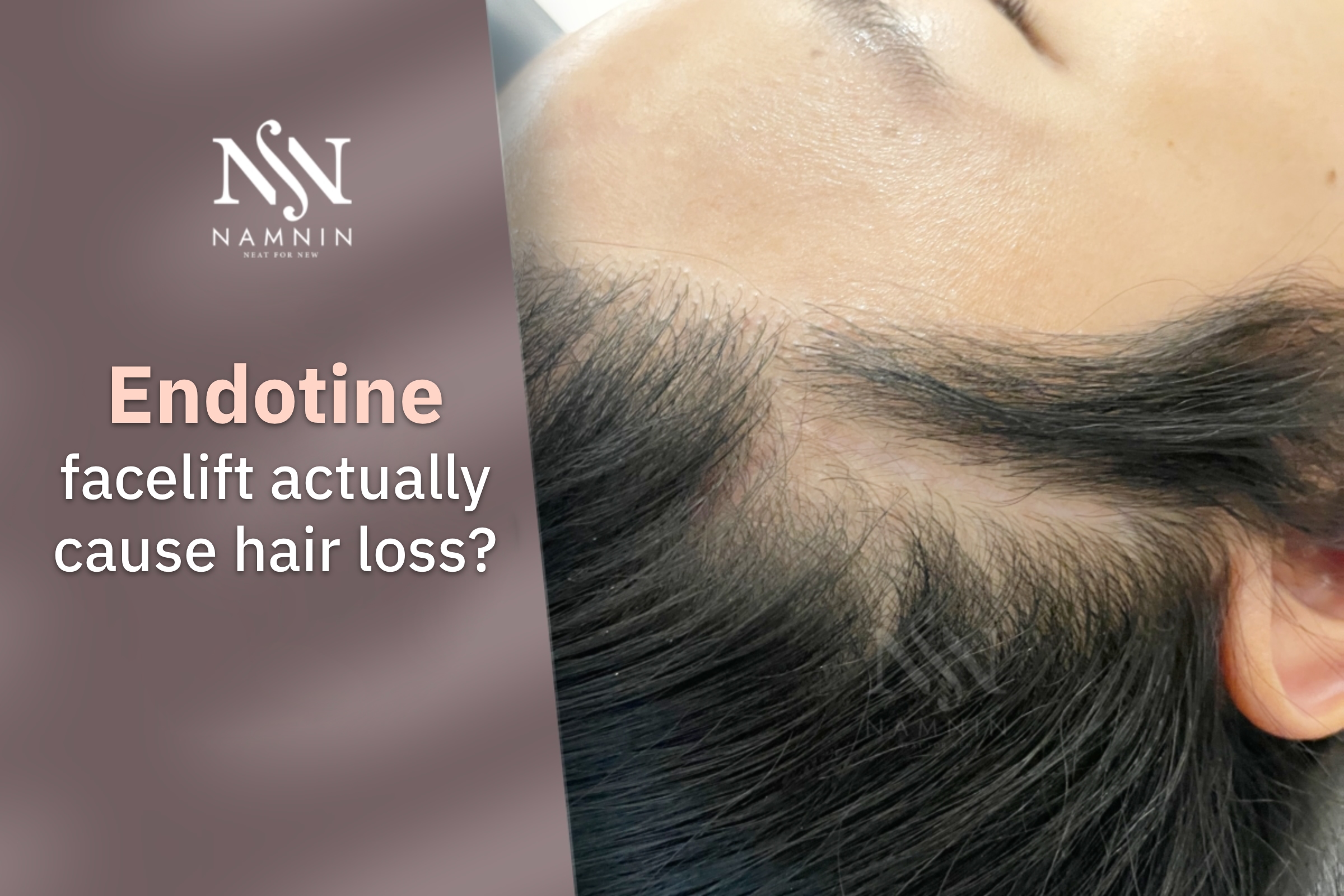
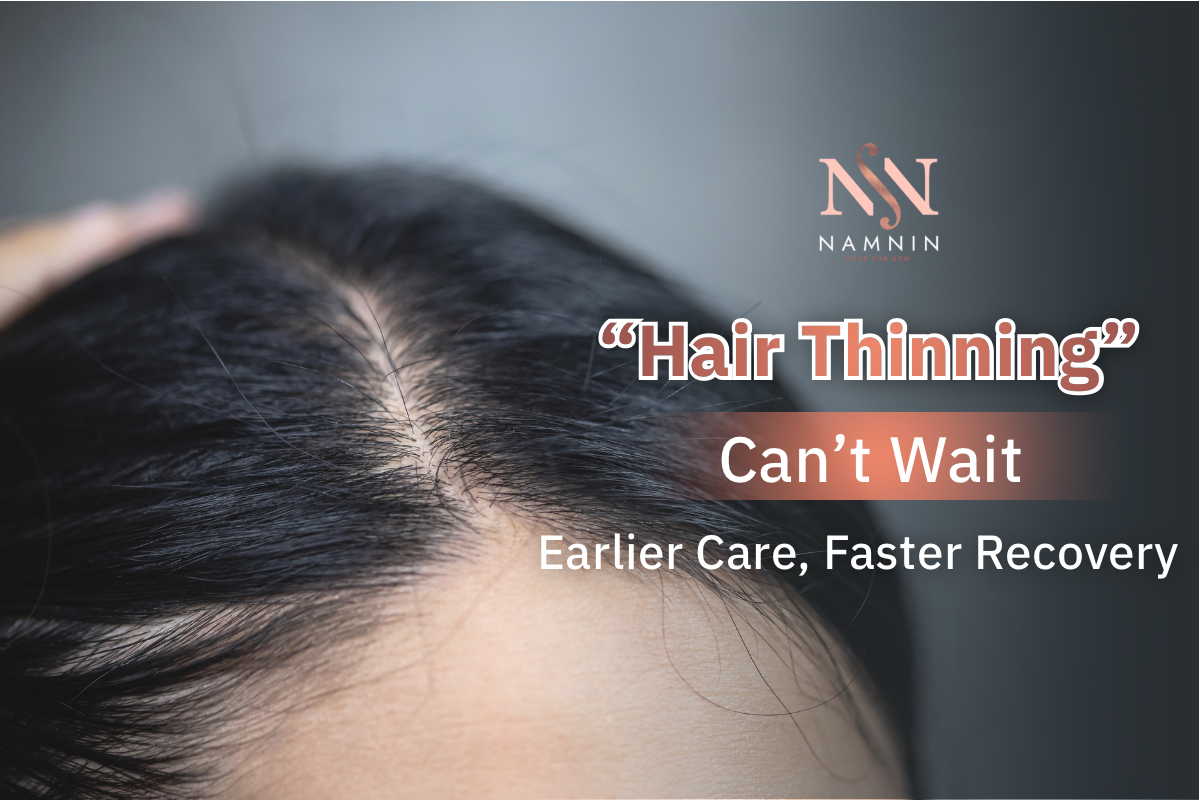
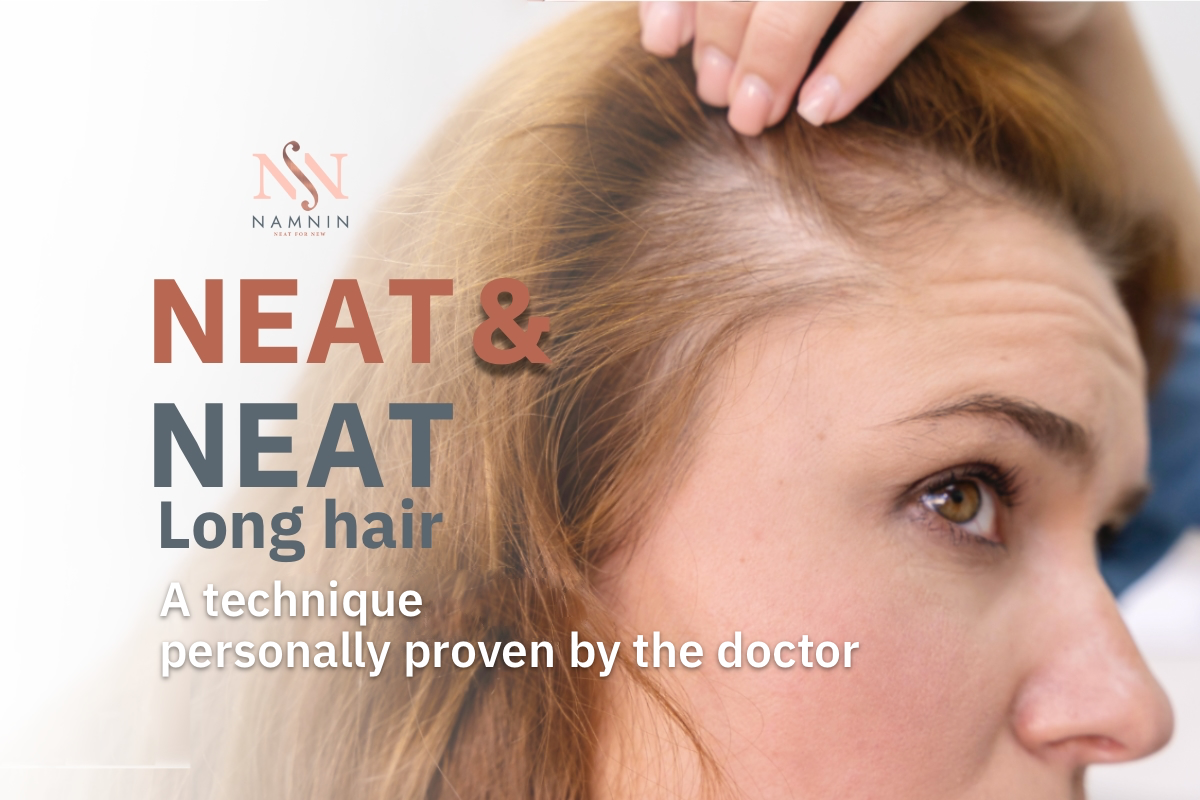
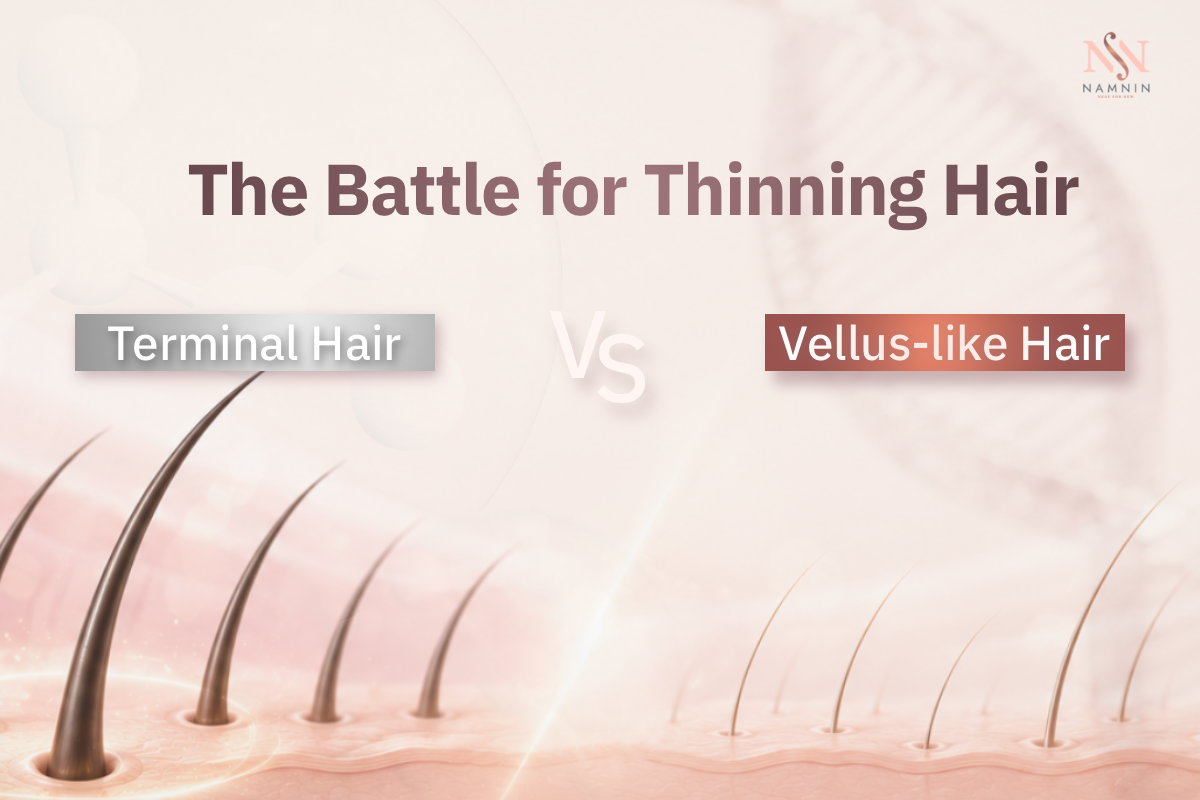
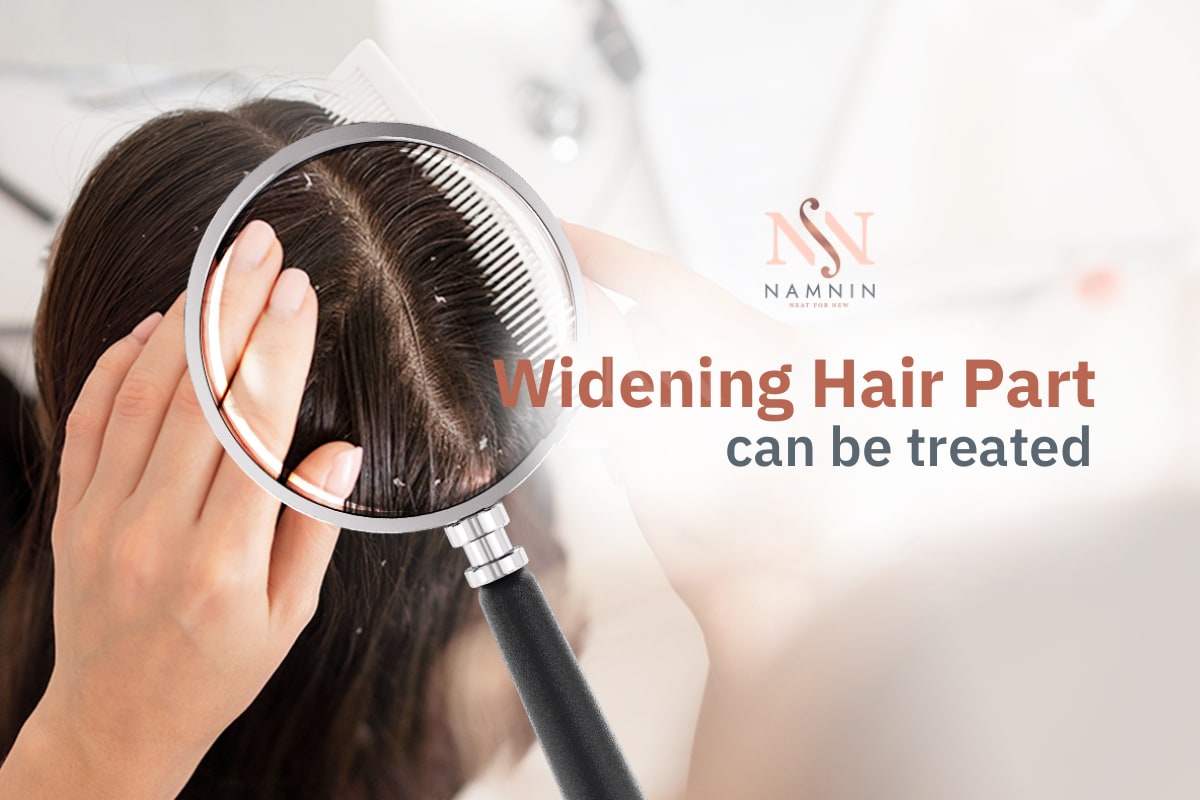
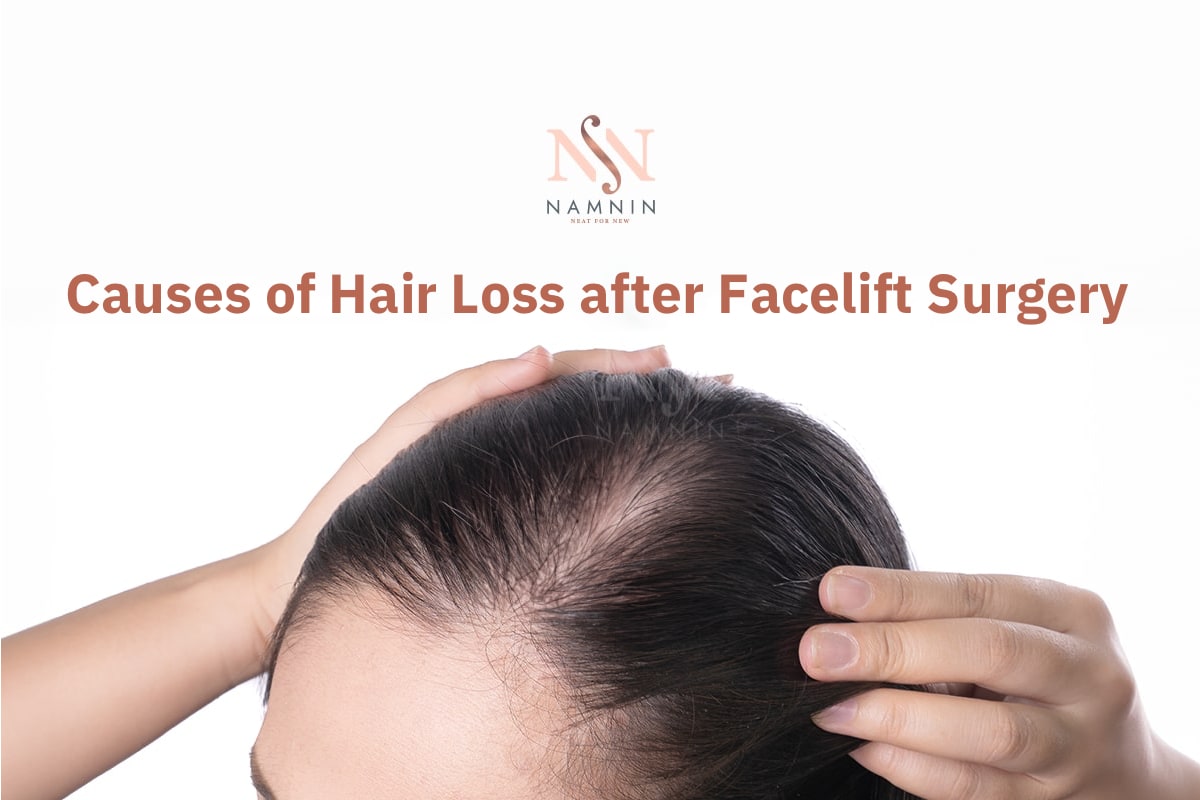
One reality that is rarely discussed is that more than 40% of women begin noticing changes in their hairline after the age of 30. Yet this topic is hardly ever talked about seriously. Part of the reason may be that we grew up seeing shampoo advertisements focused only on “strong, shiny, smooth hair,” while no one ever explained the concept of hairline recession. Hairline recession refers to the gradual backward movement of the frontal hairline over time, causing the forehead to appear higher or wider. Many times, what women assume is simply a “camera angle” or “lighting issue” in photos may actually be a subtle sign of physical changes happening slowly over time. This is a common experience for many women, we simply were never taught to understand it.
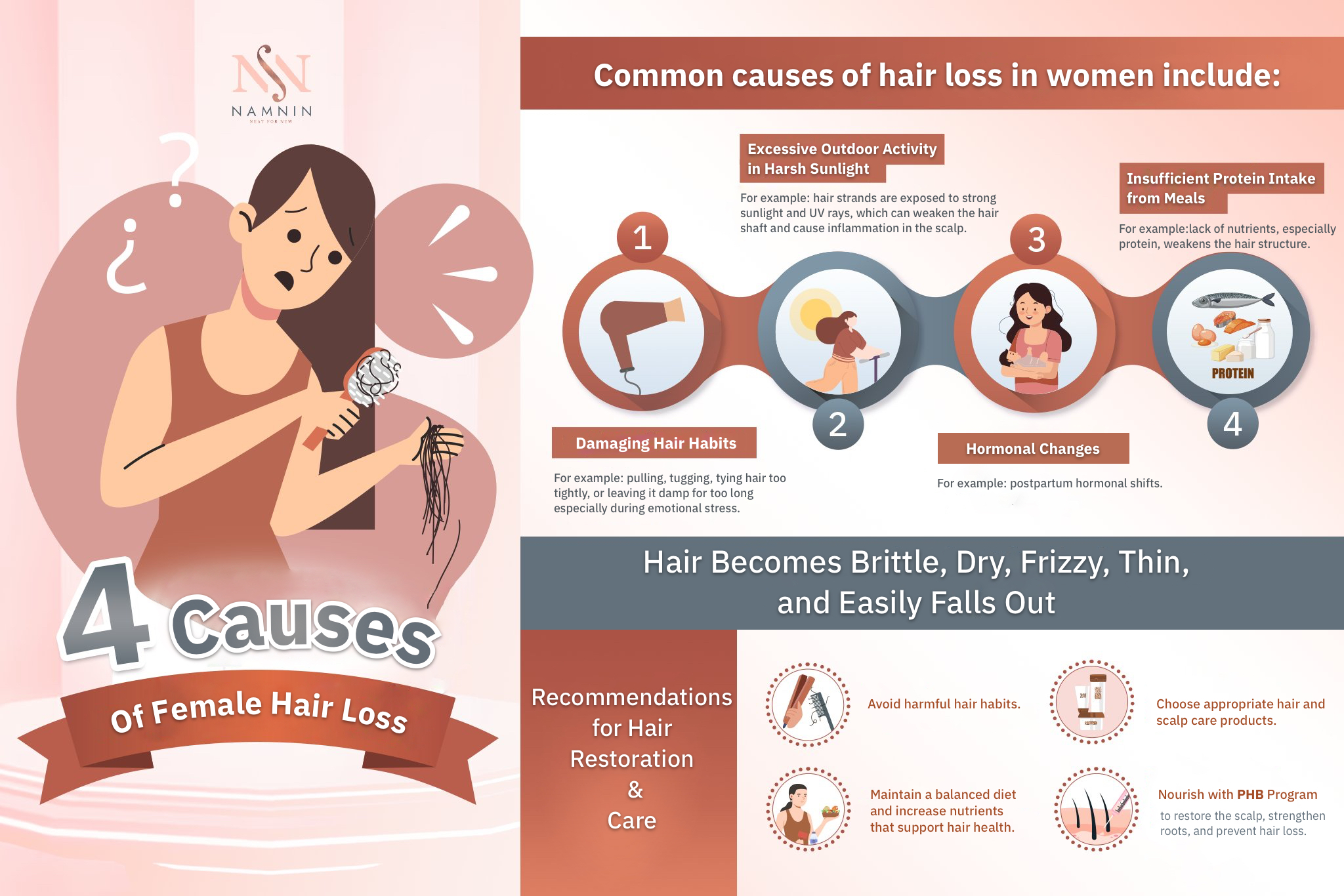
When discussing hairline concerns, many people immediately think of hormones, and that is not wrong. However, hairline recession is influenced by multiple factors. After the age of 30, estrogen levels naturally begin to decline. As estrogen decreases, hair follicles around the frontal hairline become more sensitive to DHT, causing the hair in this area to gradually thin and recede little by little, often without us realizing it.
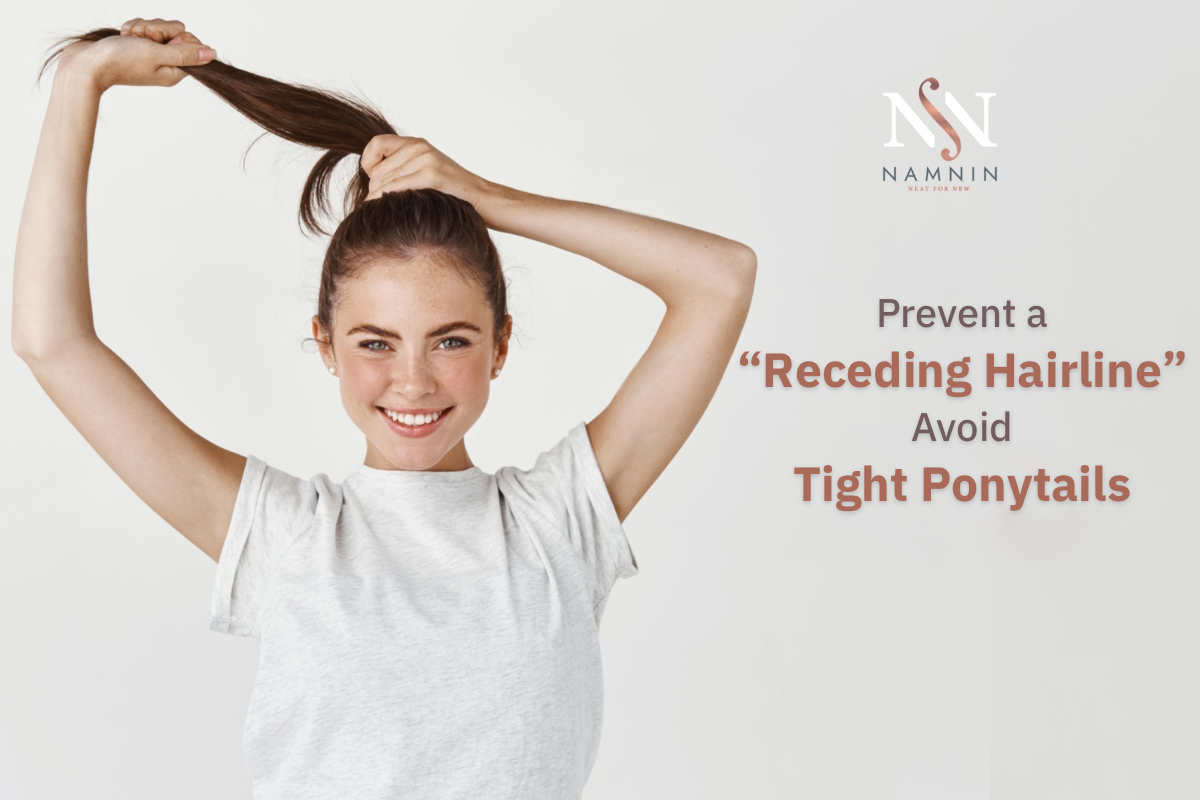
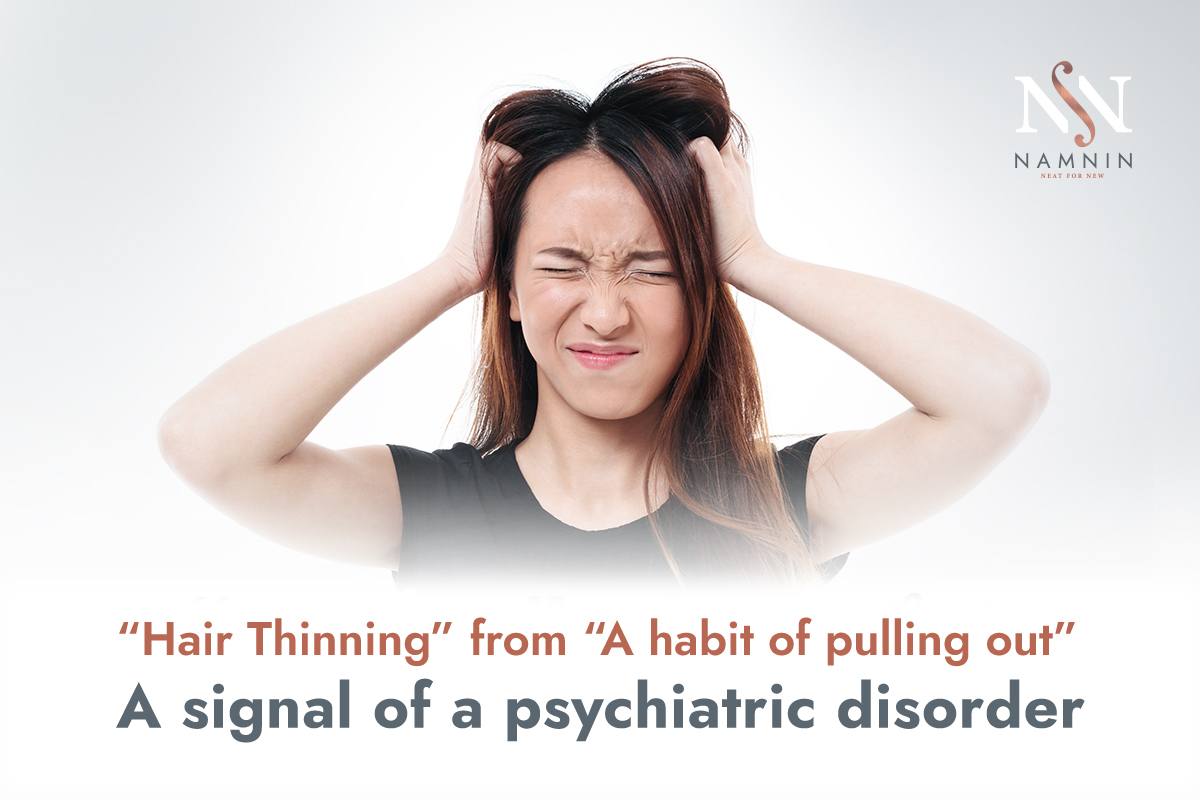
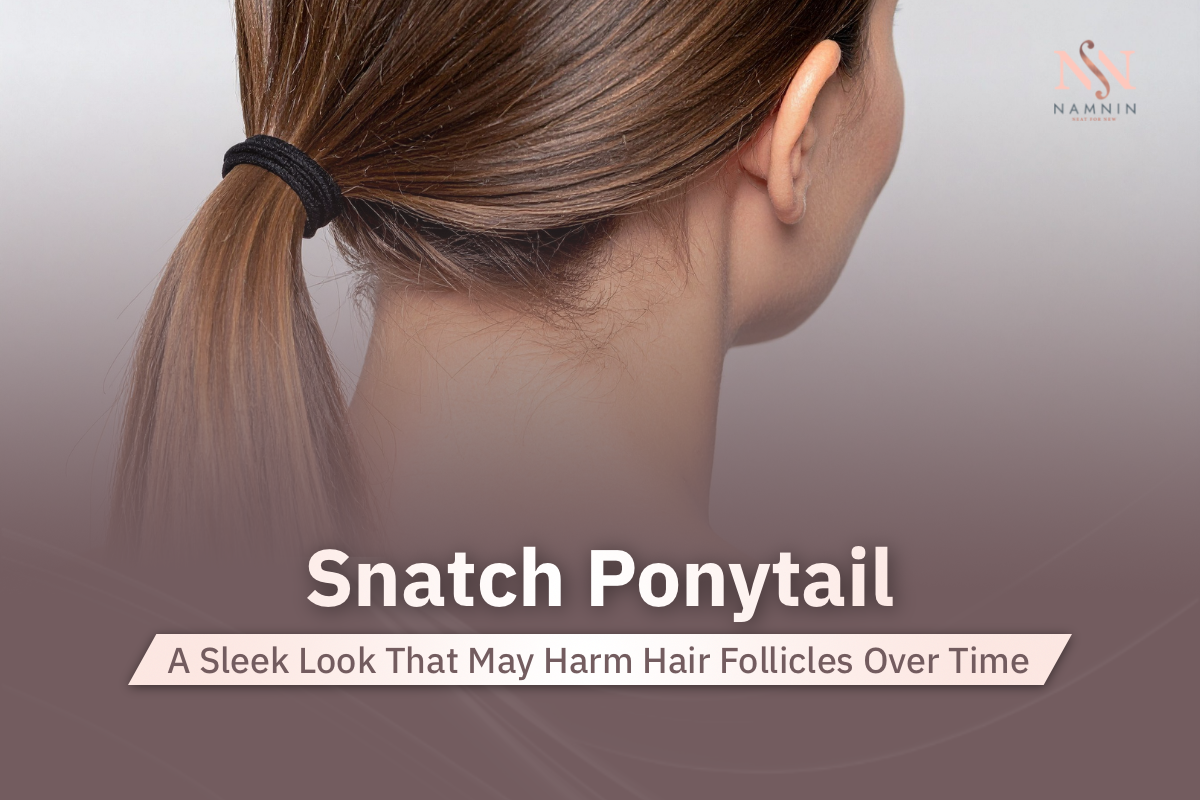
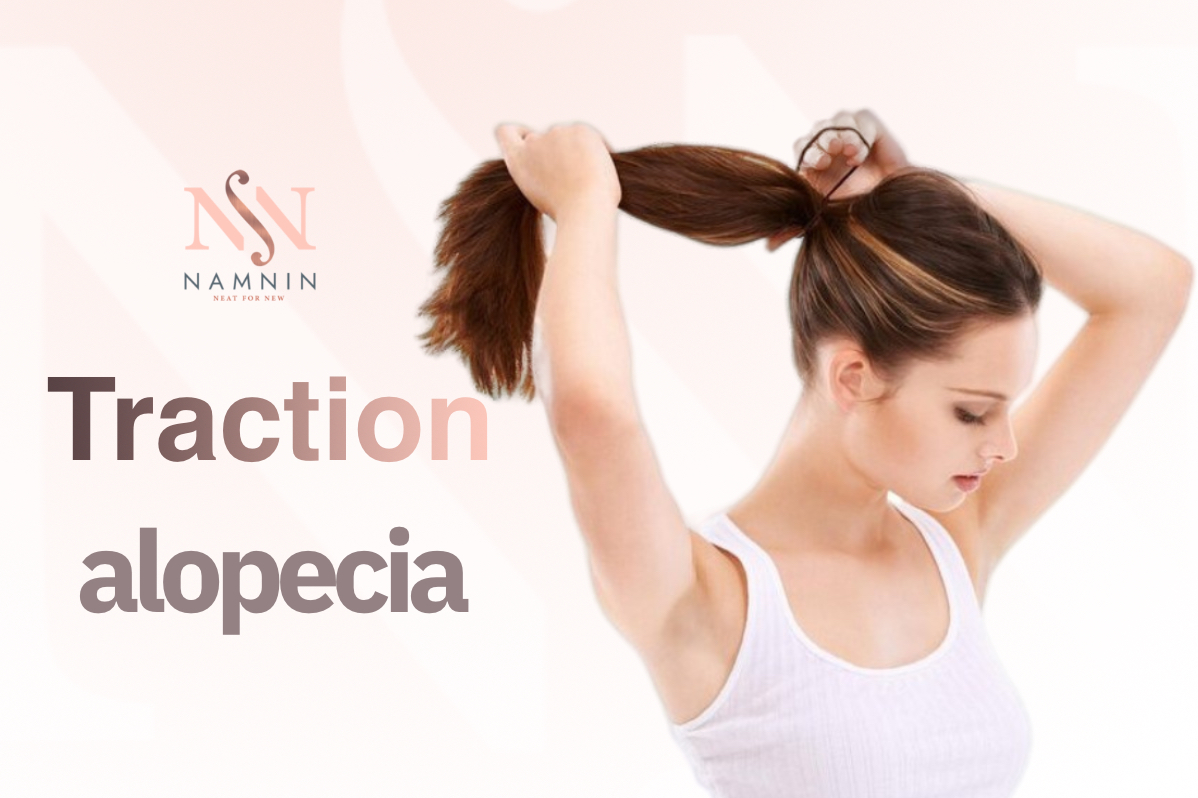
Another major factor many modern women face is chronic stress and insufficient rest. When the body experiences prolonged stress, cortisol levels increase, disrupting the hair growth cycle, especially around the forehead area, which is one of the most delicate regions of the scalp. Daily hair care habits also play an important role, whether it is tightly tying the hair for long periods, repeated straightening, frequent heat styling, or continuous pulling tension over many years. These small damages accumulate quietly and often become more visible around the ages of 30 to 35.
For many women, especially mothers, another less discussed factor is postpartum hair loss. Hormonal changes after pregnancy can lead to increased shedding, and in some cases may leave lasting changes around the hairline. But there is no need to panic, because these issues are not something women simply have to accept without solutions.
Try asking yourself honestly: Have you started taking photos from the same angles repeatedly because certain angles make your forehead stand out too much? Have you spent more time searching for hairstyles that “hide” your hairline instead of styles you genuinely like? Sometimes we style our hair to conceal something rather than to express who we truly are. Many women take great care of themselves through health, exercise, and lifestyle, yet a small change in the hairline can still make them feel older than their actual age in a way that is difficult to explain.
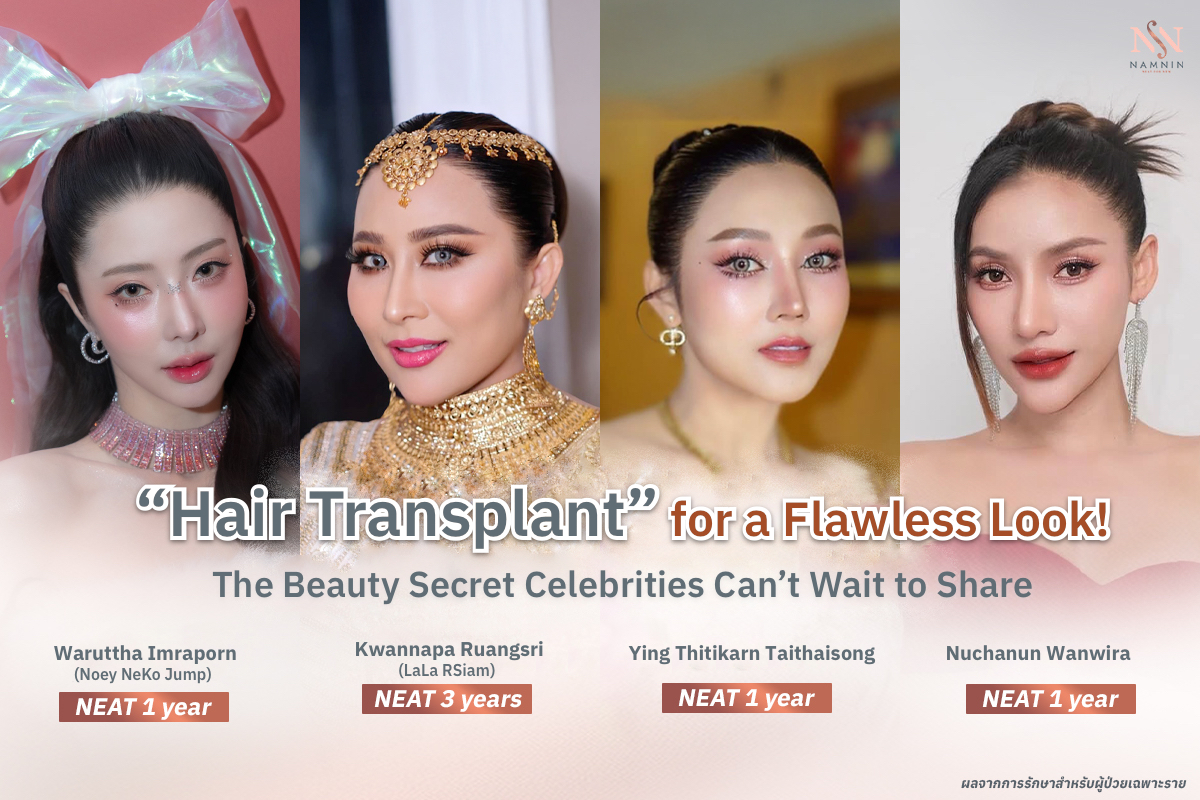
In recent years, the rise of the wellness community has transformed self care from something considered indulgent into an essential part of living well. Across social media, more women, including many influencers, have openly shared their own hairline journeys, from small insecurities to the ways they chose to care for themselves. One thing has become very clear: women who invest in themselves often regain visible confidence in both life and work. Not simply because of appearance, but because they feel like themselves again.
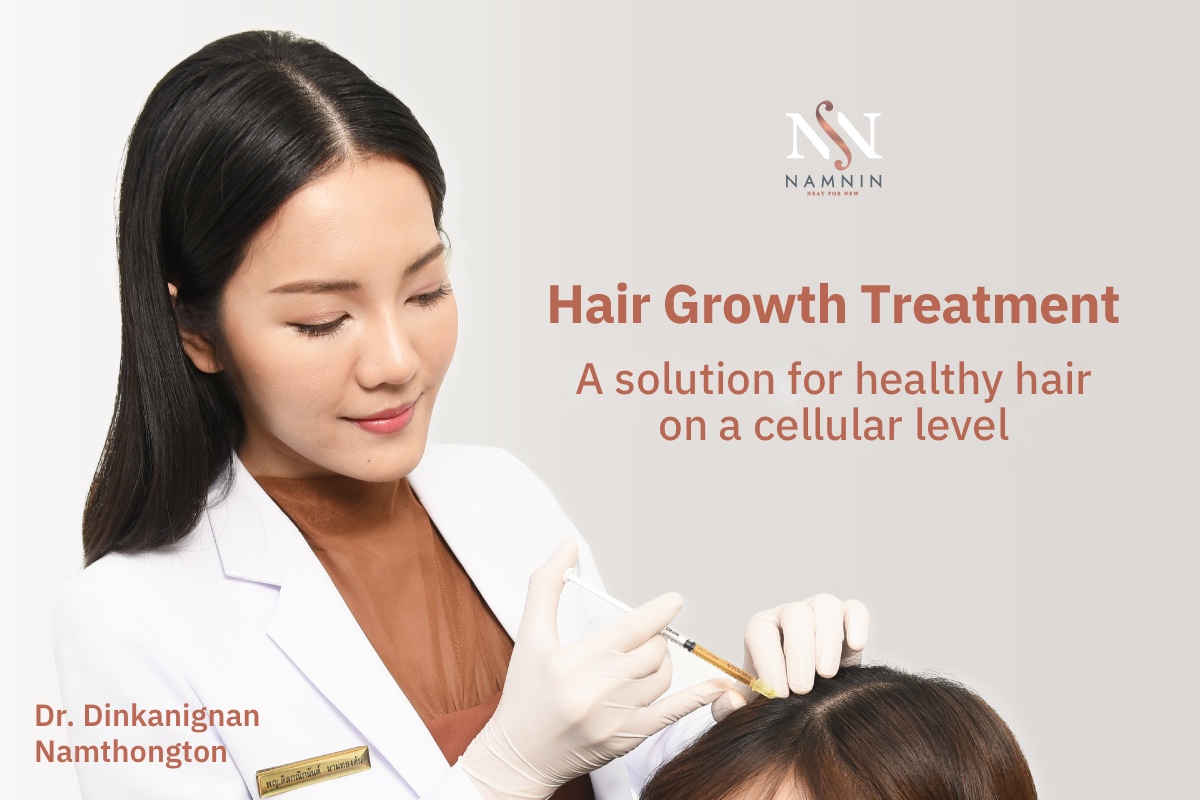
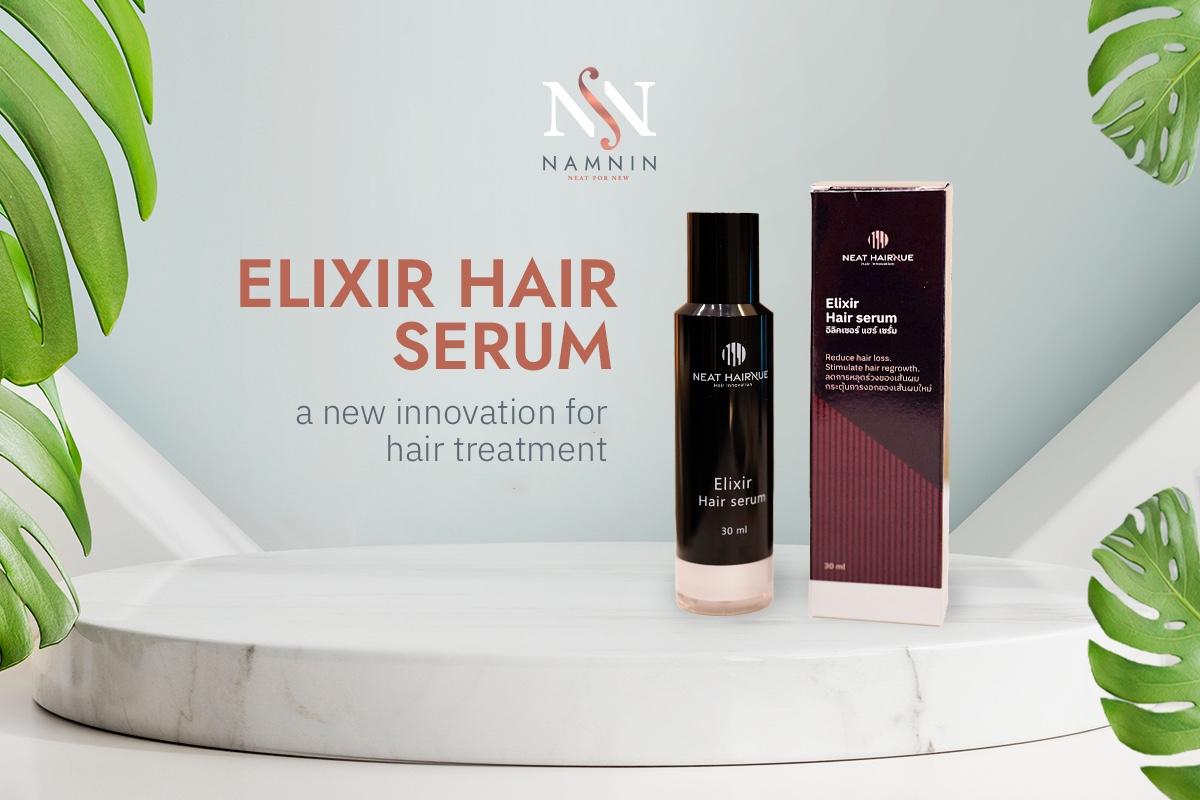
Today, there are many approaches available for caring for and improving the hairline, and each option suits different levels of concern. Hair growth serums and certain medications can help slow thinning and stimulate still active follicles. However, these methods require long term consistent use, and once discontinued, the results usually fade gradually over time. There are also restorative treatments designed to strengthen existing follicles, but it is important to understand that these methods cannot create entirely new hair in areas where follicles are already gone.
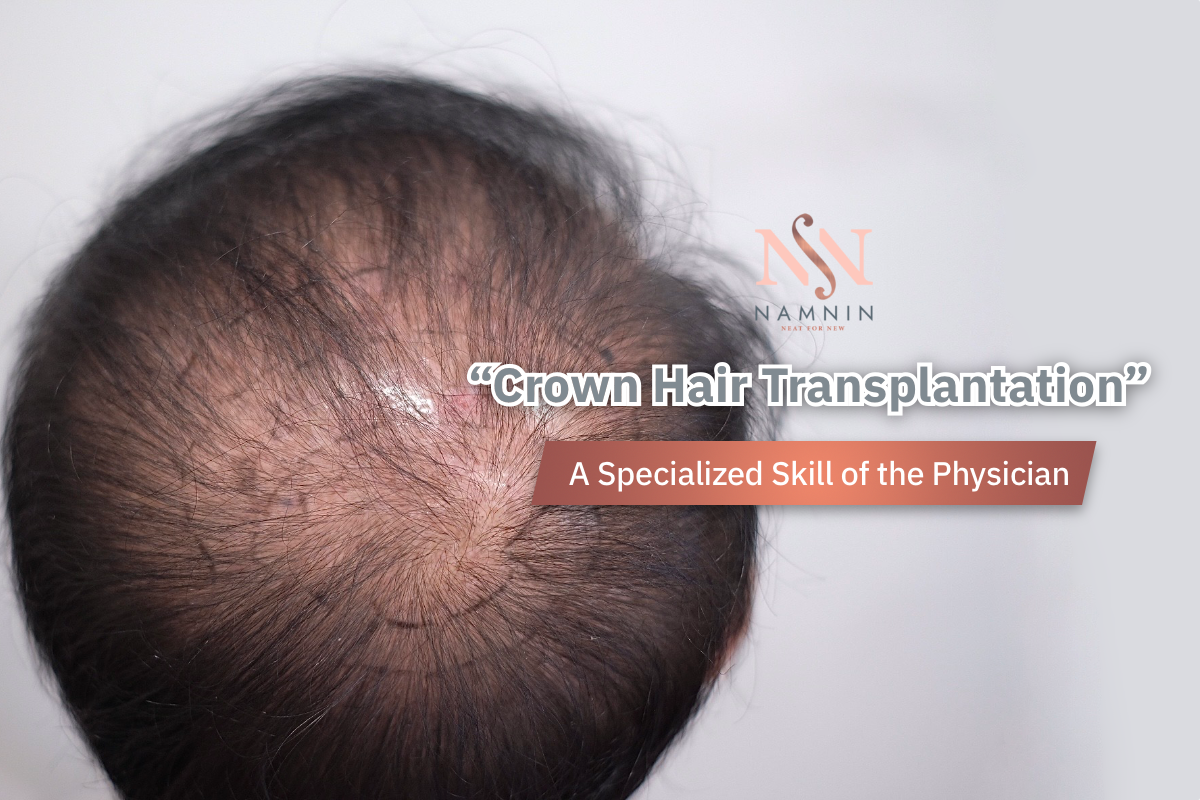
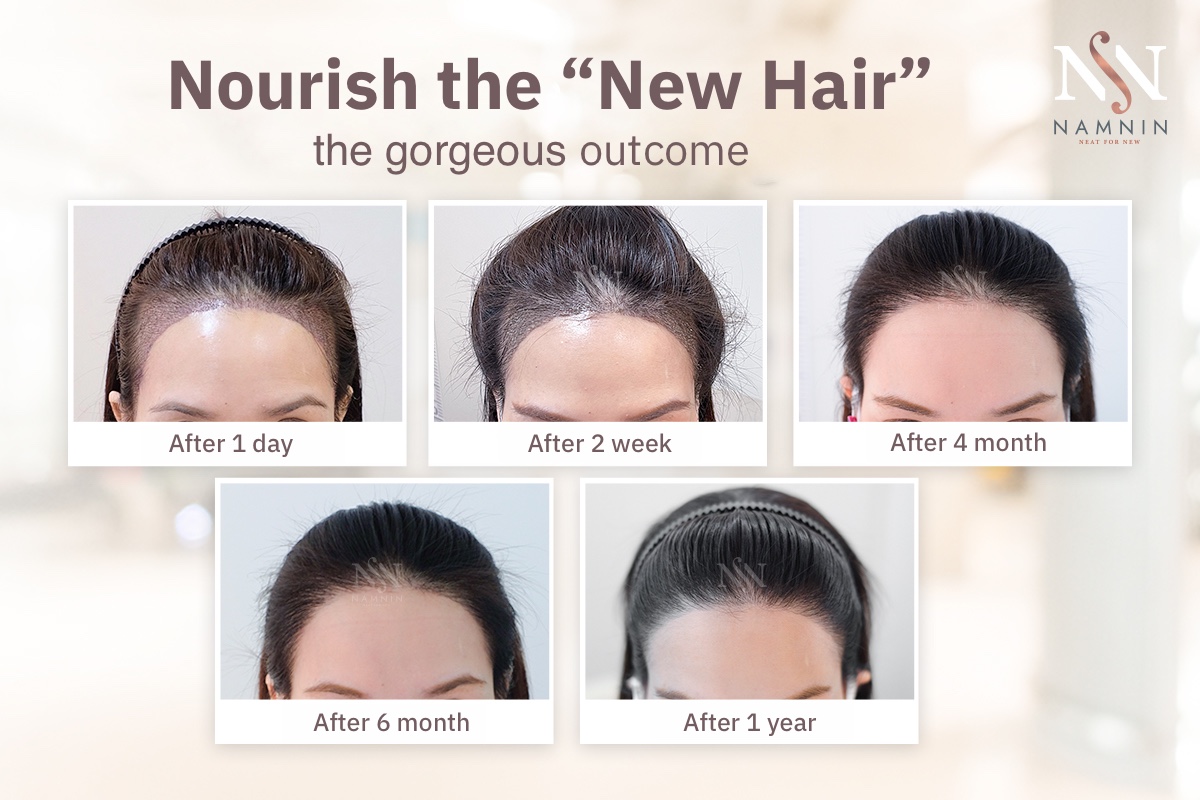
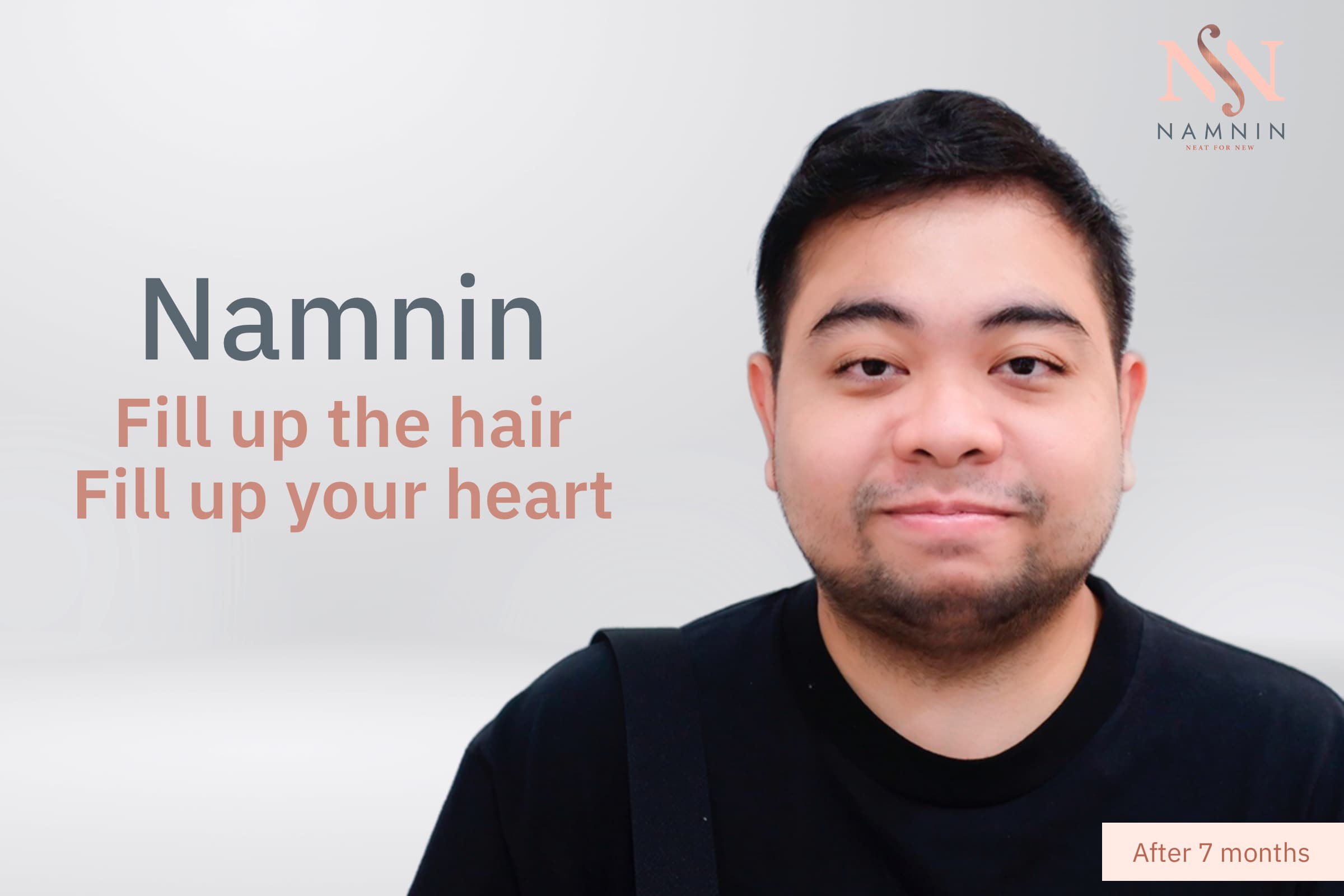
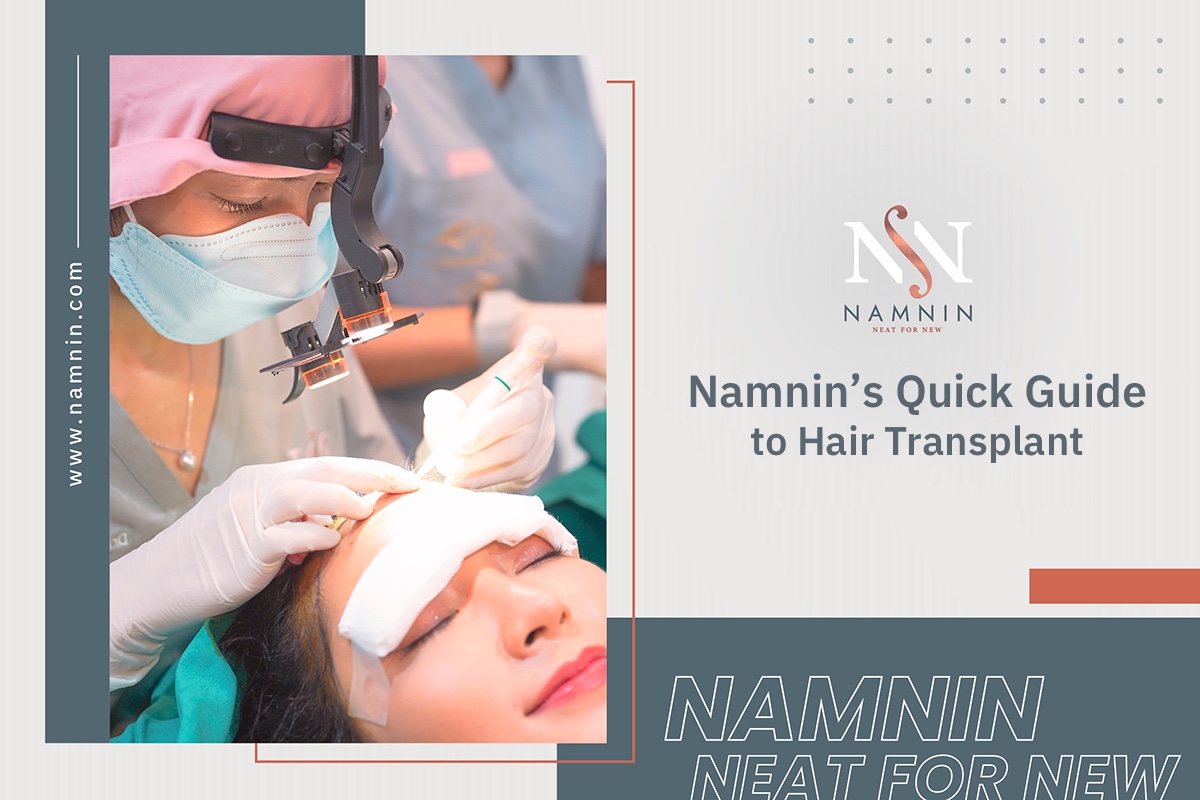
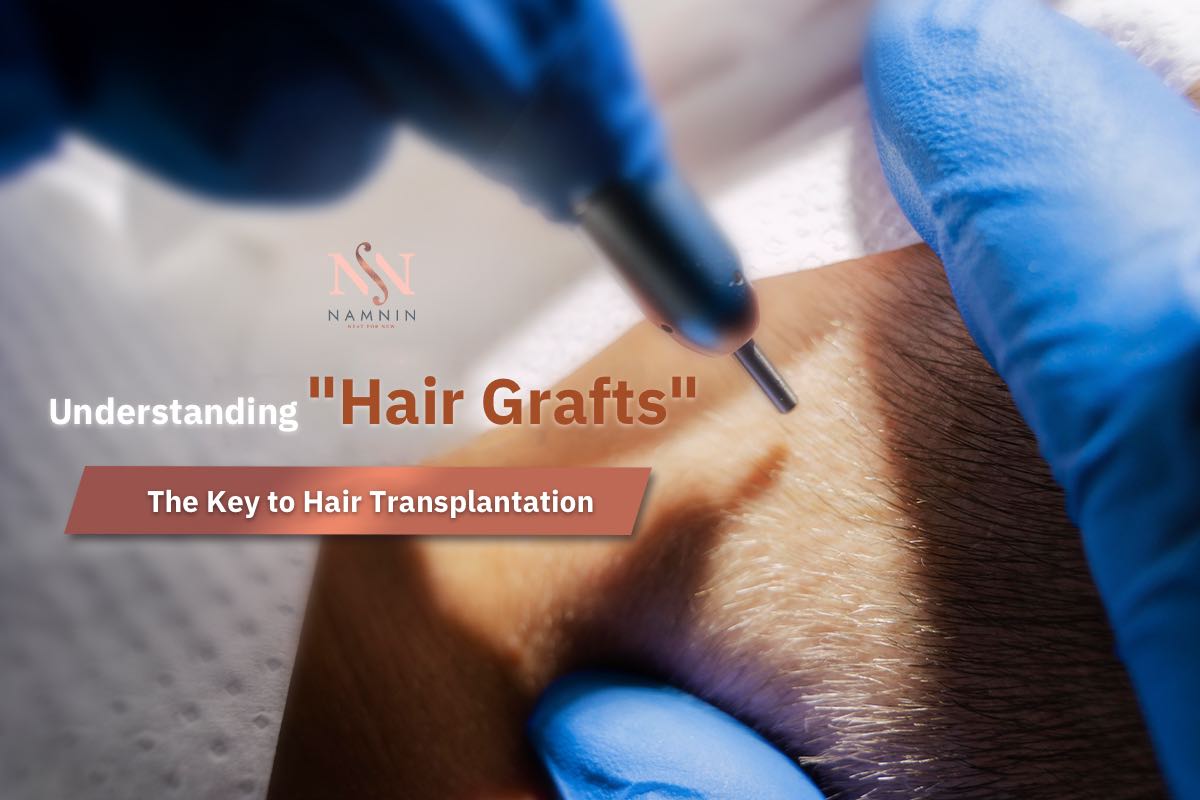
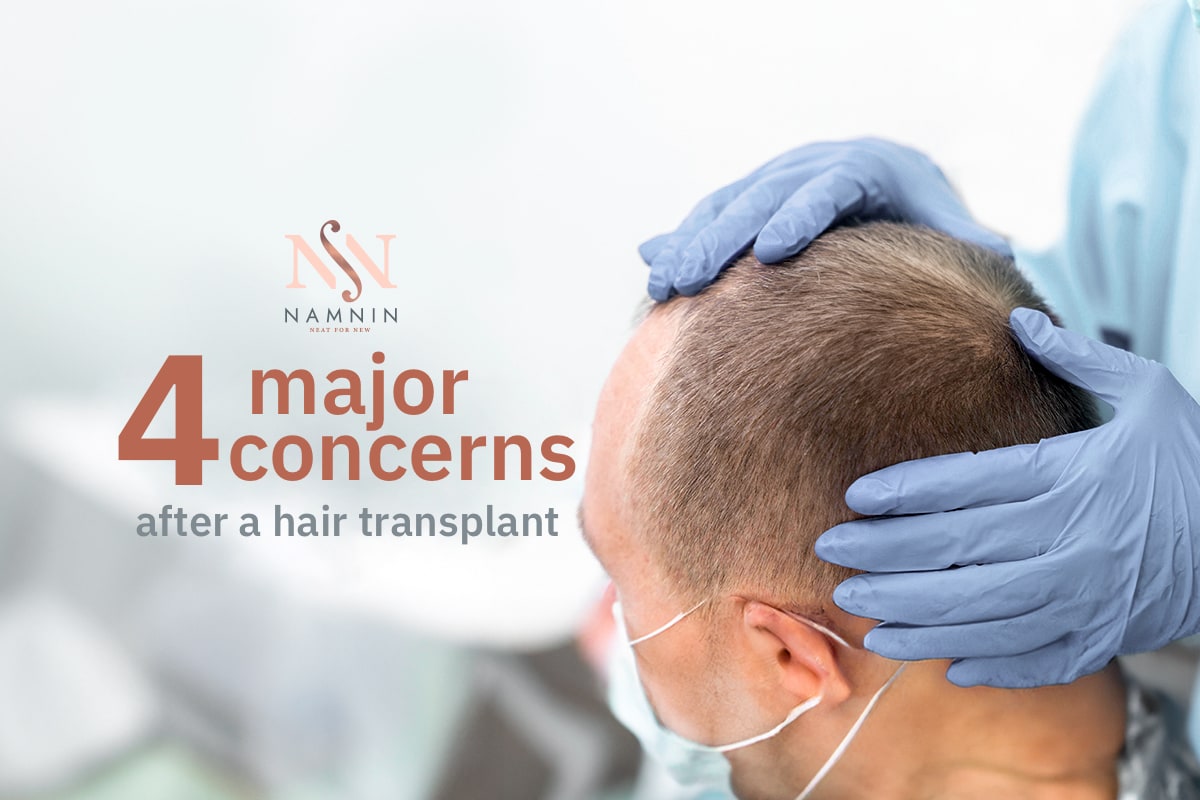
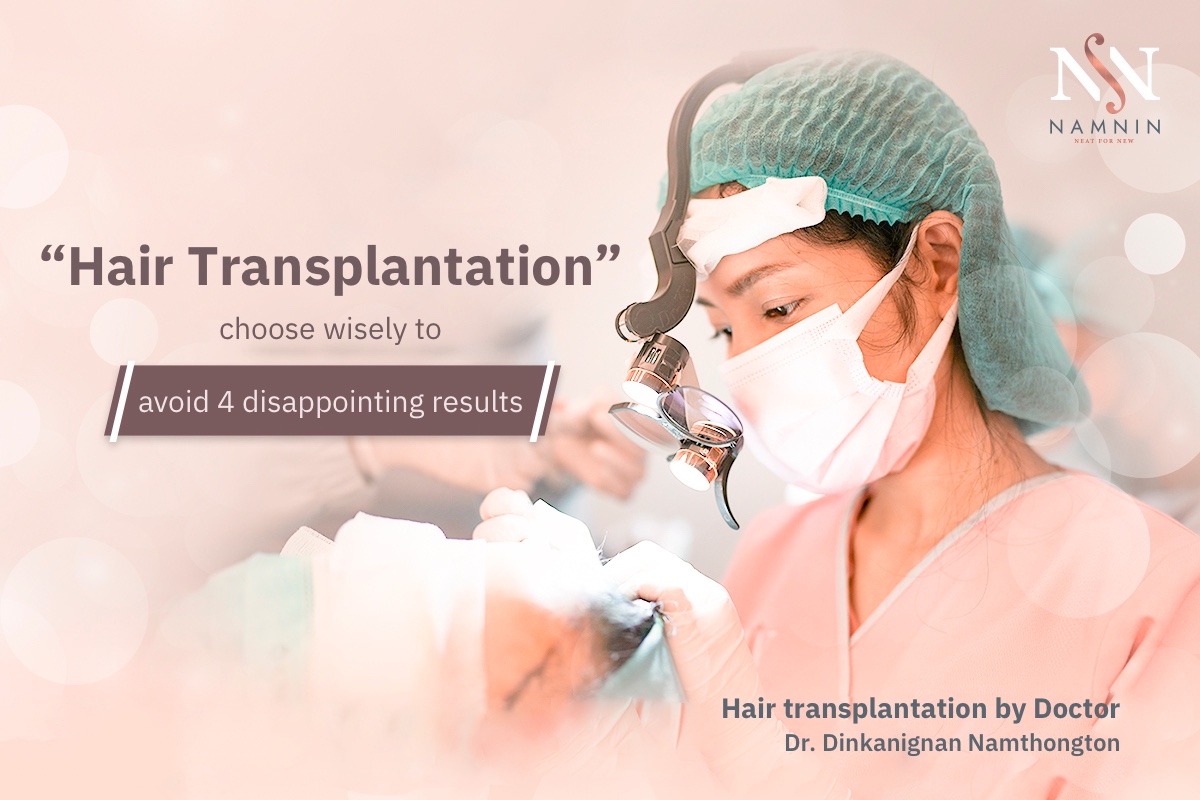
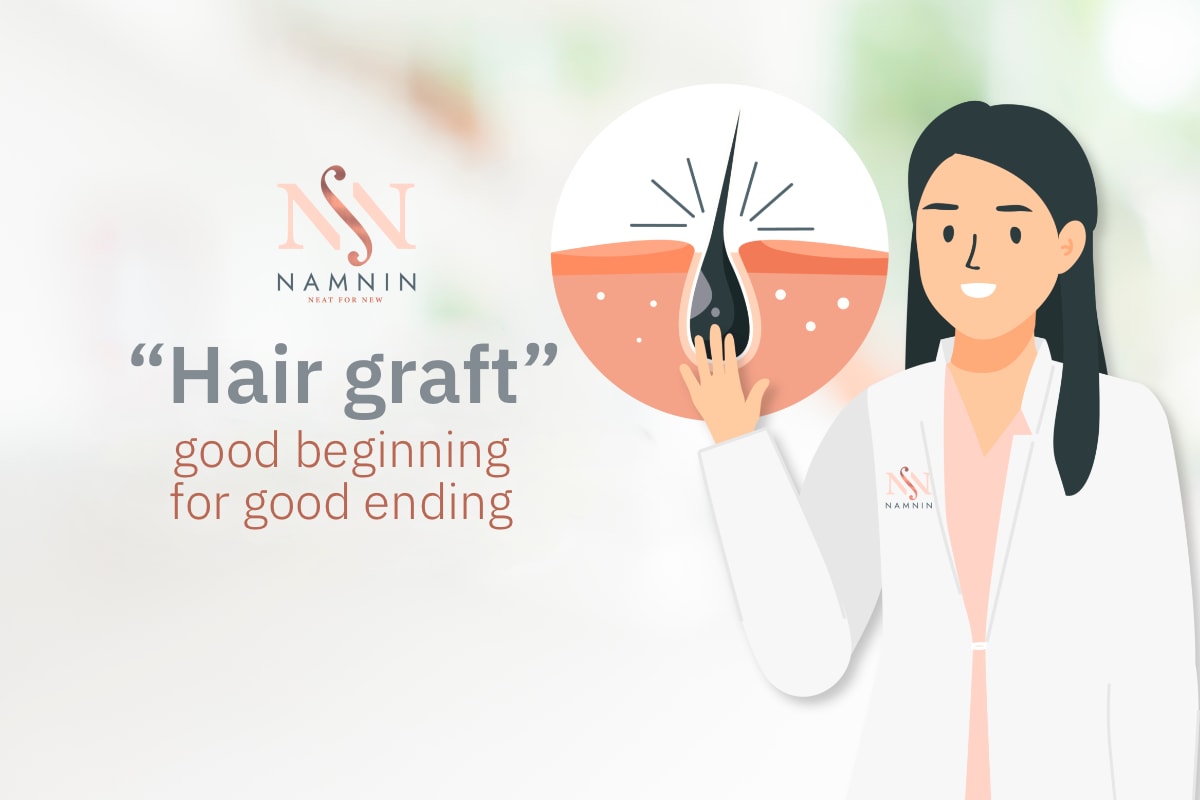
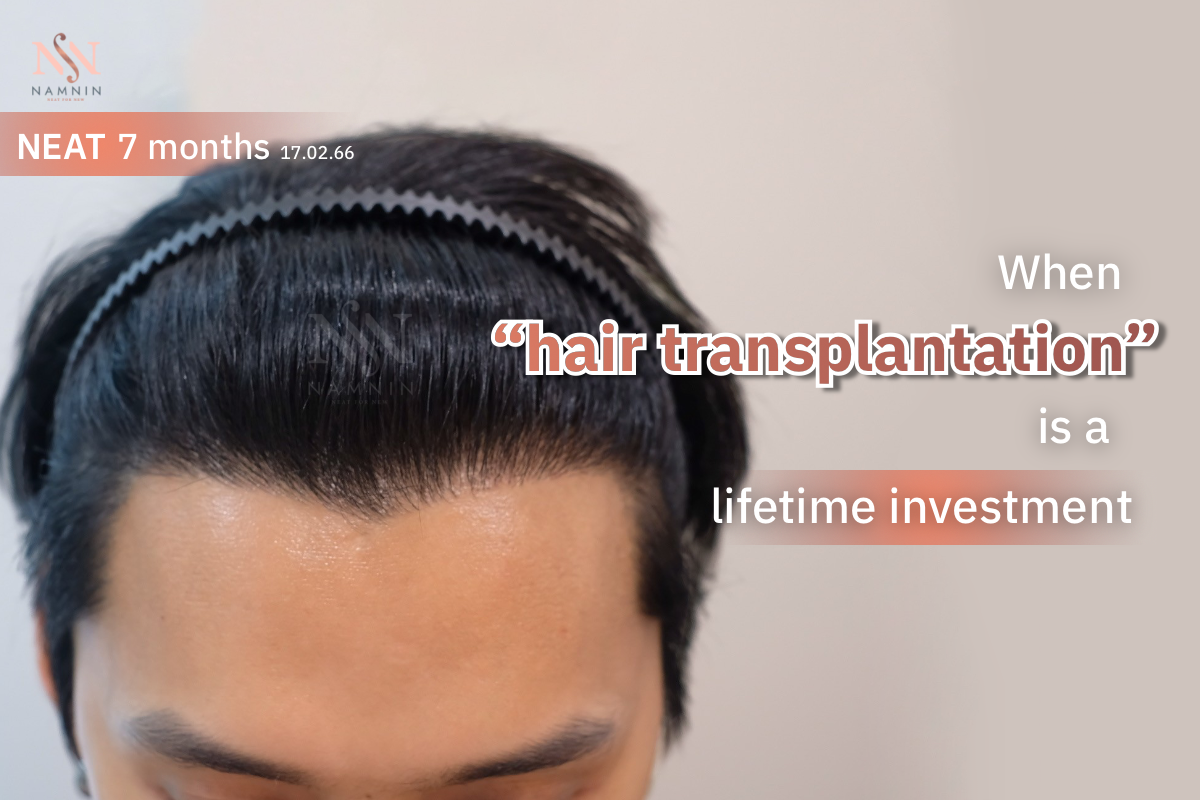
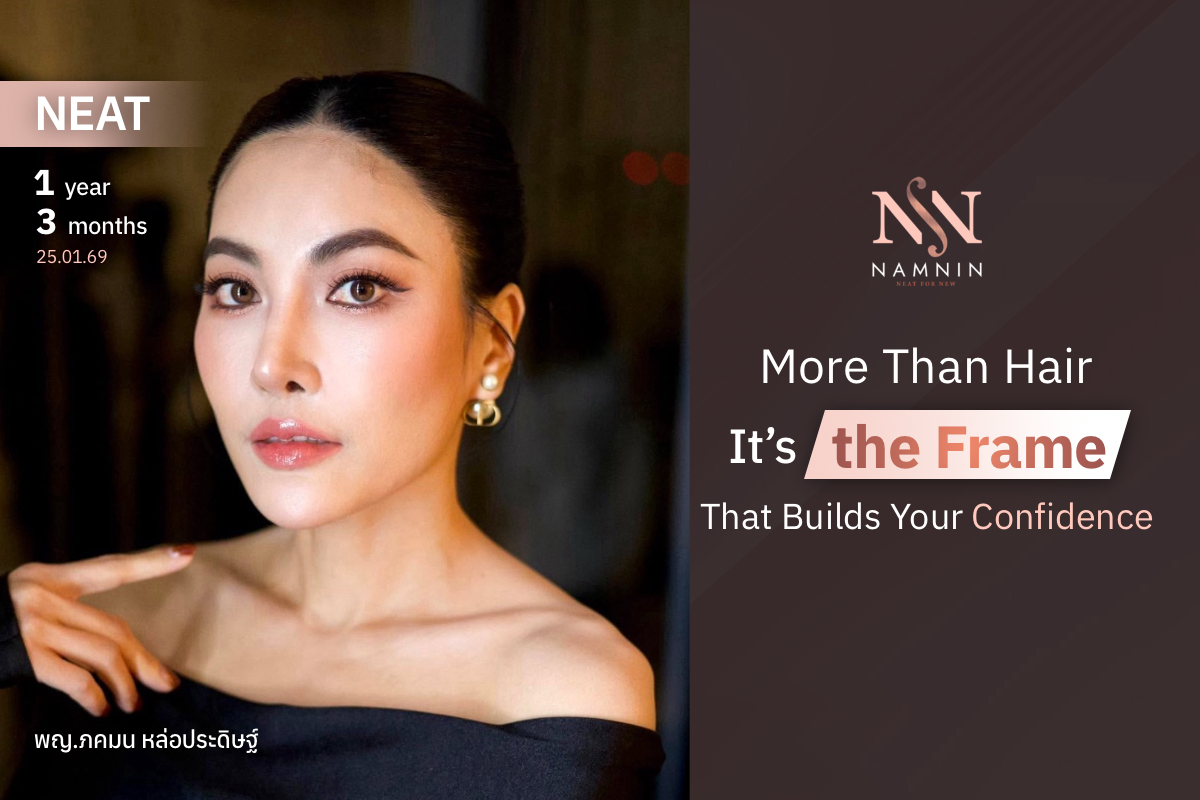
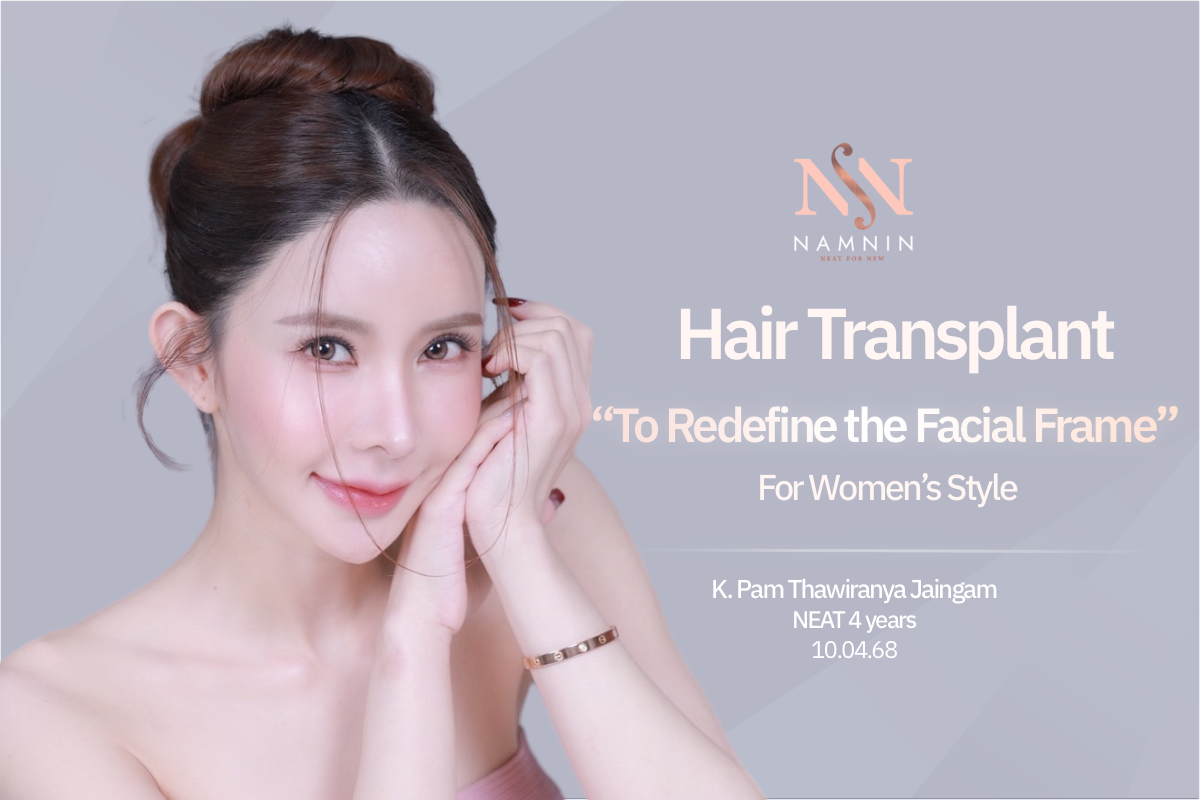
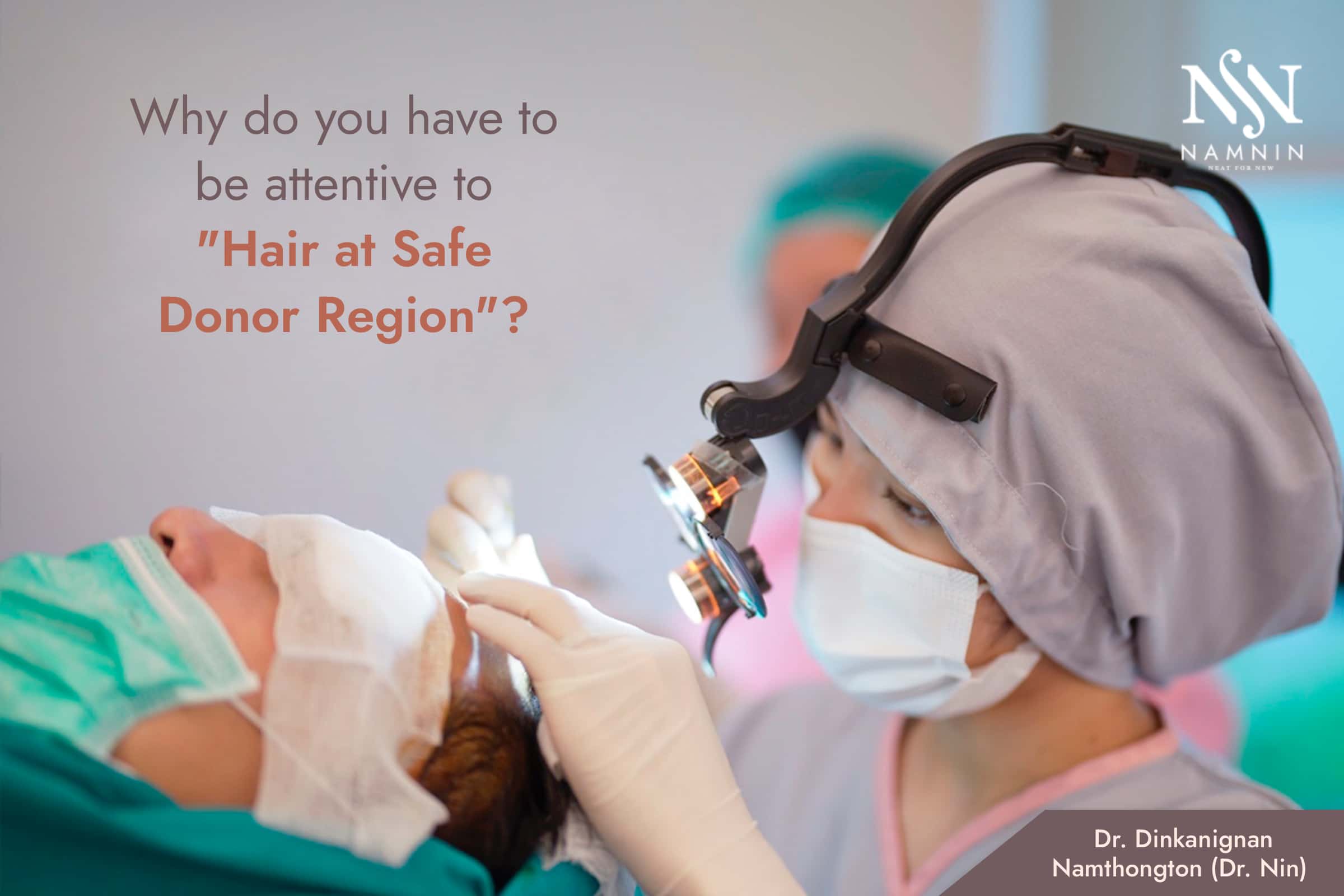
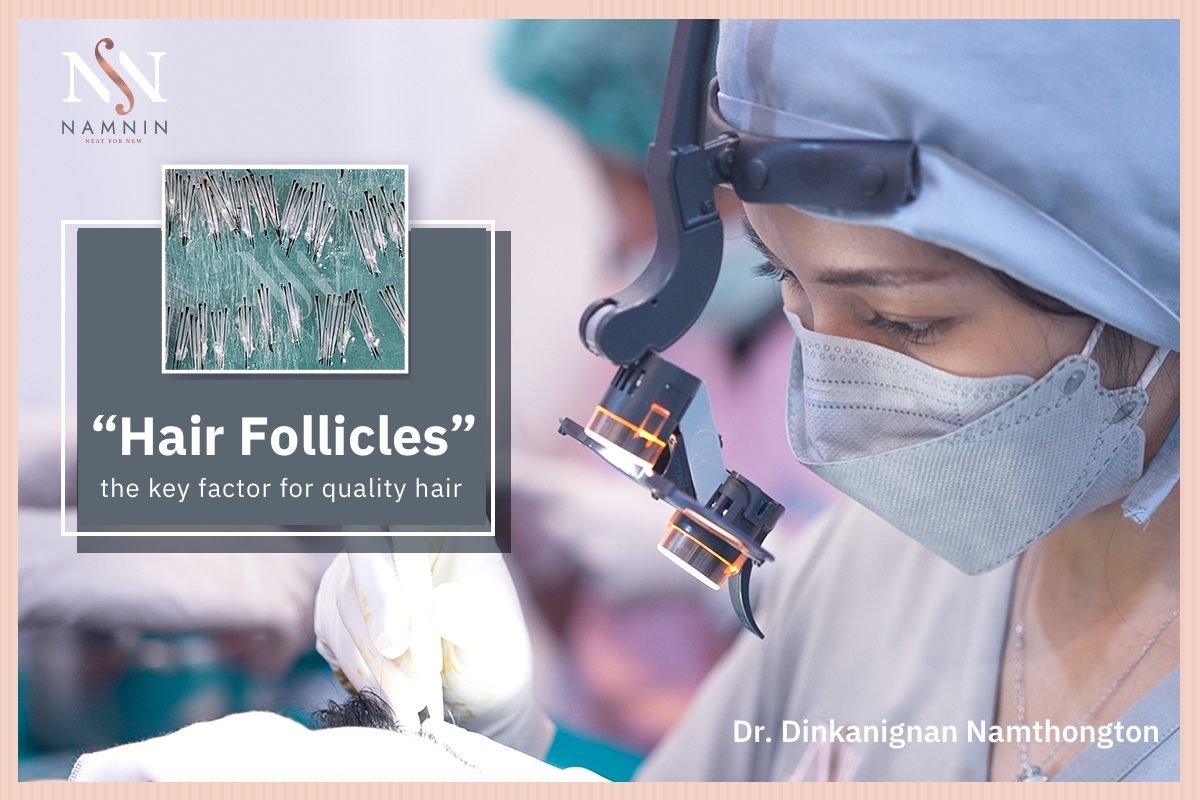
For individuals with significant thinning or recession, hair transplantation remains the only method capable of permanently restoring the hairline. Modern hair transplantation has evolved to better suit women, focusing not only on density but also on designing a hairline that harmonizes naturally with each person’s facial structure and beauty.
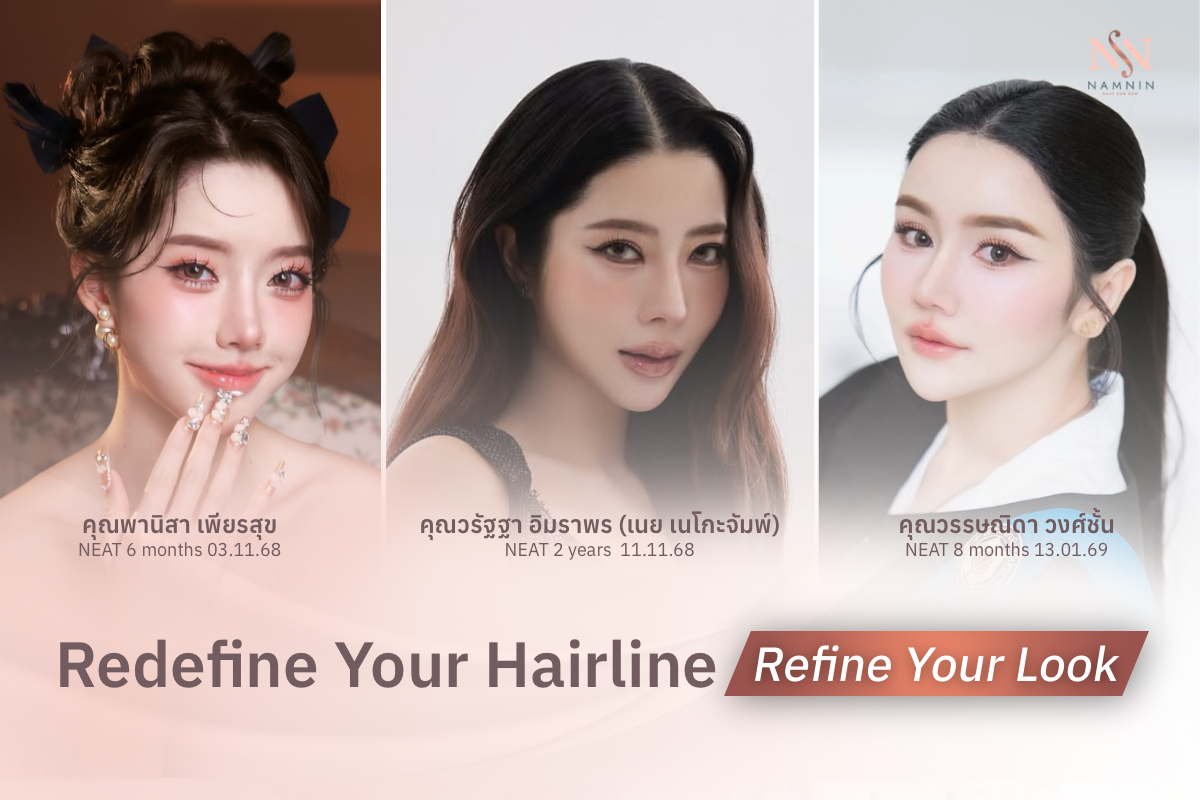
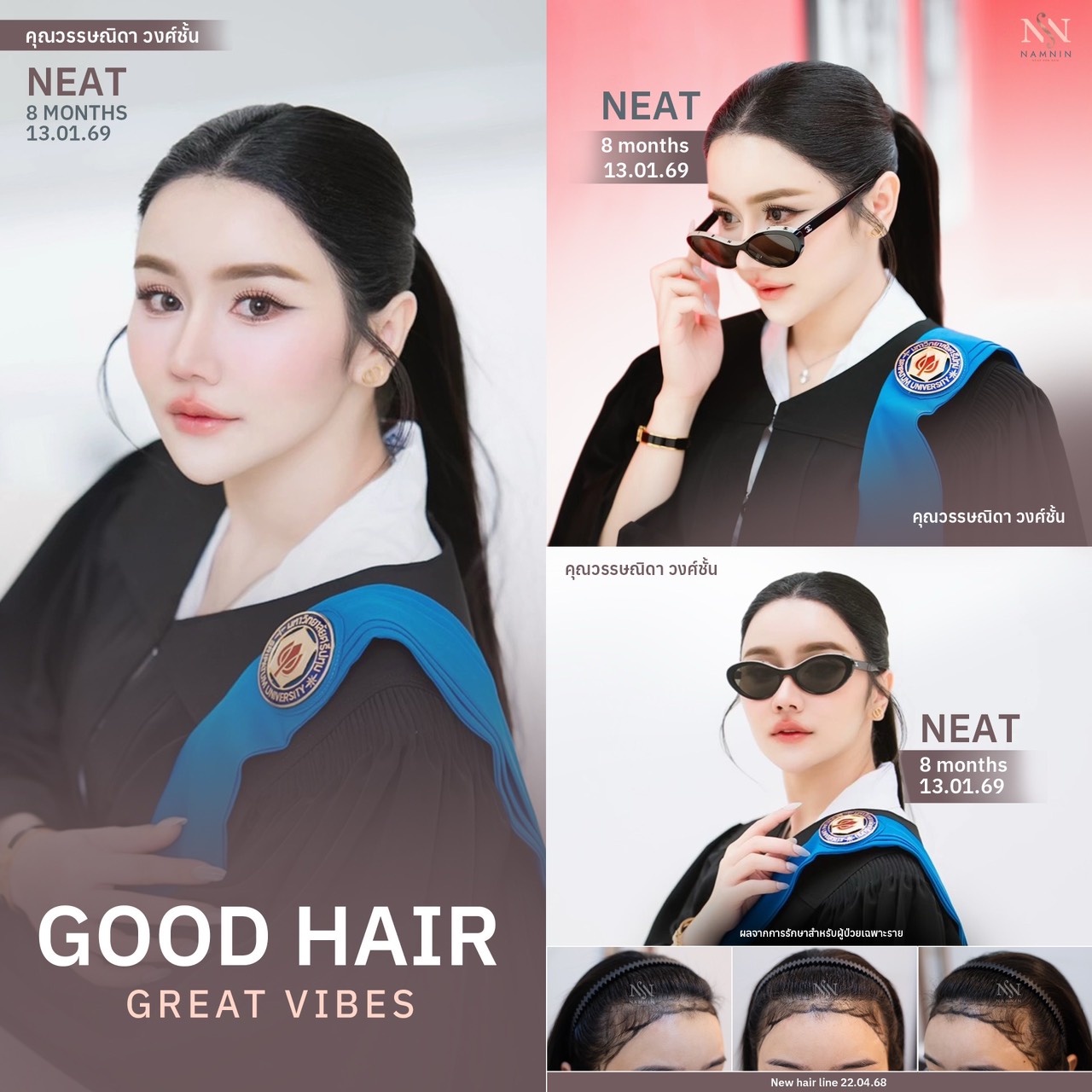
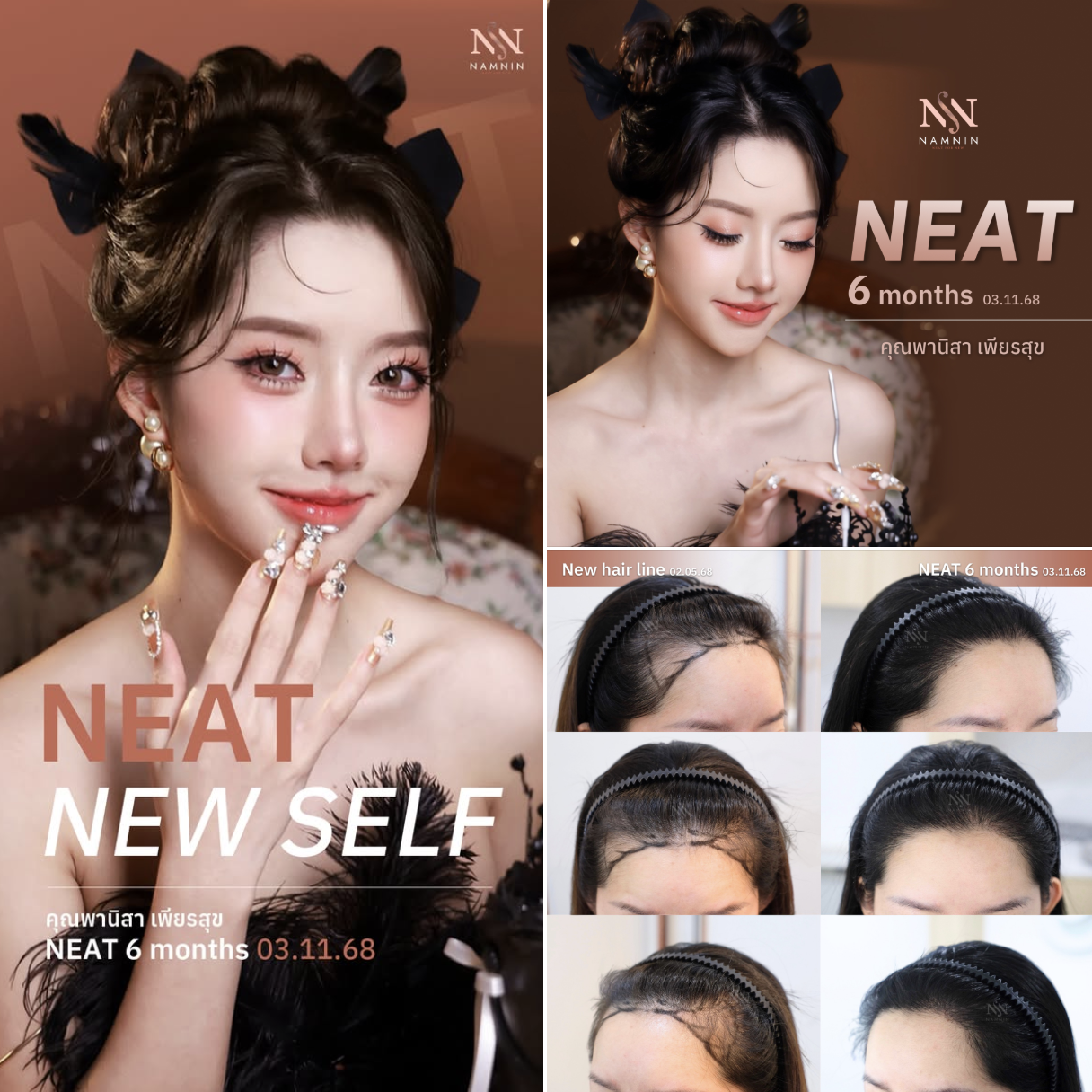
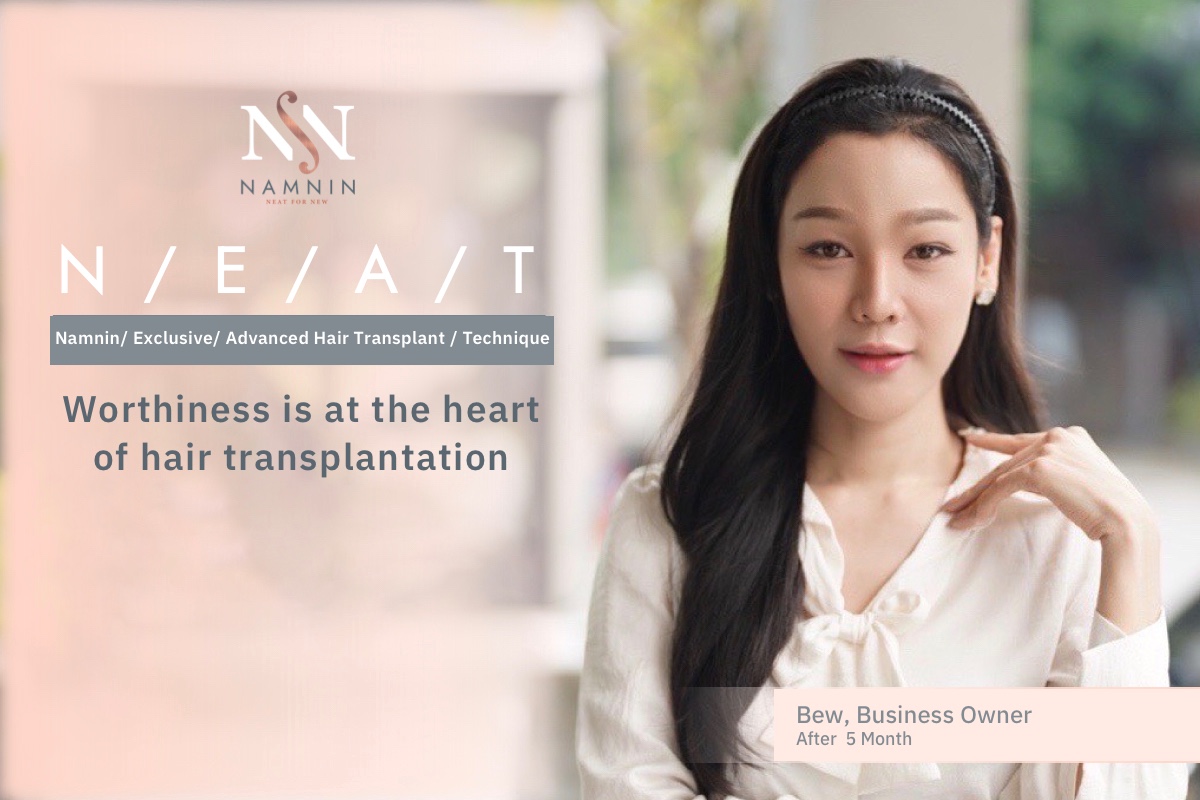
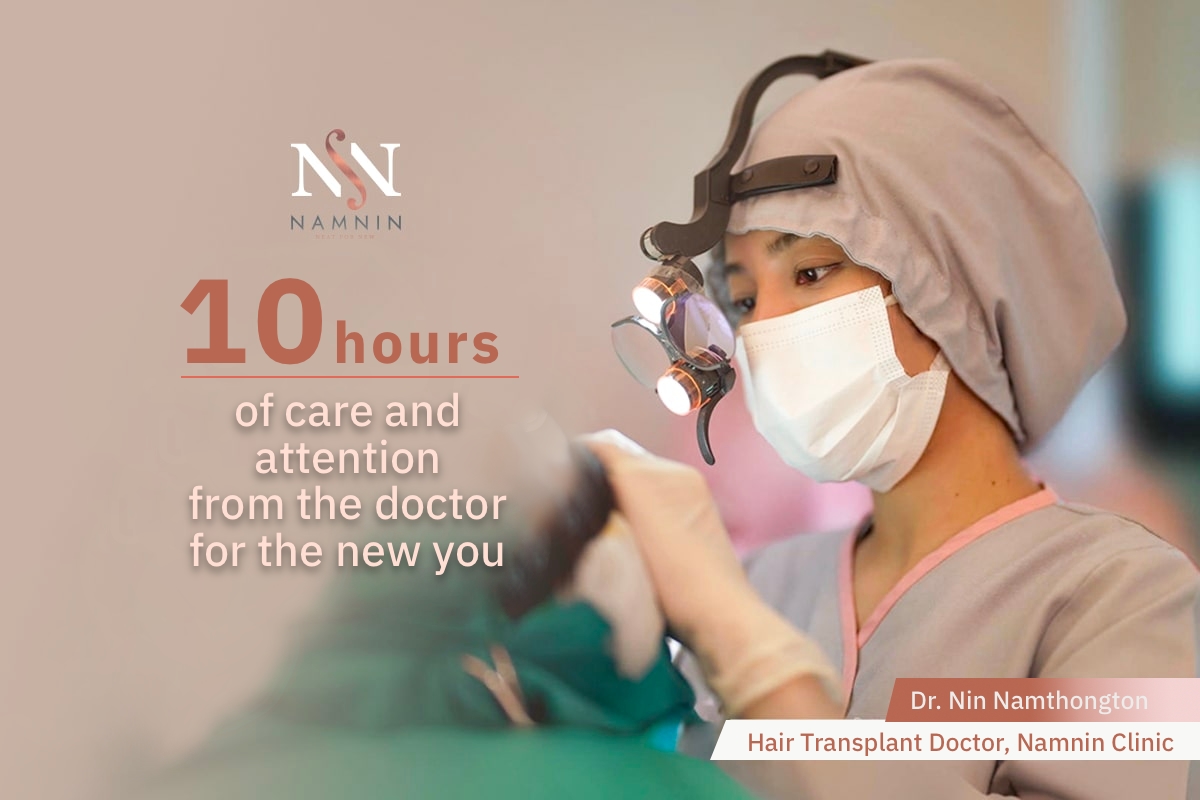
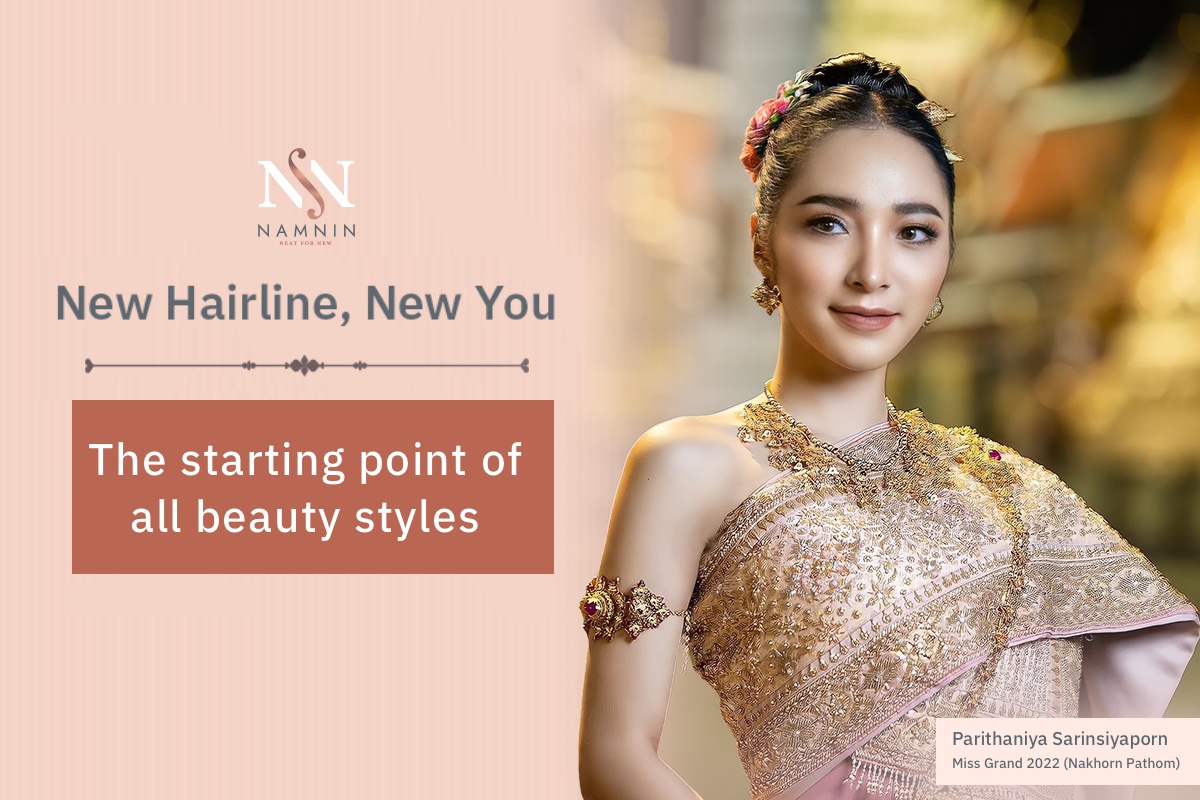
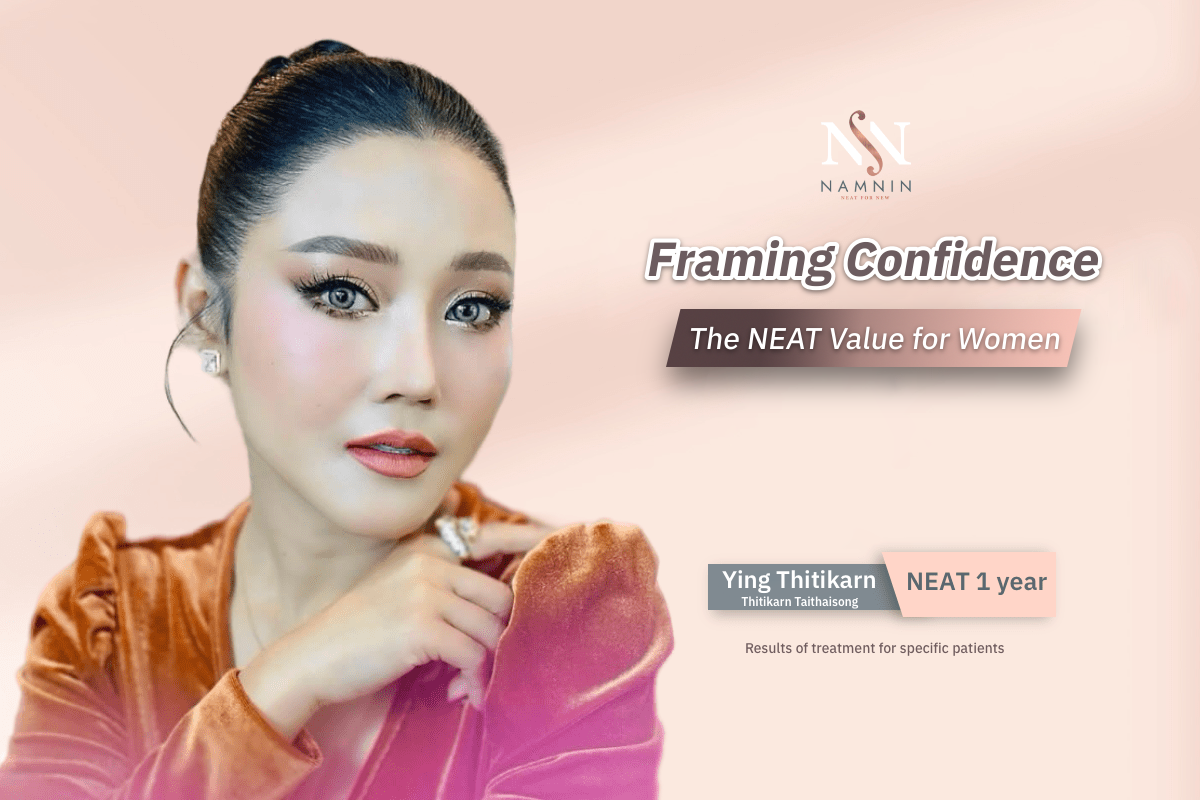
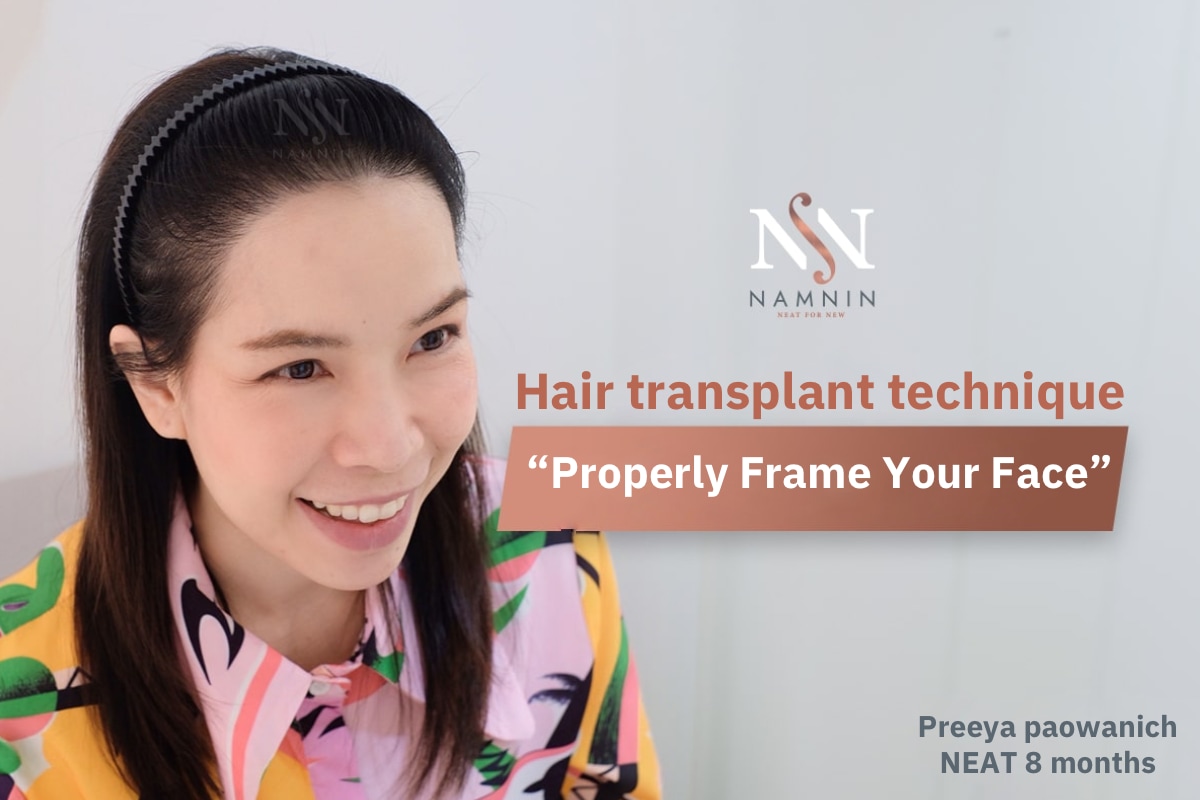
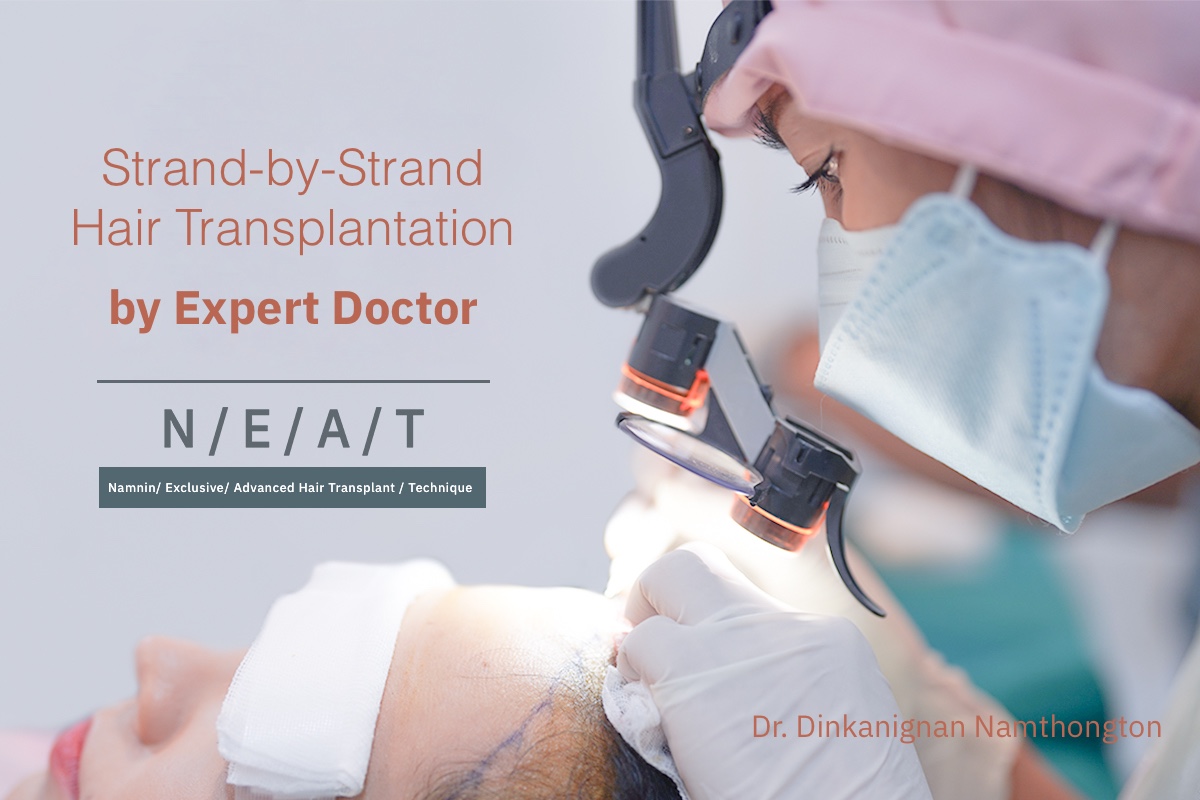
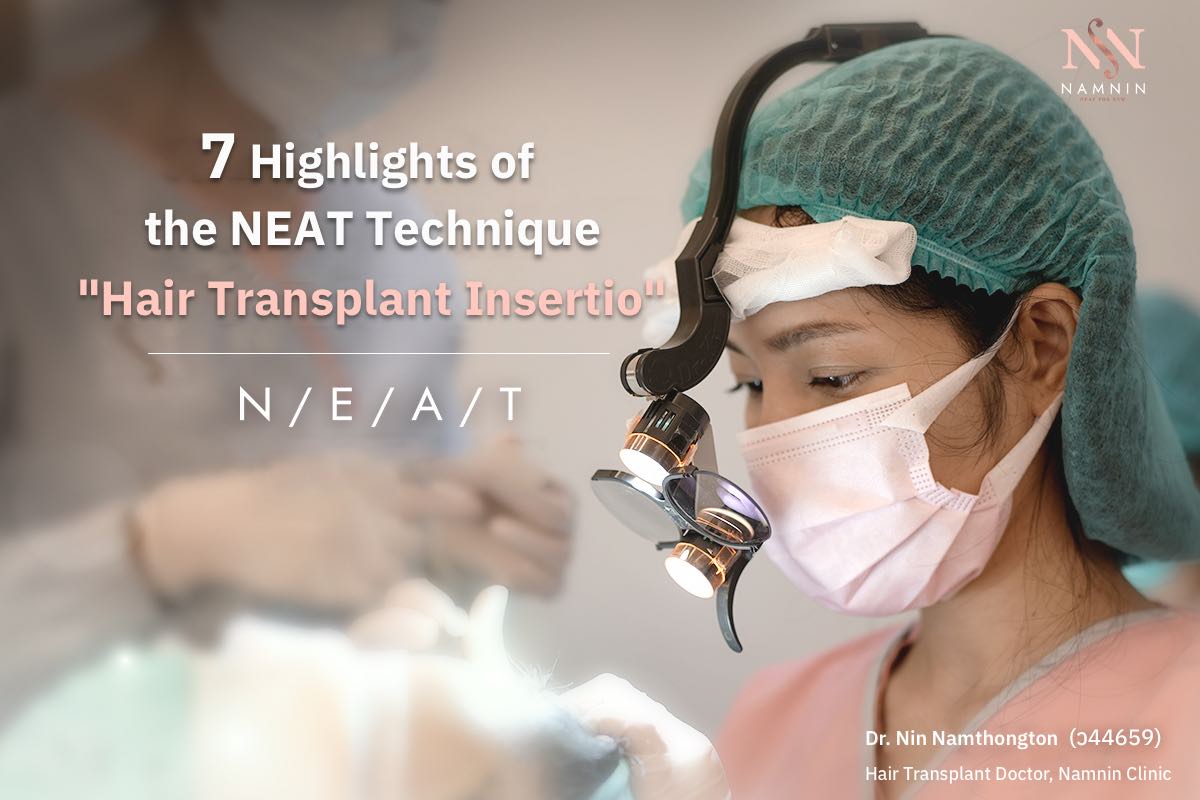
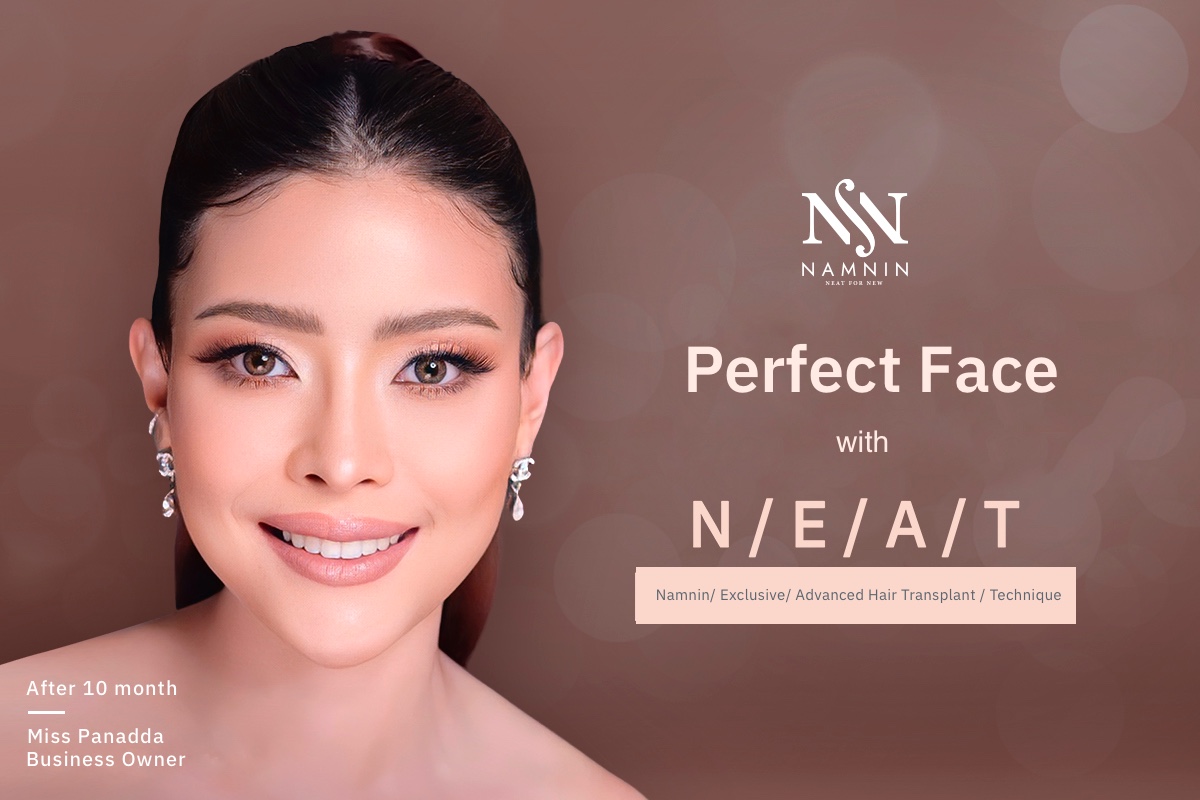
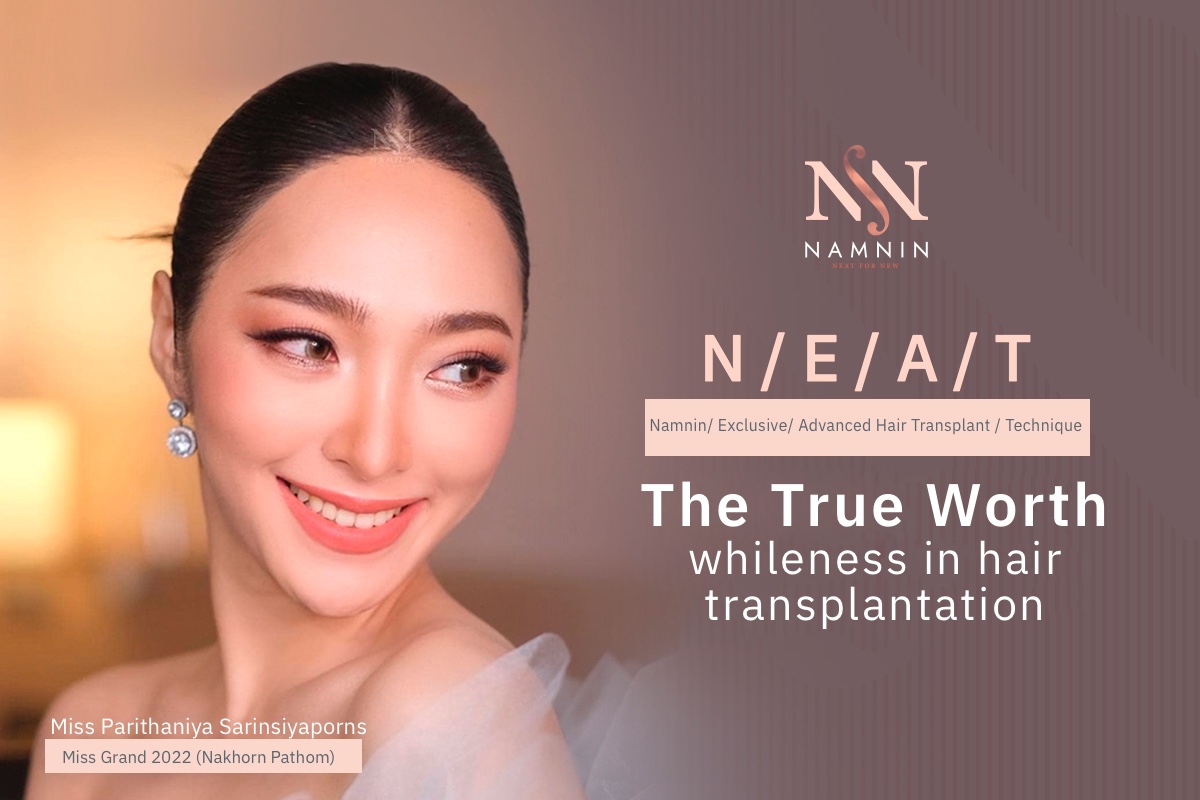
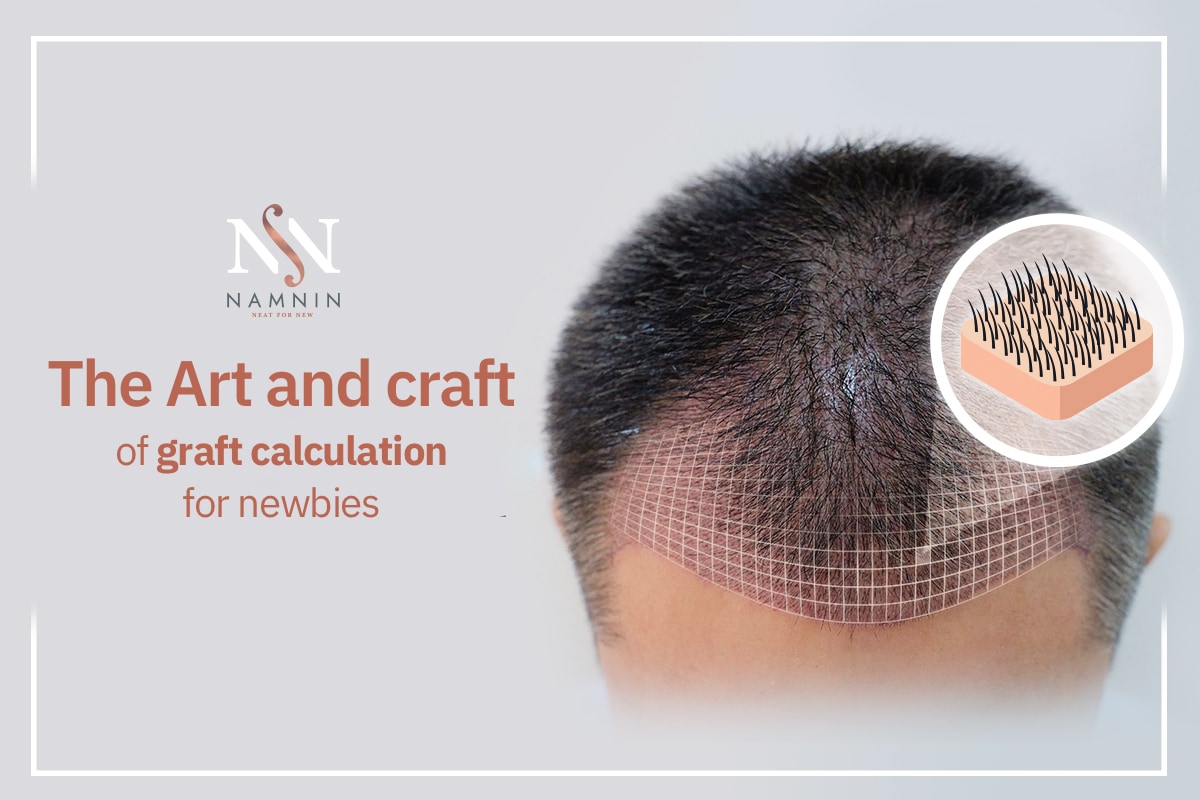
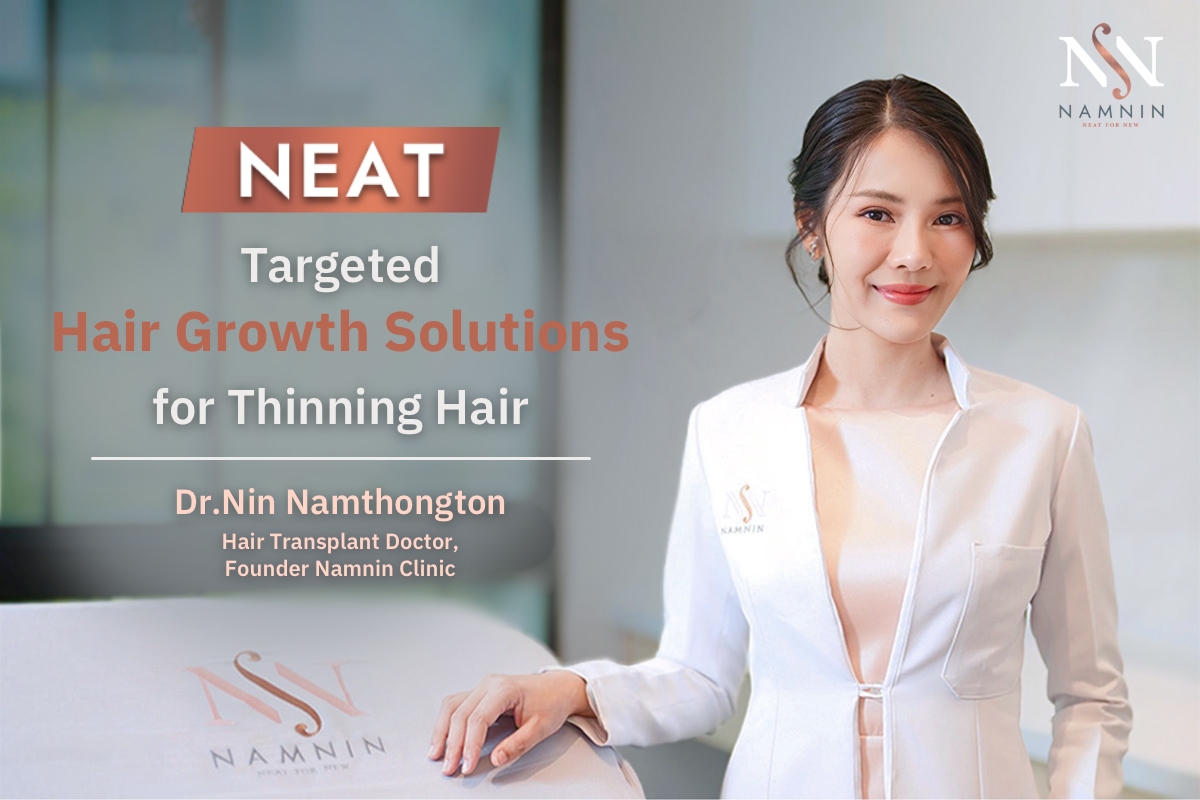
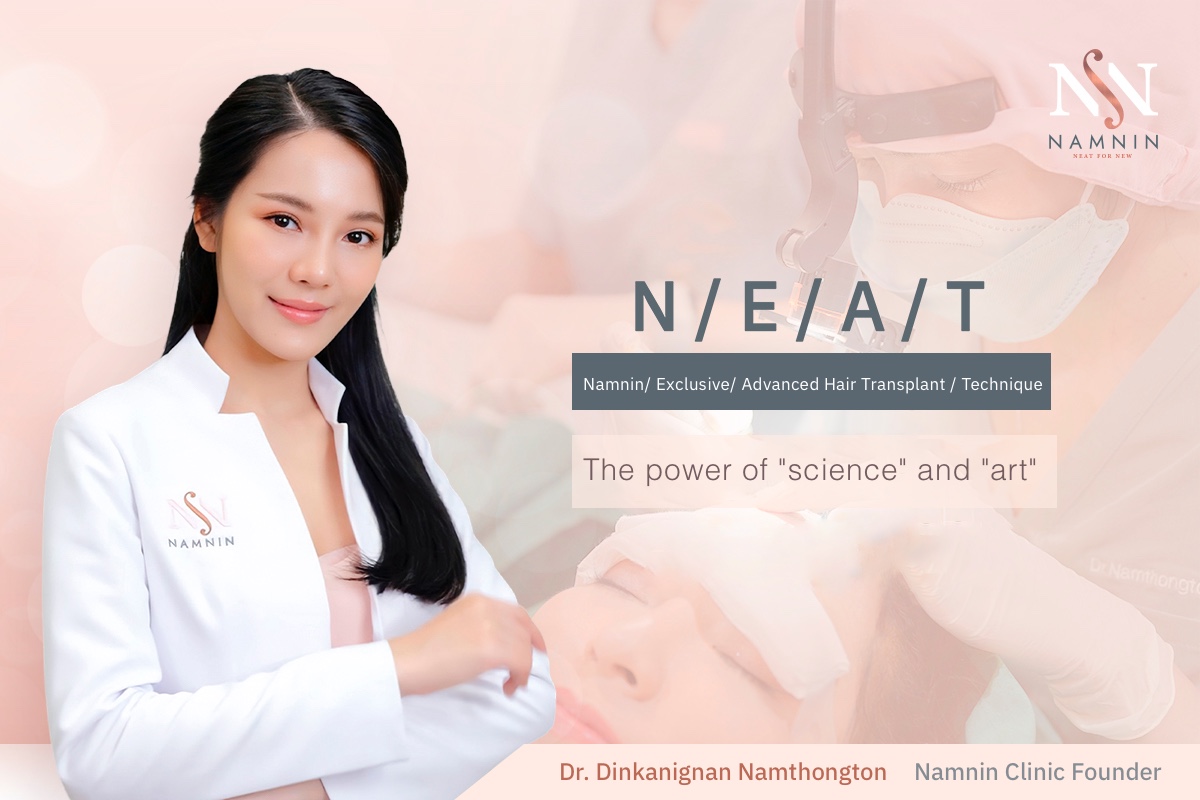
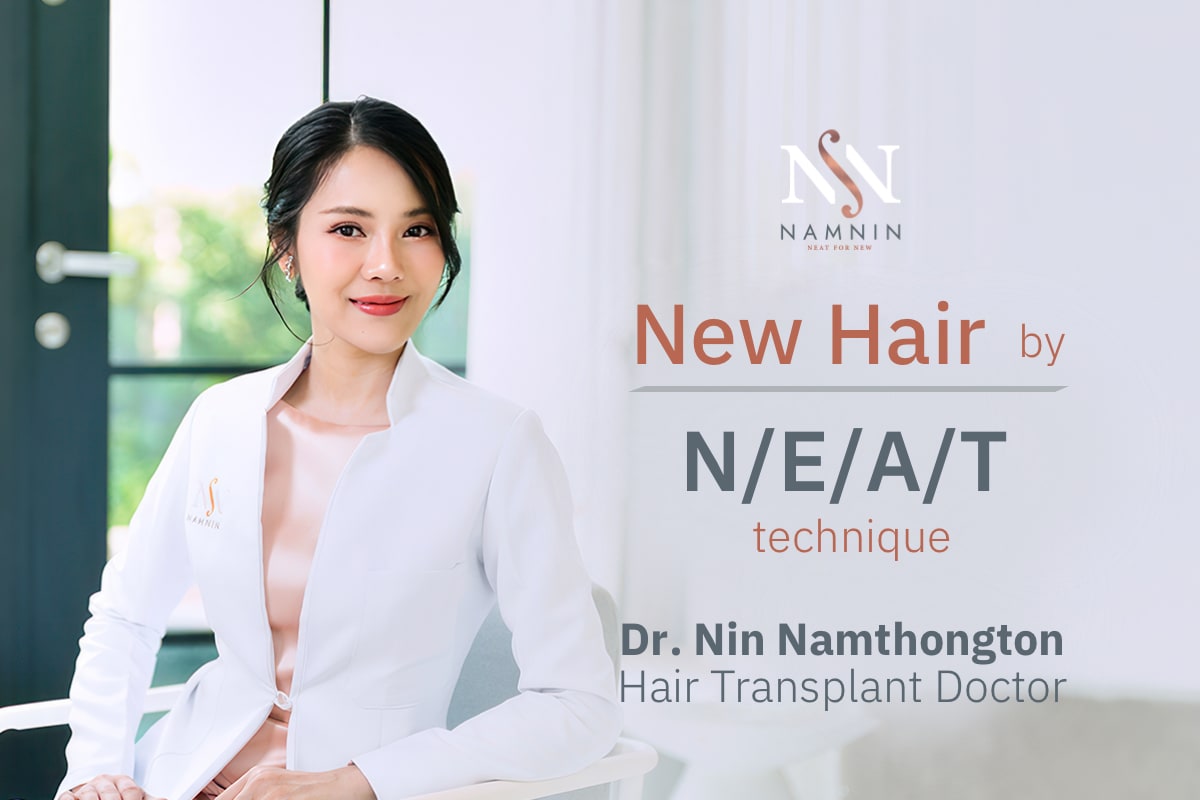
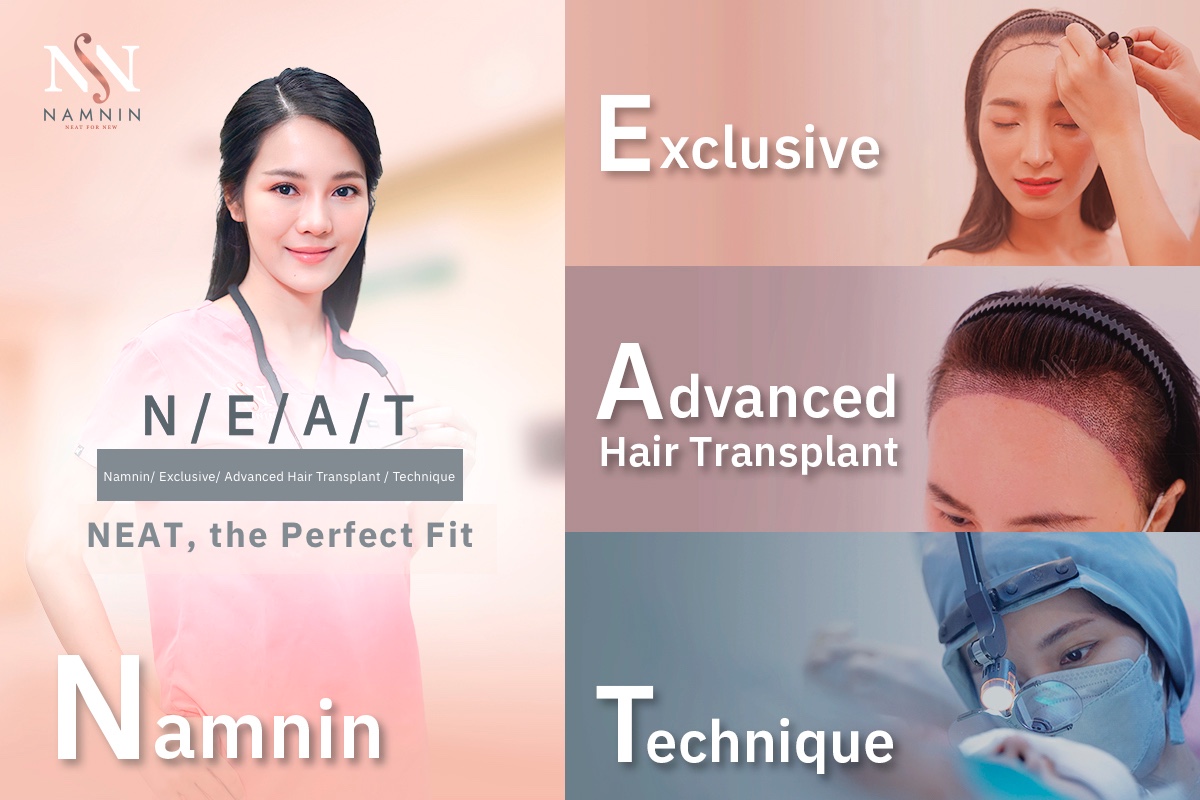
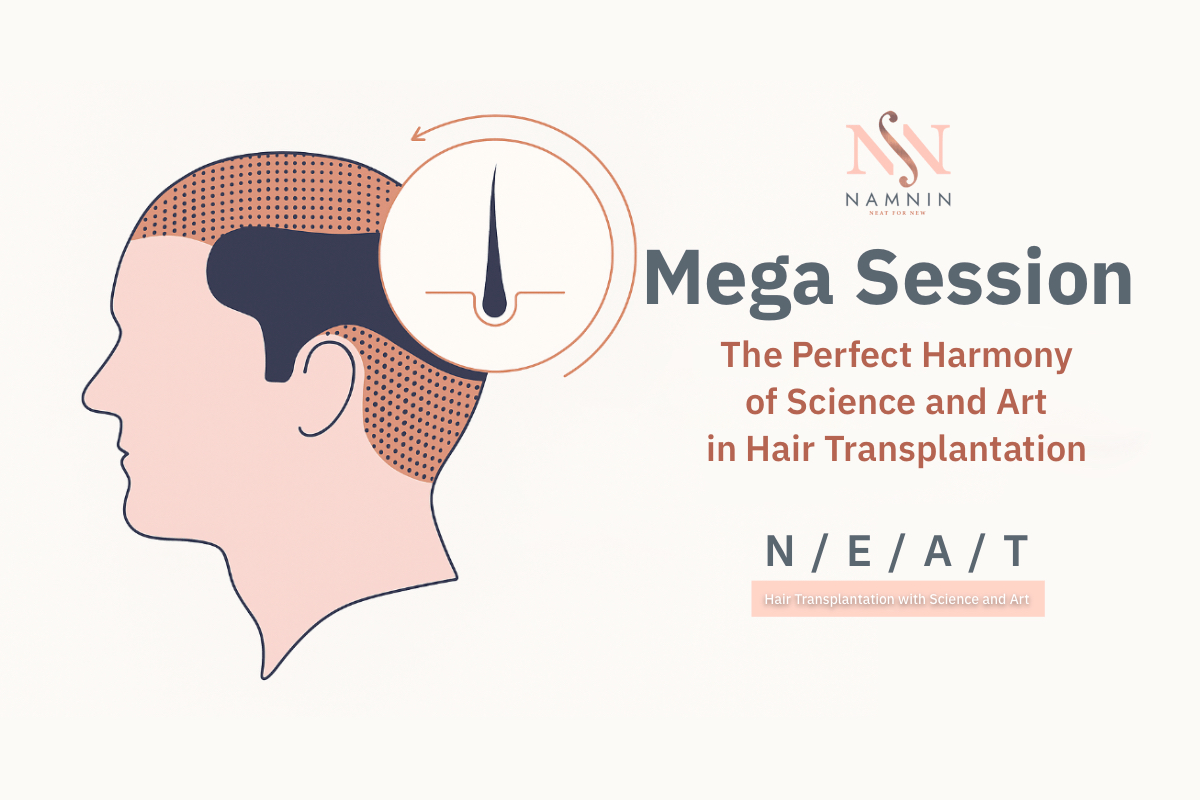
At Namnin Clinic, one of the most important principles is giving genuine time and attention to consultation and personalized planning. We understand that for many women, deciding to do something for themselves is never a small matter. The NEAT Hair Transplant Technique was developed with a deep understanding of the individuality of every woman, recognizing that every detail matters, especially hairline design. Designing a beautiful hairline is both a medical science and an artistic process. It is not simply about density, but also about facial structure, forehead proportion, eyebrow positioning, and each woman’s unique personality.
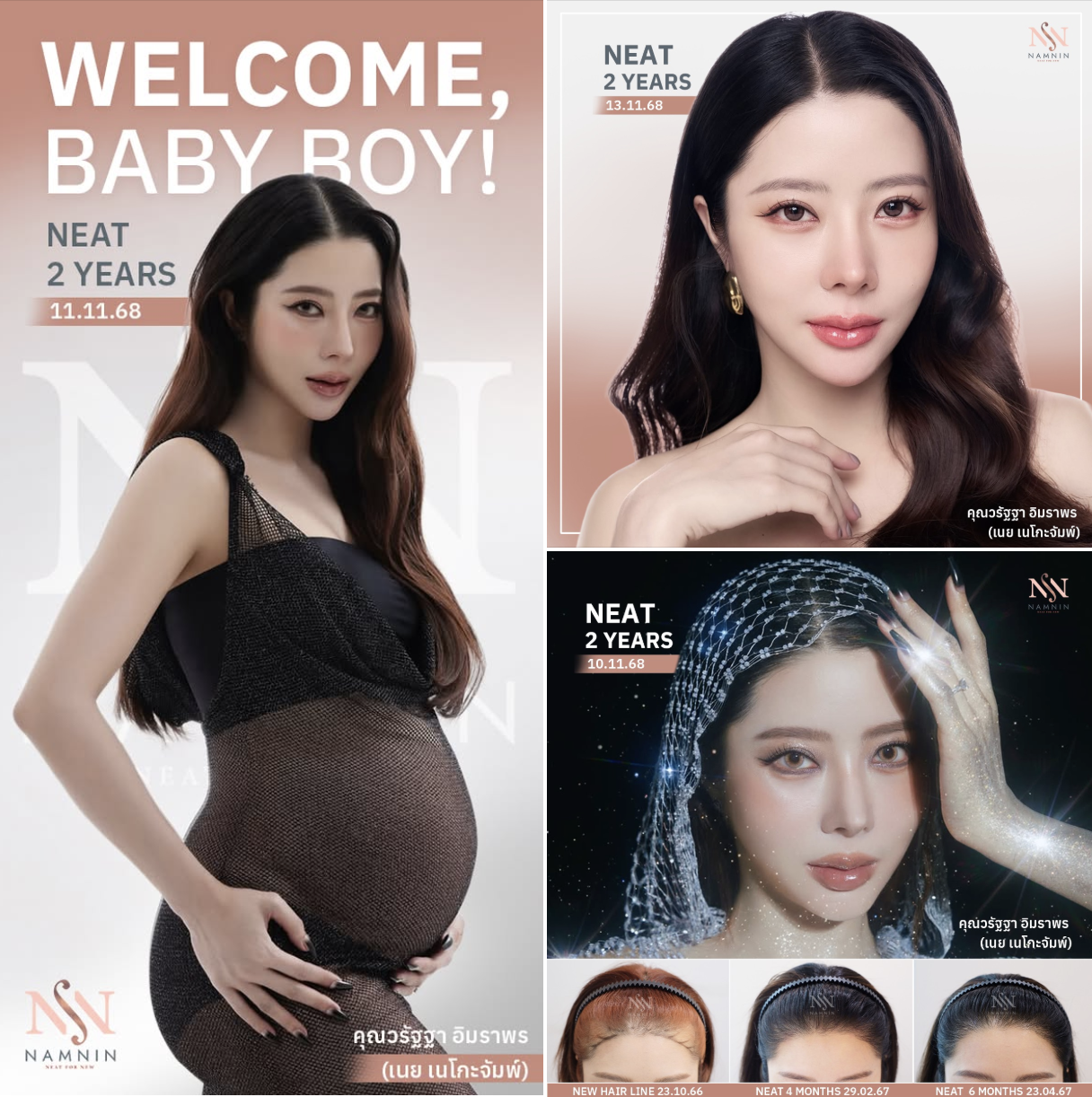
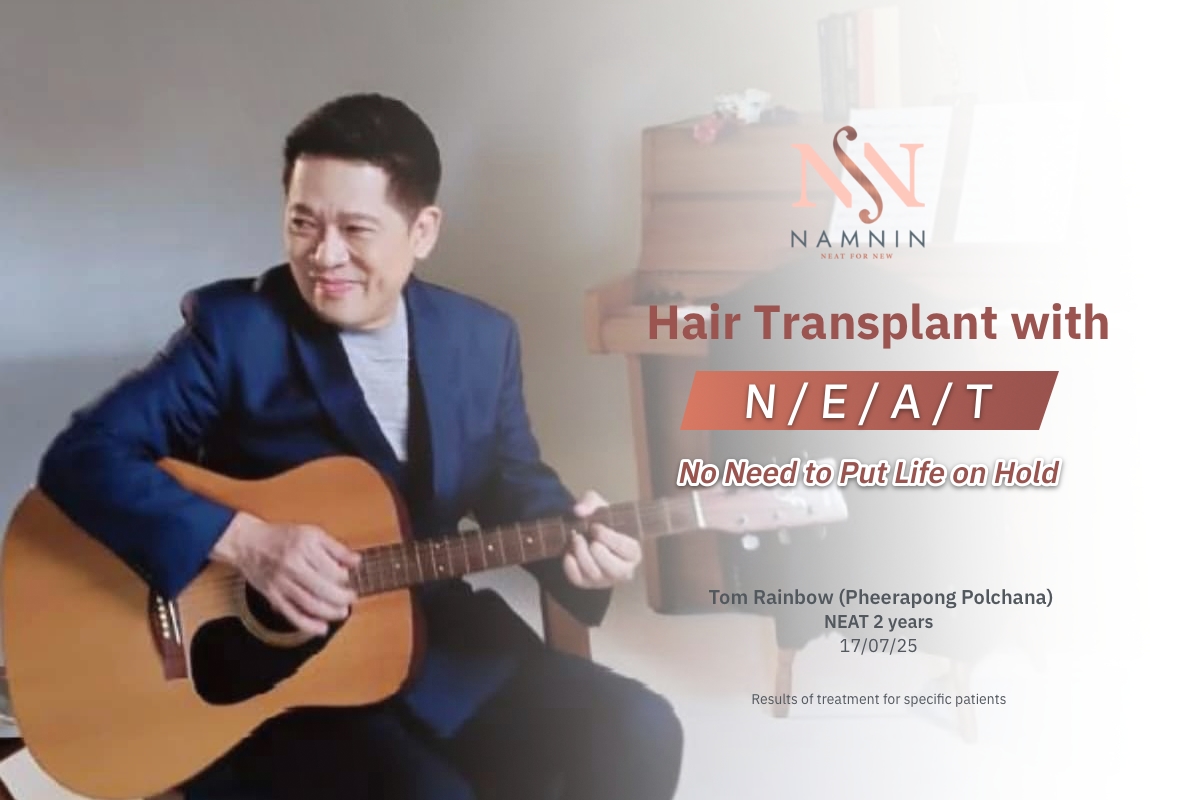
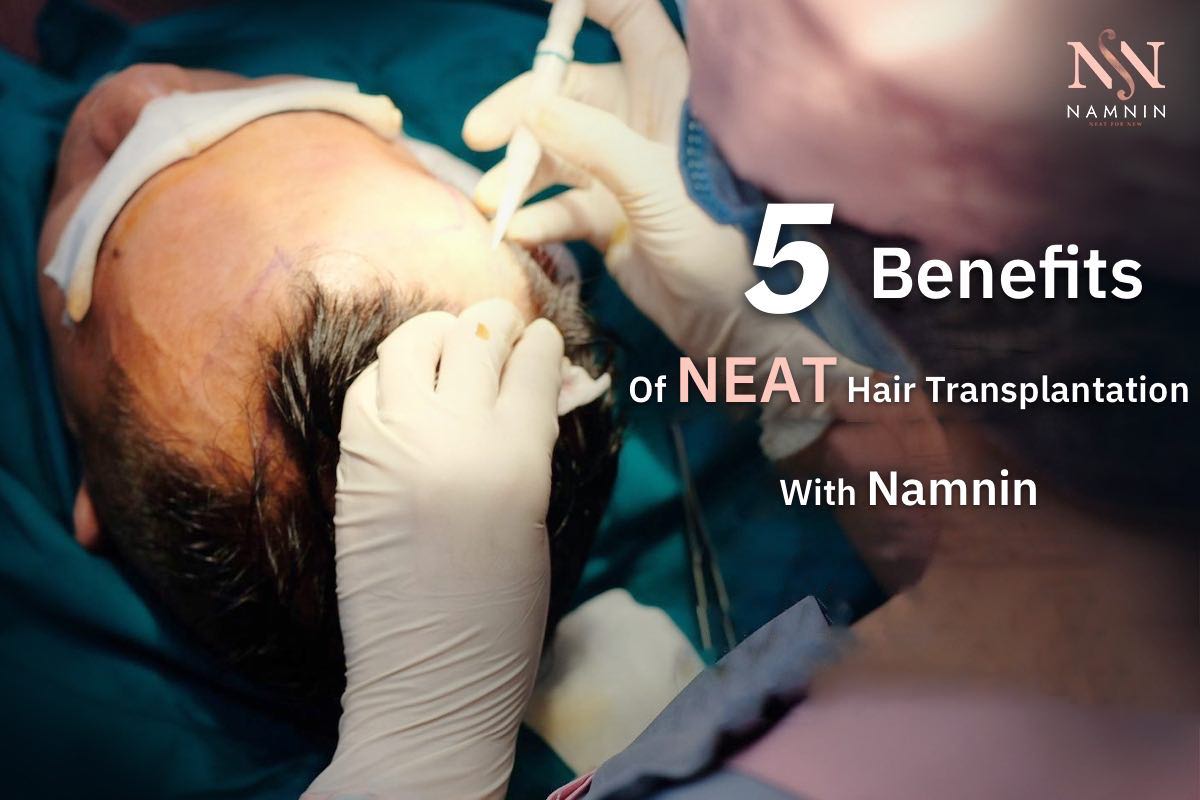
The NEAT technique is also designed to minimize visible signs after the procedure, allowing patients to return to daily life quickly. This makes it especially suitable for women balancing busy careers, family responsibilities, and multiple roles in life. And truly, the best results are not the ones that obviously look “done,” but the ones where no one knows exactly what changed, only that you somehow look fresher, more confident, and naturally radiant.
Women in their 30s and 40s often carry many responsibilities at the same time. They care for work, family, and the people around them. Yet when looking at the long list of priorities, their own needs often end up at the very bottom. Choosing to care for or improve your hairline is not about vanity. It is about reconnecting with yourself again, in the version that feels most comfortable and confident.
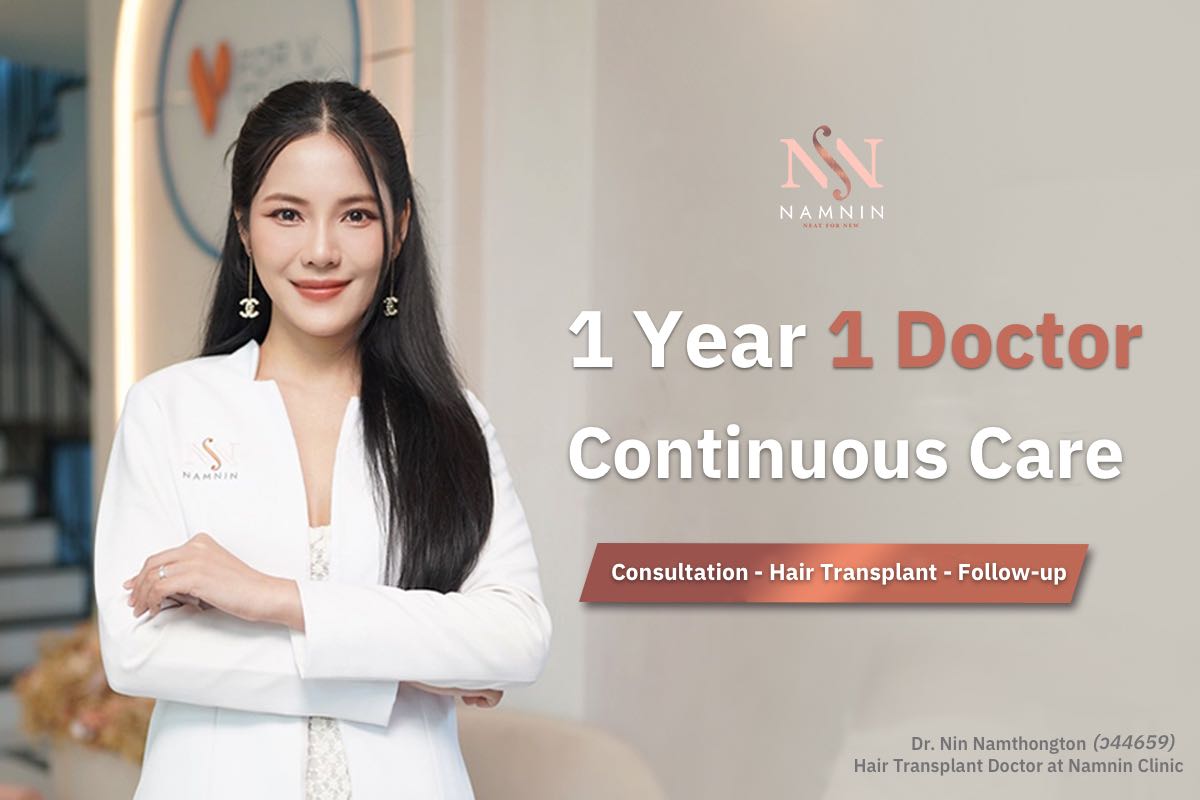
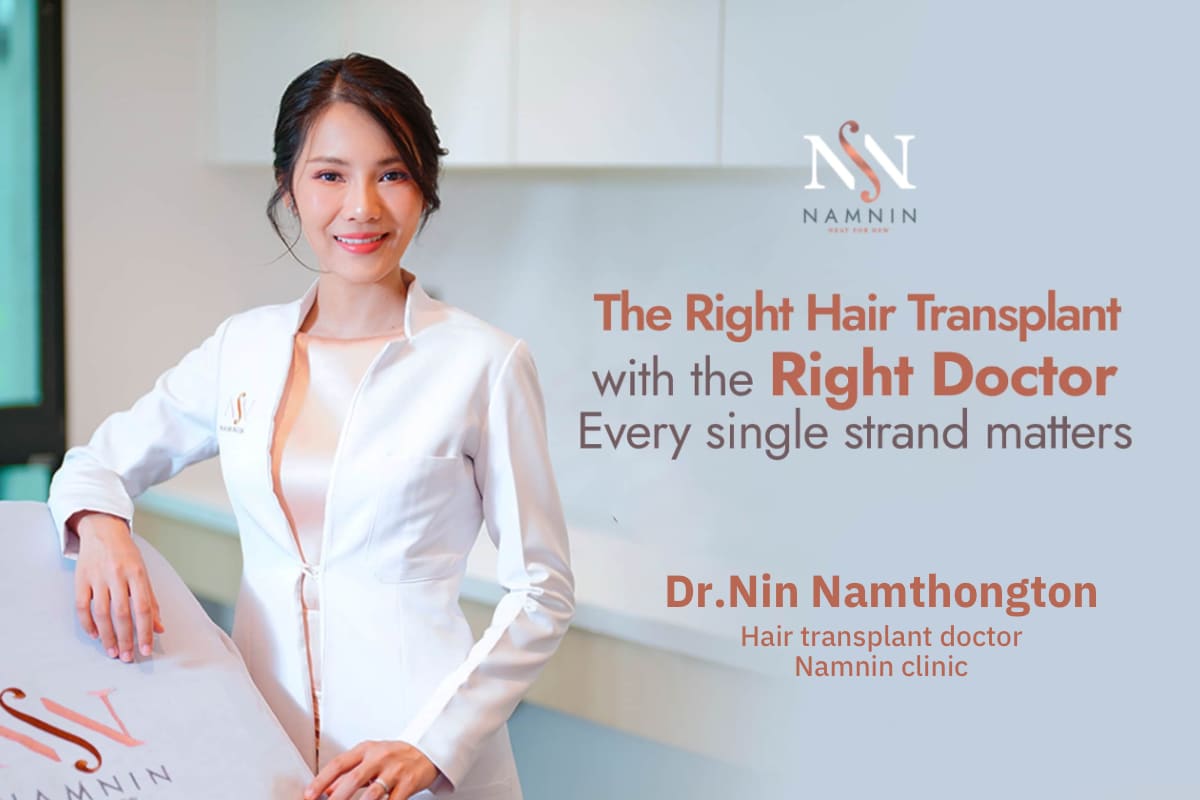
And sometimes, confidence in small things like this can transform the energy of your entire life more than expected. So perhaps the question is not “Should I do it?” but rather “What am I waiting for?” Sometimes the simplest first step is simply opening up and speaking with a hair restoration doctor to better understand your options. And if you would like to begin comfortably and confidently, speaking with Dr. Nin may be one small first step toward caring for yourself in the way every woman truly deserves.