Having good health and feeling confident about one’s body shape is a goal for many women. Many therefore choose different methods to lose weight, whether through dietary control, exercise, Intermittent Fasting (IF), or the use of weight loss medications in the GLP 1 Receptor Agonist group under medical supervision.
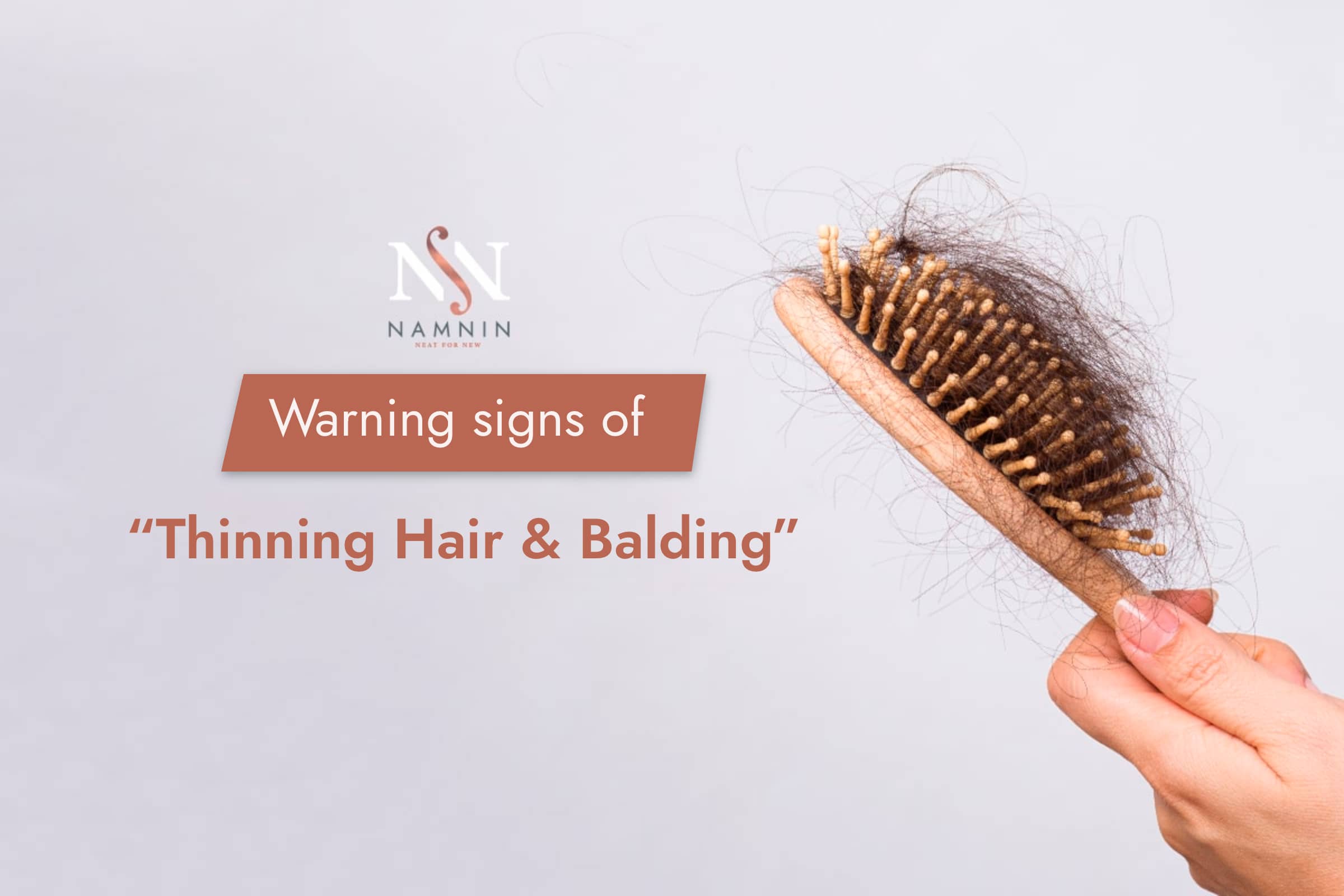
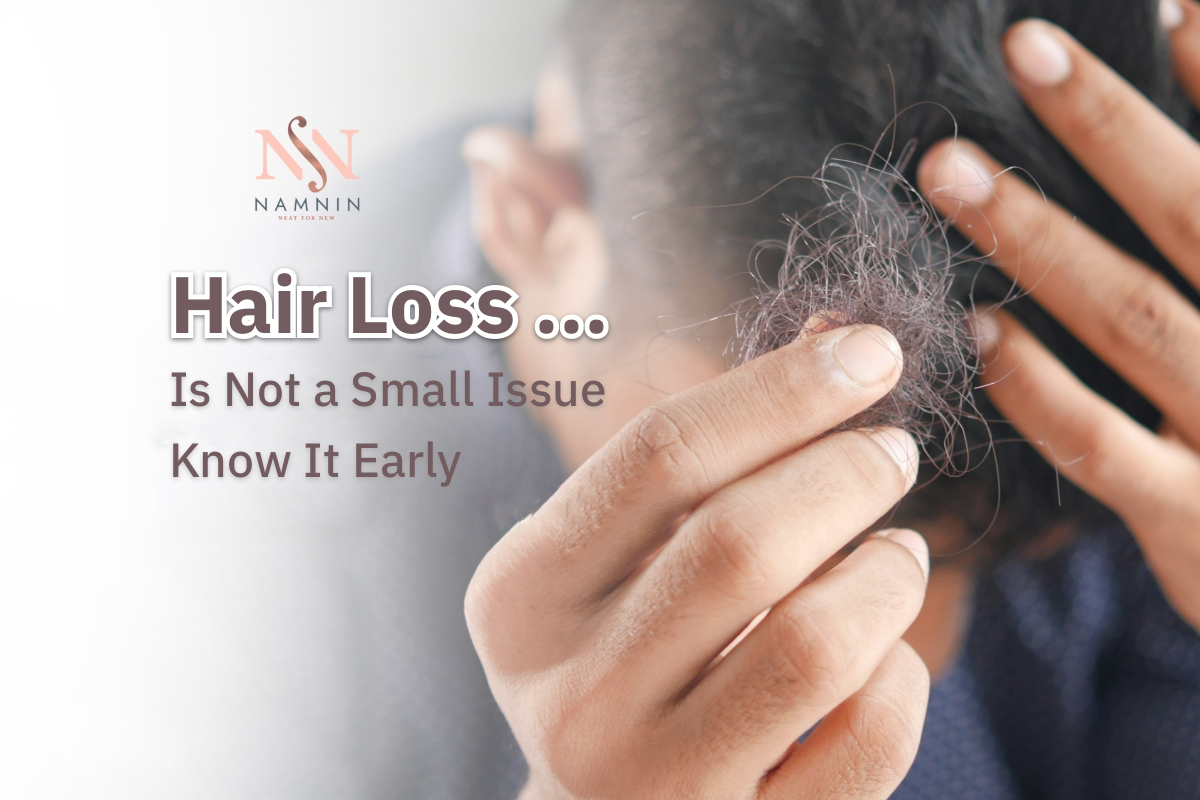
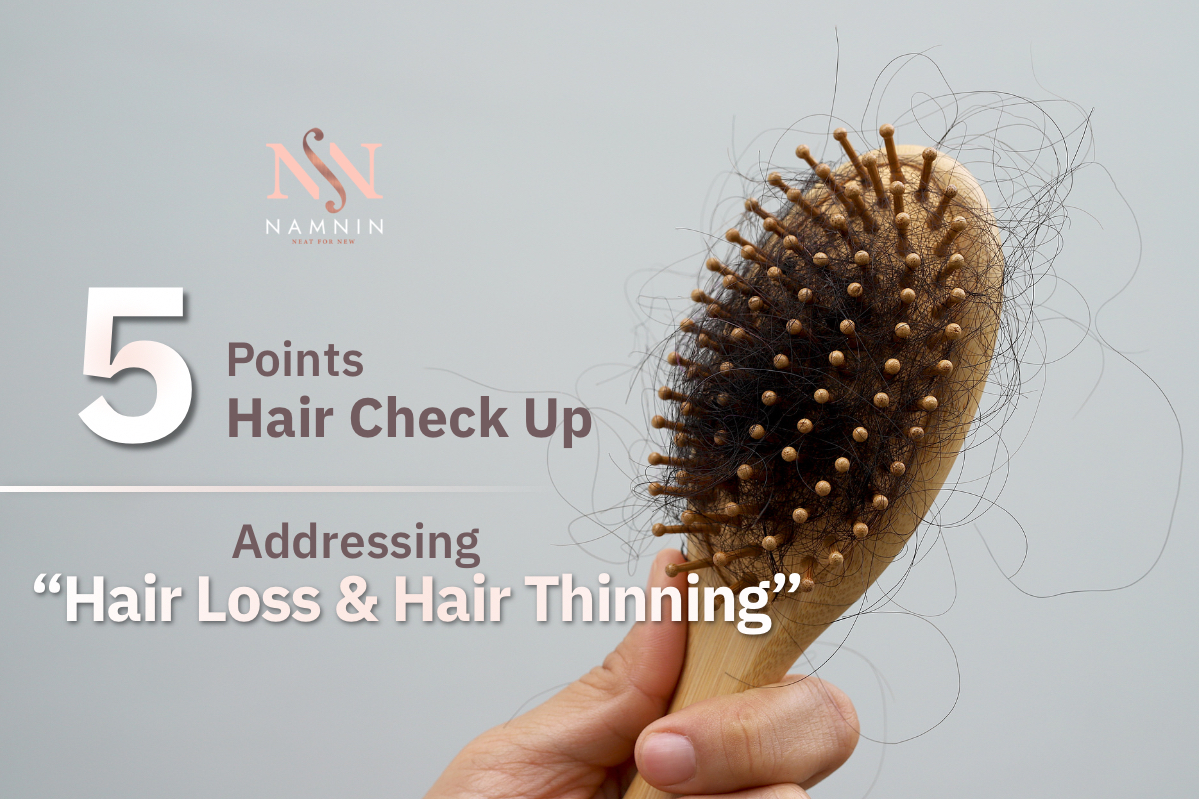
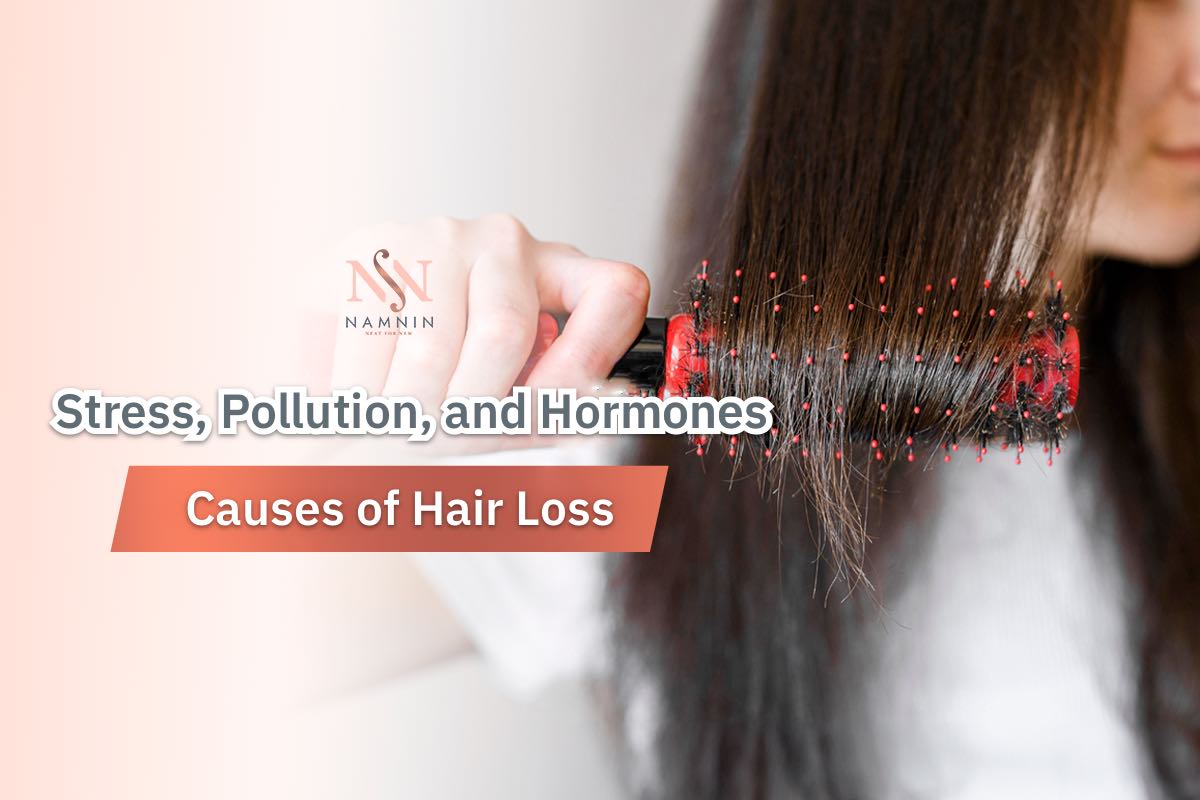
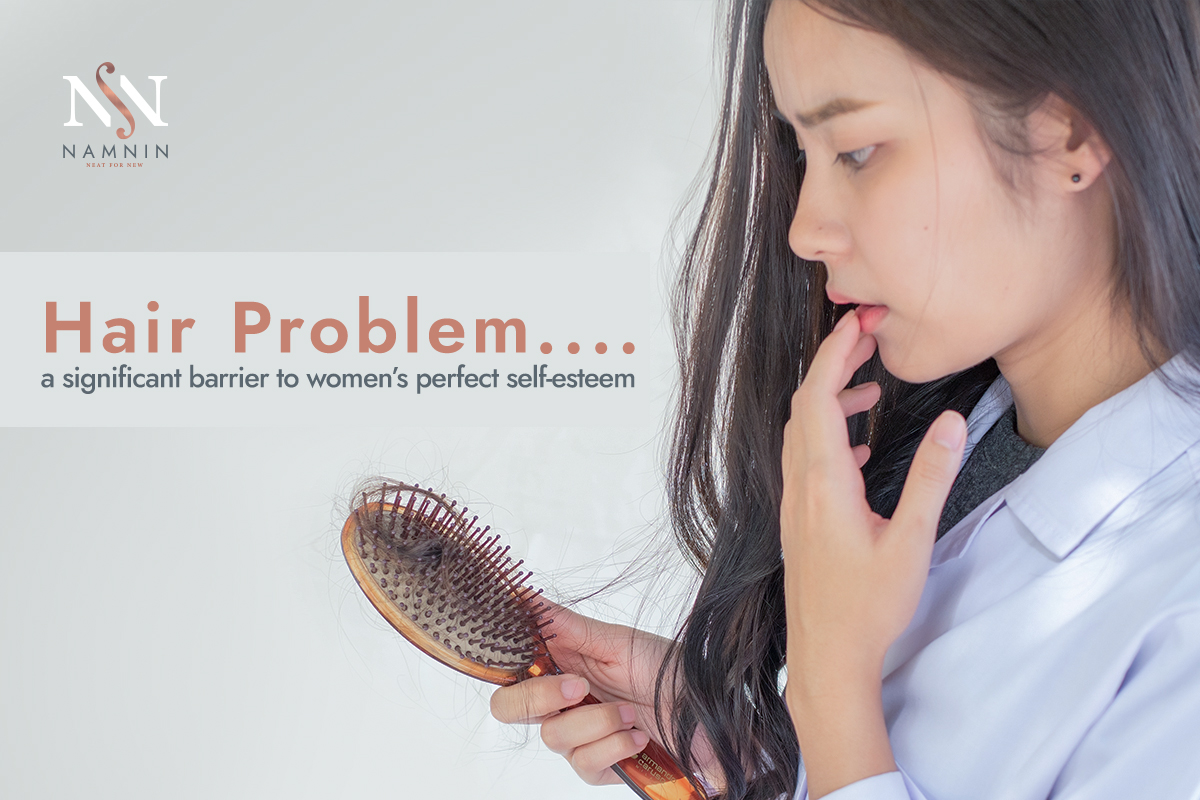
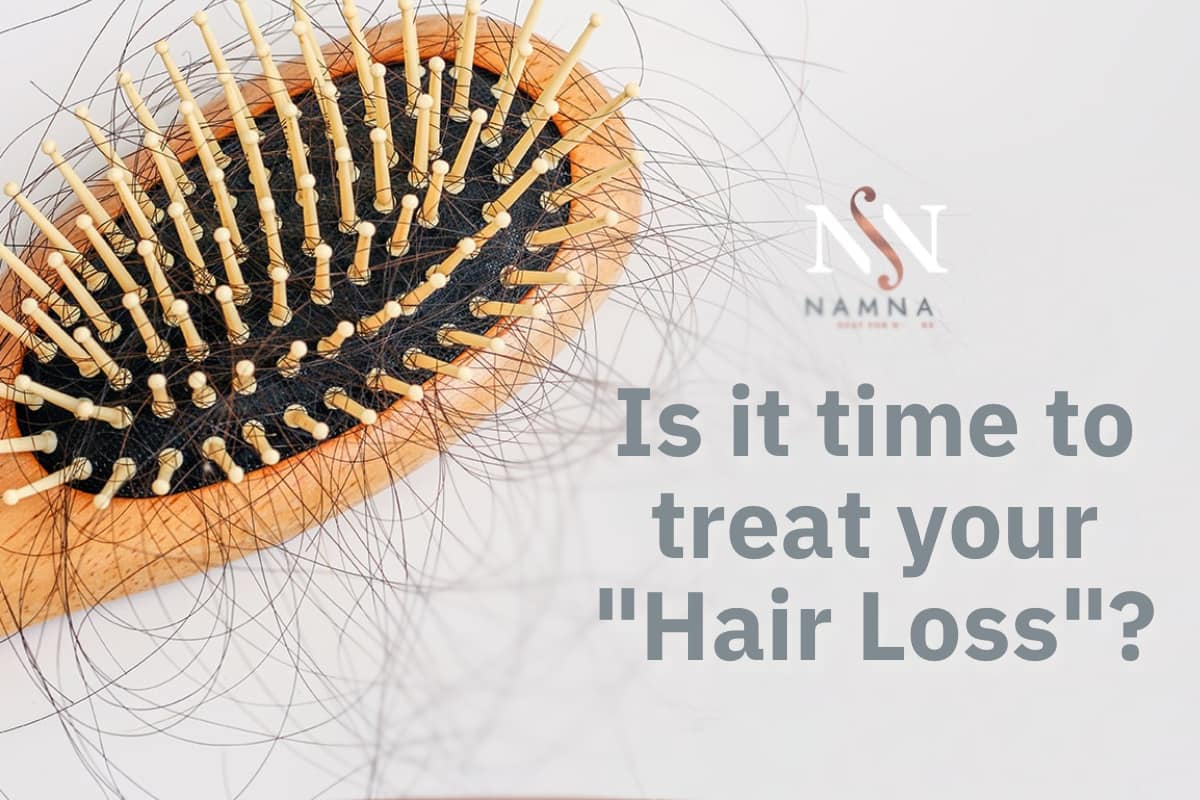
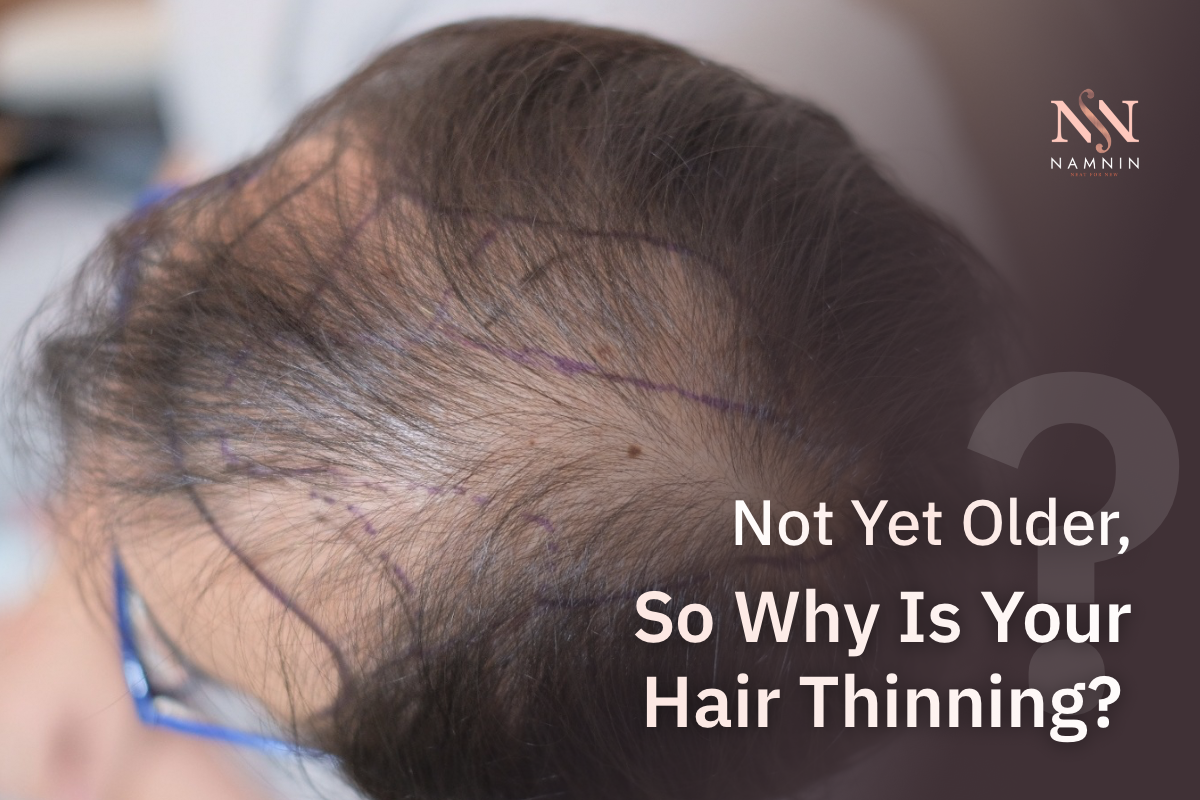
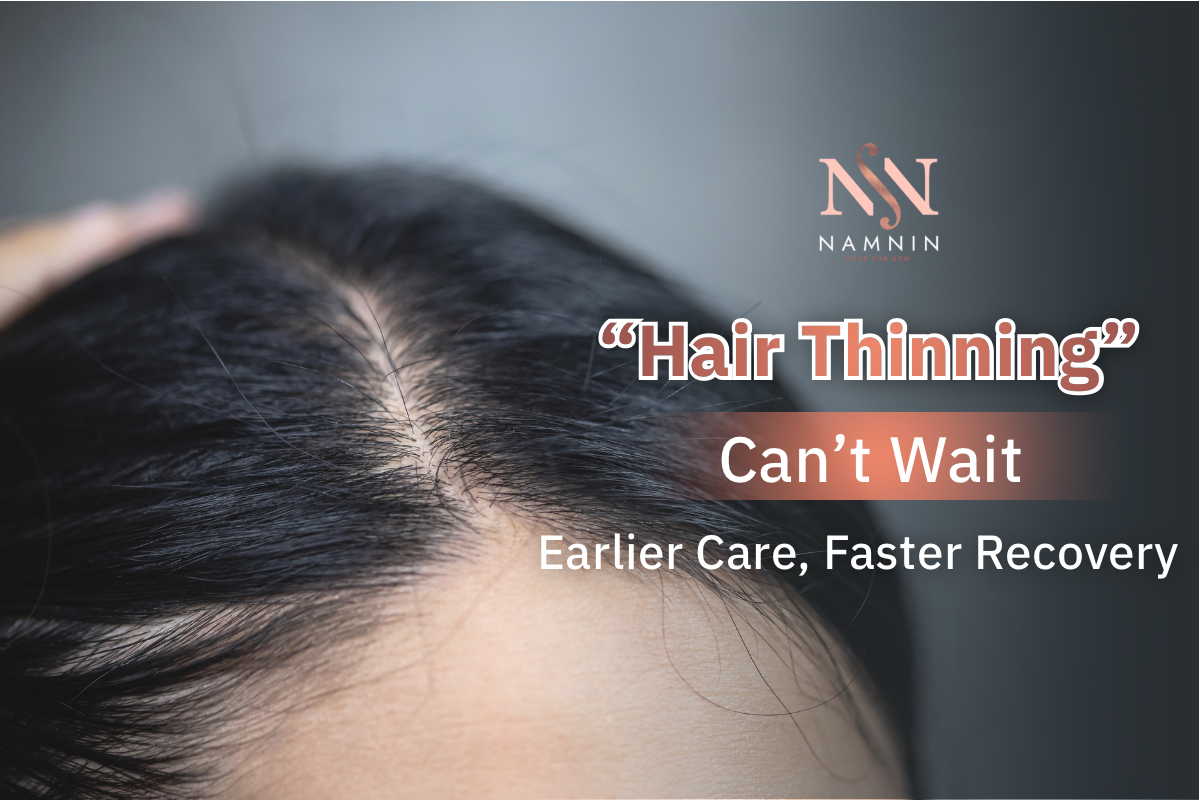
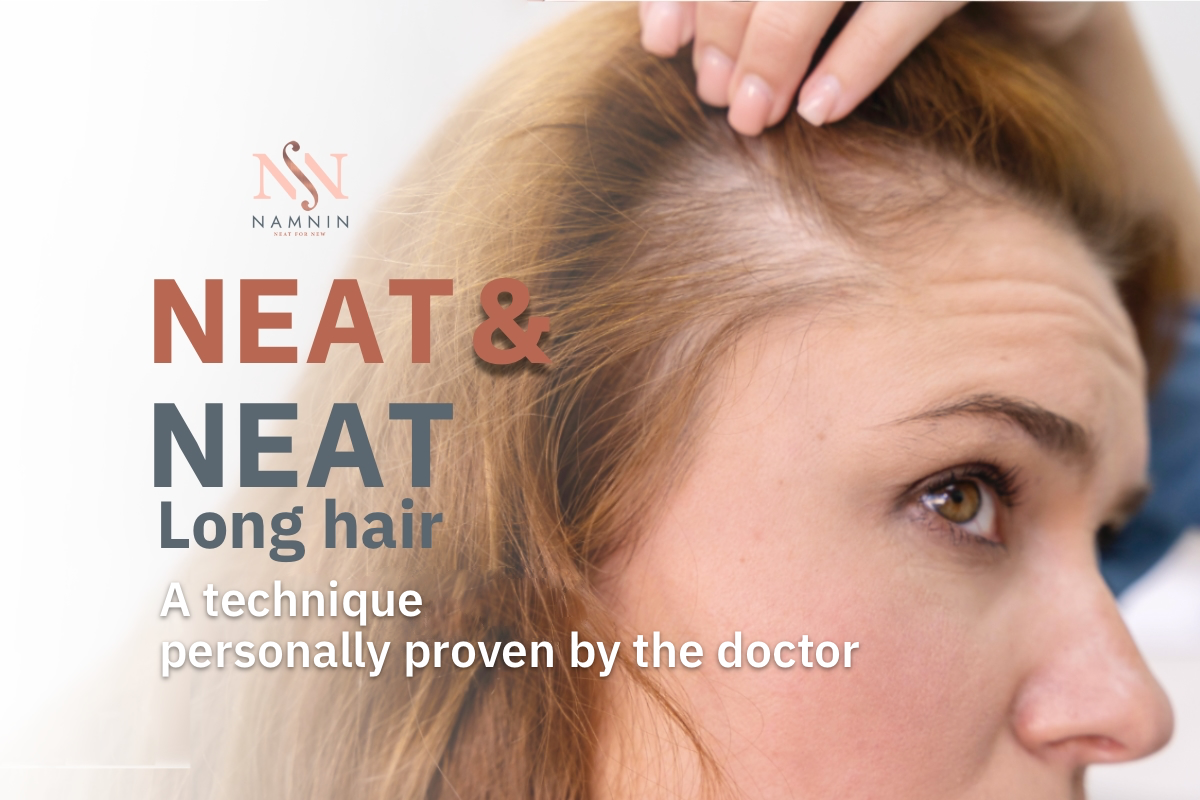
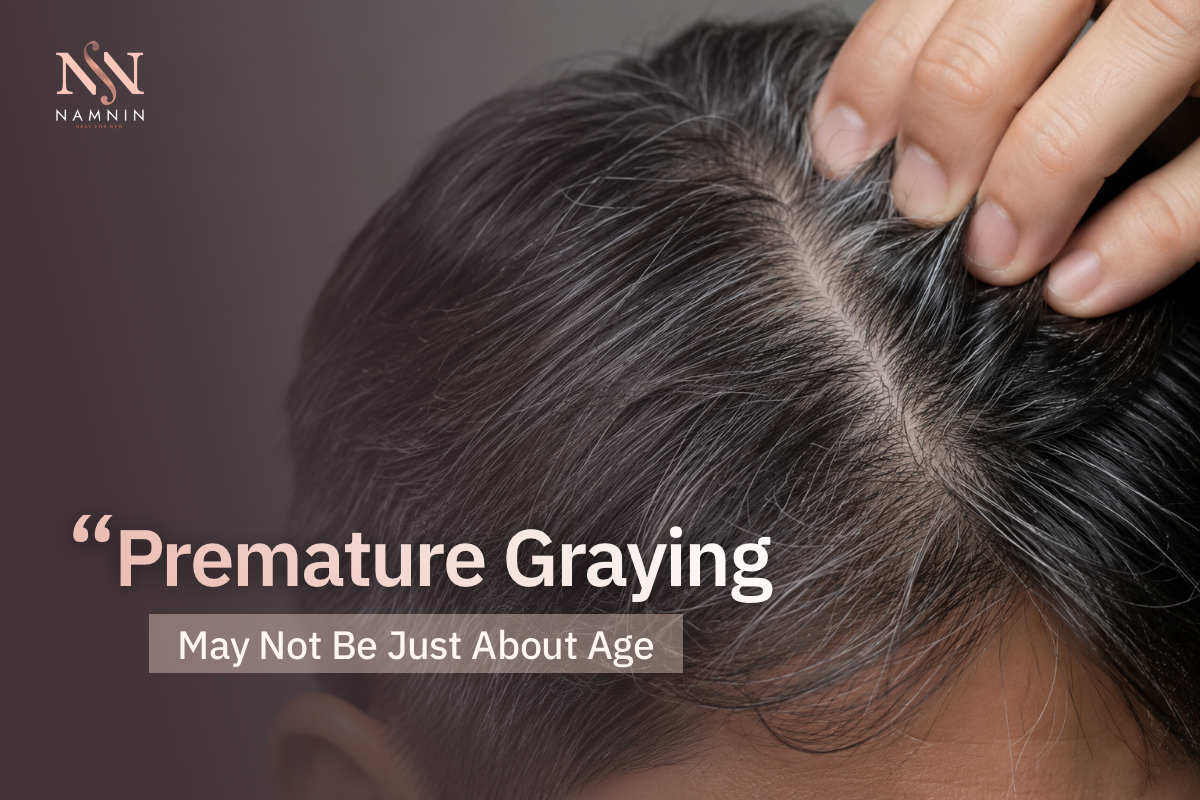
However, many women notice an unexpected change after losing weight: their hair begins to shed more than usual. They may find clumps of hair on their comb, or more hair on their pillow and in the drain, leading them to wonder, “Does weight loss cause permanent hair loss?”
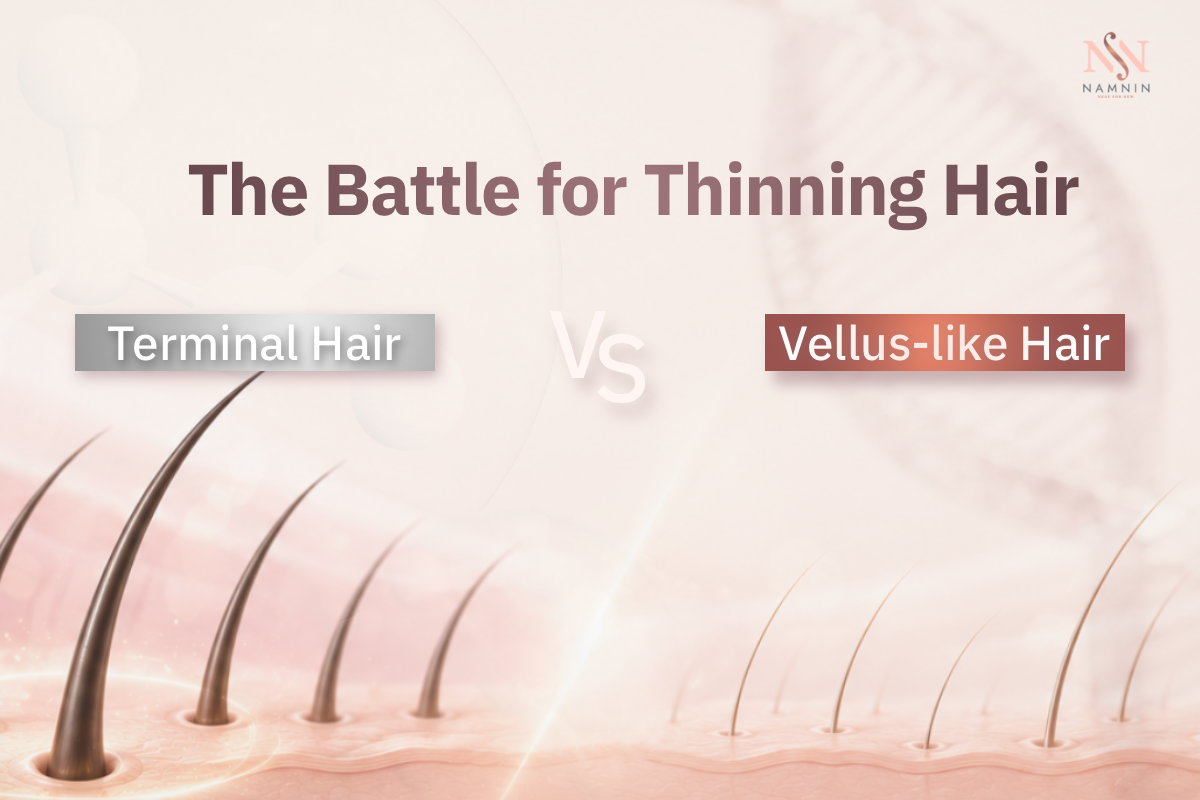
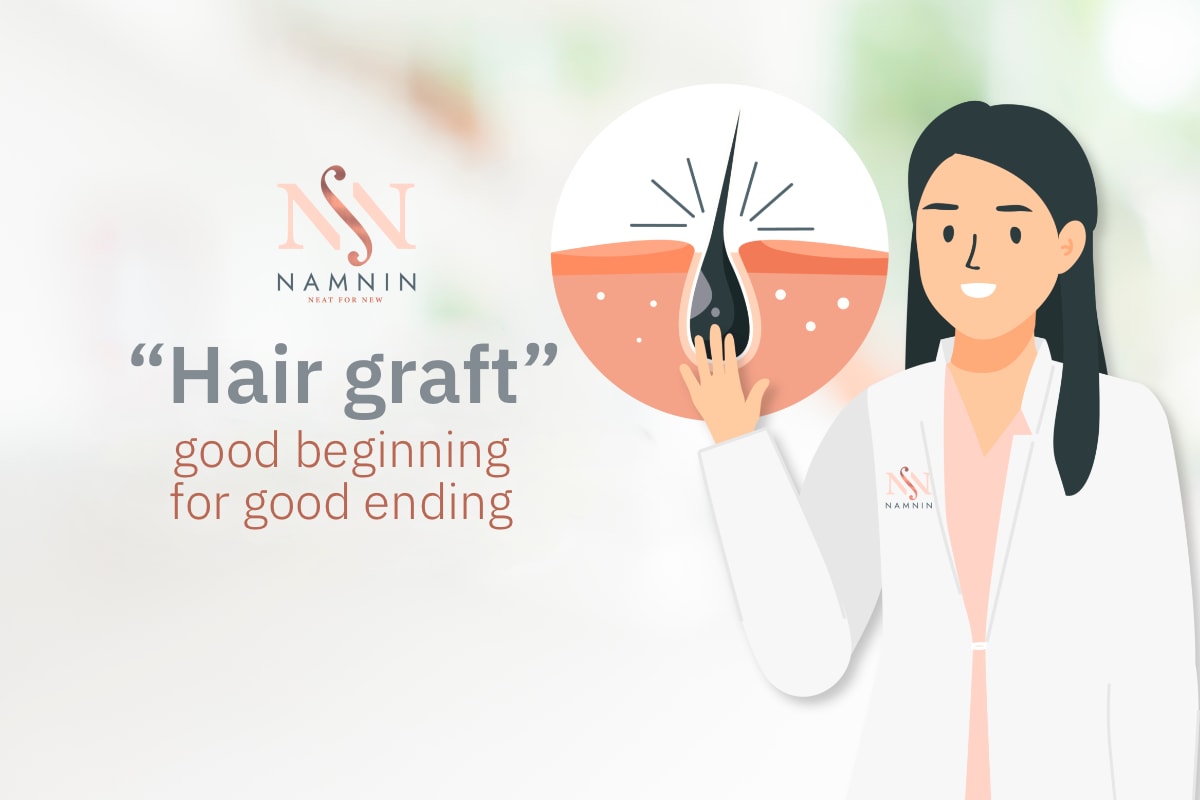
Hair loss after weight loss is often Telogen Effluvium (TE), or temporary hair shedding, which is the body’s response to physiological stress. It can generally recover once the body returns to a state of balance. In other words, when the body experiences a rapid reduction in energy intake, whether from calorie restriction, fasting, or losing weight over a short period, the body begins to reprioritize how it uses energy. Nutrients and energy are first directed to organs essential for survival, such as the brain, heart, liver, and immune system. Meanwhile, hair production, which is not essential for short term survival, is temporarily slowed down. It can therefore be compared to the body entering “Power Saving Mode” and choosing to temporarily put the hair production factory on hold.
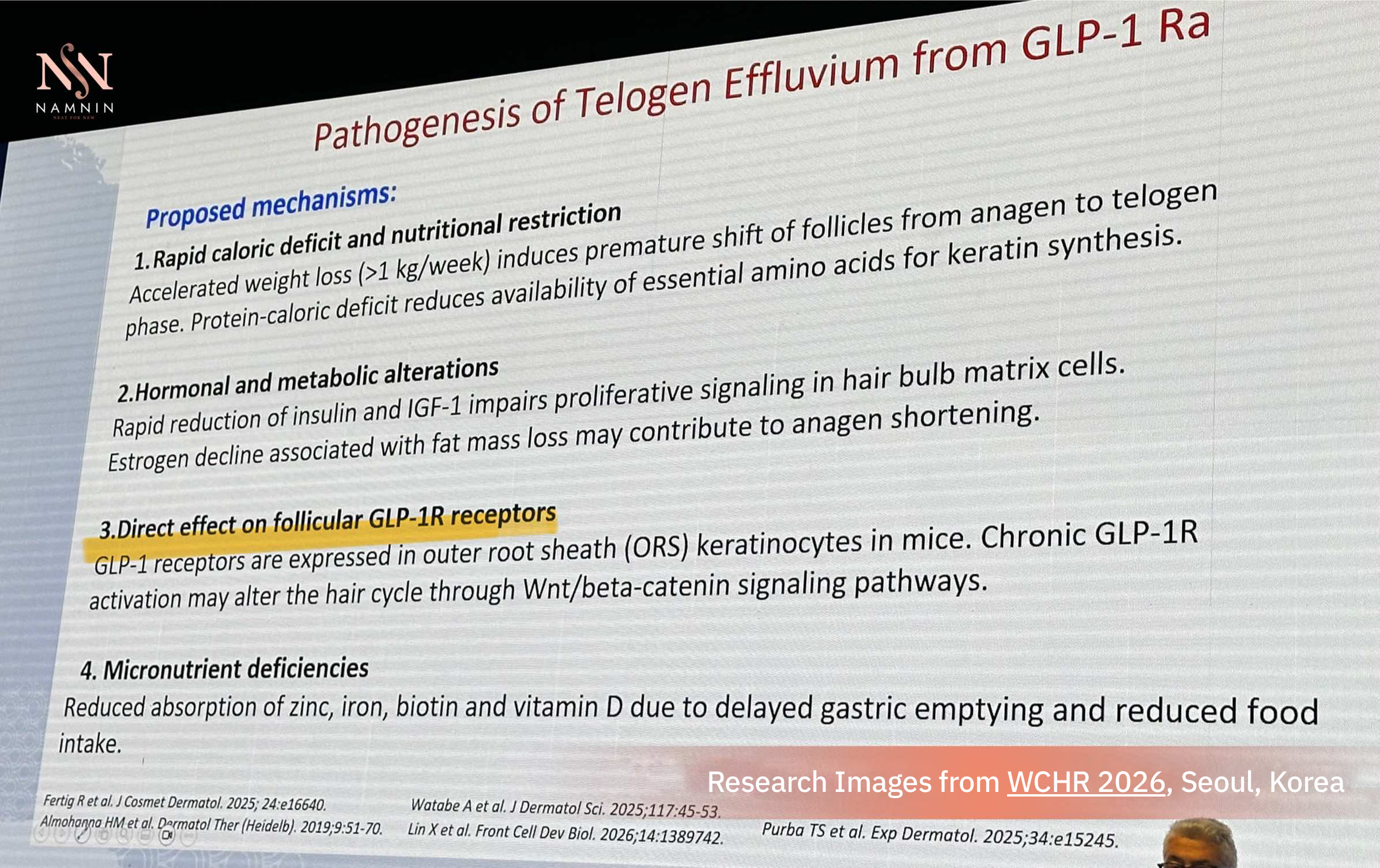
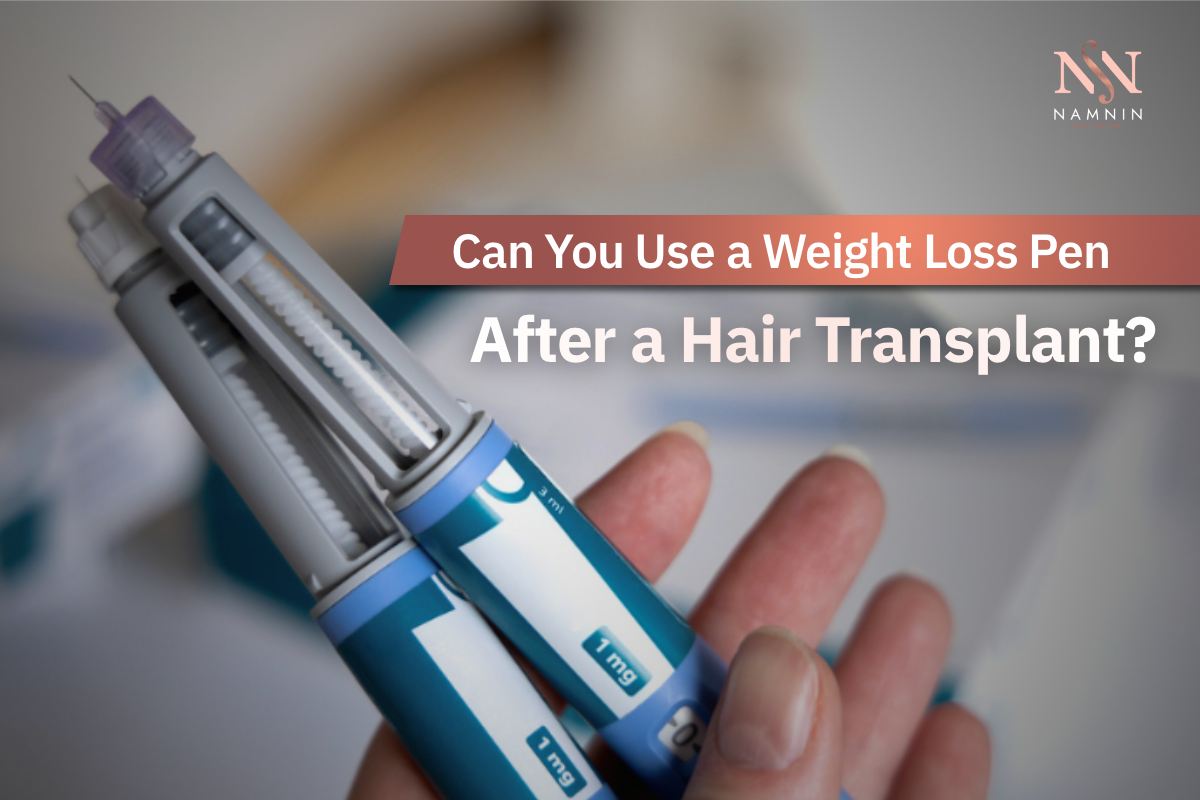
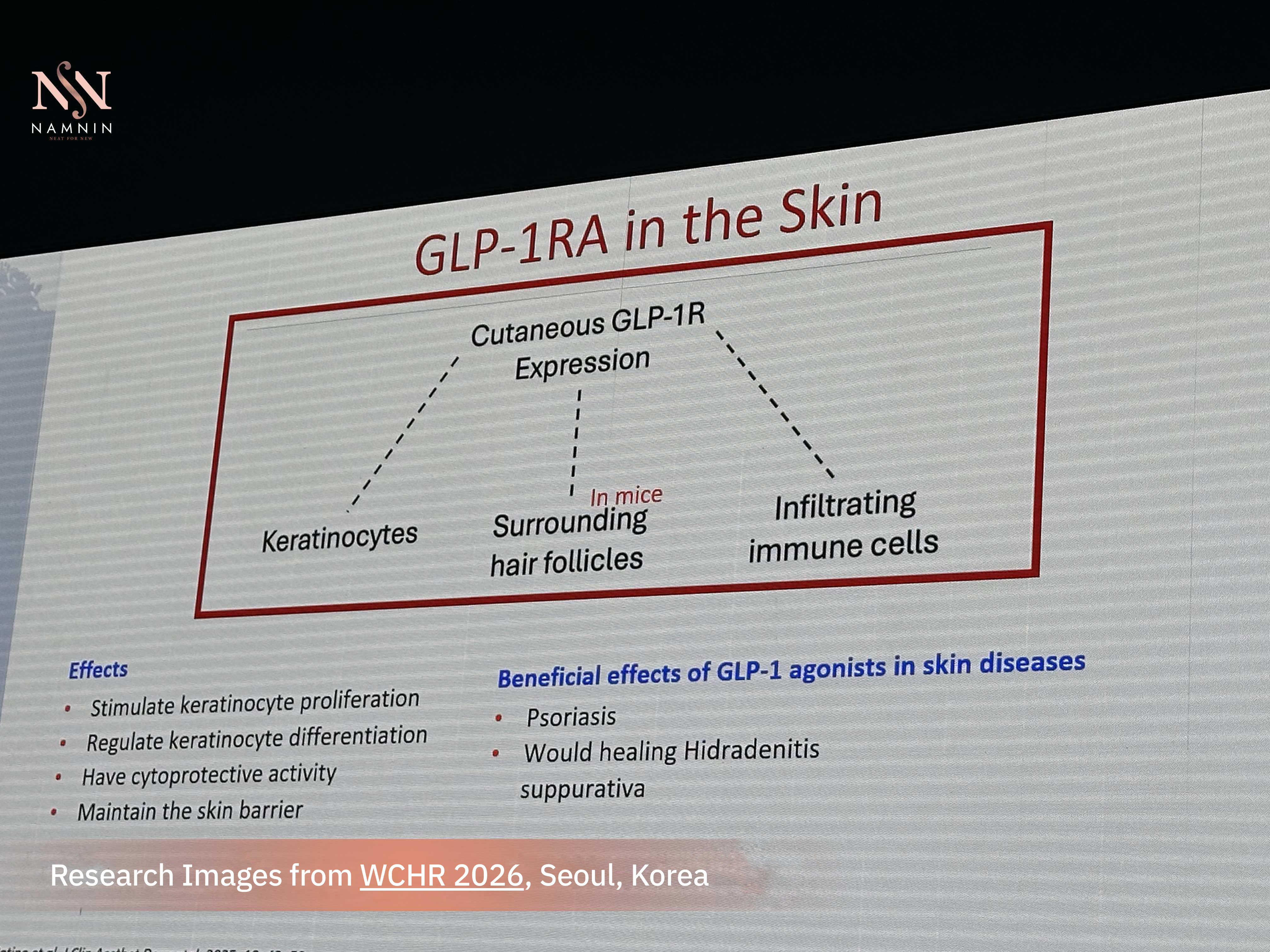
At present, there is no evidence confirming that GLP 1 Receptor Agonist weight loss medications directly damage hair follicles or directly cause permanent hair loss. However, rapid weight loss that may occur alongside the use of these medications, as well as insufficient energy or nutrient intake, may trigger temporary hair shedding. In other words, what affects the hair is not necessarily the medication itself, but rather the changes that occur in the body during very rapid weight loss. However, the relationship between this group of medications and hair loss is still being studied, and scientific knowledge may be updated in the future as new research becomes available. An important point to understand is that this condition does not mean the hair follicles have been damaged. Rather, many hair follicles enter the resting phase at the same time and can return to producing new hair once the body has been appropriately restored.
One common question is why the hair still looks healthy while losing weight, but then starts shedding several months later. The answer lies in the Hair Cycle. When the body experiences stress from weight loss, hair follicles gradually shift into the resting phase, or Telogen Phase, first. It then takes approximately 2 to 4 months before the hair is shed. Therefore, the hair that is shedding today may reflect changes that occurred in the body approximately 3 months ago. It can therefore be said that “hair is a historical record of the body.” Understanding this timing can help reduce anxiety and make it easier to look back and identify the underlying cause.
Although weight loss can benefit health, if the diet is unbalanced, the body may not receive enough of certain nutrients, which can affect hair growth. Protein and iron are particularly important because hair is primarily composed of keratin, which is a protein. If the body does not receive enough protein, it will prioritize using protein for vital organs, resulting in reduced hair production. Therefore, people who are losing weight should consume an appropriate amount of protein, generally around 1.2 to 1.5 grams per kilogram of body weight per day. However, this should be adjusted according to each individual’s health condition. These figures are only general guidelines for the general population and are not individualized recommendations. Therefore, it is advisable to consult a doctor or dietitian before applying them in practice.
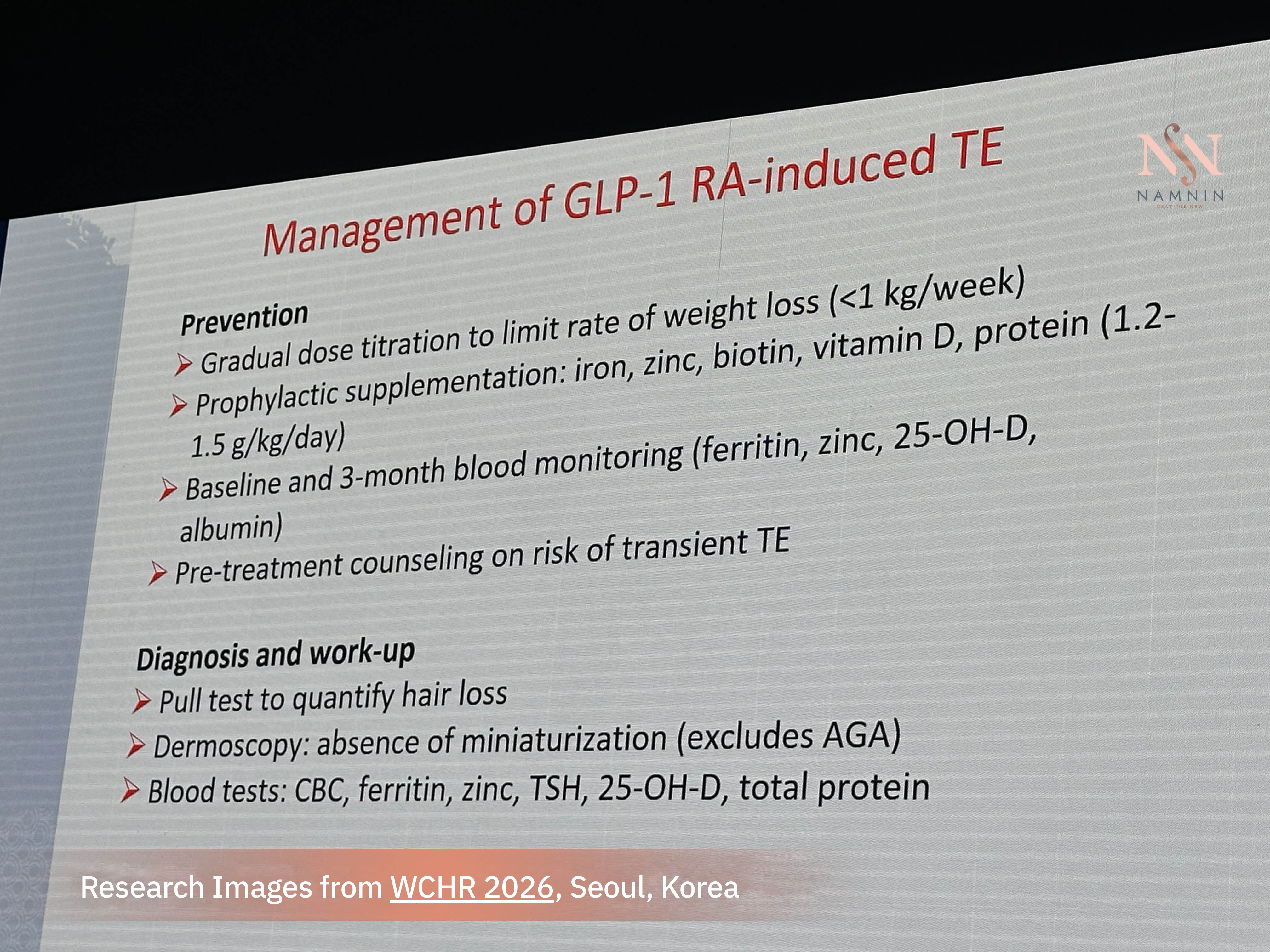
Another factor that should be considered is stored iron in the body, or Ferritin, particularly in women, who may be more likely to have lower iron stores than men due to blood loss during menstruation. Several studies have found an association between low iron stores and hair loss in some patients. However, there is currently no standardized conclusion regarding the Ferritin level that is most appropriate for hair growth. Therefore, if hair loss continues, a doctor may consider checking Ferritin levels along with other blood tests to assess iron deficiency before planning treatment.
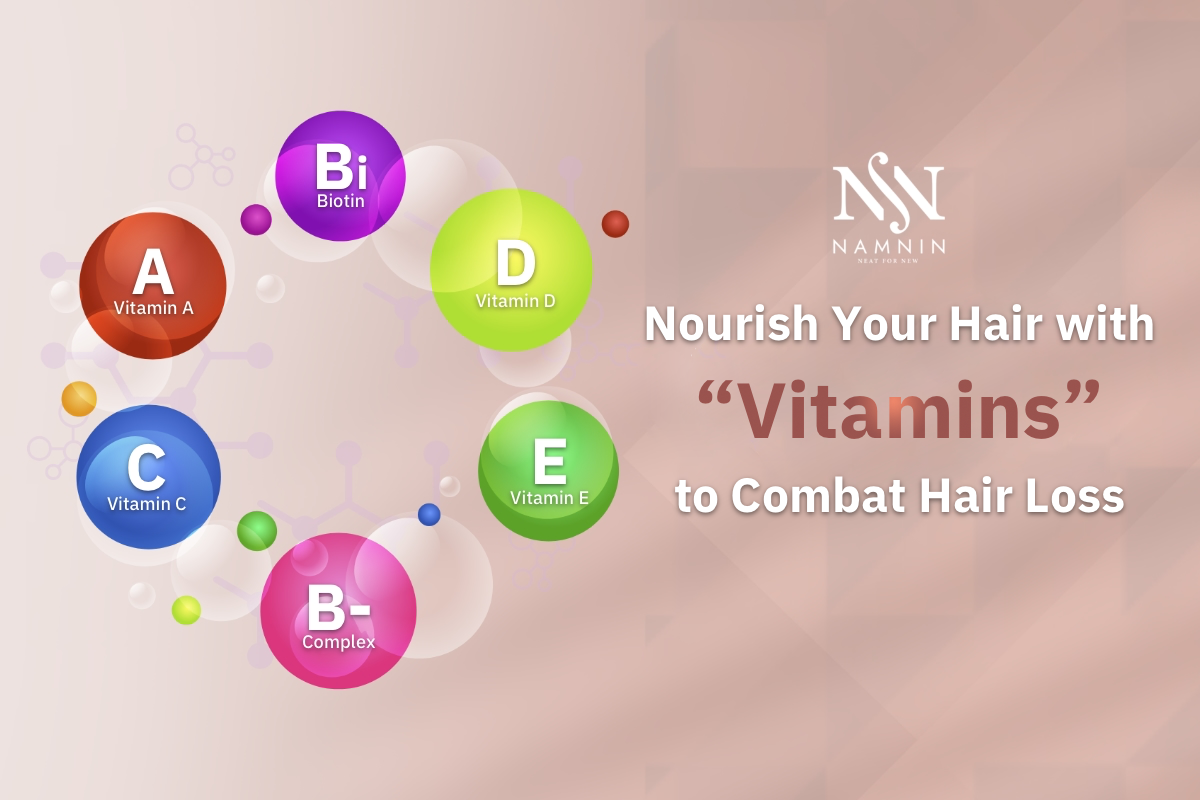
Weight loss and hair care can be managed together if the body is given enough time to adjust. Approaches that may help reduce the risk of hair loss include gradually losing weight at approximately 0.5 to 1 kilogram per week, eating a varied diet that provides sufficient nutrients for the body’s needs, particularly protein, iron, and zinc, as well as getting adequate rest and managing stress appropriately. For supplements such as iron, zinc, or Biotin, they should be used when medically indicated or recommended by a doctor, as current scientific evidence does not support the use of Biotin to reduce hair loss in people who do not have a Biotin deficiency.
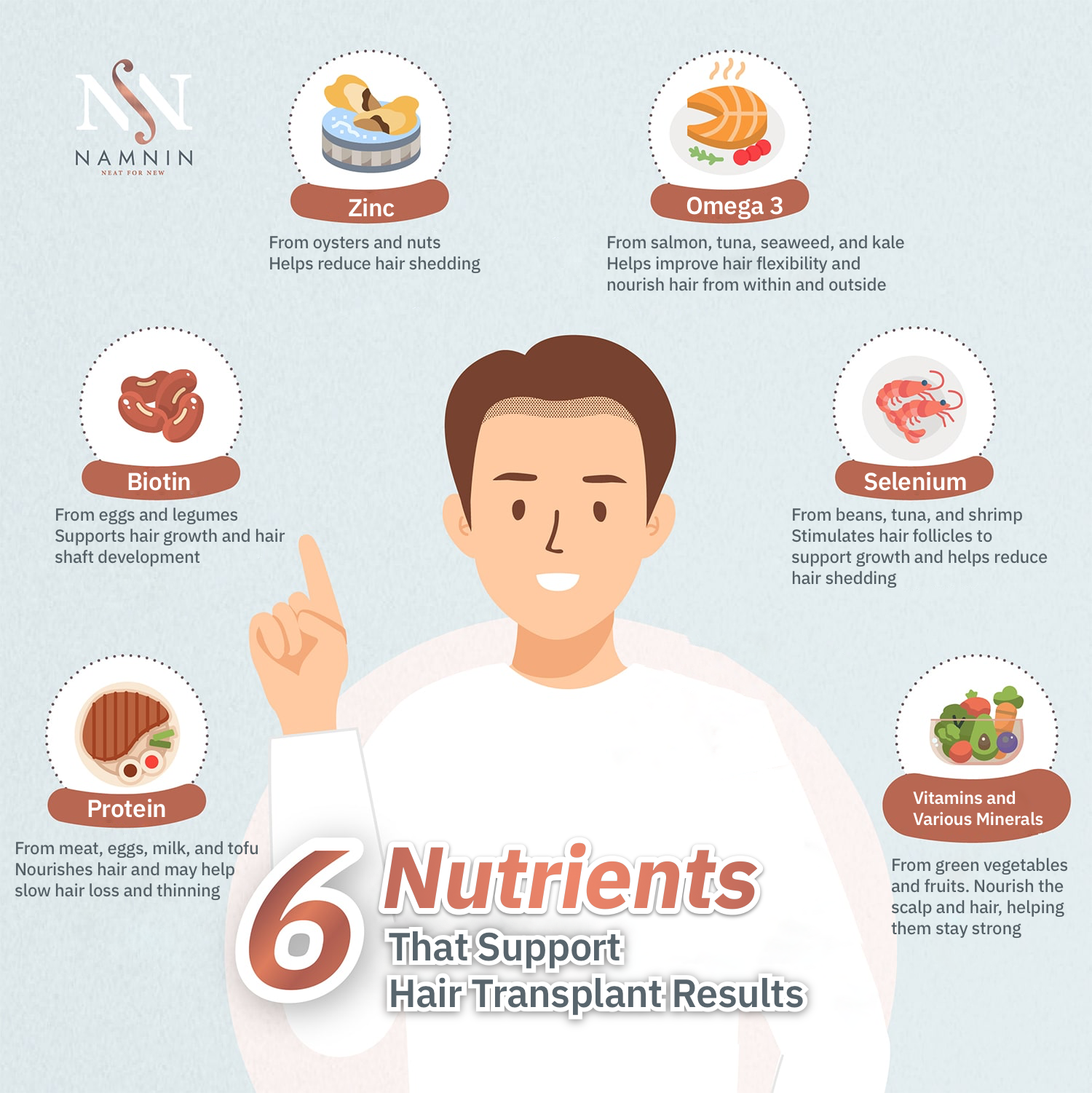
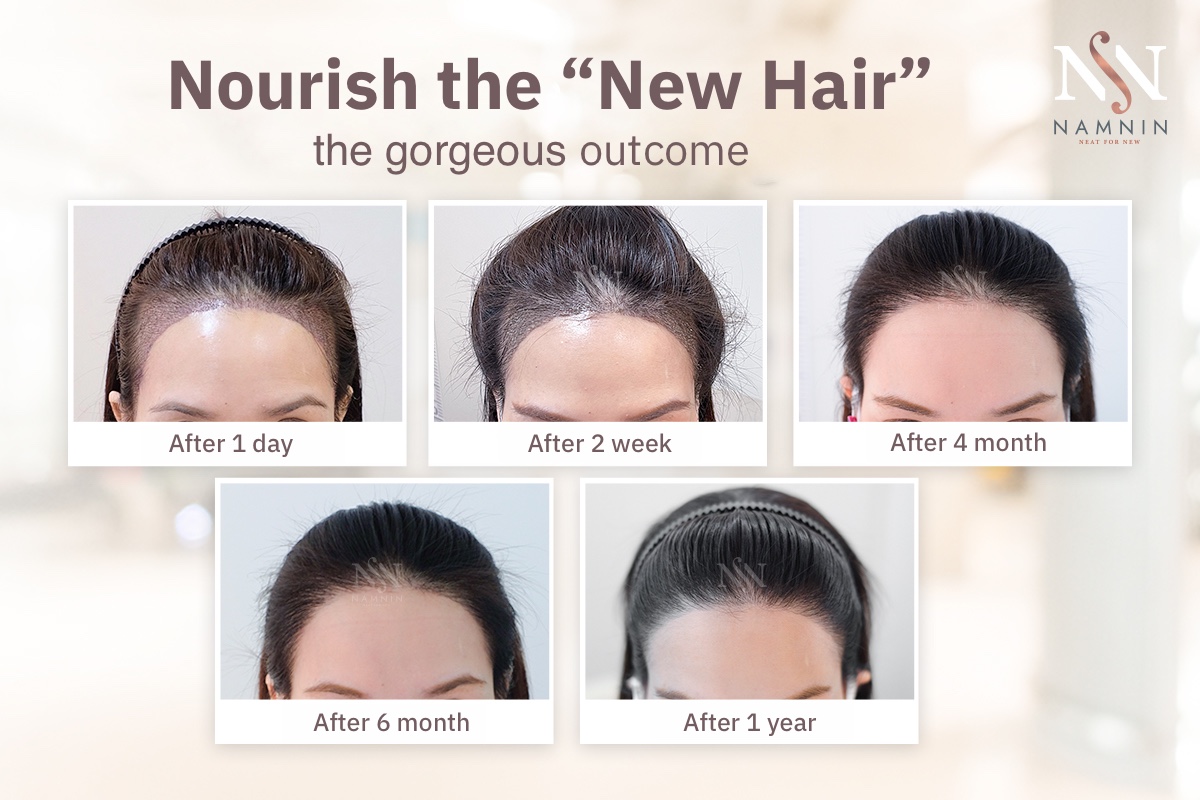
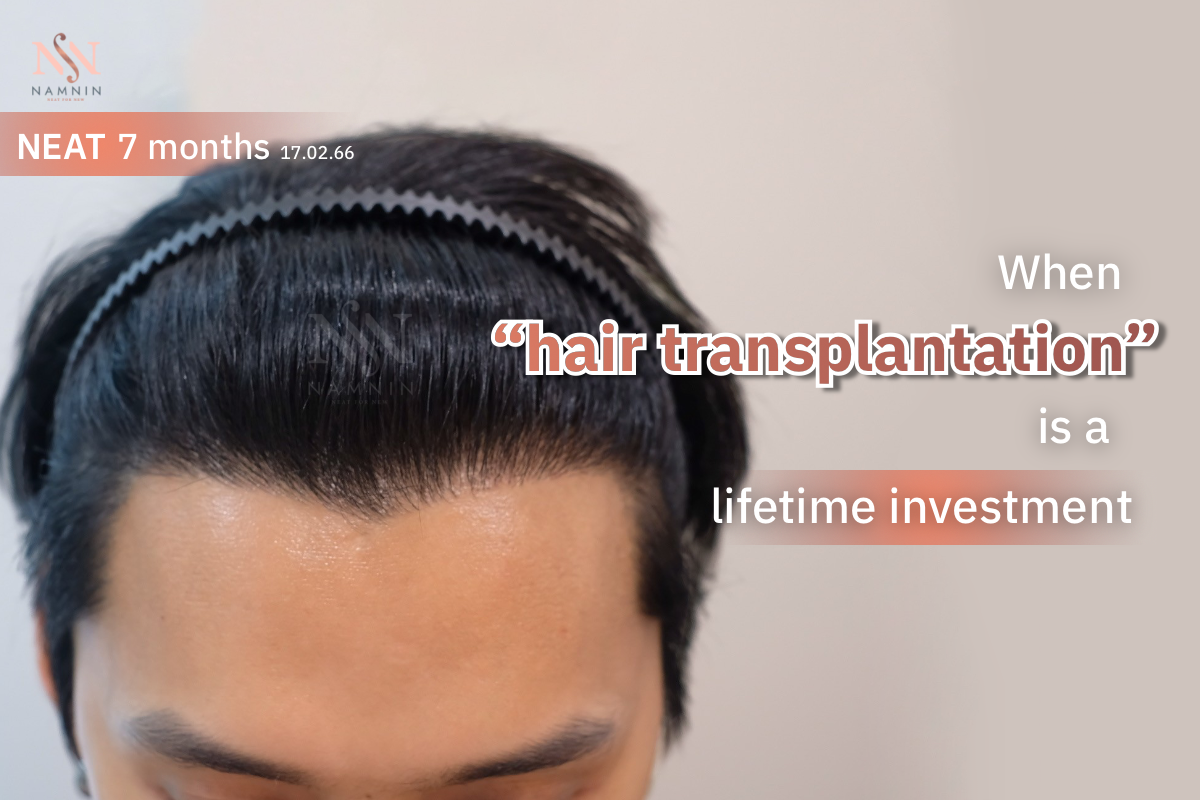
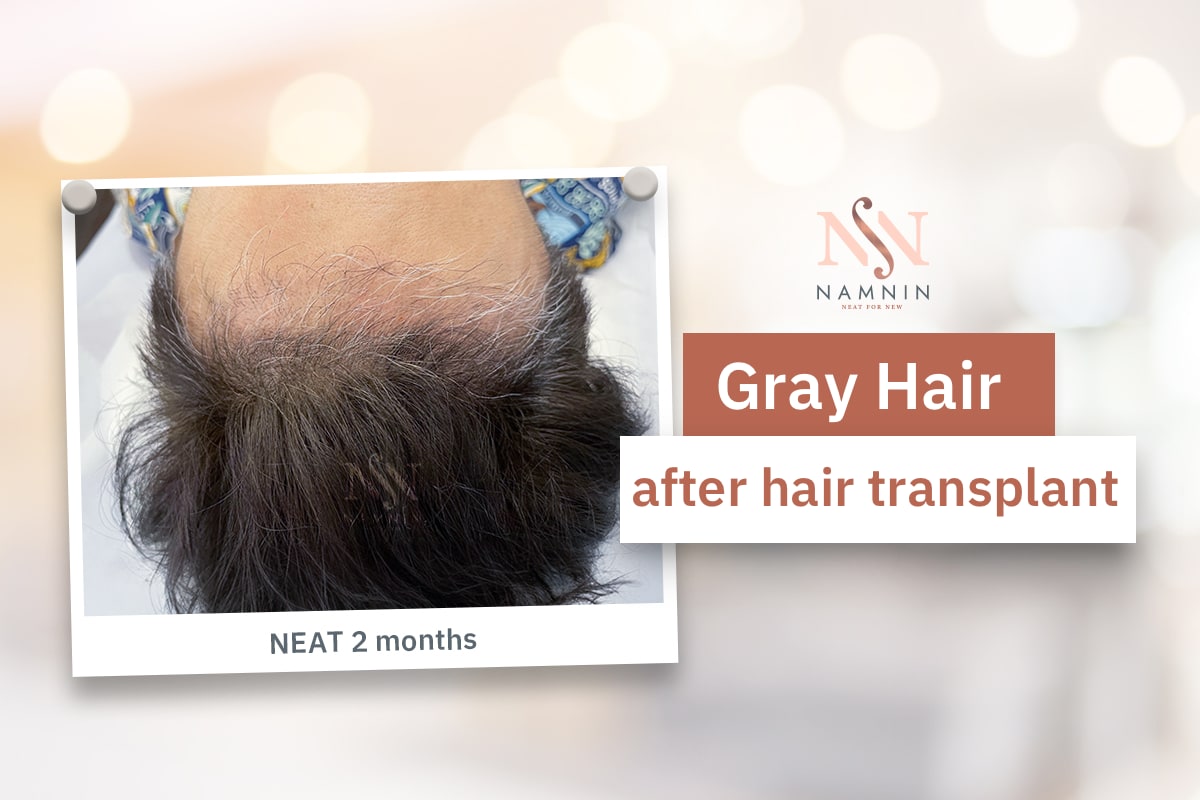
For people who have previously undergone a hair transplant, rapid weight loss or insufficient nutrient intake can also cause temporary hair shedding. However, with appropriate care, once the hair cycle returns to normal, the hair follicles can resume functioning normally. Conversely, if significant hair loss occurs after weight loss, there is no need to immediately decide to undergo a hair transplant. In many cases, once the underlying cause is addressed and the body returns to balance, the hair can grow back on its own.
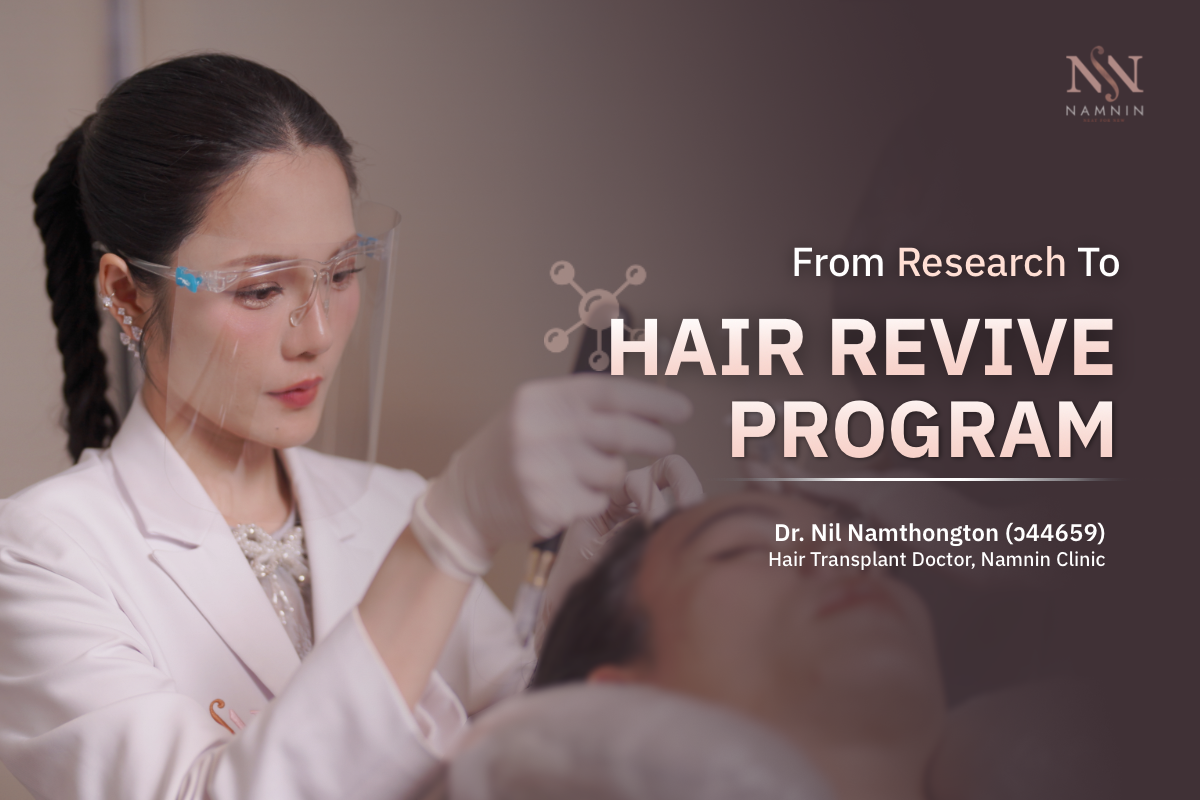
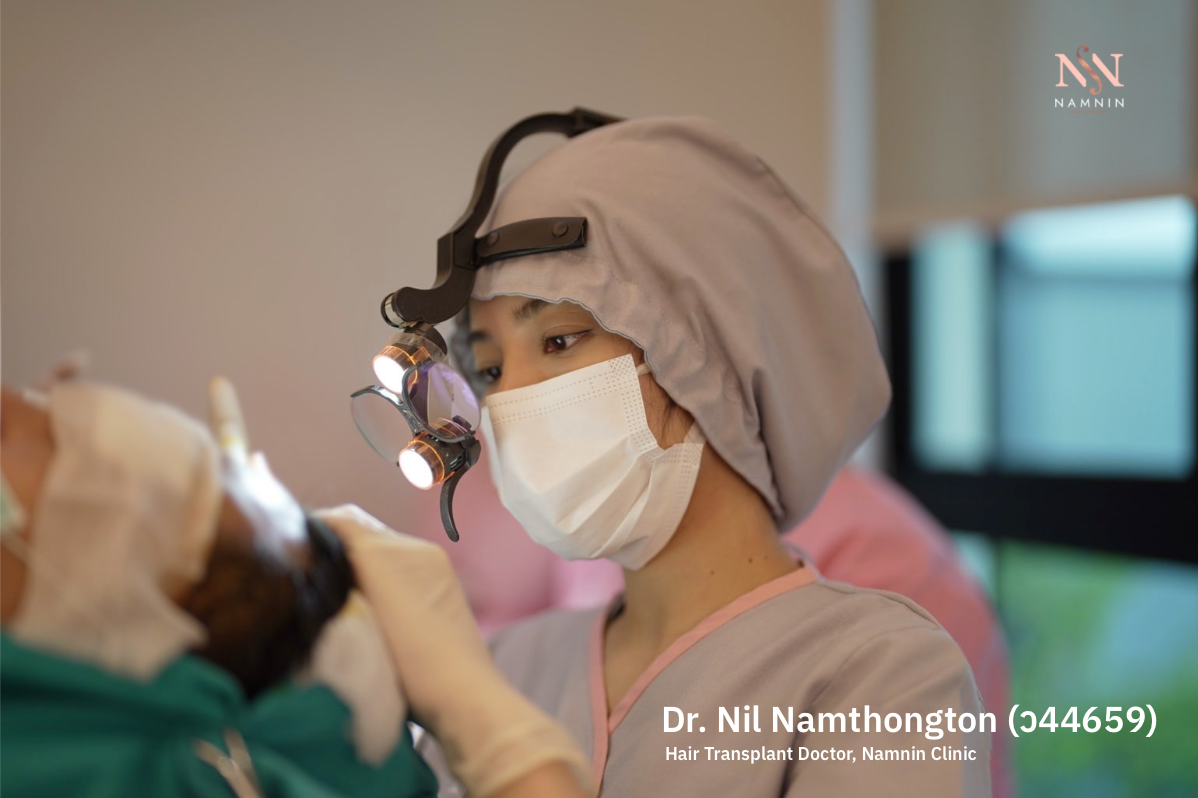
At Namnin Clinic, Dr. Nil Namthongton (License No. ว44659) will thoroughly assess the causes of hair loss, including hair health, nutritional status, hormones, and underlying medical conditions, to determine on an individual basis whether the problem is temporary hair shedding that can recover or whether additional treatment is necessary. Good treatment begins with an accurate diagnosis. Good health should not have to come at the cost of losing hair, and the best treatment begins with understanding the true cause. When the body receives appropriate care, the hair also has the opportunity to grow again naturally.
References