"...Good hair is hair that is still on your head..."
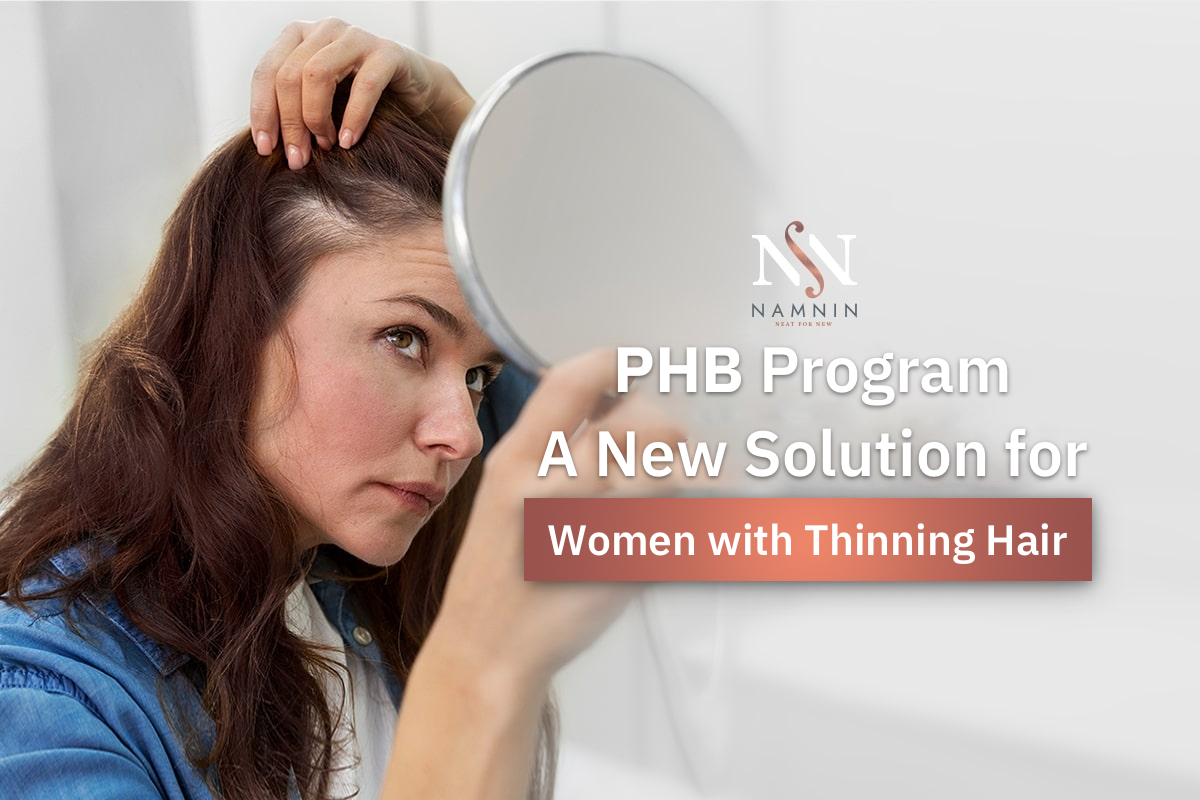
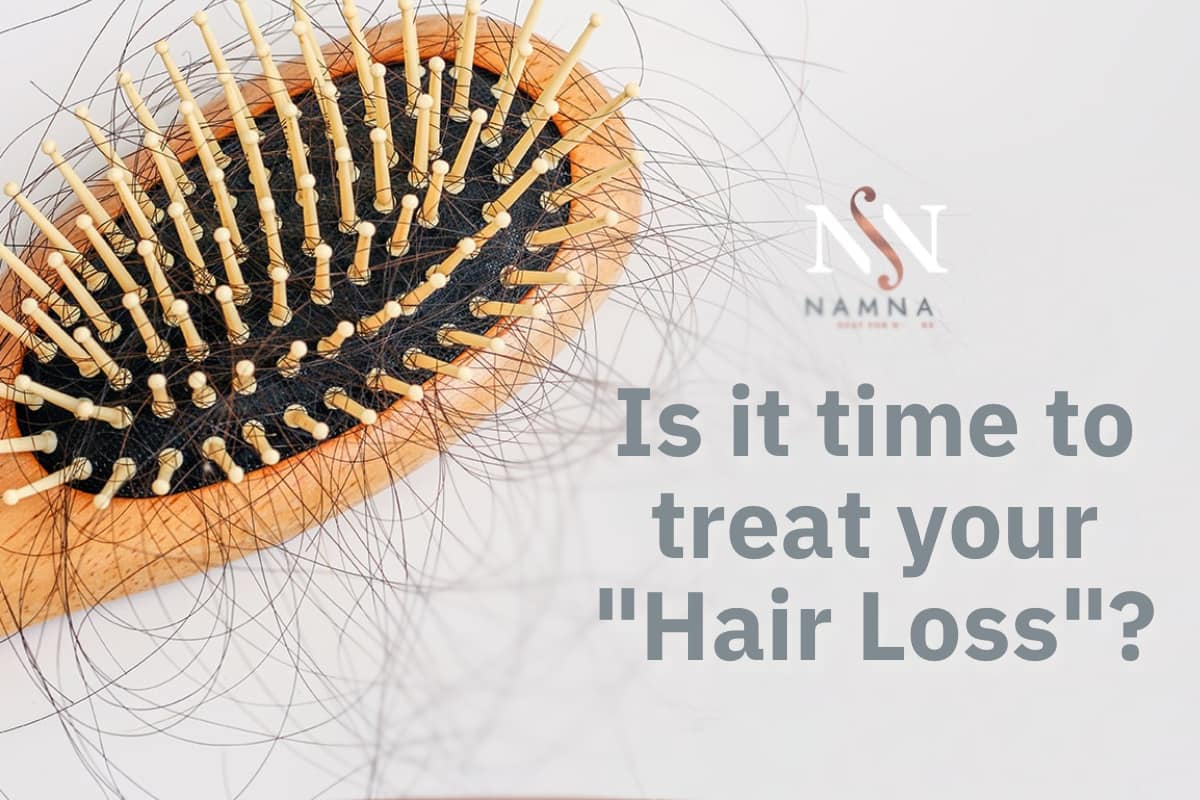
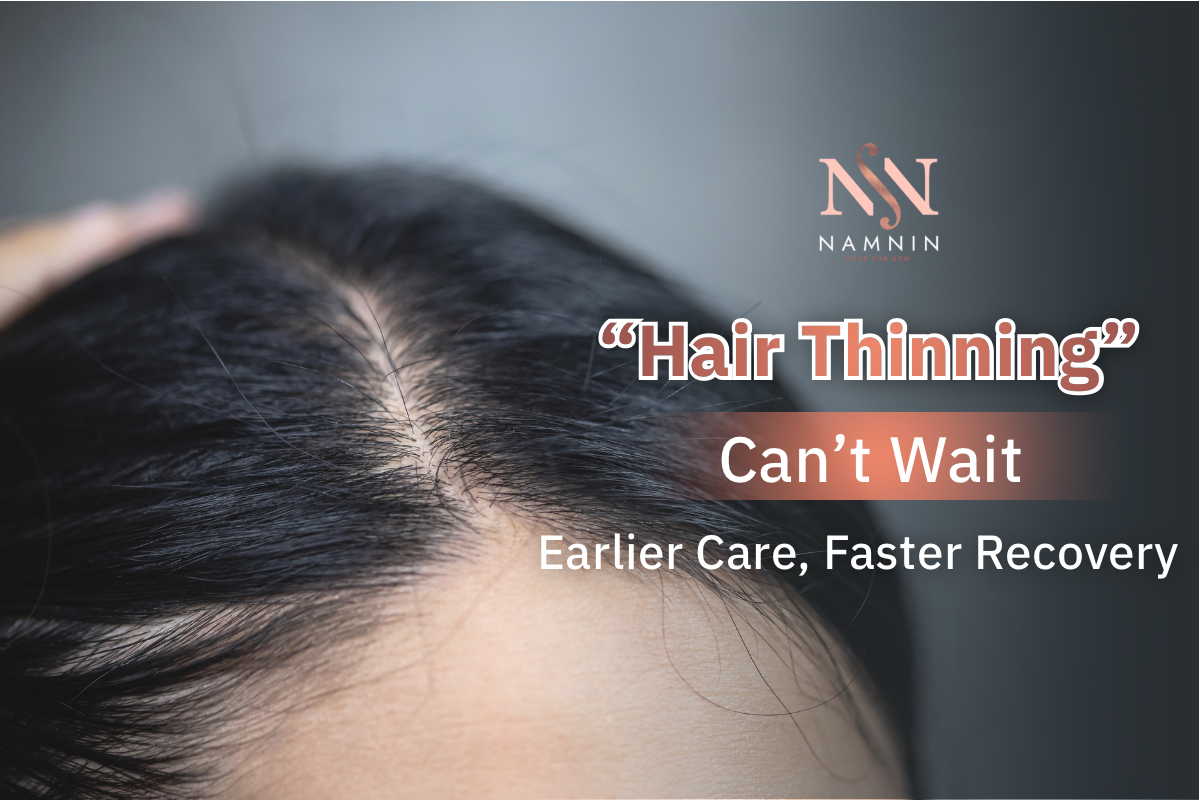
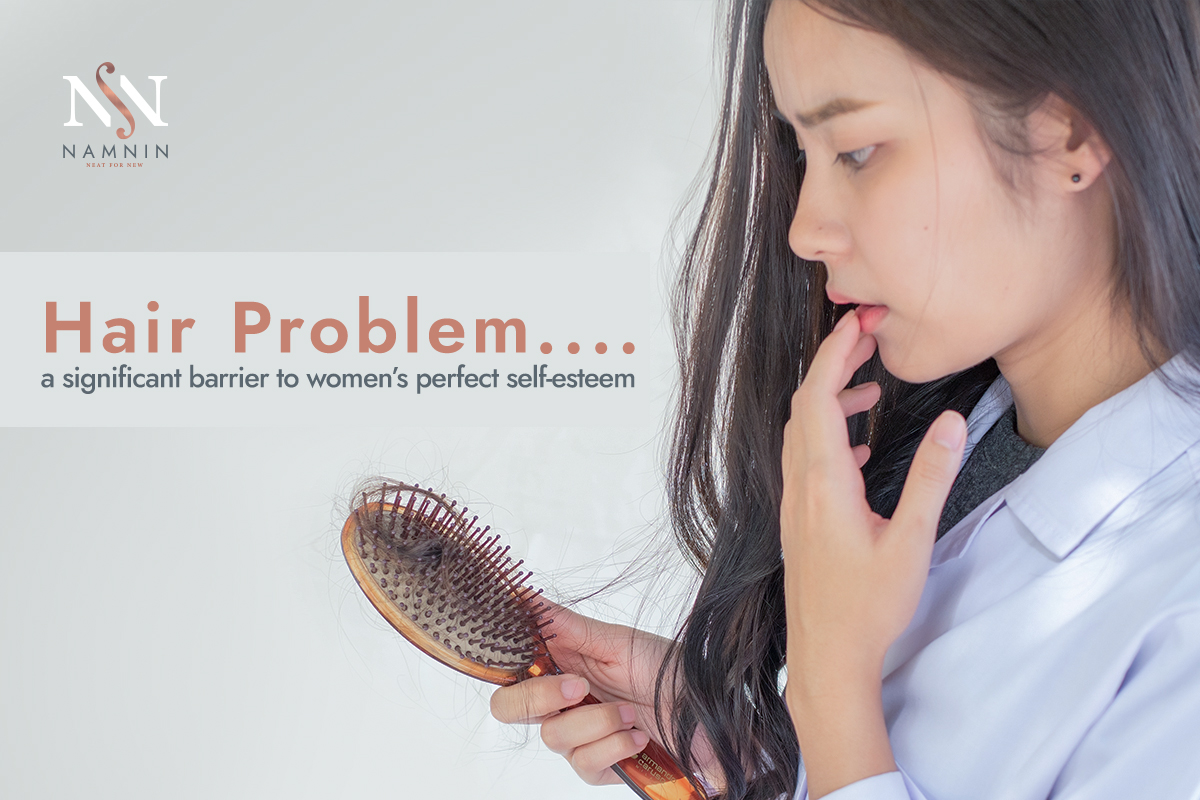
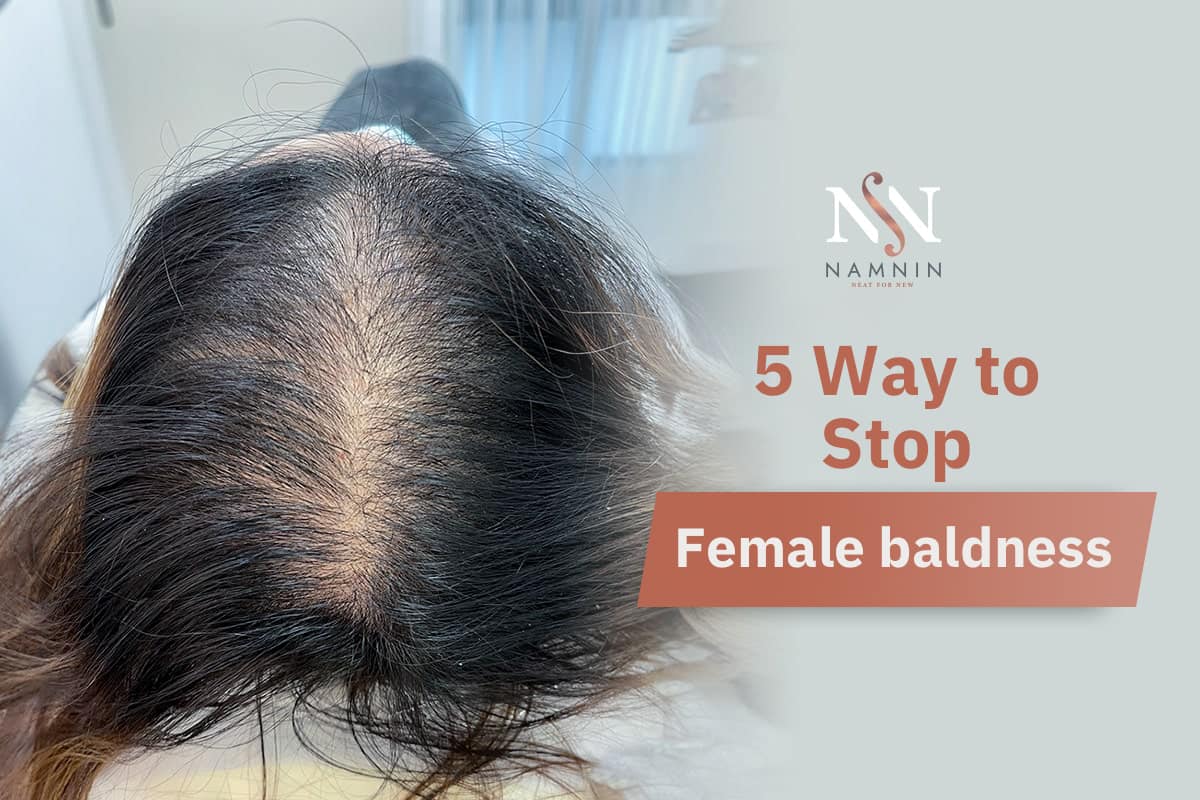
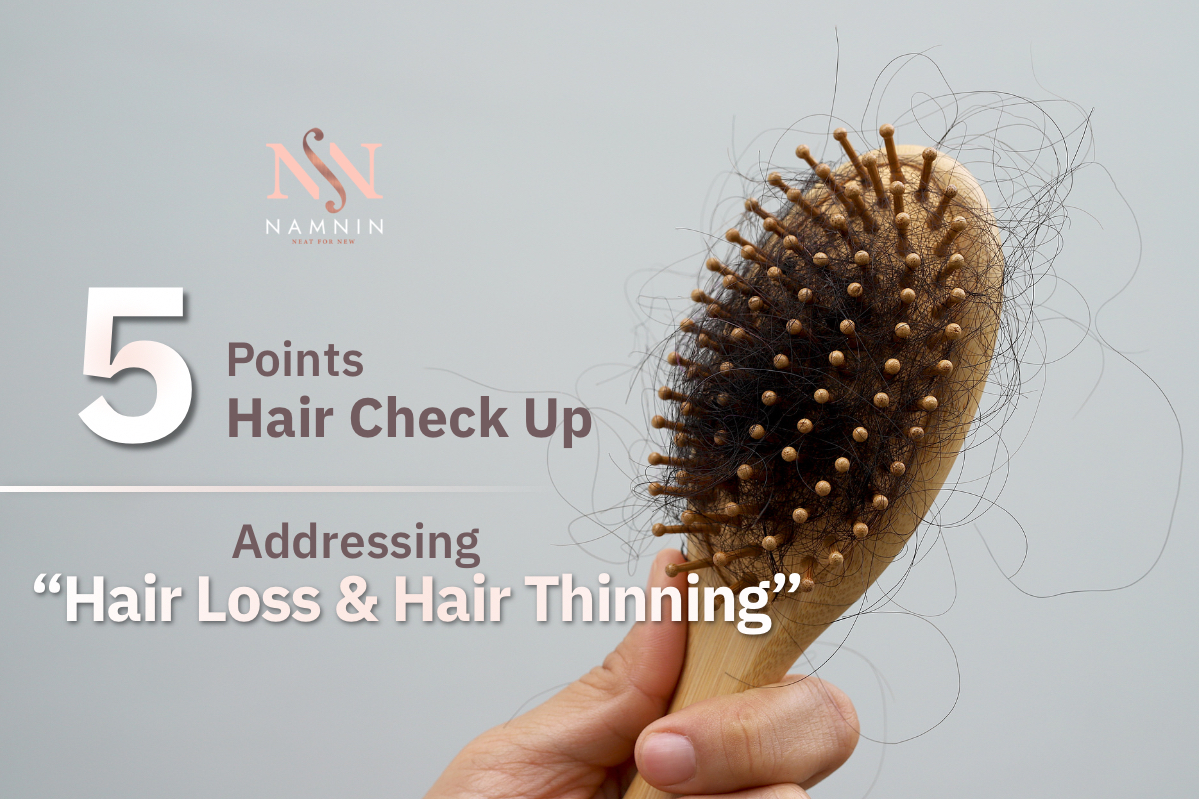
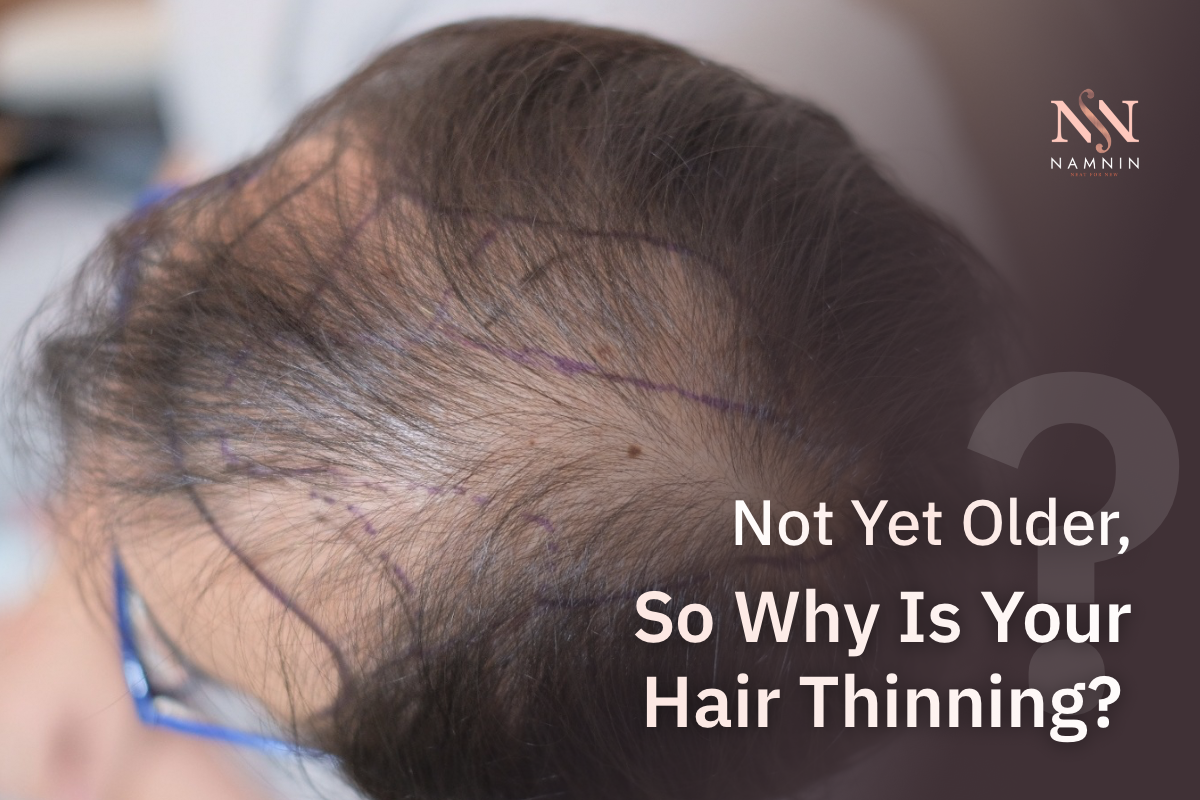
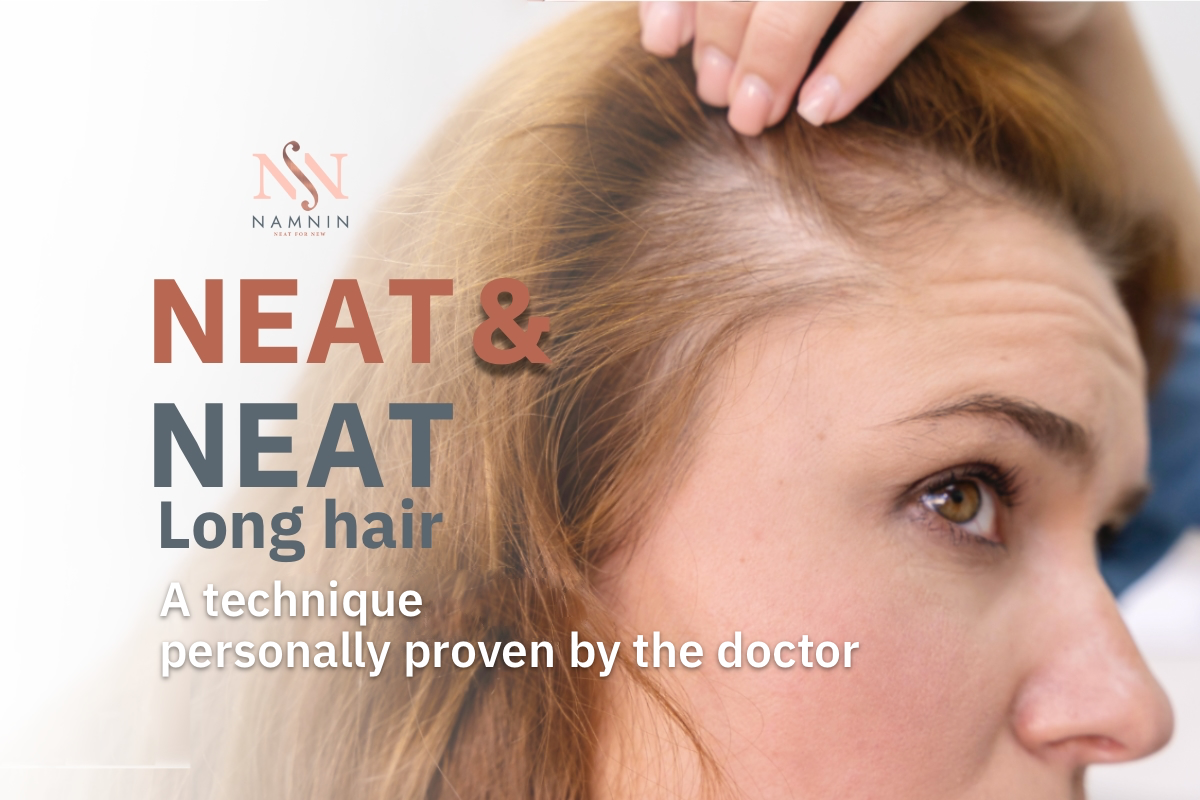
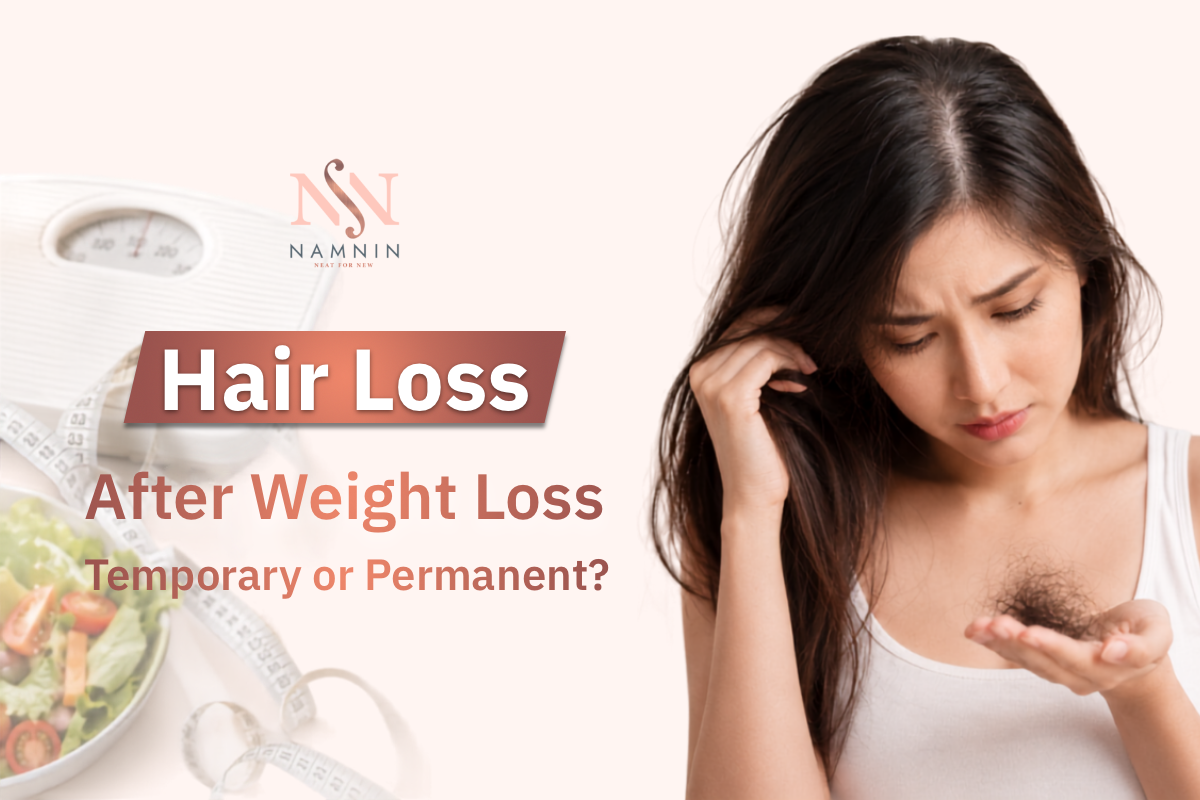
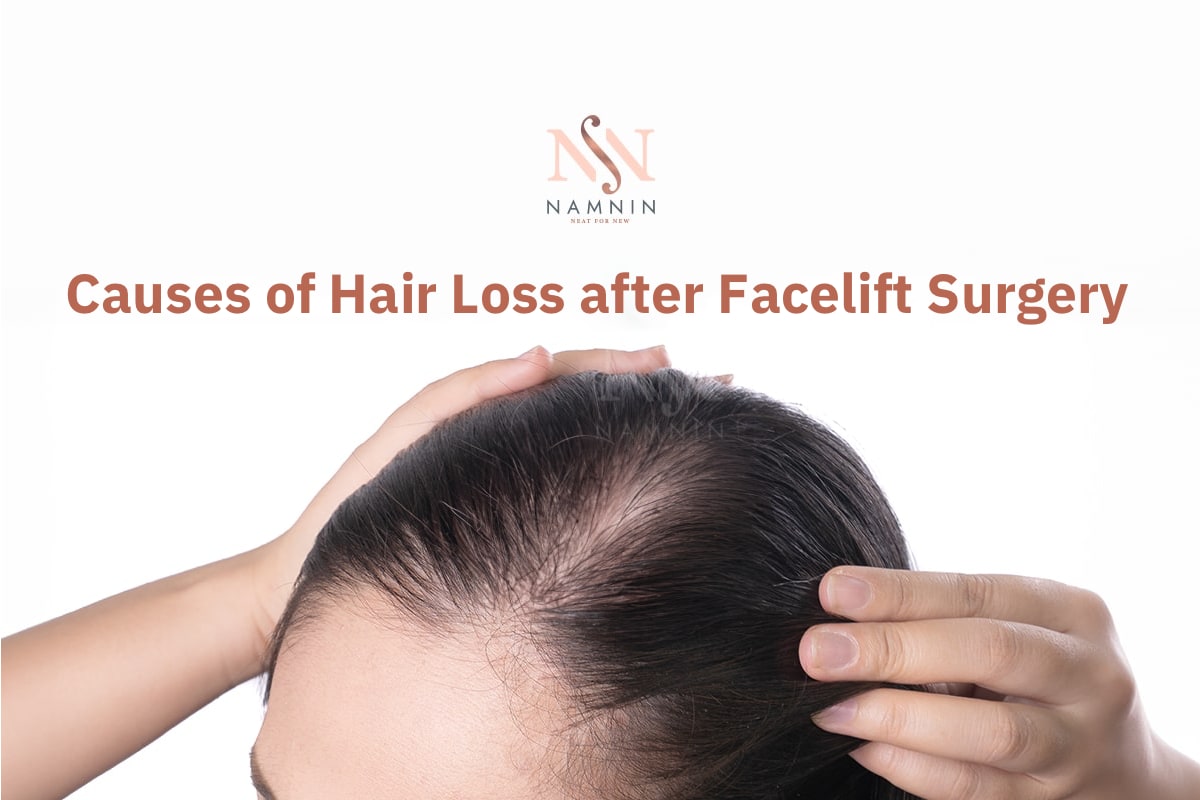
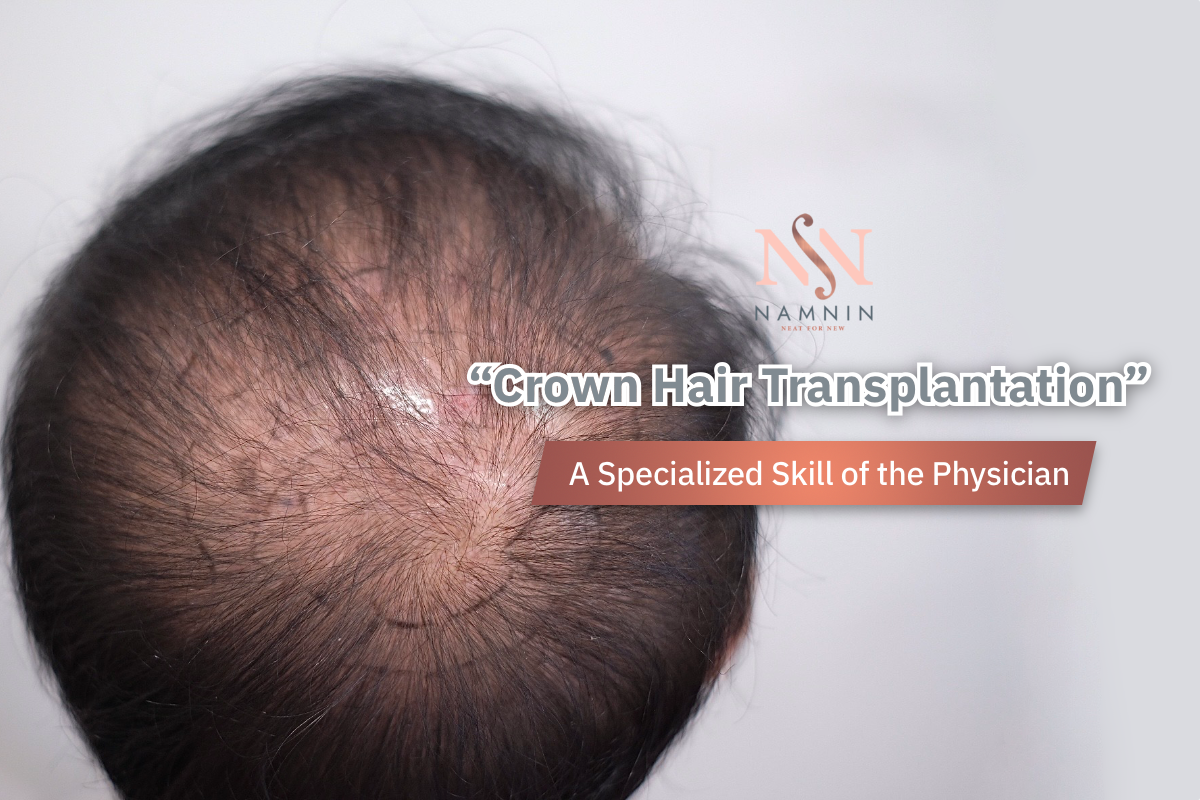
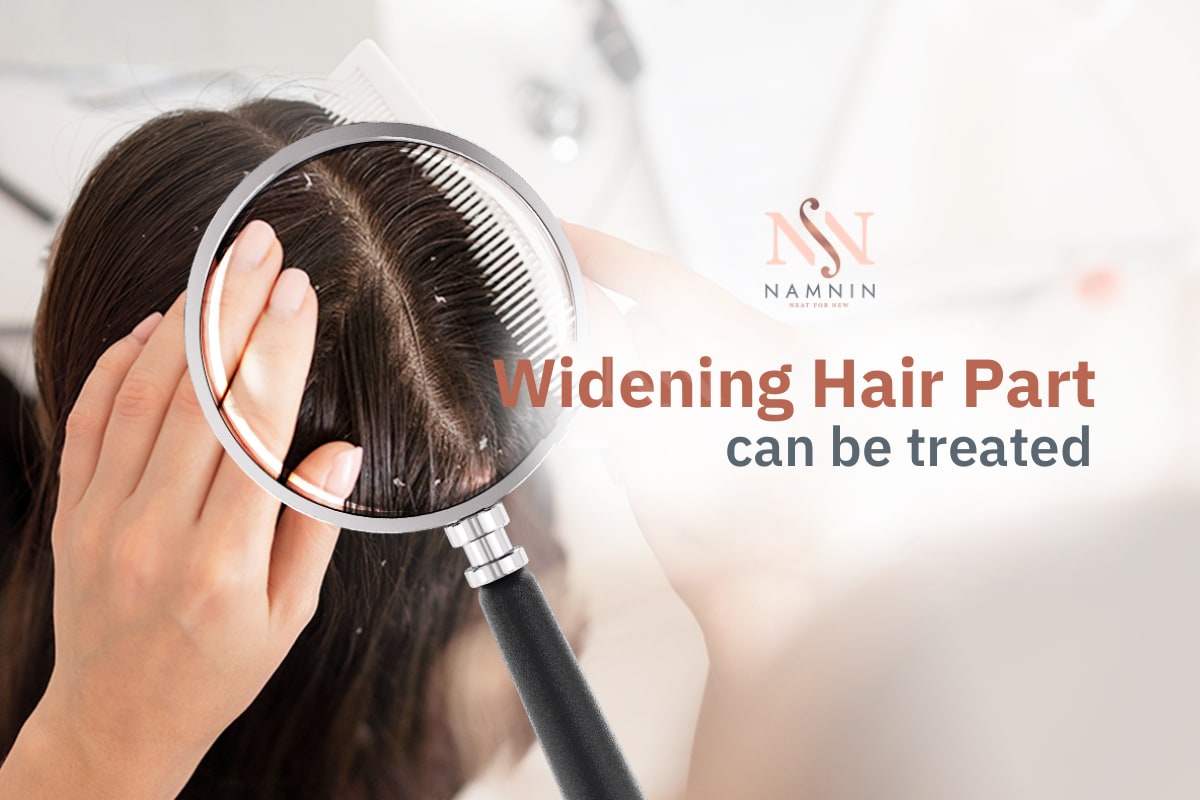
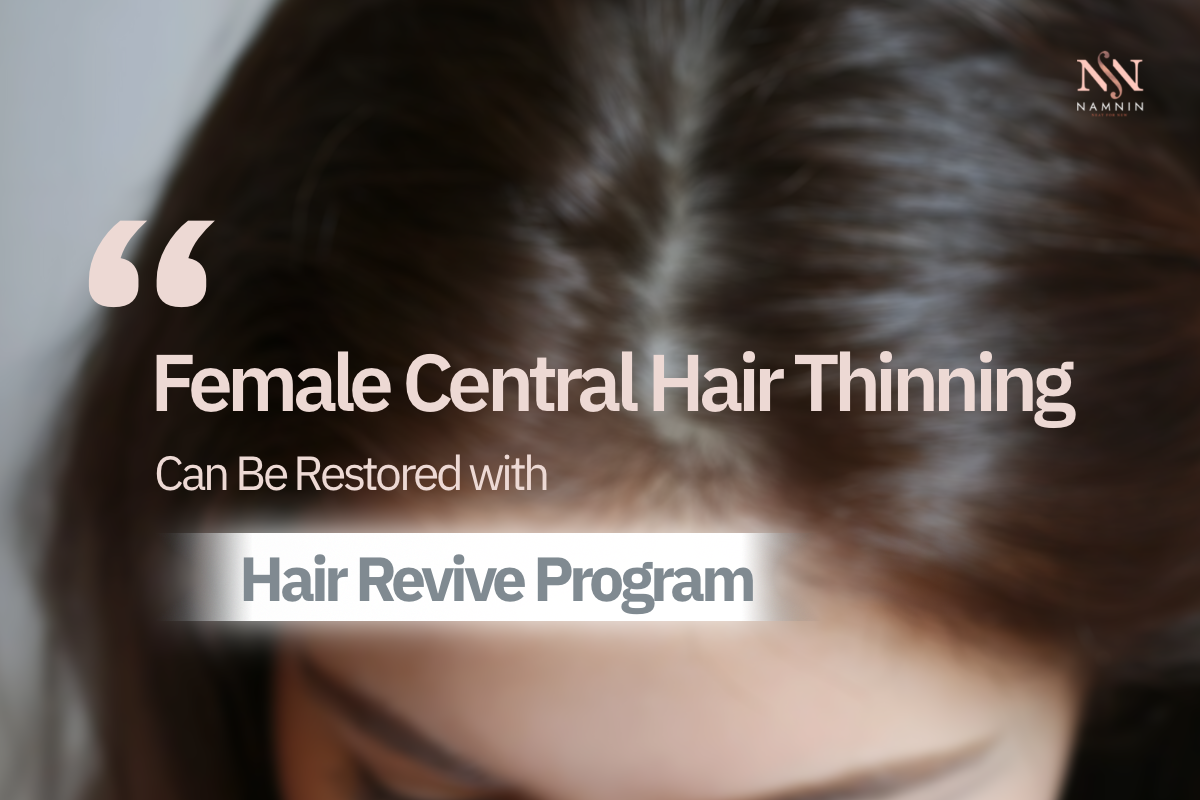
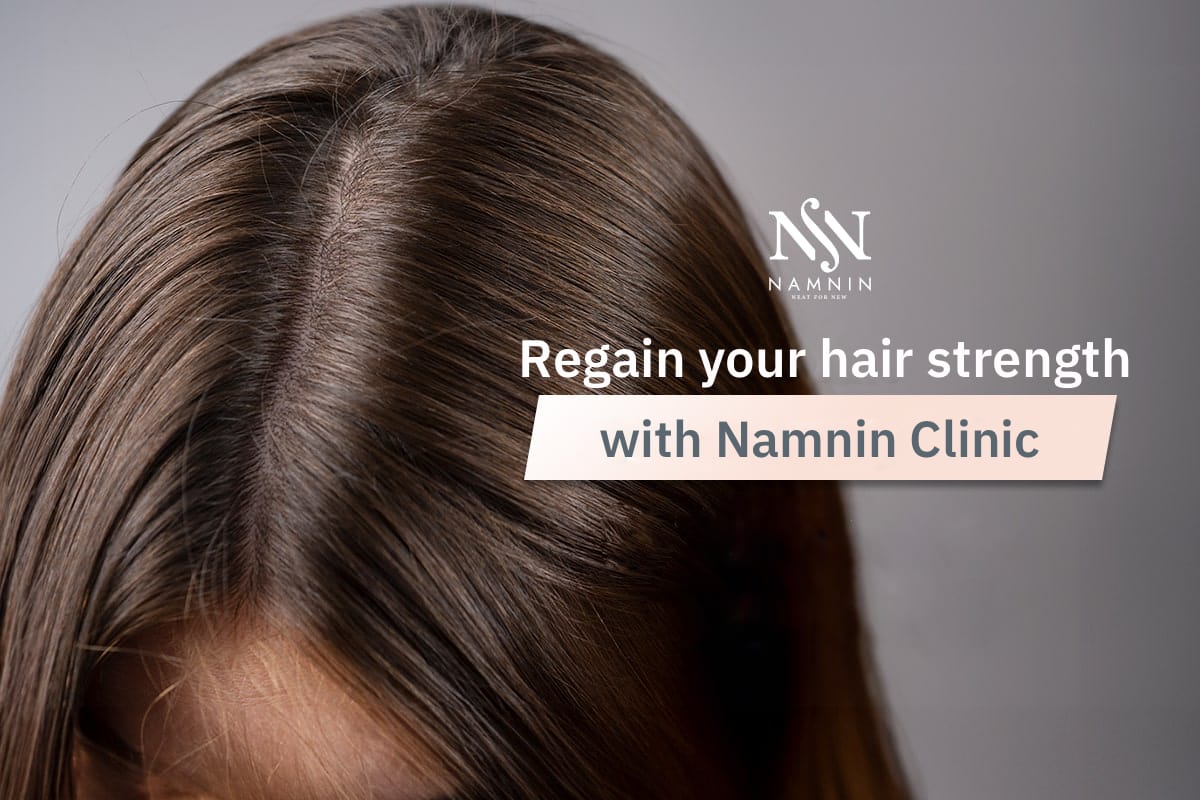
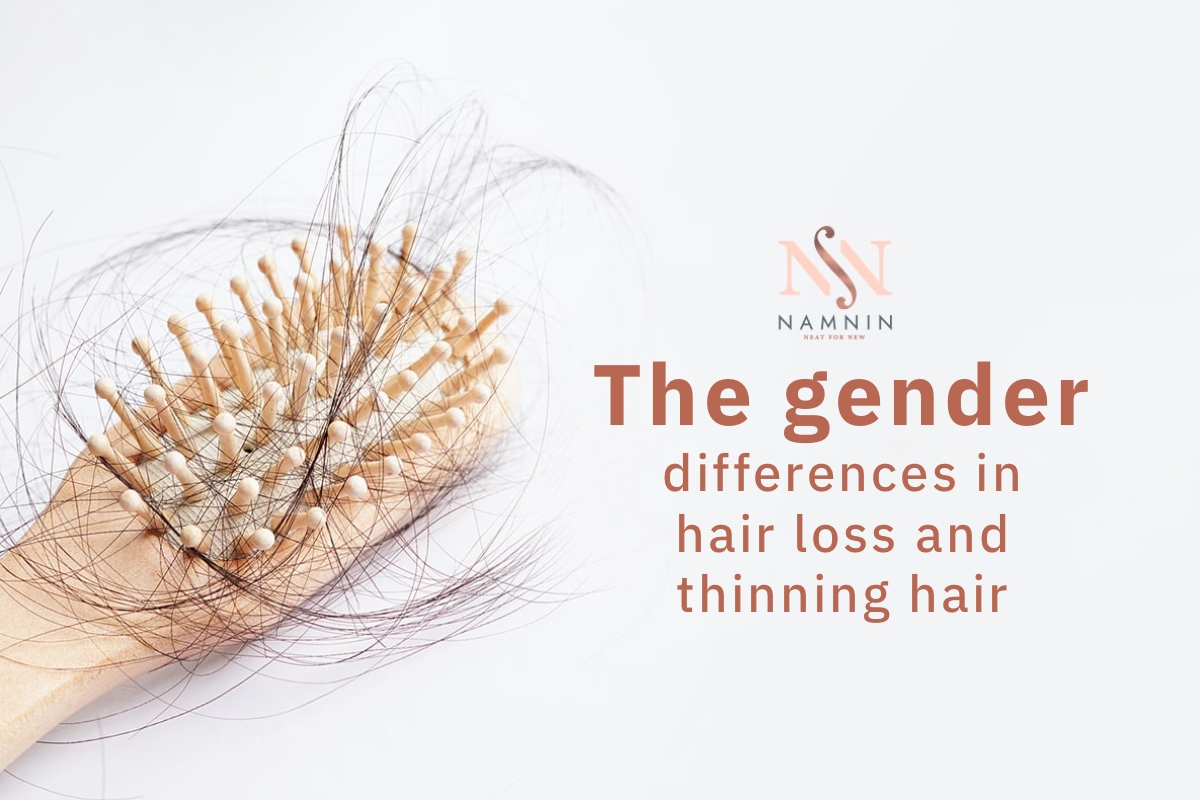
Anyone who has started experiencing hair loss or thinning hair will understand this statement without needing any further explanation. Almost every woman probably dreams of having beautiful, thick hair, like having a whole farm of hair, without constantly worrying about how to style it to make it look thicker and more voluminous. But in reality, many women are distressed when they see so much of their own hair lying on the floor, around the drain in the bathroom, or on their pillowcases, instead of being on their heads!! On top of that, when they comb their hair in front of the mirror, they may notice that their parting has gradually widened, revealing more and more of the white scalp beneath!! It would not be an exaggeration to say that hair loss and thinning hair have become a major problem for women.
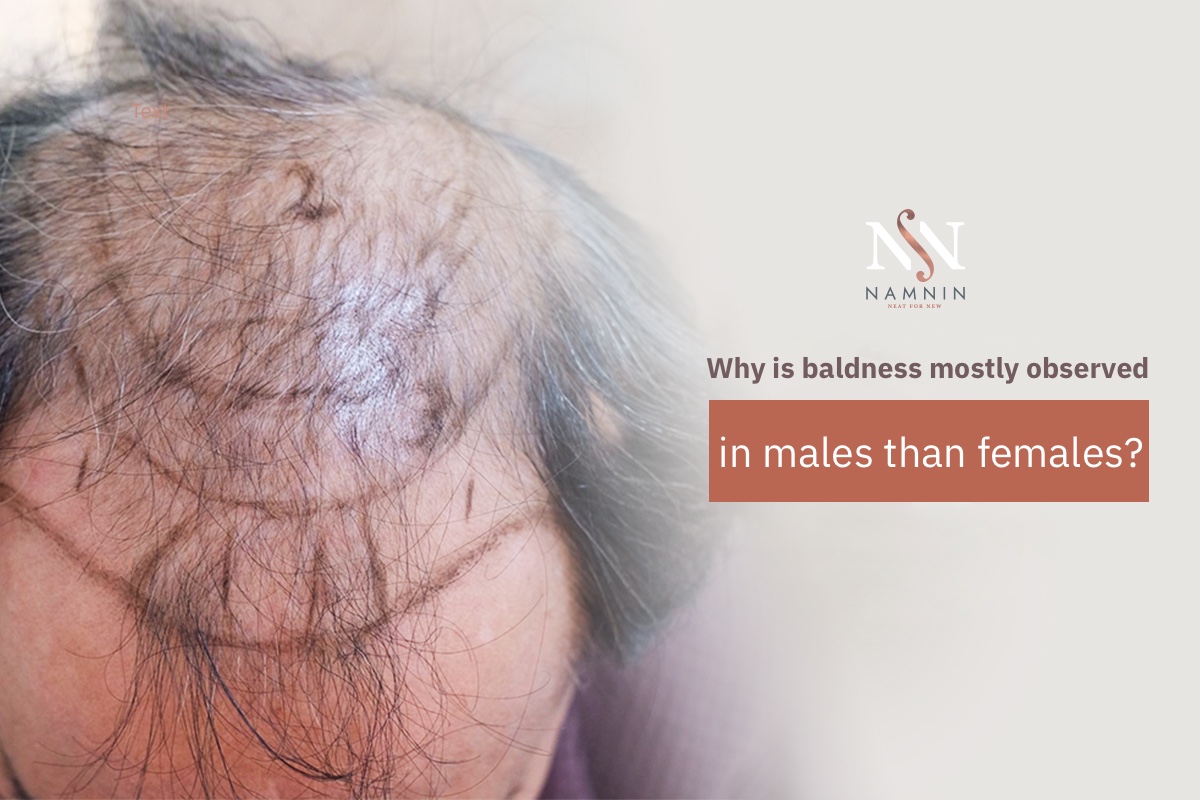
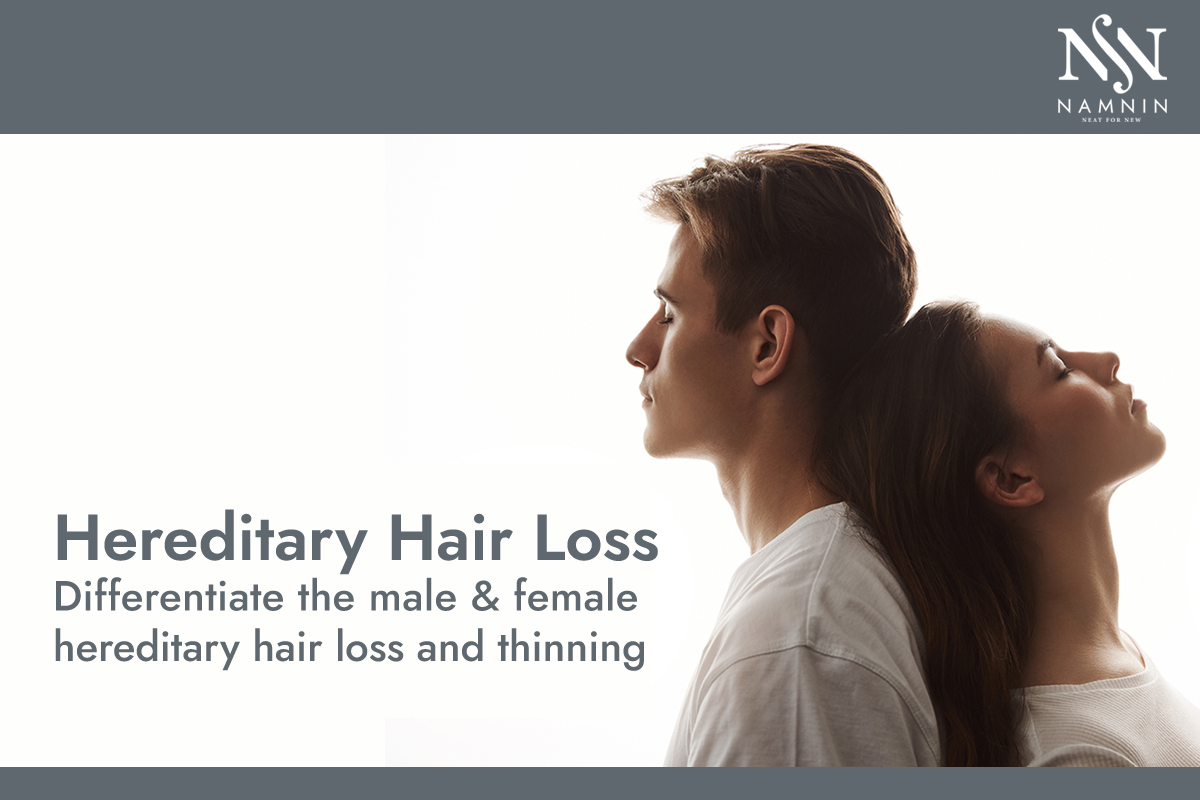
"Did you know that one of the leading causes of hair loss and thinning hair in many women is genetics? Hereditary hair loss, or Androgenetic Alopecia, can occur in both men and women. It affects as many as 80 percent of men and around 50 percent of women. If you have ever looked into hair loss and thinning hair, you may already be familiar with the hormone DHT as one of the factors contributing to hair loss."
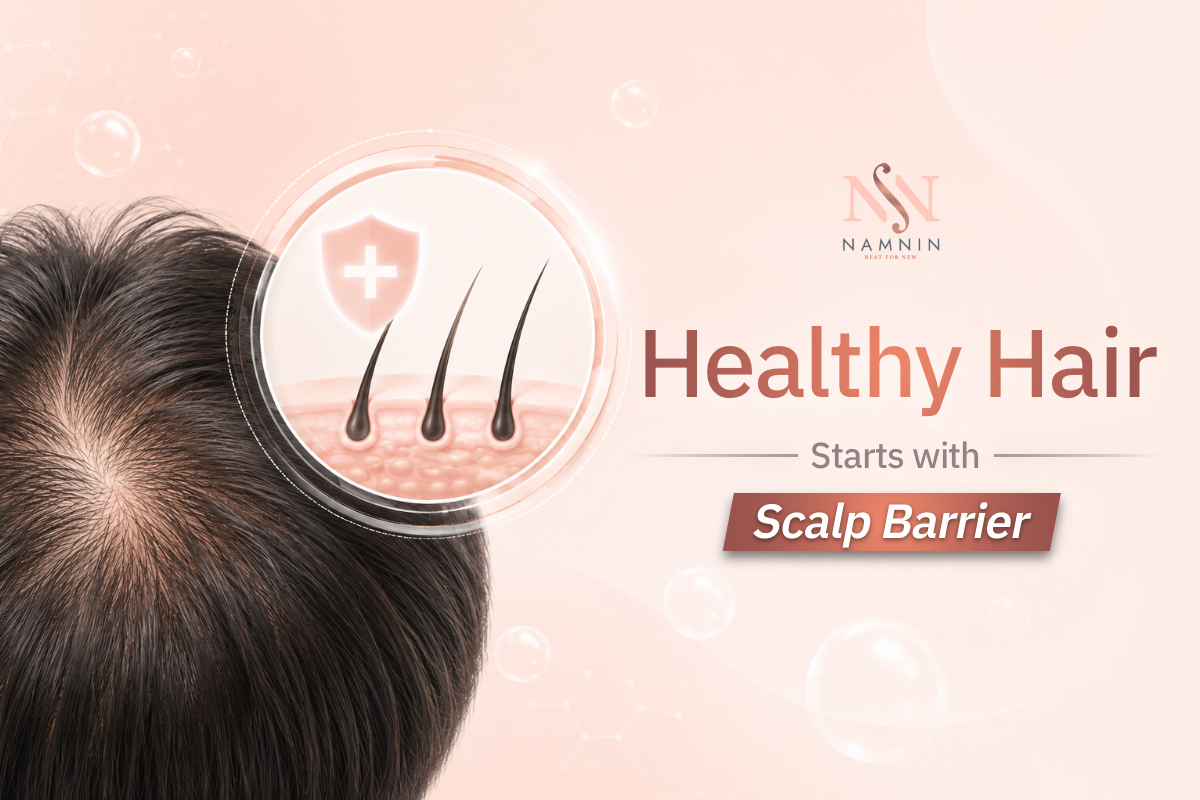
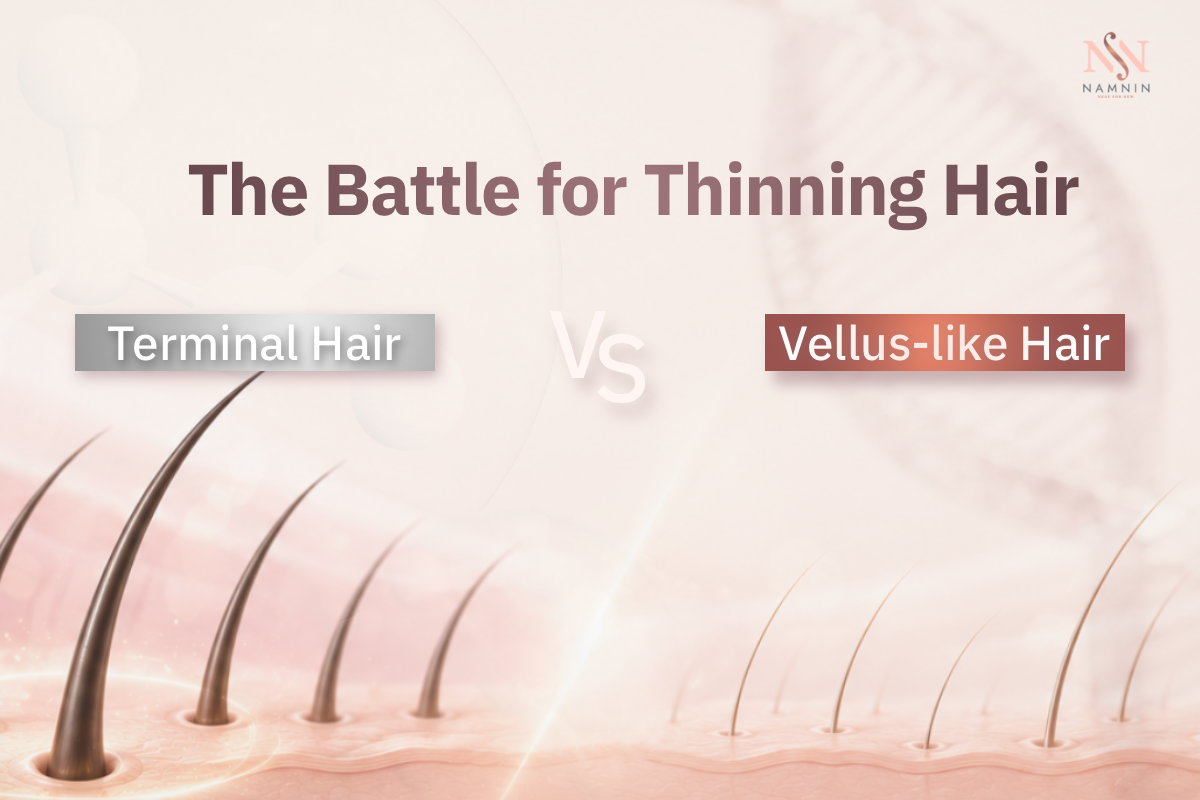
DHT originates from the hormone testosterone. Although testosterone is commonly known as a male sex hormone, it is also present in the female body. When testosterone is converted by an enzyme located in the scalp into DHT, or Dihydrotestosterone, it can cause the hair follicles in the central scalp area to become smaller. As a result, the hair that grows becomes finer, thinner, and shorter, making it more likely to shed prematurely. This eventually leads to thinning hair.
At the same time, women experiencing hair loss and thinning hair may also be affected by many other factors. These can include various hair care practices, such as straightening, perming, bleaching, and hair coloring, as well as excessive exposure of the hair to chemicals and heat. Improper methods of washing, drying, and combing the hair can also contribute to the problem. Some people may not consume enough nutritious foods to meet their nutritional needs. Others may experience accumulated stress, causing the body to produce the hormone cortisol, which can interfere with normal hair function and make the hair weaker. Some women may also experience changes in hormone levels, such as after childbirth, or experience increased hair loss as a side effect of certain underlying diseases.
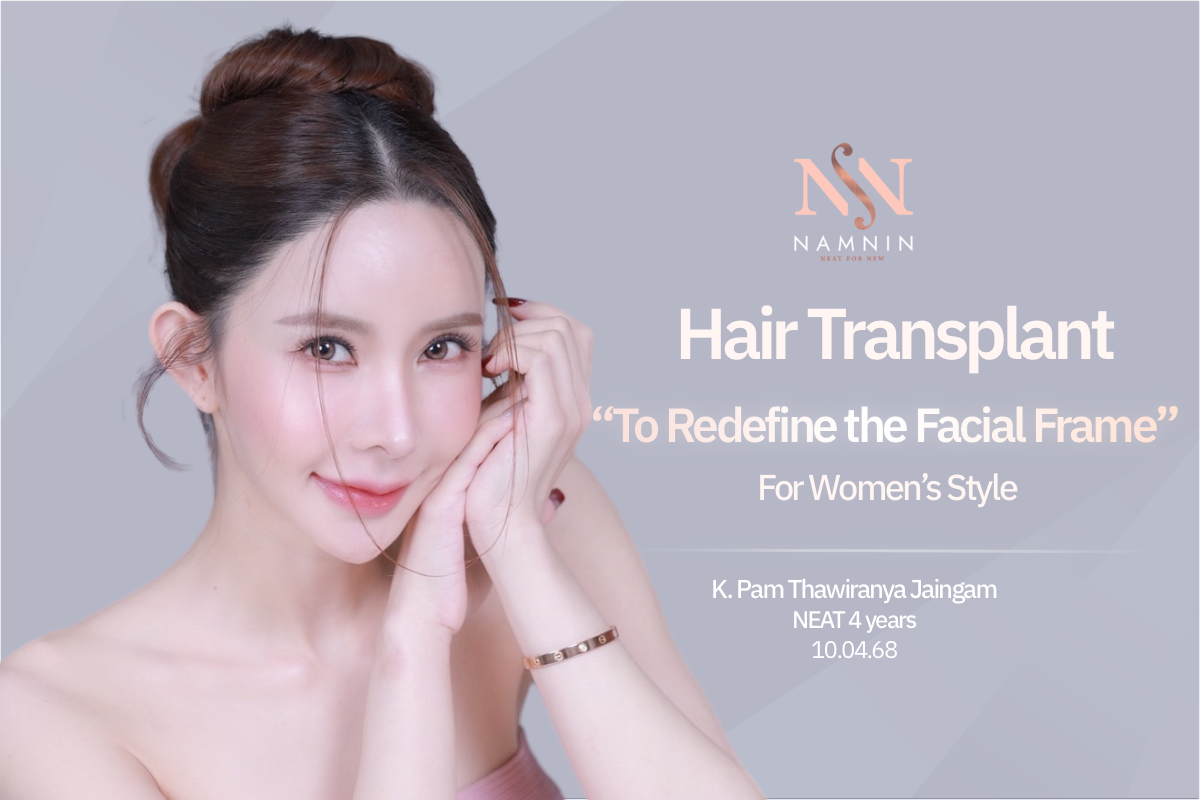
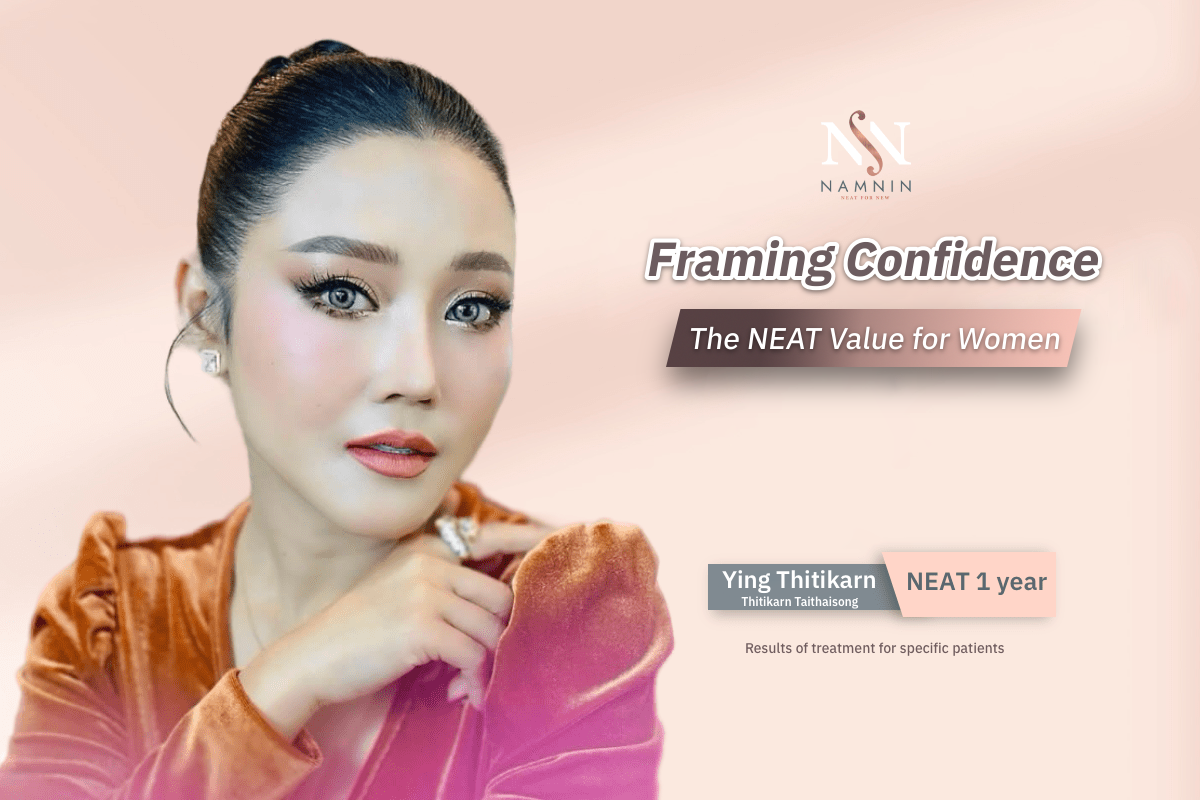
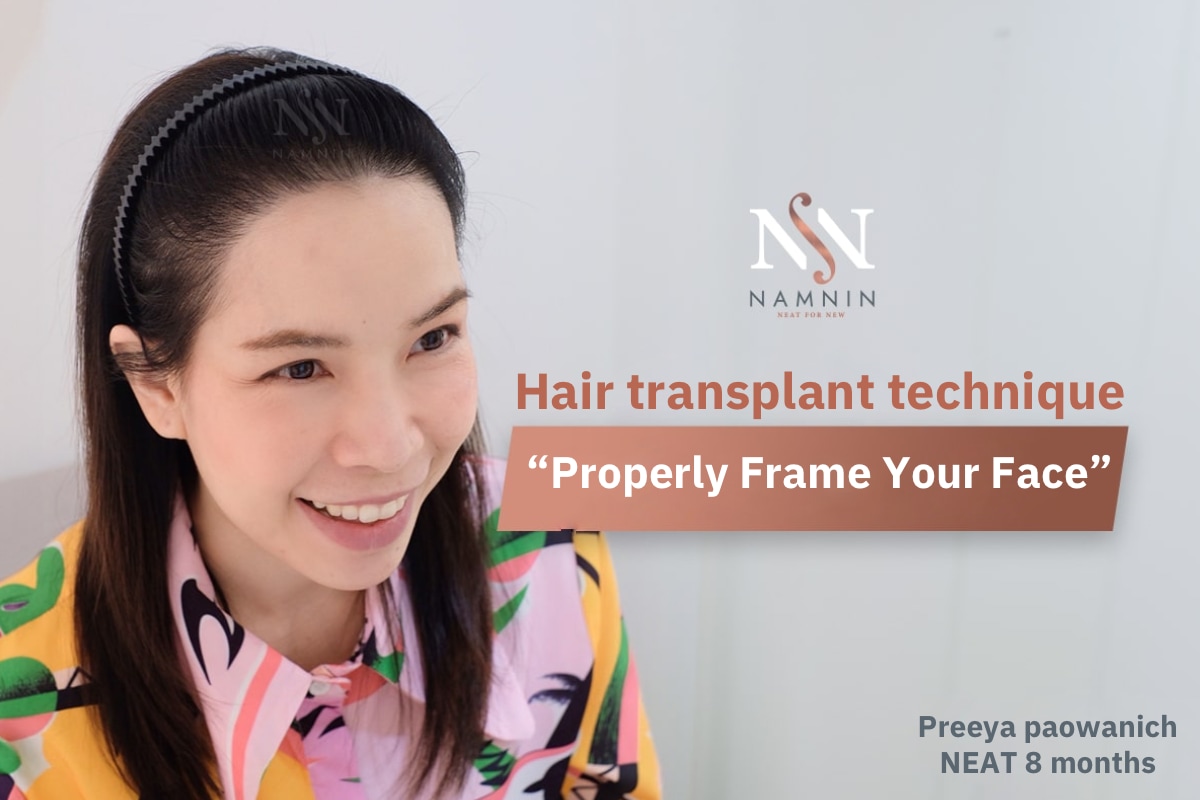
All of these factors show that hair loss and thinning hair are not only about the hair itself, but can also affect emotional well being. Hair is an important feature that frames the face. It helps enhance personal appearance, represents beauty, and reflects how much care a person gives to herself. It can also help women feel more confident as they go about their daily lives and interact with people in society. It is therefore understandable that women begin looking for ways to care for their hair, restore hair density, improve hair health, and regain their confidence.
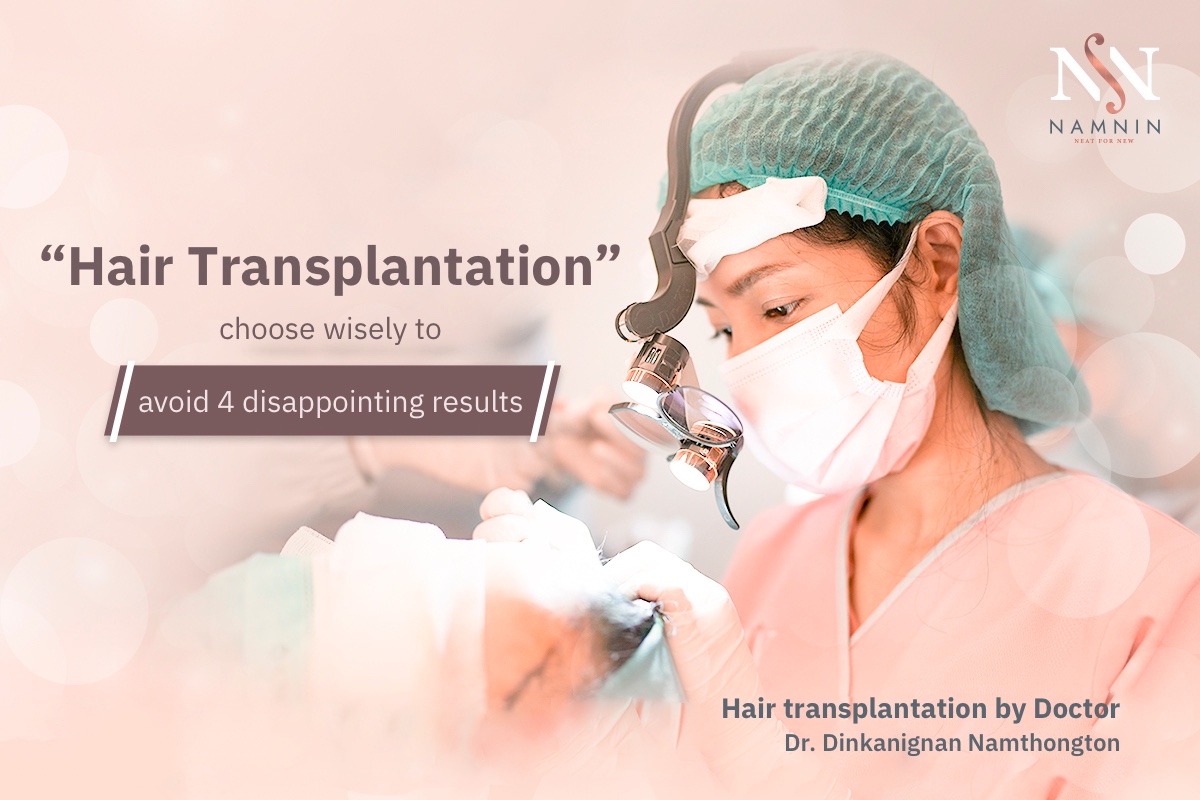
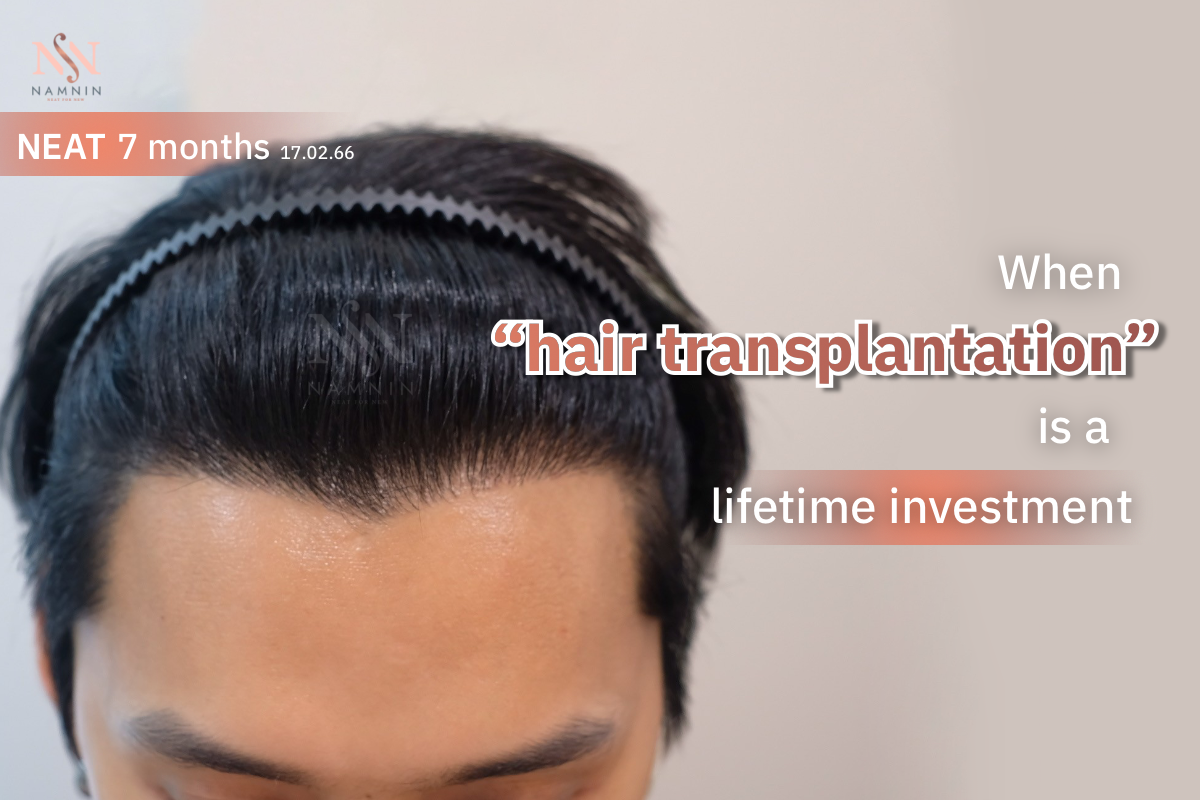
However, although more women are becoming interested in "hair transplantation," and hair transplantation is becoming increasingly popular among women of different ages, there is one small but important fact that women should not overlook. Hair transplantation may not necessarily be the most suitable solution for every woman.
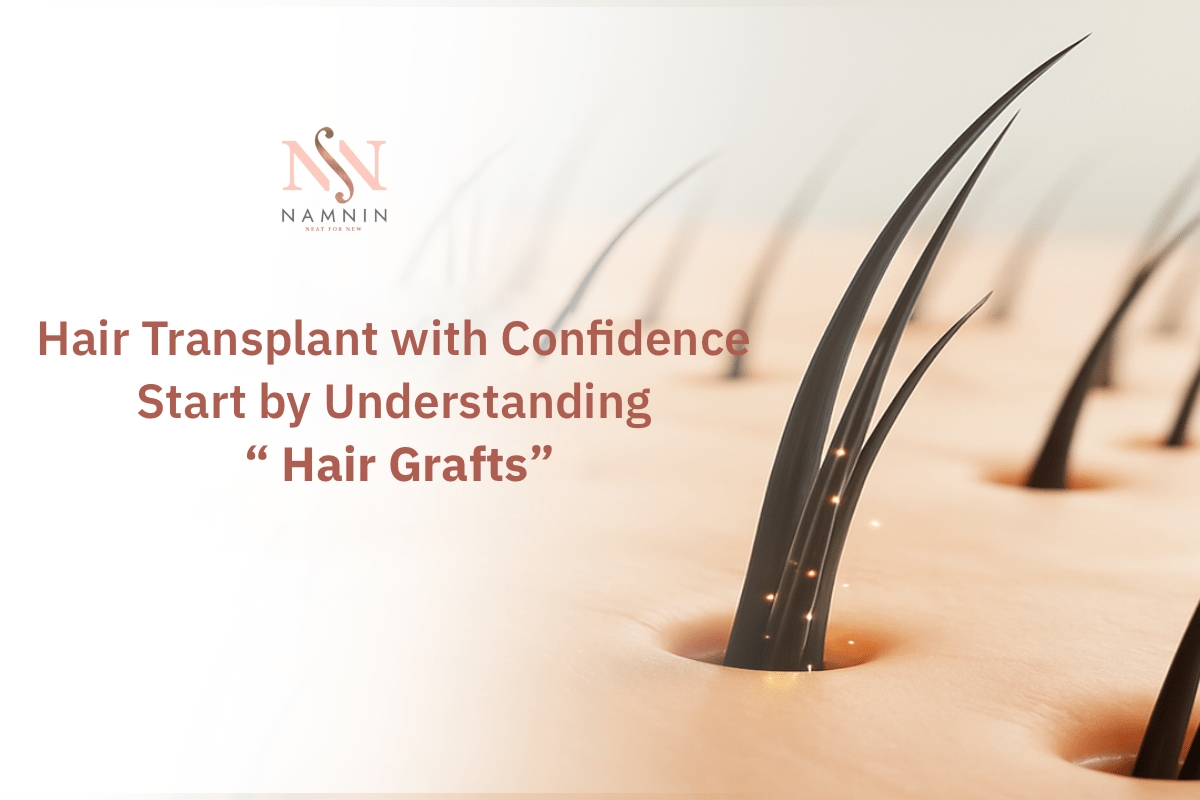
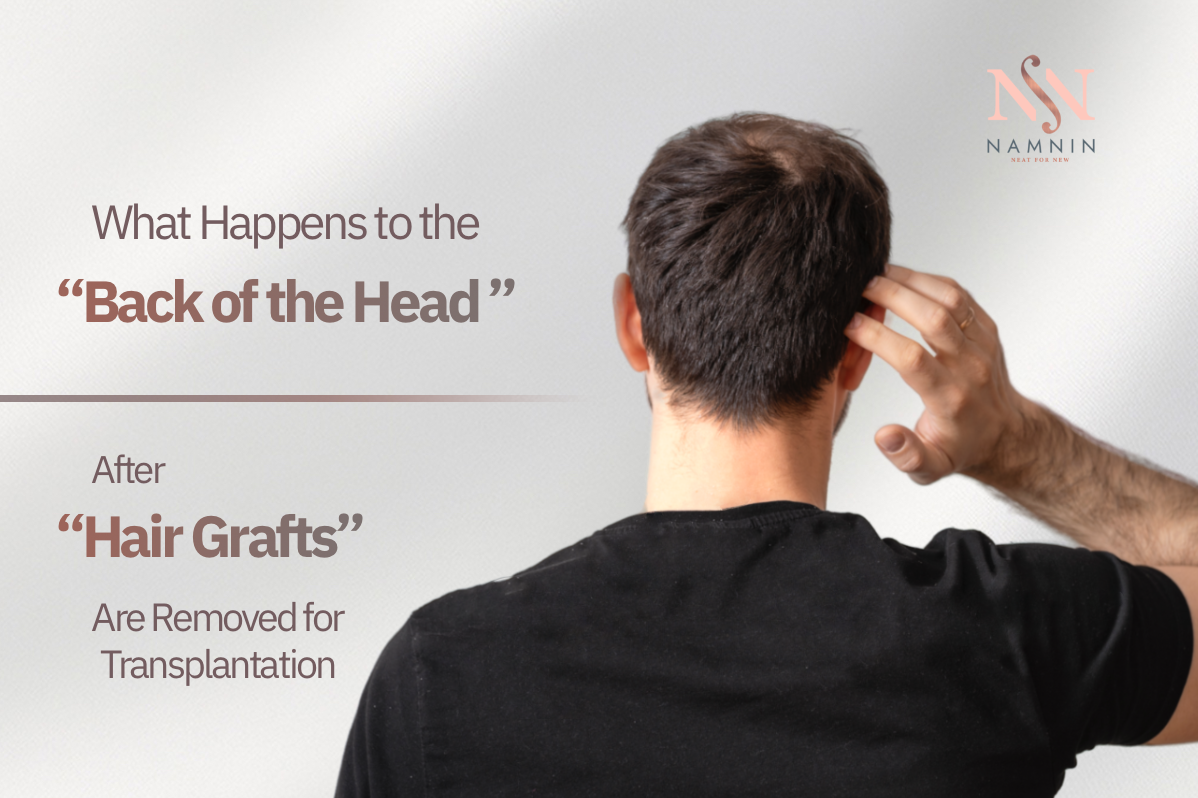
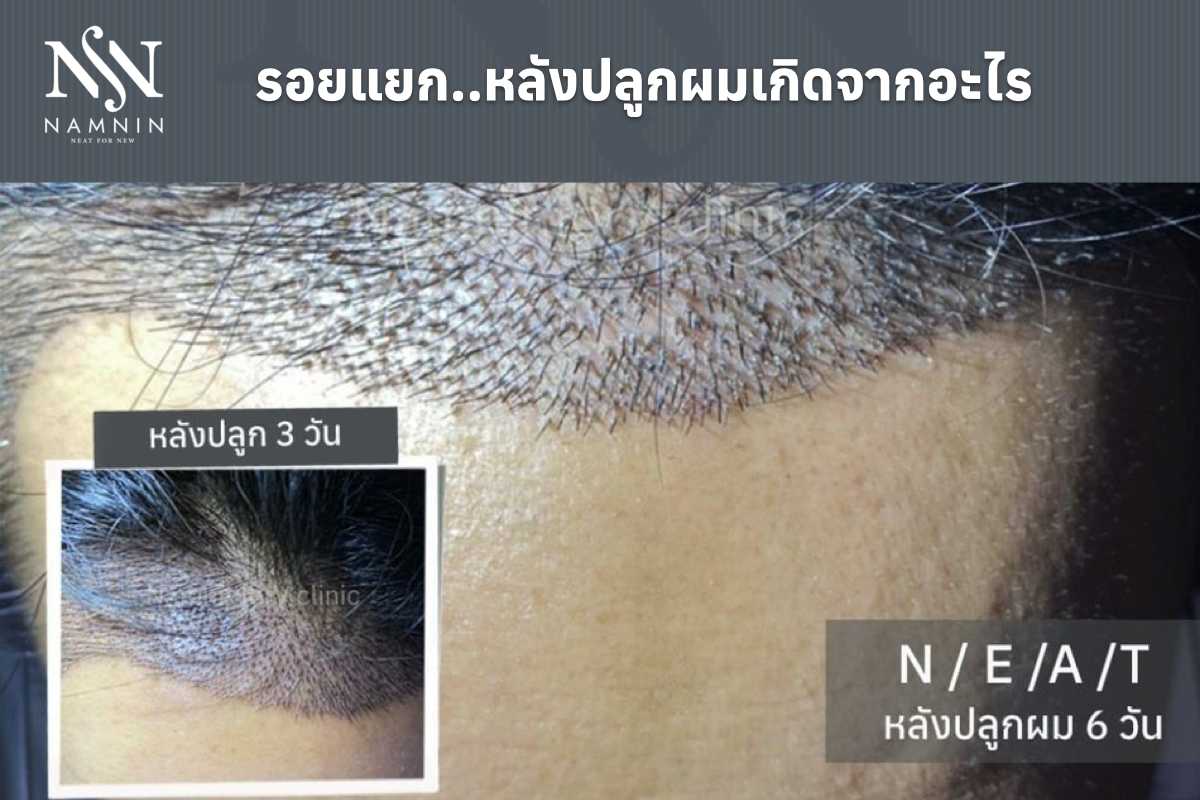
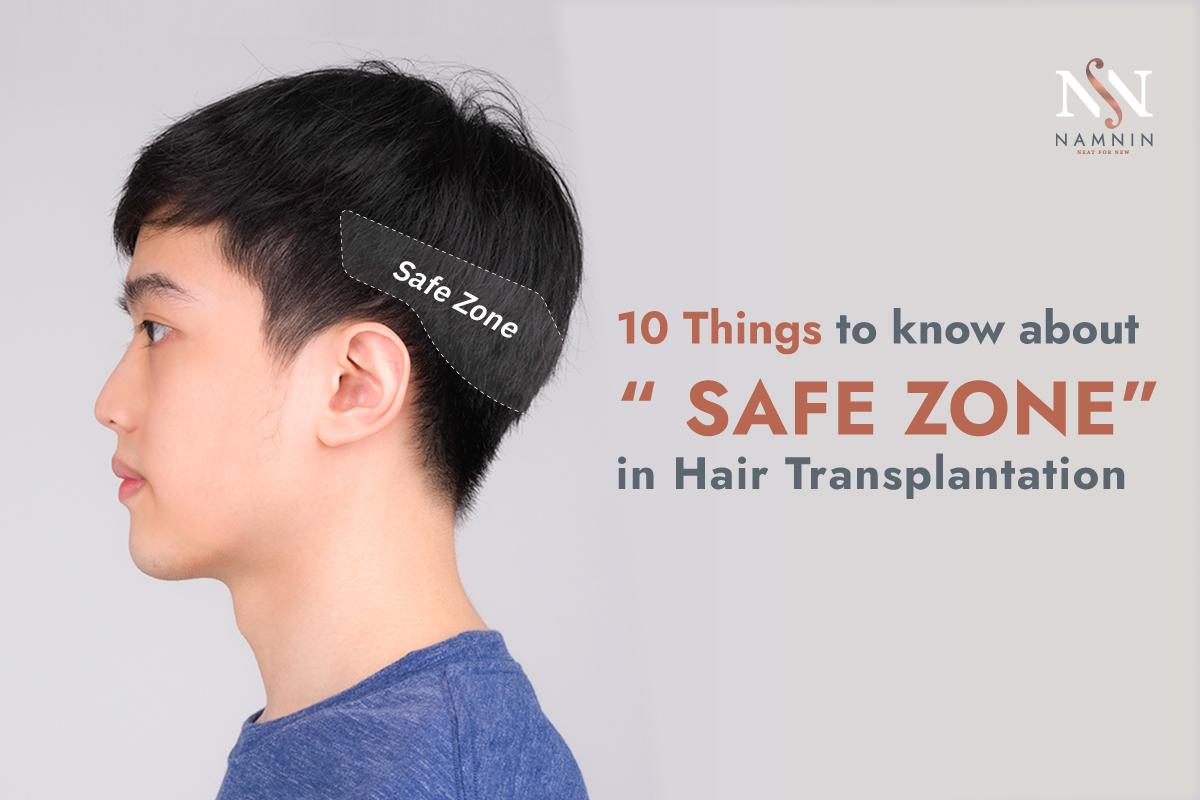
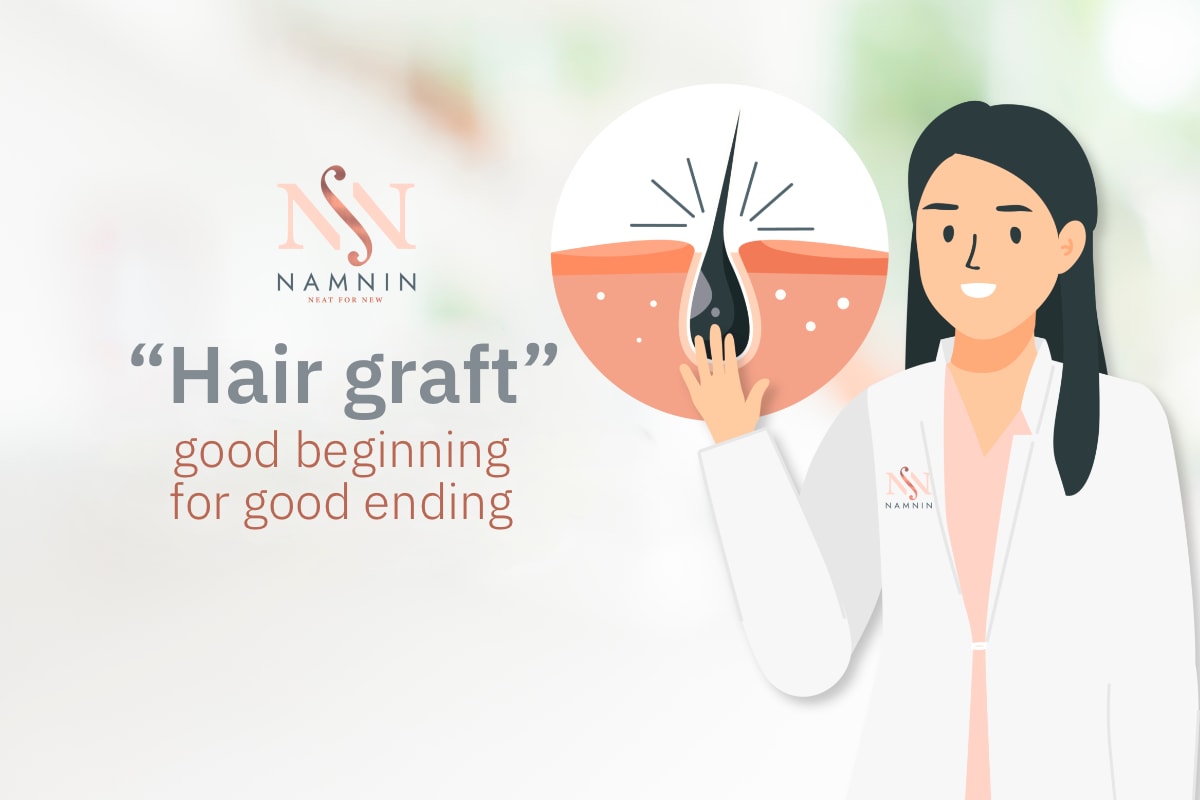
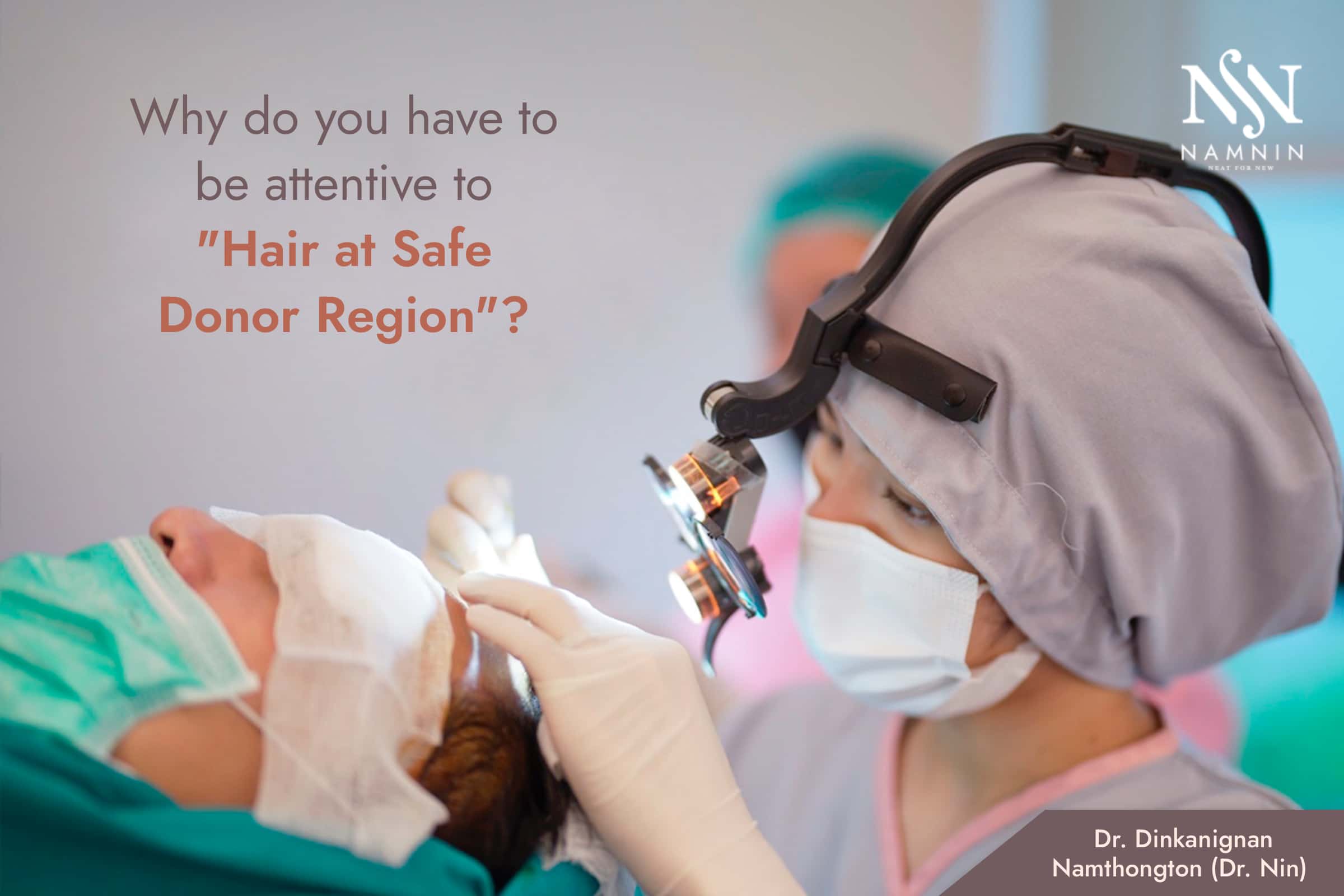
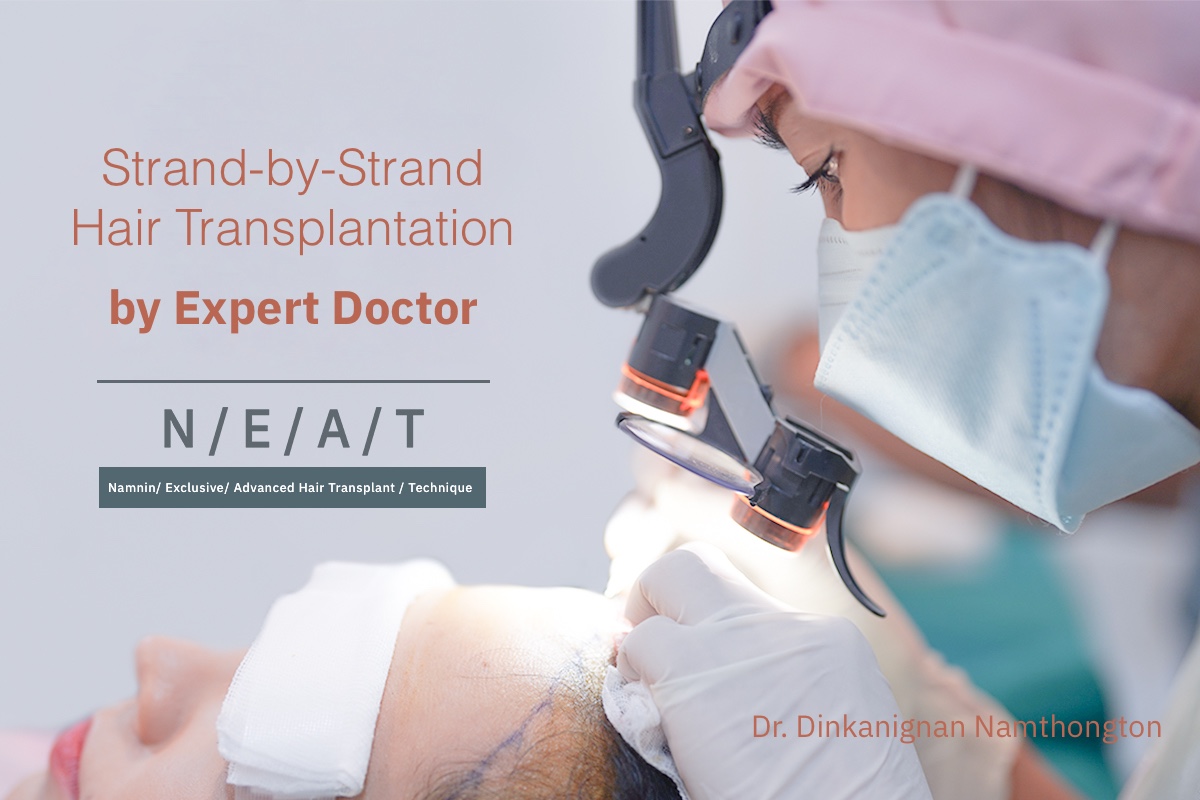
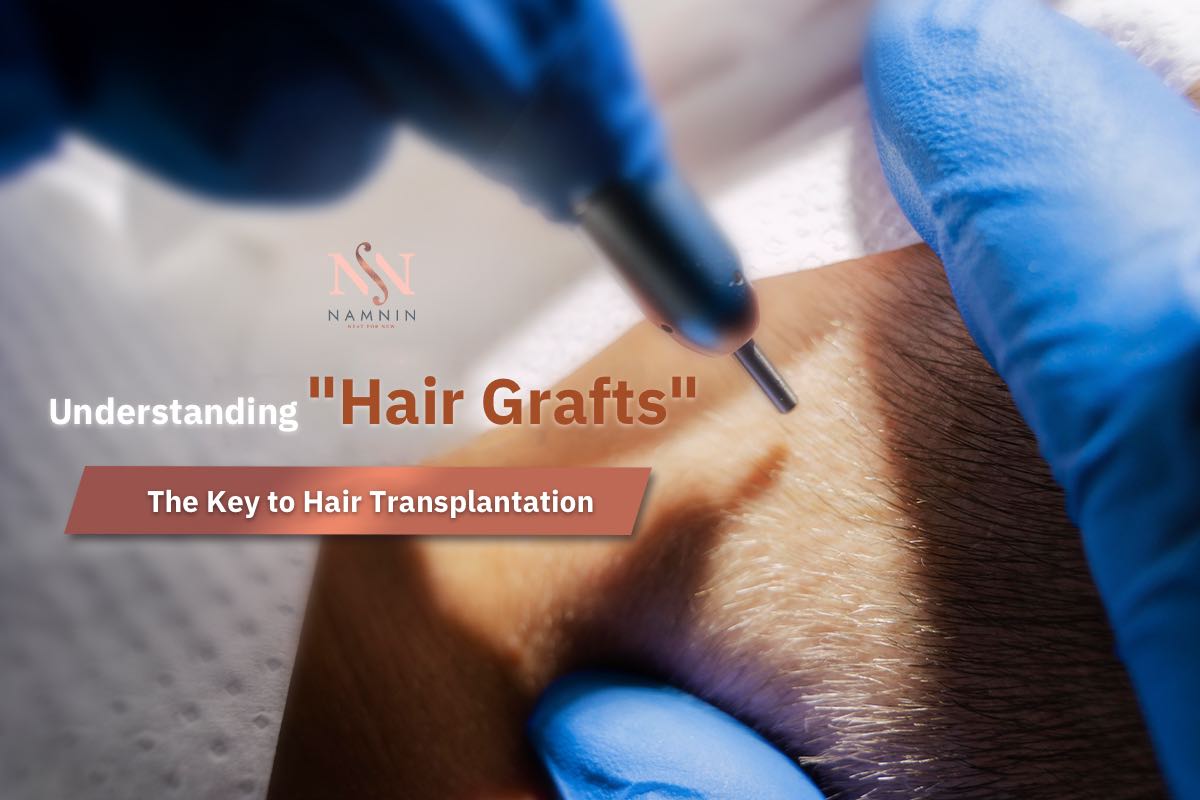
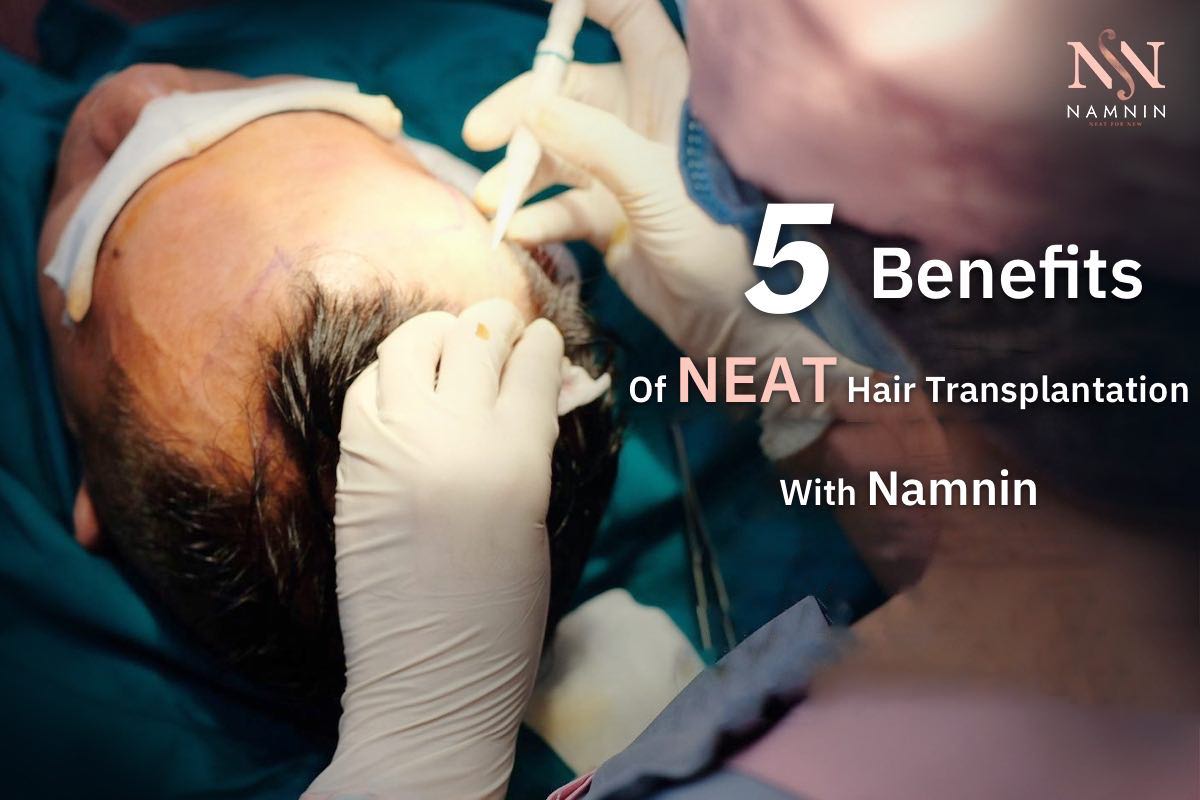
It is true that hair transplantation in men has a higher likelihood of success than hair transplantation in women. To understand why, it is important to first understand that hair transplantation involves extracting hair grafts from the back of the scalp and transplanting them into areas affected by hair loss, such as the frontal hairline or the central scalp. The key difference lies in the hair at the back of the scalp, which can be considered the "hair reserve." In men, this donor hair at the back of the scalp is generally referred to as the "Safe Zone" because the hair follicles in this area have a special characteristic that makes them resistant to the effects of DHT. This allows the hair to remain strong and less likely to fall out easily. Just observe men with severe baldness and you will often see that the hair at the back of the scalp tends to remain until the final stages.
Therefore, when hair from the Safe Zone is transplanted to another area, its characteristics of strength and resistance to hair loss are carried along with the transplanted hair. This gives the transplanted hair a higher chance of surviving and remaining permanently throughout the hair's life cycle.
For women, however, the story does not have such a happy ending!! Women do not have a Safe Zone. Simply put, the hair at the back of a woman's scalp does not have the same DHT resistant characteristics or the same resistance to hair loss. This means that even when hair from the back of a woman's scalp is transplanted to another area, there is still a risk that the transplanted hair may become weaker and shed more easily. As a result, the outcome may not be as favorable as it is in men. It may also mean using up the woman's limited donor hair at the back of the scalp for a transplant that may not provide sufficient value in return.
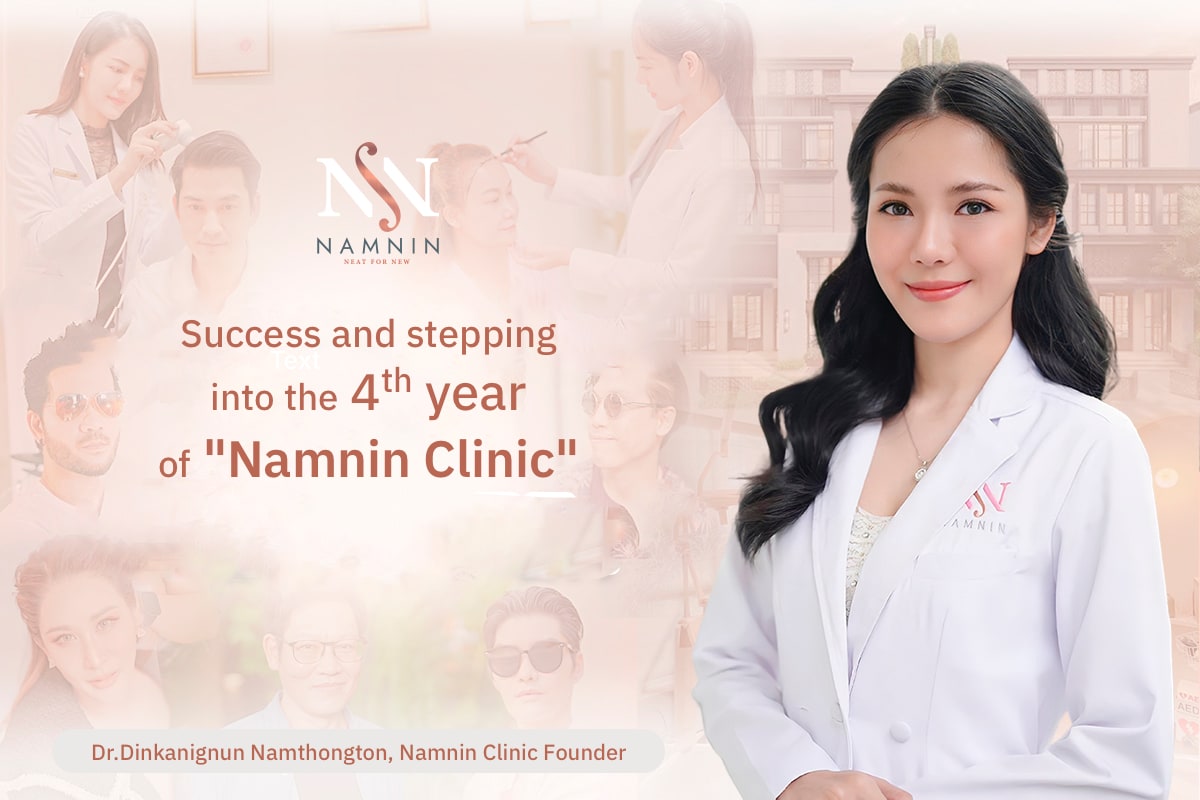
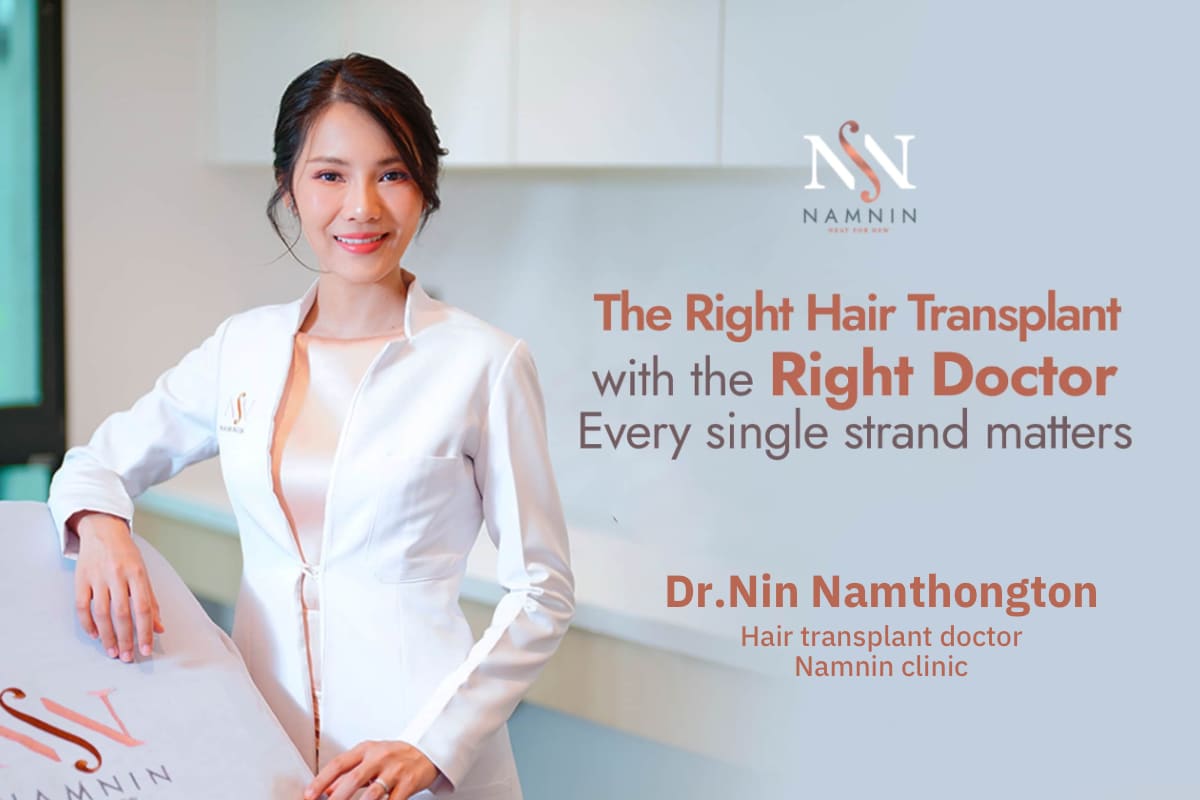
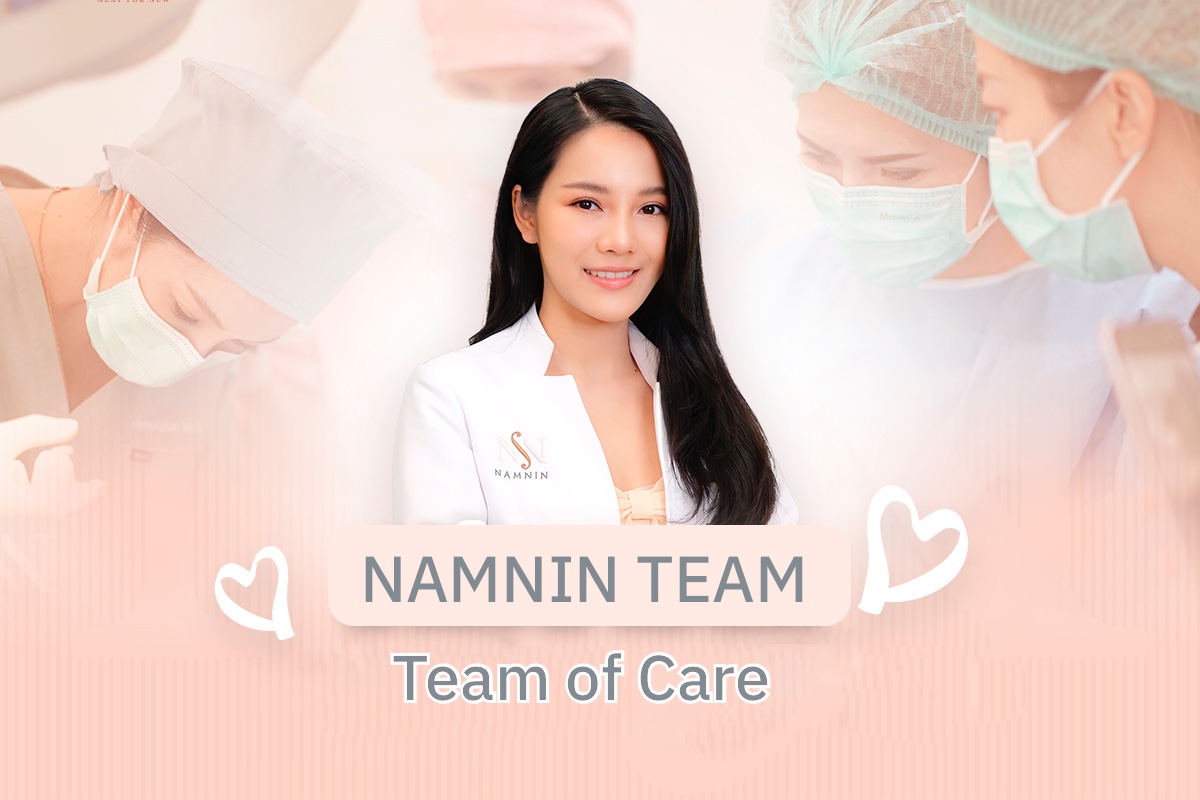
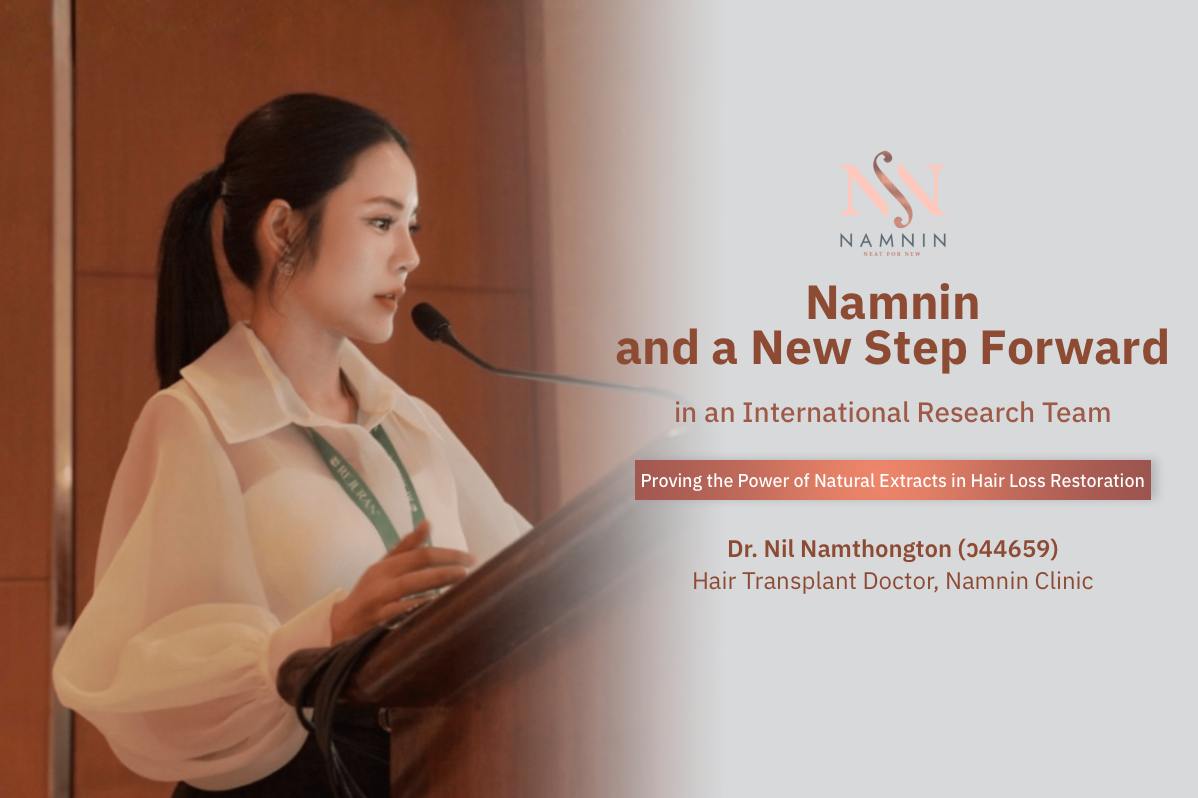
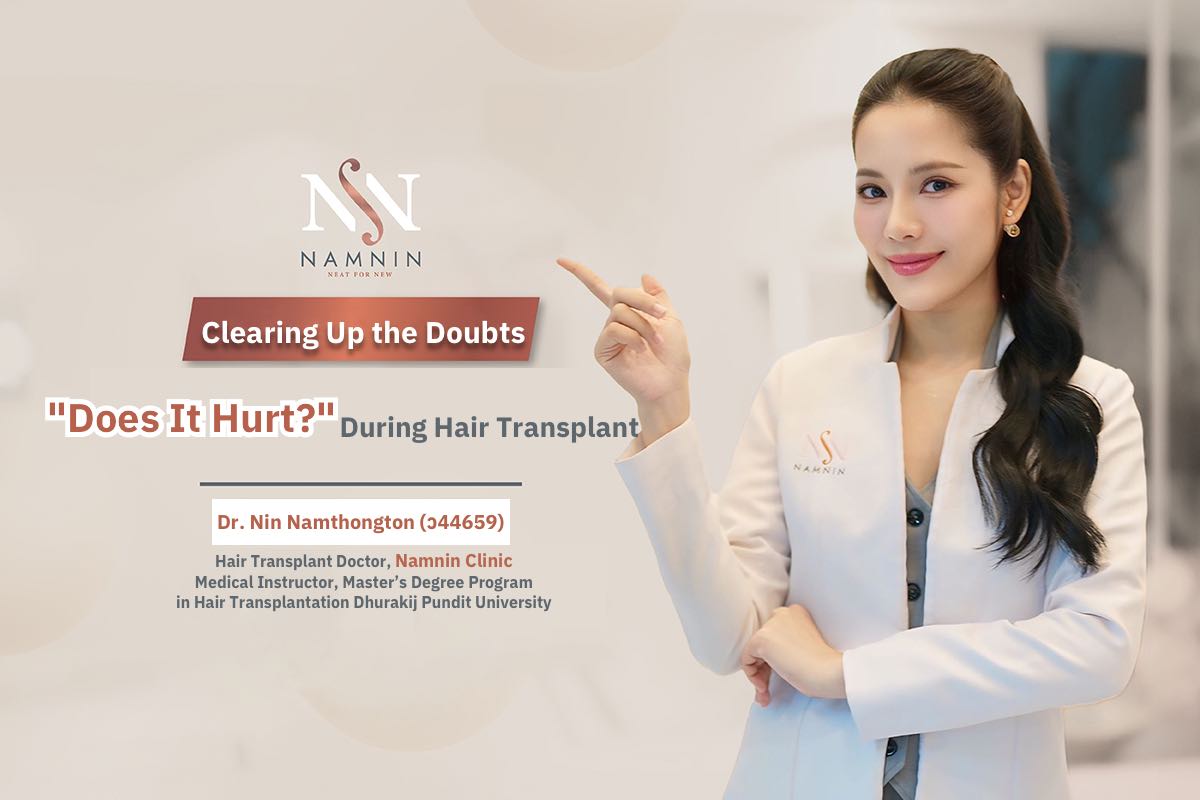
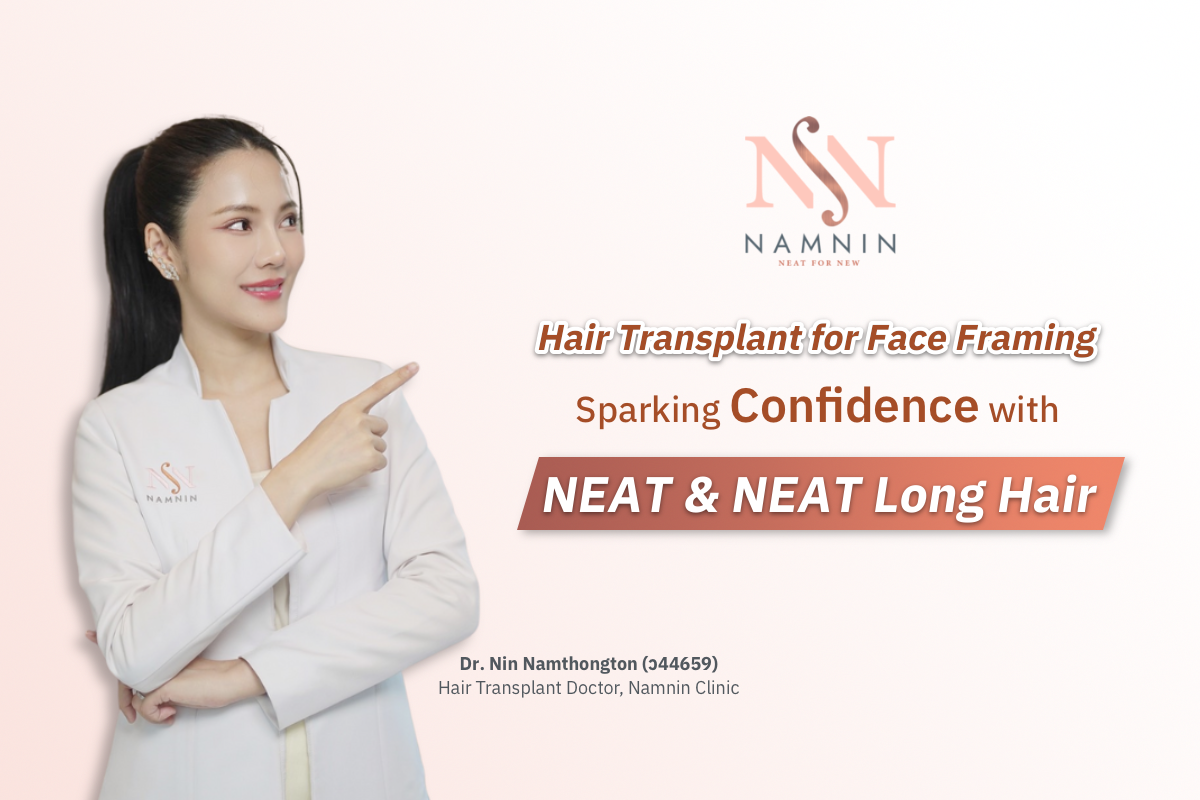
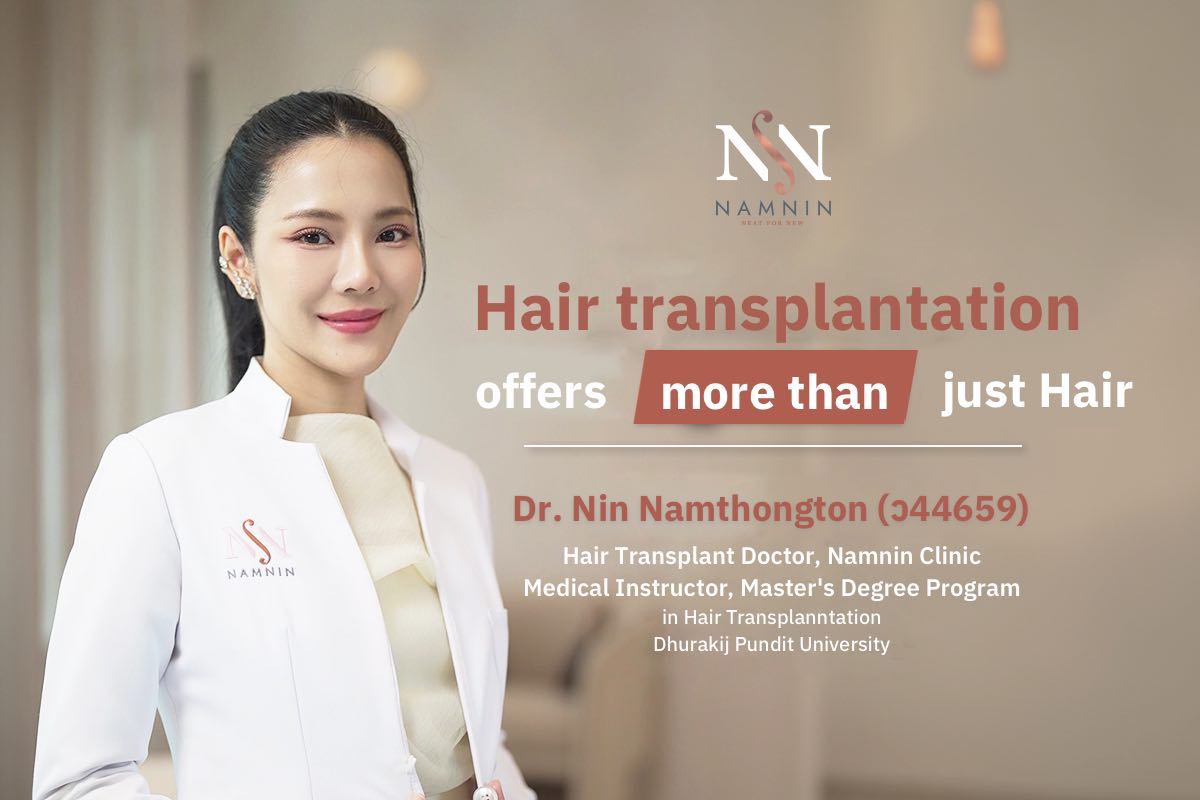
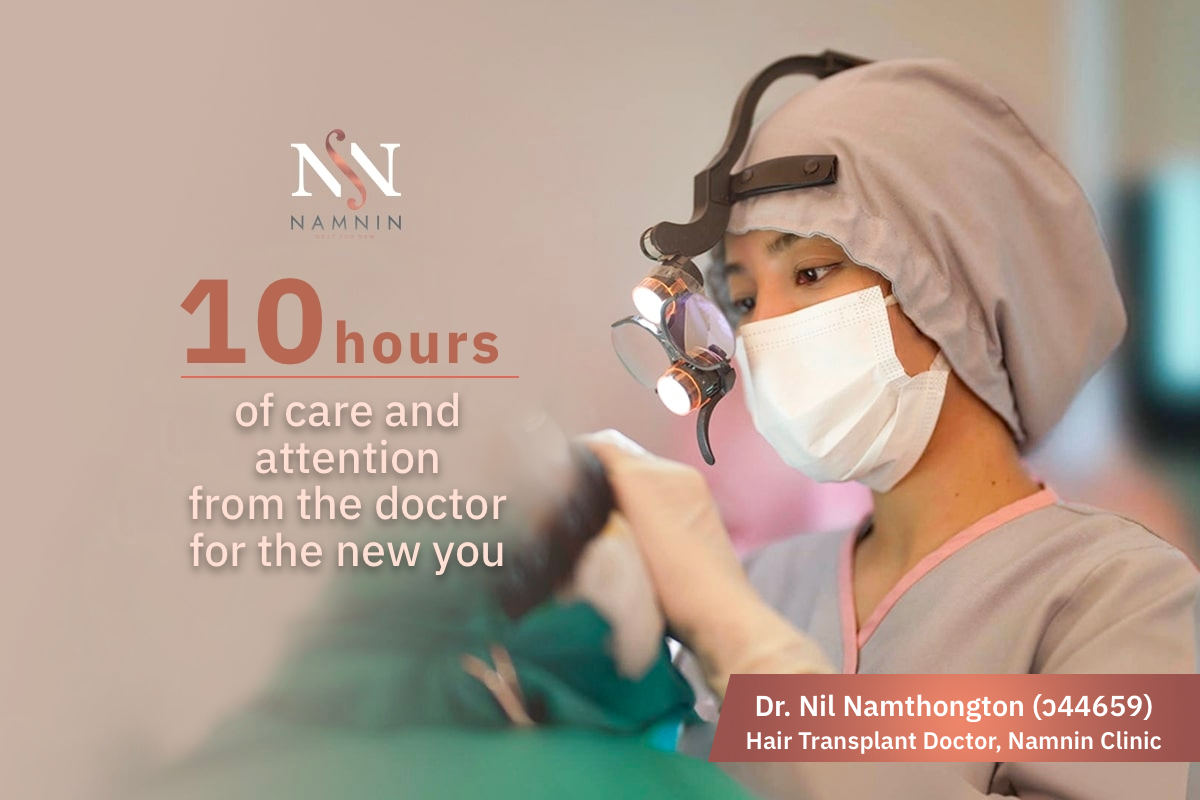
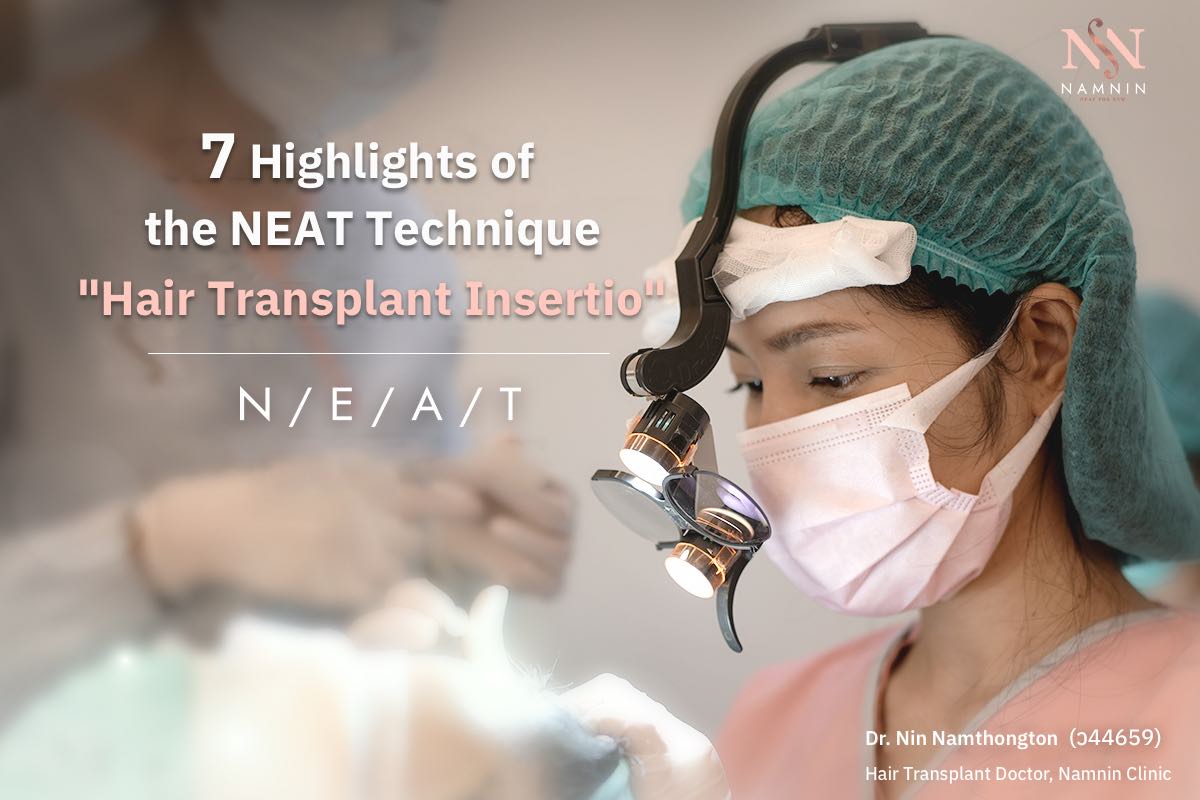
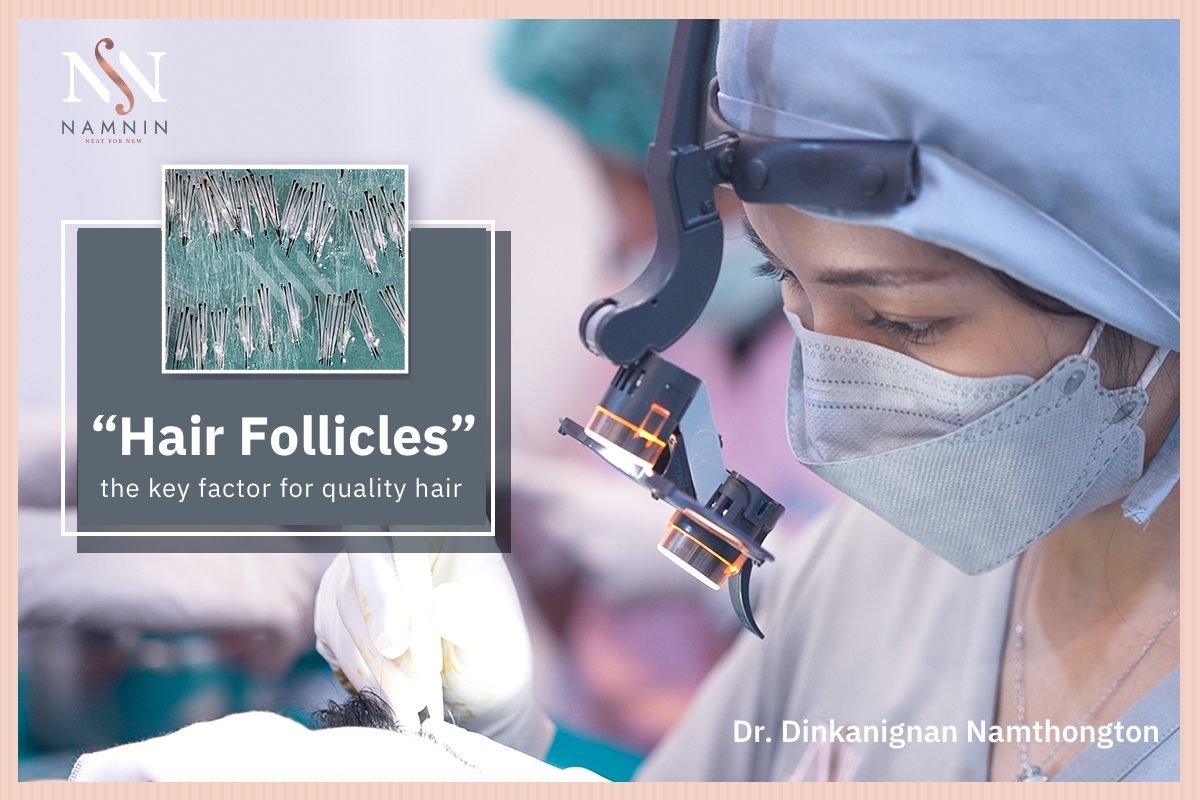
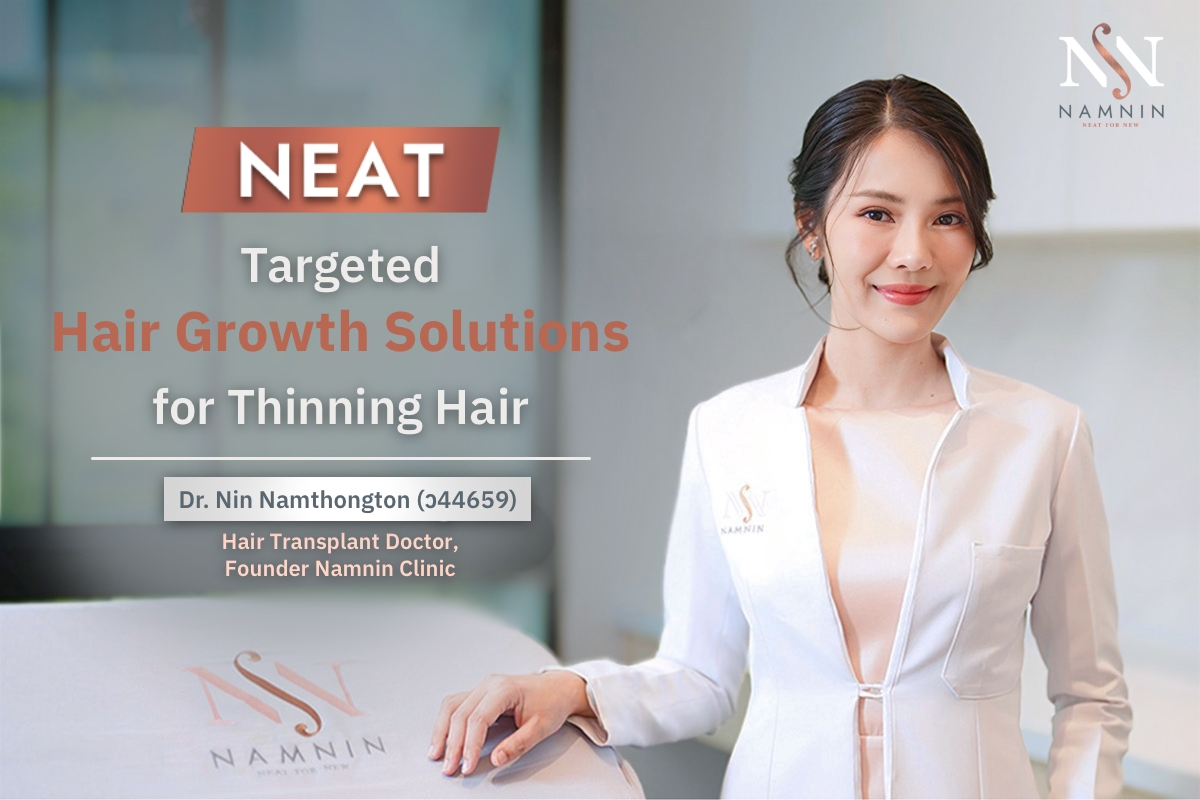
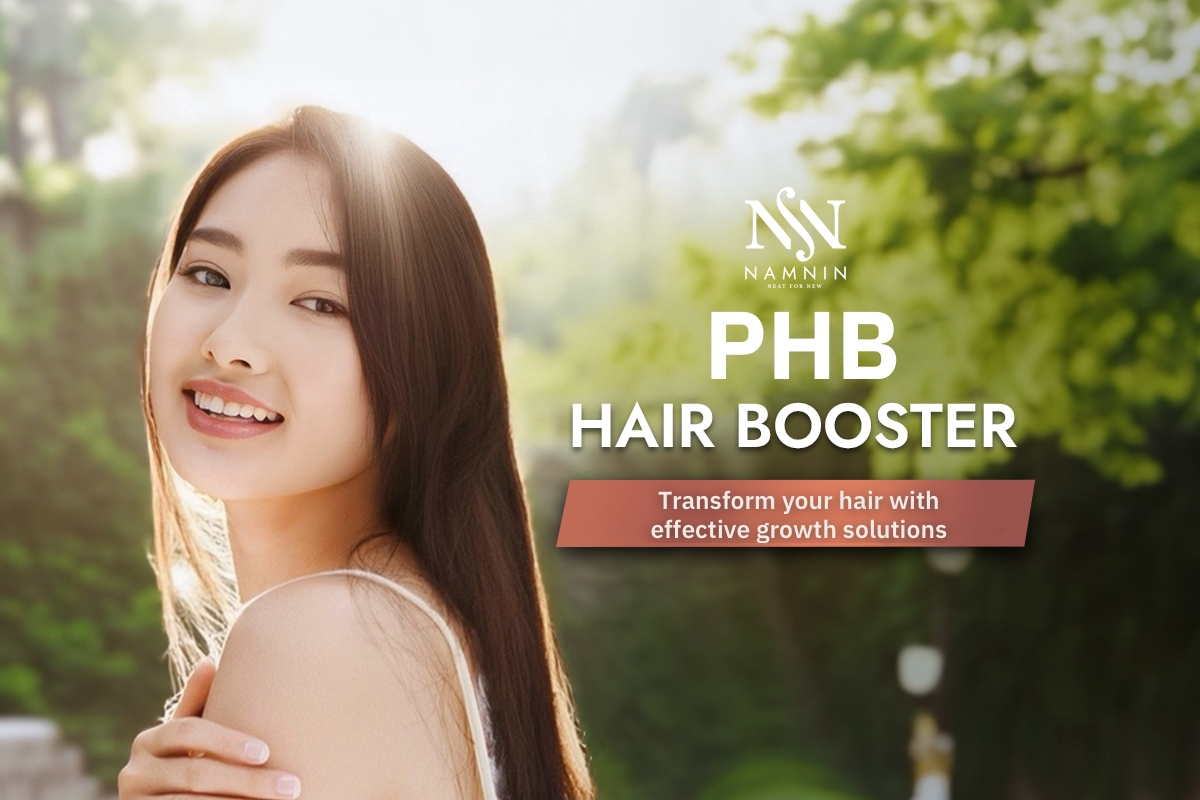
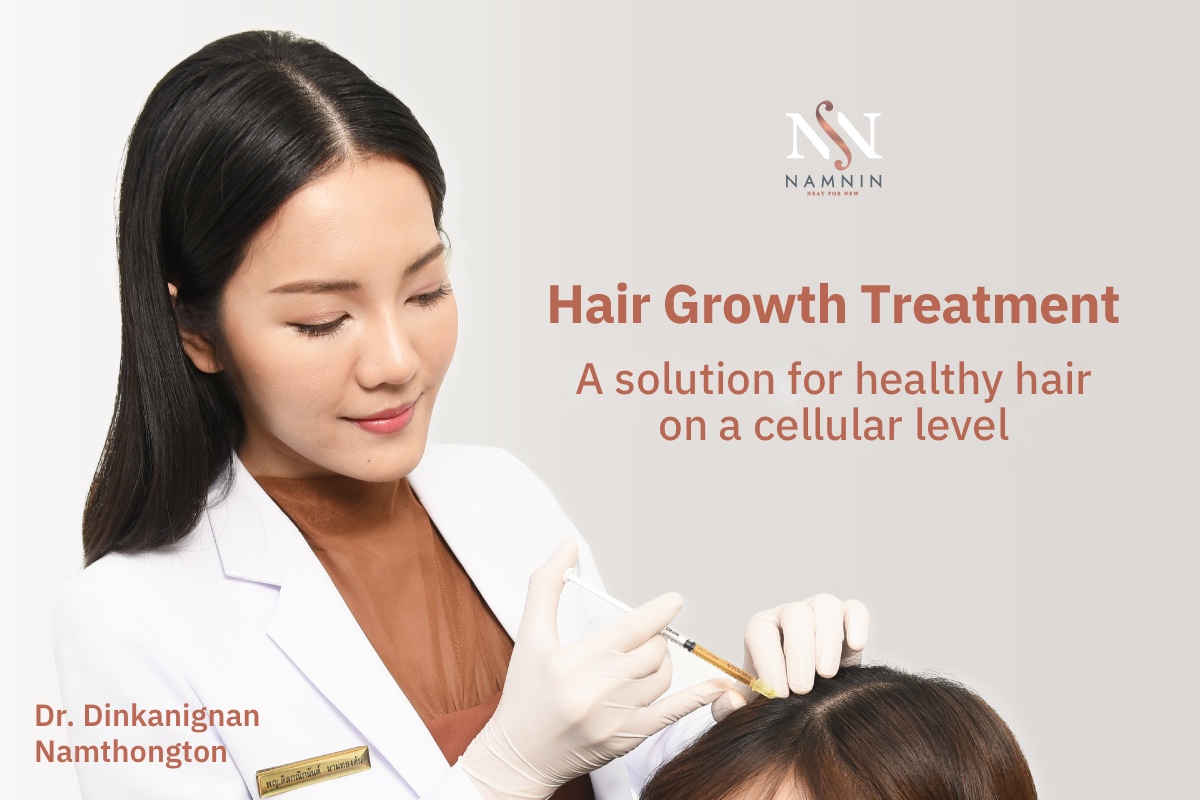
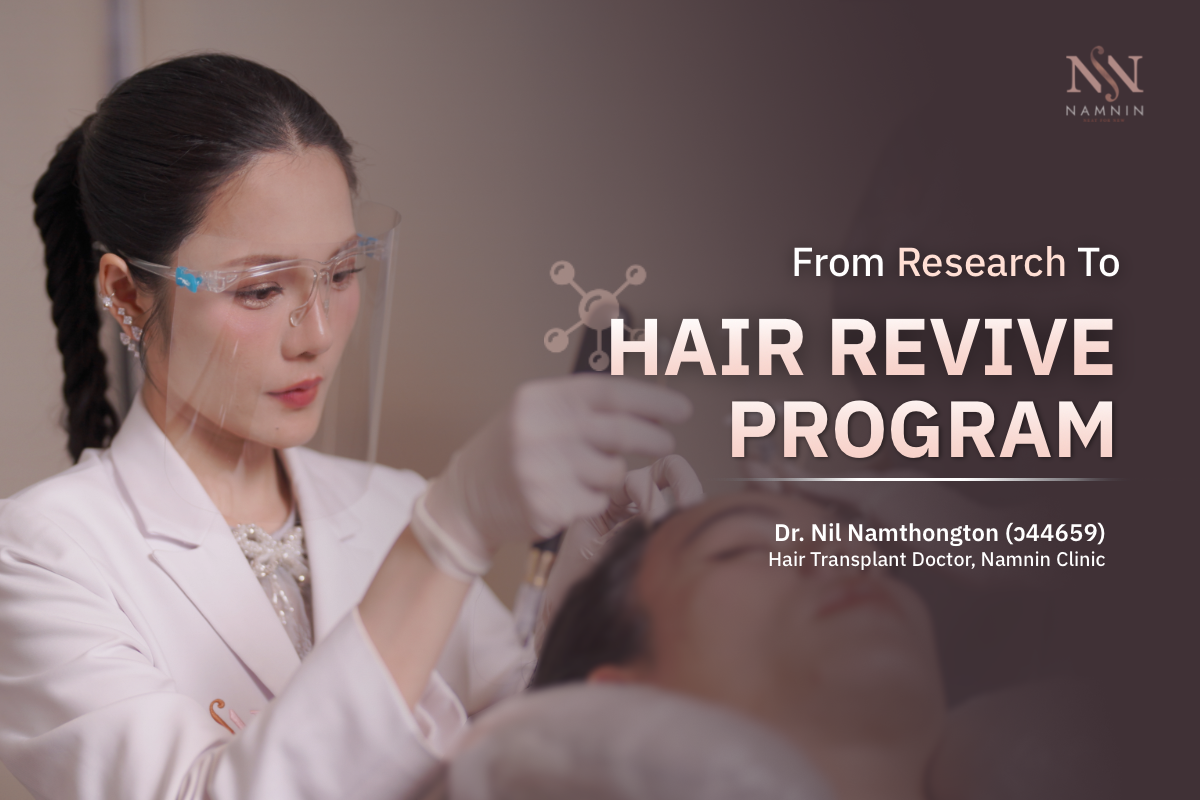
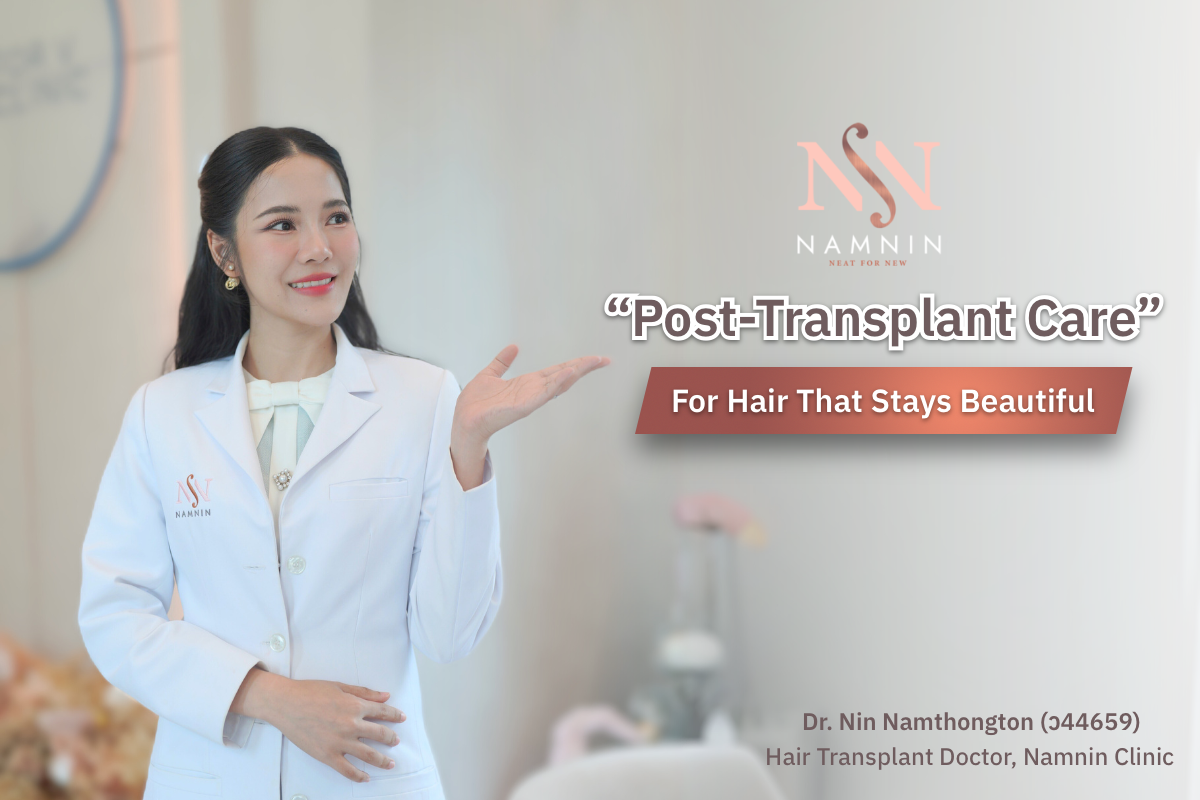
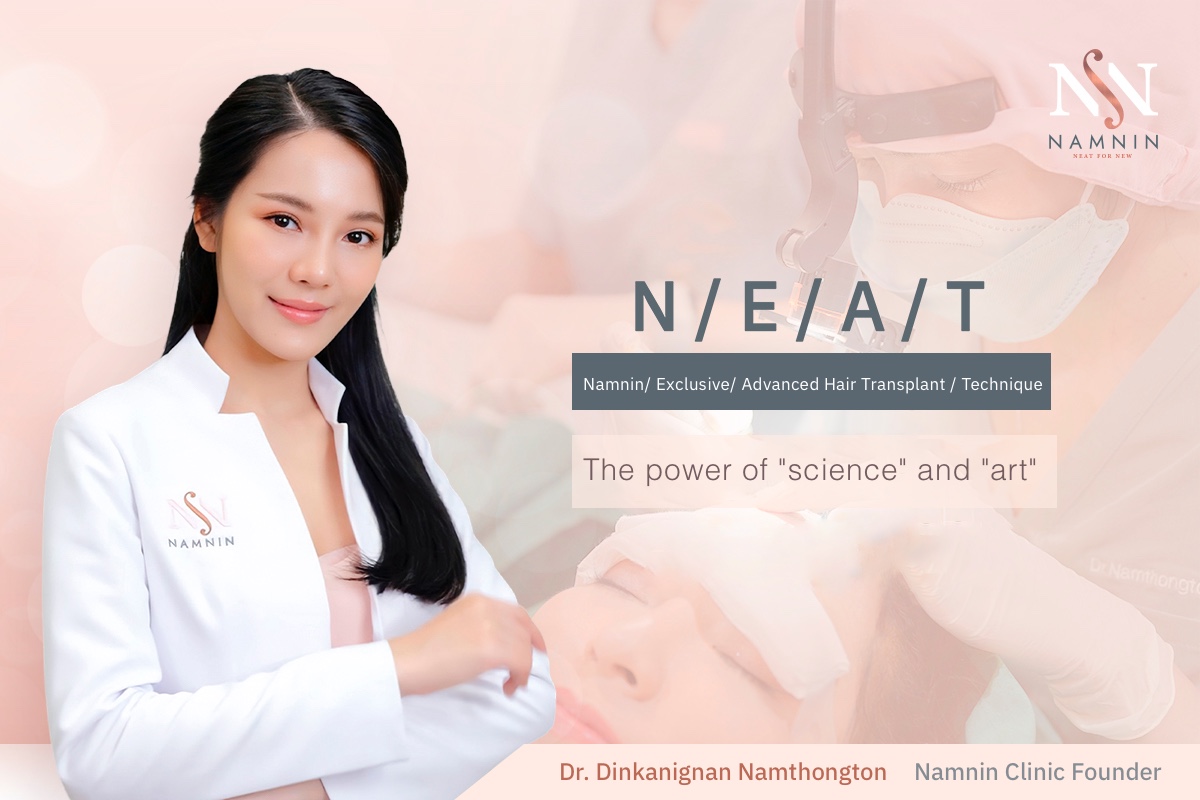
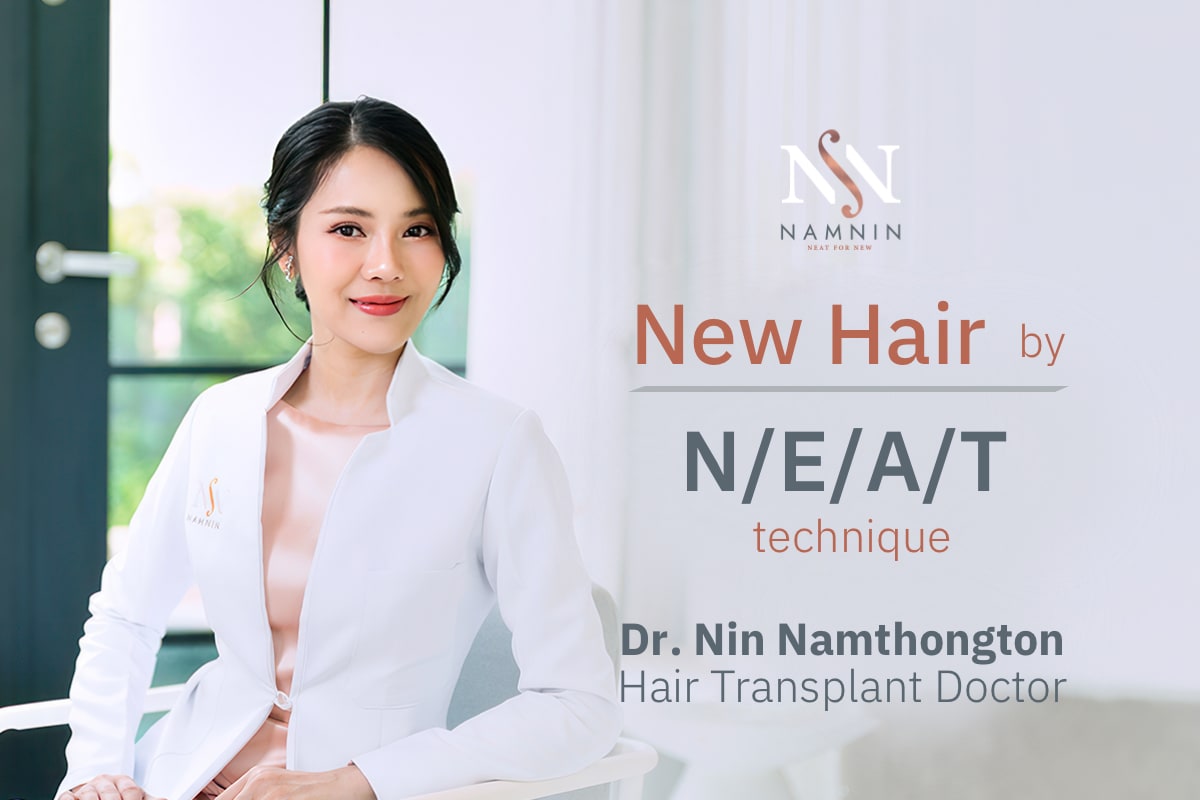
This is why Dr. Nin, Dr. Nil Namthomgton, who has a deep understanding of women's hair loss concerns, has continuously worked to develop different treatment approaches as alternative solutions for women with thinning hair beyond hair transplantation. This led to the development of PHB Treatment, a hair and scalp nourishing injection treatment formulated by Namnin Clinic. What makes this treatment special is that Dr. Nin first tried it on herself and achieved satisfactory results before beginning to offer the treatment to people who want to care for their hair.
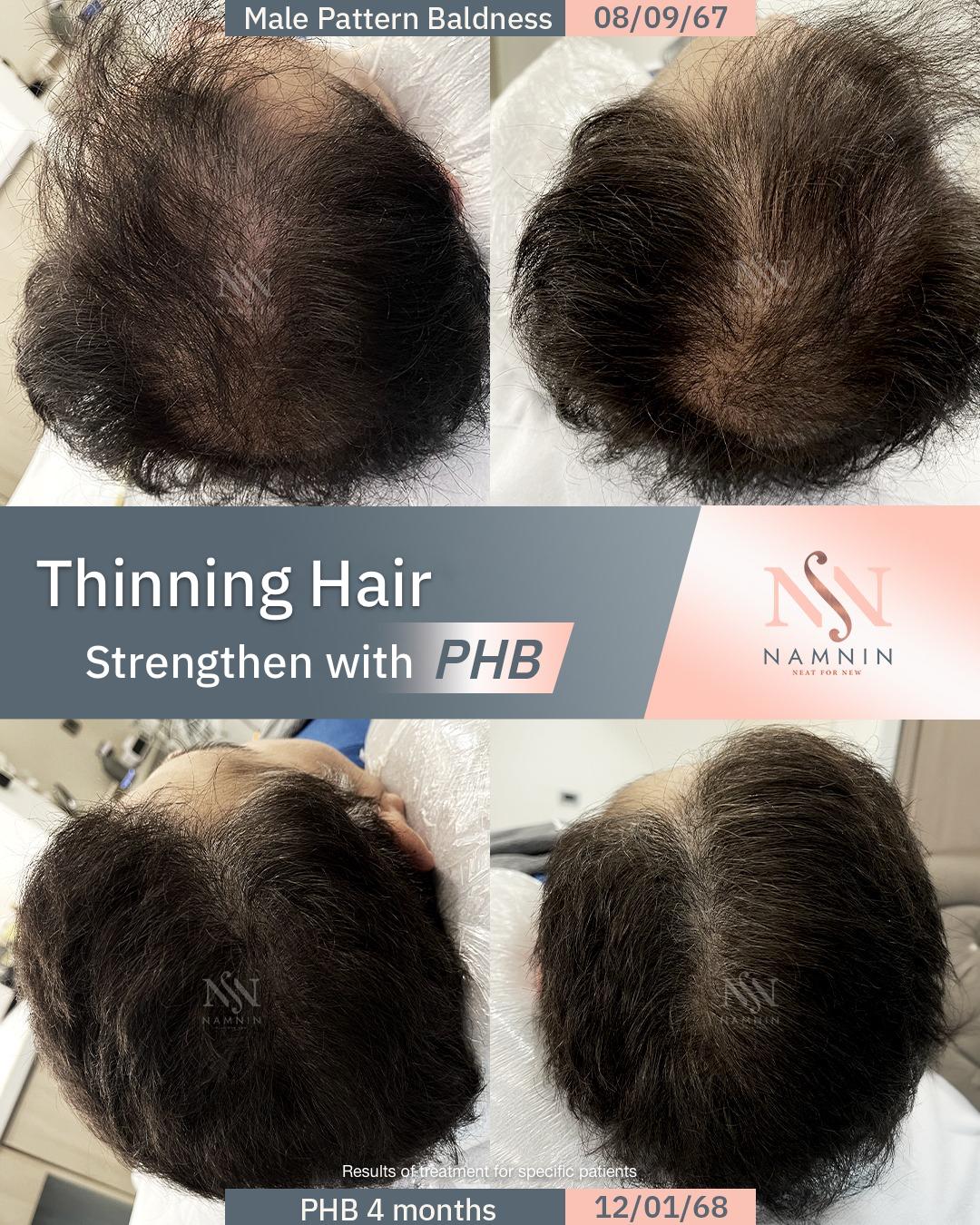
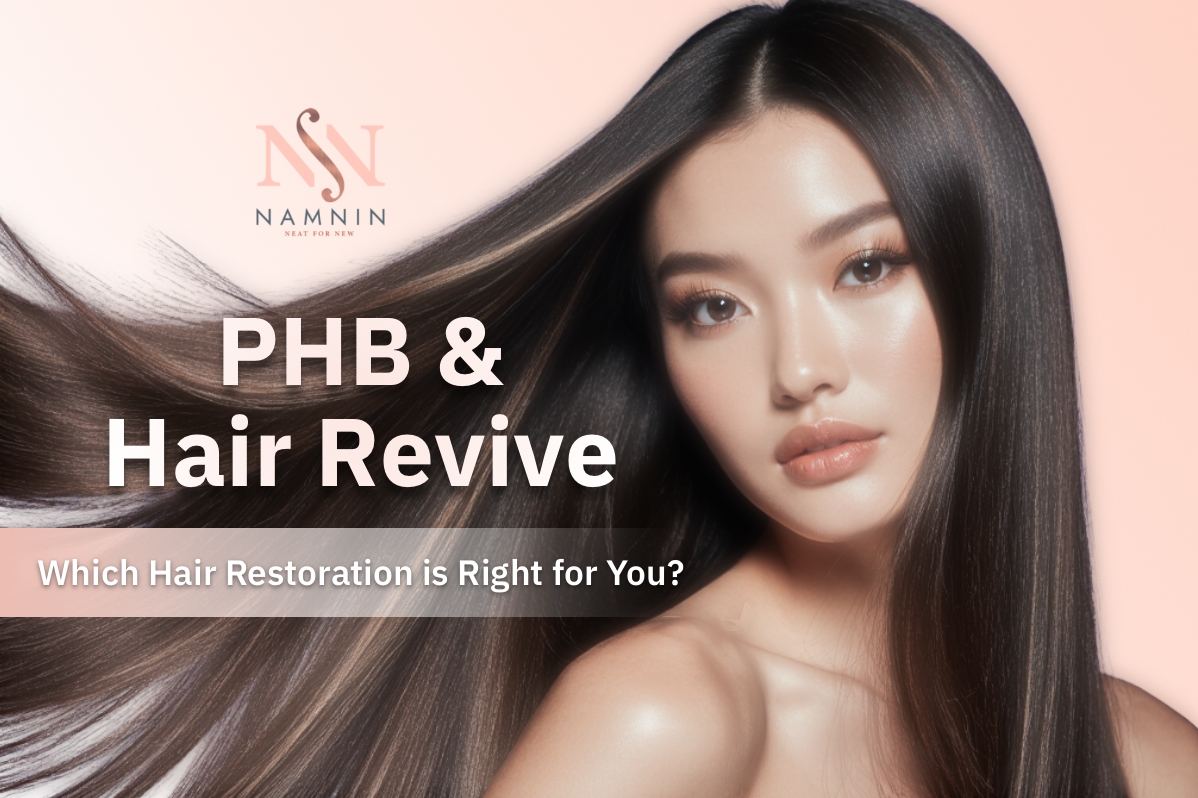
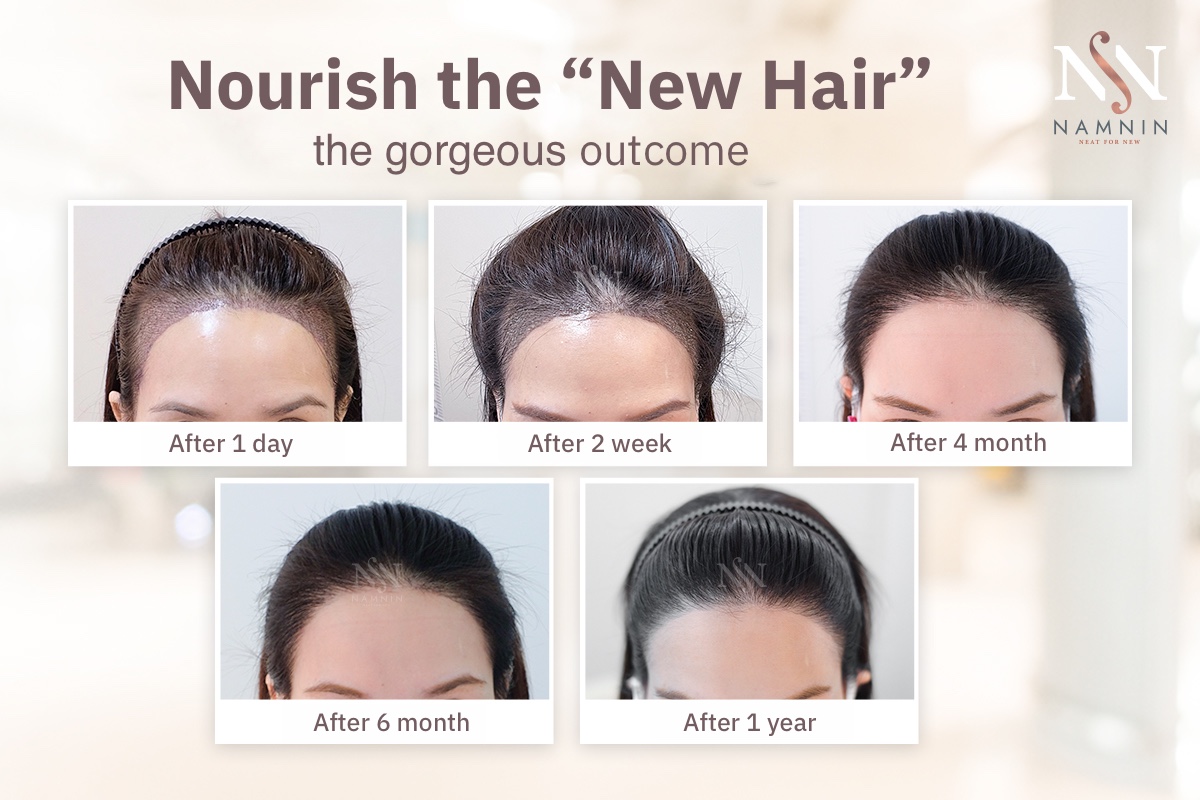
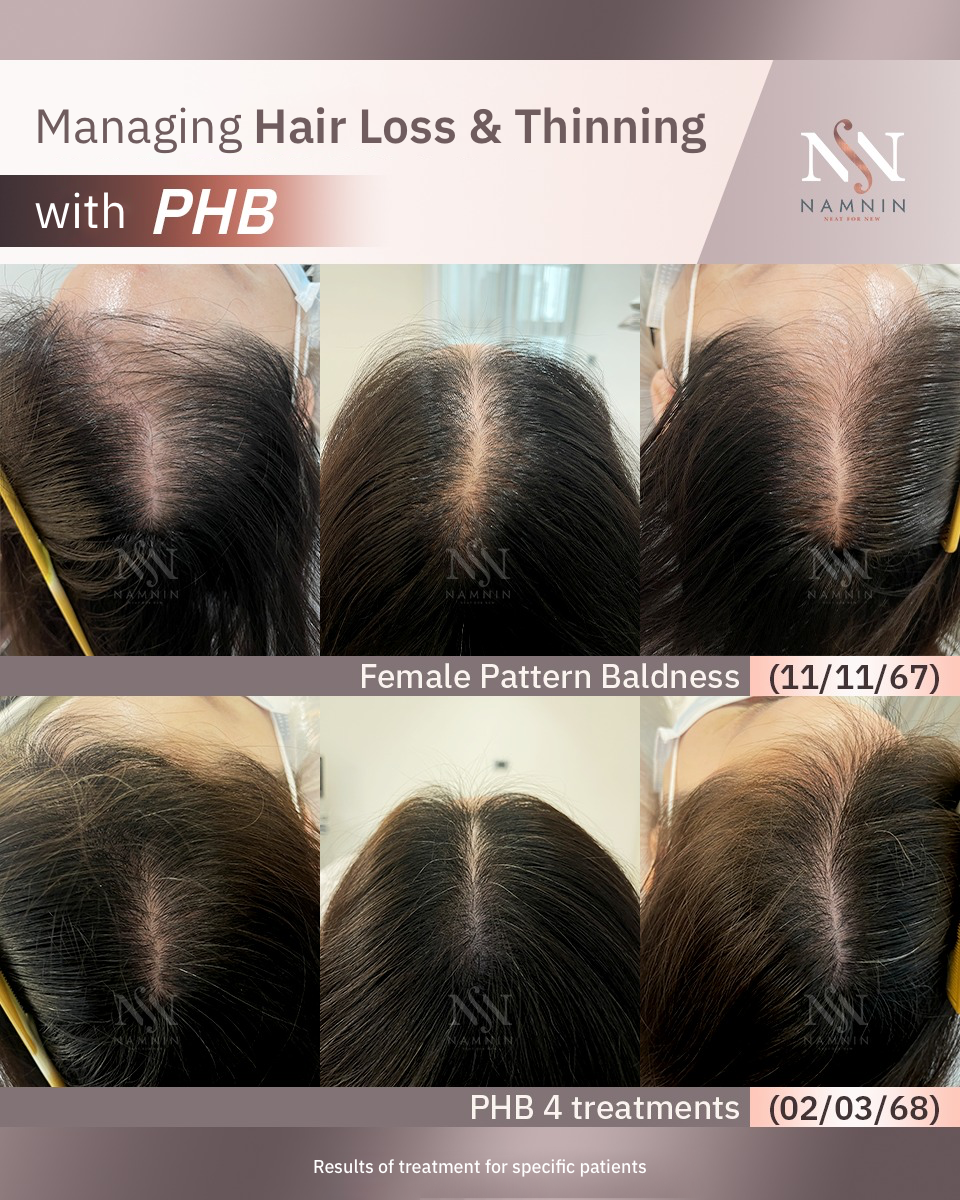
PHB Treatment is suitable for people experiencing hair loss and thinning hair while the scalp still has functioning hair follicles. This treatment is designed to help restore and care for the hair, stimulate hair follicle activity, and increase the potential for new hair growth. At the same time, it nourishes hair that has previously become fine or miniaturized, helping it become larger and thicker, darker, and shinier. Most importantly, it helps strengthen the hair so that it is less likely to shed easily. It can also help fill in the appearance of a previously widened central hair parting, making the hair look denser and healthier than before.
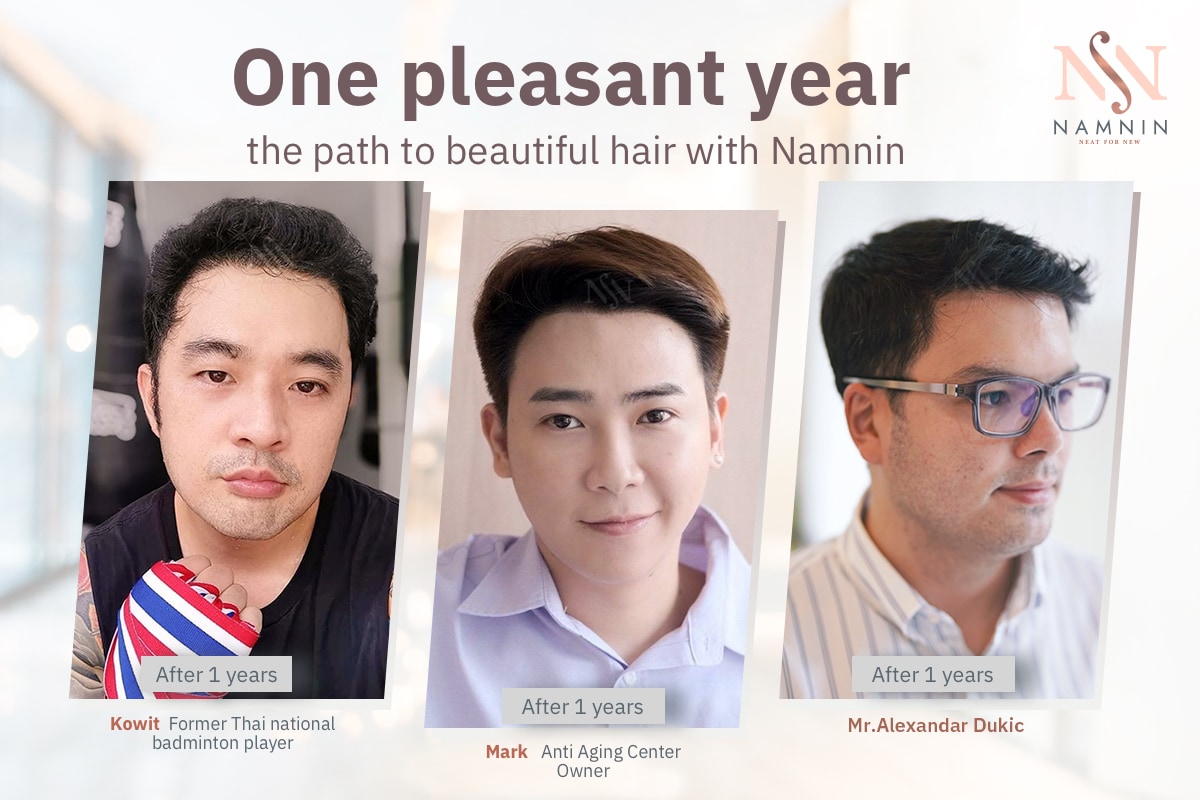
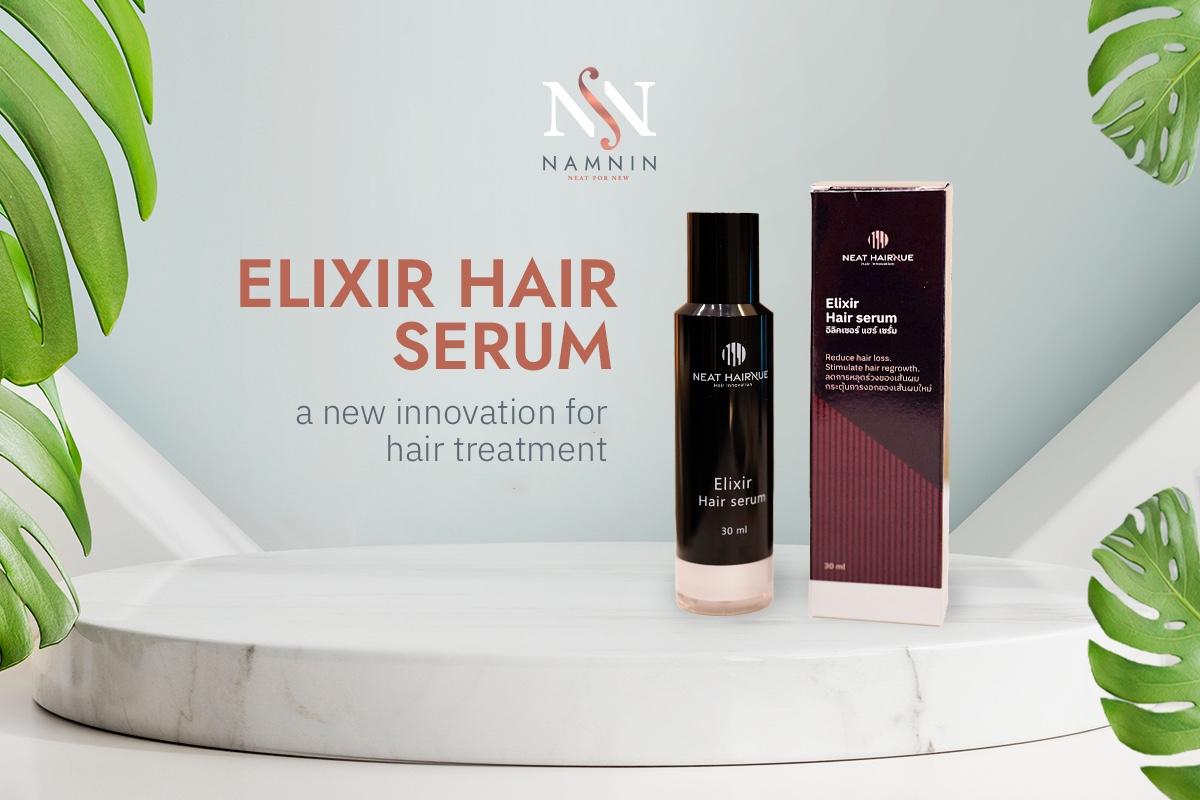
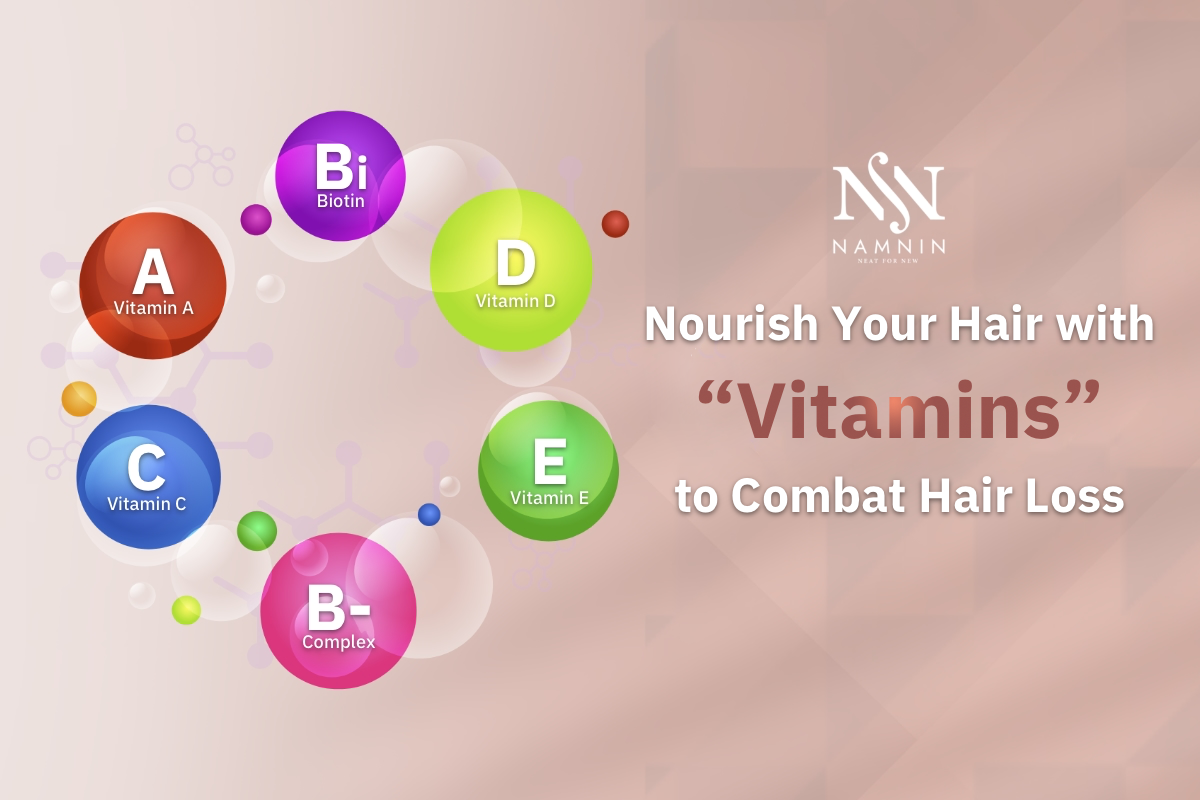
Today, PHB Treatment has become a popular program among many patients at Namnin Clinic, with many choosing the service and returning for repeated treatments based on their doctor's recommendations. The doctor designs an individualized approach to hair treatment and care that is appropriate for each patient and addresses their specific needs as much as possible. As a result, many patients have been able to see improvements in the health and density of their hair without needing to take hormone suppressing medication. The doctor may also recommend using PHB Treatment together with Elixir Hair Serum by NEAT HAIR NUE, a hair nourishing serum made with natural extracts, or taking VITA H, a multivitamin formulated by the doctor, to help provide deeper nourishment to the hair roots.
All of this represents an interesting alternative for women with thinning hair, not only those experiencing hair loss due to genetic factors, but also those with weak hair or hair that has become weakened from straightening, perming, bleaching, or coloring. Whether you are a woman or a man, you can consult with the doctor about nourishing injections with PHB Treatment, or choose the services and products that best suit your individual hair care needs, so that your hair can once again help boost your smile and confidence in everyday life.