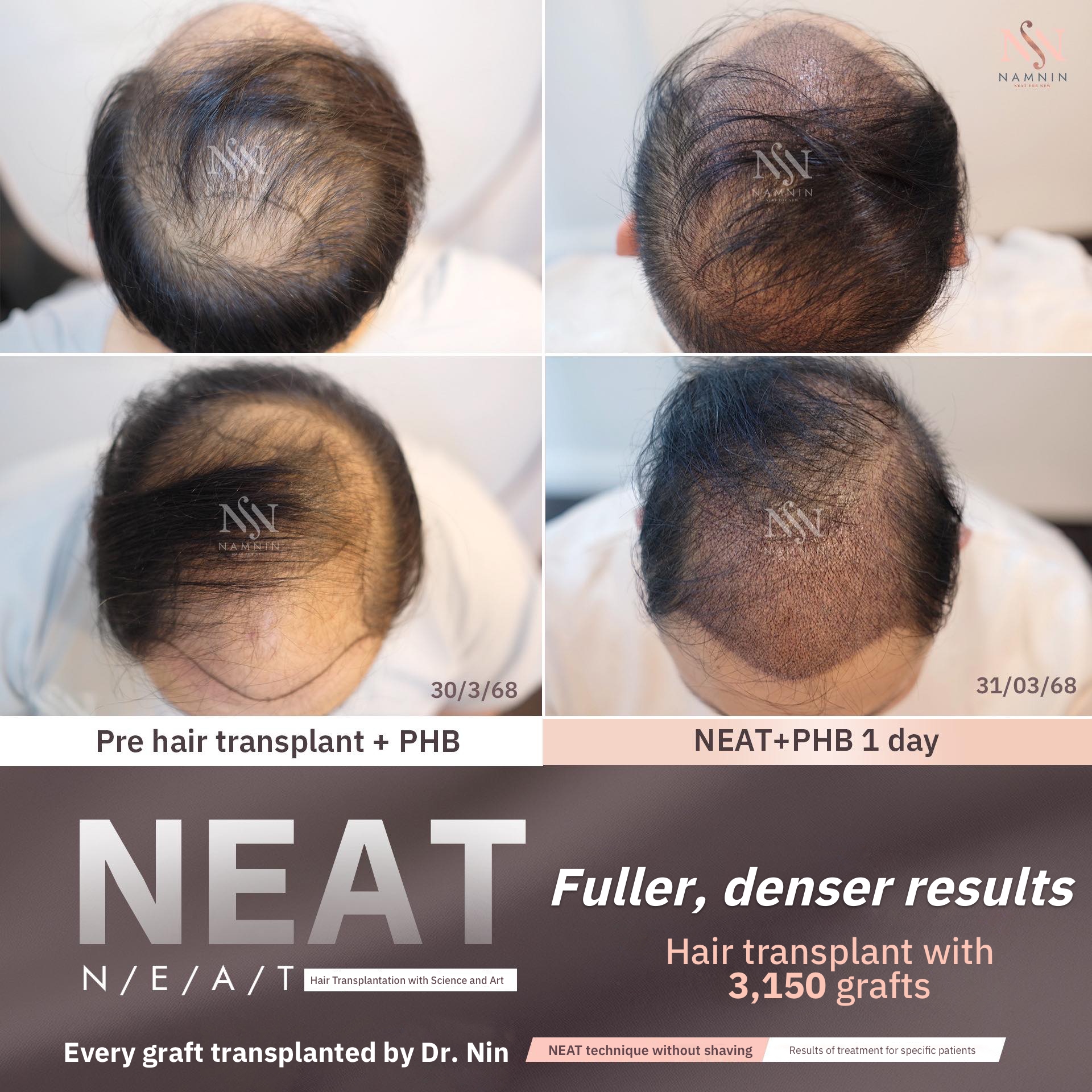
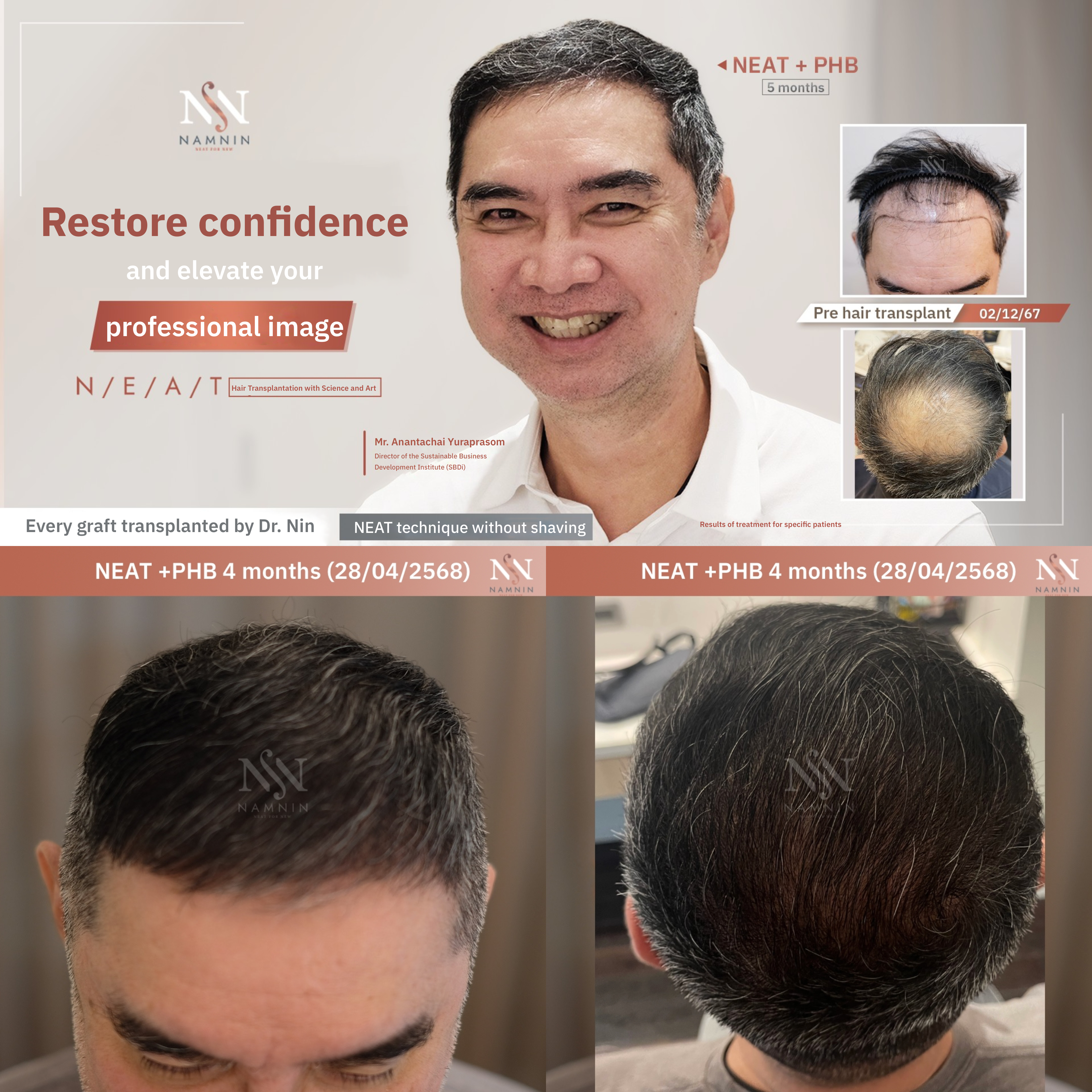
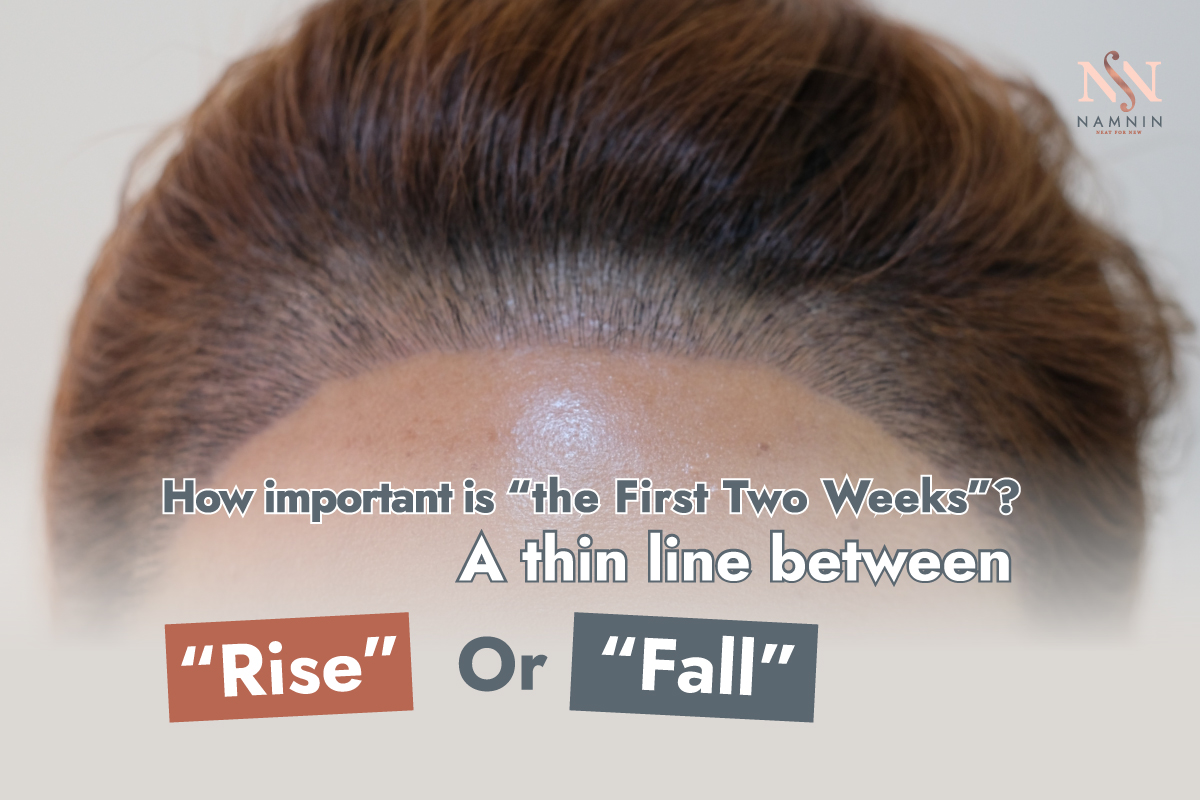
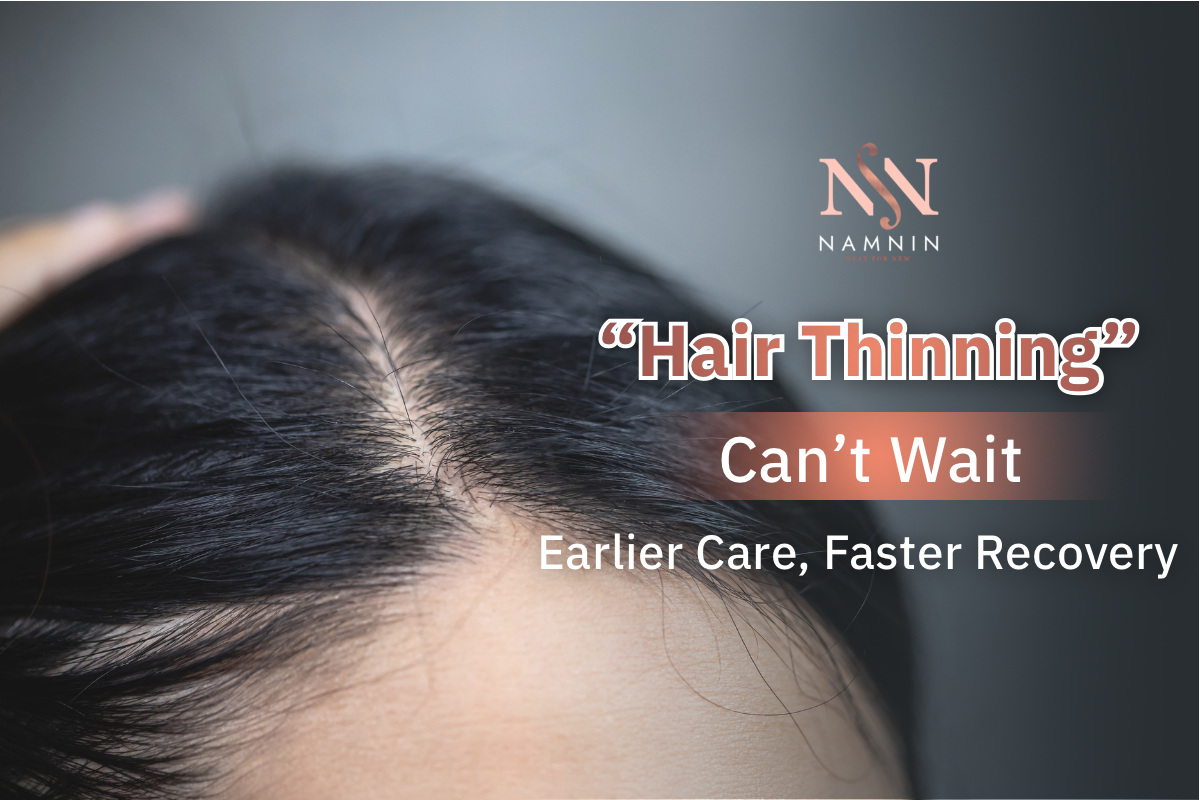
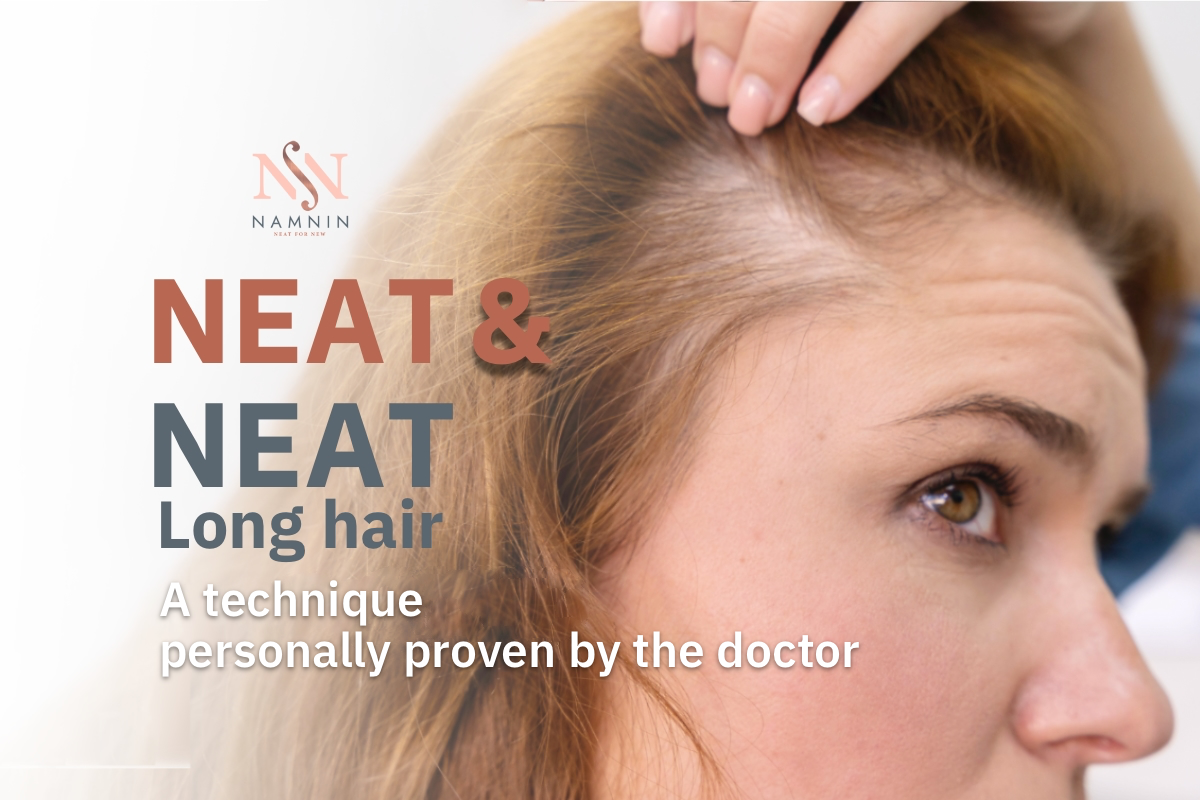
A hair transplant is a significant investment in one's life, and every patient hopes to achieve strong, healthy new hair that can restore density to areas affected by hair thinning. However, in some cases, patients may experience little to no hair growth after a transplant, or only sparse growth that still leaves the scalp clearly visible.
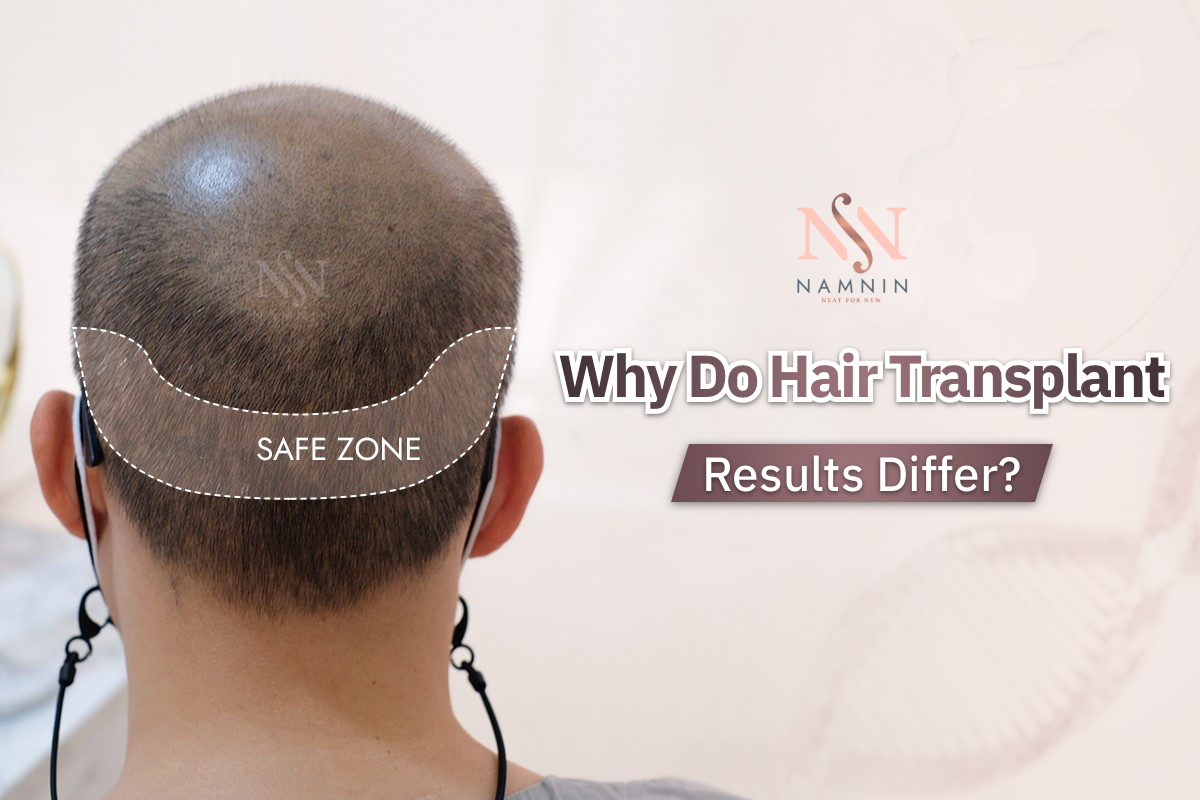
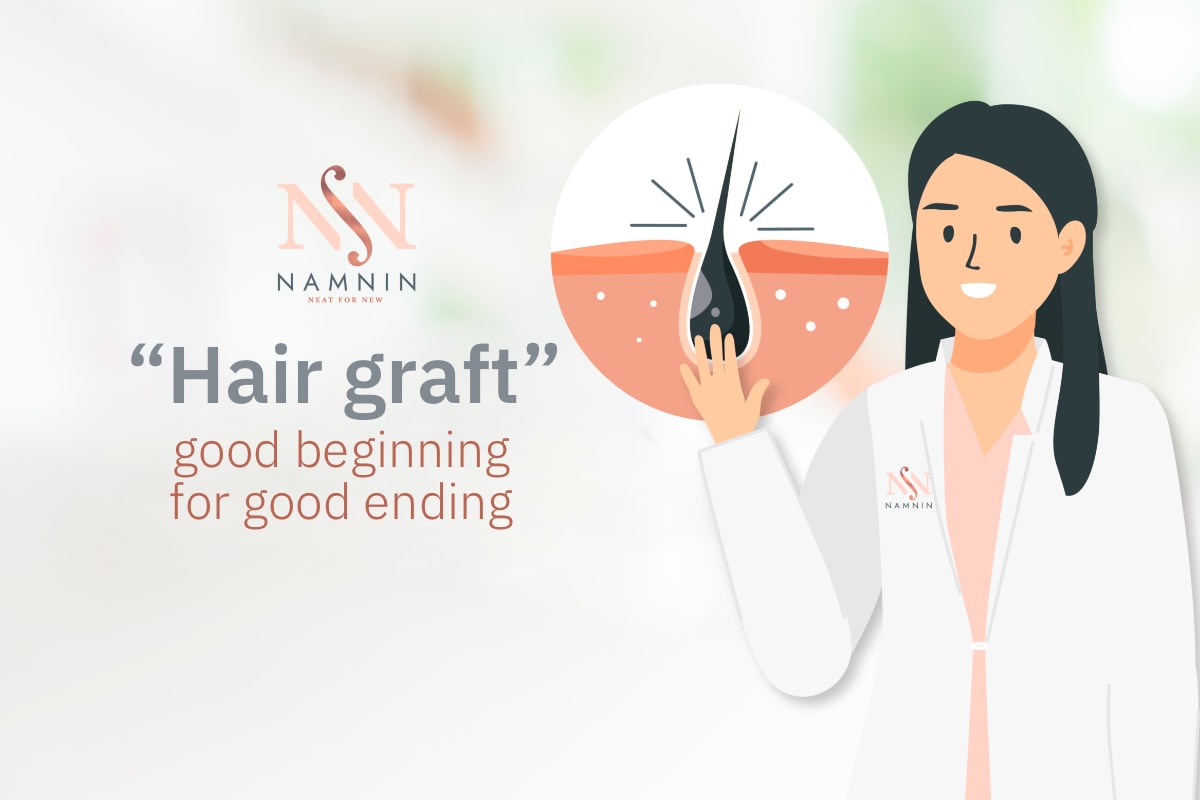
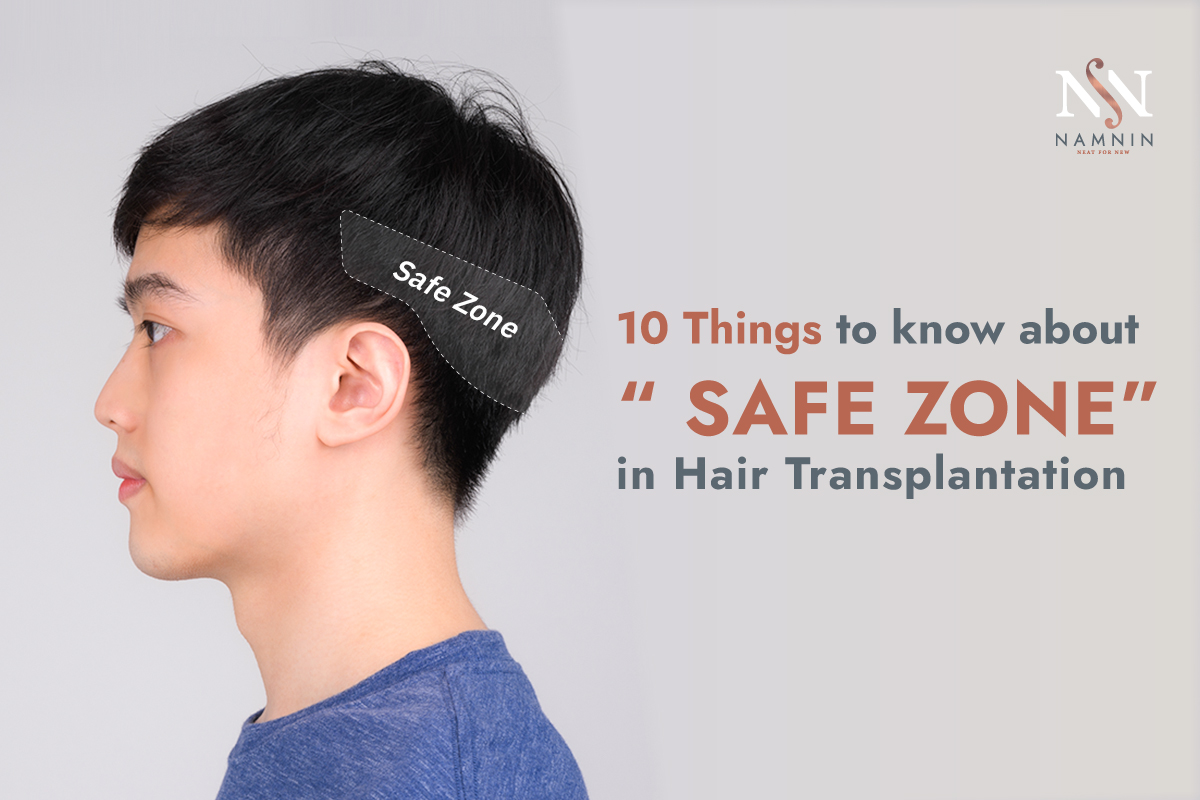
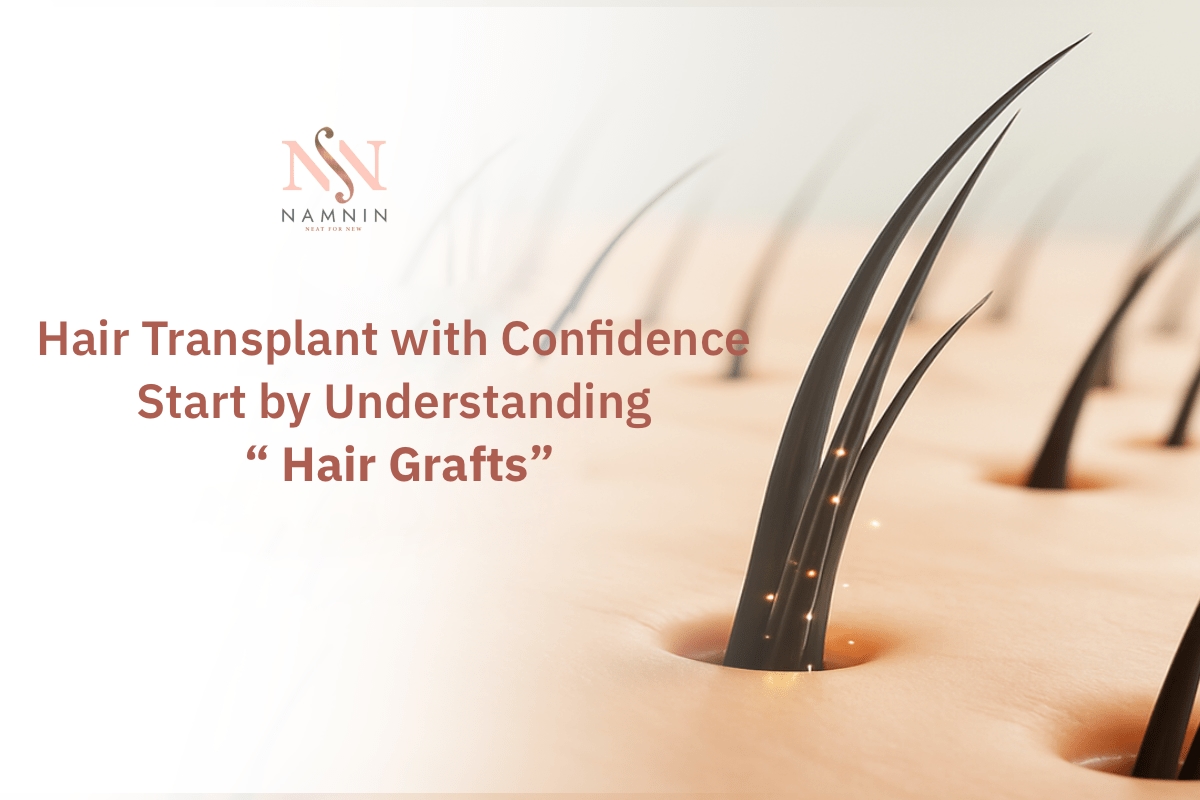
From a medical perspective, a permanent hair transplant involves transferring donor hair grafts from the Safe Zone at the back of the scalp, where the available supply is limited, to areas affected by hair loss and thinning. This process involves relocating both the hair follicles and follicular units, each of which contains approximately 1 to 4 hair strands.
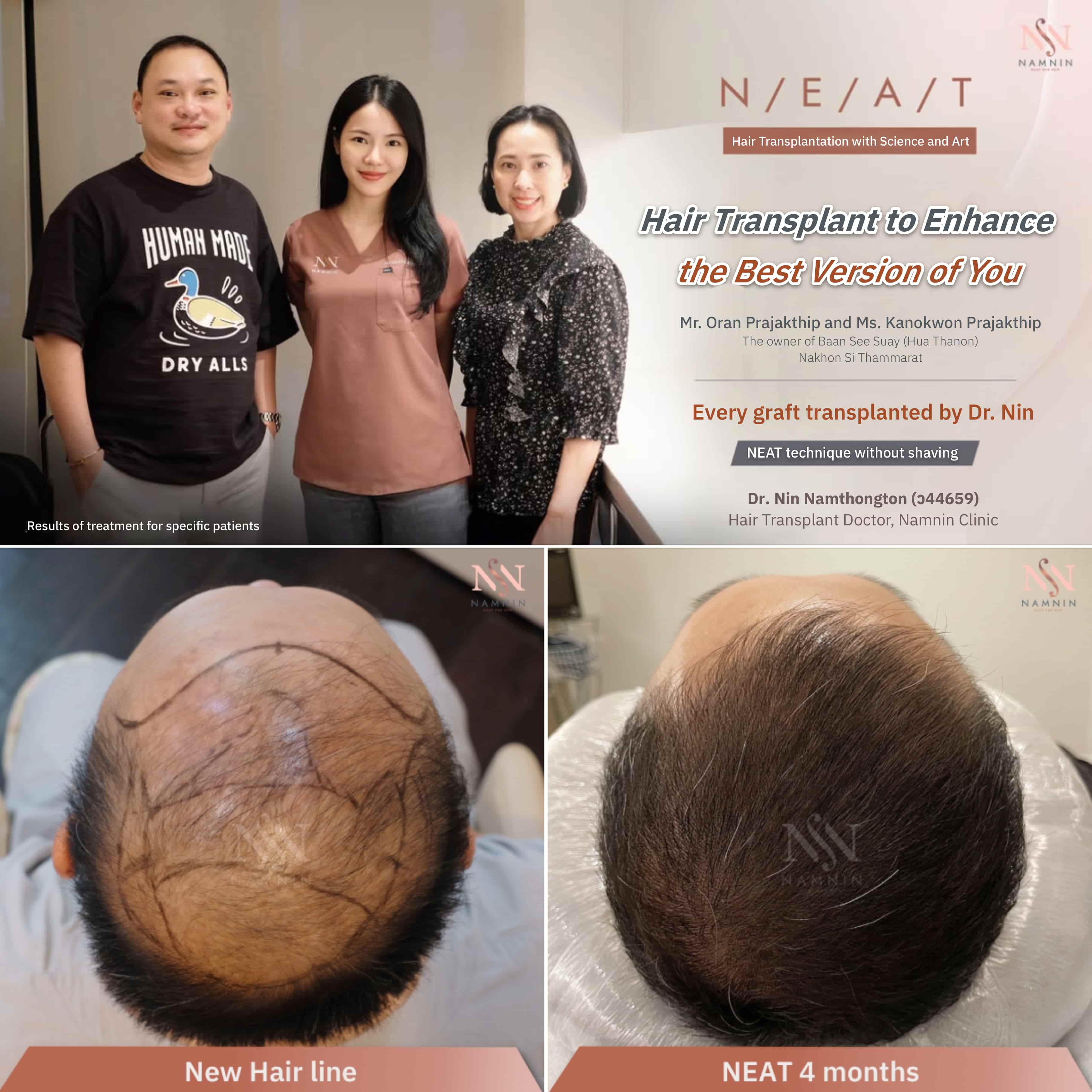
Hair in the Safe Zone has strong characteristics and is resistant to hair loss because it can withstand the effects of DHT, a hormone that causes hair follicles to weaken and shed prematurely. When these donor grafts are transplanted to a new area, they retain this key characteristic. As a result, transplanted hair generally has a high survival rate, can help restore hair density, and can remain with the recipient throughout their lifetime, following the hair growth cycle.
However, many other contributing factors work together and may affect the ability of transplanted hair to grow as intended. Namnin Clinic will explore the reasons why some permanent hair transplant cases may not achieve the expected results.
1. Quality of the Donor Hair Grafts
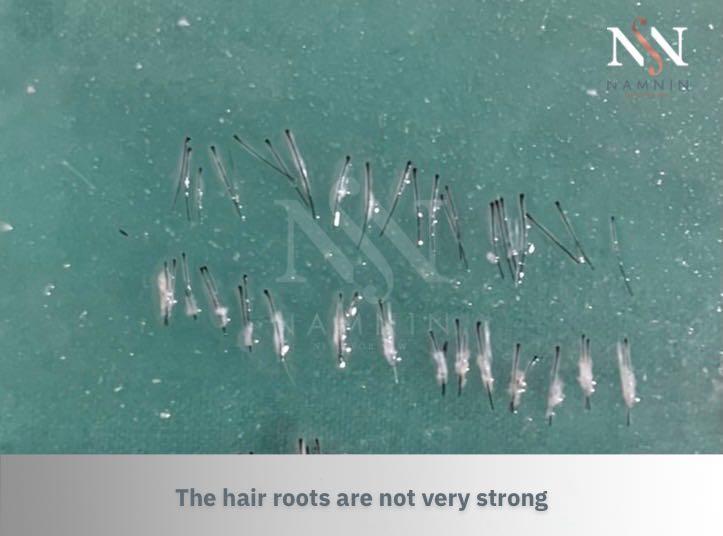
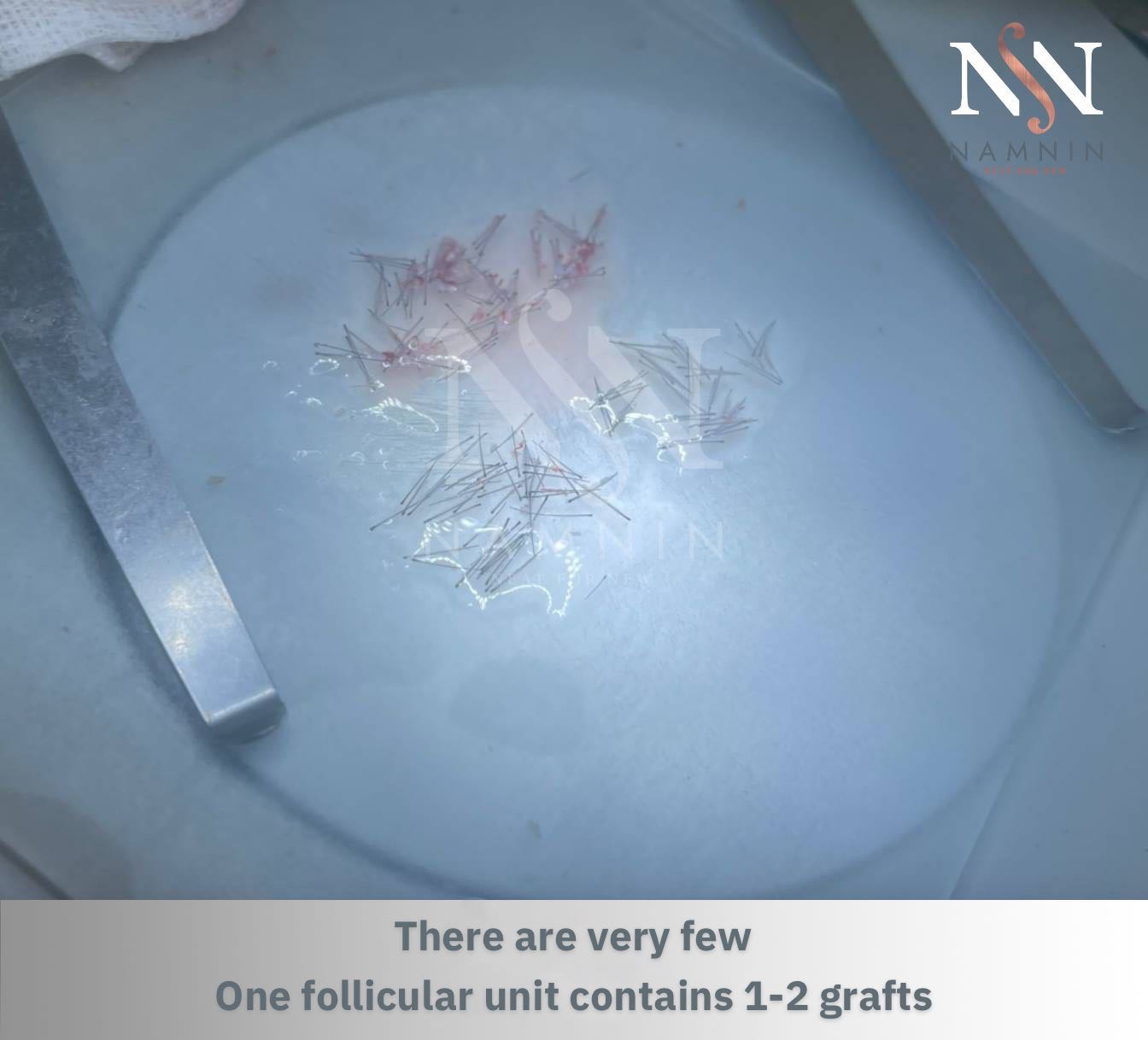
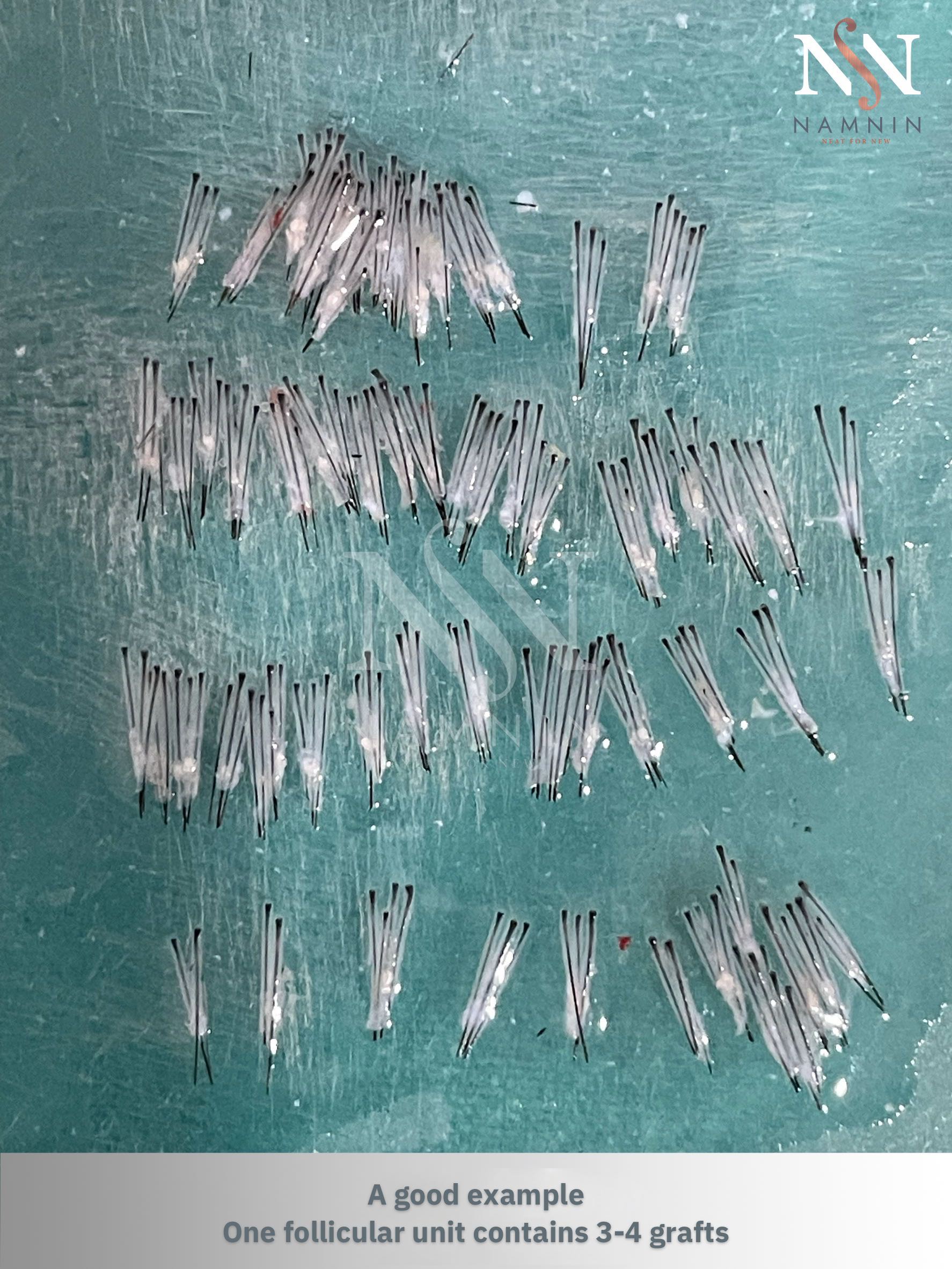
The first factor is the patient's own hair quality, as everyone's hair has unique characteristics. Some people naturally have weaker scalp and hair conditions, with insufficient nutrients to support healthy growth. Others may have fine, thin hair, while some follicular units may contain only a single hair strand. This makes it more difficult to achieve greater density compared with individuals who have thicker, stronger hair and 3 to 4 strands per follicular unit.
2. Scalp Surface Characteristics
The scalp can be compared to soil in a hair growing farm. Whether newly transplanted hair follicles can establish themselves securely and grow successfully depends partly on the condition of the scalp.
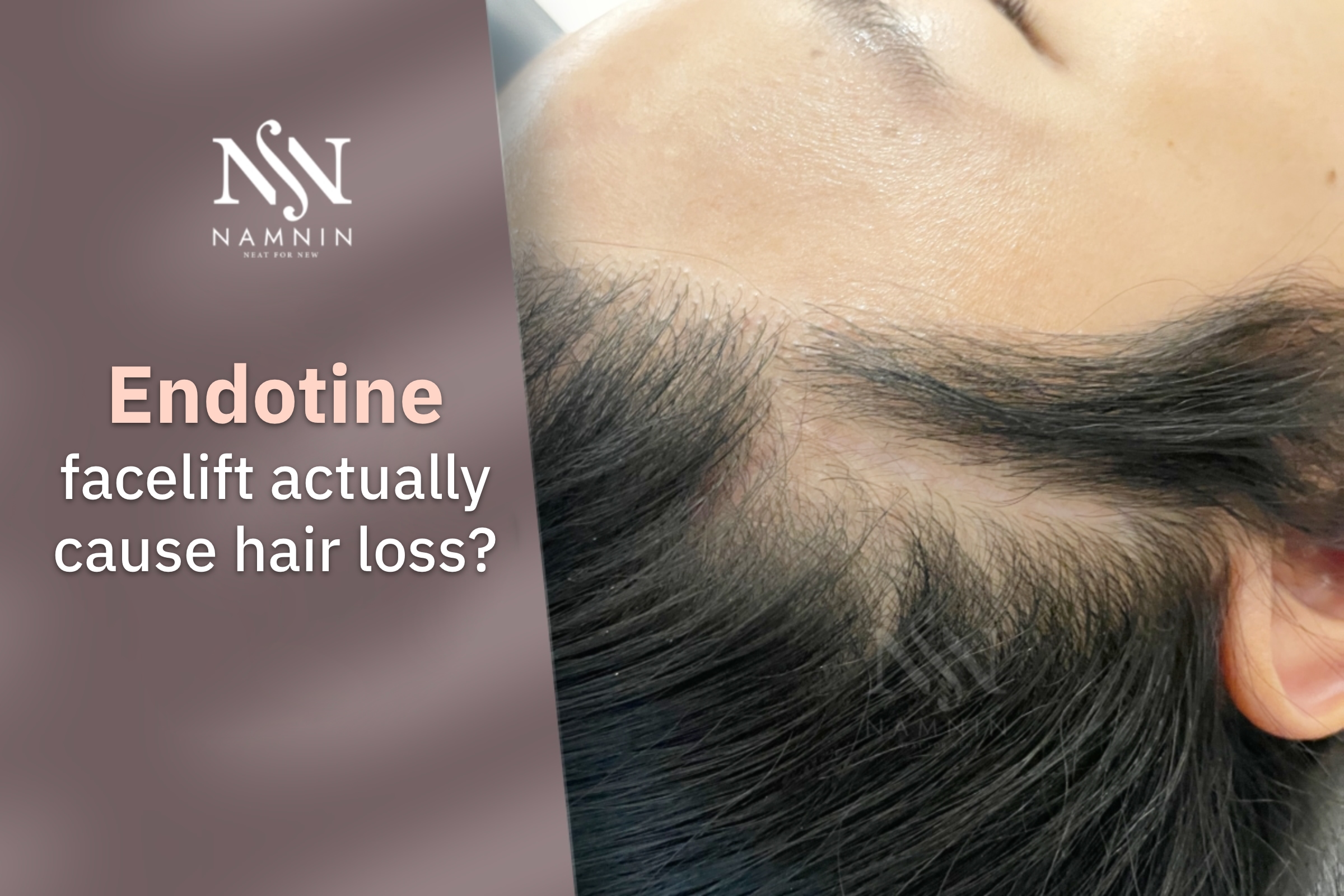
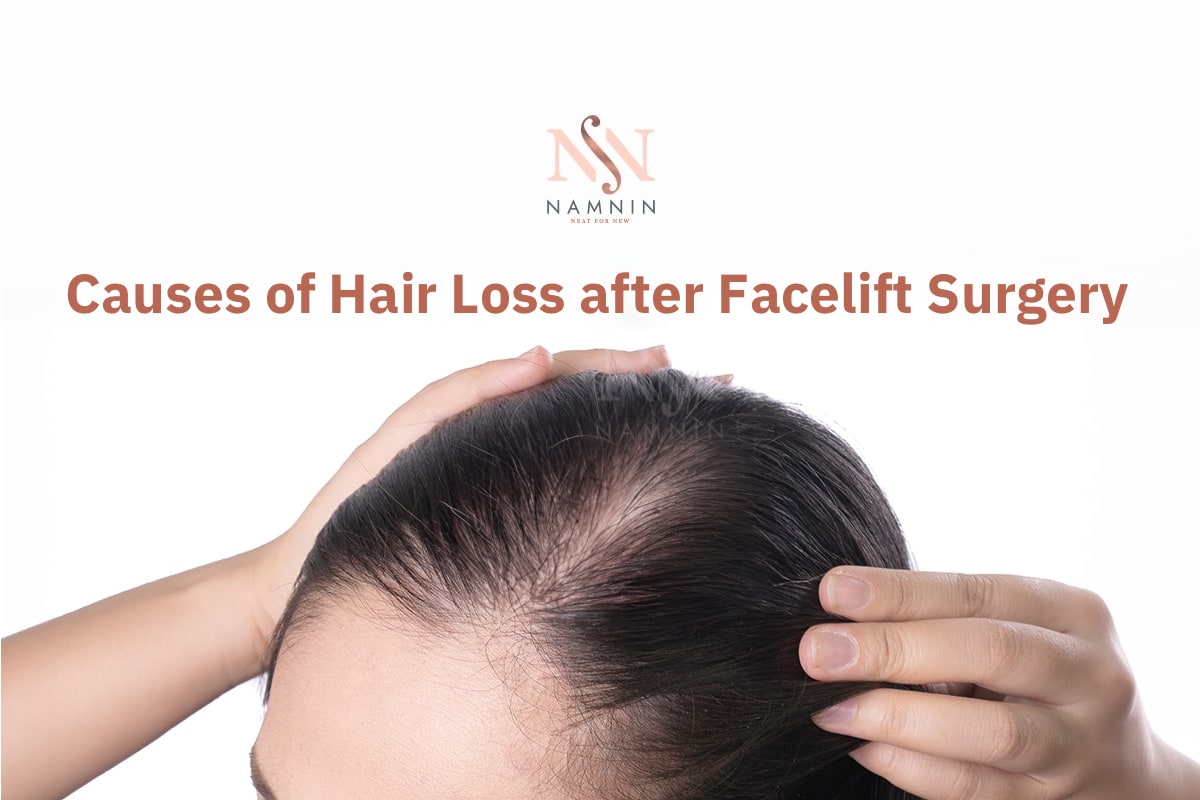
In some cases, patients present with challenges caused by surgical scars on the scalp, whether resulting from accidents or facelift procedures. These may leave scars around the temples or along the frontal hairline.
Although hair transplantation over scar tissue is possible, the survival rate of the grafts may be lower. This is because scar tissue forms as part of the body's wound healing process and does not have the same dense network of blood vessels as normal skin. This can make it more difficult to deliver nutrients to the hair follicles.
Furthermore, scar tissue is less elastic and firmer than surrounding skin. As hair transplantation requires follicles to be implanted into the skin, working with scar tissue can be more challenging and may increase the risk of damage to the grafts.
3. Physician's Expertise
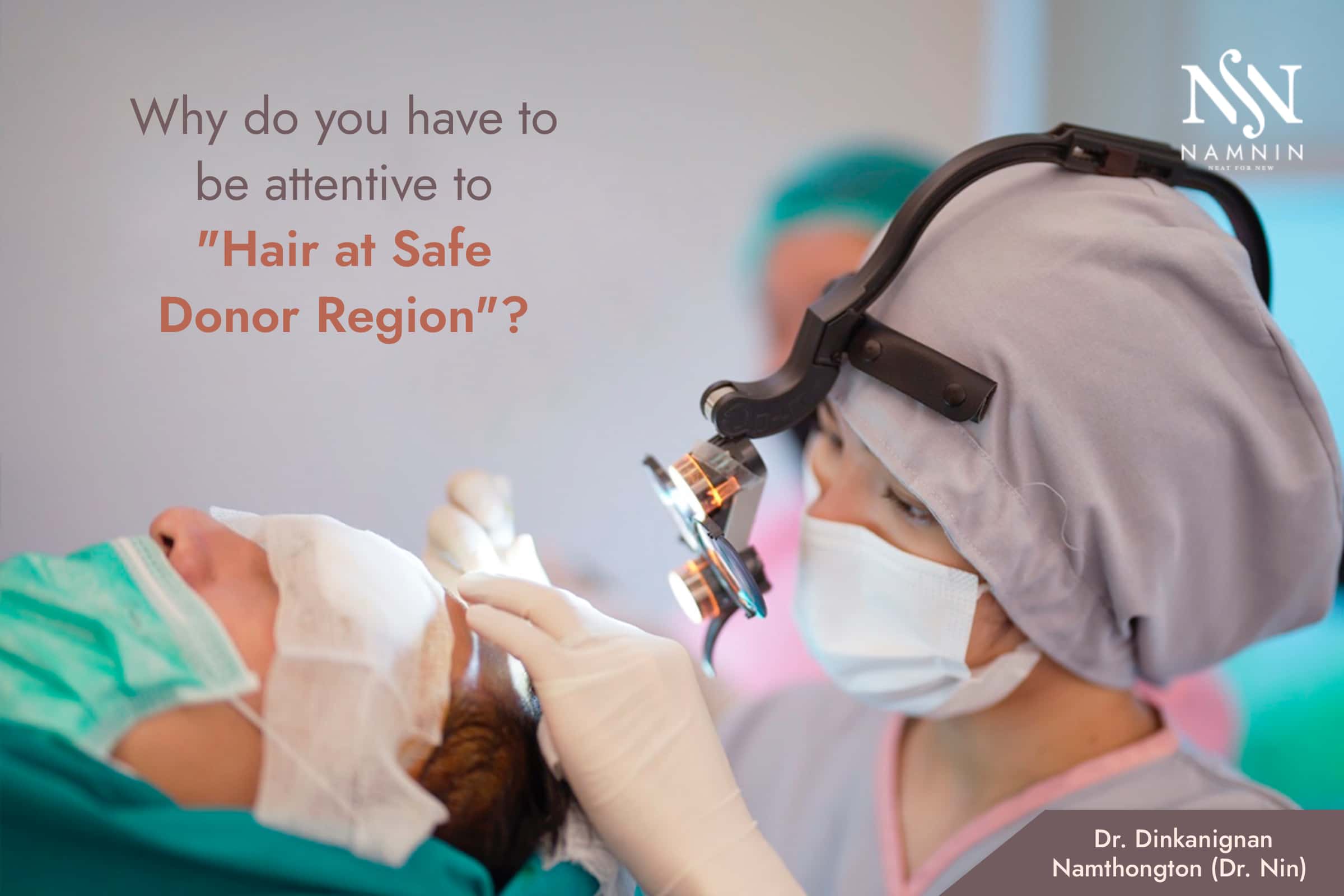
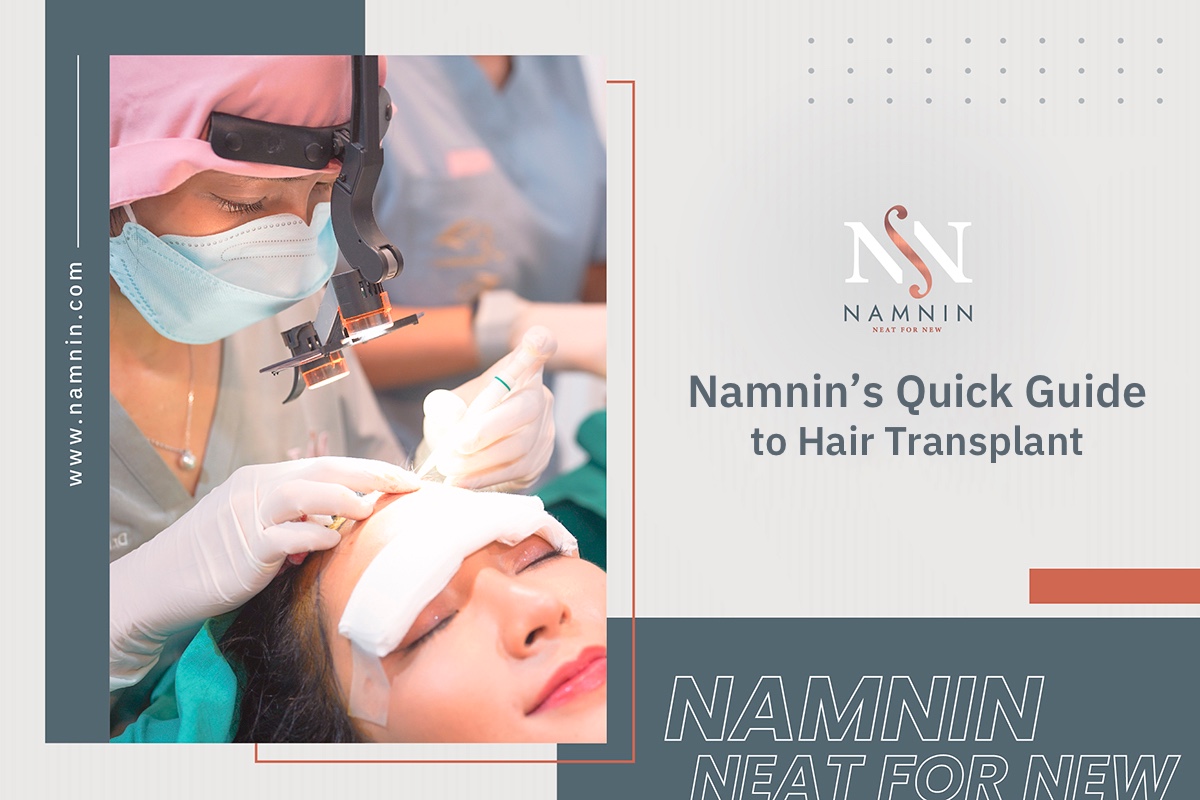
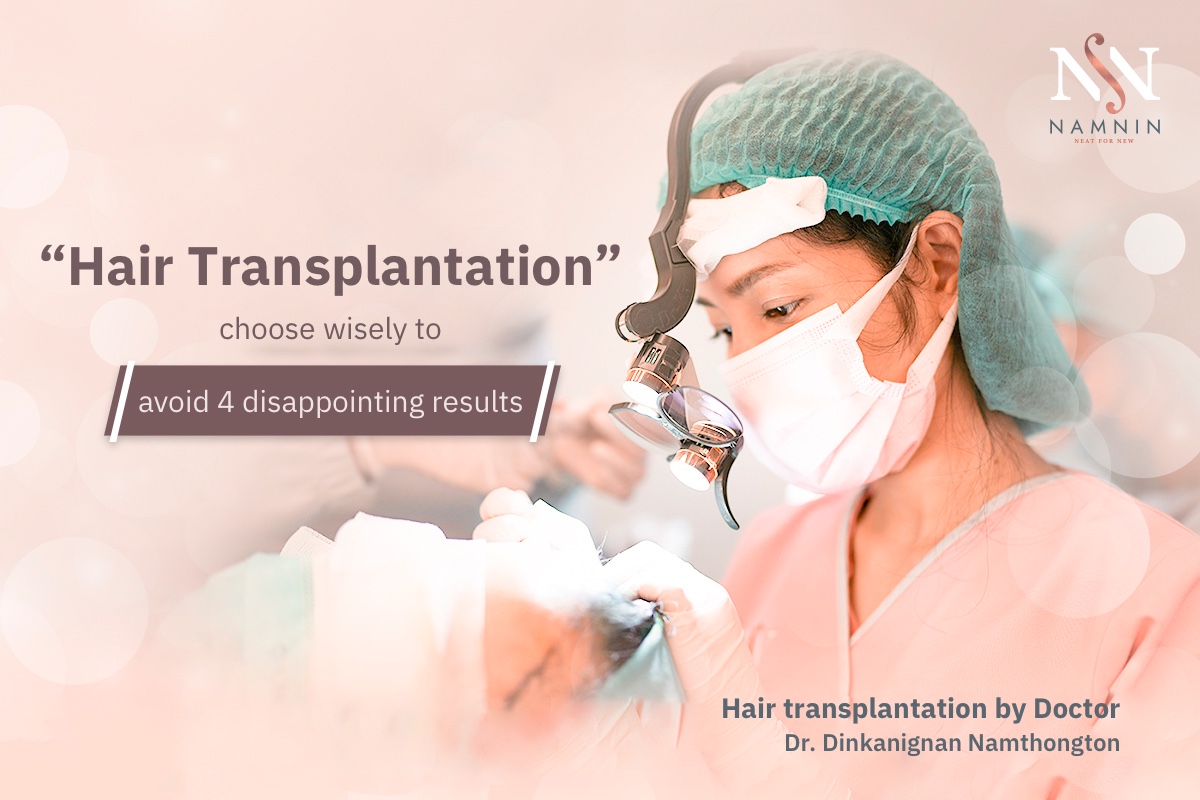
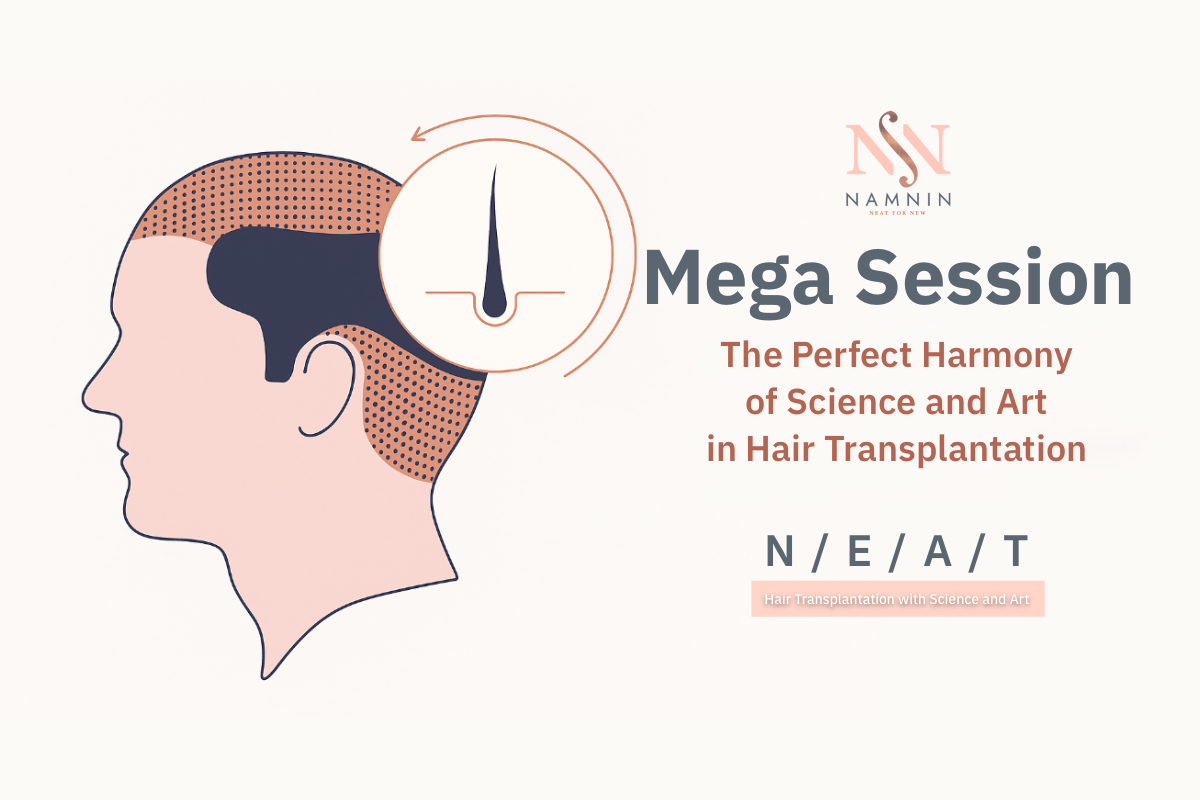
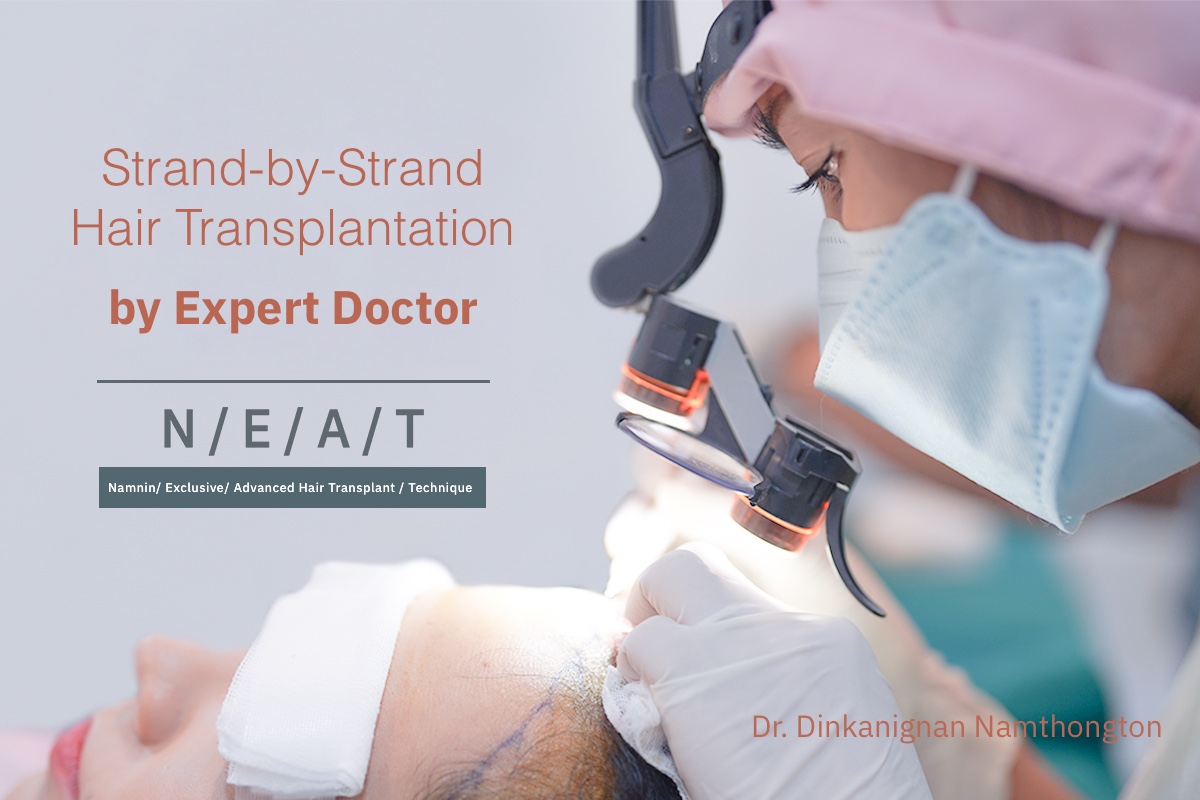
In a hair transplant operating room, unexpected challenges can arise at any time. Hair transplantation is a procedure that takes many hours and involves numerous variables that must work together. More importantly, hair transplantation is both a "science" and an "art." It requires medical knowledge of hair and scalp conditions, an artistic perspective, and an understanding of each patient's feelings and expectations.
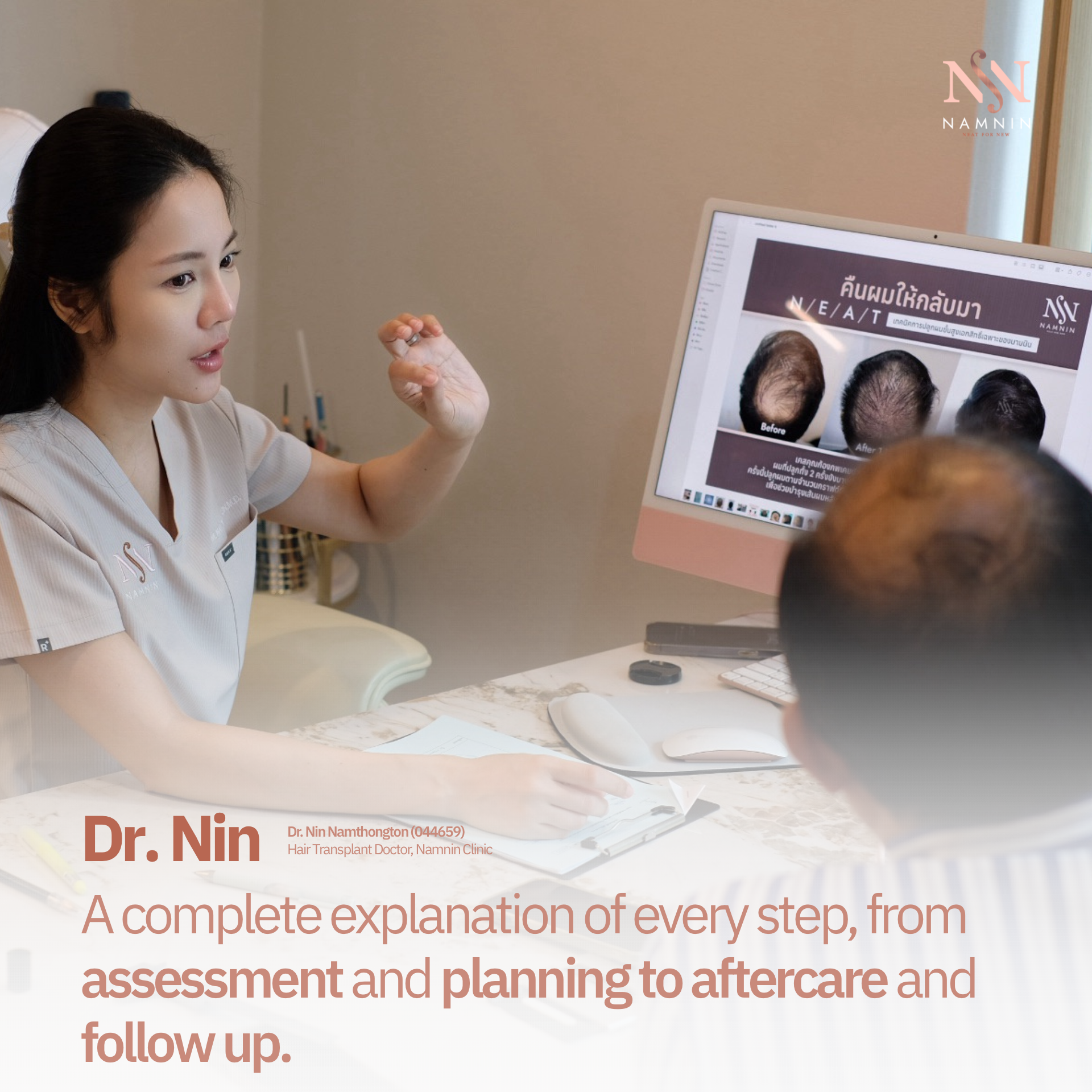
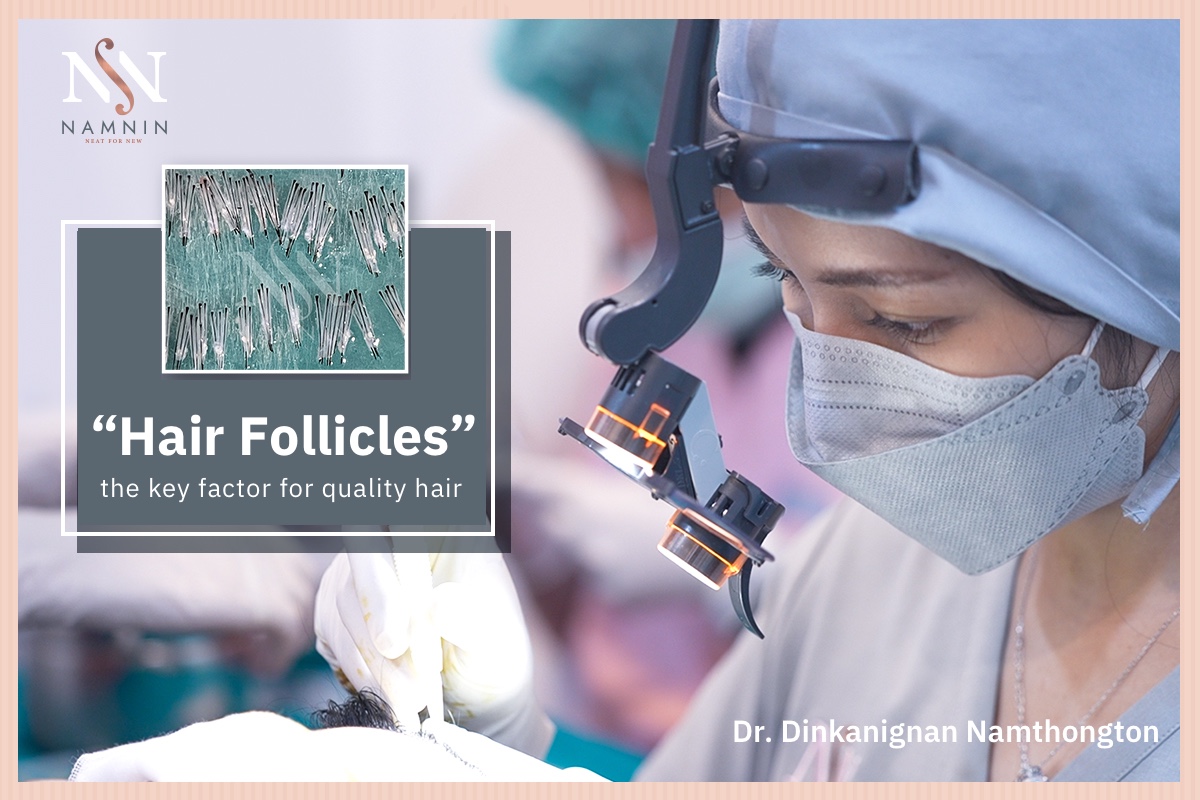
Therefore, when a physician can not only supervise and provide guidance throughout the procedure but also personally perform the hair transplantation, they gain greater knowledge and experience in managing unexpected challenges from different aspects. They can also adjust the approach, methods, or minor technical details to suit each patient's individual needs as closely as possible, following a patient centered approach.
4. Professionalism of the Medical Assistant Team
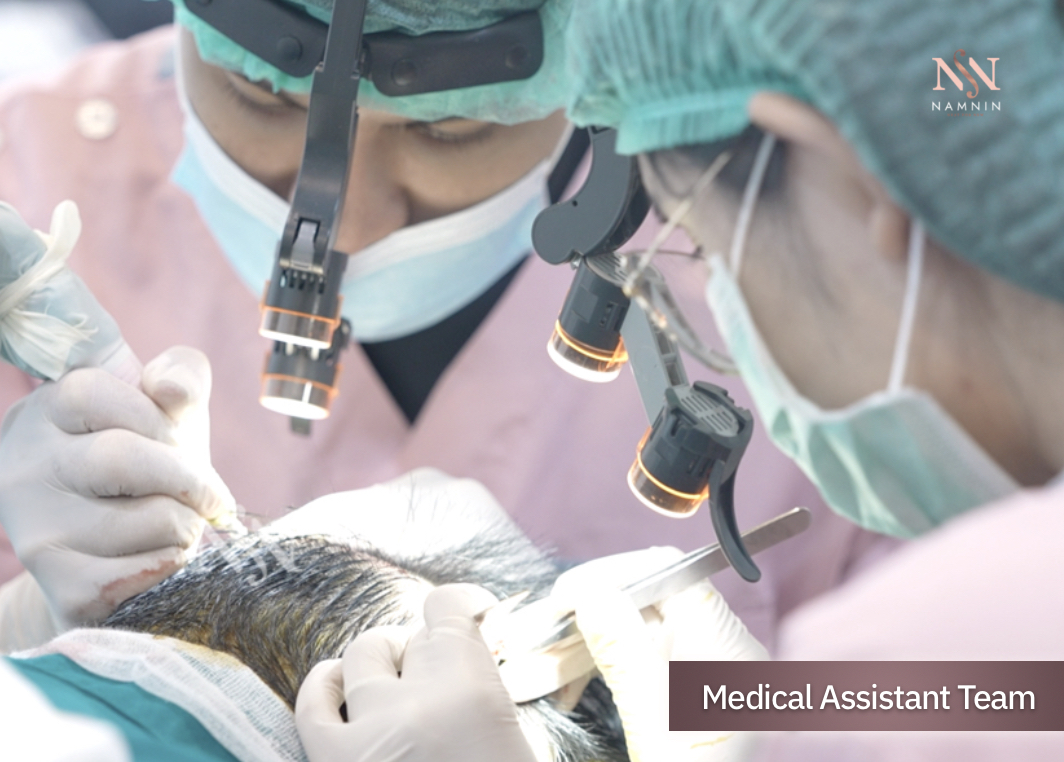
The medical assistant team plays an essential role in every stage of a hair transplant procedure. A physician alone cannot manage and perform every step of the process.
After the donor grafts have been extracted from the back of the scalp, the medical assistant team takes responsibility for preparing them by sorting and trimming the grafts, then placing them in a preservation solution to maintain their survival rate.
During implantation, the assistants also continuously supply the physician with grafts and the necessary instruments. Throughout the procedure, they must take care to prevent the grafts from being disturbed or damaged while ensuring that the lengthy procedure runs as smoothly as possible.
5. Hair Transplant Instruments
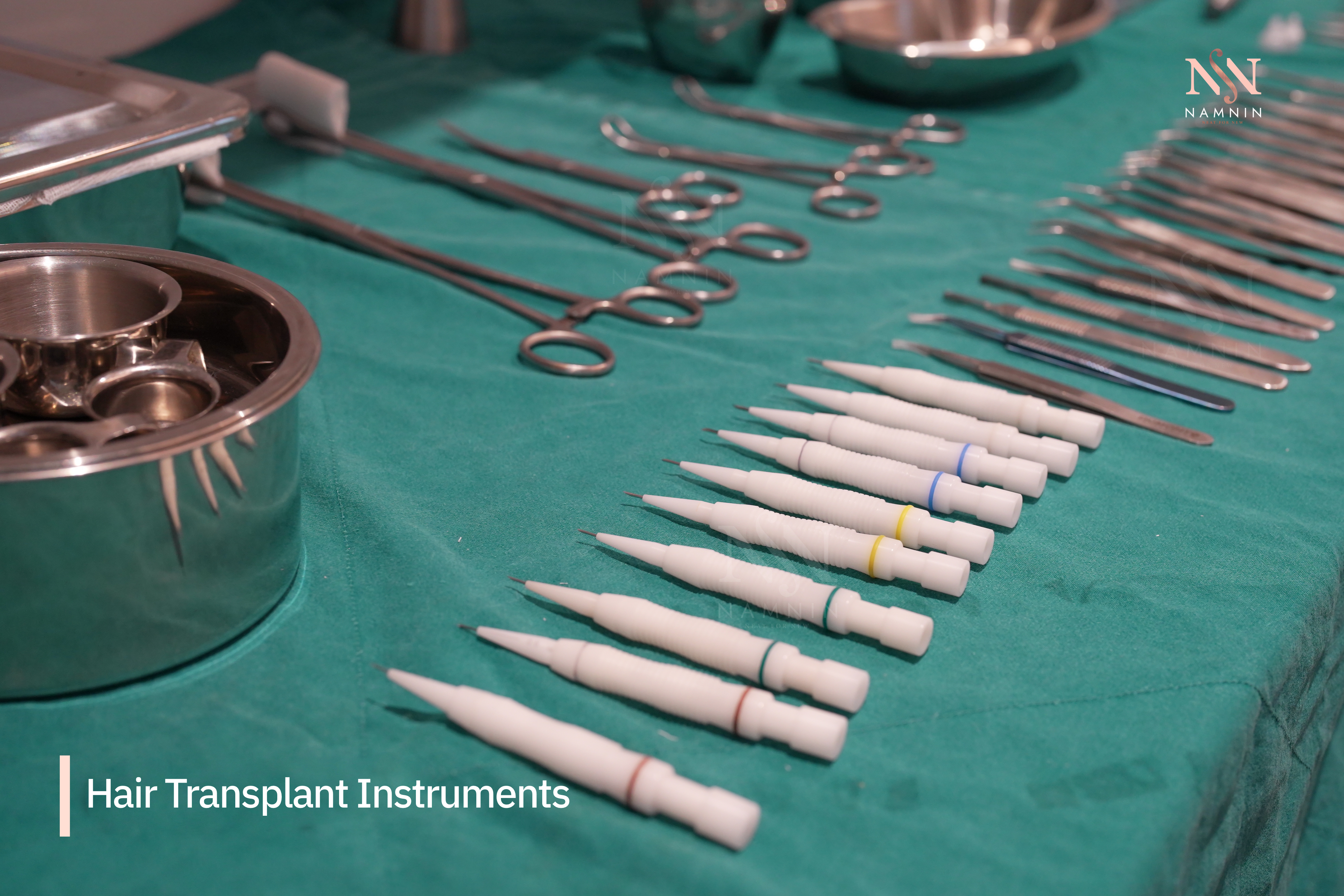
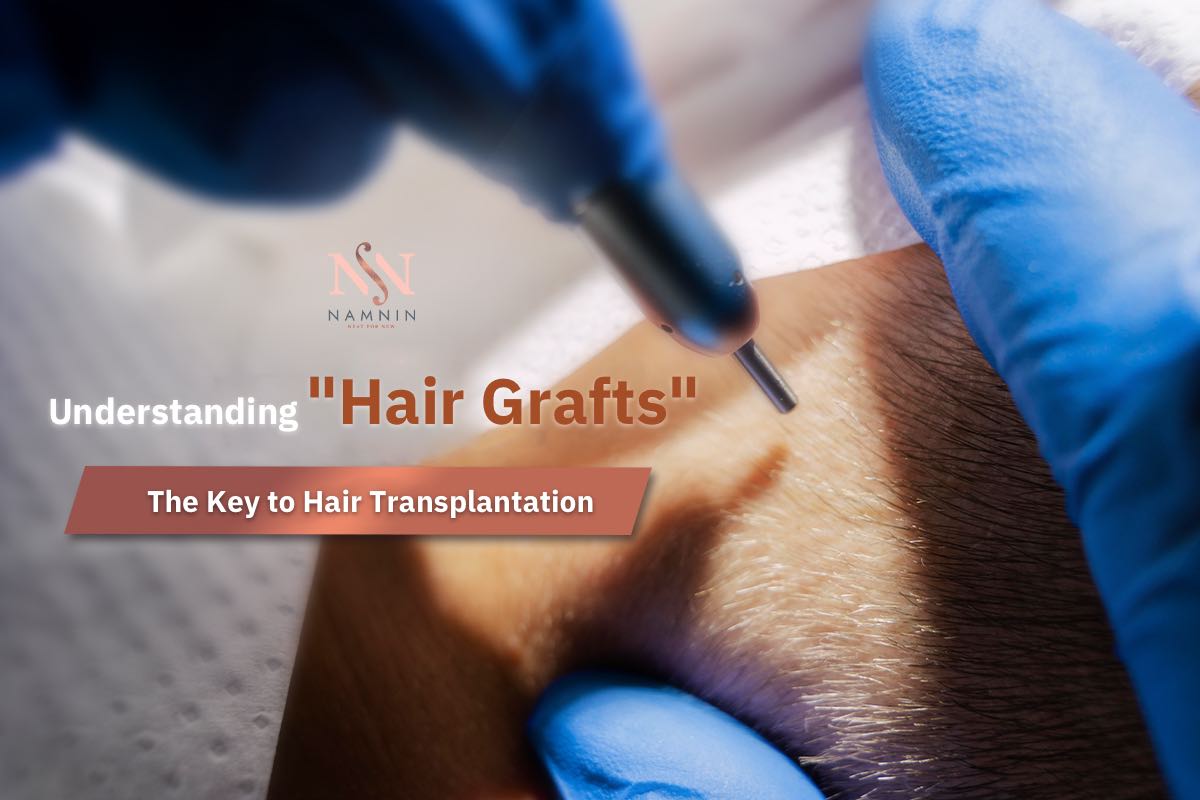
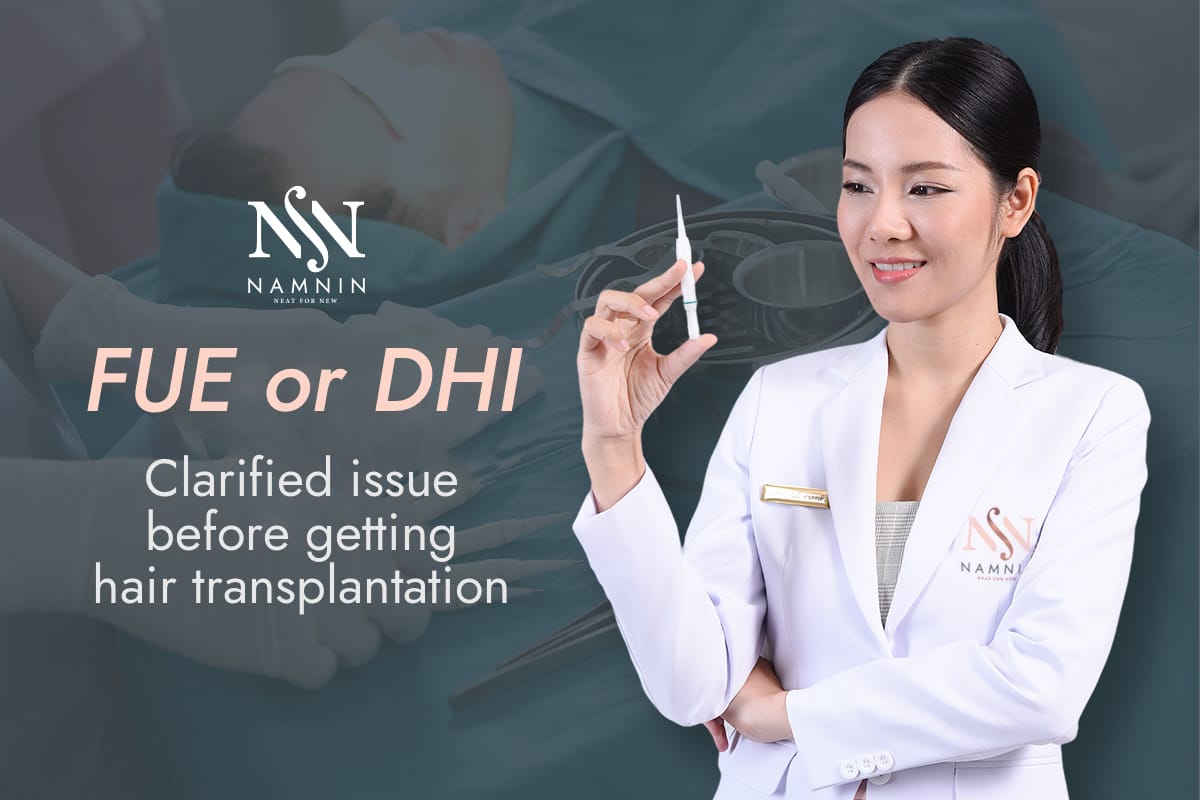
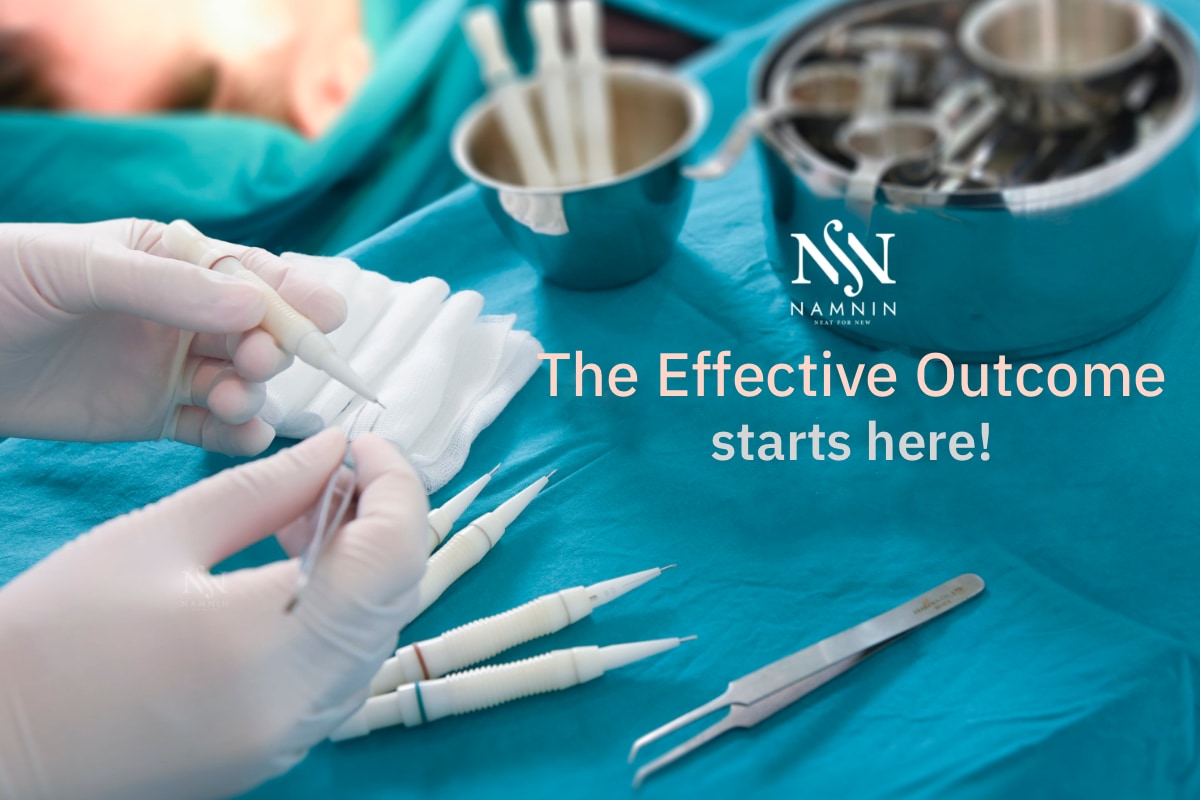
Examples of hair transplant instruments include extraction devices used to remove donor hair follicles from the back of the scalp and hair transplant implanter pens used to place new grafts into areas affected by thinning.
These instruments should not follow a one size fits all approach. Instead, their sizes should be adjustable to suit each patient's individual graft characteristics. Each graft may contain between 1 and 4 hair strands, with variations in hair shaft thickness and size.
If an instrument is too large, it may create wider wounds and affect the amount of bleeding during the procedure. On the other hand, if the instrument is too small, the grafts may become compressed, resulting in trauma and damage. This can increase the risk of poor hair growth in the long term, even if the grafts have been implanted with an aesthetically pleasing arrangement.
6. Cooperation Between the Physician and Patient
In addition to the expertise of the physician and medical assistant team, patients themselves play an important role in the success of each hair transplant.
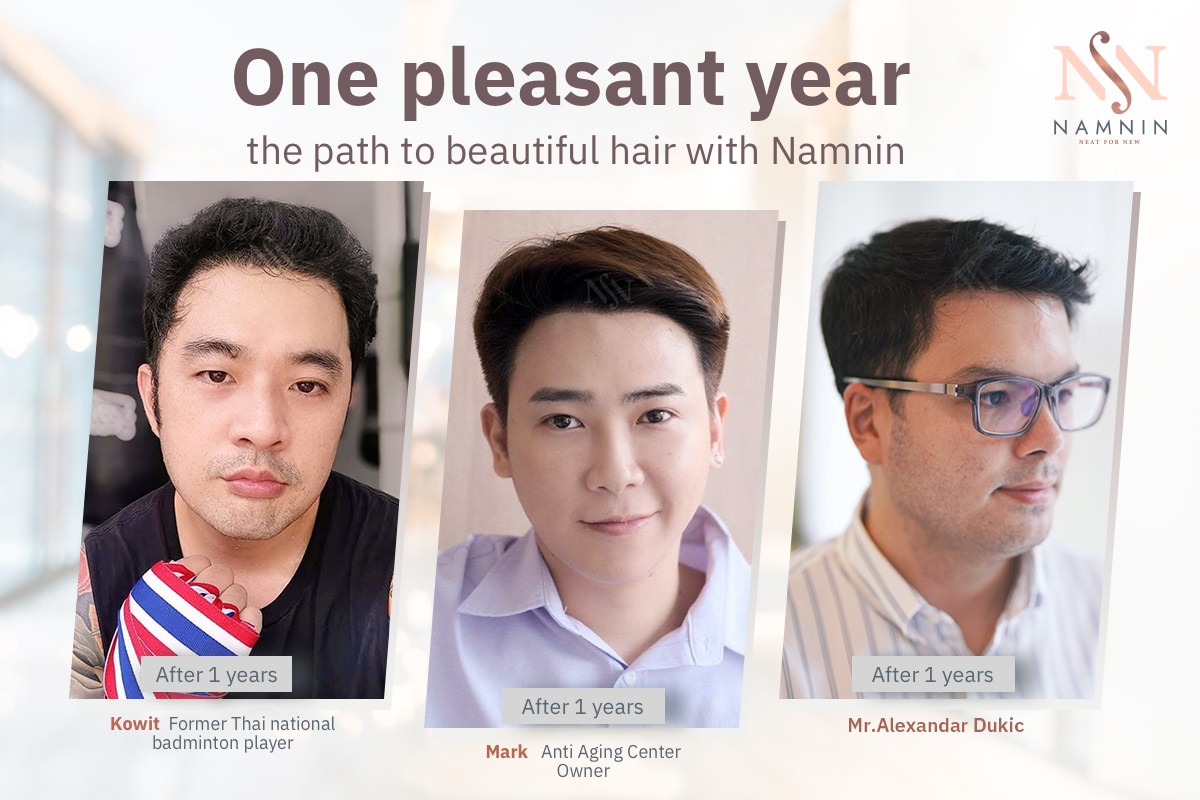
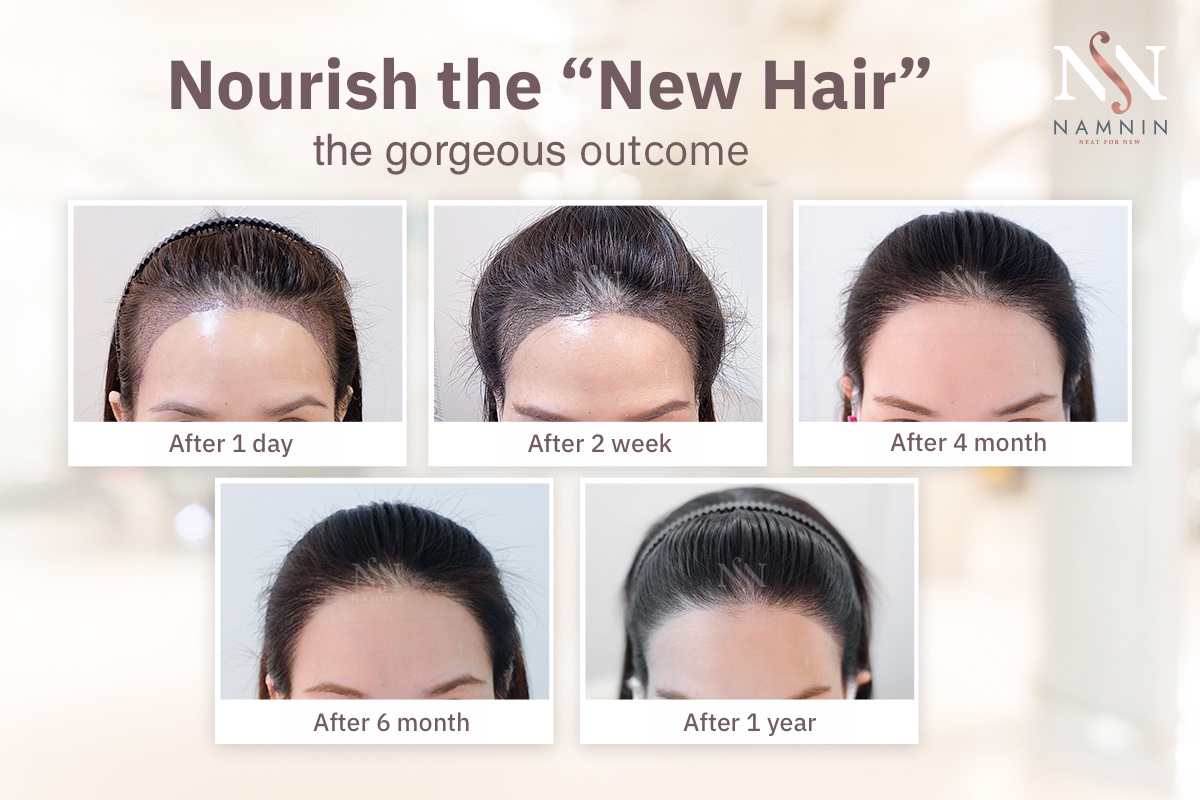
Newly transplanted hair requires a full year to develop and mature according to the hair growth cycle. Even when the physician provides close monitoring and follow up care, it is not possible to observe the hair continuously, 24 hours a day.
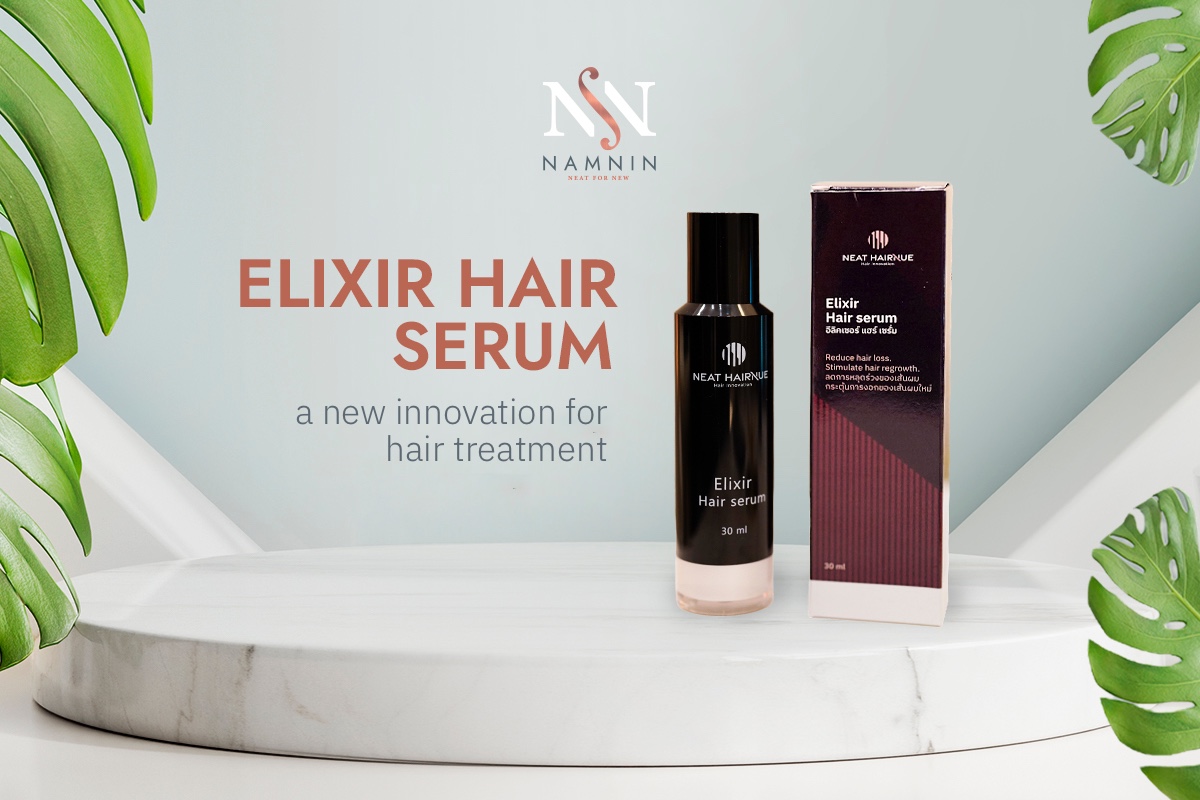
Therefore, patients also have a responsibility to protect, care for, and nourish their newly transplanted hair. The physician will provide helpful recommendations for self care, including taking prescribed medication, applying serum, and receiving appropriate hair restoration treatments on a regular basis.
This cooperation between the physician and patient, along a patient centered treatment journey, helps support the achievement of the expected hair transplant results.
These are the six main factors that may present challenges to successful permanent hair transplantation. However, patients who are considering a hair transplant are welcome to consult with physicians at Namnin Clinic to explore suitable approaches for managing hair loss and thinning together.
The physician will help design a treatment plan tailored to each patient's individual condition. Patients can also feel confident in the experience of the physician and medical assistant team, the efficiency and modernity of the equipment, and the attentive follow up care provided throughout the full year after transplantation.