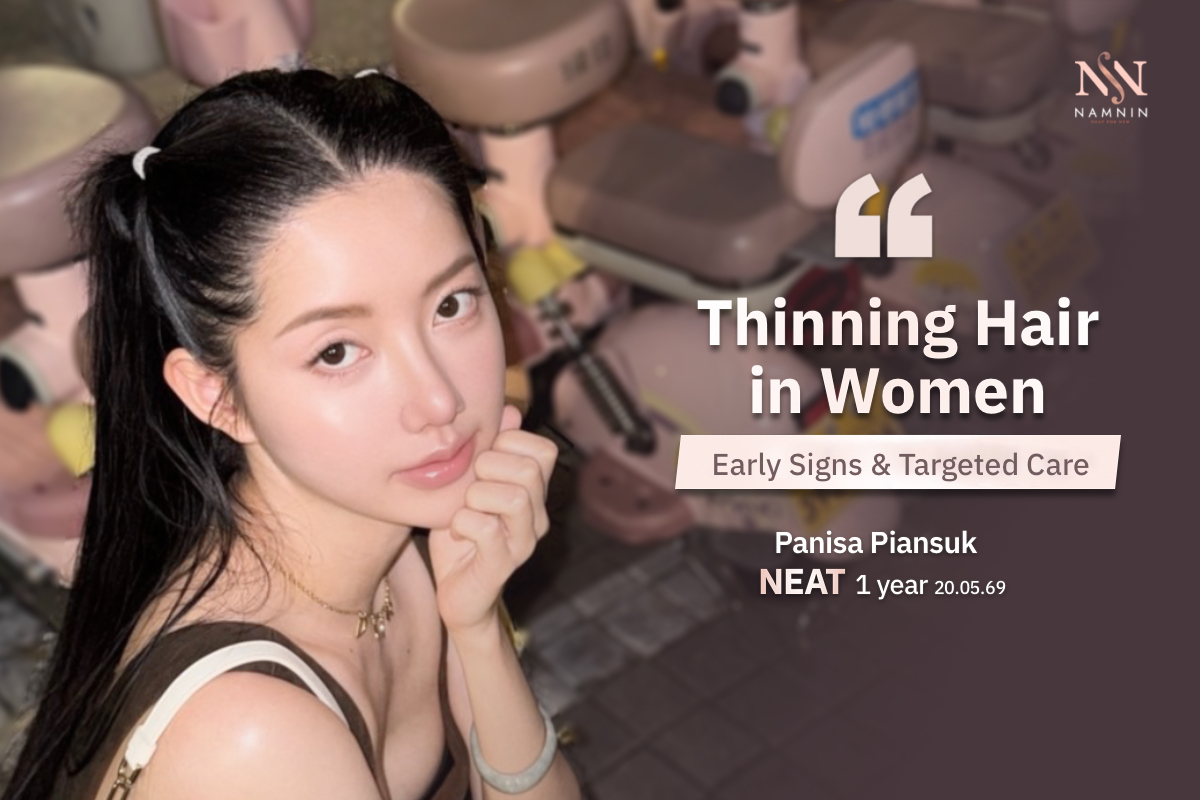
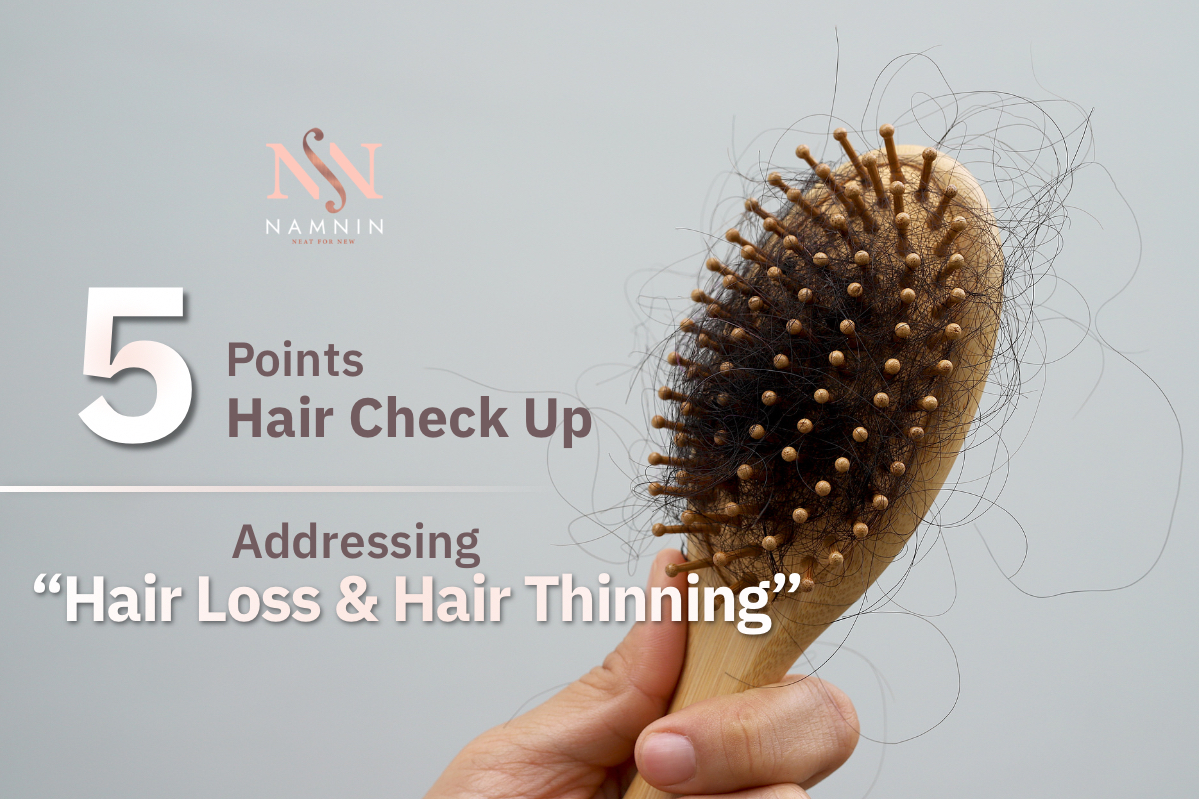
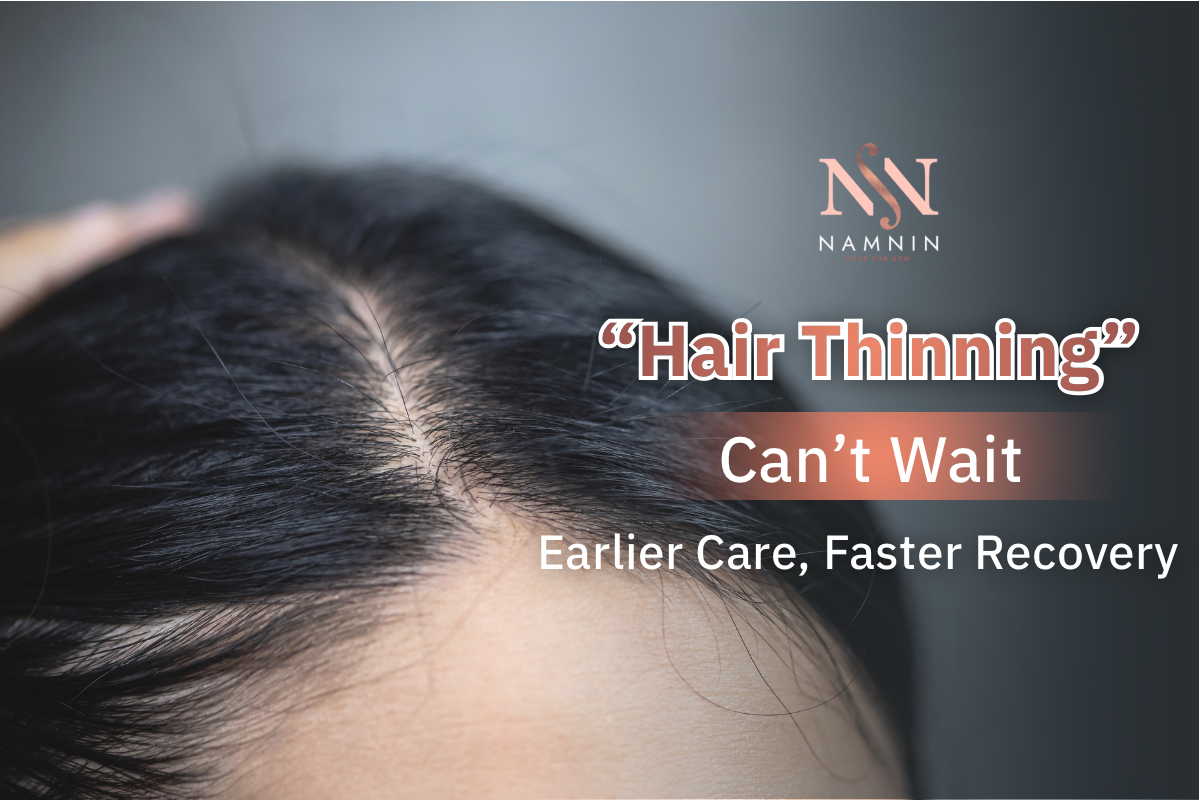
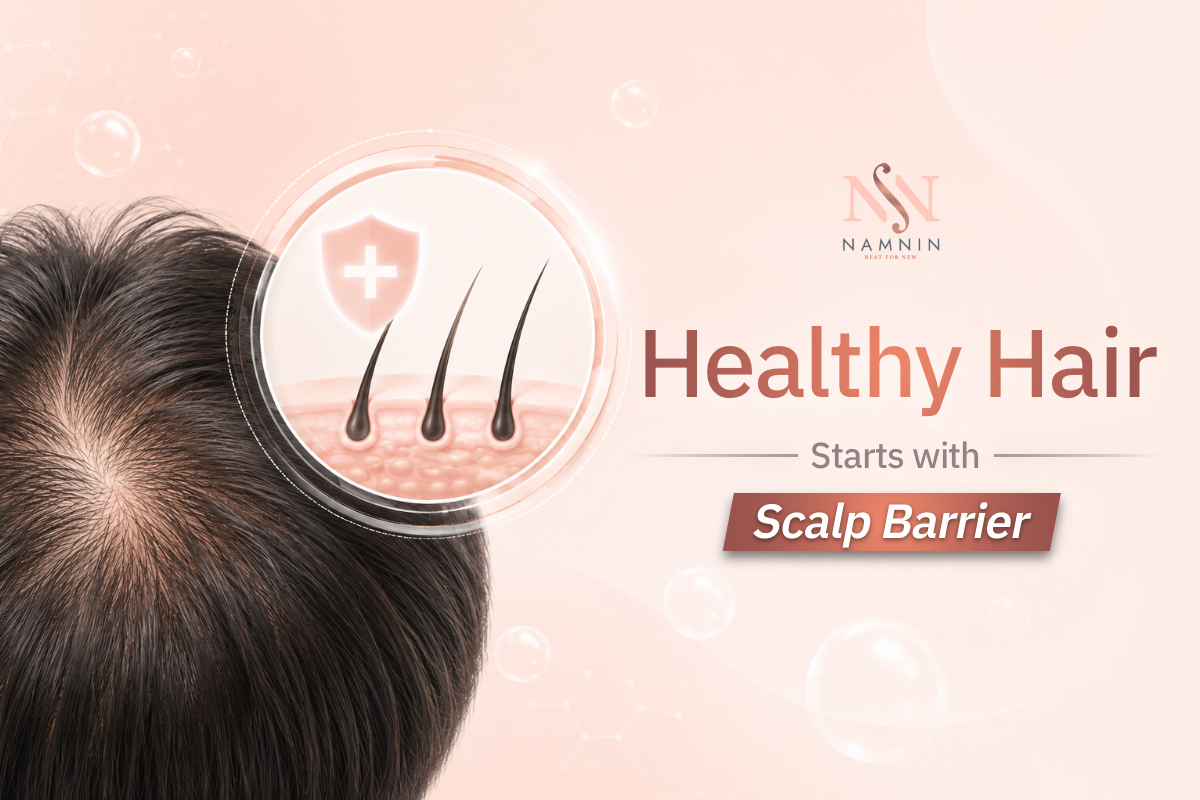
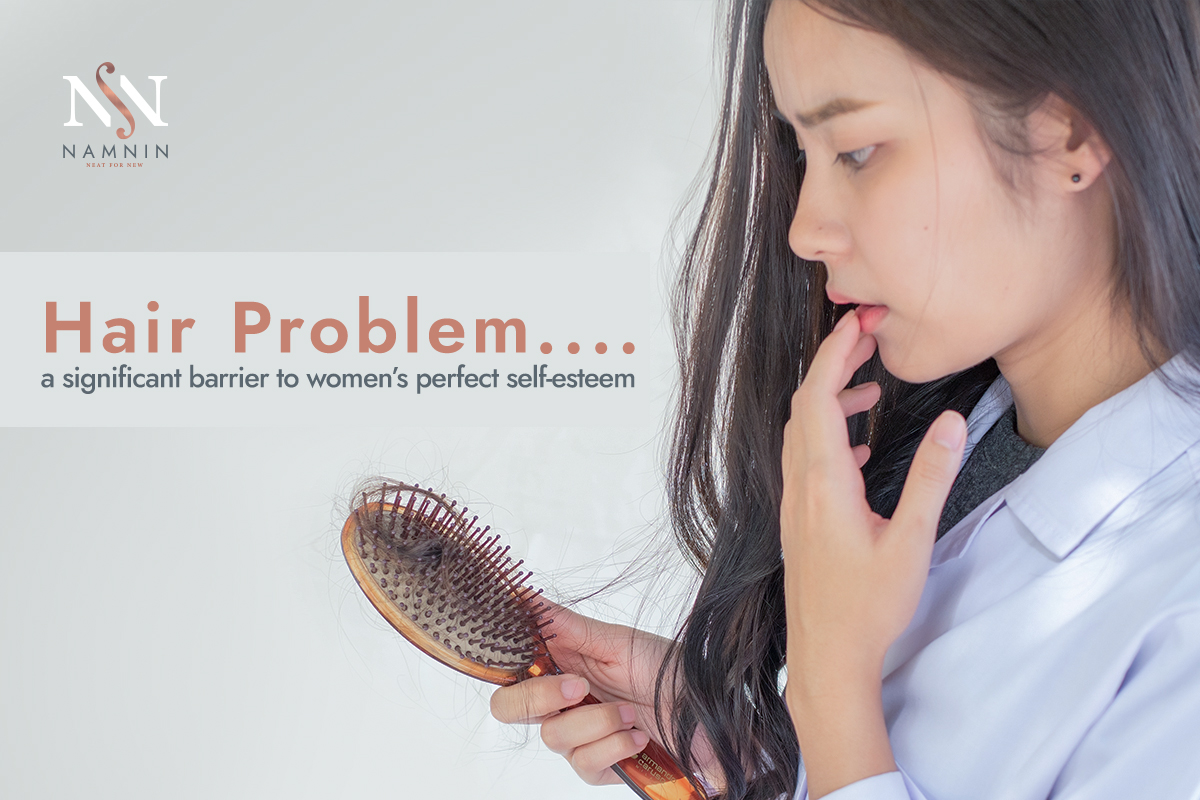
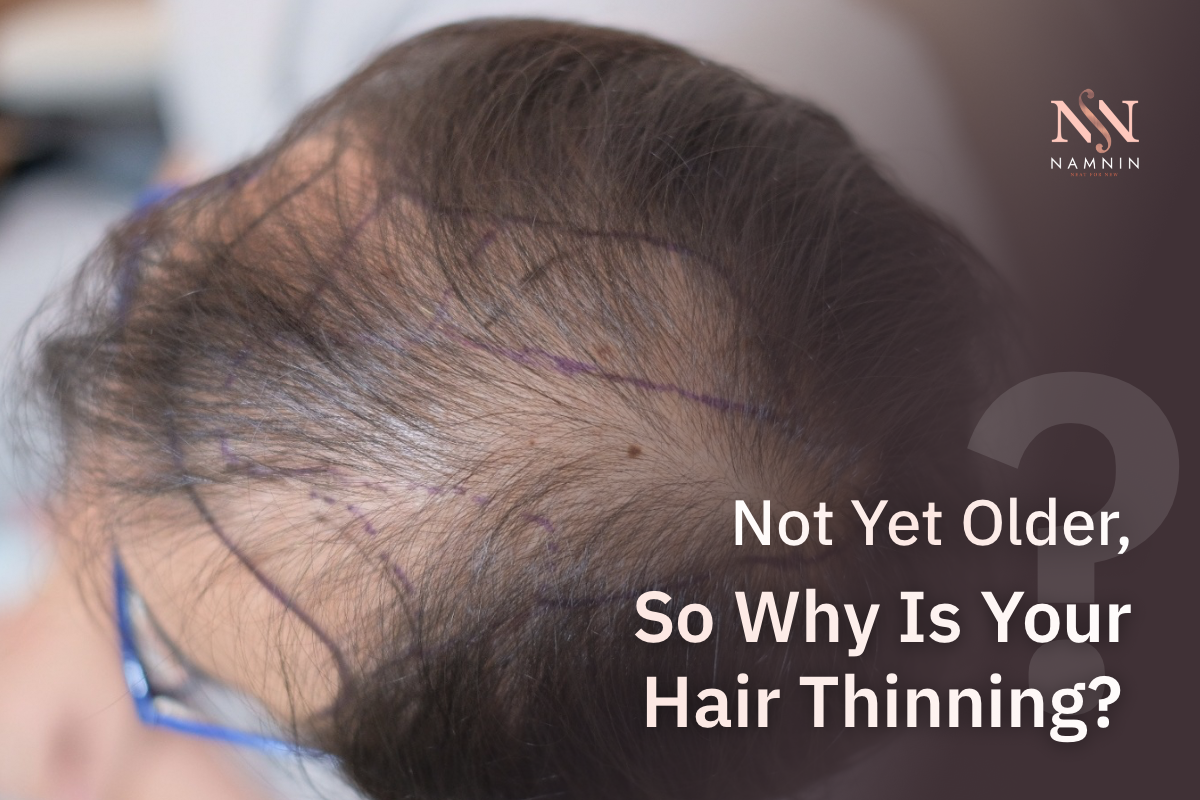
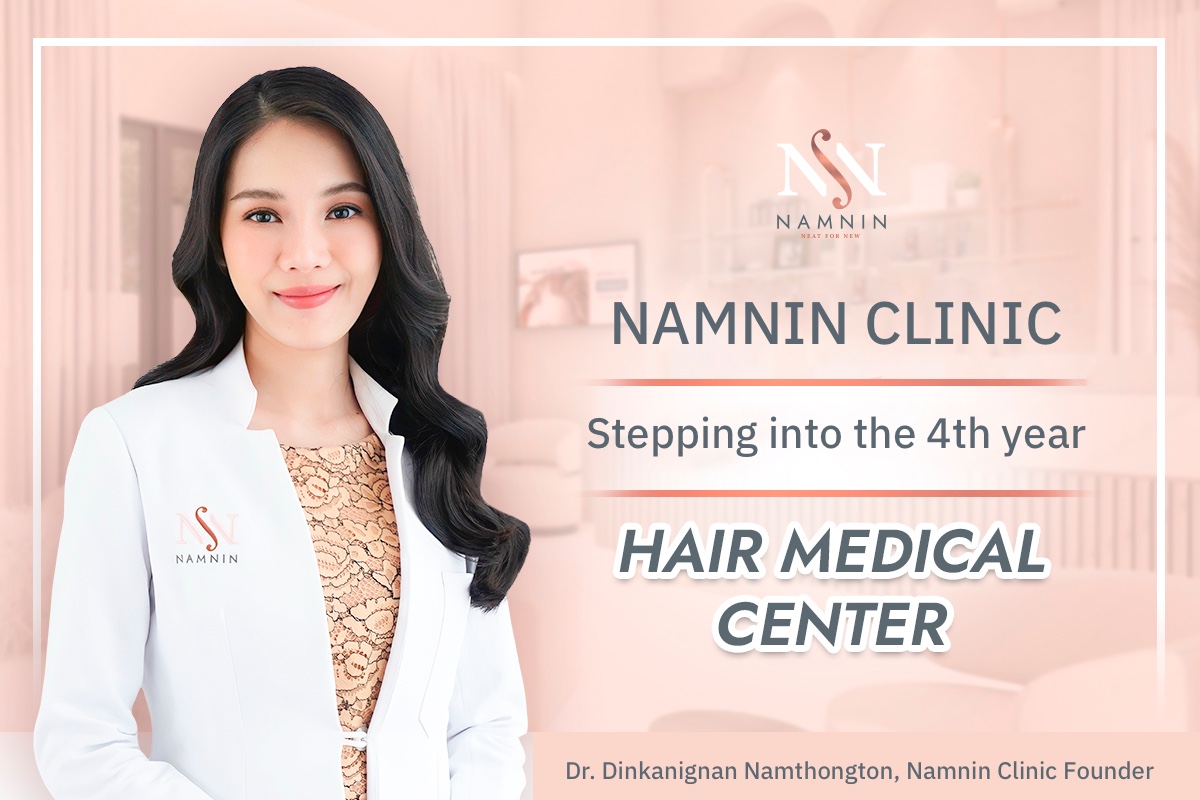
For many women, “hair” is more than just a matter of appearance. It is also part of their confidence in everyday life. We may not pay much attention to our hair when everything looks the same as usual. But one day, we may notice that our parting looks wider, our ponytail feels thinner, or more of the scalp is visible than before. These small changes can gradually affect our confidence. In women especially, hair thinning often develops gradually without being immediately noticeable. Paying attention to changes in the hair from an early stage is therefore one way to better understand the problem and choose appropriate care.
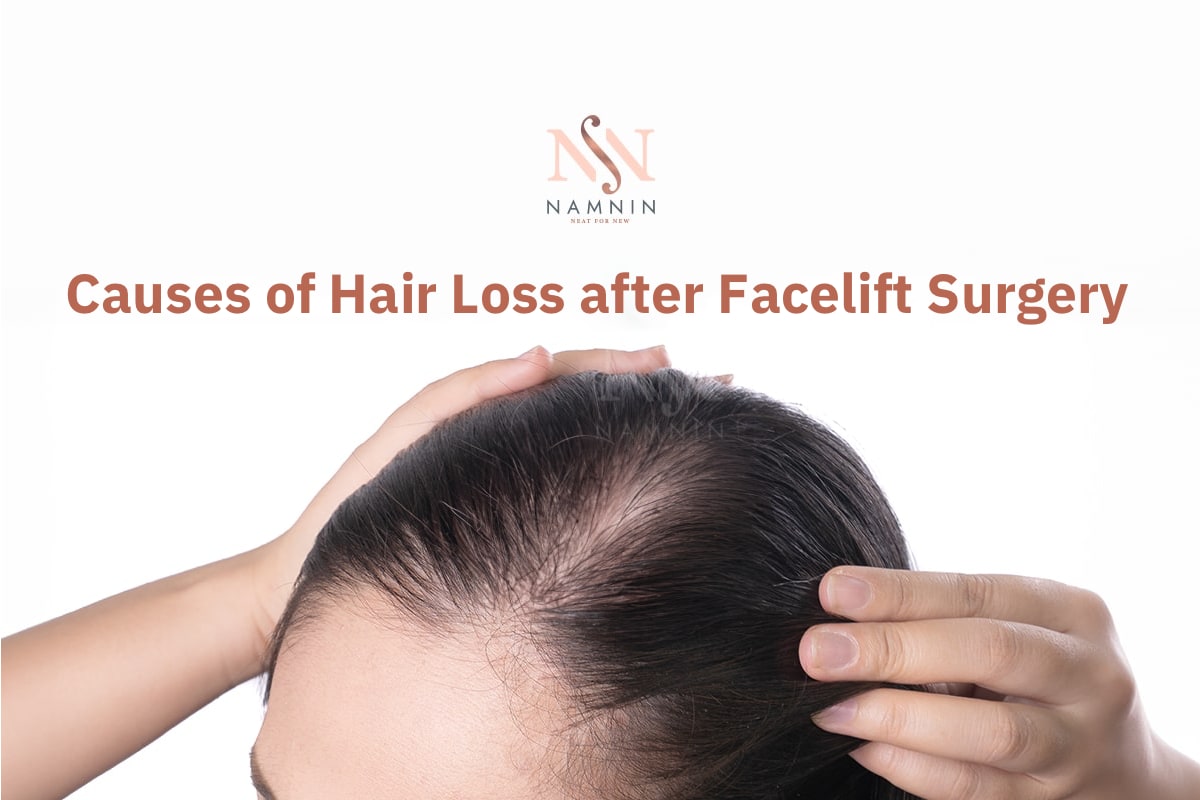
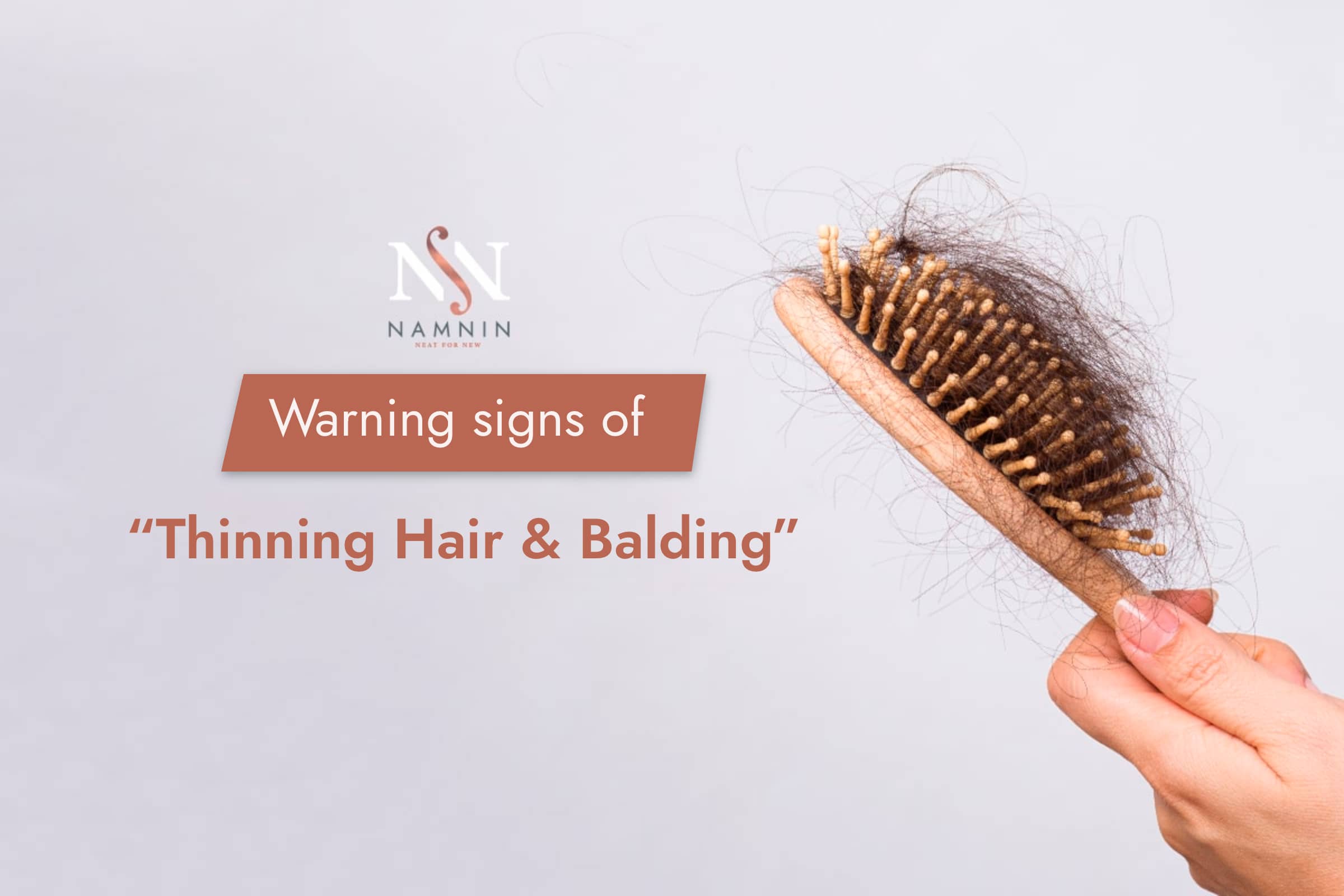
Many women do not experience obvious hairline recession in the same way that is commonly seen in men. Instead, they may begin to notice gradual changes such as:
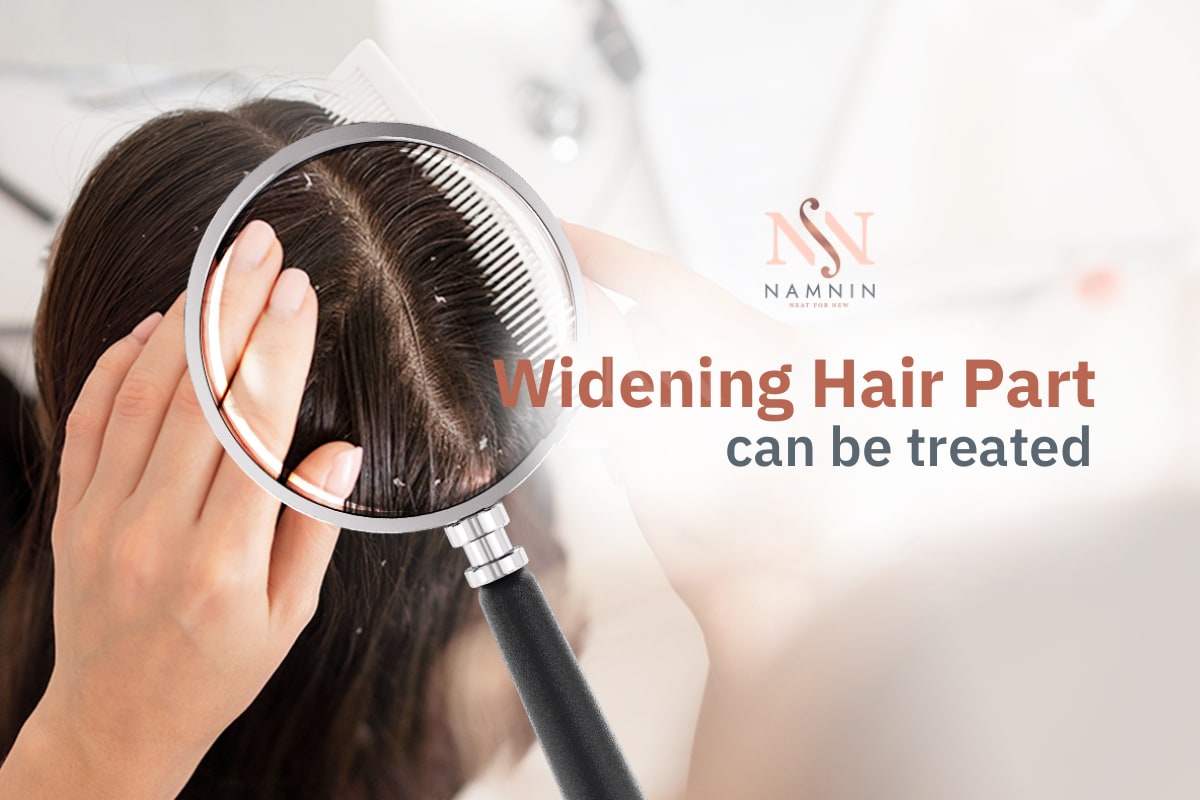
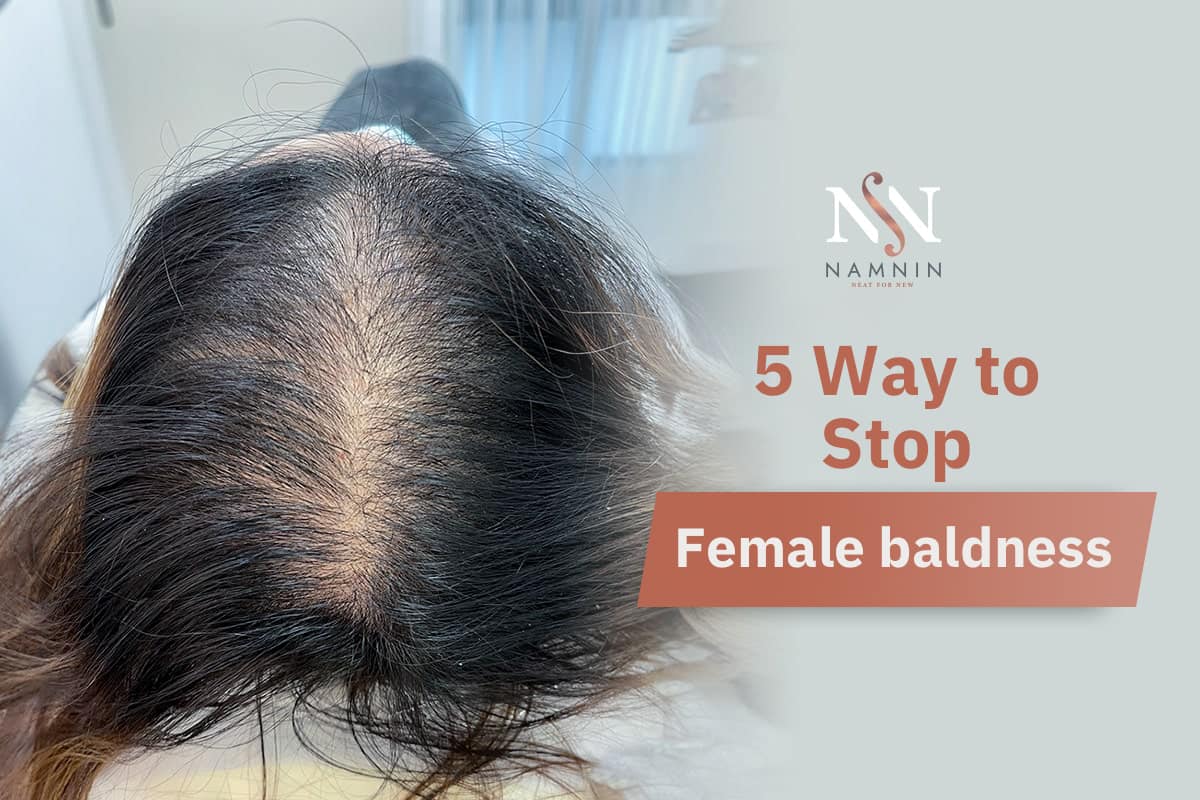
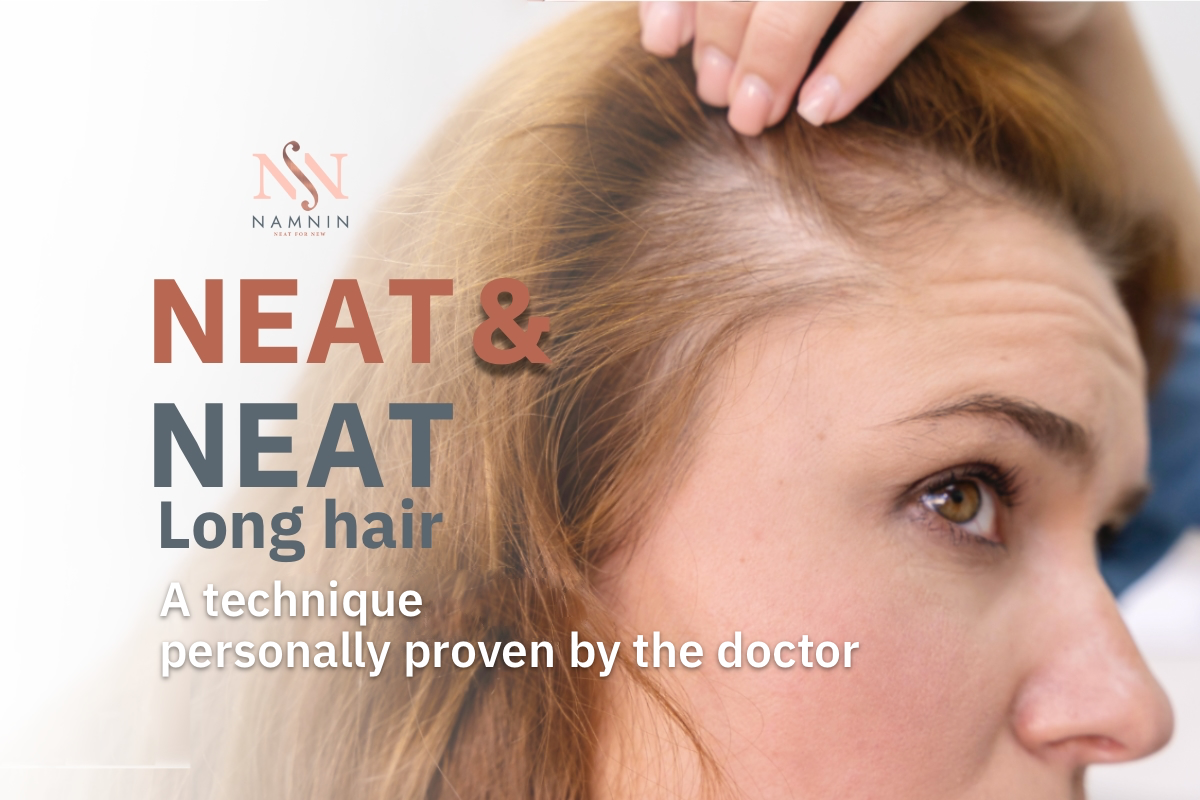
- A wider hair part, especially when parting the hair in the same area regularly
- Reduced ponytail volume. A ponytail that once felt thick and full may begin to feel smaller
- Diffuse hair thinning across the scalp rather than thinning in one specific area
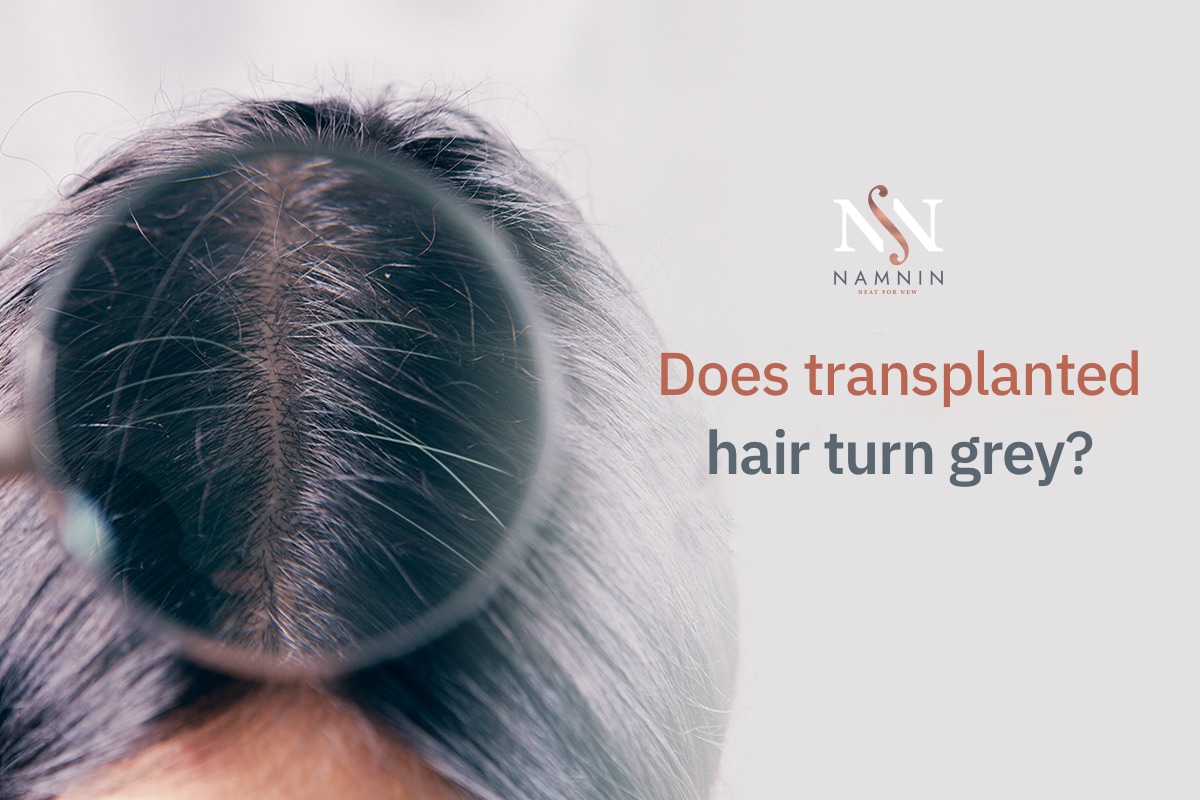
- Increased scalp visibility, particularly around the crown or along the hair part
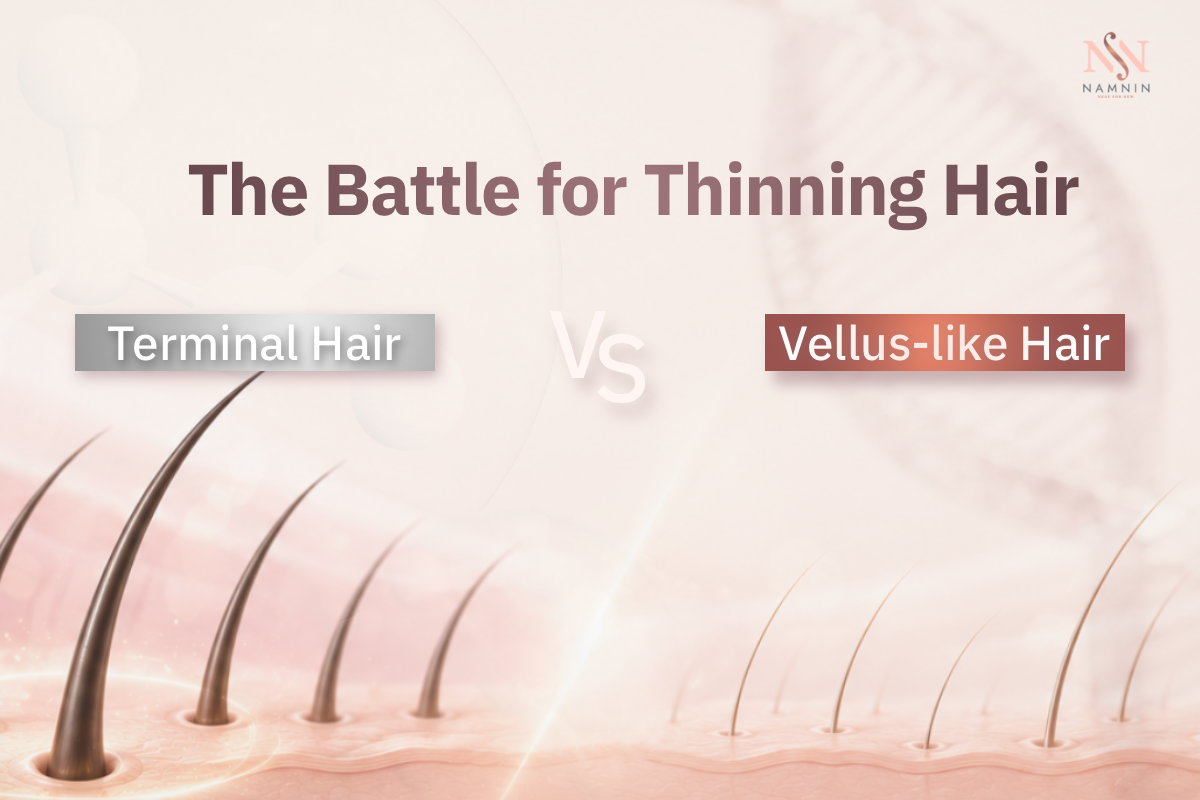
- Gradual thinning of the hair shaft and hair follicle, known as Miniaturization, which refers to the hair becoming smaller and thinner over time
In some cases, the frontal hairline can also recede. This may be associated with several factors, including genetics, hair care practices, or hairstyles that repeatedly pull on the hair in the same area. These changes can occur so gradually that they may go unnoticed because they do not happen overnight. Sometimes, by the time we realize that our hair has truly become thinner, several months or even years may have already passed.
An important aspect of managing hair thinning in women is that not everyone needs the same approach. The pattern and underlying causes of hair thinning can vary from person to person. Medical evaluation therefore plays an important role in determining an appropriate approach, particularly when changes in the hairline or progressive hair thinning begin to appear.
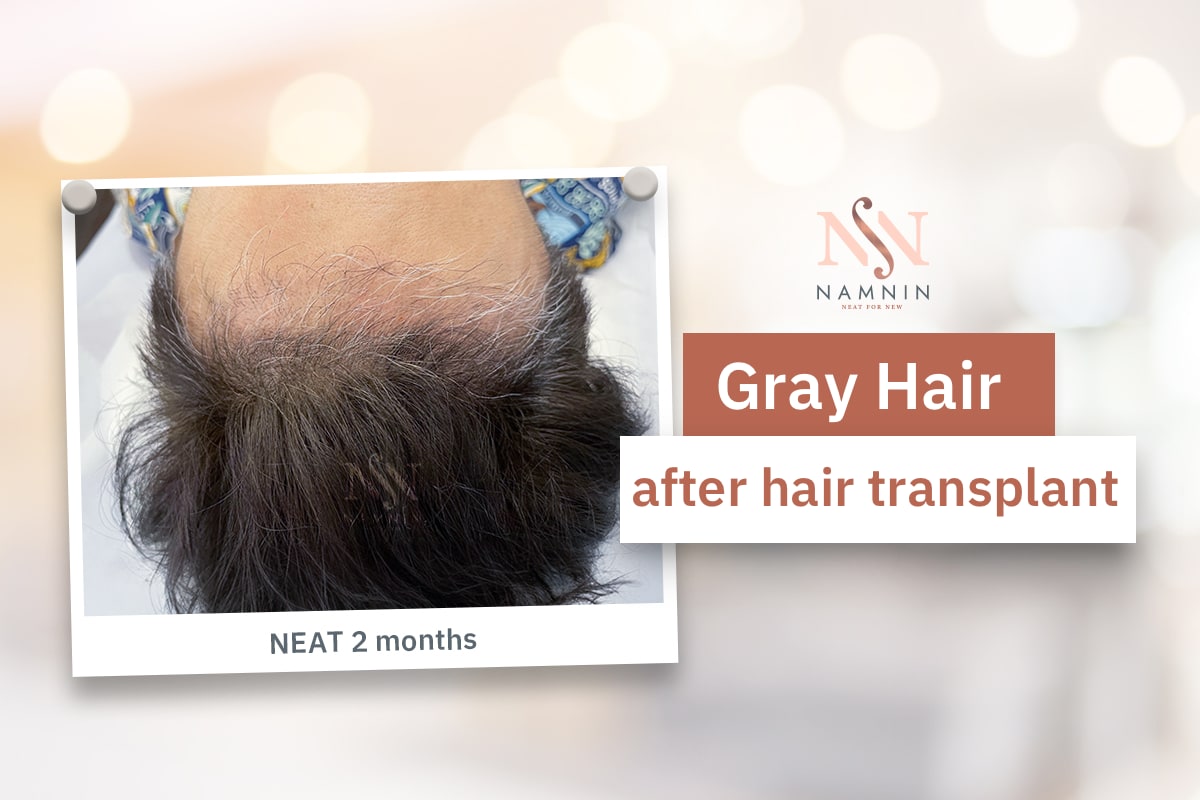
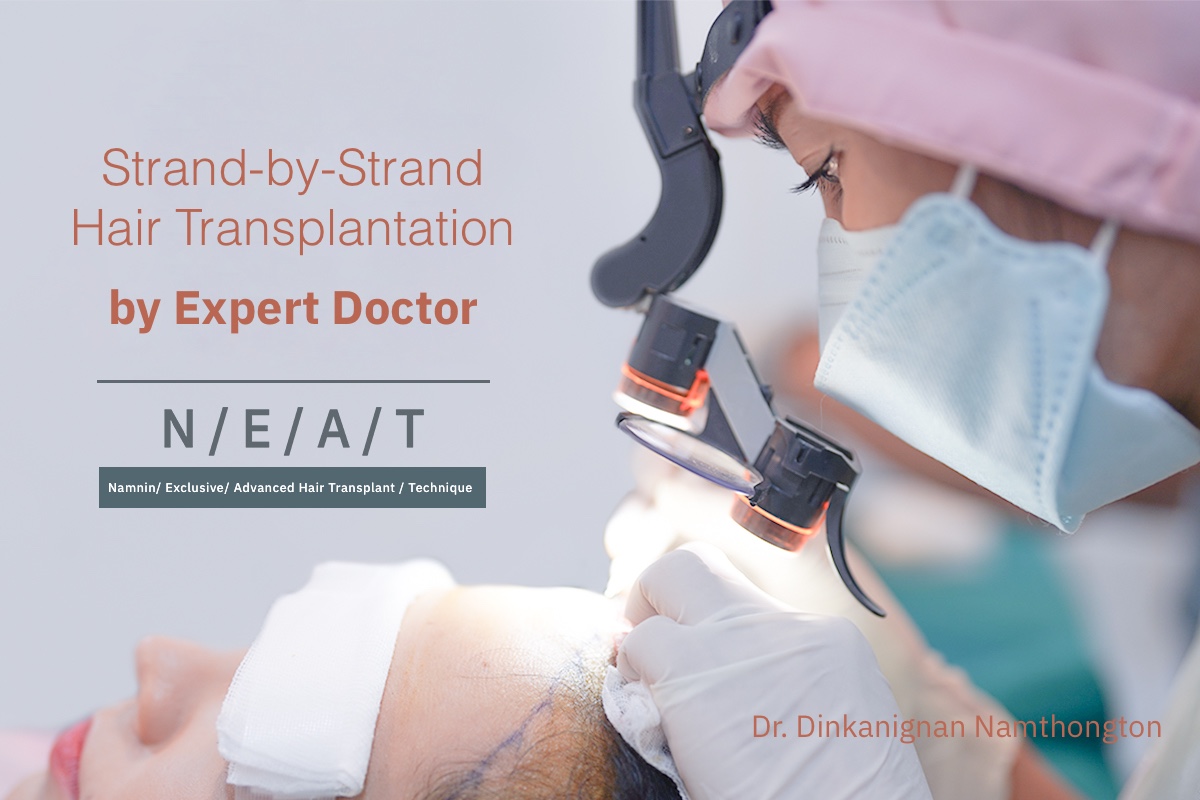
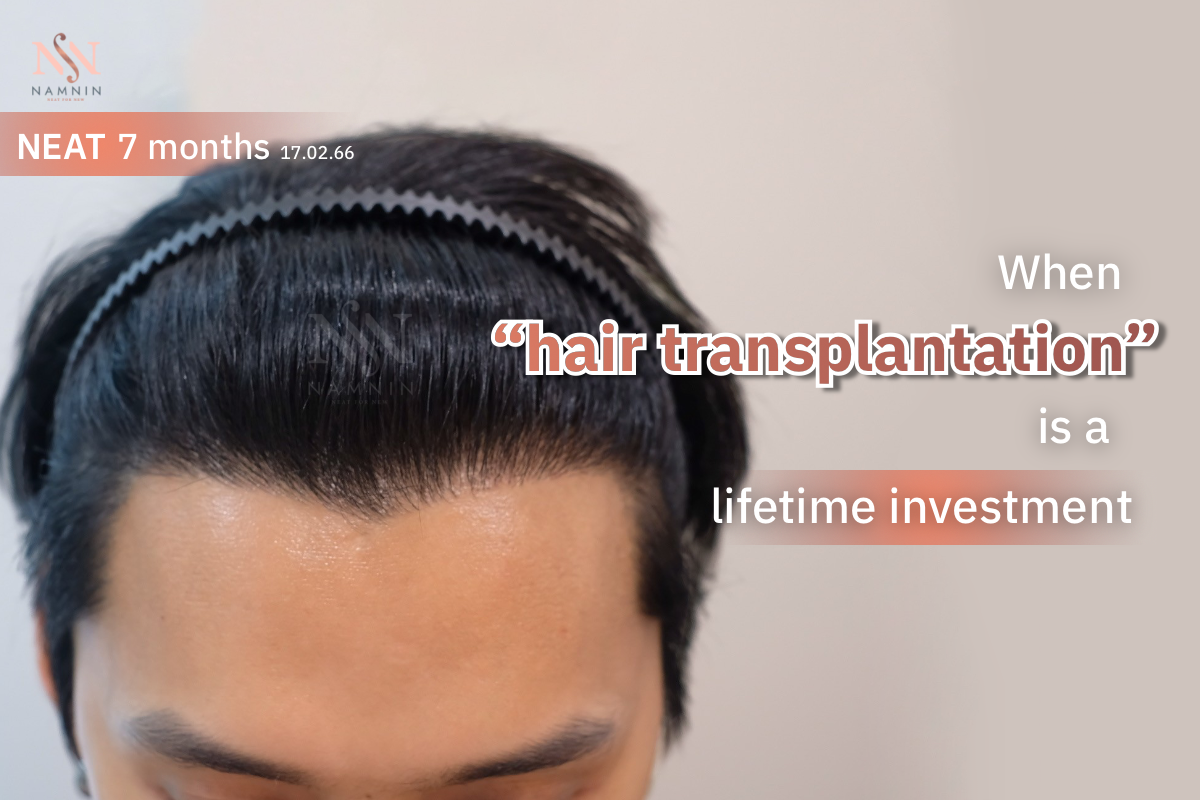
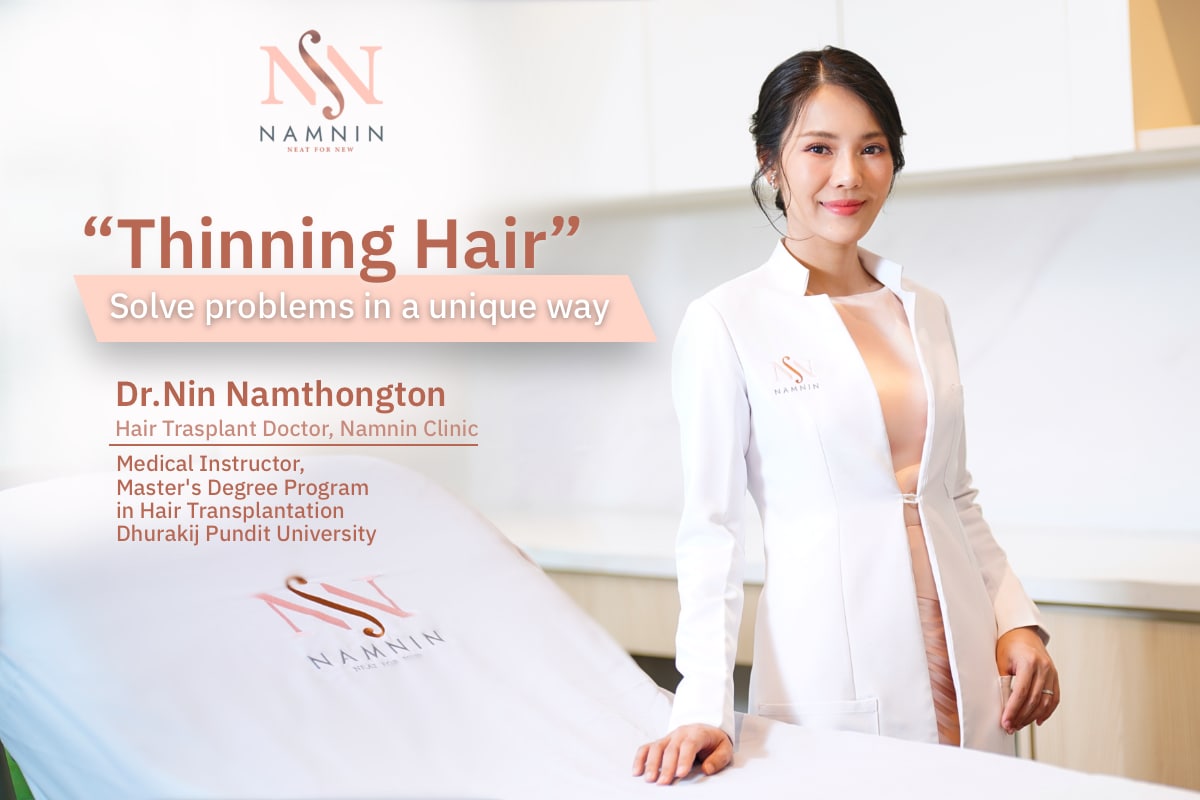
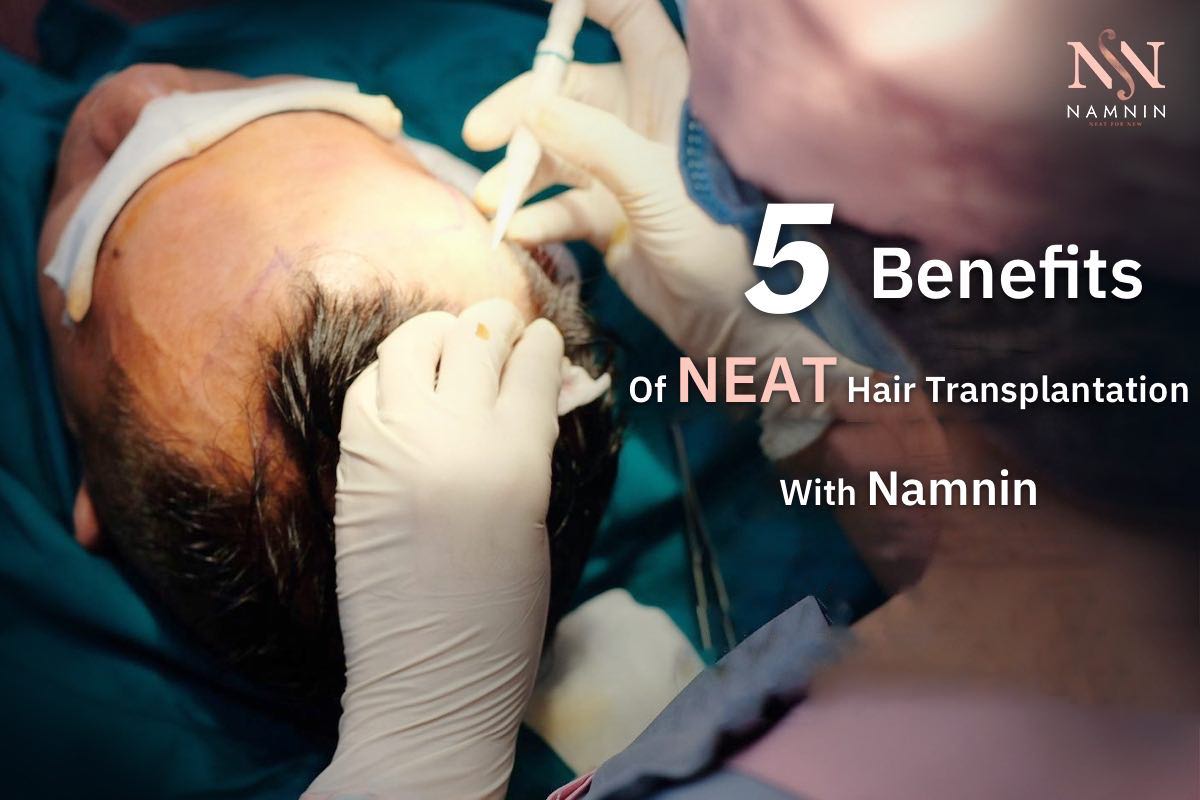
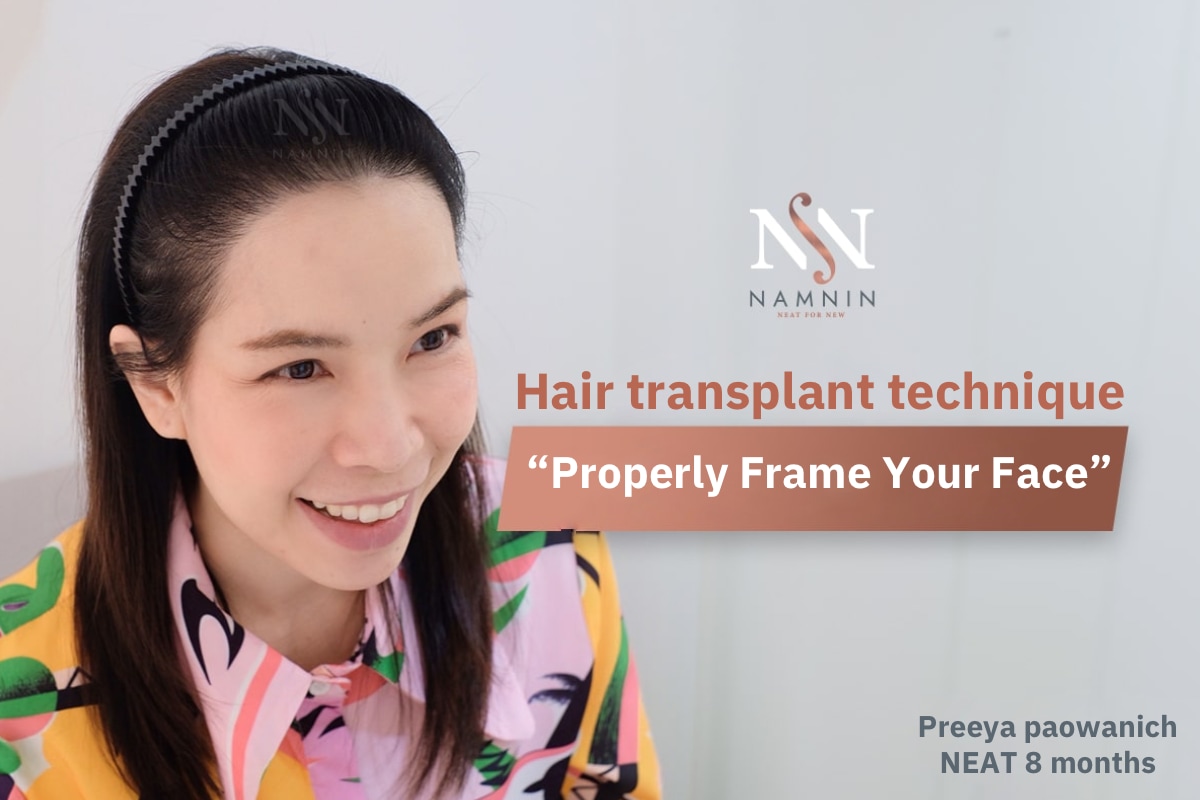
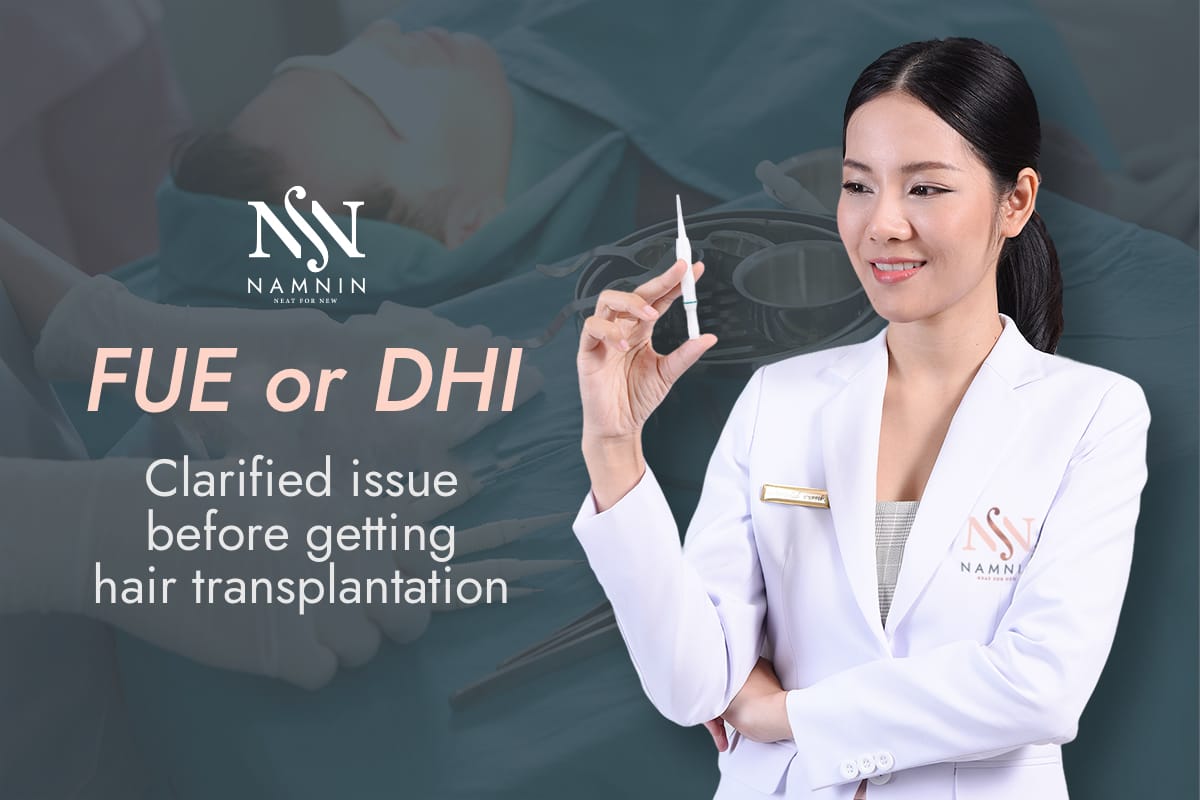
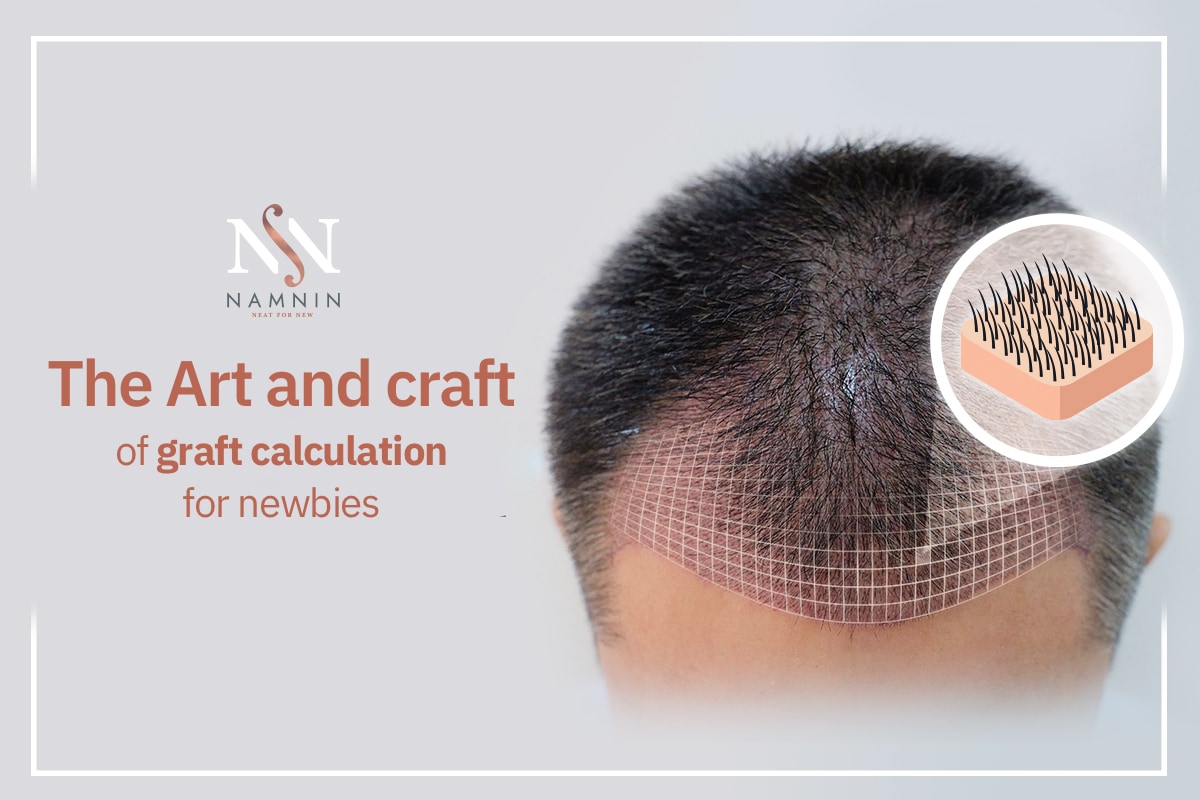
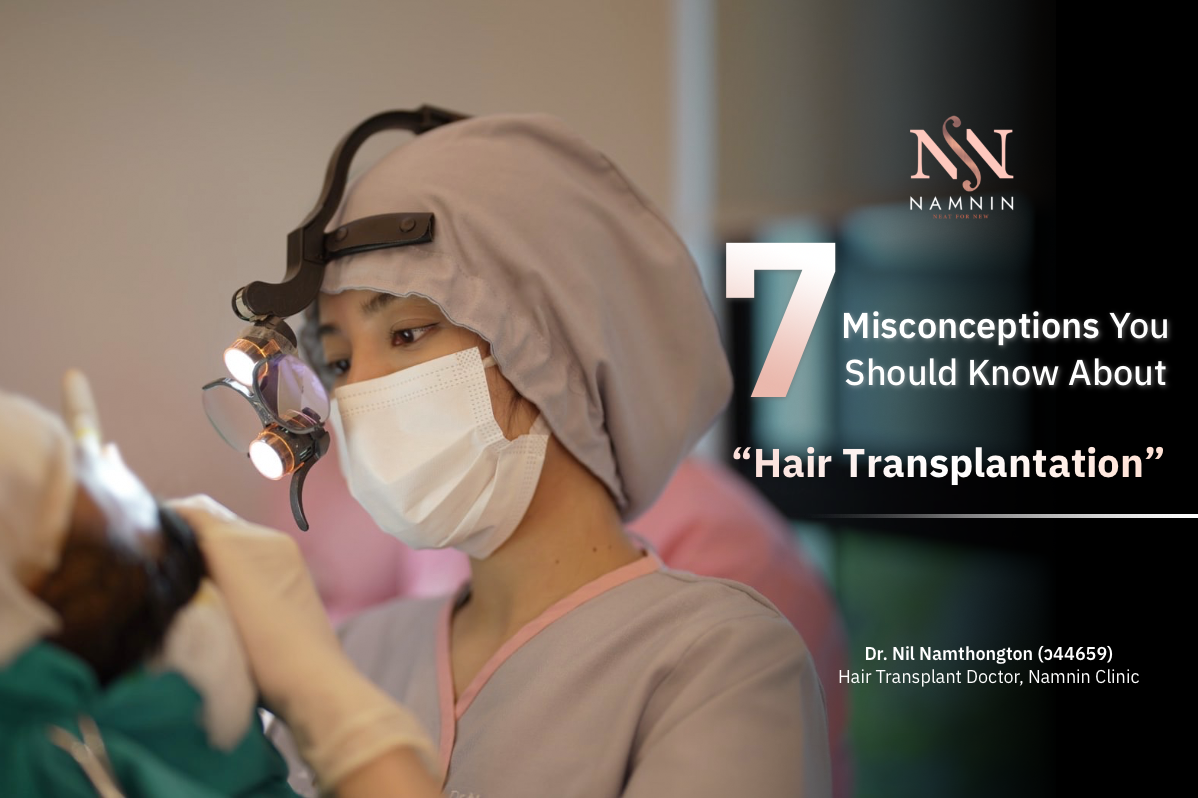
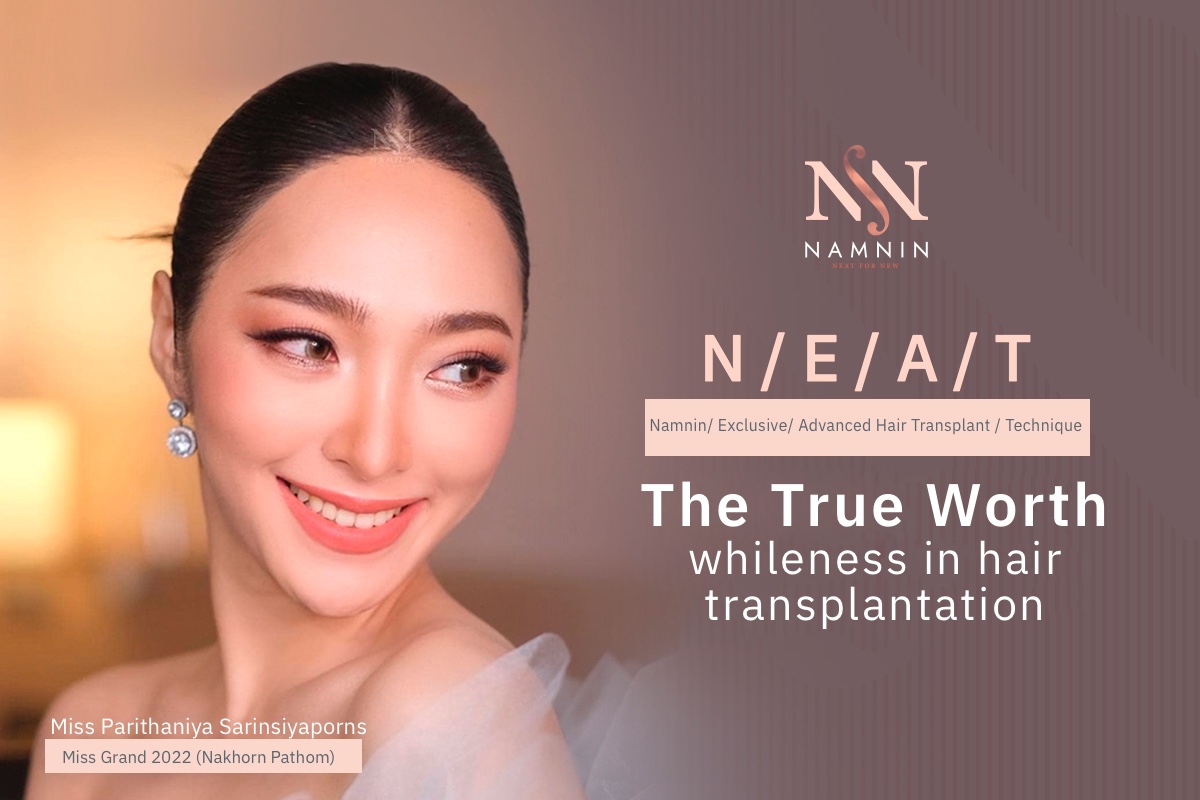
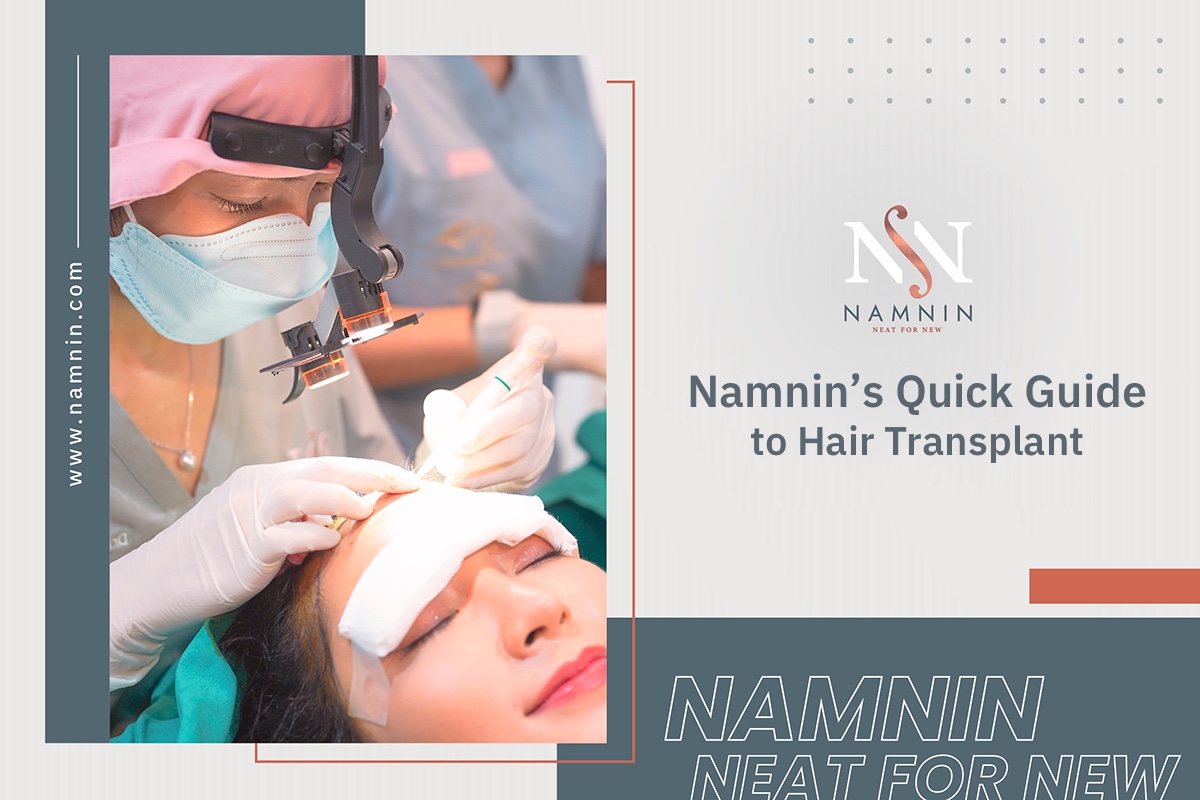
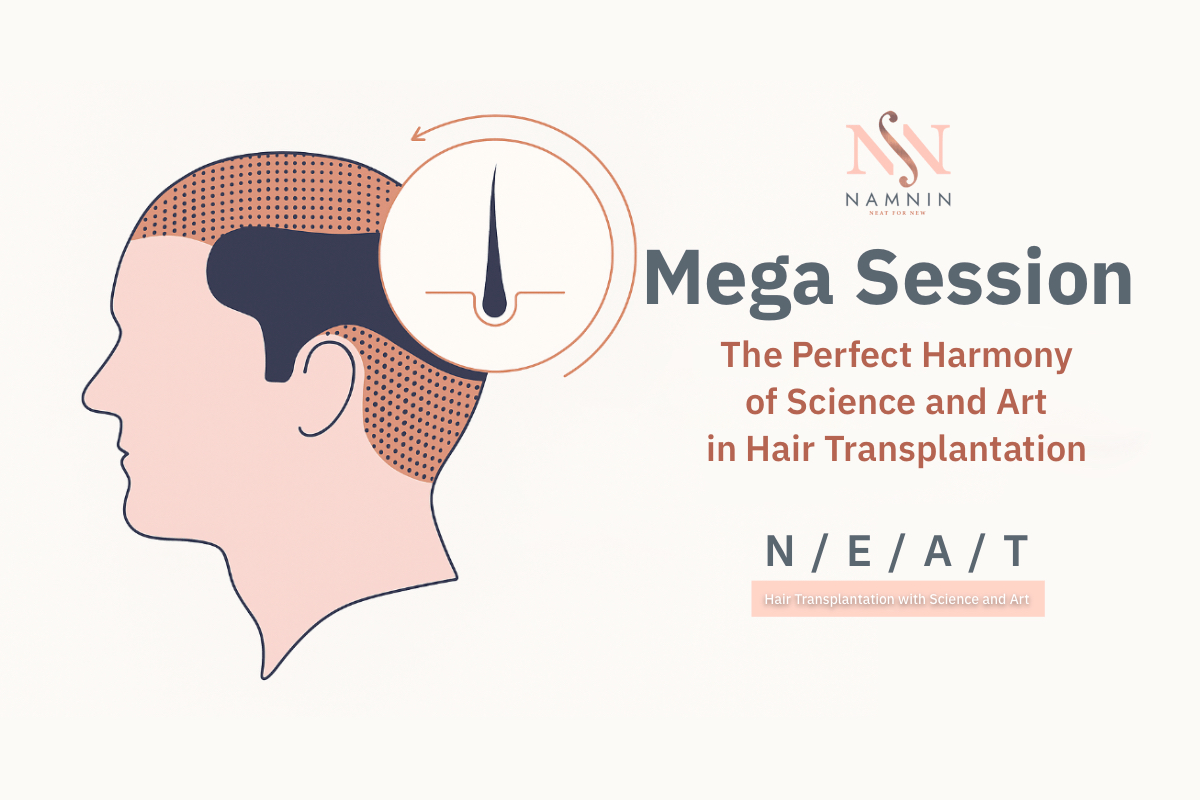
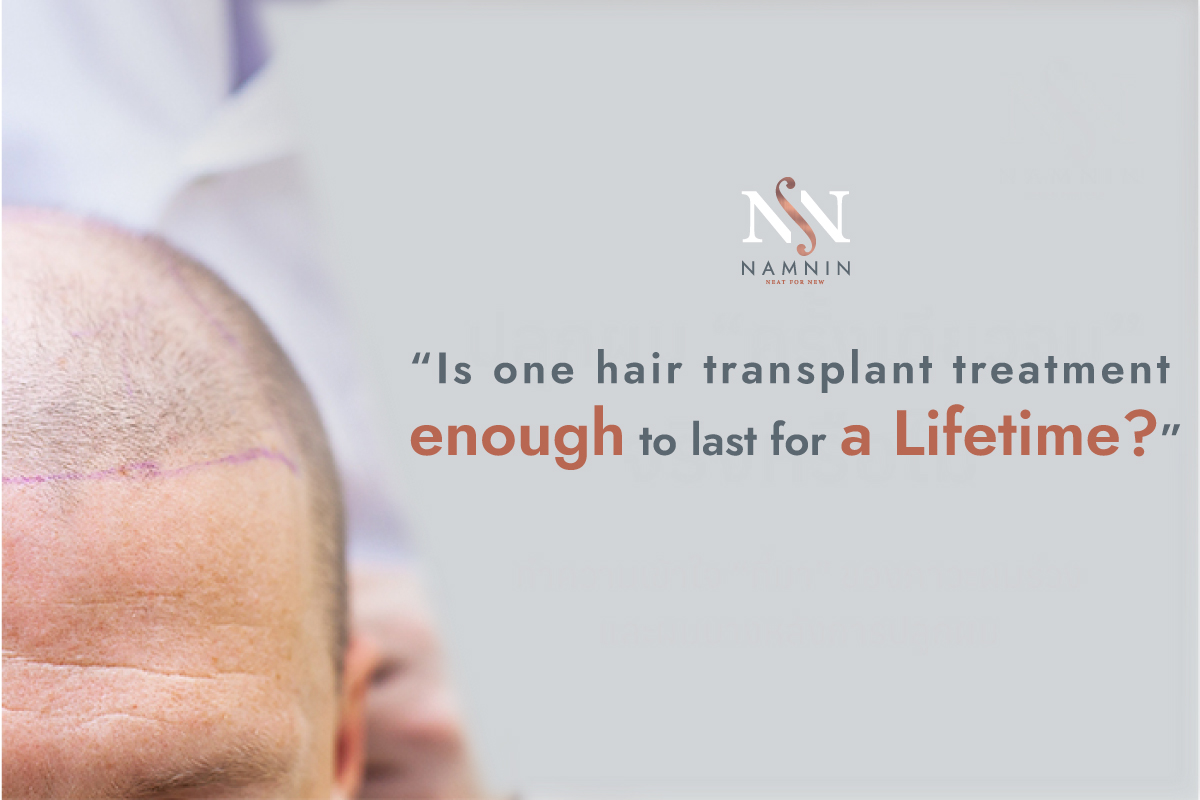
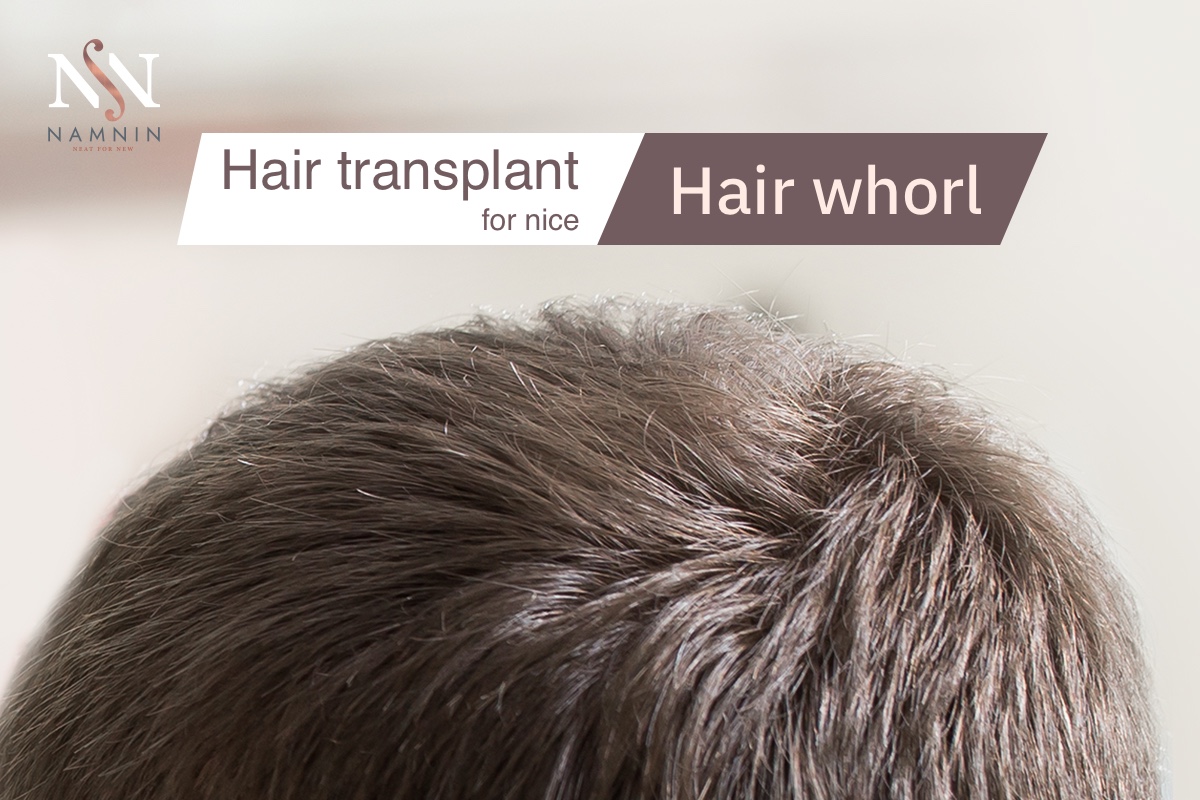
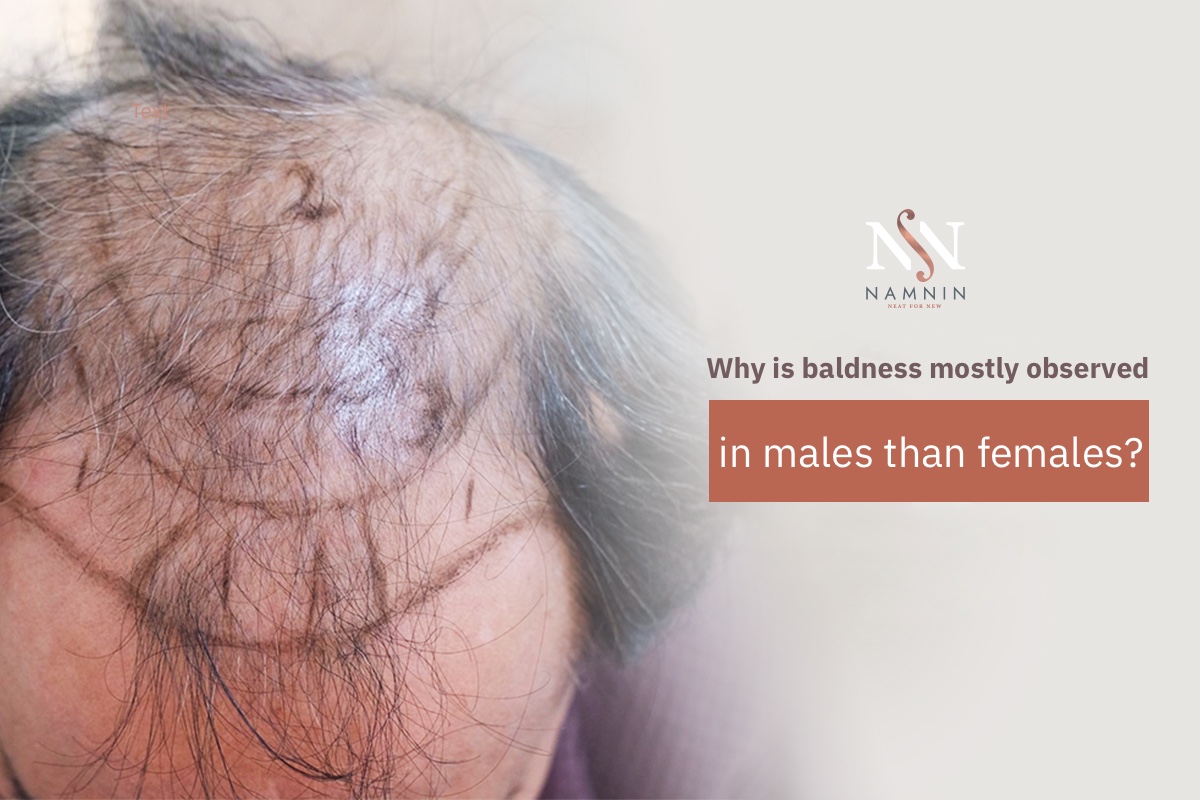
For women experiencing recession of the frontal hairline, hair transplantation with NEAT is one approach that can help design and restore the areas where additional hair is needed. In women, however, hair transplantation is not simply about adding more hair. A well designed hairline should also complement each person’s facial features and individual characteristics.
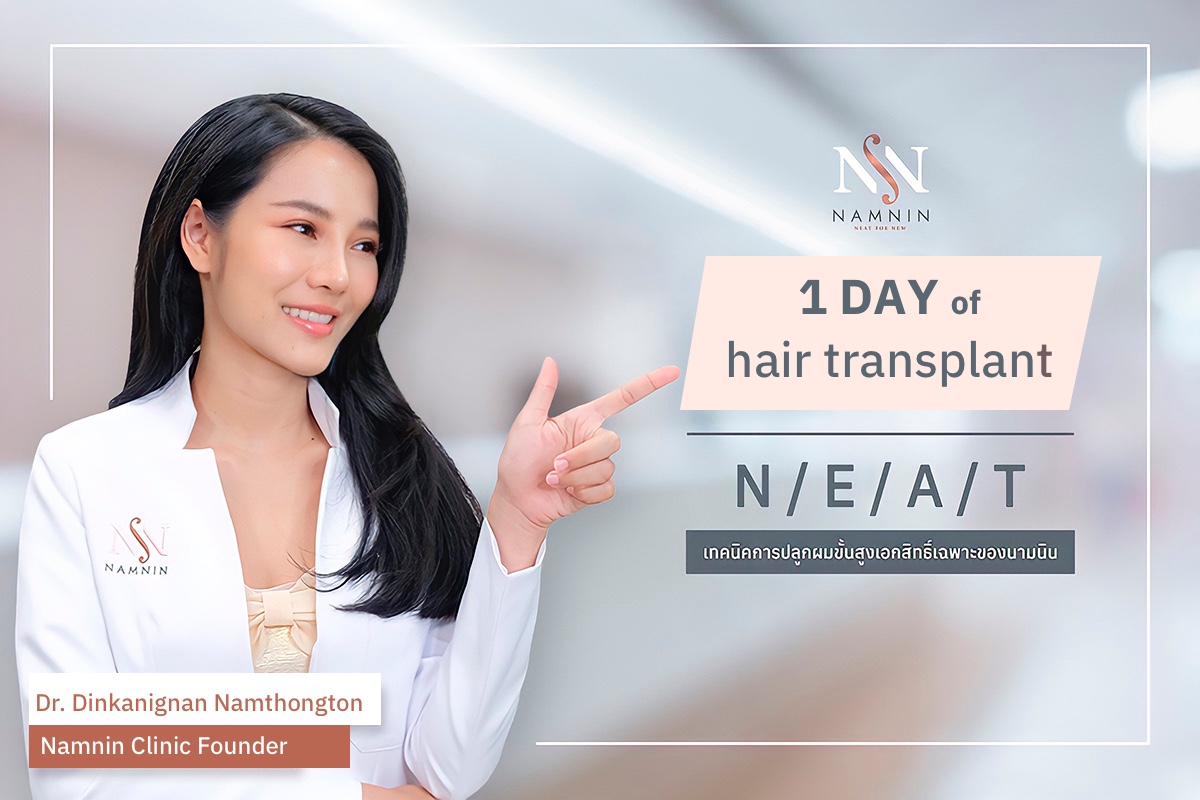
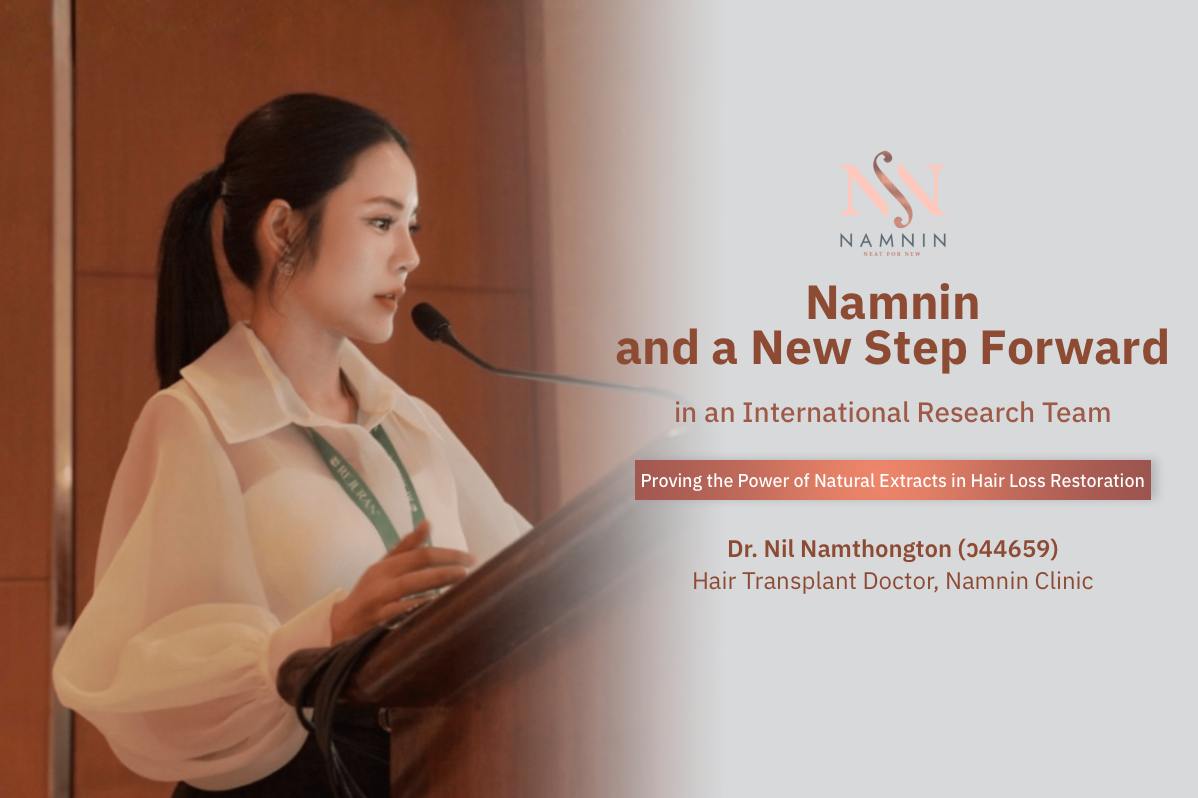
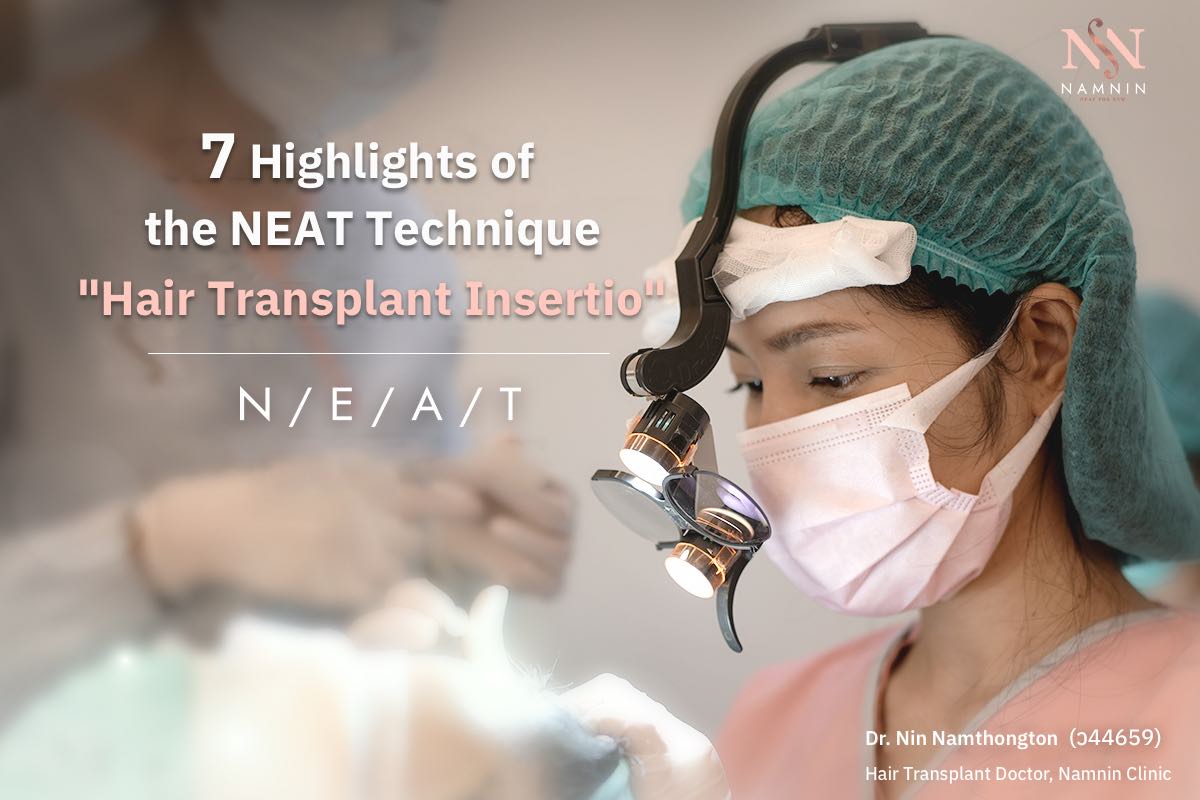
With NEAT hair transplantation, before the procedure, Dr. Nin considers facial proportions based on the Golden Ratio together with each individual’s needs and unique characteristics to design an appropriate Hairline. Some people may want to create a more balanced appearance of the forehead. Others may want to add hair around the temples, while some may only need subtle adjustments to the frontal hairline. The goal is therefore not to create a hairline that looks overly precise or unnatural, but to create one that, once the transplanted hair grows, blends well with the face while maintaining the person’s own identity.
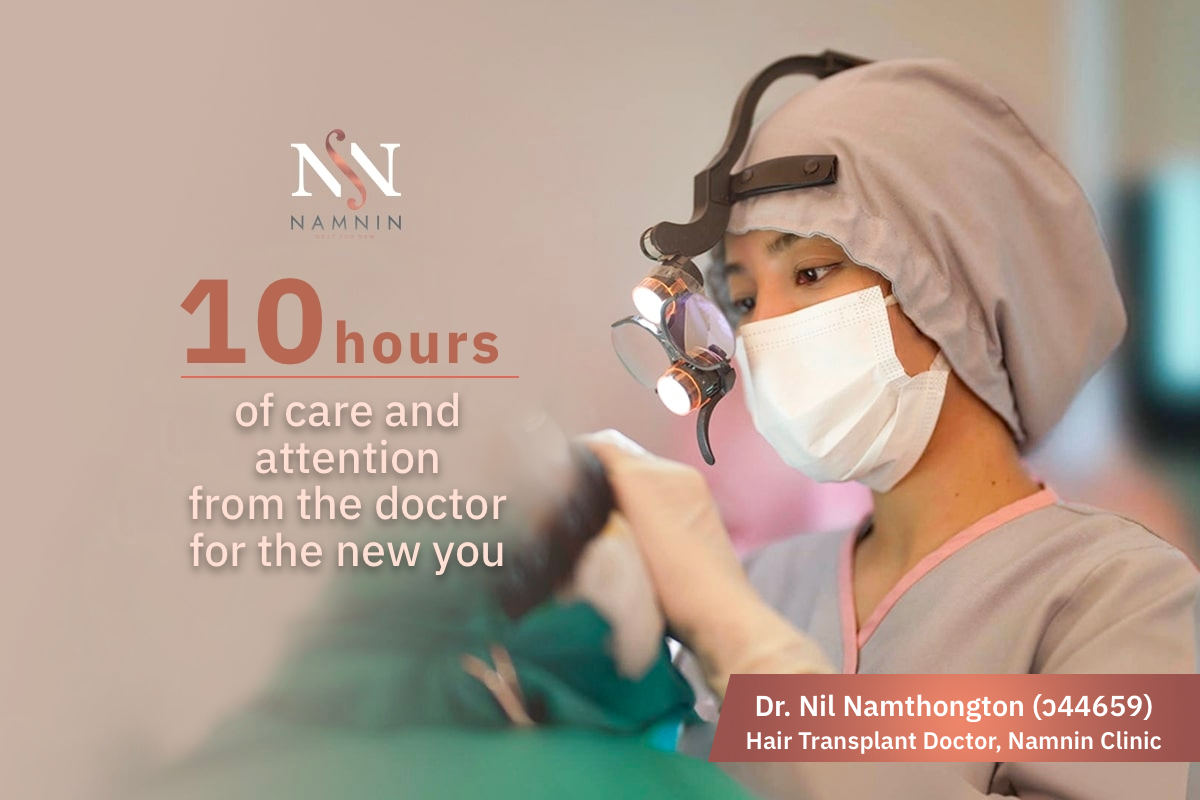
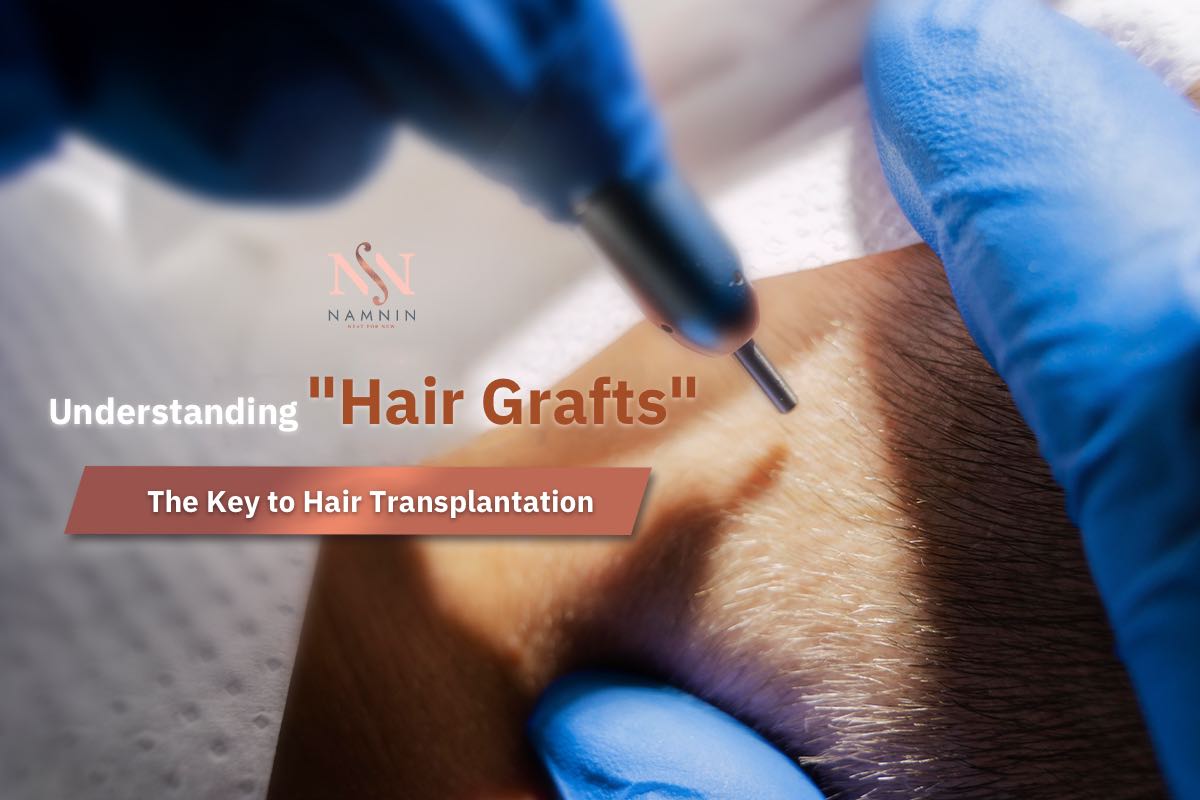
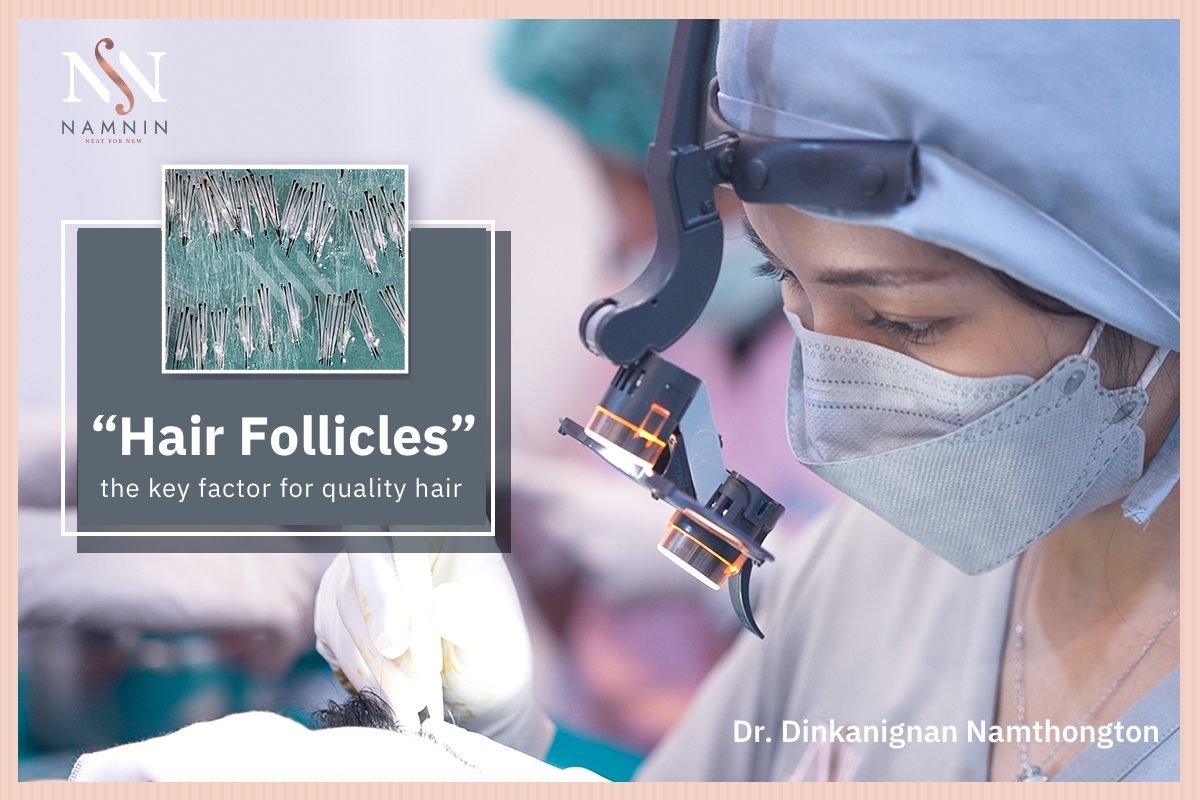
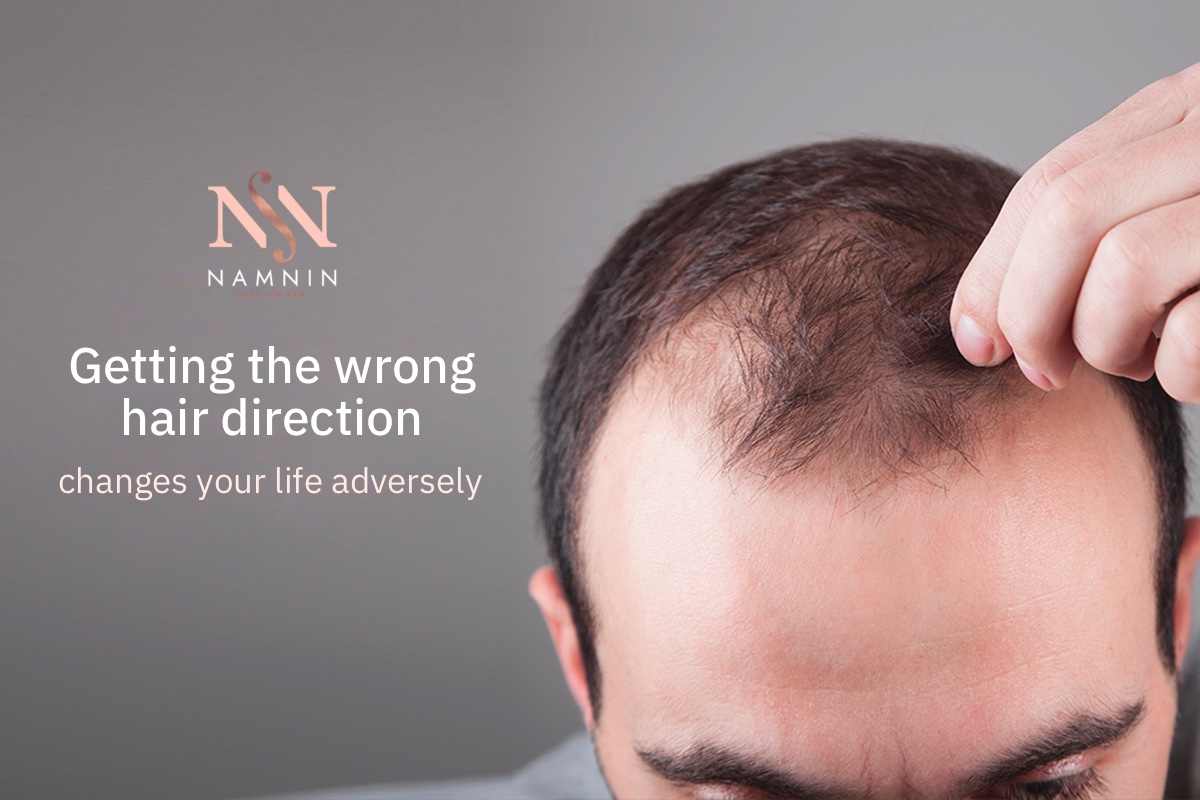
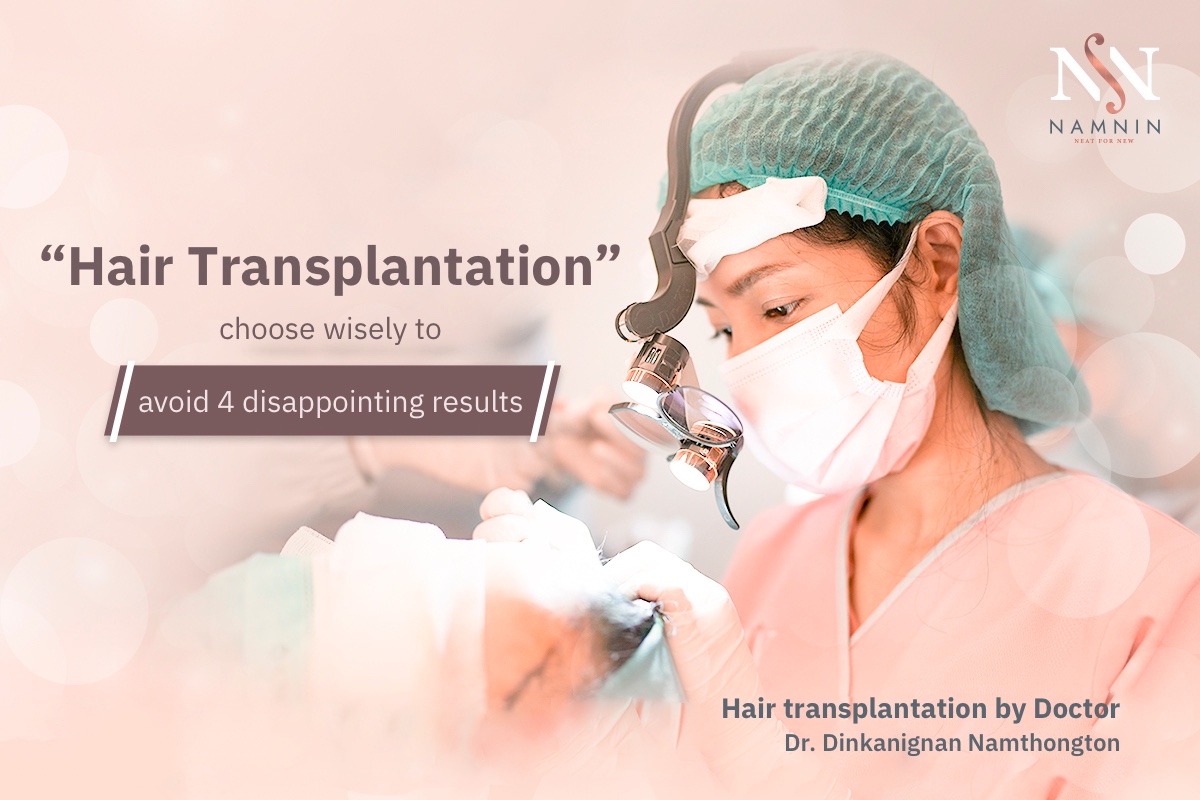
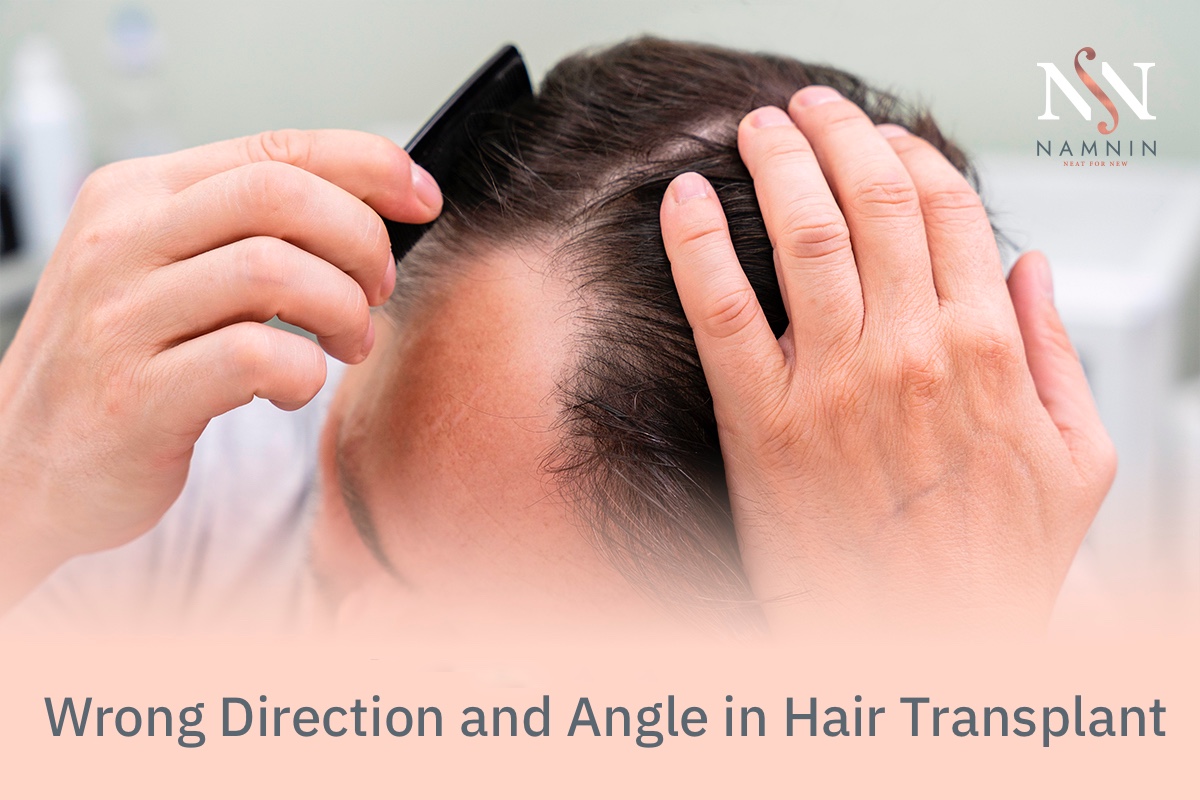
Another important detail in hair transplantation is the direction and placement of each graft. Placing the hair in an inappropriate direction can affect the appearance of the result. Dr. Nin personally performs every graft placement, paying close attention to the direction of hair growth, placement, and hair density. This is particularly important around the frontal hairline, which is highly visible. Careful placement of each hair is therefore essential to create a hairline that looks natural and complements the facial features as much as possible.
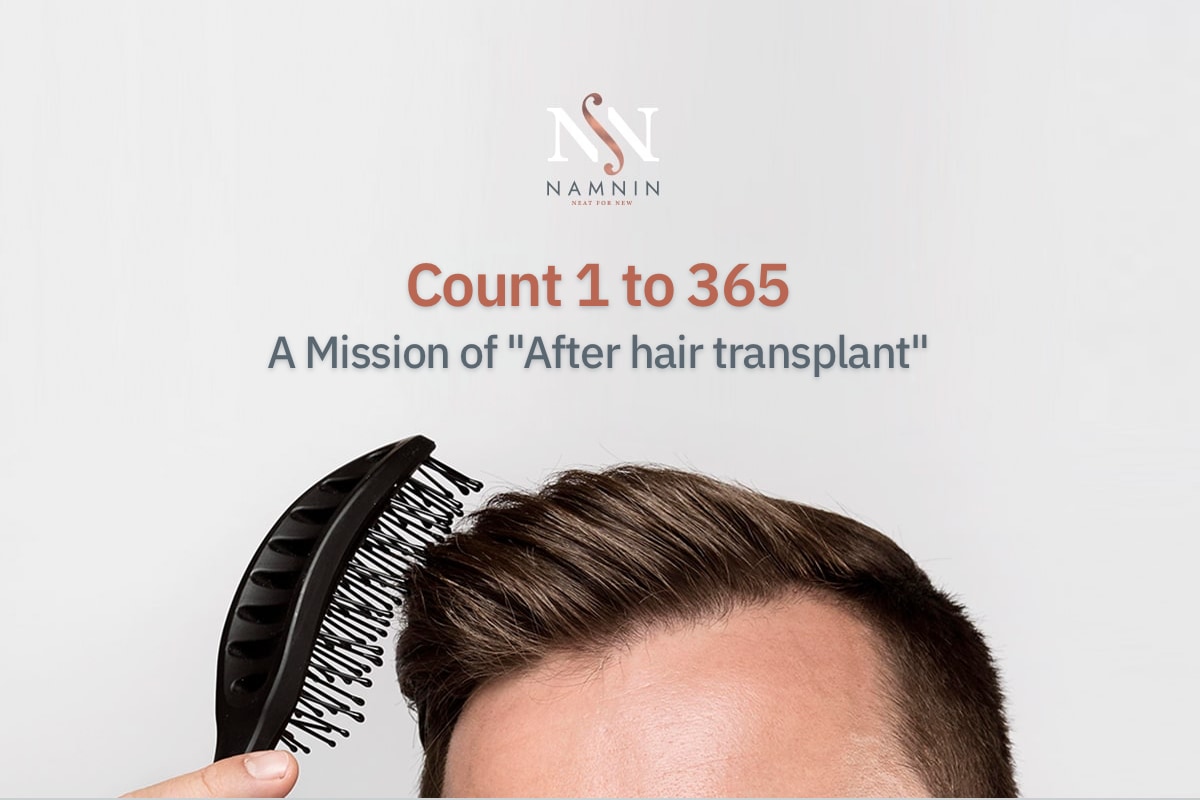
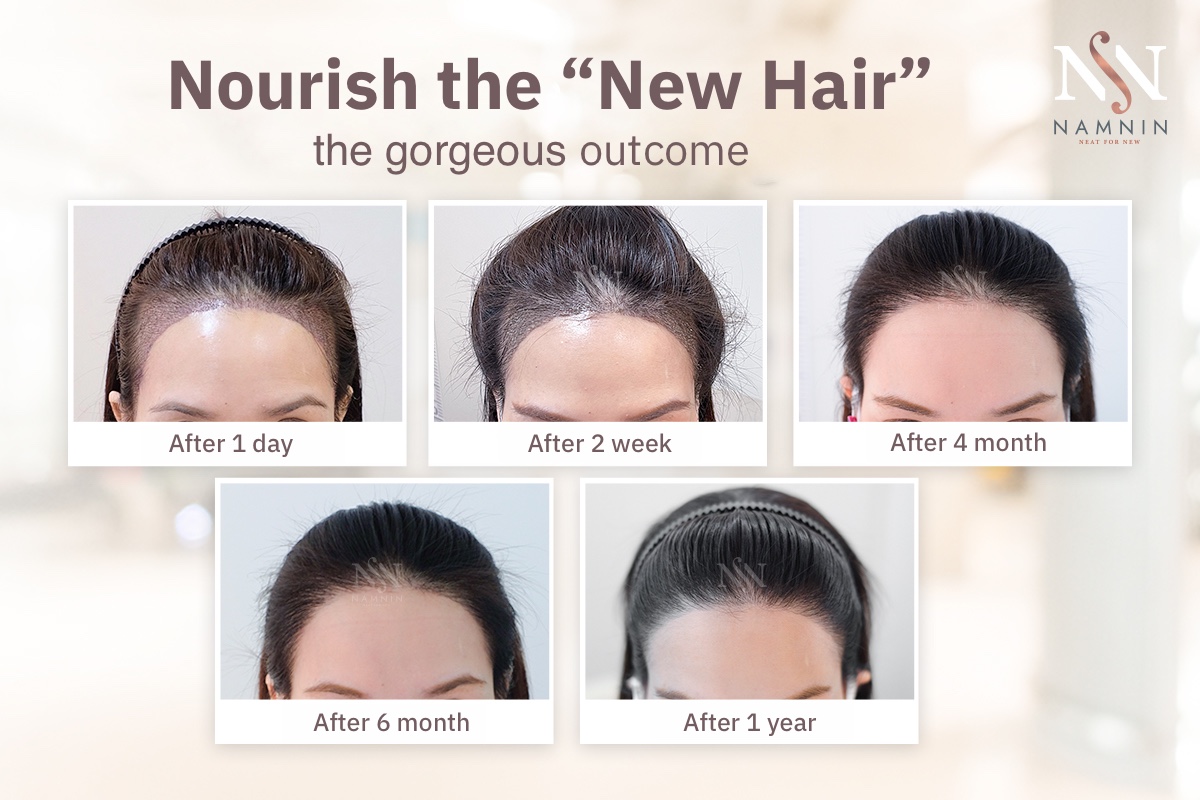
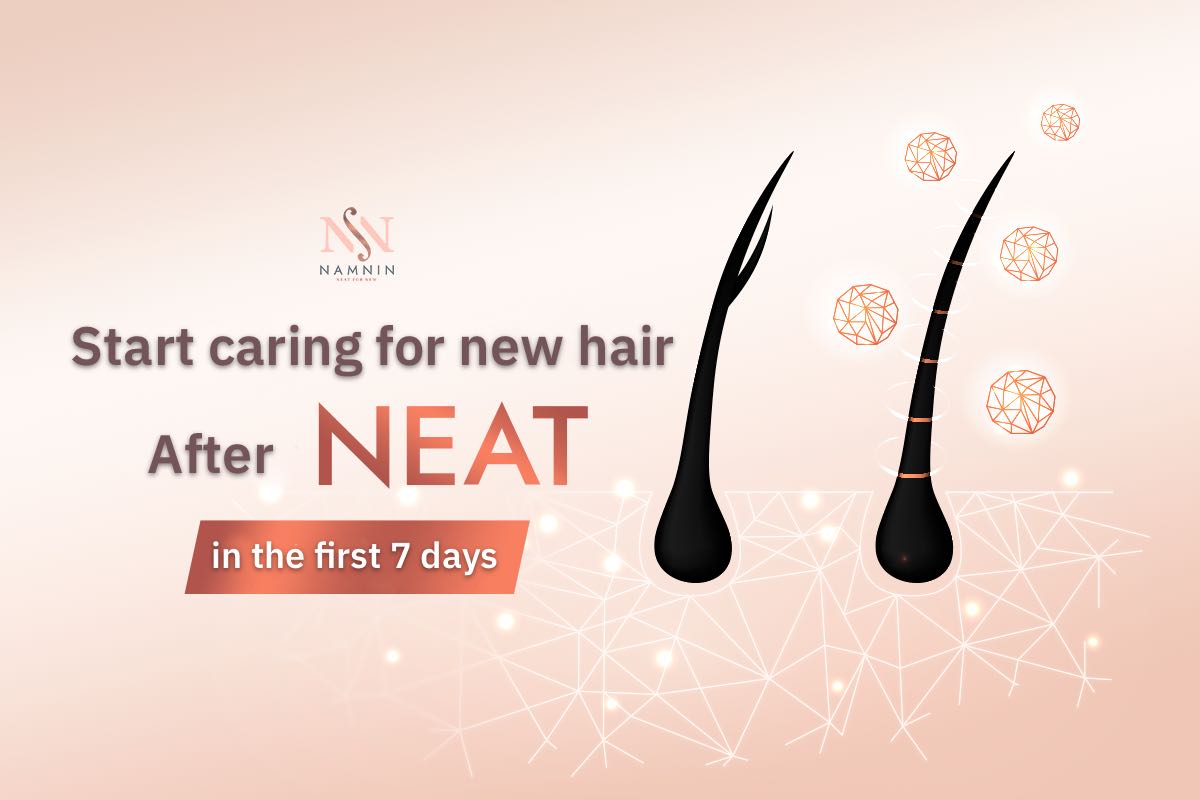
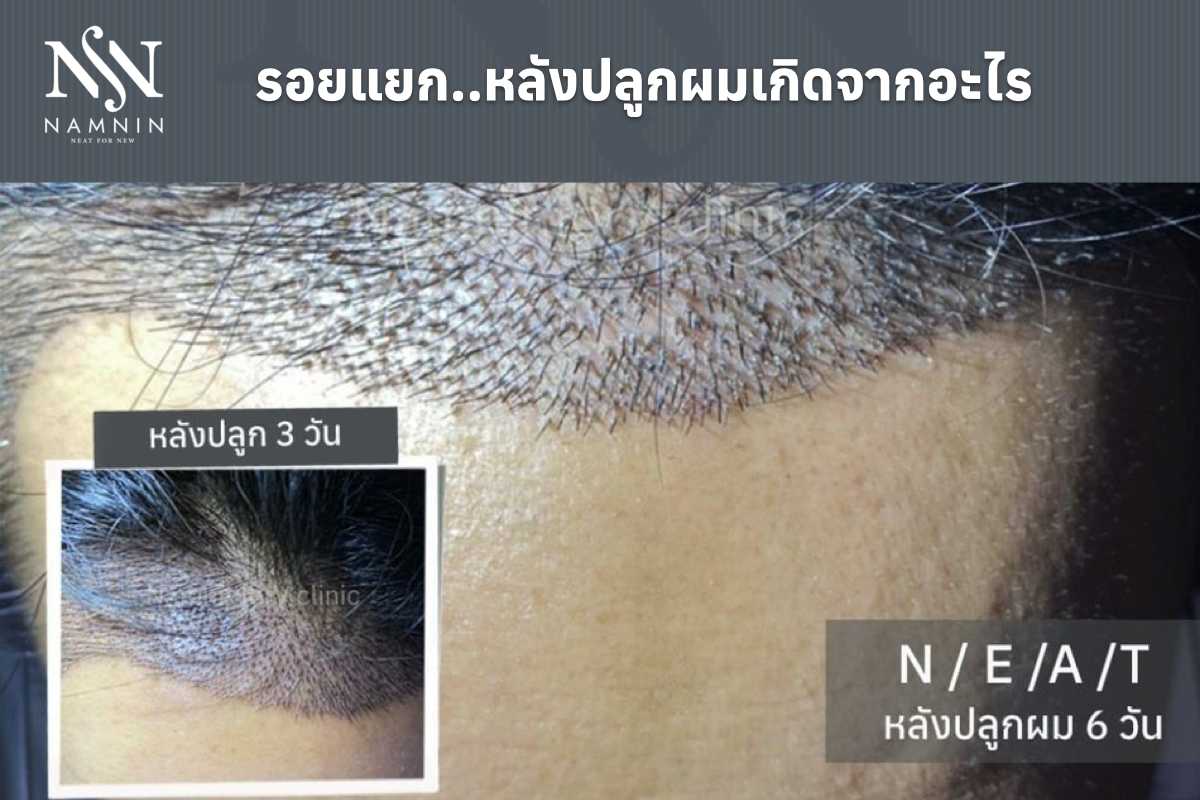
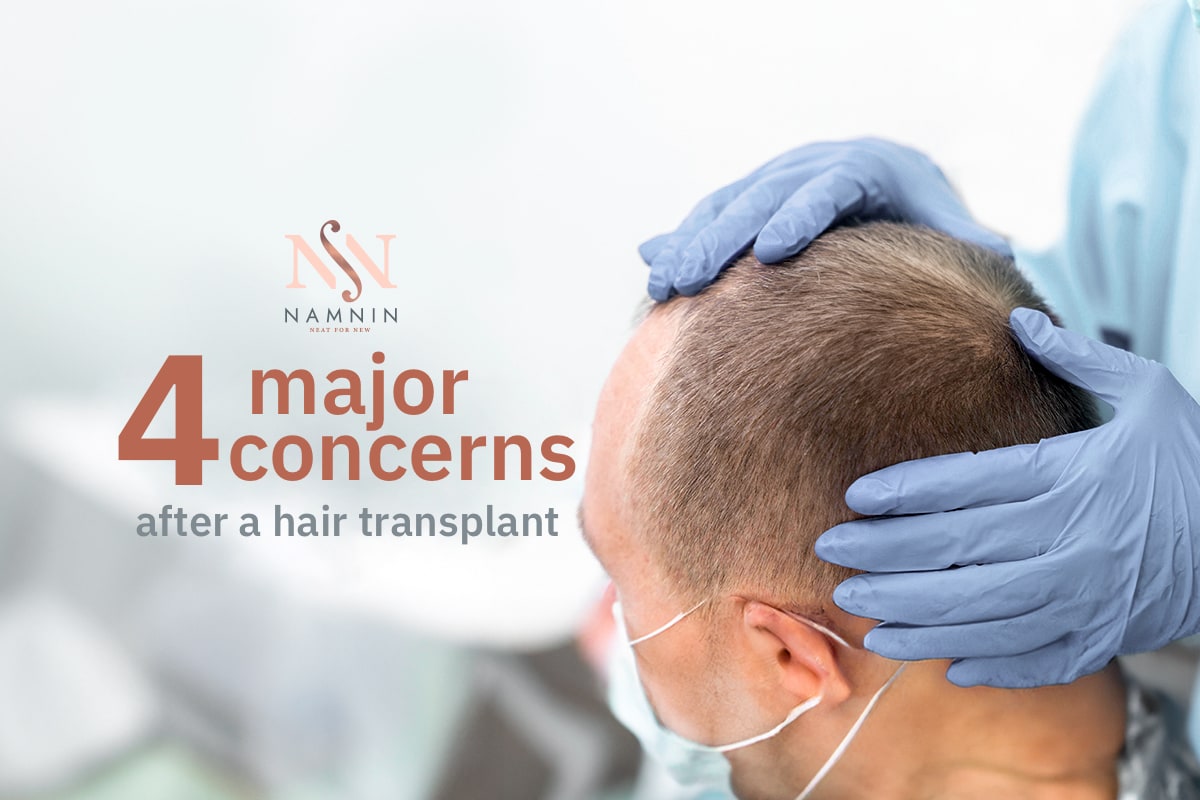
“Hair transplantation does not end on the day you leave the clinic.” One of the concerns many people have is what happens after the procedure. At Namnin Clinic, Dr. Nin provides care from the first day of the hair transplant through the gradual growth of the transplanted hair and the progression toward a more visible result. Follow up and guidance are also provided for 1 year after the hair transplant to monitor hair development and provide appropriate hair care recommendations.
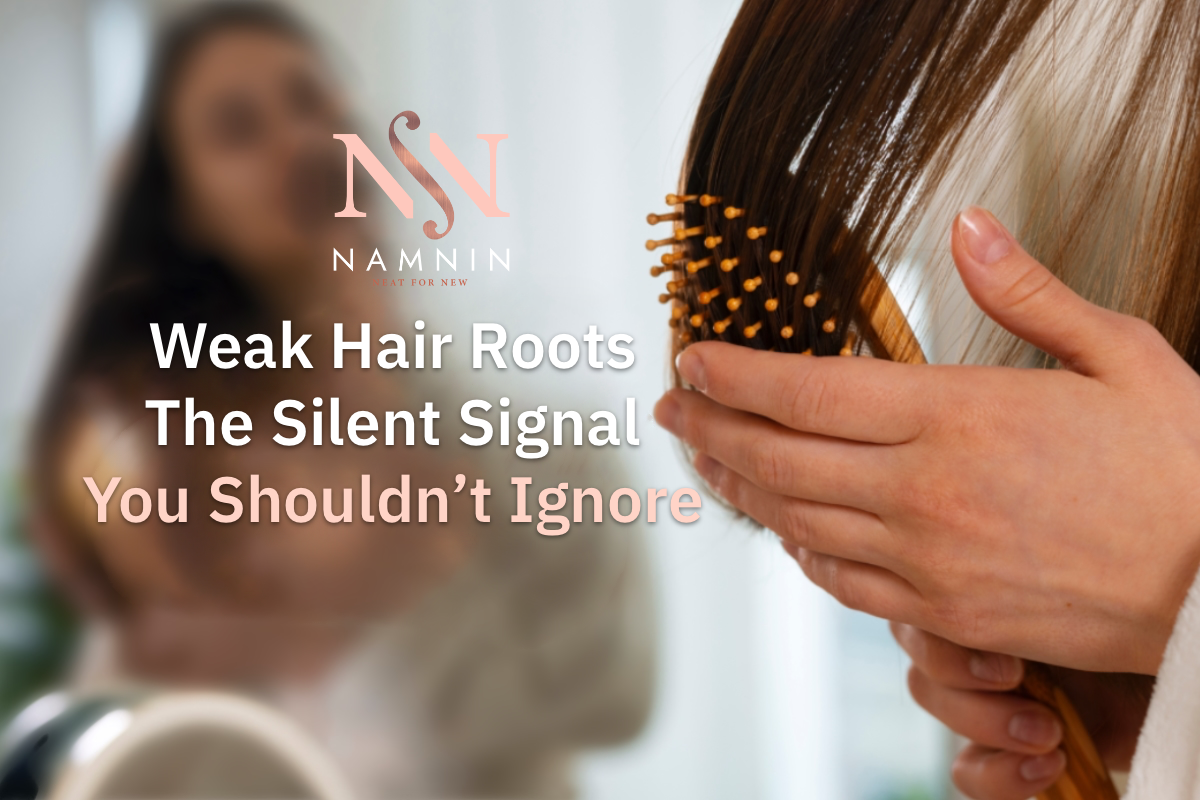
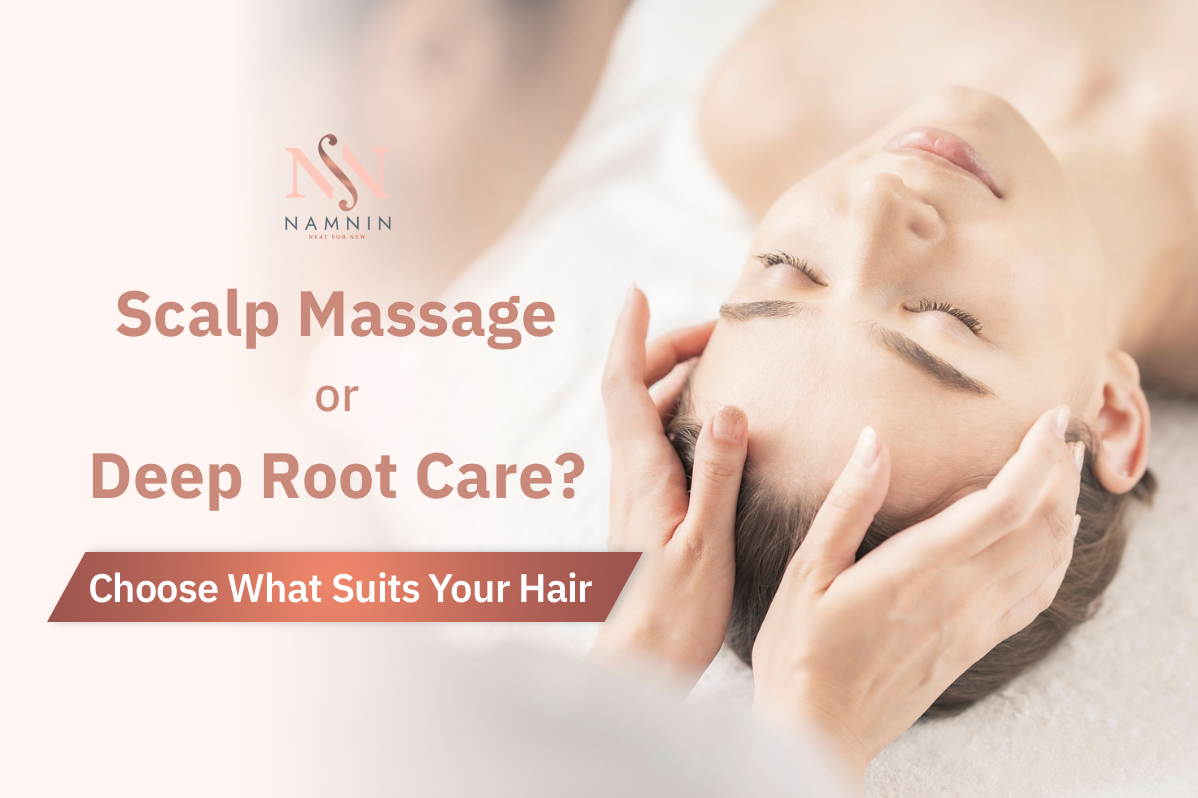
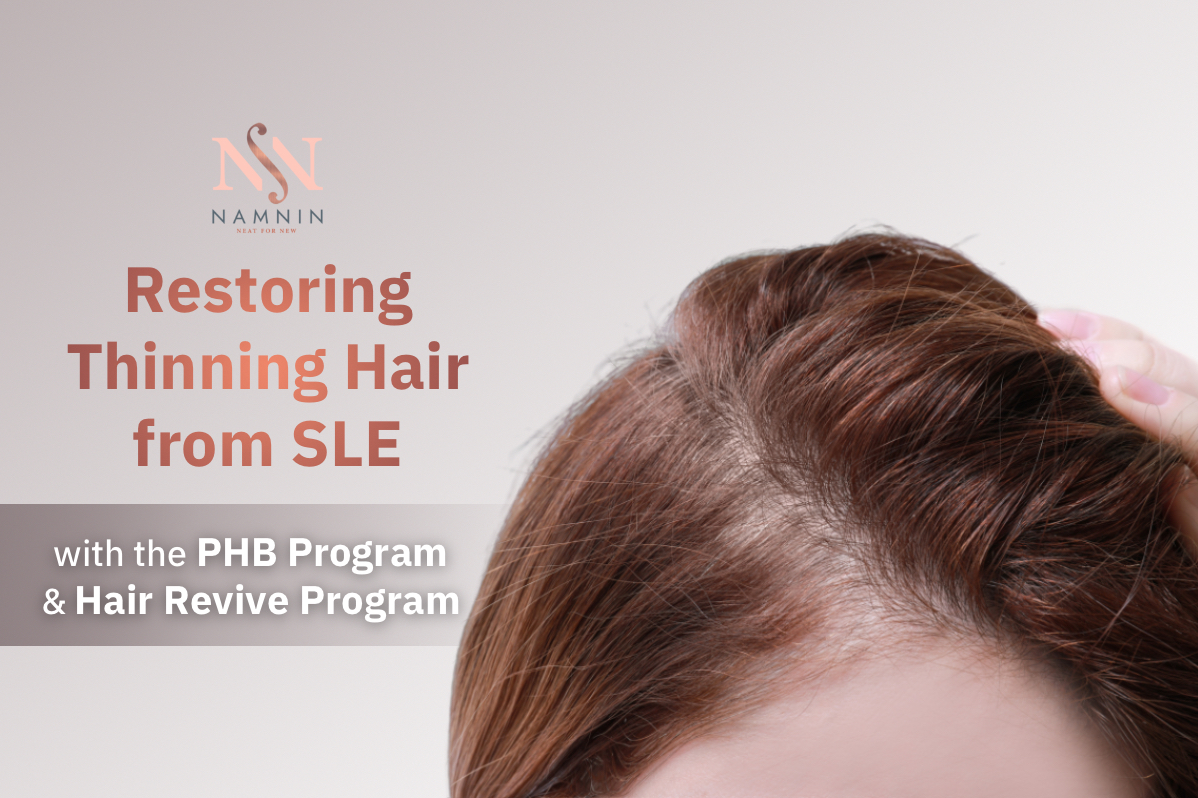
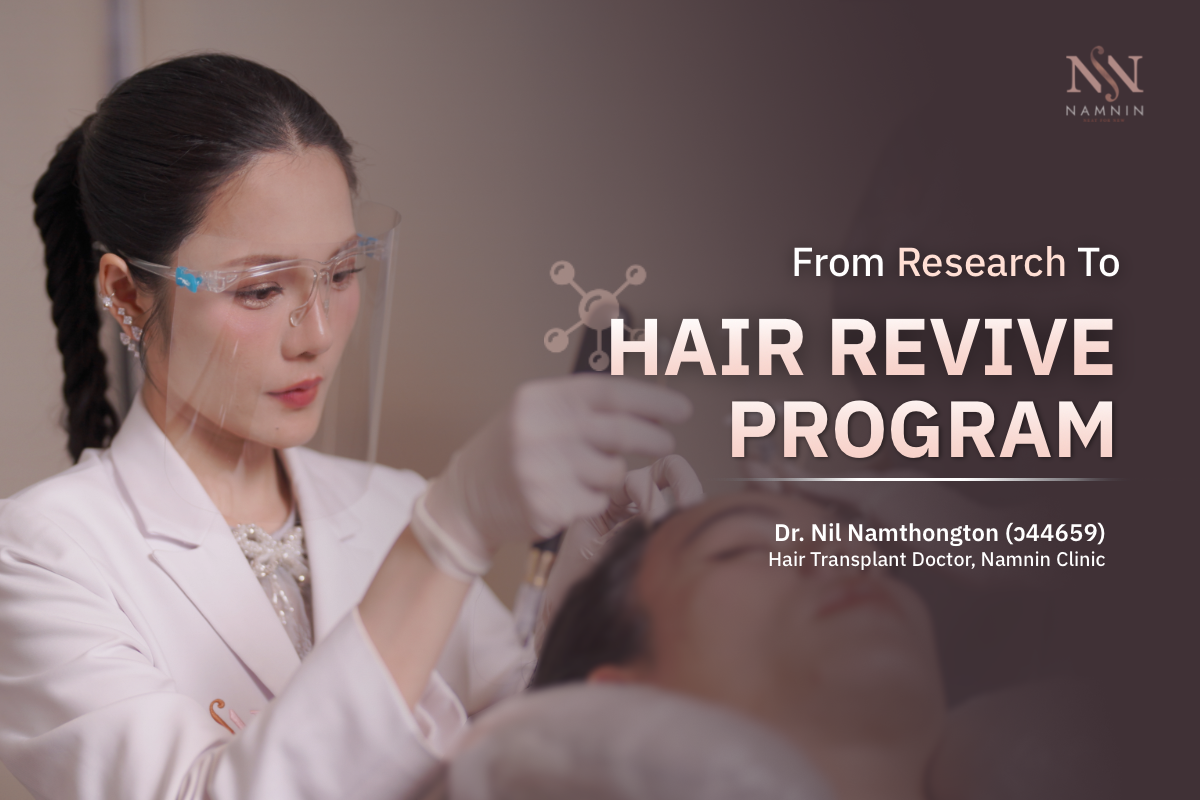
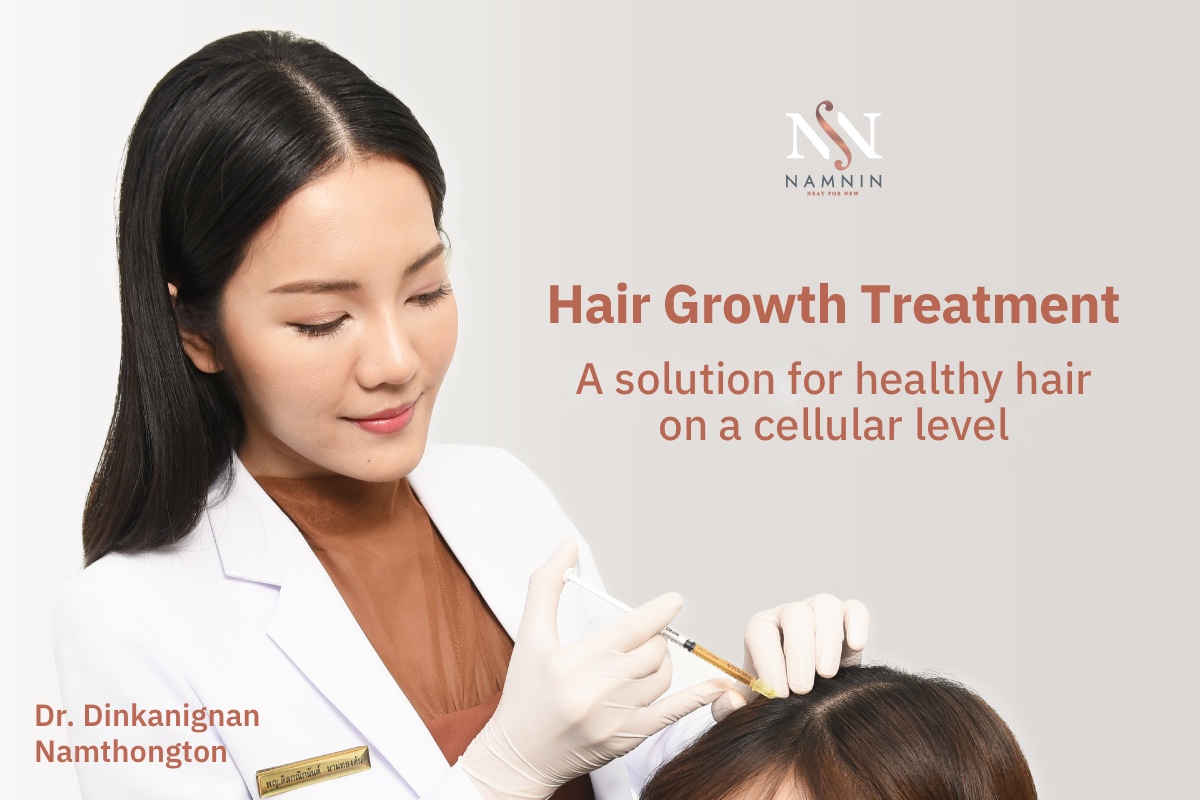
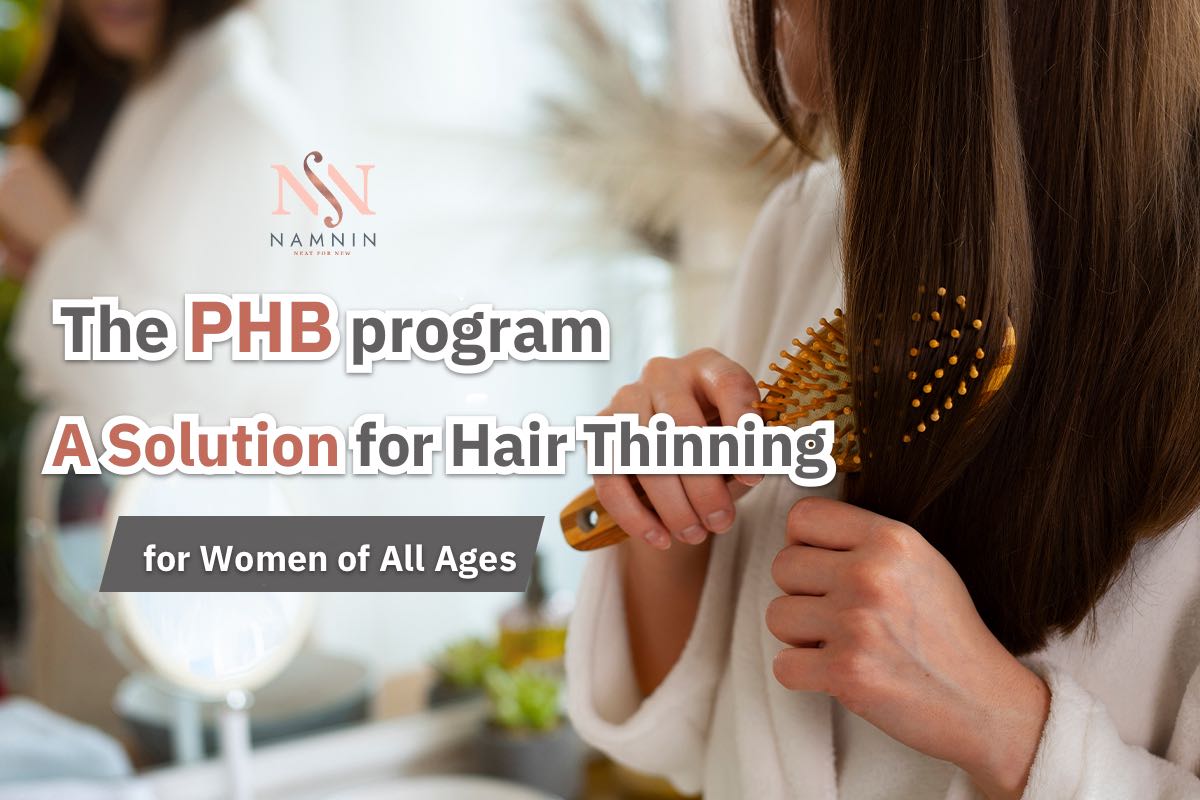
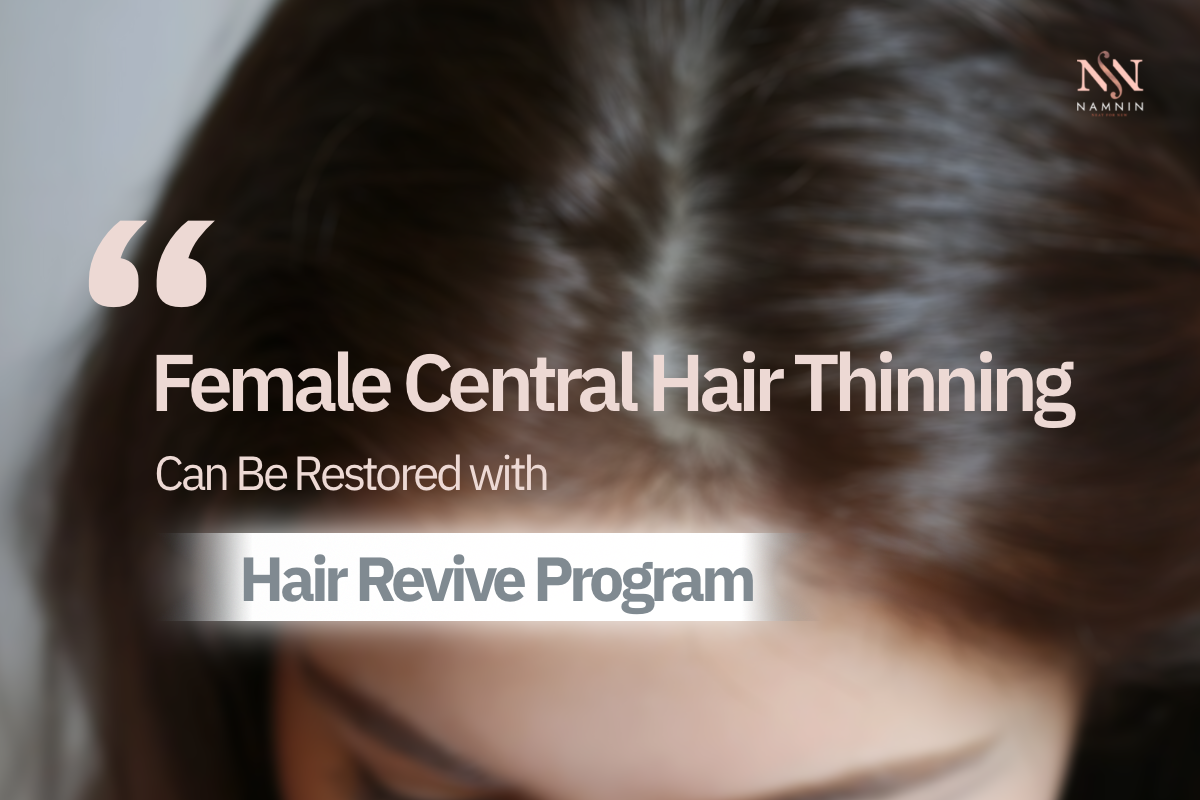
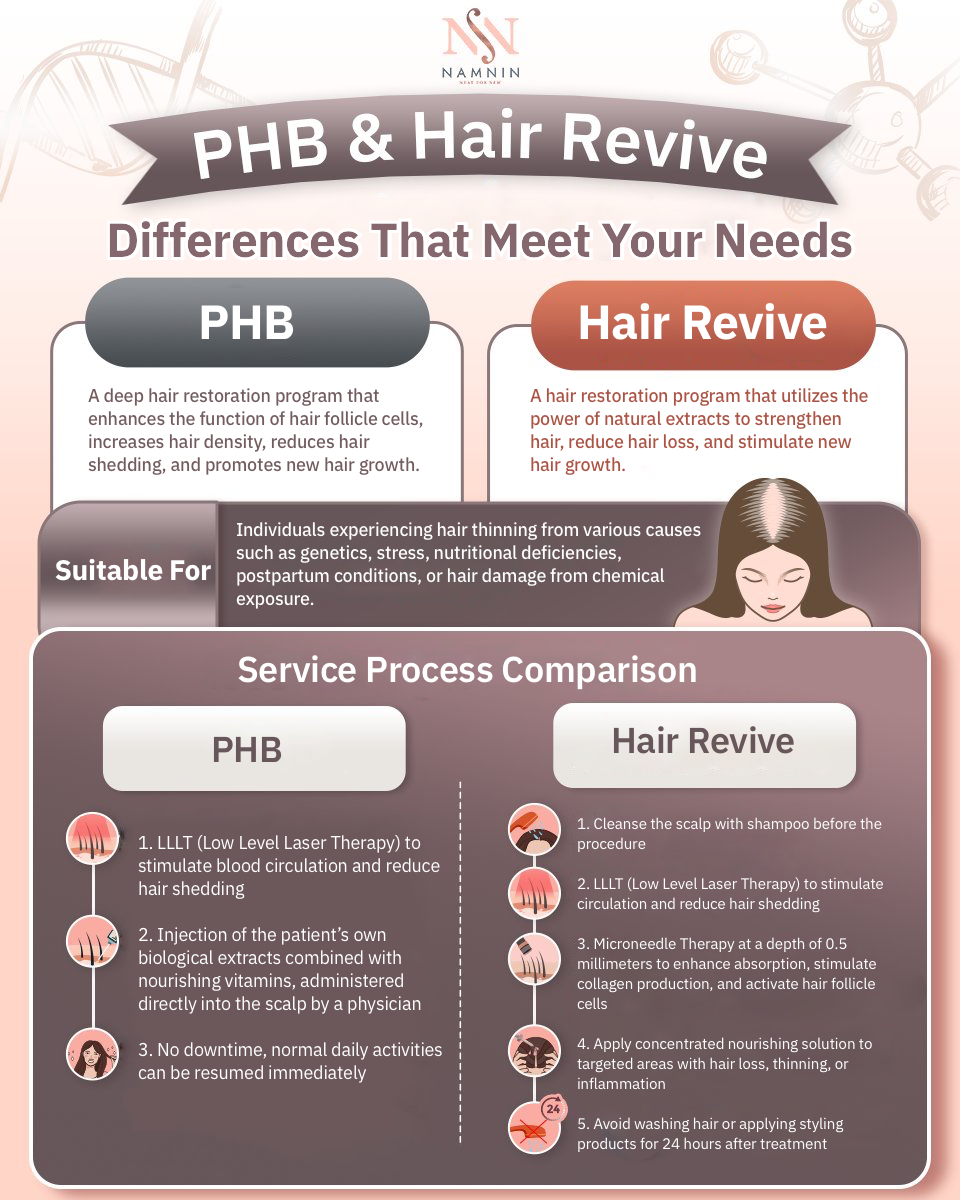
For those who do not have a receding hairline but experience hair loss, thinning hair, or reduced hair density across the scalp, care focuses more on restoring and supporting the strength of the hair roots. The clinic offers the PHB Program and Hair Revive Program, which use slightly different approaches and techniques. Dr. Nin will assess each individual’s hair condition and recommend the approach that is appropriate for their needs.
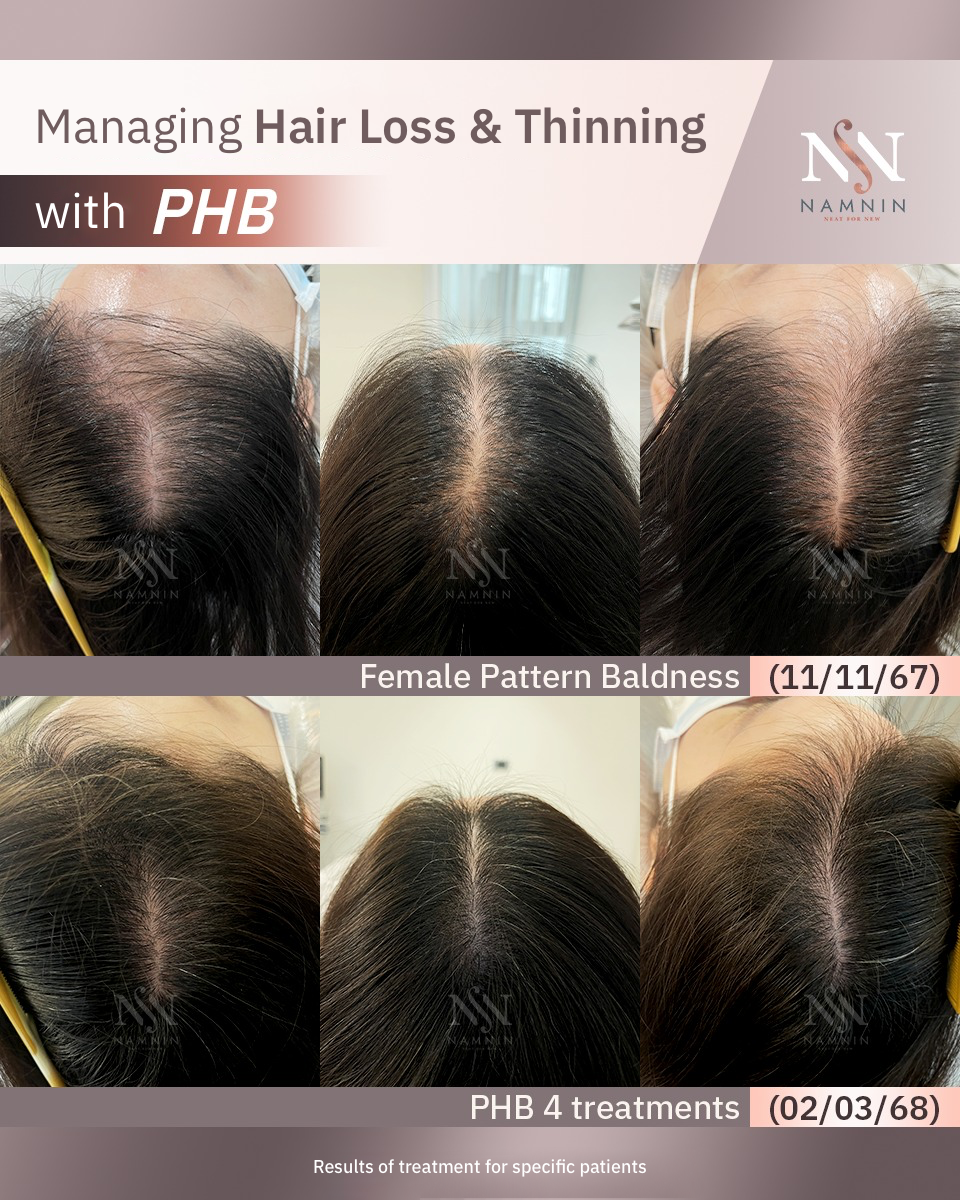
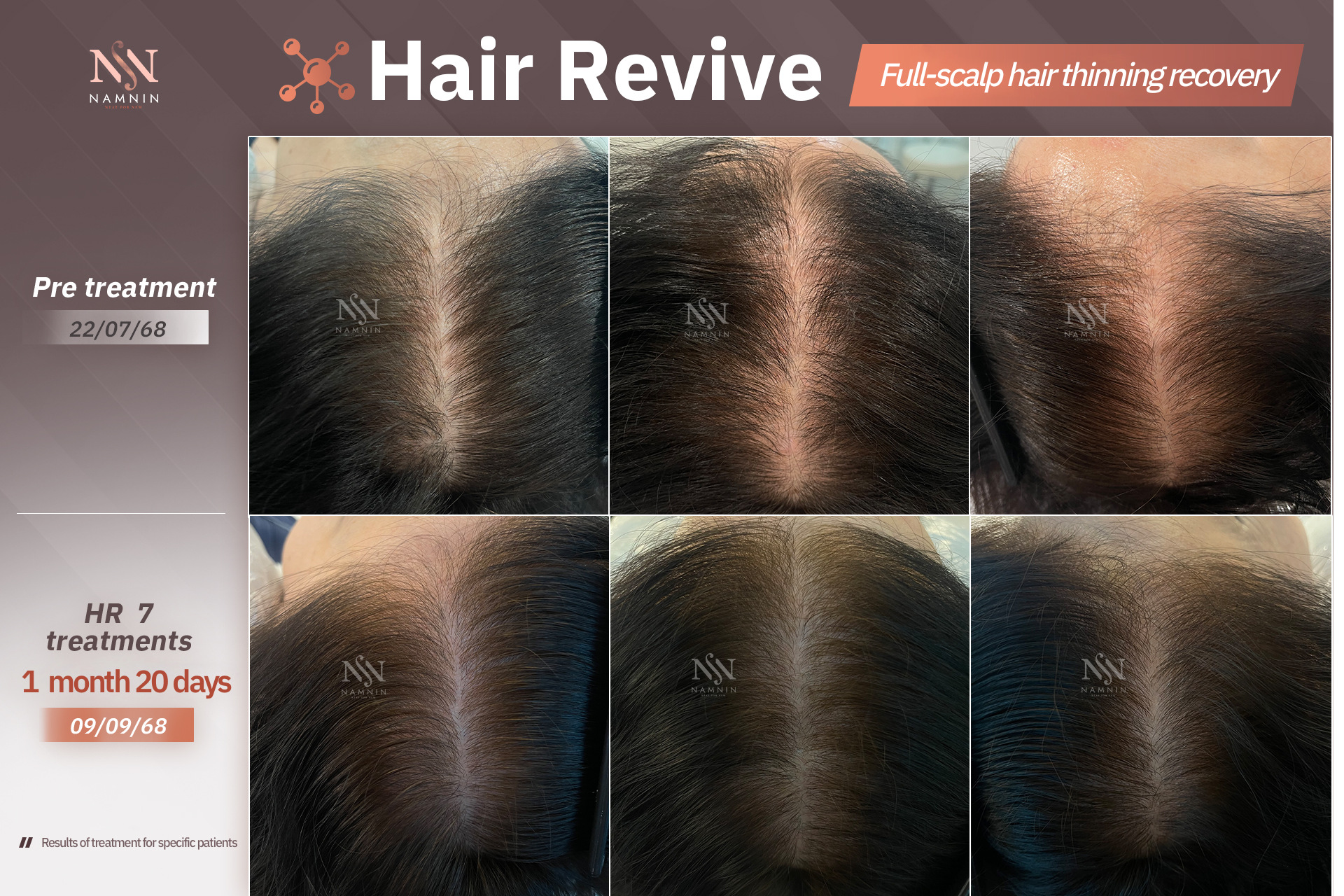
The PHB Program involves injecting nourishing substances into the scalp to directly support and replenish the strength of the hair roots. It is suitable for those who want to care for hair that has begun to weaken and help it look stronger, more vibrant, and healthier. Meanwhile, the Hair Revive Program is designed for people seeking deeper scalp care through Microneedle Therapy, which uses fine needles to gently stimulate the scalp before applying targeted nourishing products. The nourishing products are then applied to support the strength of the hair roots over the long term.
For those who have undergone a hair transplant, continued care of both the hair roots and the existing hair remains important. Newly transplanted hair and the existing hair on the scalp both require appropriate care. Programs such as the PHB Program or Hair Revive Program may therefore be incorporated into post transplant care according to the doctor’s recommendations.
Hair may not change noticeably all at once, but it can gradually send us small signals to observe, whether it is a widening hair part, a thinner looking ponytail, or a hairline that has changed from before. If you begin to feel that your hair is no longer the same, take a moment to pay closer attention to yourself. If these changes continue, consulting a doctor to understand the underlying causes and choose an approach that is appropriate for you may help you feel less alone in dealing with your concerns. Starting to care for your hair today is not about changing who you are. It is about wanting to feel confident and happy with yourself every day.