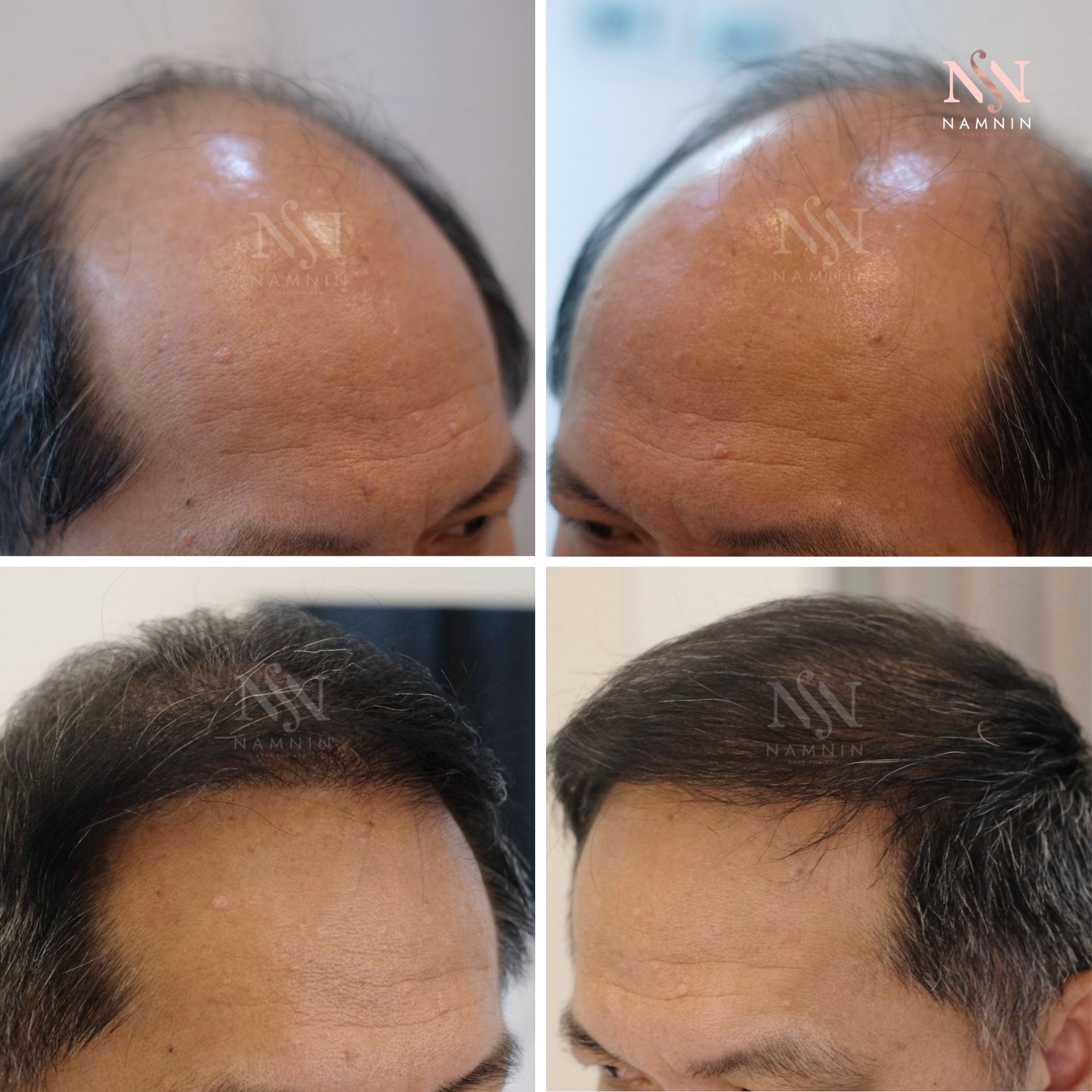
Even when permanent hair transplants are performed using the same technique, by the same medical team and assistants, and with the same standard equipment, this does not necessarily mean that the results will be identical.
This is because the most important factor is the individual patient. Each person has different hair and scalp conditions, unique concerns, and individual expectations. These factors make a personalized treatment approach essential to ensure that the procedure is tailored as closely as possible to each patient's needs.
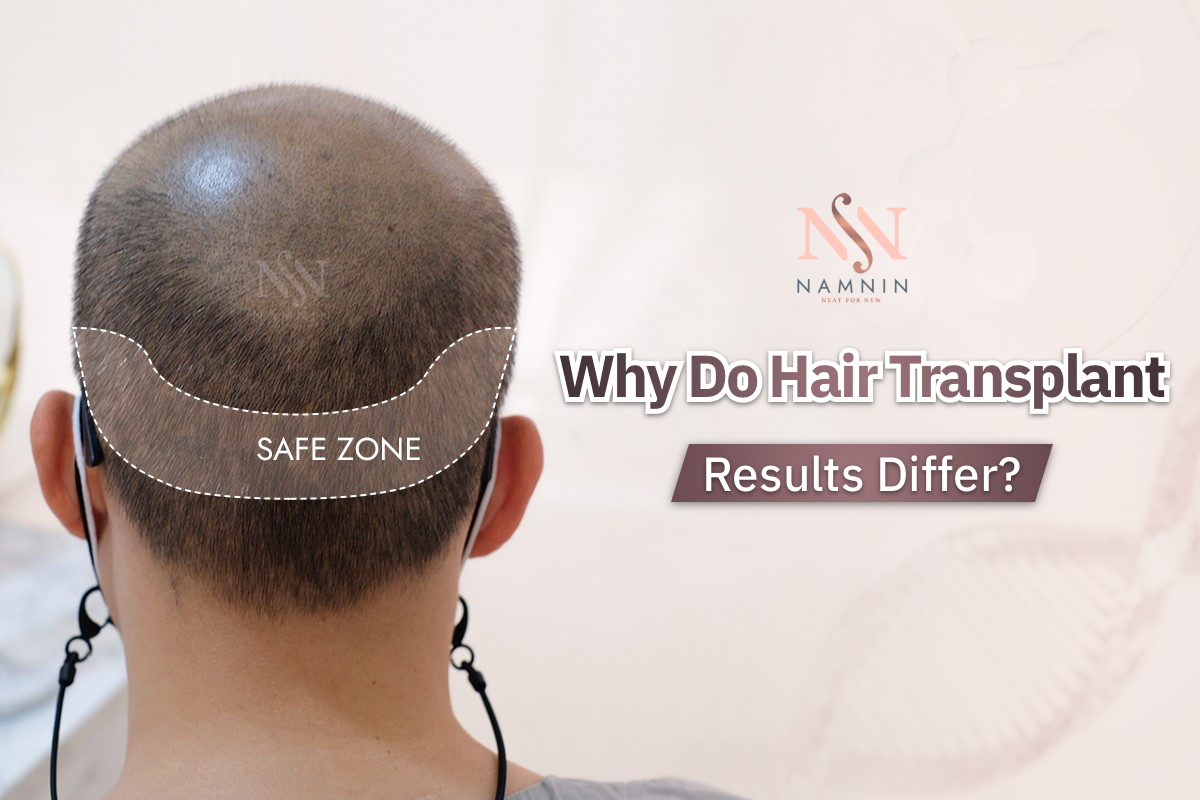
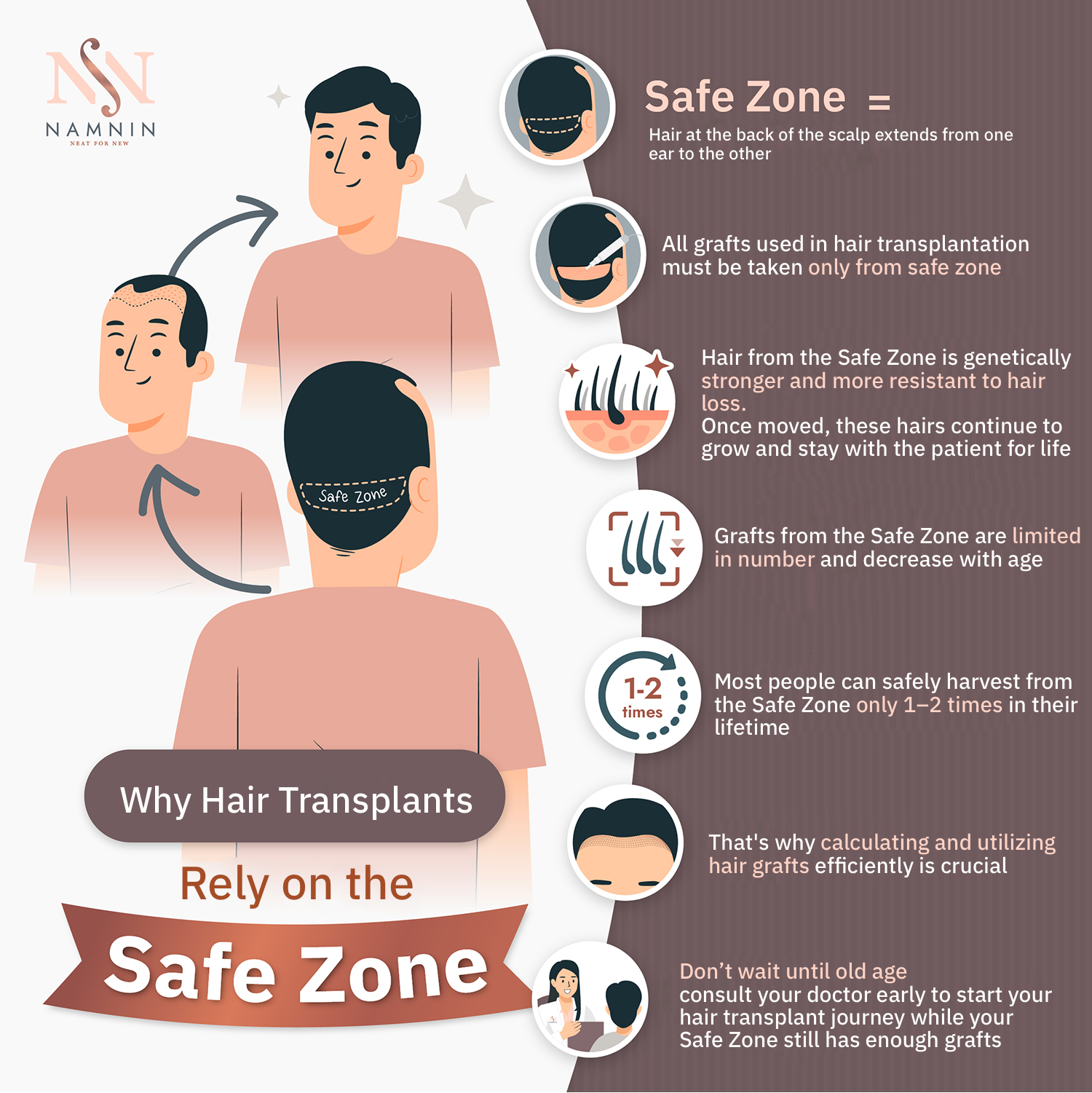
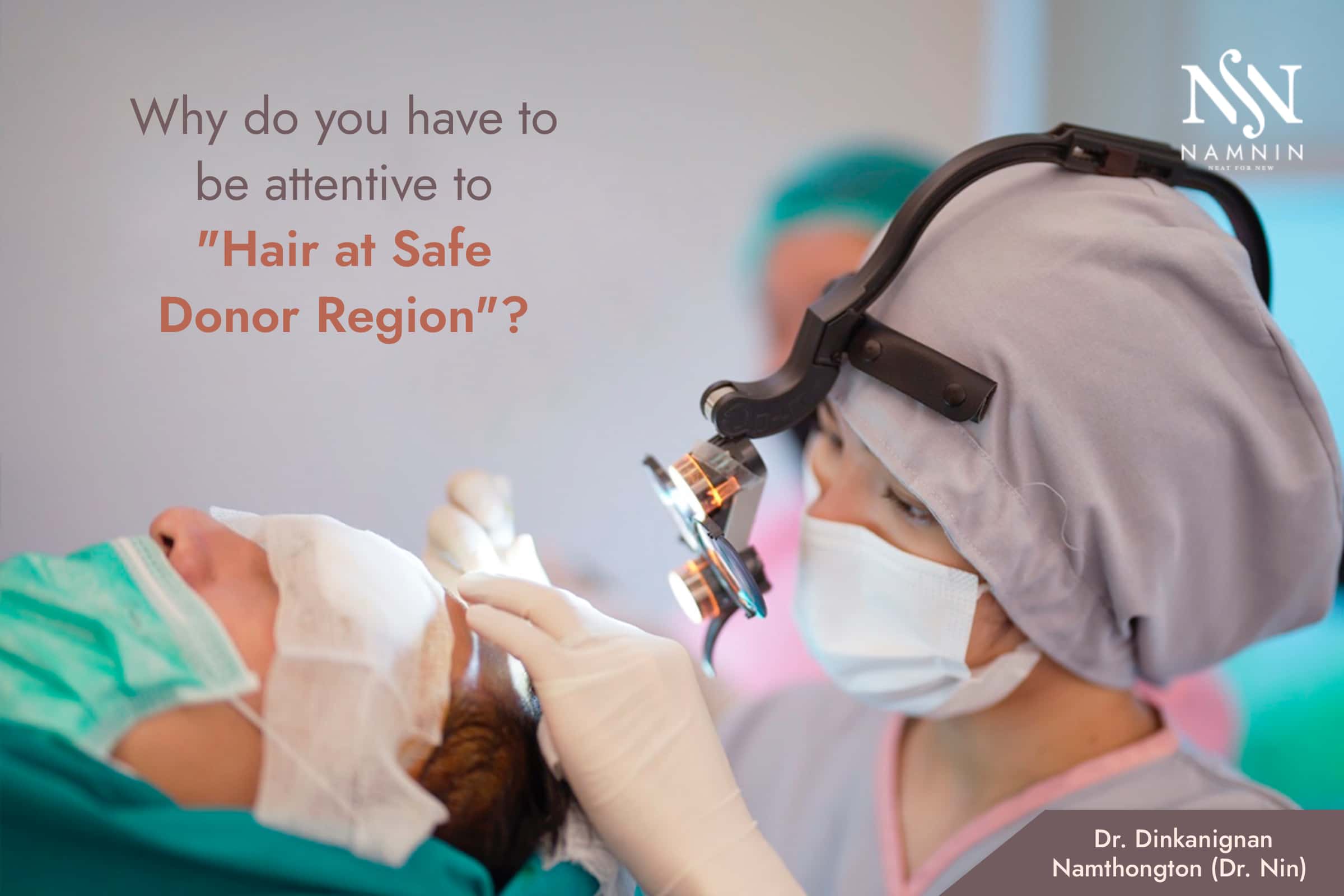
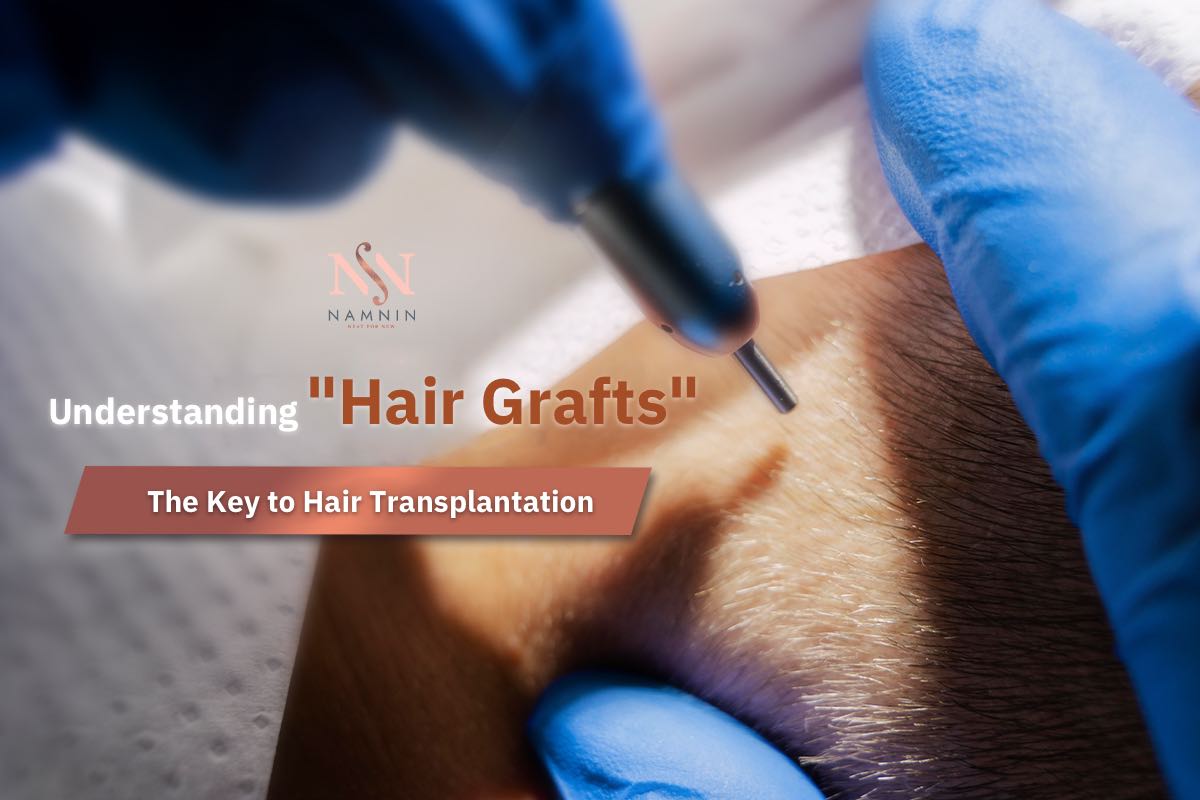
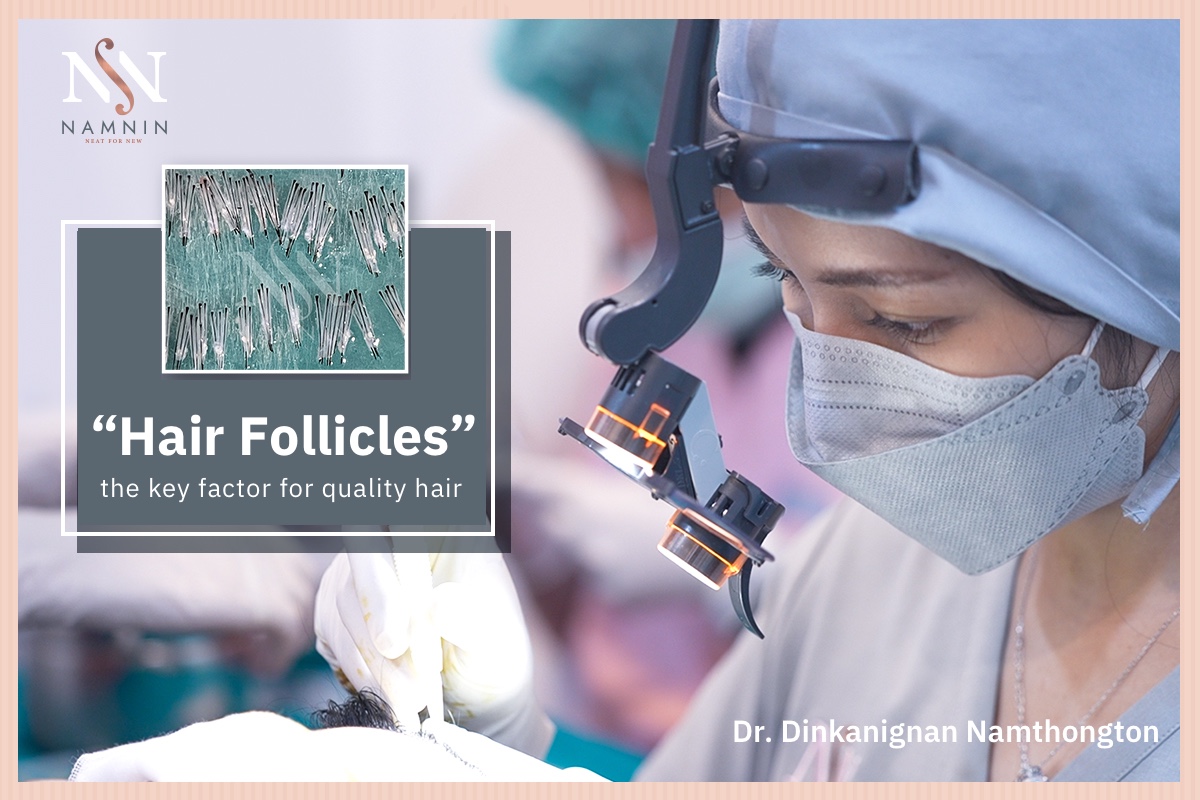
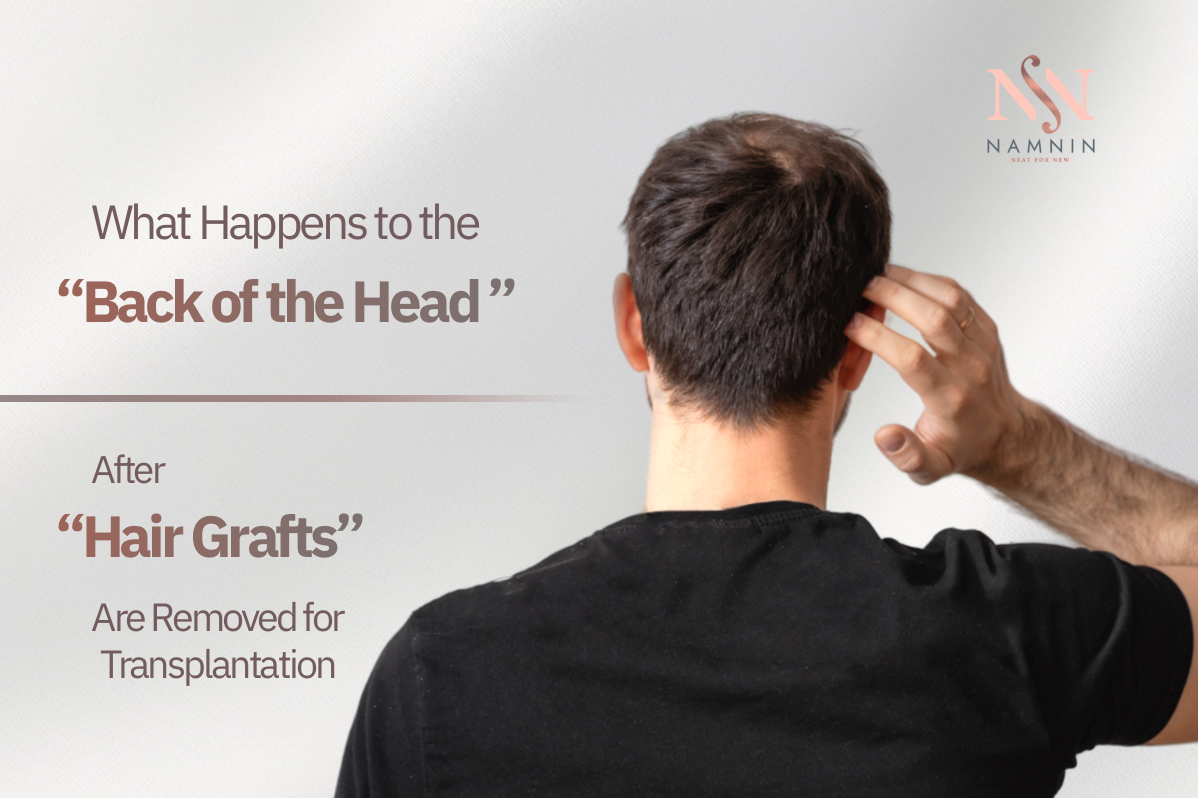
Namnin Clinic invites you to take a closer look at the quality and characteristics of donor hair grafts, which are one of the main factors contributing to differences in hair transplant results. Donor hair grafts refer to groups of hair follicles that the physician extracts from the back of the scalp, specifically the occipital area, to be transplanted into areas affected by hair loss or thinning. This area, known as the Safe Zone, contains hair follicles that are generally stronger and more resistant to the effects of DHT (dihydrotestosterone), a hormone that can cause premature hair loss.
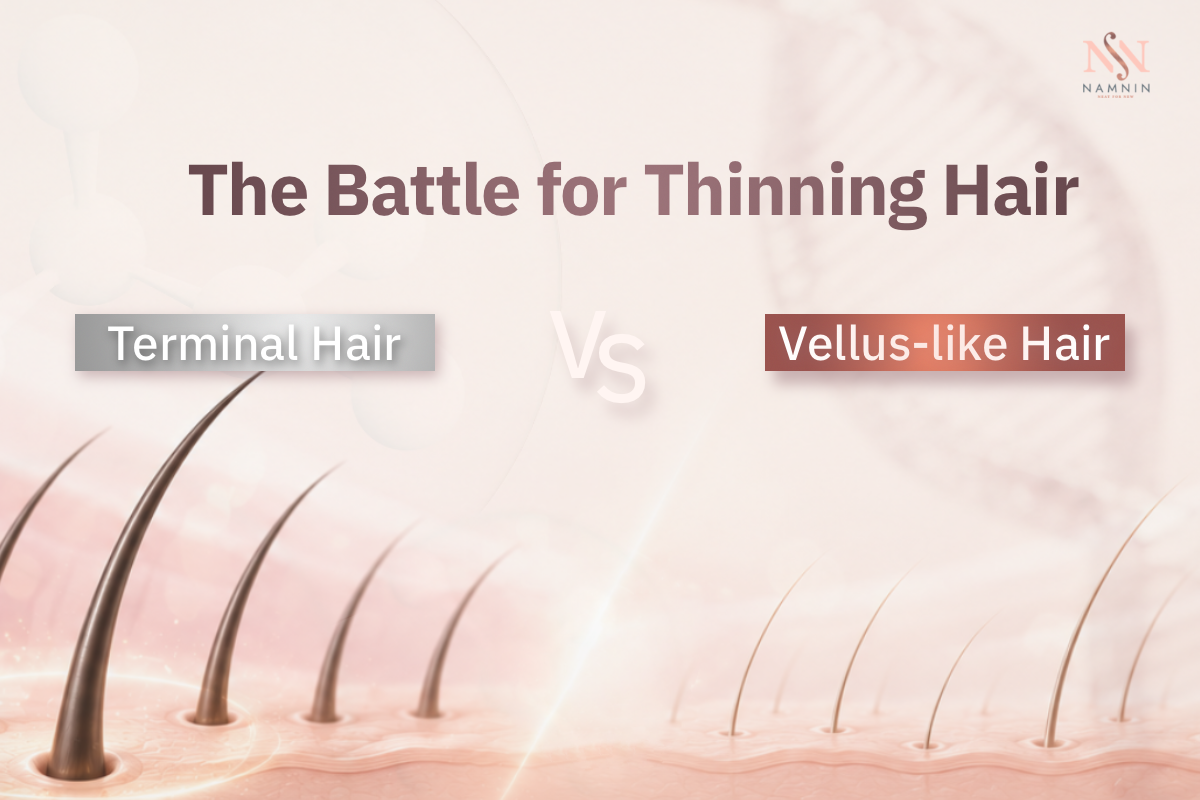
Hair Shaft Thickness
Fine, thin, weak hair that lacks adequate nutritional support is more susceptible to trauma, damage, and shedding than thick, coarse, and strong hair.
- Number of Hair Strands per Graft
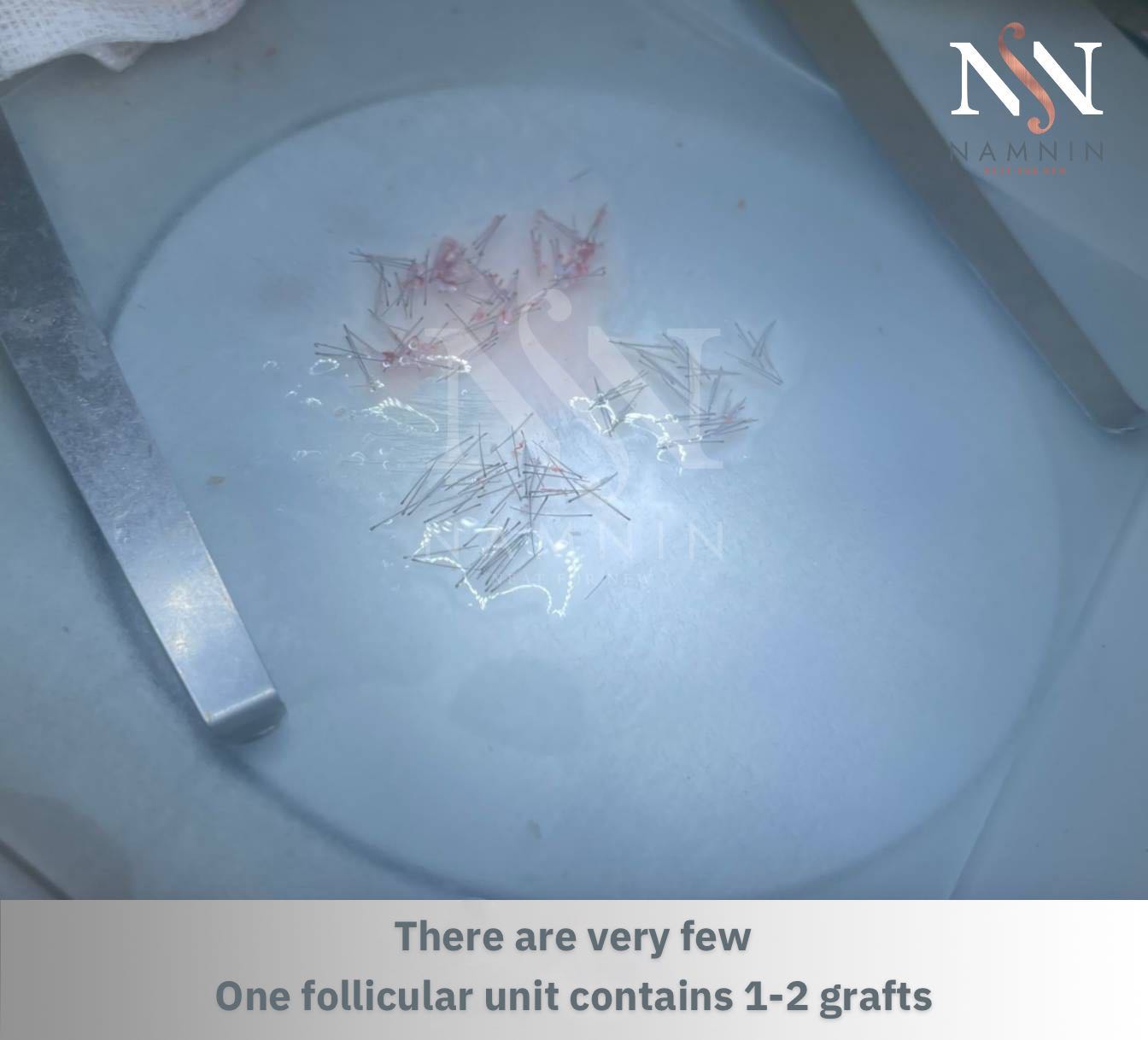
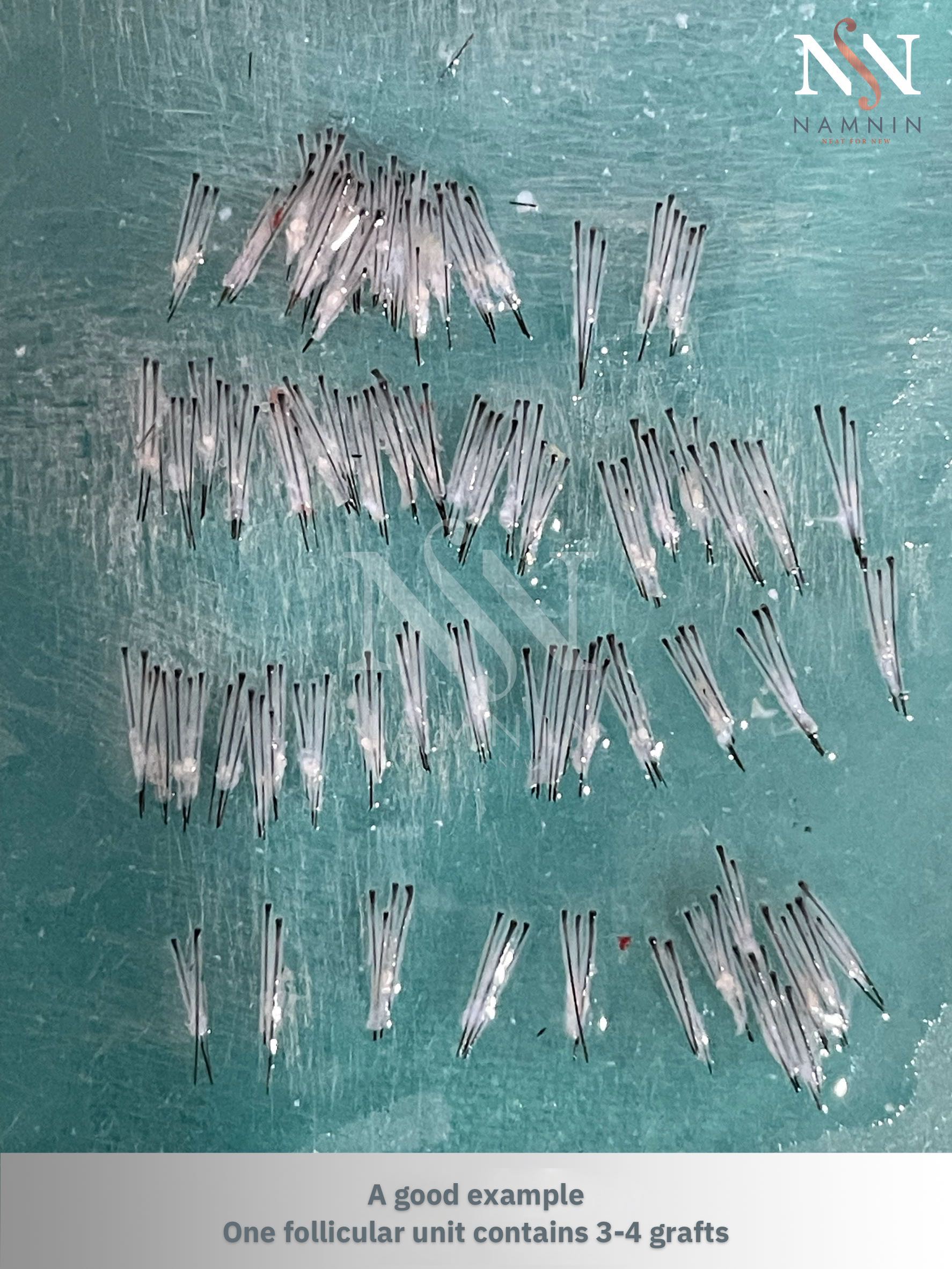
Each hair graft typically contains 1 to 4 hair strands that share the same follicular unit. Some individuals have fewer hair strands per graft, such as only 1 or 2. When these grafts are transplanted, they may provide less coverage and density in thinning areas compared to grafts containing more hair strands, even when the same number of grafts is used.
In addition, individuals with more hair strands per graft, such as 3 to 4, may have greater flexibility in graft preparation, as the grafts can be carefully dissected and separated for use in different areas.
- Hair Root Characteristics
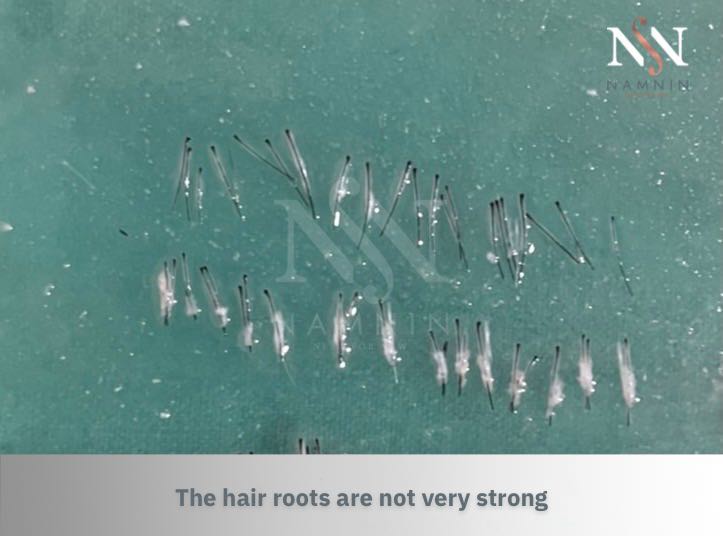
Hair transplantation differs from general cosmetic surgery because it requires the use of the patient's own hair follicles. The hair is transplanted together with its roots. Therefore, the characteristics of the hair roots, including their strength, condition, and length, also influence the outcome of the procedure.
When hair roots can become securely established within the scalp and connect effectively with the capillary blood supply to receive adequate nutrients, the transplanted hair is more likely to grow successfully, increasing the likelihood of a favorable hair transplant outcome.
These are the fundamental factors physicians assess when evaluating donor graft quality, along with overall scalp health. This assessment helps determine an appropriate treatment plan and calculate the number of grafts required for transplantation.
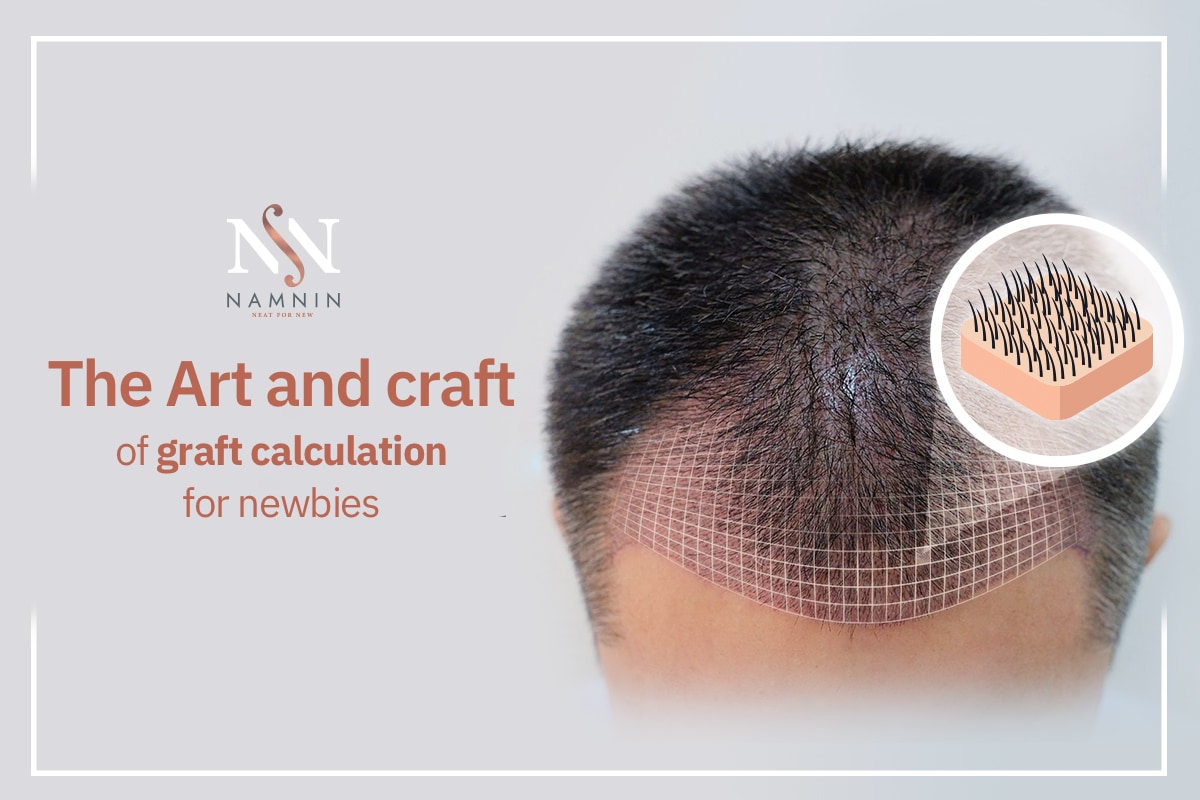
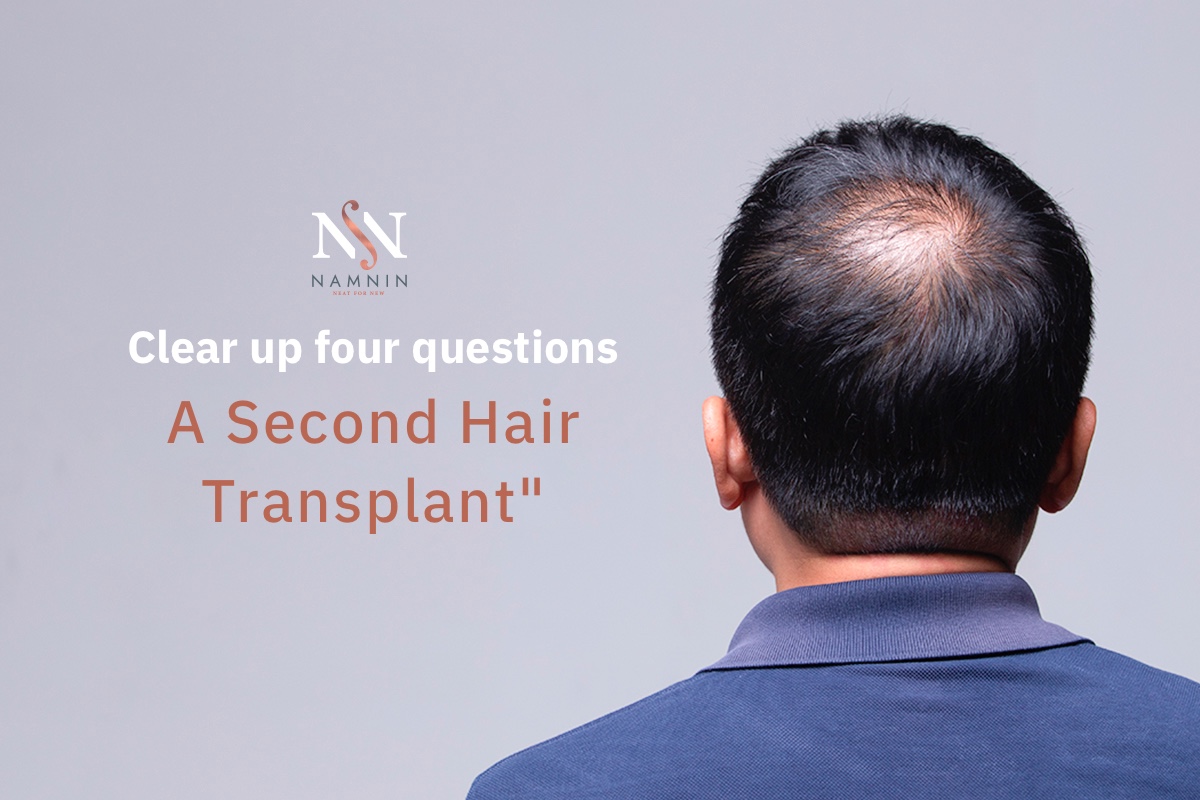
Since the supply of donor hair grafts is limited, physicians must plan their use carefully and efficiently. Sufficient hair must remain in the back of the scalp to prevent the donor area from appearing unusually thin. Once a hair graft and its root have been extracted, new hair will no longer grow from that follicular opening. Importantly, physicians also take future needs into consideration, as some patients may require a second hair transplant in certain circumstances.
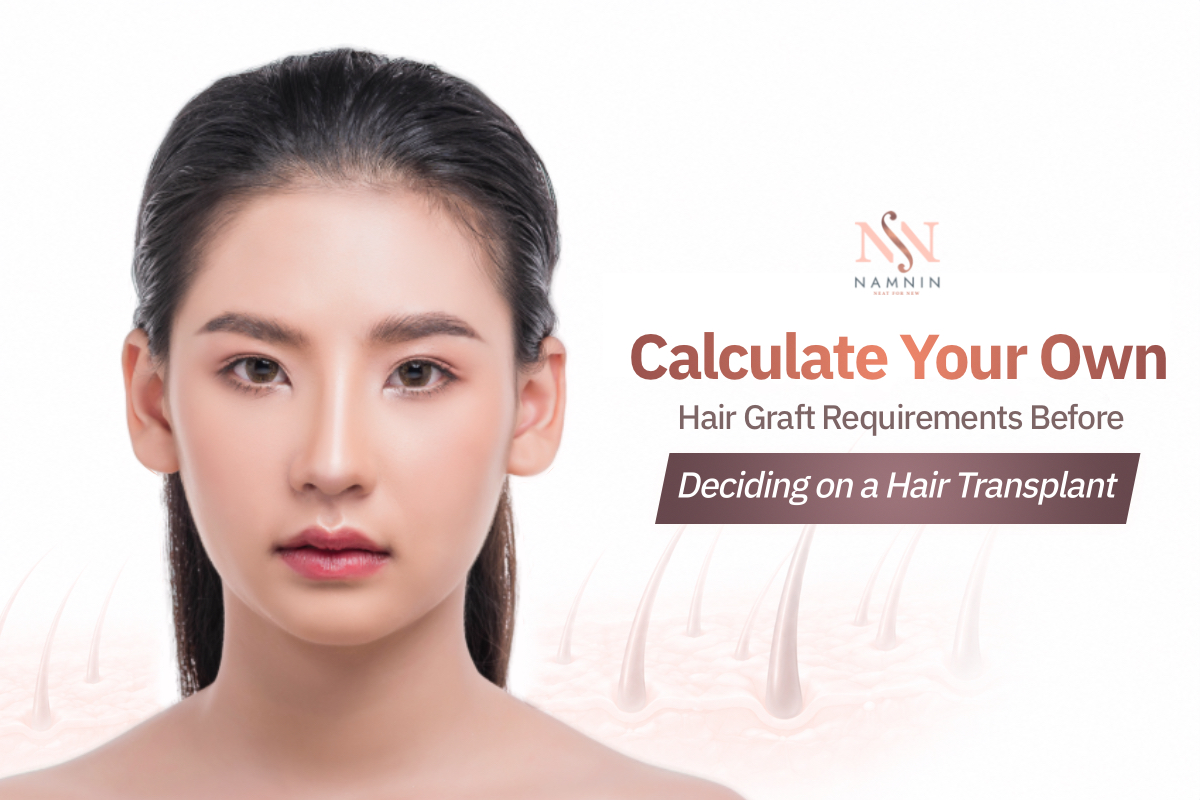
A general basic formula for estimating the number of hair grafts required is to multiply the area of hair thinning, measured in square centimeters, by 60 grafts per square centimeter. However, this formula can be adjusted to suit each patient's individual needs.
If you have questions about hair transplantation, you can consult with a physician as soon as you begin noticing signs of hair loss or thinning. The earlier treatment begins, the greater the opportunity to restore hair density.